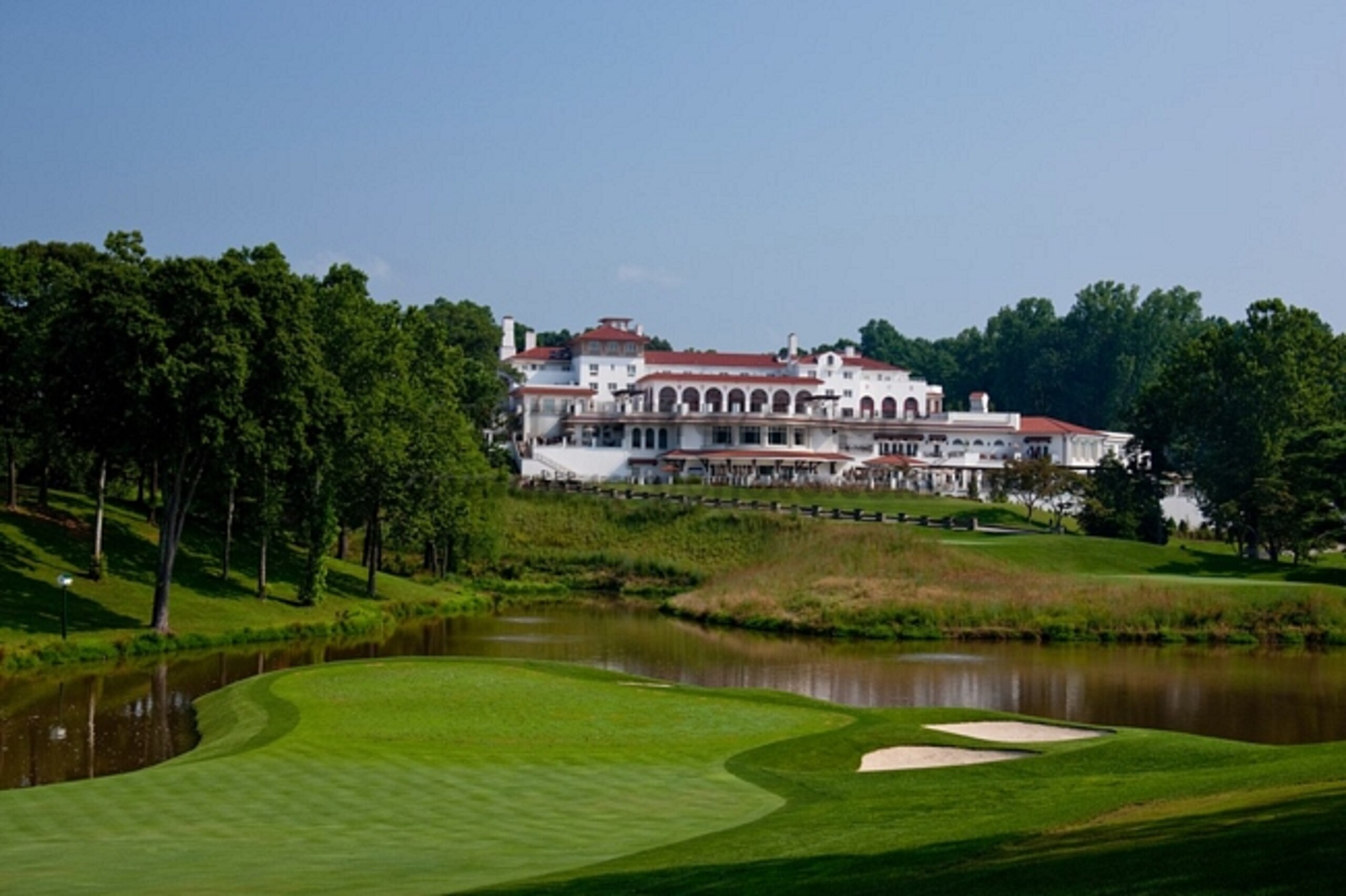

US Open Golf 2011: An Inside Look at Congressional
Florida's Doral has earned the nickname "The Blue Monster" for good reason. But come Thursday it's Congressional's Blue Course that will have the pros shaking in their spikes. At 7,574 yards, Congo will play as the longest course in U.S. Open history. That's Bubba Watson long!
In high school I had the opportunity to caddy hundreds of rounds at Congressional. I remember the buzz that permeated the club as it prepared for the 1997 Open. I remember sloshing around the Blue Course in 100-degree heat, imagining where the pros would be hitting from, trying to guess the winning score.
The course is a bit different this go around, but one thing is certain: It's a beast. Here are a few Congressional nuggets to keep in mind as the golf world prepares to descend on the real Blue Monster.
1. Say Goodbye to the Par-3 Finish
1 of 9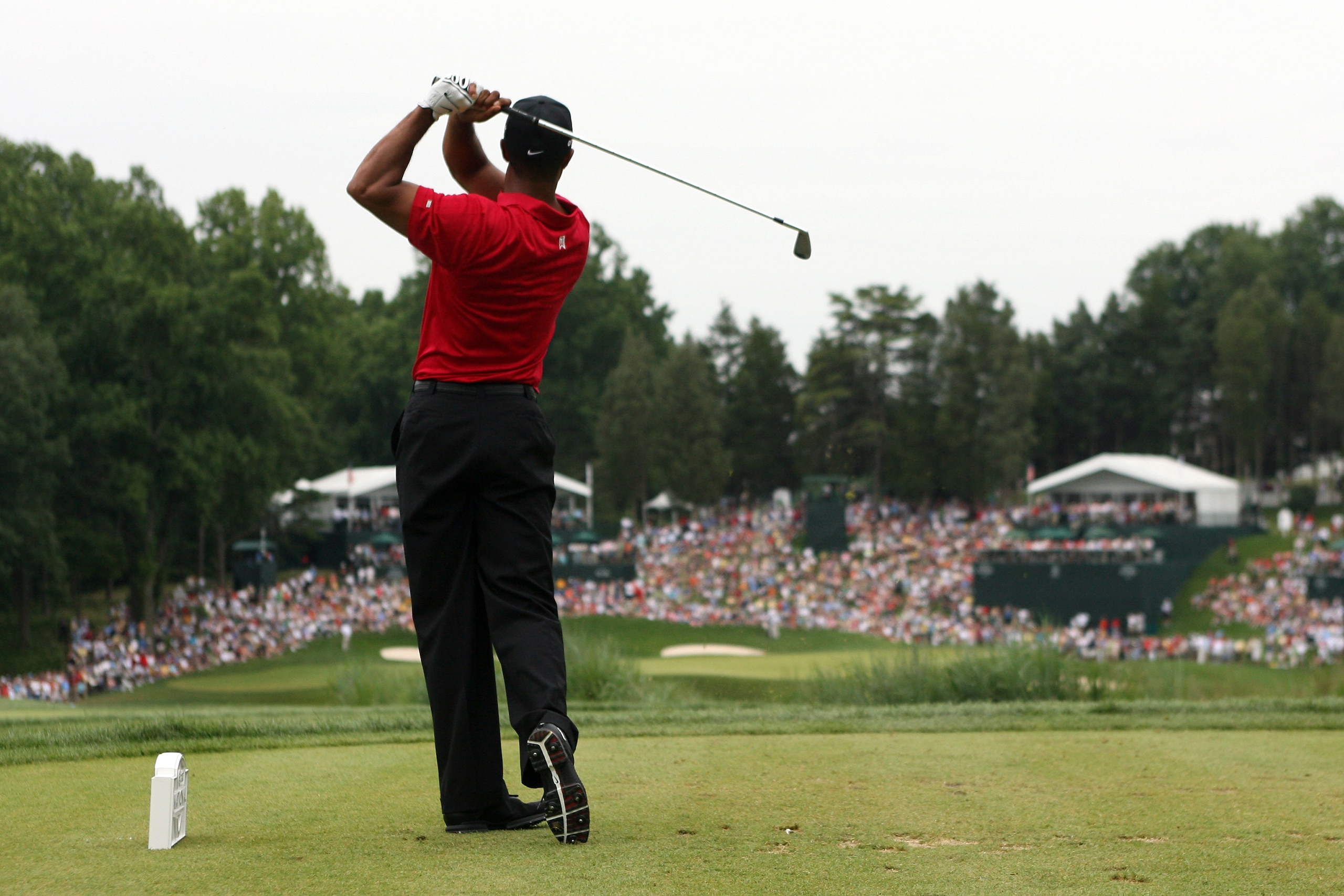
When Congo hosted the Open in 1997, the USGA decided to play the final hole as a par 3. The rationale was to avoid a cumbersome transition from the ninth green to the 10th tee, and to make use of the natural amphitheatre surrounding the par 3.
Bad decision. You don't finish major championships on a par 3; it's anti-climatic. Plus, the (old) 17th and 18th greens at Congo sat close together. You may remember Colin Montgomery waiting 10 minutes to hit a short putt on 17 while the 18th green cleared. He missed and lost by one. Monty is known to be a bit of whiner, but he was justified this time.
Thankfully, the original 17th hole (now 18) will serve as the finishing hole this year. It's one of the great par 4s in all of golf.
2. No More 36-Hole Finish
2 of 9
We have Congressional to thank for the Open not finishing with 36 holes on Saturday. Pre-1964, that was exactly what happened, but after Ken Venturi almost died walking 36 at Congressional in 100-degree temperatures, the USGA moved the final 18 to Sunday.
Smart move, and a nice Father's Day present.
3. A New 6th Hole
3 of 9
Well, at least a new tee.
The sixth hole played as a monstrous par 4 in 1997. It was absurd really, considering the green is relatively small and guarded by water.
The USGA has added a back tee to the sixth for this Open. The hole will now play as a 555-yard risk-reward par 5. This is a great move. Birdie (and eagle) opportunities can be few and far between in an Open. The pros will have their chance at the sixth, which should be one of the most exciting holes to watch.

.jpg?w=2560)

4. The Greens Aren't That Hard
4 of 9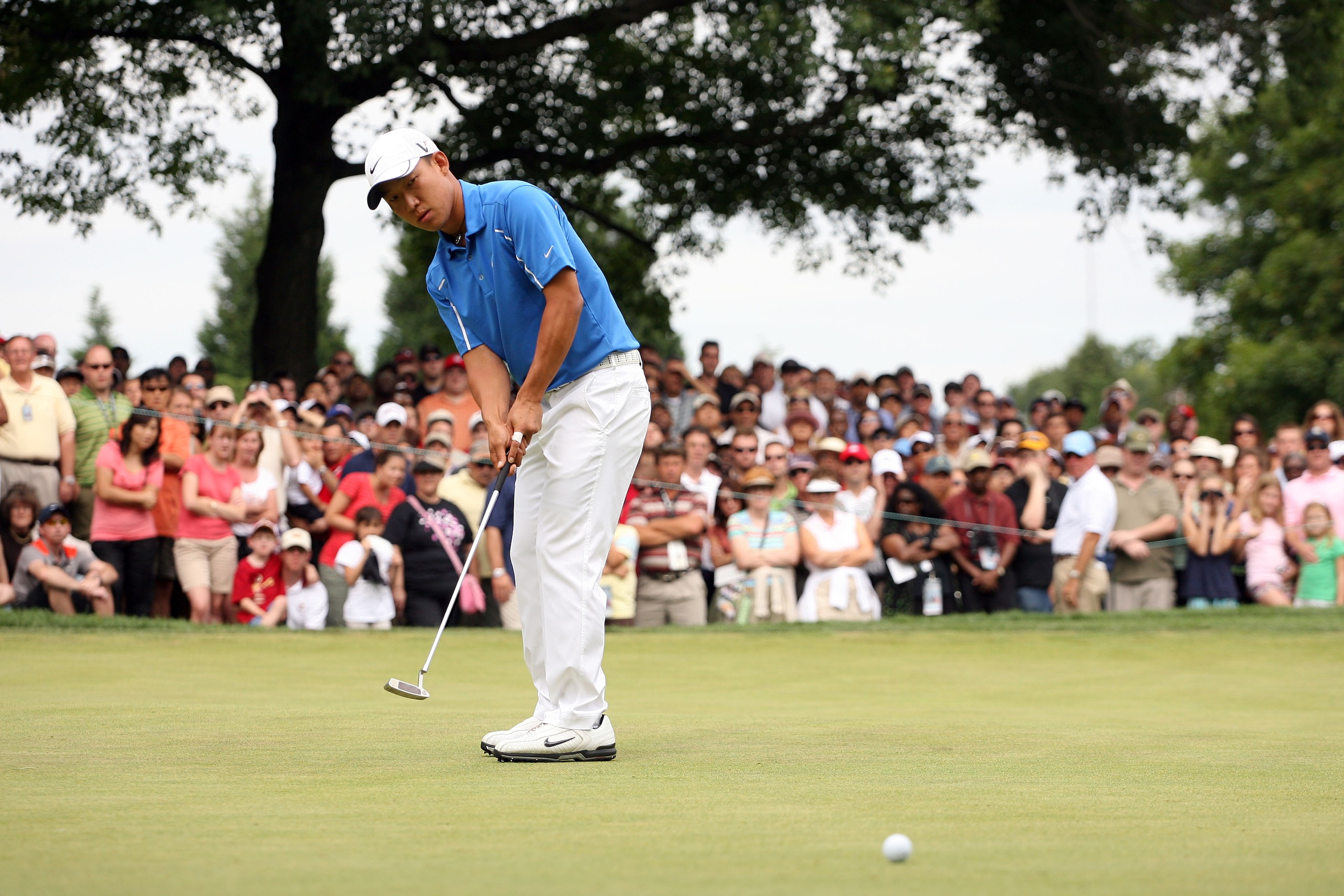
Well, at least for U.S. Open standards.
Sure, they'll be fast. But we're not talking Oakmont, where I saw one player five-putt the first green in 2007. Or Pebble, where they got so wind-blown last year no one could make anything outside four feet. Or Shinnecock in 2004, where putts got returned to senders like bad checks.
Congo has a few greens with some serious slope (the ninth comes to mind), but for the most part the pros should be able to manage them. Twenty-footers will be makeable, whereas on other U.S. Open greens long putts equal lag putts.
5. The Front 9 Isn't That Hard
5 of 9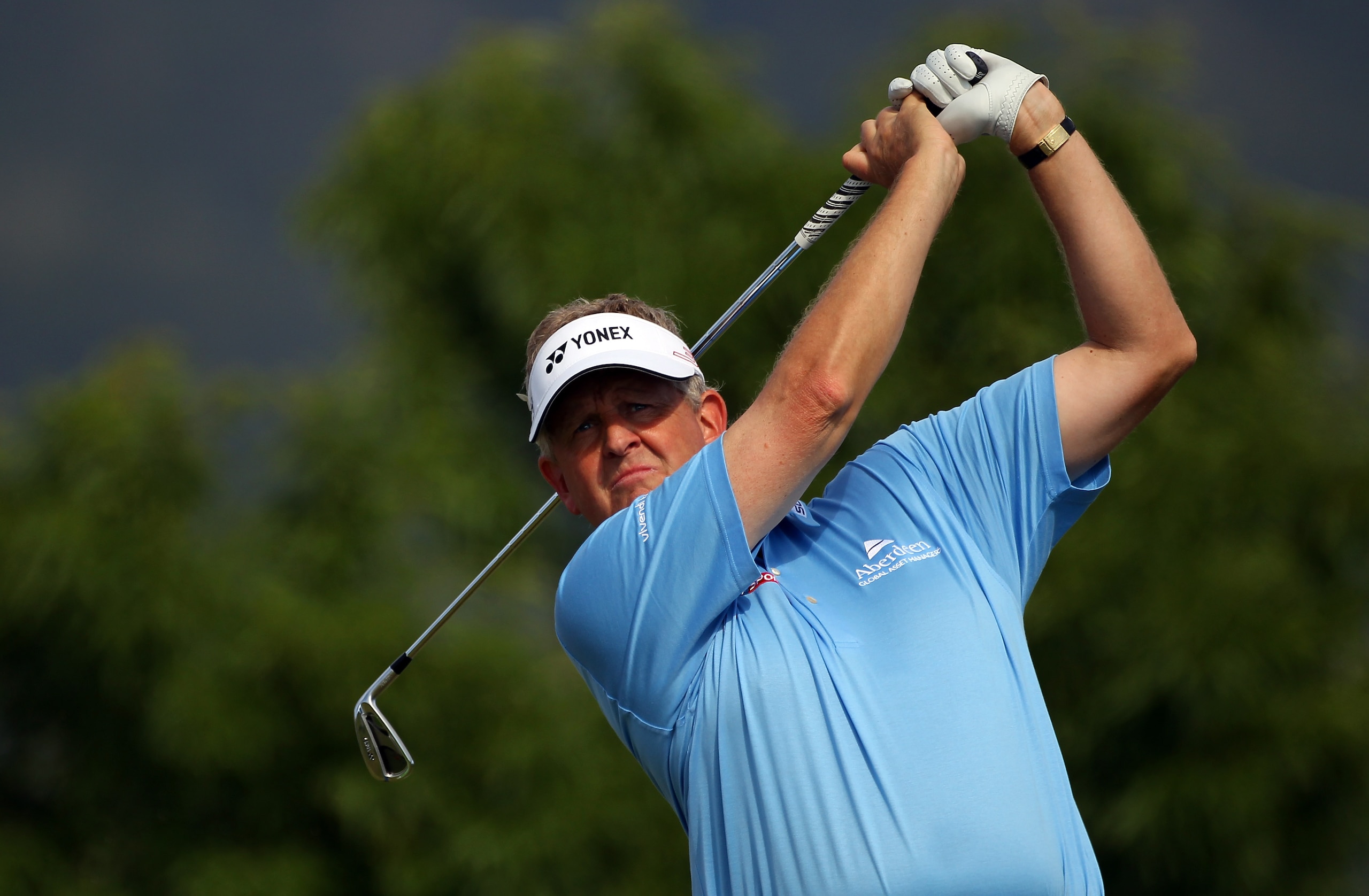
If players are going to pick up strokes, it will happen on Congo's front nine. The first and fifth (shortish par 4s), sixth (short par 5), seventh (shortish par 3) and eighth (short par 4) are all birdie holes. So is the par-5 ninth with three solid shots. If the course gets some rain I wouldn't be surprised to see several players go out in two-three under.
It's coming home that will be the problem.
5. The Back 9 Is That Hard
6 of 9
We're talking rhenium diboribe hard.
The par 3s, 10 and 13, are manageable. The par 4s are absurd.
Eleven should be a par 5. About 500 yards, and the green is par-3 skinny. In 1997 several players laid up short of the green to avoid the water down the right side. Els came up short one round and chipped in for birdie. That might be the way to go this year.
Twelve used to be a birdie hole. Now it's been lengthened into a legitimate dogleg left, nasty par 4. Like the 11th, the field scoring average here will be well above par.
Fourteen is downhill to a narrow strip that basically serves as Death Valley; supposedly it's the hottest point on the golf course. I can attest to this. I remembering reaching the boiling point during many summer caddying rounds waiting for tee shots. The second shot is uphill to a well-guarded green.
Fifteen is equally hard, another uphill second-shot par 4. It's one of the prettiest yet toughest holes on the course.
Seventeen isn't quite as hard (the tee shot is easy), but the green is well guarded, and with the pressure of winning a major on the line, hitting it won't be easy.
And, of course, 18. It can play over 500 yards, and the second shot is to a peninsula green. When the pin is back left you wouldn't go at it with a wedge. If a player needs birdie on Sunday, good luck. The best chance is to sling a draw and have the ball bounce in the middle of the green and funnel toward the hole. Tom Lehman tried this in the final round in 1997. Result: water.
Sandwiched in between these par 4s is the 16th, a monstrous, uphill par 5. It's sort of a birdie hole, but there are some nasty bunkers down the left side that will swallow up wayward tee shots and lead to more than a few double bogeys.
The back nine is going to be more about survival than fireworks. But hey, would we want it any other way at the Open?
6. It's Going To Be Very Hot
7 of 9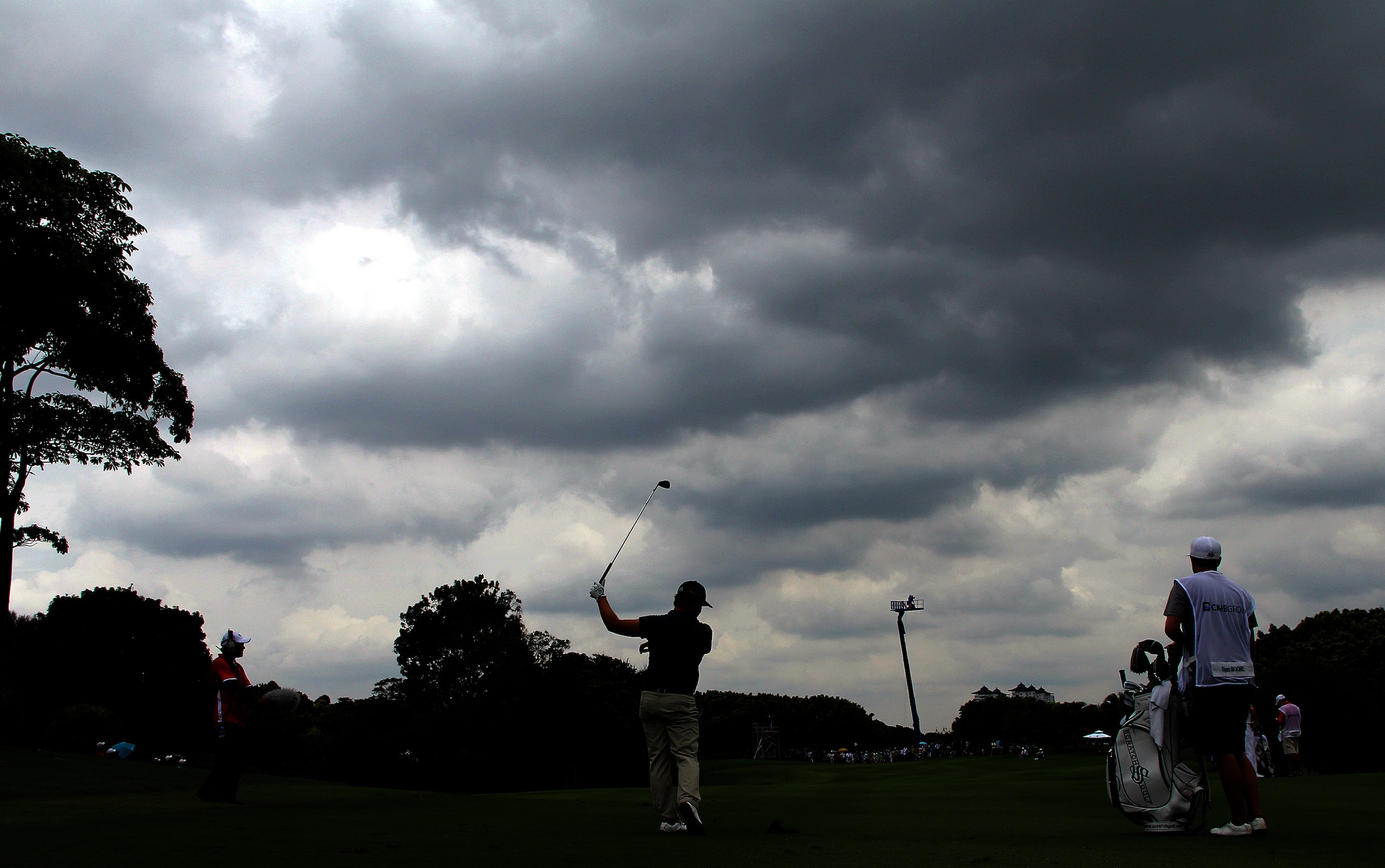
Summers in D.C. are miserably hot. There's an excellent chance thunderstorms will postpone at least one part of one round. That means players could play more than 18 holes on Saturday or Sunday. Not good for the unfit and infirm.
Monty may have had legitimate gripes about hole proximity in 1997, but the heat may have been his downfall. He was sweating more than bullets down the stretch, while a young Ernie Els looked ready for another 18.
7. Putt for Show, Drive for Dough
8 of 9
As mentioned, putting will be manageable. It's ball-striking that will be more important at this Open. Players who can survive the long par 4s by hitting fairways and greens and holing a few long ones will be in the best position to win. Keep a close eye on total driving and GIRs.
Of note: The top four players in the 1997 Open were Els, Monty, Lehman and Jeff Maggert. I don't think Maggert has ever missed a fairway. Els and Lehman drove it incredible well in 1997. As Steve Elkington once told Nick Price, regarding Monty's driving: "Have you seen him? He's the only guy who could drive it up a gnat's ass every hole."
I didn't think anyone had a chance of posting a mid-60s round at Congo last time around. Then Monty went out and shot 65 on Thursday. I watched a lot of that round. I don't remember him missing a fairway.
9. And the Winner Is...
9 of 9
Well, let's see who is near the top of the tour in total driving, hits it long and is a halfway decent putter.
One name stands out: Bubba Watson.
More sports writing at http://sportsletters.blogspot.com
.jpg?w=2560 "Falcons Saints Football")
.jpg?w=2560 "Rams Eagles Football")
.jpg?w=2560 "Injury-stricken Seahawks signing veteran RB")


.jpg?w=2560 "2 NFL Officials Suspended")
