
NBA Draft 2011: Is Kyrie Irving Really the Second Coming of Chris Paul?
Chris Paul entered the NBA in 2005 as the fourth pick by the New Orleans Hornets. He was the second point guard taken in his draft class, one pick behind Deron Williams.
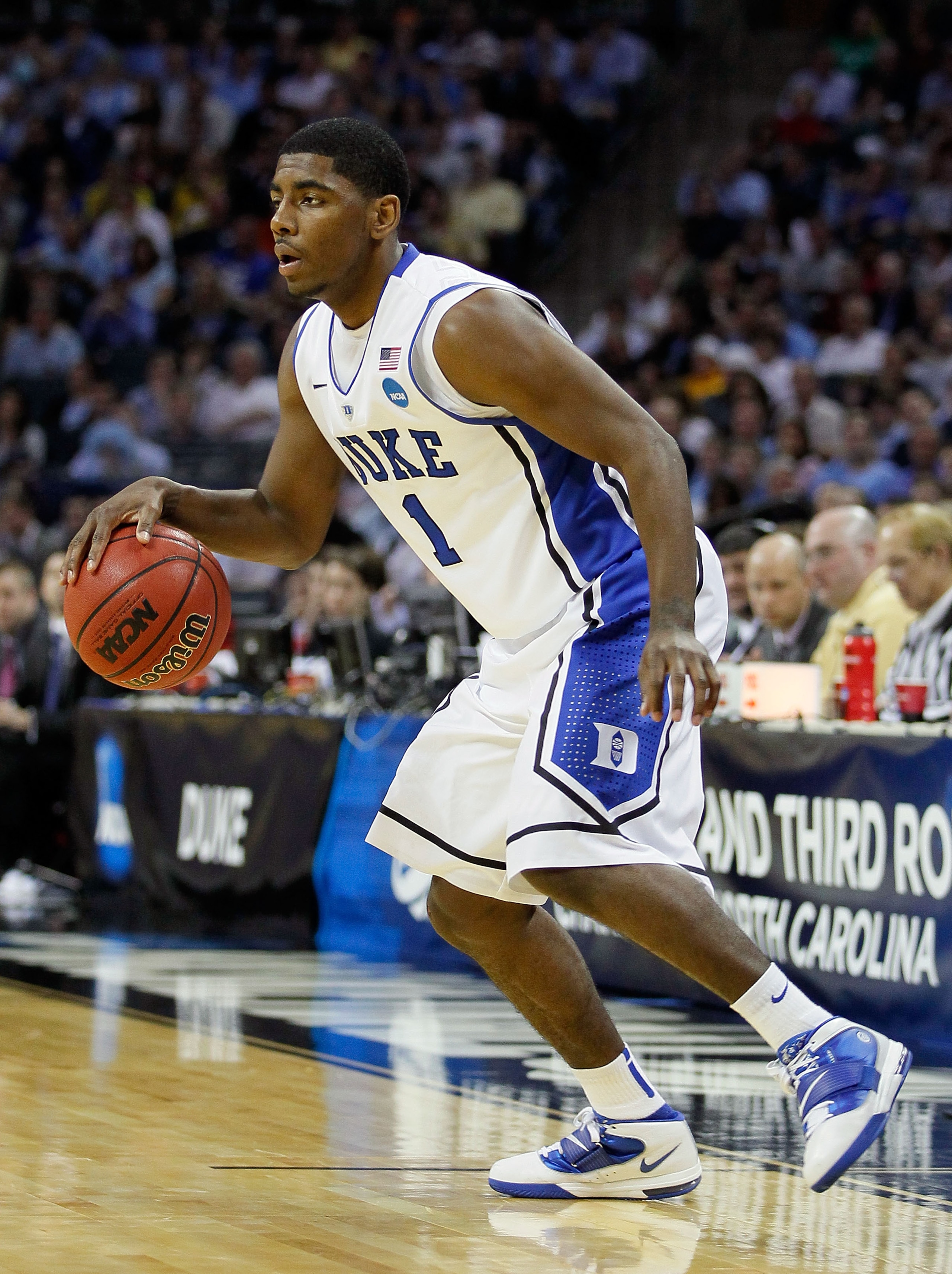
Kyrie Irving will undoubtedly be the first point guard taken in the 2011 NBA Draft. Irving is the beneficiary of an extremely weak true point guard class. Irving chose to leave after just one year as a Duke Blue Devil.
After two years at Wake Forest, Chris Paul declared his eligibility for the draft. Kyrie Irving did so after a mere 11 games during his freshman year. He felt that his body of work in so few games was good enough to prove to NBA scouts that he's ready to turn pro—and it worked.
Talk about someone that probably would have been a prep-to-pro if the new rule wasn't in effect.
David Aldridge said on NBA.com that, "Irving's quickness, floor game, toughness and creativity make him a potential star in the Chris Paul mode."
Irving has been likened by many to Paul, which raises the eyebrows of many NBA fans that have seen CP3 go to work. But will Irving live up to the hype?
Here's five reasons why he'll fall short of Paul's elite status.
Exaggeration
1 of 5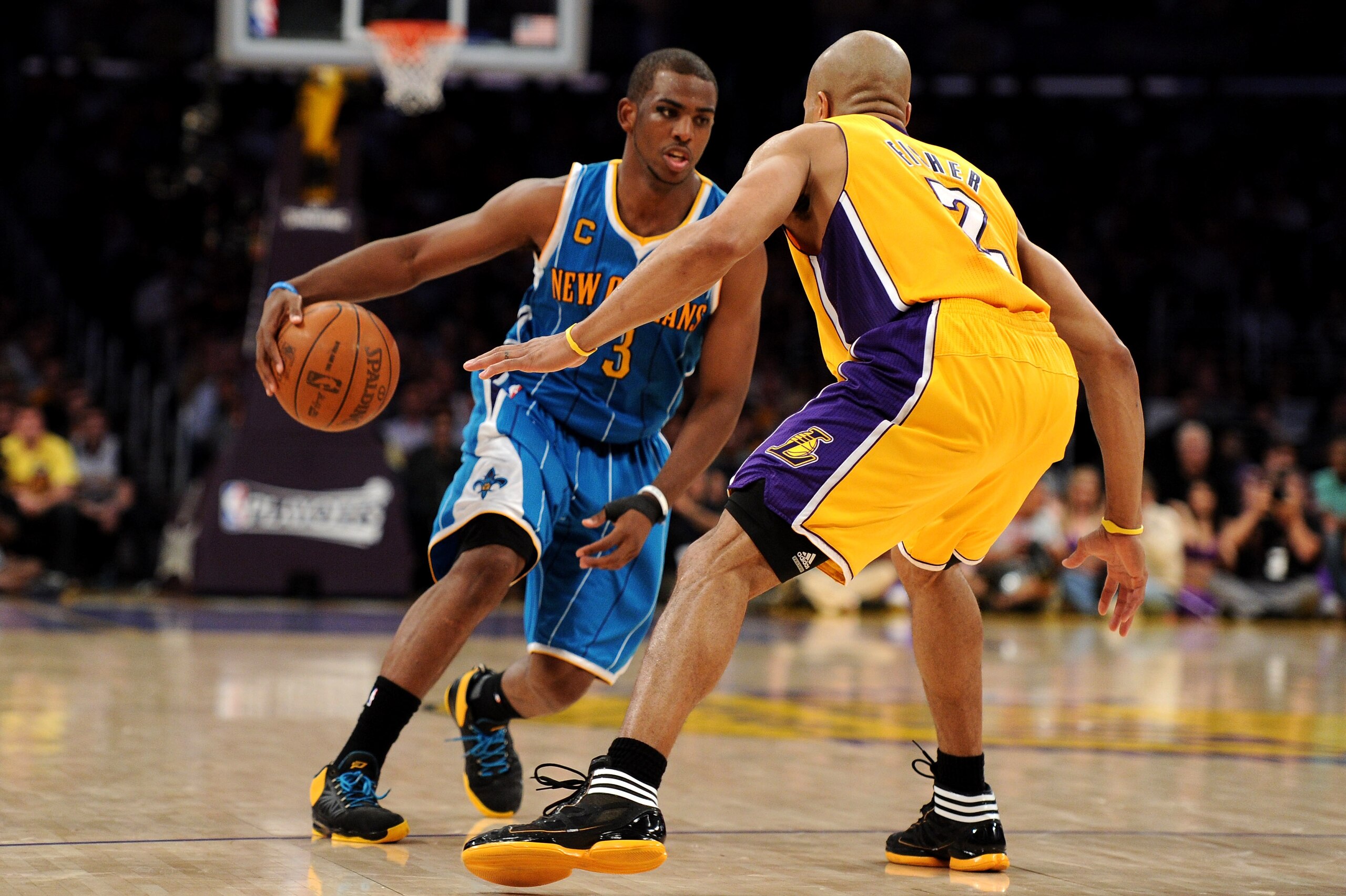
NBA scouts and fans alike have the tendency to blow things out of proportion.
When a player is on the verge of entering the pros, people feel the need to compare his game to someone already established in the NBA. Because there is a much smaller knowledge of the player and the ability to develop, people will compare them to a well-known, elite player in the league.
Comparing a player to Andris Biedrins isn't going to turn anyone's head, so they'll instead compare a prospect to Dirk Nowitzki.
Now the heads are turning.
Players are compared to a professional that plays in a similar manner, not one with an exact talent level. If someone can hit fadeaway jumpers at a high rate and loves the ball in his hand with his back to the basket, he's not going to be the next Kobe Bryant.
Irving plays a similar style to Paul, he doesn't possess the developed abilities of CP3.
Flashiness
2 of 5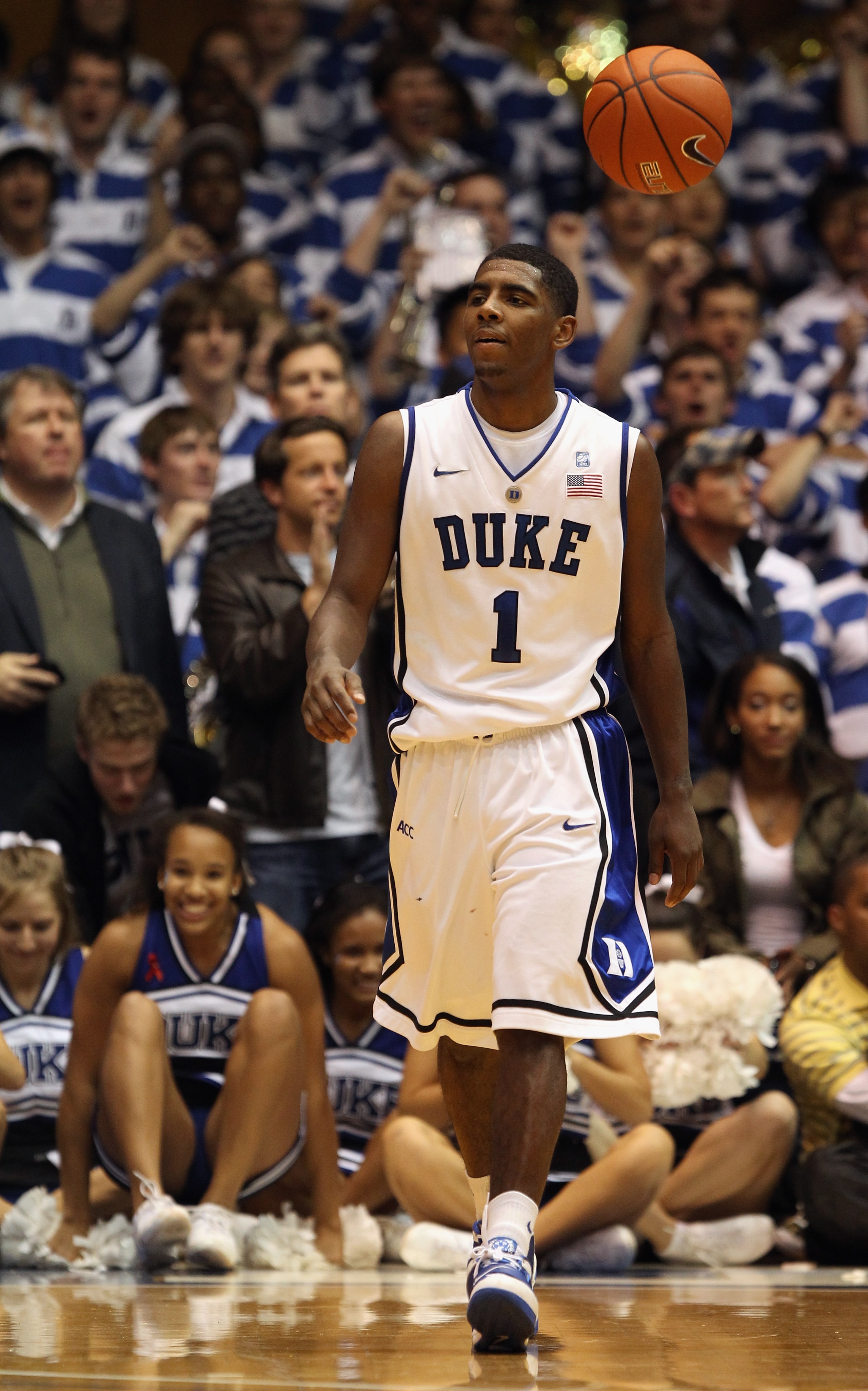
When Chris Paul came into the league in 2005, I predicted that he would be one of the few top-tier point guards of his generation.
His game was fluid, and he had the ability to take over a game. He proved that talent in the fourth quarter and overtime of the Demon Deacons loss to West Virginia in the second round of the NCAA Tournament. Even though Wake Forest lost, Paul was scintillating at the end, basically playing one-on-five.
Paul's game seemed to be no nonsense and all business. He beat players with pure quickness and got to the rim on various occasions.
Irving, however, has looked flashier than I would like my point guard to appear. Irving beats people at the college level with fancy dribbling, which sometimes comes off as unnecessary. If he has someone beat, he may still throw in another crossover to pour salt in the wound.
The flashiness may be something that goes away in the NBA for Irving, but it would be an honest concern of mine if I was a team scout.
Statistical Analysis
3 of 5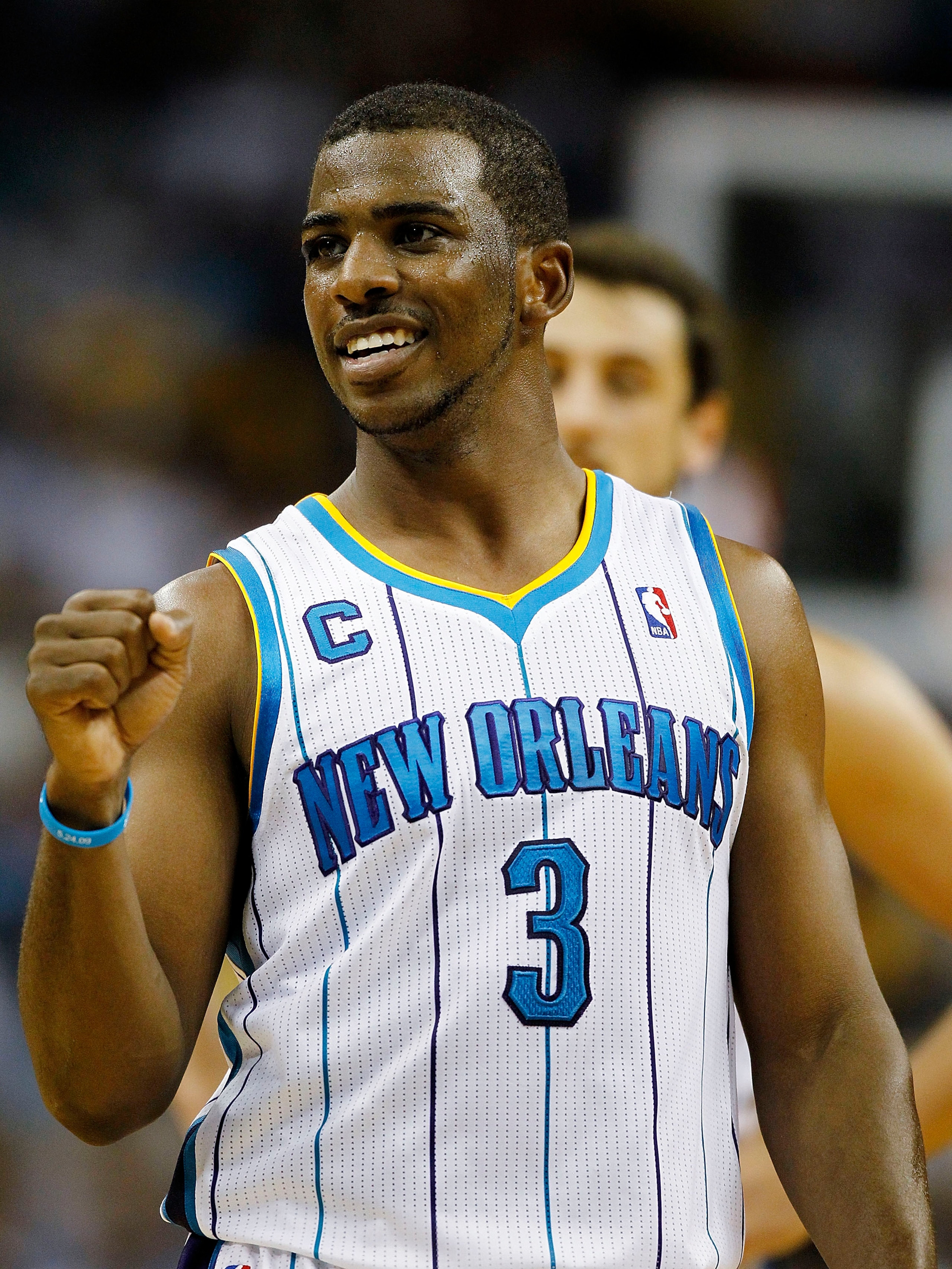
There is no denying the similarity of the two players in terms of playing style. They both love to run the point, get to the rim and have an uncanny ability to drain threes.
However, the stats of the players don't exactly measure up. This season for Duke, Irving averaged 17.5 points and 4.3 assists, while also tallying 2.5 turnovers.
In his sophomore season at Wake Forest, Paul registered 15.3 points and 6.8 assists, while posting 2.9 turnovers per game.
Paul's assist-to-turnover ratio was well over two, which is significantly higher than Irving's 1.74. Another thing to factor into that is Irving's superior supporting cast. While Irving was running with players like Nolan Smith and Kyle Singler, Paul had Eric Williams and Justin Gray as his best two options.
Neither WIlliams or Gray made it to the NBA.
Irving's stats as a Blue Devil look more like stats of a Russell Westbrook or Derrick Rose—and don't blow that out of proportion.

Passing
4 of 5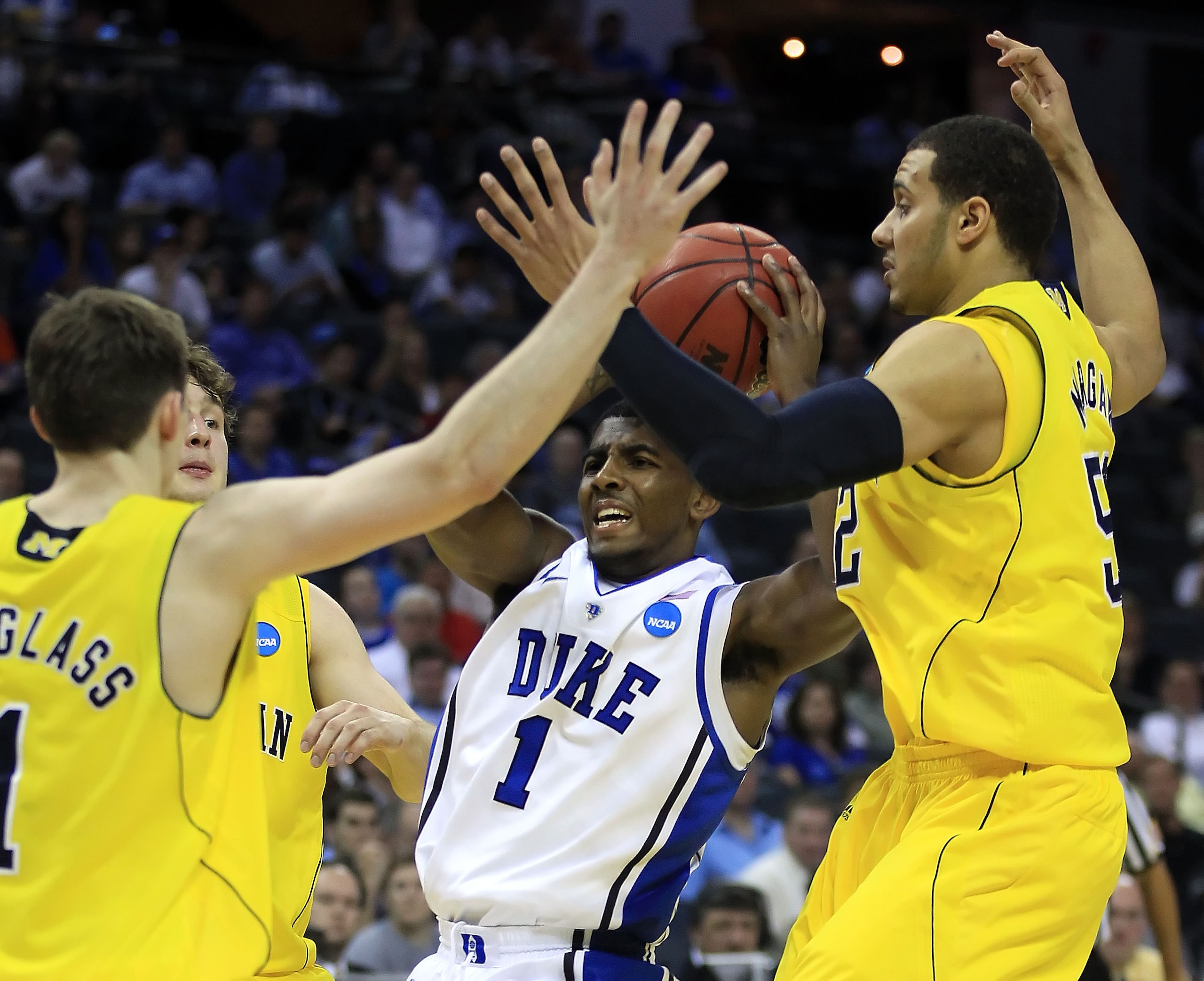
Kyrie Irving simply isn't the willing passer that Chris Paul is.
Yes, Irving has the remarkable ability to beat almost anyone off the dribble, just like Paul. However, Paul would much rather find an open cutter than go up into a sea of big men. Even at the professional level, Paul hasn't had the best cast of players around him, but he's still managed to average double-digit assists in three of six seasons.
Don't get me wrong, I think that Irving can be a six to eight assist guy at the professional level. But his first priority will be to score the basketball. How many freshman point guards average over 17 points a game at the collegiate level for Duke?
Irving needs to prove his willingness to pass and, after that, display phenomenal court vision if he wants to be at the level of Paul.
Unproven
5 of 5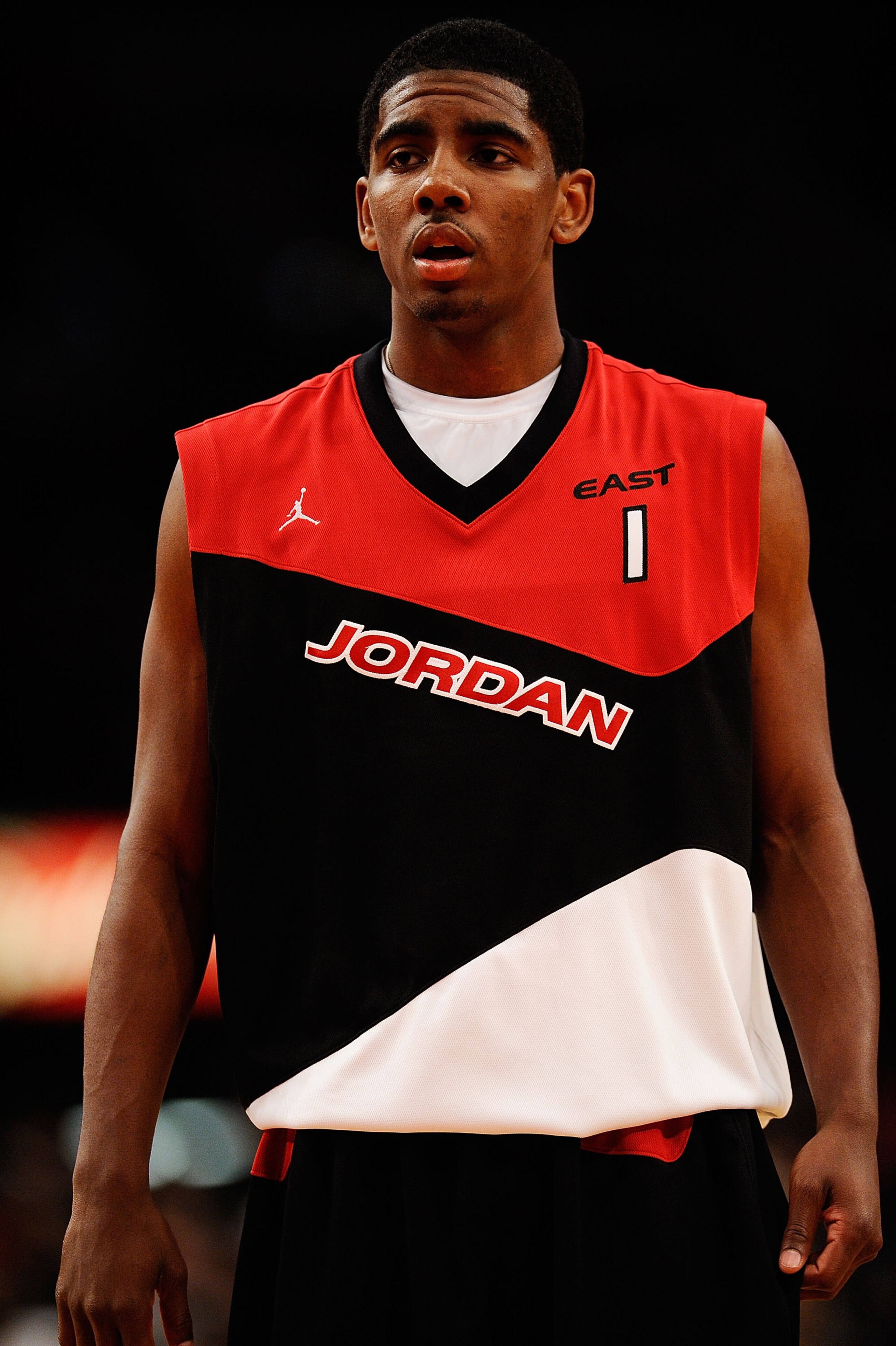
Last but not least, Kyrie Irving is still raw.
Irving played 11 games in a Duke uniform, just enough to let one know that he went there. Now he's off to the NBA, and yet another transition to an even faster game. Paul played in 62 games at the collegiate level.
Minutes played in college for Irving: 303
Minutes played in college for Paul: 2,077
That should be the No. 1 thing to think about when thinking about these two in the same breath. Sure, Irving is going to be an excellent player at the next level, but he's virtually a high school player entering the NBA. It's going to take a couple years for him to get his swagger at the next level.
Paul had just seven assists in his first two professional games, with four turnovers in each contest. He also only scored 13 points each night.
Making the transition isn't easy for any primary ball-handler, but expect Irving to struggle with it more than Paul did. Even in the long run, Irving won't reach the level of Paul.
I firmly believe Paul's best years are ahead of him—with a different team.
Stay tuned to Bleacher Report to follow all NBA Draft Lottery news, including updated 2011 NBA Mock Drafts and immediate reaction and analysis to the updated NBA Draft Order.






.jpg?w=2560 "Latest Peyton-Colts Rumors")