Shannon Brown: LA Lakers' Tweet Exposes Flaws in Athlete Twitter Accounts

 The Shannon Brown Twitter controversy is a perfect opportunity to ponder a few changes.
In the olden days, a conversation about an athlete used to go a little something like this.
Man 1: “Did you see ol’ what’s-his-name last night?”


.jpg?w=2560 "Seahawks Chiefs Football")
Man 2: “I sure did. That performance was the bees knees, old sport. That ol’ what’s-his-name is a real humdinger!”
Man 1: “You shred it, wheat.”
These days, things are a little different. A conversation about an athlete is just as likely to sound as follows.
Man 1: “Did you see what young what’s-his-face tweeted last night?”
Man 2: “Damn right. That was epic. He had a good game, too.”
Yes sir, Twitter has brought some pretty interesting changes to the sports world. Instead of knowing athletes merely as those guys (or gals) on the field that can do things that mere mortals like us can’t, Twitter allows for a far more personal connection to our favorite athletes that just wasn’t possible in the olden days.
Before, there was no way of knowing what athletes were doing in their spare time. We had no idea what music they listened to, what movies they watched, what they liked to eat, and we certainly didn’t know what they were thinking on a second-to-second basis.
With Twitter, knowledge such as this is commonplace. And for the most part, it’s just aces.
However, there are the exceptions to the rule. Regrettably, there are times when an athlete puts his foot in his mou… er, his foot on his keyboard and tweets something that he probably should have kept to himself.
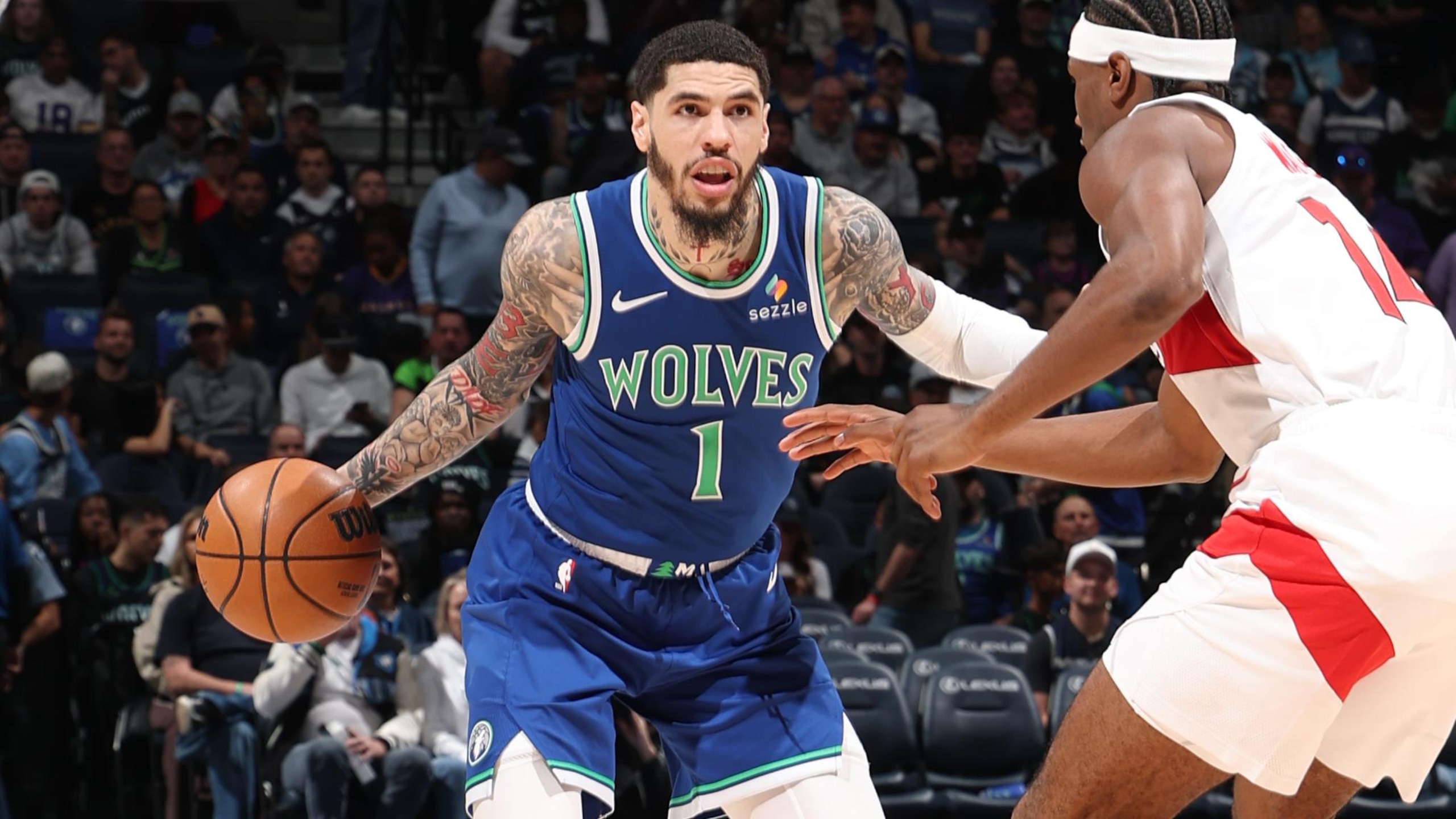
For example, by now you’ve probably heard about the now-infamous post on Shannon Brown’s Twitter account over the weekend.
If you missed it, let’s just say the Los Angeles Lakers bench warmer and sometimes dunker felt the need to clear the air.
Tweeted Brown:
"Okay let me put a end to this right now before it goes any further. I DID NOT SLEEP WITH [Pau Gasol’s] woman!!! First and last time addressing it!
"
In case you were wondering, the answer is no. Nobody asked. At least, not publicly anyway.
Needless to say, this tweet attracted a lot of eyes. Most of these belonged to sports fans with too much time on their hands. Others belonged to members of the national sporting press that were browsing Twitter instead of working. Guess what happened next.
Yup, firestorm time. Anybody who bothered to type Brown’s name into the search field on Google/Bing/Yahoo! was provided with something like a million articles speculating about the true nature, meaning and implications of Brown’s tweet. Others just mocked the obvious late-night jackassery of it.
Basically, Brown joined a growing list of athletes that have been burned by the age-old Twitter rule: just because you can say something doesn’t mean that you should.
When you look at the rest of the list, notables include Rashard Mendenhall's finger-wagging tweet about the morals of celebrating Osama bin Laden’s death, Reggie Bush's lockouts-are-fun tweet, LeBron James' notorious karma-killed-the-Cavaliers tweet, and all those tough guys who called out Jay Cutler for being a wimp after he was hurt in the NFC championship game.
The list goes on and on, but you probably get the idea.
My guess is that nobody else is going to admit it, so I guess I’ll go ahead and jump on the proverbial sword: those of us in the media can’t get enough of these tweets.
Make no mistake, there's nothing like a good Twitter controversy. They drum up plenty of interest, and they spark debate. These things mean more money, and that means members of the media can go out and buy all sorts of things (i.e. love).
Yes sir, we love Twitter controversies. But I think it’s pretty obvious who doesn’t love them: the teams who employ the players that start them.
While the rest of us are busy pontificating and guffawing at the latest Twitter snafu, the people who sign the paychecks are scrambling like mad men to quell the unrest. Eventually, an administrator and/or a spokesperson from the organization comes out and says that the thoughts and opinions of the player do not represent those of the organization and that the matter will be handled internally.
Well said. But the problem is that by the time teams come out and actually address controversial tweets, the damage is done. In reality, the only way to avoid all this would be to start policing tweets from the moment they are composed.
Well, maybe it's time teams actually start doing that. After all, massive organizations like professional teams and college programs have enough headaches as it is. If they can avoid them, why shouldn’t they?
I know what you're thinking: that's censorship.
Yes it is. But believe it or not, there are times when having one's words censored is the best thing for everyone. Besides, it is actually quite easy to justify the idea of players having their tweets policed by their employers.
Despite the fact that they would have you believe otherwise, athletes and coaches are not detached from their teams when they log onto Twitter and spill their hearts out for their legions of adoring fans. They may be tweeting from their very own couch or desk, but in many ways they are still in uniform.
That means people are hanging on their every word, which in turn means that they have to choose their words carefully. If they don’t, an unnecessary amount of [bleep] will hit the fan.
This is not to suggest that each team needs to hire a stooge to lean over each player’s shoulder, jabbing him or her in the ribs every time they see a tweet they don’t like. No sir, instead of stooges, what they could really use are editors.
You know, the same kind you find in the journalism industry.
Lost? Allow me to explain.
For good or ill, I write for a living. Most people tell me I suck at it, but I rather dig it. I get to watch sports all day, and I get to speak my mind. Sweet deal.
However, like every other journalist/blogger/writer under the sun, my word is not final. Before I write anything, I make sure I clear my idea/angle with my editor. After that, I write my piece. If an editor has a problem with something I wrote, I hear about it. And believe me, it’s never “the thoughts and opinions of Zachary D. Rymer do not represent those of the organization, the matter will be handled internally.”
The point here is that, like professional writers, athletes are part of a bigger picture. There are checks and balances in place to make sure individual journalists don’t ruin the integrity of the big picture with their words. Why shouldn’t it be the same with athletes and Twitter?
To illustrate this point, let’s say the Lakers had somebody monitoring their players’ Twitter accounts. Brown's tweet would have had to go through his/her net, and I think we can take it for granted that it would have been stopped. This guardian/editor person could have told Brown that the tweet was going to do more harm than good, and that if he absolutely had to get that off his chest, there were better ways to handle it.
Now, a situation like the Mendenhall thing is a little more complicated. In this country, the last thing we want to do is suppress a person’s beliefs, and he was certainly entitled to express his.
However, the organization’s guardian/editor could have told him: “Listen, Rashard. What you’re saying is this, but what it looks like is this. The latter is going to make us all look bad, so why don’t we workshop it a bit?”
With a bit of luck, Mendenhall’s tweets would not have come off as insensitive as they did.
Would a system such as this effectively eliminate Twitter controversies? Goodness gracious, no. But it would certainly limit them, and that would mean fewer headaches for both management people and fellow athletes.
To be sure, those of us in the media would be missing out. But if I'm the owner of a major sports franchise, I could give a damn about the blasted media.



.jpg?w=2560 "Latest Peyton-Colts Rumors")