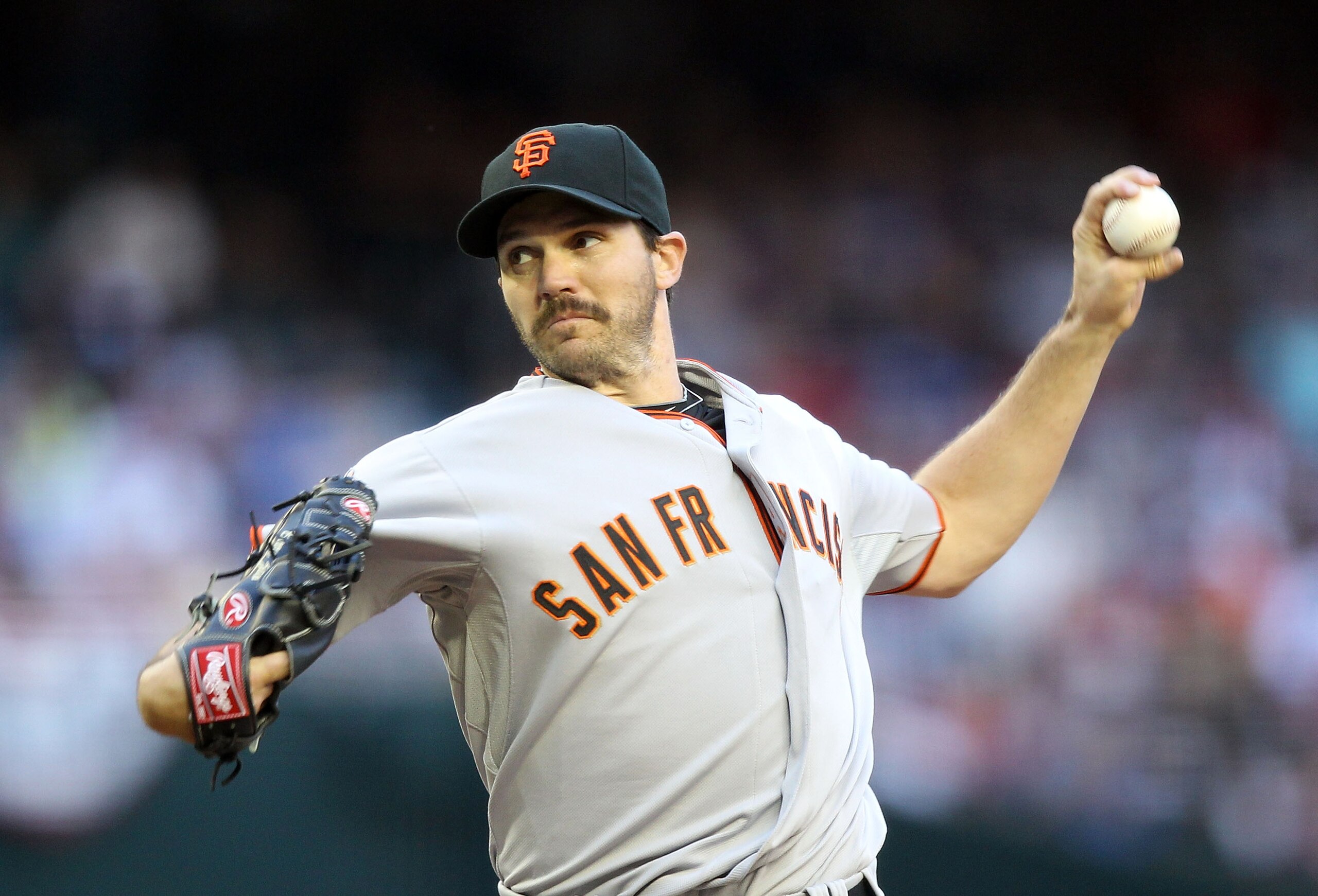

MLB Power Rankings: Barry Zito and the 50 Worst Contracts in Baseball
Outrageous contracts are a pretty common thing in baseball these days.
In fact, you sometimes get the impression that players are paid more on the value of their name rather than actual substantiated performance.
But some are just flat out paid too much, plain and simple.
Today, I want to run through the Top 50 worst contracts in baseball. Each slide will be tailored just a bit to the player and his story, but the end game is the same:
Too much money!
Let's take a look at who I dug up and what their story is.
50. Derrek Lee – Baltimore Orioles
1 of 50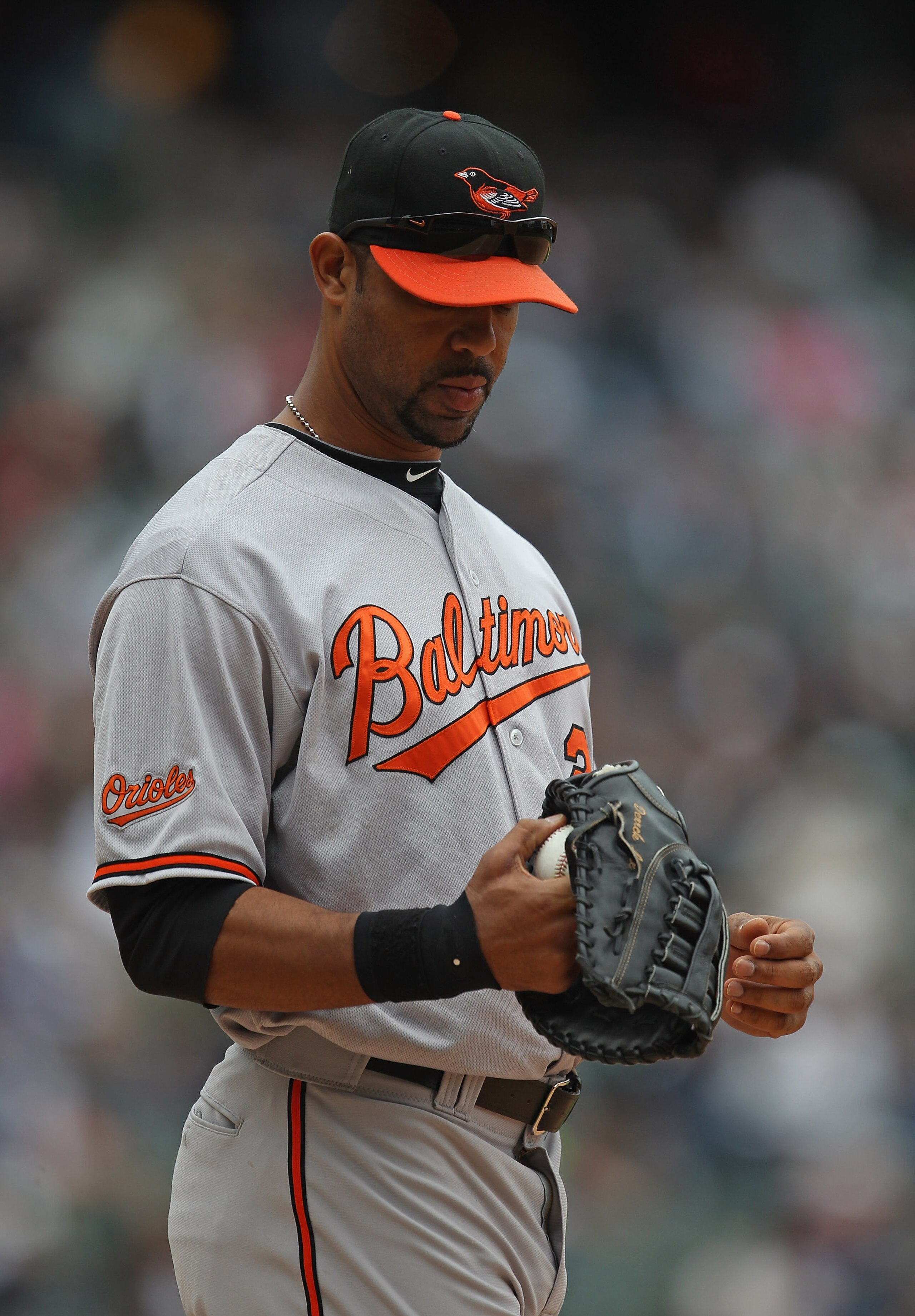
Contract Info: Signed one-year, $7.25 million contract. 2011: $7.25 million. Performance bonuses: $250,000 each for 425, 450, 475, 525, 550, 575, 600 PAs; $500,000 each for 400, 500 Pas
Why it’s bad: The only reason why I mention this is because this deal could be worth a total of $10 million plus, and Derrek Lee is not worth $10 million dollars in any one single year.
Even the Braves reached for the sky on Lee, as did the Cubs. So it seems as if no team learned from the previous owner, which is extremely odd.
Either that, or his agent is the world’s greatest negotiator.
49. Mark DeRosa – San Francisco Giants
2 of 50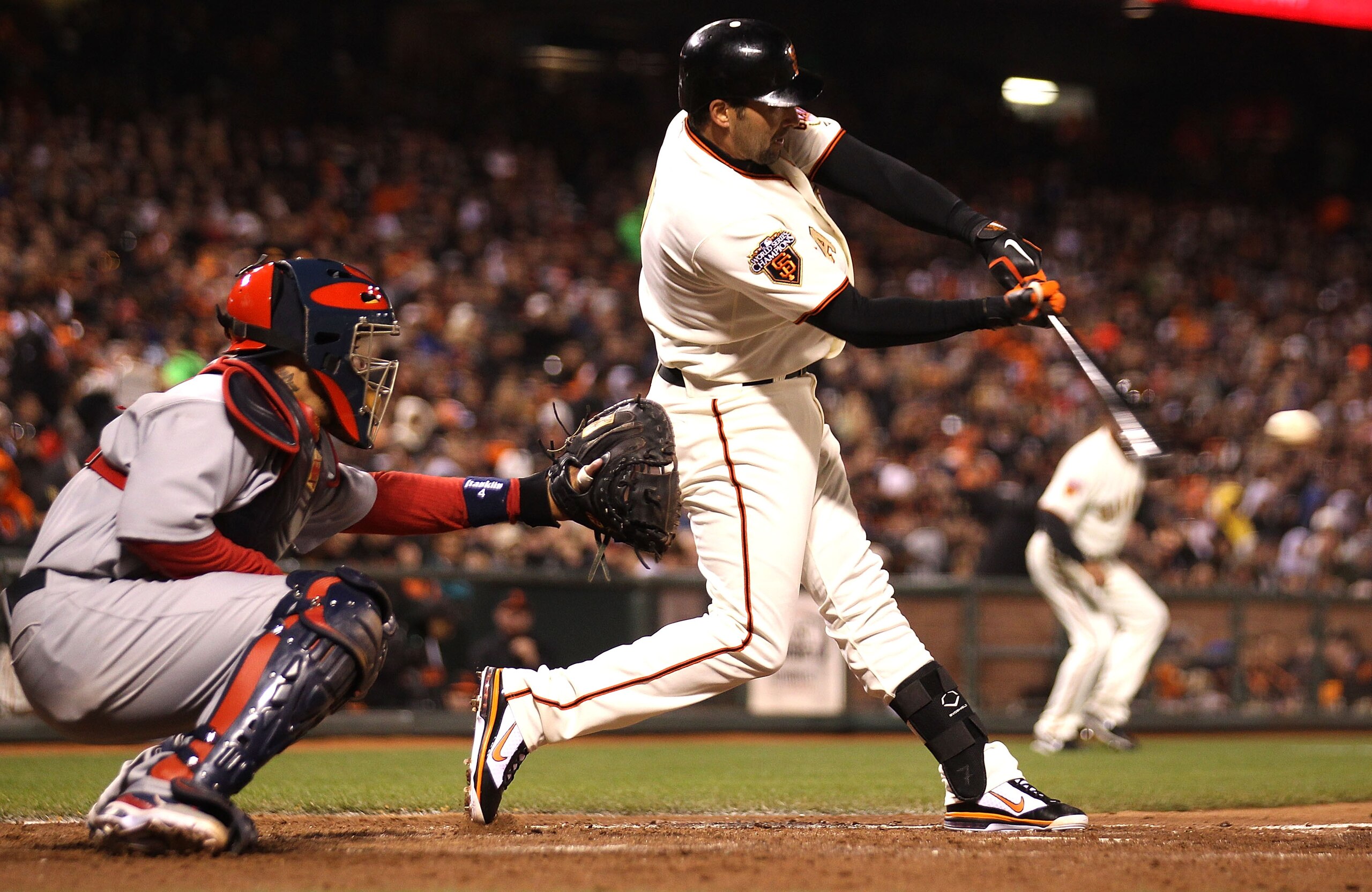
Contract Info: Signed a two-year, $12 million contract
Why it’s bad: I remember all of the hoopla that surrounded DeRosa going over to the Giants. Many felt he was going to be that “X” factor.
Two years and $12 million dollars later, the deal seems to be a major bust.
The main problem is health, which the Cubs were sort of dealing with themselves before dealing him, so the Giants knew what they were getting into with DeRosa.
In two years, he’s been at the plate just 127 times and has done no better than a .211 BA.
48. Freddy Sanchez – San Francisco Giants
3 of 50
Contract Info: Three Years, $18 million
Why it’s bad: Since coming to San Francisco, Sanchez has done marginally average for the Giants despite his lofty contract.
Not exactly as lofty as others on this list, but for $18 million, you would expect him to hit more than 10 home runs with 65 RBI.
Sanchez isn’t a total bust, but the brass have got to feel as if they did not get their money’s worth.


47. Jeff Samardzija – Chicago Cubs
4 of 50
Contract Info: Signed five-year, $10 million contract w/ 2012 and 2013 club options. 2011: $3.5 million; Total value may reach $16.5M with exercise of options; No-trade clause.
Why it’s bad: As if—at the time—the Cubs even had an additional $10 million to throw around, let alone on an unproven prospect who was known for his prowess as a wide receiver at Notre Dame.
But looking back, the contract seemingly is a bust, with Samardzija not even coming into his own and failing to ever make it out of a spotty bullpen gig.
46. Brad Hawpe – San Diego Padres:
5 of 50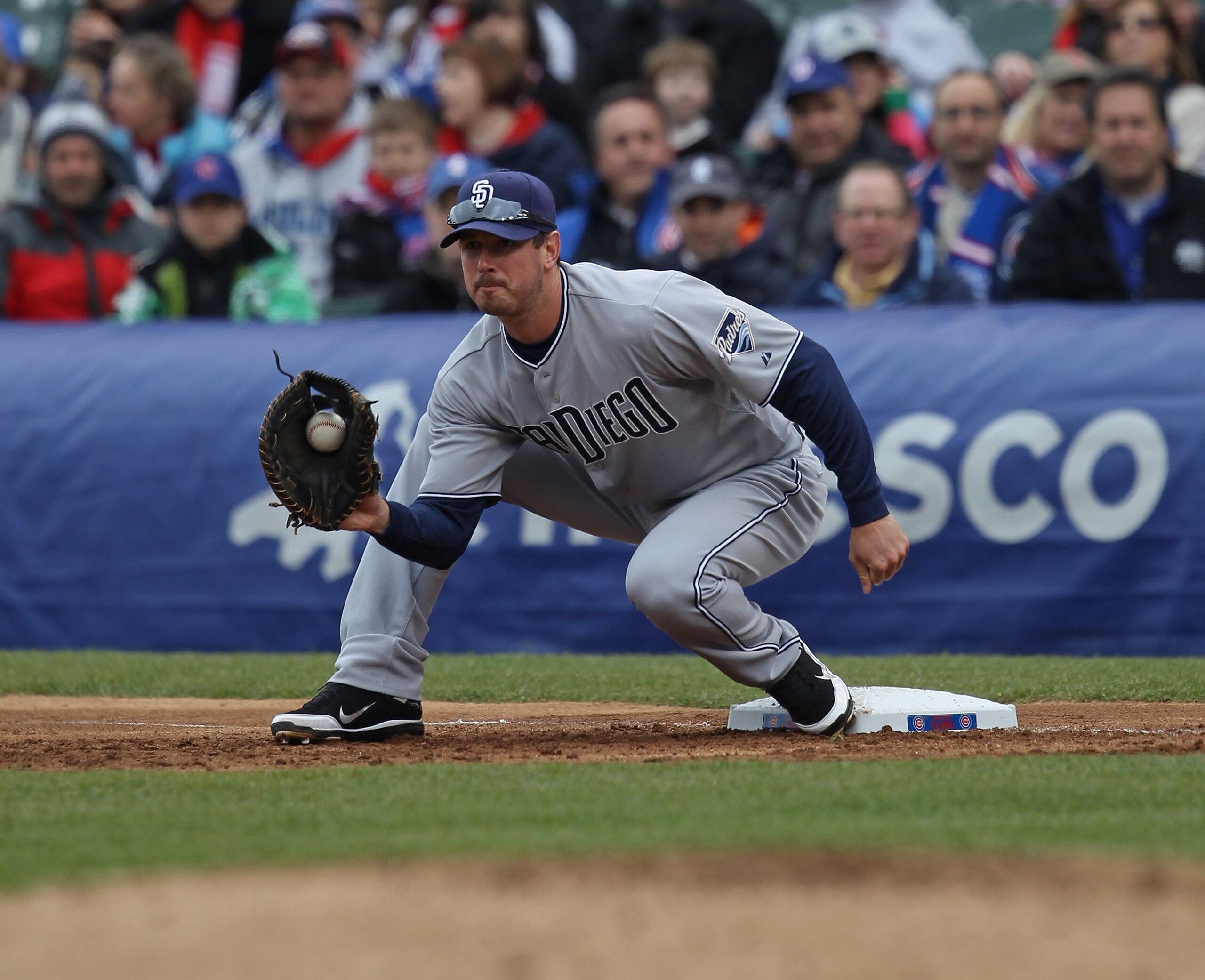
Contract Info: 2009: $5.5 million, 2010: $7.5 million, 2011: $10 million club option w/$500,000 buyout, 2012: Free Agent
Why it’s bad: He hasn’t done much at all to support the contract since getting it, whether it's average, defense or power.
This season, he is on a nice little tear, but outside of spotty upswing-type performances, that’s all the Padres are gonna get.
Just not worth the money.
45. Brad Lidge – Philadelphia Phillies
6 of 50
Contract Info: 2010: $11.5M, 2011: $11.5M, 2012: $12.5M club option w/ $1.5M buyout
Why it’s bad: Since winning the World Series, Brad Lidge hasn’t be able to build up to his stellar performance, nor has he been able to stay healthy.
Yes, he did help win a World Series, but in the long-term of things, how many bad years is he allowed to have just because of a ring?
In the end, I think the Phillies are definitely not getting their money’s worth.
44. Brett Myers – Houston Astros
7 of 50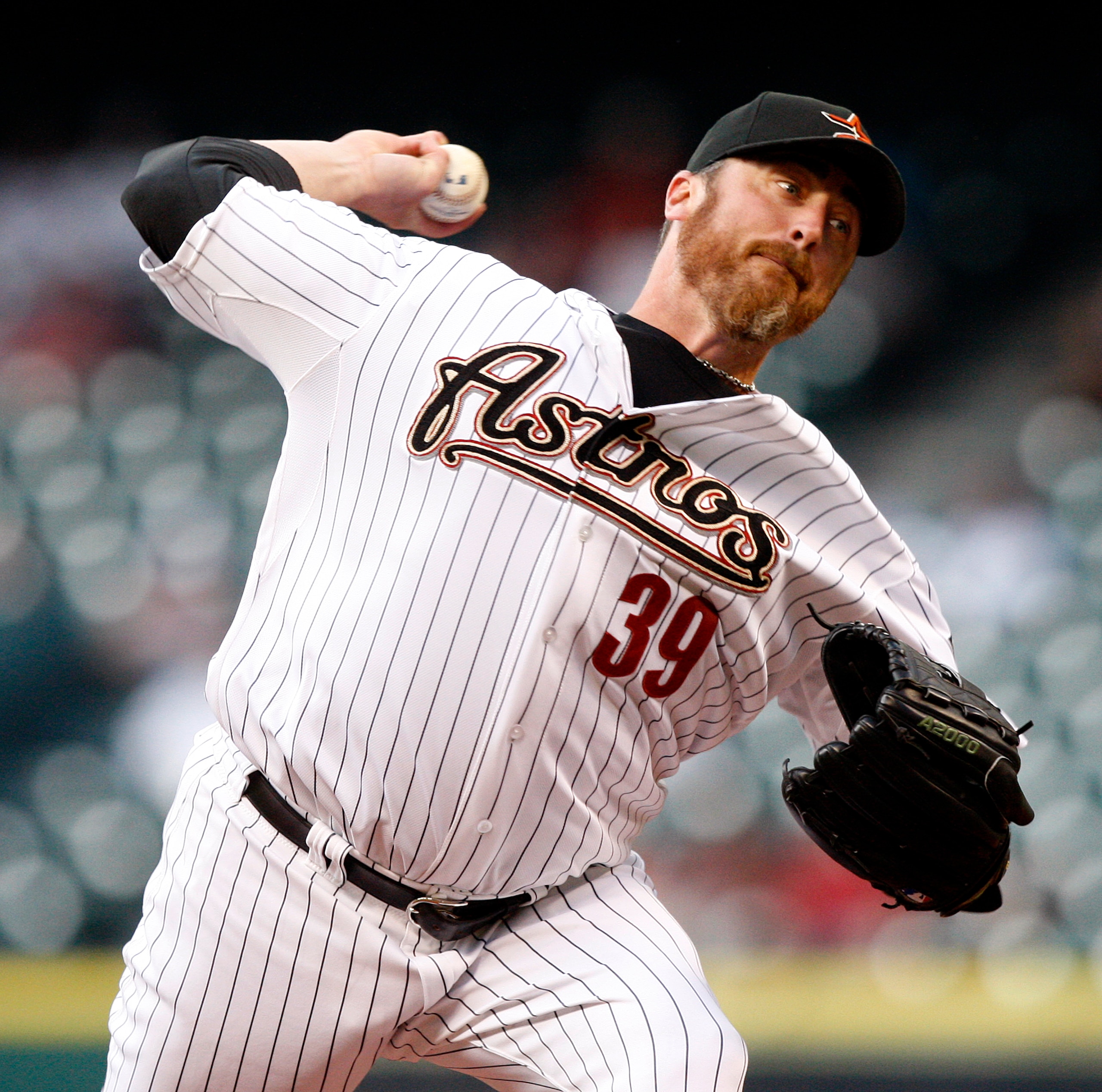
Contract Info: Signed two-year, $21.0 million contract extension with a club option for 2013 - replaces option year of previous deal. $2.0 million signing bonus, 2011: $7.0 million, 2012: $11.0 million, 2013:$10.0 million club option ($3.0 million buyout). 2013 option guaranteed based on 2012 performance. $1.5 million in annual performance bonuses.
Why it’s bad: I’m sorry, I realize that Myers has seemingly improved since going to Houston, but this is a bit over the top for a club who has a lot of young talent waiting to come up.
In addition to that aspect, Myers is a career 10-8 pitcher with a 4.20 lifetime ERA who has seemingly come back down to earth this year at 1-3 (5.01 ERA).
43. Kei Igawa – New York Yankees
8 of 50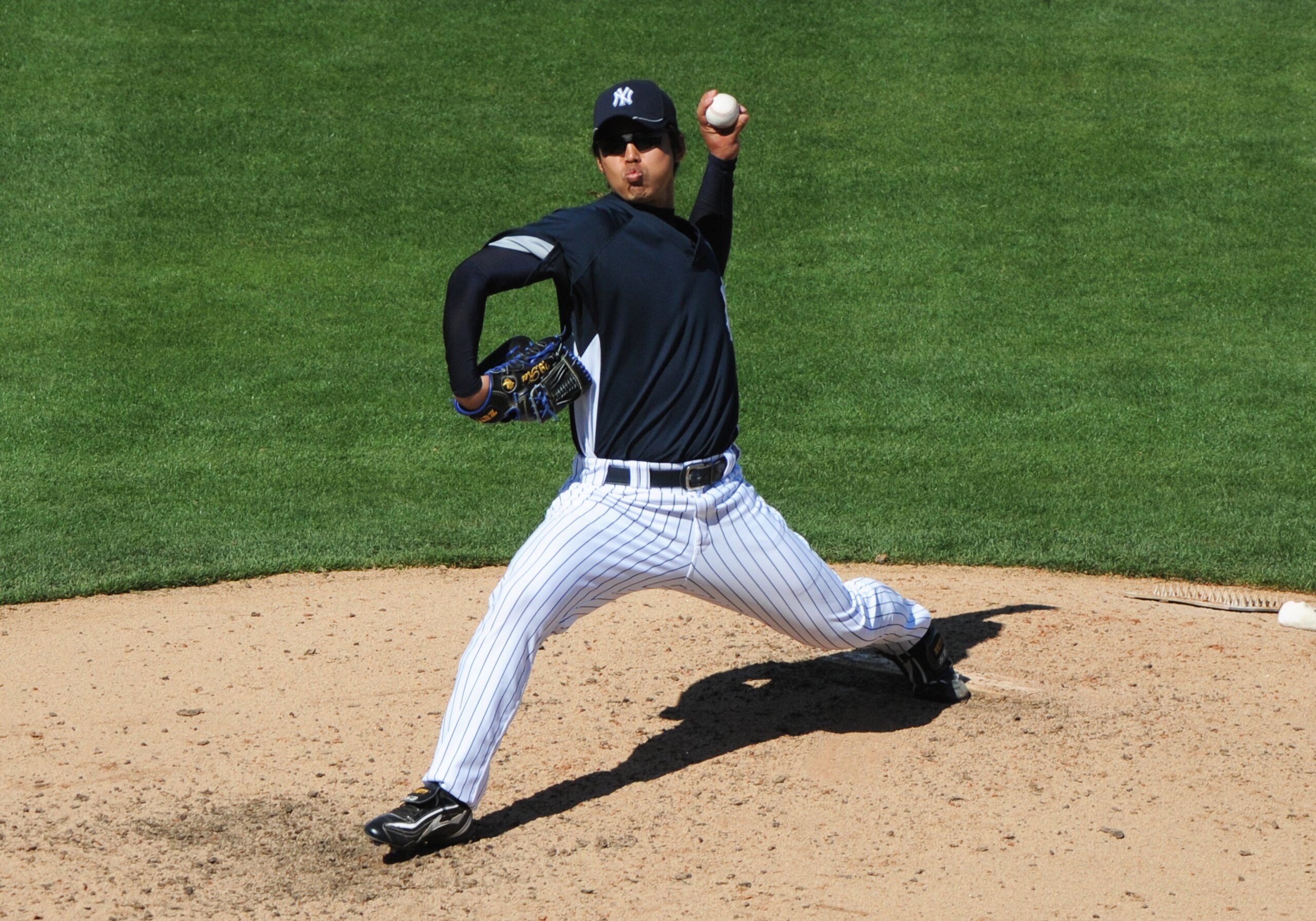
Contract Info: Signed five-year, $ 46 million dollar contract.
Why it’s bad: As it stands right now—after two years—a 46 million dollar contract was a bit of an overstretch on the Yankees’ behalf.
I could see if the guy had a stellar MLB history for a couple of years elsewhere, but c’mon. Why not just give the guy the team debit card and call it a “deal”.
42. Raul Ibanez – Philadelphia Phillies
9 of 50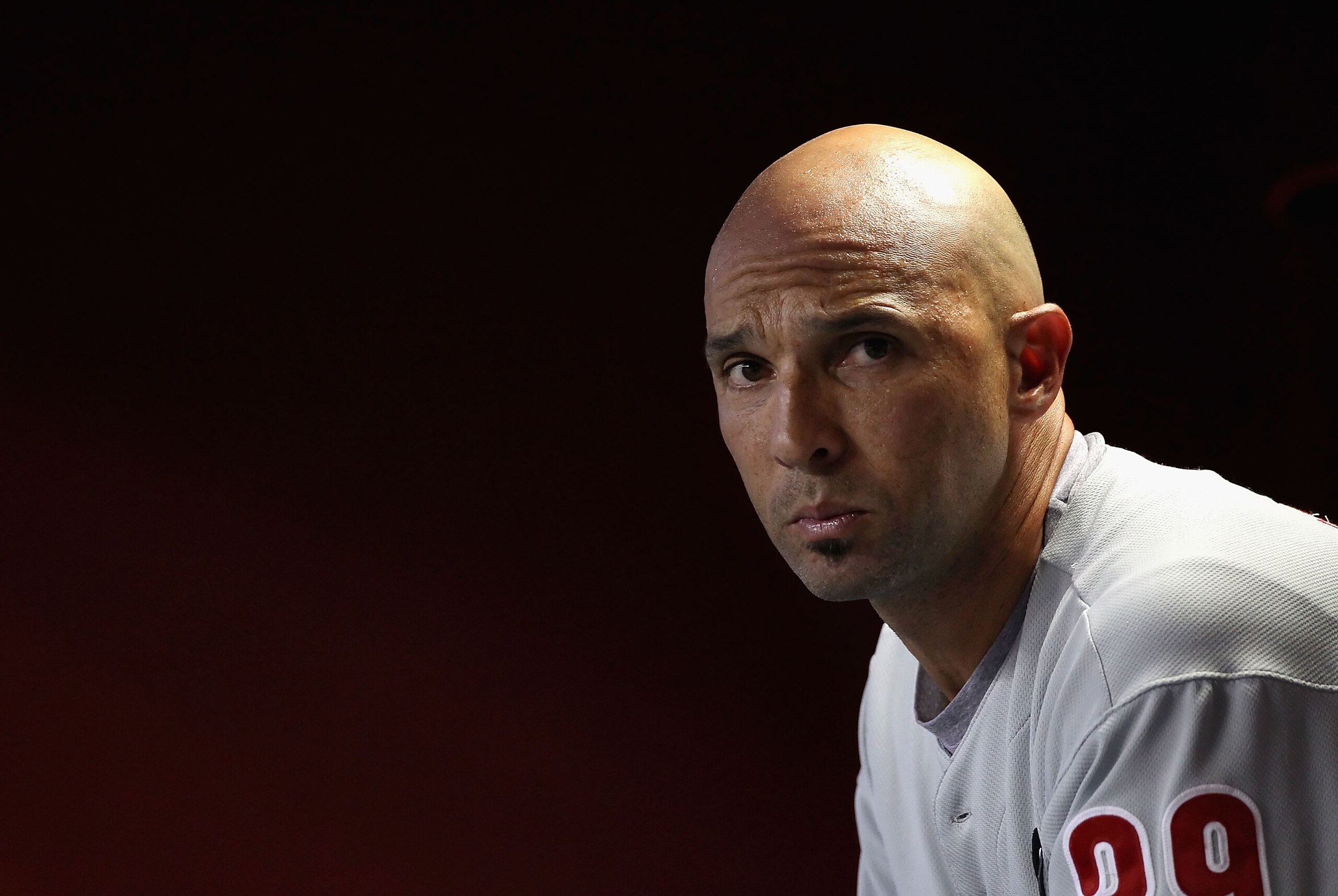
Contract Info: Signed three year, $31.5M contract w/ $2M signing bonus. 2009: $6.50 million, 2010: $11.50 million, 2011: $11.50 million.
Why it’s bad: After one solid year in Philadelphia, the Phillies have been dealing with a slumping Ibanez for the other two years left on his contract.
This year, many thought he would break out since he is in his contract year, but his recent 0-for-35 slump pretty much shut that theory down.
Even if he does turn it around, the Phillies wound up losing money on the back-end with Ibanez.
41. Juan Pierre – Chicago White Sox
10 of 50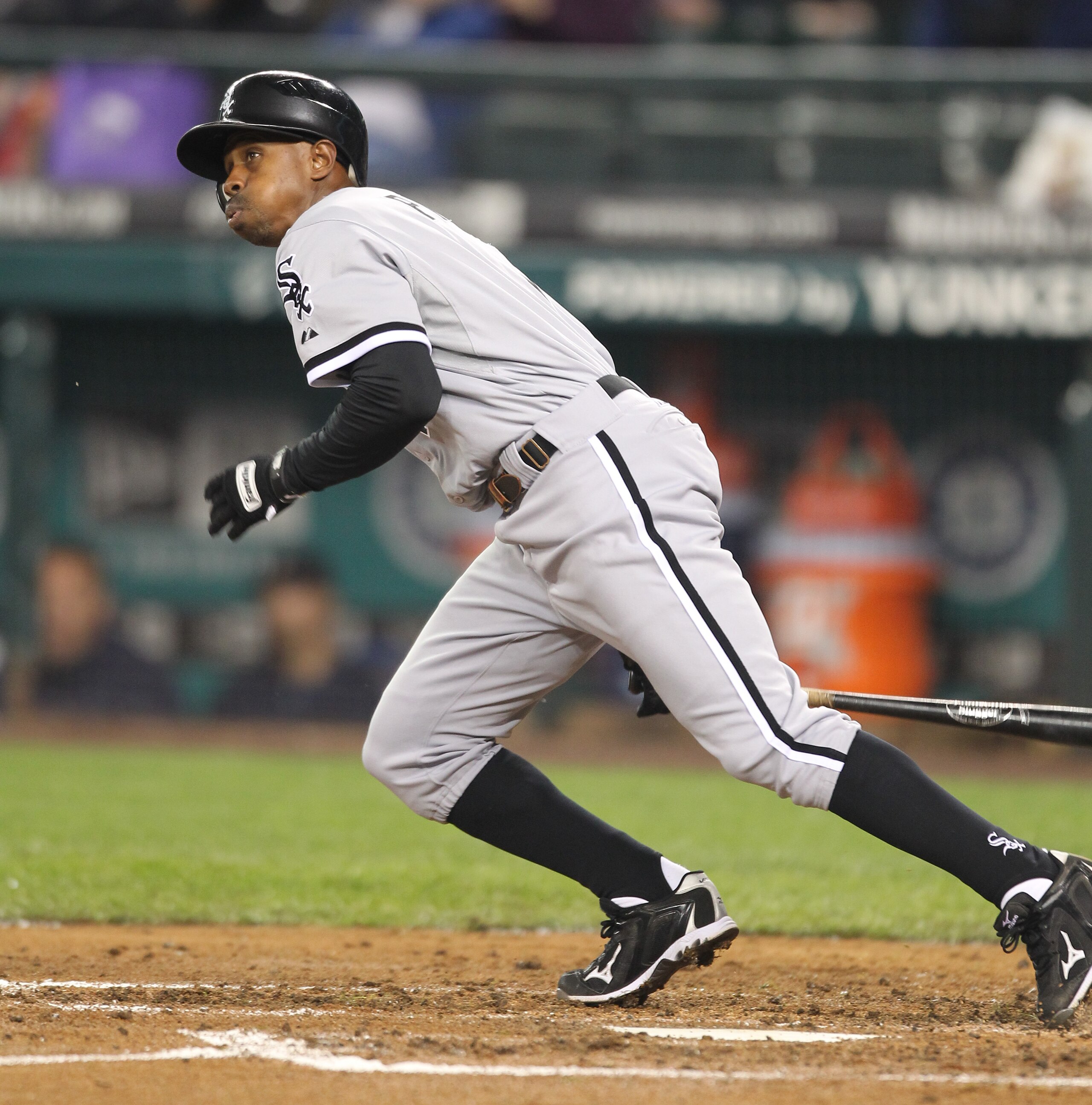
Contract Info: Signed five-year, $44 million contract. 2011: $8.5 million, 2012: Free Agent
Contract includes limited no-trade protection
Why it’s bad: There was a time where any one given team could deal with Pierre’s lack of power, because he made up for it on the base paths.
There was also a time where any one team could justify sticking with the often slumping outfielder because of so many other aspects he brought to the table.
Those days are long gone, and the White Sox are finding out way too late.
Pierre is lucky to be even playing right now, but the guy can’t even seemingly steal a base to save his life anymore.
I hate to say it, but Pierre has not only peaked a long time ago; he may be facing the end of his career.
40. B.J. Ryan – Chicago Cubs
11 of 50
Contract Info in Question: Signed five-year, $47 million contract ($10 million signing bonus). 2009: $10 million, 2010: $10 million, 2011: Free Agent
Why it was bad: The exaggerated contract the Toronto Blue Jays offered and inked was one of the biggest abominations in recent baseball history, regarding contracts.
At the time, Ryan’s contract was the biggest contract offered to a reliever, surpassing Mariano Rivera’s four-year $40 million dollar deal with the Yankees.
But Ryan was no Mariano Rivera, and the deal was a total bust.
After nothing but up and down performances and bouts with injury, the Blue Jays had enough and kicked Ryan to the curb, where he wound up in Chicago as a Cub.
But that didn’t work either.
B.J. Ryan proves that just because you’re the most coveted player at the time, doesn’t mean you are—or will be—the best in time.
39. Jeff Suppan – Kansas City Royals (minors)
12 of 50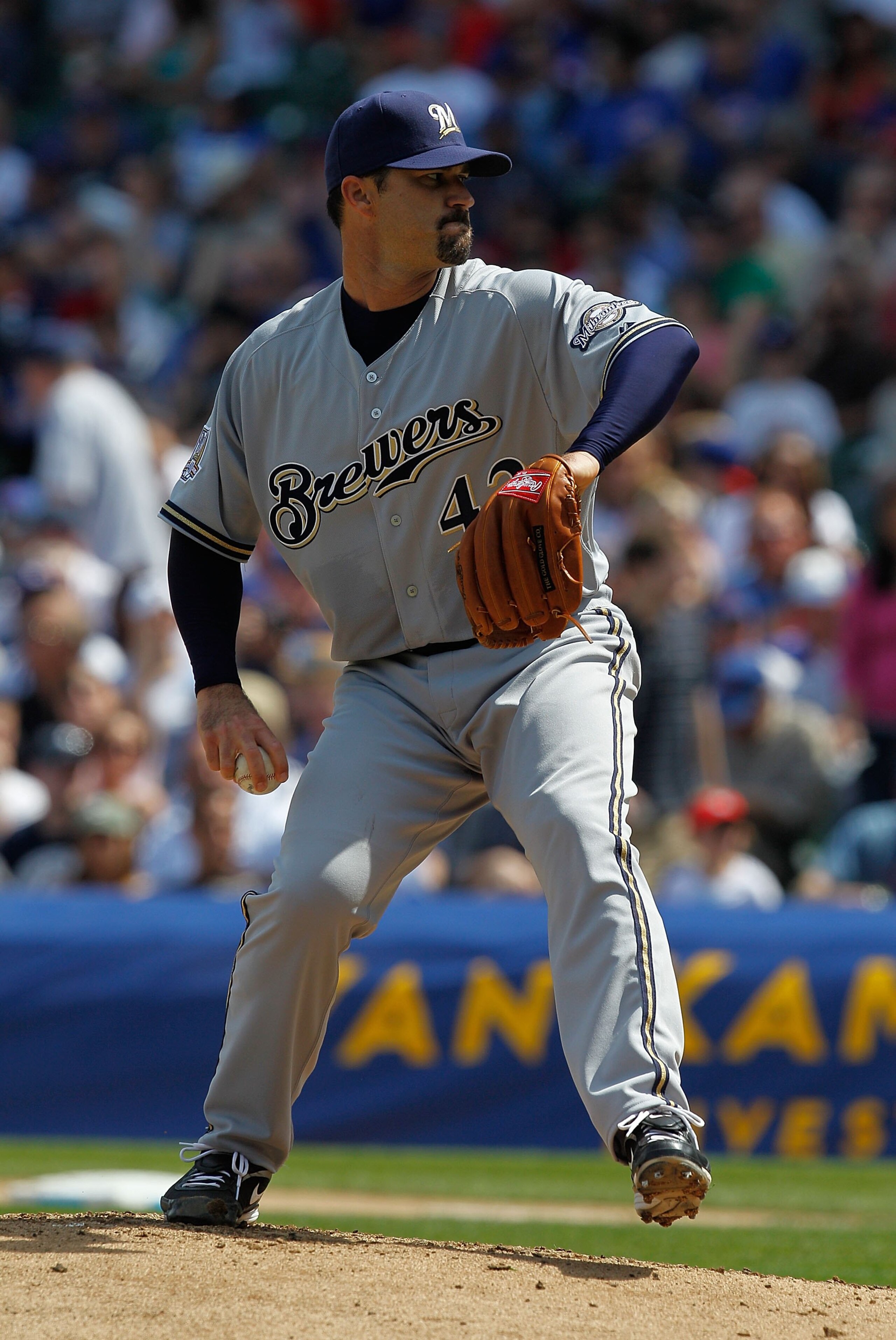
Contract Info: Initial contract in question; four years, $42 million dollars (Brewers)
Why it was bad: The Brewers never got anything close in return from Suppan outside of a world of regret.
While in Milwaukee, Suppan went 29-36 with a 5.08 ERA only to then be dropped off in St. Louis halfway through his last year as a Brewer.
His short stint in St. Louis was just as bad, going 3-6 with a 3.84 ERA.
The Cardinals subsequently dumped him somewhere in Kansas City, where he was so bad in spring training ( 5.50 ERA in 18 innings of Cactus League play), he was sent to the minors, where he currently resides.
Not even the Giants wanted him.
NO value anywhere, and not even depth chart worthy at this point in his career.
38. Kyle Lohse – St. Louis Cardinals
13 of 50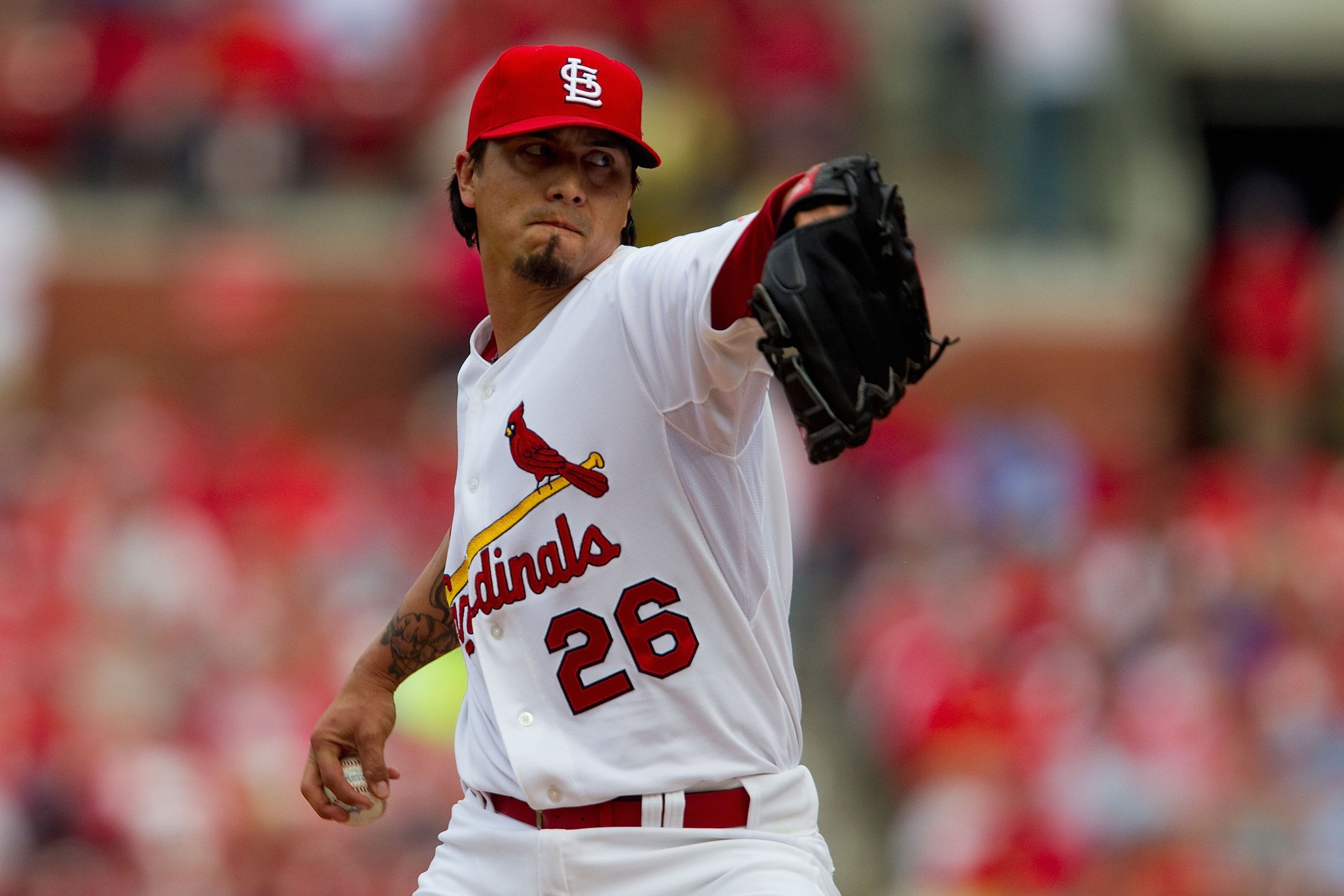
Contract Info: Signed a four year, $41M extension. 2011: $11.875 million, 2012: $11.875 million, 2013: Free Agent
Why it’s bad: This is just way too much money for a guy who went 10-18 with a 5.54 ERA in 2009 and 2010 cumulatively.
Aside from that stat, the Cardinals forked over a ton of money they should’ve saved, and they gave it to a pitcher who throws at a subpar level and is injury prone.
Despite the Cardinals “seeing something” in the kid, I have yet to see anything that warrants the contract details.
37. Aubry Huff – San Francisco Giants
14 of 50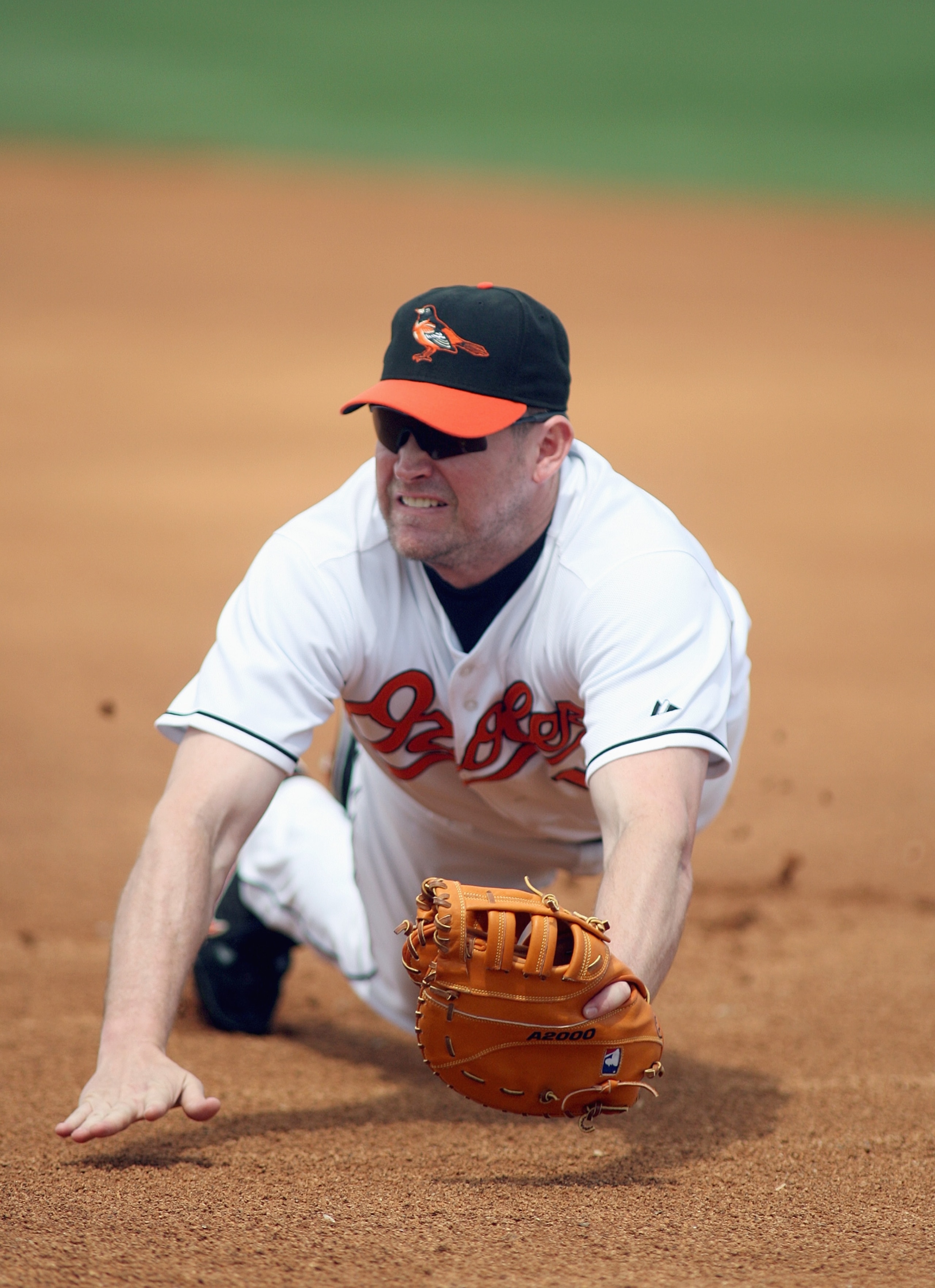
Contract Info: Signed a two-year, $22 million contract with a $10 million club option for 2013.
Why it’s bad: He’ll have to do more than he is capable of to earn this money for sure. Huff is 34 and clearly on the decline.
At this point, he’ll have to top Edgar Renteria’s WS MVP to really qualify as a high return.
36. Brandon Inge – Detroit Tigers
15 of 50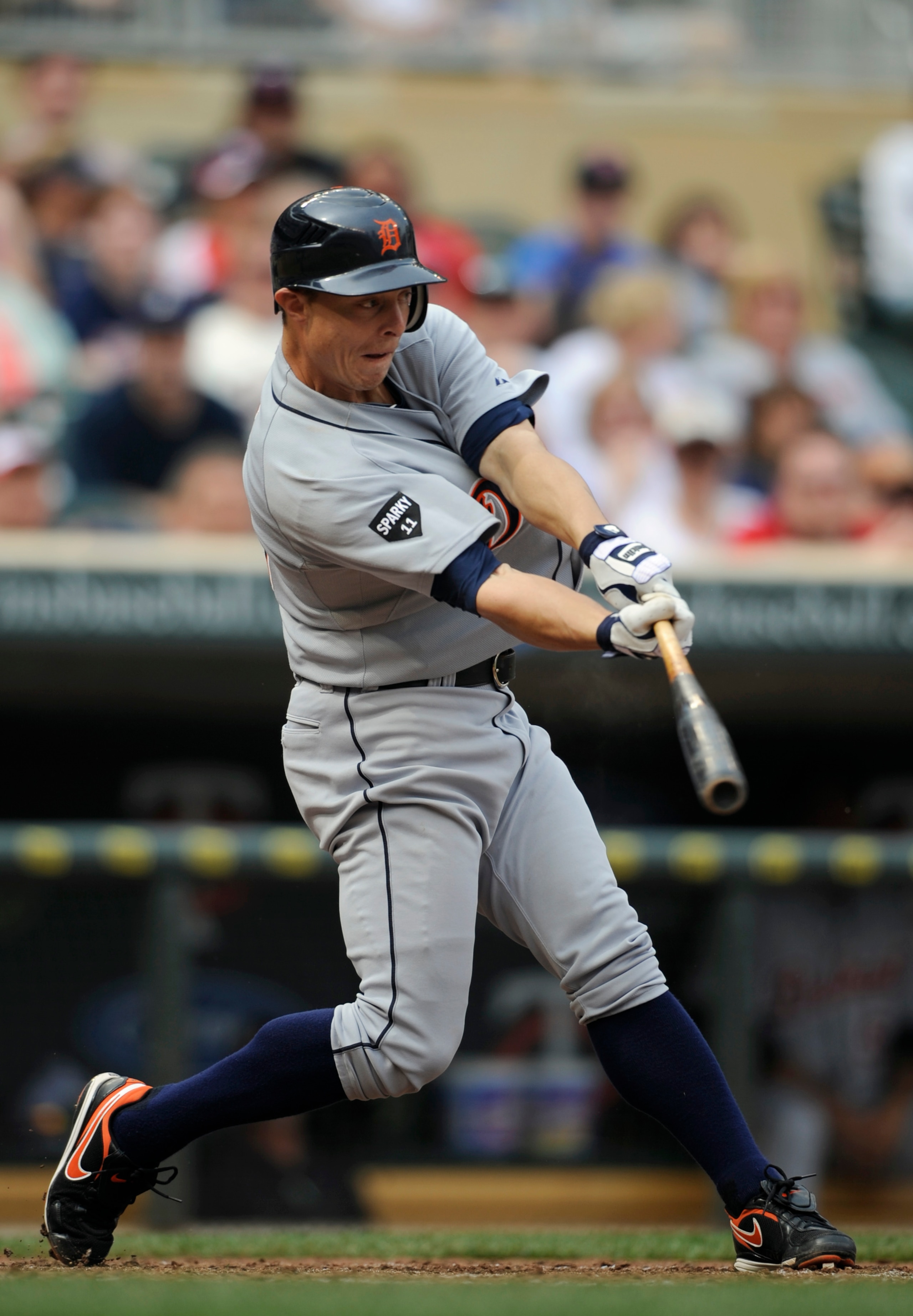
Contract Info: Signed a two-year, $11.5 million contract. 2011: $5.5 million, 2012: $5.5 million, 2013: $6 million club option or $500,000 buyout.
Why it’s bad: It’s not like Inge is all that bad of a player, but coming off of a four-year, $24 million contract that was curious to begin with, one could argue the Tigers could’ve spent their money in a more prudent manner.
A hefty contract needs a hefty return at the minimum, but the minimum is really all Inge has provided in the past four years outside of a few highlights here and there.
35. A.J. Pierzynski – Chicago White Sox
16 of 50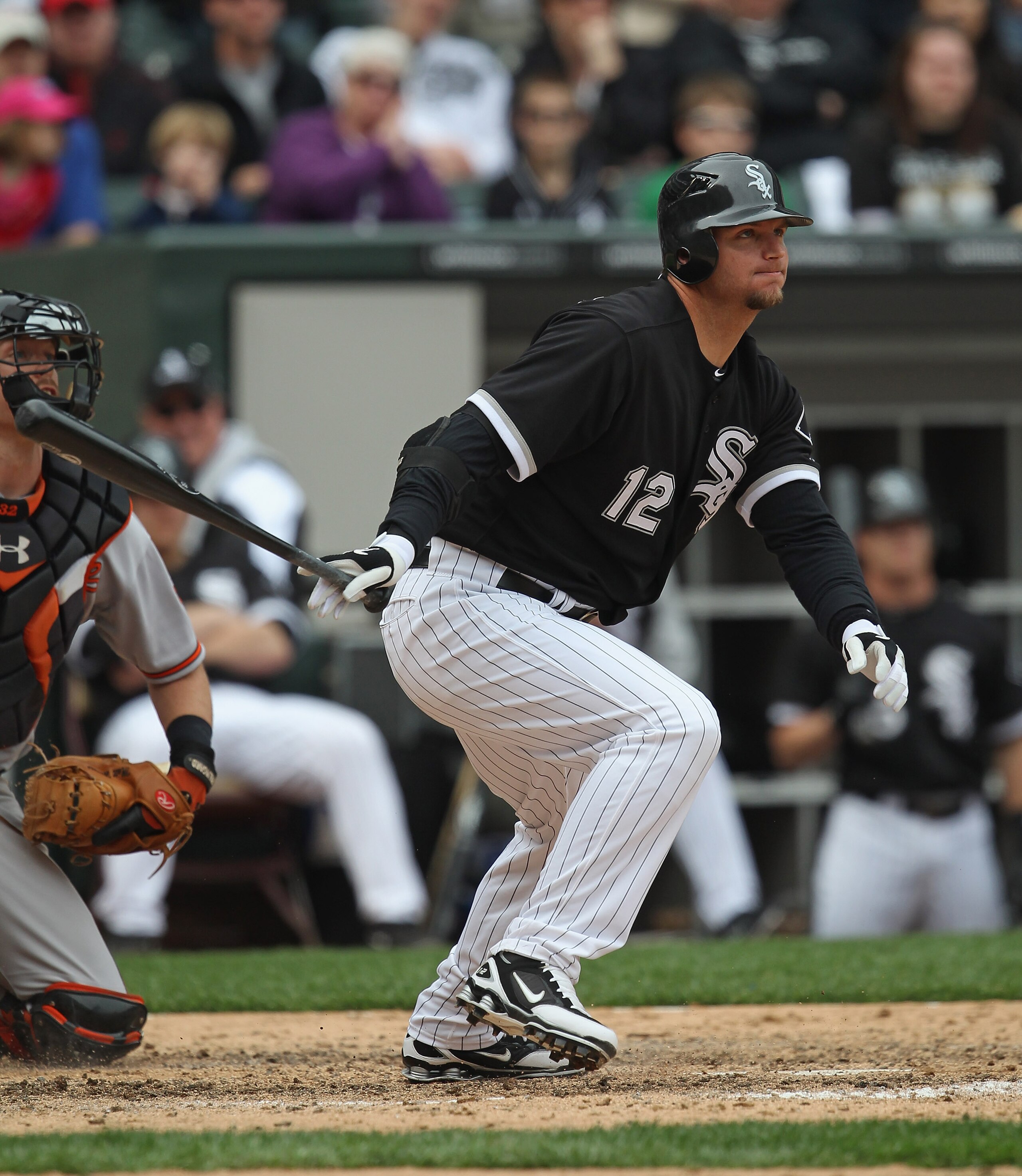
Contract Info: Signed three-year, $18.35MM in 200 7extended to two-year, $8 million contract. 2011: $2 million, 2012: $6 million, 2013: Free Agent.
Why it’s bad: The White Sox had him through 2008 to begin with, and then they extend him to 2013 after not doing much to suggest a good return on the White Sox behalf.
He’s been average at best on both sides of the ball.
34. Francisco Cordero – Cincinnati Reds
17 of 50
Contract Info: Signed four-year, $46 million contract (included $500,000 signing bonus). 2011: $12 million, 2012: $12 million club option w/$1 million buyout, 2013: Free Agent
Limited no-trade clause
Award bonuses: $25,000 for All Star selection; $50,000 for LCS MVP; $100,000 for WS MVP; $100,000 for Rolaids ($75,000 for 2nd place, $50,000 for 3rd)
Why it’s bad: Cordero has been up and down despite this year’s performance being better than anticipated.
What’s wrong with this contract is the fact that the Reds took a chance on Cordero when they had limited resources to begin with.
The return has been 50/50, so there needs to be a final upswing to justify the means.
33. Todd Helton – Colorado Rockies
18 of 50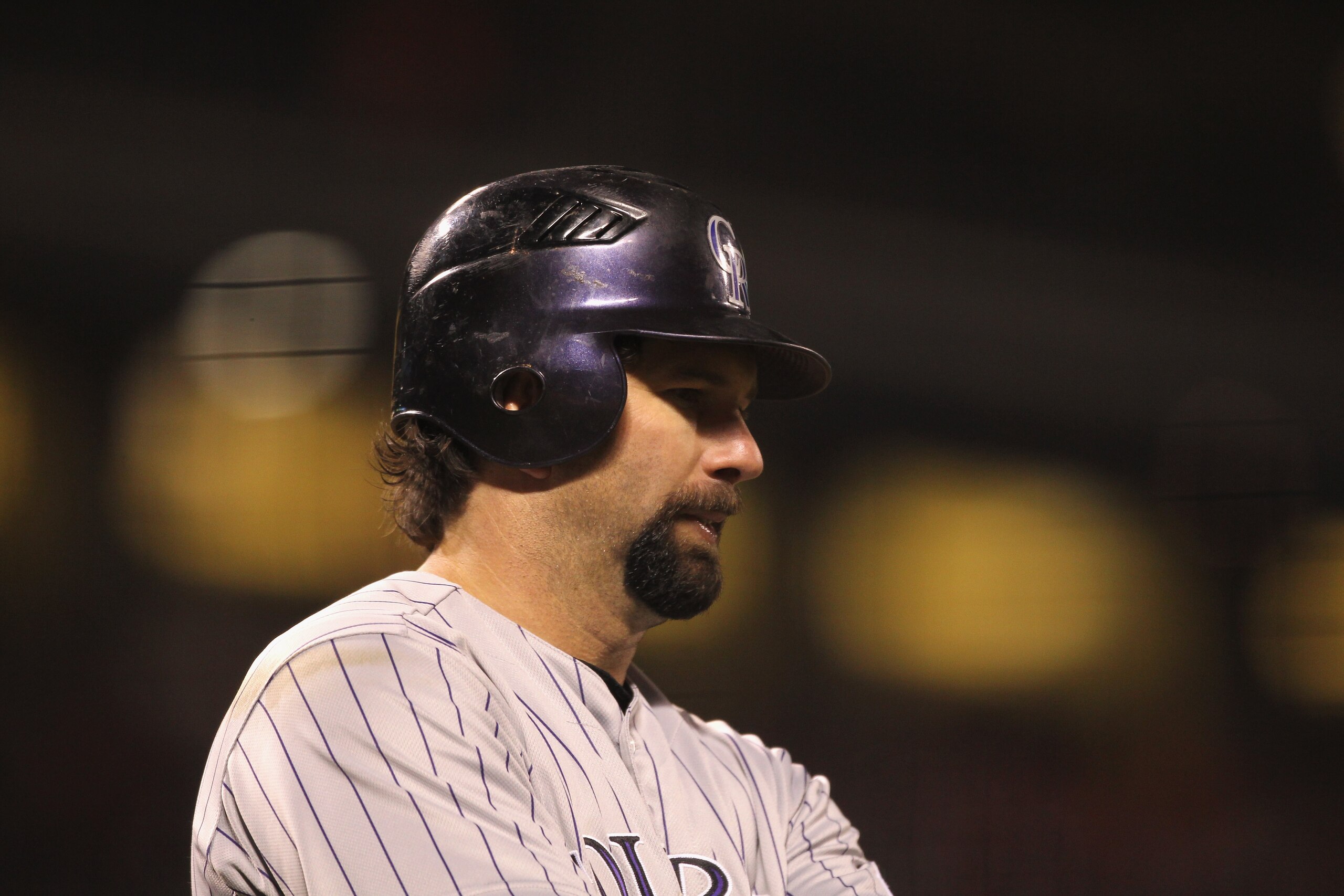
Contract Info: Signed two-year, $9.9 million extension, reworking previous contract's terms for 2011 and 2012. 2011: $10.6 million, 2012: $4.9 million, 2013: $5 million
$19.1 million 2011 salary and $4.6 million 2012 buyout converted to $4.6 million signing bonus in 2011 and $6 million salary for 2011, with $13.1 million deferred to 2014-2023 at three percent interest
Why it’s bad: Kudos for the Rockies for putting faith in Helton after a disappointing 2010 season, but shame on them for offering so much money for what is basically a chance they will cash in on a huge return.
A return that hasn’t happened yet.
This sort of thing epitomizes what baseball shouldn’t do, but owners just don’t learn their lesson spending millions of dollars each year on hopes alone.
I hope Helton proves me wrong, as I am not bashing him, but the contract re-work just doesn’t make any more sense than the initial contract alone.
32. Gary Matthews Jr. – Cincinnati Reds (for Now)
19 of 50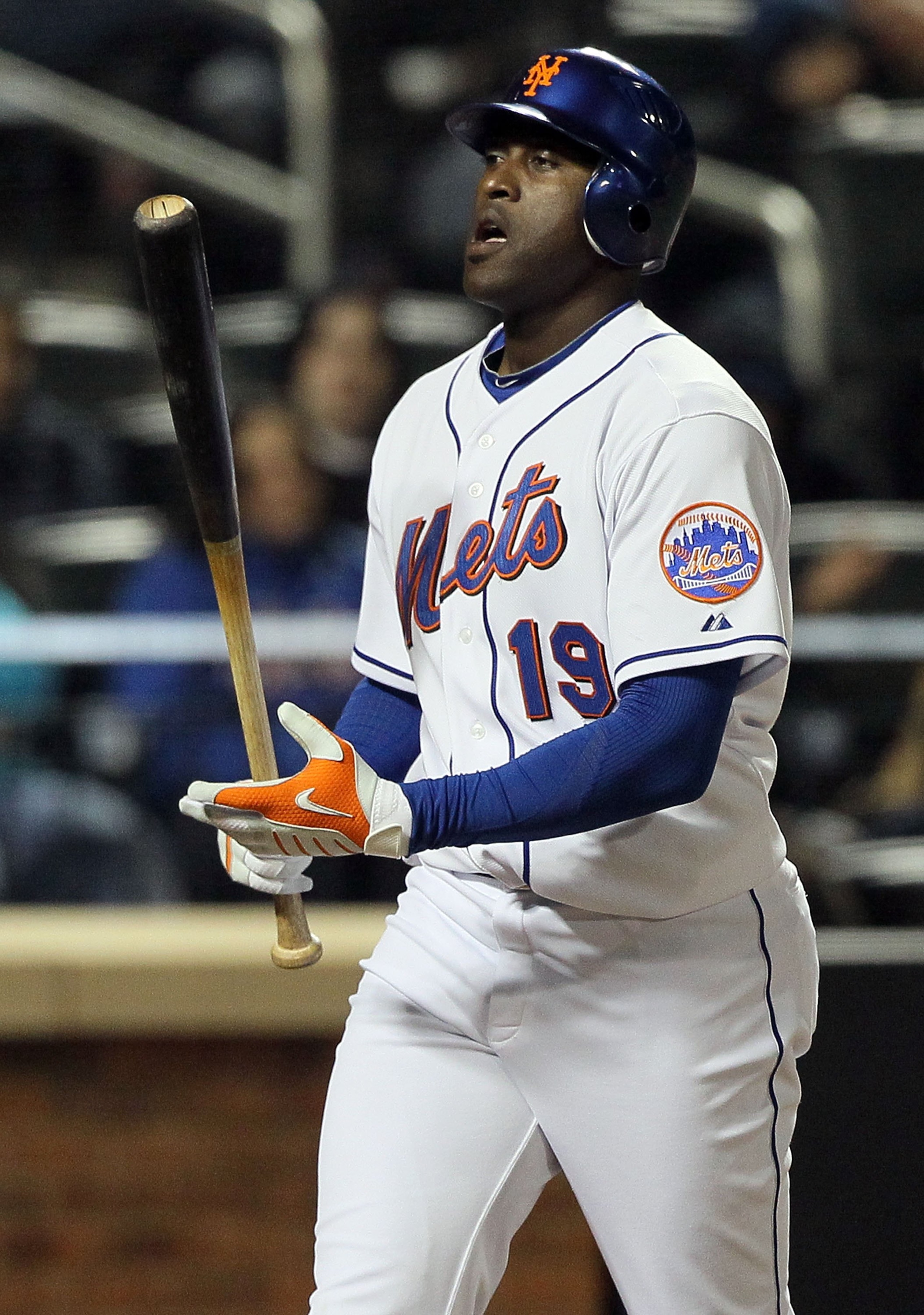
Contract Info in Question: Five years, $50 million with the Angels in 2007
Why it was bad: OK, follow me here.
The Angels inked this explosive abuse of a checkbook back in 2007, which is precisely where Sarge’s son began his humongous decline, both on the offensive side of the ball and on the defensive side.
He was then bounced to the Mets, who paid a pretty coin ( $11.4 million in 2010 and $10.9 million in 2011 BACK to the Angels) only to have him hit an atrocious .190/.266/.241 batting line across 58 at bats.
Now, the Reds are currently the owners of Matthews, and there was even rumor the of the Phillies possibly picking him up and signing him to a Minor League contract back in February.
No information on that one, kids.
Either way, despite the Angels getting a portion of their money back, it still was a terrible contract followed up by an even more curious ink on the Mets behalf that both parties have got to be regretting.
31. Oliver Perez – Washington Nationals
20 of 50
Contract Info: Signed three-year, $36.0 million contract, 2009: $12.0 million, 2010: $12.0 million, 2011: $12.0 million.
Why it’s bad: Not quite sure what the thinking here was, as Perez certainly didn’t impress anyone in his last year as a Met before coming to Washington.
What makes this deal bad is:
1. Oliver Perez got his three-year, $36 million contract after posting a 4.22 ERA the year before.
2. The Nationals have yet to see the fruits of their hard spent cash.
30. Jake Westbrook – St. Louis Cardinals
21 of 50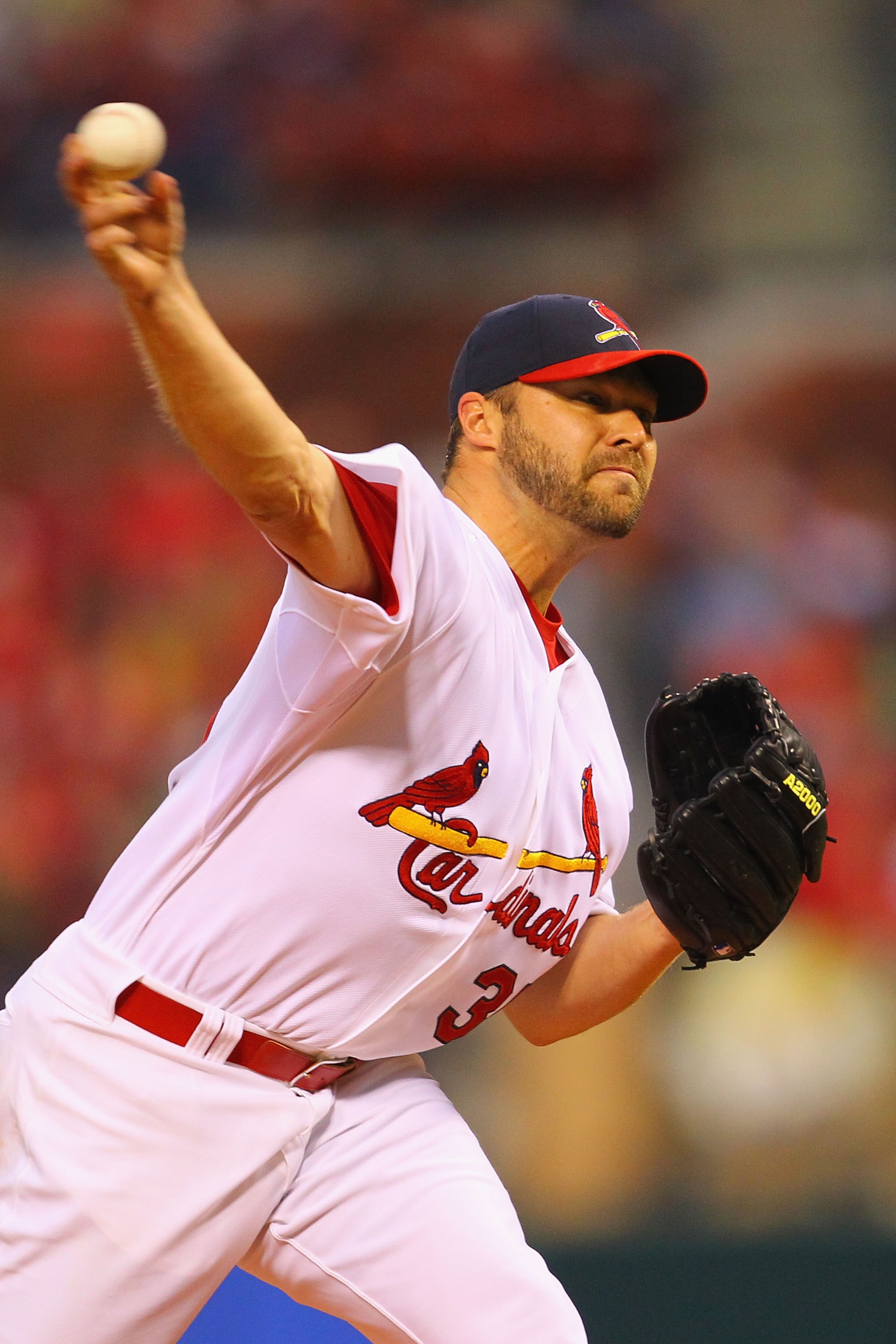
Contract Info: Signed: 2011: $8.0 million, 2012: $8.5 million, 2013: $8.5 million mutual option ($1.0 million buyout if club declines, none if player declines).
Why it’s bad: OK, how the guy ever received a three year $33 million dollar contract from Cleveland was one thing, but who—and why—the Cardinals thought it was a good idea to offer a whopping $24.5 million dollars for a borderline average pitcher is beyond my comprehension.
The Westbrook deal had red lights flashing all over from day one, and he has yet to prove he was worth the money sitting on a combined 6-6 record alongside a horrid 4.35 ERA.
To boot, he was also coming off of TJ surgery and his current “improving” 6.14 ERA is testament that this was a terrible and regretful deal.
29. Jake Peavy – Chicago White Sox
22 of 50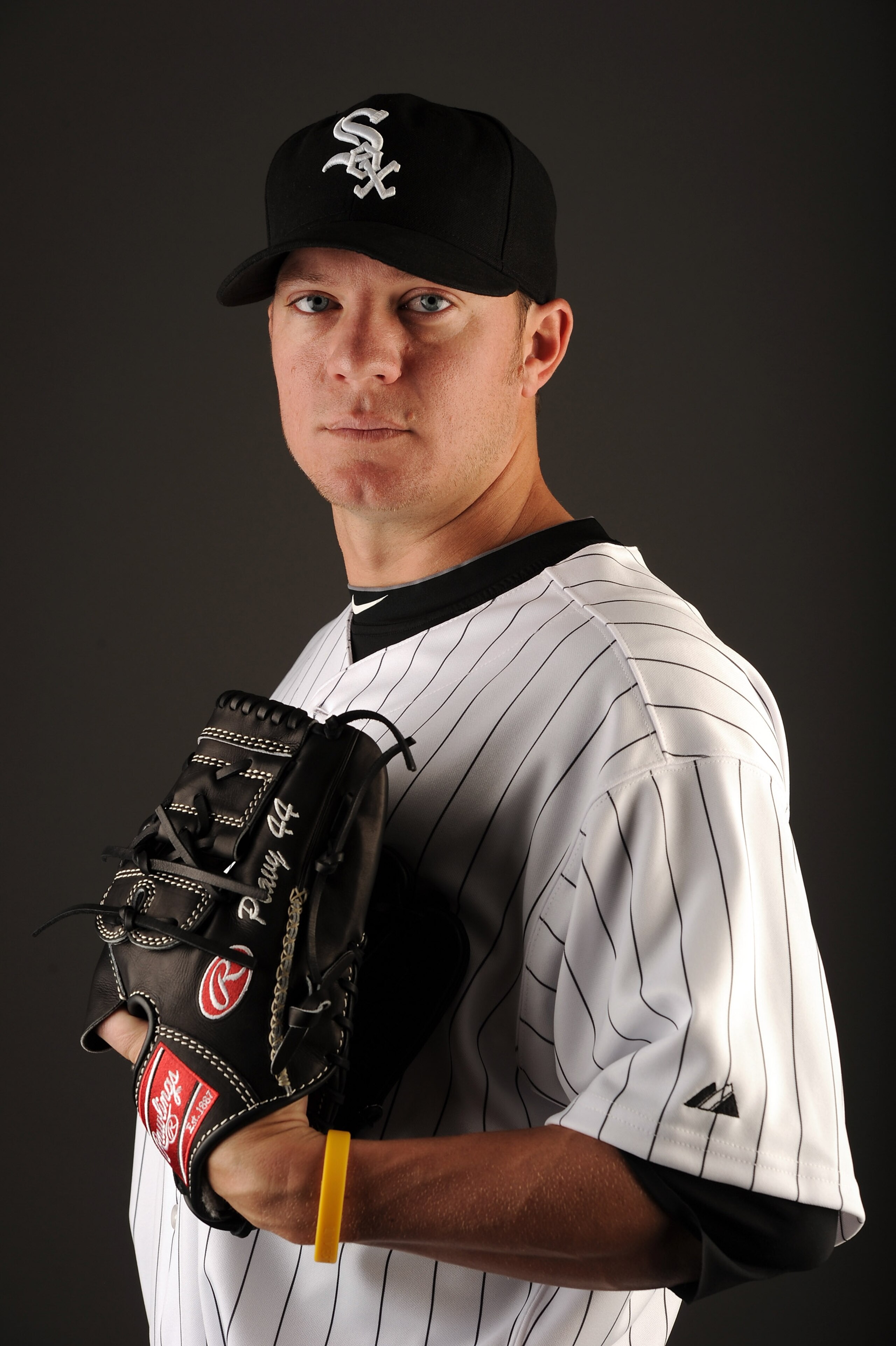
Contract Info: Signed three-year, $52 million extension w/ 2013 club option and limited NTC. 2011: $16 million, 2012: $17.0 million, 2013: $22 million club option w/ $4 million buyout, 2014: Free Agent
May block trades to 14 clubs in 2011 and eight clubs in 2012 (also earns 10-and-5 rights in 2012)
Award bonuses: $100,000 for WS MVP; $100,000 each for MVP or Cy Young ($50,000 for 2nd, $25,000 for 3rd); $50,000 for All Star starter; $25,000 for All Star selection; $50,000 each for LCS MVP, Gold Glove.
Why it’s bad: Jake Peavy was the guy the White Sox were hoping could be their true staff ace. But the last monster season he had, prior to joining the White Sox in 2009, was his 19-6 season back in 2007, which was also his best season out of his entire career.
After 2007, however, Peavy was never quite the same with his command, and he’s been carrying around injury issues like luggage—even when the White Sox signed him.
Signing a guy to an inflated contract who is not entirely healthy or over his peak is just plain anti-productive.
And the White Sox have been stuck ever since.
28. Rafael Soriano – New York Yankees
23 of 50
Contract Info: Signed a three-year, 35 million dollar contract.
Why it’s bad: See what I mean? Before going to Tampa Bay, Soriano was 8-18 with a 2.92 ERA and a 75% save rate.
One year in Tampa where he had a turnaround year, and suddenly he’s the best player on the market a year ago, worthy of a $35 million dollar contract.
Currently, Soriano is living here back on earth with his 5.79 ERA and 50 percent save rate for the Yanks.
27. Jason Bay – New York Mets
24 of 50
Contract Info: Signed four-year $66 million dollar contract through 2013 with a vesting option in 2014.
Why it’s bad: At the time, Bay’s contract seemed to make sense after a stellar year offensively in Boston.
The Mets were in need of a player who could hit for average and/or power and were willing to pay for it.
Well they sure did “pay for it”.
Bay has been a total disaster since coming to the Big Apple both offensively and defensively, and the Mets are still on the hook for two more years.
26. Adam Dunn – Chicago White Sox
25 of 50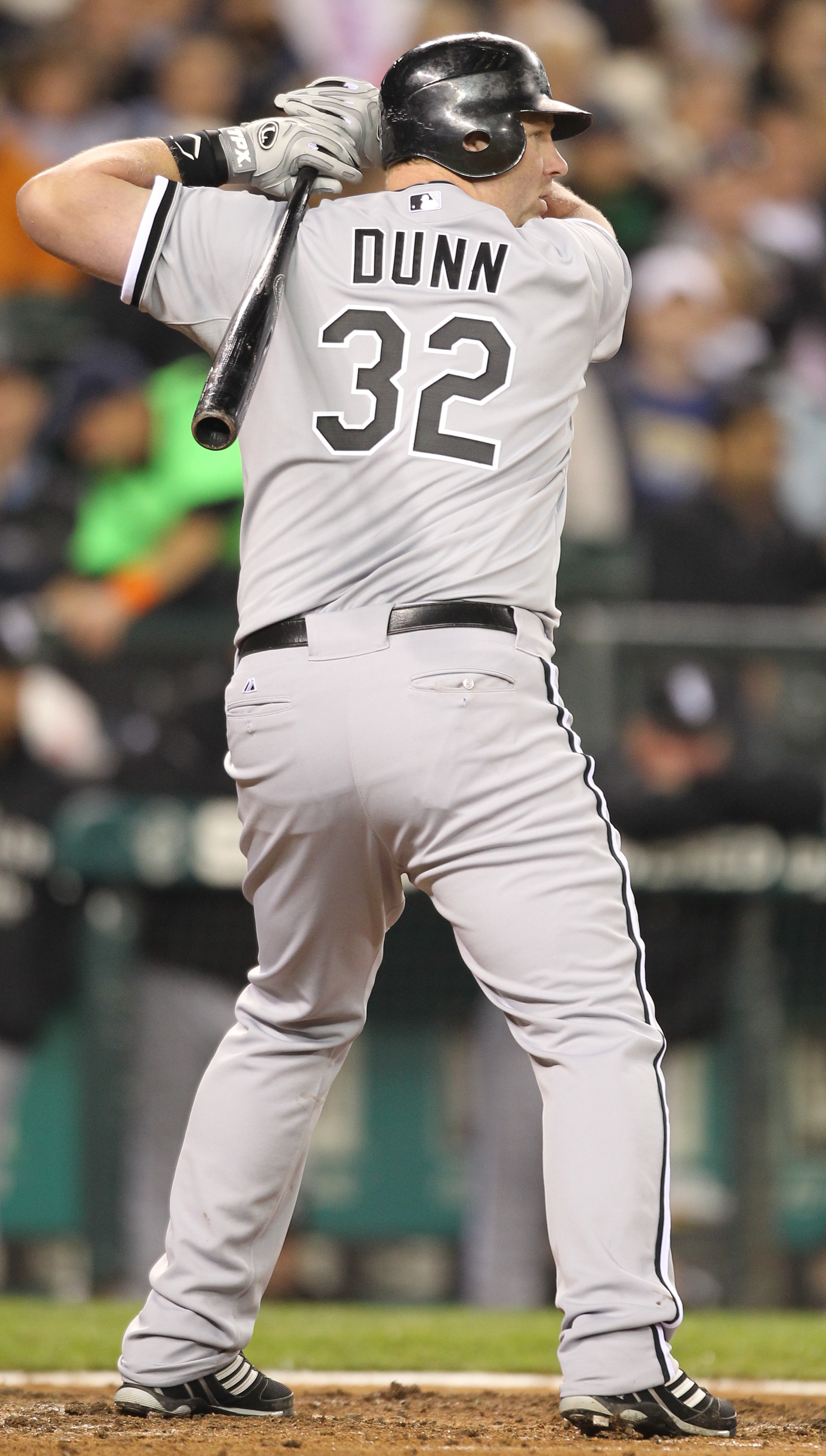
Contract Info: Signed a four-year, $56 million contract. 2011: $12 million, 2012: $14 million, 2013: $15 million, 2014: $15 million.
Why it’s bad: Because experiments rarely succeed; that’s why.
I get it, I really do: Add a power bat alongside Paul Konerko in the lineup: A can’t fail approach, right?
Well, here we are, and so far, the White Sox are eating every penny, as Dunn is hitting just .171 with three home runs.
Yup, $56 million, kids.
25. Jose Bautista – Toronto Blue Jays
26 of 50
Contract Info: Signed a five-year, $65 million extension with a $14 million club option for 2016. 2011: $8 million, 2012: $14 million, 2013: $14 million, 2014: $14 million, 2015: $14 million.
Why it’s bad: I can’t really see the idea behind such a high contract after just one good year.
Before last year’s unusual performance, this was a guy who averaged just 10 homers a year while hitting just .238.
I just don’t see Bautista earning his money every year until he is 35, based on his past.
24. Manny Ramirez – MLBs Brett Favre
27 of 50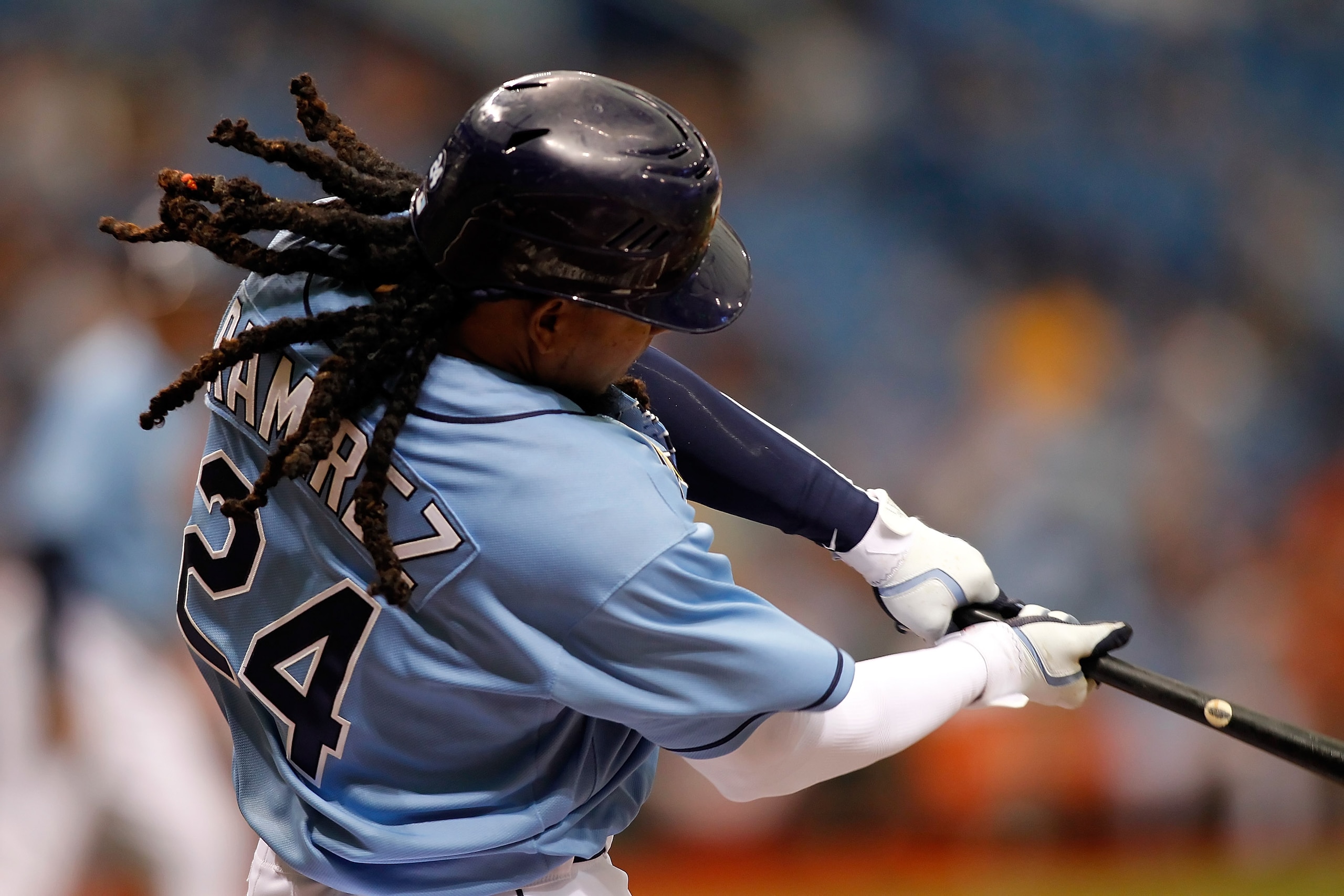
Contract Info: Take your pick!
Details: I decided to just go across the surface with many for several reasons, so it will be the only slide of its kind.
Manny was a great baseball player, but he was a horrible decision maker. Whether it was the debacle in Boston, his unmentionable time in Los Angeles or the even more curious Tampa Bay fiasco, Manny basically dragged his own name in the mud for several years leading up to his “formal retirement”.
Tampa wasted two million, the Dodgers wasted close to $50 million and while Boston did get much of their money’s worth, the other issues wasn’t worth the coin.
To be honest, he’s baseball’s Brett Favre minus the cell phone.
23. A.J. Burnett – New York Yankees
28 of 50
Contract Info: Signed a five year, $82.5M contract in 2008. 2009-13: $16.5 million annually
Why it’s bad: Burnett had a disastrous 2010 season and has shown signs of aging and decline since 2008.
Five-years, $82.5 million for a guy who went 10-8 with a 3.75 ERA in 2007 is not my idea of prudent money management, and I can’t help but wonder if even the Yankees’ organization are thinking they spent more than they got in return.
One major aspect to support this theory is his 1-2 record in the playoffs that is handcuffed to a dismal 5.67 ERA, so it’s not like he has even helped the Yanks out when they need him most.
Not a lot of value for the money spent here.
22. Carlos Silva – Chicago Cubs
29 of 50
Contract Info: Signed four-year, $48.0 million contract w/ 2012 mutual option ($5.0 million signing bonus). 2011: $11.5 million, 2012: $12.0 million mutual option w/ $2.0 million buyout, 2013: Free Agent. Award bonuses: $200,000 for Cy Young, $100,000 for WS MVP, $50,000 each for LCS MVP, Gold Glove, All Star.
Why it’s bad: Aside from eating more money that Hendry has to offer anyone right now, the whole experiment just went south, and the contract wound up being one of the worst in recent memory for a pitcher.
And this was after his bloated and failed contract lent by Seattle.
I think the following, after his relase by the Cubs, sums thing up the best:
"Obviously we're dealing with a man at this stage of his career who's not willing to face the facts," Cubs general manager Jim Hendry said. "What he's done for the last few years in his career, except for a two-month period, is way below major league standards. And he seems to have the continual problem [of] blaming everybody but himself." – ESPNChicago
21. Travis Hafner – Cleveland Indians
30 of 50
Contract Info: Signed four-year, $57.5 million contract w/ 2013 club option, 2011: $13 million, 2012: $13 million, 2013: $13 million club option w/ $2.75 million buyout, 2014: Free Agent
Limited no-trade clause allowing Hafner to block trades to certain unspecified clubs
Why it’s bad: Again, at the time it seemed like a good idea, but since then, there has been no return on the money from Hafner, who now DH’s.
Since 2007, Hafner hasn’t come close to putting up the kind of numbers he did to warrant the contract that was extended to him, making the contract terrible in hindsight.
20. Joe Blanton – Philadelphia Phillies
31 of 50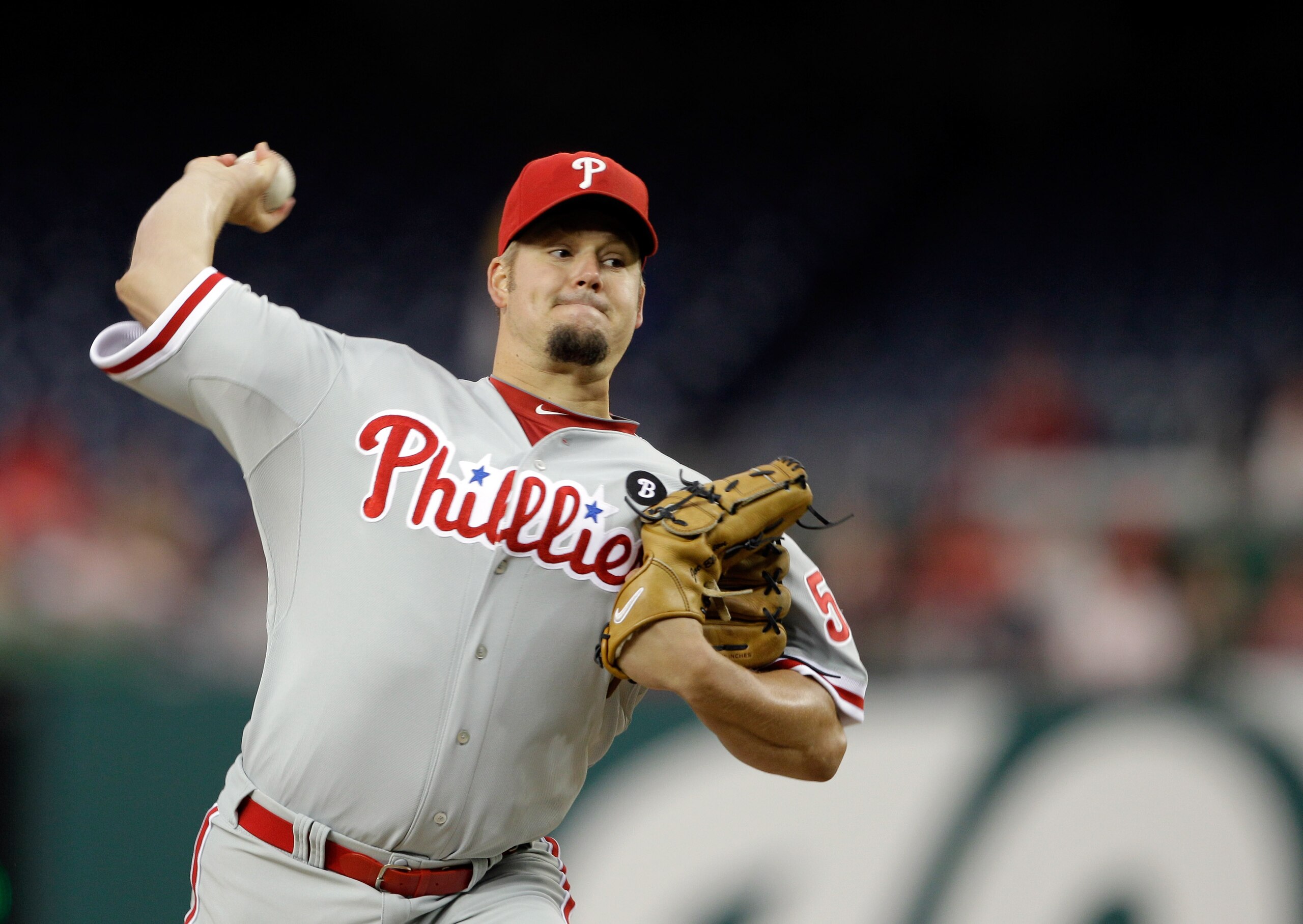
Contract Details: Signed a three-year, $24 million contact. 2010: $7 million, 2011: $8.5 million, 2012: $8.5 million, 2013: Free Agent
Why it’s bad: At first glance, one could say you can justify the money given his combined record as a member of the Phillies, but you must attribute that to his wonderful offense that usually has to dig themselves out of Blanton’s hole.
Known as a pitcher who is a “first three-inning struggler”, Blanton’s ERA and low strike count suggest the Phillies went too high on him in 2010.
He has made some improvement this year, but across the table, the deal is just a bit too high and falls under one of the worst.
19. Josh Beckett – Boston Red Sox
32 of 50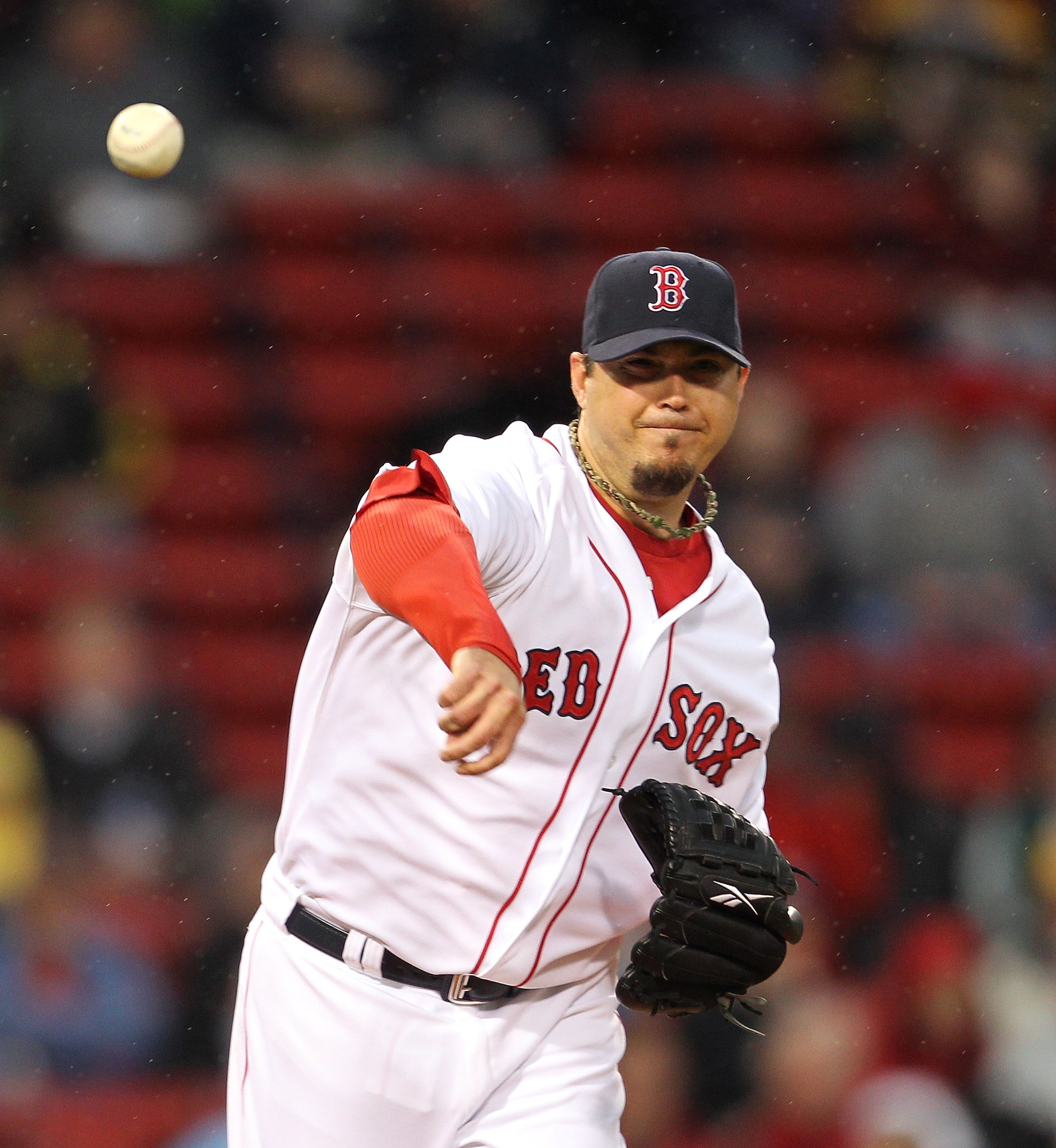
Contract Info: Signed a four-year, $68 million contract in 2010 (includes $5 million signing bonus). 2011: $15.75 million, 2012: $15.75 million, 2013: $15.75 million, 2014: $15.75 million, 2015: Free Agent
Why it’s bad: While I will admit that Beckett has reasserted himself as a viable starter this year, his last two were less than impressive to say the least.
Boston really hasn’t received their “payment in full” in my opinion with Beckett, and it will take a continuance of his good play this year and two more solid years to really justify his contract details.
18. Daisuke Matsuzaka – Boston Red Sox
33 of 50
Contract Info: 2006: Signed six-year, $52 million contract (included $2 million signing bonus). 2011: $10 million, 2012: $10 million.
Full no-trade clause: may not be traded without consent, provided player gets his first day of Major League service during a guaranteed contract of at least six years after player has been with a professional baseball league team other than a major or minor league team;
Award bonuses: $500,000 for MVP ($125,000 for second, $100,000 for third, $75,000 for fourth, $50,000 for fifth), $500,000 for Cy Young ($400,000 for second, $300,000 for third), $100,000 All Star start ($50,000 for All Star selection), $150,000 for WS/LCS MVP, $50,000 for Gold Glove, $25,000 for Rookie of Year; May not be sent to minor leagues;
Perks: physical therapist, massage therapist, interpreter, eight first-class round-trip airline tickets per year between Boston and Japan, spring training housing allowance of up to $25,000, Boston housing allowance of up to $75,000, one-time moving allowance of up to $35,000, use of Lincoln Town Car or similar car, Red Sox player ticket package, including two field box seats, team employee to assist Japanese media and uniform No. 18.
Why it’s bad: Yeah, I know his contract details basically take up this whole slide, but it is important to highlight what Dice-K has not lived up to entirely.
The major problem with this contract is the fact that the Red Sox can’t do anything if the guy tanks, which he has. They can’t send him to the minors; they can’t trade him and are basically stuck with this deal.
The only hope is that Dice-K return to form and earns some of that money before next year, which seems unlikely at the moment.
17. Mike Hampton – Colorado Rockies
34 of 50
Contract Info: Eight years, $121 million with the Rockies in 2001
Why it was bad: Now retired, Hampton was one of the worst contracts in all of baseball.
After being lights out in Houston, Hampton basically found out why only the elite can pitch well for the Rockies at Coors Field.
Yes, at the time, Hampton’s contract seemed like a good idea after all of his success as an Astro. Hampton averaged 16 wins and a 3.35 ERA over 225 innings pitched and was even a Cy young contender before hitting 27.
But boy, did that all back fire for Colorado, eh?
Not to mention Atlanta and his second stint with Houston in 2009.
At least he did hit 10 home runs, despite giving up 55.
16. Jason Schmidt – Los Angeles Dodgers
35 of 50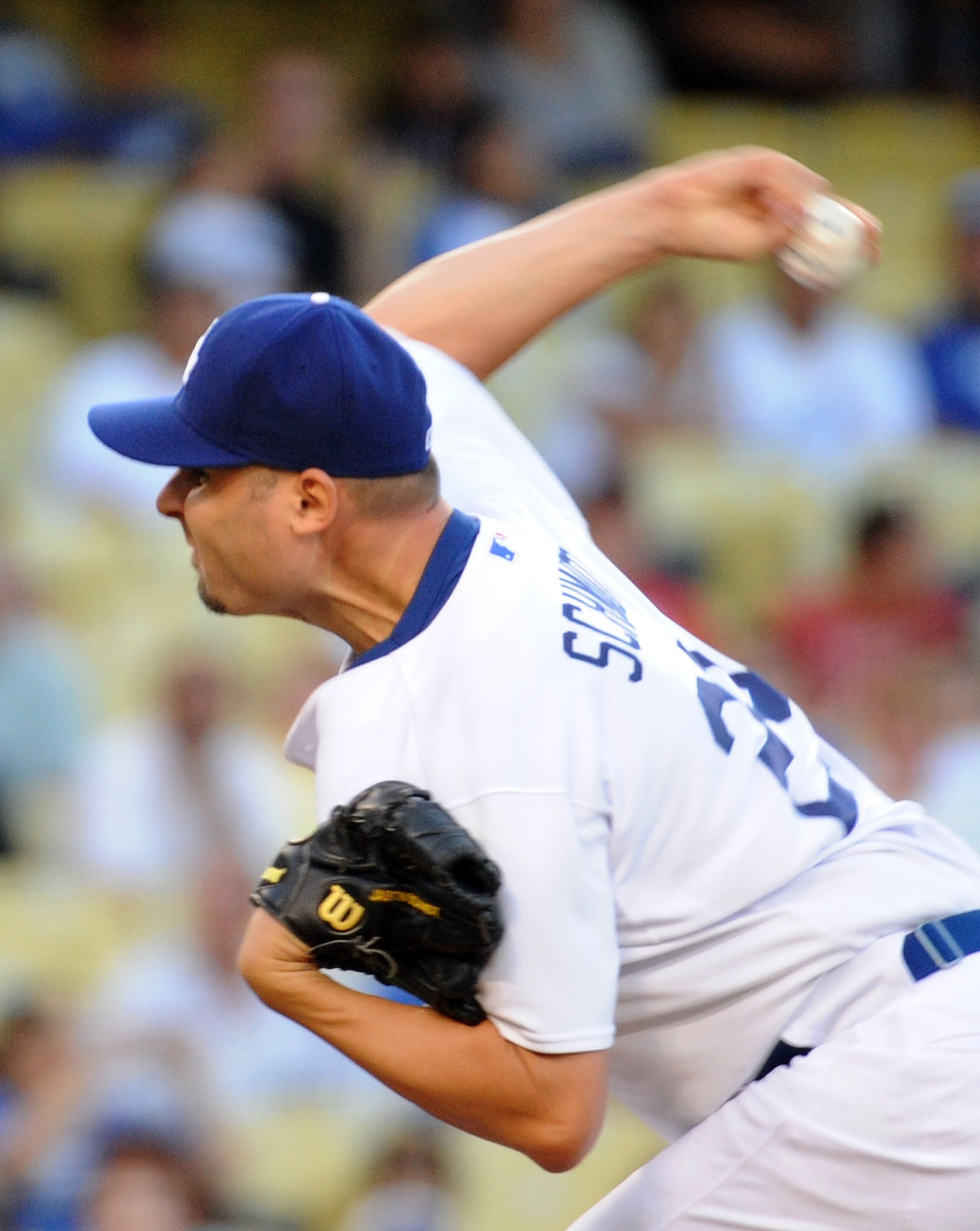
Contract Info: Signed a three-year $47 million dollar contract.
Why it’s bad: Aside from being a total flop, and injury liability, Schmidt basically took the money and is on his way out the door with a big fat smile on his face.
His contract basically broke down like this:
• $15.7 million per win
• $4.7 million per start
• $1.57 million per strikeout
• $1.08 million per inning
• $60,179.26 per pitch
Sorry, but the Dodgers have got to be kicking themselves for this one.
15. Michael Young – Texas Rangers
36 of 50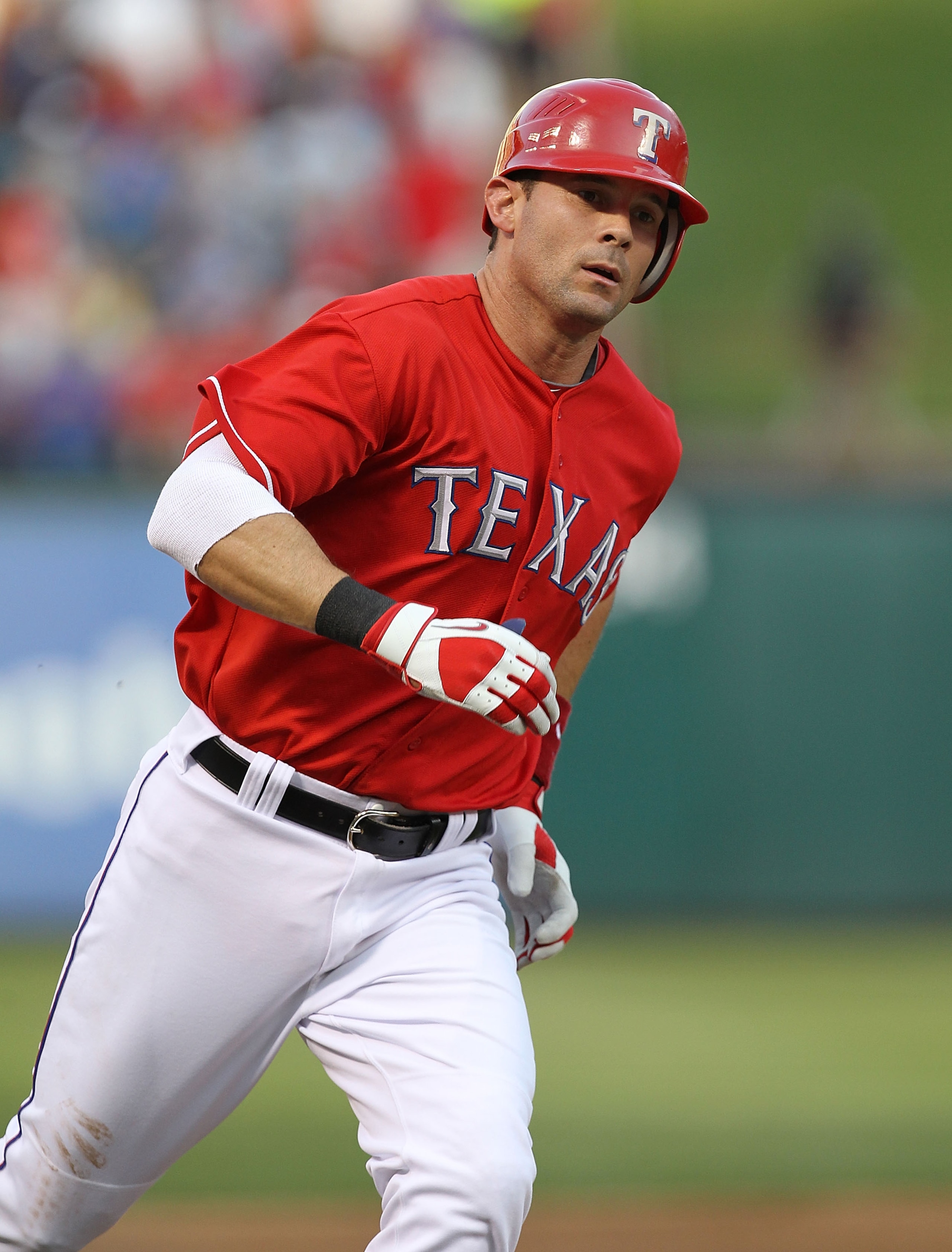
Contract Info: Signed a five-year, $62MM in present day value ($12.4MM per year).
Why it’s bad: What started out as a good deal has ended in total disaster with Young not even being an everyday starter in the present day.
But what’s worse is the fact they are basically stuck with him for the interim.
The Rangers put him out there amidst all the negative talk this offseason, but nobody wanted to assume the inflated financial liability of a declining 34-year-old DH player.
The only saving grace for the Rangers will be if Young continues to hit as well as he is this season at the DH spot, but that still doesn’t justify a $13 million dollar DH.
14. Aaron Rowand – San Francisco Giants
37 of 50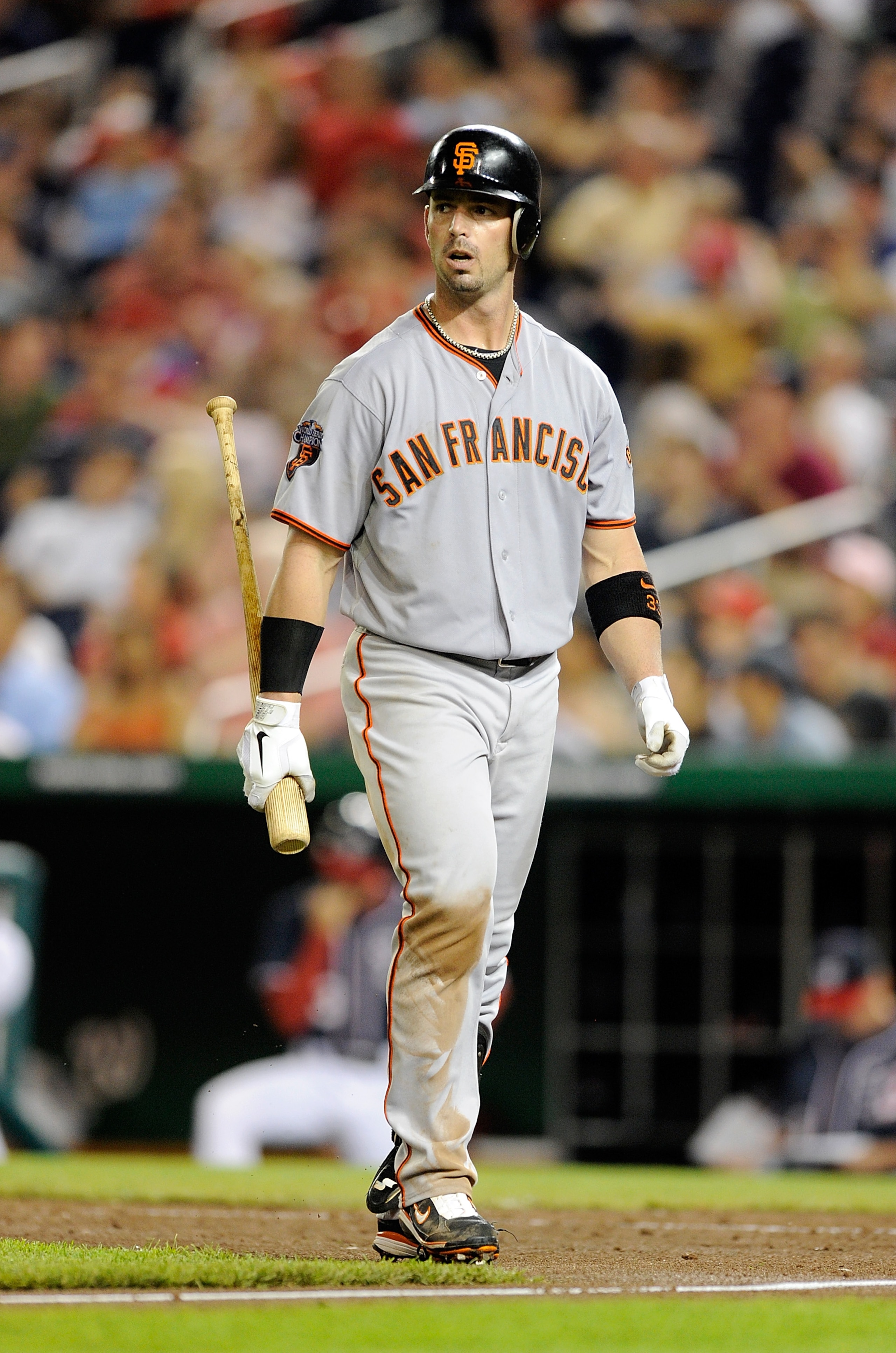
Contract Info: Signed a five-year, $60MM ($12MM per year)
Why it’s bad: Rowand is a nice useful player to have floating around the clubhouse, but he wasn’t worth the $60 million, and his production has steadily declined each year since then.
Rowand was a .286 hitter who averaged 13 home runs a game until San Fran snatched him up. Since becoming a Giant, he has fallen to a .258 hitter.
While I have to admit he has kept his head above water all of these years, I can also imagine the Giants envisioned greater things from Rowand than just base mediocrity.
Otherwise, they may want to re-evaluate what goes into approving such contracts for future players.
13. Kosuke Fukudome – Chicago Cubs.
38 of 50
Contract Info: Signed a four-year, $ 48 million dollar contract
Why it’s bad: Hendry was obviously buying high on a lot of players in 2006 and 2007, and I can only wonder if he is now kicking himself every step of the way.
Fukudome, at the time, was believed to be the next big thing in Chicago, but this deal was really activated to fend of the White Sox and Padres, who were also in pursuit with similar offers.
He has yet to truly earn his money, and the owners can’t be happy with that inflated transaction looking back.
12. Paul Konerko: Chicago White Sox
39 of 50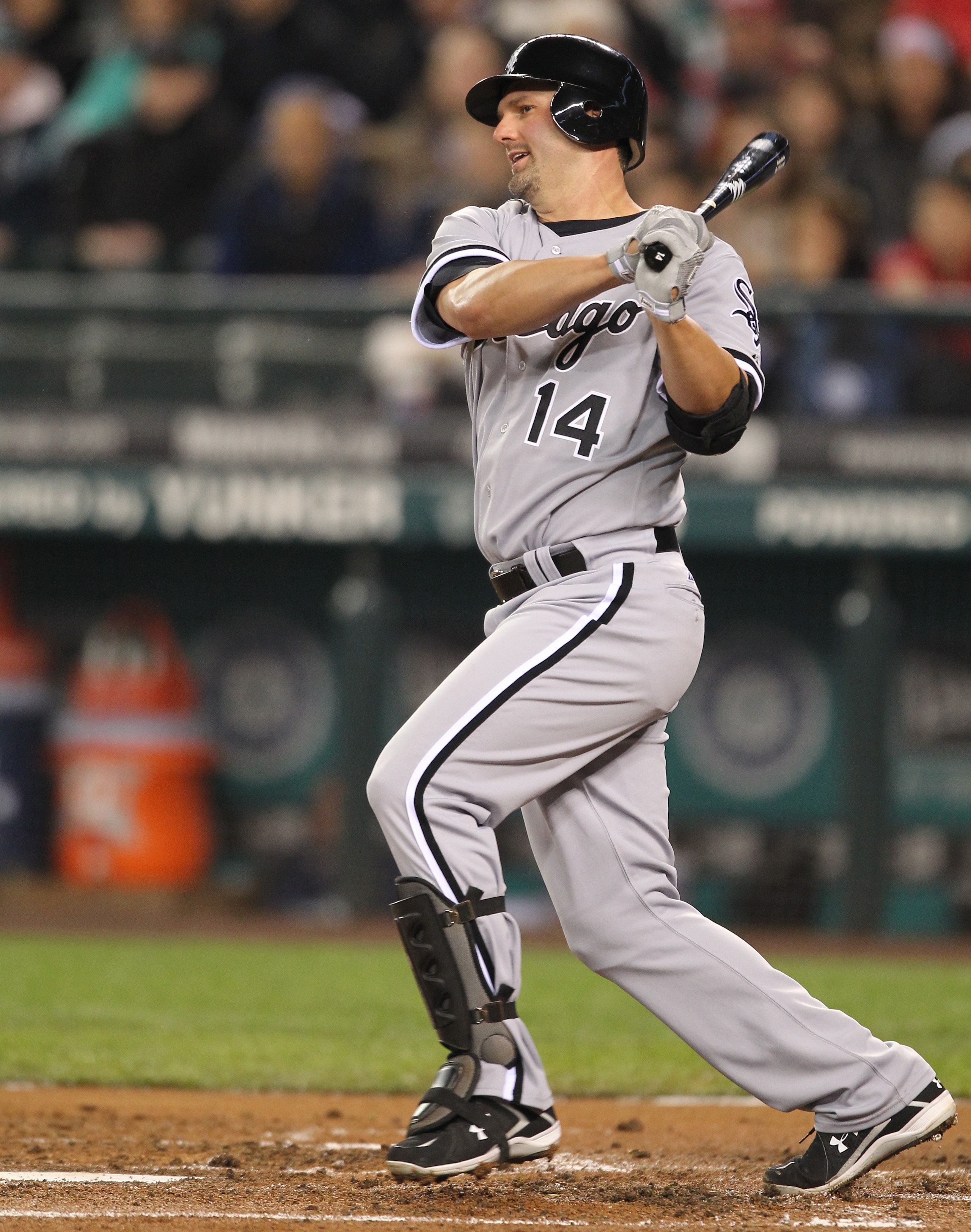
Contract Info: Signed three-year, $37.5 million contract. 2011: $12 million, 2012: $12 million, 2013: $13.5 million. $7.0 million of 2013 salary deferred, paid in $1 million installments from 2014-20.
Why it's bad: I know that Konerko's bat may be worth some money, but not this much at 35 years old.
The deal just seemed to reek of desperation on the part of the White Sox, considering they have a multitude of players who are curiously on the hook for a wad of cash.
Thank god for Konerko he did so well last year, or he would've been yesterday's news, or some team's DH guy, eh?
11. John Lackey – Boston Red Sox
40 of 50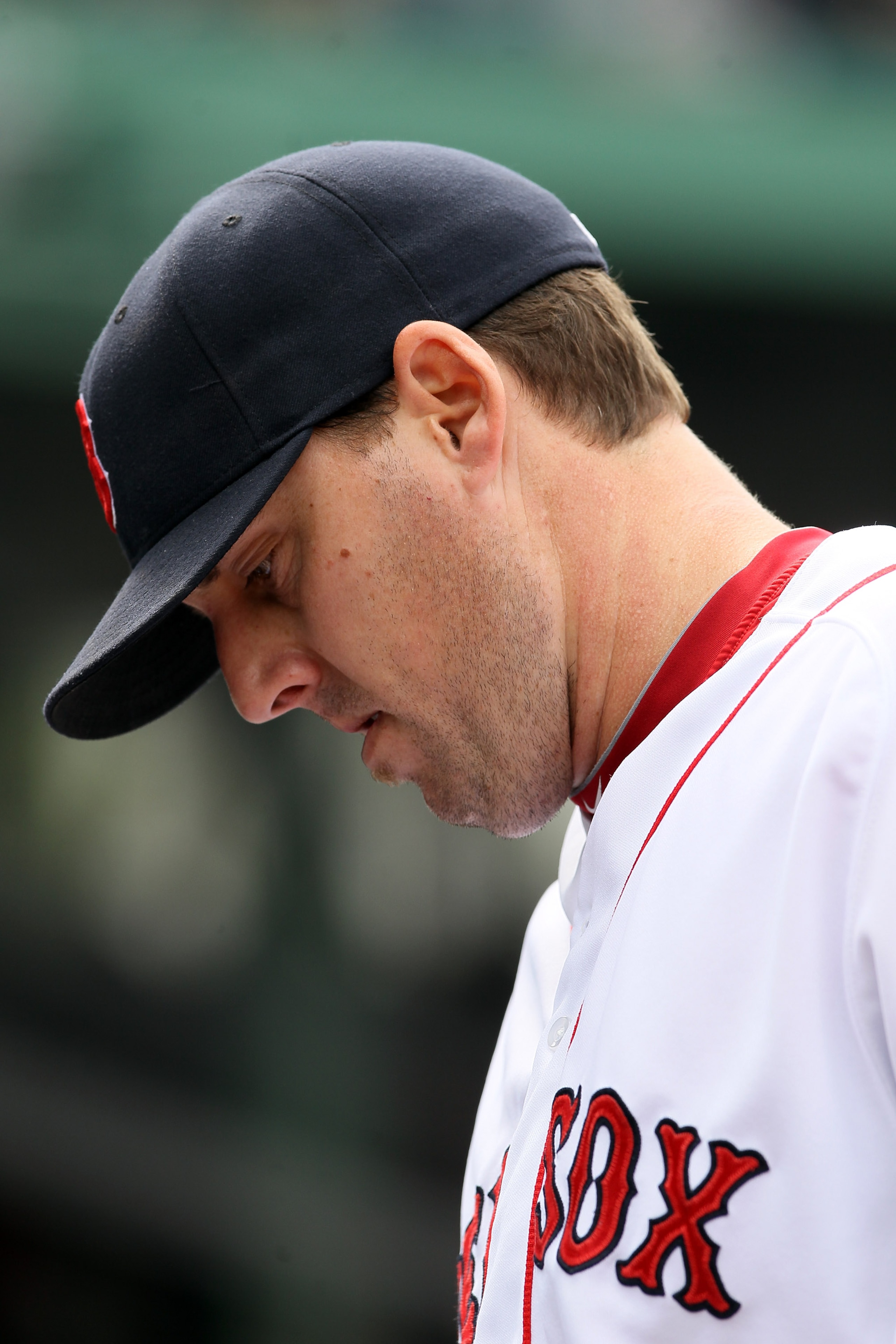
Contract Info: Signed five-year, $82.5 million contract w/ conditional option for 2015 (includes $3.5 million signing bonus). 2011: $15.25 million, 2012: $15.25 million, 2013: $15.25 million, 2014: $15.25 million. 2015 club option at Major League minimum if Lackey misses significant time with surgery for pre-existing elbow injury in 2010-14, $0.5M assignment bonus if traded; Award bonuses: $0.5M for MVP ($0.1M for 2nd-5th in vote); $0.1M for WS MVP; $75,000 for LCS MVP; $50,000 each for All Star, Gold Glove.
Why it’s bad: This deal was just a bad idea from the get go, and I honestly don’t know what Boston was thinking.
Lackey had been on the decline since 2007—arguably his best career year and the point at which he peaked as a pitcher.
Since coming to Boston, Lackey hasn’t earned much of his money with a cumulative 16-15 record alongside a dismal 4.76 ERA.
He was an average pitcher to begin with, and he was given above average money.
10. Carlos Zambrano – Chicago Cubs
41 of 50
Contract Info: Signed five-year, $91.5 million contract w/ 2013 vesting option. 2011: $17.85 million, 2012: $18.0 million, 2013: $19.25 million vesting option (could be player option), 2014: Free Agent. Full no-trade clause; Award bonus: $75,000 for All Star selection; Zambrano receives 2013 player option if he is first or second in 2011 Cy Young vote or if he finishes in top four in 2012 Cy Young vote and is healthy at end of 2012.
Why it’s bad: Or was bad since he did sign this contract in 2007.
The Cubs basically were like a drunk guy at a bar back then, seemingly giving money to anyone who wanted it. It was as if they were afraid to let anyone go, but the problem was a lot of these players—as you’ll see—were at their peak, and the Cubs were facing imminent doom financially.
With Zambrano, he was always a loose cannon to begin with. So offering that much money to a volatile guy was very curious, and now they are basically stuck with a $91 million dollar pitcher who can start once a month.
9. Mark Teixeira – New York Yankees
42 of 50
Contract Info: Signed an eight year, $180.0 million contract w/ $5.0 million signing bonus.
2009: $20.0 million, 2010: $20.0 million, 2011: $22.5 million, 2012: $22.5 million, 2013: $22.5 million,2014: $22.5 million, 2015: $22.5 million, 2016: $22.5 million.
Why it’s bad: C’mon, Yankees fans, you knew this was coming. All the interviews of “Tex” saying it wasn’t about the money, he just wanted to play somewhere long-term; then viola, this happens mutually.
Look, I won’t argue the fact that Teixeira is one of the best players in the game, but does that mean he should be making over 20 million when he is near forty?
C’mon, just a bit extreme if you ask me.
8. Derek Jeter – New York Yankees
43 of 50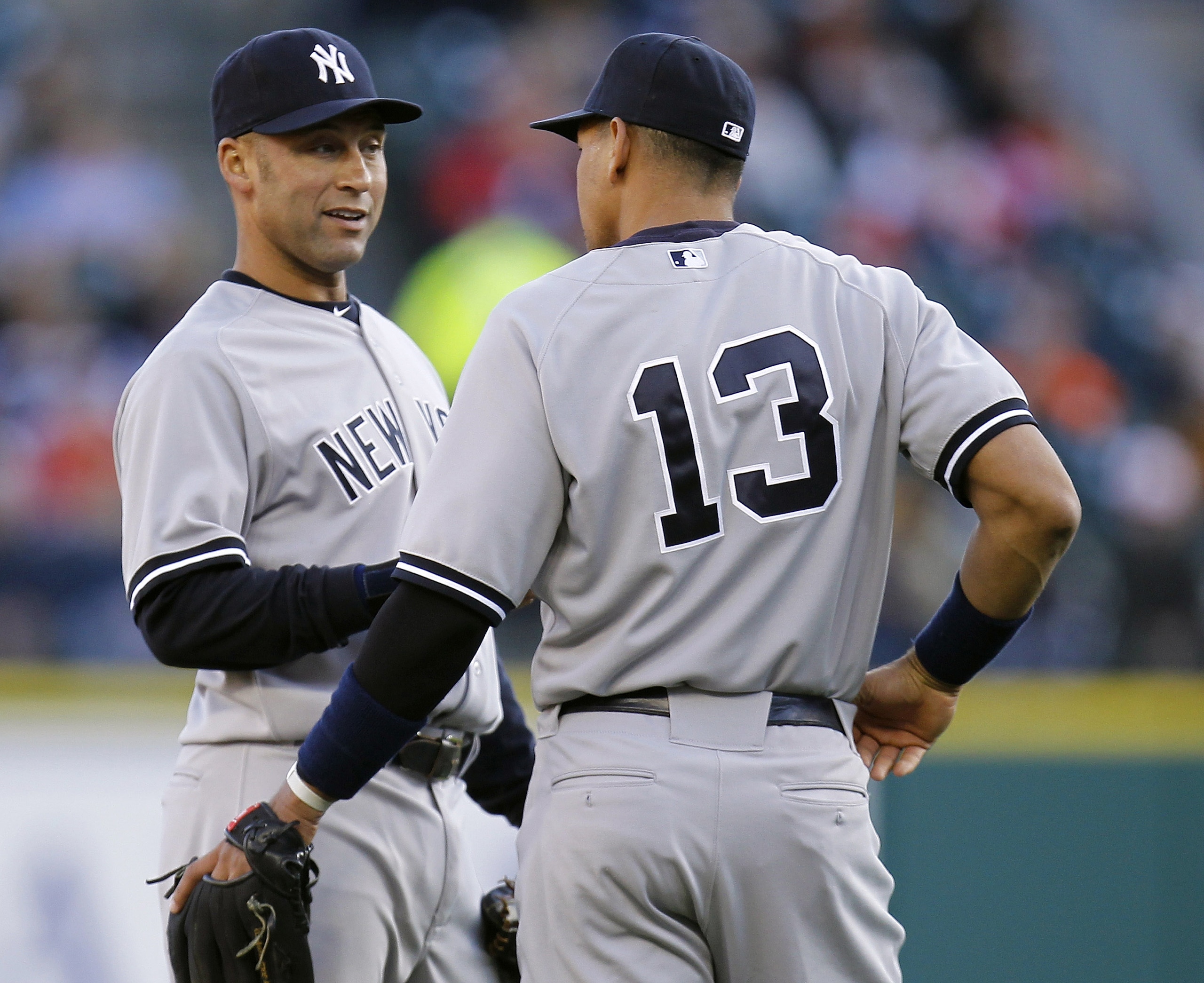
Contract Info: Signed a three-year, $51 million contract with an $8 million player option for 2014.
2011: $15.0 million, 2012: $16.0 million, 2013: $17.0 million, 2014: $8 million player option ($3 million buyout). $2 million annually deferred without interest, payable each 3/15, 2015-17 (present-day AAV about $16.0 million), 2014 option may increase to $17.0 million based on awards earned in 2011-13: $4 million for AL MVP; $2 million for second-sixth in MVP vote; $1.5 million for Silver Slugger; $500,000 each for Gold Glove, ALCS MVP, WS MVP.
If 2014 option is exercised at less than $17.0 million, Jeter may earn same bonuses in 2014, up to $17.0 million.
Why it’s bad: This contract was nothing more than the result of a good old fashioned power struggle involving George Steinbrenner’s son Hank and his sense of entitlement and Derek Jeter’s desire for the big payout.
This deal was incredibly overly-publicized, and Jeter is not the same Jeter as previous years.
Was there a better option at the time? No.
Was there a better deal that could have been done? Probably, but this is Yankee country we’re talking about.
Ironically enough, there is only one other player who is paid higher than Jeter. Wanna guess who it is?
7. Alfonso Soriano – Chicago Cubs
44 of 50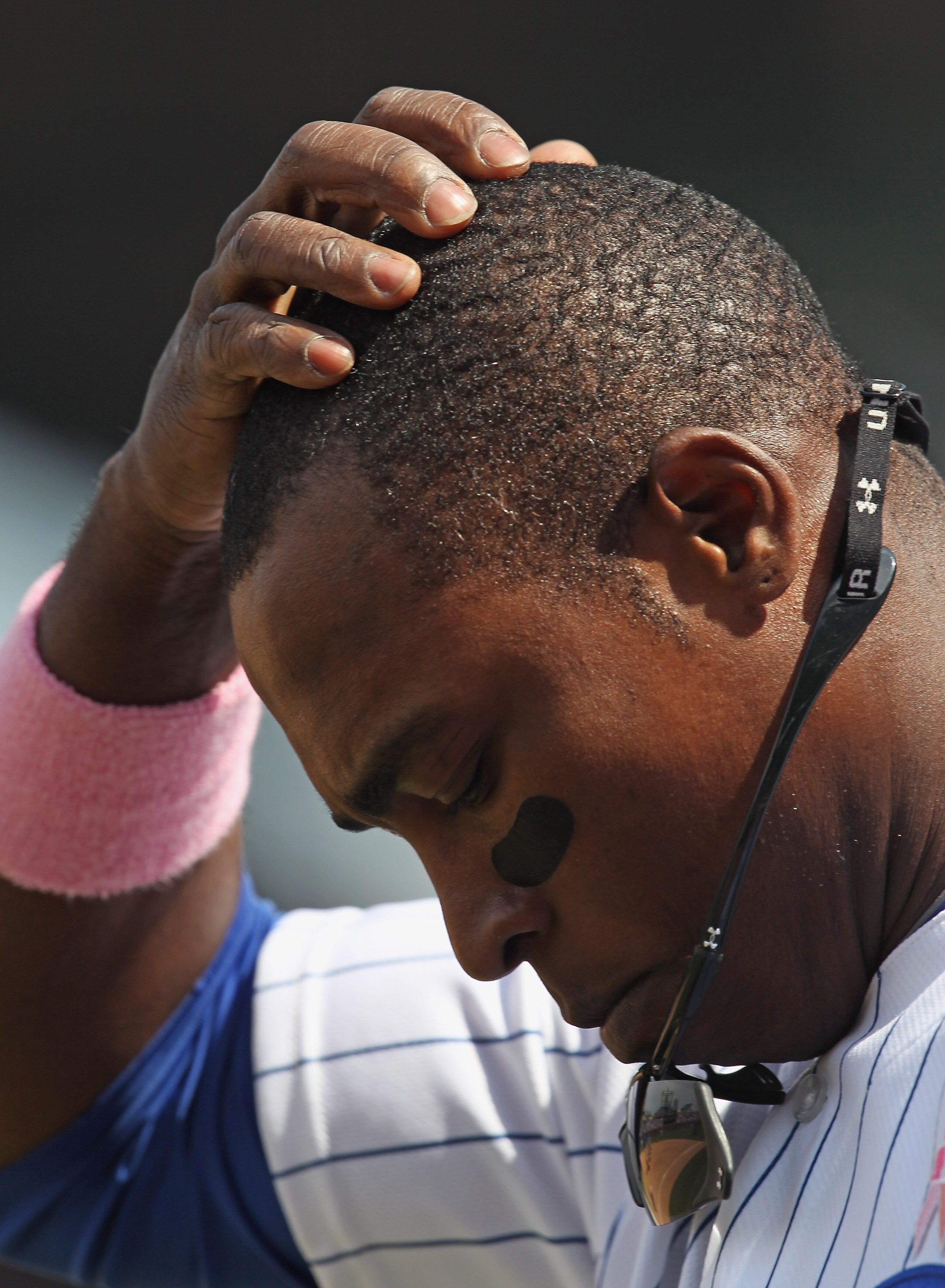
Contract info: Signed eight-year, $136 million contract in 2006 (included $8 million signing bonus). 2011: $18 million, 2012: $18 million, 2013: $18 million, 2014: $18 million, 2015: Free Agent. Full no-trade clause; Award bonuses: $250,000 for top vote-getter in All-Star balloting, $350,000 for World Series MVP, $250,000 for LCS MVP, $300,000 for MVP, $75,000 for Gold Glove
Why it’s bad: His first five years in the league, Soriano played for the Yankees, which is where he began his clout. And you can even argue that Soriano’s production in Chicago—also five years—was similar to his stay in New York, so the Cubs broke even, right?
Maybe even made the right deal?
Two problems here: His defense and the unbelievable reward system the Cubs just whipped up.
OK, if the guy does better than expected, then give him an incentive or something to reward him, not a million plus in “bonuses”.
And defensively, Soriano has significantly lost a step and is currently average at best. The other problem with his defense is that Soriano’s speed has significantly declined which also affects his defense.
Not to mention the contract has prevented the Cubs—along with the other ballooned dollar days deals they inked—from them being able to throw their hat into some bidding wars over the years for better players.
6. Jayson Werth – Washington Nationals
45 of 50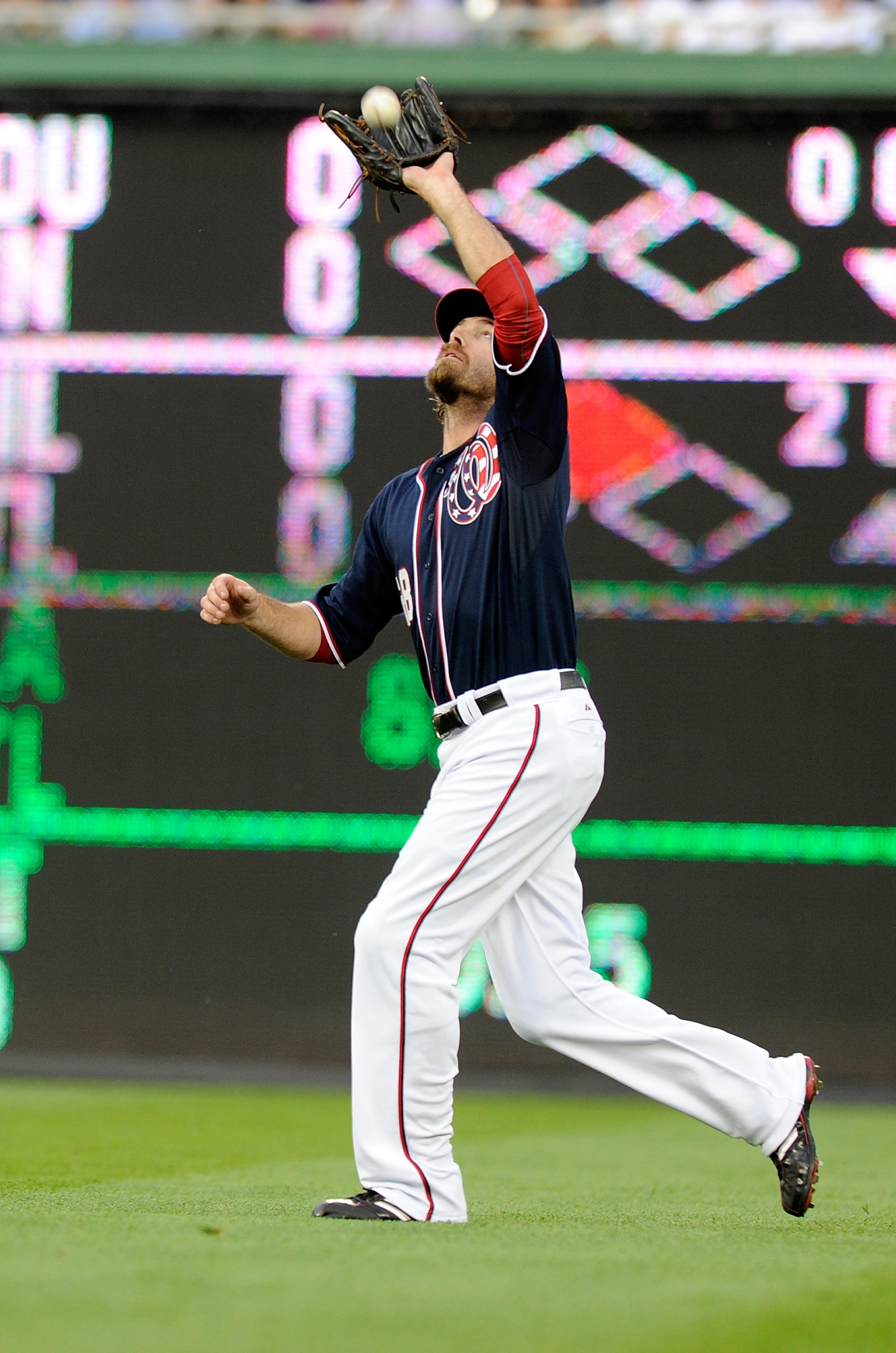
Contract Info: Signed a seven-year, $126.00 million contract.
$4million signing bonus (paid January 2011-2012). 2011: $10.00 million, 2012: $13.00 million, 2013: $16.00 million, 2014: $20.00 million, 2015: $21.00 million, 2016: $21.00 million, 2017: $21.00 million. Full no-trade clause.
Why it’s bad: Many people believe Jayson Werth is much more overrated than what his inflated contract would suggest. And while he did have a decent career in Philly, many also felt he was on a steep decline from his true stand out season, which was 2009, not 2010.
Yes the Nationals wanted a player who had a history of great defense and a player who could be the face of the franchise, but $126 million, guys?
Again, you don’t waste that kind of money on one player, especially one who is over 30 and on a decline.
5.Vernon Wells – Los Angeles Angels
46 of 50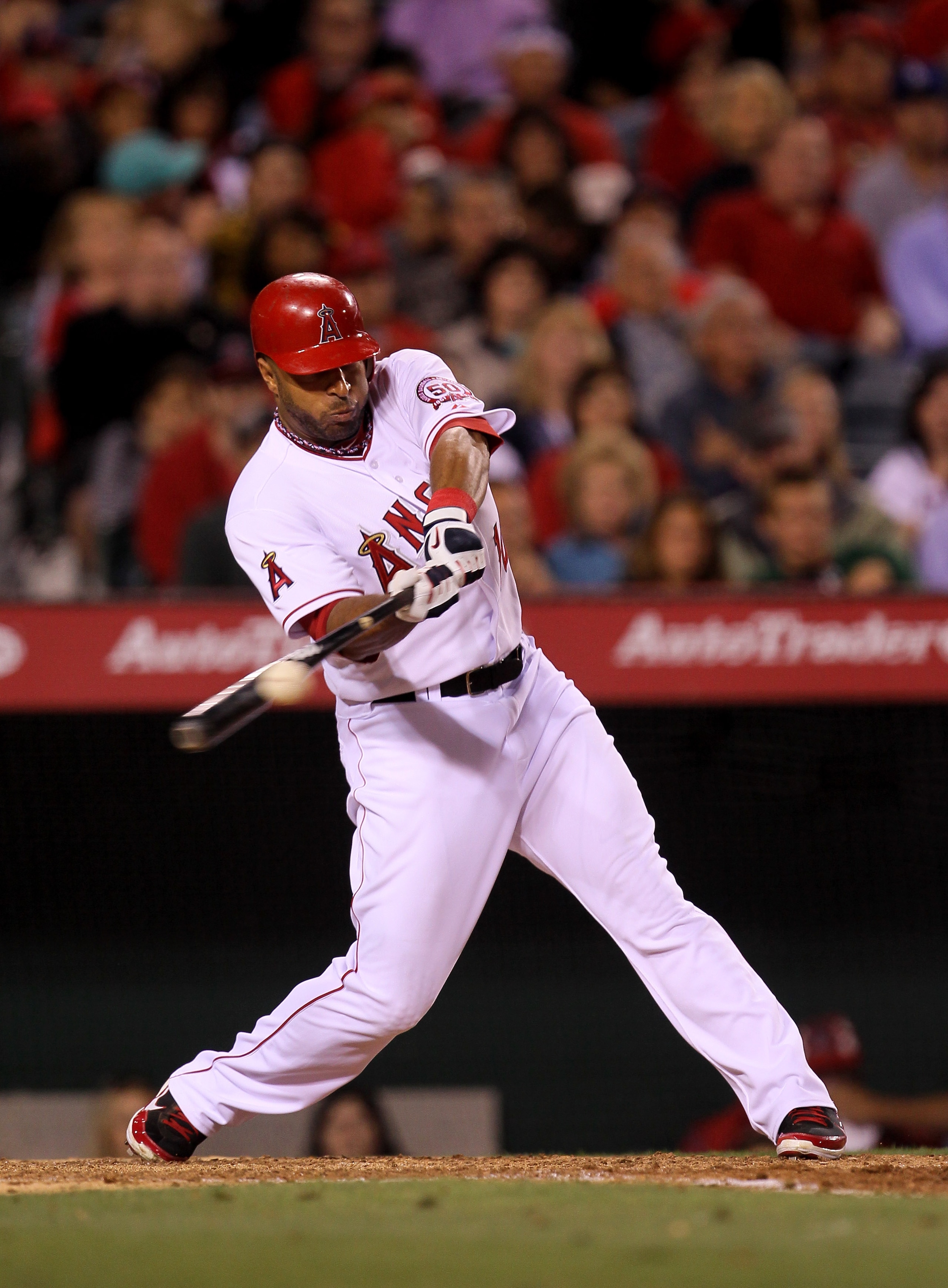
Contract Info: Signed seven-year, $126.0 million extension w/ full NTC ($25.5 million signing bonus), 2011: $23.0 million (can opt out after season), 2012: $21.0 million, 2013: $21.0 million, 2014: $21.0 million, 2015: Free Agent
Why it’s bad: Much of his inflated contract was the design of his 2010 season, where Wells hit 31 home runs. But hitting home runs in L.A. is not as easy as it was in Toronto—problem number one.
The last time Wells hit more than 20 home runs was back in 2006, so the Angels thought perhaps there was a rebirth of sorts—problem number two.
Wells had three bad years leading up to 2010; he’s 32 and already showing signs of decline—problem number three.
You don’t just go out and offer one 32-year-old guy a seven year, $126 million dollar contract on the premise of resting on his laurels when there are plenty of other—more prudent—ways of spending the money for the long-term.
4. Alex Rodriguez – New York Yankees
47 of 50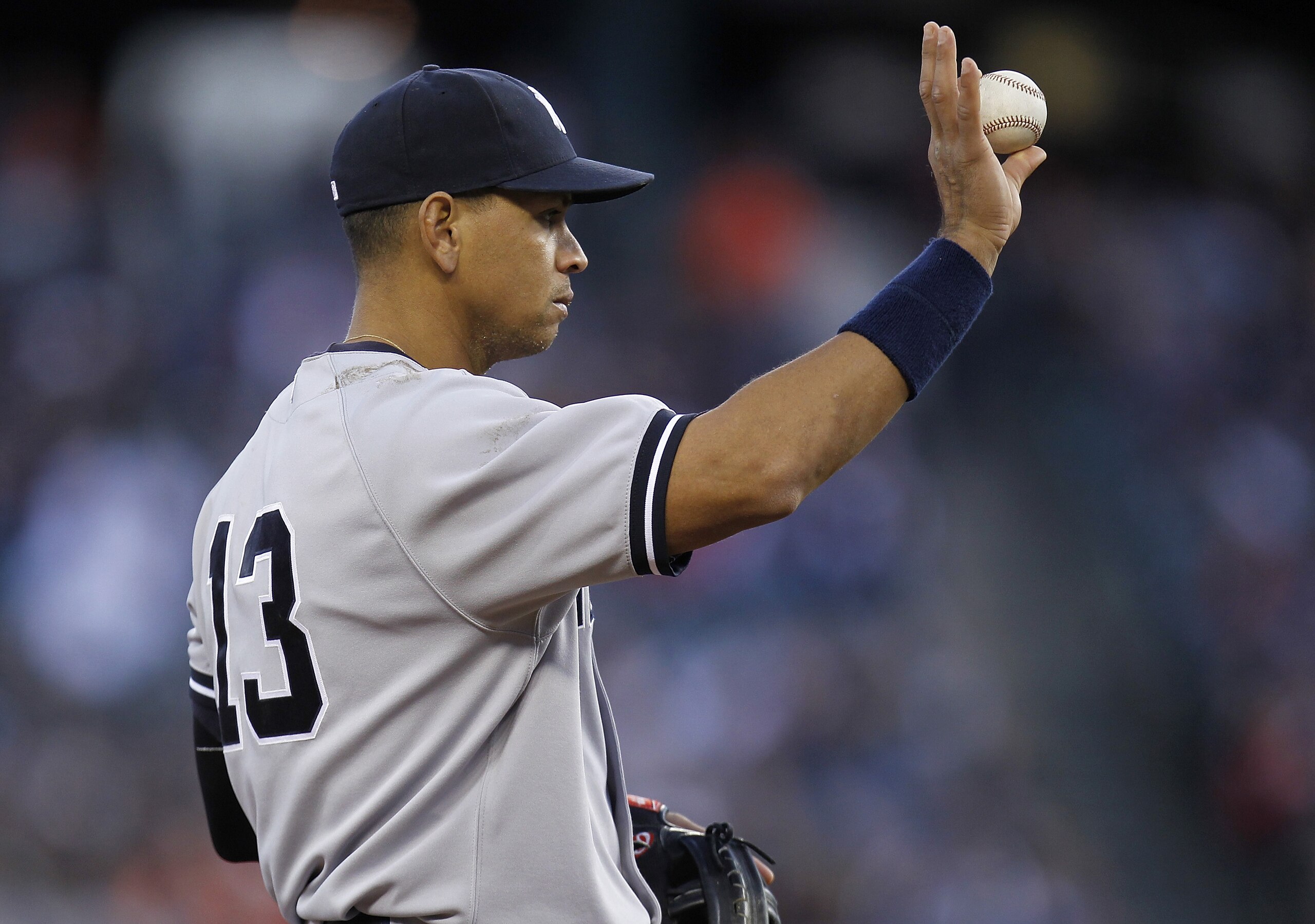
Contract Info: 2009: $32 million, 2010: $32 million, 2011: $31 million, 2012: $29 million, 2013: $28 million, 2014: $25 million, 2015: $21 million, 2016: $20 million, 2017: $20 million, 2018: Free Agent
Why it’s bad: I don’t care if the Yankees are known for forking over ridiculously big contracts, and I don’t care if it’s A-Rod we’re talking about; this deal is just utterly ridiculous.
Yes, I know that players should be compensated for what they produce in any given year, but this particular type of deal is a door opener for players who are average, have one or two solid years then say: “If A-Rod can get that kind of money, why can’t I?”
A-Rod’s contract shows that MLB must revamp their contract approach before everyone begins thinking they are worth more than they actually are.
3. Barry Zito – San Francisco Giants
48 of 50
Contract Info: Signed seven-year, $126.0 million contract w/ 2014 vested option and full NTC. 2009: $18.5 million, 2010: $18.5 million, 2011: $18.5 million, 2012: $19.0 million, 2013: $20.0 million, 2014: $18.0 million club option w/ $7.0 million buyout (vests w/ 200 IP in 2013, 400 IP in 2012-13 or 600 IP in 2011-13) (voidable by player), 2015: Free Agent.
Why it’s bad: Why is it bad? I’ll tell ya why. The guy hasn’t had a winning record since 2006, he hasn’t had an ERA below 4.00 since 2006 and has been a 50-50 pitcher since 2002; that’s why.
Don’t know if it was the World Series hangover or what, but this was probably the worst, unjustified, contract I have seen in baseball in recent years.
Oh yeah, Zito is 0-1 with a nice 6.13 ERA. But he’s worth it, right?
2. Miguel Cabrera – Detroit Tigers
49 of 50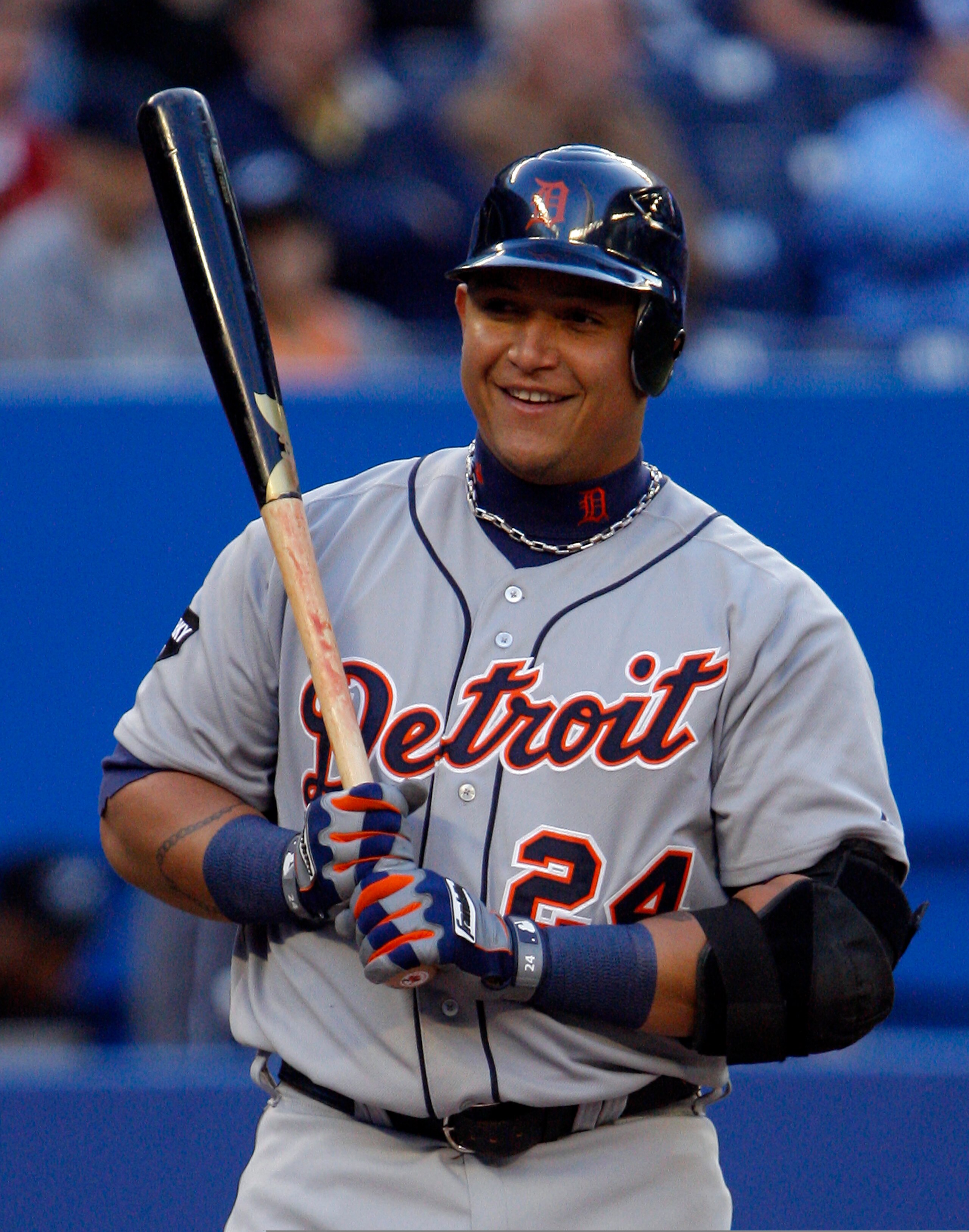
Contract Info: Signed eight-year $152.3 million dollar contract: $20 million, 2012: $21 million, 2013: $21 million, 2014: $22 million, 2015: $22 million, 2016: Free Agent.
Why it’s bad: Where do I start? Do I start with the not-too-distant weight problems or the recent alcohol issues?
He is without question one of the greatest hitters in the game today, but even someone as talented and young as Cabrera is a big risk when including off-the-field issues and immaturity concerns.
Either way you cut it, Cabrera has to prove he can control himself and dedicate himself to the sport before being worth a guaranteed contract in the "sure thing immortal superstar" category.
Cabrera could continue on this pace in spite of himself, a la Mickey Mantle, or he could slip off into a world of lethargy and disinterest as he reaches his 30s. We shall see which path he chooses.
1. Joe Mauer – Minnesota Twins
50 of 50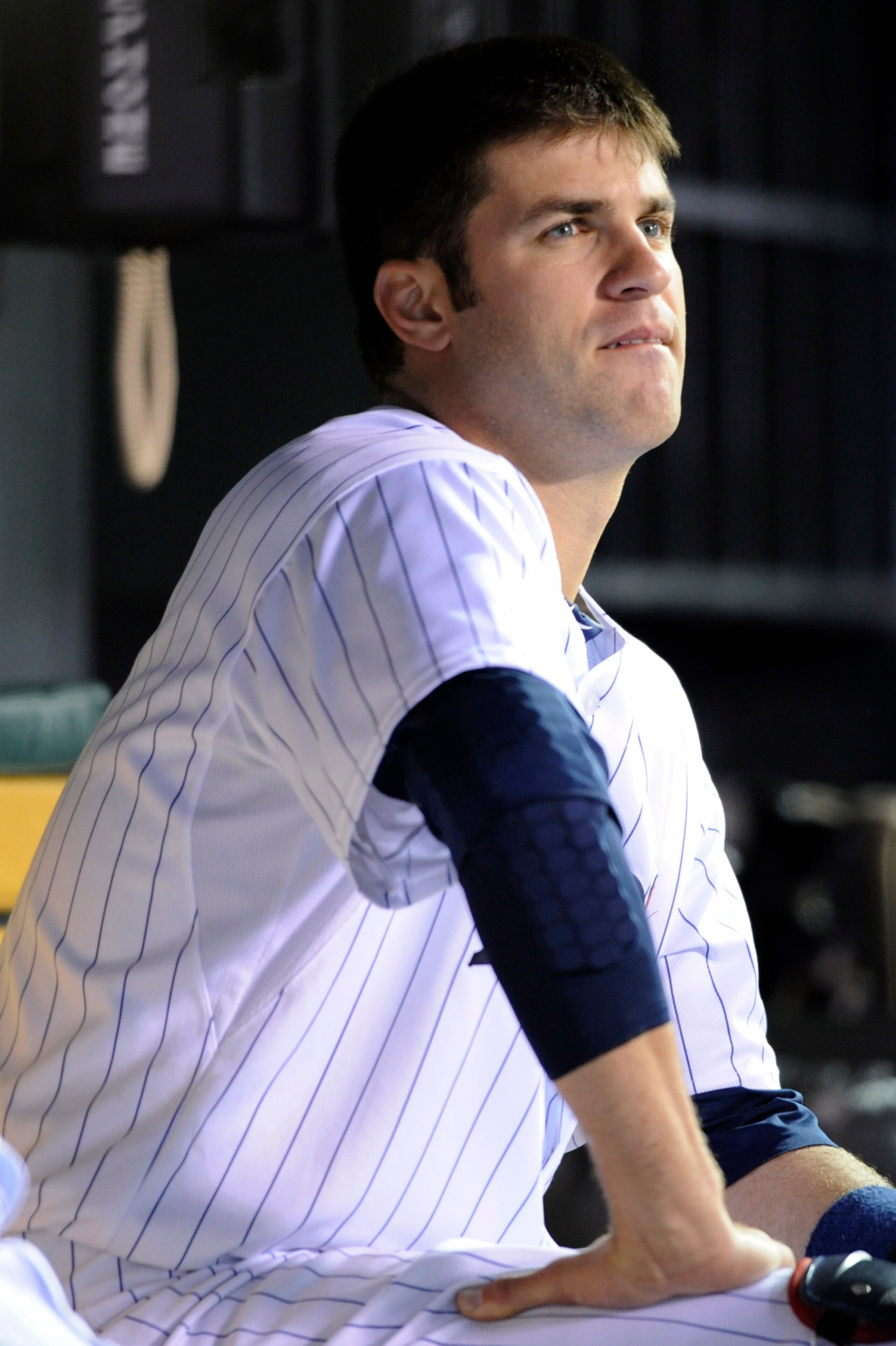
Contract Info: 2011: $23 million, 2012: $23 million, 2013: $23 million, 2014: $23 million, 2015: $23 million, 2016: $23 million, 2017: $23 million, 2018: $23 million.
Award Bonuses: $100,000 for MVP ($75,000 for second in vote, $50,000 for third, $25,000 for fourth-sixth).
$100,000 for WS MVP.
$50,000 for LCS MVP.
$25,000 each for Gold Glove, All Star selection.
Why it’s bad: I understand wanting to secure the guy who you believe is the “face of the franchise," but this is a little ridiculous.
His home run production isn’t all that great, he has never topped 100 RBI in any season, he has never helped win a Championship and he’s a 28-year-old catcher.
Catchers rarely last eight years, and to think he will be as effective at 35 as he has been—especially with seven years on the tread already—is absolutely ludicrous.
Mauer is already showing signs of fatigue and being injury prone, and I’ll be surprised if he’s even a starter by the year 2013.
If he makes a move soon to a far less taxing position, then he should be able to maintain his batting average--though his lack of consistent power becomes a detriment once he leaves the catcher position for greener pastures.
Much like a Derek Jeter leaving shortstop later in his career, a stat line of "world-class production for the position" immediately shifts to "below-average production for Position X". He is a perennial All-Star, but his body seems to be screaming for help.

.png?w=2560)



.jpg?w=2560 "Jonathan Taylor Landing Spots 📍")




