
Brandon Knight Remains in NBA Draft: 5 Reasons He Made Right Decision
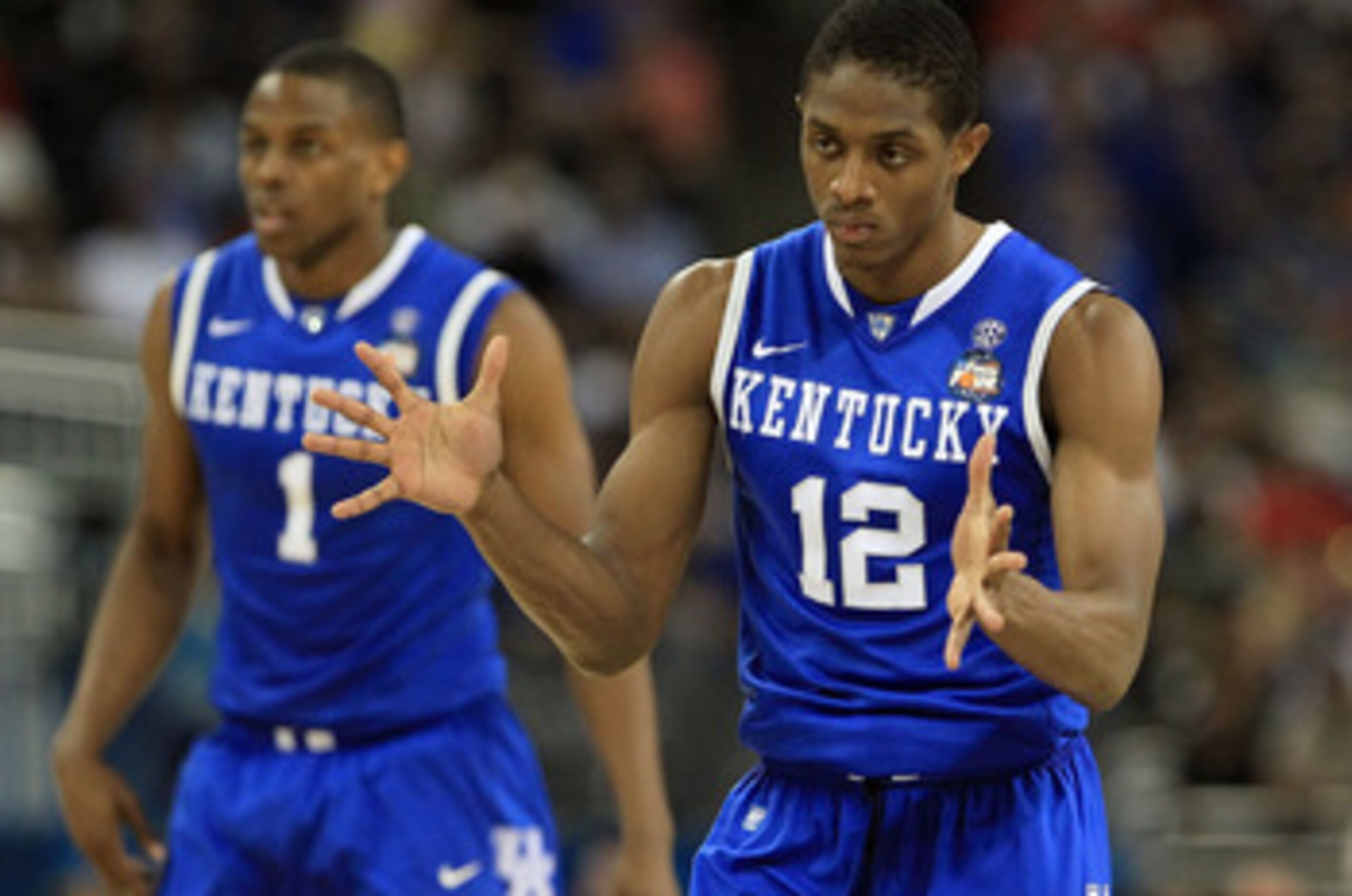
Brandon Knight, Kentucky's latest freshman phenomenon, has decided to remain in the 2011 NBA Draft, eliminating any chance he'll return to school for a sophomore year.
The likely top five pick is budding with talent and potential, but Knight's late-onset leadership and determination to win, as discussed here and here, are showing scouts a side they didn't think they'd see this year.
Knight is wise to judge that this is the right time for him to jump to the NBA. Here are five reasons why.
There's Little Else To Prove in College
1 of 5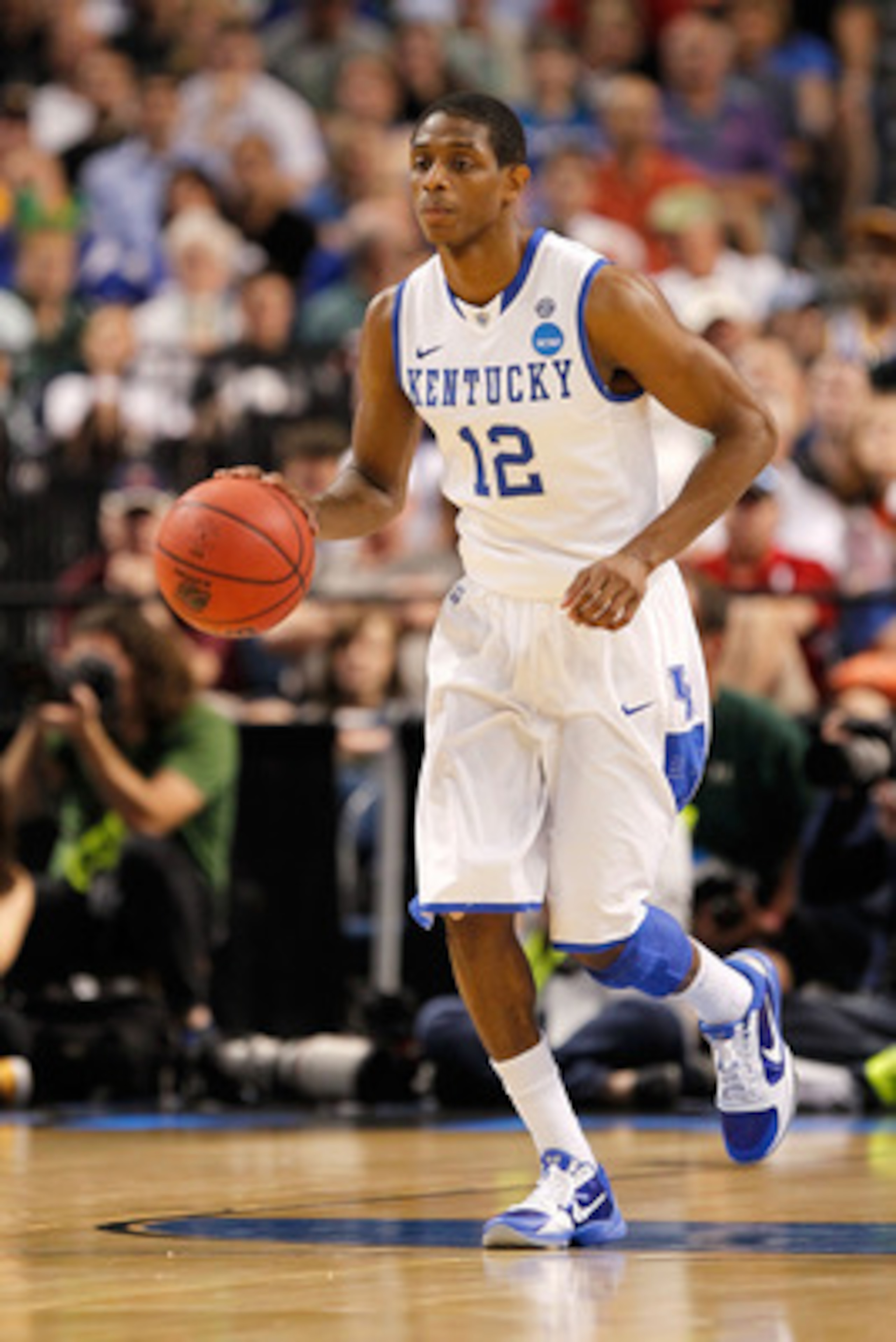
Brandon Knight led his Kentucky Wildcats to an unexpected Final Four berth after winning an unexpected Southeastern Conference Tournament title.
Though the Cats didn't win the national title, or even reach the final game, Knight proved that he can raise his team's level and empower his teammates to accomplish things that most thought improbable.
Knight displayed all the requisite skills of an NBA All-Star: three-point shooting (37.7 percent), strong rebounding (4.0) and court vision (4.2 assists).
Knight also showed that he can be a primary scorer, leading Kentucky with 17.3 points per game and topping 20 points 13 times.
After showing the NBA all it needs to see from a high draft pick, why would Knight stay in college any longer?
The Tree Looks Taller Away from the Forest
2 of 5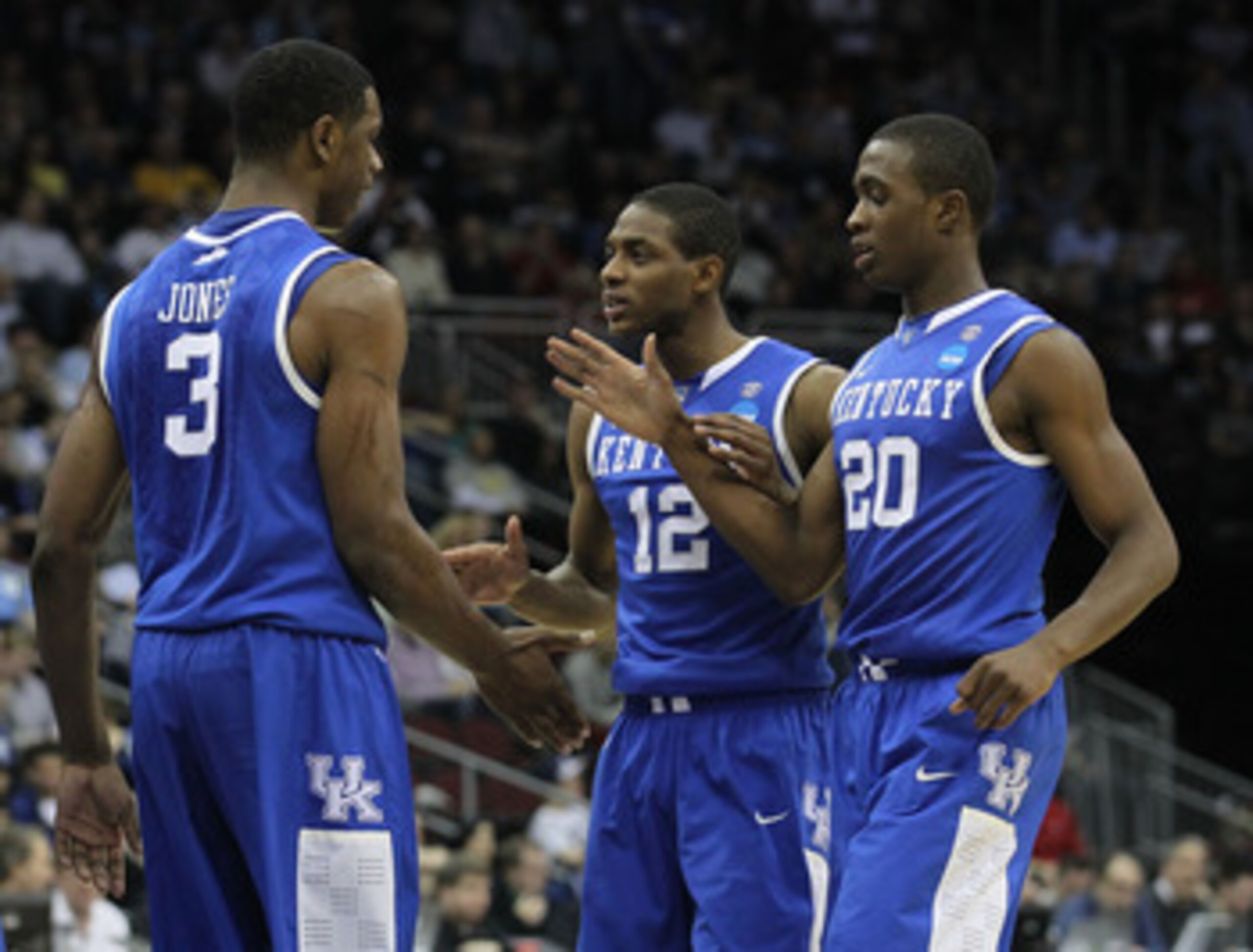
Just this weekend, fellow 2010 Kentucky recruit Terrence Jones, a top 10 pick in his own right, decided to return to school. For much of 2010-2011, Jones overshadowed Brandon Knight on the court and drew predictions as the No. 1 player in this year's draft.
Coach John Calipari has an unthinkably strong recruiting class coming in, with four of the ESPNU 100's top 18 commits already on board. Anthony Davis, the top player overall, No. 3 Michael Gilchrist, No. 7 Marquis Teague and No. 18 Kyle Wiltjer will all grace Kentucky's regular rotation next year. Knight, as a sophomore, would be just one of the team's elite players, as opposed to being its best this past season.
With Kentucky's expected improvement next year, it becomes much more difficult for Knight to distinguish himself as a top prospect, though team success likely could exceed this year's.
Point Guard Prospects Are Thin
3 of 5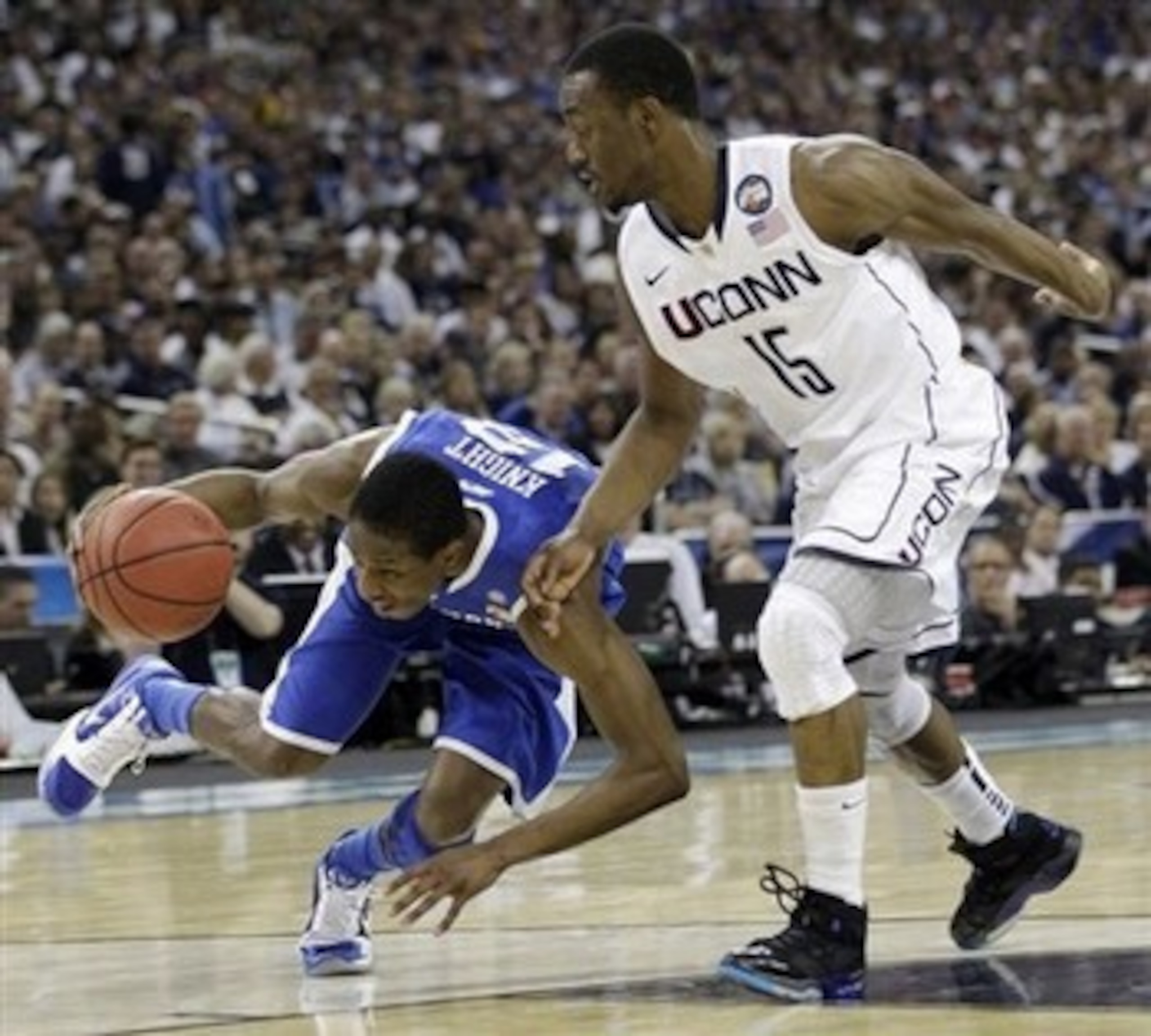
After Kyrie Irving, Kemba Walker and Brandon Knight, the list of point guard draft entrants is pretty thin: the jury is out on Jimmer Fredette's NBA ceiling, Reggie Jackson is freakish but uncertain, Darius Morris isn't an impact player and Josh Selby was a major disappointment and is leaving Kansas too early.
Knight's opportunity rests on simple supply and demand: the fewer commodities at your position, the higher the demand for your services. If Knight were to stay in school, the demand would be even higher for point guards and teams in the lottery could reach for Jackson or Morris earlier than they should.
Knight's presence in the draft means that after Irving, and possibly Walker, the next point guard is one to three spots down instead of 13 or more.
As such, Knight is firmly locked into the top six because of the scarcity of talent at his position, both in the draft and in the league.
.jpg?w=2560 "Seahawks Chiefs Football")


Several Lottery Teams Need Point Guards
4 of 5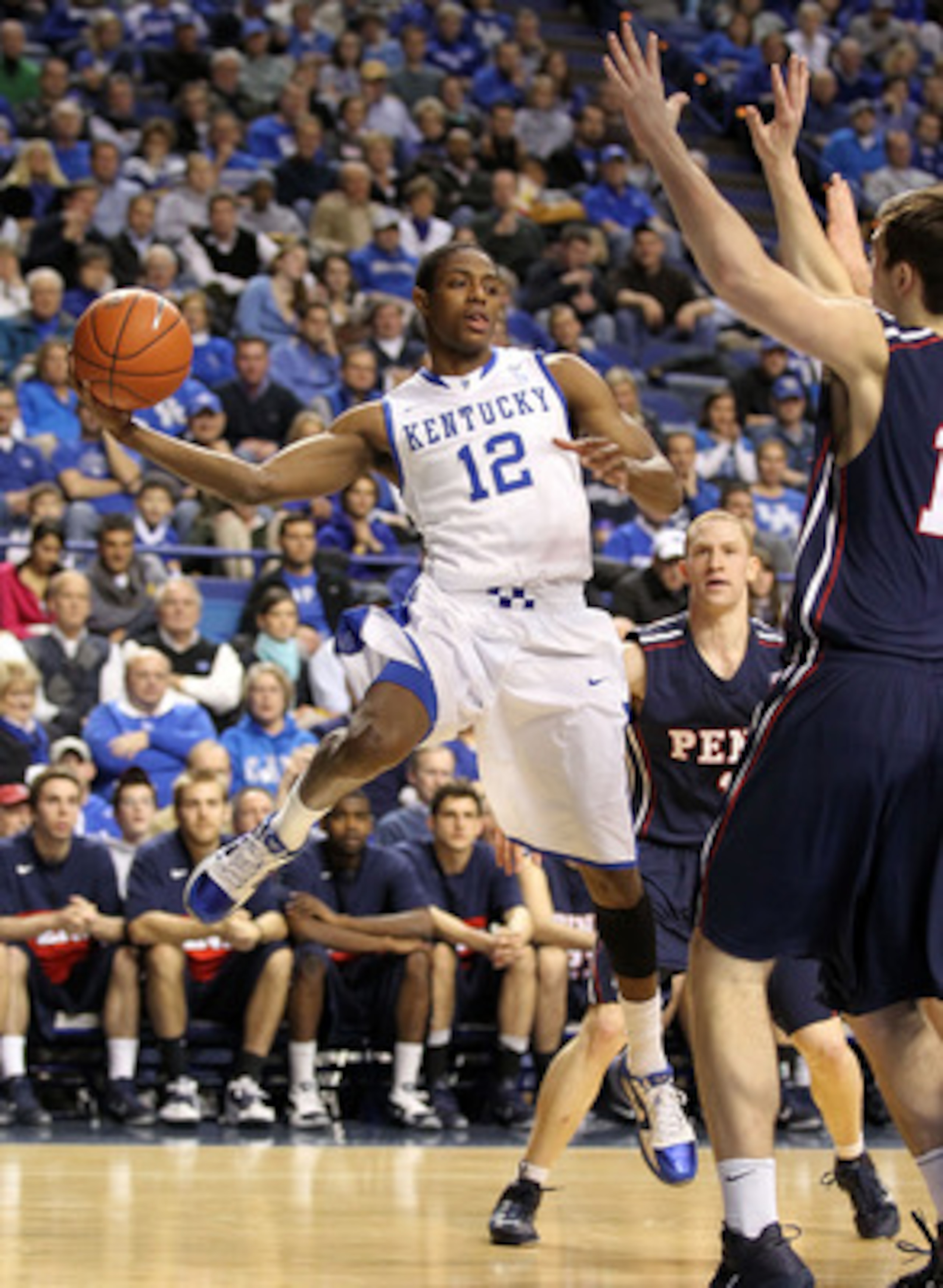
The lottery, though not yet ordered, is full of teams who need point guards.
The Minnesota Timberwolves currently divide their PG minutes between steady Luke Ridnour and erratic Jonny Flynn and have the rights to the ambivalent Ricky Rubio. Knight would give them what they don't have: an impact guard who will own the team.
The Toronto Raptors play Jose Calderon and Jerryd Bayless, who, though capable, are certainly dispensable. Calderon's contract, at $9 million for the next two years, prevents the Raptors from upgrading other areas of need. Bayless is young and talented, but might have come out of college before he was ready a few years ago and stunted his potential. He is very much a work in progress.
The Sacramento Kings overpay Beno Udrih to be their starting point guard. He's a great backup guard, but an inadequate starter. Tyreke Evans is more a shooting guard than point guard and should really be moved off the ball because of his inconsistency and decision making. Knight and Evans would be a formidable duo that most teams would have a nightmare trying to match up with.
Utah has options with two lottery picks and many tradeable assets. They received Devin Harris in the Deron Williams trade, though nobody thinks that Harris is the franchise point guard that he just replaced in the Jazz lineup. Drafting Knight could give general manager Kevin O'Connor a ton of flexibility and the freedom to move Harris for a solid shooting guard or center.
These are all teams that could significantly upgrade their teams by adding Knight, who, by all accounts, has the work ethic and character to become a franchise player like Derrick Rose or Chris Paul.
His Stock Will Never Be Higher
5 of 5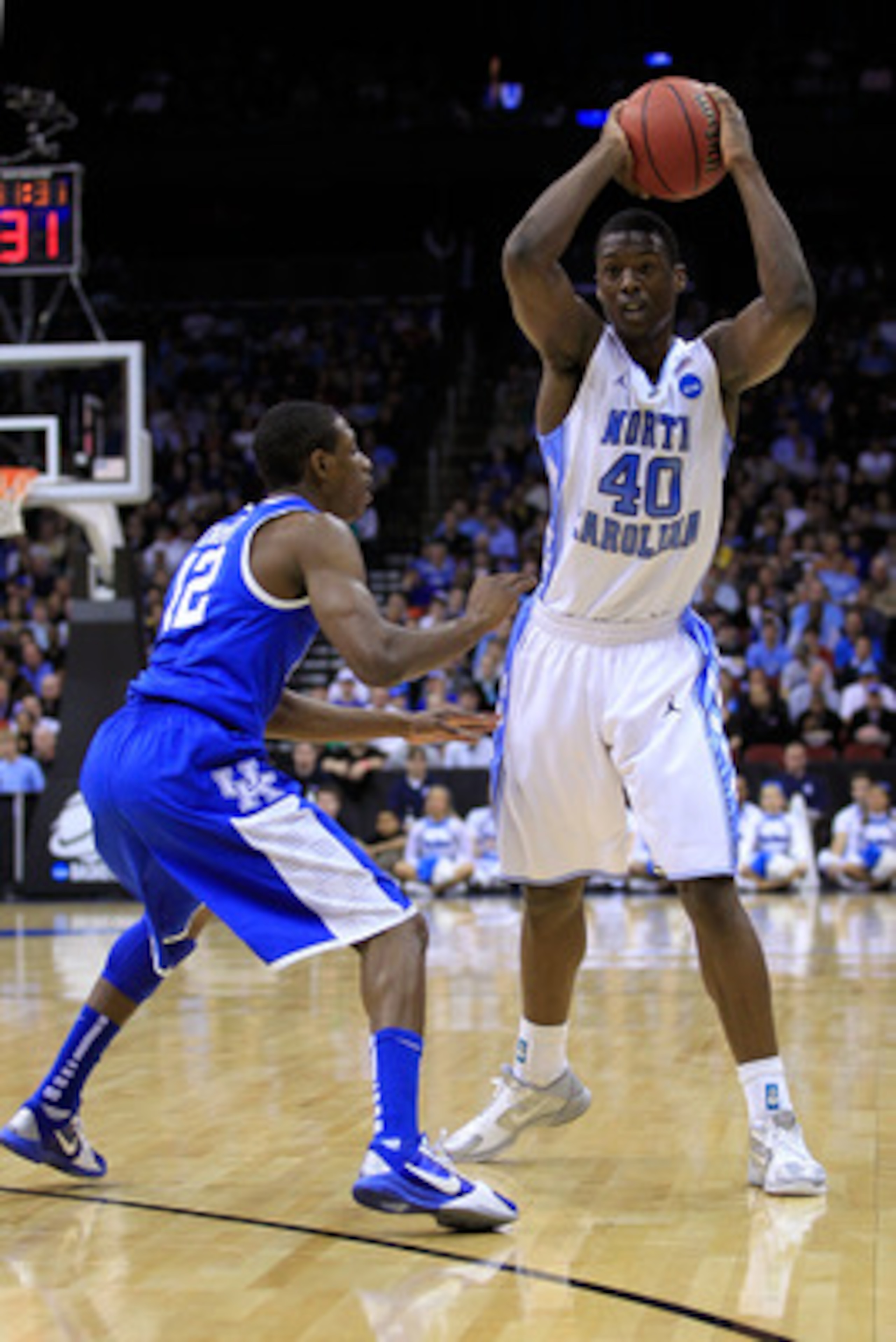
It's hard to believe, but next year's draft might be even stronger than this year's at the top. A record 89 underclassmen have declared for the 2011 NBA Draft, signaling a bevy of generational talents who can't be contained by college any longer.
Next year, though, a few of this year's surprise college returns will likely be at the top of the draft. Harrison Barnes, Perry Jones, Jared Sullinger, Terrence Jones and John Henson all decided to return for sophomore seasons.
Several of next year's freshmen are projected as one-and-done players, even in the top 10 of some 2012 mock drafts: Kentucky's Michael Gilchrist, Marquis Teague and Anthony Davis, North Carolina's James McAdoo, Baylor's Quincy Miller, Duke's Austin Rivers, Florida's Bradley Beal and Myck Kabongo from Texas.
That is a ton of freshmen and sophomore talent that might cause Knight to slip if he stayed. He might improve and distinguish himself even further, but the risk is so high for him to stay and not impress enough to upgrade his draft stock.
Going between four and six in a weaker draft is the best option for Brandon Knight, and he made a shrewd decision to keep his name in for this year.