
Detroit Lions: Five Things the NFL Lockout's End Means to Them
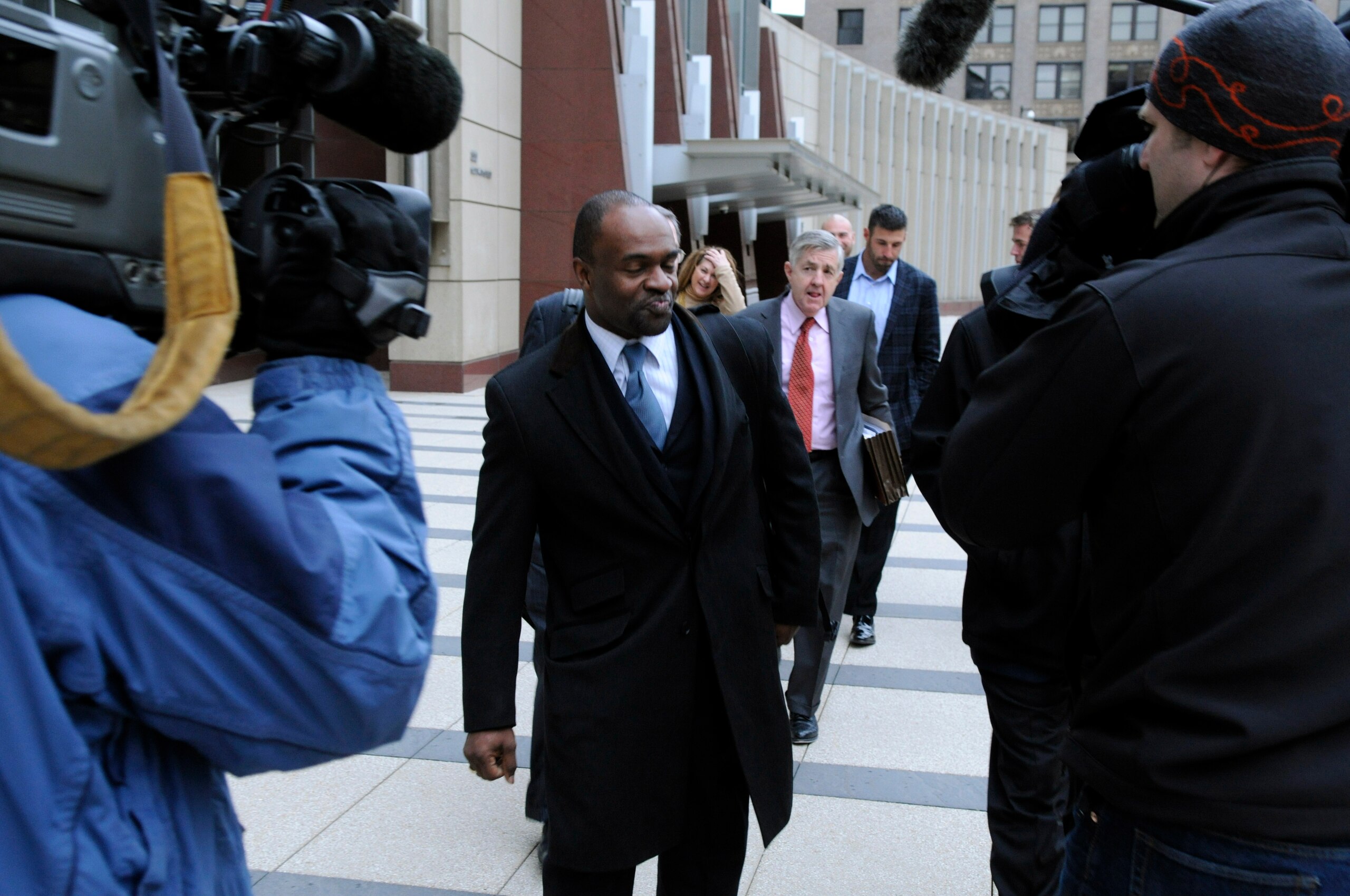
The NFL Lockout has lifted after federal Judge Susan Nelson ruled in favor of the players in the "Brady case." Pending an appeal, the NFL is slated to resume business as usual.
With the first significant movement in the lockout since it began, Detroit Lions fans must feel relieved. The Lions, on the way back to relevance for the first time in over a decade, had perhaps the most to lose from an extended lockout.
Now, not only is there light at the end of the tunnel, but the way this situation has resolved itself seems to be most advantageous to the Lions.
How, you ask?
Well, for starters...
1. Young Players Get Coaching
1 of 5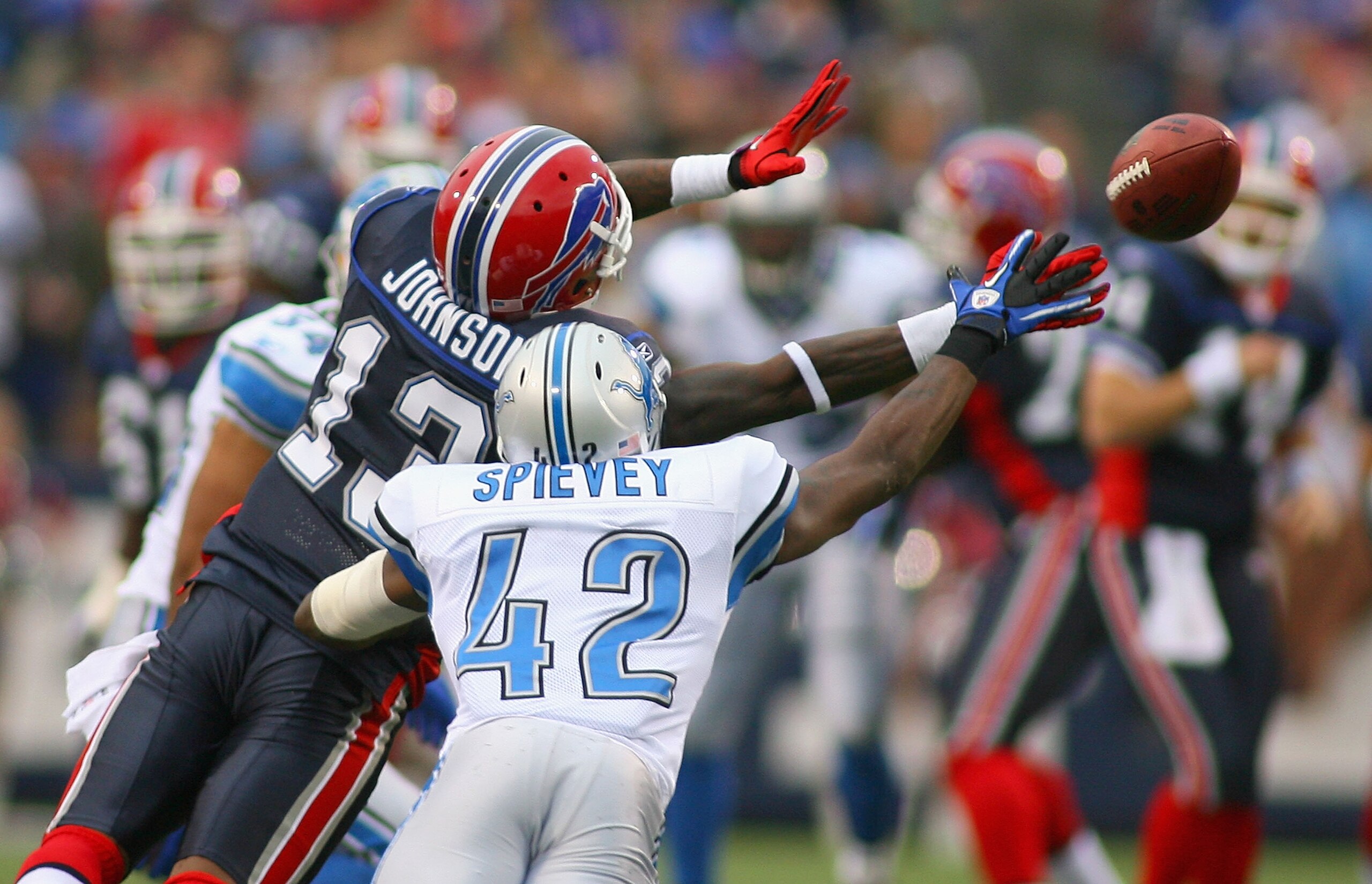
This may seem both obvious and insignificant, but it's actually just obvious.
The Lions have their fair share of veterans on the team, but for the most part, the team is very young. And for young players entering their second or third years (the Schwartz-era players), offseason conditioning and coaching is almost as important to their development as game experience.
For those young players, one of the most important things is learning the game and building chemistry with their team.
The lockout has crippled that by restricting players' access to team facilities and coaches. That means a guy like Amari Spievey has nobody but his playbook to help him ease into his first full offseason as a strong safety convert.
With the lockout lifted, Spievey will not have missed any steps in his offseason development, nor will other young players such Ndamukong Suh, Jason Fox, and Randy Phillips.
2. Team-Monitored Rehab
2 of 5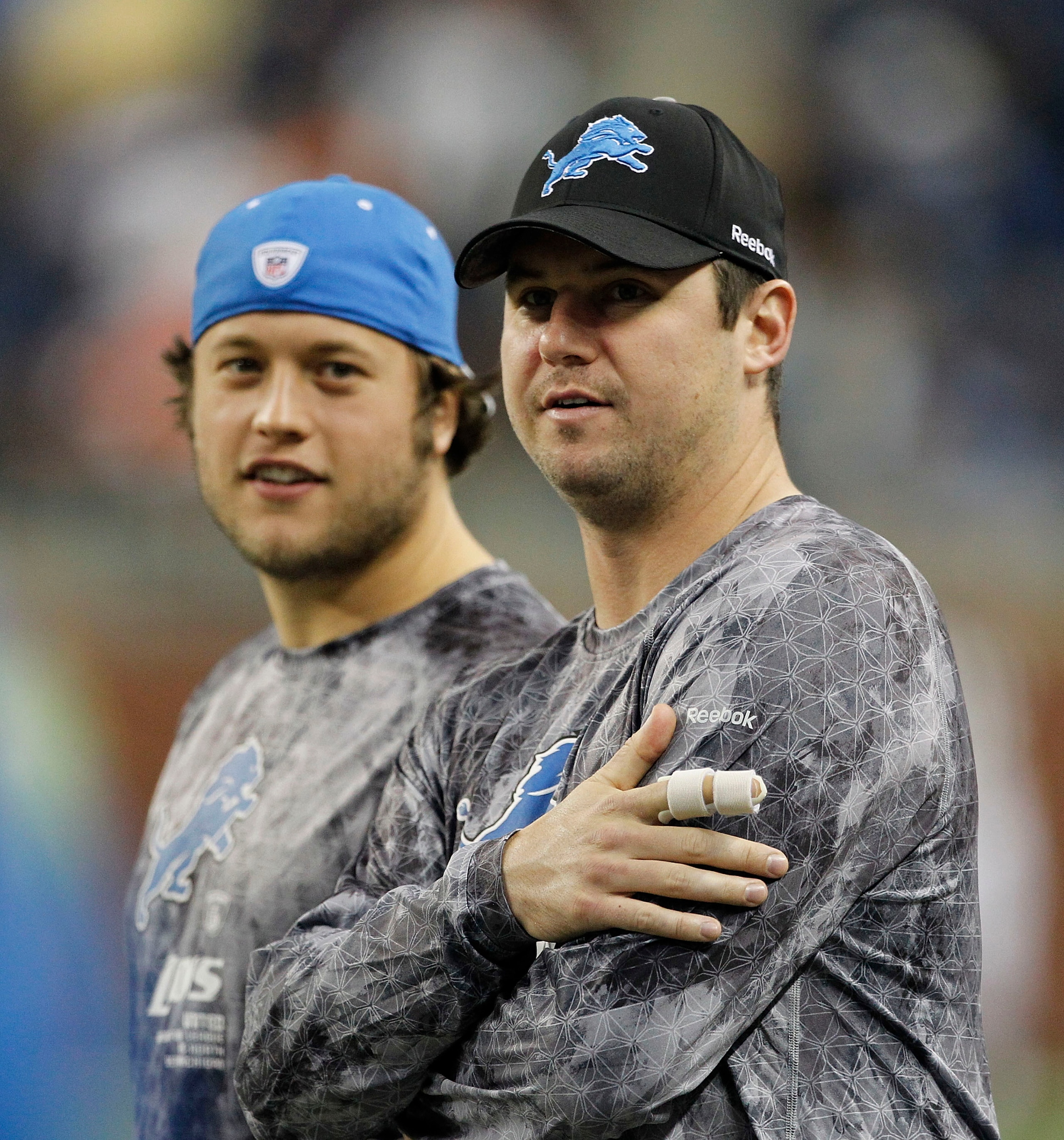
The Lions finished the 2010 season with one of the longest IR lists in the NFL.
Most of those players had a serious enough injury to undergo some sort of offseason rehab program to get them ready for next season.
Matthew Stafford, Jahvid Best, Ndamukong Suh, Zack Follett, Alphonso Smith, and the list of names goes on. All of them suffered some sort of injury last year, and all of them had been closely monitored and rehabbed by team doctors and trainers.
That is, until the lockout. During the lockout, players had to set up in new rehab facilities, see new doctors, and get thrown completely out of their rhythm. Teams did a great job of setting up their injured players in public facilities, but the situation was still hardly ideal.
Now those injured players will get to come back and use team facilities to get well, and better yet, team doctors (who ultimately know the most about the initial condition) can actually monitor that rehab process.
Best can have his turf toe looked at, Stafford can see how his shoulder has handled his recent throwing sessions and Suh can check out how his surgically-repaired shoulder is faring.
3. A Brave New Draft
3 of 5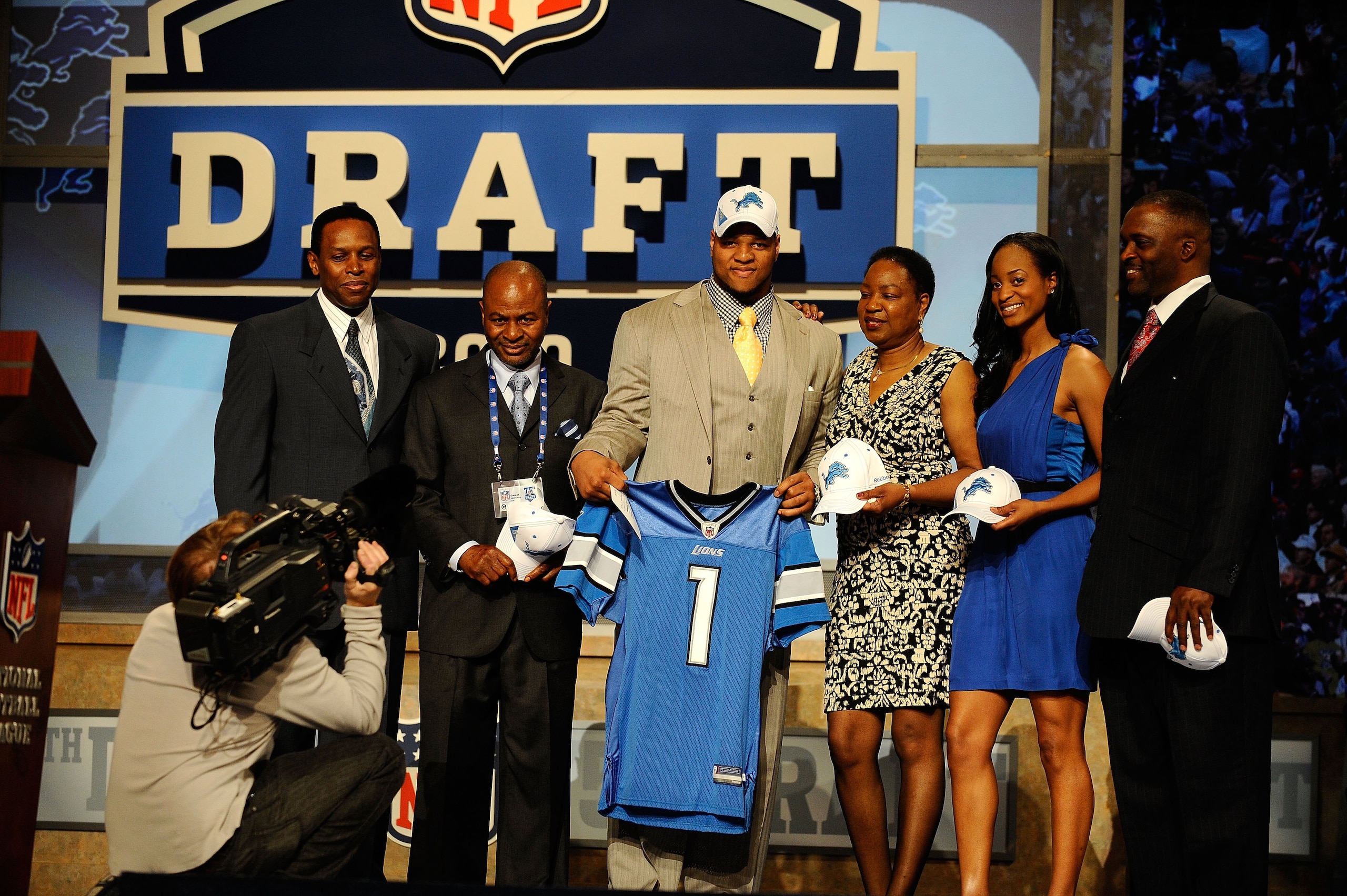
I don't know that the impending free agency period is going to change Detroit's draft strategy too greatly.
But it will change someone's.
Until recently, a lot of teams were planning on going into the draft as if free agency wouldn't exist. Needs would be filled by draft picks, and that would be that.
Now free agency has popped back into everyone's mind, and some may remember that there are cornerbacks in free agency as well as the draft.
In addition, changes in the nature of restricted free agency are going to make it so that lots of teams who expected to lose players are actually going to retain them, and that will change things as well.
Actually, let's talk more on that...
.jpg?w=2560 "Cardinals Giants Football")
.jpg?w=2560 "Titans Giants Football")
.jpg?w=2560 "Dolphins Bills Football")
4. Stephen Tulloch (Amongst Others) Will Stay Put
4 of 5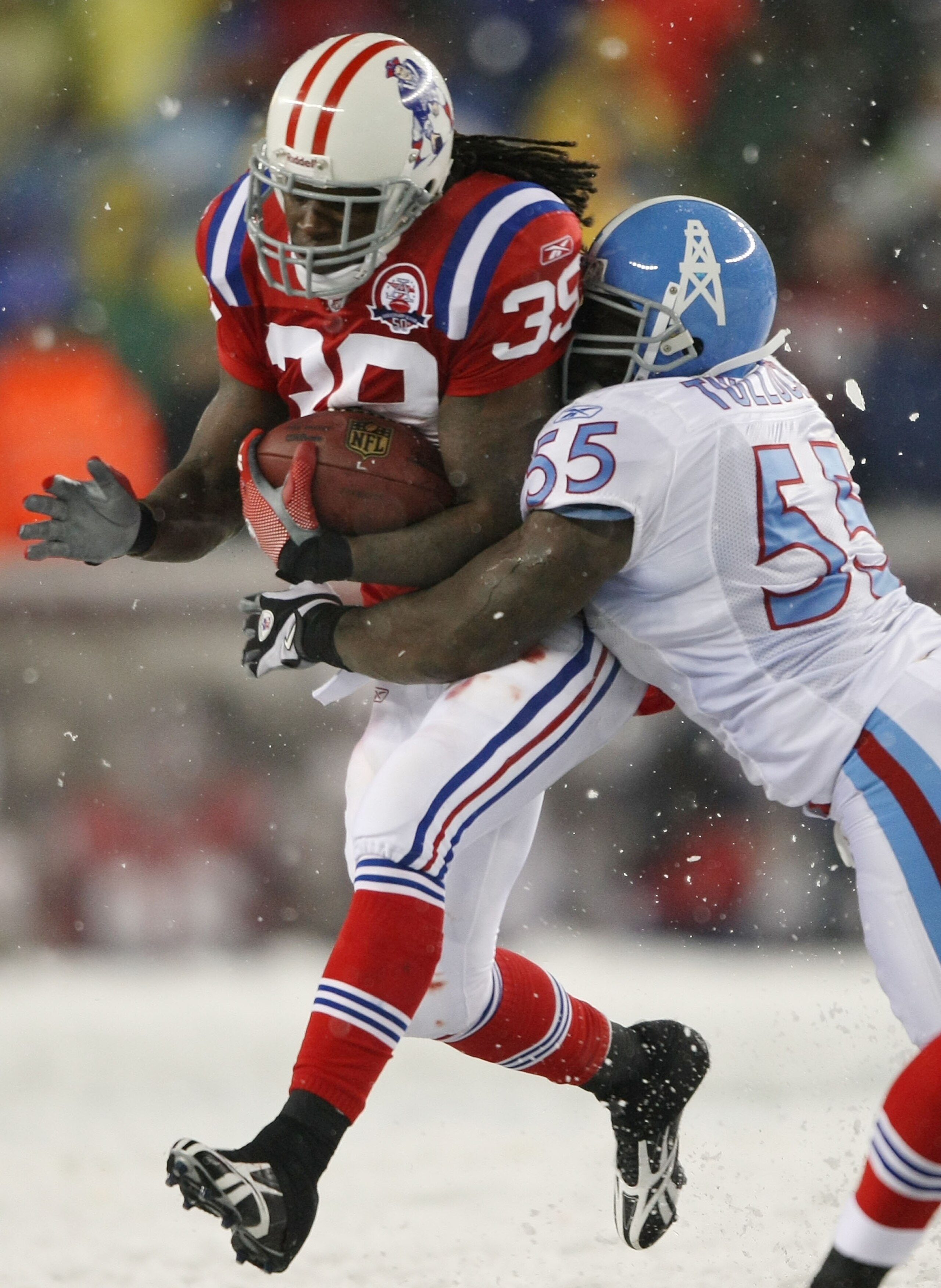
Stephen Tulloch has been a sexy choice for Detroit as a free agent this offseason.
When the rules of the new CBA came down, Tulloch, entering his sixth year of NFL play, was expected to rake in good money as the talented Mike linebacker in a 4-3 defense somewhere.
Why not, many thought, with his old defensive coordinator, now the head coach in Detroit?
He would have fit the scheme and been a huge upgrade in talent. Perfect all the way around.
Except that now Tulloch is remains under contract with the Titans, as current rules state that unrestricted free agency cannot happen until after six years instead of four.
Tulloch is still a free agent, technically. But he's a restricted free agent, and it will require a first-round pick and lots of money to sign him now. The Lions need those picks, so the Lions will either wait until next year to get him, or fill their linebacker positions via other means.
The same goes for a number of top free agents. Most of the guys who would have been unrestricted this year under a new CBA now find themselves under team control in 2011, which is going to alter the free agent landscape drastically.
It's not all bad news, though. One of those "woulda-been" free agents you might recognize...
5. Chris Houston Stays in Detroit
5 of 5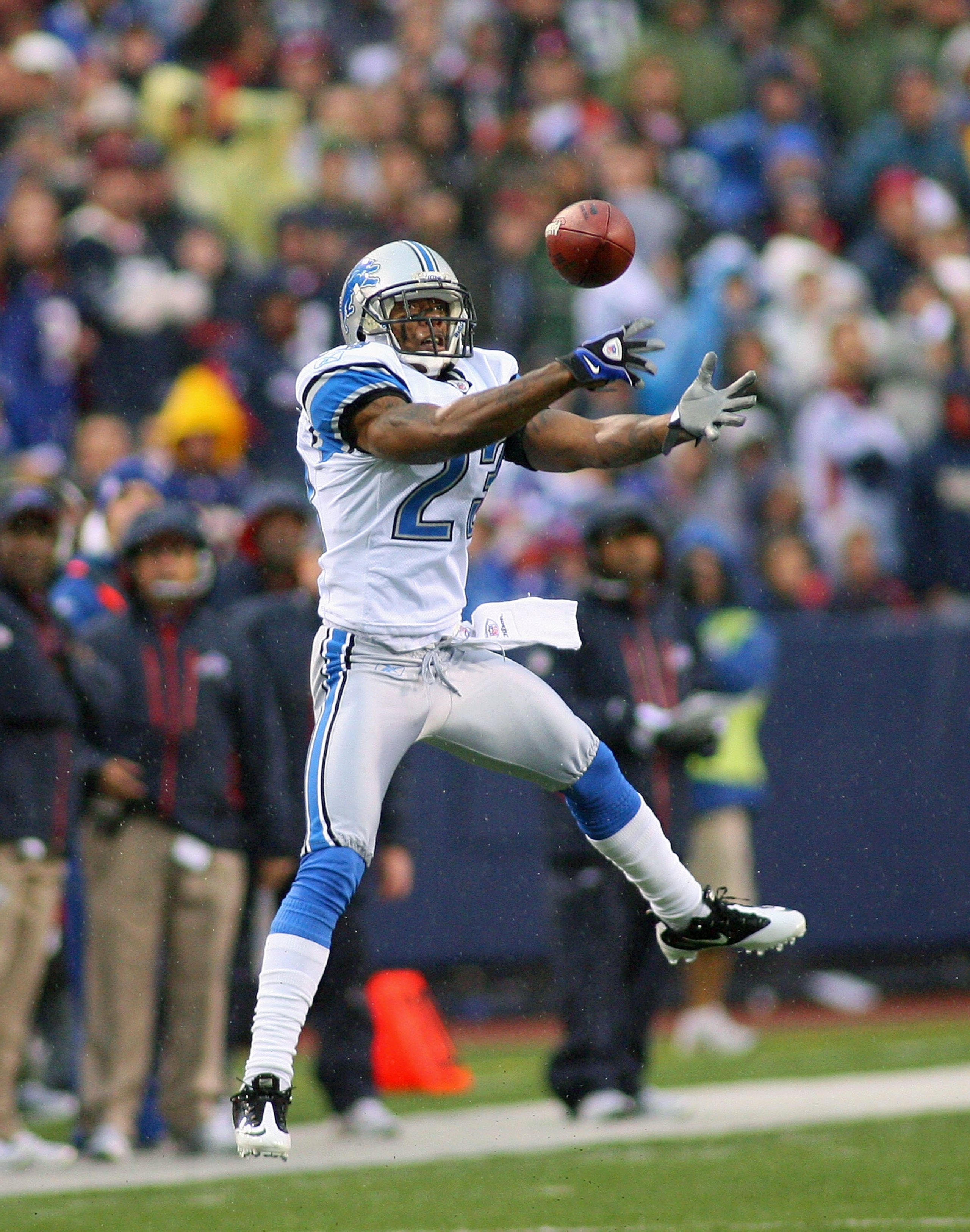
This is maybe the biggest boost the Lions get from the injunction. Not only does Detroit get to actually play and continue their upward momentum, but Chris Houston hits the market as a restricted free agent.
Which means Houston, who the Lions had repeatedly said they wanted to bring back, is now coming back as long as the Lions want him. Under the current rules, Houston does not get to enter unrestricted free agency until 2012 (after his sixth NFL season).
A new CBA was all but guaranteed to change that rule, but there is no new CBA. There is a legal ruling which effectively puts us in another 2010 (uncapped) season, under the same rules as before.
And it's not just Houston. Drew Stanton and Turk McBride are also restricted, and will be back at the Lions' request, as well.
The Lions knowing they get to keep Houston is hugely significant, especially when the draft comes around. There is still no doubt they'll take Prince Amukamara if he's available, but their need to otherwise load up at the corner position this year has almost certainly diminished.
.jpg?w=2560 "Hill Injury Update Football")