
MLB Power Rankings: No Head-Hunting and Baseball's Top 15 Unwritten Rules
Like any game, baseball has rules. Some of these rules - actually, most of them - are written in a set list that are recognized and enforced by MLB. However, there are other rules that are not in that list, that are simply "understood" by all those involved.
These "unwritten rules" are arguably more important than the written set because they have proved to be so important over the years that now all major league baseball players know them.
More importantly, almost all of them respect and follow these rules, and are none too pleased when other players go against them. Going against these rules is viewed as an insult to not only the players, but to the game as a whole.
There are plenty of these rules, but for now I am going to focus on the 15 that rank above and beyond the rest.
No Saying the Words "No-Hitter" or "Perfect Game"
1 of 15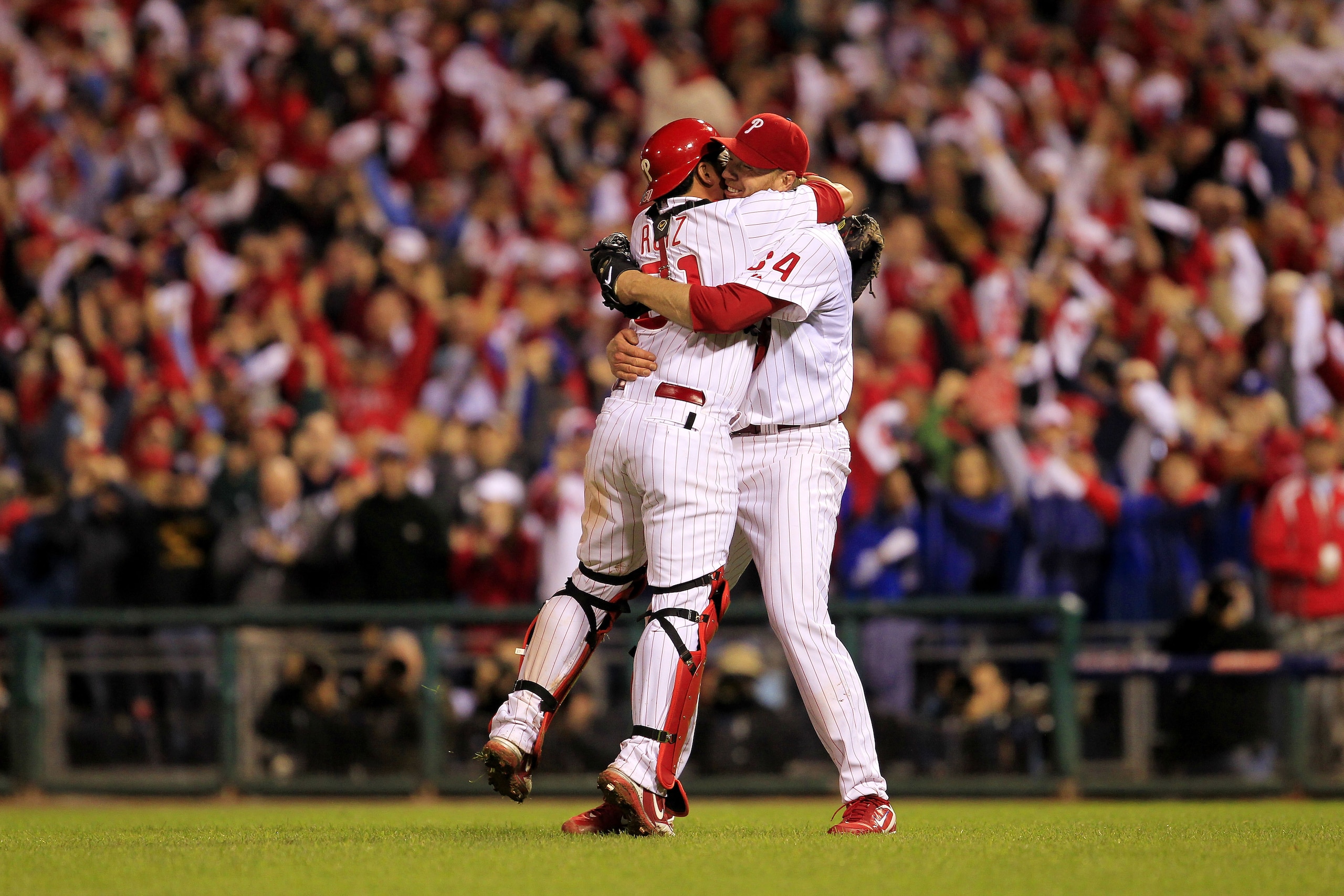
This one is directed more towards the fans, and even more so to the announcers. When a pitcher is in the midst of a no-hit bid, EVERYONE knows that you are not supposed to acknowledge its possible occurrence.
The thought here is that if you say it, you're going to "jinx" it. The biggest culprits of breaking this unwritten rule are baseball's announcers, of both TV and radio.
During these potentially magical nights, it seems like all the announcers do is say "no-hitter" or "perfect game." They start countdowns, throw pitch counts at us, and make those of us who are superstitious in nature want to pull our hair out in frustration.
So I ask you, how many no-hitters have you seen? Now how many have you seen broken up?
Now think how many of those lost no-no's could have been completed if the announcers had just SHUT UP. Some unwritten rules aren't just for the players, they are for everybody.
No Aggressive Tagging
2 of 15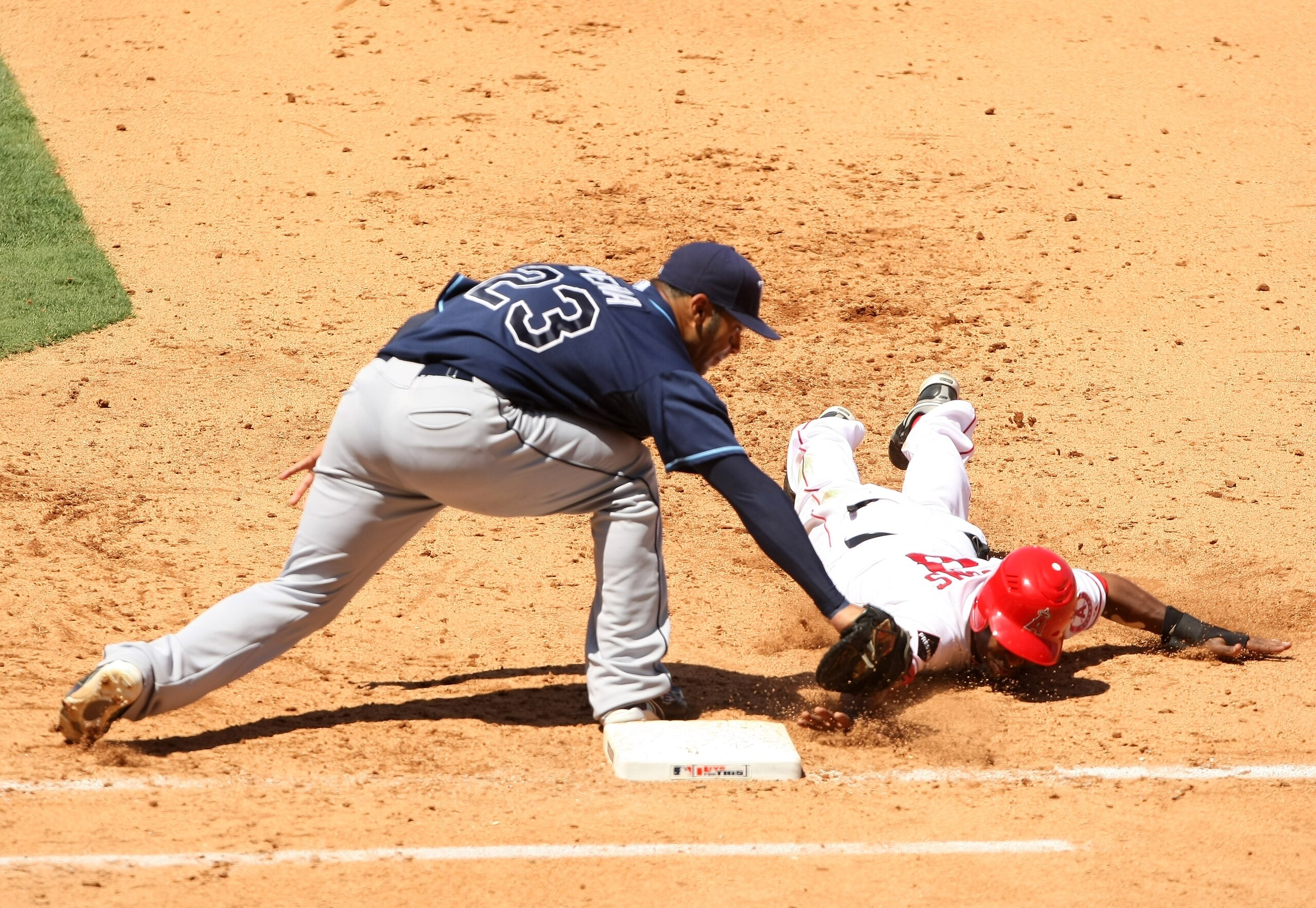
When a runner tries to steal, or is retreating to first on a pickoff play, the infielder will have to tag the runner to try to get the out.
Now, a tag is a tag. It doesn't matter how hard the tag is or how soft, if it is on time, the runner is out regardless. So, when an infielder slaps the tag on a little harder than usual, it can be viewed as confrontational.
There has been a long history of this occurring, but it's also the kind of thing that is near impossible to pick up watching from home on your TV, so most of us don't really see it. But the players see it, and they feel it, and they don't like it.
There's no need to do this, as most of the time it it's a type of "retaliation" for trying to steal. There shouldn't be any kind of retaliation for stolen base attempts except for throwing out runners, and most players expect that to be the case.
No Speaking to a Pitcher During a No-Hitter
3 of 15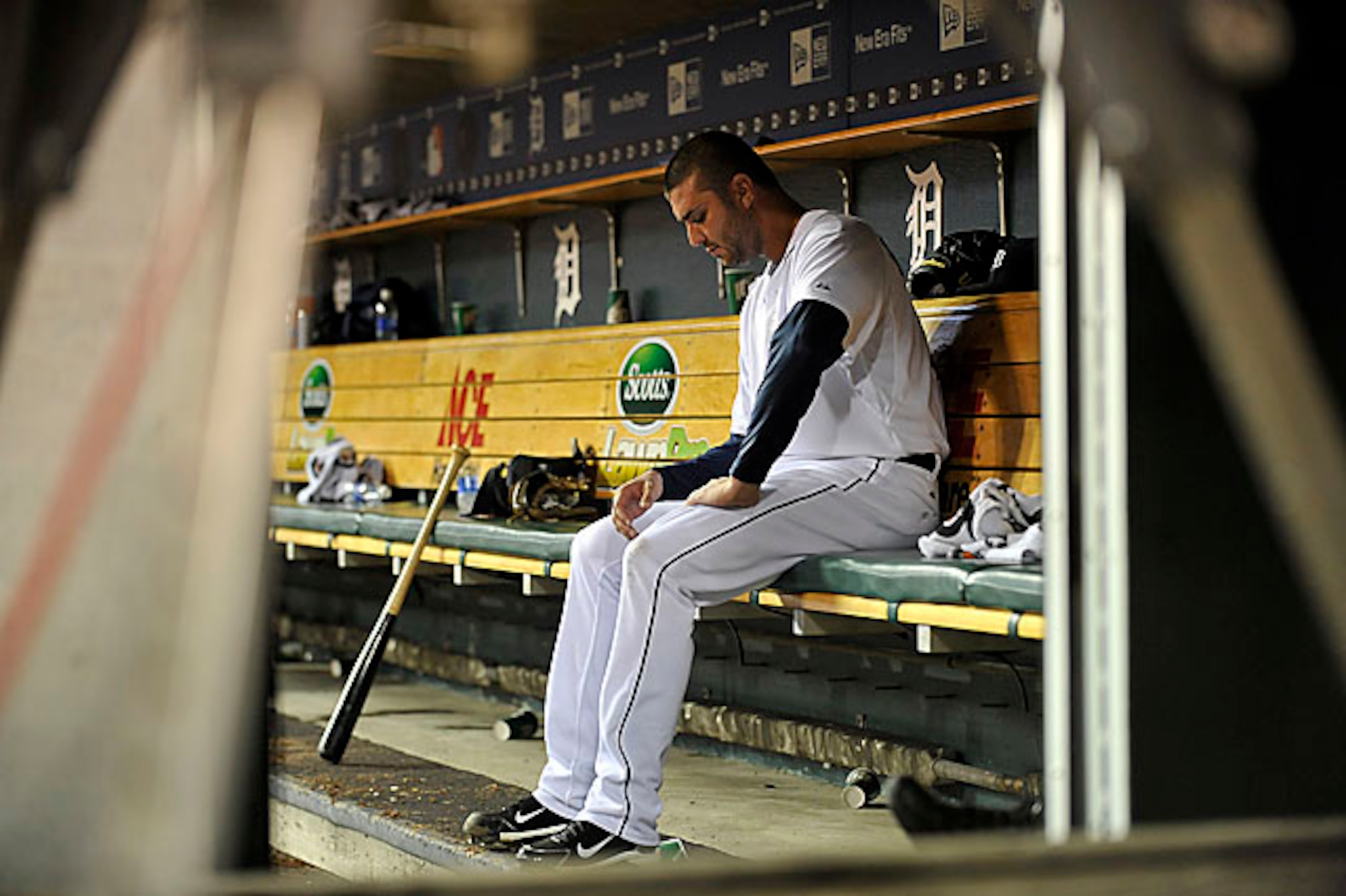
When a pitcher is throwing a no-hitter or a perfect game, it is understood that they need to focus and therefore should not be disturbed.
You will see that once it is realized that a pitcher has not allowed a hit so far in a game, usually around the fourth or fifth inning, that pitcher's teammates will not speak or even sit near the pitcher during the half-innings when they are hitting.
This is in large part due to superstition that their speaking to the pitcher will distract him from his attempt and cause him to give up a hit. So, now that this has become custom, nobody wants to go against it and risk being "the one who screwed it up."
Some pitchers don't believe in this superstition, but most of the time they don't have a say in the matter, as their teammates will refuse to speak to him until he either gives up a hit, or completes the no-hitter.

No Styling on a Home Run
4 of 15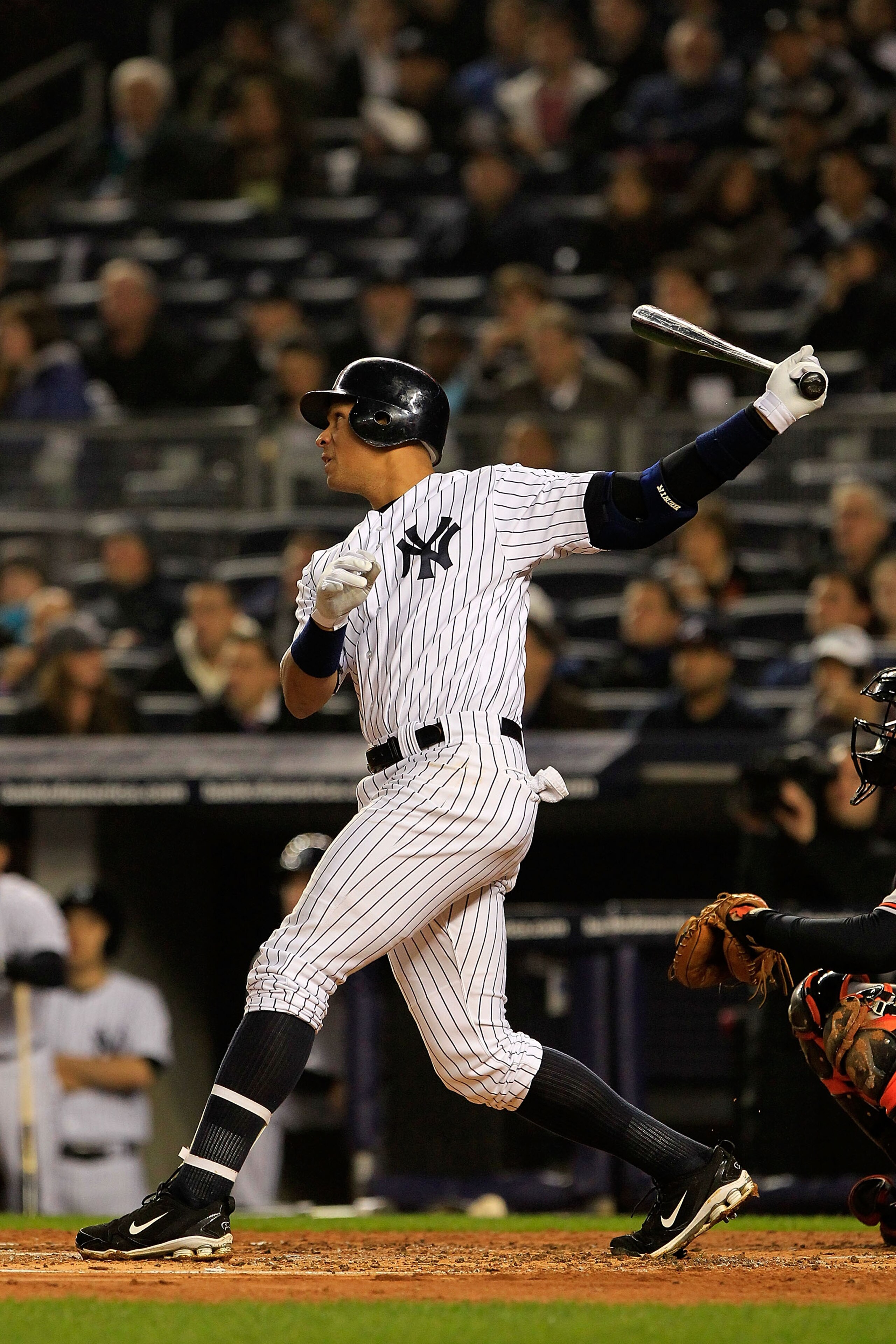
Hitting a home run is a great feeling for a baseball player. However, no matter how good it feels, it is not okay to over-celebrate a home run.
The traditional fist-pump and high fives at home plate and in the dugout are fine, but dancing around the bases, waving your arms, and acting crazy is unacceptable.
In other sports this is allowed, like in football when a touchdown is made, or even in basketball when a player dunks. However, in baseball, styling a home run is frowned upon, as it shows up the pitcher who surrendered it.
The only exception to this rule is the "walk-off" home run, because the celebration is inferred to not be meant for the home run, but for the team's win.
No Getting Hit Without Hitting Back
5 of 15
This one tends to be a touchy subject. Don't get me wrong, I do not condone intentionally hitting a batter with a pitch. However, I do not disapprove of a pitcher sticking up for his teammates.
Now you can never be certain whether a hit-by-pitch was done intentionally or by accident, but sometimes you can just tell. When a pitcher goes from painting the corners to drilling a guy in the middle of his back, something's up.
That's when you will see a pitcher "retaliate" and either brush back or hit an opposing batter. Things get even more tense in the National League, because the pitcher that did the plunking has to take his turn at the plate.
Pitchers need to understand that if they intentionally hit a batter, they are either putting themselves in danger, or they are putting their teammates in danger.
No Stealing Signs
6 of 15
Every catcher has a specific set of signs that he uses to tell his pitcher which pitch he thinks he should throw, and where to place it.
These signs can differ, but to avoid confusion, they usually are not too hard to figure out. That being said, it is understood that if a runner is at second base, possessing the same view of home plate as the pitcher, he will not use his position to read the catcher's signs and signal to his batter what pitch is going to be thrown to him.
It is the batter's job to read the pitch and make the decision to swing or not. Having his teammate give him the signs is pretty much the same as sneaking a peak at someone else's cards in a game of poker. It defeats the purpose of the game, and is essentially cheating.
No Making the First or Last Out at Third
7 of 15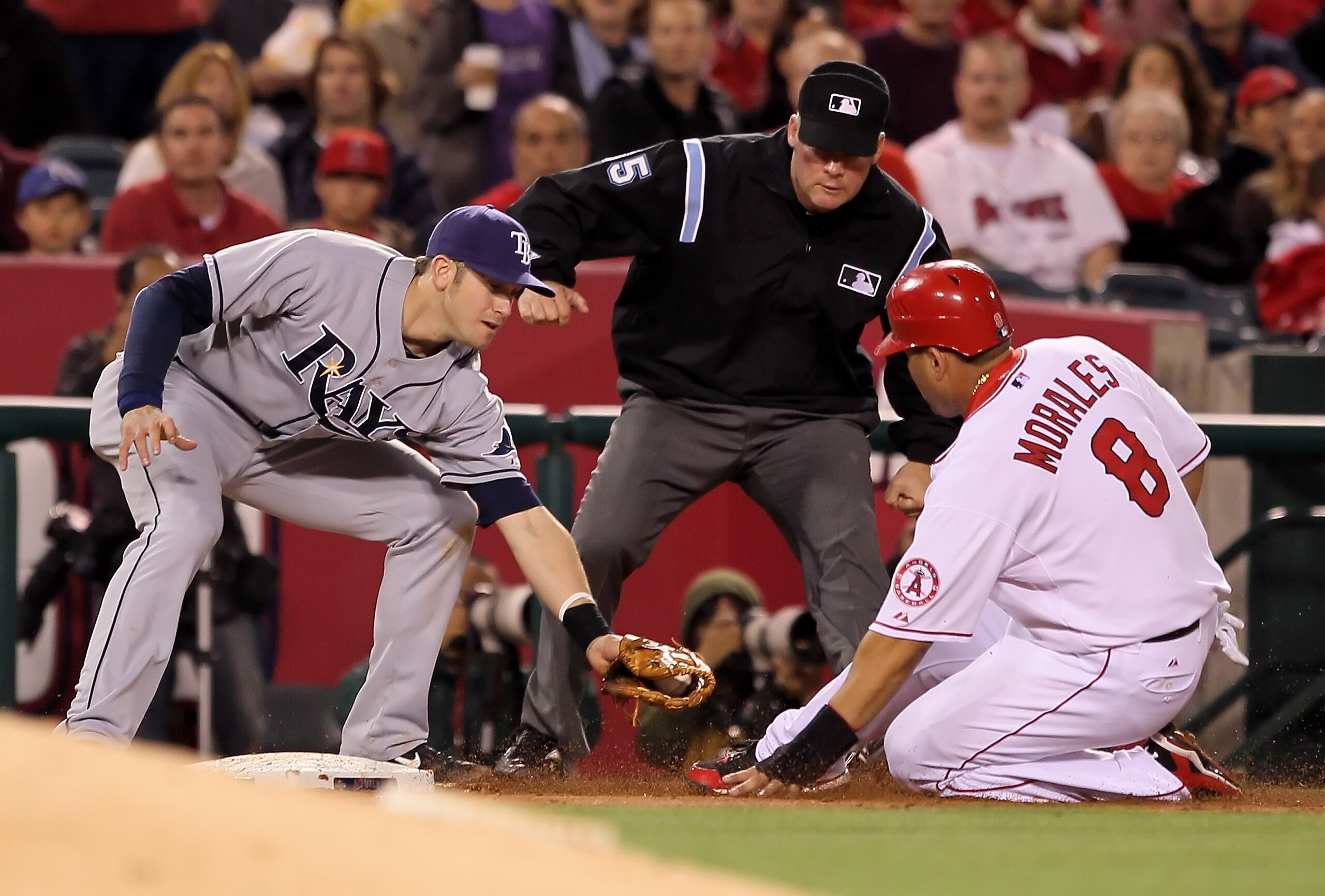
I don't care what the score is, it is unacceptable to record the first out of an inning, or the last out of an inning, at third base.
What this means is that either the runner got greedy and tried to steal third base or made a bad base running play and got thrown out. Stealing third base is only a productive move if there is one out in the inning.
This is because with one out, the runner at second cannot score on a flyout or groundout, they can only move to third base and then hope they can score on a two-out base hit.
Stealing third with no outs is actually insulting to your own teammate, because it says that you don't trust them enough to move you over on their own.
Stealing with two outs is just not smart because either way, it's going to take a hit to score you. So, there's the rule; no making the first or last out at third.
No Going First to Third in a Blowout
8 of 15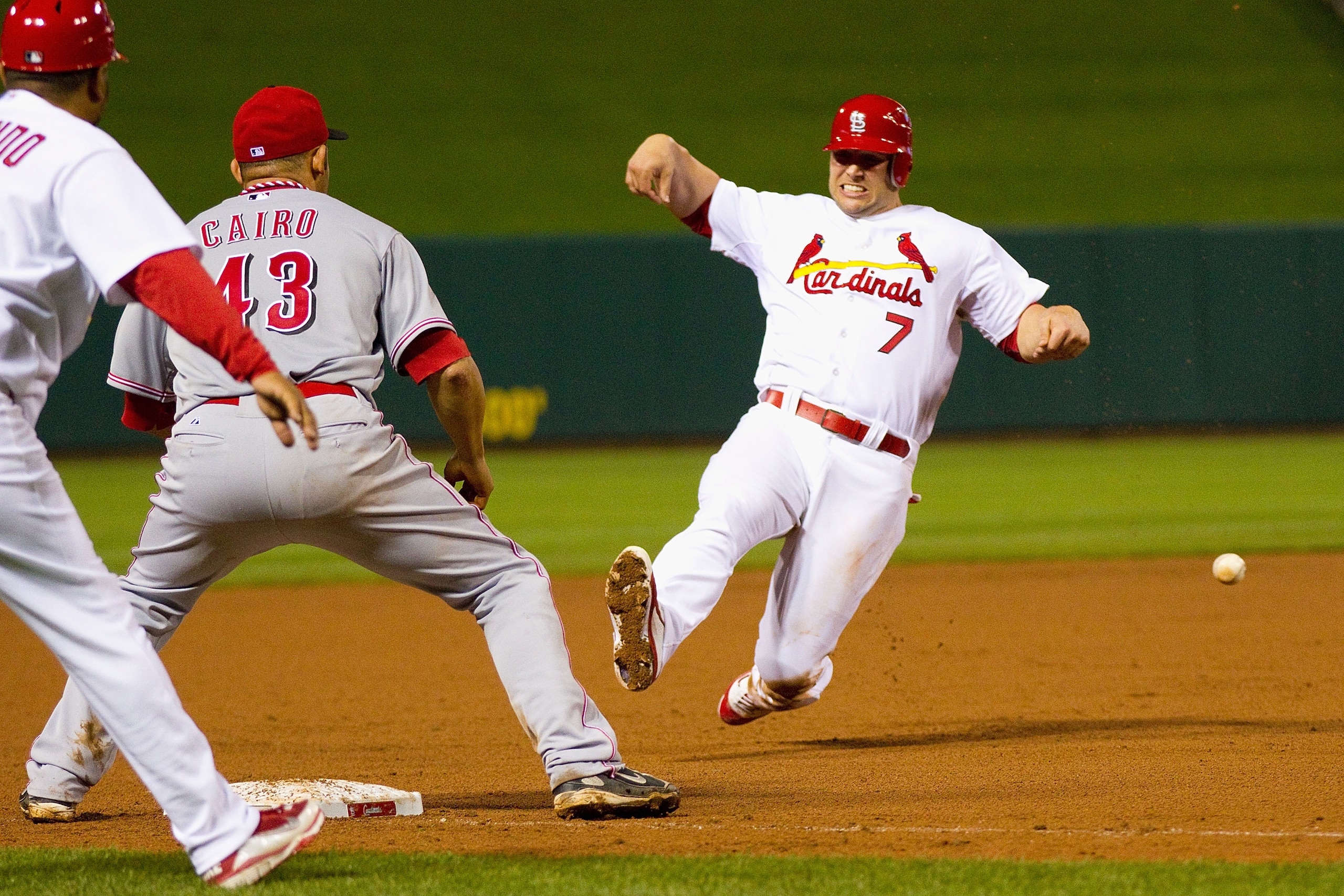
In baseball, going from first to third on a single is considered to be an aggressive play. It's always easier to score from third than it is from second, so if you can get to third, go for it. However, there is a rule about this kind of play.
The general consensus is that when your team is leading "by 7 in the 7th," you only move up one base at a time on base hits. Going from first to third, as I said before, is a way to score more easily.
If the lead is already at 7, then clearly scoring has not been an issue this game, and it's just respectful to go base-to-base.
No Watching Home Runs
9 of 15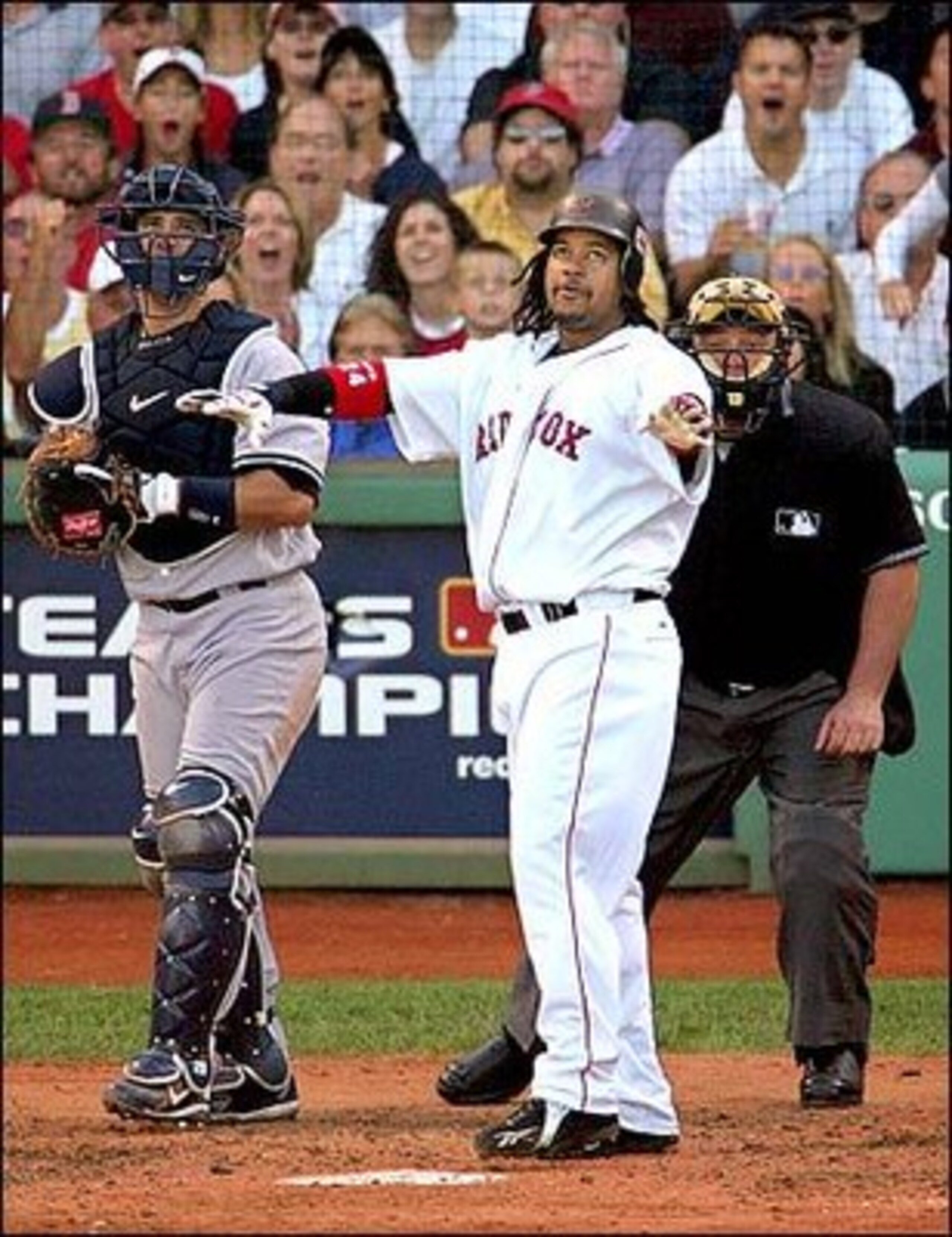
When a player hits a home run, most of the time they know it's going to leave the park. Even if they aren't sure, however, it shouldn't matter, because regardless of where the ball is going, the player should already be running.
When a batter hits a home run, knows it, and decides to stand at the plate watch the ball land, that ticks people off. It's just good sportsmanship to start to run around the bases.
One of the biggest culprits of breaking this unwritten rule was Manny Ramirez. As a Yankee fan, I still remember how angry it made me to watch him pompously stand at the plate and act like he had hit the ball 1,000 feet, not even bothering to start running until after the ball had found new ownership in the glove of a fan.
I mean, it was bad enough that the Red Sox slugger had just taken a Yankee deep, but now he was just throwing it in our faces.
All I'm saying is that when someone hits a home run, they aren't exempt from running the bases, so they might as well start while the ball is still in the air.
No Bunting in a Blowout
10 of 15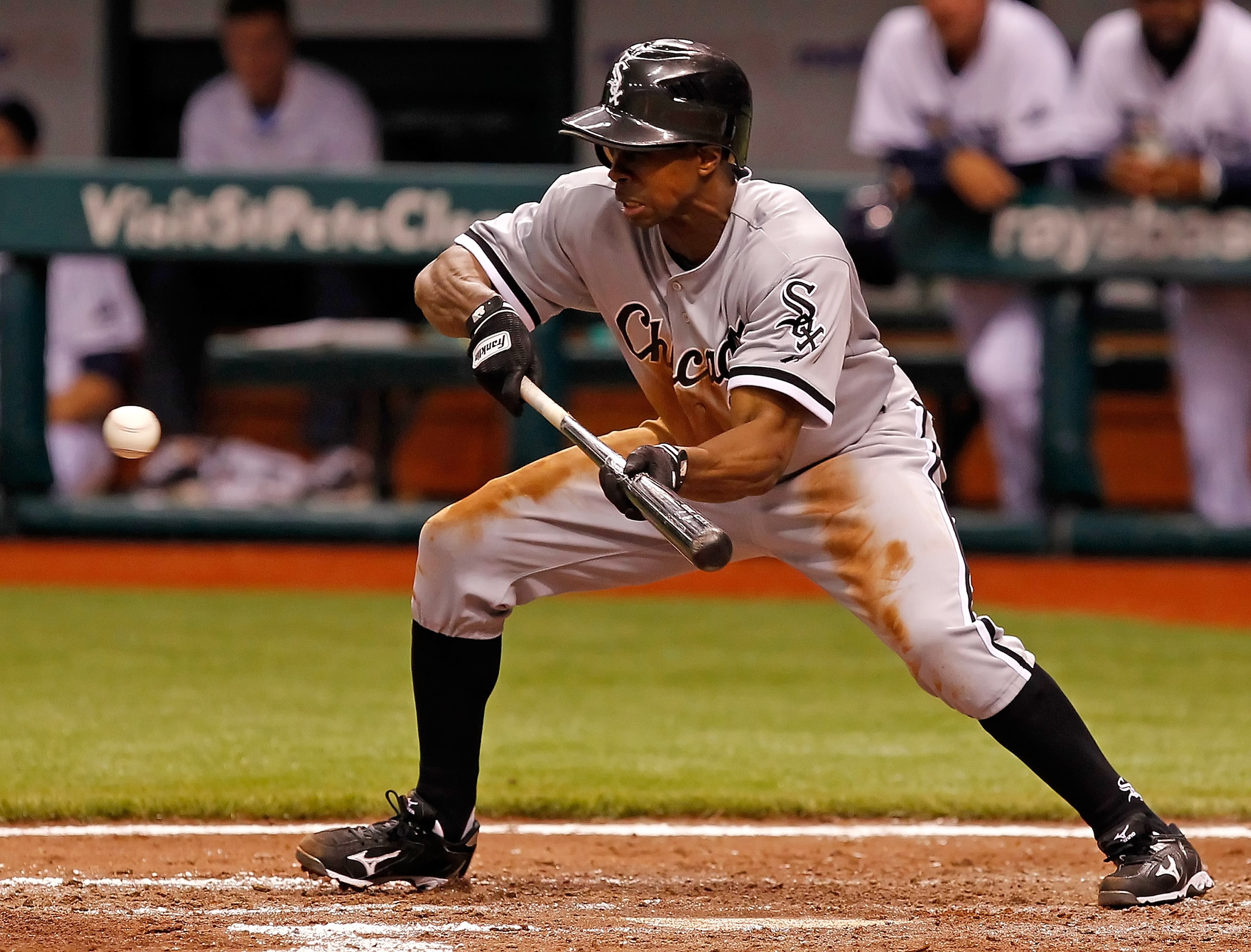
Bunting is an integral part of the game, especially in the National League, where the weak-hitting pitchers have to step up to the plate.
Bunting can be used to advance runners to the next base in the form of a sacrifice, or even to record a hit for players that have the speed to beat out the throw. However, when the scoreboard reads 10-0, the bunting game needs to be scratched from the playbook.
At that point, it's quite clear that scoring has not been much of a problem. Therefore, trying to "move over" base-runners or trying to squeak out a cheap hit is insulting to the other team.
They know that you can hit the ball, you know that you can hit the ball, and the entire stadium full of fans knows that you can hit the ball, so you shouldn't try to show up the other team by bunting.
A blowout is a blowout; there's no need to make it worse.
No Stealing in a Blowout
11 of 15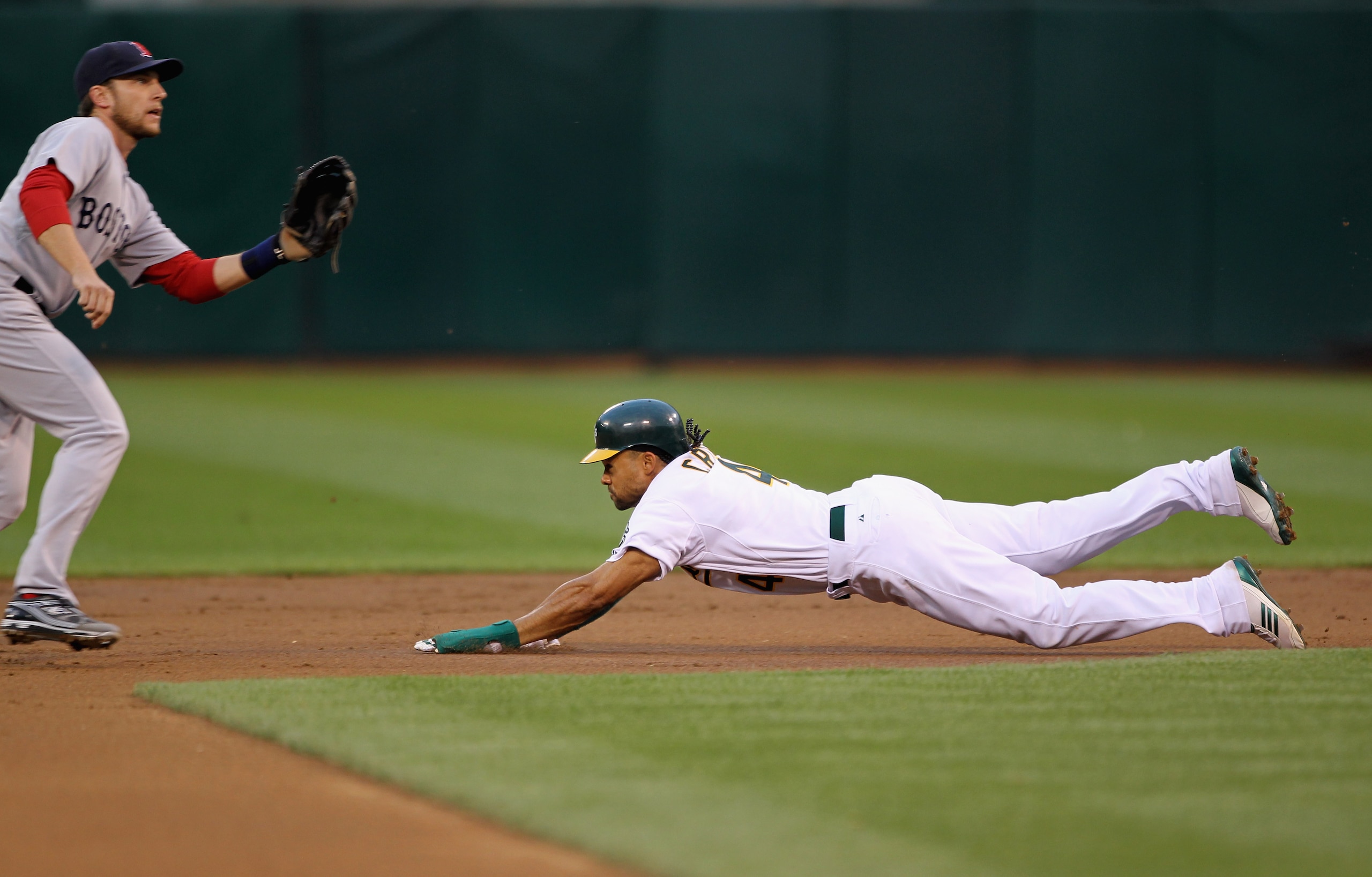
Bunting during a blowout is bad, but attempting to steal a base is worse. Now, instead of showing up the entire other team, you are specifically showing up the pitcher and the catcher.
The pitcher obviously has enough to worry about, whether its still the starter that has been battered around, or if its the relief pitcher trying to stop the offensive outburst. They don't need to have to look back at the base-runners trying to steal a base.
The only reason for stealing bases is to put yourself in the position to score, and the only reason to do that is if you need to score. If you're blowing out the other team, you can either stop scoring or earn it the old-fashioned way, by hitting the ball.
No Showing Up the "D"
12 of 15
Nobody's perfect. Everyone makes mistakes, even major league baseball players. So, as a pitcher, when a teammate makes an error and costs you an out, you can't throw your arms up in the air and say "what the hell?"
They feel bad enough that they made an error; they don't need their pitcher throwing them under the bus. What a pitcher needs to do in that situation is do their best to pick up their teammate and make that error meaningless.
Get the extra out and get out of that inning without letting that runner score. Let your teammate know that you have his back, not that you think he can't do his job.
No Unnecessary Collisions at the Plate
13 of 15
For all of those people that say baseball isn't a contact sport, I ask you "what about collisions at the plate?"
One of the most dangerous plays in baseball, a home plate collision is when a runner breaking for home realizes that he is not going to beat the throw to the catcher, and is left with only two options. One, he can try to go around the catcher's tag, knowing full well that there is a 99% chance that he will be tagged out, or two, he can run straight into the catcher and try to dislodge the ball from his glove.
Although considered a clean play, there are rules that go along with home plate collisions. If the game is a blowout, then risking injury to both yourself and the catcher is not a smart move just to score yet another run.
If the game is a spring training or exhibition game, then collisions are absolutely forbidden. There was an instance in a 2008 spring training game between the Yankees and Rays in which Tampa infielder Eliot Johnson collided with Yankee catcher Francisco Cervelli on a play at the plate, fracturing the young catcher's wrist.
Yankees manager Joe Girardi later commented on the play, saying, "I think it was uncalled for. It's a spring training game and you are going to get people hurt and we got Cervelli hurt."
No Bunting to Break Up a No-Hitter
14 of 15
We have already discussed not bunting during a blowout if you're on the winning team, but there actually is an instance when it is not okay to bunt when your team is trailing.
When the opposing starter is attempting to pitch a no-hitter or a perfect game, they expect every batter to try their best to end their attempt. However, "trying their best" does not mean bunting for a hit. If you are going to break up a no-no, you have to earn it.
Anyone can get lucky on a bunt, but you have to earn a hit if you actually swing the bat, and that is what the opposing pitcher wants. It sucks to lose a no-hitter, but it's worse if you lose it on a cheap bunt-hit.
No Head-Hunting
15 of 15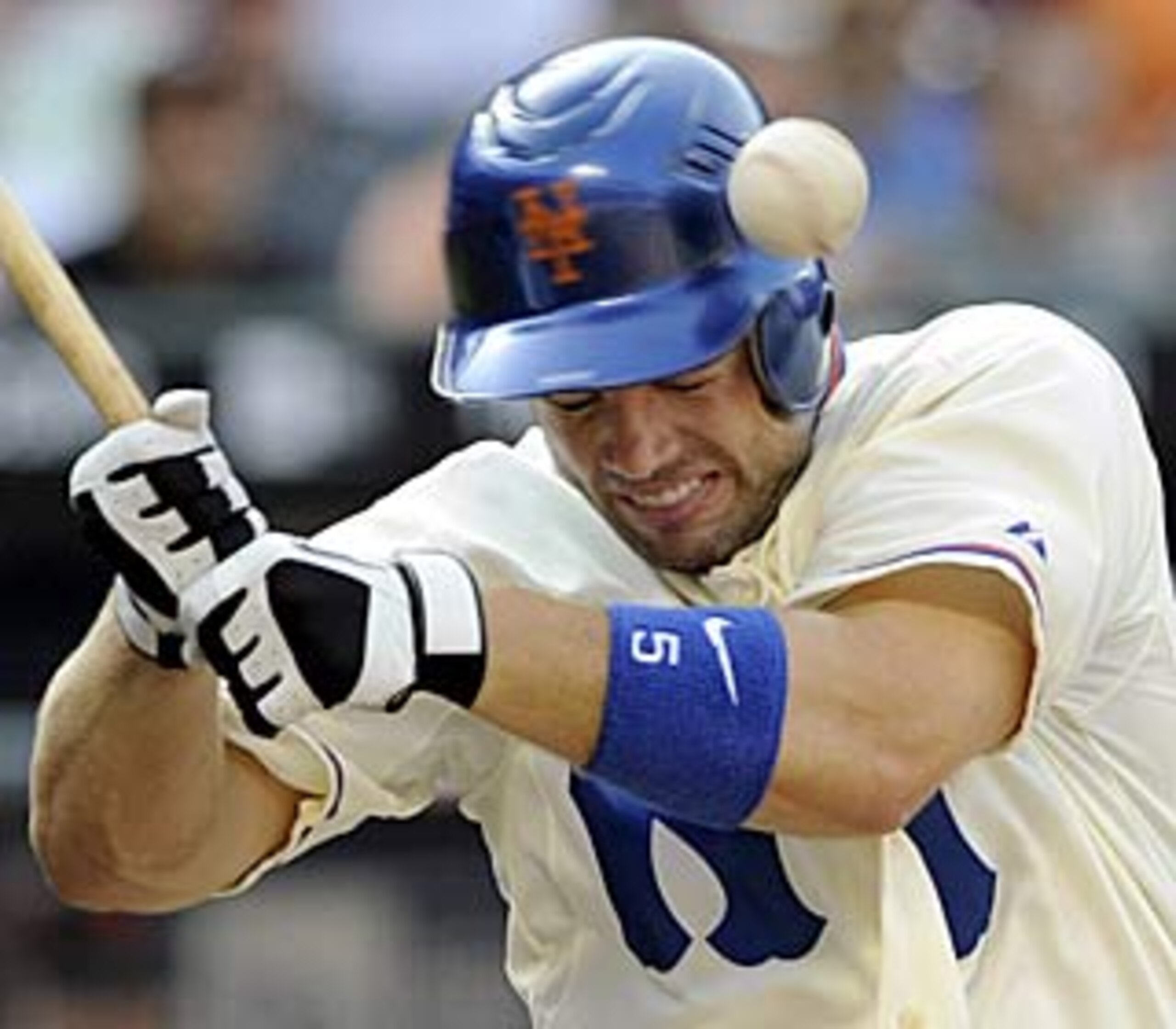
This one should really go without saying. I don't think anyone would argue that a pitcher should not throw a 90 MPH pitch at a batter's head.
Most of us have seen incidents in which this has happened, and for the most part I would assume that those occurrences were purely by accident. Sometimes a ball just gets away. It's inevitable. And, unfortunately, when a ball gets away, the pitcher has no idea where it is going to end up, and every once in a while it finds its way to a batter's head.
This is why batters wear helmets, and the recent increase in the frequency of batters getting hit in the head has pushed some managers to request that certain players where bigger, thicker helmets to provide even more protection.
Getting hit in the head with a pitch can potentially cause serious injury or brain damage, and although unlikely, it could even kill someone.
Even though not all pitchers understand that they should not purposely hit anyone with a pitch anywhere, they do all understand that aiming for the head is unacceptable.

.jpg?w=2560 "NFL investigating 2 referees for separate viral exchanges")

.jpg?w=2560 "Report: Chiefs Contact Hill's Agent")
.jpg?w=2560 "OBJ Calls Out Giants After Release")
.jpg?w=2560 "Tyreek makes another cryptic post amid Chiefs rumors")
.jpg?w=2560 "Greenlaw Talks Payton Exchange")

