
NFL Draft 2011: Each Team's Glaring Hole and the Perfect Prospect to Fill It
The 2011 NFL draft is less than a week away, and with the lockout blocking other roster moves, it’s the last chance for teams to improve before the labor situation is settled. Some teams need help all over the roster, whereas others are just one or two players away from a big season.
Read on for the biggest problem every team should be trying to fix, along with the rookie it wishes it could bring in to fix it.
Buffalo Bills: Defensive Tackle
1 of 32
The Bills need help pretty much everywhere but running back, but the defensive line is as bad as any position on the team. For the league’s worst rushing defense in 2010, a big body in the middle will provide the most help.
The answer: Marcell Dareus, Alabama
Dareus is the pick over Auburn star Nick Fairley because of Dareus’ weight advantage (nearly 30 pounds heavier than Fairley). Dareus is an especially good fit in Buffalo because he’ll be able to contribute whether they stay in a 3-4 front (where he’d play end) or switch to a 4-3.
Miami Dolphins: Running Back
2 of 32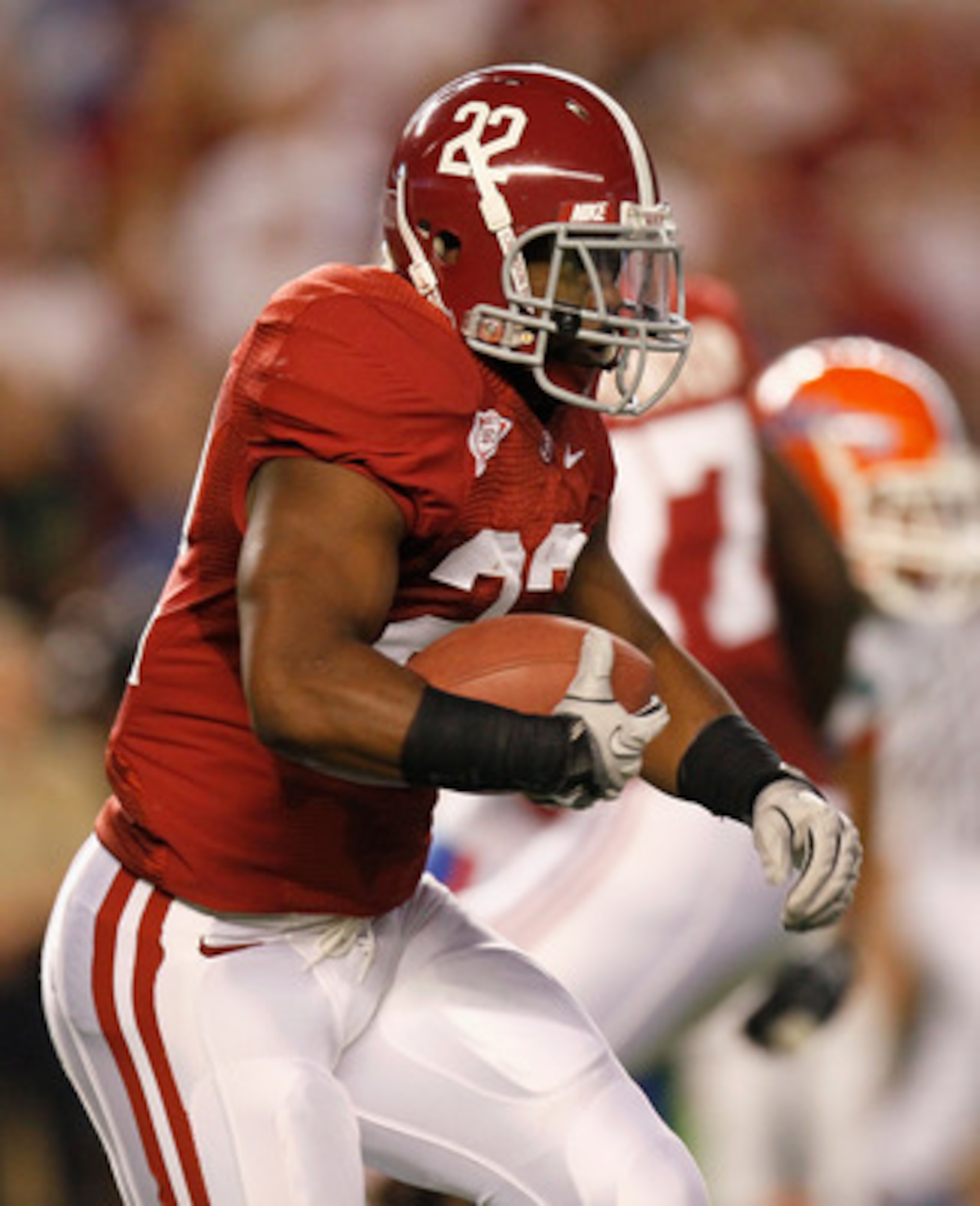
It’s a close call whether the Dolphins should be more worried about their running backs or their quarterback. For all his faults, though, Chad Henne is under contract next season, while both Ronnie Brown and Ricky Williams are free agents who could leave the Dolphins without an NFL-caliber starter.
The answer: Mark Ingram, Alabama
Miami is one of the few teams likely to get exactly the pick it’s hoping for, because Ingram is a decent value at No. 15 overall and is highly unlikely to be taken earlier. The consensus best RB in the draft, Ingram brings both power and speed to an offense that needs a well-rounded runner to be effective.
New England Patriots: Offensive Tackle
3 of 32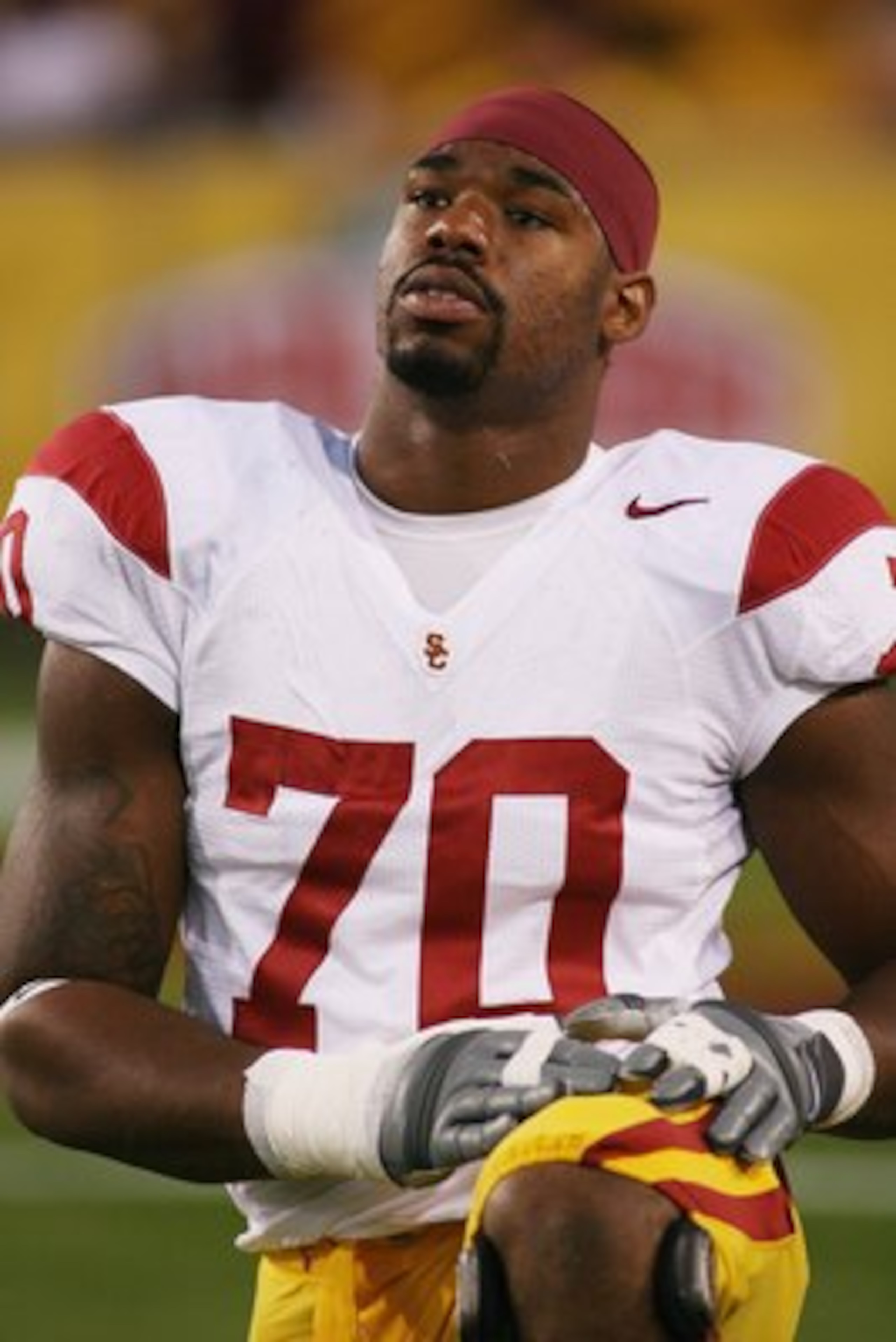
Longtime left tackle Matt Light is up for free agency, and after 11 seasons Light is starting to lose effectiveness even if he does return. In New England’s pass-heavy offense, they can’t afford to put Tom Brady’s body at risk with subpar pass protection.
The answer: Tyron Smith, USC
Smith showed at the combine that he can still play with agility even after putting on 19 pounds over his USC playing weight. He’s the most athletic tackle prospect in the draft, but he won’t be around for New England to pick up at No. 17 overall.
On the other hand, the Pats may get a shot at one of the other top OT prospects, such as Colorado’s Nate Solder or Wisconsin’s Gabe Carimi.
.jpg?w=2560 "Cardinals Giants Football")
.jpg?w=2560 "Hill Injury Update Football")
New York Jets: Defensive End
4 of 32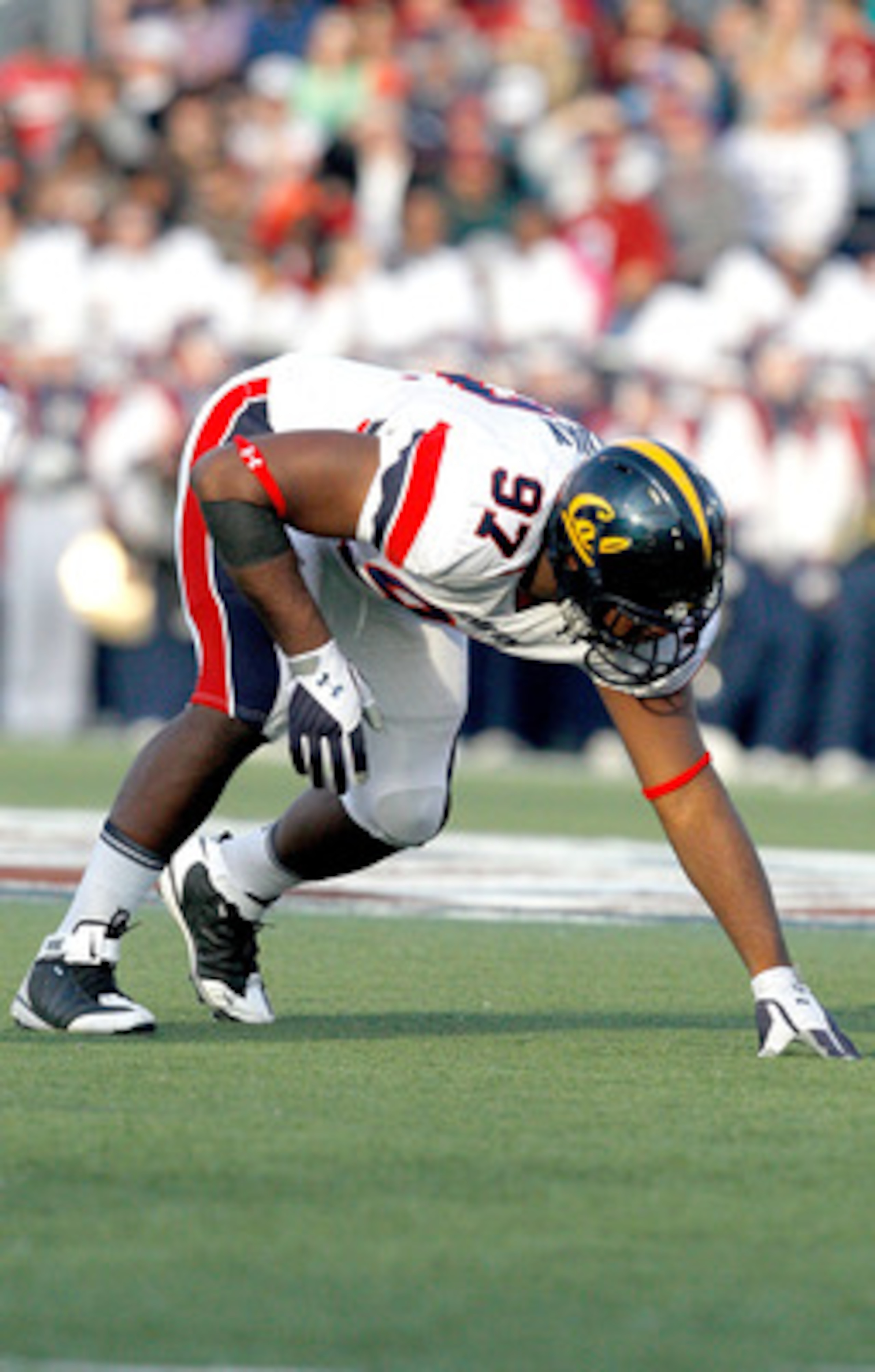
If the Jets expect to lose many of their free-agent wideouts (they need to re-sign Braylon Edwards, Santonio Holmes and Brad Smith), that position becomes the top concern in New York.
Assuming that at least two of that trio stay, the biggest issue becomes a defensive line that lacks playmakers after 33-year-old Shaun Ellis.
The answer: Cameron Jordan, Cal
Jordan is far from the best pass rusher in this draft, but in a 3-4 front, he doesn’t need to be. He’s as tough against the run as any DE available and would be a great fit for the Jets’ schemes.
Baltimore Ravens: Cornerback
5 of 32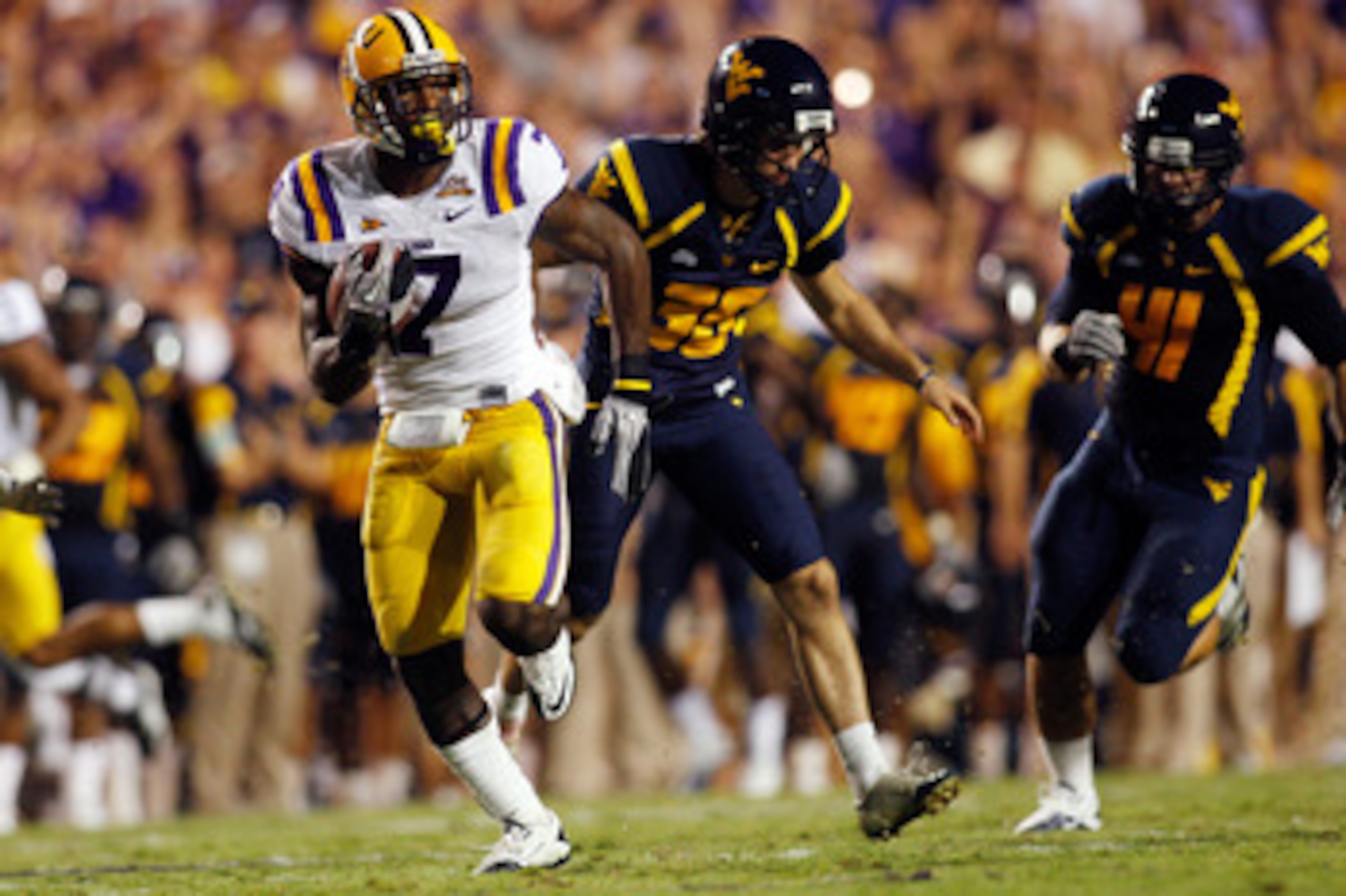
Ed Reed notwithstanding, the Ravens’ secondary isn’t what it once was. More to the purpose, three of Baltimore’s best corners are free agents.
With the team unlikely to re-sign all of Chris Carr, Josh Wilson and Fabian Washington, some new blood would be welcome.
The answer: Patrick Peterson, LSU
In this draft class, there’s really only one best answer when it comes to cornerbacks. Peterson has the talent of a No. 1 pick, so he’ll be long gone when Baltimore gets to draft at No. 26, but the Ravens may still look for secondary help from the likes of Miami’s Brandon Harris or Colorado’s Jimmy Smith.
Cincinnati Bengals: Quarterback
6 of 32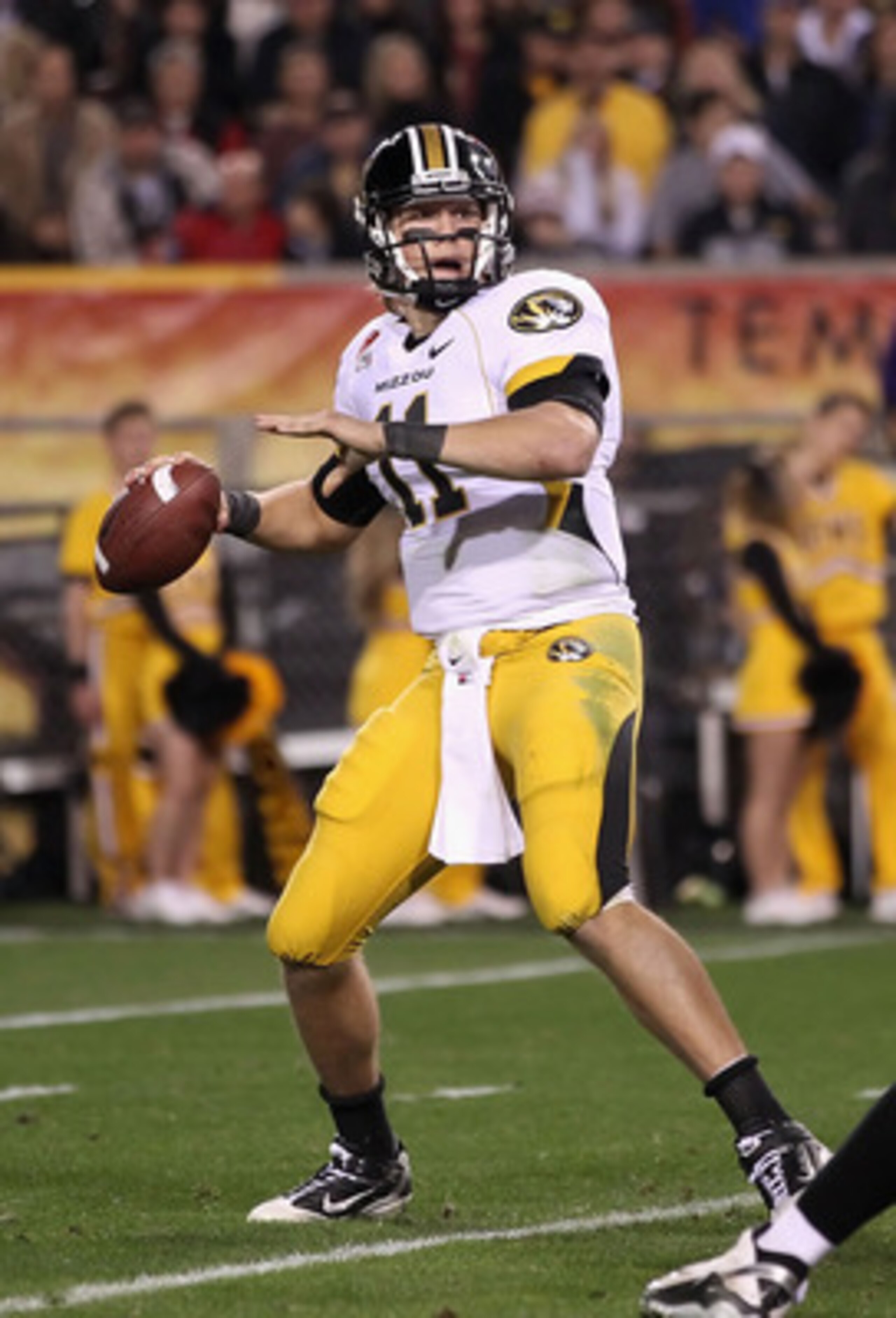
The Bengals have their share of problems, but whatever management may want to believe, Carson Palmer seems ready to make good on his threat to retire if he isn’t traded. Given that backup Jordan Palmer attempted three passes in 2010, Cincinnati needs a new plan going forward.
The answer: Blaine Gabbert, Missouri
The Bengals offense has been built around a pure pocket passer in Carson Palmer, so Cam Newton’s improvising might not be an ideal fit. Gabbert can make all the throws, and while it’s highly unlikely the Bengals will take a QB, he’d be a reasonable fit if they change their minds.
Cleveland Browns: Defensive End
7 of 32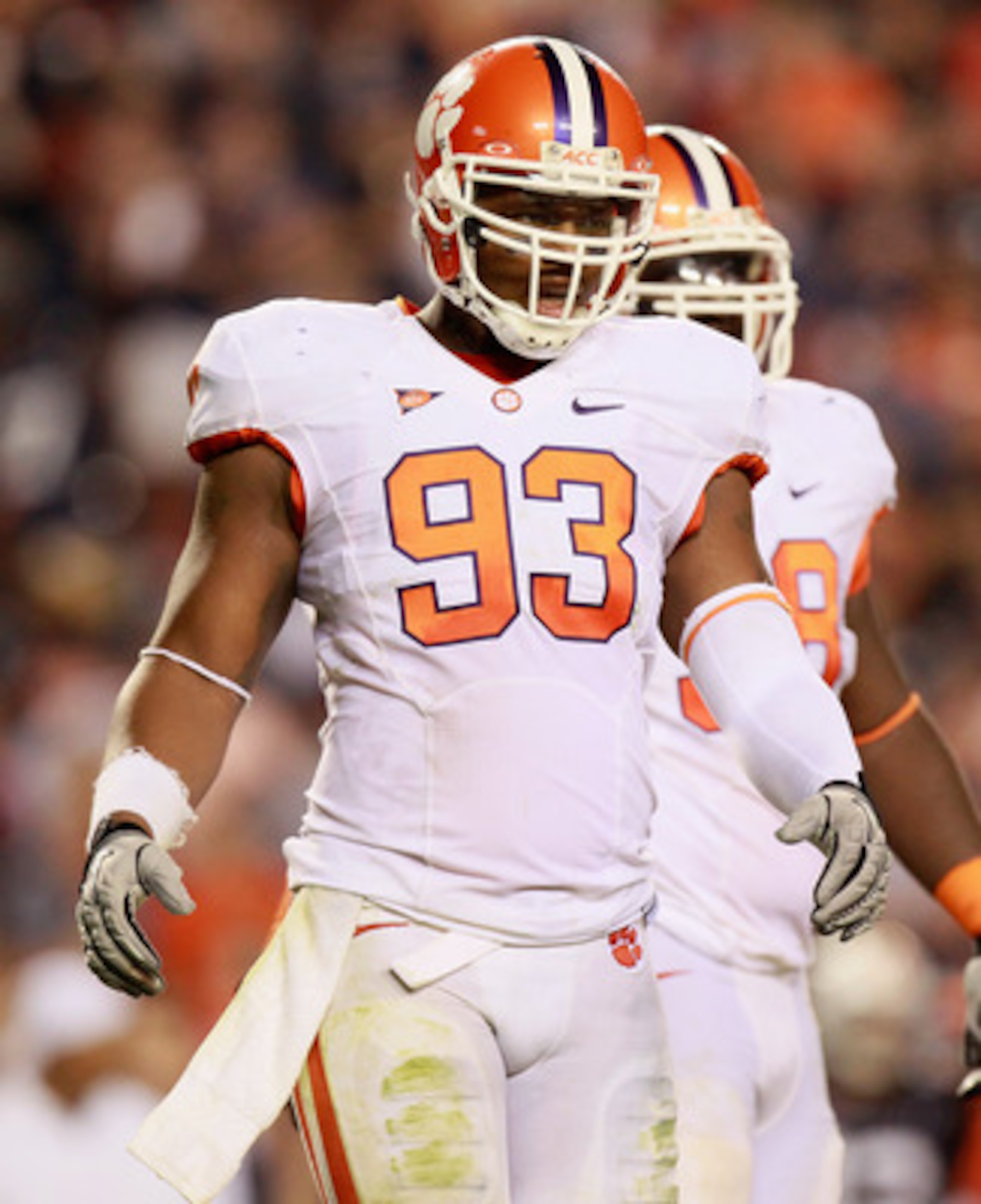
Cleveland finished a dismal 27th in the NFL in rushing defense last year. While Shaun Rogers is still a serious threat at DT (regardless of whether Cleveland stays with last year’s ineffective 3-4 alignment), the talent level at DE is minimal, and there aren’t any developing prospects at the position.
The answer: Da’Quan Bowers, Clemson
Bowers’ stock has been falling amid concerns about the results of January arthroscopic surgery on his right knee, but the consensus appears to be that he’s not at immediate risk of re-injury.
He’s the best big-play threat in the draft from the DE position, and at Cleveland’s No. 6 selection he would be worth the risk for a player with the talent to be the top pick.
Pittsburgh Steelers: Offensive Guard
8 of 32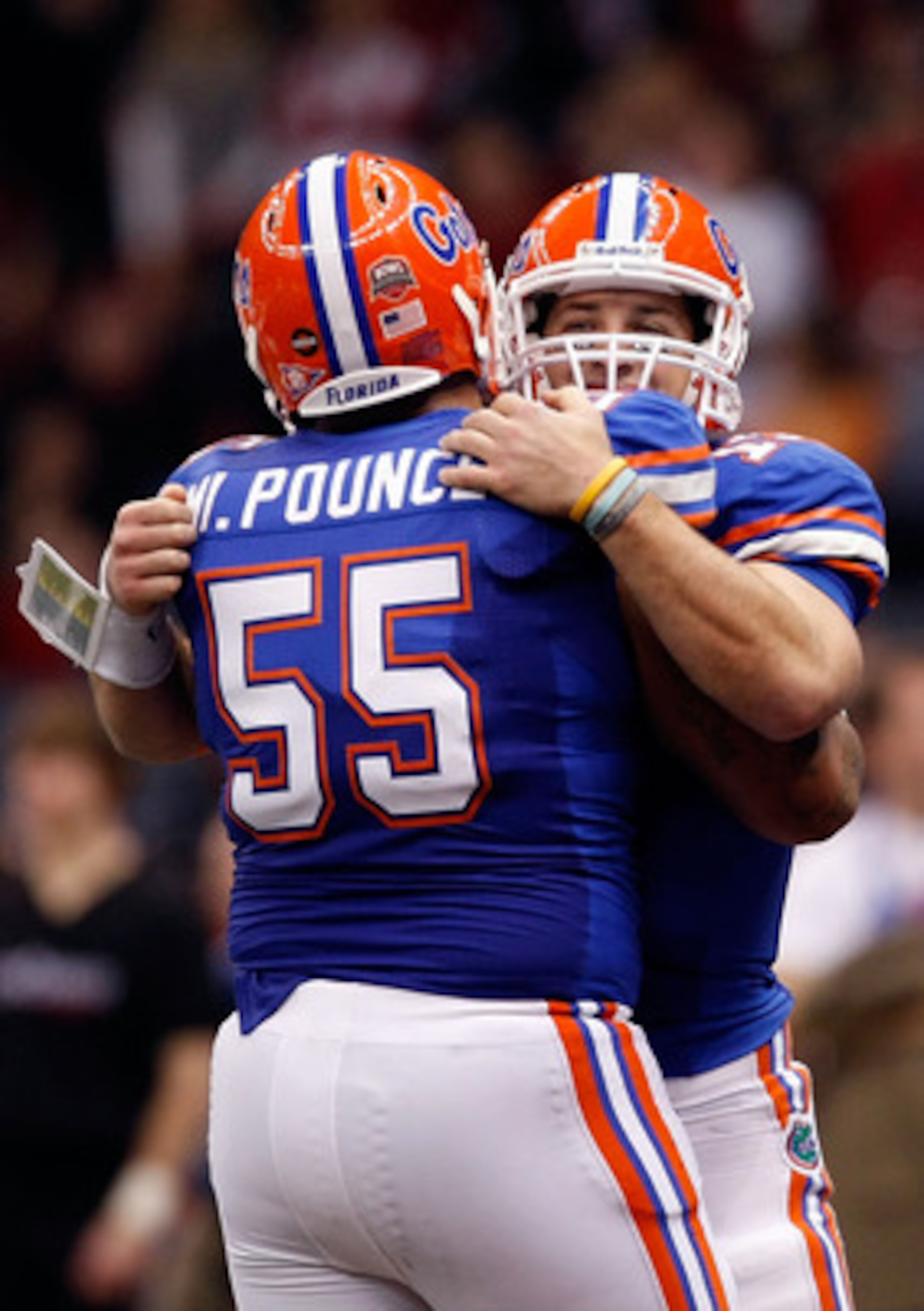
As you’d expect from the defending AFC champs, Pittsburgh doesn’t have a lot of gaping holes. Its lack of depth on the offensive line (exposed in the postseason when Maurkice Pouncey went down) seems slightly more pressing a concern than its lack of a strong nickel corner.
The answer: Mike Pouncey, Florida
Steeler fans have been salivating over this possibility since the Super Bowl went final, but the odds are against a Pouncey reunion in the Steel City. Pouncey is the best interior lineman in the draft, and too many teams picking ahead of the Steelers could use his services.
Still, don’t be surprised if the Steelers grab an offensive lineman at No. 31, possibly Baylor OG Danny Watkins.
Houston Texans: Free Safety
9 of 32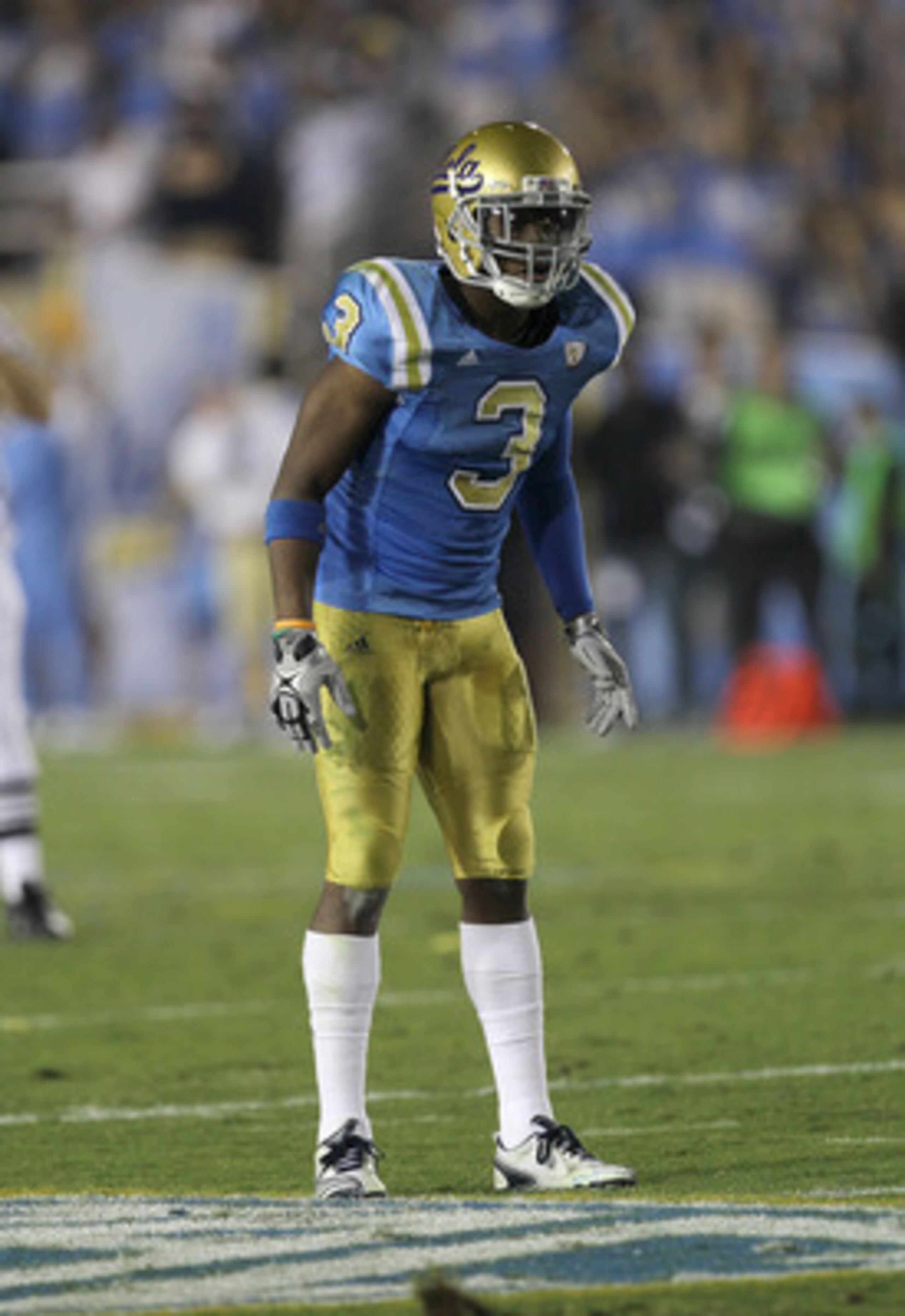
Playing in a division with Peyton Manning and Matt Schaub, Houston had the league’s worst pass defense in 2010. It's got young corners to develop, but safeties Eugene Wilson (who may not be back) and Bernard Pollard have little to offer.
The answer: Rahim Moore, UCLA
Moore is the draft’s best safety prospect by a wide margin, but he’s no Ed Reed. With Houston picking at No. 11, Moore would be a huge reach. Unless the Texans trade down, they’ll look for safety help later in the draft and spend their top pick to improve the defense elsewhere.
Indianapolis Colts: Offensive Tackle
10 of 32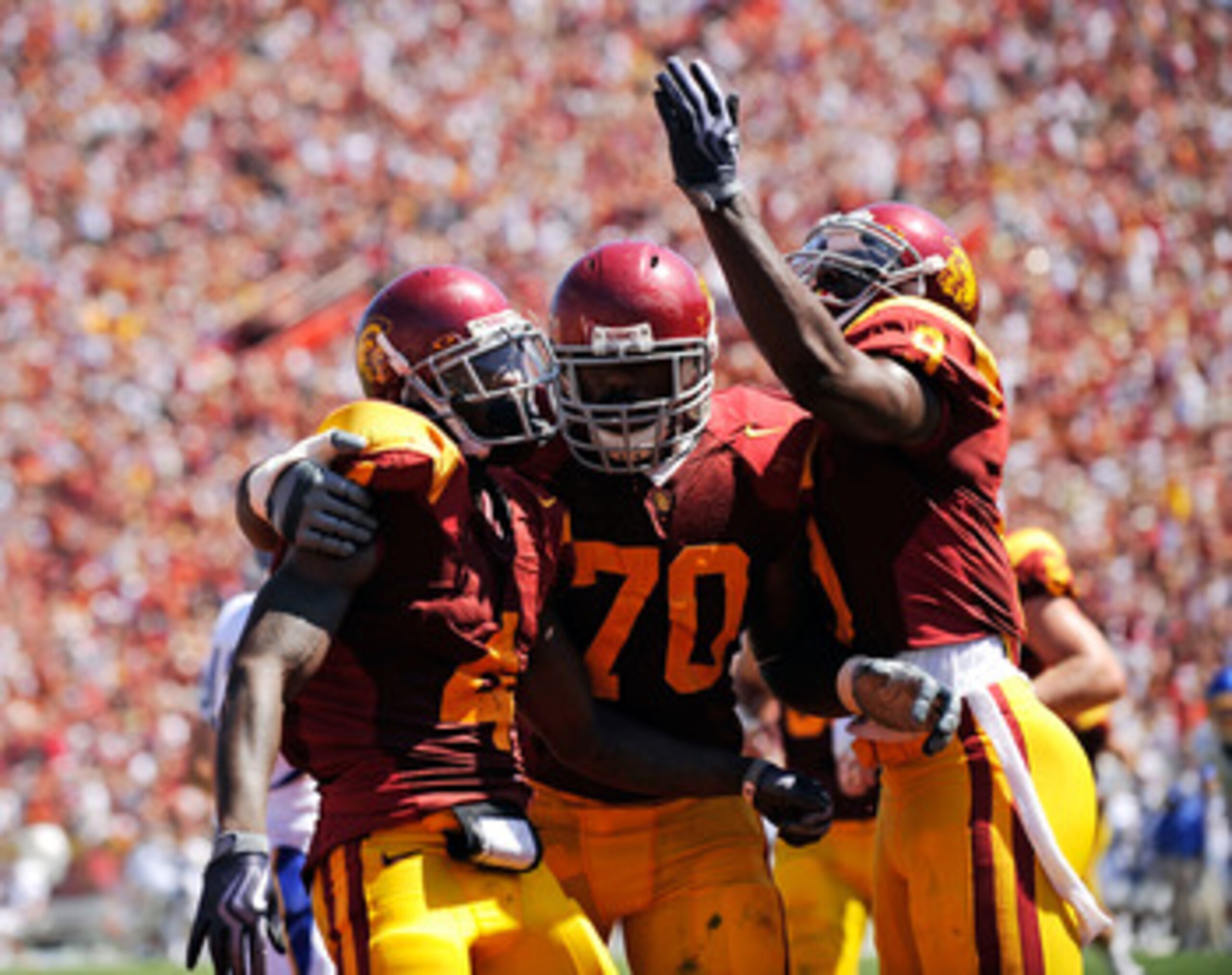
Increased pressure on Peyton Manning had a lot to do with the Colts’ offensive struggles last season, and improving the O-line will also help the anemic ground game.
Tackle is a particular concern, as the position was manned last year by 11th-year vet Ryan Diem on one side and current free agent Charlie Johnson on the other.
The answer: Tyron Smith, USC
He’ll be gone by Indy’s No. 22 selection, but Smith would be the optimal choice for a blind-side protector for Manning. In his absence, the Colts could benefit from one of the other solid first-round OT prospects, possibly Boston College’s Anthony Castonzo.
Jacksonville Jaguars: Defensive End
11 of 32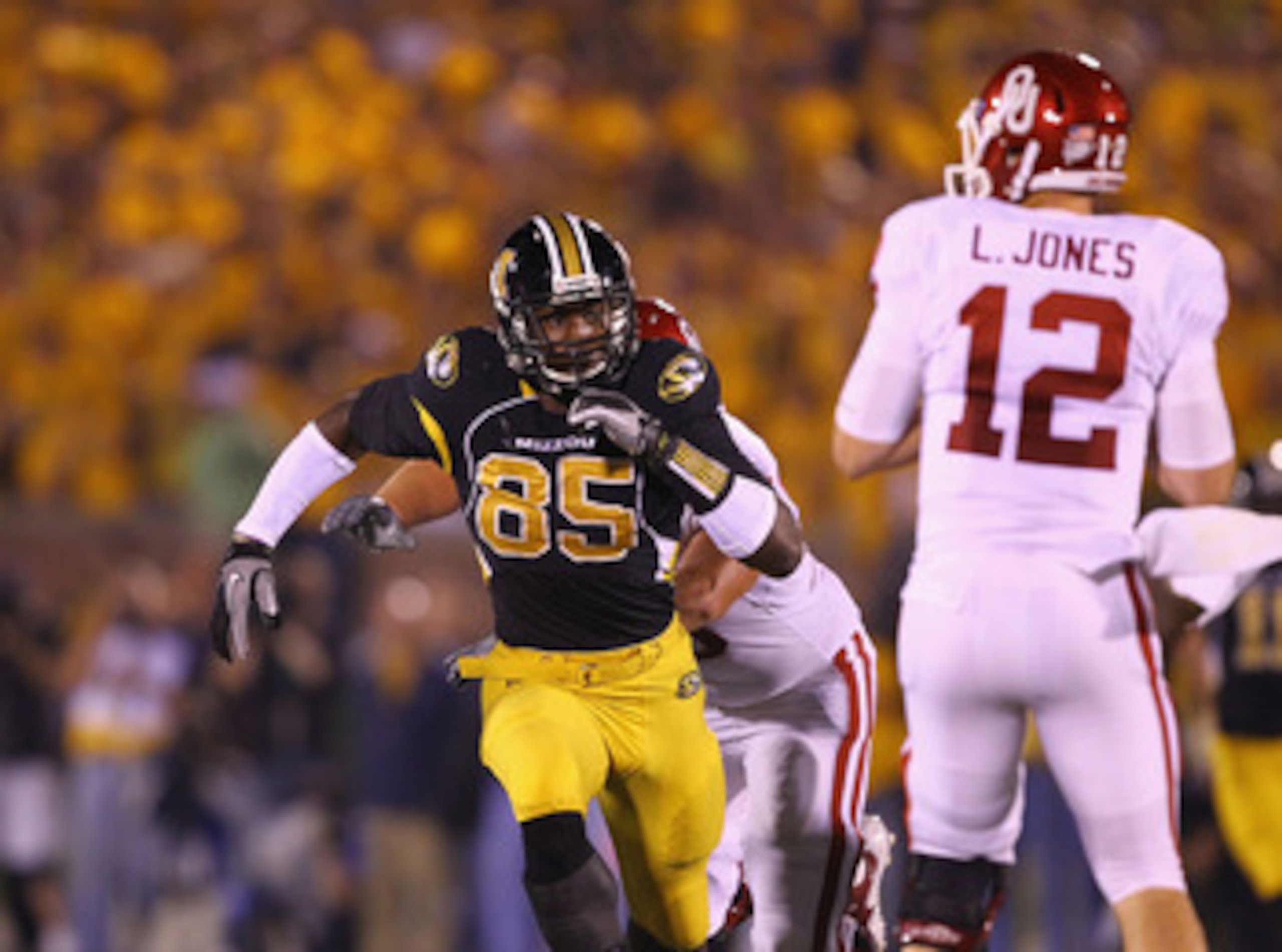
Jacksonville’s paltry 26 sacks had a lot to do with its pass defense ranking 28th in the league last season. Aaron Kampman’s return from injury will help, but the Jaguars need more of a push up front.
The answer: Aldon Smith, Missouri
Of the available pass-rush specialists, Smith has the fewest question marks. Da’Quan Bowers could be better if his knee holds up, and Robert Quinn could be better if his skills survived his yearlong suspension, but Smith’s sack skills don’t come with an “if.”
It wouldn’t be impossible that Smith could fall to the Jags at No. 16, but if he doesn’t, Adrian Clayborn or Justin Houston would be solid substitutes to play a similar role.
Tennessee Titans: Quarterback
12 of 32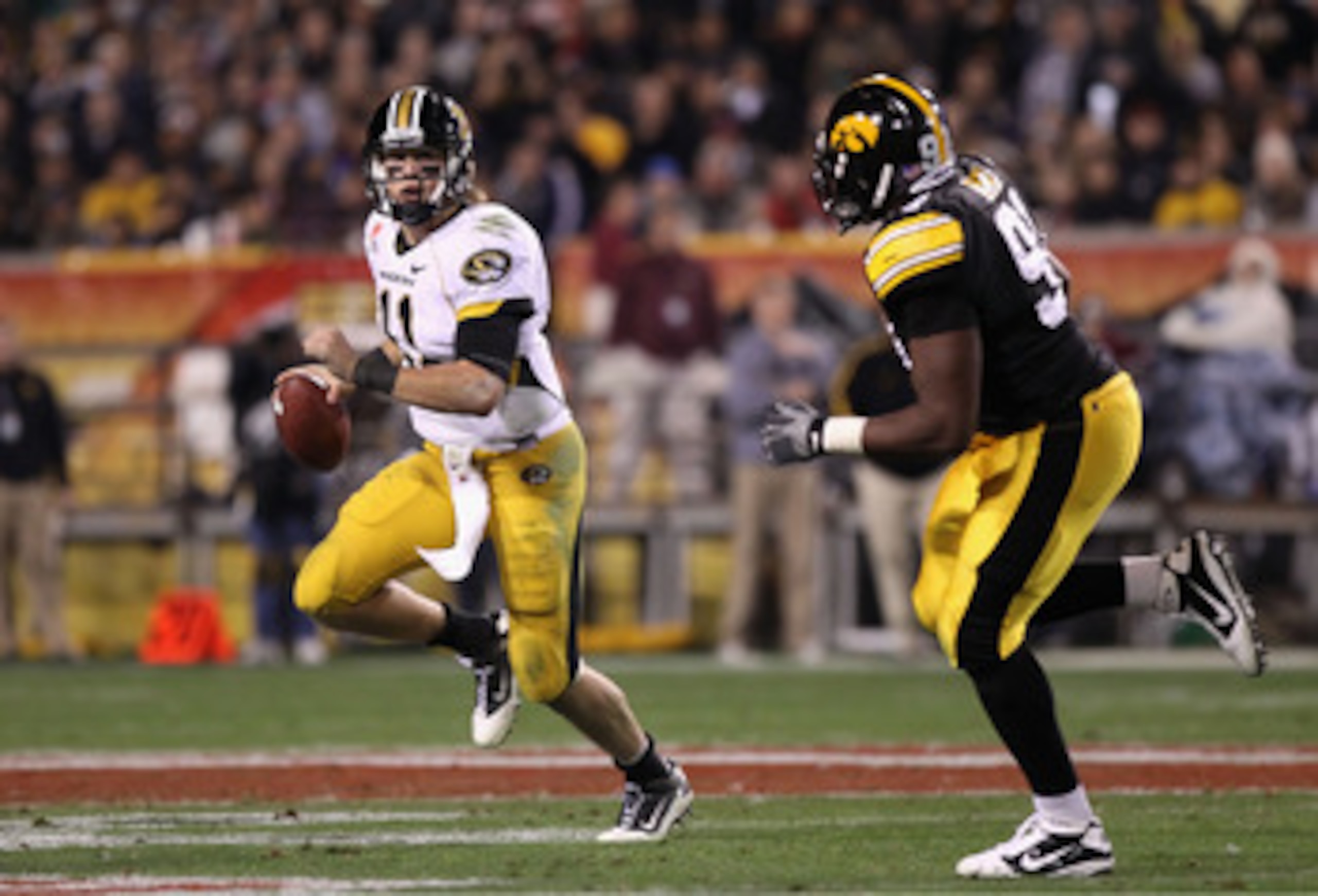
With Vince Young’s apparent ouster, Tennessee has only the deteriorating Kerry Collins to count on at QB. The Titans would need a quarterback of the future under any circumstances, and at this stage Collins isn’t even a very plausible quarterback of the present.
The answer: Blaine Gabbert, Missouri
Tennessee has had its fill of high-talent players with character issues (Pacman Jones, Albert Haynesworth), making scandal-plagued Cam Newton a less attractive candidate.
Gabbert can be effective in the spread sets the Titans already had in place for Young and is in any case the only other top-level QB on the board.
Denver Broncos: Defensive Tackle
13 of 32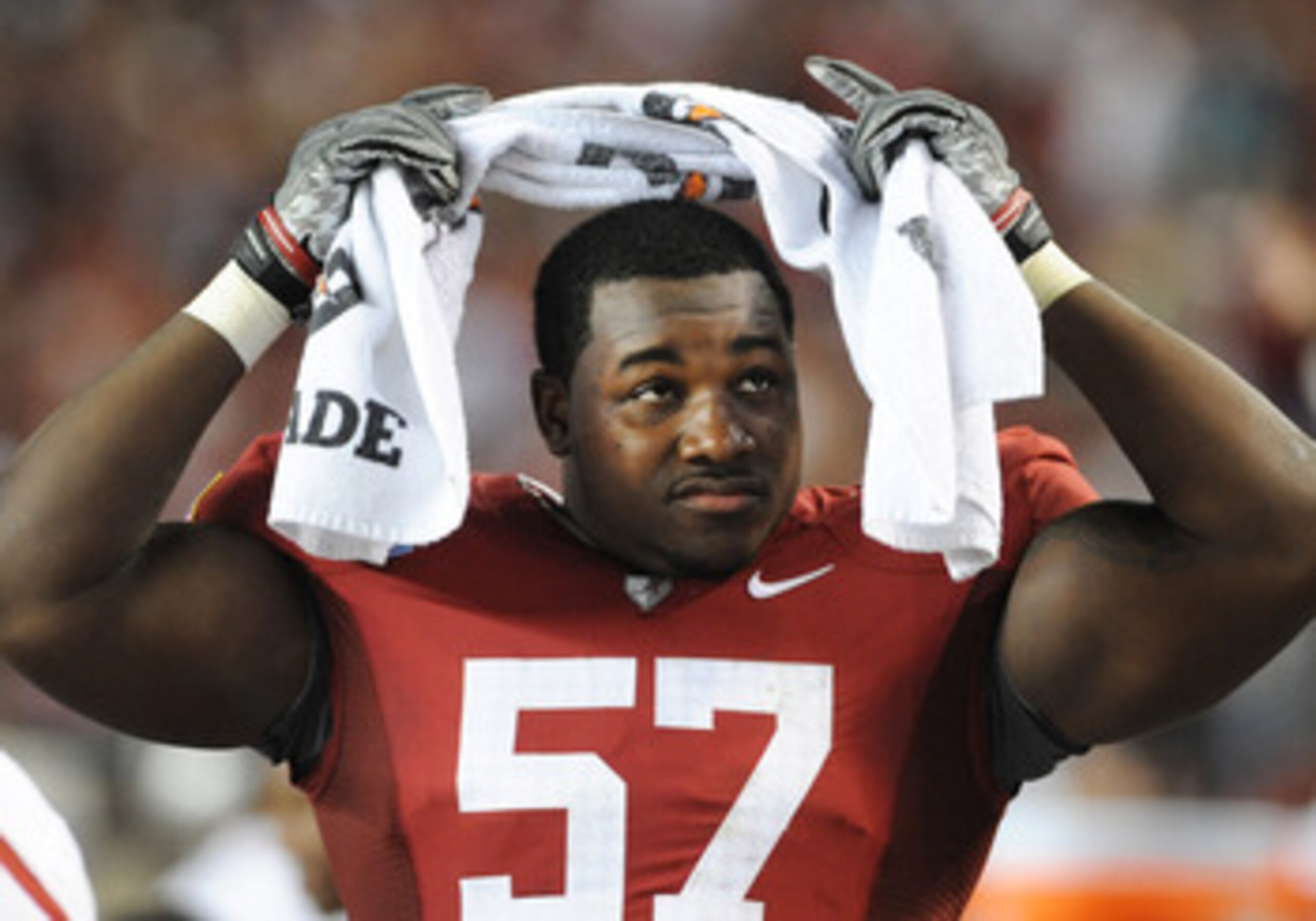
Denver allowed the most points in the league by a margin of five touchdowns, so getting some kind of defensive help is a no-brainer. With the Broncos also ranking 31st against the run, a space-filling defensive tackle should be the top priority.
The answer: Marcell Dareus, Alabama
Dareus may not be quite as effective a penetrator as Auburn’s Nick Fairley, but at 319 pounds he’s better equipped to hold up at the point of attack.
He’ll also demand a double-team against the pass, helping open space for sack specialist Elvis Dumervil (expected to be healthy after missing 2010 with a torn pectoral).
Kansas City Chiefs: Nose Tackle
14 of 32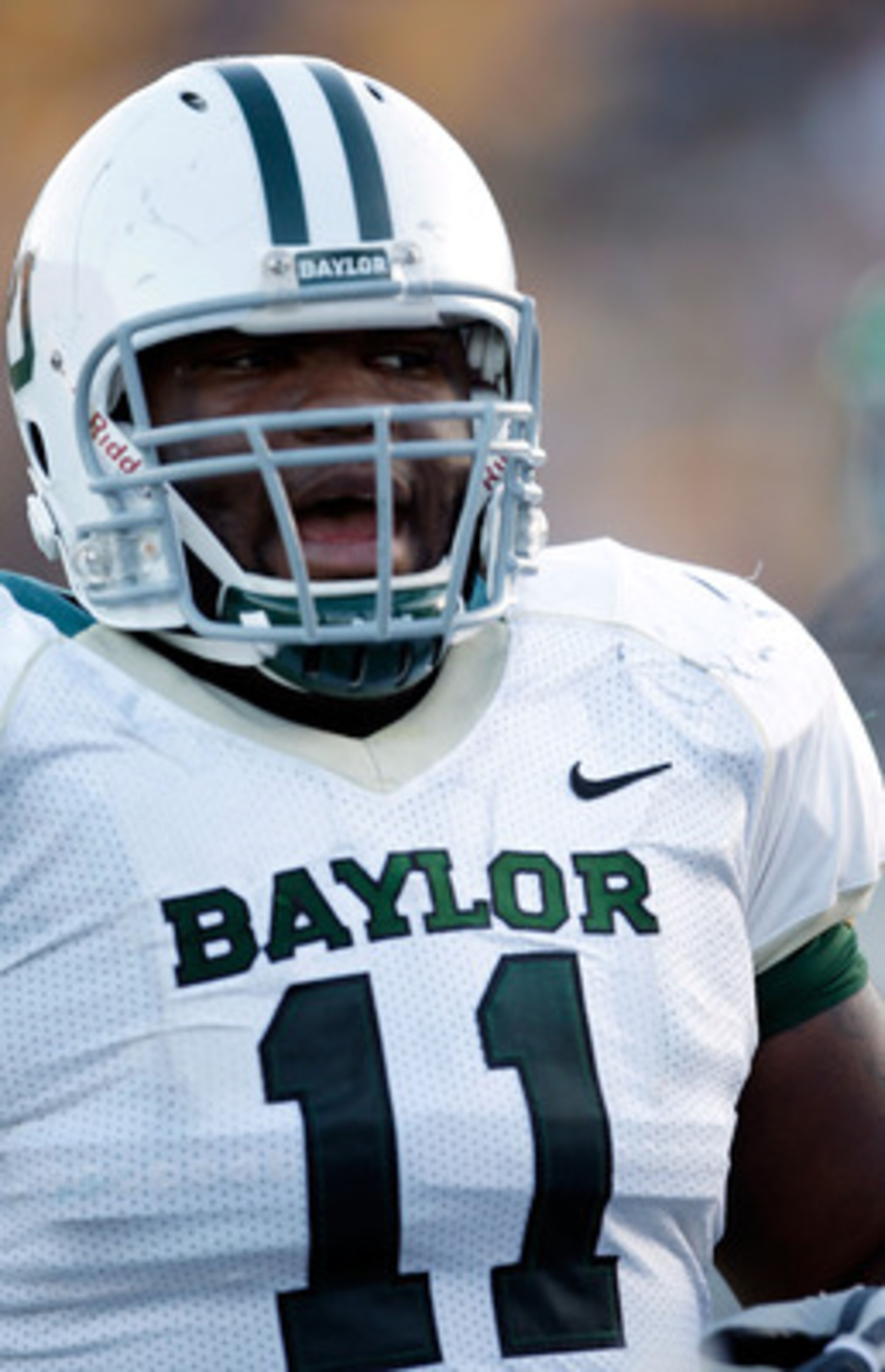
Unless LB Mike Vrabel’s legal troubles cost him playing time, Kansas City’s biggest liability on defense is journeyman NT Ron Edwards. Replacing Edwards now would give K.C. the opportunity to let a young line with ends Glenn Dorsey and Tyson Jackson grow together as a unit.
The answer: Phil Taylor, Baylor
There are more talented DTs in the draft, but none with the experience playing the nose tackle position that Phil Taylor can offer. He’s a genuine NT who gives his teammates a chance to make plays, and he’ll also likely be available to the Chiefs at No. 21 overall.
Oakland Raiders: Wide Receiver
15 of 32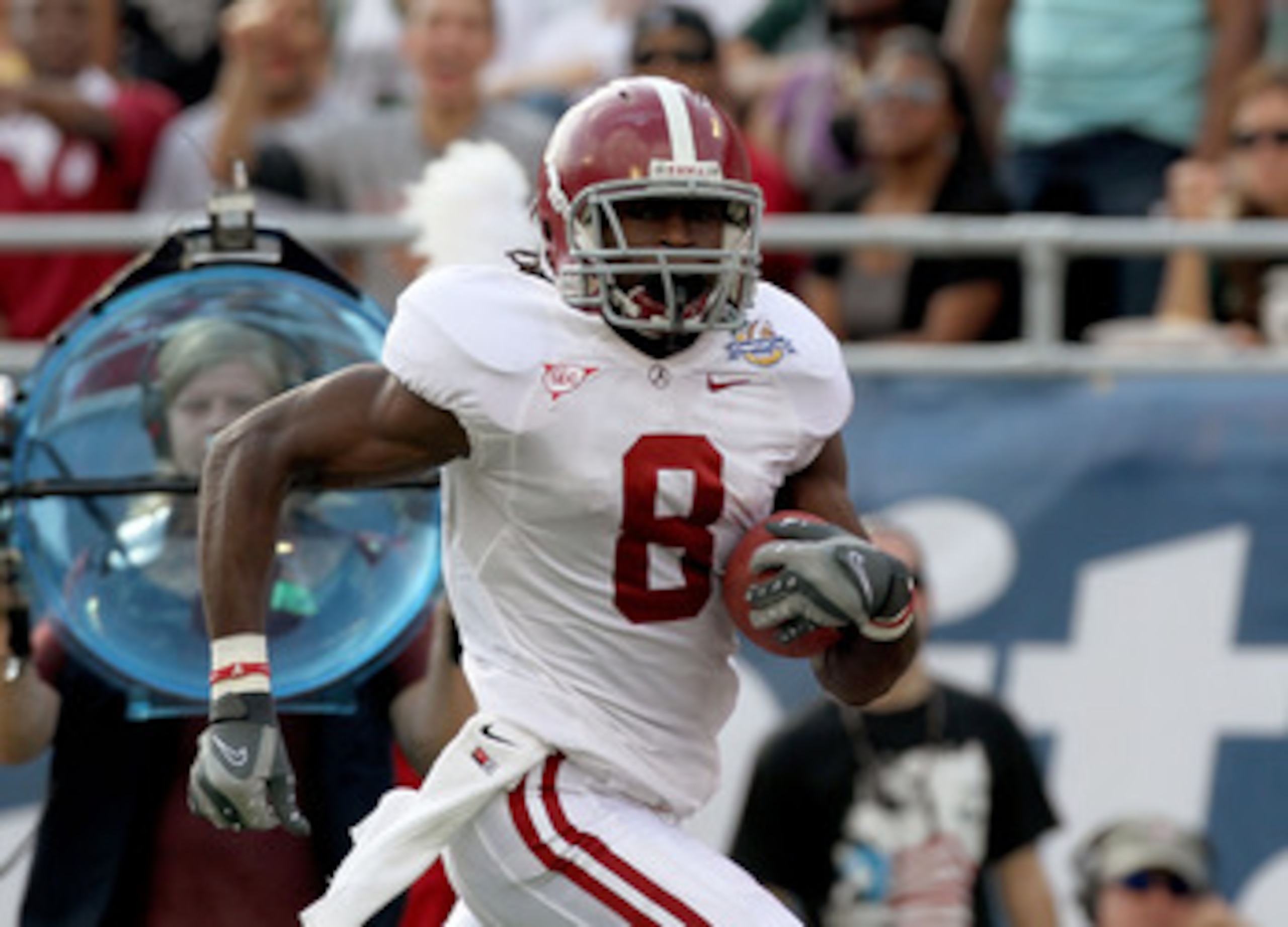
What the Raiders need will depend heavily on whether they expect to lose any of their key free agents.
If either CB Nnamdi Asomugha or OG Robert Gallery looks like he's leaving, those positions become priorities, but otherwise Oakland needs to shore up a wide receiving corps that topped out at 609 yards (Louis Murphy) last year.
The answer: Julio Jones, Alabama
Although almost any team would rather have Georgia’s A.J. Green, Oakland’s fixation on deep speed suggests that it would prefer the fleet-footed Jones, whose 40 time at the combine was nearly a full tenth of a second faster than Green’s.
With no first-round pick, the Raiders would have to make a trade to land Jones, but they would still have a shot at Maryland’s Torrey Smith or Boise State’s Titus Young in Round 2.
San Diego Chargers: Wide Receiver
16 of 32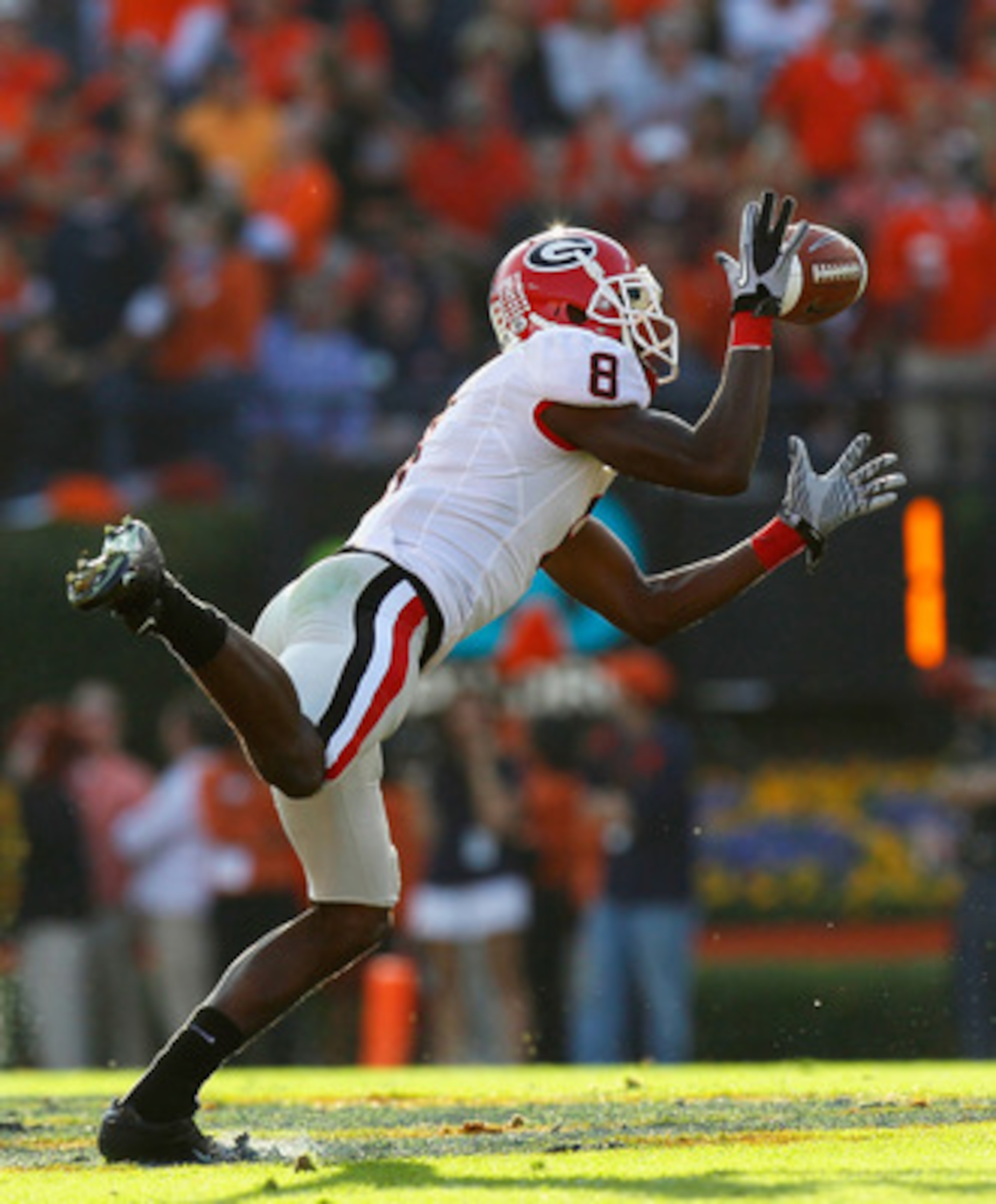
Despite their disappointing 2010 record, the Chargers don’t have a lot of glaring weaknesses. The soap opera surrounding star wideout Vincent Jackson, though, served notice that the Chargers need another legitimate WR, either to pair with Jackson or to replace him.
The answer: A.J. Green, Georgia
Big (6’4”, 211 lbs.), fast and physical, Green is drawing comparisons to Detroit’s Calvin Johnson. He and Julio Jones will be long gone by the time the Chargers pick at No. 18, so they may well opt to address other concerns with that pick and look for WR help later in the draft.
Dallas Cowboys: Offensive Tackle
17 of 32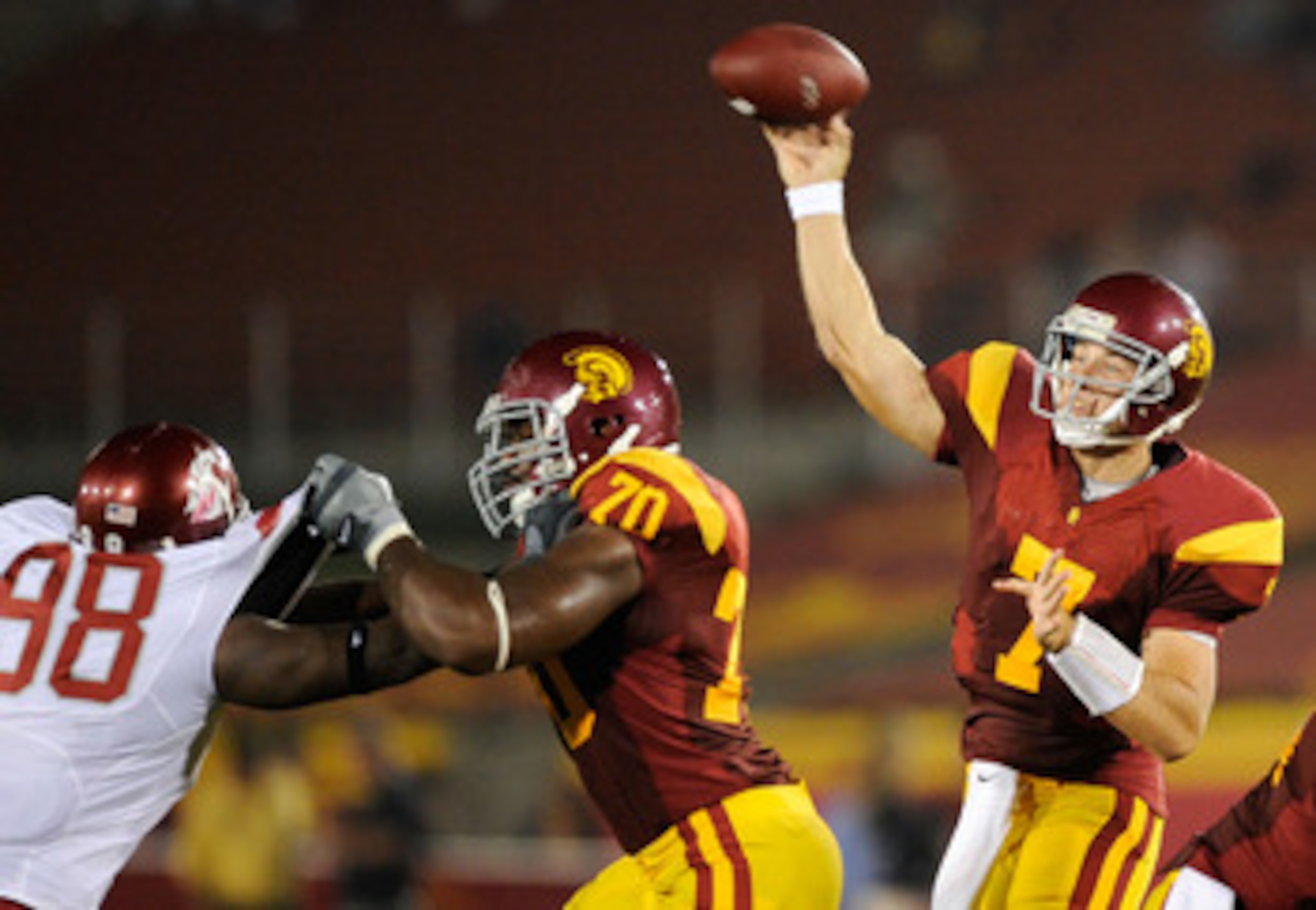
The loss of Flozell Adams prior to last season exposed just how thin the Cowboys are up front. The combination of Doug Free and Alex Barron at RT looked particularly hapless, collecting too many key penalties in 2010.
The answer: Tyron Smith, USC
Many teams are looking to Smith as a left tackle of the future, but Dallas could benefit from his experience at right tackle as well. He’s likely to be on the board at Dallas’ No. 9 selection, so it could be a good fit for the Cowboys.
New York Giants: Outside Linebacker
18 of 32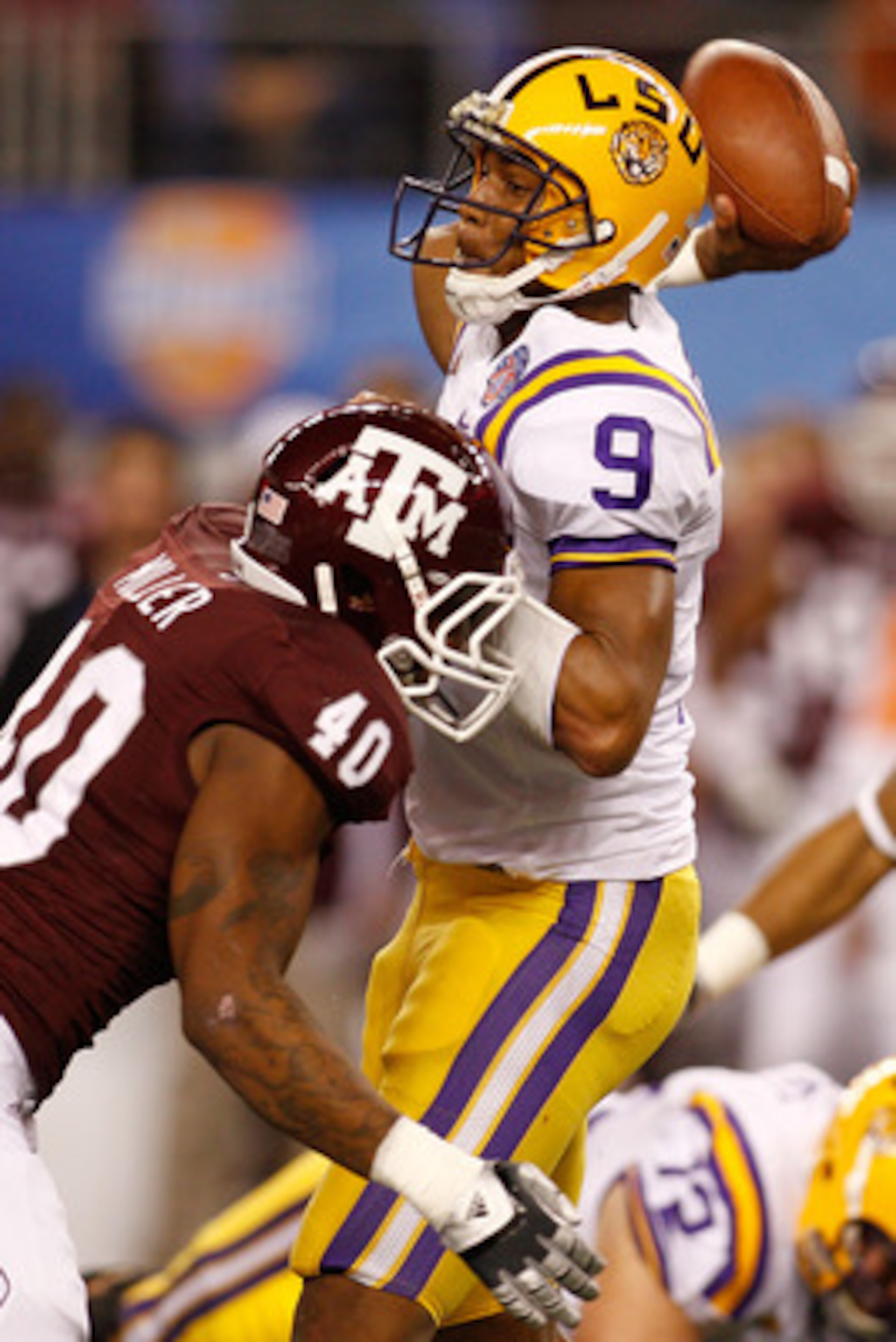
The Giants have surprisingly few holes for a team that missed the 2010 playoffs, but with aging Keith Bulluck up for free agency, they do need some new blood at the LB spot.
New York doesn’t get a lot of big plays out of its linebackers, and adding a pass-rush presence who could also drop back in coverage would be a significant boost.
The answer: Von Miller, Texas A&M
Miller is not only the best pure pass rusher in the draft but also showed enough coverage ability in 2010 to be a legitimate prospect for a 4-3 team like New York.
The Giants won’t come close to being able to draft him but may get lucky enough that UCLA’s Akeem Ayers, a fine consolation prize, falls to them at No. 19.
Philadelphia Eagles: Cornerback
19 of 32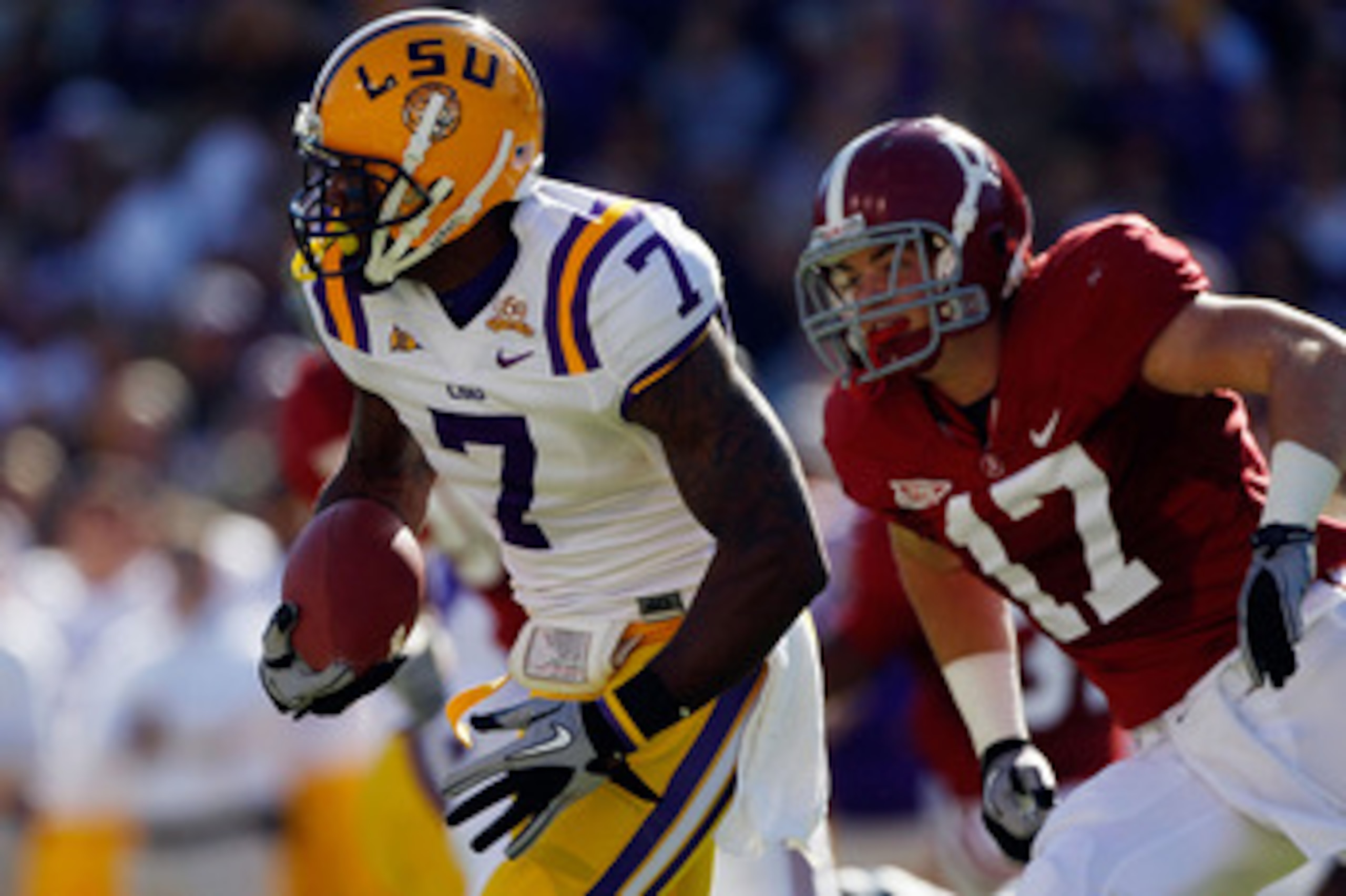
Philadelphia’s blitz-heavy defense puts a lot of pressure on its corners to make plays one-on-one. With the retirement of Ellis Hobbs, the Eagles need a big-time CB to take over in the starting role.
The answer: Patrick Peterson, LSU
Not that Philly would be able to get him without trading up from No. 23, but Peterson would be exactly the type of lockdown cover man the Eagles need. If the Eagles stay put, they could well tab Miami’s Brandon Harris or Colorado’s Jimmy Smith to play a similar role.
Washington Redskins: Quarterback
20 of 32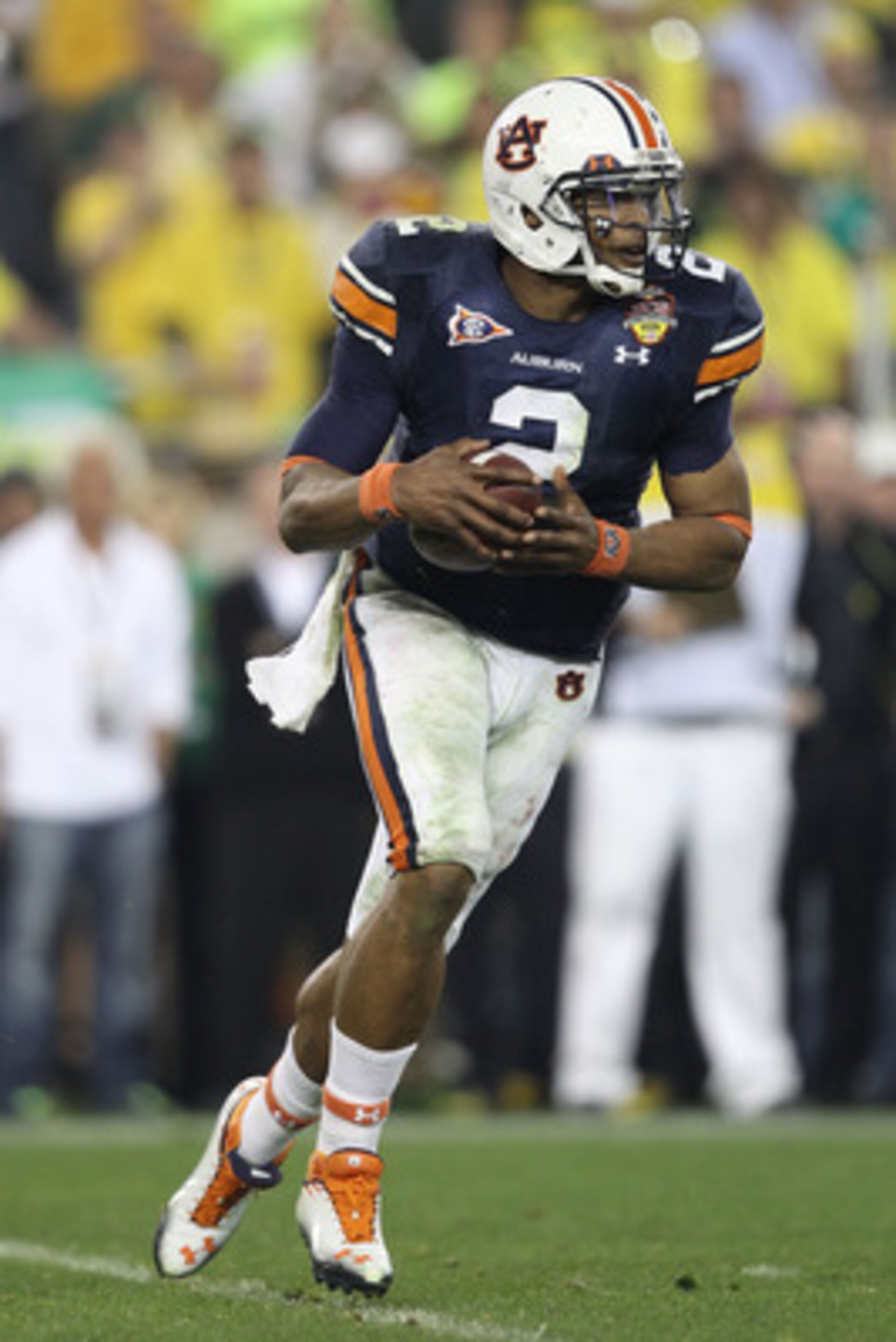
Although fixing the league’s 31st-ranked pass defense is a major concern, the Redskins may be better off banking on corners Carlos Rogers and DeAngelo Hall to play better rather than shaking up the roster.
With Donovan McNabb’s future in limbo, the Redskins can either hand the offense to Bears castoff Rex Grossman or find a legitimate starting QB.
The answer: Cam Newton, Auburn
Any QB the Redskins draft will inherit Washington’s 30th-ranked running game. Newton can make it a little more difficult for teams to load up against the pass by providing a rushing threat of his own.
Chicago Bears: Offensive Tackle
21 of 32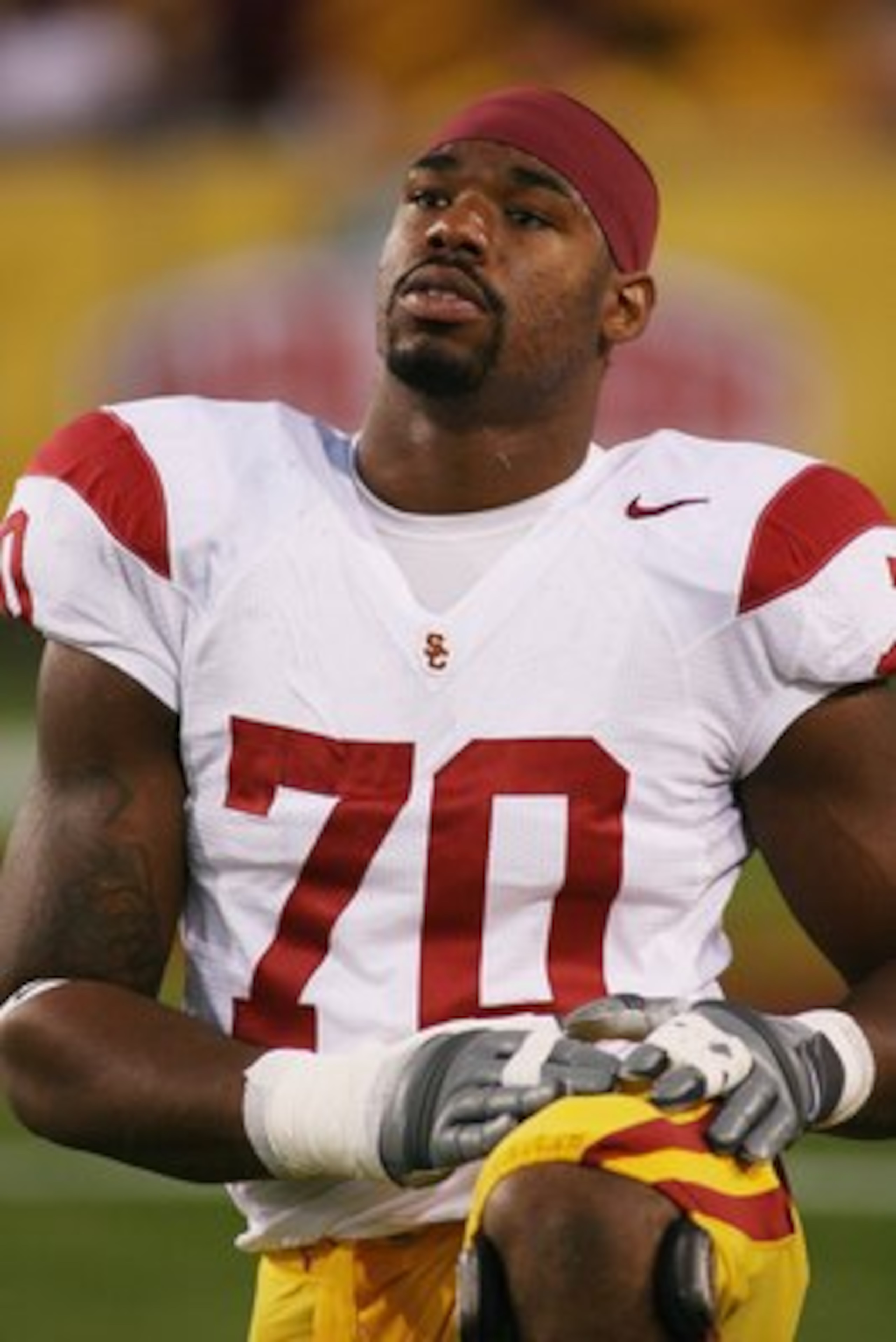
The Bears led the league in sacks allowed in 2010, and even with youngster J’Marcus Webb to develop, they’re still hurting for quality linemen after veteran center Olin Kreutz. Chicago can’t go another season where it spends half the year testing combinations of offensive linemen to see what works.
The answer: Tyron Smith, USC
This draft class doesn’t have a sure-fire, Orlando Pace-type offensive tackle at the top, but Smith is the best of several very good OTs.
He’ll be long gone by the time the Bears pick at No. 29, but there should be a good consolation prize waiting for them, possibly Mississippi State’s Derrek Sherrod or Villanova’s Ben Ijalana.
Detroit Lions: Offensive Tackle
22 of 32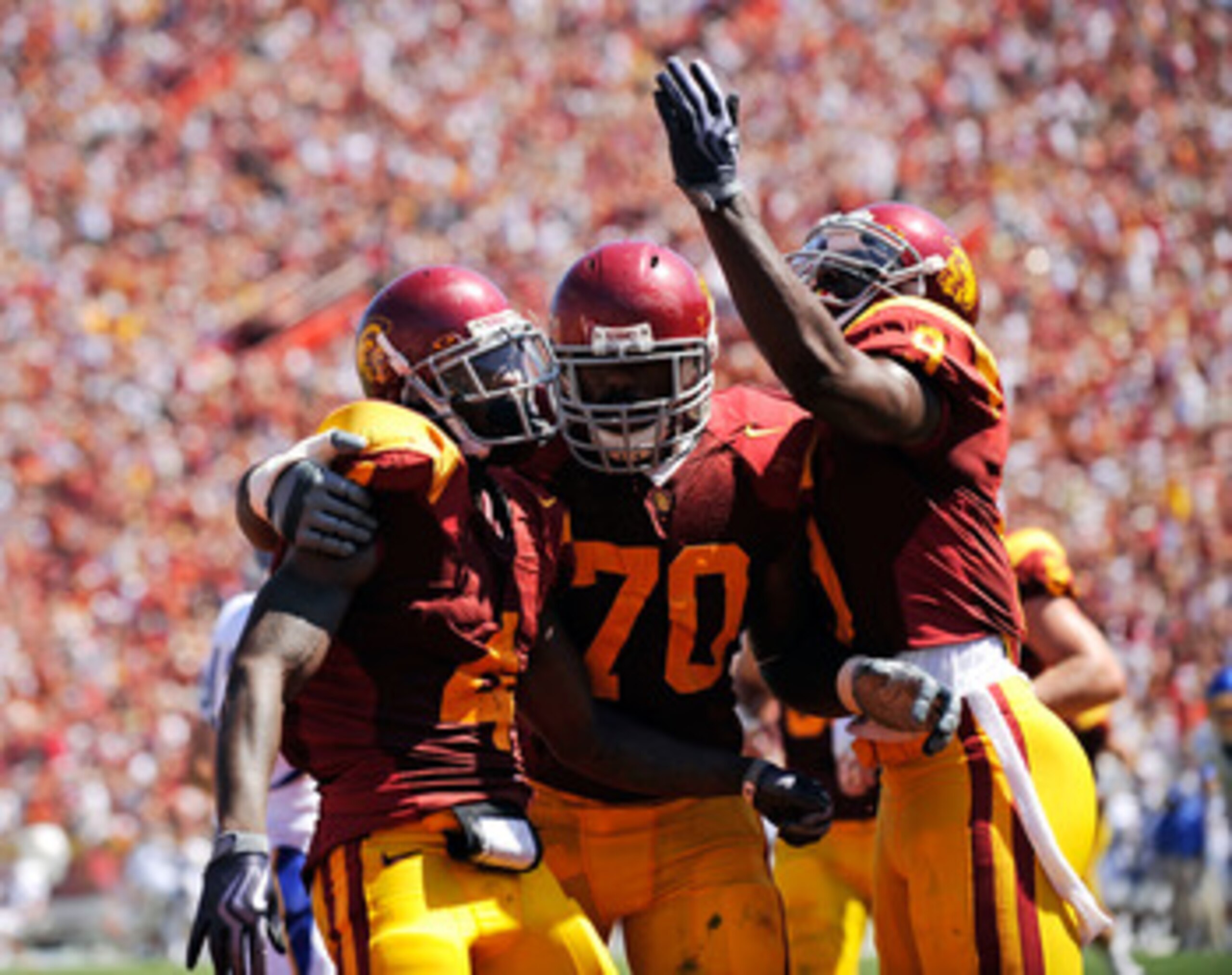
The Lions have a lot of holes to fill on defense too, but Matthew Stafford’s injury woes take precedence. After losing their franchise QB to injury two years in a row, Detroit needs another option besides veteran Jeff Backus to protect his blind side.
The answer: Tyron Smith, USC
Like many teams that would benefit from Smith’s quick feet and pass-blocking skills, Detroit is probably too far down in the draft order to get him at No. 13 (though it’s not impossible). Colorado’s Nate Solder or Boston College’s Anthony Castonzo is a likelier pick to serve the same purpose for the Lions.
Green Bay Packers: Defensive End
23 of 32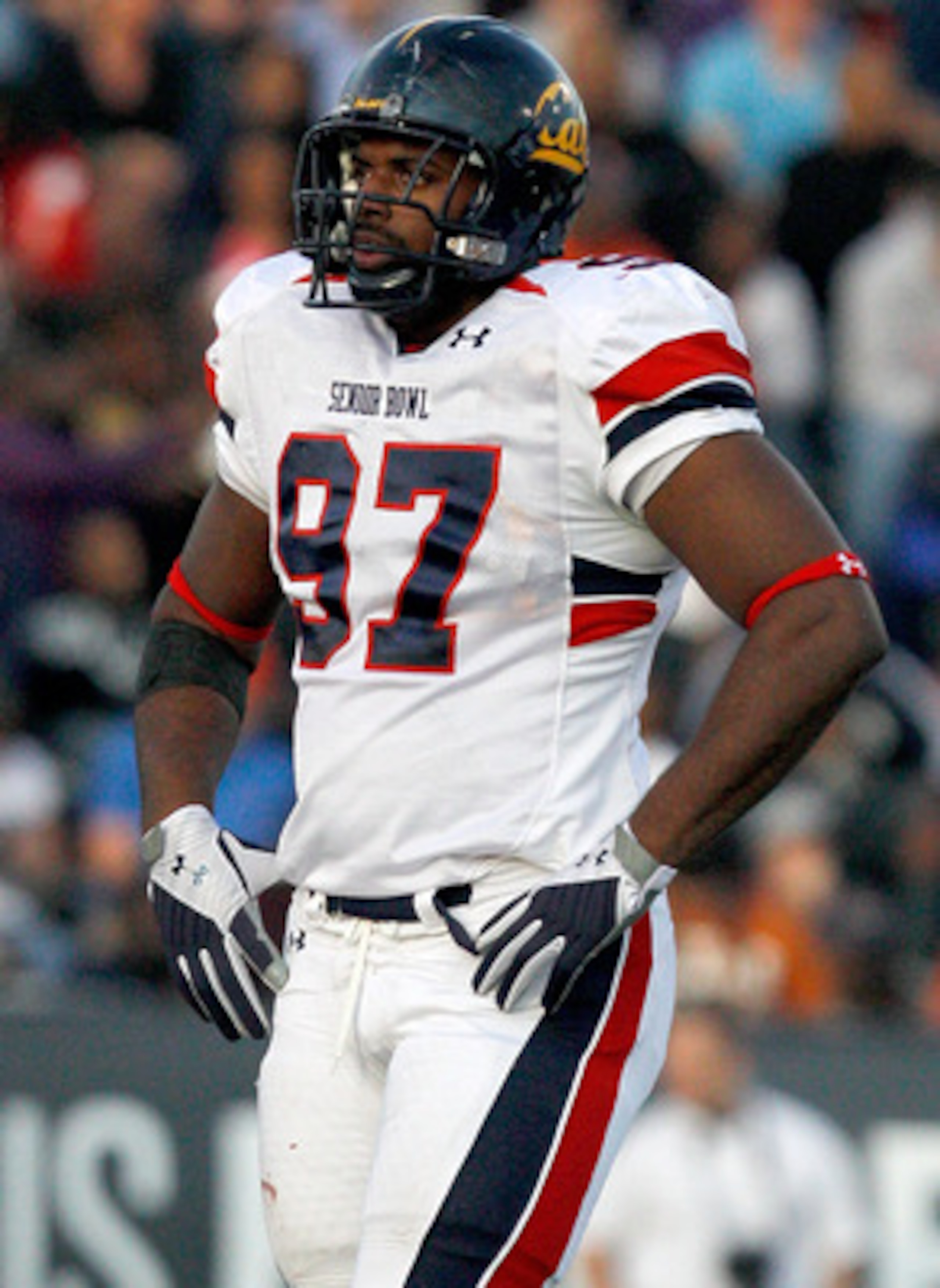
Outside linebacker is a close second here, as Green Bay could use a bookend bass rusher to pair with Clay Matthews, but DE takes precedence.
With Cullen Jenkins potentially gone in free agency and Johnny Jolly’s legal troubles continuing, the Packers need to ensure that they’ll have somebody who can line up next to nose tackle B.J. Raji.
The answer: Cameron Jordan, Cal
Finding effective defensive ends for a 3-4 alignment is a tricky business, and Jordan is a terrific run defender who could hold up in Green Bay’s defense. He could easily be off the board by the Packers’ No. 32 pick, so they might look to Temple’s Muhammad Wilkerson instead.
Minnesota Vikings: Quarterback
24 of 32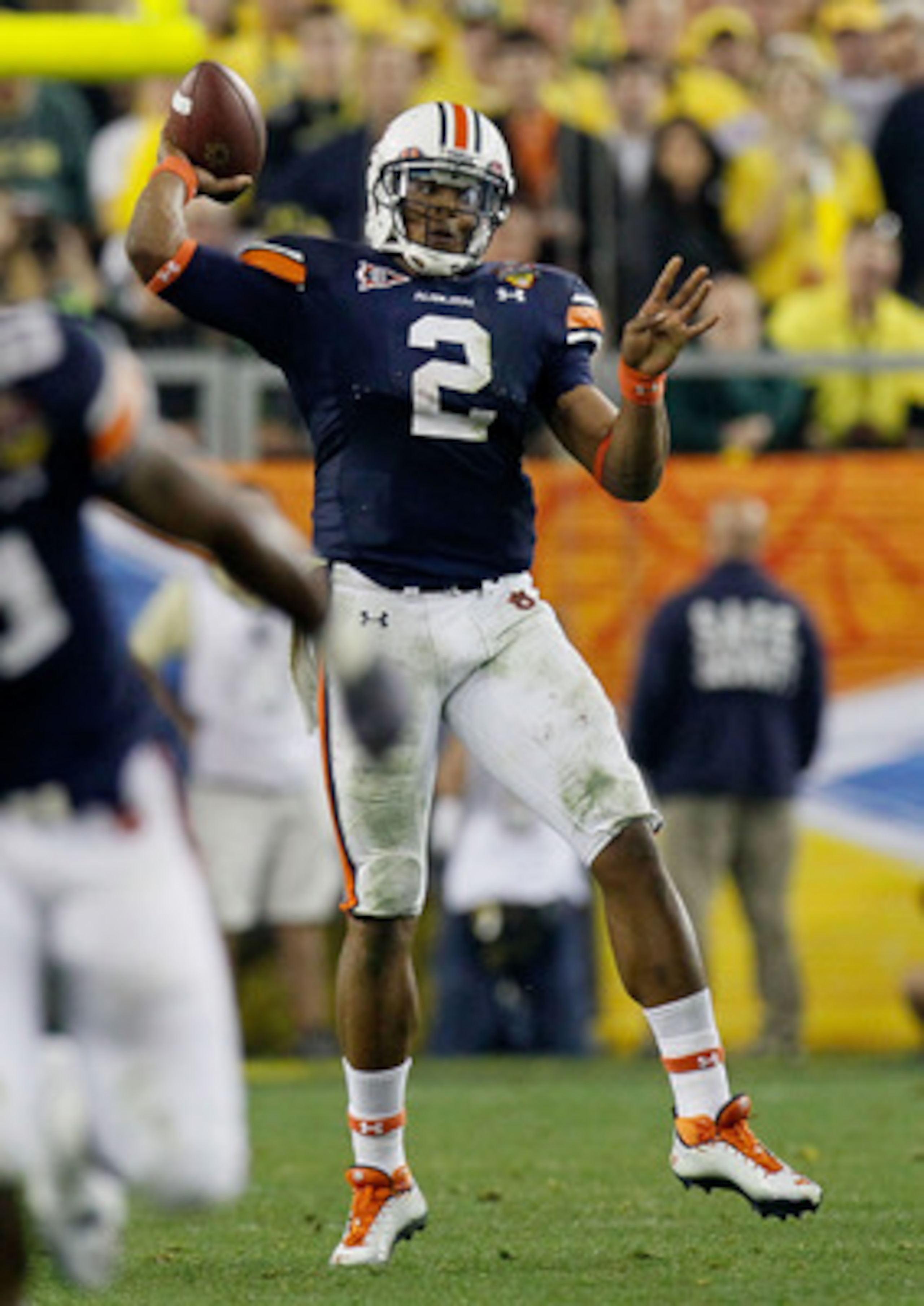
Had Brett Favre not completely imploded in 2010, Minnesota would’ve had a real shot at the postseason. Even after last year’s disastrous showing, the Vikings aren’t much more than one QB away from being a contender again.
The answer: Cam Newton, Auburn
Whoever takes the snaps, the Vikings offense will be run through Adrian Peterson in 2011. Newton would give Minnesota a de facto wildcat quarterback on any given play, forcing defenders to react more carefully on handoffs/fakes to Peterson.
Newton isn’t any slouch as a passer either, and his big arm would pair nicely with Percy Harvin’s speed.
Atlanta Falcons: Defensive End
25 of 32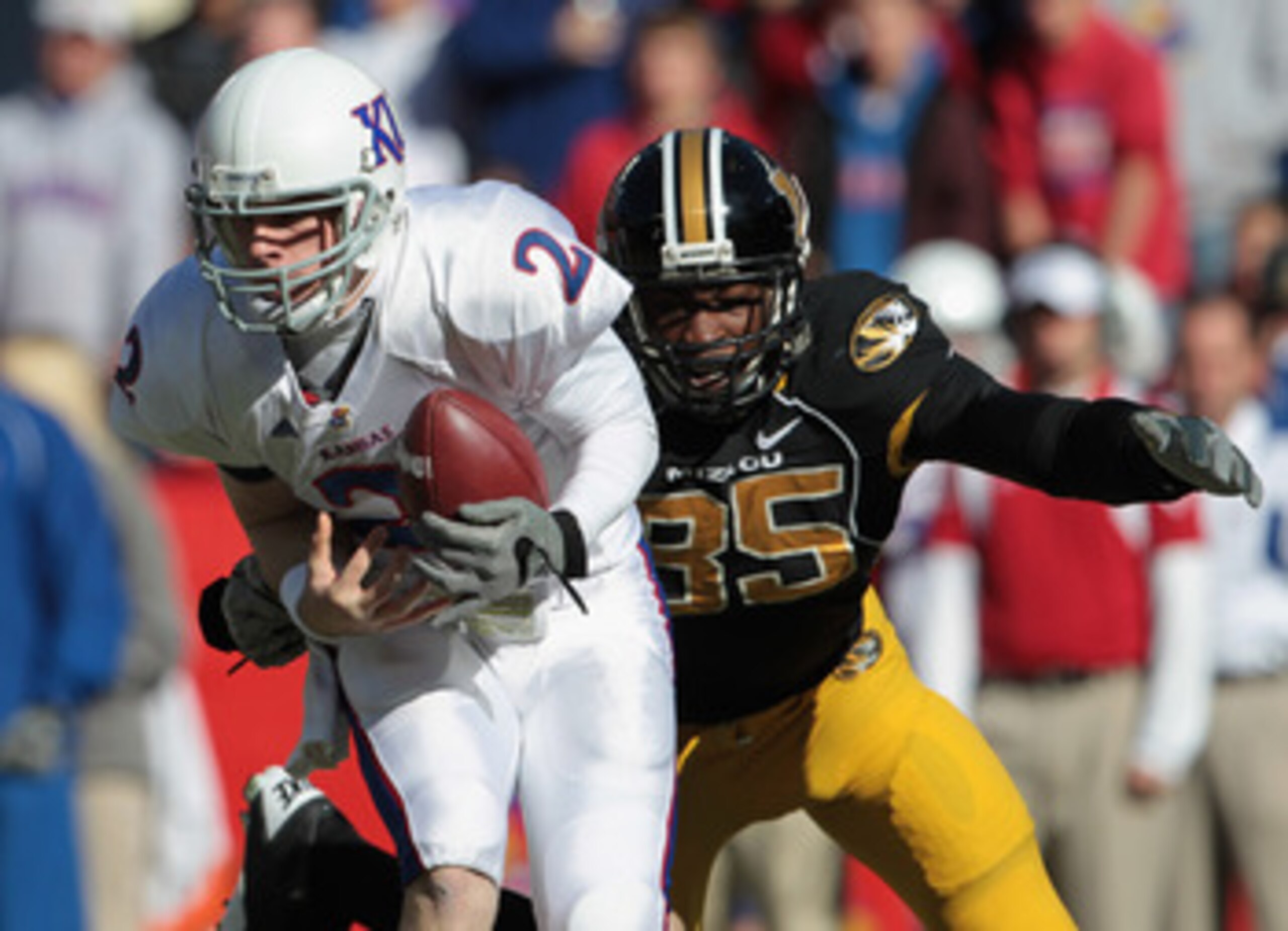
Thirteen of Atlanta’s 31 sacks last year came from John Abraham, who’s entering his 13th year in the league. The Falcons need another legitimate presence as a pass rusher, and with their 4-3 scheme the best bet is to add another DE who can get to the quarterback.
The answer: Aldon Smith, Missouri
Smith has only slightly less upside than Da’Quan Bowers or Robert Quinn without the injury and character issues that plague those prospects. He’s a first-class pass rusher who should hold up well enough against the run.
Carolina Panthers: Defensive Tackle
26 of 32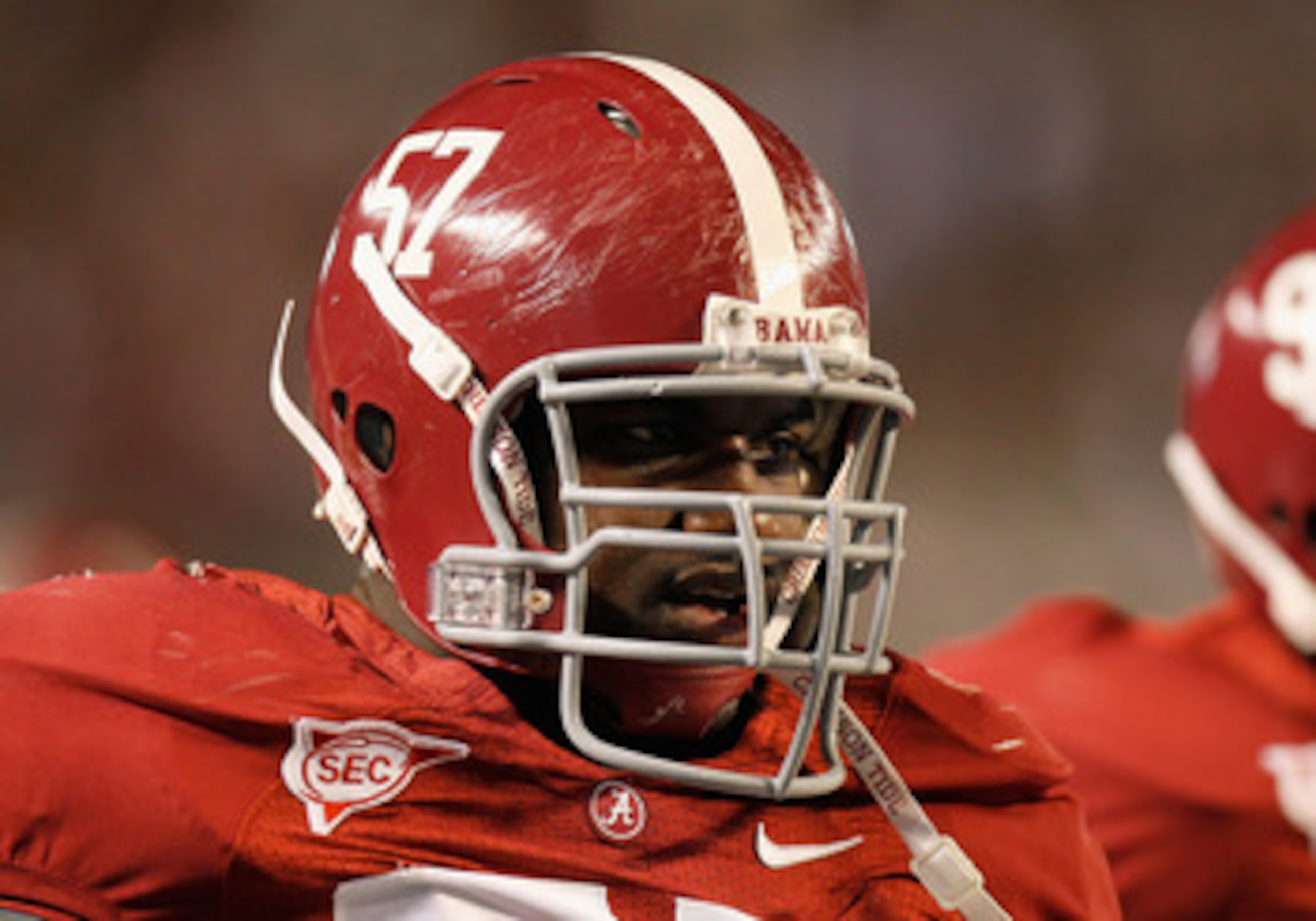
Jimmy Clausen hasn’t proven whether he will or won’t develop at this point, so QB issues take a back seat to fixing a soft defensive line. Carolina’s 23rd-ranked run defense needs a big body in the middle to hold the point of attack.
The answer: Marcell Dareus, Alabama
The best defensive lineman and best run stopper in the draft class, Dareus could anchor the next decade’s worth of Panthers defenses. He doesn’t have the flash of the departed Julius Peppers, but Dareus would be a force as a pass rusher in addition to his run-stuffing skills.
New Orleans Saints: Defensive End
27 of 32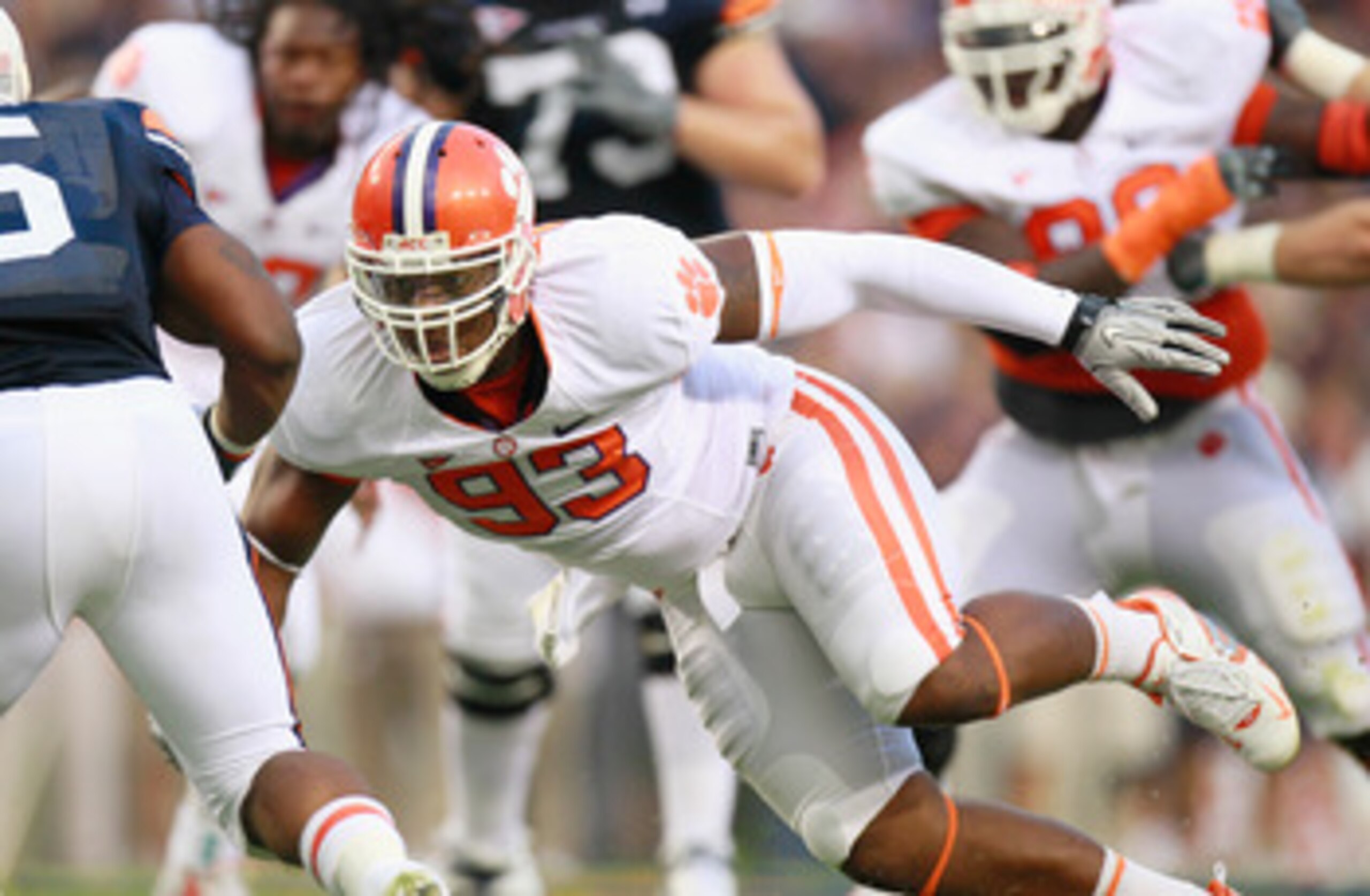
The talented Saints started to show their age in 2010, and one position with a lot of miles on it is defensive end. Veterans Will Smith and Alex Brown need young talent to spell them, and Brown in particular is coming off a two-sack season and may be better off as a reserve.
The answer: Da’Quan Bowers, Clemson
Lingering questions about his knee make Bowers a bit of a gamble, but there’s no defensive end in the draft with more upside. The Saints are good enough that if he somehow fell to them at No. 24, they could afford to risk losing him to injury if it meant adding an elite DE.
Assuming Bowers has already been snapped up, Iowa’s Adrian Clayborn or Purdue’s Ryan Kerrigan are among the DEs likely to be on the board who might be a good fit in New Orleans.
Tampa Bay Buccaneers: Defensive End
28 of 32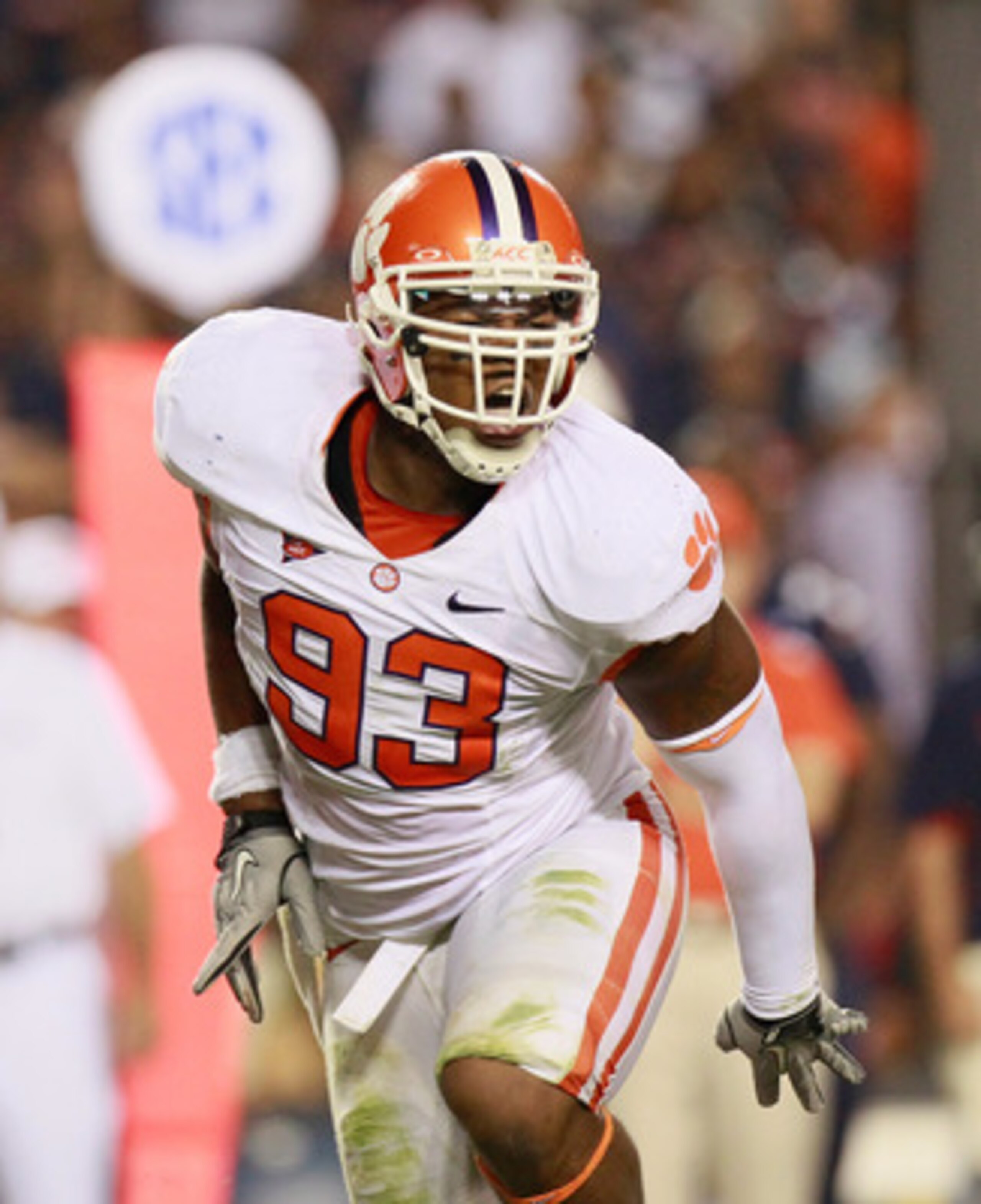
Tampa’s 26 team sacks tied for 30th in the league, so adding a pass-rushing presence is a necessity. In the Buccaneers’ 4-3 alignment, defensive end is the best place to look for pass-rush help, and incumbents Tim Crowder and Stylez G. White are eminently replaceable.
The answer: Da’Quan Bowers, Clemson
Amazingly, Bowers—a sack specialist who had been talked about as a potential No. 1 pick—might actually fall all the way to Tampa at No. 20 due to concerns about his surgically repaired knee.
More likely, though, is that the Bucs land one of this class’ slightly lesser (but still impressive) pass rushers, possibly Purdue’s Ryan Kerrigan or Wisconsin’s J.J. Watt.
Arizona Cardinals: Quarterback
29 of 32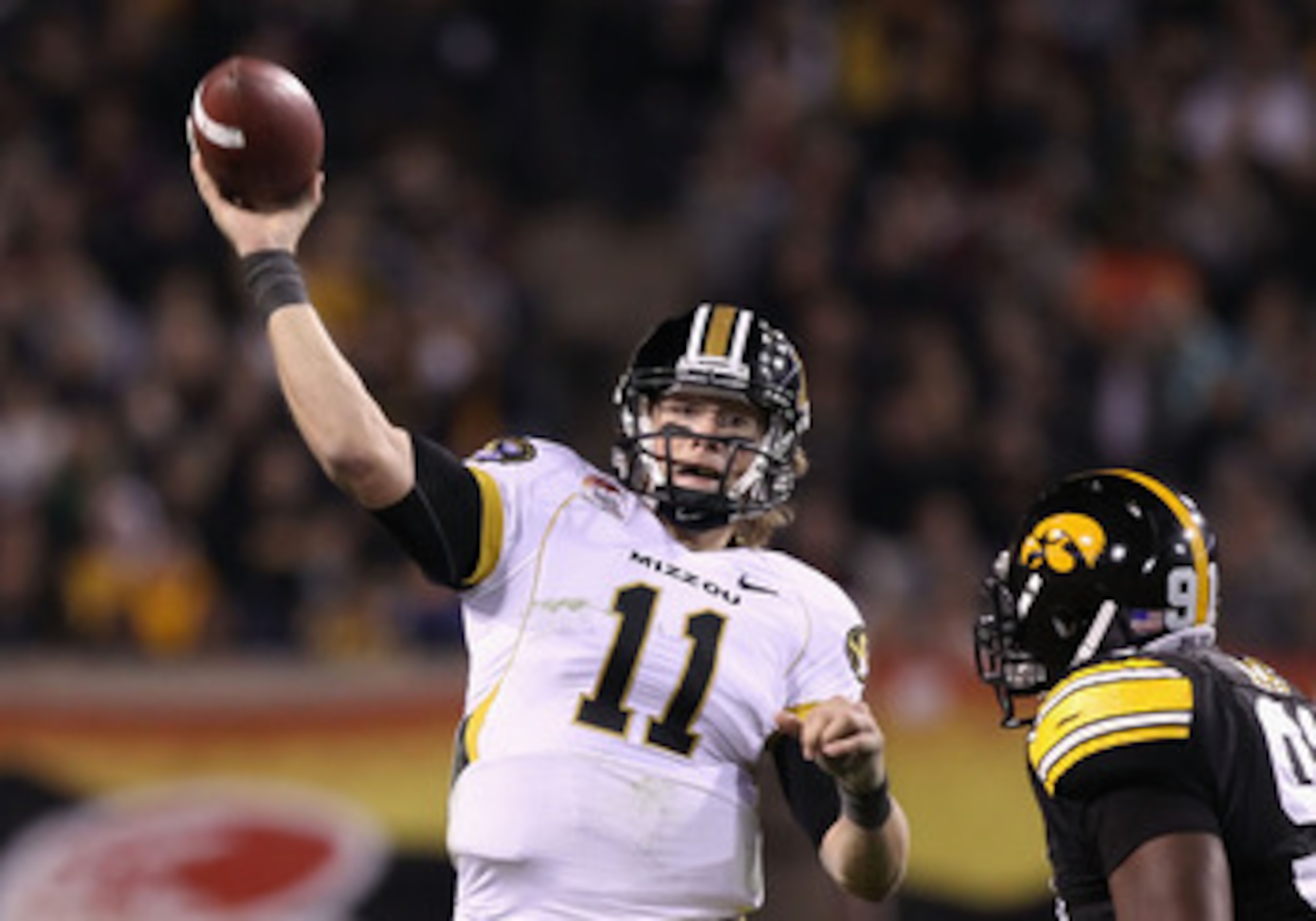
Arizona has Larry Fitzgerald and still finished 31st in the league in passing offense. The Cardinals clearly have no viable quarterback of the present, and neither John Skelton nor Max Hall looks like a QB of the future.
The answer: Blaine Gabbert, Missouri
This pick is pretty much a toss-up between Gabbert and Cam Newton. Newton’s running ability would help with Arizona’s league-worst ground game, while Gabbert’s superior accuracy would take better advantage of a playmaking receiving corps.
Gabbert gets the nod, barely, for his ability to use the weapons Arizona already has, but if he’s off the board at No. 5, Newton would be an easy call here.
St. Louis Rams: Wide Receiver
30 of 32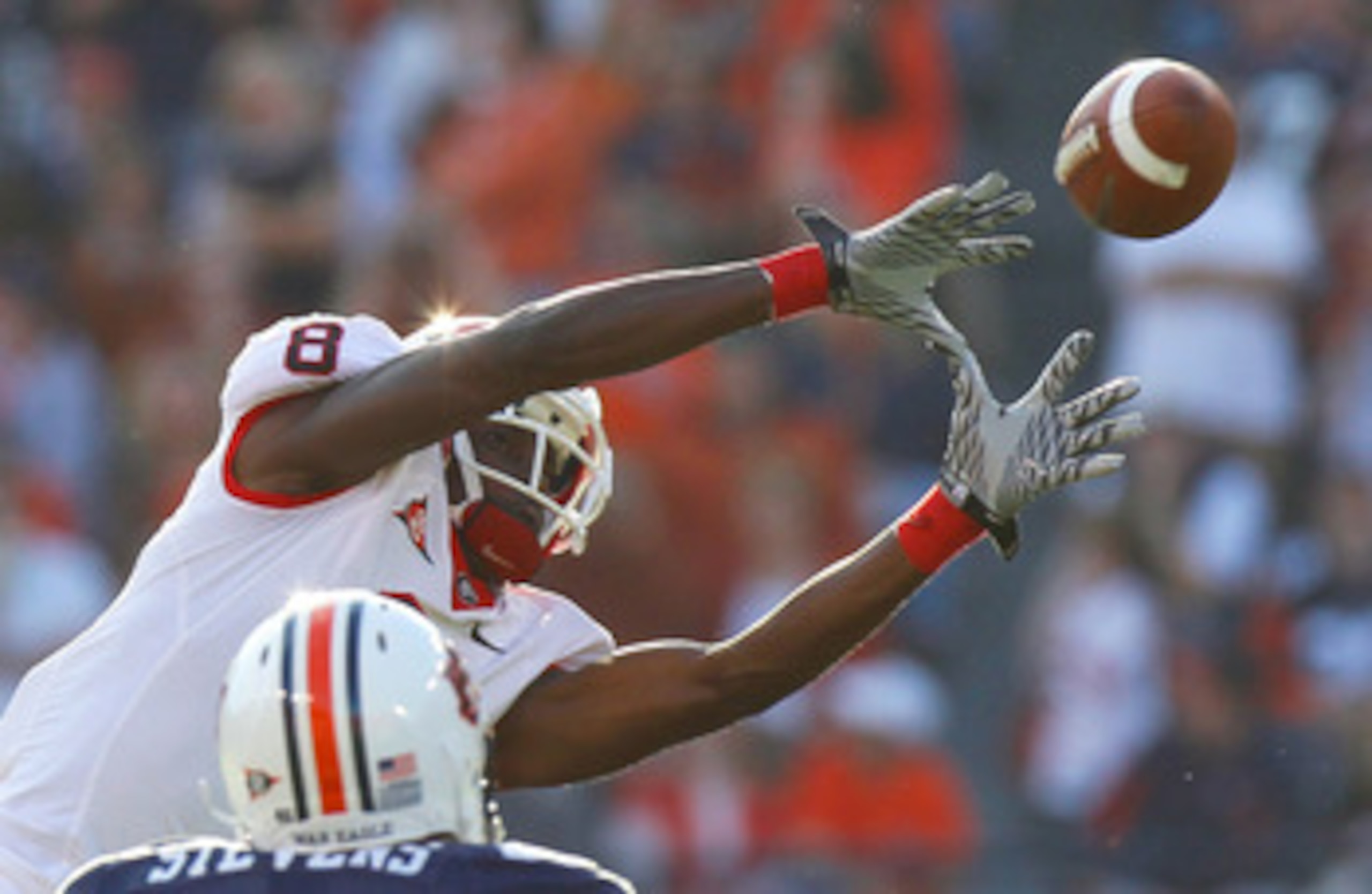
The developing Rams have young talent at several positions, but none of their WRs looks like a prospective Larry Fitzgerald or Roddy White. QB Sam Bradford’s development will be greatly accelerated by the addition of an elite wide receiver.
The answer: A.J. Green, Georgia
Green’s 6'4" frame and prodigious talent have made him the consensus top WR in this draft class. The Rams would be happy to settle for Alabama’s Julio Jones but would probably have to trade up from No. 14 to get either one.
If they do stay put, expect St. Louis to continue stockpiling defensive talent in the first round, with a later pick going to a new option at WR.
San Francisco 49ers: Quarterback
31 of 32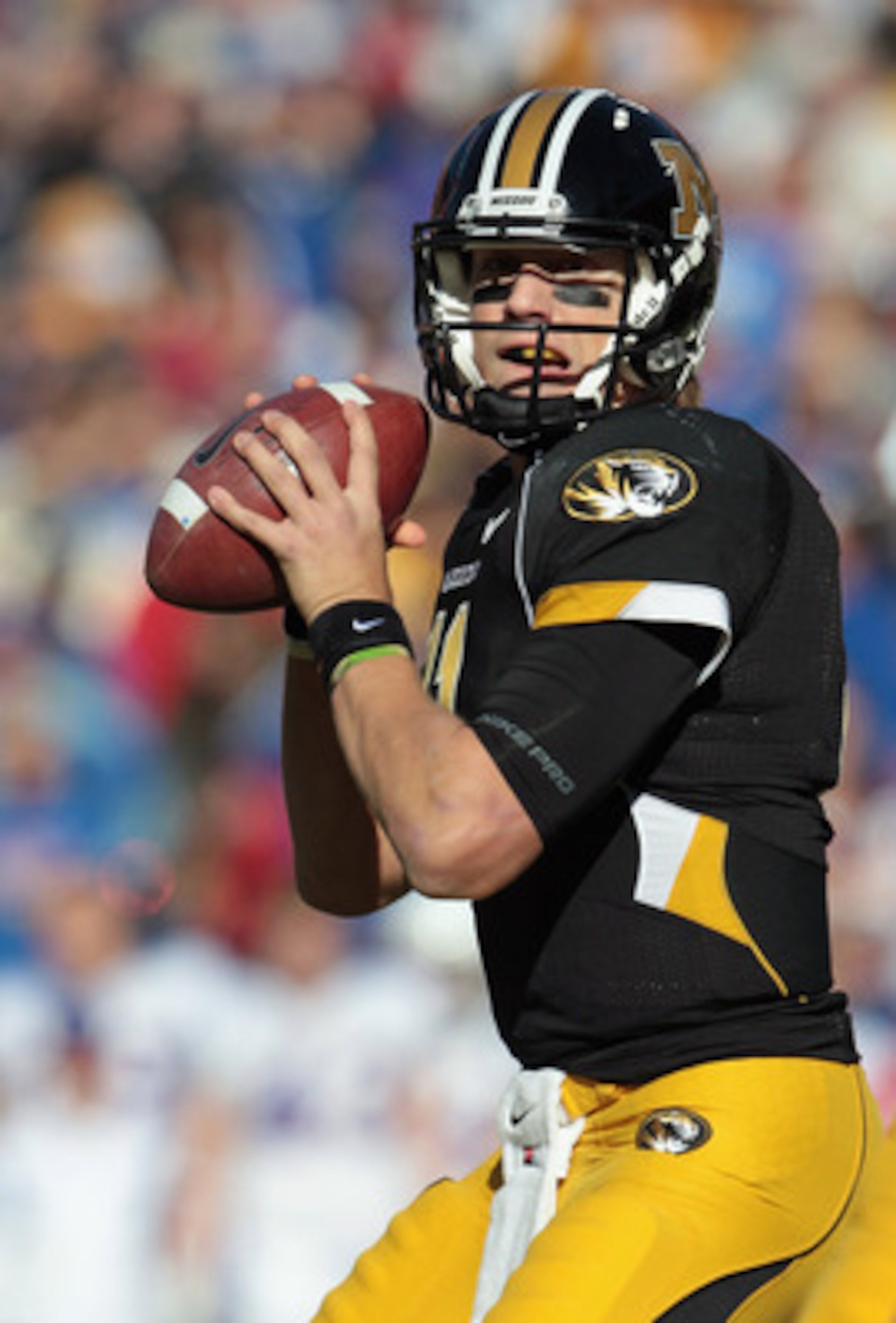
Despite the talents of Frank Gore, Vernon Davis and Michael Crabtree, the 49ers offense ranked 24th in the league last season. Alex Smith may have run out of chances, and David Carr’s best years are far behind him, so if San Francisco wants any kind of offense in 2011, it’ll need a new face under center.
The answer: Blaine Gabbert, Missouri
Rookie QBs are no one’s first choice to run a West Coast offense like San Francisco’s, but Gabbert has the accuracy to do better than most. They’d have to trade up to get him, though, so it’s entirely possible that they’ll find another solution (Kevin Kolb?) and use their No. 7 overall pick to help the defense.
Seattle Seahawks: Cornerback
32 of 32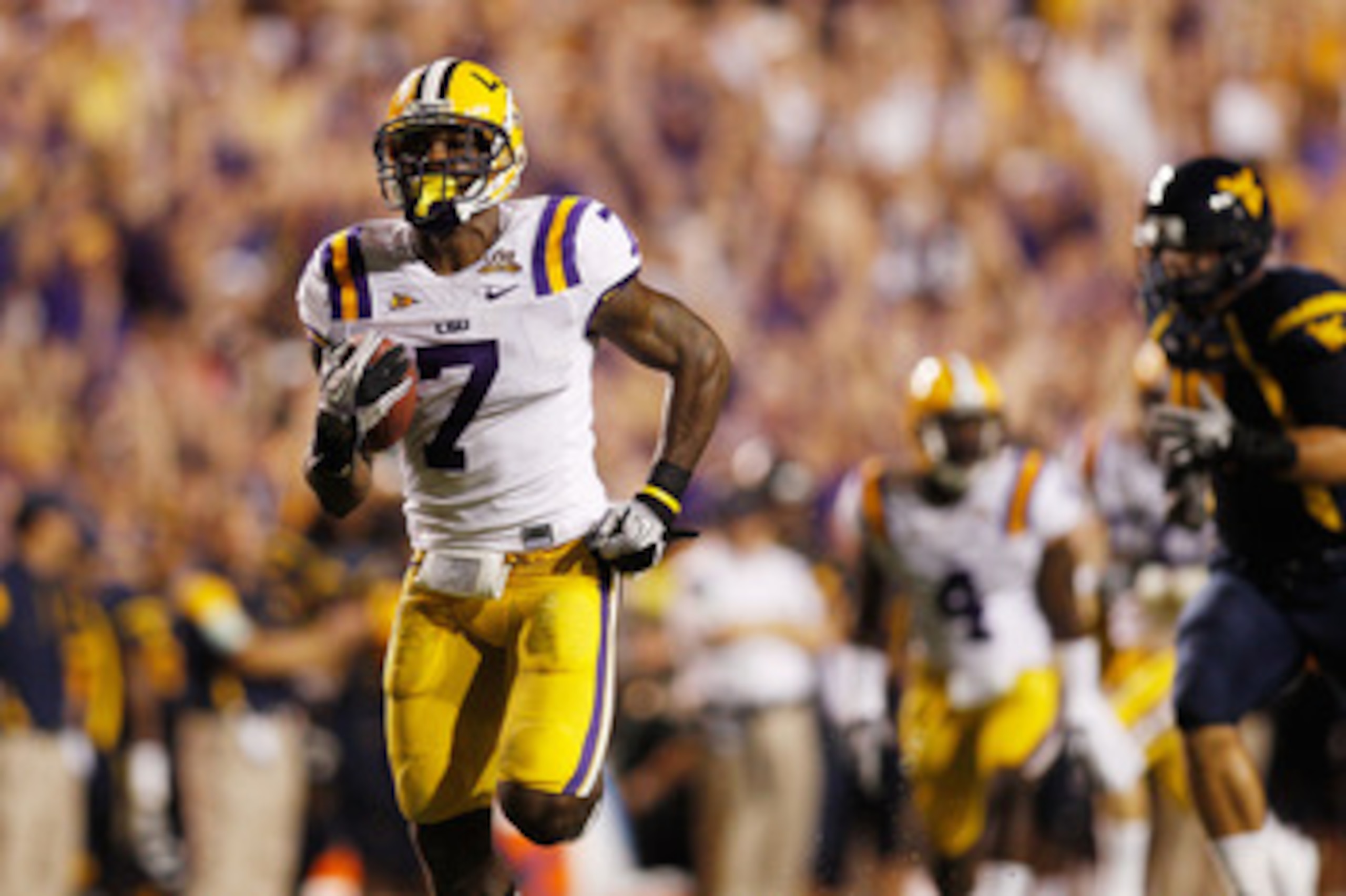
This one is a very close call between CB and QB, but until aging Matt Hasselbeck gives up the ghost entirely, Seattle has a more serviceable option under center than it does in the defensive backfield. The Seahawks finished 27th in the NFL against the pass last season.
The answer: Patrick Peterson, LSU
By some estimates the best single player in the draft, the playmaking Peterson would be just what Seattle needs.
Of course, the Seahawks have no hope of seeing him fall to No. 25, so they’ll have to consider whether the corners they can get (probably Miami’s Brandon Harris or Texas’ Aaron Williams) are worth picking over a potential heir apparent QB (especially if local favorite Jake Locker is available).
.jpg?w=2560 "Titans Giants Football")
.jpg?w=2560 "Dolphins Bills Football")