
2011 NFL Draft: 5 Things You Need to Know, but Might Not
Well, the pre-NFL Draft hysteria is in full swing and before we get any further into mocks, critiquing individual players, and assessing team needs, it's time to put some perspective around the 2011 draft class.
There are many factors that make this draft unlike any other, but the primary one is something that will be discussed at some length in this article. The lack of a collective-bargaining agreement will have a massive impact on the way teams approach the last weekend in April and what players they will select during the draft process.
The truth is that there hasn't been a situation exactly like this in the history of the NFL and the league's premier off-season showcase will be unpredictable and quite different than previous editions as a result.
There are other factors that make this draft unique, including the players that are availabe to be selected.
In any case, here are five things you need to know about this draft and what it might mean for the team of your choice.
1. Rookie Wage Scale
1 of 5
The lack of a collective bargaining agreement carries a lot of uncertainty. But one particular question that has an impact on this draft is whether there will be a rookie wage scale in 2011.
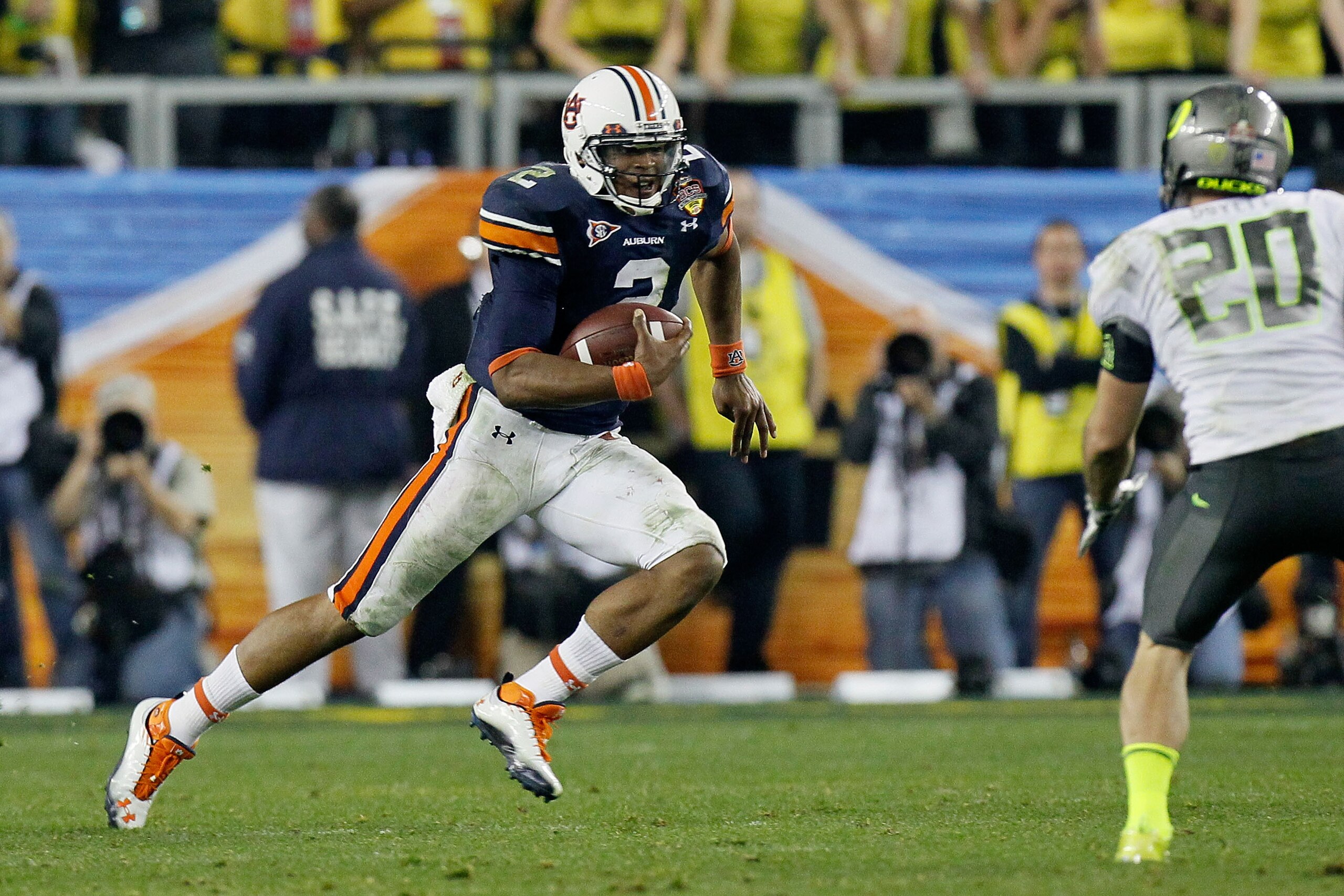
If there is a rookie wage scale, then Cam Newton can kiss $50 million dollars guaranteed goodbye. Sam Bradford collected that money without ever playing a game, and it's become immeasurable sore spot with NFL owners and organizations.
The impact on the draft could be immense, but hard to read.
It should make teams at the top of the draft less likely to draft quarterbacks or other players at high impact positions that are normally selected in those spots in order to justify the huge amount of money the teams will spend.
For example, if the Buffalo Bills knew that a wage scale was in place, I think they would be more likely to take a linebacker such as Von Miller or a cornerback/safety in Patrick Peterson rather than a quarterback such as Blaine Gabbert. If each player makes a slotted amount, why not take the better and certainly more NFL ready player?
On the flipside, there is an argument that a team will actually be more likely to take a quarterback or the type of player laden with "potential" and high upside because the financial risk won't be as great with a rookie wage scale in place.
Complicating matters is the belief that with the court now involved in the CBA discussions, that last year's salary rules will be enforced if the lockout is lifted.
This is what rookie players and their agents are praying for because of the multi-million dollar guarantees that players like Bradford received.
If this is the case, history would mostly likely suggest that Newton would be a lock to go to the Carolina Panthers, since paying $50 million dollars guaranteed to a defensive lineman like Marcell Dareus would be hard for any team to swallow. Don't feel bad for Dareus who will still command guaranteed money in the tens of millions when he is drafted in the first few picks.
2. This Is the Weakest Draft Class in a Long Time.
2 of 5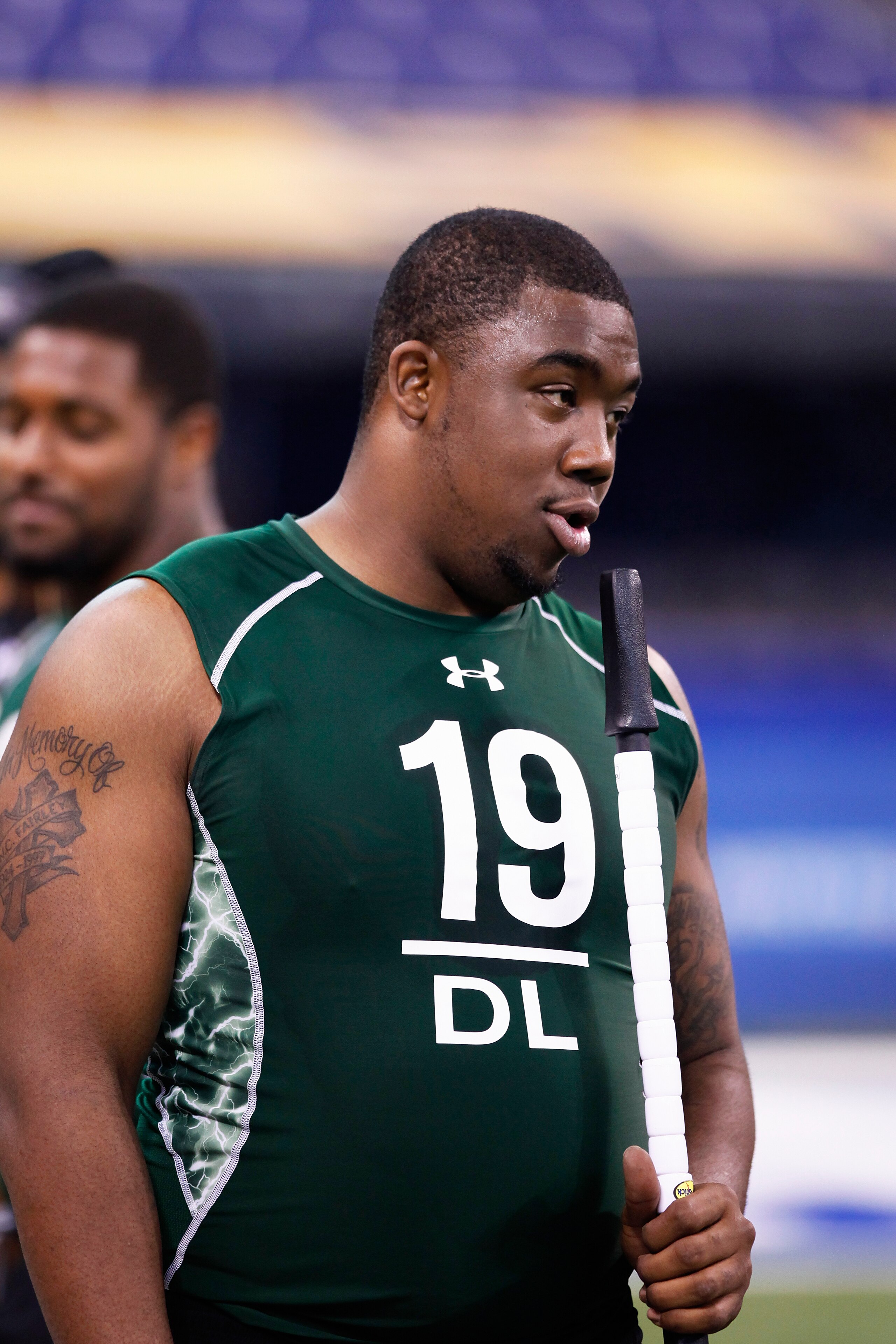
Simply put, there are not a ton of great prospects in this draft.
How weak is it?
For starters, I'd would say that at least in the draft's early stages, that on average, the players are slated to be selected about a half of a round higher then they should be.
Let's just compare this draft class to the 2010 version for a second.
Sam Bradford was considered to be a better prospect by far than anyone in this year's quarterback class.
Ndamukong Suh and Gerald McCoy are significantly better prospects than Marcell Dareus and Nick Fairley or whichever defensive tackle you want to take next.
The comparison at offensive tackle is embarrassing. What would you rather have? 2010's Trent Williams, Russell Okung, Anthony Davis, Bryan Bulaga, Mike Iupati, Maurkice Pouncey, and Roger Saffold, or 2011's Tyron Smith, Gabe Carimi, Nate Solder, Anthony Castonzo, Mike Pouncey and Derek Sherrod?
The WR class seems to be better at the top this year with A.J. Green and Julio Jones, but other than that how is this draft superior?
I guess its a little deeper at defensive end and outside linebacker, but look at the disparity on defense in the secondary. You have Patrick Peterson who could probably rival the likes of Eric Berry, Joe Haden and Earl Thomas from last year, but the next best defender Prince Amukamara isn't in that class. Last year's draft class also brought Devin McCourty and Nate Allen into the NFL. After Peterson and Amukamara, there is a steep drop to the next best cornerback and virtually no worthwhile safeties in this draft class.
Finally, there are a lot more quarterbacks scheduled to go earlier in this draft than last year after Bradford, but only because the overall talent pool is so depleted.
I'd bet you that a quarterback like Florida State's Christian Ponder or TCU's Andy Dalton doesn't even sniff last year's first round but in 2011 there aren't enough talented players to put these signal-callers where they really belong
So how far back do we have to go to find a draft this embarrassingly thin at the top? How about 2005?
That draft did produce the likes of Aaron Rodgers, Antrel Rolle, DeMarcus Ware, Roddy White, Heath Miller, Logan Mankins and Shawne Merriman (none of which were selected in the top ten picks except for Rolle), but also busts of varying magnitudes in Alex Smith, Ronnie Brown, Braylon Edwards, Cadillac Williams, Cedric Benson, Pacman Jones, Troy Williamson, Mike Williams, Travis Johnson, Chris Spencer, Alex Barron, David Pollack, Eramus James, Matt Jones, Marcus Spears, Mark Clayton, Jason Campbell, and Marlin Jackson.
3. Defense over Offense
3 of 5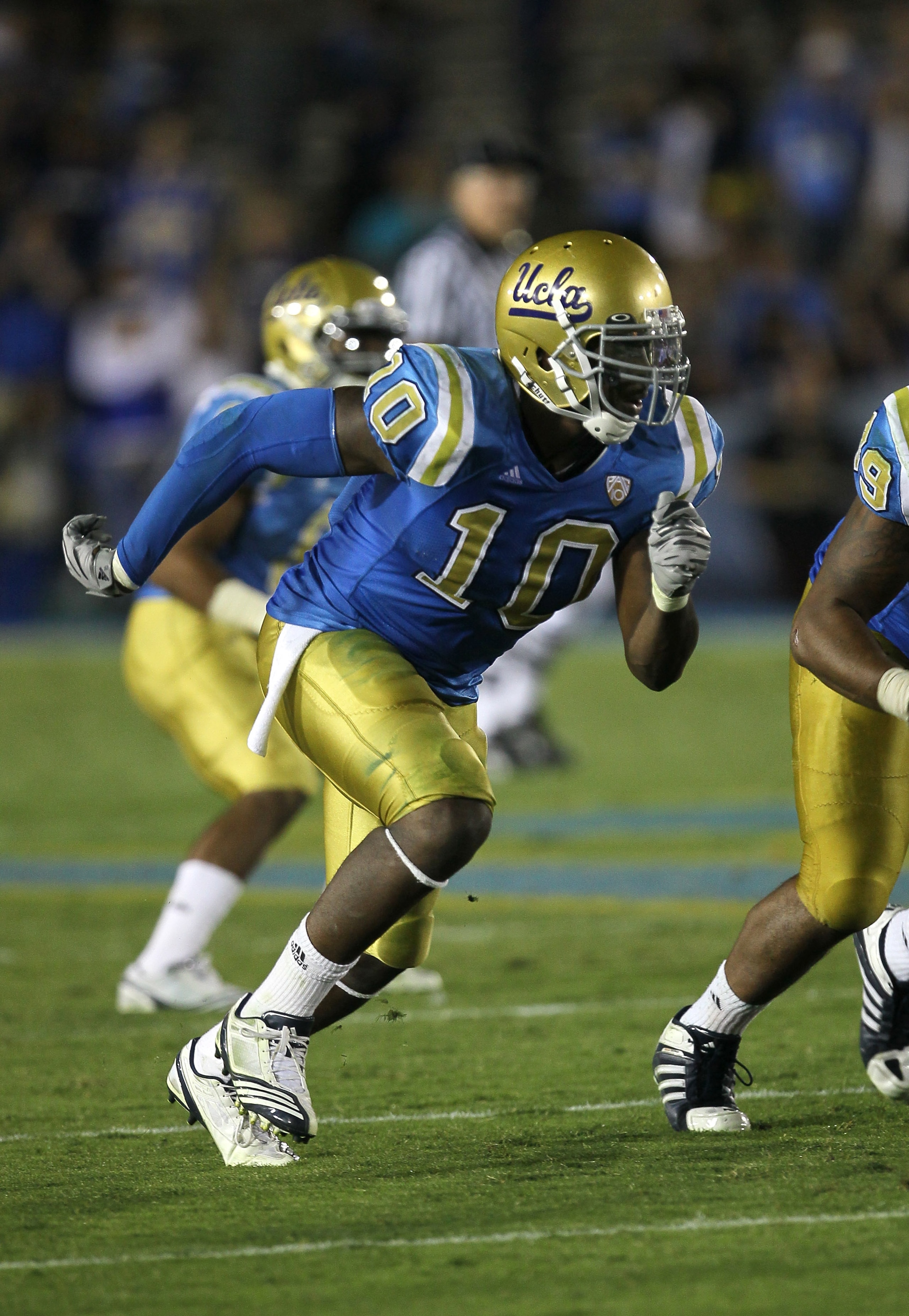
This draft is so heavilly slanted to the defensive side of the ball that you have to wonder what teams needing offensive players are going to do. More on that in a bit.
Here is the proof that there are far more prospects on defense than offense, especially early in the draft.
As I have mentioned in other columns, Pro Football Weekly and draft expert Nolan Nawrocki put out an exclusive draft value chart after getting feedback from NFL teams on where players figure to be selected.
Based on that chart, only 13 of the first 32 choices will be offense. Furthermore, of those 13, Mark Ingram, Nate Solder, Derek Sherrod, Gabe Carimi, and Danny Watkins, according to various sources, could fall out of the first round.
Now, a couple of players such as Ryan Mallett or Mikel LeShoure could re-enter the first round picture, but you get the idea.
The balance is far more even after the first round on the value chart, but there are also several defenders projected to go in the second that have carried first round grades for the majority of the draft process, including Cameron Heyward, Christian Ballard, Brandon Harris, Justin Houston, and Martez Wilson. Any of these players could easily sneak into round one.
.jpg?w=2560 "Cardinals Giants Football")
.jpg?w=2560 "Titans Giants Football")
4. Teams That Draft for Need and Upside Could Be in Trouble
4 of 5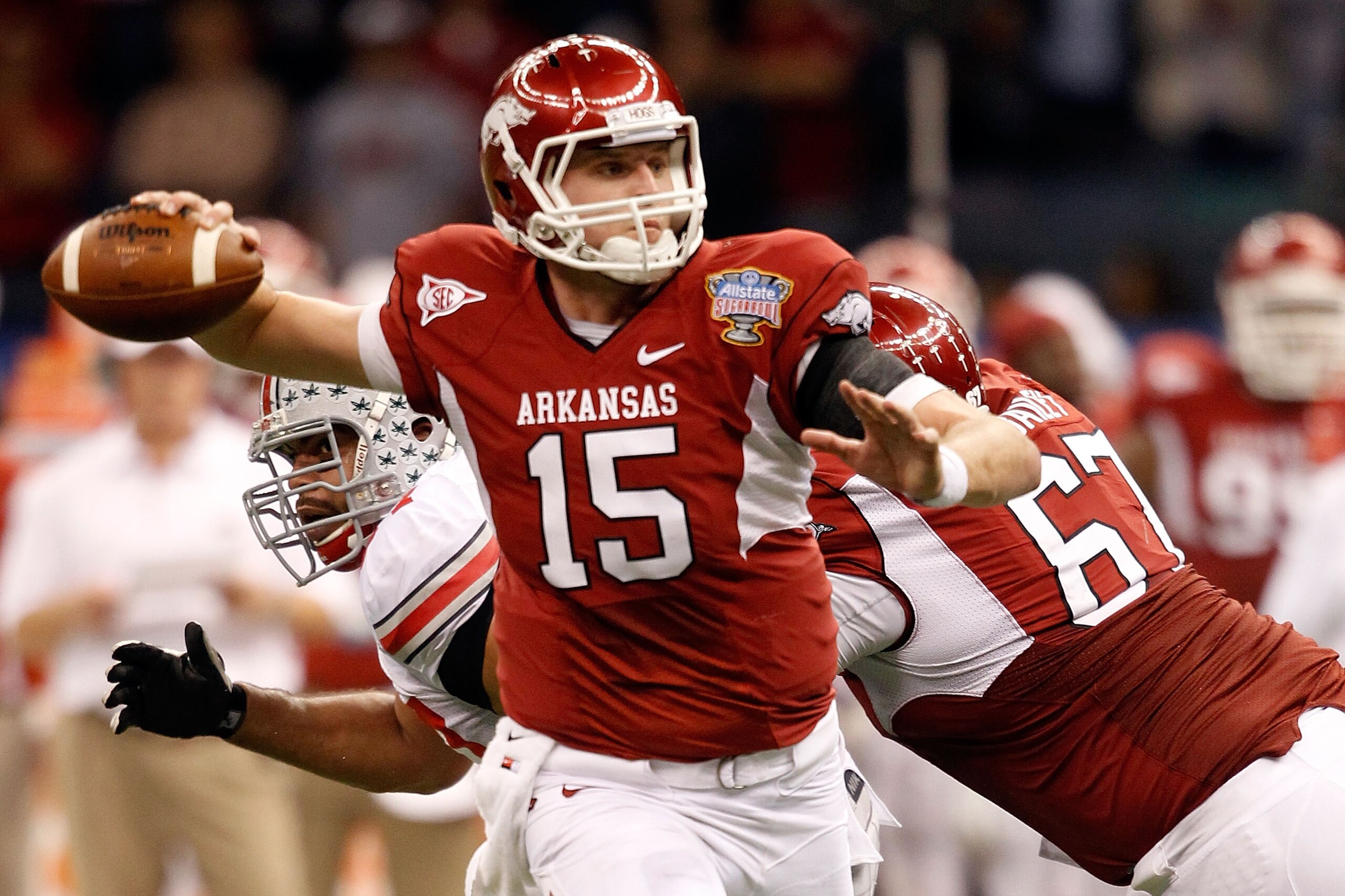
Some of the teams in the top 15 picks in this draft are really stuck, partly due to the plethora of players on defense, a dearth of talent at specific positions that these teams need, and the absence of player trades or free agency. If a team cannot work a trade out of their draft spot, they will be forced to either reach for an inferior player or take the best available player regardless of position.
The following teams face this uncertainty:
Carolina
You can argue effectively that the Panthers need help everywhere, but there are more than a few experts who feel that Cameron Newton isn't even close to being the best player in this draft.
Yet, partly because Carolina has indicated it can't progress with Jimmy Clausen at quarterback, the Panthers will probably make Newton the first pick in the draft.
So, let's say that Newton is the selection. What happens if the NFL's labor struggles are not settled until late summer?
The former signal-caller from Auburn has virtually no shot at learning the playbook or making an impact in his first season. That first training camp is crucial to quarterbacks, especially ones that are raw when it comes to playing in a pro-style offense.
Newton's long-term future might be permanently damaged because he has yet to operate under center due to the spread attack he ran with the Tigers.
Arizona
The Cardinals, picking fifth overall, definitely need a quarterback, but they haven't been able to consummate a trade or acquisition for a veteran such as Kevin Kolb due to the labor impasse.
There is a good chance that both Newton and Blaine Gabbert will both be off the board and there is also no guarantee that a second-round option at quarterback will be to their liking.
San Francisco (seventh overall) and Tennessee (eighth overall) also need quarterbacks and will find getting a quarterback even more difficult.
Washington
The Redskins need a quarterback, a receiver, offensive linemen, and possibly a running back. Ok, the team desperately needs a new offense, but consider that both of the top two receivers in the draft, A.J. Green and Julio Jones will likely be off the board.
The 'Skins have a left tackle in Trent Williams but they could really use a guard or right tackle to replace injury plagued Jammal Brown. The 10th pick is too high for Anthony Castonzo, Mike Pouncey or Gabe Carimi.
Jake Locker and Ryan Mallett would be considered even bigger reaches. Running backs can be found later in the draft and Coach Mike Shanahan might have started that theory (i.e., Terrell Davis, Olandis Gary, Michael Anderson, Clinton Portis).
Miami
With the 15th overall spot, the Dolphins' options figure to even be more limited. It's still probably a reach to take Locker or Mallett at this point.
The team needs a second round pick, much like Carolina. Miami needs offensive line help, but mostly in the interior. Castonzo and Solder are not guards and Pouncey and Carimi aren't reportedly on their radar.
The Dolphins will need running backs but are also likely to wait till later in the draft and during free agency whenever that finally happens. Keep in mind; free agency running backs don't necessarily need a ton of training camp time to be effective.
Each of these teams listed and many more might have to put needs aside and just draft the best and most NFL ready prospect available, or face the consequences of wasting a first round pick.
5. Undrafted Free Agents and Late-Round Draft Choices Are in Trouble
5 of 5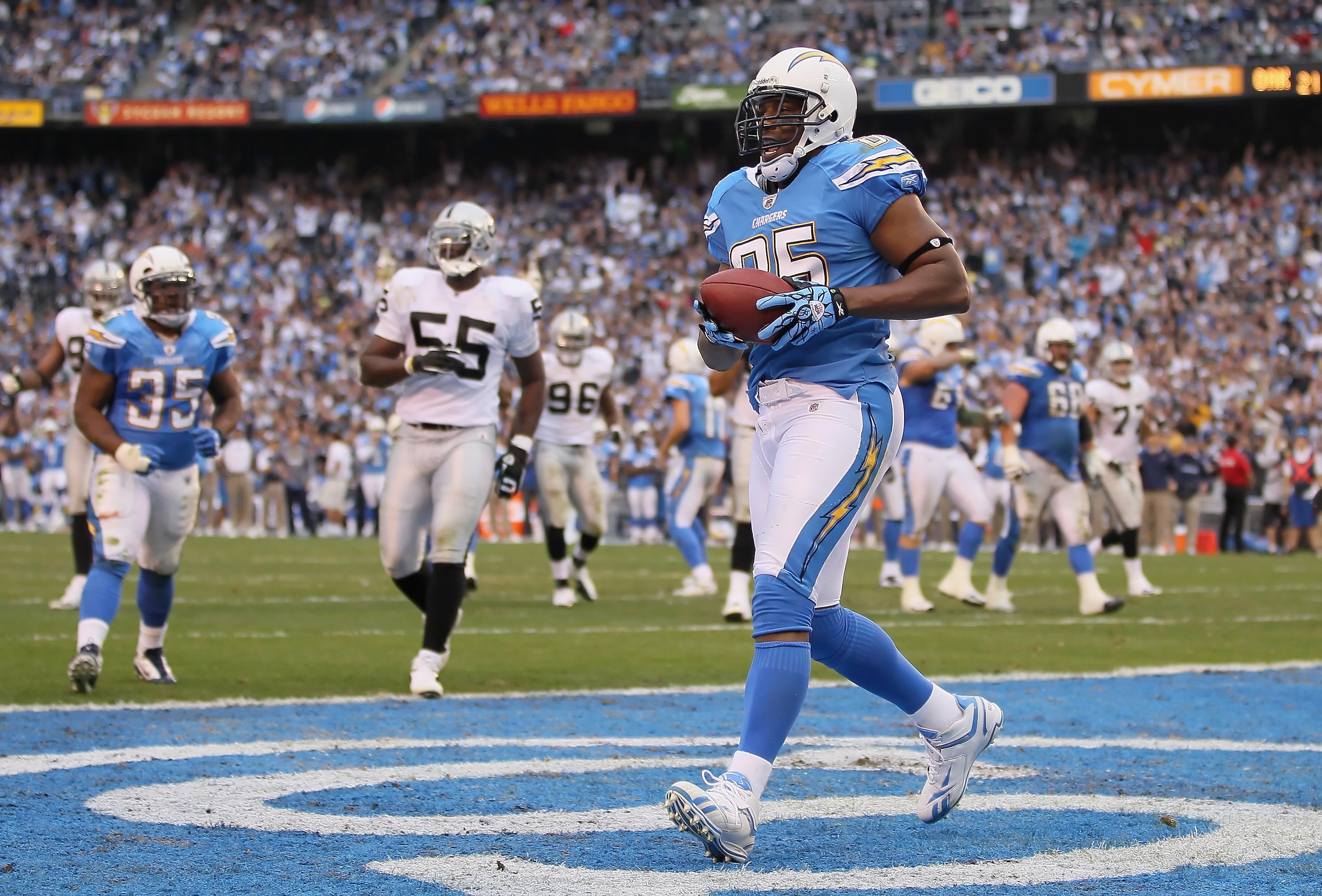
I wouldn't count on the next Antonio Gates, Wes Welker, Bart Scott, or Ryan Grant coming out of this year's rookie class.
Why? Because all the names above were undrafted free agents. Without a new collective bargaining agreement or at least the lockout lifted, no undrafted free agent can be signed.
Obviously, no draft picks can be signed either, but at least being drafted means that a team has shown a committment to you. The higher you were drafted, the more likely you will be given a chance to make an impact when we finally have football again.
Undrafted free agents and late-round draft choices usually have to produce early during camp and in the team's first couple of preseason games to have a chance of sticking to a roster.
If we get back to football in August, as some people anticipate, these players will have missed their opportunity for the most part. A few might get stashed on practice squads, but that's probably their best option.
I'd bet that few NFL teams will even go to the trouble of signing more than a few undrafted free agents (teams typically sign around 10-20 because they know there won't be time to investigate these players thoroughly enough).

.jpg?w=2560 "Dolphins Bills Football")