
New York Mets: Who Was Better, the 1986 Club or the 2000 One?
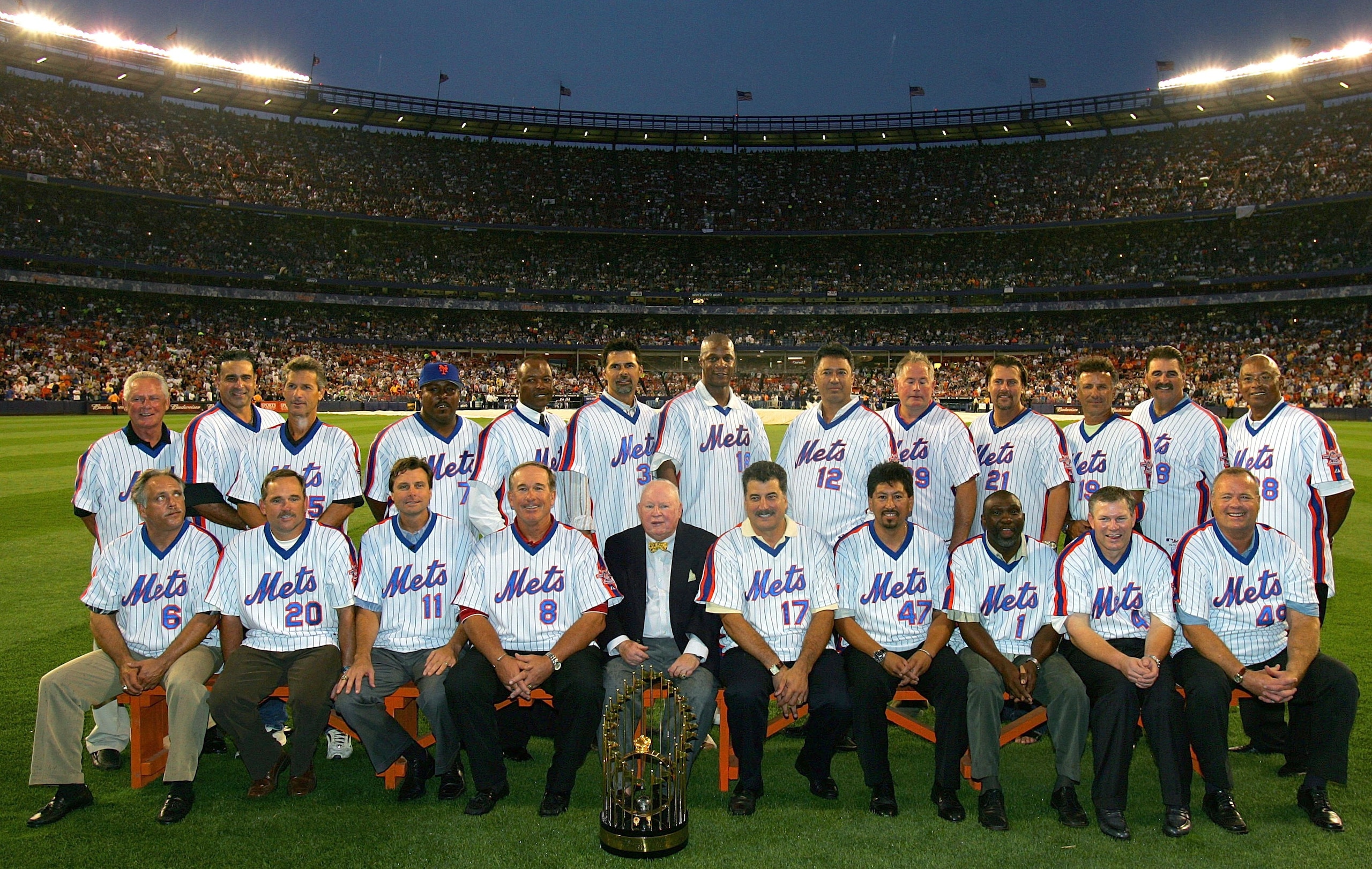
There has been little talk about the fact that it is the 25th anniversary of the Mets 1986 World Series victory. It is time to change that.
After reading a great piece by Stephen Meyer comparing two of the best Yankees teams in the franchise's history, I decided that it would be a good idea to do something similar with the Mets.
With this being the anniversary year, the 1986 Mets team seems to be an obvious choice for this piece. In addition, they were one of the best Mets teams of all time.
The 2000 Mets were one of the franchise's best teams in recent history. Led by Mike Piazza, the team lost to the Yankees in the World Series.
This article will serve as the grounds for a hypothetical match-up between two of the best teams in franchise history. It will be broken down position by position and each players year will be treated in a vacuum. By this I mean that only their numbers from 1986 and 2000 will be important in this analysis.
Catcher: Gary Carter '86 vs. Mike Piazza '00
1 of 13
The first match-up of players is one of the best ones that we will see throughout the comparison of the two rosters.
Gary Carter finished third in the NL MVP race and was named an All-Star in 1986. The Kid hit for a .255 average in addition to 24 home runs and 105 RBI. He also had a .337 OBP and a .439 SLG% that year. This was good enough to give Carter a 115 OPS+ and a 3.9 WAR season.
Defensively, Carter was able to throw out 28% of attempted base sealers and he committed just eight errors.
Mike Piazza is one of the best offensive catchers in baseball history. The 2000 season was just Piazza's second with the Mets.
Piazza had a phenomenal year offensively. He had a triple slash line of .324/.398/.614. He hit 38 home runs and drove in 113 runners. Just like Carter, he was an All-Star and finished third in the MVP voting. Piazza had an outstanding 155 OPS+ and 6.0 WAR year.
Even though Piazza is not know for his defense, he had a decent year. He caught 23% of attempted base stealers and committed only three errors.
The Edge: Mike Piazza '00
Piazza put together one of his better season in 2000. His offensive numbers are incredibly impressive. In addition, he still managed to have some success defensively. As good as Carter was, he is no match for Piazza in this case.
1B: Keith Hernandez '86 vs. Todd Zeile
2 of 13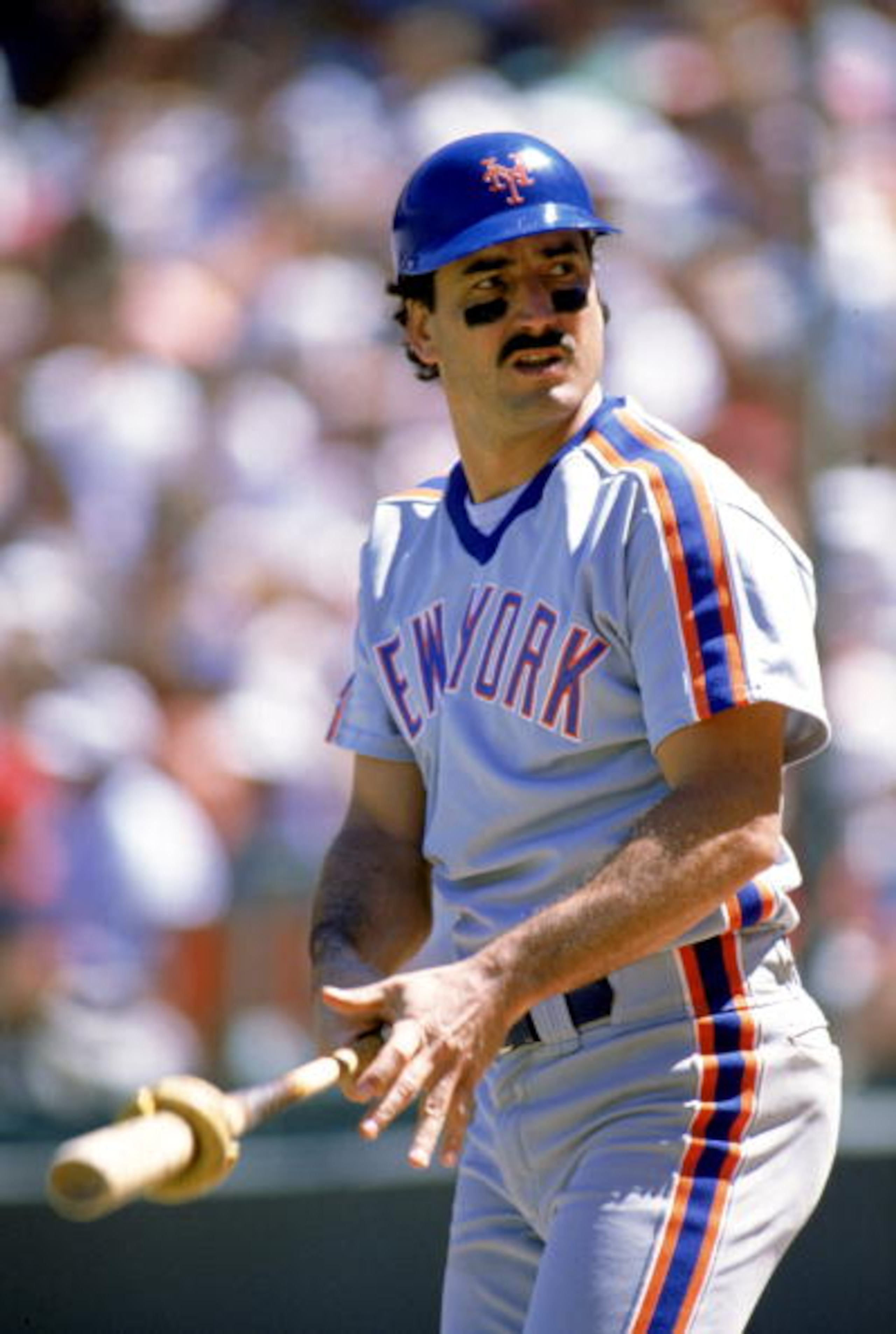
Younger fans may only know Hernandez as a Mets announcer. However, Mex was one of the best first baseman in Mets' history.
Hernandez won one of his 11 Gold Gloves during the 1986 season. In addition, he was an All-Star and finished just behind Gary Carter, in fourth place, in the NL All-Star vote.
The Mets got a strong year out of Hernandez in 1986. He hit 13 home runs while driving in 83 and walking 94 times. Hernandez had a triple slash line of .310/.413/.446. This led to a 140 OPS+ and a 5.9 WAR.
Zeile was signed as a free agent by the Mets prior to the 2000 season. This was a smart move by the team as Zeile hit 22 home runs while driving in 79. He hit .268 and had a .467 SLG%. His OPS+ was 110 and he had a 2.9 WAR season.
Defensively Zeile was good. He had a .992 fielding percentage and only committed ten errors all season.
The Edge: Keith Hernandez '86
Hernandez did not hit for as much power as Zeile did but the difference in their OPS+ is telling. Hernandez had a much better year compared to the rest of the league in '86 than Zeile did in '00.
In addition, Hernandez was an outstanding defensive first baseman.
2B: Wally Backman '86 vs. Edgardo Alfonso
3 of 13
Wally Backman had an interesting year in 1986. Despite having a .376 OBP in 124 games, Backman scored just 67 runs. He had just one home run, 27 RBI, and 13 stolen bases. Backman did hit .320 for the year.
Because of his strong OBP, Backman still managed to post a 113 OPS+. In addition, he had a 3.2 WAR. Defensively, Backman committed 17 errors during the '86 season.
Edgardo Alfonso had a career high .324 average in 2000 to go along with his 25 home runs and 109 RBI. Alfonso was named an All-Star. He also had a 147 OPS+ and a career high 6.7 WAR season.
Alfonso committed just ten errors in his 688 chances in 2000.
The Edge: Edgardo Alfonso '00
This one is a no contest. Alfonso outperformed Backman by a significant margin. Along with Mike Piazza, Alfonso was one of the offensive leaders on the 2000 Mets team.


SS: Rafael Santana '86 vs. Mike Bordick/Melvin Mora/Rey Ordonez/Kurt Abbott '00
4 of 13
Rafael Santana has an anemic offensive profile from the 1986 season. He batted just .218, drove in only 28 runs, and scored just 38 runs. He also committed 16 errors and had a .973 fielding percentage.
The 0.4 WAR that Santana posted in 1986 was the second highest number of his career. In addition to this, he had a OPS+ of 52.
The 2000 Mets biggest issue was clearly at shortstop. Bordick played 56 games there. Mora, whom the Mets traded for Bordick, played 44 games at short. Kurt Abbott, who was supposed to be a utility man, played 39 games at short. Ordonez played just 44 games at short before getting injured in May.
The group combined for 16 home runs and 66 RBI.
The Edge: Mike Bordick/Melvin Mora/Rey Ordonez/Kurt Abbott '00
Someone had to win this match-up. The four-headed shortstop from the 2000 Mets took the prize as a result of their offensive capabilities. It was clear that shortstop was the weak spot of each of these teams.
3B: Ray Knight '86 vs. Robin Ventura '00
5 of 13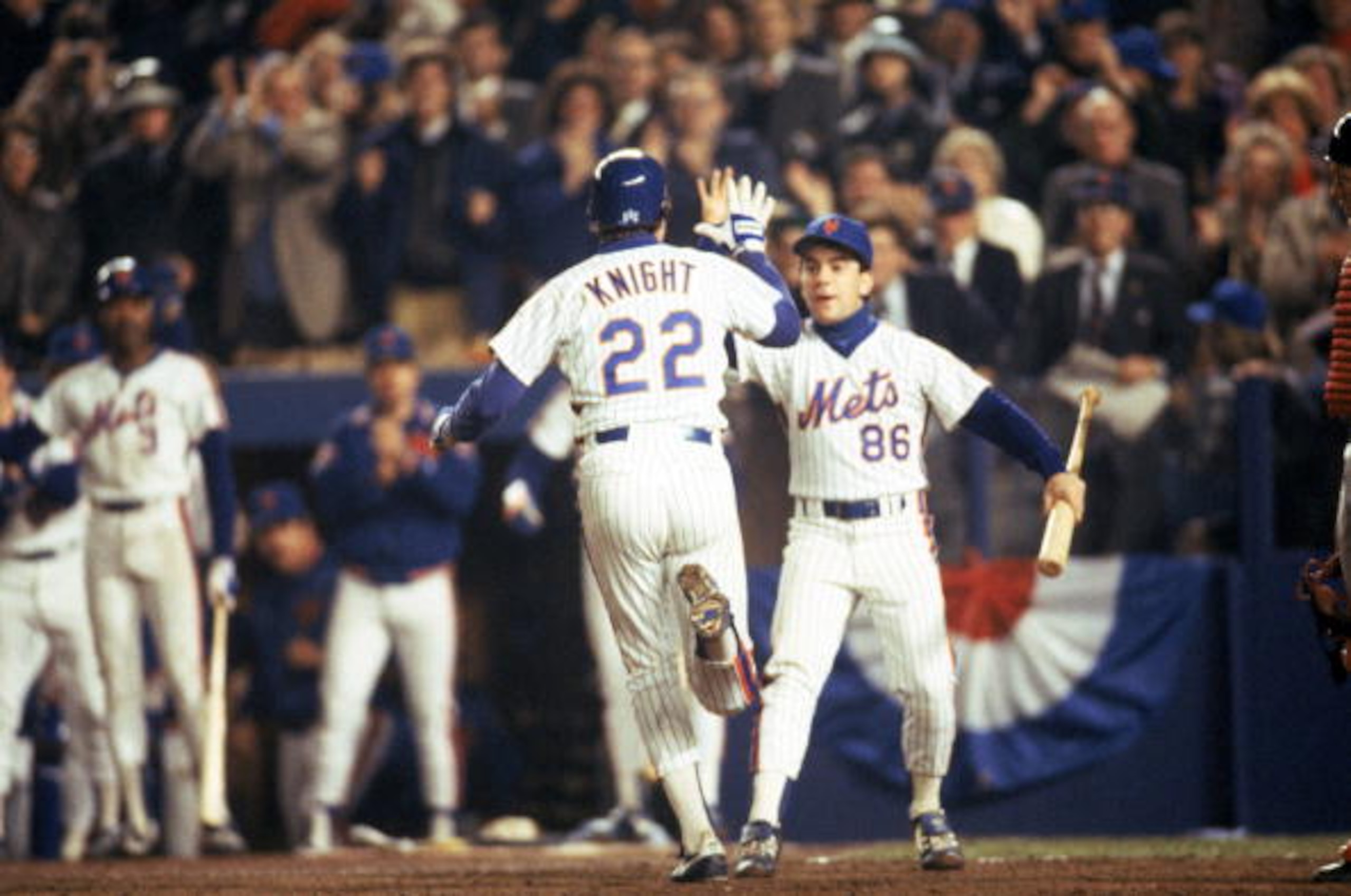
The MVP of the 1986 series had a great year. He had an 80 point improvement in batting average over his 1985 average in 1986 as he managed to hit .298. In addition, Knight hit 11 home runs to go along with 76 RBI.
Knight's WAR for the season was 2.8 and he had a 115 OPS+. However, Knight did struggle in the field as he had just a .948 fielding percentage.
Ventura was a Mets' hero heading into the 2000 season after his "Grand Slam Single" in game five of the 1999 NLCS against the Atlanta Braves. He did not disappoint fans in 2000.
He hit 24 home runs and drove in 84, but Ventura did face some struggles and hit just .232 for the year. Ventura actually had a 98 OPS+ for the year. In addition, his WAR was 2.2, a significant drop off from the 7.7 WAR he posted the year before.
The Edge: Ray Knight '86
This was a tough one. Knight edged out Ventura in part because of Robin's low batting average for the year. In addition, Knight was able to serve as one of the leaders on the 1986 team.
LF: Mookie Wilson/George Foster '86 vs. Benny Agbayani '00
6 of 13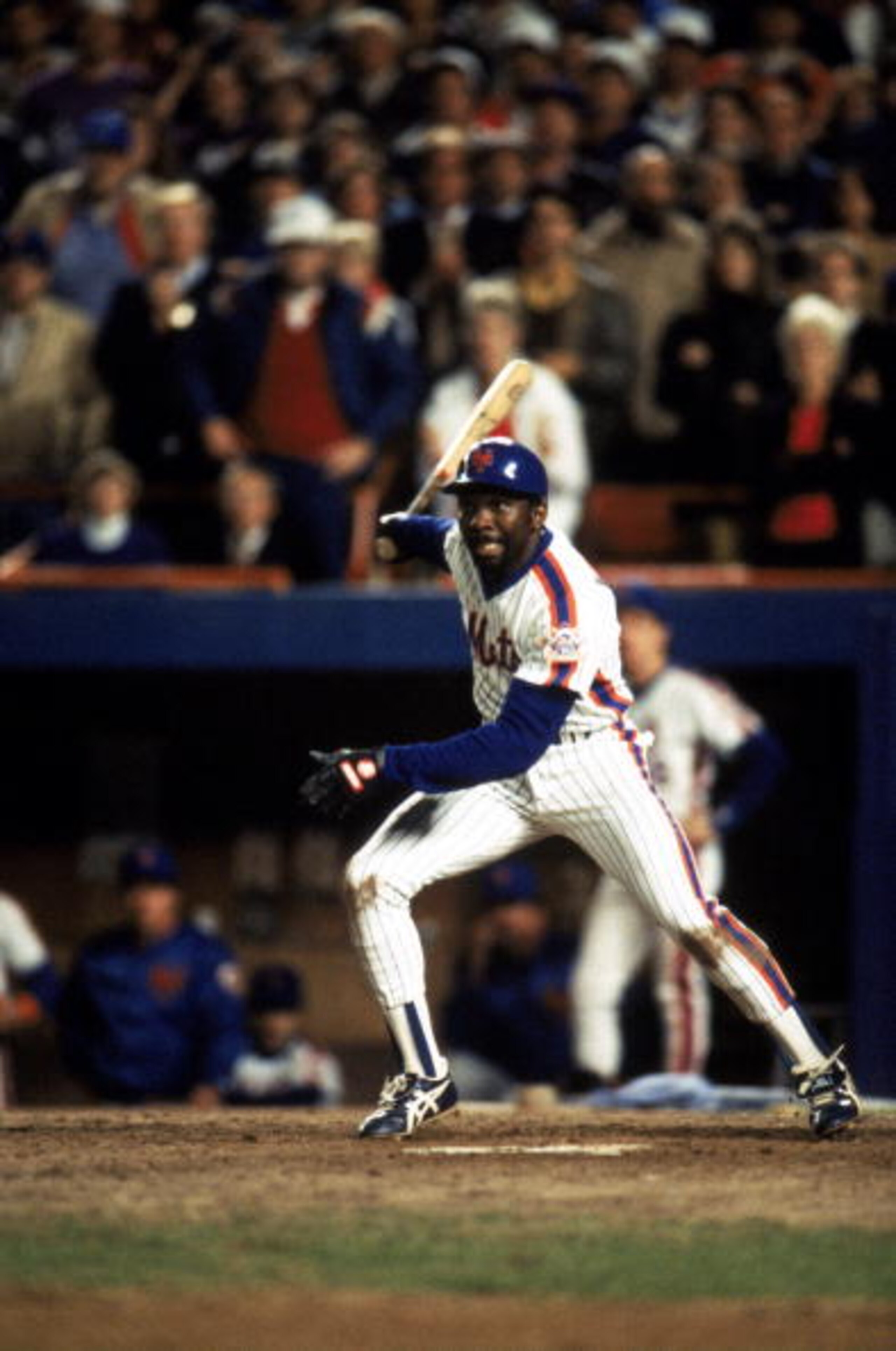
Wilson played 78 games in left while Foster played 73 games there. Combined they scored 112 runs, hit 21 home runs and drove in 83 runs. In addition, Wilson stole 25 bases.
Mookie Wilson is known for hitting the ground ball which led to Billy Buckner's famous error in game six of the World Series.
Agbayani was a fan favorite when he arrived in 1998. The Hawaii native played just five seasons in the majors and had his career year in 2000. He hit .289 with 15 home runs and 60 RBI. All of these numbers were career highs.
Agbayani had a 2.3 WAR during this season in addition to his 122 OPS+.
The Edge: Mookie Wilson/George Foster '86
While it was the best year of Agbayani's career, the combined numbers of Wilson and Foster and just better. Wilson also provided a moment that has been forever ingrained in Mets history.
CF: Lenny Dykstra '86 vs. Jay Payton '00
7 of 13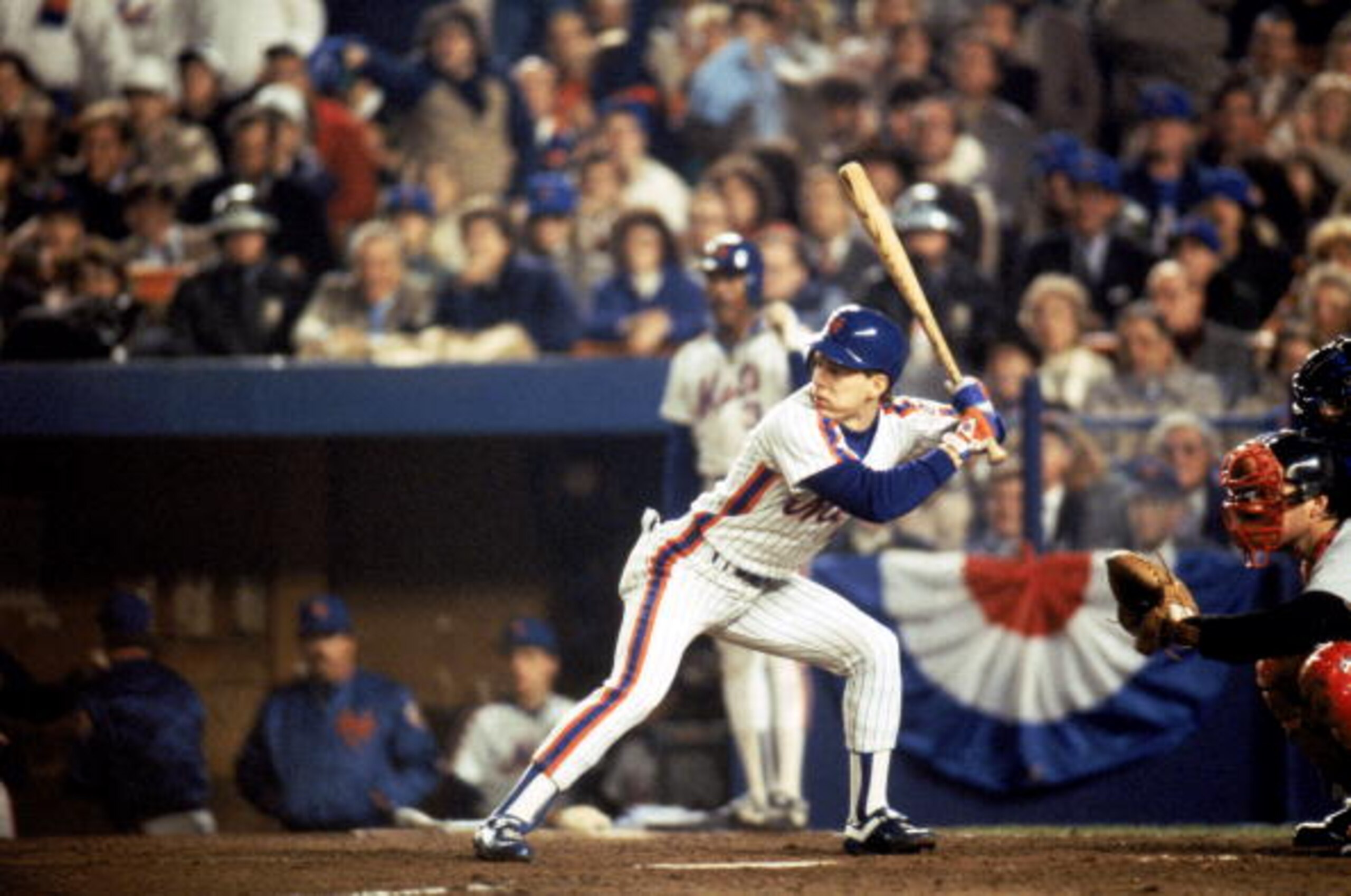
Dykstra managed to have a great season for the '86 Mets when he was just 23 years old. Nails hit eight home runs and had 45 RBI. In addition, he stole 31 bases. He batted .295 and had a 129 OPS+. His WAR for the year was 4.6.
Payton had his first full major league season in 2000. He finished third in the Rookie of the Year voting. He hit .291 while hitting 17 home runs. Payton also added 23 doubles and 62 RBI.
Despite his numbers, Payton's OPS+ of 98 was below average and he also only had a 2.2 WAR.
The Edge: Lenny Dykstra '86
The season that Dykstra was able to put together at such a young age was very impressive. He was also solid defensively. He received some votes in the MVP race and finished 19th even as a 23-year old.
RF: Darryl Strawberry '86 vs. Derek Bell '00
8 of 13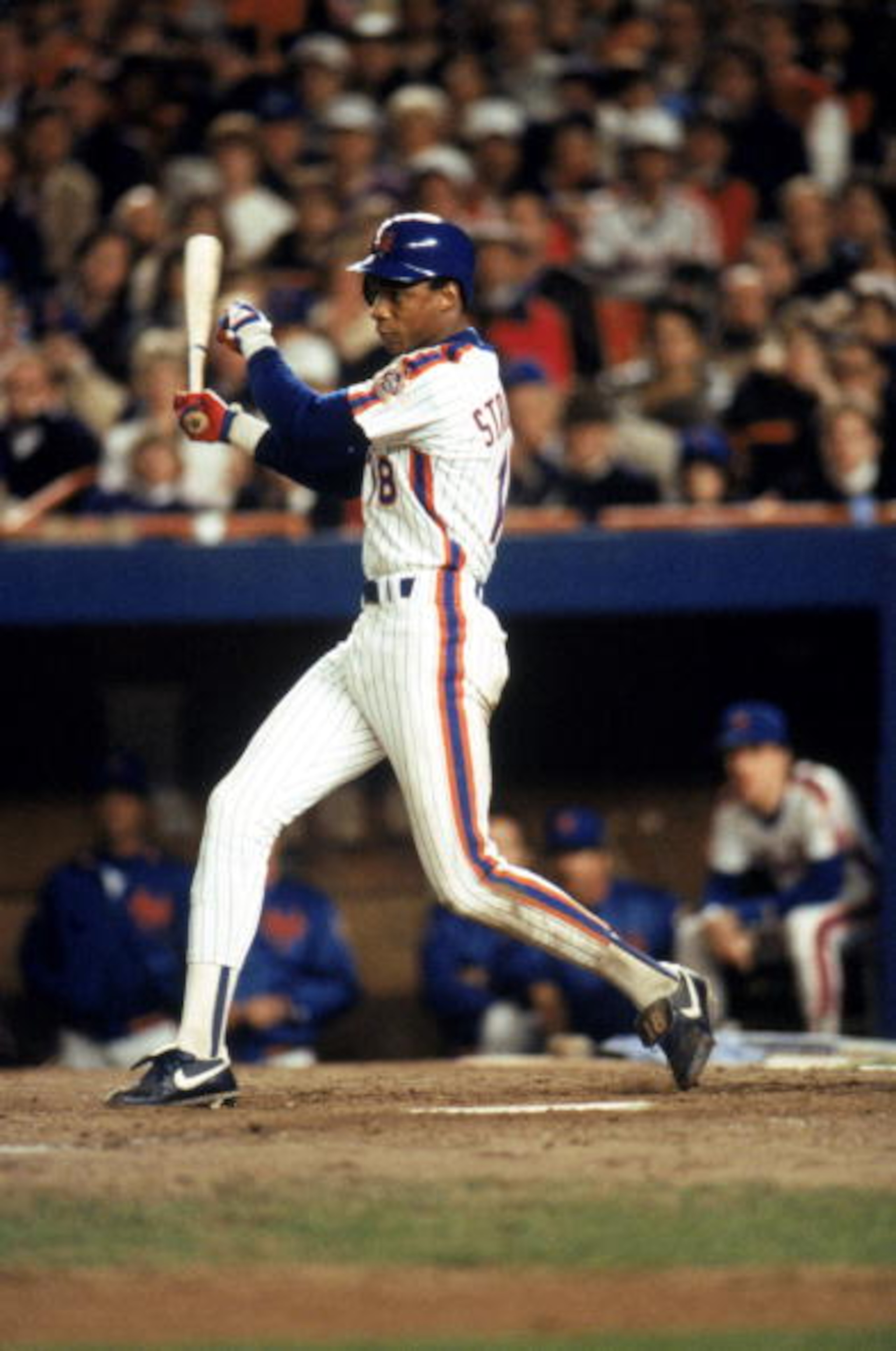
As impressive as Dykstra's season was as a 23-year old, Strawberry's year was a lot more impressive. Just a year older at age 24, Straw managed to slug 27 home runs and drive in 93 runs. He also demonstrated his speed by stealing 28 bases. Strawberry post a 3.5 WAR during this All-Star season.
Bell's only year with the Mets came in 2000. He batted .266 with 18 homers and 69 RBI. Bell's OPS+ was 98 which is slightly below league average. For the season, Bell posted a 1.7 WAR.
The Edge: Darryl Strawberry '86
This one is a very easy decision. Strawberry performance leaves Bell in the shadows. It's very unfortunate that drugs cut into his otherwise outstanding career.
1986's Pitching Staff
9 of 13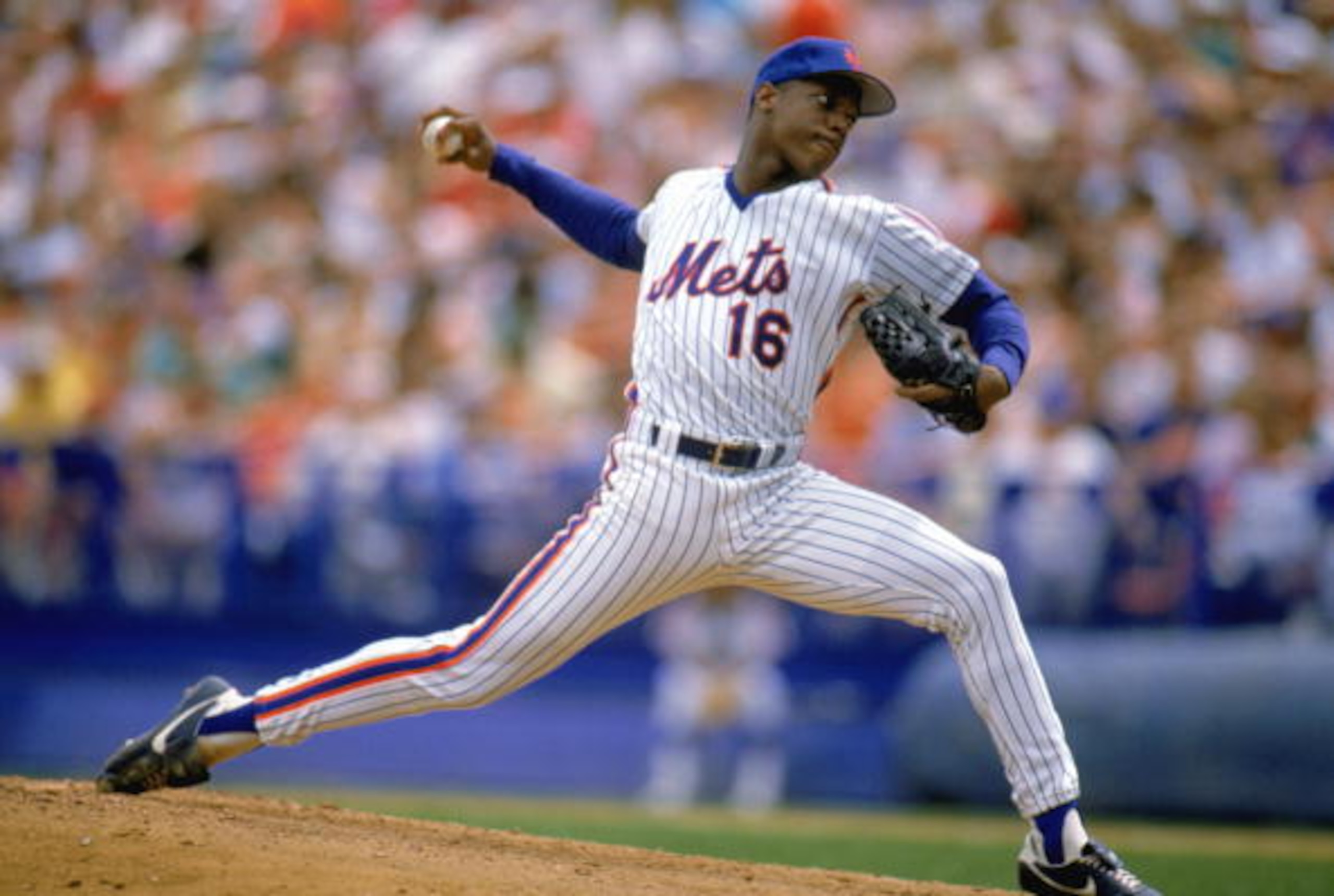
Since we are imagining this as a seven game series, only the top three pitchers from each team will be looked at. In addition, the team's closers will come into the equation.
1) Dwight "Doc" Gooden: 17-6, 200 K, 2.84 ERA, 1.16 WHIP, 126 ERA+, 12 CG, 250.0 IP
2) Ron Darling: 15-6, 184 K, 2.81 ERA, 1.20 WHIP, 127 ERA+, 4 CG, 237.0 IP
3) Bobby Ojeda: 18-5, 148 K, 2.57 ERA, 1.09 WHIP, 140 ERA+, 7 CG, 217.1 IP
CL 1) Roger McDowell: 14-9, 65 K, 3.02 ERA, 1.16 WHIP, 128.0 IP, 22 SV
CL 2) Jesse Orosco: 8-6, 62 K, 2.33 ERA, 1.22 WHIP, 81.0 IP, 21 SV
2000's Pitching Staff
10 of 13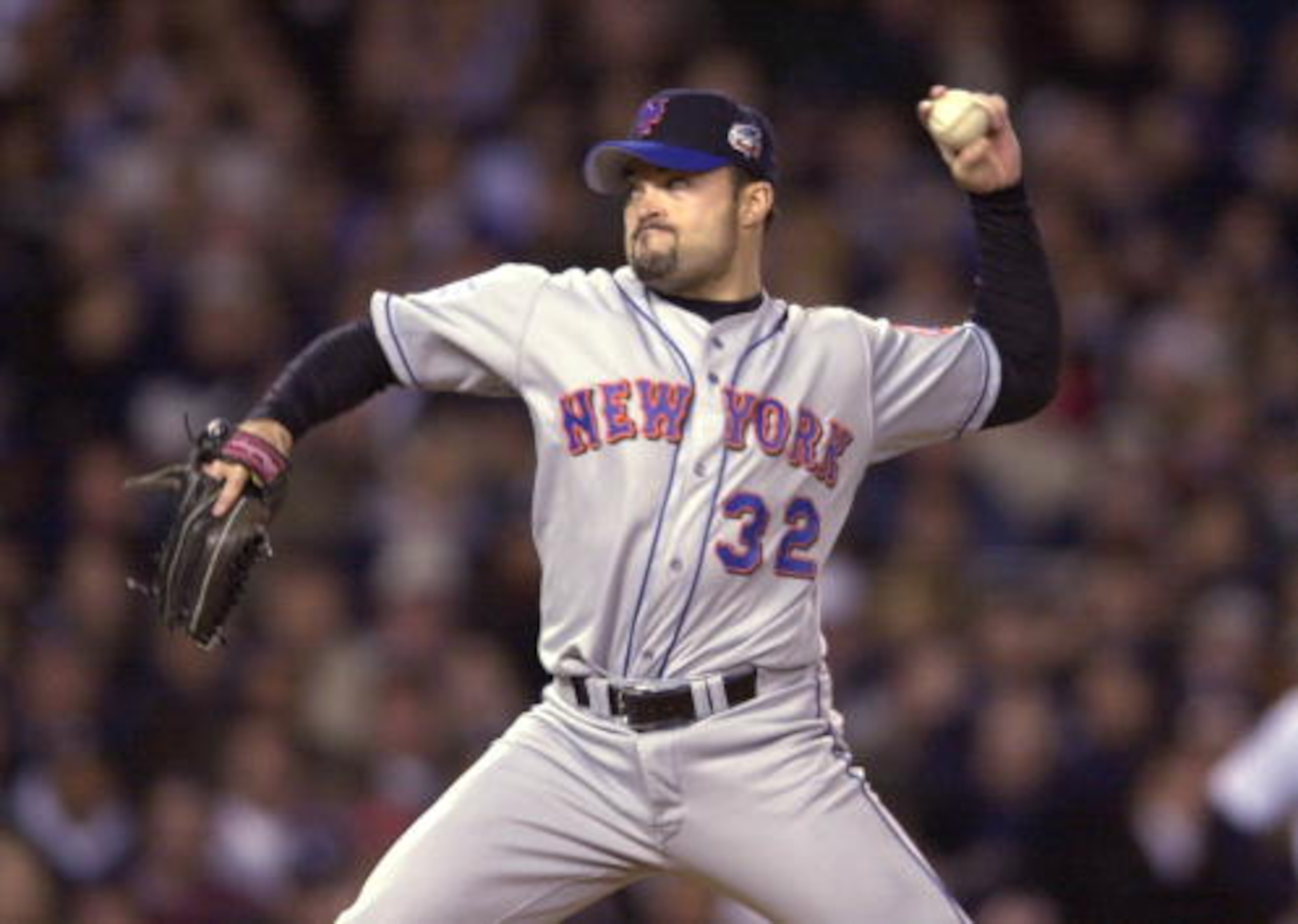
1) Mike Hampton: 15-10, 151 K, 3.14 ERA, 1.35 WHIP, 142 ERA+, 3 CG, 217.2 IP
2) Al Leiter: 16-8, 200 K, 3.20 ERA, 1.21 WHIP, 139 ERA+, 2 CG, 208.0 IP
3) Glendon Rusch: 11-11, 157 K, 4.01 ERA, 1.26 WHIP, 111 ERA+, 2 CG, 190.2 IP
CL) Armando Benitez: 4-4, 106 K, 2.61 ERA, 1.01 WHIP, 76.0 IP, 41 SV
Pitching Staff Edge
11 of 13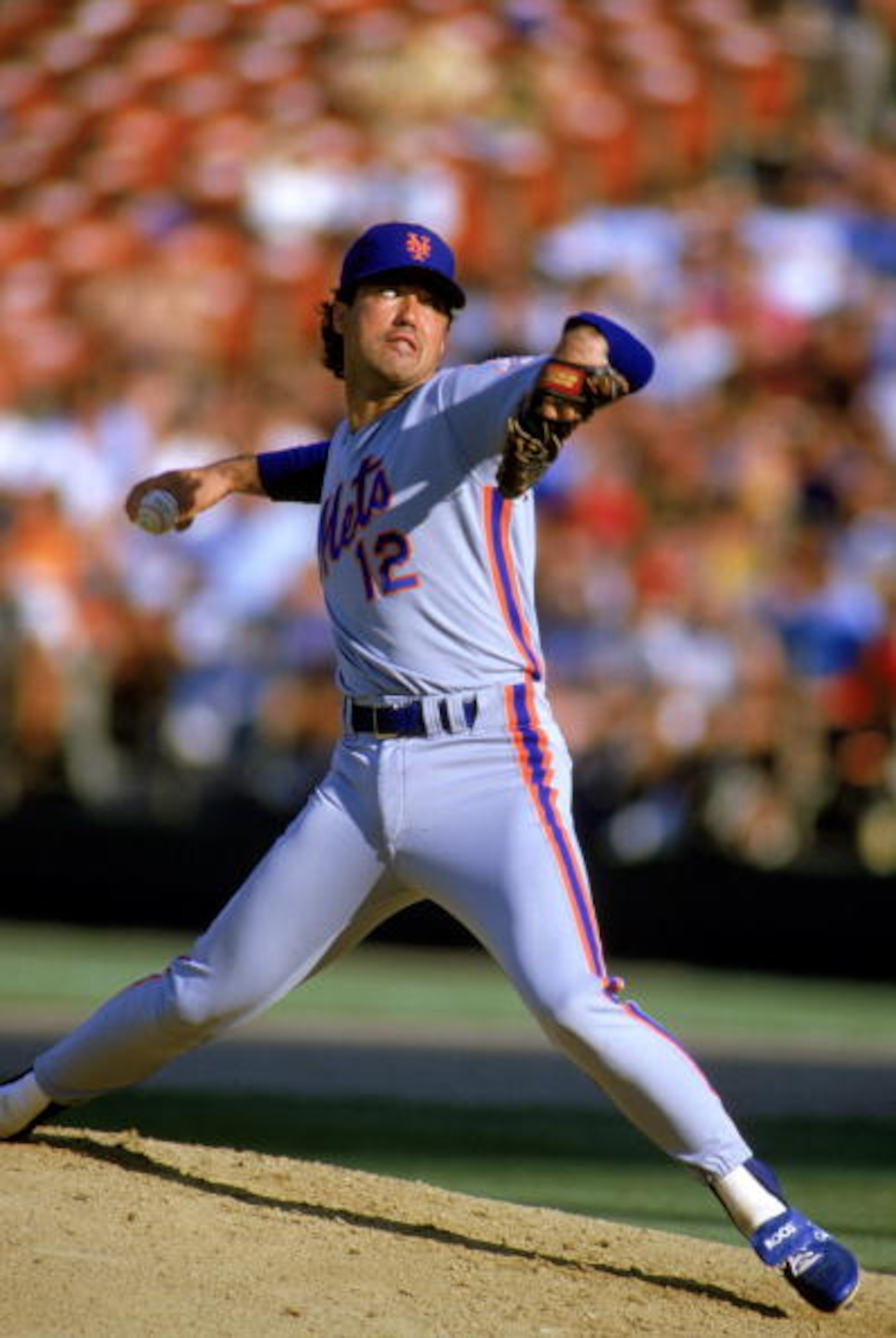
At first glance, it appears that the edge should easily go to the 1986 staff. They had Dwight Gooden when he was dominant. Both Ron Darling and Bobby Ojeda also put up outstanding numbers.
As you take a step back and begin to look at the numbers, the decision becomes a bit more fuzzy. A big reason for this is the ERA+ numbers from the 2000 staff. By comparing the pitchers to the league average for the year, we get a better picture of how they actually performed. The ERA+ numbers from the 2000 staff are better than those from the 1986 rotation.
The top three pitchers on the 1986 were able to strikeout more hitters than those on the 2000 team. It is a bit difficult to look at the complete game numbers because of the fact that they were so much more common in 1986 than they were in 2000.
If we look to the closers, we see that the '86 team had a two-headed monster with Roger McDowell and Jesse Orosco. The 2000 team on the other hand had Armando Benitez. Fans never felt comfortable when Benitez took the mound, but he managed to get the job done.
Taking a look at the playoffs, we see that the 2000 staff went 3-3 and Armando Benitez was shaky as he blew two saves. The 1986 rotation went 3-4 but had a few more quality outings. Orosco blew just one save in the playoffs and the combination of Orosco and McDowell was outstanding in the World Series.
The Edge: 1986 Pitching Staff
This one was close. The 1986 staff gets the edge because they were are more intimidating to face in a short series. The match-ups seem to favor the 1986 team as Doc Gooden would get to face Mike Hampton and Ron Darling would get to face Al Leiter.
Manager: Davey Johnson '86 vs. Bobby Valentine '00
12 of 13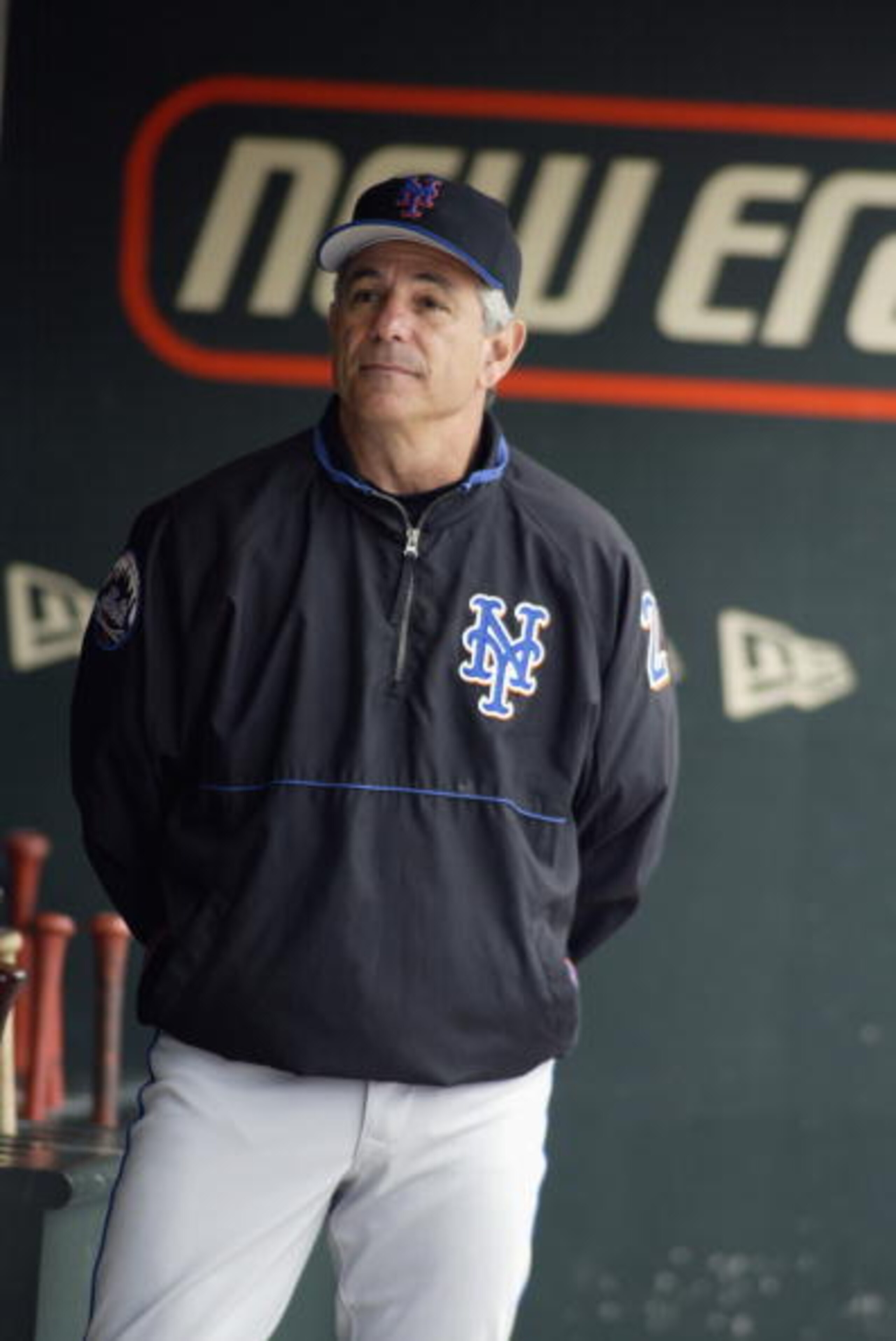
When differentiating between two managers it is very hard not to be objective.
Davey Johnson managed a very young but talented Mets team to 108 victories. This feat cannot be overlooked as it is the highest total in Mets history and is one of the higher totals in MLB history.
Bobby Valentine had a team with a few holes in it and yet he managed to lead them to 94 victories and to the World Series. He had to deal with not having a single shortstop play more than 60 games at the position. Valentine is also known for his charismatic attitude. He is a favorite of Mets fans and many hoped that the team would bring him back in 2010.
The Edge: Bobby Valentine '00
Valentine gets the advantage here simply because he was able to do more with less. Davey Johnson had a nice mix of talented veterans and youngsters on his team. Valentine on the other hand had a few superstars and a bunch of role players and yet managed to lead them to the World Series.
The Series: 1986 Mets in Seven
13 of 13
For those counting at home, the '86 Mets had a 6-4 advantage when it came down to the individual position battles.
This series would certainly have its interesting moments. A black cat would cross in front to the visiting dugout during game one of the series and the 2000 Mets would end up losing the game. Another game would feature a blown save by Armando Benitez.
Powered by the bats of Mike Piazza and Edgardo Alfonso and behind the solid pitching of Mike Hampton, the 2000 Mets would get out to a 3-2 series lead. Then, in game six, the aforementioned Armando Benitez blown save would occur. This would take a lot of wind out of the 2000 Mets sails and they would lose the game.
Game seven would be a pitcher's duel between Dwight Gooden and Mike Hampton after each pitched in both games one and four. After the 2000 Mets jump out to an early lead on a Mike Piazza home run, the pitchers would dominate the rest of the evening. The score would remain 1-0 until the '86 team scored a run in the seventh on a Mookie Wilson dribbler. He would then be brought home on a Keith Hernandez double. Roger McDowell would come in and for the eight and Jesse Orosco would throw a perfect ninth to win the series for the '86 team.
.jpg?w=2560 "NFL investigating 2 referees for separate viral exchanges")
.jpg?w=2560 "Report: Chiefs Contact Hill's Agent")

.jpg?w=2560 "OBJ Calls Out Giants After Release")
.jpg?w=2560 "Tyreek makes another cryptic post amid Chiefs rumors")