2011 NBA Playoffs: 4 Ways the Technical Foul Rules Will Hurt the Postseason
In light of Dwight Howard's 18th technical foul of the season, and therefore his second suspension, one is forced to realize that the new rules regarding techs may have a significant effect on the 2011 NBA playoffs.
This is the case because, prior to the regular season, the NBA increased the scope of actions which would be penalized by technical fouls.
Now included are what the AP refers to as punching the air, waving off an official as a sign of disrespect, running up to an official from across the court, waving arms in disbelief or jumping up and down in disbelief and clapping sarcastically at an official.
Additionally, ESPN describes a punishable action as one where the player makes aggressive gestures, such as air-punches, anywhere on the court, where he shows demonstrative disagreement, such as when a player incredulously raises his hands, or smacks his own arm to demonstrate how he was fouled, when one runs directly at an official to complain about a call or when excessive inquiries about a call are made, even in a civilized tone.
So despite the fact that the slate will be wiped clean for all of the players at the end of the season, and that they will need seven playoff technicals to be suspended, the increasing frequency of these calls could still cause a lot of problems.
No. 1: Safe Technical Calls
1 of 4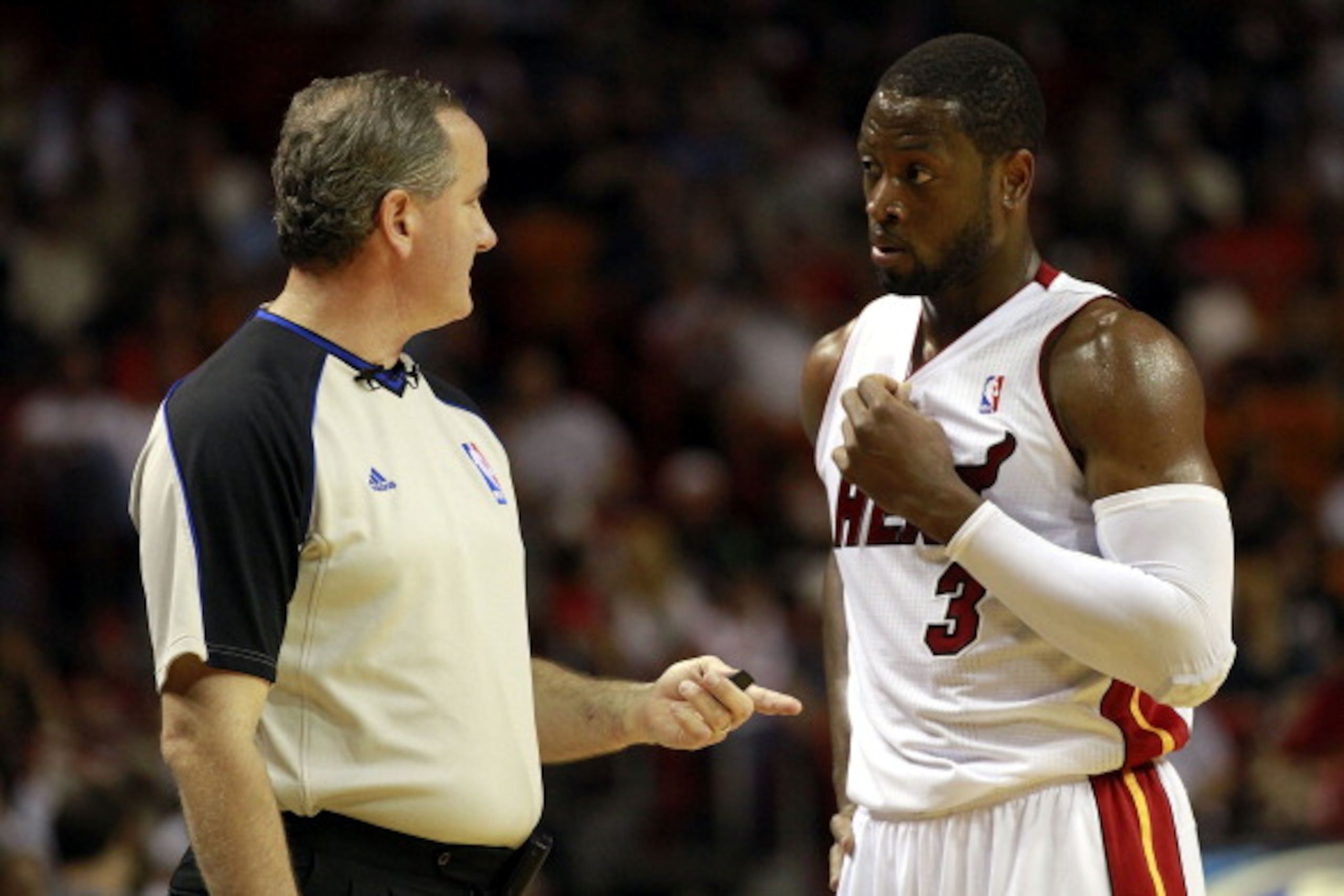
Often times, since the new rules require referees to make technical foul calls based upon the intentions of a player, they err on the side of safety.
In other words, officials will call a tech if they think there is any chance that the player may be acting out.
Further motivating refs to act this way is the fact that, if they are wrong, the foul can be later rescinded by the league.
In fact, through January 24th, the LA Times reported that the NBA was rescinding T's at a rate 300 percent higher than last season.
Consequently, in making an attempt to enforce the rules without possessing the power to read players' minds, the officials sometimes make a bad technical foul call.
And since a technical can certainly change the momentum, and even the outcome of a game, the refs could possibly make a call which they view as safe, but which is ultimately a bad, game-changing call.
So even though a rescinded call wouldn't count toward a suspension, the in-game call could still drastically affect the outcome of a playoff series.
No. 2: Suspensions
2 of 4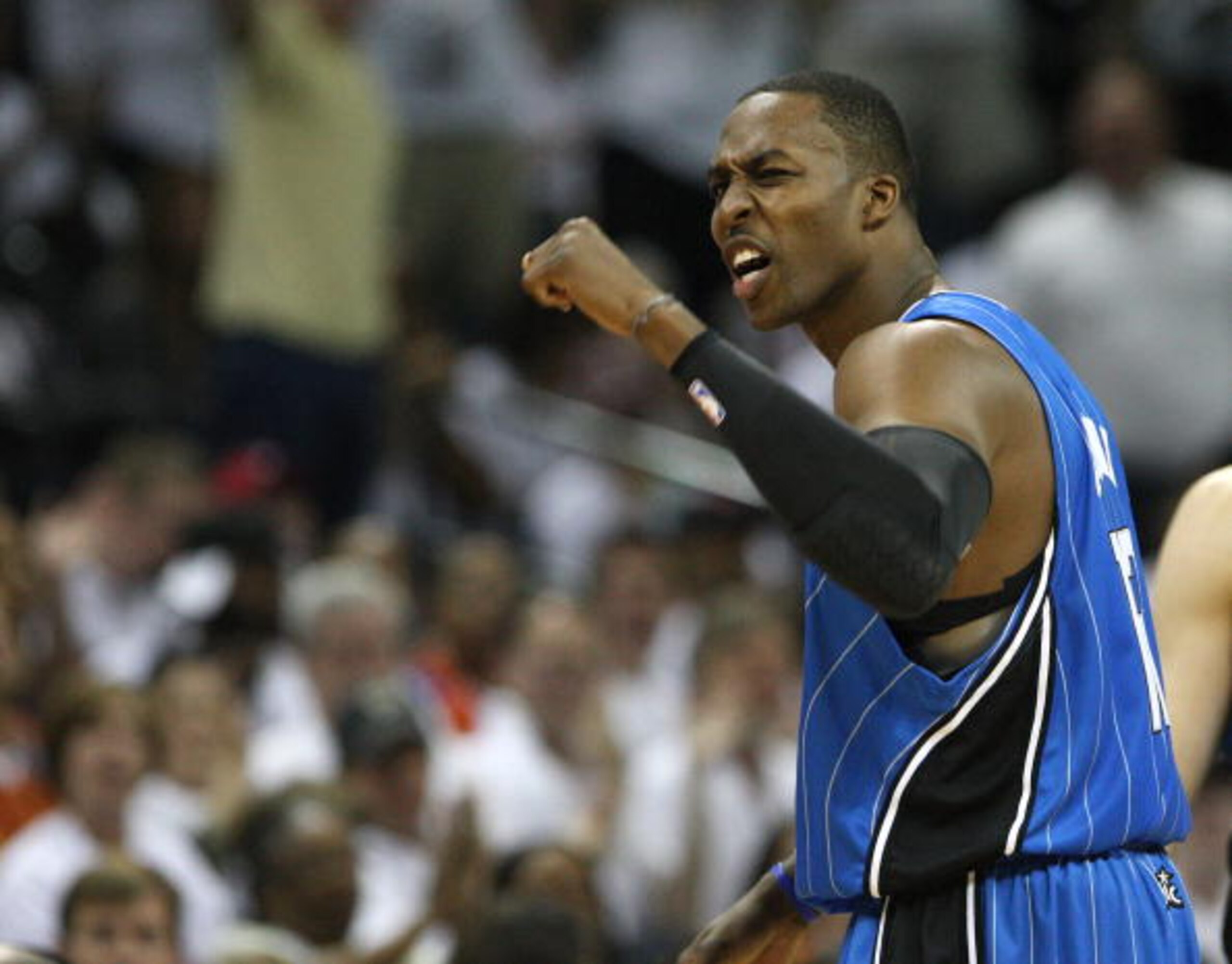
With 2,025 non-rescinded technical fouls called to this point in the regular season, there has already been a drastic increase over last year's full-season total of 1,864.
And as an obvious result of this, it has been easier for players to accumulate high technical foul totals.
What's more, this will likely stand out even more when the playoffs arrive, as postseason games are more emotional and heated than those in the regular season, and therefore, more likely to have players called for these T's.
So even though one would need seven techs in order to get suspended, a technical-prone player on a team advancing deep into the playoffs could very well achieve this.
Moreover, with stars like Dwight Howard, Amar'e Stoudemire, Kendrick Perkins, Carmelo Anthony, Kevin Garnett, Paul Pierce, Kobe Bryant, Chauncey Billups and Russell Westbrook all among the league leaders in technical fouls, they would likely be the ones getting suspended.
And should any of those individuals be suspended for T's, their teams would certainly suffer drastically, thereby demonstrating that the new rules would affect the playoffs by putting more stock into referees' interpretations of player conduct than in the question of which team is the best.
No. 3: Game Strategy
3 of 4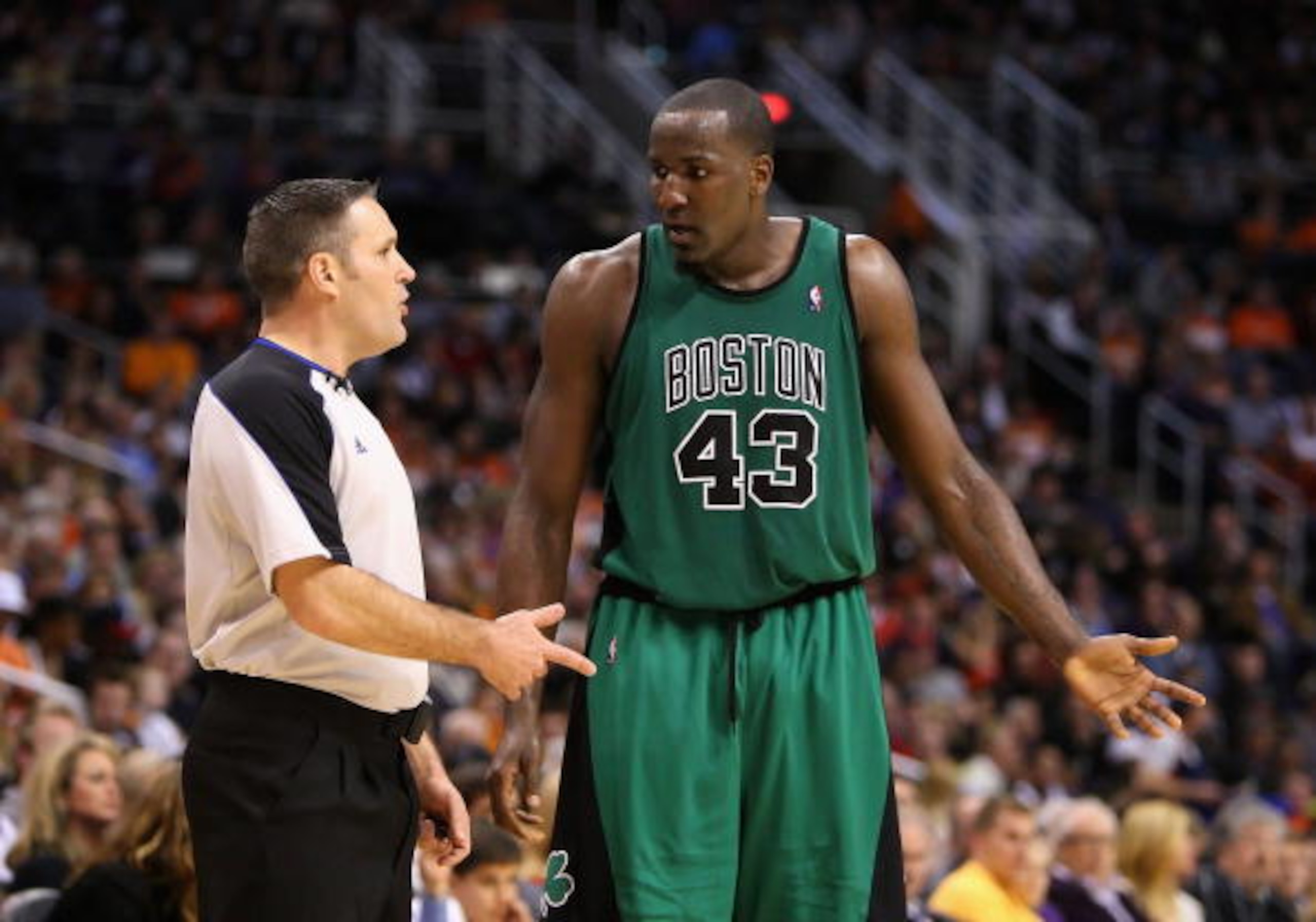
The 2010-11 NBA season began with an unprecedented barrage of technical fouls being called on players across the league.
However, since then, technical calls have been down somewhat.
But is that really a good thing?
Personally, I think not.
A technical foul can be an important thing for a team, as it can help a player or coach let a referee know that he made a mistake.
And even though the NBA refuses to admit it, refs occasionally give teams make-up calls in return for these mistakes, thereby evening out the score.
But if players and coaches are holding back, the ref may not realize the severity of his mistake, and that call could go on to affect the outcome of a game.
Additionally, a technical can function to rally a team together against an opponent.
In fact, Oklahoma City Thunder center Kendrick Perkins (who has nine T's in 25 games this season) recently stated, "You can get a good tech. You set the tone every now and then."
However, with players afraid of racking up too many technicals, they may hold back from acting in this manner, and therefore, their teams will suffer.
So with players and coaches holding back, the NBA has taken away some serious strategic tactics from them, all while giving more power to officials to change the outcome of games.



No. 4: Competitiveness
4 of 4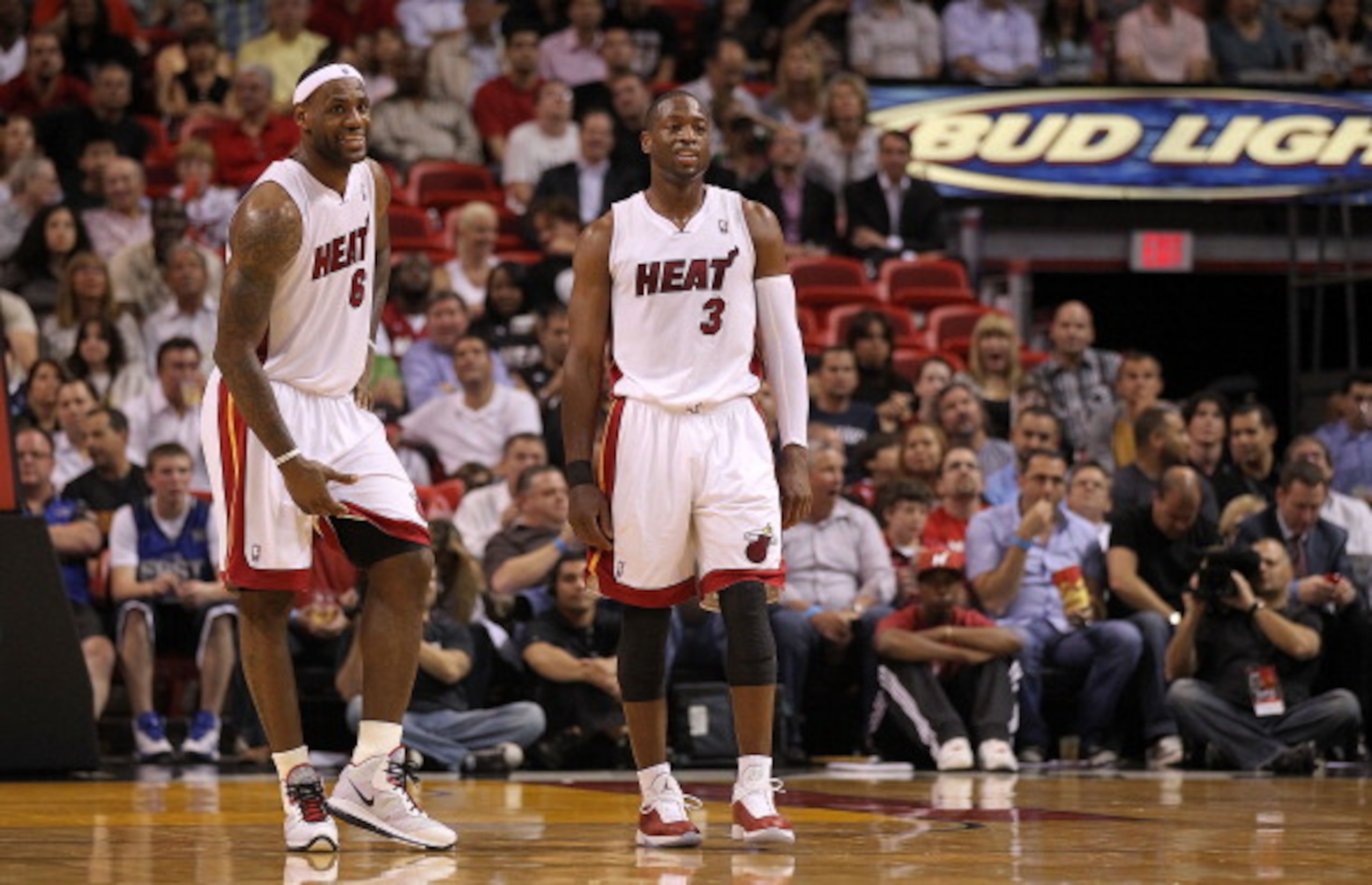
One of the biggest complaints about the NBA in recent years has been that the league has a serious lack of competitiveness.
And with superstars like the Big Three of the Miami Heat coming together, as well as Carmelo Anthony joining Amar'e Stoudemire with the New York Knicks, this complaint does appear to have some base.
However, through the new technical foul rules, the league is effectively further stripping the game of competitiveness.
This is the case because the rules have changed the way that players act, since they are forced to react to the game with less emotion, for fear of being whistled for a T.
And with individuals competing with less emotion and fire, they certainly appear to be friendlier and less competitive with one another.
So if this carries over into the playoffs, then the NBA could be in serious trouble, as a lack of competitiveness spells a substantially lower-quality product.
Moreover, with the possibility of a lockout looming, the last thing the league needs is for the quality of competition to be criticized.
.jpg?w=2560 "NFL investigating 2 referees for separate viral exchanges")
.jpg?w=2560 "OBJ Calls Out Giants After Release")

.jpg?w=2560 "Another Cryptic Tyreek Post 🤨")