Top 100 Sports Road Trip Destinations in the United States
"Road trippin', road trippin', we're not happy unless we're road trippin'."
The above should be the official anthem for any adventurous sports fanatic.
Yeah, spectating at games locally is a delight, but there's a whole nation out there, filled with wildly entertaining and historically significant venues that dot the landscape from coast to coast and everywhere in between.
So get out there and find them. But before departure, use the following as your guide.
There are any number of great sports road trip destinations that await you, but we had to draw the line somewhere.
For us, 100 seemed like a nice, round number, including 10 apiece from 10 distinct regions around the U.S.
Pacific Northwest No. 10: Rogers Arena
1 of 100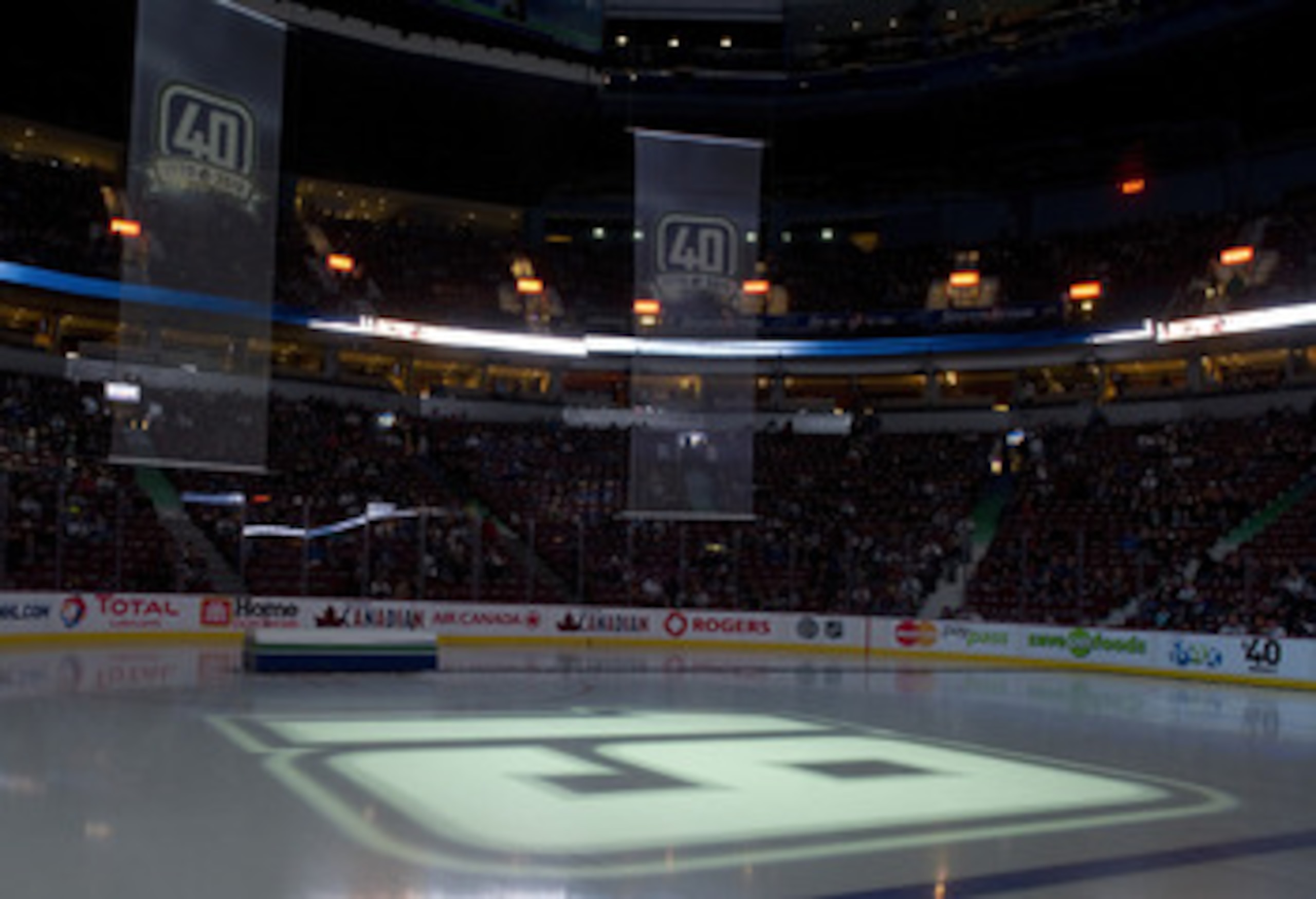
No dash through the upper reaches of the Pacific Northwest and into British Columbia would be complete without a stop at Rogers Arena, the city of Vancouver’s foremost sports and entertainment facility, as well as a fixture among the many downtown activities.
The Canucks play 41 games per season here. Bill Clinton, Queen Elizabeth, and the Dalai Lama are among the distinguished notables to have passed through the Rogers Arena doors. And from what I've read, the place has got a killer set of speakers, which will come in handy when Rush, Katy Perry, Taylor Swift, and Keith Urban, among others, roll into town this summer.
Pacific Northwest No. 9: McCarthey Athletic Center
2 of 100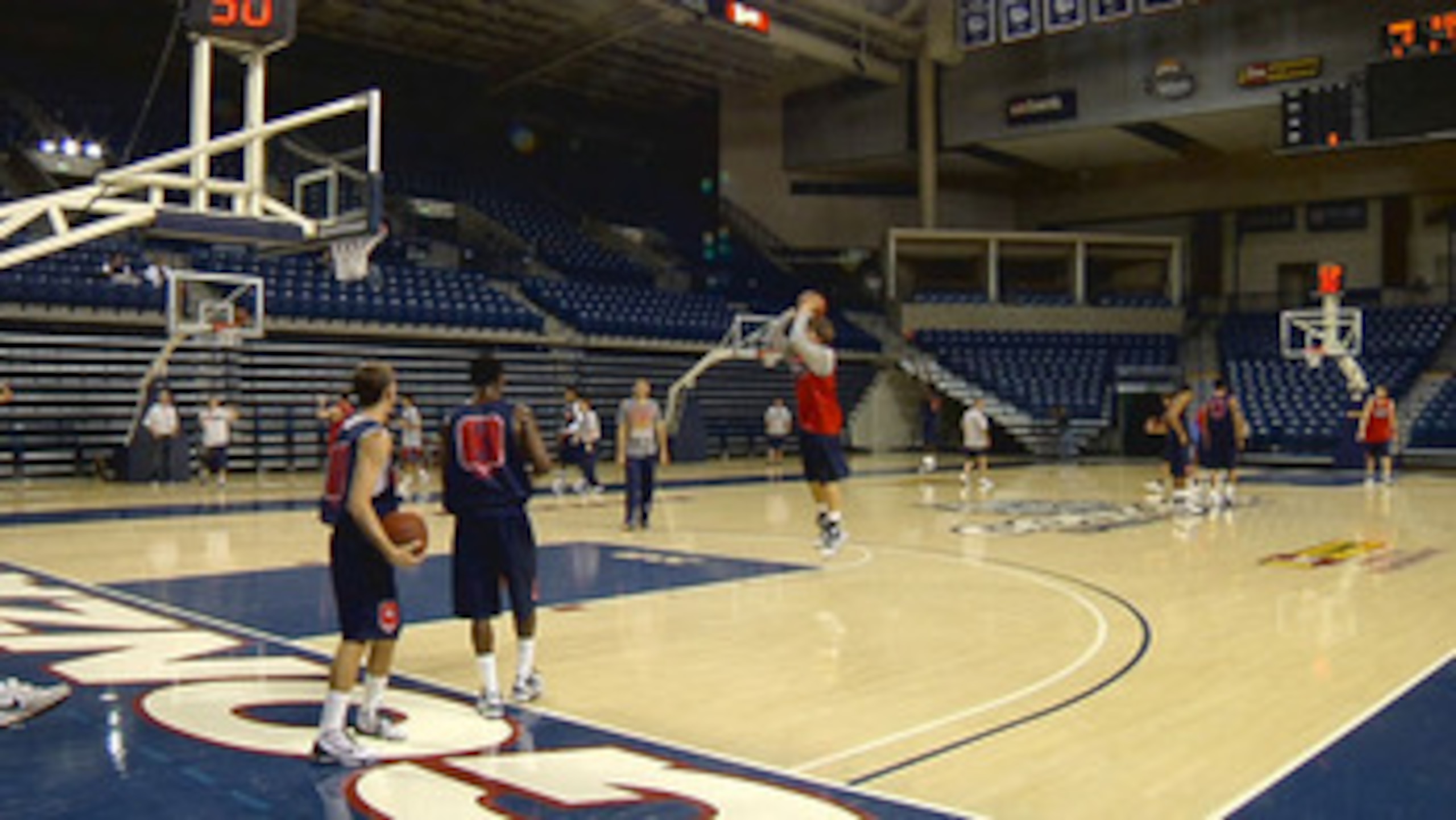
Compact, inconspicuous for a basketball arena, and, frankly, more befitting of a modern library, McCarthey Athletic Center is still worth every penny of its $25 million tag.
Since it was erected during the 2004-05 season, the Gonzaga hoops program has been nearly invincible at home, losing only six times at McCarthey in the last seven years while also emerging as a national power. And two of those losses have come in the past 90 days.
Pacific Northwest No. 8: Roos Field
3 of 100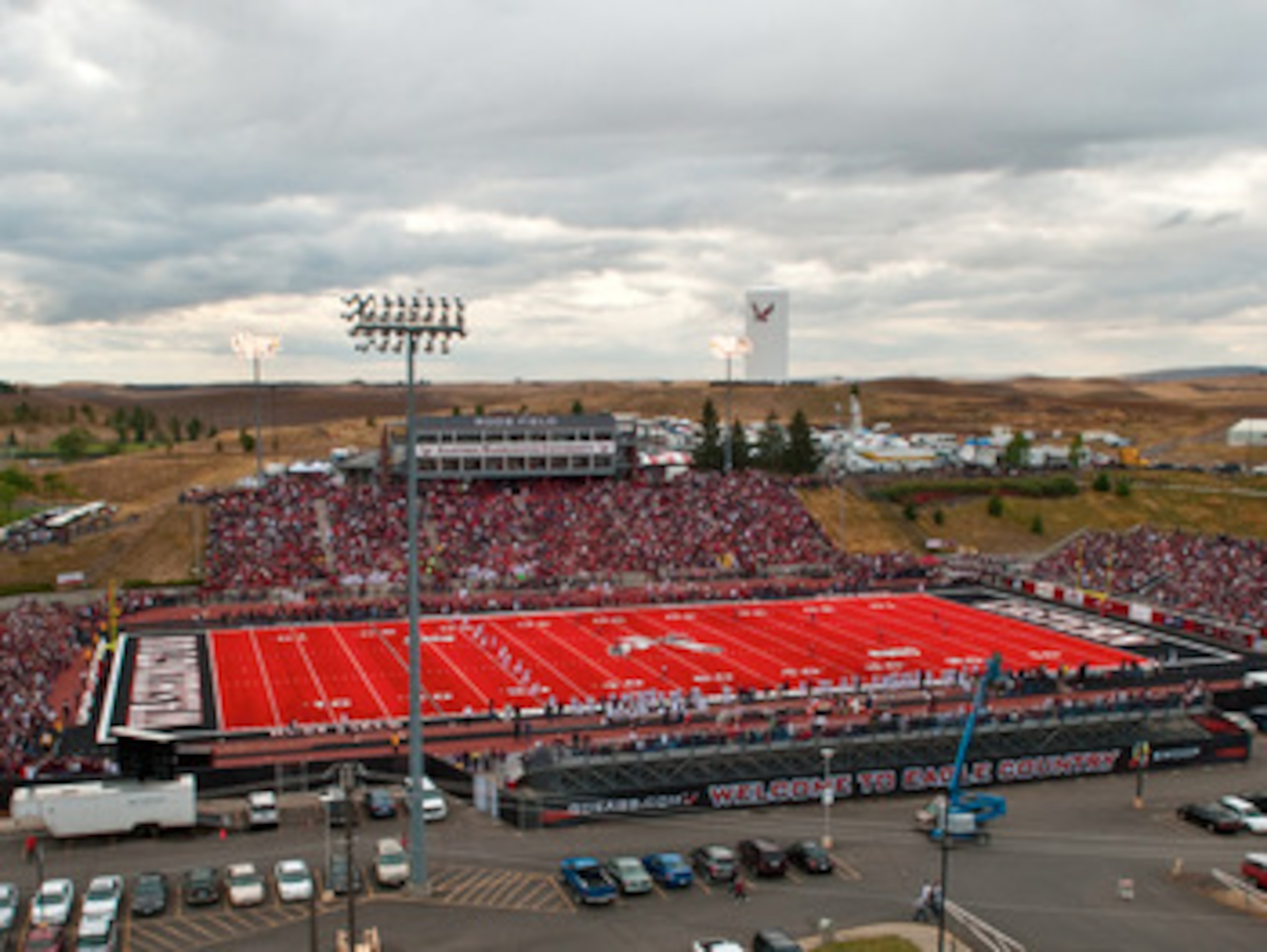
I can’t speak much for the Eastern Washington football program, except to say it posted 13 wins in 2010, its first season playing on the recently installed red turf at Roos Field.
Maybe there’s something to this whole non-green playing surface phenomenon. First, it was Boise State, a program that was synonymous only with its blue rug prior to all the winning.
At first glance, the red is a bit rough on the retina, but that’s part of the strategy being played out nowadays at The Roos, named after former Eagle and current Tennessee Titans offensive lineman Michael Roos, who funded a portion of the project. Eagle players often wear all-red uniforms to blend in with the field, thus thoroughly confusing opponents.


.jpg?w=2560 "Seahawks Chiefs Football")
Pacific Northwest No. 7: Rose Garden
4 of 100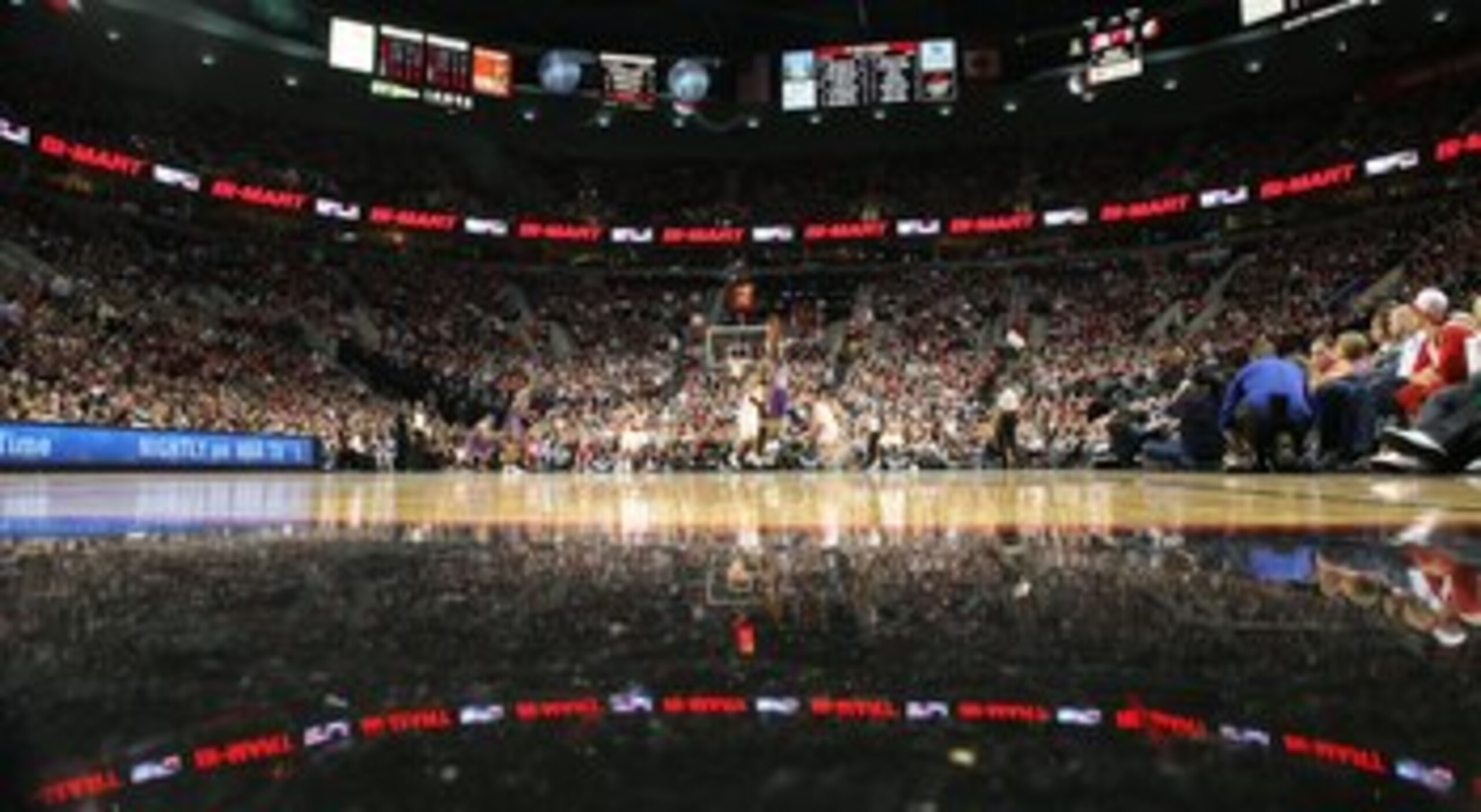
The Rose Garden is the lifeblood of the Portland sports scene. For that matter, it may also be the city’s ultimate entertainment venue.
Home to the NBA’s Portland Trailblazers, as well as the stage to numerous high-profile musical acts and various other events, the Rose Garden looks on the outside to be just like any other normal multipurpose arena. But that changes once you hear (not see) what’s inside, where a state-of-the-art JBL sound system is but one component that makes this building an audio lover’s dream.
Attached to the rafters at the Rose Garden are 160 dual-sided panels known collectively as the “acoustical cloud.” Each fully programmable to fit the event at hand, the panels have been praised for creating the best acoustics in the world, both during concerts and games, when sound rises and is reflected directly back down to the court.
Pacific Northwest No. 6: Whistler Blackcomb Resort
5 of 100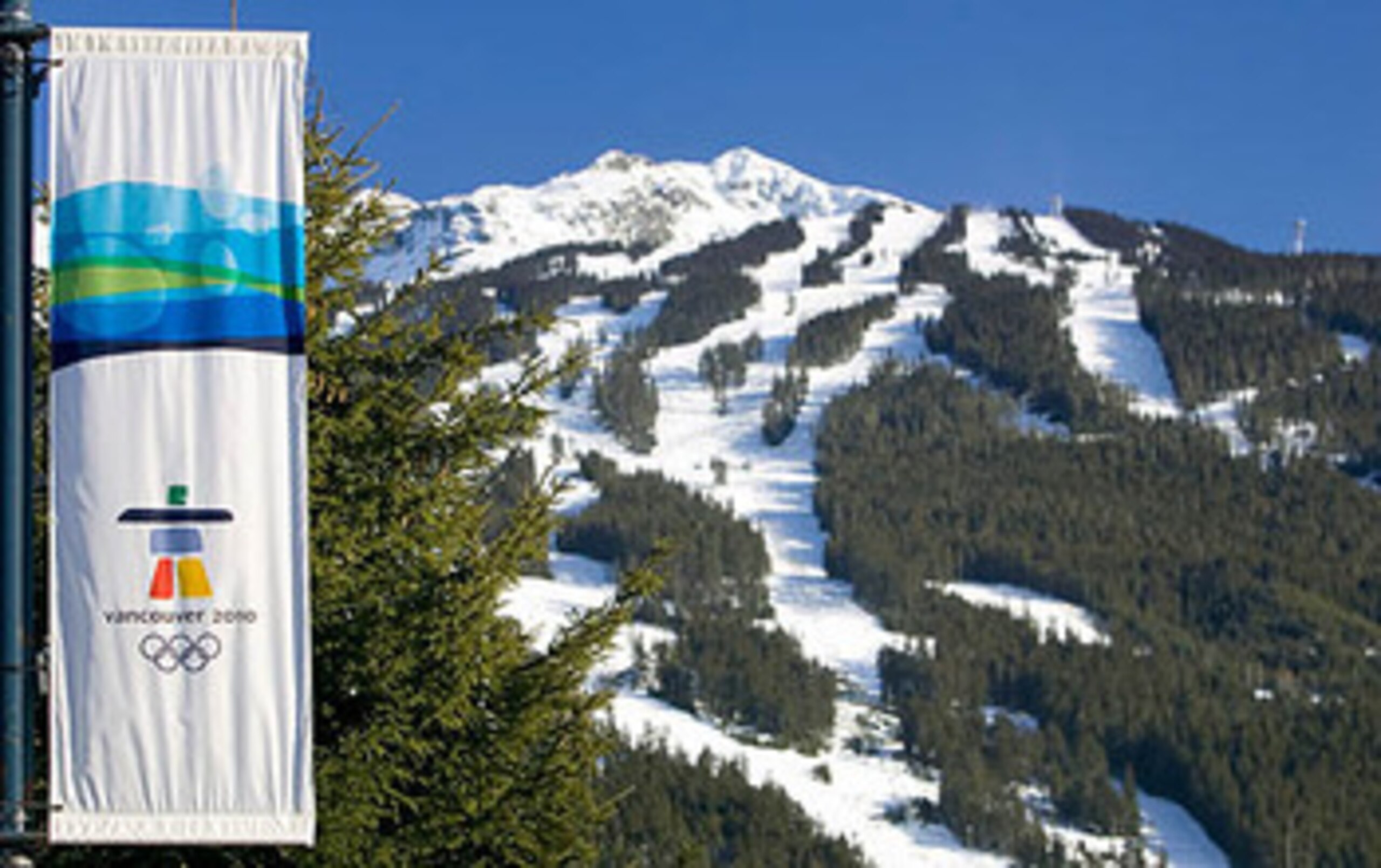
Well worth the five-hour drive from Seattle, Vancouver’s Whistler Blackcomb Resort is a snow-covered utopia that caters to all visitors, not just Olympians. More than 65,000 skiers are lifted up its two world-class slopes each hour, but Whistler Blackbomb, which also boasts 404 inches of snowfall per year, offers so much more across its 8,171 acres.
Take the whole family to the Coca-Cola Tube Park. Enjoy hot chocolate as you breathe in the Canadian landscape during an authentic sleigh ride. Enjoy a meal at one of the resorts four restaurants while the kids go on a snowmobile tour or take in skiing or snowboarding lessons. Just stay away from the double black diamond run, unless, for some reason, you want to get air-lifted back to Seattle.
Pacific Northwest No. 5: Safeco Field
6 of 100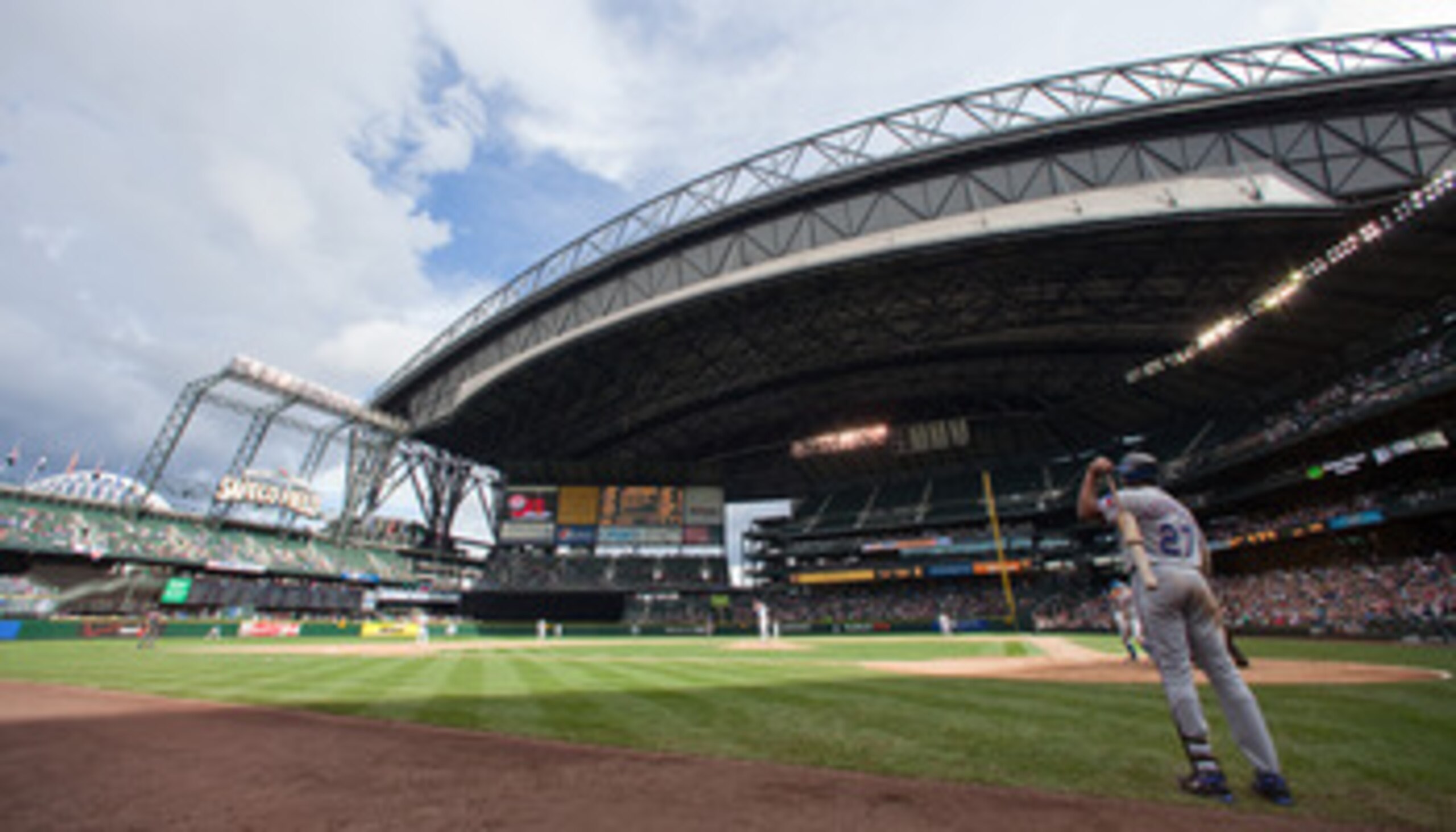
The simple push of a button will allow the retractable roof at Seattle’s Safeco Field to do its job, but don’t expect it completely enclose the stadium. Whereas the roofs on most other retractable stadiums transition the actual venue between open and closed, the lid on Safeco is designed to never compromise the open-air environment and simply umbrellas Mariners fans and the playing field from the rainy Emerald City weather.
Unique, indeed, but not entirely. Japan’s Seibu Dome, which features a fixed roof, is the only other covered baseball stadium in the world outfitted with permanent openings.
Pacific Northwest No. 4: Matthew Knight Arena
7 of 100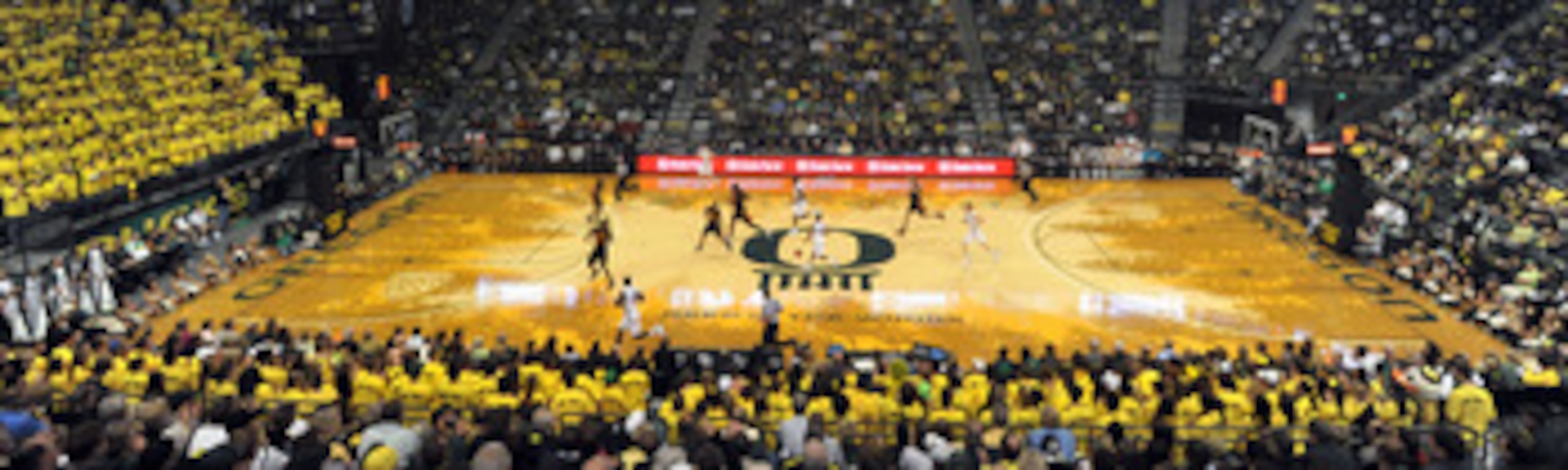
The University of Oregon’s new basketball arena has drawn criticism at the state and local levels, for various reasons, but only good things happen when the magic wand is waved by Nike founder Phil Knight, who has basically pulled several of his alma mater's athletics programs out of the doldrums with hundreds of millions worth of donations over recent years.
Named in honor of Knight’s late son, the project, completed in January 2011 at more than $200 million, will rejuvenate a moribund Ducks program, perhaps drawing quality recruits on looks alone. The work of Nike vice president of design Tinker Hatfield, the court design looks more like a Rorshach test, but it’s supposed to resemble the view from underneath a bunch of fir trees. Or something like that.
Pacific Northwest No. 3: Qwest Field
8 of 100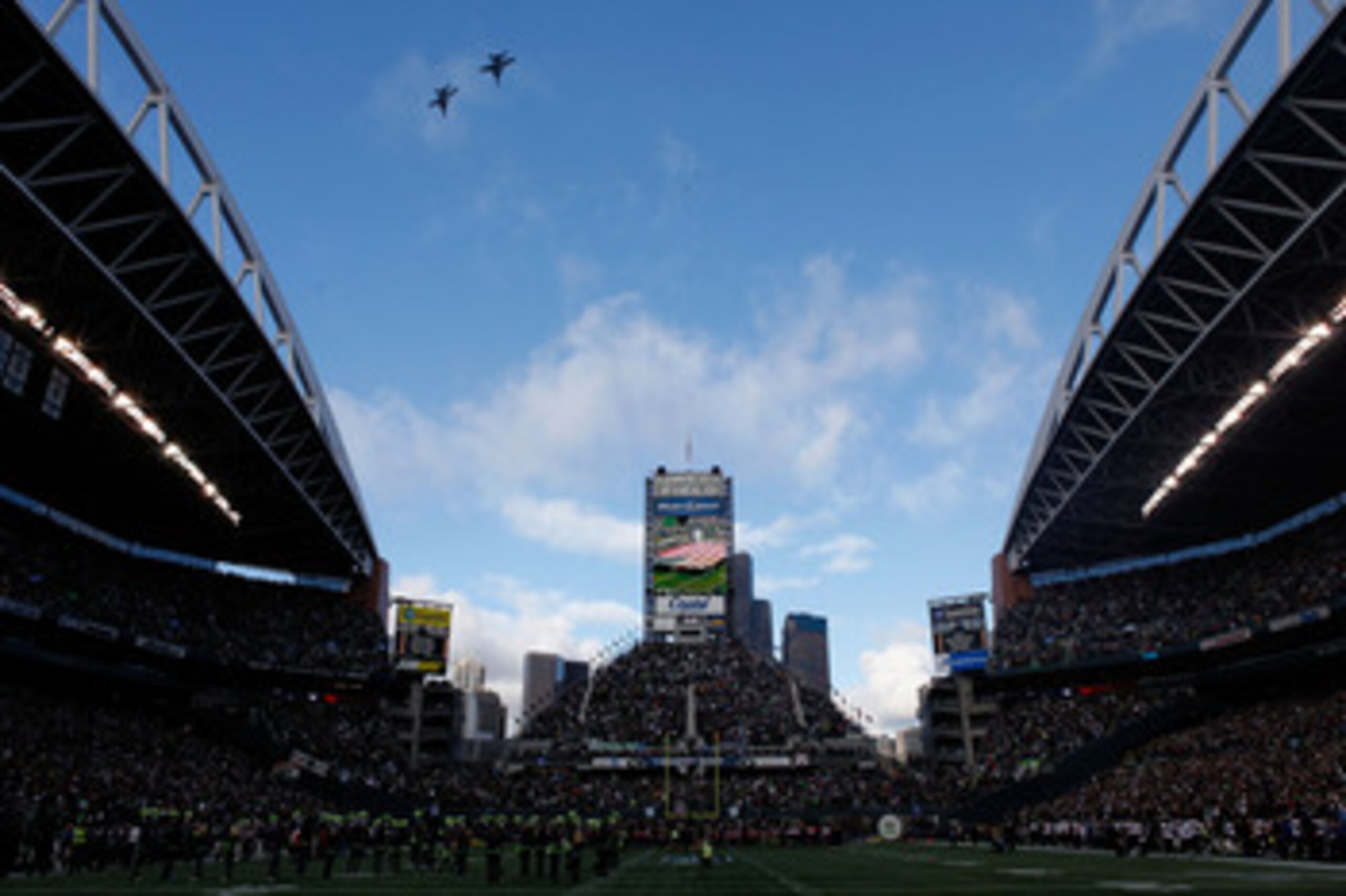
A vision come to life from Seattle Seahawks owner — and Microsoft co-founder — Paul Allen, Qwest Field is where audibles and snap counts go to die. There’s a flag stitched with the number 12 adorning the south end of the stadium, in homage of the tremendous home field advantage generated by what is arguably the loudest fan base in the NFL.
So well does the noise reverberate off Qwest’s partial, curved roof, that the New York Giants were flagged for 11 false start penalties in a game in 2005. And in anticipation of their NFC Championship matchup at Seattle that same season, the Carolina Panthers practiced to the tune of jet engine noises to simulate the noisy hell that awaited.
Pacific Northwest No. 2: Husky Stadium
9 of 100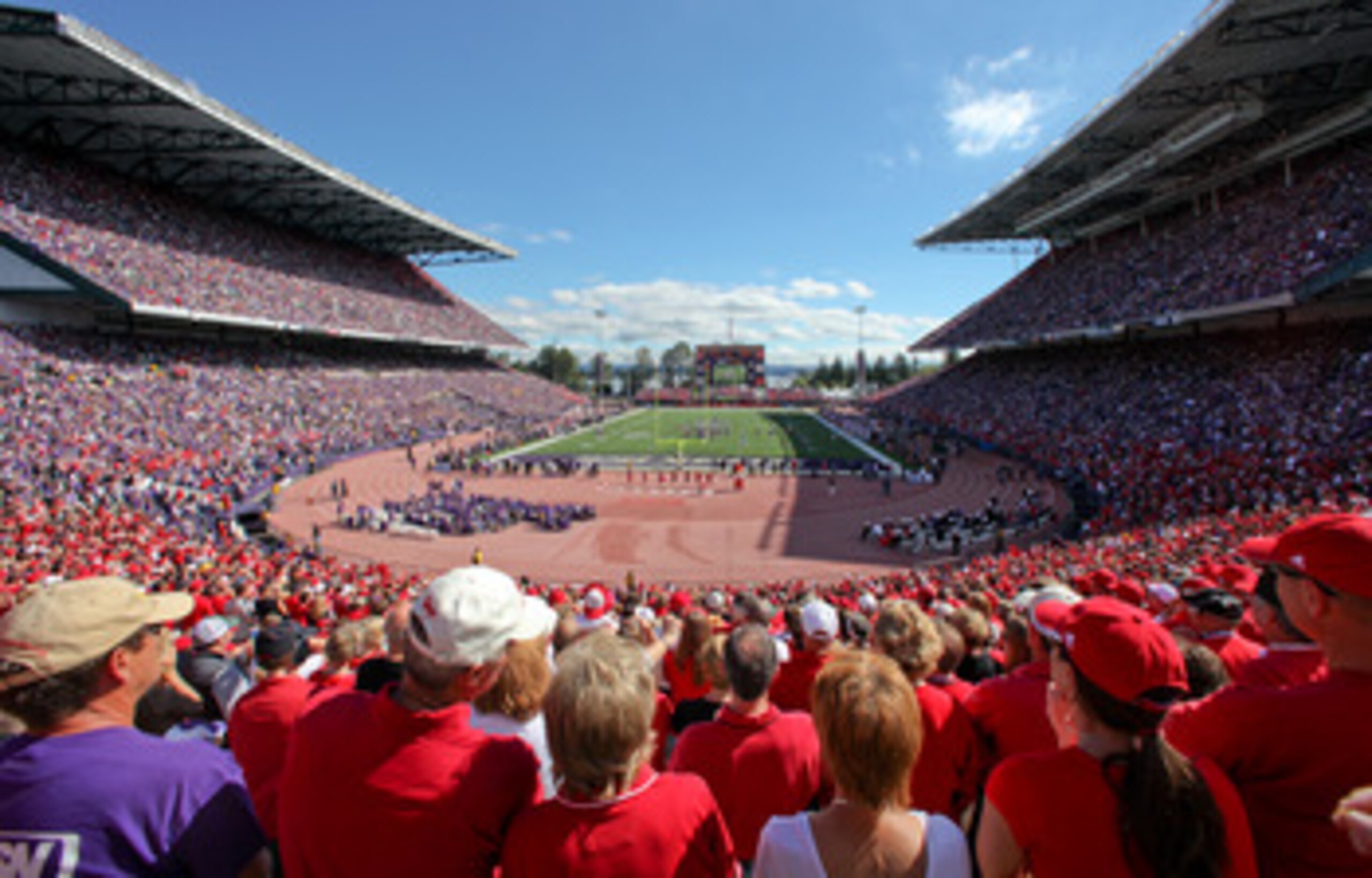
An aging theater to both Washington football and some of the state’s most beautiful topographical wonders, Husky Stadium in Seattle is equal parts historic and scenic, both of which are drowned out by the sound of shattered ear drums.
In a game against Nebraska in 1992, a capacity crowd of nearly 73,000 reportedly produced the highest noise level in college football history, sending 135 decibels past the threshold of pain, across nearby Lake Washington, and reverberating against the Cascade Mountains.
But a good thing is about to get better, or at least modernized. Beginning in 2011, Husky Stadium will undergo a $250 million facelift, supposedly the most expensive renovation of a sports facility in NCAA history.
Pacific Northwest No. 1: Autzen Stadium
10 of 100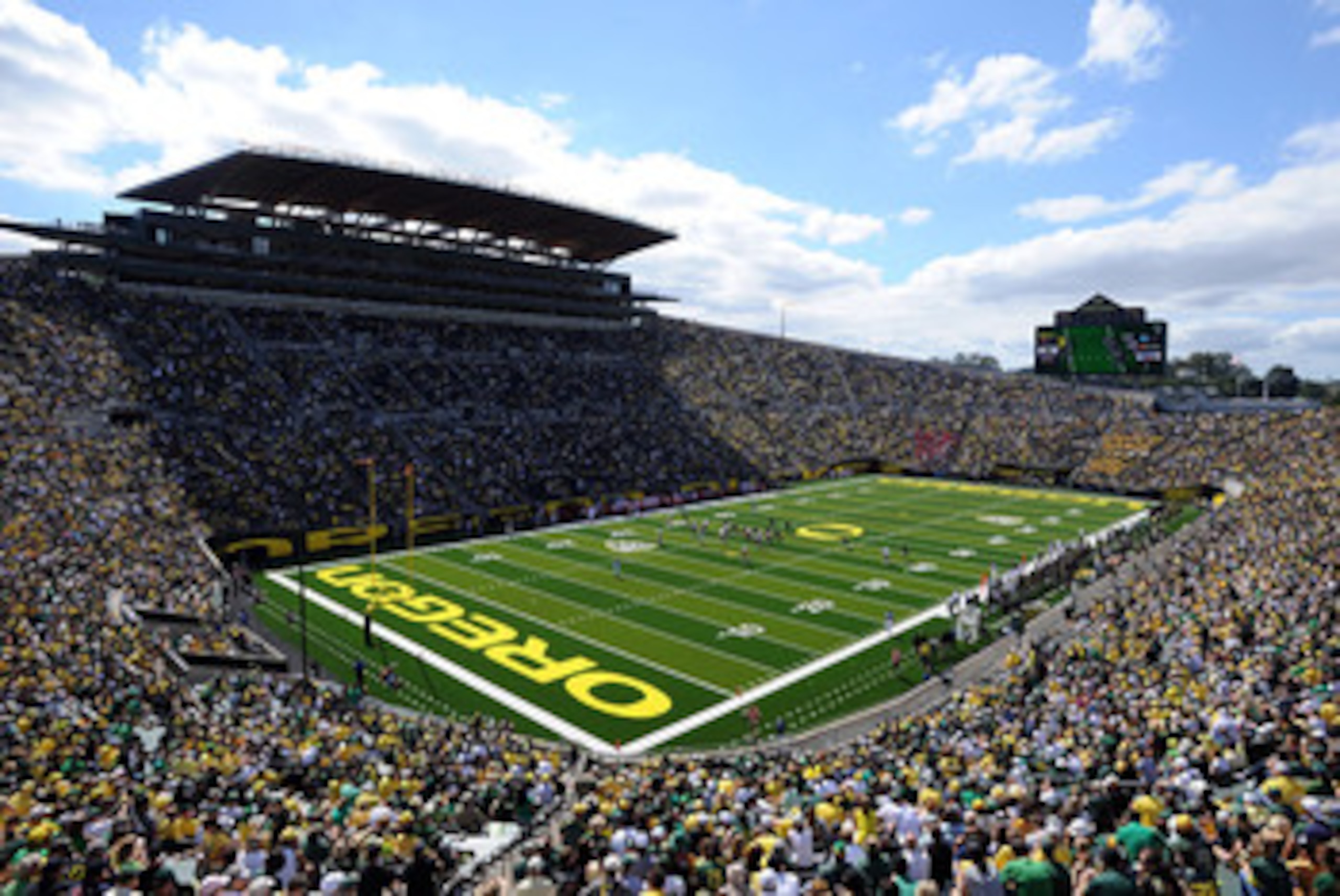
As funky in its design as it is nightmarish for opposing offensive huddles, Autzen is the crown jewel of Pac-12 football abodes and top road trip destination of the Pacific Northwest.
Constructed in 1967, the home of the Ducks has been renovated several times over, but the tweaking has proven incapable of keeping up with the demand driven by Oregon’s recent emergence as a national gridiron power.
Unless your elbow rubs up against that of super donor Phil Knight, secure your tickets well in advance. Since Autzen’s most recent expansion in 2002, the Ducks have drawn an average of more than 59,000, exceeding official capacity by more than 5,000.
West No. 10: Taube Tennis Center
11 of 100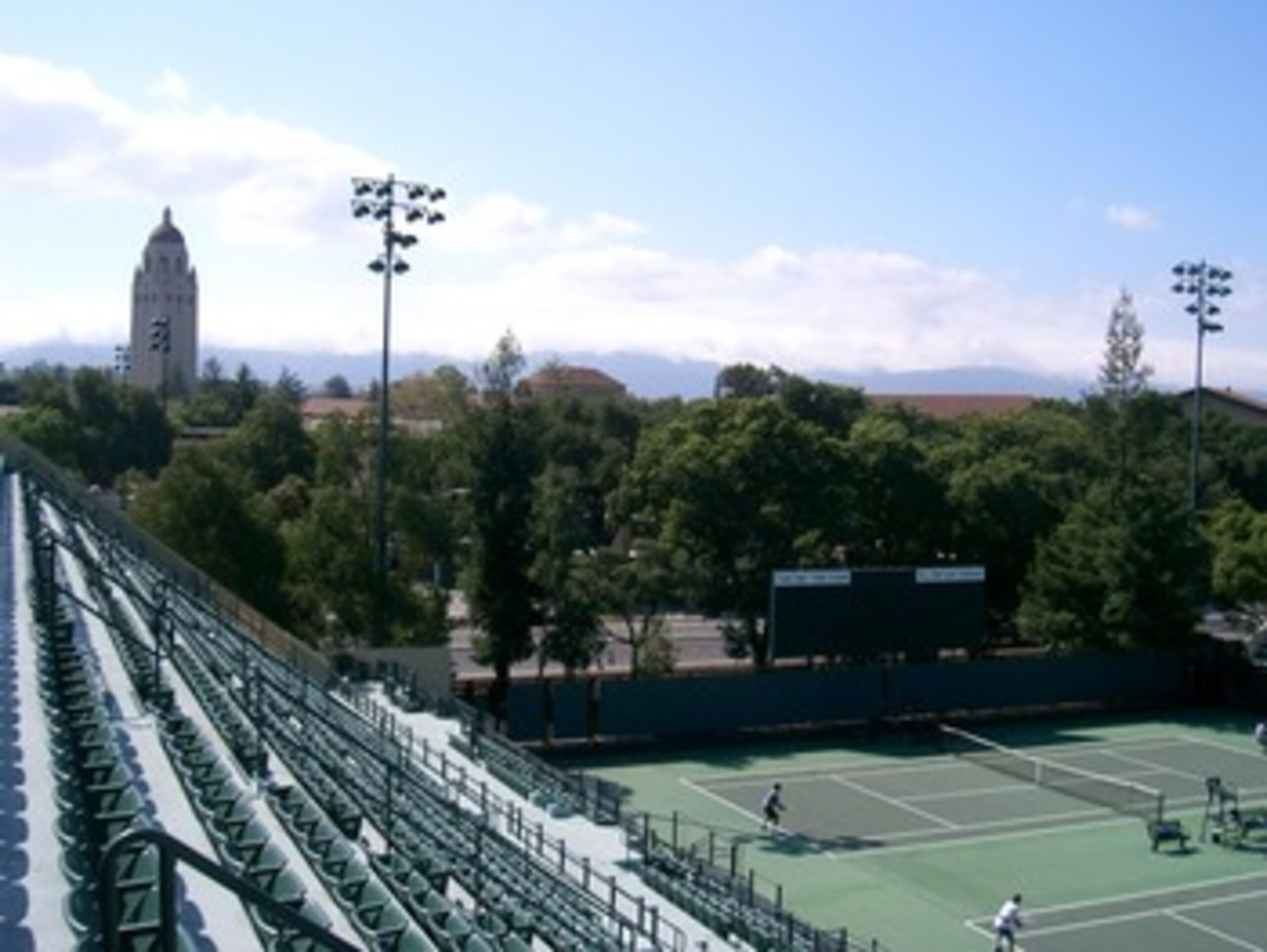
Arguably the most obscure locale on this list, Stanford’s Taube Tennis Center is not without historical merit.
With 17 courts and room for more than 3,500 fans between its two main sites, Taube has hosted several professional tournaments throughout the years, as well as the first-ever combined men’s and women’s NCAA Championships in 2006, won fittingly enough by the Cardinal women for one of the school’s 35 total tennis national titles.
West No. 9: Spyglass Hill
12 of 100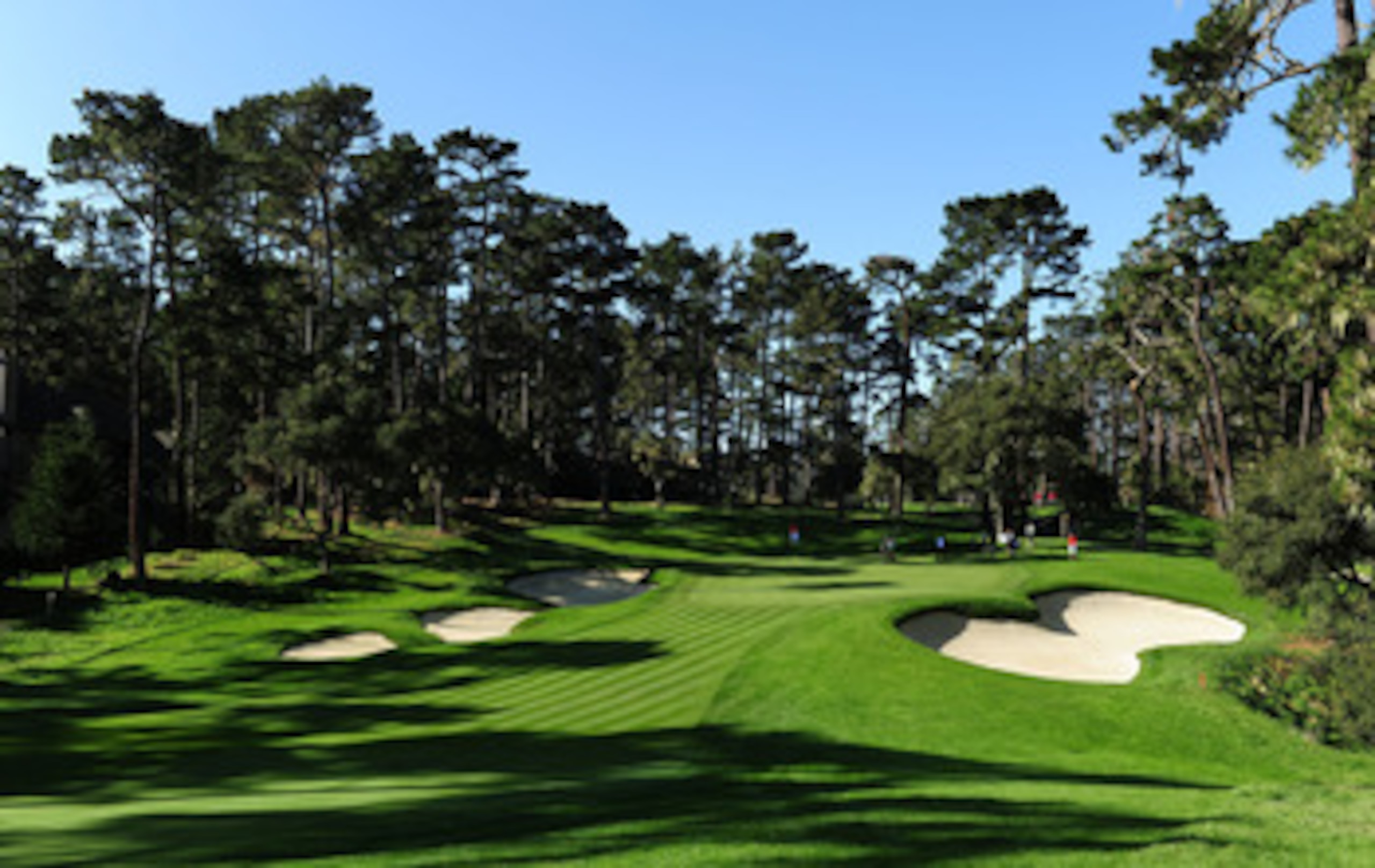
At Spyglass Hill, owned and operated by Pebble Beach Resorts, if the first five holes don’t ravage your psyche, you should be toast after the final 13.
A mix of oceanfront property and woodland treachery, “The Glass” is widely known as one of the toughest courses in the nation. Sand dunes and rugged beach terrain dot the first half of the front nine, before giving way to the sentinel-like pines that stand guard over the narrow fairways and undulating greens that await you after the turn.
It’s a melting pot of links bliss, but things can go awry in a blink, if not sooner.
West No. 8: Memorial Stadium (University of California)
13 of 100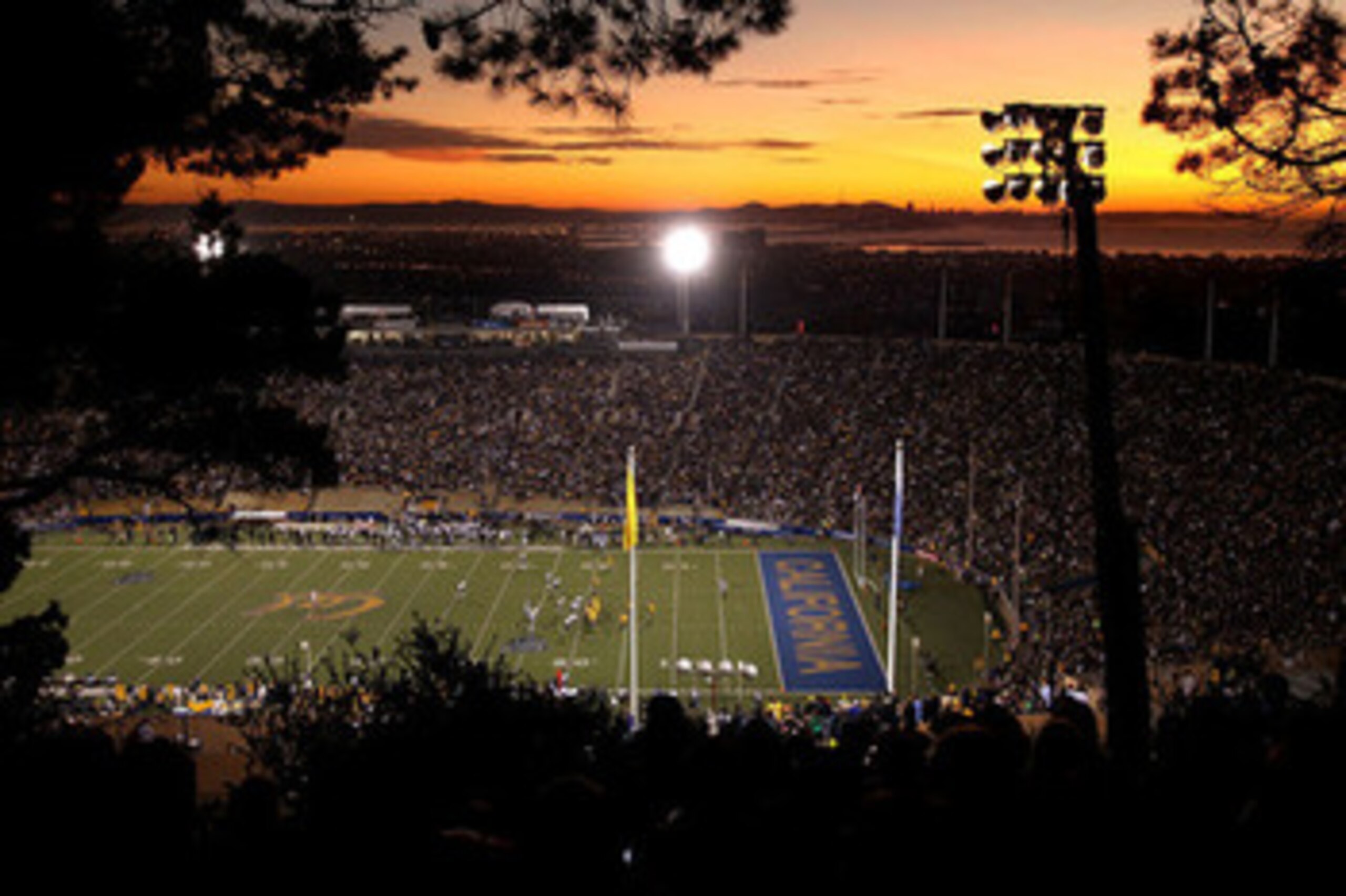
Named in honor of Californians who bravely lost their lives in World War I, Memorial Stadium at the University of California was completed in 1923 at a cost of more than $1.4 million, a figure suspiciously high for the times.
But those darned expansion joints aren’t cheap, used to prevent the stadium from slipping into the crevice that is the Hayward Fault, which runs directly beneath the playing surface and causes the structure to shift 1.2 millimeters per year.
A massive renovation scheduled for completion for in 2012 will sure things up, but if you’re still wary of paying the price of a ticket for a little seismic activity, there are options. Situated to the east is Tightwad Hill, an aptly named piece of real estate where UC students and faculty have forgone the price of admission for a bird’s-eye view of the game, albeit with the San Francisco Bay in the background.
West No. 7: New UNLV Multipurpose Arena
14 of 100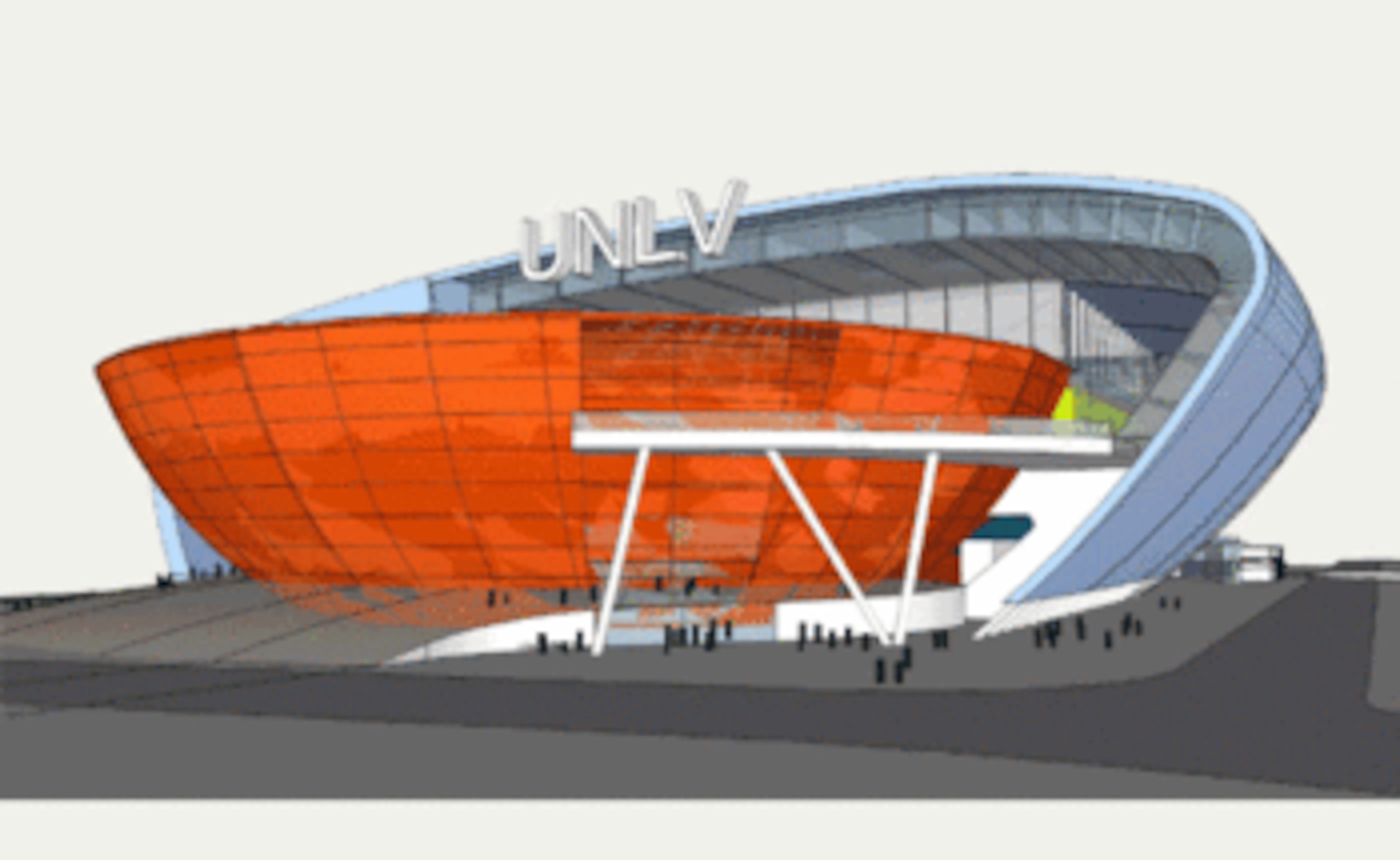
Not yet in existence, this particular destination is lauded for all that it could be, which, if given the green light, would not only house Runnin’ Rebel football and serve as a technological marvel for the UNLV campus, but potentially make way for the first-ever professional sports franchise in Las Vegas history.
The price of the project is still vague, but the development, which is centered around a multipurpose arenathat would replace both Sam Boyd Stadium and the Thomas & Mack Center (UNLV basketball), also calls for the construction of retail space, dorms, and restaurants over a 150-acre plot, instantly turning the university from a commuter school to a residential oasis of epic envy.
West No. 6: Infineon Raceway
15 of 100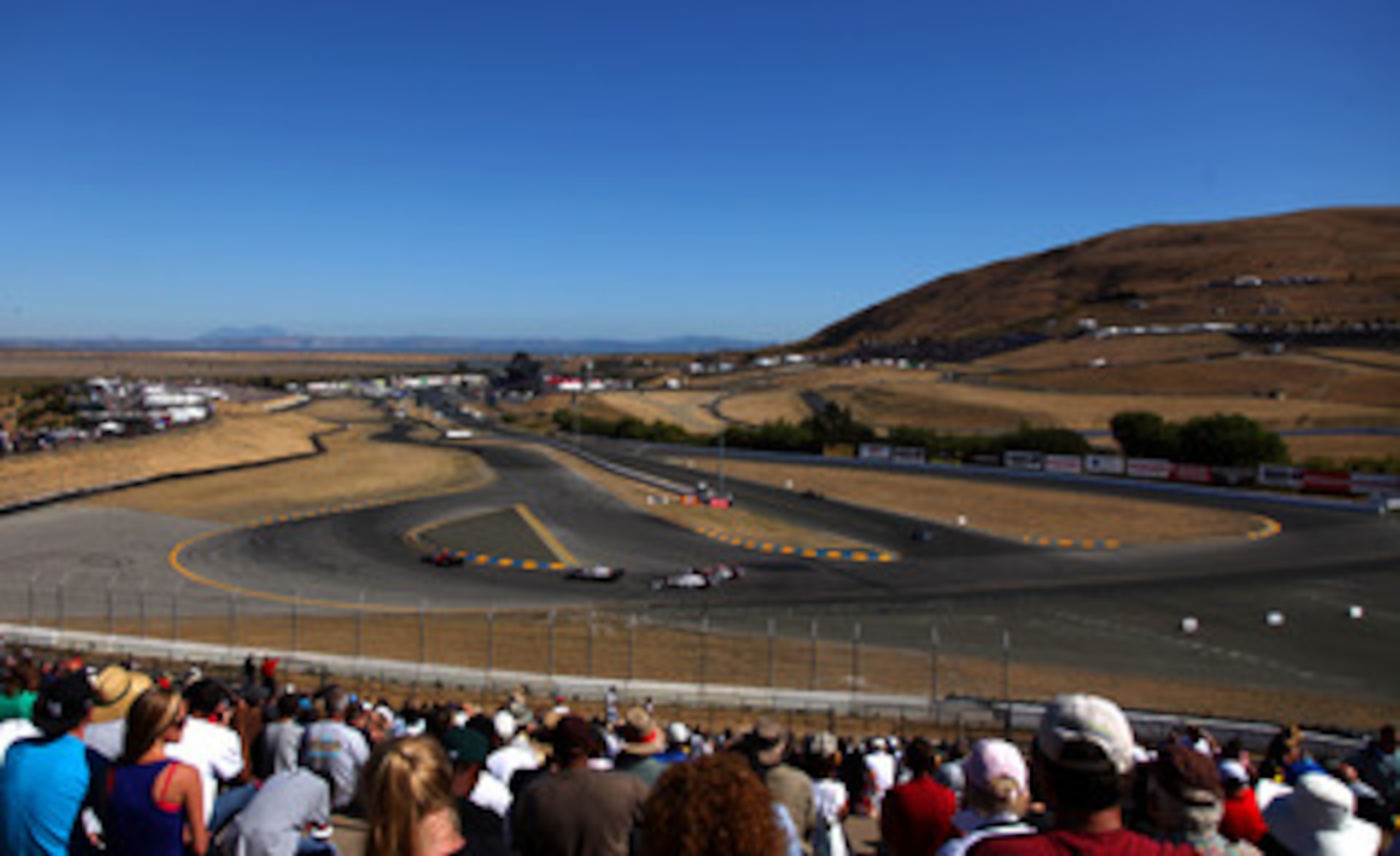
If you already knew that prior to becoming one of the country’s most popular venues for motor sports, the 720 acres that comprises Infineon Raceway was actually a working dairy farm in the early 1900s, you have a little too much time on your hands.
Either that, or you're way into your racing, in which case you probably also know that this 12-turn track in California’s Sonoma Valley is revered for its quick quarter-mile drag strip, as well as being the host of 340 days of racing per year between NASCAR, NHRA, and IZOD IndyCar events.
West No. 5: MGM Grand Garden Arena
16 of 100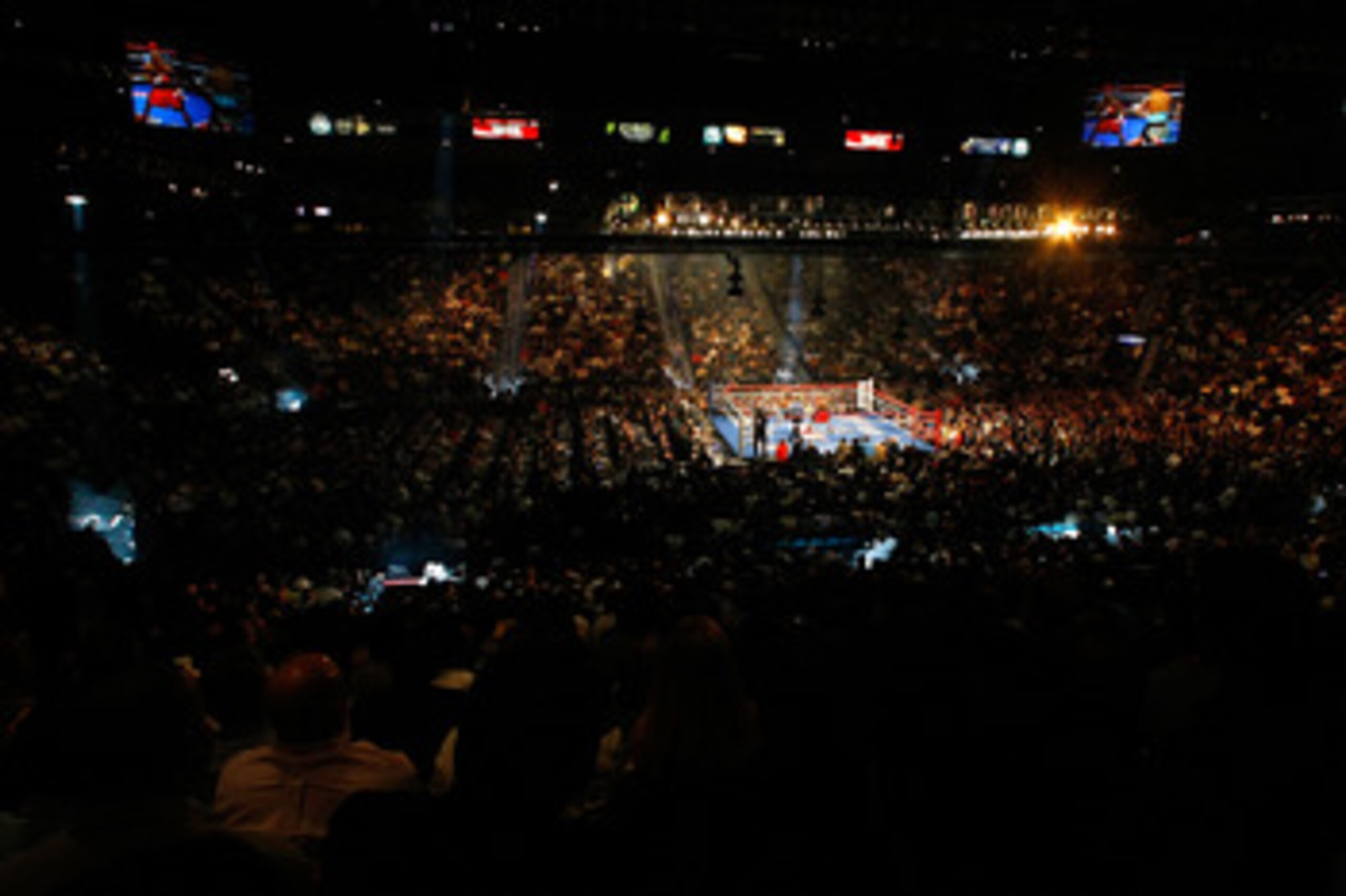
It’s going to be a big summer at the MGM Grand, where there’s never a shortage of interesting and diverse options for live entertainment. In a matter of three weeks beginning on May 7, the Garden Arena will welcome two of the more anticipated events of the season, first with the WBO welterweight title fight between Manny Pacquiao and Shane Mosley.
On the 28th, UFC 130: Destiny hits town, reportedly to include a heavyweight bout between Frank Mir and Roy Nelson, and Quinton Jackson and Thiago Silva in the light heavyweight division.
If blood and sweat don’t whet your fancy, perhaps the MGM Grand’s spring schedule will, including musical acts ranging from Linkin Park and Eric Clapton to Bon Jovi and Lady Gaga, all of which will hit the stage before April.
West No. 4: Oakland Coliseum
17 of 100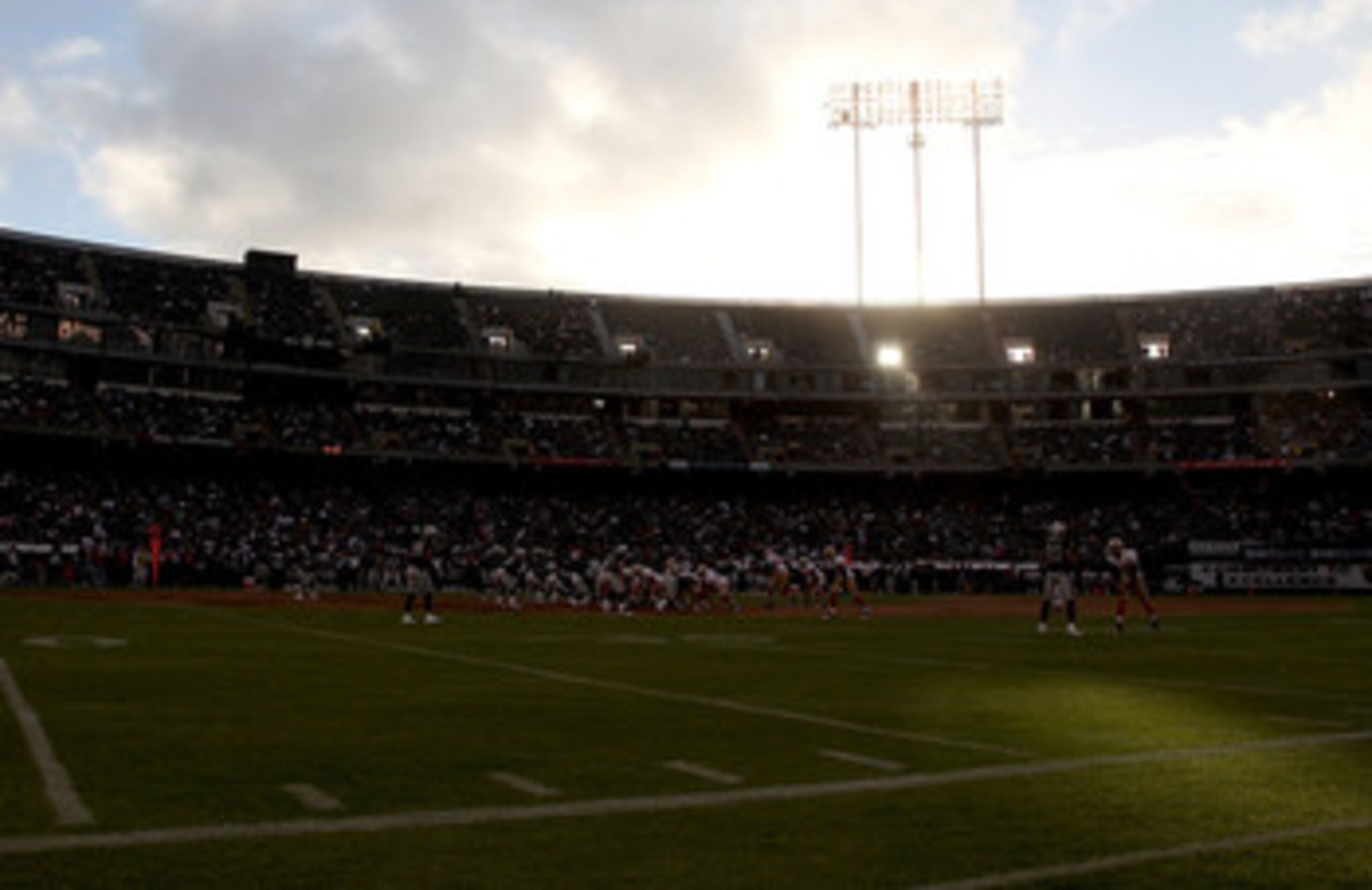
The Black Hole, as the Raiders’ home is affectionately known, seems like a place the whole family could enjoy. That is if you, as the patriarch, insist on raising your children as loyal minions of Satan.
This is not to disparage the throngs who visit Oakland-Alameda County Coliseum; it’s simply a nod to the fan base’s, ahem, spirited choice of gameday decorum and attire, which includes a flattering array of spiked shoulder pads, black face paint, and skeleton noggins.
West No. 3: AT&T Park
18 of 100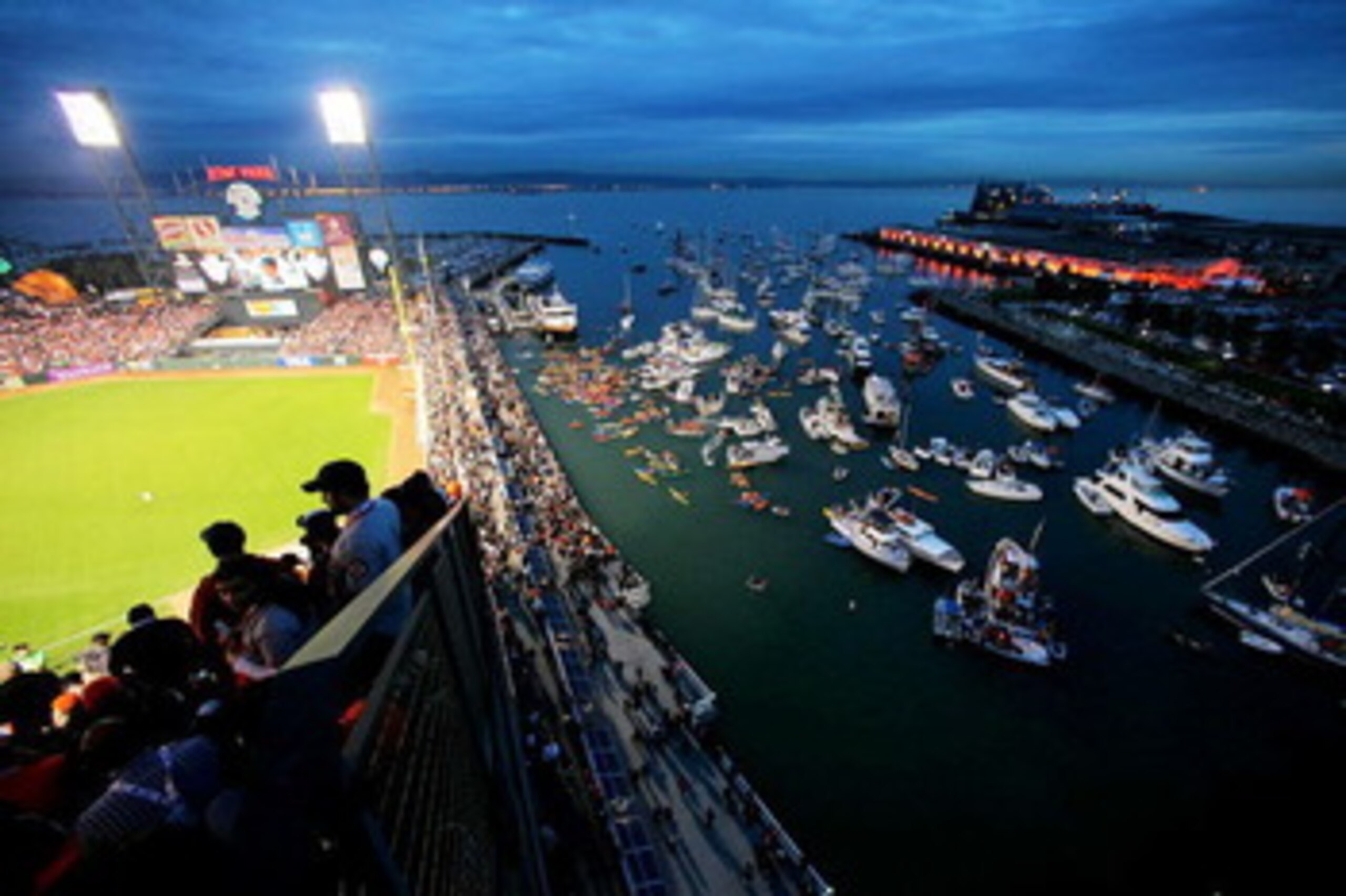
The oversized, fiberglass four-fingered glove and toppled Coca-Cola Superslide in left-center. Levi’s Landing and McCovey’s Cove in right. It’s corporate-funded gimmickry at its finest, but the elements, together with the soothing San Francisco Bay’s China Basin, blend to create an old-school atmosphere worthy of adoration.
AT&T Park, like any other ballpark today, is a modern twist on a shout-out to the charm of yesteryear, but there’s something to be said about it being the only field in baseball that doesn’t need a crazy pattern mowed into the outfield and infield grass.
West No. 2: Pebble Beach
19 of 100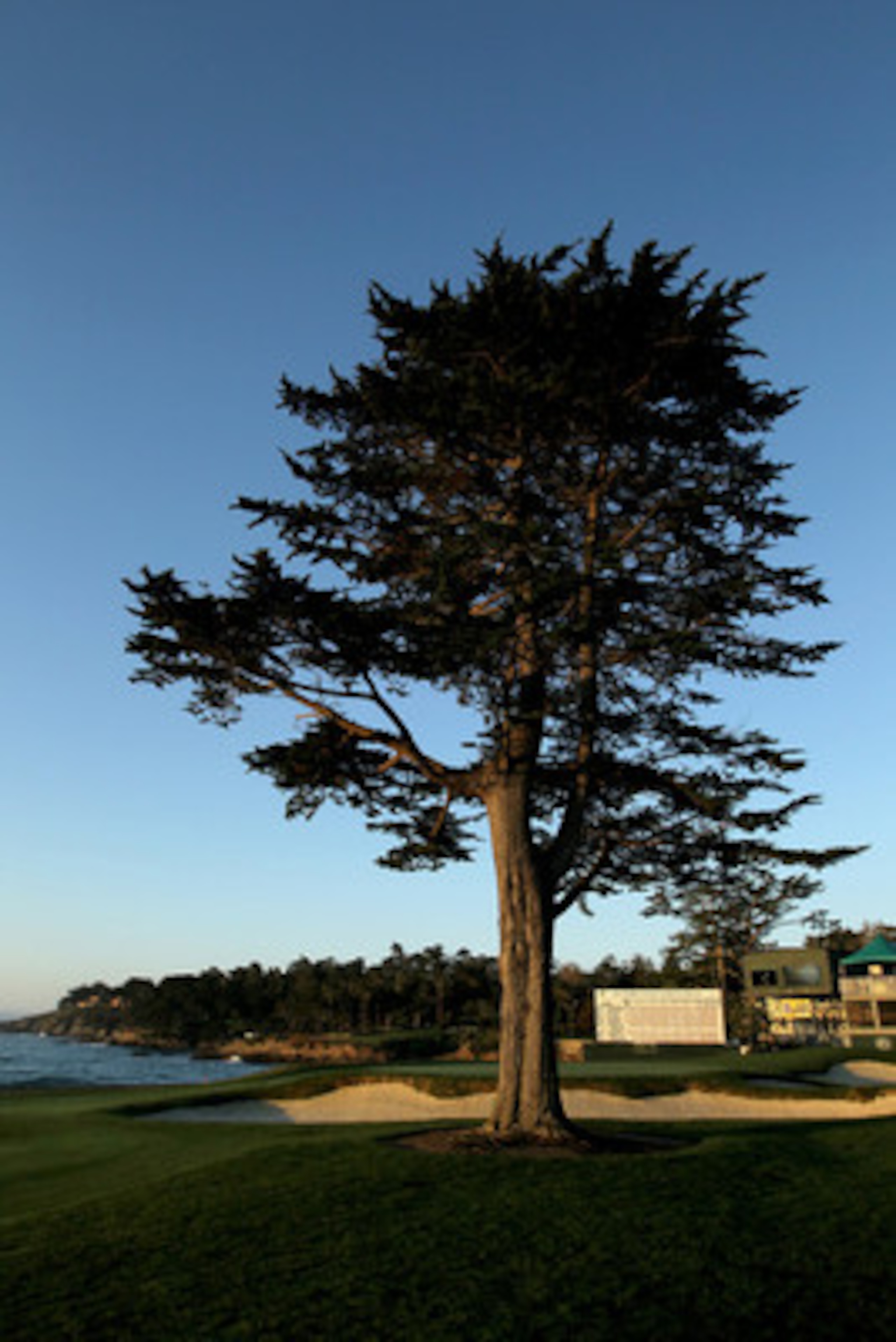
A true splendor that only God-given beauty and man-driven engineering can combine to produce, Pebble Beach has enraptured golfers of all skills levels since 1919.
Host to five U.S. Opens, with a sixth scheduled for 2019, this child of designers Jack Neville and Douglas Grant, in 2001, became the first-ever public course to be named the nation’s best course by Golf Digest.
Yes, you too could have the same left-to-right 40-footer as Tiger or a chance to replicate Tom Watson’s delicate chip from the ’83 Open.
Just don’t go throwing any clubs in the Monterey Peninsula if you don’t break 120: That would only bloat the $495 price tag, which, thankfully, includes a cart if you are a resort guest.
West No. 1: Caesars Palace Outdoor Arena
20 of 100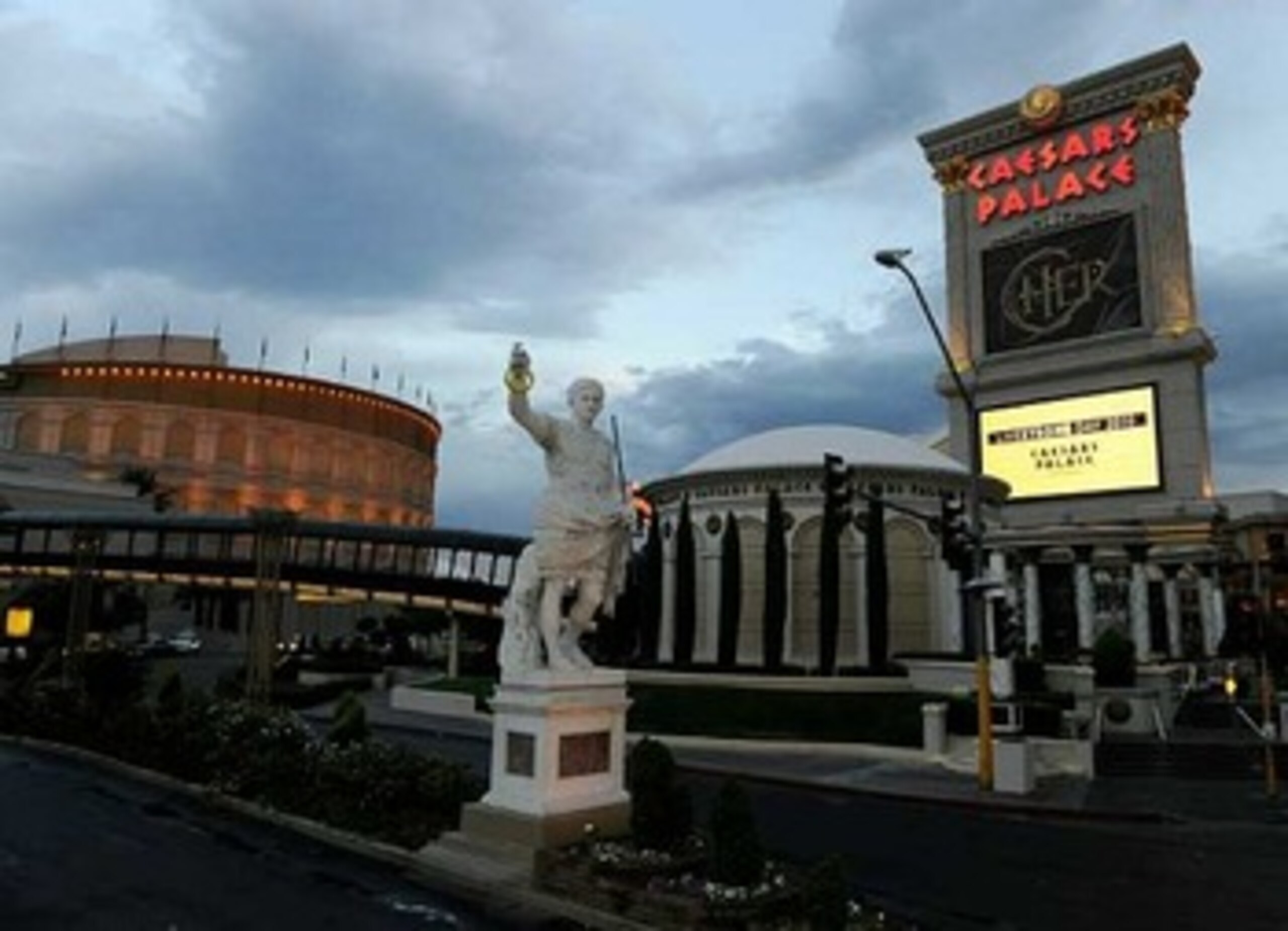
For much of the 1980s, if you were involved in a prize fight, you laid it on the line at Caesars Palace Outdoor Arena. Away from the glittering lights of the slots and general bustle of the casino floor, yet completely and totally quintessential Vegas, the arena has been the setting for a handful of the sport’s most memorable bouts, some for reasons completely unrelated to boxing.
The 1982 heavyweight fight between Larry Holmes and Gerry Cooney, one of the highest-grossing matches in the sport’s history, took place at Ceasars. As did the infamous “Fan Man” match between Evander Holyfield and Riddick Bowe, in which a man attempted to land a fan-operated parachute in the ring but was left flailing upon getting entangled in the lights above.
Southern California No. 10: Qualcomm Stadium
21 of 100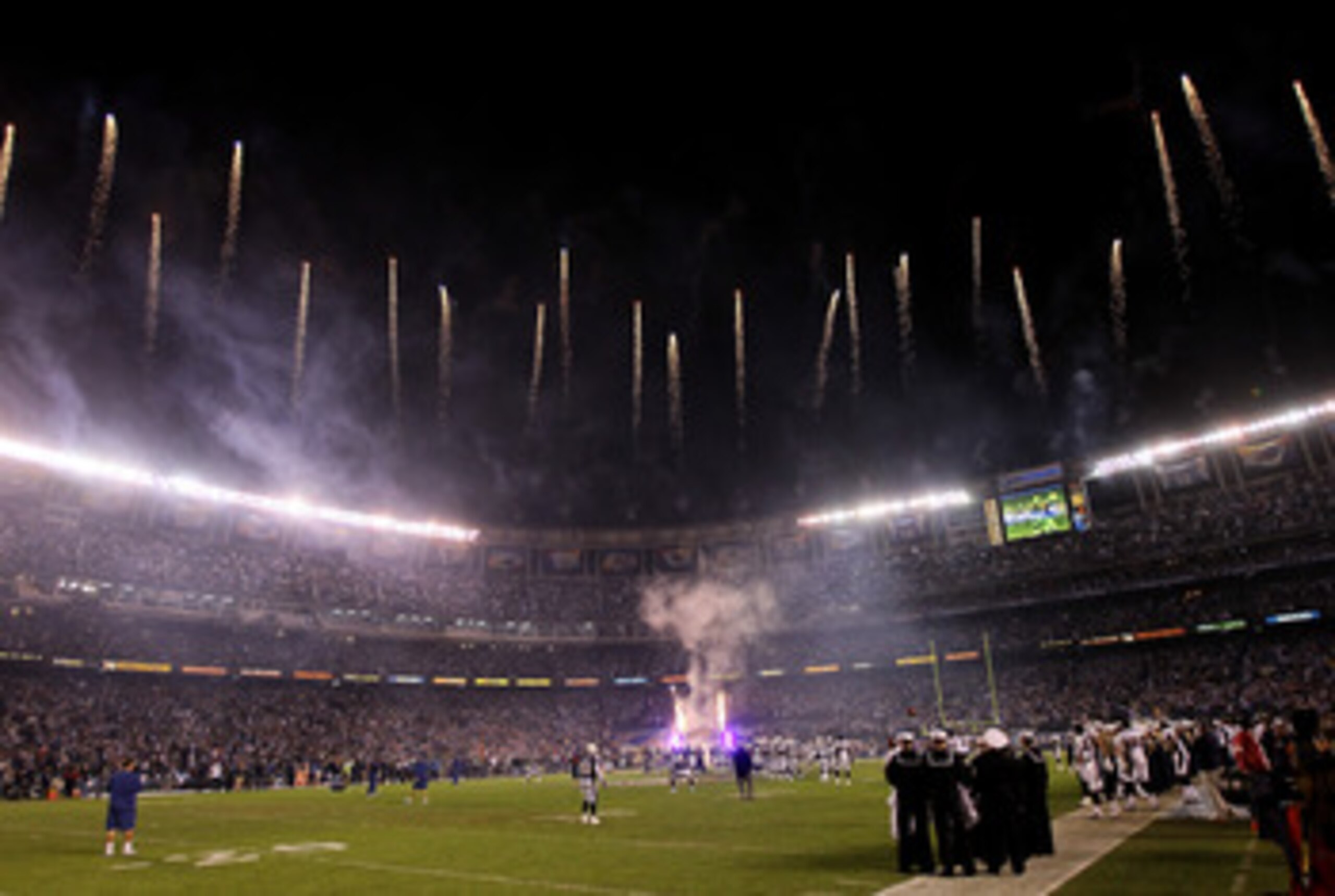
Qualcomm is the first and only stadium to have hosted the Super Bowl and World Series in the same year. That occurred in 1998, when the hometown San Diego Padres and New York Yankees dueled some nine months after the Denver Broncos defeated the Green Bay Packers in Super Bowl XXXII.
Since then, Qualcomm has welcomed many other large-scale events, but its days as both the home of the San Diego Chargers and a stop on the Super Bowl site rotation could be numbered. Amid speculation that a move to Los Angeles could be forthcoming for the Chargers, who can choose to leave San Diego if they pay off the bonds used to renovate Qualcomm in 1997, the NFL could skip over the city in favor of choosing areas with more modern stadiums in which to hold the Super Bowl.
Southern California No. 9: Riviera Country Club
22 of 100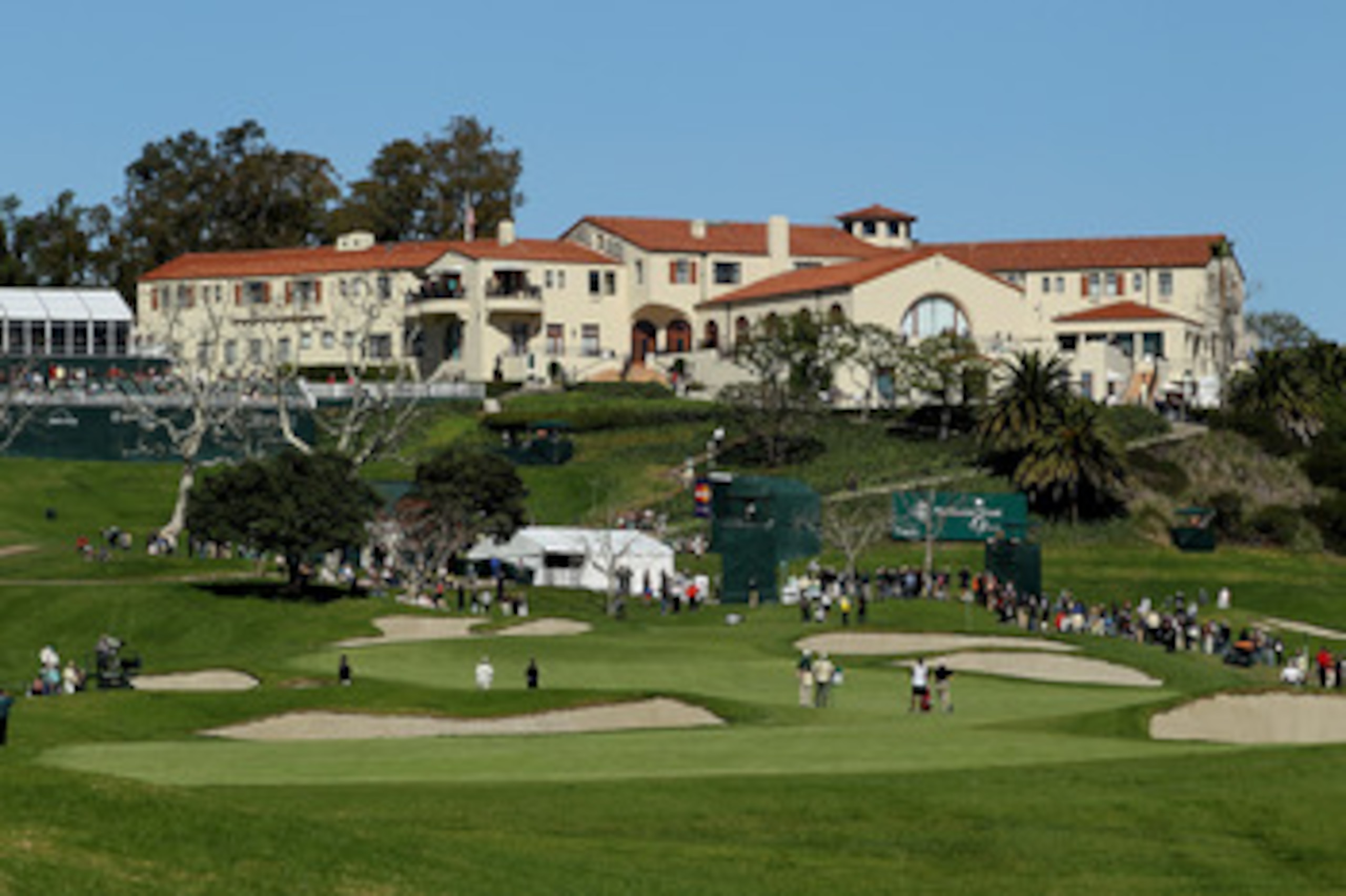
Traverse a block south of Sunset Boulevard and you’ll discover a lush, inviting landscape void of the superficial Hollywood façade that otherwise rules the immediate area. Riviera Country Club, located just below the Santa Monica Mountains. Opened in 1926, prospered in ‘30s and '40s as a hotbed for equestrian activity, and has since hosted four major professional tournaments, in addition to the annual Northern Trust Open, as one of Southern California’s best courses.
Past members at Riviera include Humphrey Bogart, Dean Martin, Gregory Peck, and Walt Disney, and it is the site of Tiger Woods’ first PGA Tour event, in which he missed the cut as a high school sophomore in 1992.
Southern California No. 8: Angel Stadium
23 of 100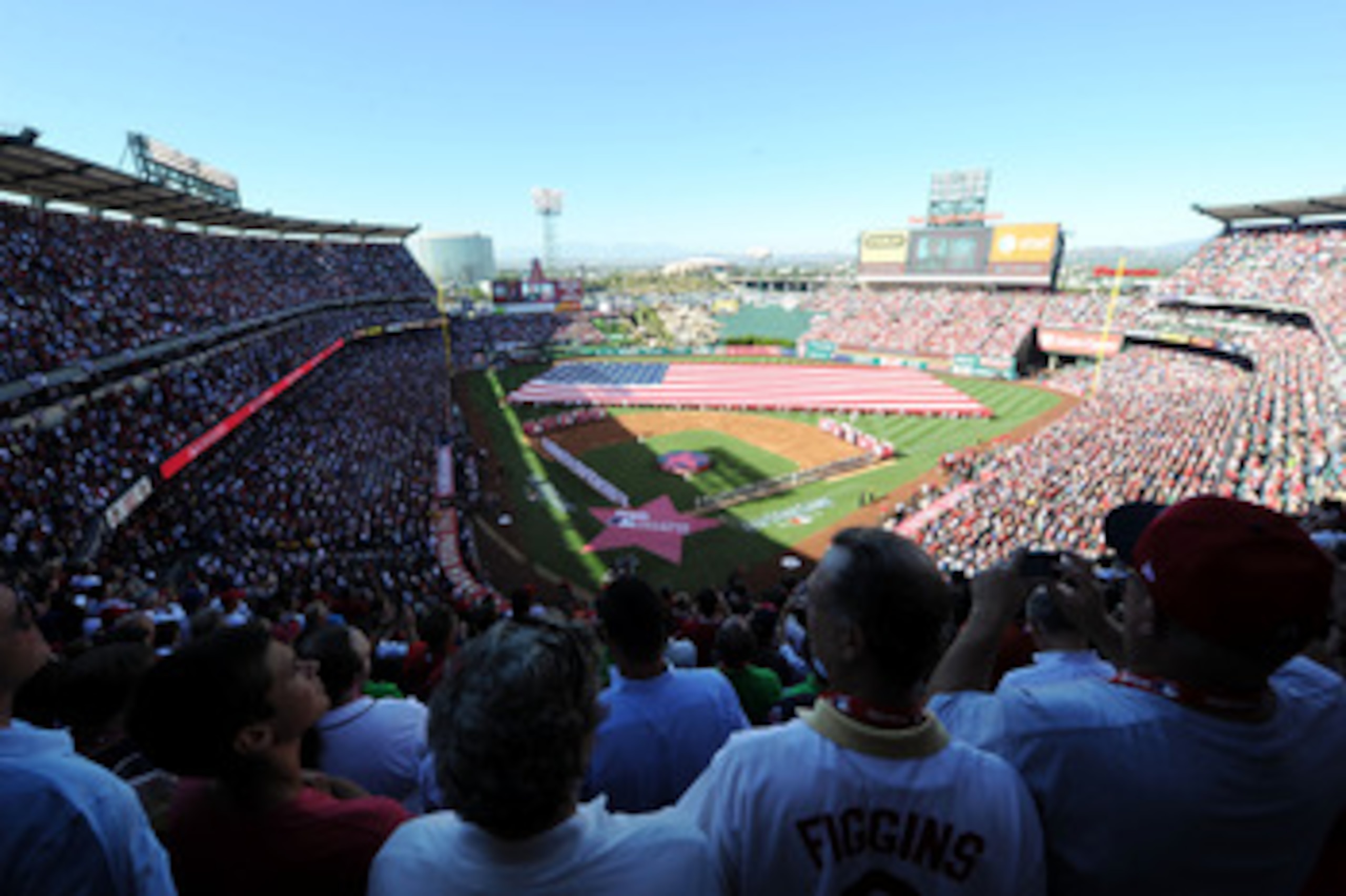
Though it trades natural wonders for man-made beauty, Angel Stadium of Anaheim is still one the most scenic places to take in a game. It does not share the rolling mountainside backdrop of Dodger Stadium, which is roughly a 40-minute drive away, but improvements over the years have transformed the Angels’ home from just another early-1960s design monstrosity, to a place where fans can feel relaxed.
Among the best changes made upon the stadium’s move to a baseball-only facility 15 years ago: a collection of artificial rocks and real trees that cascade down a hill overlooking left-center field, built when The Walt Disney Company seized control of the team in the late ‘90s.
Southern California No. 7: Torrey Pines
24 of 100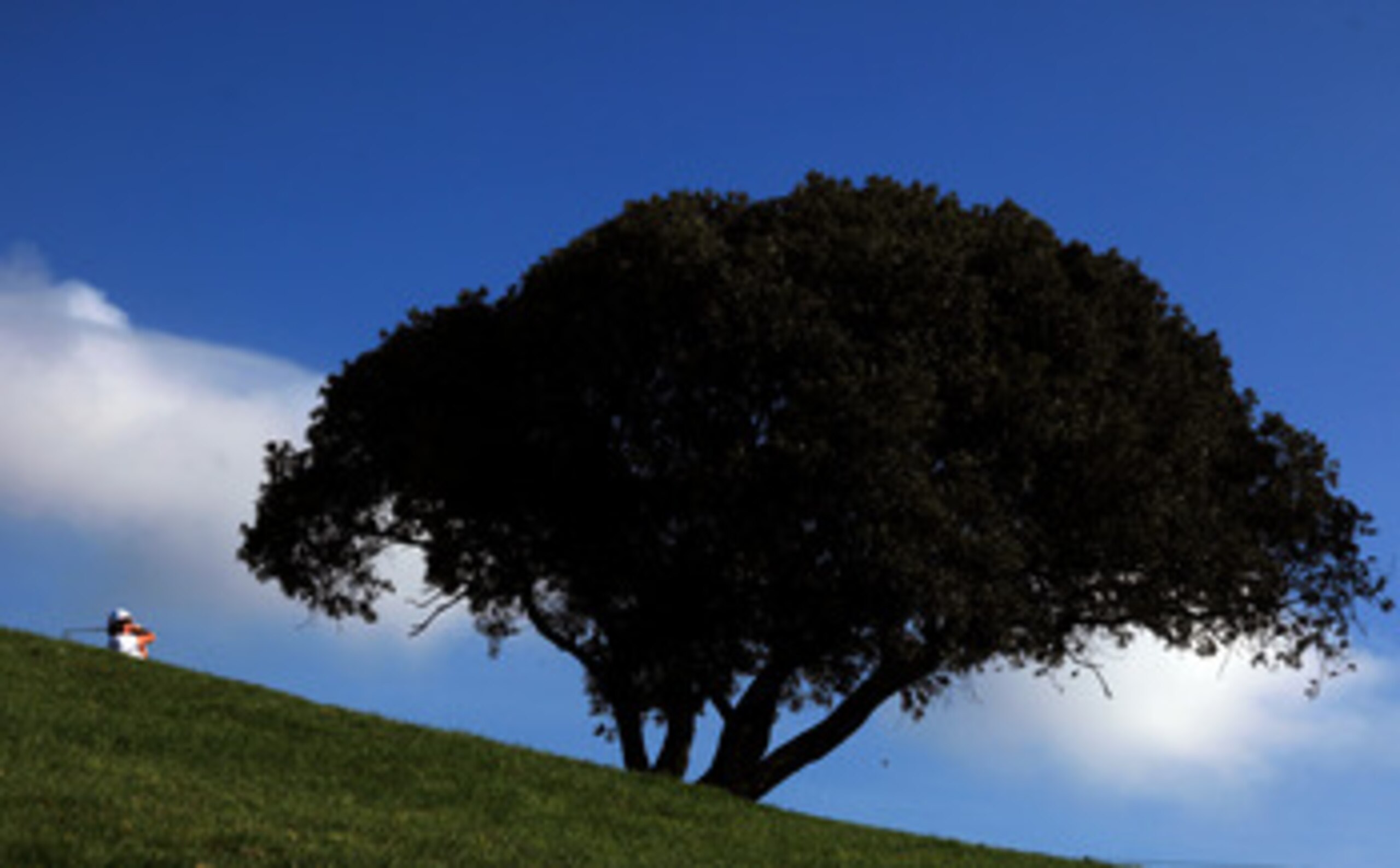
The sight of Tiger Woods’ one-legged triumph in 2008, Torrey Pines is a 7,600-yard monster capable of showing no mercy to even the most-solid of ball-strikers. Like Pebble Beach, though, it is graciously available to the hacker in you and me.
The North Course, the shorter of the two at Torrey Pines, is recommended for us novices, but beware the caveat. Rare like the indigenous tree after which the course was named, so too are the lengths to which you’ll have to go about obtaining a tee-time. Reservations are made on a first-come, first-serve basis prior to 7:30 a.m. each morning.
Southern California No. 6: Dodger Stadium
25 of 100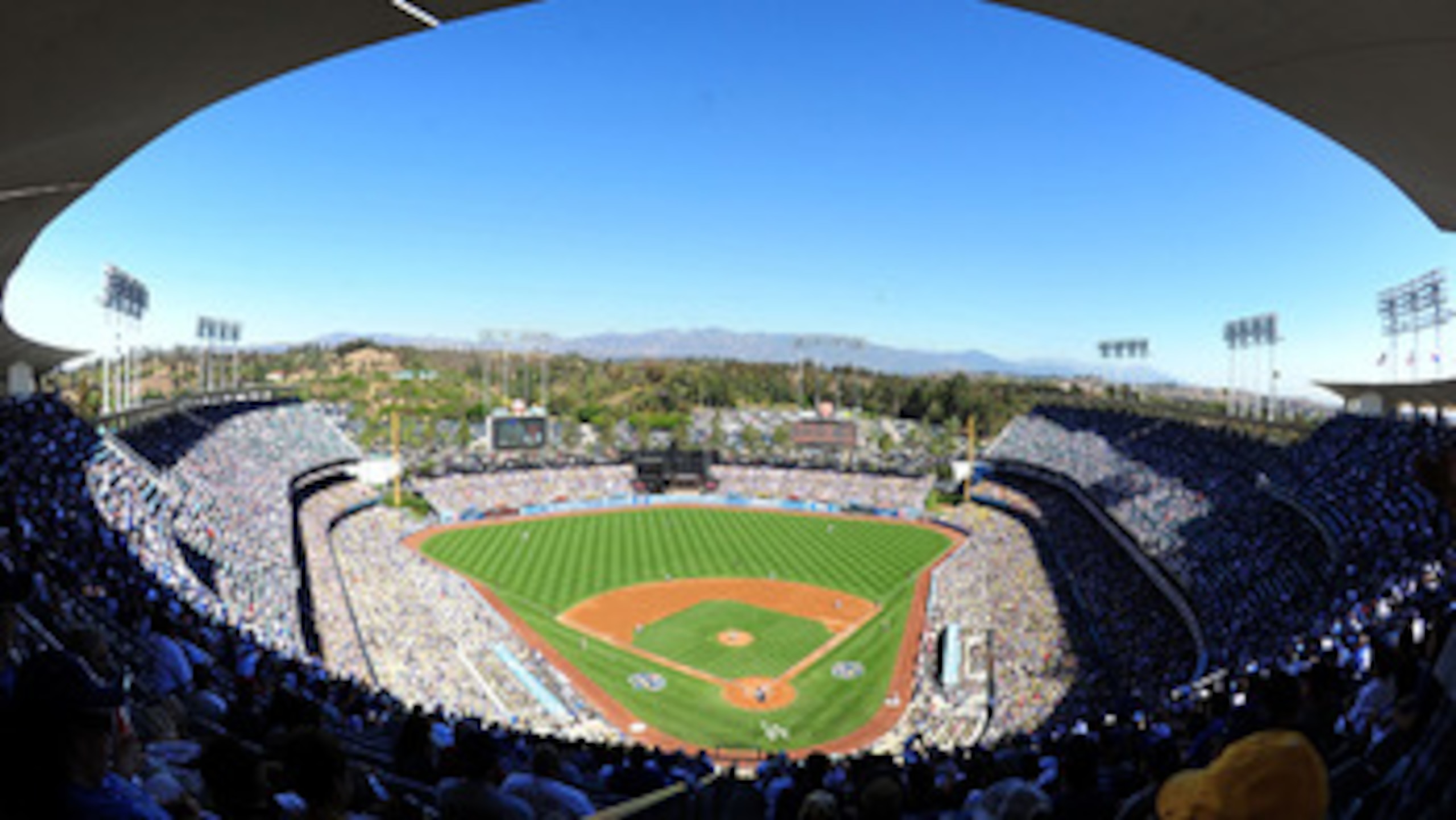
Between the 1988 and 1999 seasons, the Los Angeles Dodgers played 856 consecutive home games without being rained out, a major league record. That’s what happens when you play your ball in the next best thing to paradise, set against an enviable combination of natural wonders that include tree-studded Elysian hills, the San Gabriel Mountains and, of course, Chavez Ravine.
Eternally kissed by the warm, Southern California sunshine, Dodger Stadium, now the third-oldest ballpark in baseball, has for years been one of the sporting world’s most popular postcards and signifies a pin in the map of any fan making his or her own West Coast swing.
Southern California No. 5: Staples Center
26 of 100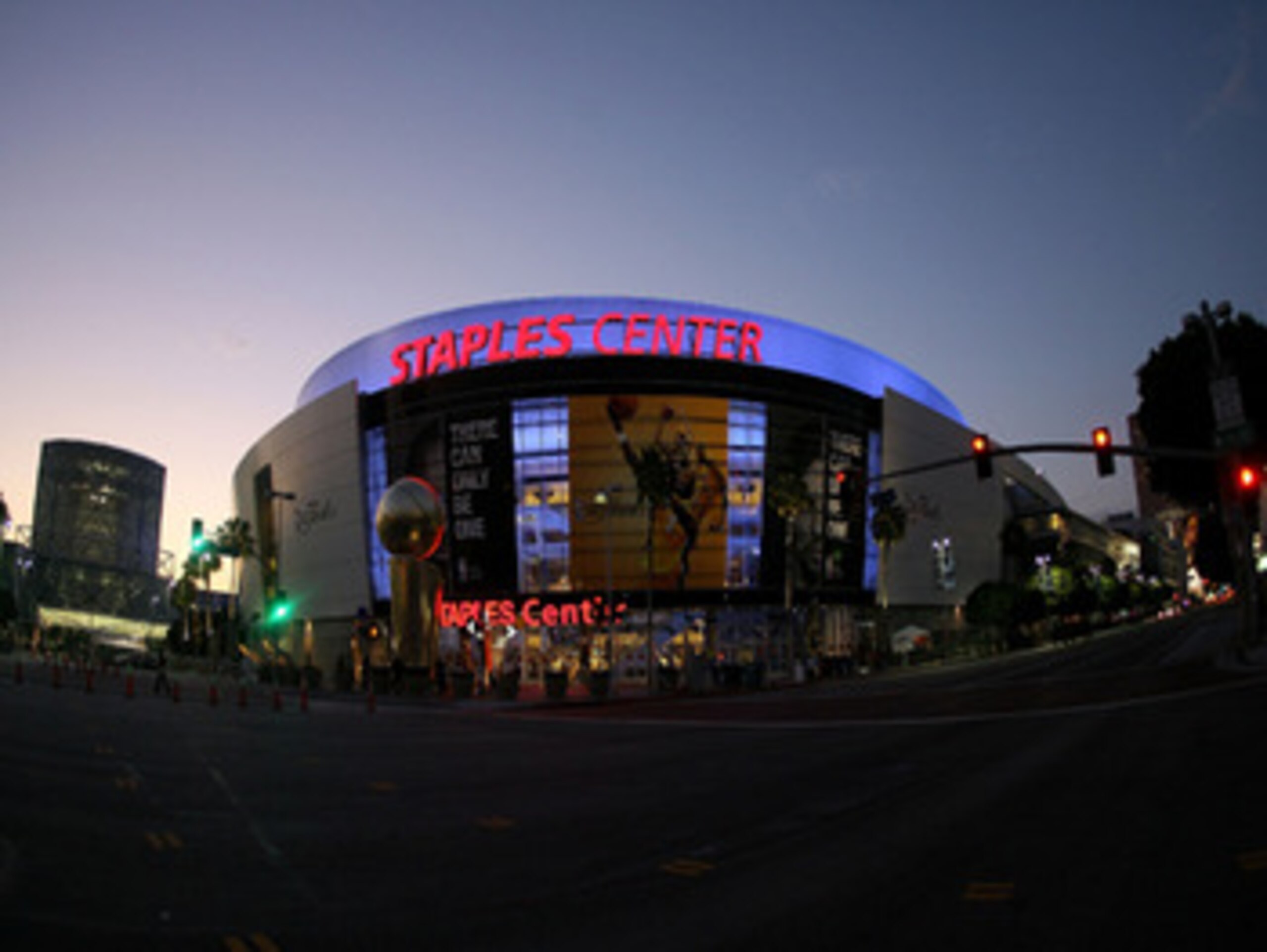
Jack Nicholson is a mainstay, but venture courtside at Staples on any given night and you’re bound to find any given celebrity, each emotionally unattached from the action that plays out before them.
The atmosphere is quintessentially Hollywood, but the hardwood domination is commonplace, seamlessly transferred over from the old Forum by the Lakers, the Staples Center’s most noteworthy tenant.
Southern California No. 4: Petco Park
27 of 100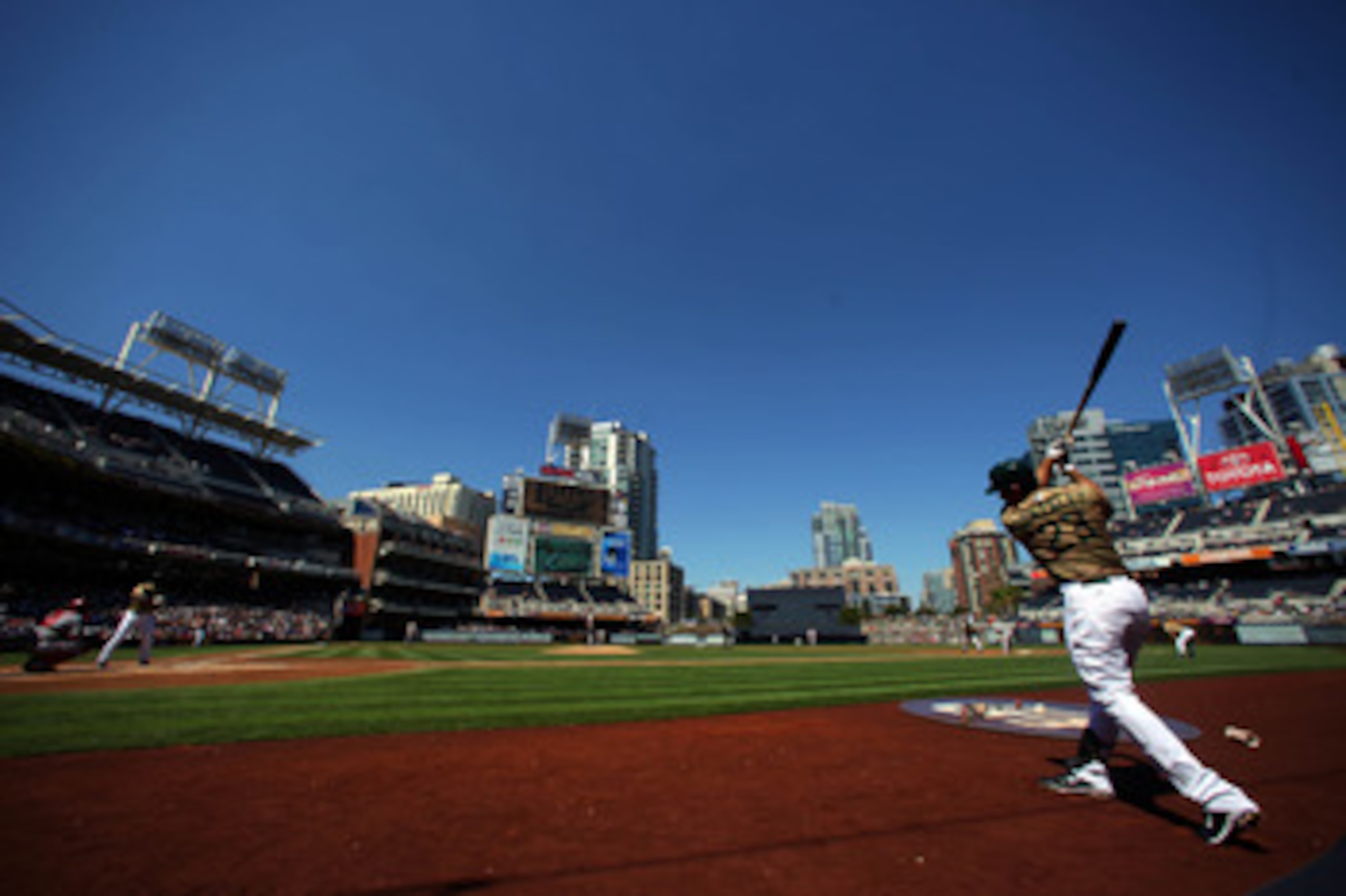
Breezy passageways and bountiful unobstructed sightlines dot the home of the Padres, but Petco Park is loaded with modern amenities, the best of which will hardly crack the bank.
The Western Metal Supply Co. building, which was retained to house offices, luxury suites, and a restaurant down the line in left field, somehow fits perfectly, but the neatest aspect of Petco is also its cheapest.
Just beyond the centerfield wall is Park at the Park, essentially a sloped grass hill that is accessible to fans for $5 during games and free to residents when the Padres are on the road.
Southern California No. 3: Los Angeles Coliseum
28 of 100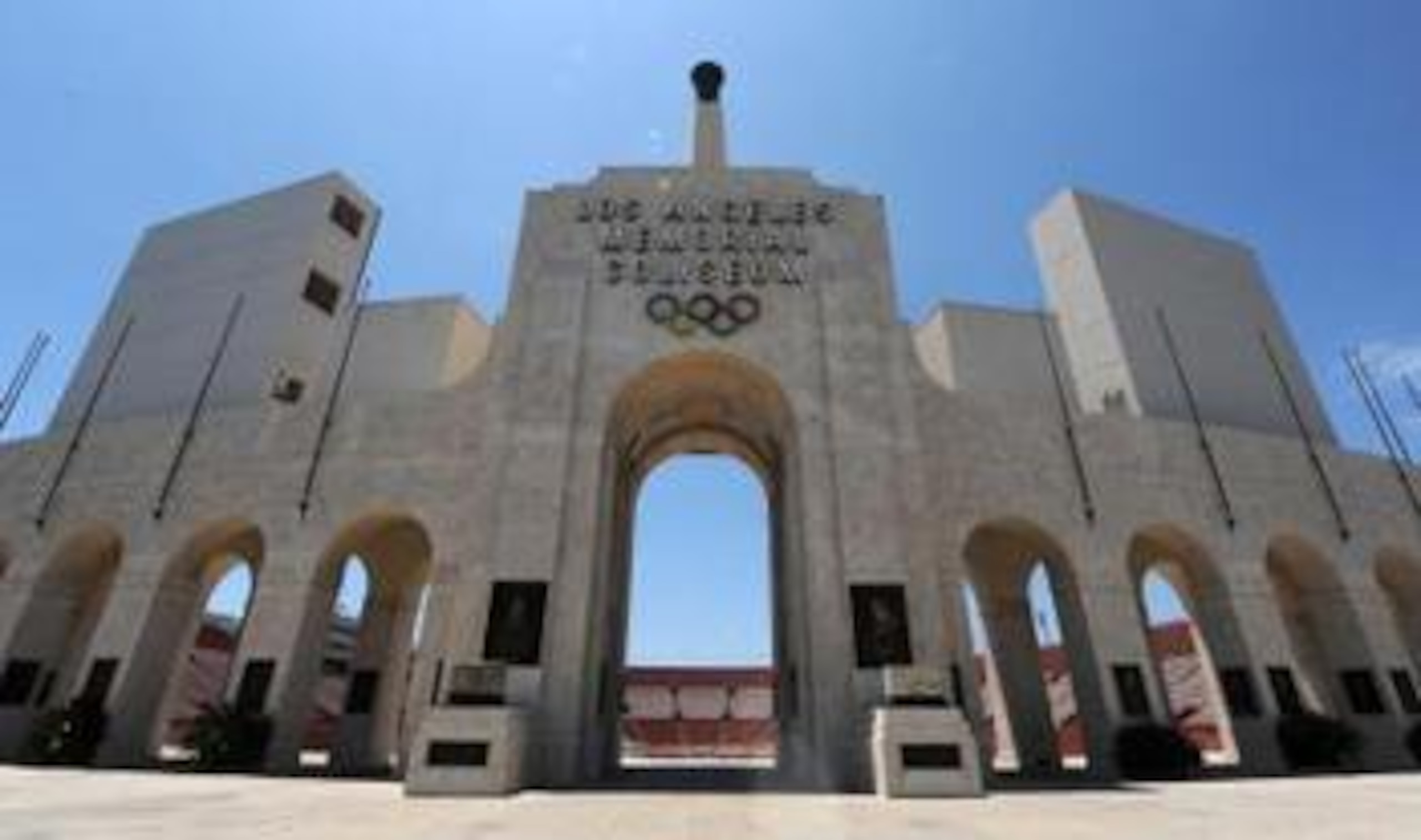
The Coliseum is a hodge-podge of esteemed awesomeness.
Not just the only stadium in the world two have hosted two Olympics (1932, ’84), the Coliseum is the only Olympic venue to have also hosted Super Bowls and a World Series. The Summer X Games have played out under the watch of the Coliseum's iconic archways. Its field has been the home base of more than one USC Trojan football empire.
The U.S. Government named the Coliseum a National Historic Landmark in 1984, but its rustic nature lives on, complete with the iconic Olympic rings and torch adorned on the east-facing peristyle.
Southern California No. 2: Pauley Pavilion
29 of 100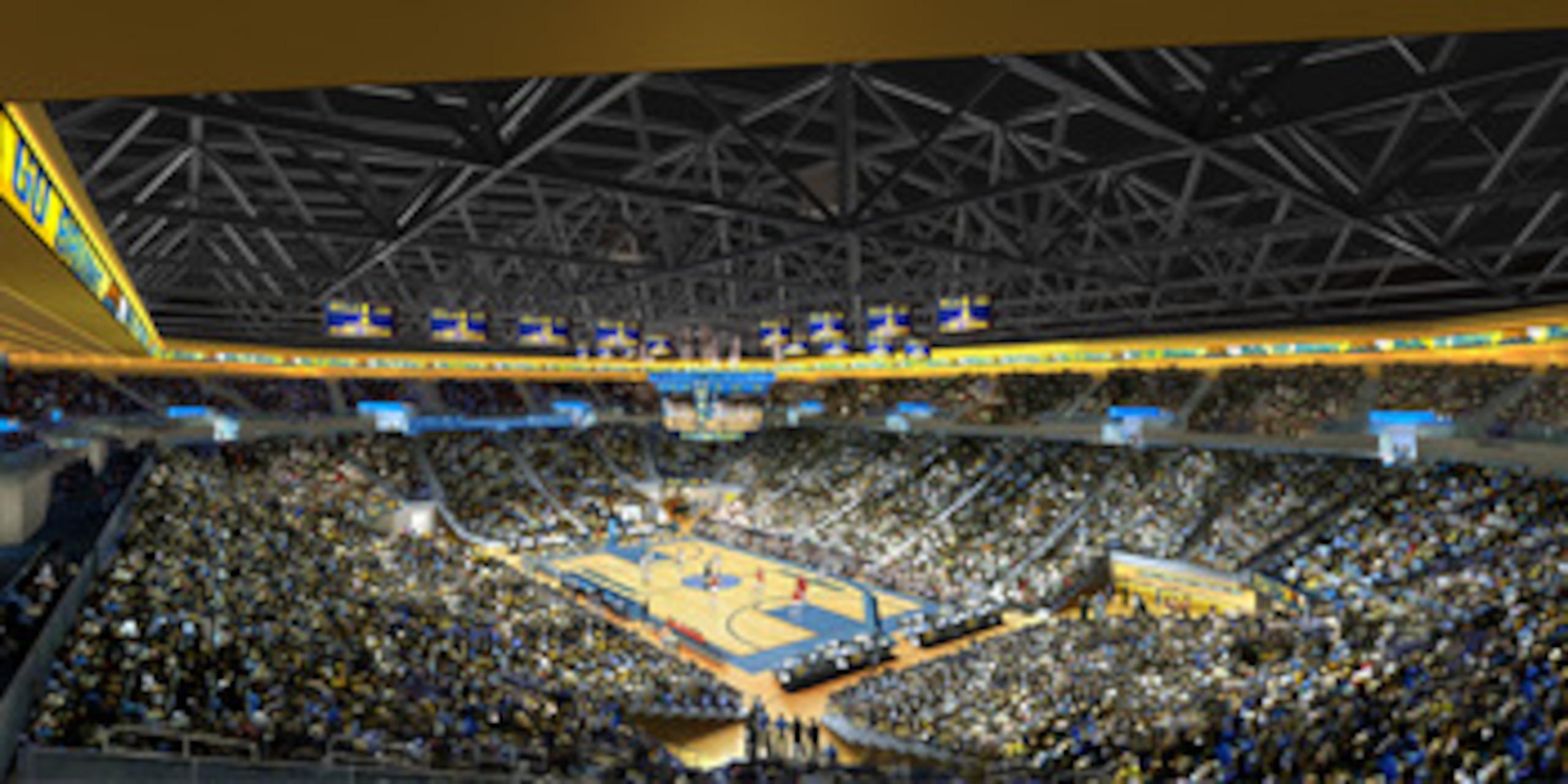
Hands-down one of the preeminent structures in all of college basketball, if all of sport.
The home playground to UCLA basketball since 1965, Pauley Pavilion flaunts from its rafters an intimidating number of the school’s some 105-plus national championships. 10 of those were captured in bewilderingly easy fashion from 1964-75, under the deft tutelage and mentorship of legendary coach John Wooden, who passed away last year.
Southern California No. 1: Rose Bowl
30 of 100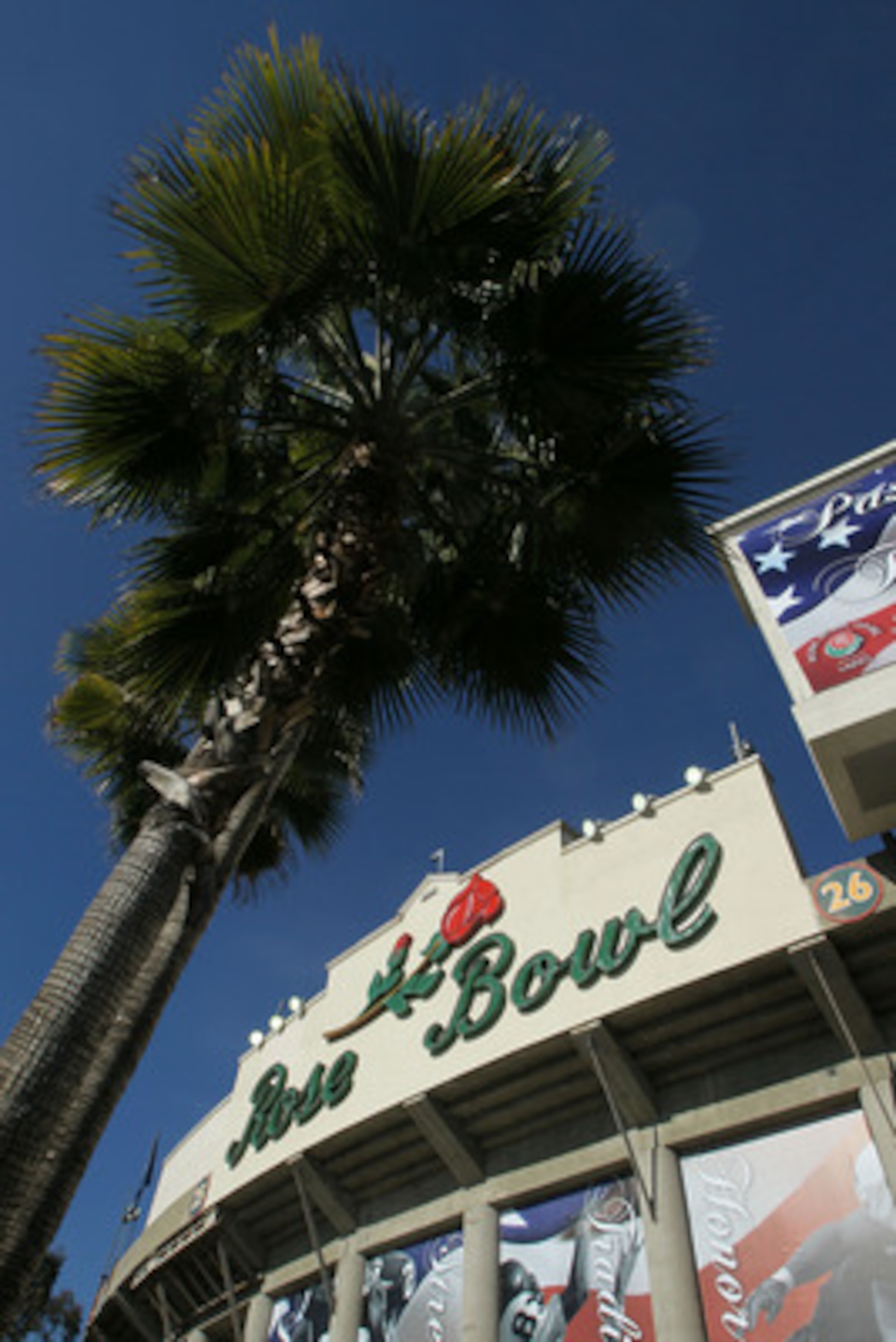
The Rose Bowl’s rich history goes way beyond, well, the Rose Bowl, a game which the venue has hosted every year since 1942.
The UCLA Bruins call the building home. Two Summer Olympics have been staged, as have five Super Bowls. FIFA gave us soccer at the Rose Bowl, first in 1994 with the men; in 1999, it was the women’s turn.
Seemingly destined to be smothered in warm Southern California sunshine for all eternity, the Rose Bowl has welcomed millions of fans through its turnstiles over the years, making it one of the most nostalgic stages of sport in the world.
Southwest No. 10: Amon G. Carter Stadium
31 of 100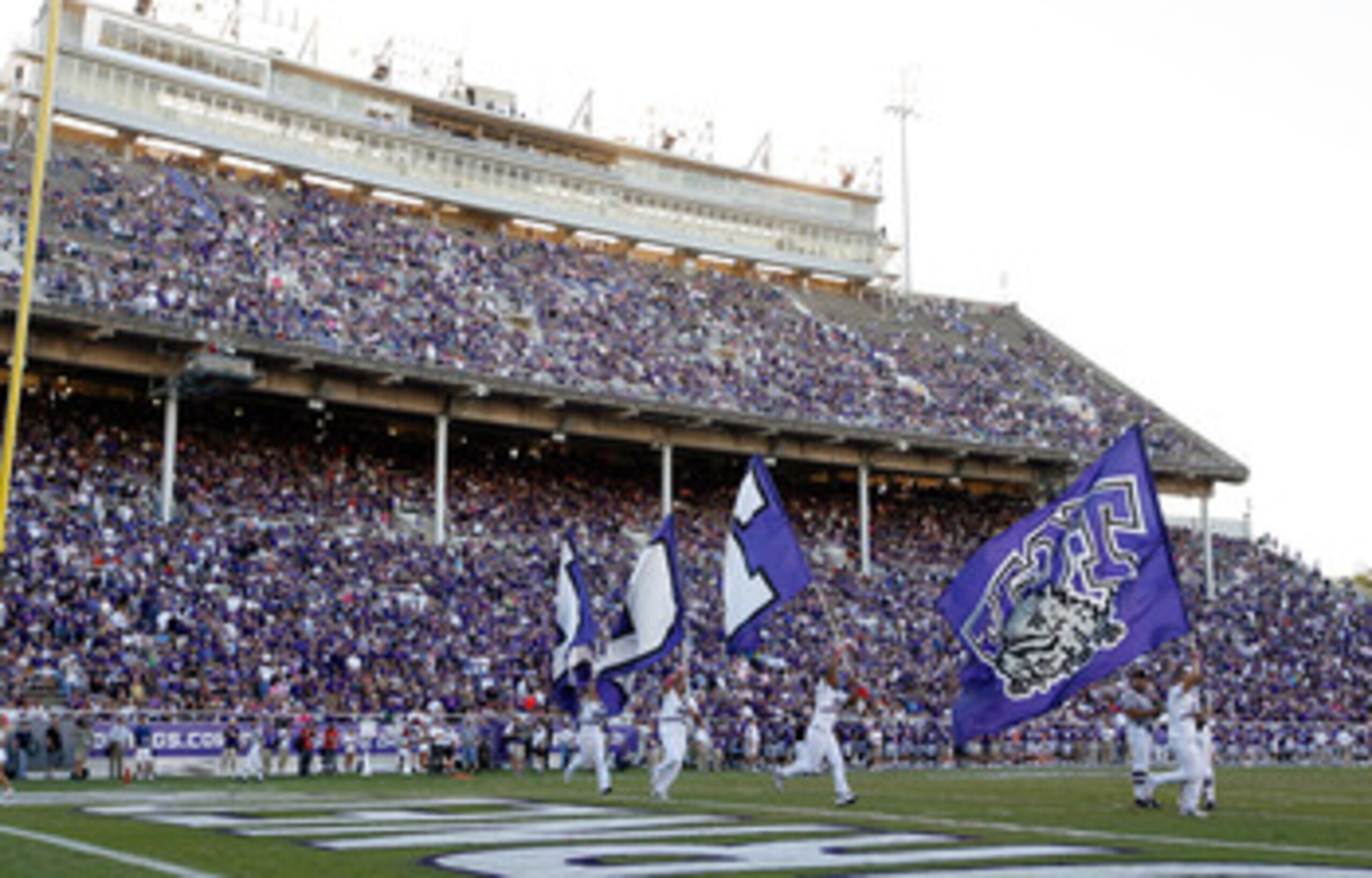
Experiencing unprecedented success under current head coach Gary Patterson, the TCU Horned Frogs are no less involved in the rat race that is college athletics than any other school.
Winning breeds expectations, but the "W"s also accrue resources, which school officials are investing back into Patterson’s program with an impressive $105 million renovation of Amon G. Carter through the same company that designed Cowboys Stadium.
When completed in 2012, the improvements will keep Amon G. Carter’s seating capacity roughly at the same number it is now, but the project includes a new press box, better sightlines from a new seating bowl, and host of swanky club seats and suites on the stadium’s west side.
Southwest No. 9: Reliant Stadium
32 of 100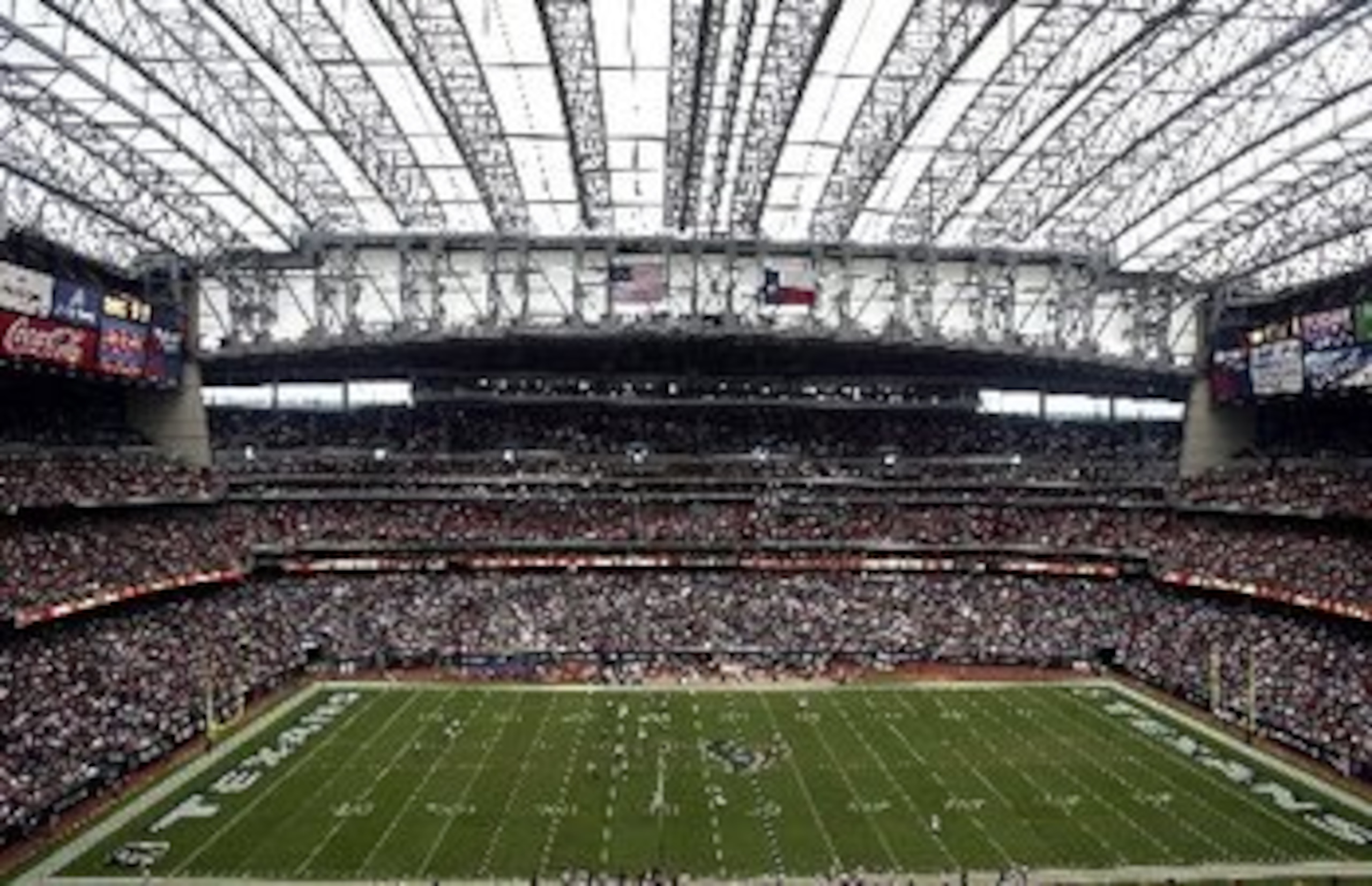
In 1997, the Houston NFL Holdings Group came to what was then known as HOK Sport — now called Populous, the leading designer of professional sports arenas and stadiums — looking to plan something spectacular.
Schematics were hatched, and five years later, the Houston Texans played the Dallas Cowboys in the NFL’s first facility with a retractable roof.
If the nearby Astrodome really is the “Eighth Wonder of the World,” Reliant Stadium may be the ninth. Its famous roof consists of two bi-parting panels that meet at the 50-yard line and can be completely opened or closed in seven minutes flat.
Southwest No. 8: Sun Devil Stadium
33 of 100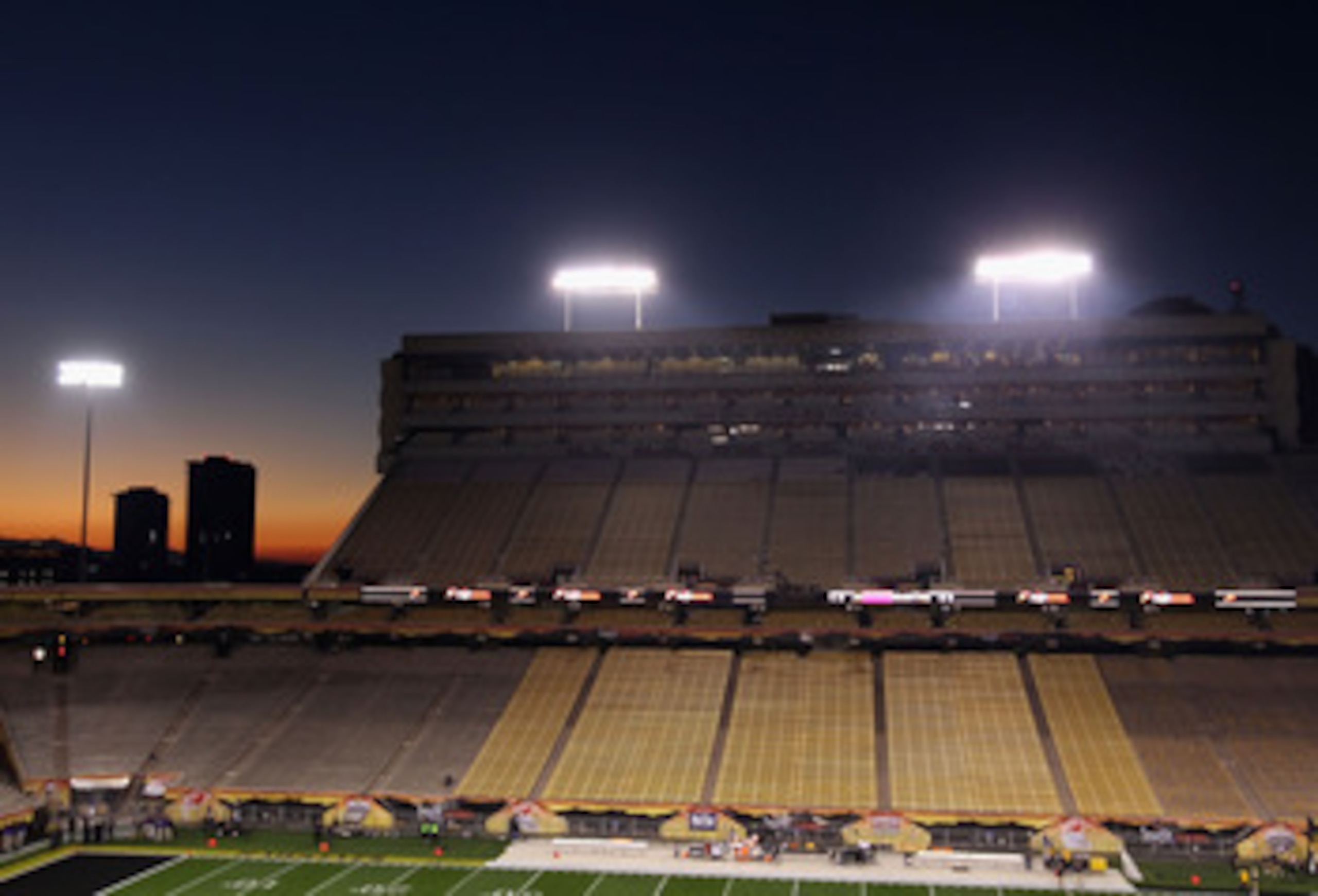
A nondescript assembly of steel and concrete set against the rugged Tempe, Ariz., terrain, Sun Devil has been put to good use in its 53 years, serving as the home field to the Arizona Cardinals, Fiesta and Insight Bowls, and Super Bowl XXX. But none of that matters.
Take in an Arizona State game at any point in the football season and you’ll see what makes Sun Devil truly spectacular: Thousands of peroxide-haired desert coeds treating the aluminum bleachers like their own personal tanning beds.
Southwest No. 7: The Pit Arena
34 of 100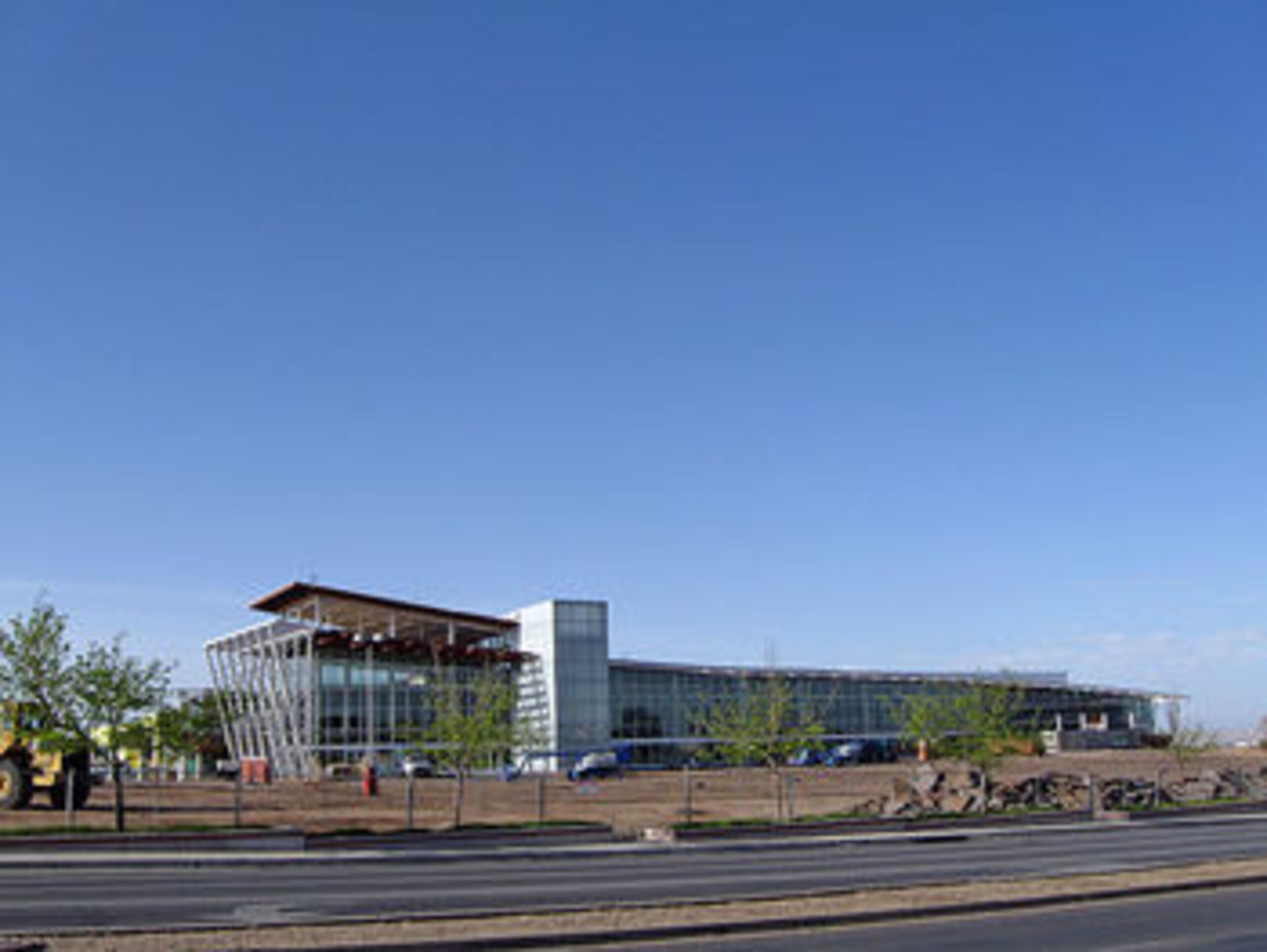
Perhaps the only place on the planet where senior citizens will join pre-twentysomethings in mimicking the howling of a wolf, the Pit Arena has been home to University of New Mexico basketball since 1966.
The name of the building is derived from the fact it was constructed 37 feet below grade, allowing the ear-shattering decibel levels to ascend more rapidly and make worse for opponents the effects of the altitude of Albuquerque, which is a mile above sea level.
Recent hoops struggles notwithstanding, the Lobos have historically dominated at The Pit, winning 82 percent of their home games through the 2009-10 season.
Southwest No. 6: Minute Maid Park
35 of 100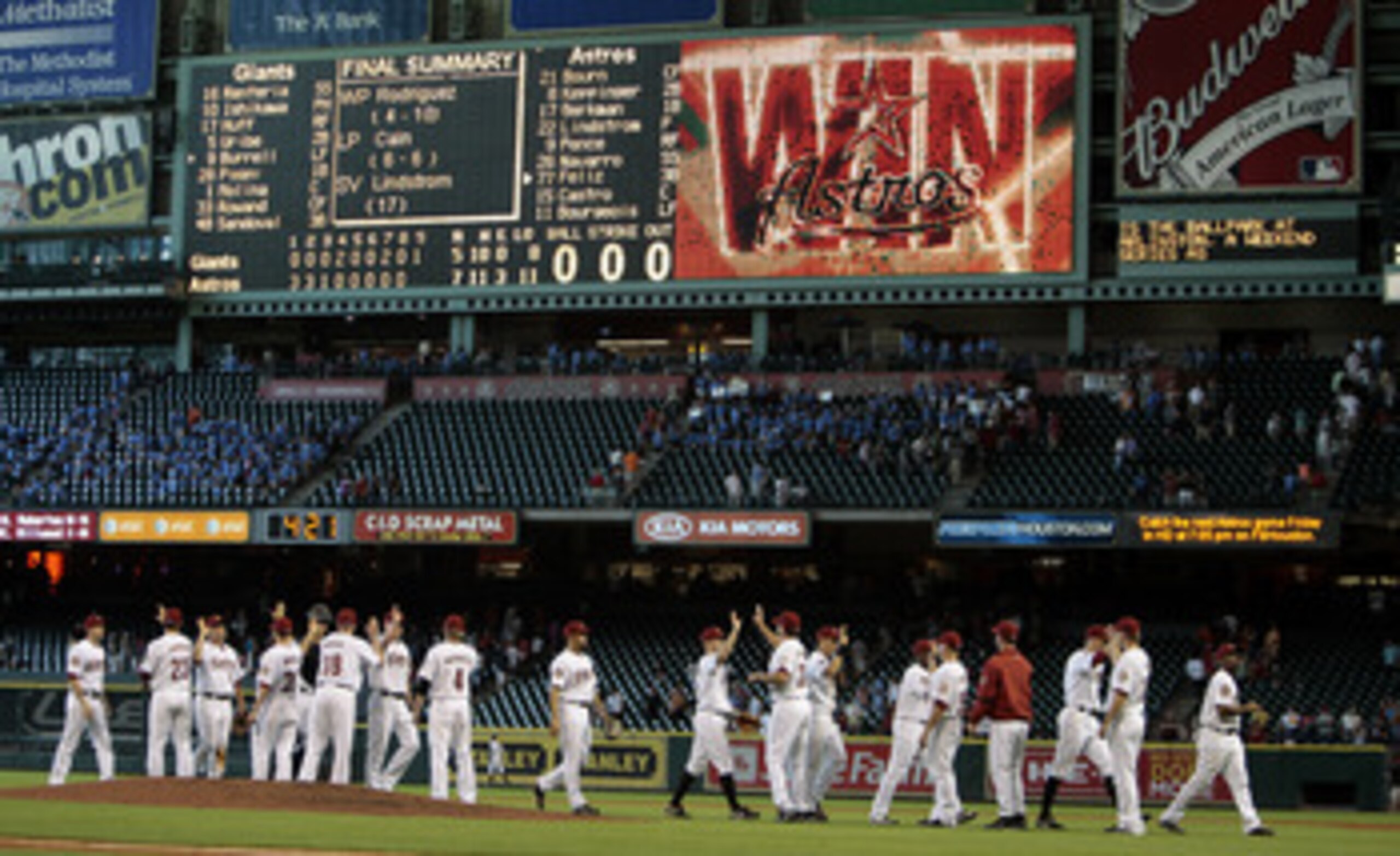
A foul pole in fair territory. A locomotive in left center. An outfield wall that stands barely 300 feet from home plate.
These are the not-so-subtle quirks that make up the odd functionality of Minute Maid Park, formerly Enron Field. But the home of the Astros isn’t all pomp and no substance.
Amenities include Wi-Fi access, and Minute Maid was the first ballpark in the league to incorporate a closed-captioning board for the hearing impaired. Best of all? Any time an Astros batter hits the “Fowl Pole,” every fan in attendance is treated to a free chicken sandwich from Chick-fil-A.
Southwest No. 5: McKale Center
36 of 100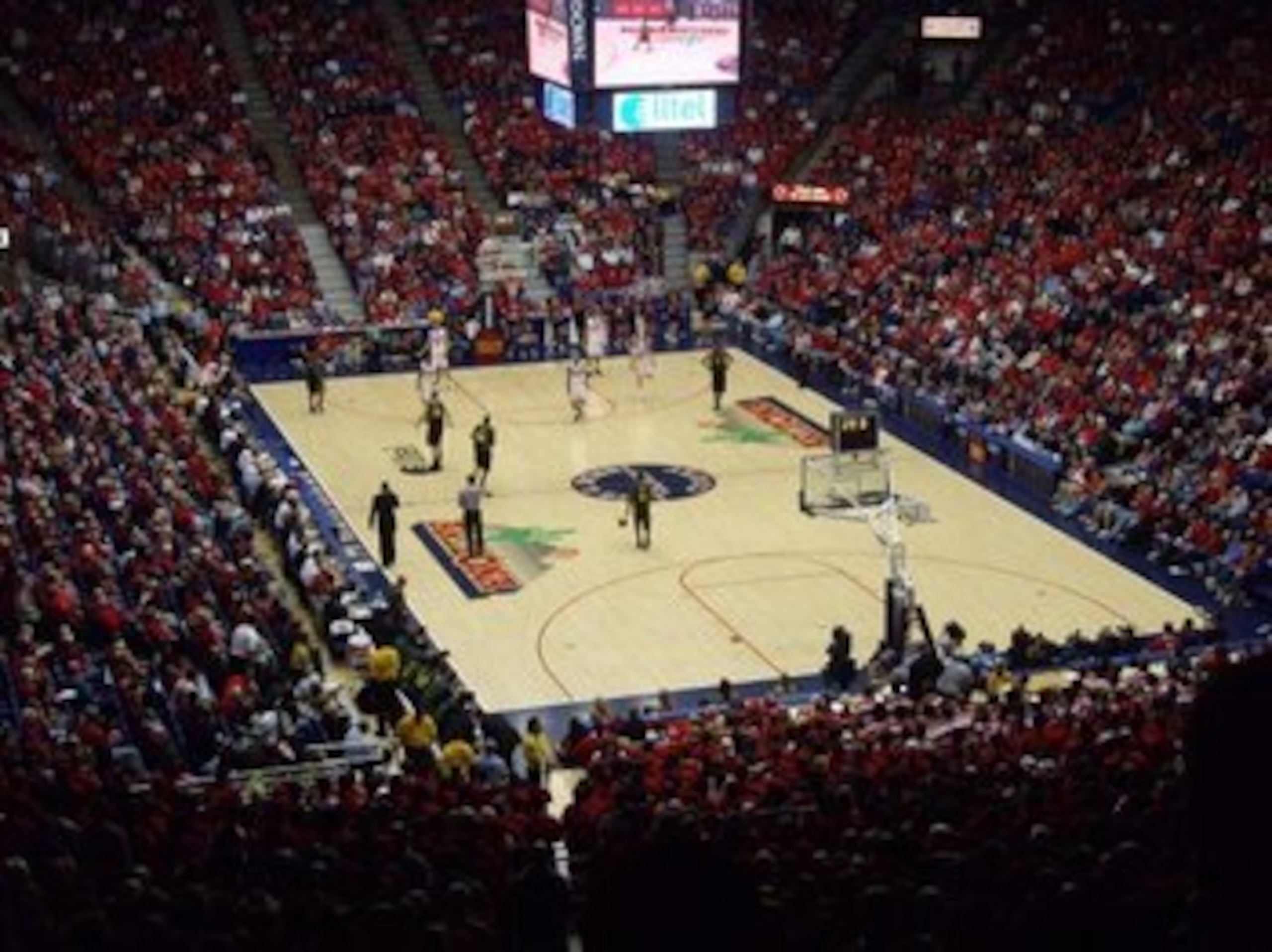
Located at 1 National Championship Drive, the McKale Center has been the setting for many a hardwood success in its 37 years and the winning began immediately.
The Arizona Wildcats won 67 of their first 70 games in the arena, sparking a reputation McKale holds today as one of college basketball’s toughest places to play. The jubilation that typically fills its confines recently gave way to mourning, though, as President Barack Obama last month led a memorial service at McKale for those lost in the Tucson shootings.
Southwest No. 4: Darrell K. Royal — Texas Memorial Stadium
37 of 100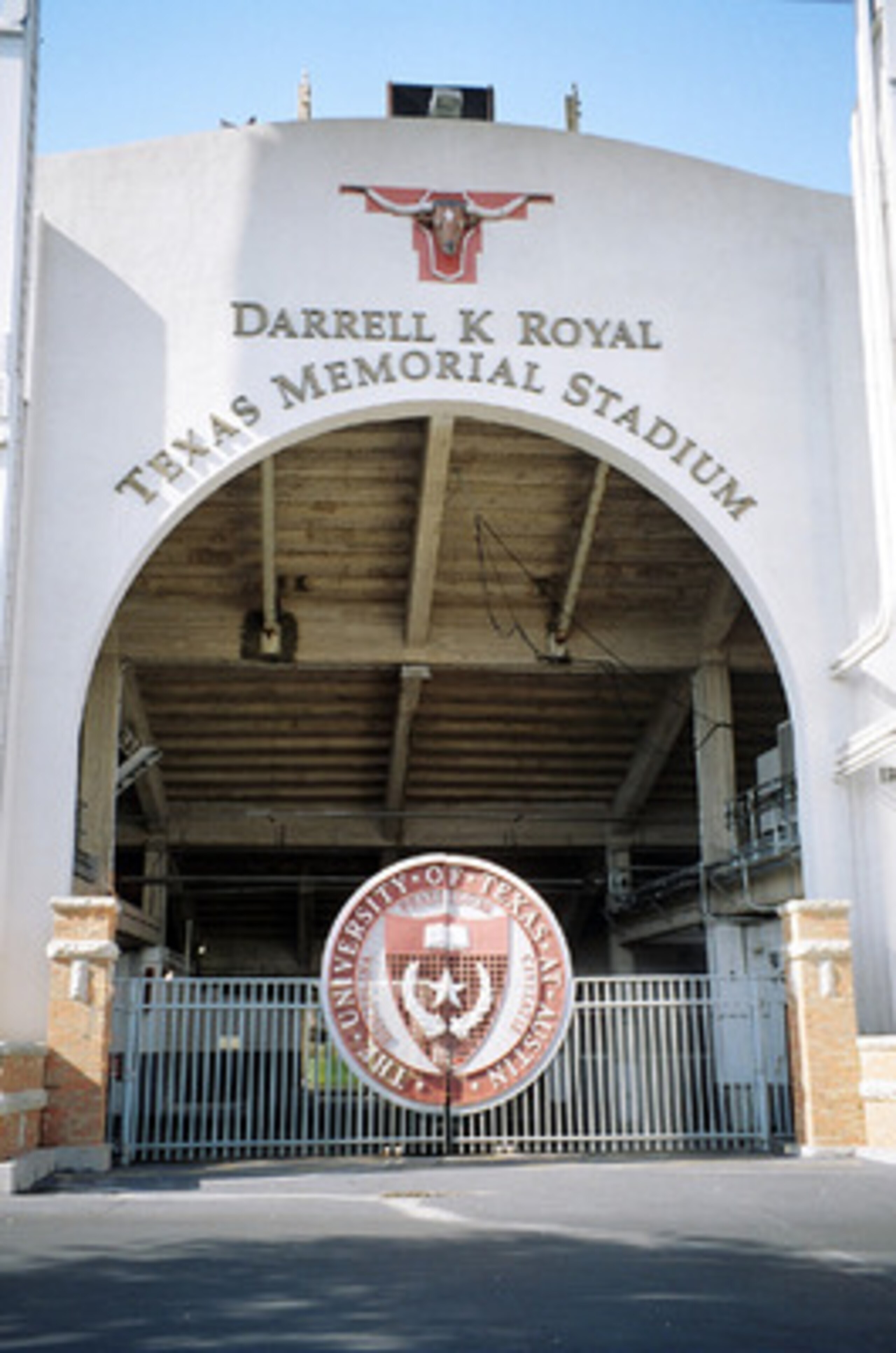
Everything’s bigger in Texas, and achieving such size is spared no expense at the state’s flagship university, where a recent expansion raised the capacity of Darrell K. Royal to over 100,000 as one of the largest stadiums in college athletics.
Longhorn fanatic or not, make the trip to Austin in the fall for no other reason than the experience that is witnessing Godzillatron, a 7.300-square foot high-definition LED board added in 2006 that is surpassed only by its multi-dimensional peer in Dallas.
Southwest No. 3: TPC Scottsdale
38 of 100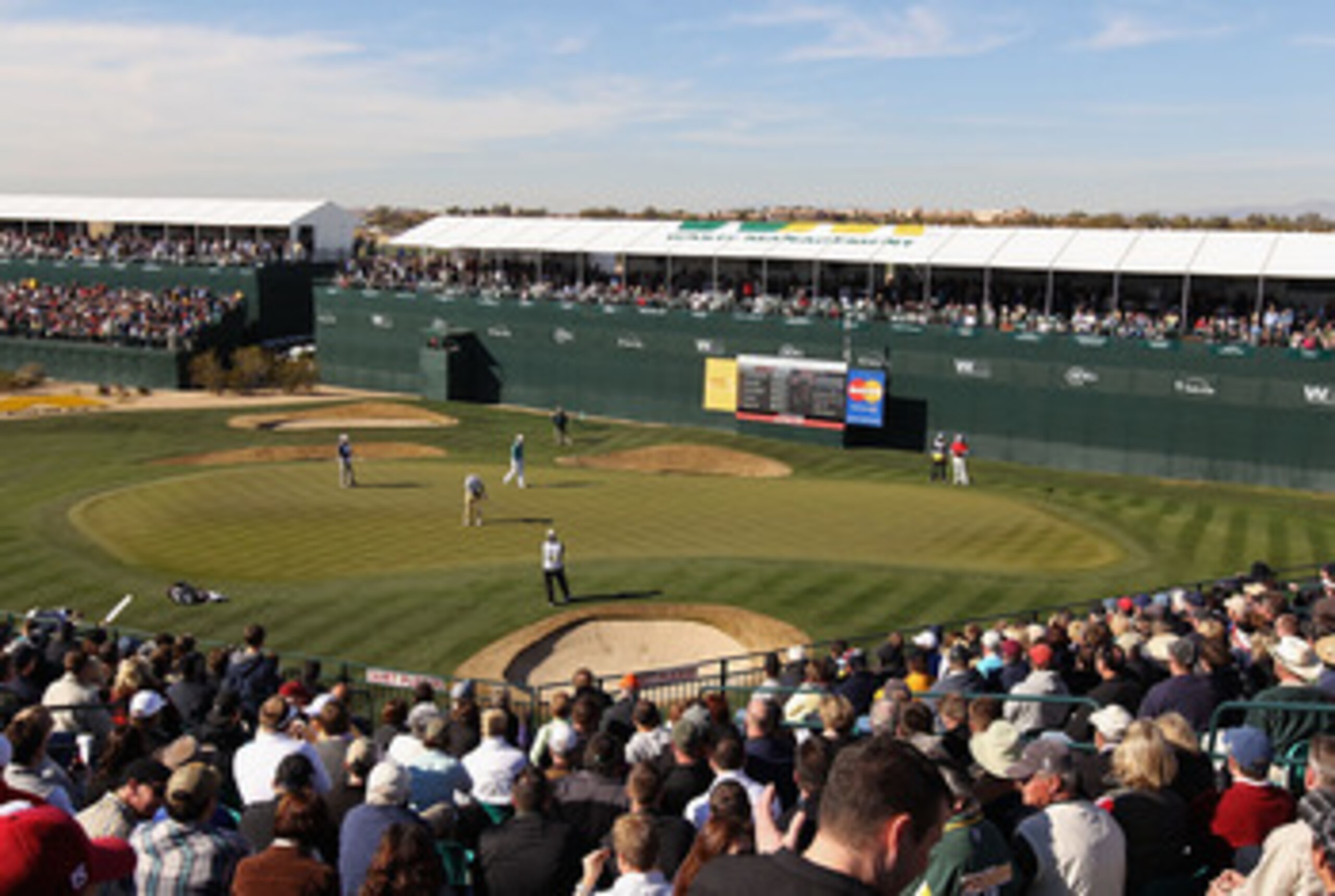
The atmosphere at TPC Scottsdale’s Stadium Course came be summed up in one word: barbaric. But in a good, golf-like, gentlemanly sort of way, of course.
Home to the annual Phoenix Open since 1987, this 7,200-yard masterpiece of designers Tom Weiskopf and Jay Morrish is credited with having the PGA Tour’s only completely enclosed hole, making it a breeding ground for crazies and misfits.
Both of which were immortalized thanks to Tiger Woods’ memorable hole-in-one in 1997.
Southwest No. 2: Cotton Bowl
39 of 100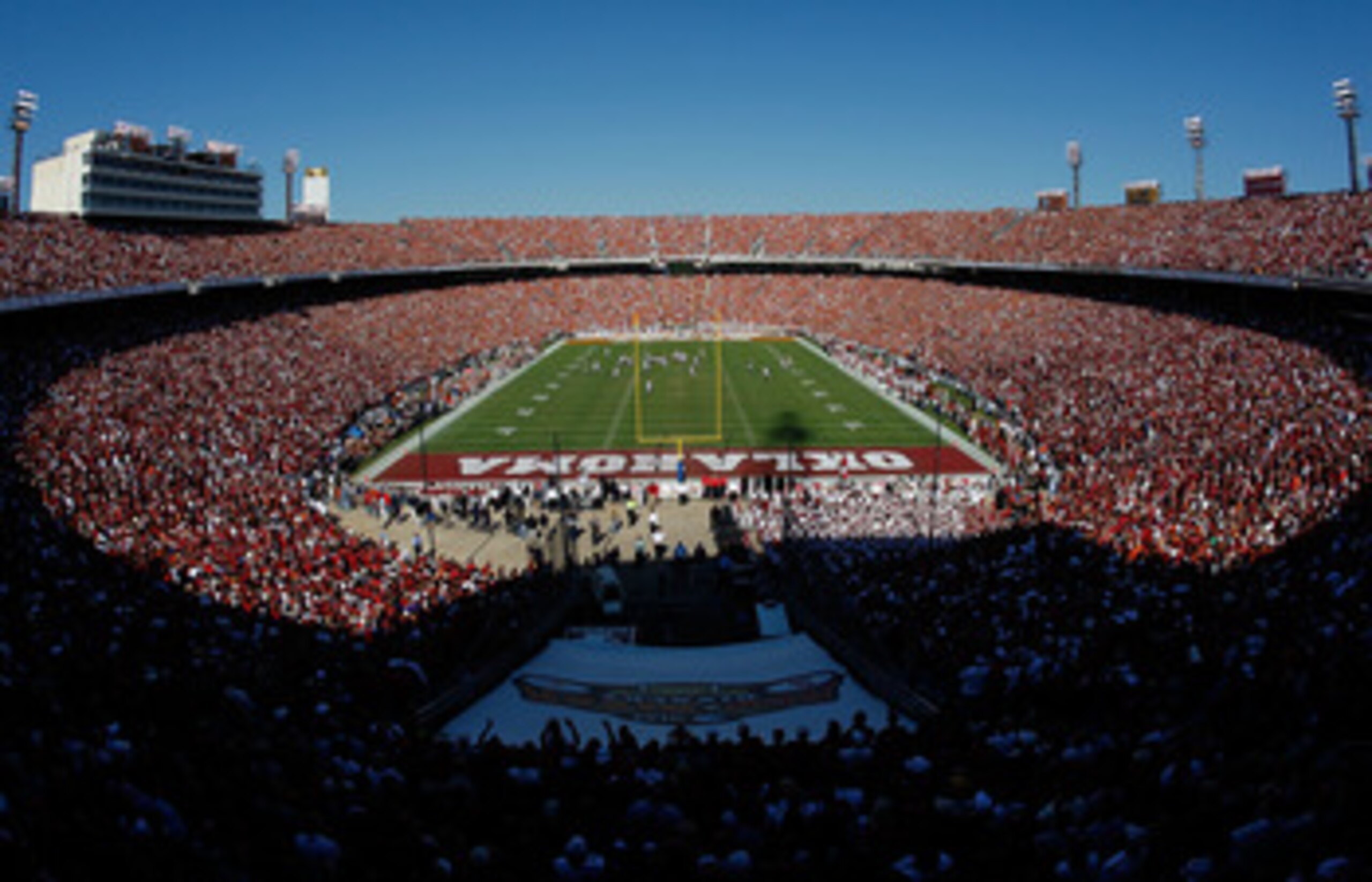
Sadly, the Cotton Bowl no longer hosts the game bearing its name. The Cotton Bowl Classic was moved this past season to Cowboys Stadium, marking the first time in the bowl game’s history it was played somewhere other than this iconic building.
Luckily for us, Oklahoma and Texas haven’t broken tradition. As synonymous with the Texas State Fairas deep-fried butter, the Cotton Bowl houses the annual Red River Rivalry between the Sooners and Longhorns, a game that acts as the main attraction amid the fair’s plethora of activities every year.
Southwest No. 1: Cowboys Stadium
40 of 100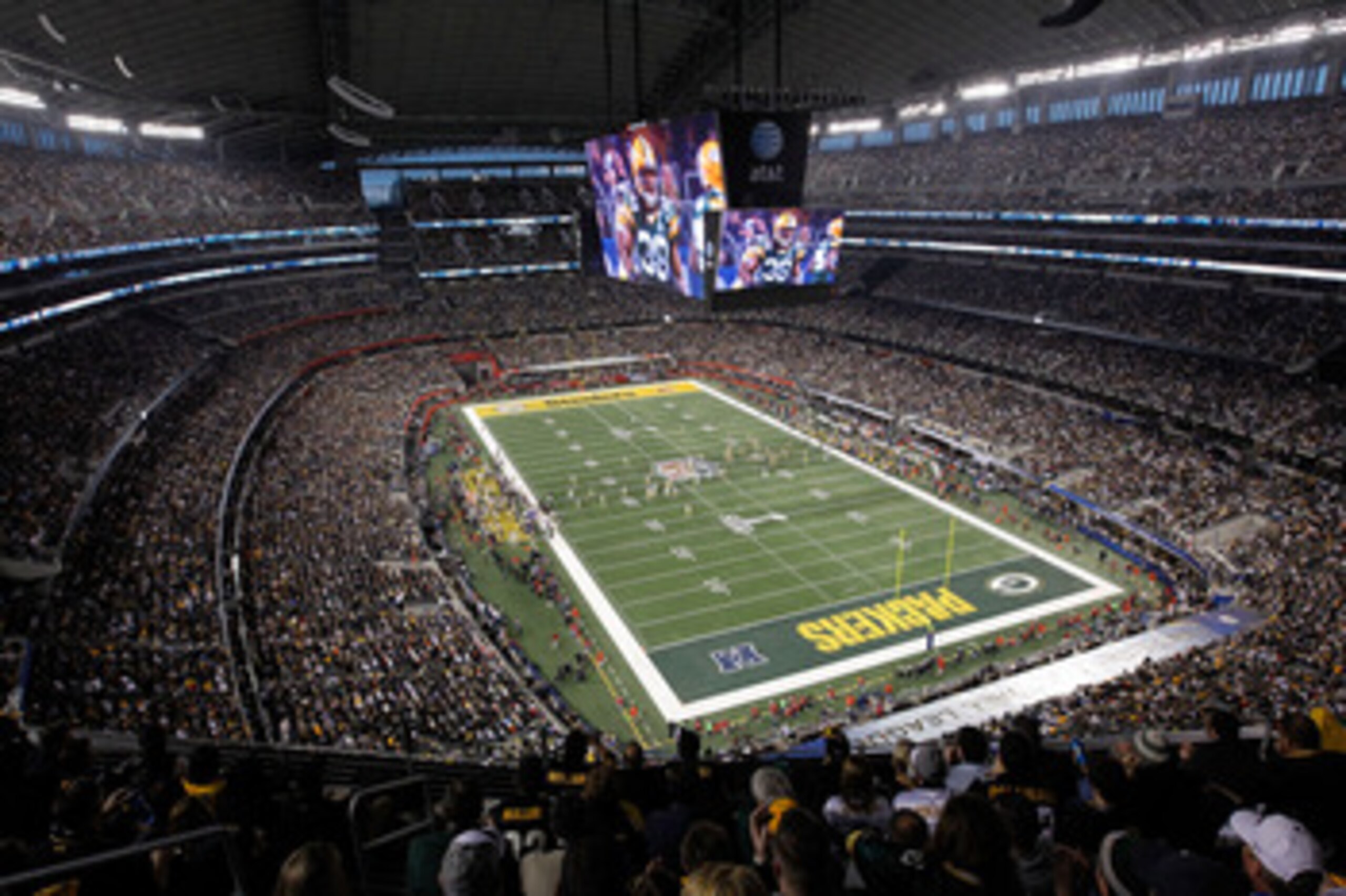
A mash of sorts between modern architecture, a billion dollars, and the outlandish aspirations of Dallas owner Jerry Jones, Cowboys Stadium is something to behold, I’m sure.The state of Texas would have it no other way.
Neither would Jones, whose pride-and-joy exceeded estimated construction costs by more than $400 million, making it worth more than the gross domestic product of several second-world nations combined.
But if you want cage dancers and an 11,520-square foot videoboard inside the largest domed stadium in the world, you gotta splurge.
Rockies No. 10: Washington-Grizzly Stadium
41 of 100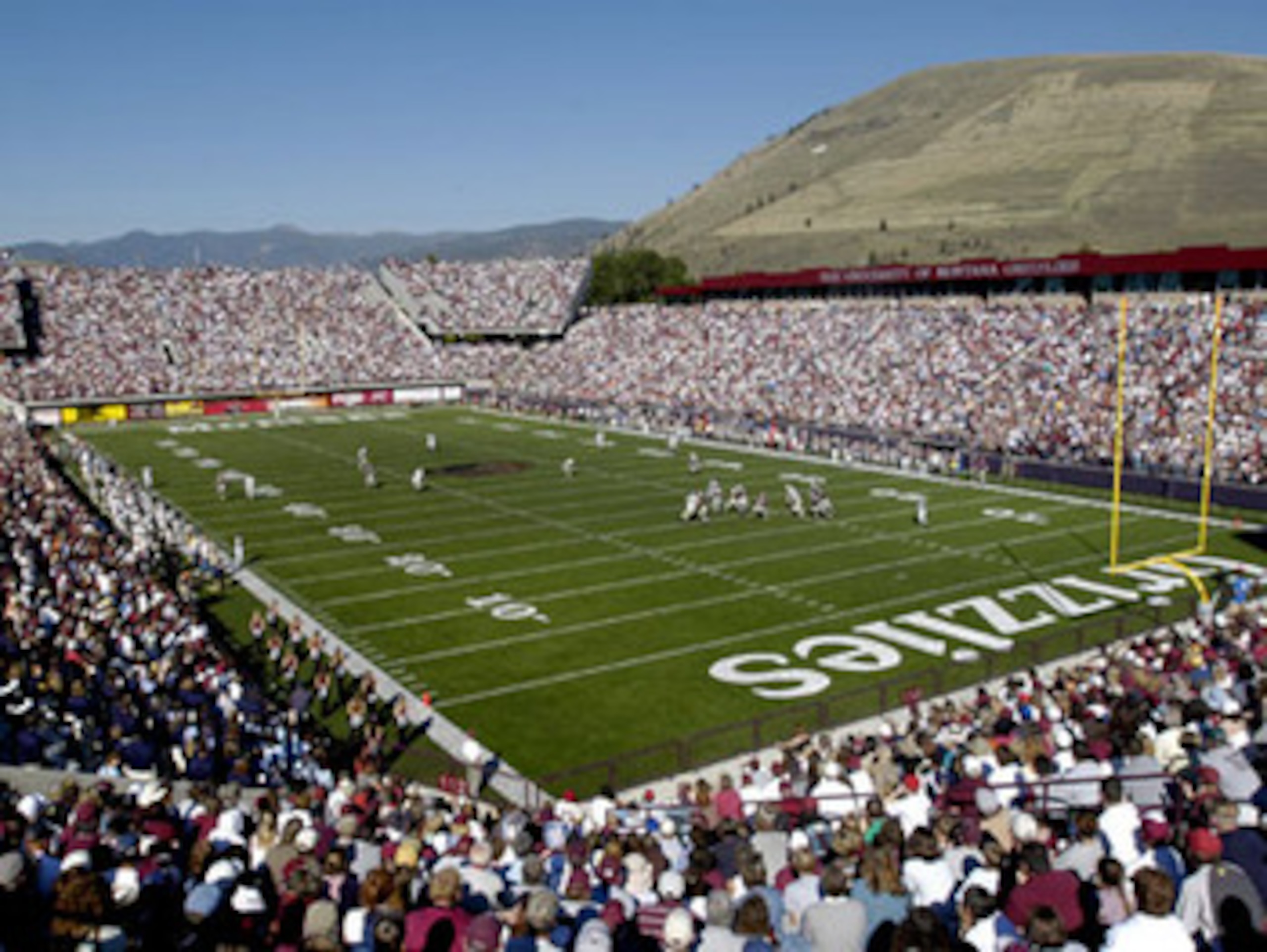
As modest as the unassuming lifestyle of Montana residents, Washington-Grizzly Stadium seats only 25,000, but it houses one of college football's premier programs.
Winners of 18 Big Sky titles and two FCS national championships, the Montana Grizzlies have won at least five home games in a season every year since 1991—including unblemished marks at Washington-Grizzly seven times in that span.
Rockies No. 9: Pepsi Center
42 of 100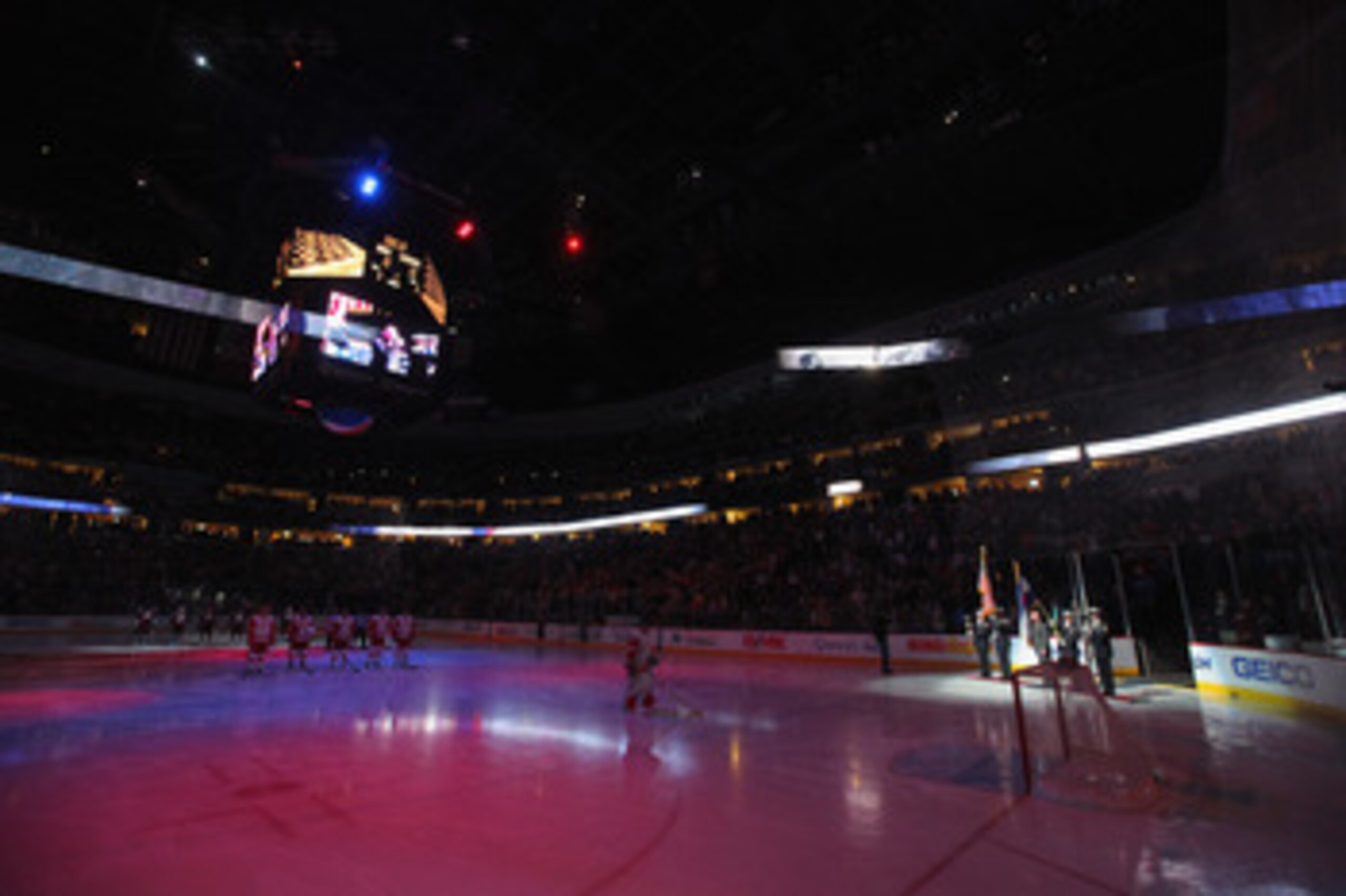
The second project of a six-year sporting venue upgrade in Denver that included Invesco Field and Coors Field, the Pepsi Center is owned and operated by tycoon Stan Kroenke, whose Kroenke Sports Enterprises has been vital to community and civic causes in and around the city.
Boasting more than 675,000 square feet of space, the five-tiered facility is regarded as one of the nation’s finest in its ability to host a multitude of events and offers a smorgasbord of amenities—including several fine-dining options and a fully-equipped business center.
Rockies No. 8: Folsom Field
43 of 100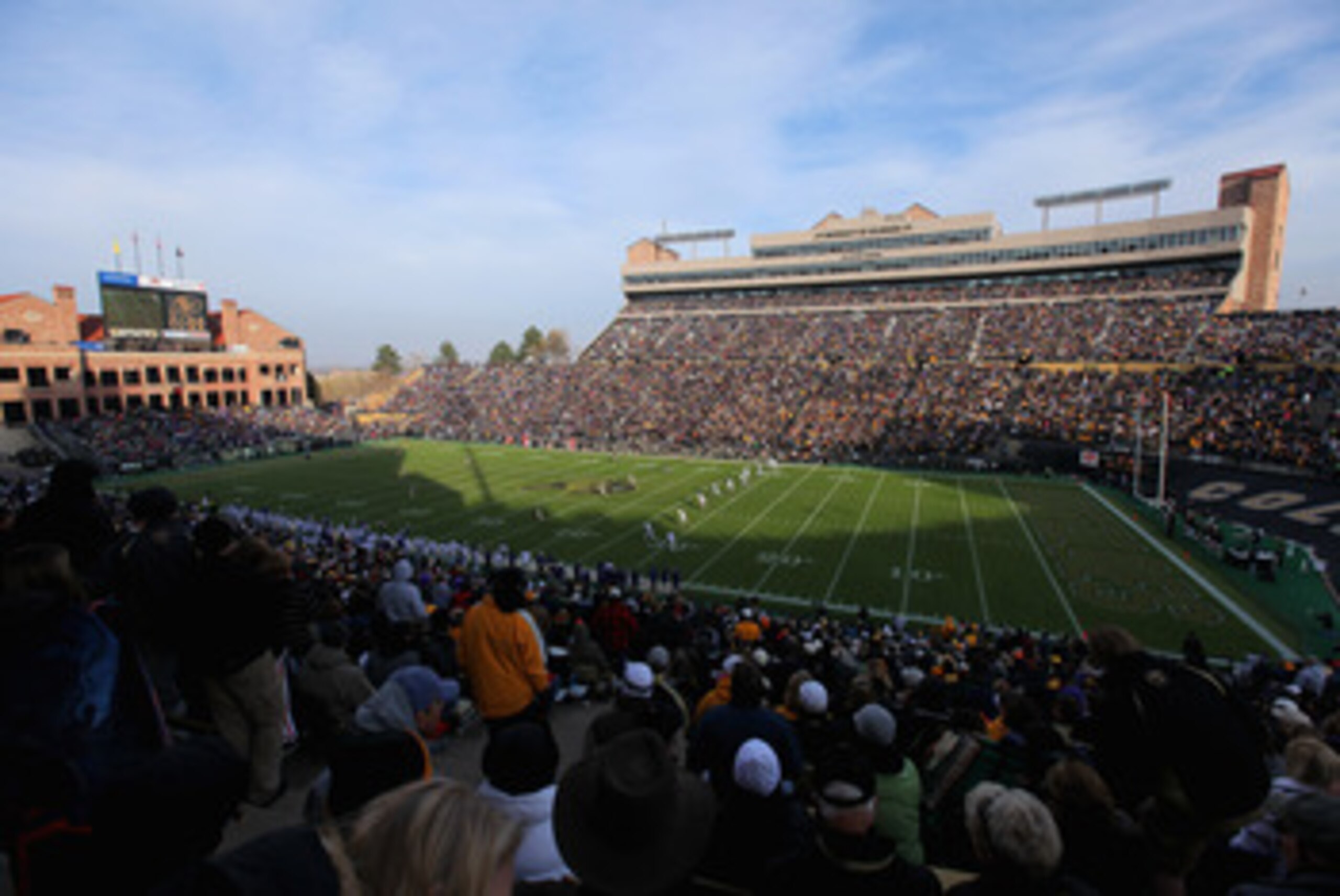
At 5,360 feet above sea level, Folsom Field on the campus of the University of Colorado is the third-highest stadium in major college football, behind only Wyoming and Air Force.
But this charming setting is not meant solely for the violence and hostility of the gridiron. As versatile as it is quaint with its brick facades, Folsom has welcomed a number of impressive musical acts through its gates in past years—including The Rolling Stones, Van Halen, Journey, The Beach Boys, and The Dave Matthews Band.
Rockies No. 7: Kibbie Dome
44 of 100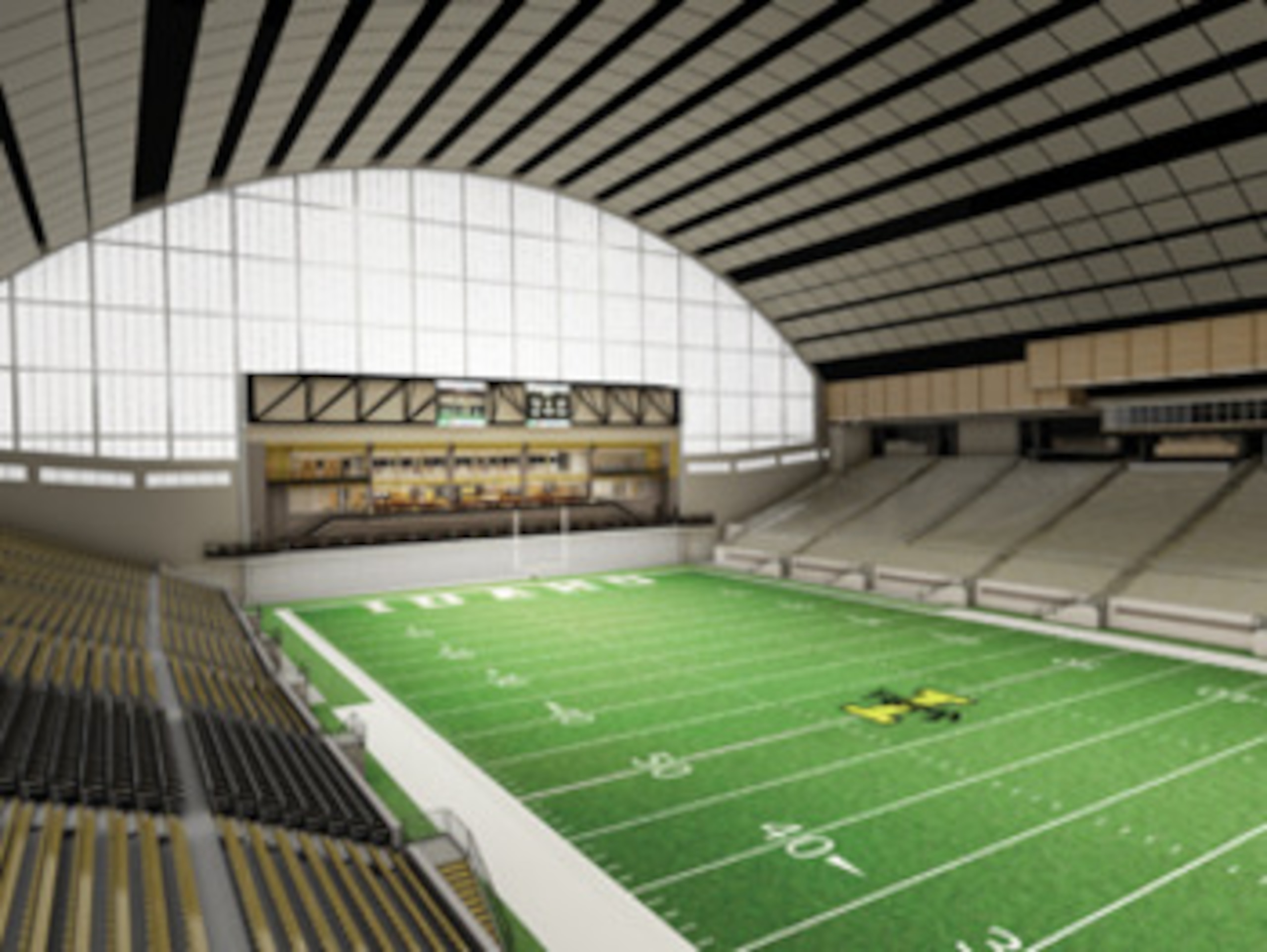
Nestled snugly in the hills of the Palouse region of Northern Idaho, the Kibbie Dome sits plainly amidst the scenery, but don’t mistake it for a hastily-built airplane hangar. Also, never mind the fact it seats only 16,000, the fewest of any facility in the Football Bowl Subdivision.
Rather, think of the enclosure as a marvel of modern engineering. Originally an open-air facility upon completion in 1971, the Kibbie Dome was not actually a dome until 1975, when the structure was fitted for its arched roof and soon thereafter, was bestowed with the Structural Engineering Achievement Award from the American Society of Civil Engineers.
Rockies No. 6: Coors Field
45 of 100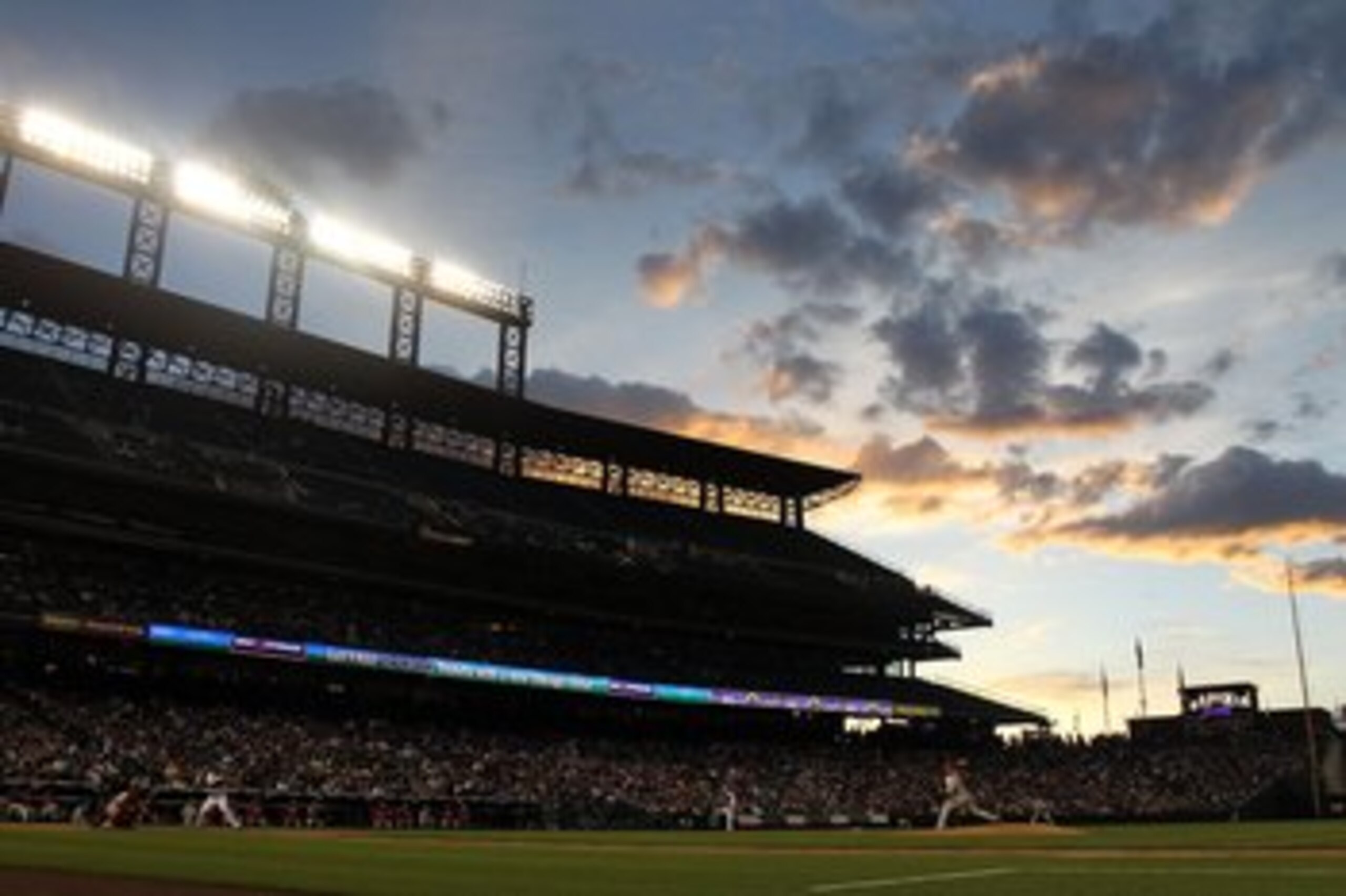
The builders of Coors Field saw the home runs coming. Sure enough—when the park opened in 1995, balls immediately began leaving the yard, cutting through the dry, Rocky Mountain atmosphere like cheese cloth.
Despite losing nine games during its inaugural season because of the 1994-95 lockout, Coors Field nearly tied the major league record for most home runs hit in a ballpark in a season.
In the years to come, it would set a new mark—twice.
A new record has since been set, but the days of the juiced ball are gone at Coors—where the much-controversial humidor has largely cut down on the theatrics since its arrival in 2002.
Rockies No. 5: Energy Solutions Arena
46 of 100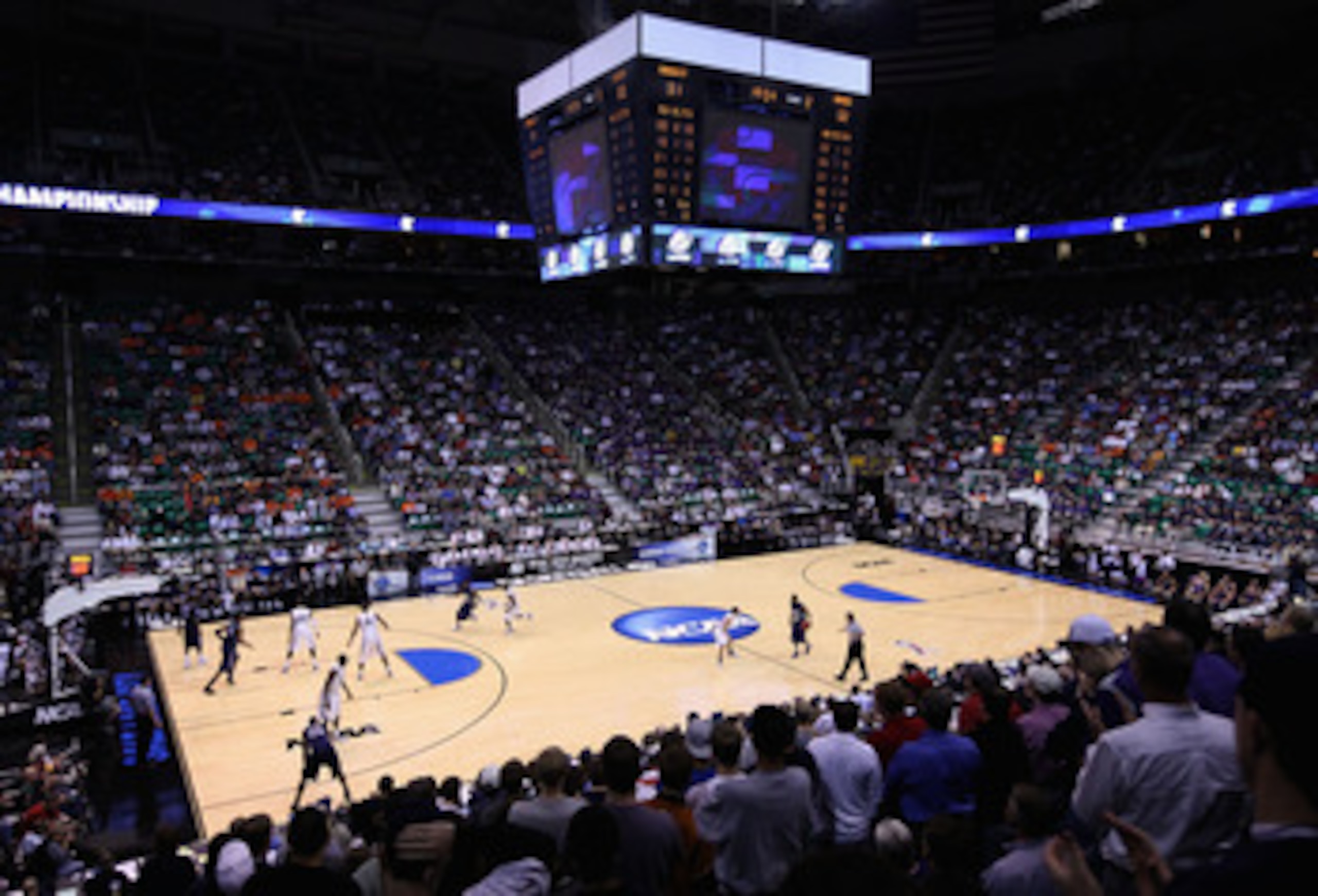
The poor Utah Jazz may be the NBA’s "Exhibit-A" of what happens when naming rights agreements go terribly wrong.
To me, the Energy Solutions Arena will forever be the Delta Center, a title so fluid in comparison that you almost forget that it too, was the result of corporate sponsorship.
Energy Solutions, an international nuclear waste services company headquartered in Salt Lake City, has an agreement with the Jazz for another five years, so I suppose complaining is futile.
But that won’t stop sickened fans from continuing to throw out their suggestions for an arena name, which have included such favorites as The Dump and Plutonium Palace.
Rockies No. 4: Bronco Stadium
47 of 100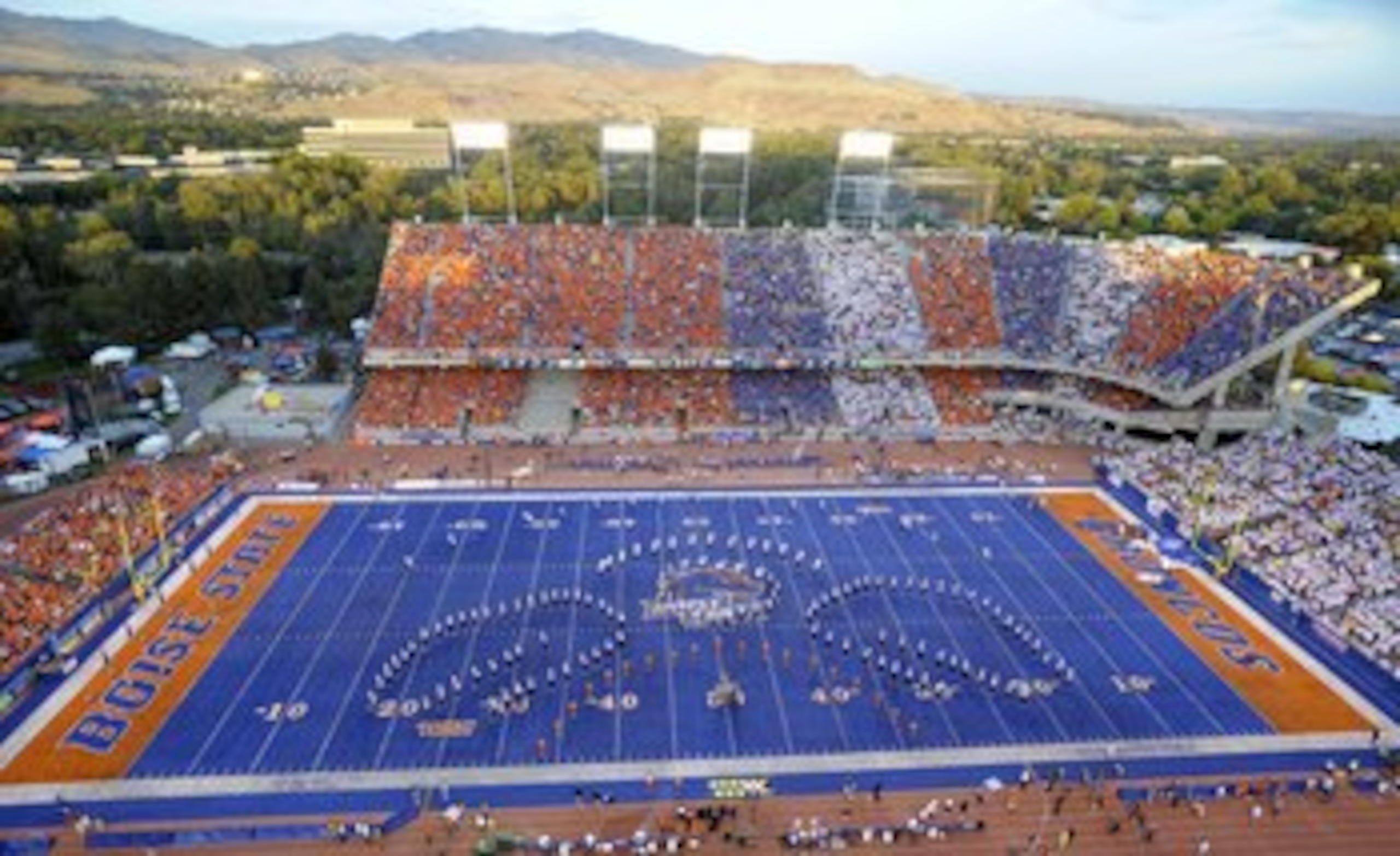
The big boys won’t risk playing here. WAC opponents only treaded the blue turf because they had to.
Foes from the Mountain West, Boise’s home conference as of the 2011 season, are dreading what lies ahead.
For many teams, the trip to Bronco Stadium has been over before it even began. For countless others, with the exception of Washington State and Boston College—the two teams to beat Boise State at home since 1999—undergoing a fall trek to Southwestern Idaho meant nothing more than wasted travel expenses.
Rockies No. 3: Buttermilk Mountain
48 of 100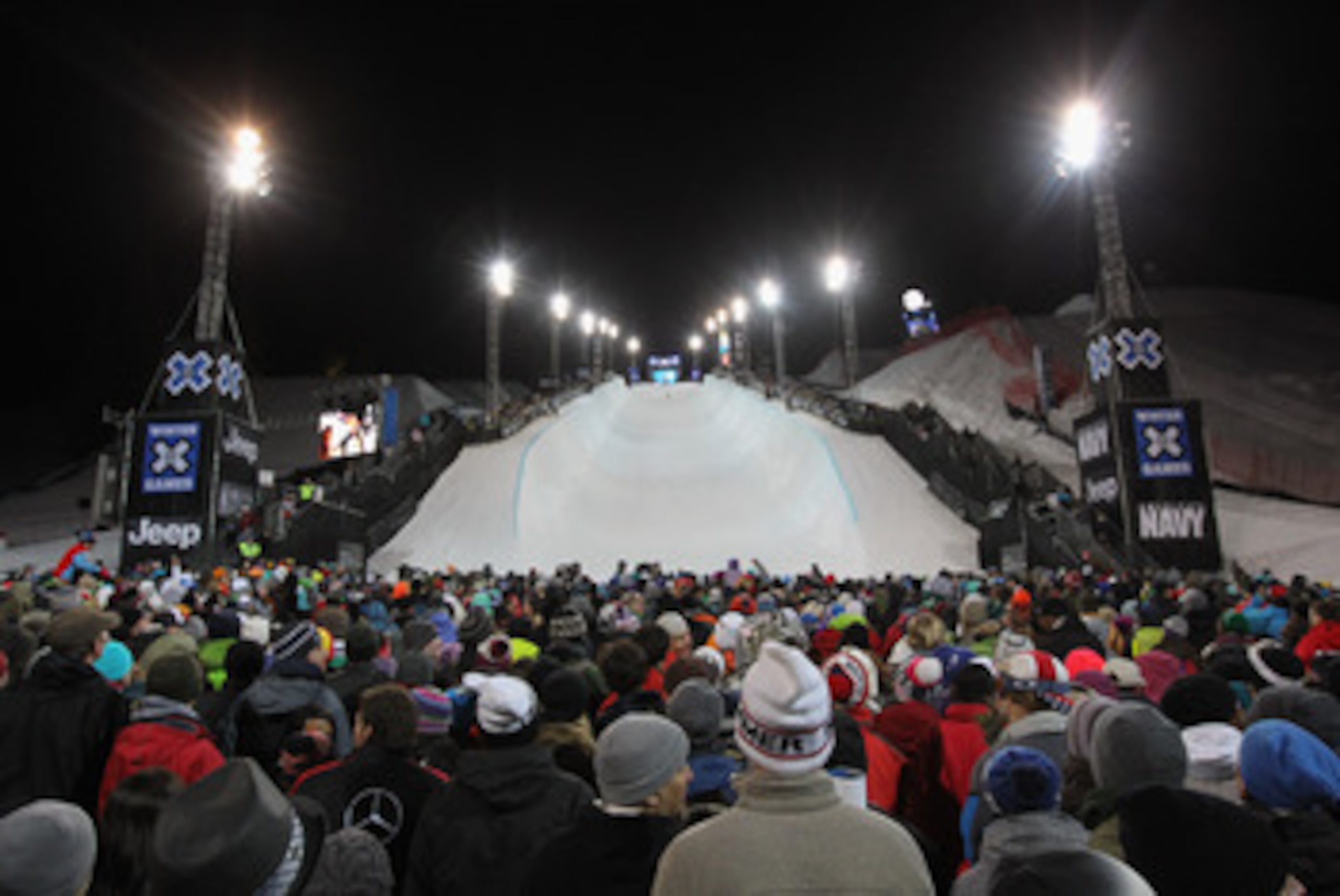
Aspen’s foremost slopes are no joke.
Buttermilk was rated as having the best park and pipe by a Transworld Snowboarding Magazine readers’ poll, which is probably why ESPN agreed to host its Winter X-Games here through at least 2012.
Yep, Shaun White shreds here, but if I were you, I’d steer clear of the 22-foot superpipe. Attempting to impress the snow-bunnies is nice, but not at the expense of your femur being javelined through your intestines.
Rockies No. 2: LaVell Edwards Stadium
49 of 100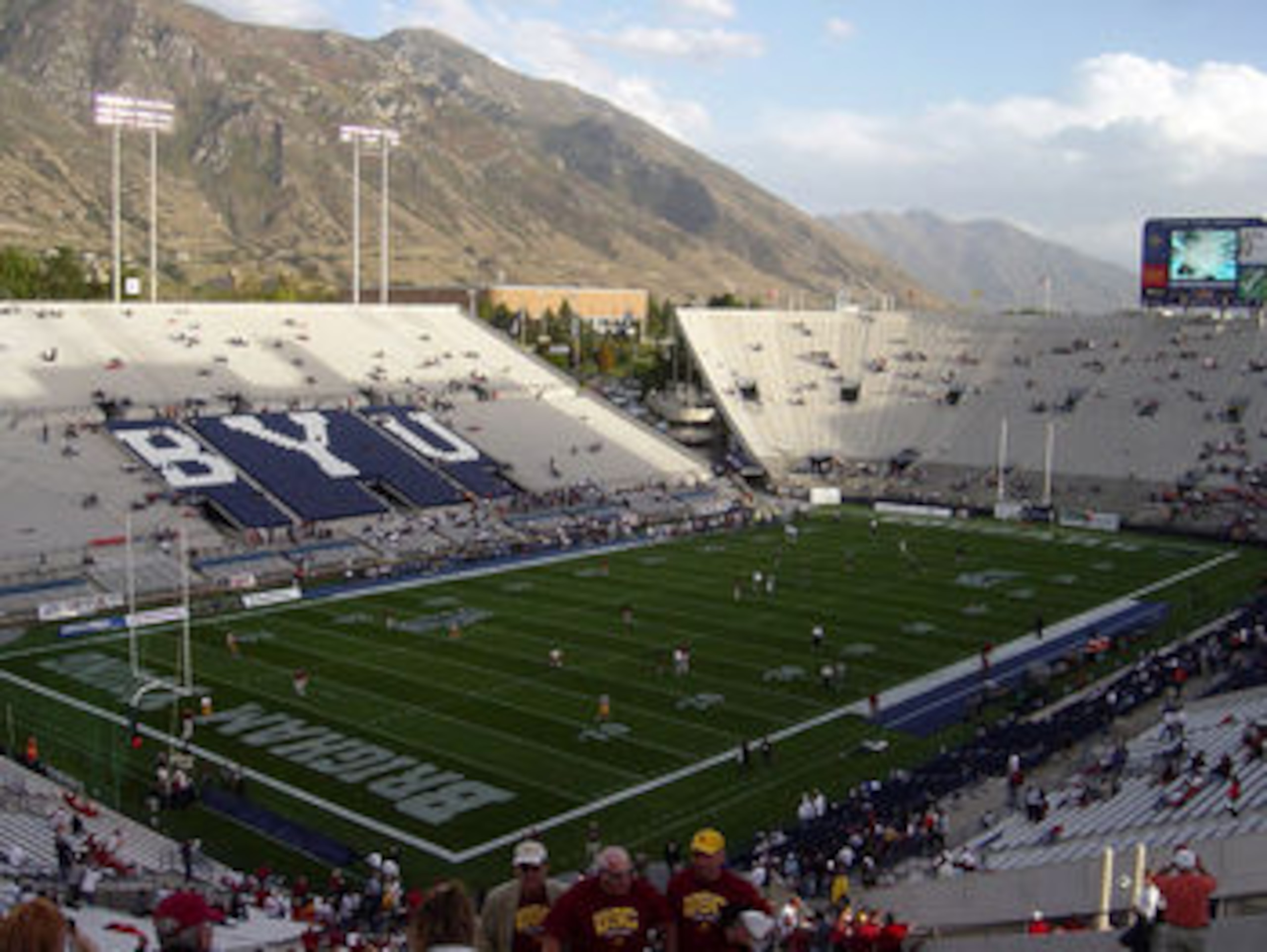
ESPN college football analyst Kirk Herbstreit once remarked during a live broadcast of a BYU game that LaVell Edwards Stadium is “one of the prettiest settings” in the game. And it’s hard to find fault with the comment.
Smack dab on the horizon across from the press box is the Wasatch Range—mountains that run to the east of campus—providing a most inspirational background for all mediatypes who are lucky enough to cover a Cougar game.
But ‘ol LaVell isn’t all looks and no substance.
The earth below its east bleachers contained part of the largest collection of Jurassic fossils ever found in North America.
Rockies No. 1: Invesco Field at Mile High
50 of 100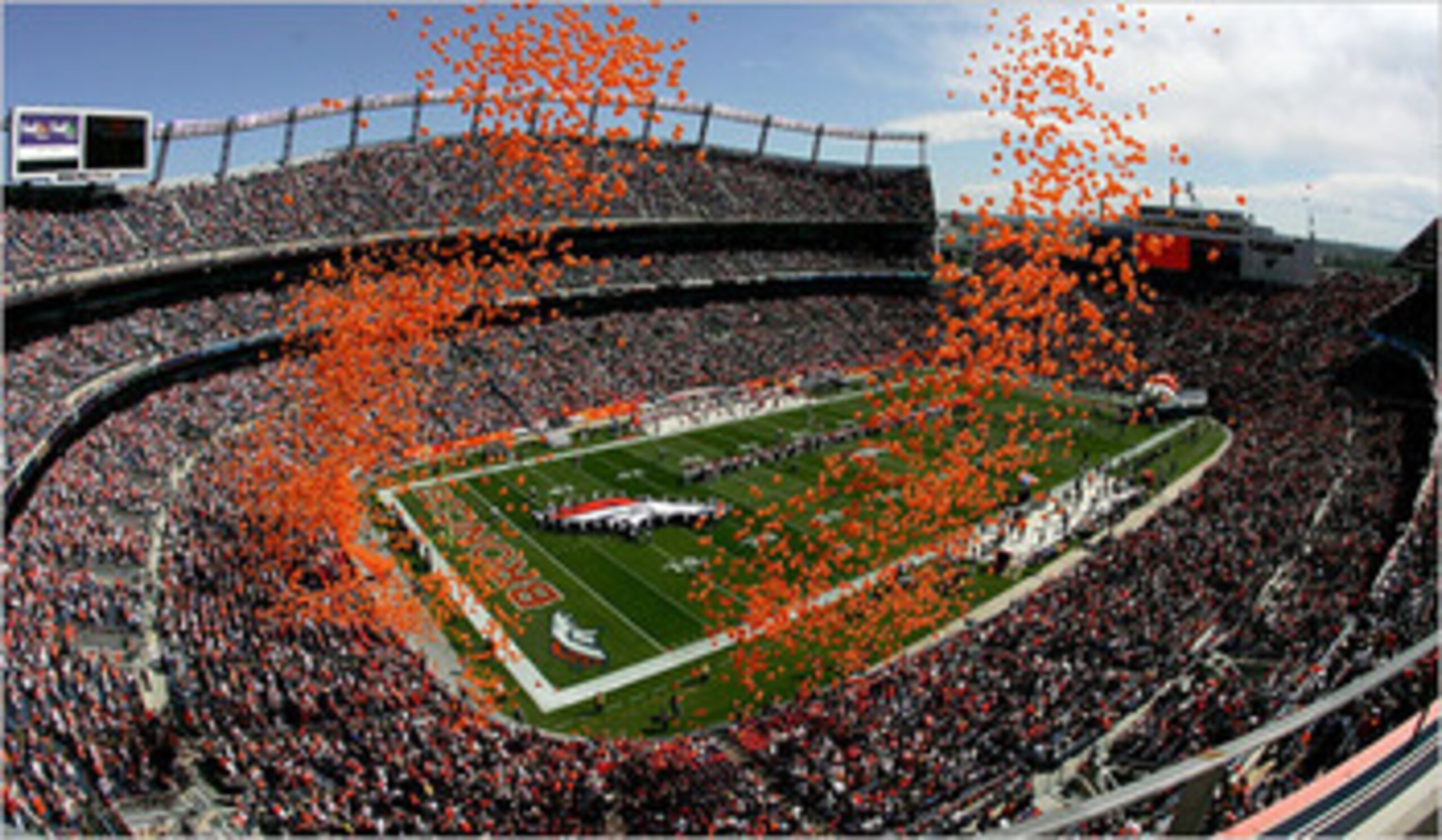
Despite the insane fondness Bronco fans had for old Mile High Stadium, team officials swore up and down in the mid-'90s that a new facility was crucial to the sustained viability of the franchise in Denver.
Less than three years after legislation proposing a new stadium was passed, Invesco Field at Mile High was born—but nonetheless met with much resistance from the public—including the Denver Post, which reportedly refused to acknowledge the corporate-funded name in its articles for several years.
Opposition to change has simmered since 2001, however, as allegiances of Denver fans have settled firmly into the new digs and have continued to practice all the traditions which made the old stadium so great.
Great Plains No. 10: Mandan Rodeo Days
51 of 100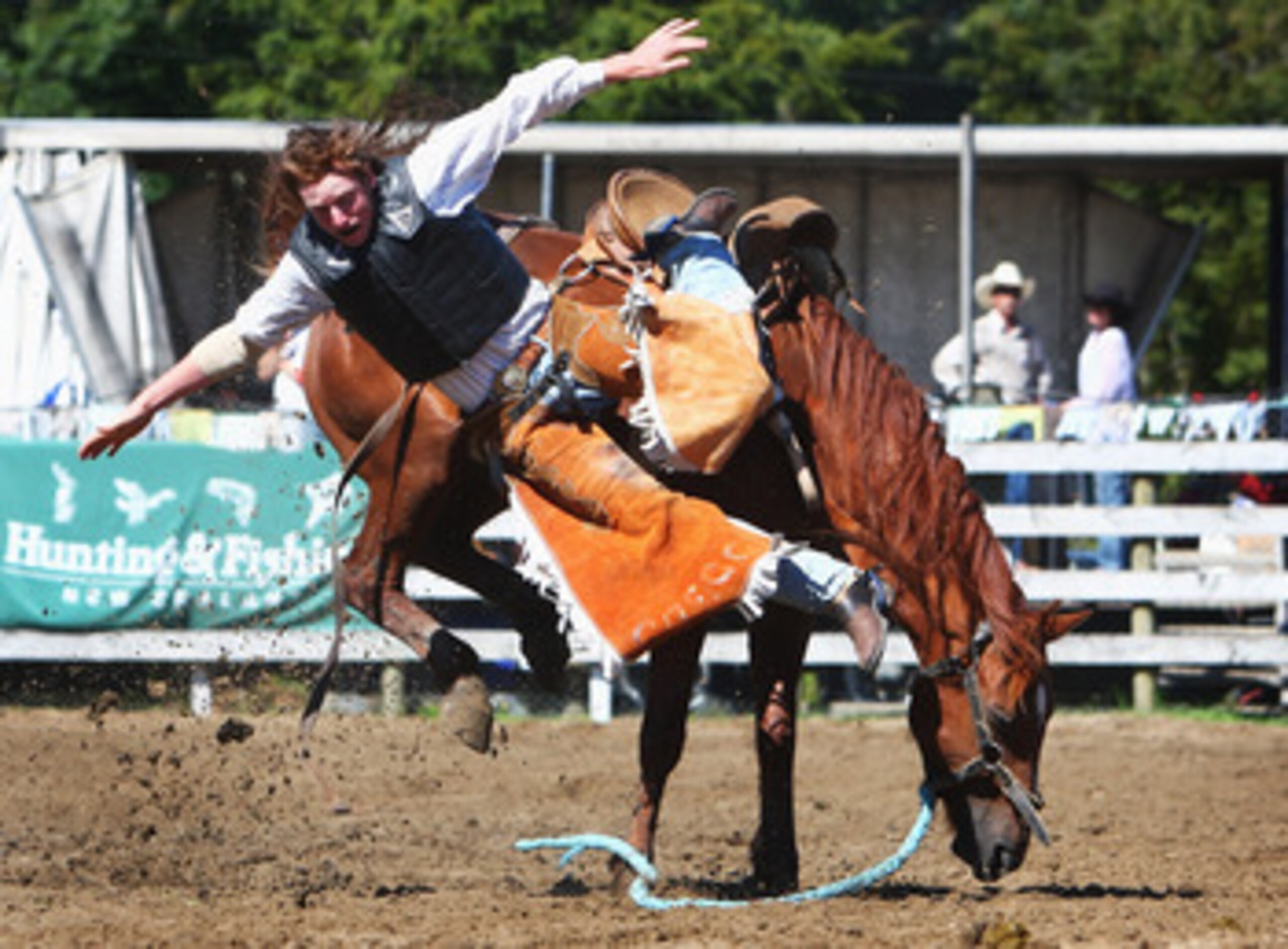
If you’re ever feeling saucy around The Fourth, Mandan, North Dakota, is the place to be.
That is unless you put no stock in what the North American Bus Tours Association says, which named the Mandan Rodeo Days Celebration one of the Top 100 Events in America.
My advice is to betray your better judgment and just do it. After all, when else can you say you got to take in a three-day Professional Rodeo Cowboys Association extravaganza?
Don't roll your eyes—no one said you had to do it sober.
Great Plains No. 9: Fargodome
52 of 100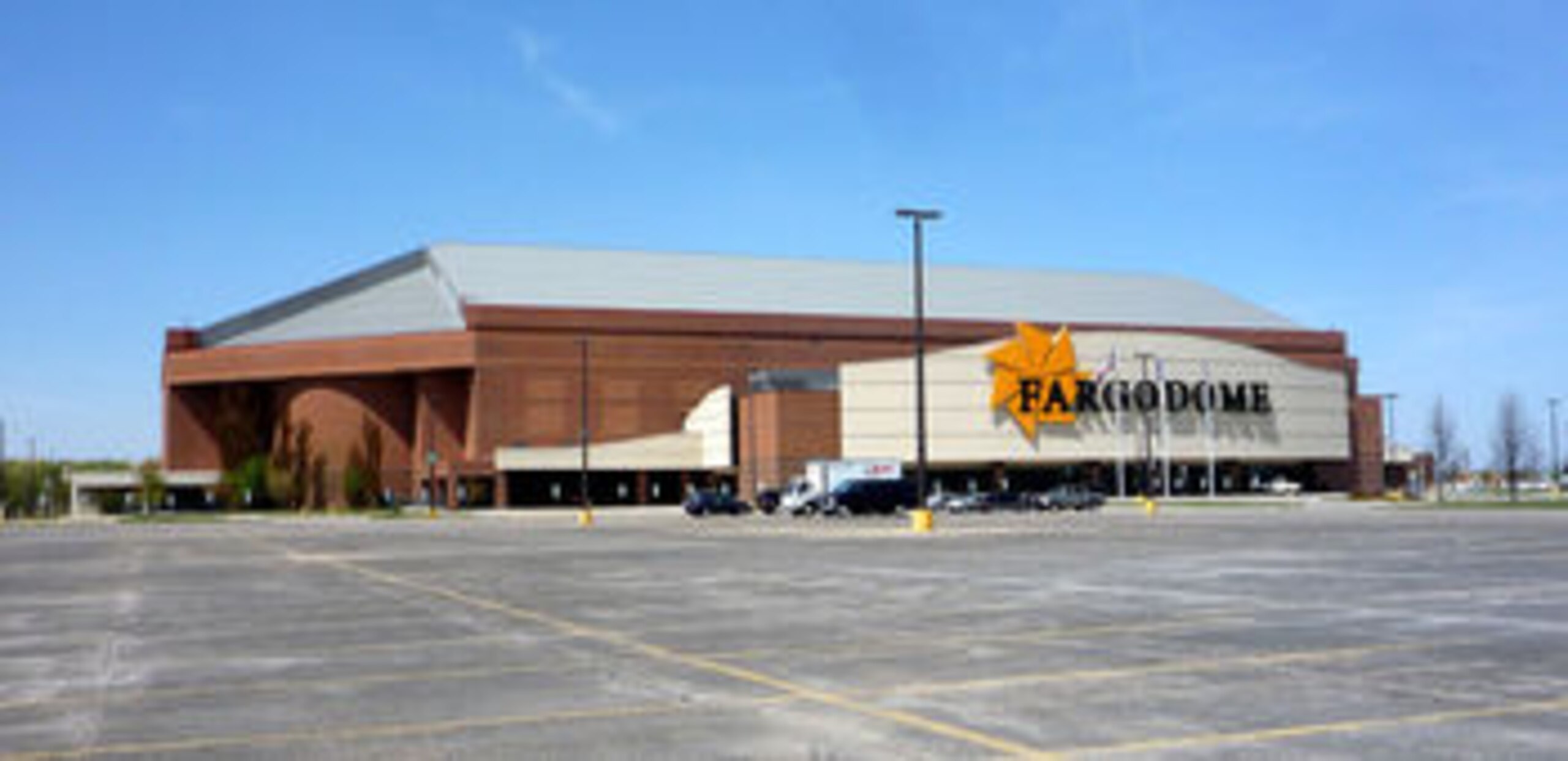
Please, please, do not make the mistake of pigeonholing the Fargodome.
So much more than just the home to North Dakota State football Saturdays, the building has hosted everything from a Ringling Bros. and Barnum & Bailey Circus to various WWE events.
Not surprisingly, the Fargodome, which can hold some 25,000 and is actually not dome-shaped, has had an enormous impact in the immediate area.
It is reportedly responsible for $142 million worth of local economic growth in the 10 years since its opening in 1992.
Great Plains No. 8: Black Hills Stocks Show and Rodeo
53 of 100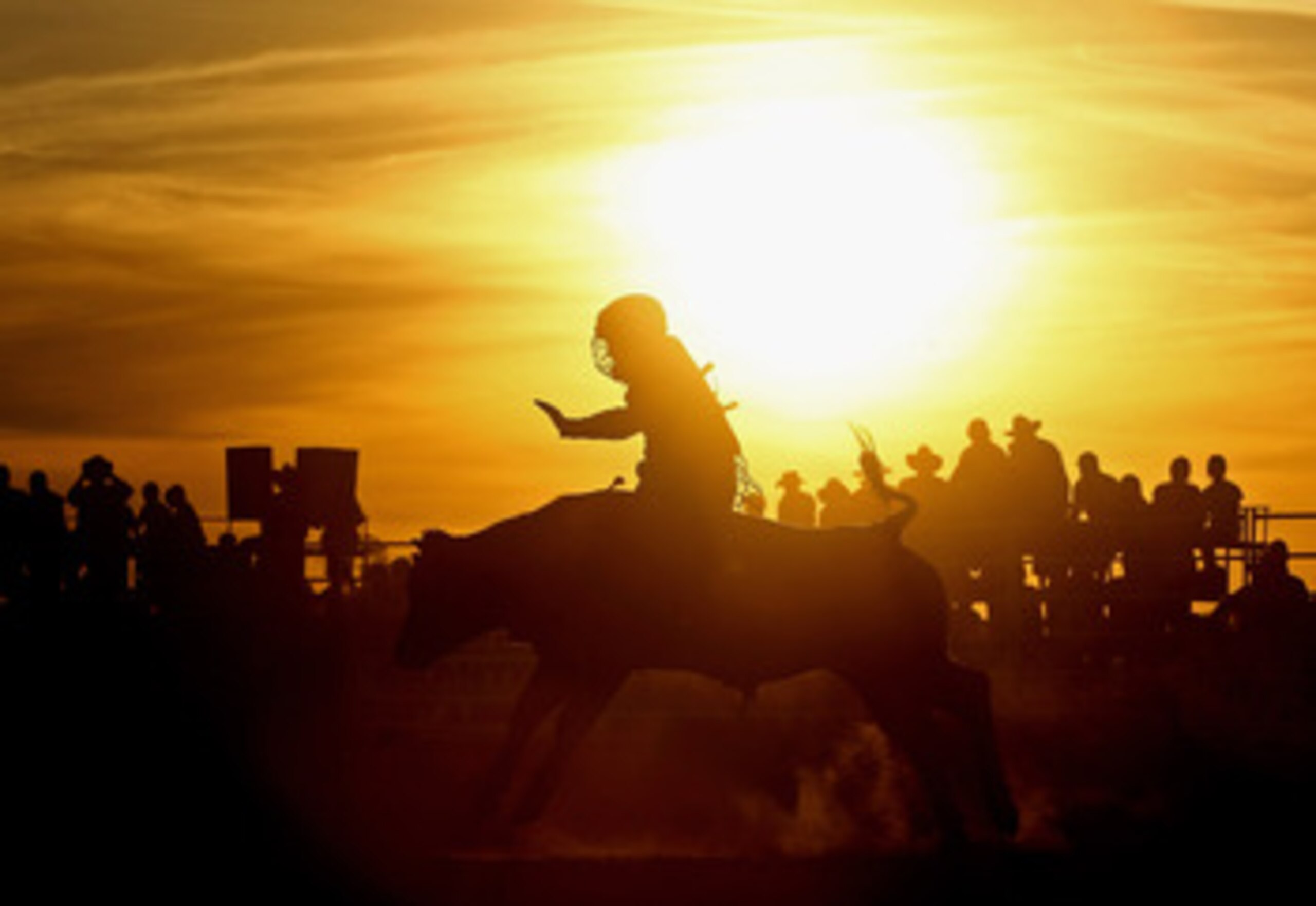
This particular year, the final day of the Black Hills Stocks Show and Rodeo was on Feb. 6, which would explain the lower viewership numbers for Super Bowl XLV in Rapid City, South Dakota.
But there’s always 2012, a potential banner year for what has long been one of the state’s foremost happenings.
Just make it a point to reserve your spot at the Ranch Rodeo by about, um, early summer, because the event enjoyed an all-time high in attendance last month.
Great Plains No. 7: Oklahoma City Arena
54 of 100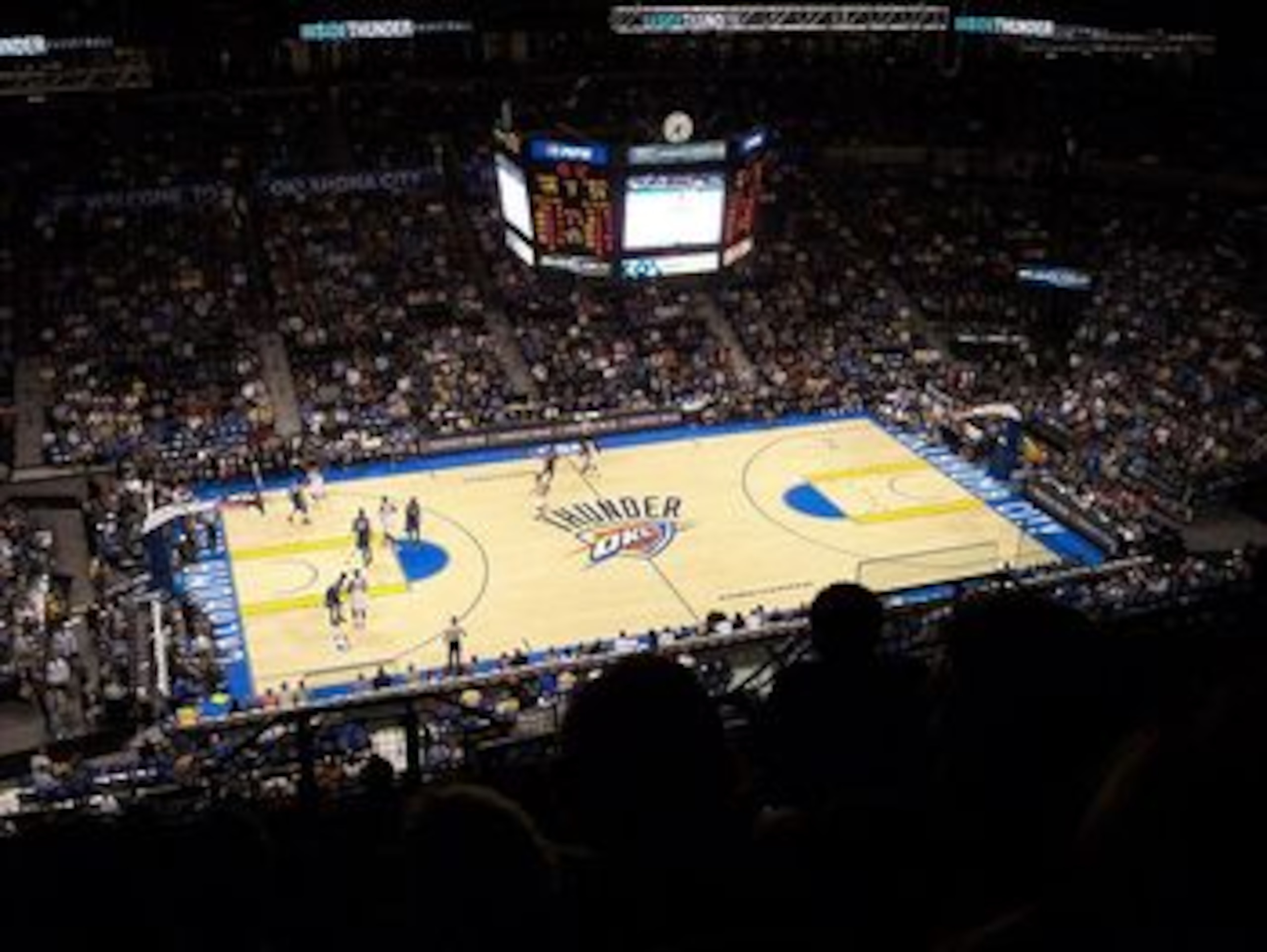
Formerly known as Ford Center, the Oklahoma City Arena is your typical multi-purpose facility used for sporting and entertainment events.
There’s an inordinate amount of arenas just like it around the country.
Ah, but there’s only one Kevin Durant, the Oklahoma City forward who wows with such regularity, that attending a Thunder home game has become something of a trendy option for Oklahoman sports and entertainment junkies.
Great Plains No. 6: TD Ameritrade Park Omaha
55 of 100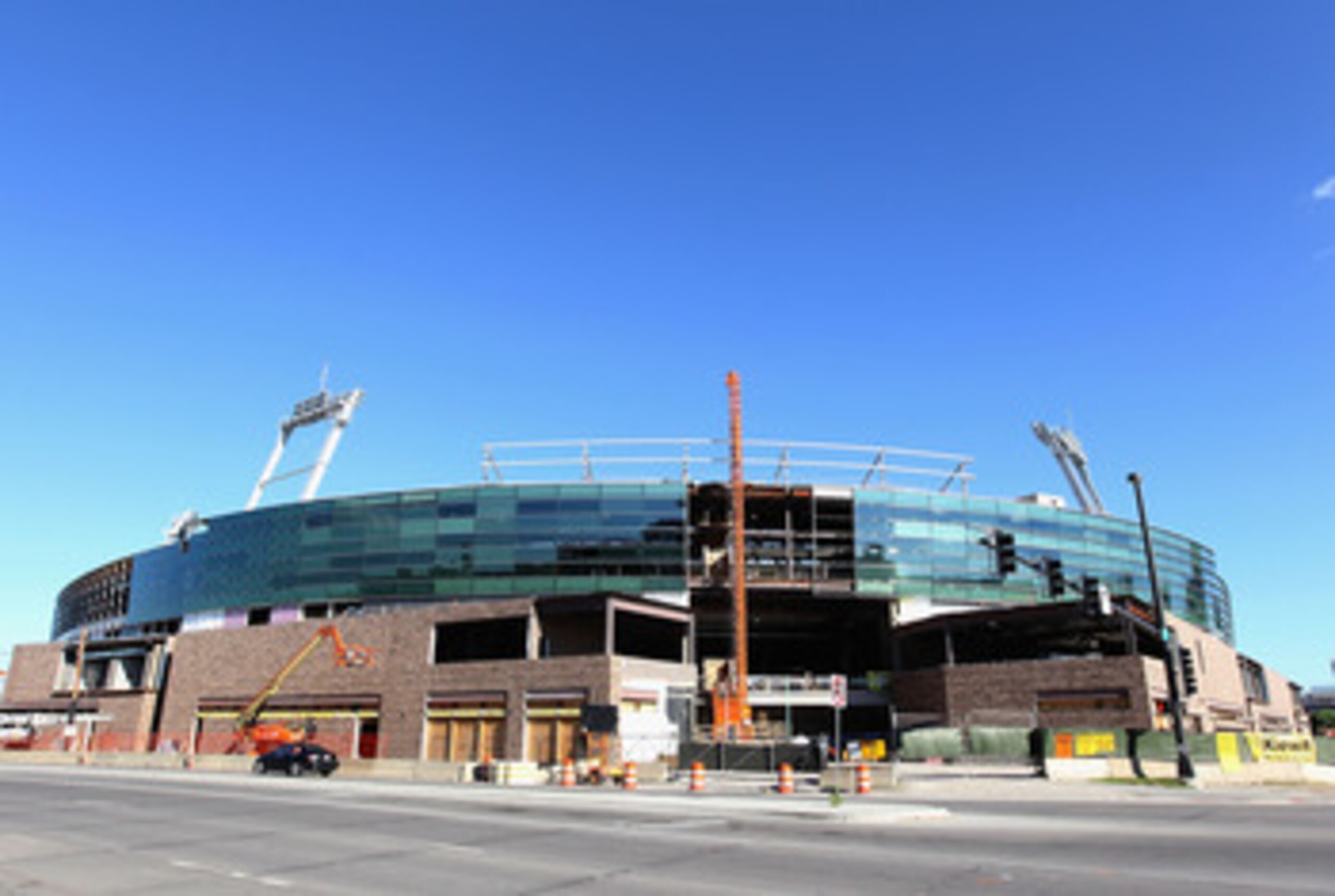
Slated for completion this year, TD Ameritrade Park Omaha will replace the immortal Rosenblatt Stadium as the host of the College World Series.
Sure, the history will be absent, but the new place, built at a cost of $128 million, will feature all the amenities worthy of a road trip to Omaha in late June, including openings at street level for all those too cheap to buy a ticket.
And, hey, if the view is good, make the CWS an annual event. Per an agreement in 2008 between the NCAA and the city, the College World Series will be held in Omaha every year through 2035.
Great Plains No. 5: Arrowhead Stadium
56 of 100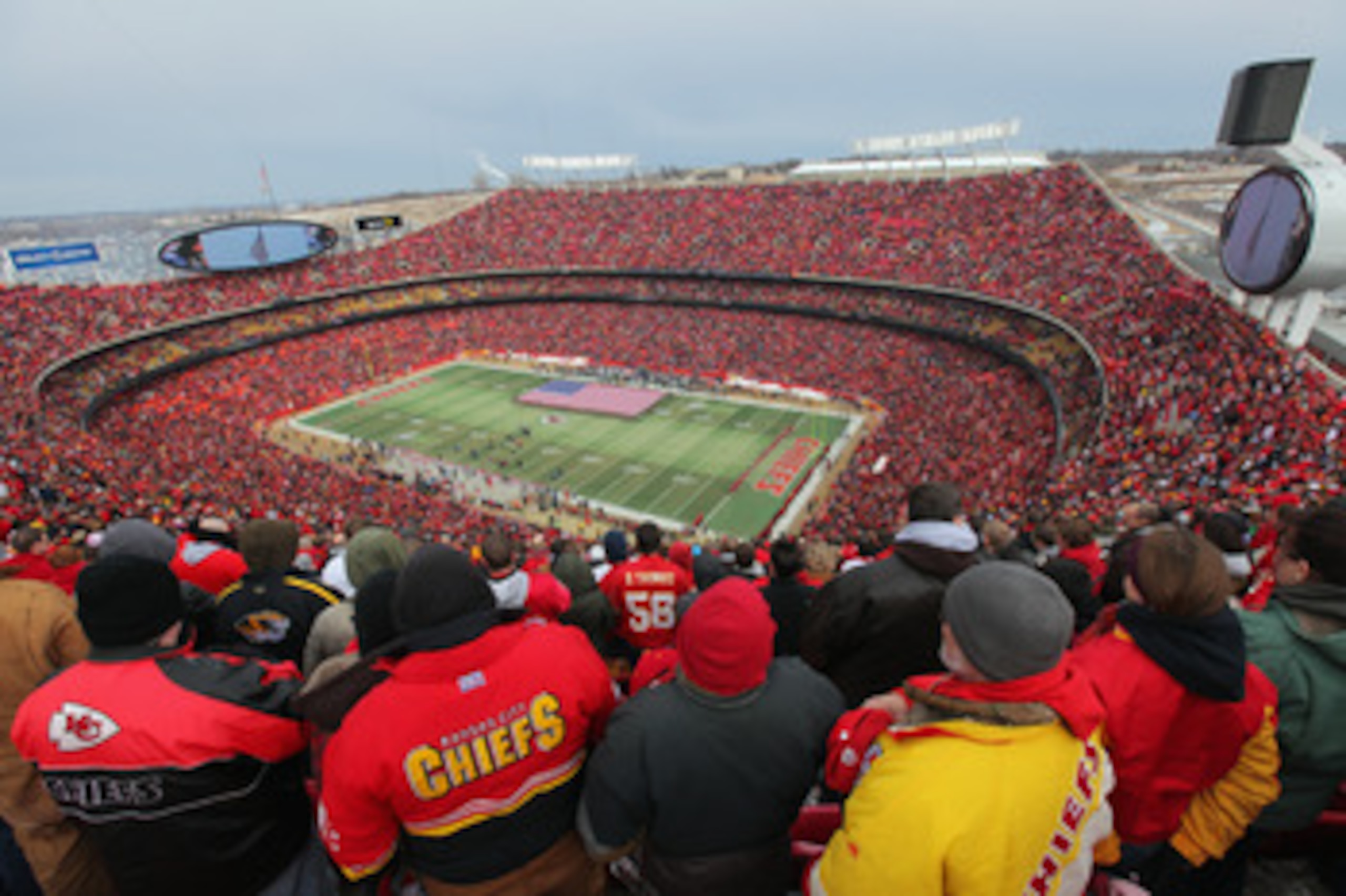
A landmark that nearly straddles the border between Kansas and Missouri, Arrowhead technically falls in the Midwest Region, but we feel it’s best suited here.
The largest football stadium in Missouri, Arrowhead is the NFL’s third-largest facility in terms of seating, capable of holding in excess of 81,000 red-clad Chief supporters.
It is part of the Truman Sports Complex—an area upon which adjacent Kauffman Stadium was simultaneously built—and was constructed at a time when many cities were consolidating multiple franchises into a single facility.
Over the years, Arrowhead has been remembered for its innovation, but more so for the crowds it houses. Kansas City fans can be considered some of the most loyal and passionate in the country and, it appears, some of the most traditional.
Even with the promise of Super Bowl XLIX at Arrowhead and a future All-Star Game at Kaufmann, Jackson County voters in 2006 rejected a tax increase to fund the construction of a rolling roof for the two stadiums.
That marked the third time the idea was rejected.
Great Plains No. 4: Gaylord Family — Oklahoma Memorial Stadium
57 of 100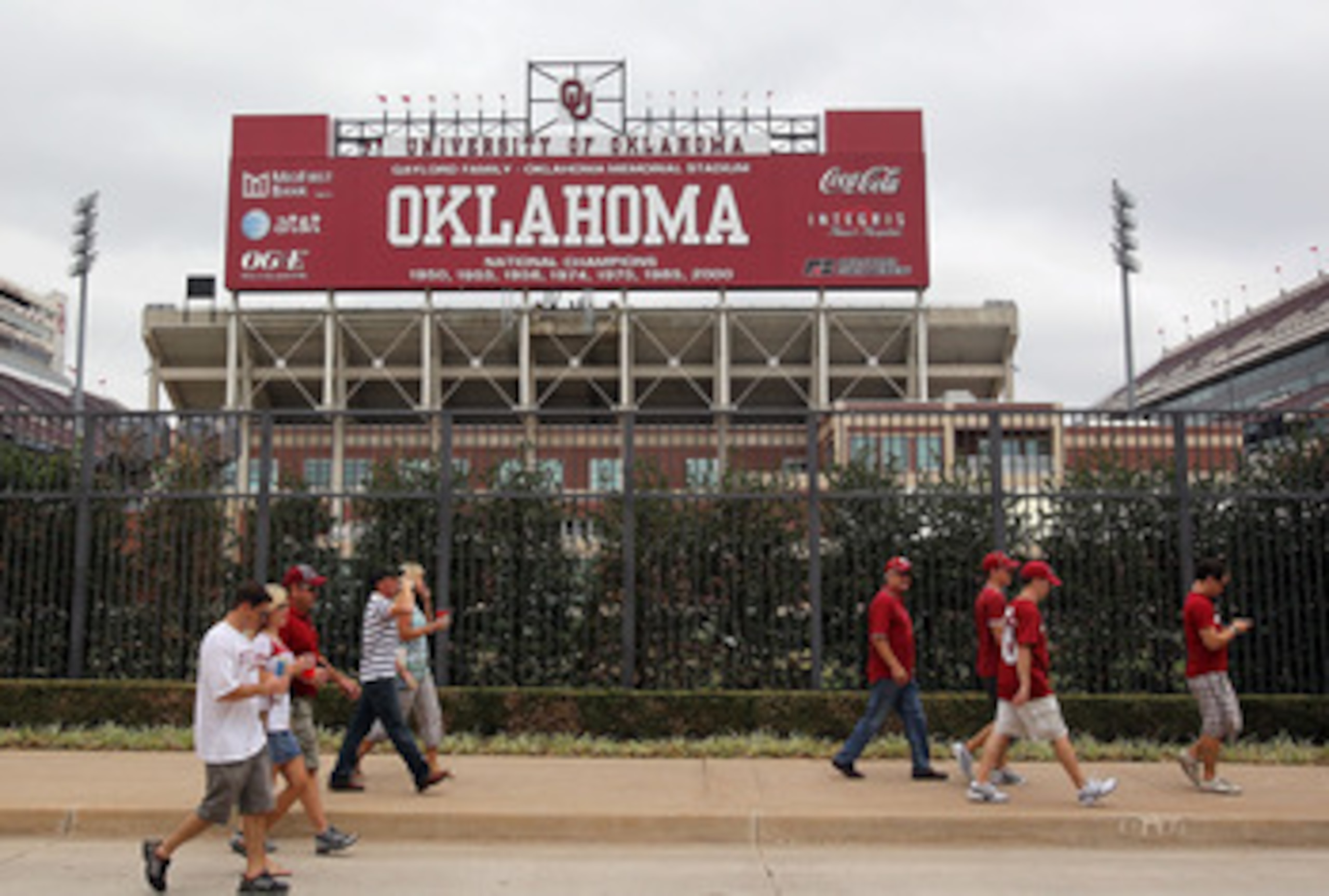
On any given fall day, as many as 82,112 Oklahomans descend upon Norman and, more specifically, Gaylord Family – Oklahoma Memorial Stadium to watch the state’s unofficial pro football team.
Seven national titles and 43—count ‘em, 43—conference championships will build that kind of following. As will five Heisman Trophy winners and 152 All-Americans.
Boomer Sooner, indeed. Whatever the hell that means.
Great Plains No. 3: Gallagher-Iba Arena
58 of 100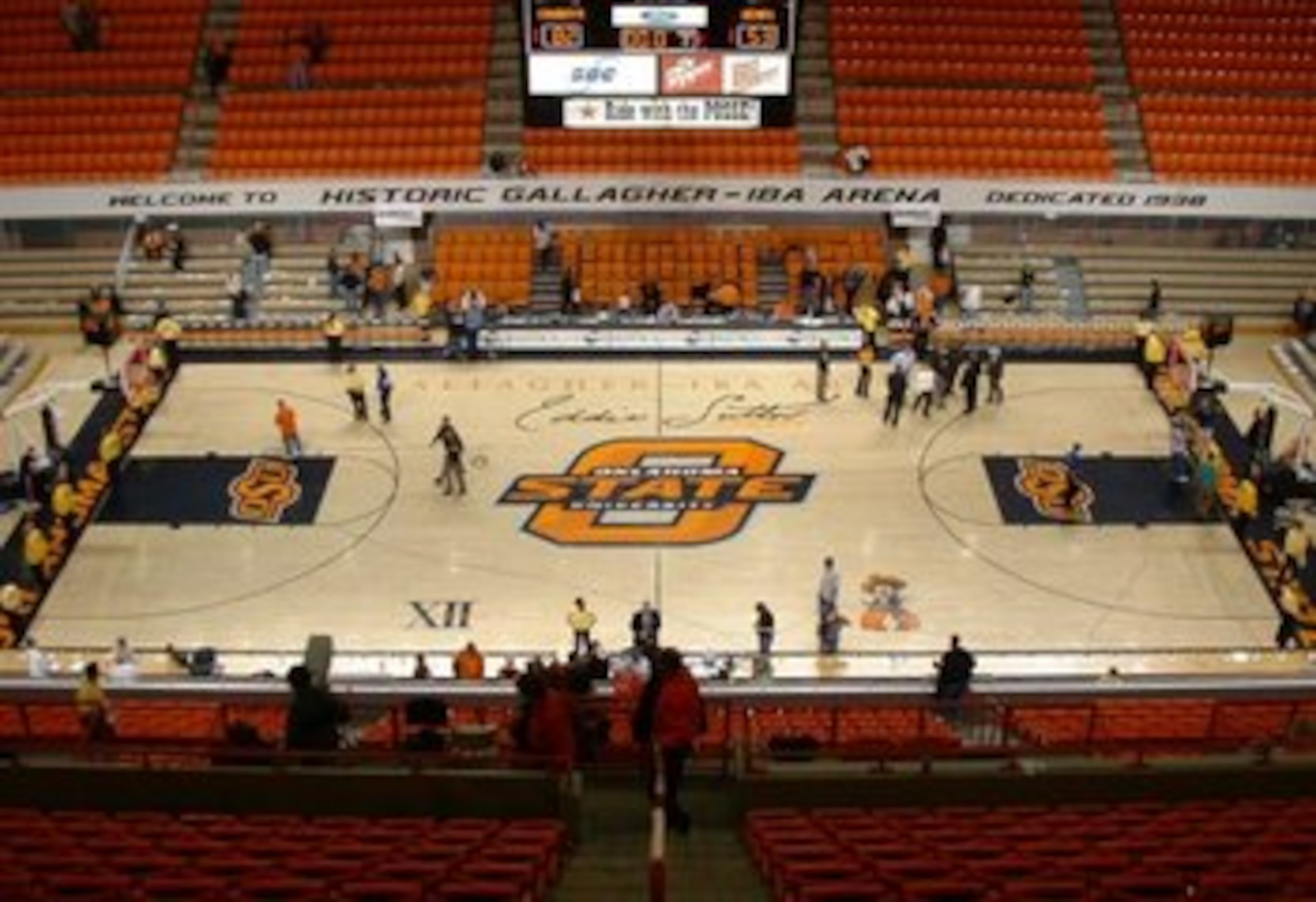
“It got so loud, a lot of the lights busted in Gallagher.”
Those words belong to former Oklahoma State wrestling coach Myron Roderick, whose description of the atmosphere at the Big 8 Conference finals in 1978, hyperbole or no, is typical for Gallagher-Iba Arena.
Known primarily as the home mat to OSU’s prestigious wrestling program, which has captured a record 34 national championships, the building has also become a symbol of Cowboys basketball, both with its modernized updates and old-school feel, right down to the original maple floor.
Great Plains No. 2: Allen Fieldhouse
59 of 100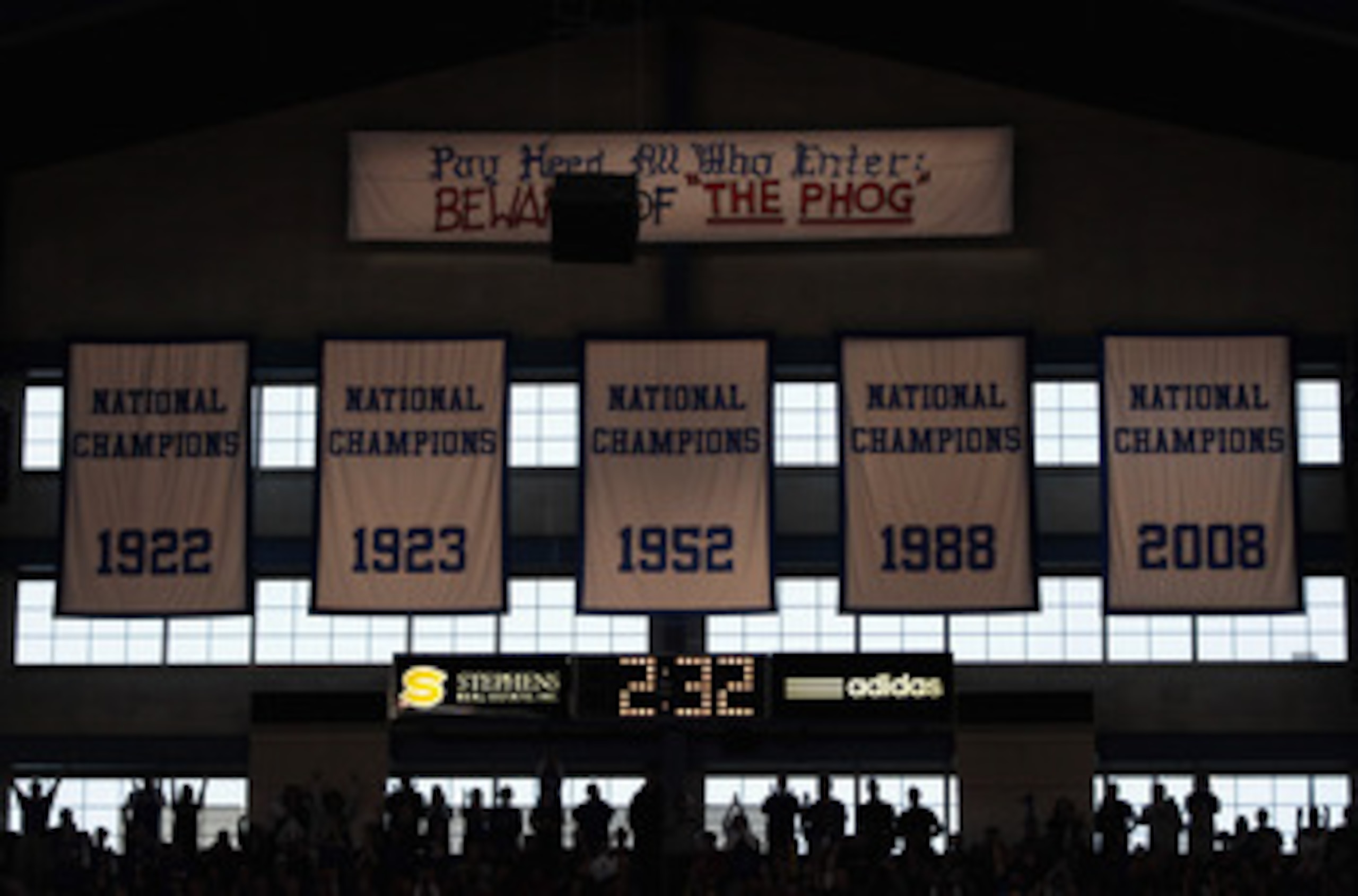
As an alum of the University of Missouri, it is a clause within my unofficial oath to despise everything Kansas, but loathe Allen Fieldhouse I cannot.
OK, maybe a little, but my disdain only speaks to the dominance that Kansas has orchestrated within its hallowed walls, winning more than 86 percent of its games since the Fieldhouse opened in 1955.
Though far younger than some other venerable oases in the NCAA, Allen has the feel of a pre-World War I antique, made all the more timeless by the ghosts of players and coaches past, including Wilt Chamberlain, Danny Manning, and James Naismith, creator of the KU program and inventor of the game.
Great Plains No. 1: Memorial Stadium (University of Nebraska)
60 of 100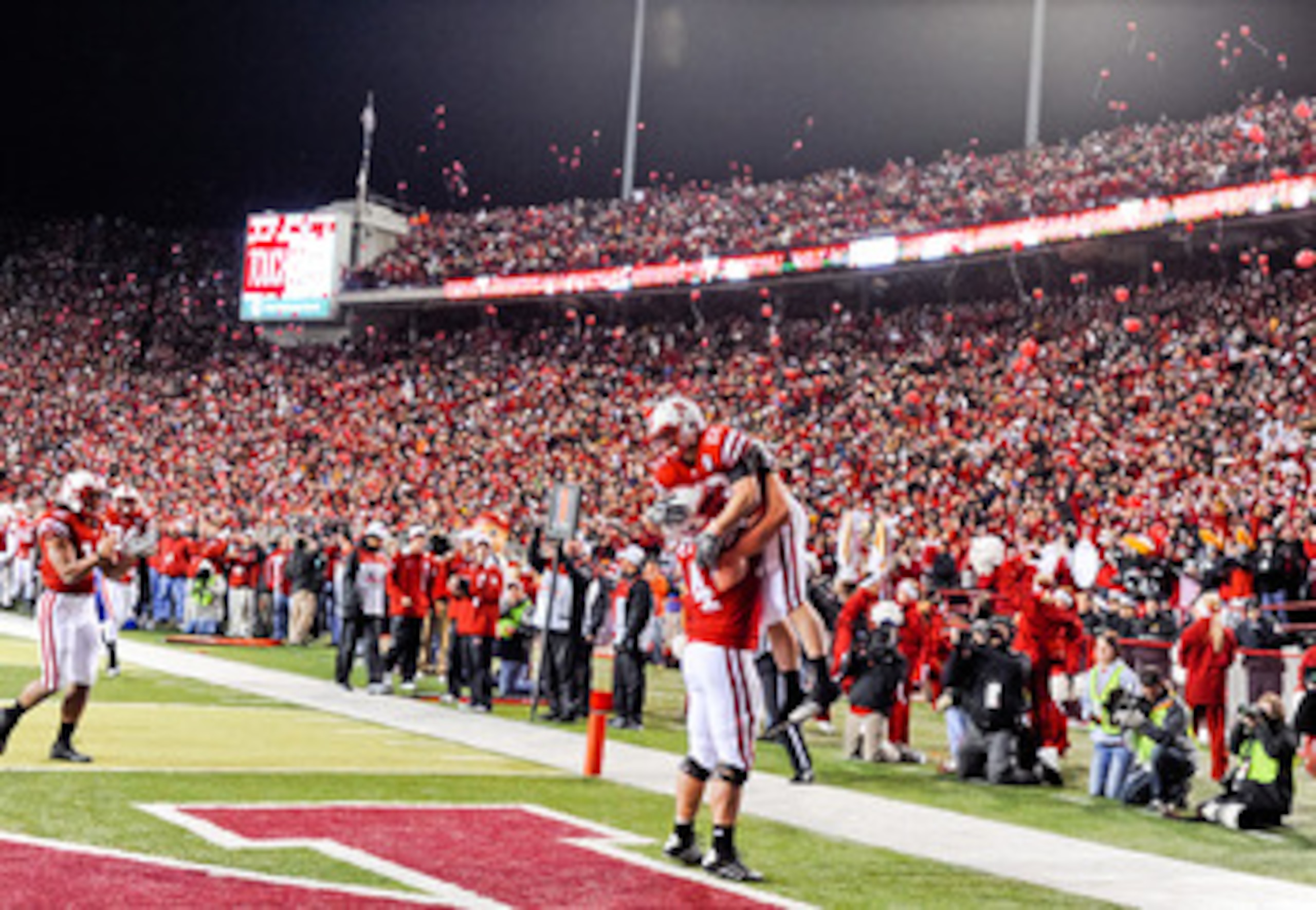
If there’s one destination on this list that requires expert planning, a keen eye, and a little bit of luck, it’s Memorial Stadium in Lincoln, where the Cornhuskers have played before a sellout crowd for more than 310 consecutive games dating back to 1962.
Odds are, if you’re reading this, you weren’t yet born the last time an empty seat was found amid the world-famous sea of red.
Just FYI, Nebraska is fleshing out plans for an expansion to coincide with its defection to the Big Ten, but don’t expect a larger seating chart to make it any easier to find a ticket.
Midwest No. 10: Mount Union Stadium
61 of 100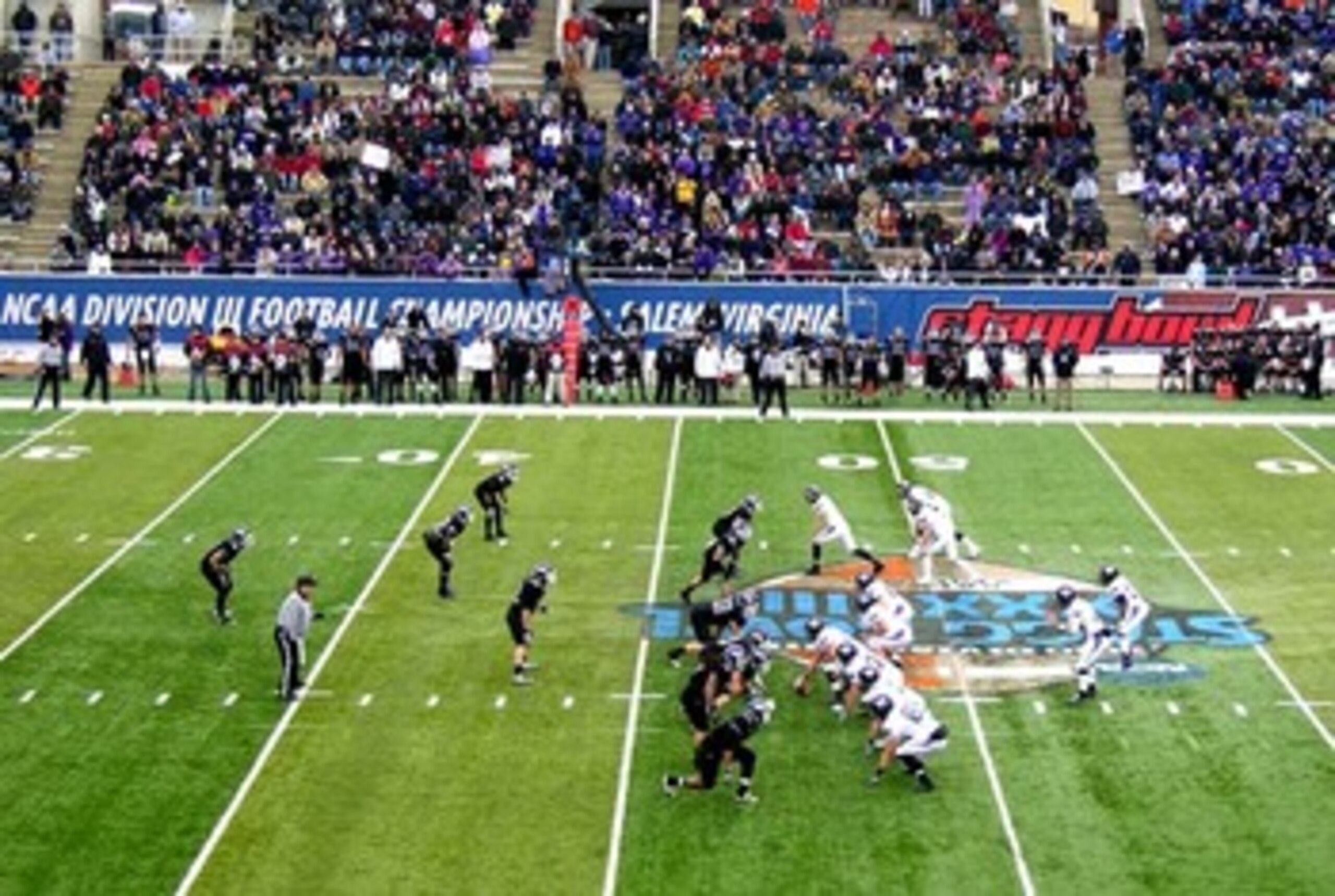
Erected in 1913, Mount Union Stadium is the oldest college football stadium in the state of Ohio.
The stage for soccer and track & field at Mount Union, a Division III school, the capacity of the stadium is modest, but the notoriety earned by its other inhabitant, the Purple Raider football program, is anything but.
Led by longtime head coach Larry Kehres, Mount Union is the owner of a record 10 national championships, all of which have been won in the last 18 seasons.
Midwest No. 9: Busch Stadium
62 of 100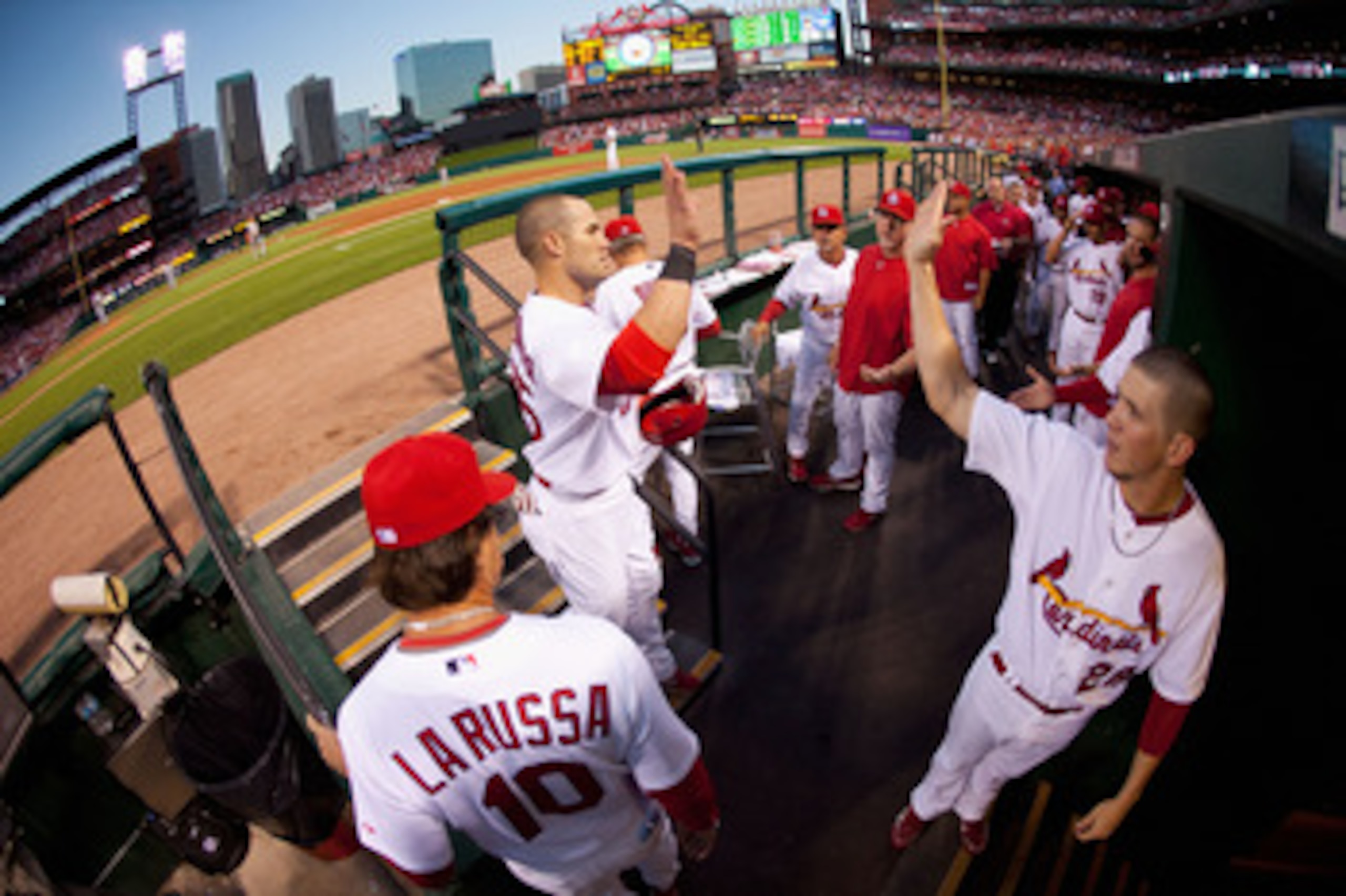
The Cardinals could play 82 games a season in a landfill, and the team would still draw three million.
More of a tip of the cap to St. Louisans, that’s not to disparage the Cards’ downtown gem of a home, which is now the third Busch Stadium in franchise history and is everything the previous two were not.
And that’s a good thing. If there’s one drawback it’s this: Already higher than in previous seasons, beer prices at Busch will soar if the front office pays potential free agent Albert Pujols his deemed worth.
Midwest No. 8: Target Field
63 of 100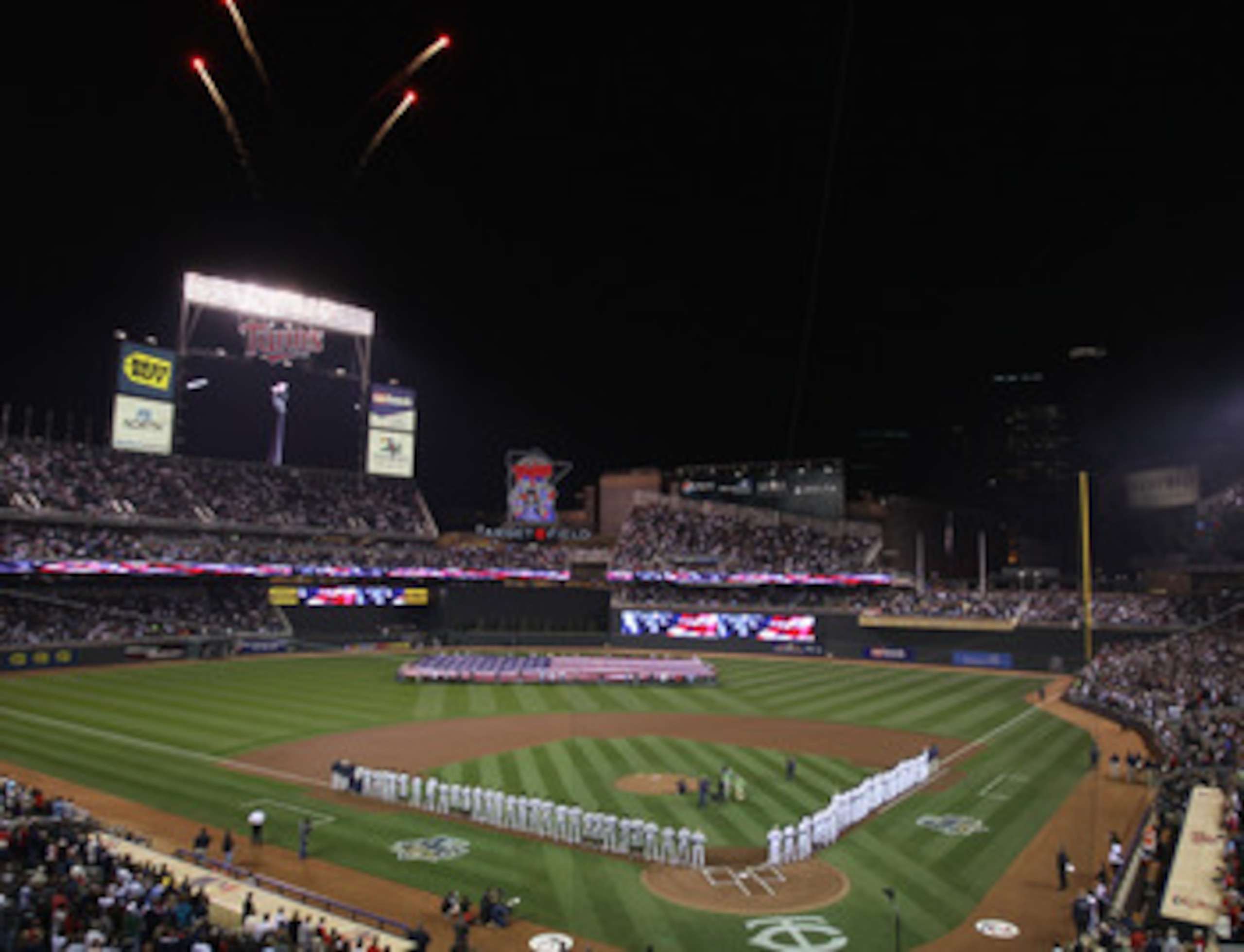
Barely a year old, Target Field is what happens when a professional franchise works in harmony with an architecture firm to create something completely perfect.
Of course, any park in comparison appears superior to the decrepit Metrodome, with its trash-liner for a roof and outfield walls and an ambiance that bordered upon dingy and stale.
But the modern bliss of the Twins’ new home allows Minnesota fans to once again watch their team in an open-air environment—this time in enviable style and with the most modern conveniences.
Midwest No. 7: Indianapolis Motor Speedway
64 of 100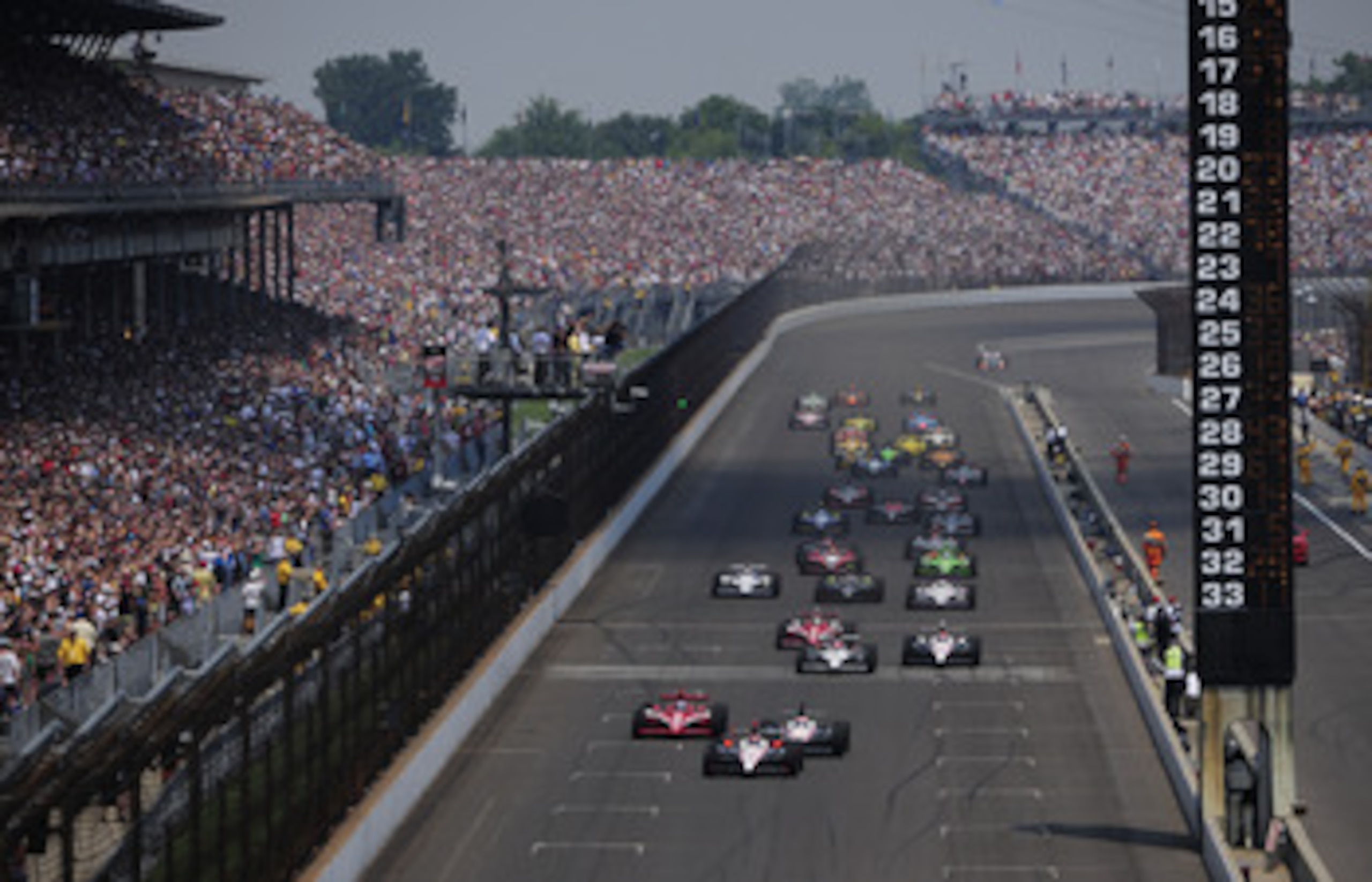
Odds are you know somebody who knows somebody who knows somebody who’s been to Indianapolis Motor Speedway.
That lineage seems lengthy, but not when you consider the fact a crowd roughly a small fraction of the population of Texas attends each Indianapolis 500, just one of the track’s many annual races.
More than a century old, IMS has become ingrained in American history, and its vastness is stuff of legend, capable of fitting the Wimbledon campus, Churchill Downs, Yankee Stadium, the Rose Bowl, the Roman Colosseum, and Vatican City within its 253-acre infield.
As the largest spectator sporting facility in the world, it has more than 250,000 permanent seats, but tentative estimates at past races that have featured temporary seating have calculated crowds in excess of 400,000.
This makes it entirely possible your friend’s cousin’s boyfriend’s brother-in-law was at the Brickyard 400 last year.
Midwest No. 6: Pro Football Hall of Fame
65 of 100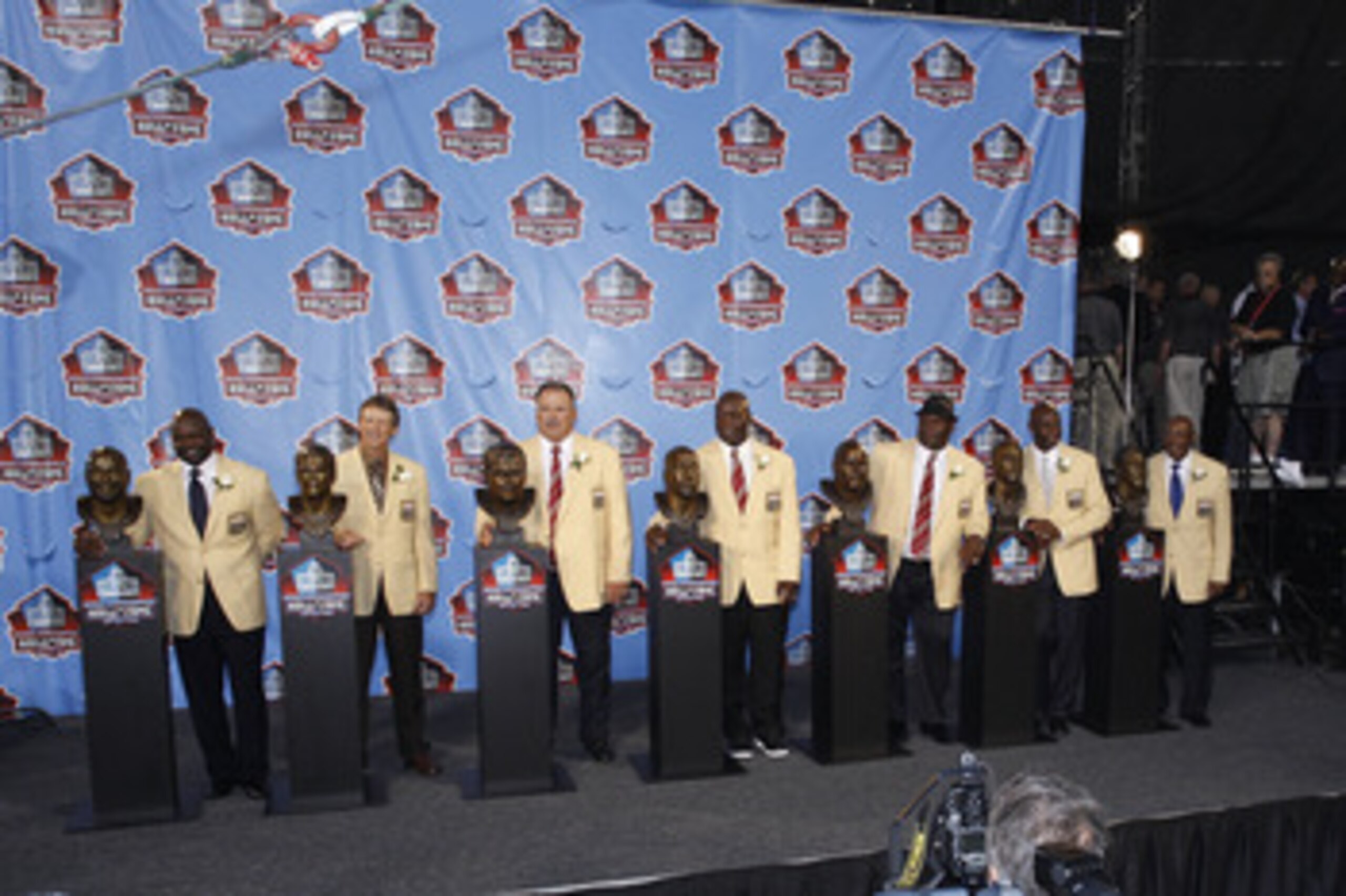
Canton, Ohio has a population of about 78,500. But that census doesn’t include the modest-sized Midwestern city’s 267 most-popular citizens. And they’re not hard to miss, each one coated in bronze and visible only from the neck up.
They are the esteemed members of the Pro Football Hall of Fame, a distinguished fraternity of football royalty that has attracted more than eight million visitors over the past four decades.
Tours of the Hall are self-guided, so enjoy strolling unencumbered through displays remembering professional football’s past glories, dating back to the days when the NFL was but an 11-team startup.
And don’t worry if a trip to Canton isn’t in the cards: The Hall of Fame puts on a number of traveling exhibits throughout the calendar year.
Midwest No. 5: Ohio Stadium
66 of 100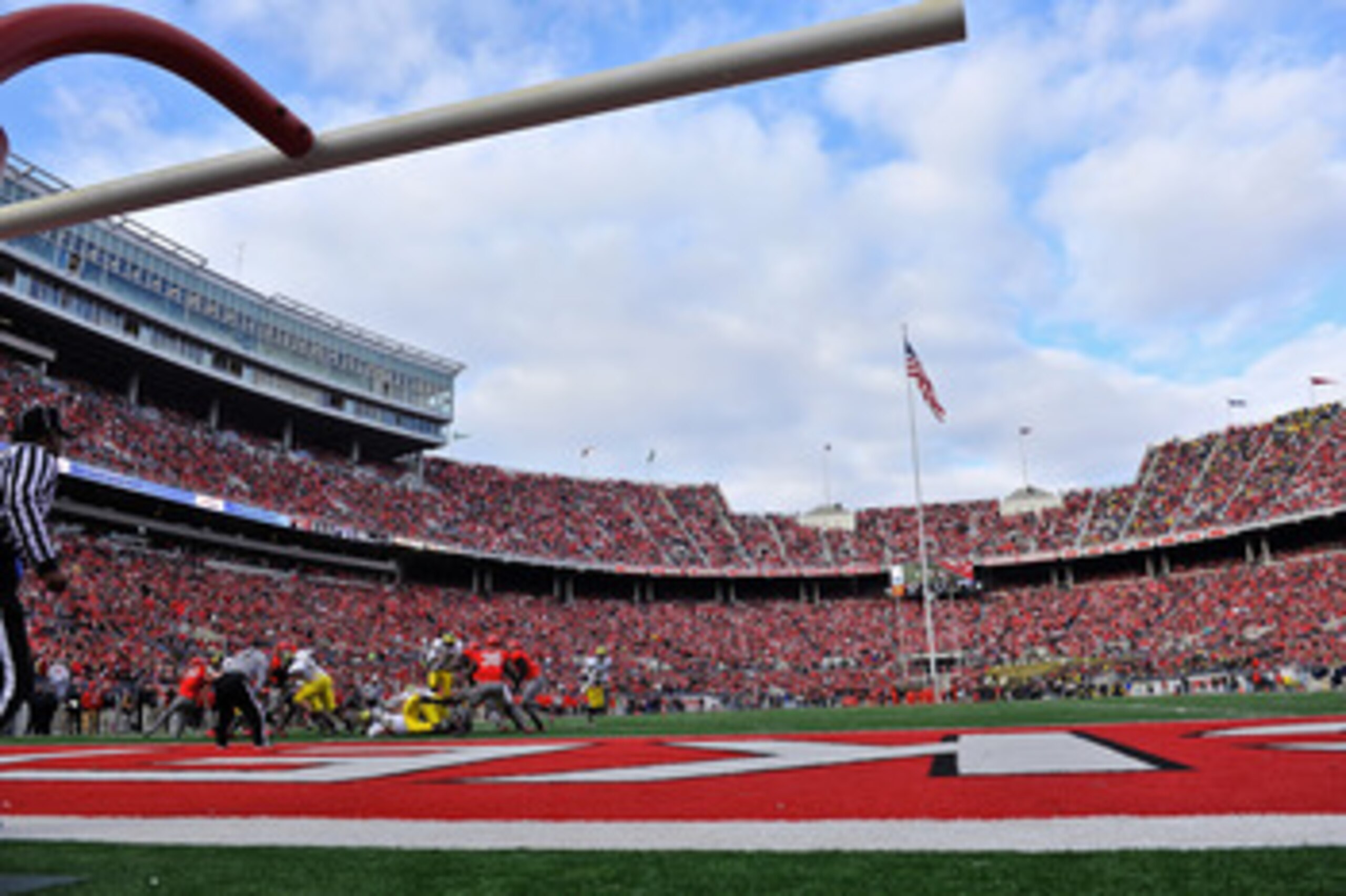
It’s hard to imagine the pomp and pageantry of college football being personified more at any one stadium across America than it is at The Shoe, where tradition saturates fall Saturdays and permeates throughout the Middle America landscape.
Among the most treasured of gameday rituals is the dotting of the “I” in the Script Ohio, sometimes performed by a famous alumnus of The Ohio State University or an esteemed celebrity with ties to the state.
Midwest No. 4: Michigan Stadium
67 of 100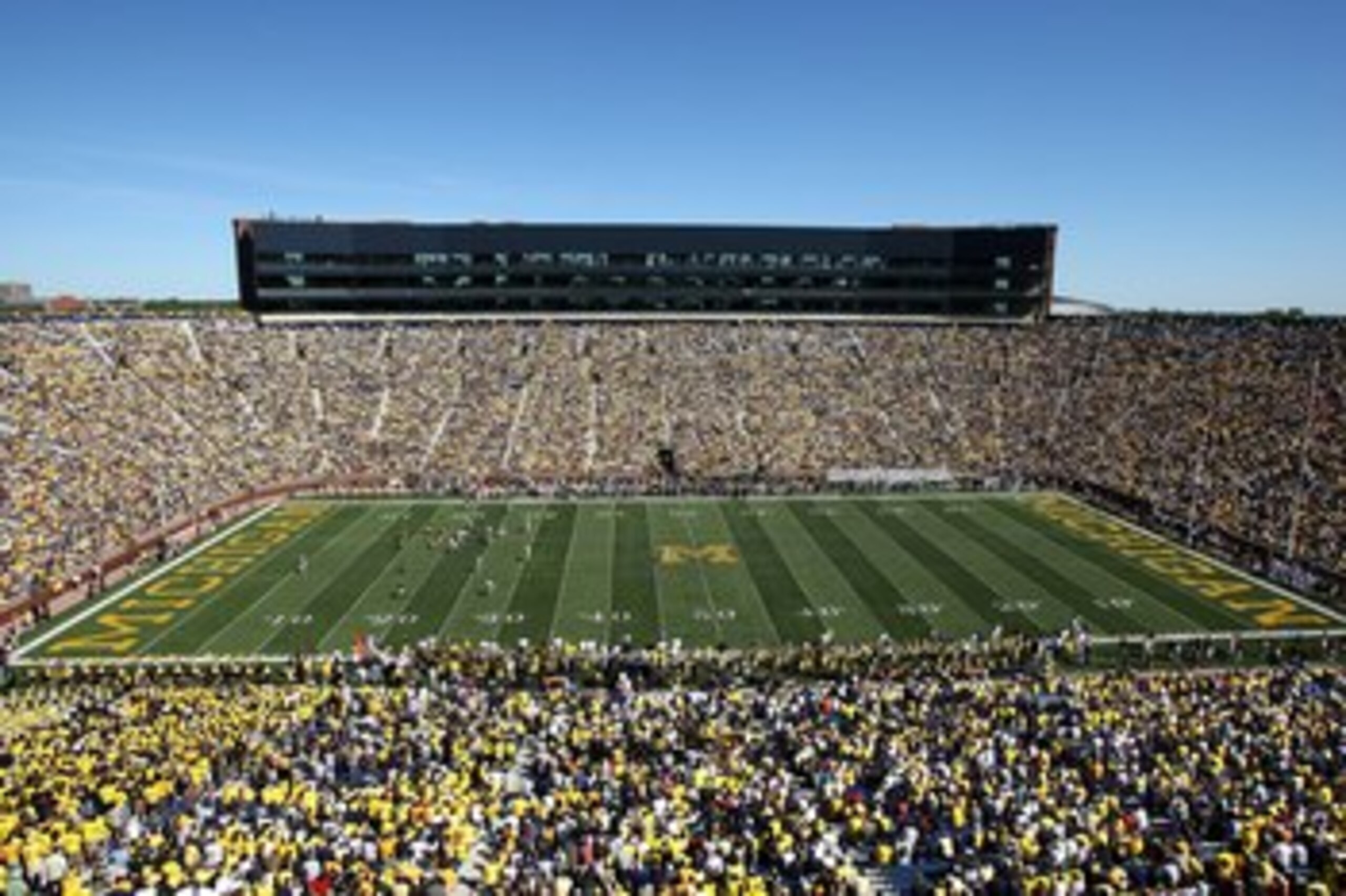
They say the Big House, with its antiquated bowl shape, doesn’t hold the noise well, but I have a hard time believing that.
Squawking created by nearly 110,000 people doesn’t dissipate without a knockdown, drag-out fight. And if Michigan Stadium isn't the loudest place in the land, who cares? As long as they keep playing "Hail To The Victors," the best fight song ever composed, I'm good.
If you yourself want to judge, shoot for Sept. 10 of this year, when Michigan will plays rival Notre Dame in the stadium’s first-ever night game.
Midwest No. 3: Wrigley Field
68 of 100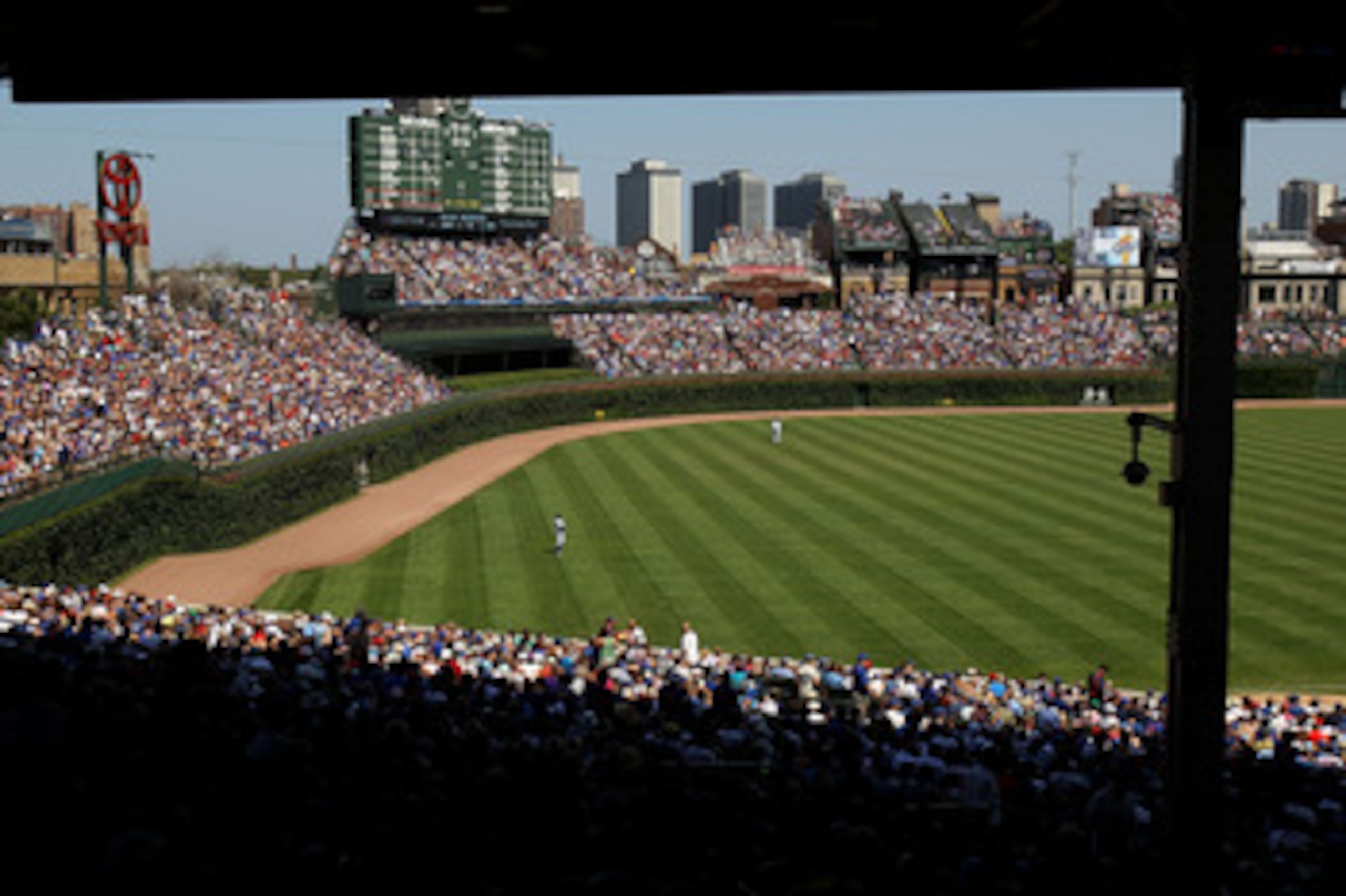
The ivy-lined walls, rooftop bleachers, and abnormally high number of day games are all trademarks of baseball’s second-oldest park.
Still, it’s the subtle nuances, the very things that go unnoticed, that make Wrigley what it is.
If you’re brave enough—and, let’s face it, you may not have a choice—to venture deep within the stadium’s crumbling concourses, you’ll come across the most primal of men’s restrooms, where the stench reeks of Old Style and humidity and a single two-row trough serves as a group urinal.
Midwest No. 2: Notre Dame Stadium
69 of 100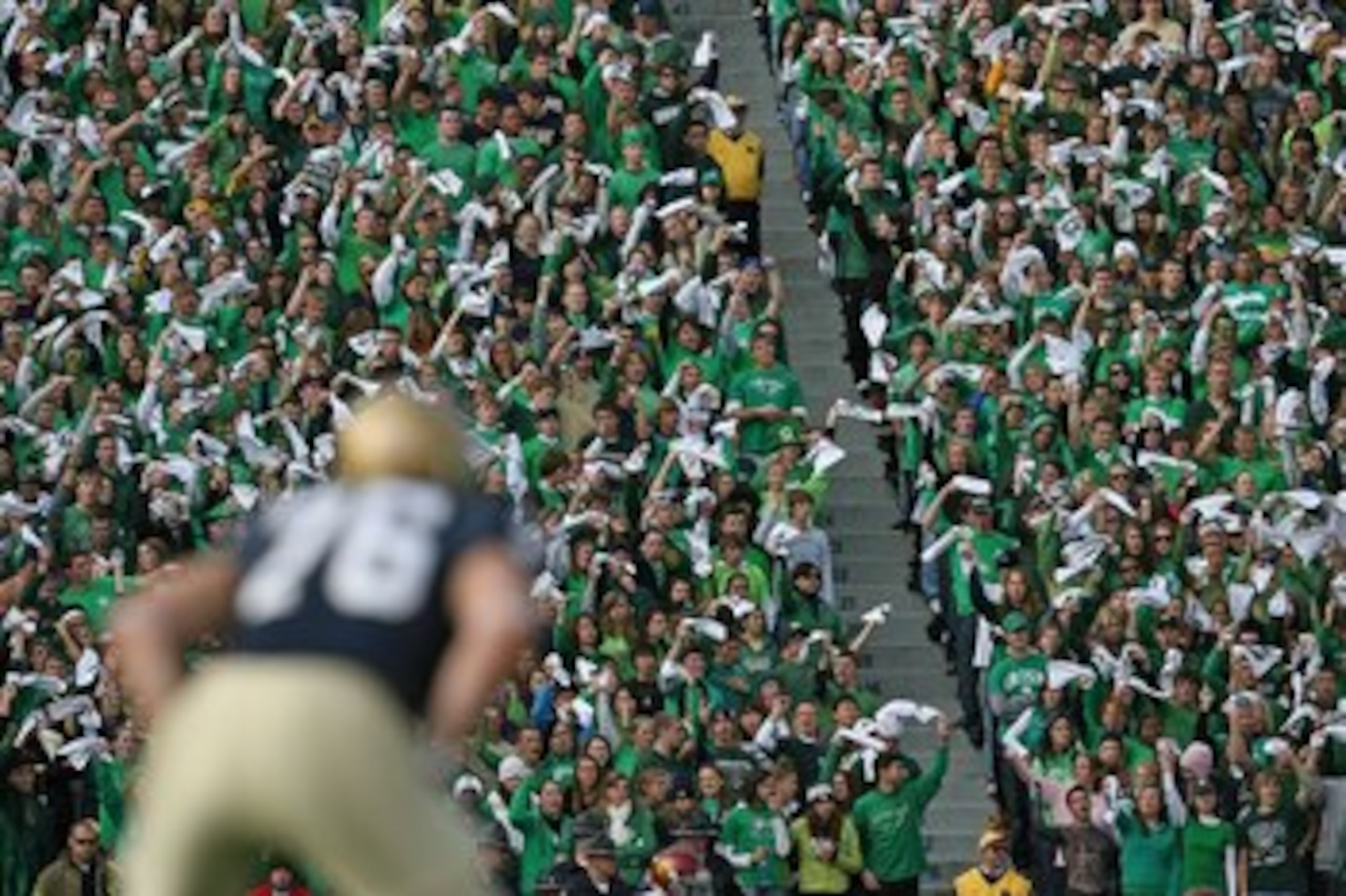
Touchdown Jesus is calling you to South Bend, my son. Actually, that’s the spirit of Knute Rockne. Or is it Joe Montana?
A bucket list item for any avid sports fan, Notre Dame Stadium is a no-frills approach at football immortality: No crazy midfield or end zone logos. No triple-decker seating terrace designs. Scoreboards barely legible from any section, no matter how clear the day.
It is addition by subtraction, except for the 21,000 seats added in 1997.
And it could not be any more awesome.
Midwest No. 1: Lambeau Field
70 of 100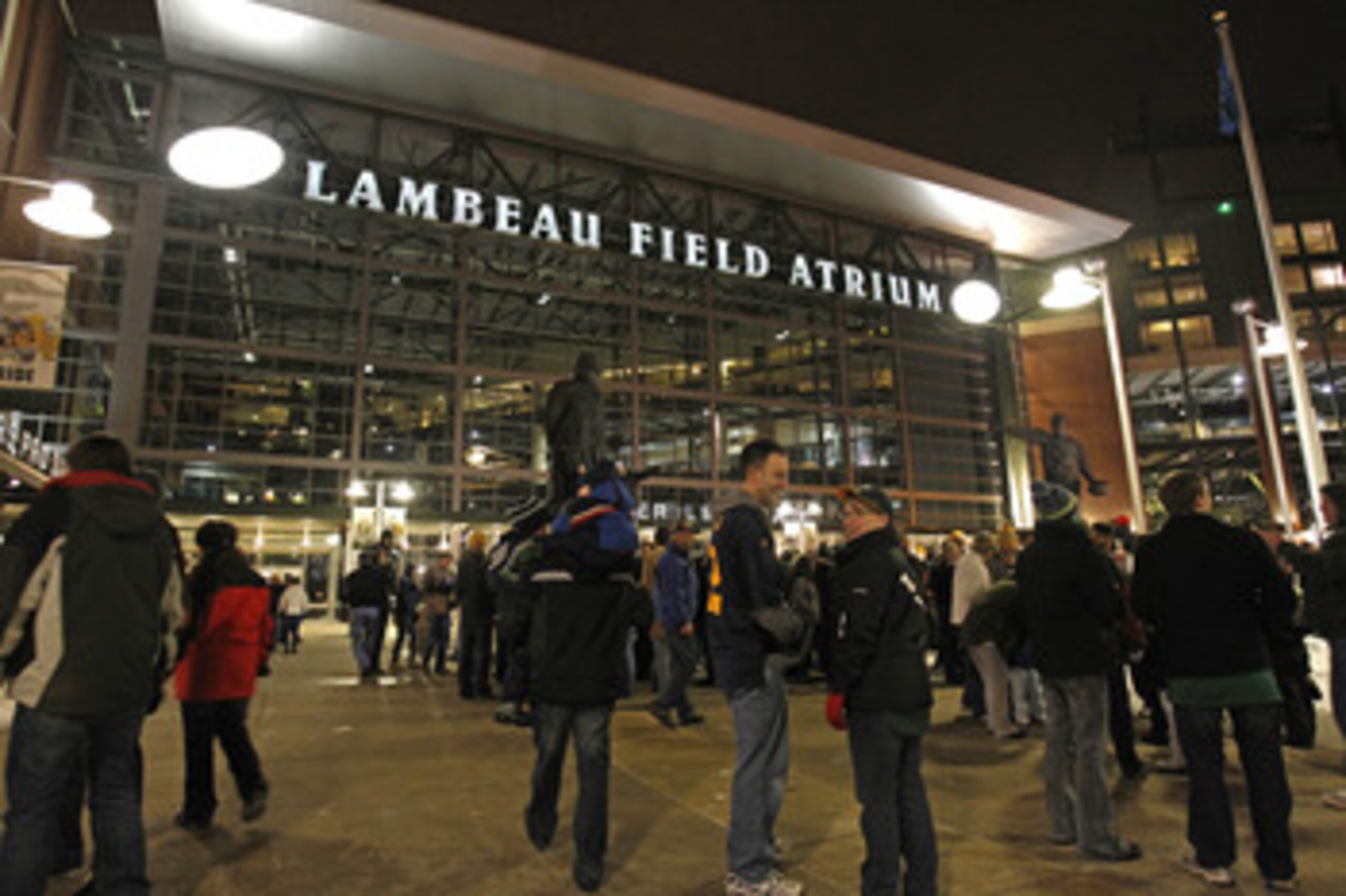
What is there to say about the most cherished and beloved grounds in the NFL that hasn’t already been said?
The place is nearly rife with enough tradition and nostalgia to be designated its own hall of fame.
But perhaps cooler than any one thing that has taken place on the Frozen Tundra in the last half-century is the fact the building is owned by the citizens of Green Bay, allowing fans themselves to determine everything, from the source of funding for renovations to naming rights.
South No. 10: The Grove
71 of 100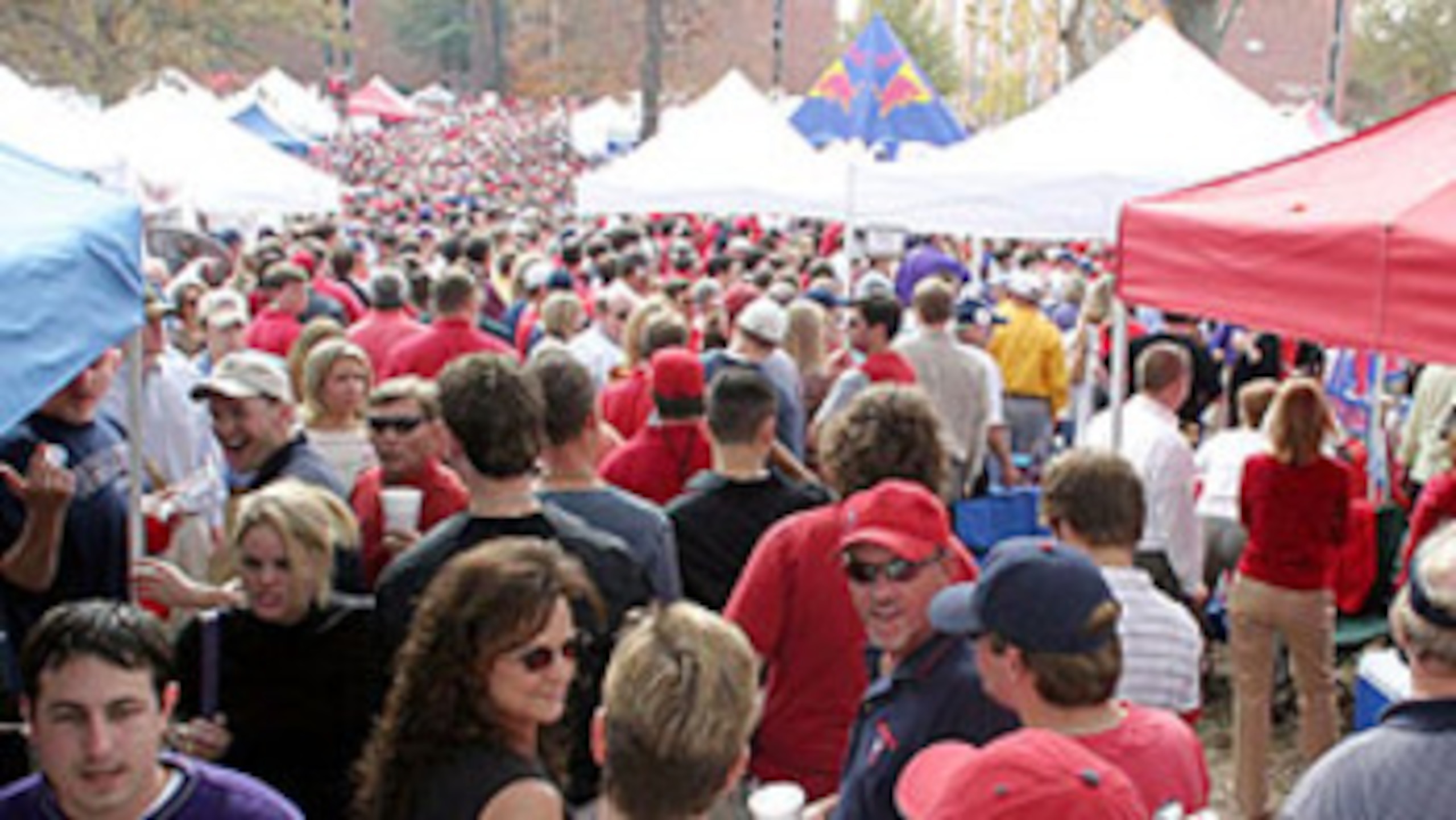
Nearly as indigenous as the oak, elm, and magnolia trees that line this 10-acre plot in the center of the Ole Miss campus, tailgaters make The Grove what it is, which is one of the finest pregame party setups in SEC territory.
It’s a known chore sifting through the dense sea of dolled-up coeds, but even more daunting is discerning what fare is the best, handed out by any number of willing barbeque aficionados who take pride in establishing shop early and breaking things down late.
South No. 9: AmericanAirlines Arena
72 of 100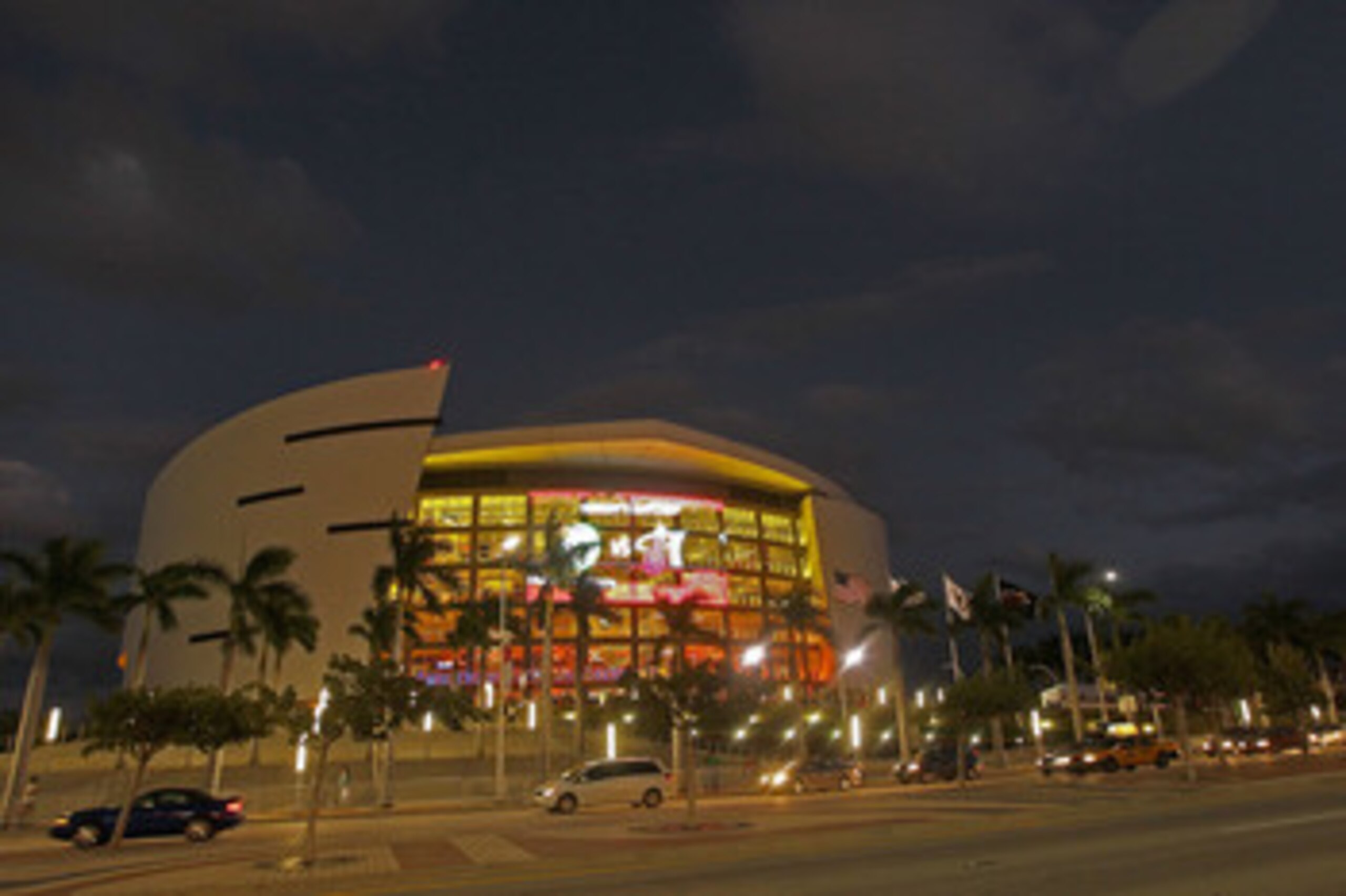
First of all, no, that is not a misspelling of the arena name. “American” and “Airlines” are joined for form one word, and the facility should not be confused with AmericanAirlines Center, which is located in Dallas.
With that out of the way, let’s focus on the home of the Miami Heat. From the front, with its glass façade, posh design, and illuminating black lights, it looks like a cheesy nightclub misplaced from nearby South Beach.
You feel like you need to pimp a white linen Dolce & Gabbana suit just to gain admission. Truth is, though, you don’t. AmericanAirlines is inviting, just like any other arena out there, only it's one of just two in the nation to have been LEED certified for energy efficiency.
The savings from which are used to feed the three-headed best of LeBron James, Dwyane Wade, and Chris Bosh.
South No. 8: Daytona International Speedway
73 of 100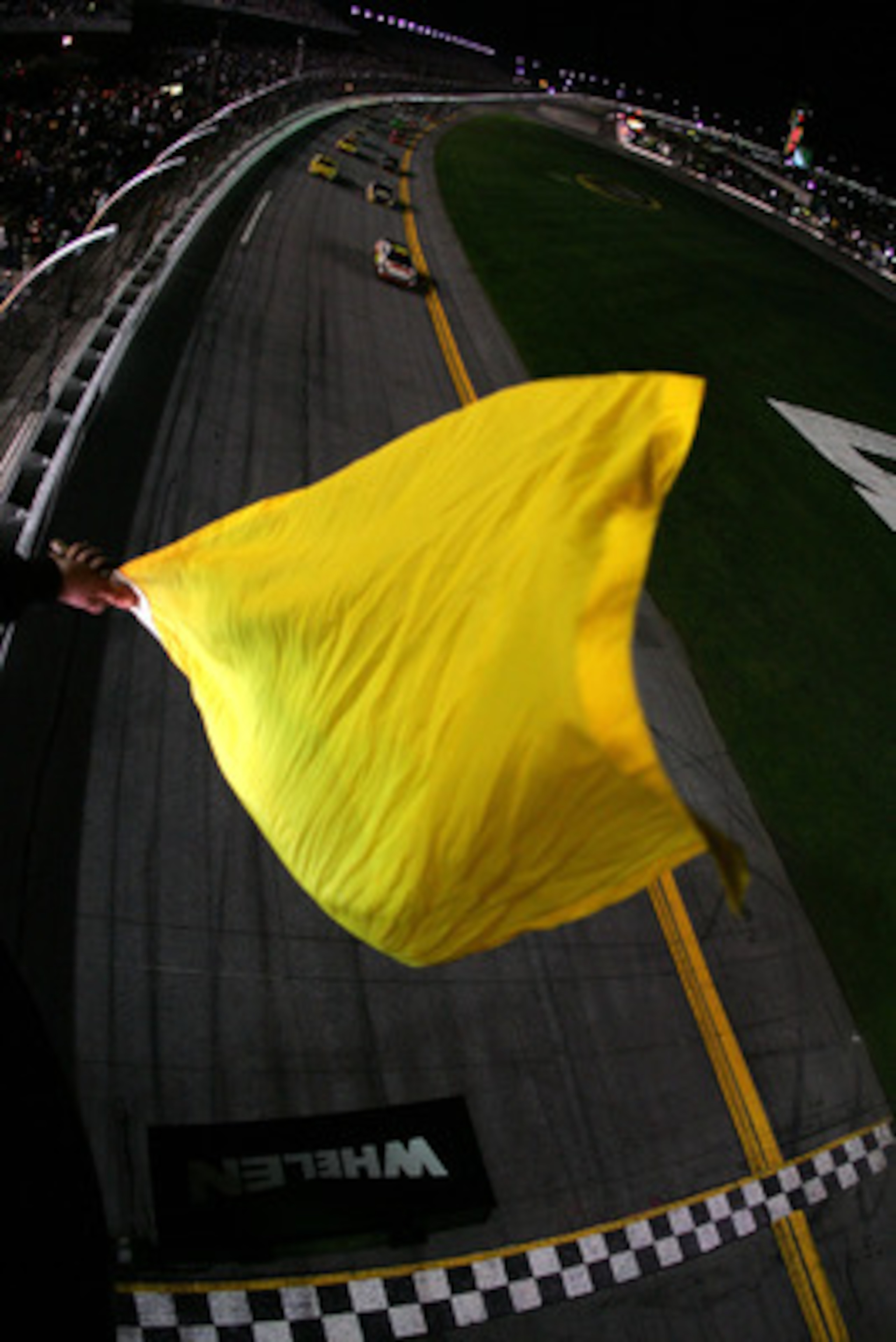
To NASCAR fans what August National is to golf enthusiasts, Daytona International Speedway is a classic, playing host to the Daytona 500 since the track’s birth in 1959.
It is, for lack of a better term, a mecca for gearheads, and its prestigious 2.5-mile stretch of concrete is somewhat of a holy grail, forever etched in lore as the scene of the untimely death of Dale Earhardt.
If watching modified cars go really fast around in circles revs your engine — pun completely intended — visiting Daytona on the third Sunday of February is a must.
South No. 7: Ben Hill Griffin Stadium
74 of 100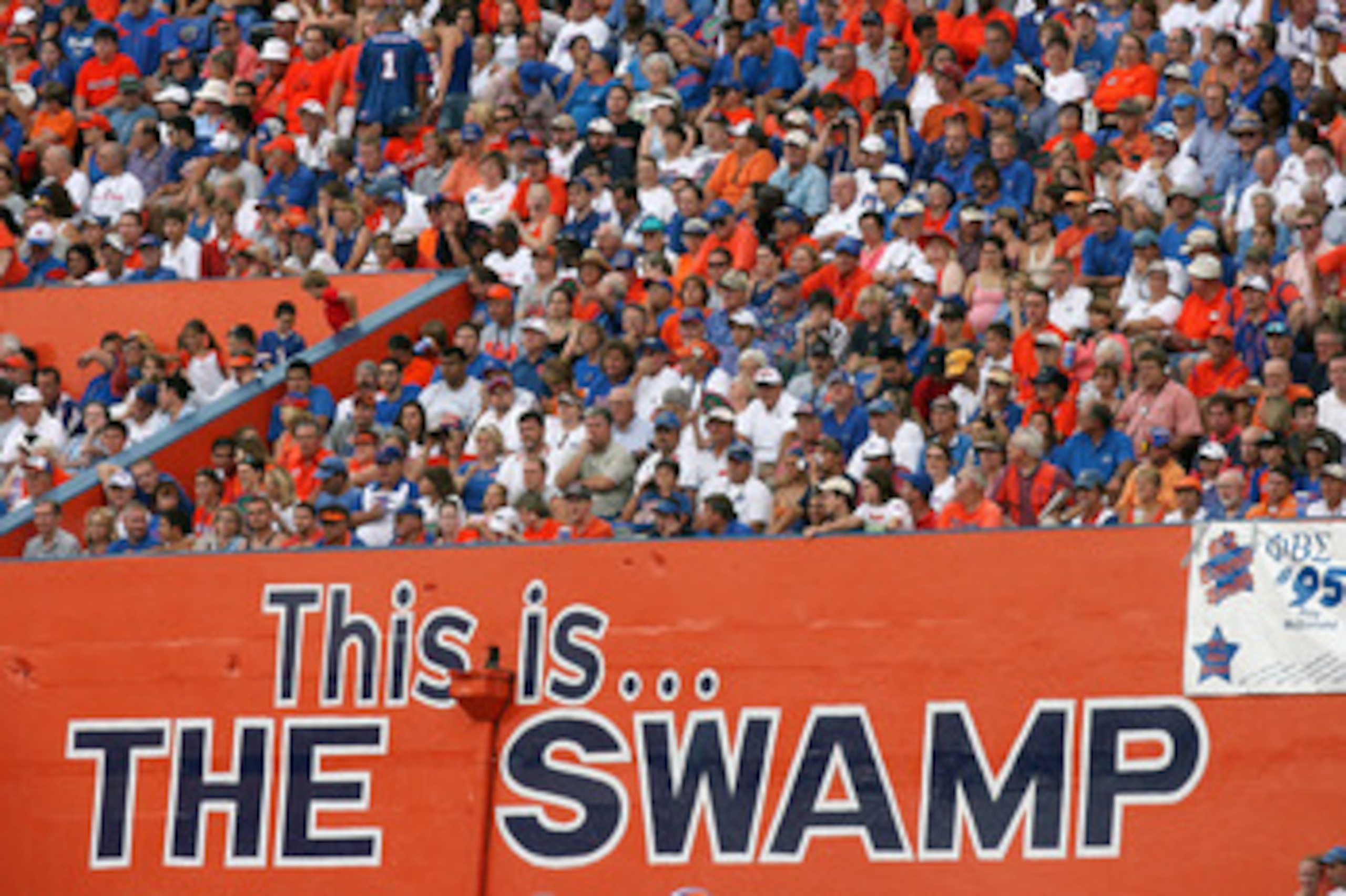
In 1991, his second season in Gainesville, then-Florida head coach Steve Spurrier, perhaps inadvertently, gave Ben Hill Griffin its now-popular nickname, saying: “The Swamp is where Gators live. We feel comfortable there, but we hope opponents feel tentative. A swamp is hot and sticky and can be dangerous. Only Gators get out alive.”
And, indeed, that has been the case.
From the time Spurrier took over the program through last season, Florida has posted a record of 117-16 at home, the best mark in the country over that span. The success must be bittersweet, though, for Spurrier, who abruptly left Florida in 2002 for the NFL.
Two of those wins have come against his South Carolina Gamecocks, including a 50-point undressing in 2008.
South No. 6: Louisiana Superdome
75 of 100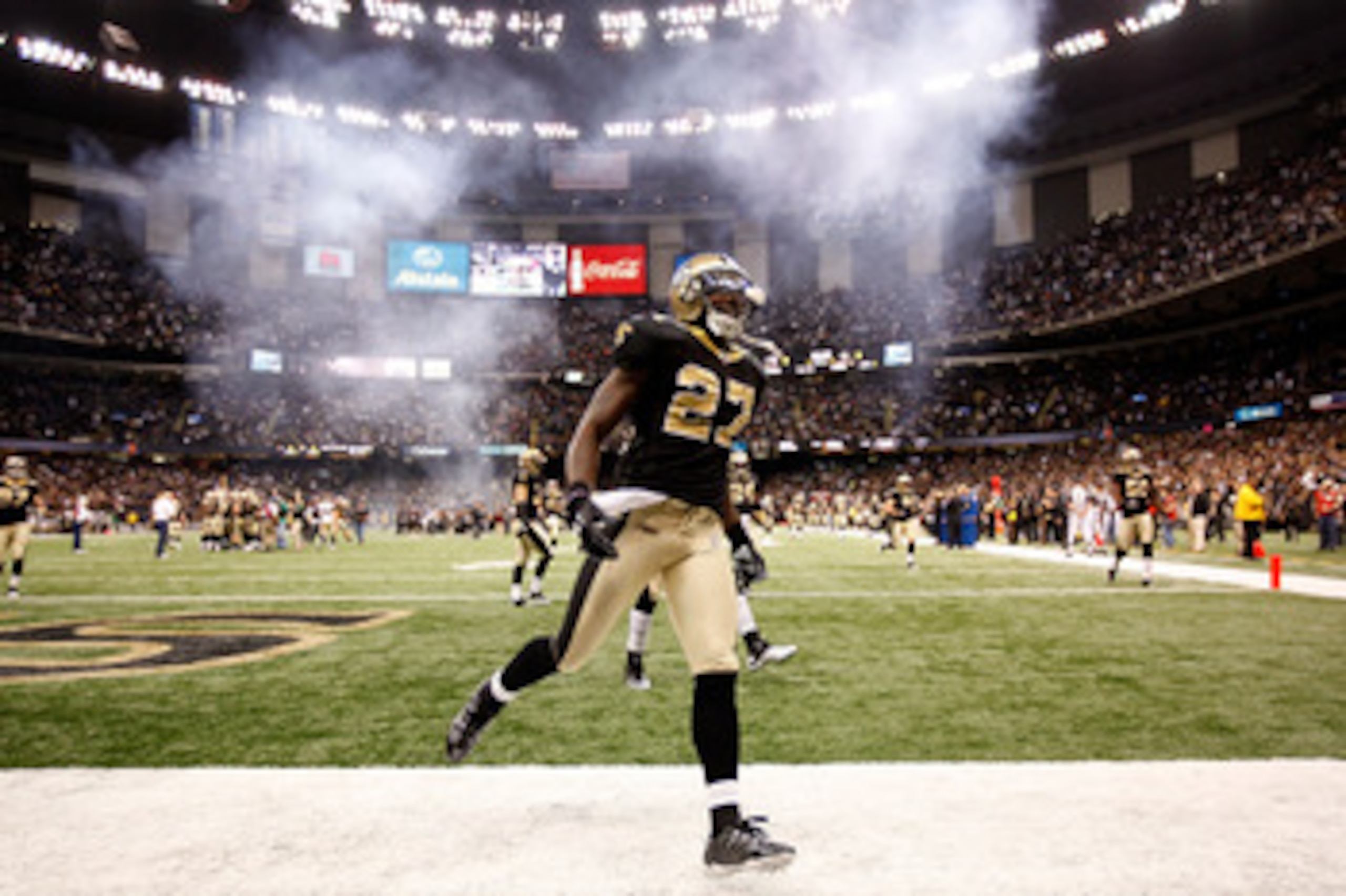
More than just the residence of the New Orleans Saints, the Louisiana Superdome is the unofficial home to the Super Bowl, having hosted the nation’s premiere sporting event six times, more than any other stadium.
Nearly half a million square feet of aluminum comprise the building’s exterior, giving it the look of some otherworldly spacecraft, but the Superdome is hardly alien to primetime.
Myriad notable contests are played out within its apexed walls, including the Sugar Bowl, the New Orleans Bowl, the Bayou Classic, and the Final Four, scheduled to take place again in 2012.
South No. 5: TPC Sawgrass
76 of 100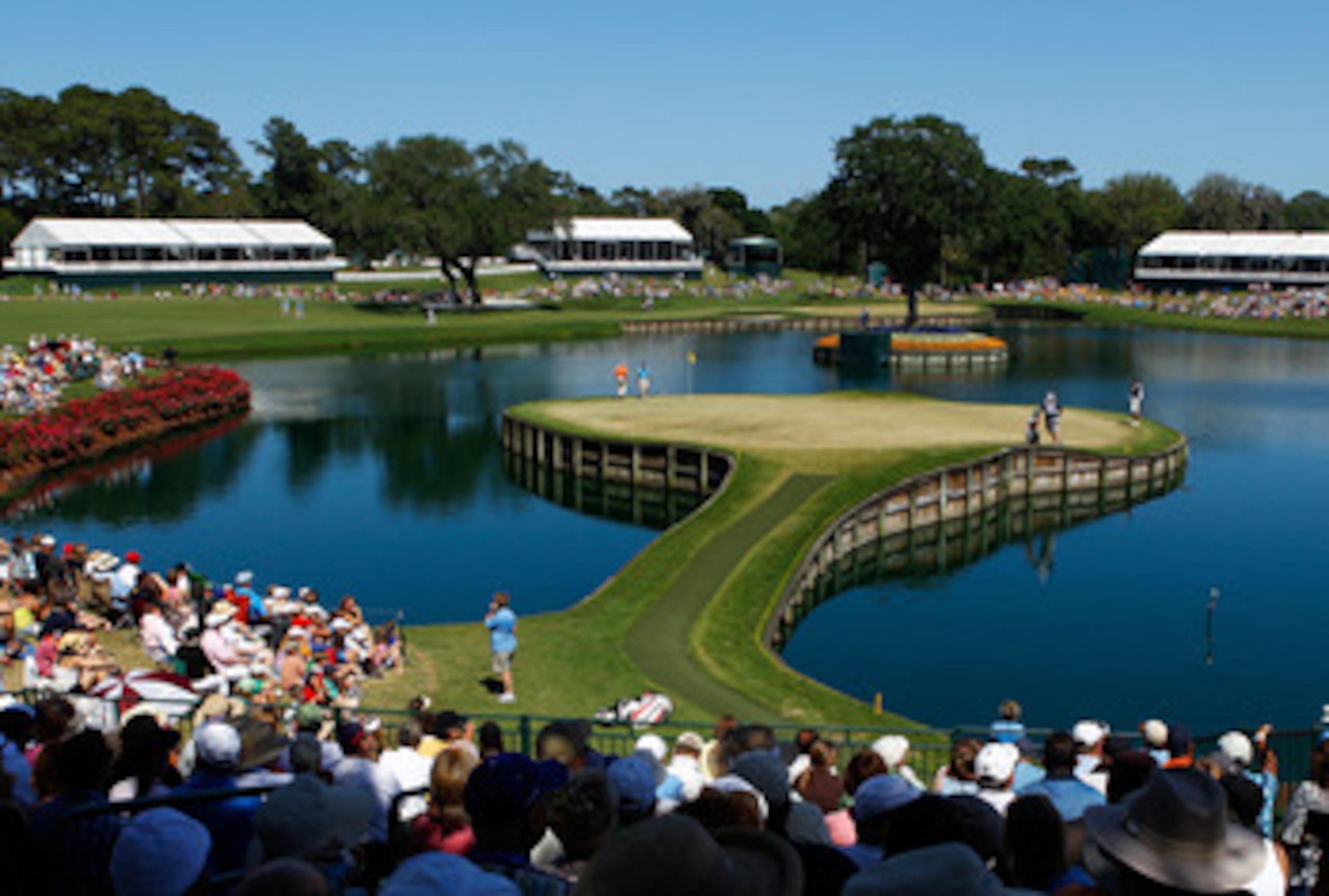
What if I told you the most famous hole in golf was supposed to be nothing more than your run-of-the-mill par-3?
Course architect Pete Dye had intended to construct No. 17 at Sawgrass with only a small pond guarding the green. The lake present today was an unexpected byproduct of the original excavation, which leaked water on nearly all sides of the putting surface.
It wasn’t until then that Dye says his wife conjured the idea for an island green. Feel hoodwinked? Bamboozled? Don’t.
This way, you can hit five balls in the drink and still walk away feeling like a part of history. Try that at your local municipal course.
South No. 4: Bryant-Denny Stadium
77 of 100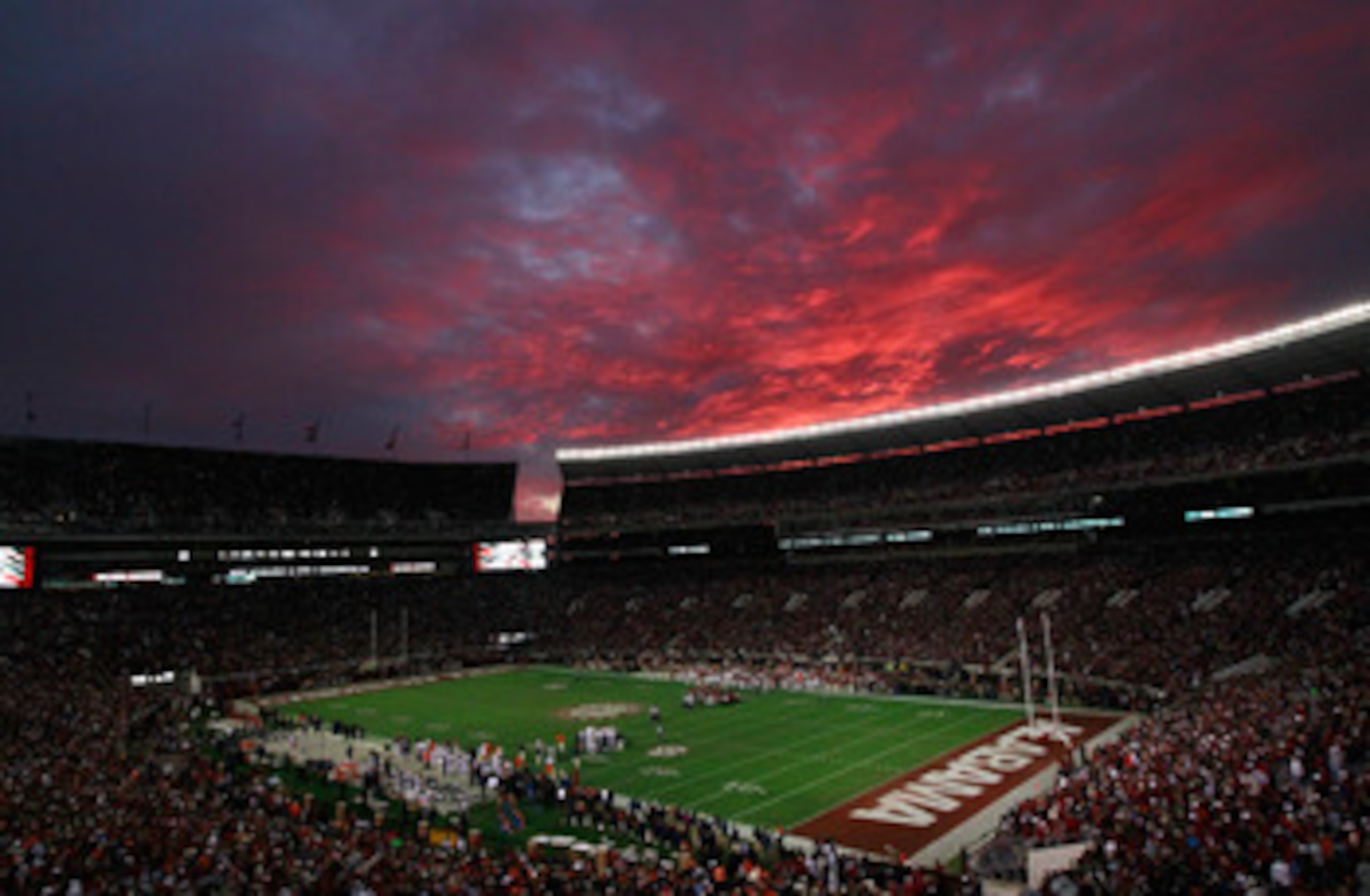
Not unlike many other football stadiums in the SEC, Bryant-Denny in Tuscaloosa, Ala., is an impressive sight.
When it opened as Denny Stadium in 1929, the capacity was 6,000. More than 16 times that flood its gates now, as demand for the Crimson Tide product has been driven upward over the years.
Thirteen national titles, as well as periods of sustained dominance during which Alabama has accounted for much of its 212-50-3 all-time record at Bryant-Denny, could be the culprit.
South No. 3: Tiger Stadium
78 of 100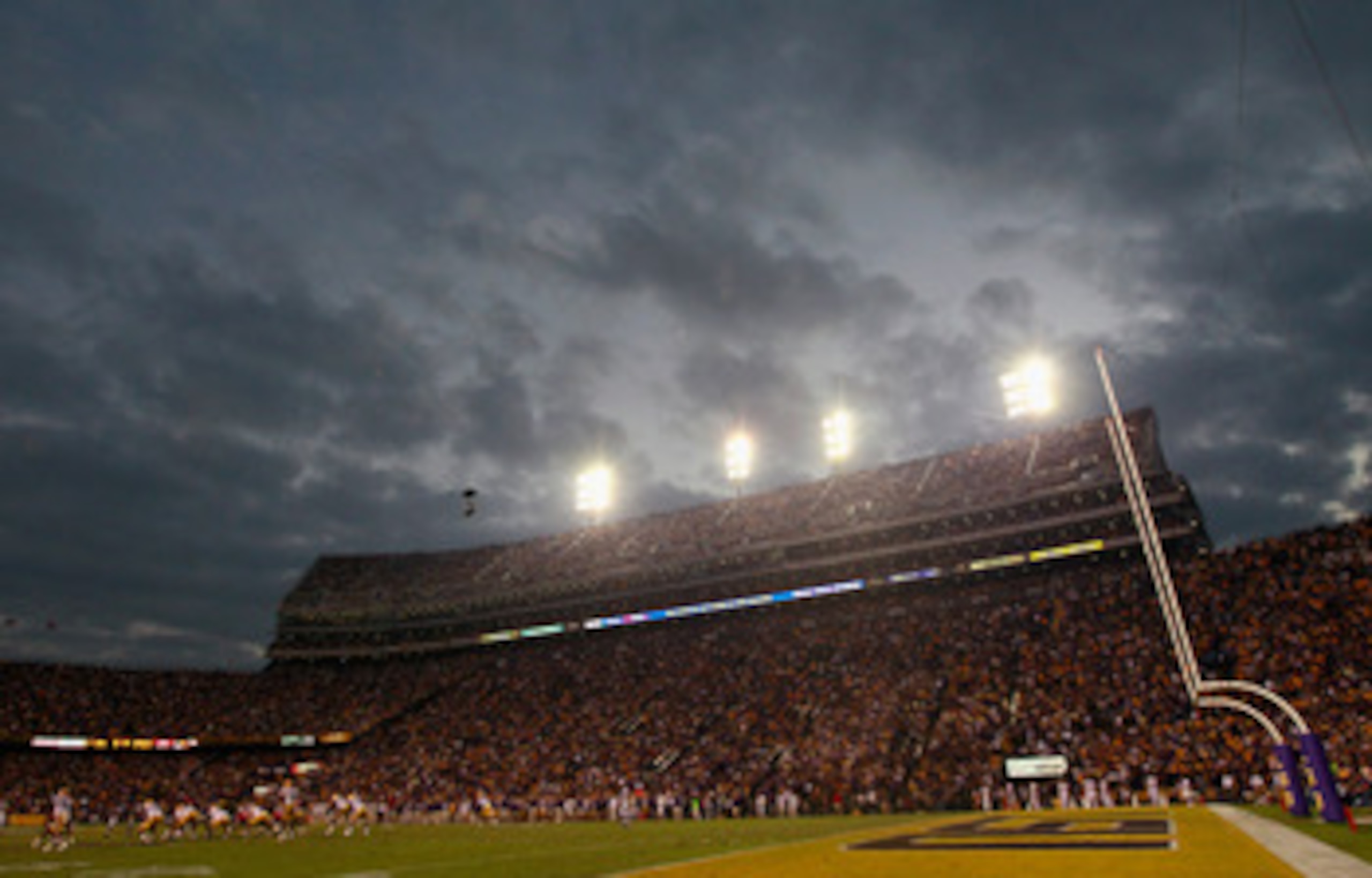
Surveys have concluded it. Television personalities have proclaimed it. Seismographs have confirmed it. Famed Alabama head coach Bear Bryant even admitted it: LSU’s Tiger Stadium is a rather tough place to play as a visiting team.
Nicknamed Death Valley, Tiger Stadium is not for the faint of heart. When full, it stands as the state of Louisiana’s sixth-most populated “city,” and the crowds that fill its bowels often produce sounds capable of jeopardizing the structural integrity of the building.
As was the case in 1988, when in a game versus SEC rival Auburn, LSU fans registered as an earthquake at the school’s nearby geological offices.
South No. 2: Augusta National
79 of 100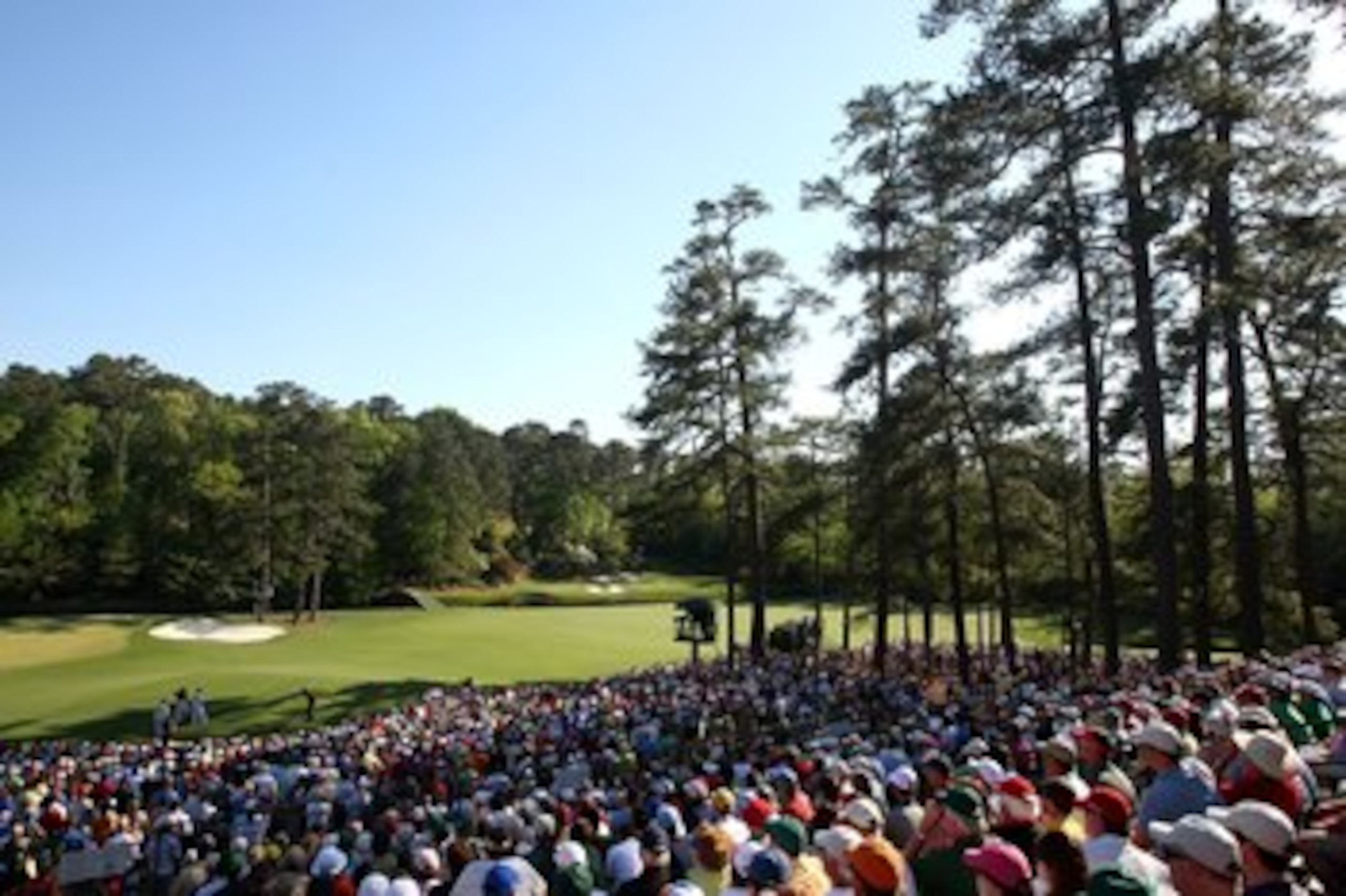
When I was little, I often equated my vision of heaven with the bouquets of azaleas and rolling carpets of bent, rye, and Bermuda grasses of The Masters.
How silly of me, shortchanging Augusta National Golf Club like that.
There is no other place on Earth like Augusta: The pines. The white sand of the bunkers. Flowers so perfect in bloom, they look fake, much like the putting surfaces, which appear just as green and nearly as smooth as emeralds by the time the fourth round commences.
South No. 1: Churchill Downs
80 of 100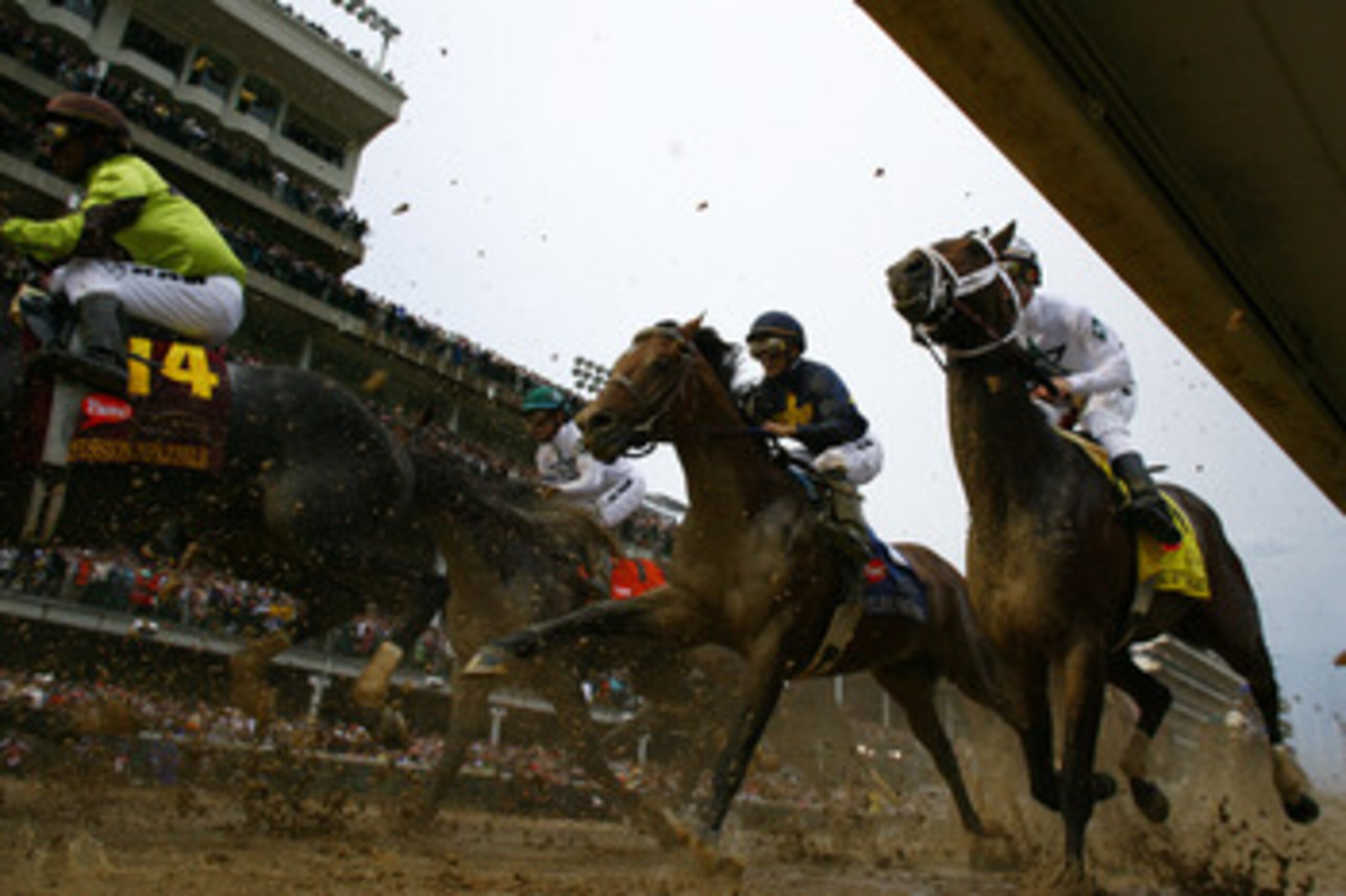
If your indulgences include watching a bunch of fillies and colts compete in a furious, circular dash, soundtracked to thunderous applause, broken dreams, and slurped mint juleps, visit Louisville on the first Saturday in May. At Churhill Downs. For the Kentucky Derby. You won’t be disappointed. At least not until your meal ticket of a horse stumbles out of the gate.
Northeast No. 10: USTA Billie Jean King National Tennis Center
81 of 100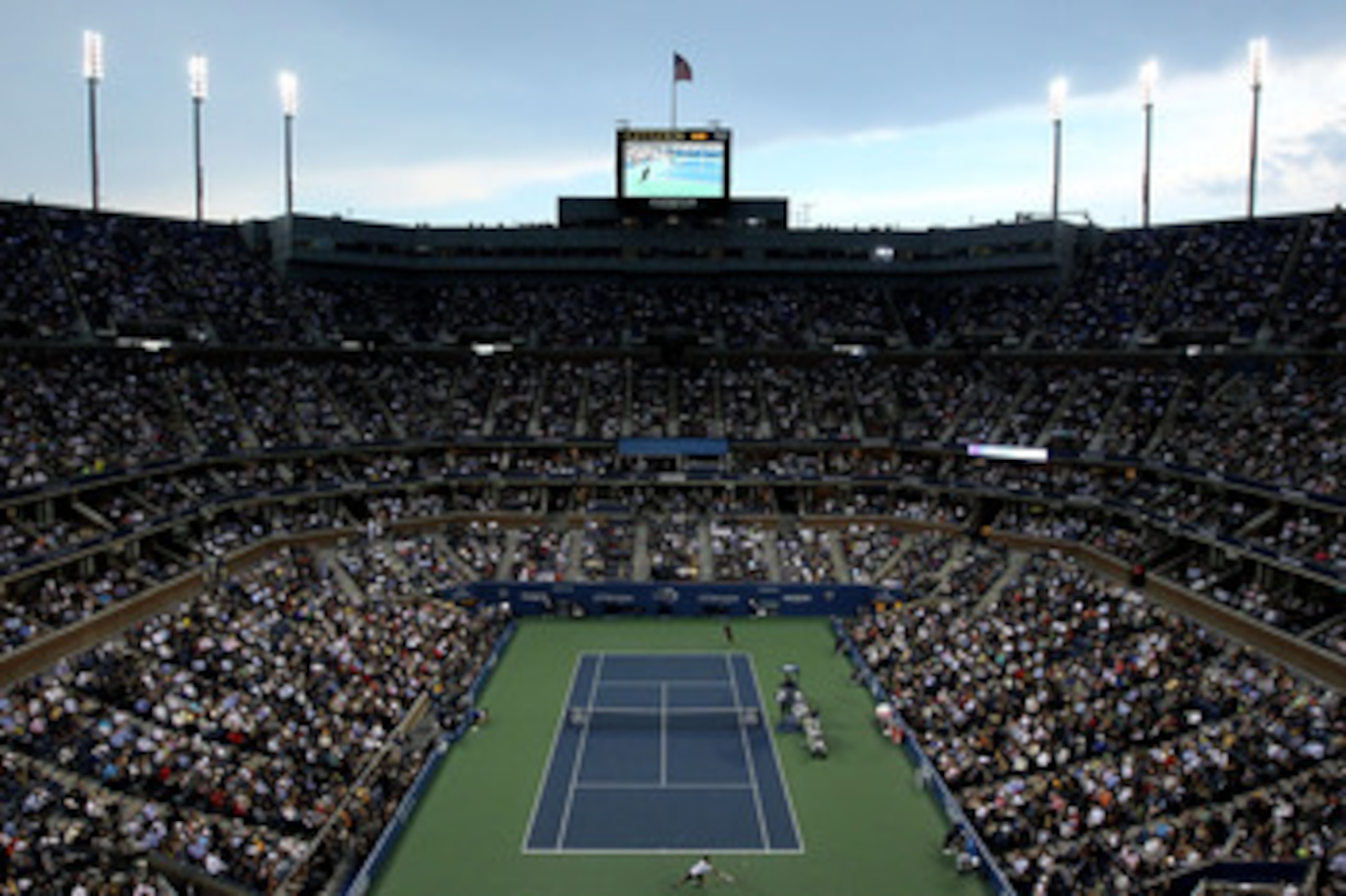
If you favor tennis, the USTA Billie Jean King National Tennis Center is your playground.
Located in Flushing Meadows, N.Y., it’s the largest public tennis facility in the world and features more than three dozen hard and clay courts available for public use seven days a week, for 11 months out of the year.
But don’t think you can just strap on some kind of John McEnroe-inspired garb, grab a buddy and waltz right into Arthur Ashe Stadium, the largest tennis-only venue in existence. Not gonna happen.
But hey, if you’ve fooled yourself into thinking you could someday qualify for the U.S. Open, the facility’s premiere event, the friendly instructional staff would be glad to help you there.
Northeast No. 9: Carrier Dome
82 of 100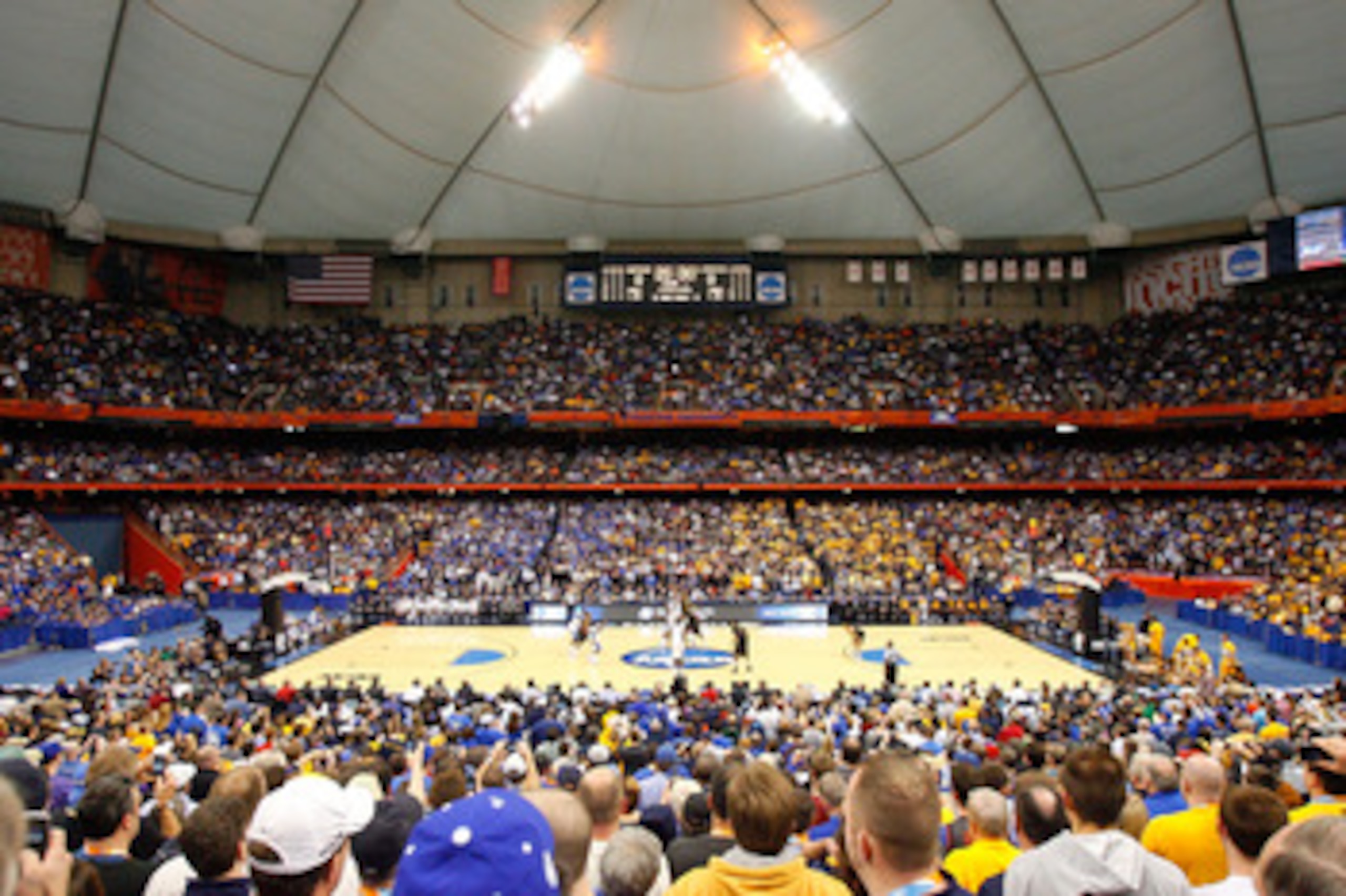
On February 27, 2010, Syracuse Orange basketball set a personal attendance record with 34,616 fans. If the figure sounds high for a hoops battle, that's because it is.
No arena outside those used for NCAA Regional Finals and Final Fours—most of which are football-only facilities—are capable of holding so many bodies, but this is the norm for the largest on-campus basketball facility in the nation.
Since opening in 1980, the Carrier Dome has welcomed a crowd in excess of 30,000 a reported 68 times. In those games, Syracuse has posted a record of 46-22.
Northeast No. 8: Yankee Stadium
83 of 100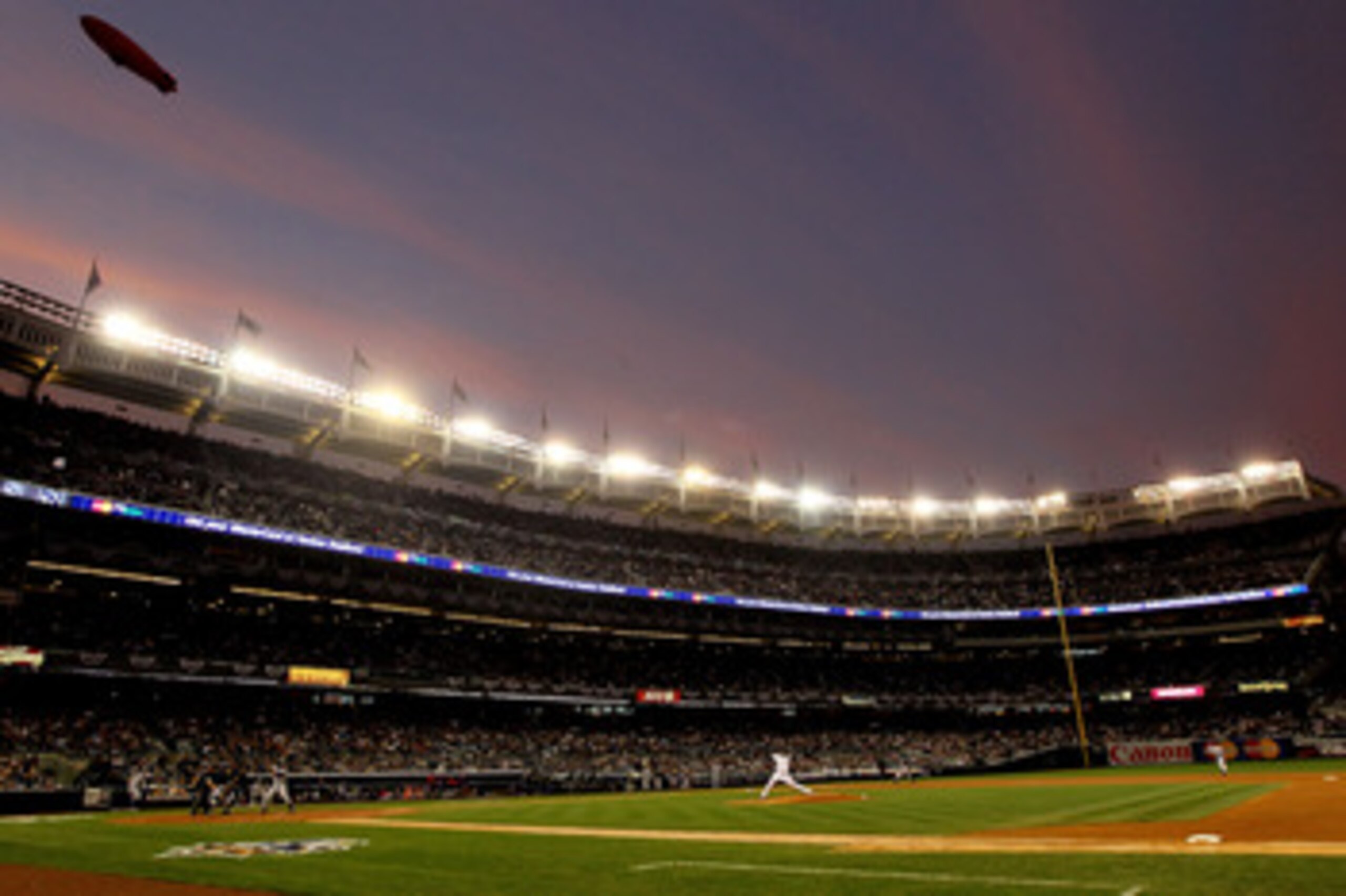
Not exactly the "House That Ruth Built" anymore, New Yankee Stadium doesn’t have much on its holy predecessor, at least in terms of nostalgia. But it’s not even three seasons old yet, so give it time—this is the Yankees we’re talking about.
Luckily for baseball purists, the organization decided to replicate many of the details that played a partial role in the old stadium's greatness: The iconic white frieze ringing the top of the stadium, the familiar layout of the seats and even the outfield dimensions were retained, down to the very last inch.
All of which are just waiting to be made part of another few generations of World Series titles in New York.
Northeast No. 7: Yale Bowl
84 of 100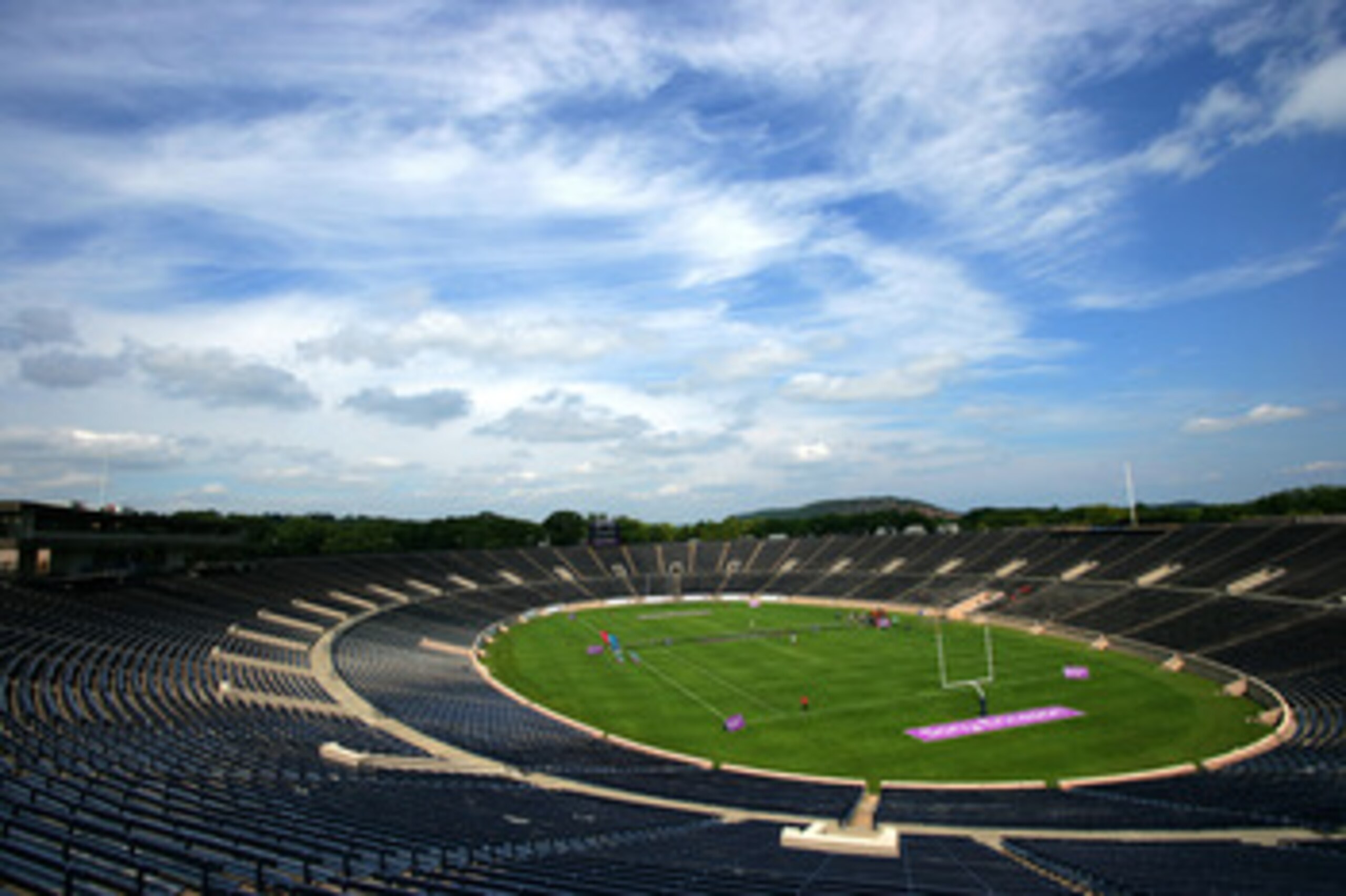
According to Yale University’s official athletics website, the Yale Bowl was the first stadium to feature seating that “completely surrounded the field” when it opened just in time for the Harvard game some 97 years ago.
So, I guess you could say the Bulldogs paved the way, specifically designer Charles A. Ferry, an alumnus who referred to the then-61,000-seat “amphitheater” as the “largest structure of the kind in the world,” while composing a synopsis published by the American Society of Civil Engineers in 1917.
Northeast No. 6: PNC Park
85 of 100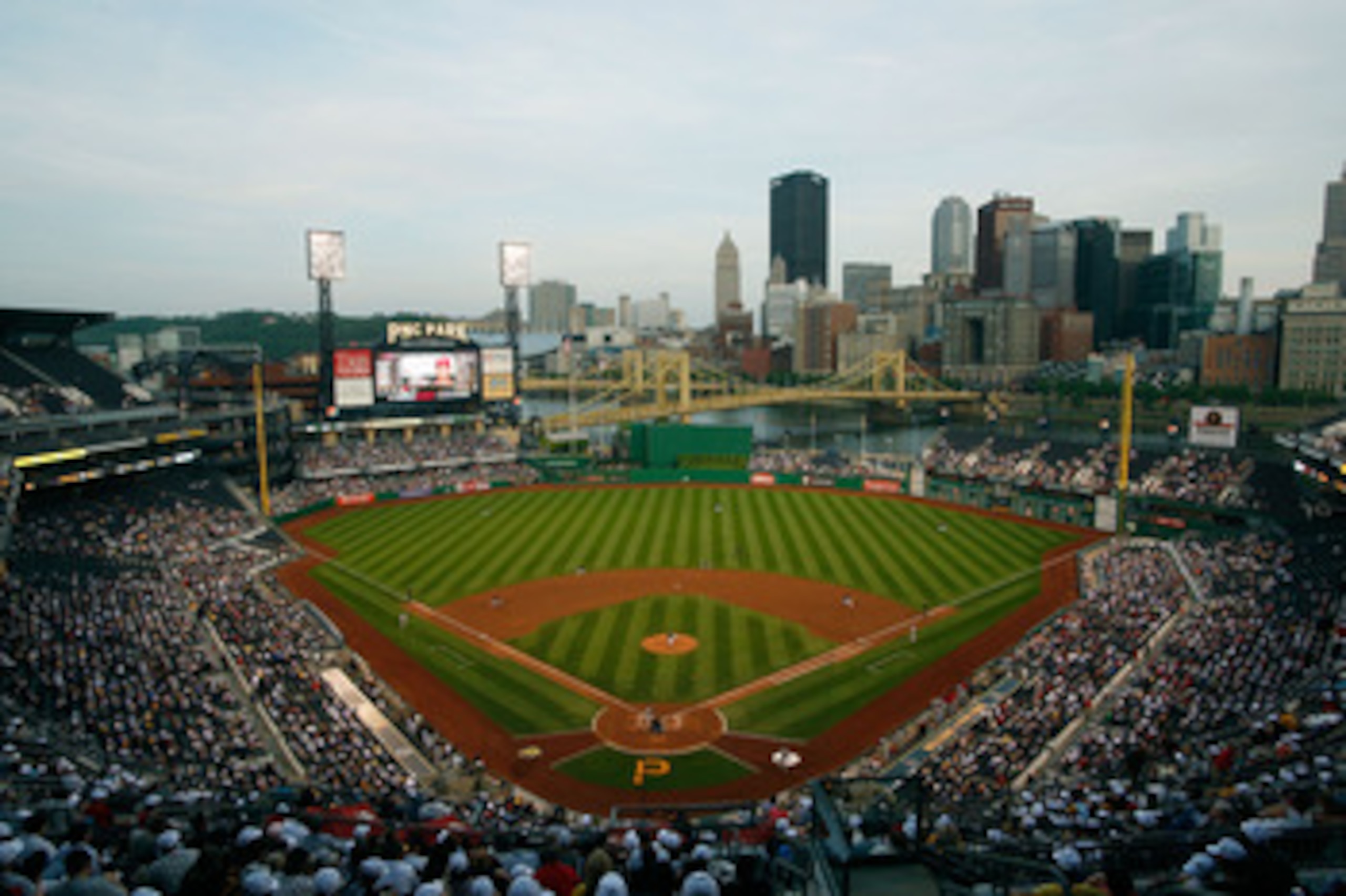
ESPN.com baseball writer Jim Caple once compared PNC Park to famed architect Frank Lloyd Wright’s Falling Water, a historical landmark widely regarded as one of the most wondrous feats of modern architecture. But Caple is not alone.
Since its opening in 2001, PNC Park has drawn rave reviews from far and wide, praised for not only its intimacy, but also for the manner in which it effortlessly weaves the fabric of Pirates history into the character of the city of Pittsburgh.
So highly regarded is PNC Park that many parks that have succeeded it have borrowed some of its elements—most notably Citi Field in New York.
Northeast No. 5: Belmont Park
86 of 100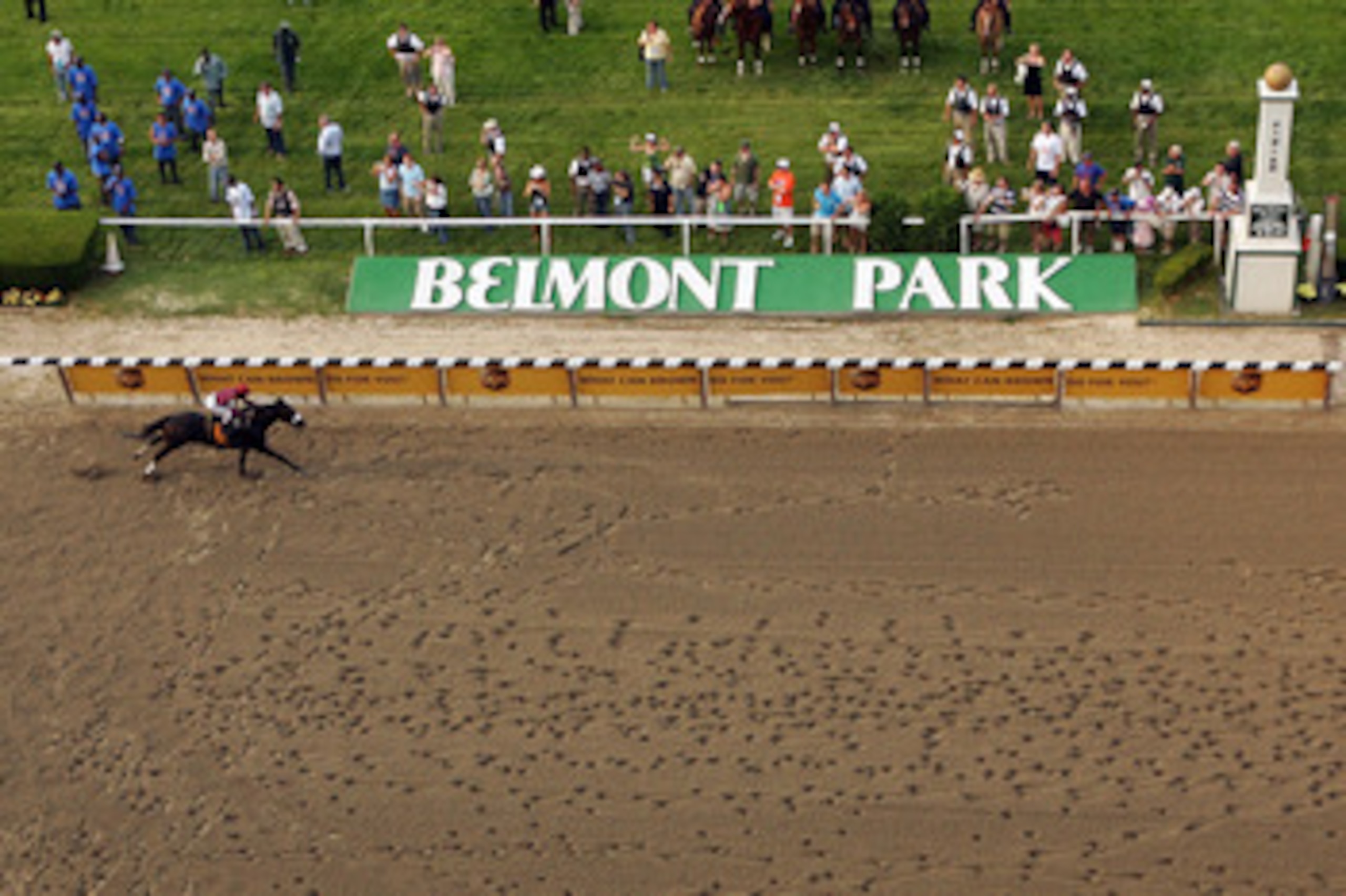
Site of the third leg of the Triple Crown, Belmont Park is home to Big Sandy, a moniker given to the complex’s dirt racetrack, which stretches a mile-and-a-half and is the longest in North America.
Through the years—since 1905, to be exact—many a hoof have pounded the surface at Belmont, often times to the roar of crowds that have exceeded 100,000.
Undoubtedly, the most revered of those runs belongs to Secretariat, who set a world record that still stands today in the 1973 Belmont Stakes, winning the race by 31 lengths with a time of two minutes and 24 seconds.
Northeast No. 4: Bethpage Black
87 of 100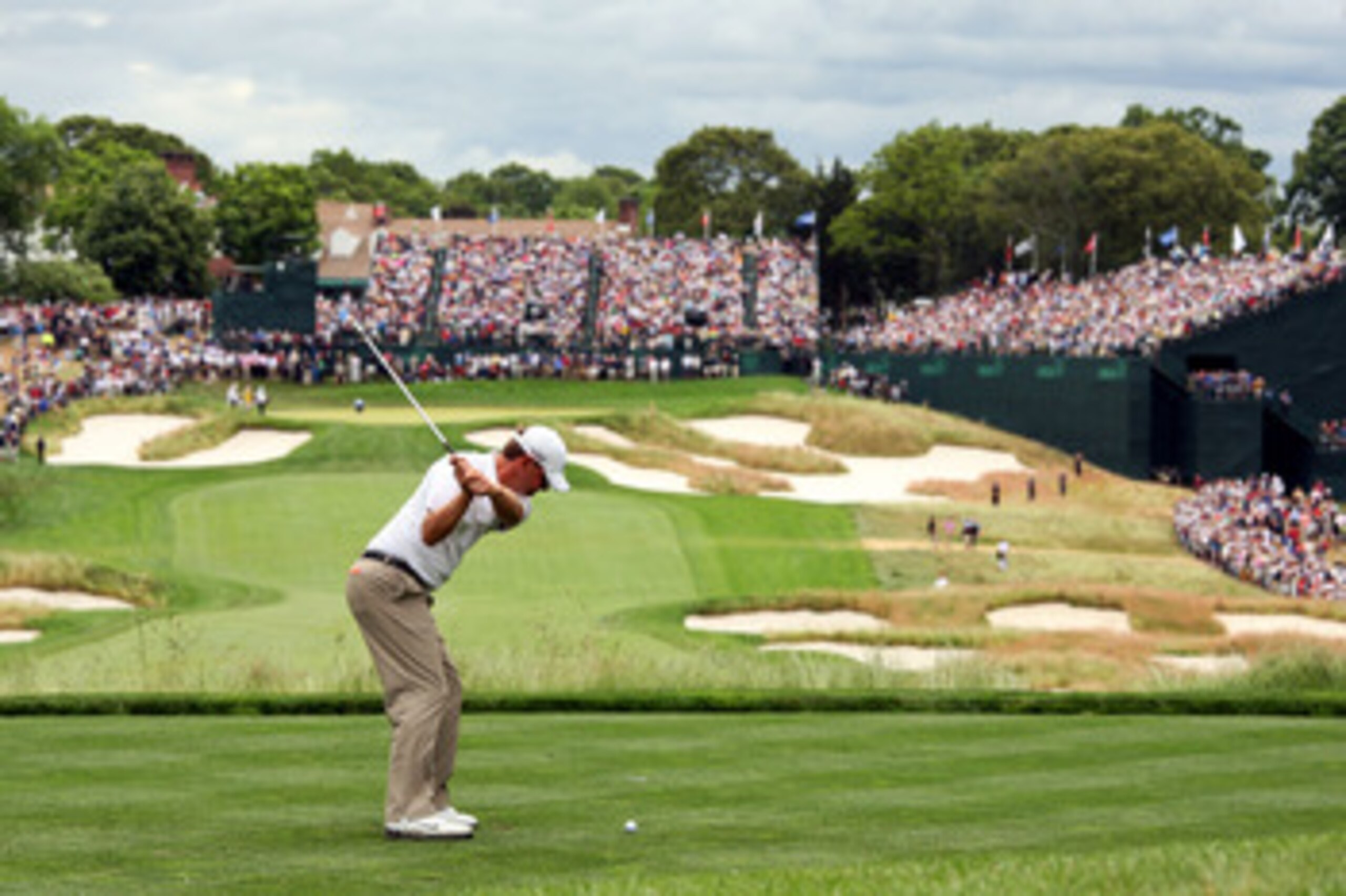
Bethpage State Park in Farmingdale, N.Y. covers 1,476 acres and is littered with multiple recreational offerings for nearby Long Islanders.
Parkgoers enjoy activities that include tennis, picnicking and golf, which is laid out over five different courses. But among the Bethpage links lies the Black Course, a hell-spawn so diverse in its difficulty that in 2002 it became the first-ever public course to host a U.S. Open.
A menacing combination of narrow fairways, thick rough and small, slick greens, Bethpage Black brought all but one of the world’s top golfers to their knees that year, as Tiger Woods won the tourney as the only player to finish under par.
But the main story were the crowds, which resembled the patrons at a fraternity toga party with their overly boisterous behavior and they served as one of the reasons the Open returned to Bethpage just seven years later.
Northeast No. 3: Cooperstown
88 of 100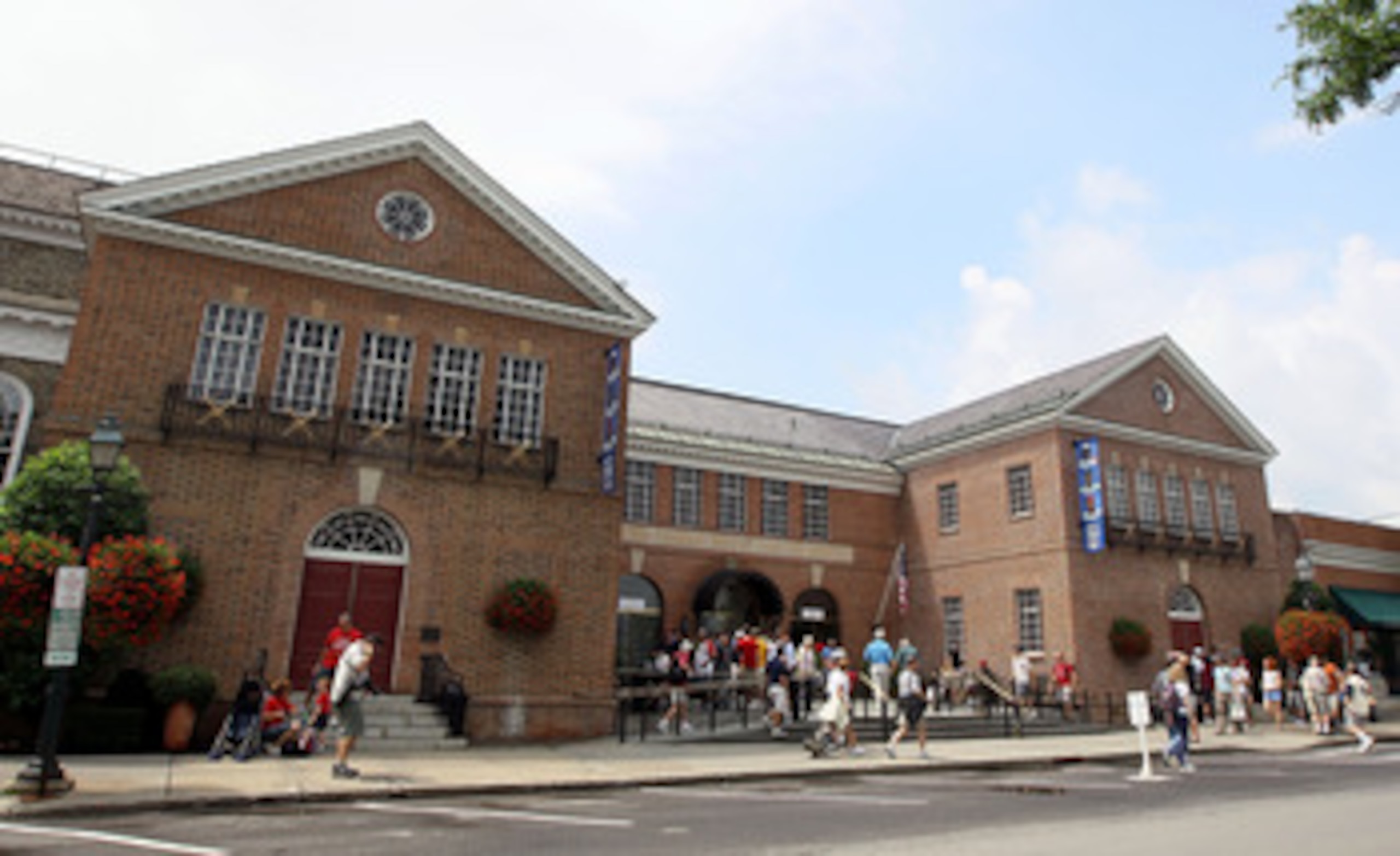
The diminutive village of Cooperstown, New York, has become a popular metonymy in the lexicon of American sports.
Home to no more than 2,100 people, it’s 1.6 square miles overflowing with enough history, particularly literary, to rival some cities.
First and foremost though, Cooperstown is the Baseball Hall of Fame, the epicenter through which legions of fans, young and old, pass to get a full-frontal view of the allure that is our national pastime.
Plaques commemorating the Hall’s members line the wooden walls and more than 38,000 three-dimensional artifacts are spread out over the museum’s three floors, giving fans a tangible look at where the game has been, where it is now and where it will be.
Northeast No. 2: Beaver Stadium
89 of 100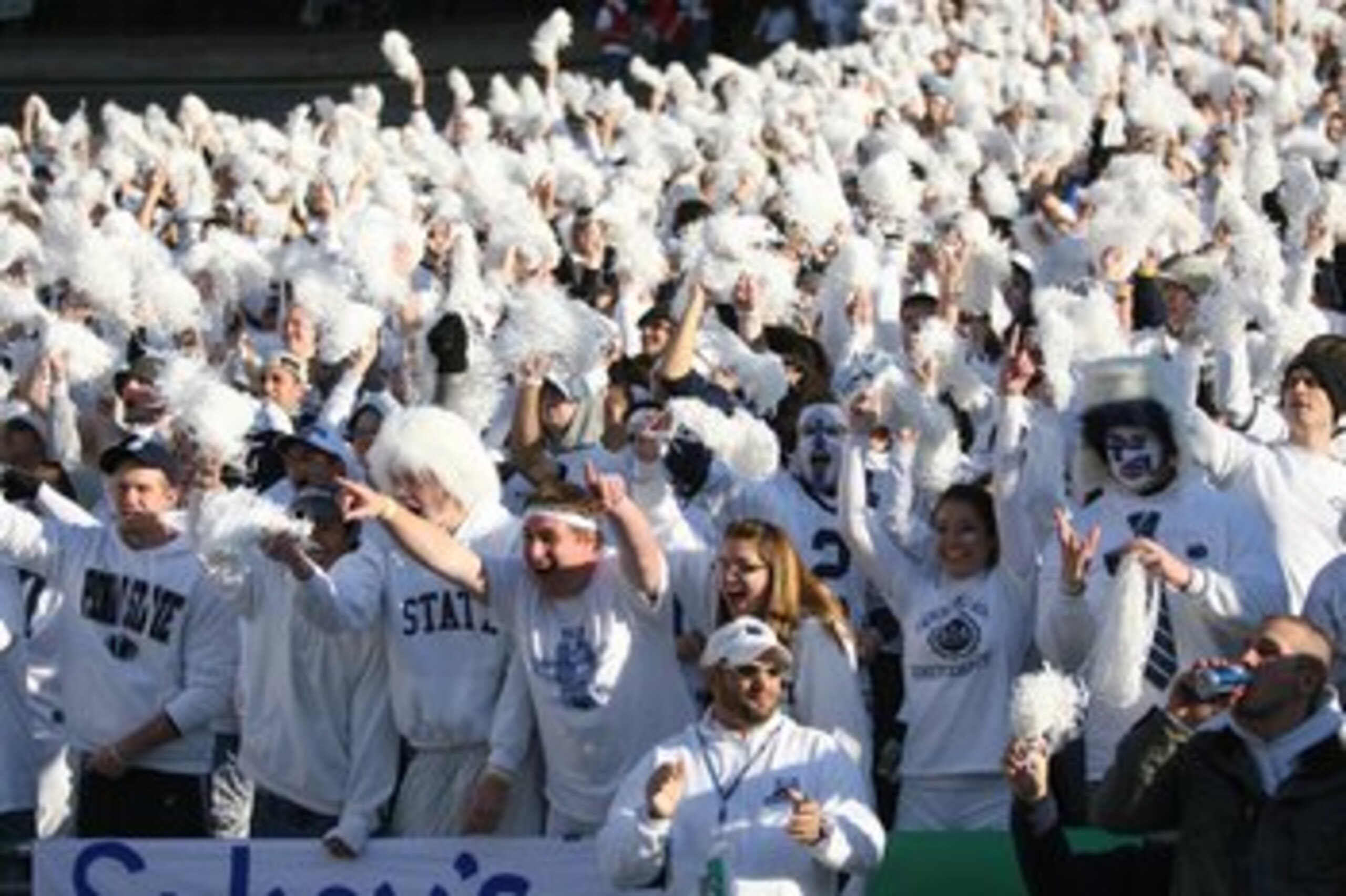
Not that 107,282 fans are less intimidating any other time of day, but night games at Penn State’s Beaver Stadium are truly a spectacle to behold.
When the sunlight fades, this shrine of Nittany Lion football takes on an eerie glow, emitted by the renowned “White Out,” a tradition ignited by students in 2004 that has since matured into a fan base trademark and a staple of select fall Saturdays in Happy Valley.
The sea of illumination at Beaver Stadium has become so effective that Penn State was challenged in court in 2007 by the NHL’s Phoenix Coyotes, who claimed to have coined the phrase dating back to the franchise’s days as the Winnipeg Jets.
Northeast No. 1: Fenway Park
90 of 100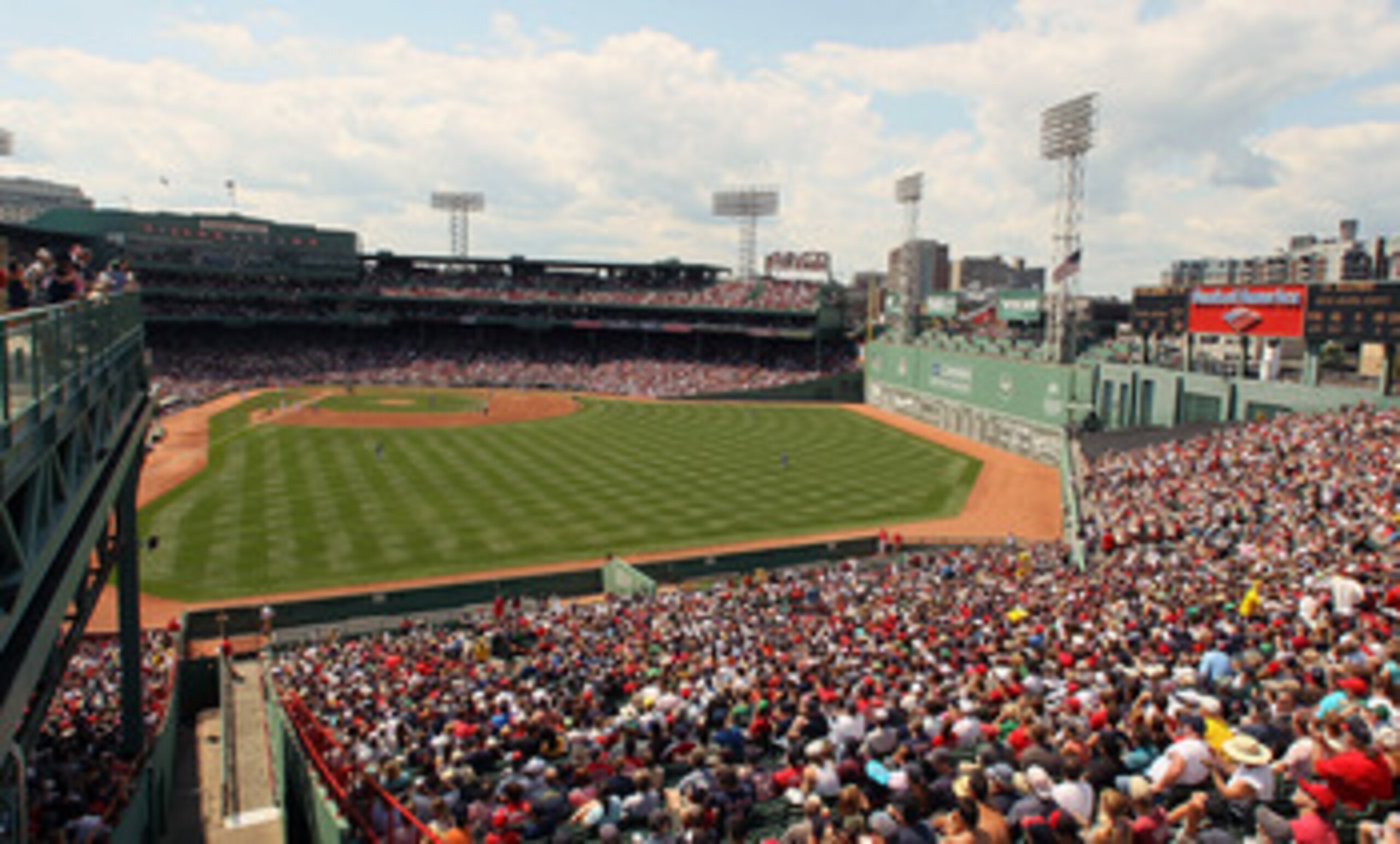
The Green Monster. Pesky’s Pole. The Triangle. Williamsburg. Outfield walls composed of obtuse angles. The Fenway-Kenmore neighborhood providing a rustic background, matched only by Wrigleyville in Chicago.
Fenway Park is like a time warp, a portal through which you are transported from an era of corporate-branded BS, signage and advertisements to a simpler time, when the intimacy of the ballpark experience wasn’t strained or feigned.
Fenway is one of Major League Baseball’s few remaining relics and it should be treated as such. It is, in summation, pure bliss and the ultimate slice of Americana.
Mid-Atlantic No. 10: M&T Bank Stadium
91 of 100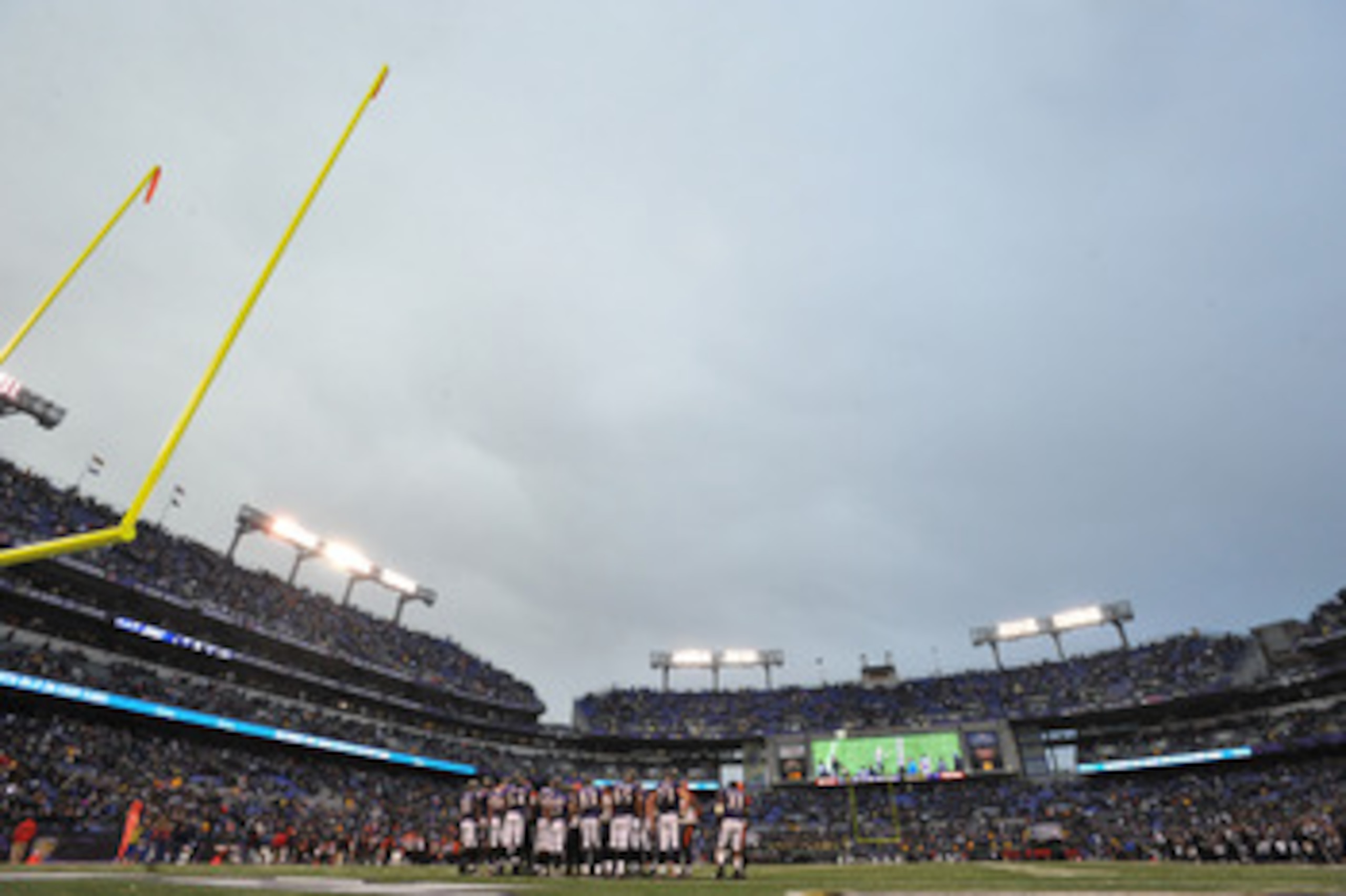
Your best bet for killing two birds with one stone while in Baltimore will involve the Ravens and Orioles, only you’ll have to wait until April to find out if such an opportunity will exist.
That’s when the NFL will release its schedule for 2011, which very well could feature the Ravens on a Sunday night telecast early in the season.
If so, proceed as follows: Attend a Sunday afternoon game at Camden Yards, which is adjacent to M&T Bank Stadium. For an intermission, visit Faidley’s on nearby North Paca for some award-winning crab cakes. To cap it off, attend said Ravens game, and you’re golden.
Mid-Atlantic No. 9: Williams-Brice Stadium
92 of 100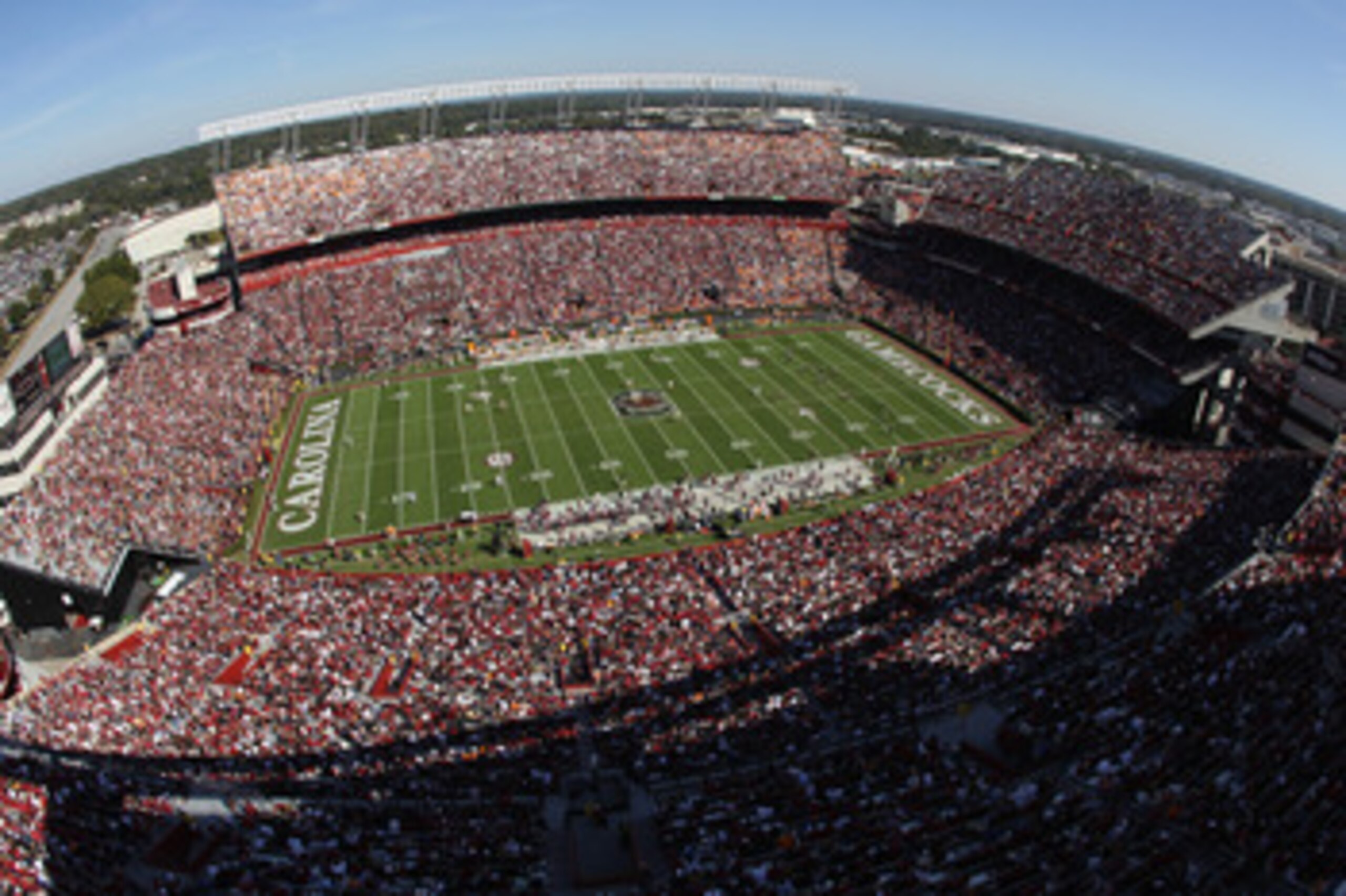
The SEC is crowded with NFL-worthy stadiums, monuments to how seriously and passionately fans in the South regard their football.
It’s tough to stand out, but Williams-Brice Stadium does it admirably.
Home to the South Carolina Gamecocks, this 80,250-seat behemoth may not get the recognition of Neyland Stadium in Tennessee or Death Valley at LSU, but it’s plenty deserving of being an intimidating force all its own.
It could get worse for South Carolina opponents. In the conceptual stage are expansion plans for the north end zone that would raise overall capacity to nearly 90,000.
Mid-Atlantic No. 8: Congressional Golf Club
93 of 100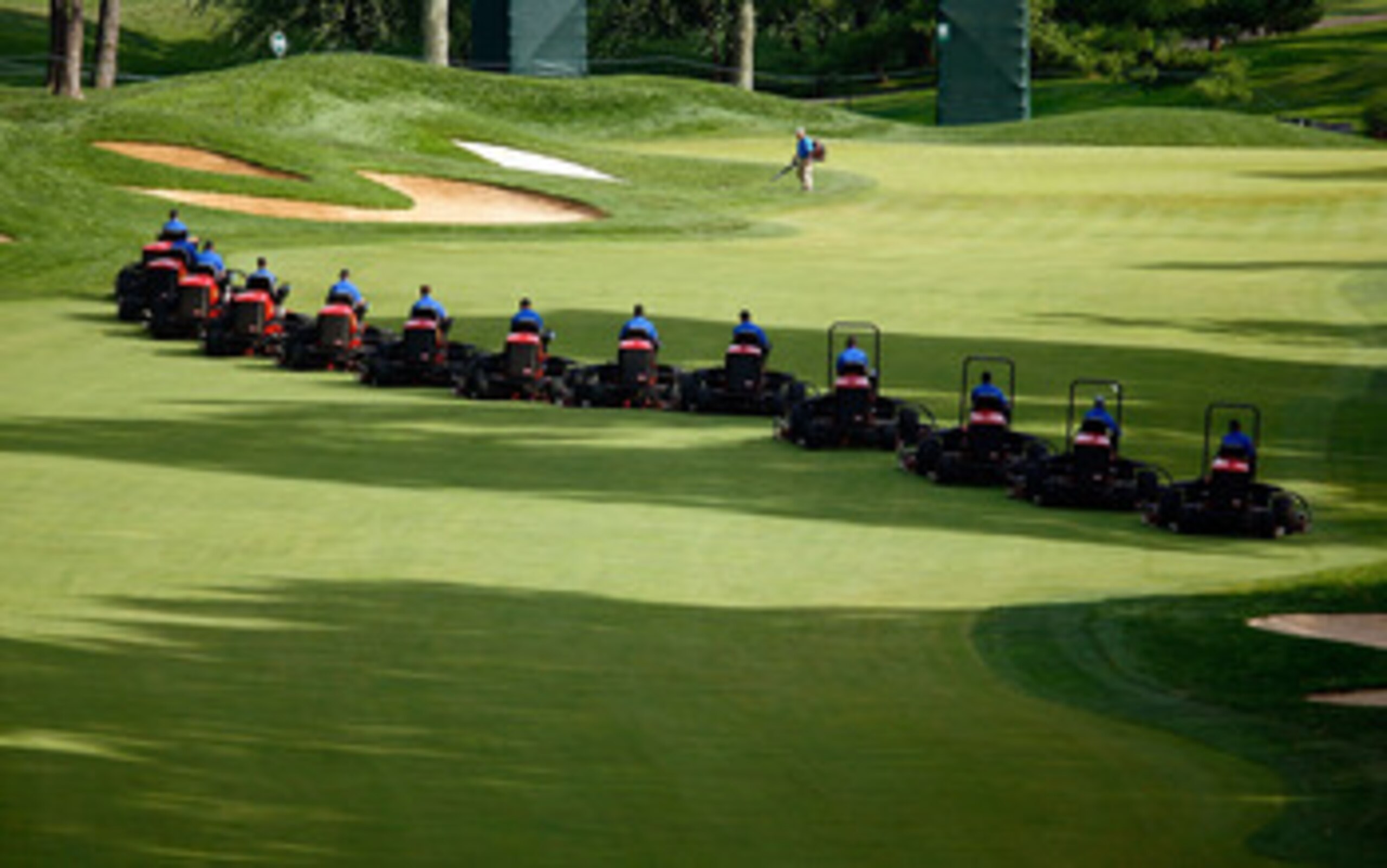
Not unlike some of the other courses on this list, you’ll have to spend some serious cheddar if you want to play Congressional.
Whereas Pebble Beach is a resort and Bethpage a public course, Congressional is a private club that requires an initiation fee of $100,000. That is, if you’re ever extended an invitation, which is the only way to ensure membership.
If you’re not important enough, don’t worry. There are other ways to access this jewel of Bethesda, Maryland, beginning with the U.S. Open, which will be held at Congressional for the third time this coming June.
Mid-Atlantic No. 7: FedEx Field
94 of 100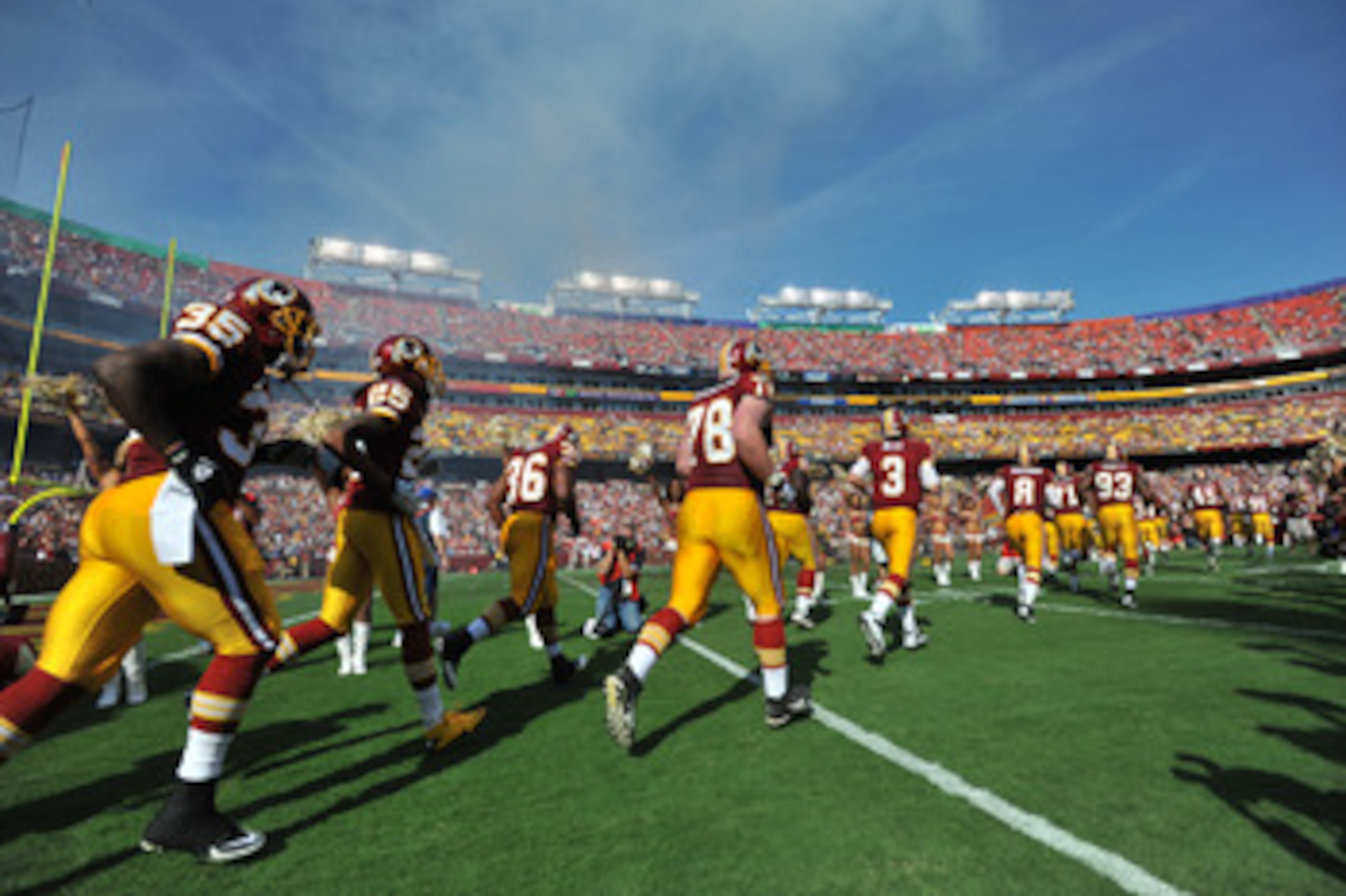
The Redskins may not be the hottest ticket in town right now—that would probably be the Washington Capitals, so maybe the Verizon Center would be the better call—but they’re an enduring brand in the NFL that won’t be tarnished by a few suspect seasons.
If nothing else, go for the history of football in Washington, which has produced three Super Bowls, or at least for the sake of crossing another sports destination off your list.
After all, tickets shouldn’t be hard to come by. FedEx Field, the largest stadium in the league at 91,704 seats (though Dallas’ Cowboys Stadium can be expanded to fit 110,000), has never been sold out for a Redskins game in its 14 seasons.
Mid-Atlantic No. 6: Memorial Stadium (Clemson University)
95 of 100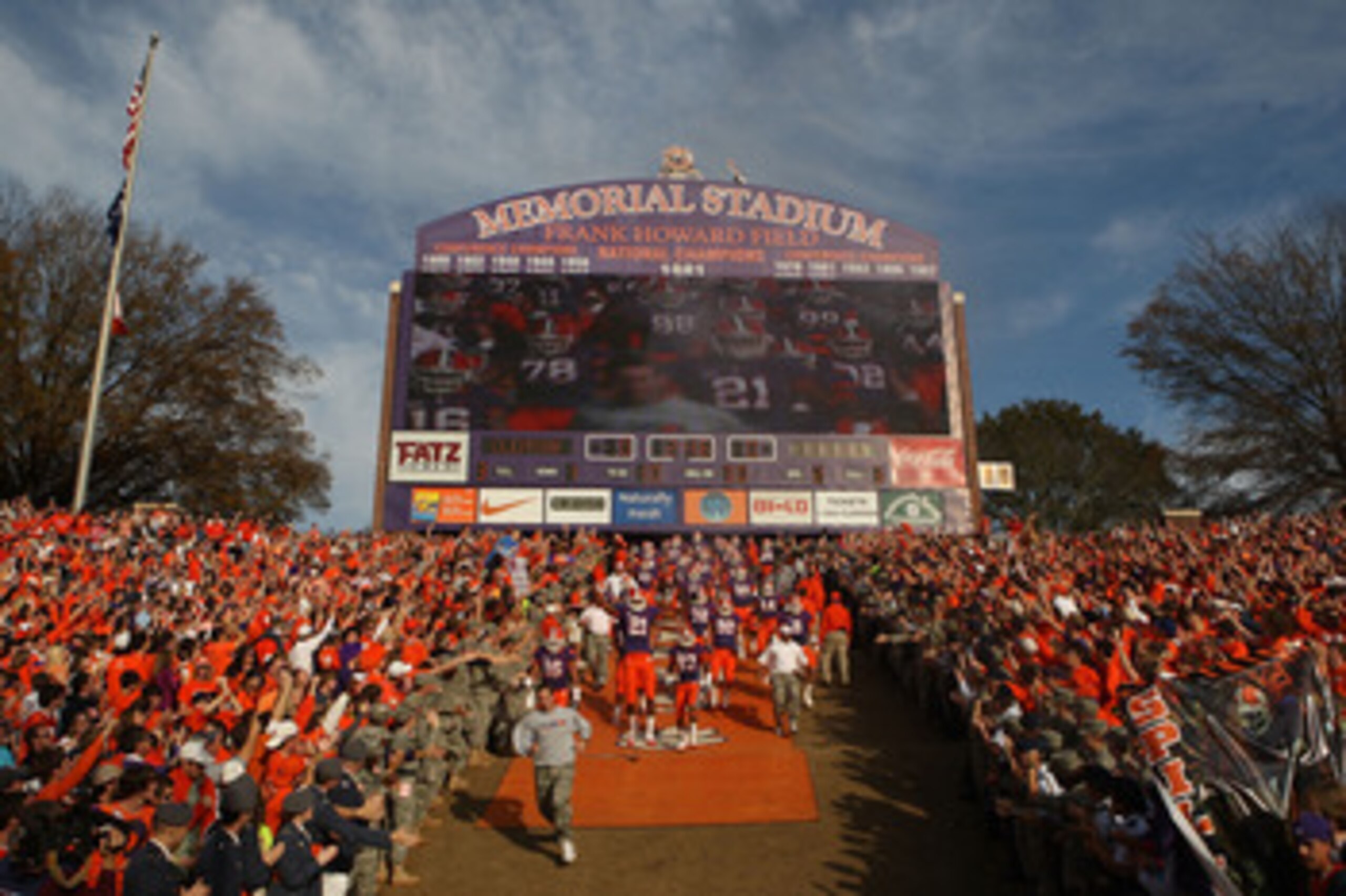
The most exciting 25 seconds in college football transpire before every game inside Clemson’s Memorial Stadium.
After entering the stadium through its east side, Clemson players gather around cherished Howard’s Rock before descending down The Hill and onto the field, all while more than 80,000 Tiger fans create pandemonium in the stands.
It’s a scene that’s been gushed over by broadcasters, romanticized by reporters and fondly recalled by former players. But most importantly, it’s been repressed by Clemson opponents, who would rather forget than remember that terrifying third of a minute.
Mid-Atlantic No. 5: Pimlico Race Course
96 of 100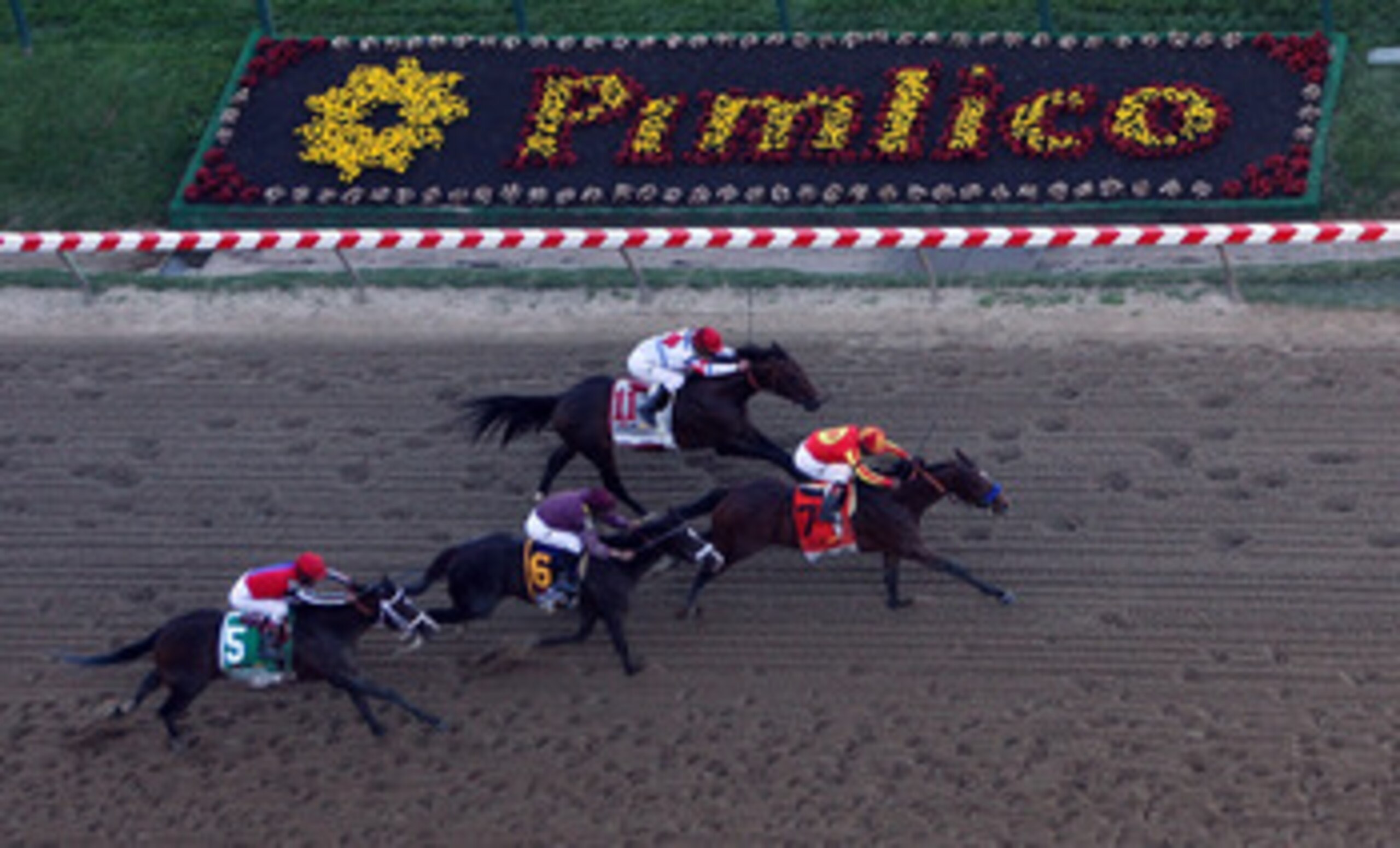
Saved only by an 11th-hour agreement between its ownership group and the Maryland Racing Commission in late December, Baltimore’s famed Pimlico Race Course was perilously close to losing all of its races for 2011.
That includes May’s Preakness Stakes, which has been run at the track since 1873 as one of the nation’s oldest thoroughbred races and has an economic impact on the state of up to $60 million.
The loss would have been disastrous, made even worse by the fact fans planning to buy infield tickets would have been robbed of the chance to buy bottomless beer mugs for $20, which the track has promoted in consecutive years to boost attendance.
Mid-Atlantic No. 4: Lane Stadium
97 of 100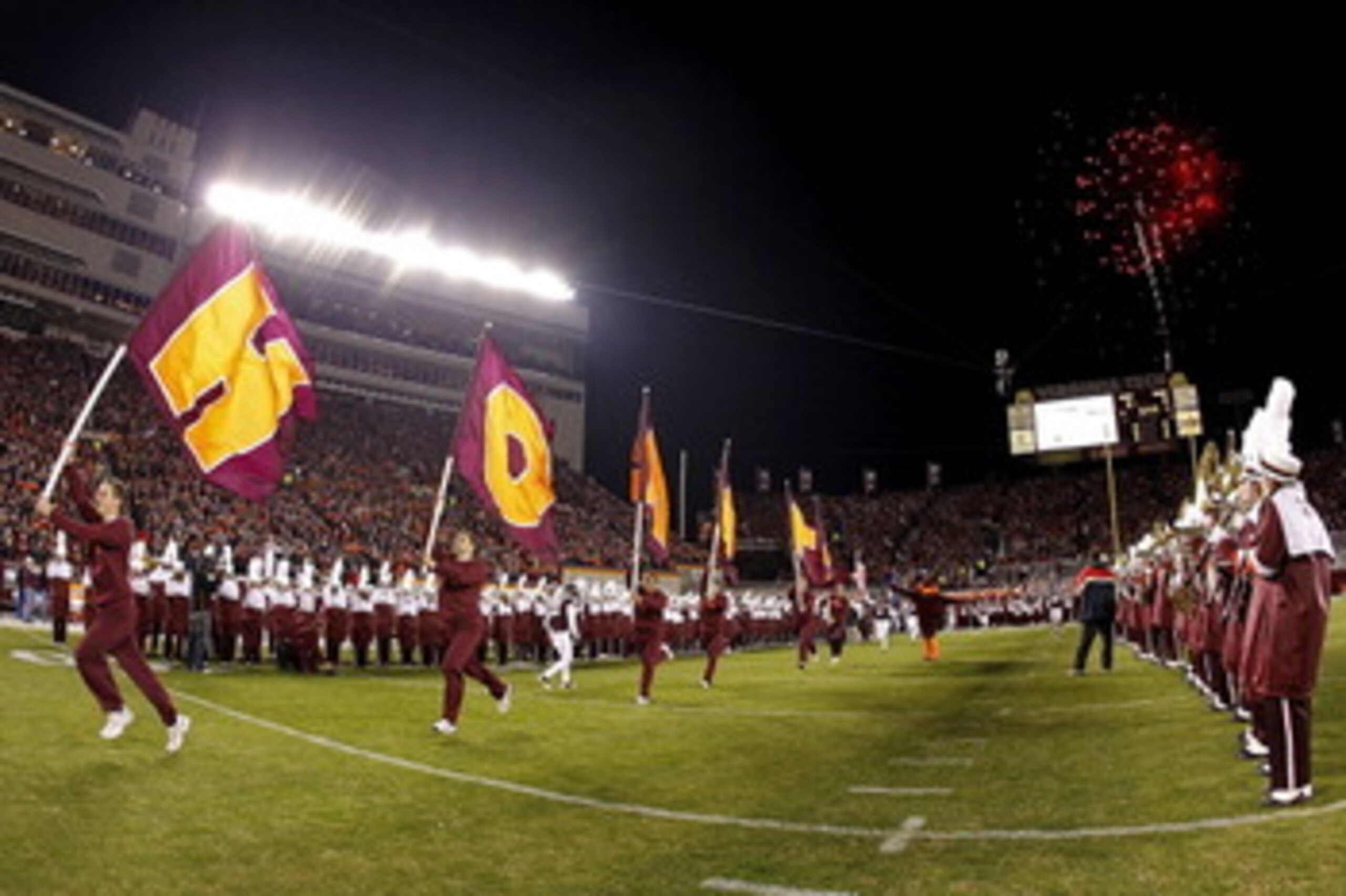
I hope you like your Metallica, because “Enter Sandman” is the first thing you’re going to hear when you attend a game at Lane Stadium, perennially one of the ACC’s toughest places to play and the highest-elevated FBS stadium in the eastern United States.
The song is played upon the Hokies’ entrance onto the field, but it is just one of many traditions that go on during football Saturdays at Virginia Tech.
How about the Blacksburg Bounce? Or maybe Tech’s very own rendition of the Hokie Pokie, performed ably by the Marching Virginians and Hokie Bird, the school mascot?
The fun goes on and on.
Mid-Atlantic No. 3: Oriole Park at Camden Yards
98 of 100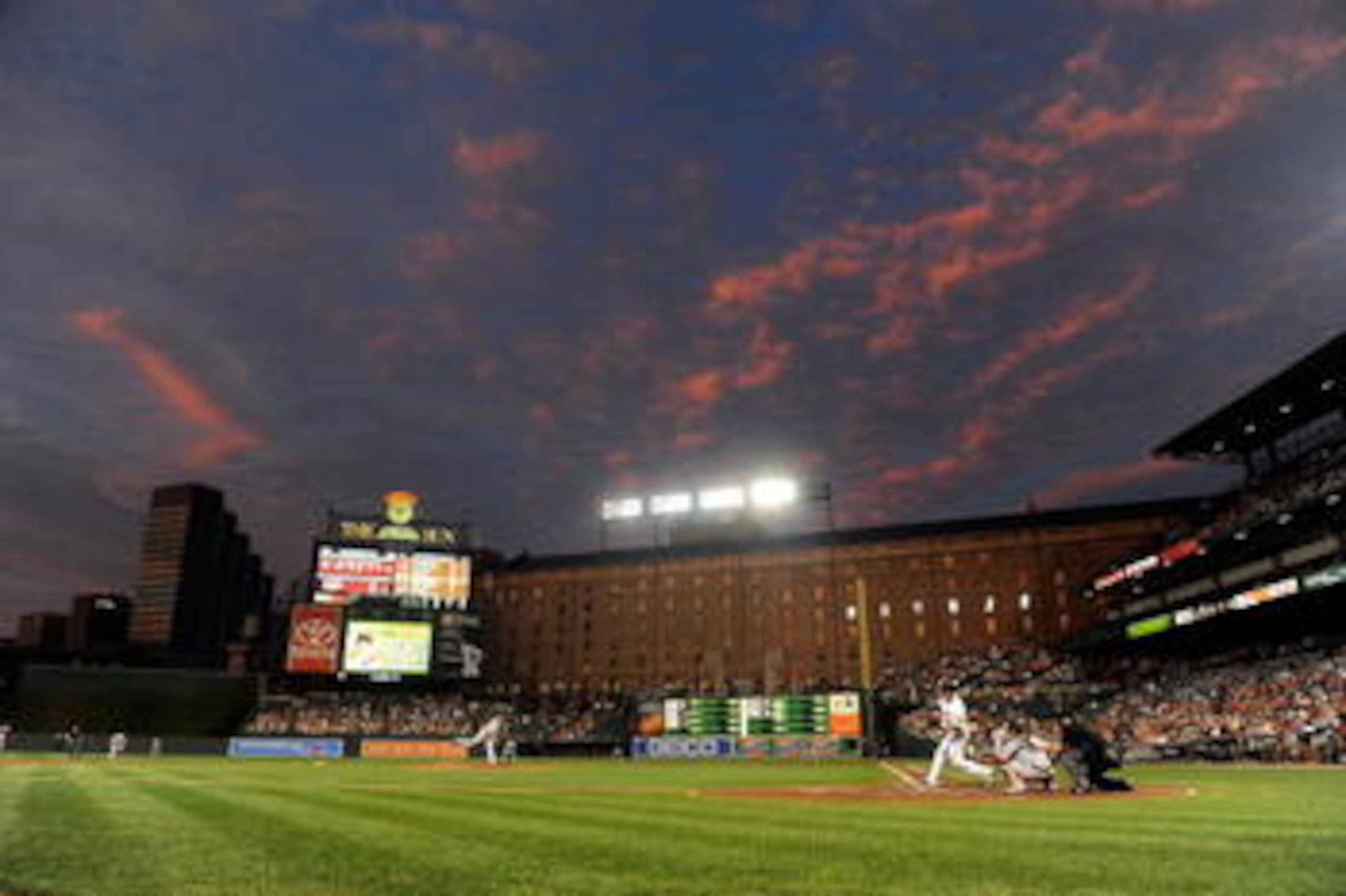
We can all thank the Orioles for getting the ball rolling on this trend toward placing a premium on ballpark intimacy once again.
At a time when many organizations were still content with holding on to the emotionless cookie-cutter stadiums of the 1960s and ‘70s, Baltimore vaulted out of the box and gave us Camden Yards, an ode to what can be achieved when charm is prioritized higher than the number of butts you can get into the seats.
The fastest park in baseball history to reach 50 million fans, Camden Yards has become a fixture in the Baltimore landscape, but its influence has also touched teams throughout the league, who still to this day continue to draw upon its features for inspiration.
Mid-Atlantic No. 2: Dean Smith Center
99 of 100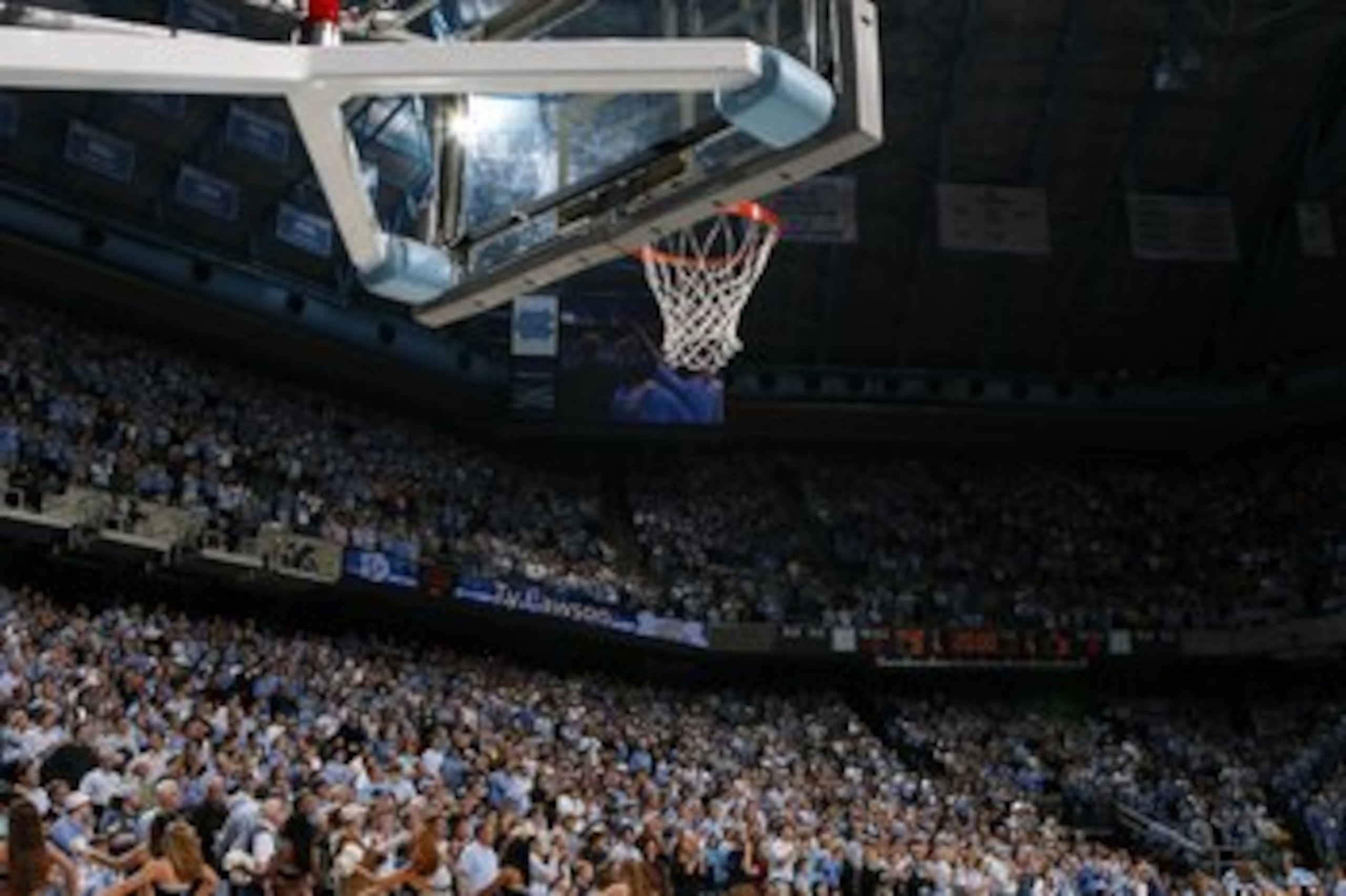
The Dean Smith Center is one of college basketball’s most palatial settings. It’s witnessed some darn good basketball too.
Capable of holding more than 22,000 fans, it is the fourth-largest arena in college hoops, yet the cavernous interior did nothing to discredit the Center’s early reputation as a quiet venue that catered to more of a “wine and cheese” crowd.
That misnomer has since been squashed, as younger alumni and an expanded student section have flocked there in droves in support of the Heels, who have won nearly 300 games and three national titles since the building opened in 1986.
Mid-Atlantic No. 1: Cameron Indoor Stadium
100 of 100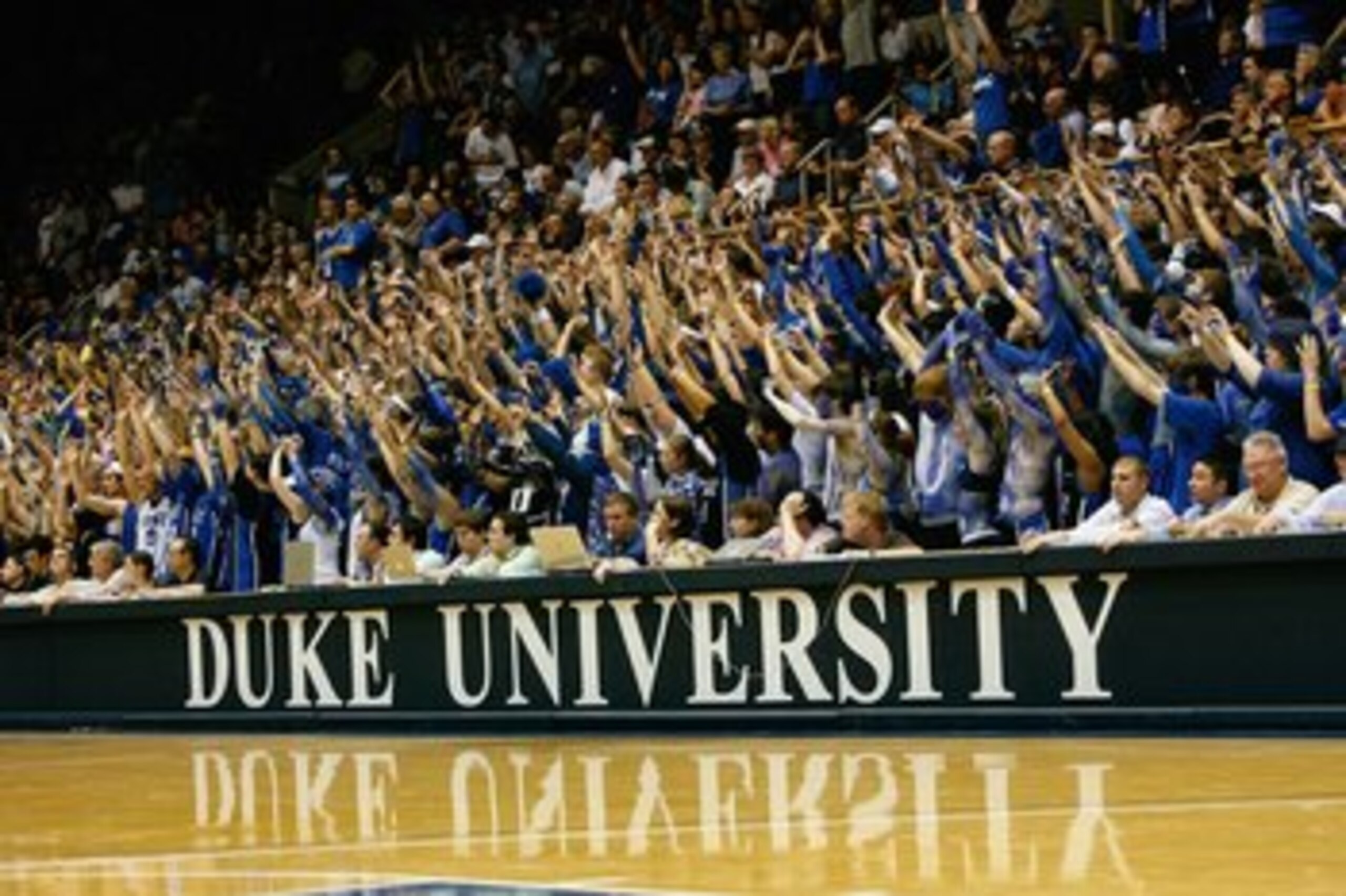
If there’s an atmosphere cooler and more definitive of what makes college basketball great more than Duke’s Cameron Indoor, somebody will have to show me.
As the story tends to be told, the original sketches for Cameron were conceived on the back of a matchbook in 1935, but whether it’s true or not is of no consequence. The place doesn’t need the help of legend.
Of course, the wild success of the Duke men’s program has made Cameron the icon it is today, but other factors weigh in, such as the decorative wood walls and brass railings.
Then there are the fans, the Crazies who are situated so close to the floor you sometimes fear for the physical well-being of the Blue Devils’ opponents.



.jpg?w=2560 "Latest Peyton-Colts Rumors")