MLB Power Rankings: Citi Field and the Hardest Stadiums To Go Deep in
It's been said that chicks dig the long ball. In fact, everybody digs the long ball.
That's not to say that baseball fans don't appreciate a pitcher going the distance in a game while striking out 15 batters, but watching someone hack a home run into the summer night is just something that our attention is drawn to.
Unfortunately for fans in many cities, long balls are seen far less frequently than in others.
Some of the new stadiums we see being constructed have deeper gaps and higher walls with electronic scoreboards, making it hard for many players to power a fastball into the seats.
With the 2011 season just weeks away, here's a list of the hardest places to go yard last season.
No. 30: Yankee Stadium
1 of 30
2010 HR per game: 2.75
Having one of the most potent lineups in baseball certainly helped Yankee Stadium climb close to the top for most home-runs allowed last season.
It's friendly dimensions didn't hurt, either. With both the left and right field fences measuring shorter than 320 feet, many happy fans find themselves the recipients of souvenirs on a nightly basis.
No. 29: Chase Field
2 of 30
2010 HR per game: 2.48
The confines of Chase Field were very friendly to hitters in the 2010 season, as just shy of 2.5 home runs were hit per game. Low fences certainly aided in the plethora of dingers and made this a very favorable place to play.
The stadium was especially kind to right-handed hitters able to pull the ball, as the majority of home runs went over the left-field fences.
No. 28: Coors Field
3 of 30
2010 HR per game: 2.31
Coors Field has long been known as a ballpark with long-ball tendencies due to the thin air that surrounds the atmosphere in the Mile High city.
Modestly deep dimensions (415 to center, 350 to the corners) aren't enough to keep balls in the park, as the Rockies flourished as one of the top offensive teams in baseball.


No. 27: Rogers Centre
4 of 30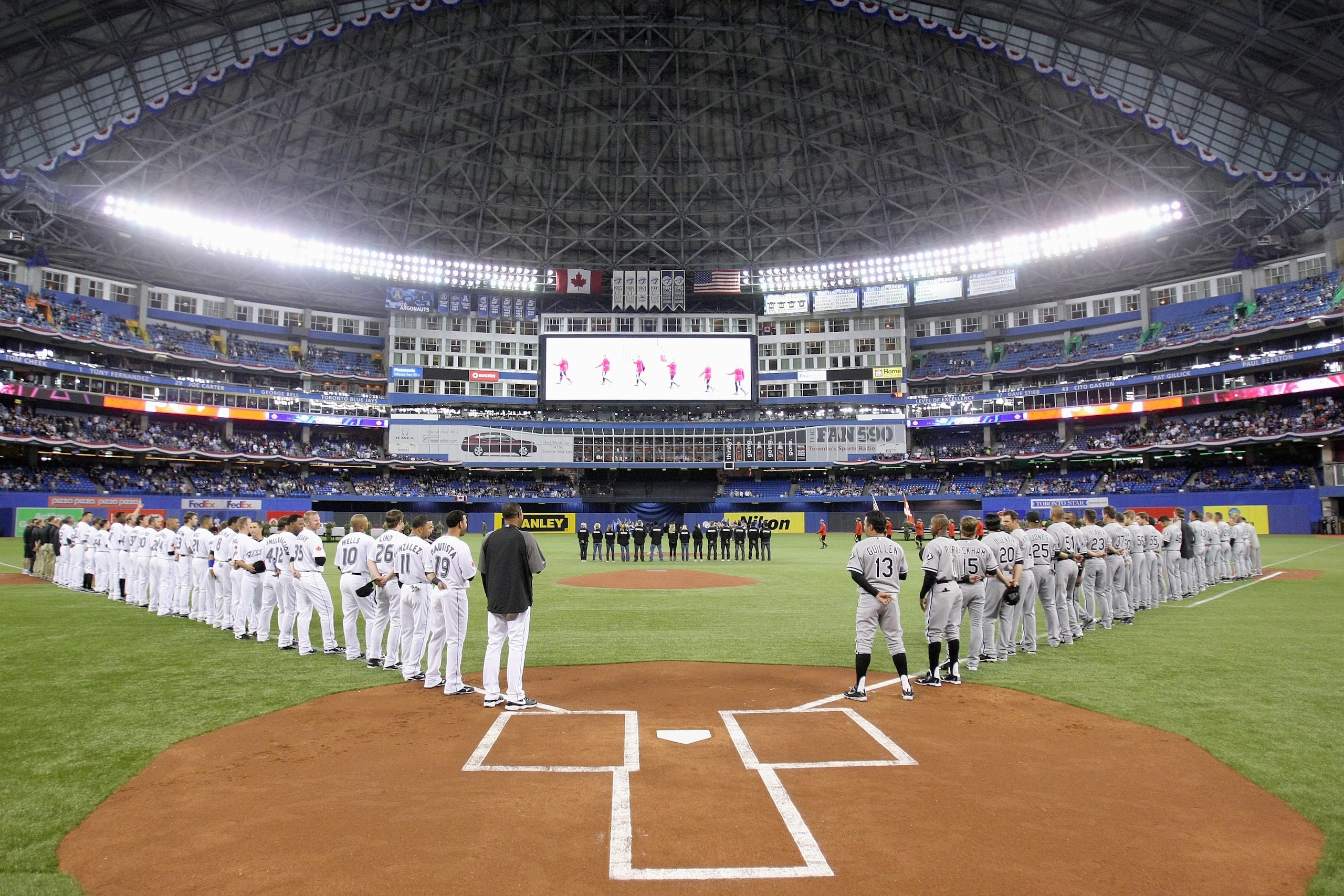
2010 HR per game: 2.91
Rogers Centre can in part thank Jose Bautista for the nearly three home runs that are hit in the stadium per game. Of the 54 home runs that he hit last season, 33 were within the confines of the Rogers Centre.
It's hard to say whether or not the 2011 season will yield the same productivity, but another strong effort from a Blue Jays team that hit 257 home runs last season could once again put the stadium atop the MLB ranks for round-trippers.
No. 26: Miller Park
5 of 30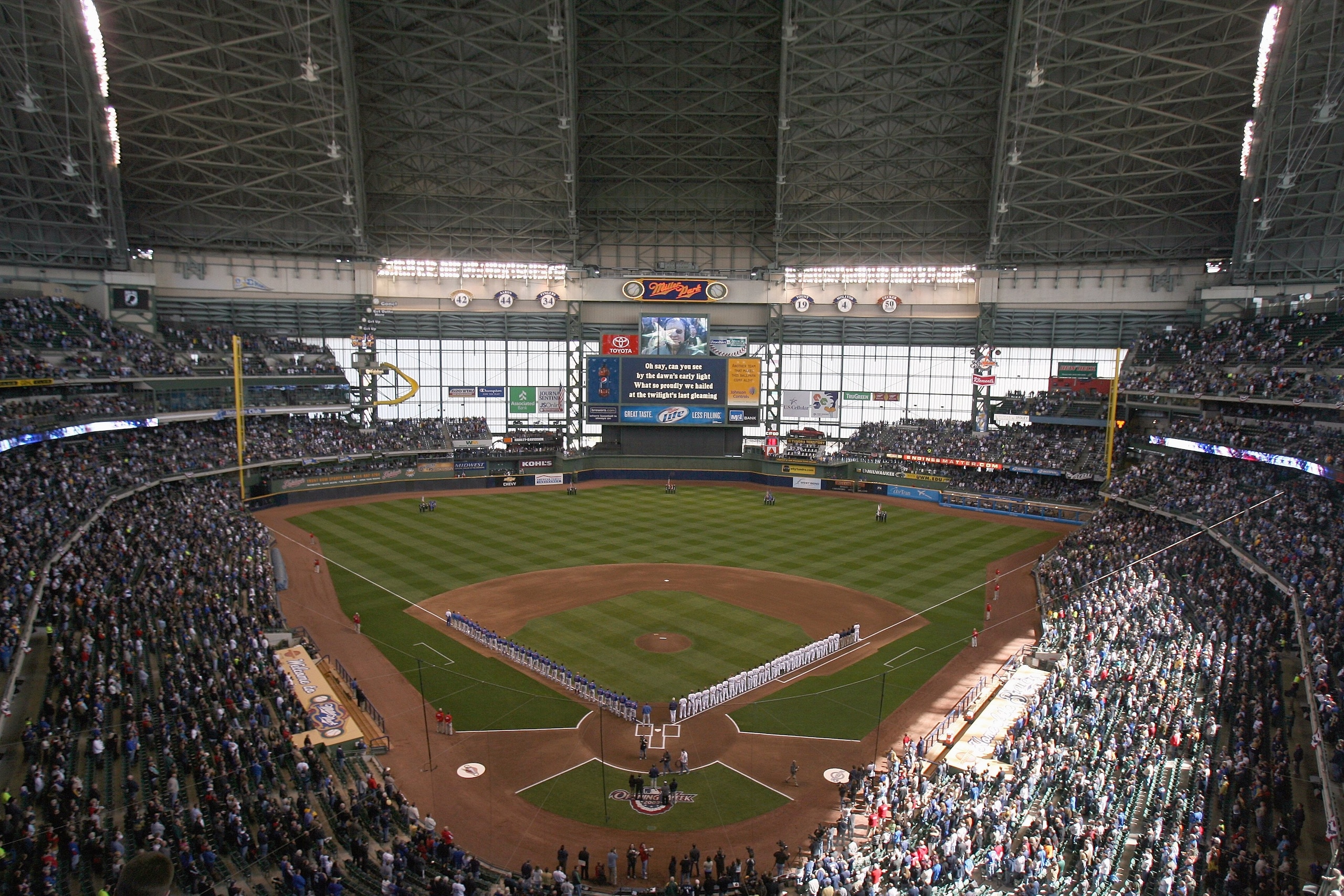
2010 HR per game: 2.42
With small overall dimensions, Miller Park is a favorable location for sluggers in the National League Central.
The Brewers ranked fifth in the league in home-run production in 2010, due in no small part to their home ballpark.
Sluggers like Prince Fielder and Ryan Braun take advantage of the short walls and hittable gaps in driving balls out of the park.
No. 25: U.S. Cellular Field
6 of 30
2010 HR per game: 2.35
It certainly helps that the Chicago White Sox have a roster of sluggers like Paul Konerko, Carlos Quentin and now Adam Dunn taking swings at opposing pitching at U.S. Cellular Field.
It's difficult to go deep to straightaway center field, but hitters from both sides of the plate feast on long balls to the corners to the tune of 2.35 home runs per game.
No. 24: Great American Ballpark
7 of 30
2010 HR per game: 2.27
Measuring around 325 feet to each corner, it's not hard to see how so many balls could make it over the fences on a nightly basis.
The Reds have one of the most powerful and efficient offenses in baseball and they certainly take advantage of their home field whenever possible.
With about two-thirds of the home runs leaving by way of left field, it's apparent that right-handed power hitters can flourish in the Great American Ballpark.
No. 23: Camden Yards
8 of 30
2010 HR per game: 2.20
Camden Yards has been a hitters' haven for years, although in recent years, it would appear that opposing teams have been benefiting most from the ballpark.
Both the left and right field corners are moderately close to the hitters and even with a high right-field fence, the vast majority of round-trippers make their way out via the corners.
No. 22: Citizens Bank Park
9 of 30
2010 HR per game: 2.18
In 2009, Citizens Bank Park allowed the most home runs in baseball. It was a far different story in 2010, as the number of home runs hit decreased significantly.
Given the strides that the Phillies have taken in improving their pitching staff as of late, it shouldn't be a surprise that the number of home runs decreased.
It'll certainly be interesting to see what happens to the number of home runs hit in Philadelphia given the loss of Jayson Werth and the return of Cliff Lee to the team's starting rotation.
No. 21: Rangers Ballpark
10 of 30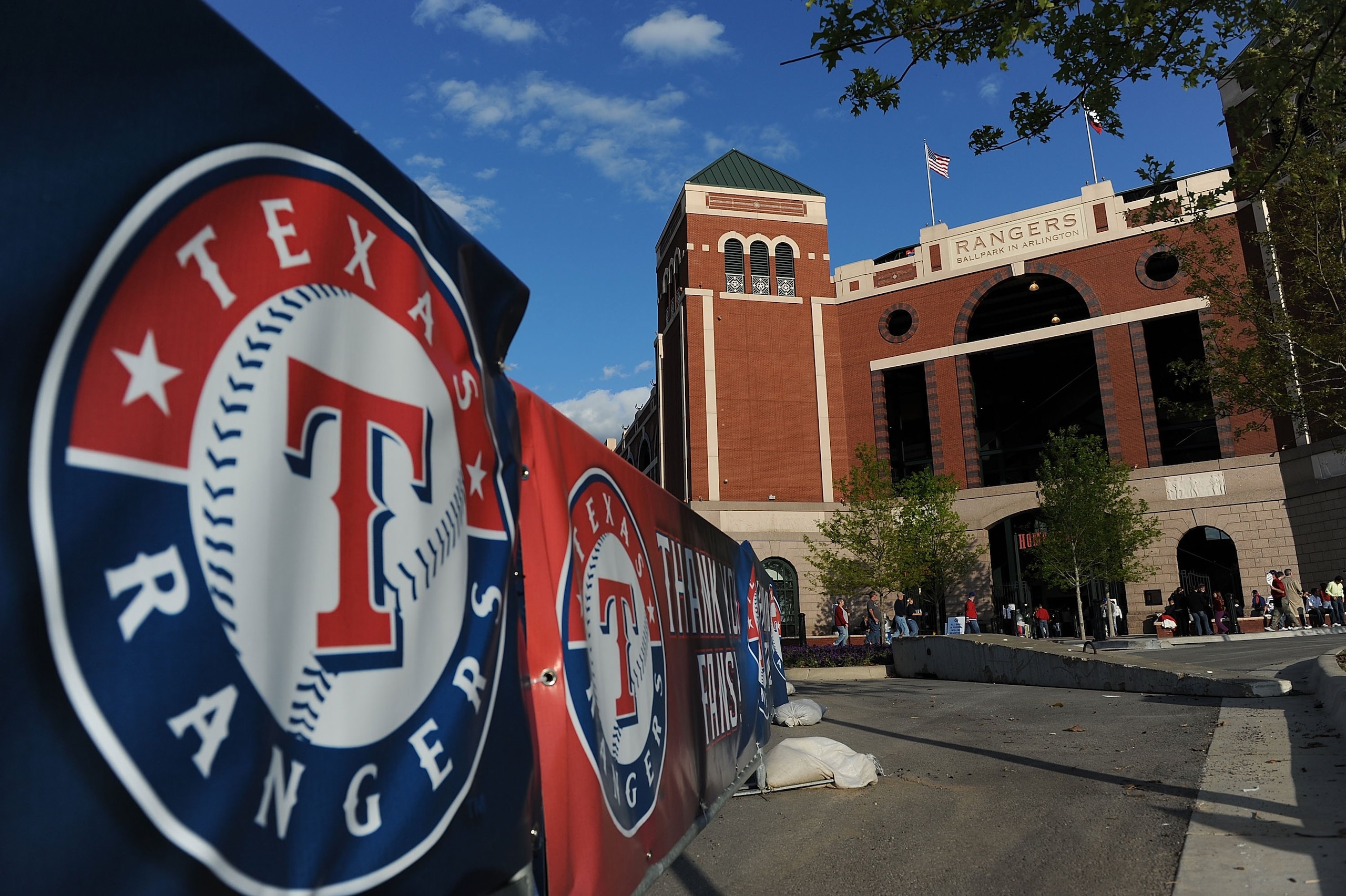
2010 HR per game: 2.15
Many balls have made their way out of Rangers Ballpark thanks in part to the hot summer nights in Arlington, Texas.
The field itself is somewhat hesitant to give up long balls, as the walls are higher than most stadiums and the gaps are over 380 feet.
Still, with a lineup boasting the power of Vladimir Guerrero and Josh Hamilton in 2010, better than two home runs per game were hit at the ballpark daily.
No. 20: Fenway Park
11 of 30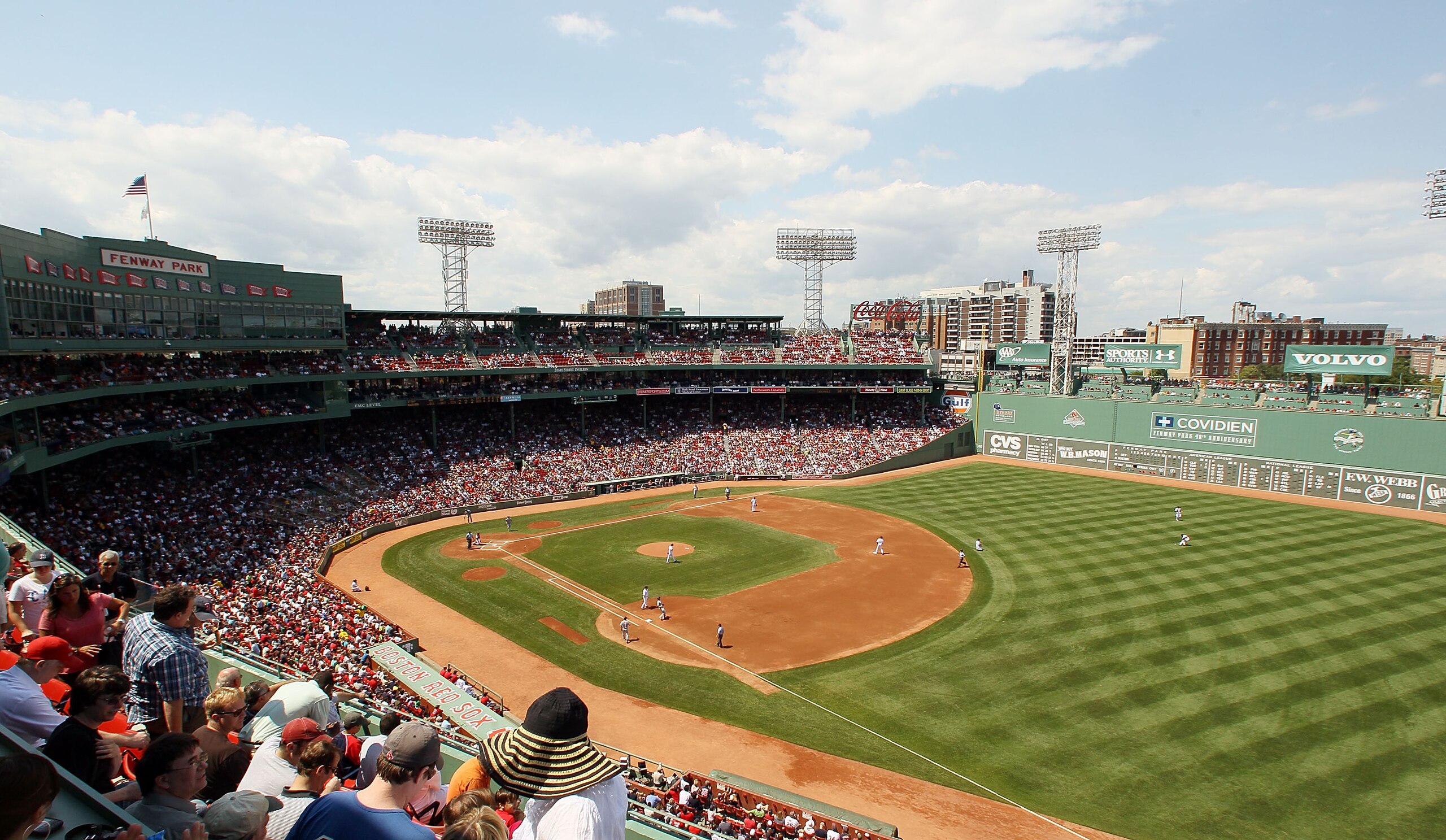
2010 HR per game: 2.09
Despite a slow start from slugger David Ortiz in 2010, Fenway Park still yielded a great deal of home runs to hitters.
The Green Monster was the most frequent victim, as the majority of home runs hit went out via the 310-foot left field fence.
No. 19: Tropicana Field
12 of 30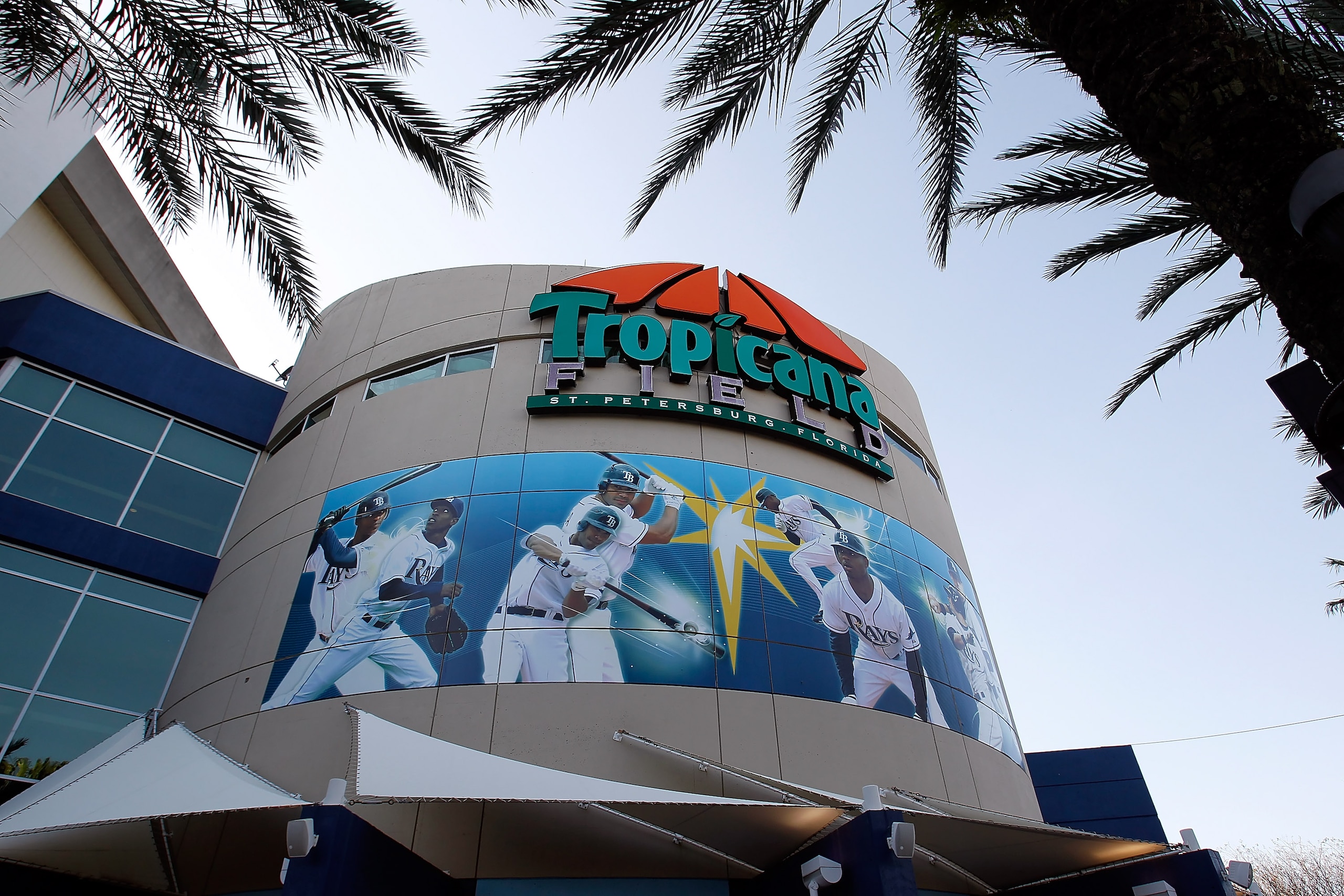
2010 HR per game: 2.00
Without external forces such as wind or rain getting in the way, the weather is always right for home runs at Tropicana Field.
Players rarely took advantage of the center-field fence in 2010, but the left and right field fences, which both measure under 325 feet, were a welcome sight for hitters, as this is where a majority of balls left the park.
No. 18: Wrigley Field
13 of 30
2010 HR per game: 1.99
In the Windy City, it's often times anyone's guess as to where the balls will end up.
Giving up around two home runs per game, Wrigley Field finds itself near the middle of the pack as far as round-trippers.
Even in less-than-preferable conditions, a gust in the right direction can send a routine fly over the roughly 350-feet deep corners.
No. 17: Nationals Park
14 of 30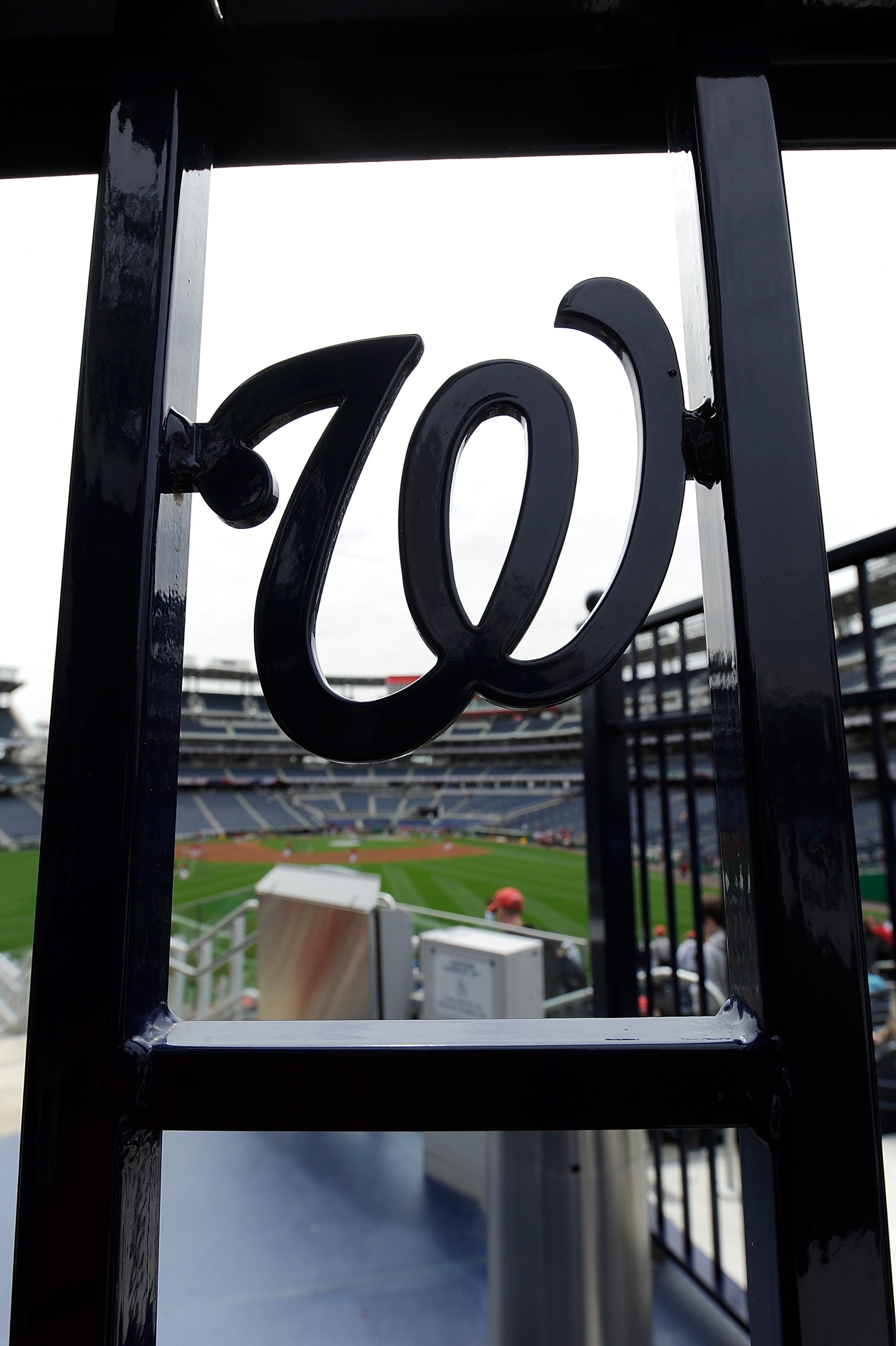
2010 HR per game: 1.85
Much of the productivity coming from the Washington Nationals in 2010 can be attributed to Adam Dunn.
The outfielder went deep 38 times last season before heading to Chicago to join the White Sox.
With average specs, Nationals Park saw a fair amount of home runs hit last season and can likely expect the same this season.
No. 16: Kaufman Stadium
15 of 30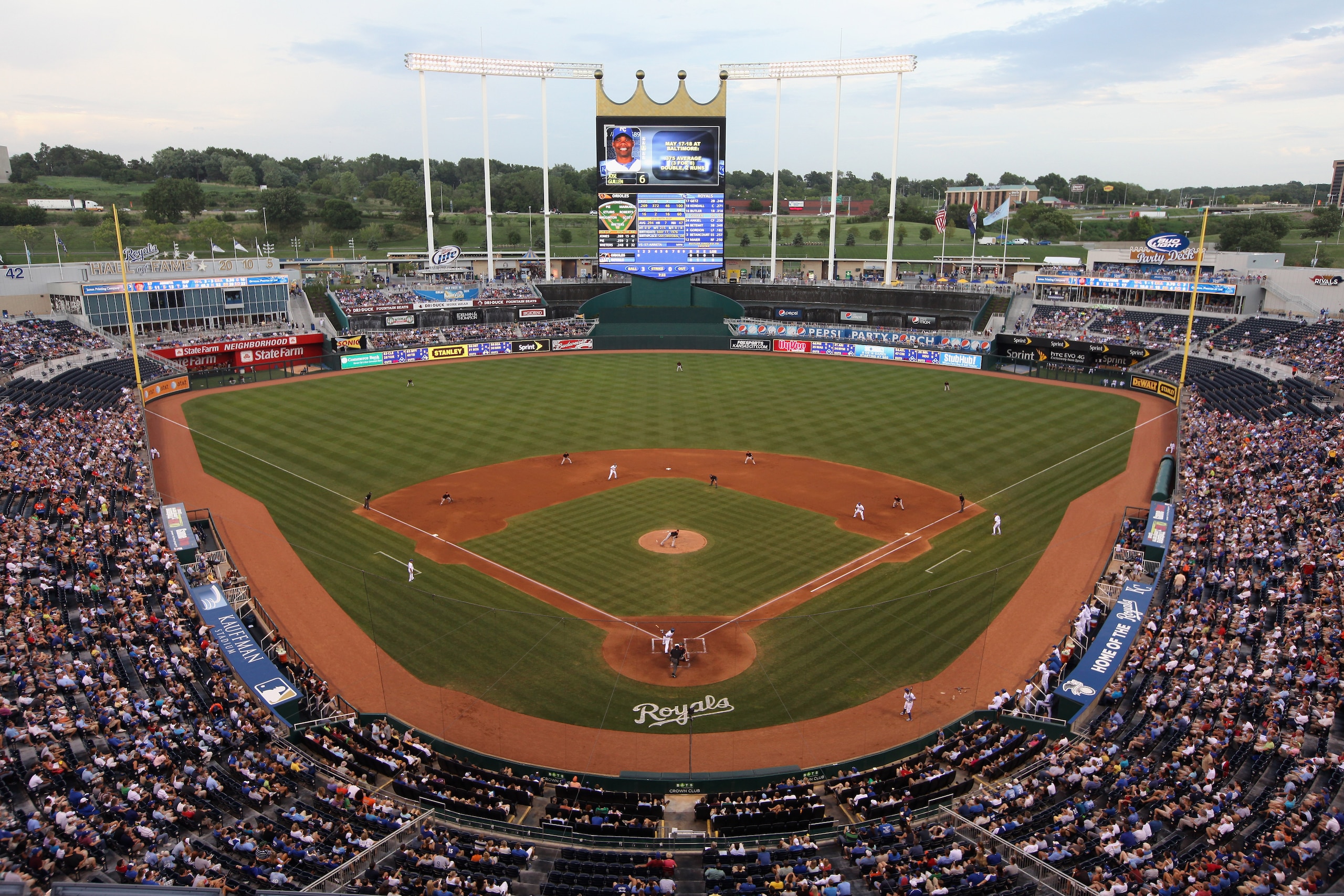
2010 HR per game: 1.75
Hitters scattered home runs all over the place at Kaufman Stadium last season.
With fairly identical dimensions to each gap and corner, hitters from both sides of the plate benefit from what the stadium has to offer.
Despite only hitting 121 home runs as a team in 2010, Kaufman Stadium did give up many home runs, thanks in part to the less-than-average pitching that the Royals staff brought to the mound.
No. 15: Angels Stadium
16 of 30
2010 HR per game: 1.68
Angels Stadium benefits right-handed hitters significantly if you look at the dimensions.
A low wall in left field sent many home runs into the bullpen, while the scoreboard in right field provides a tall task for hitters.
Even with the high wall in right, more home runs leave the park in this area than any other.
No. 14: AT&T Park
17 of 30
2010 HR per game: 1.68
The San Francisco Giants managed to win a World Series championship in 2010 relying on their solid pitching and timely hitting along the way.
The Giants improved their power in 2010, going deep 162 times. The confines of AT&T Park challenged both the Giants and opposing teams alike as a deep center field and left/right-field gaps kept many balls in the park.
No. 13: Progressive Field
18 of 30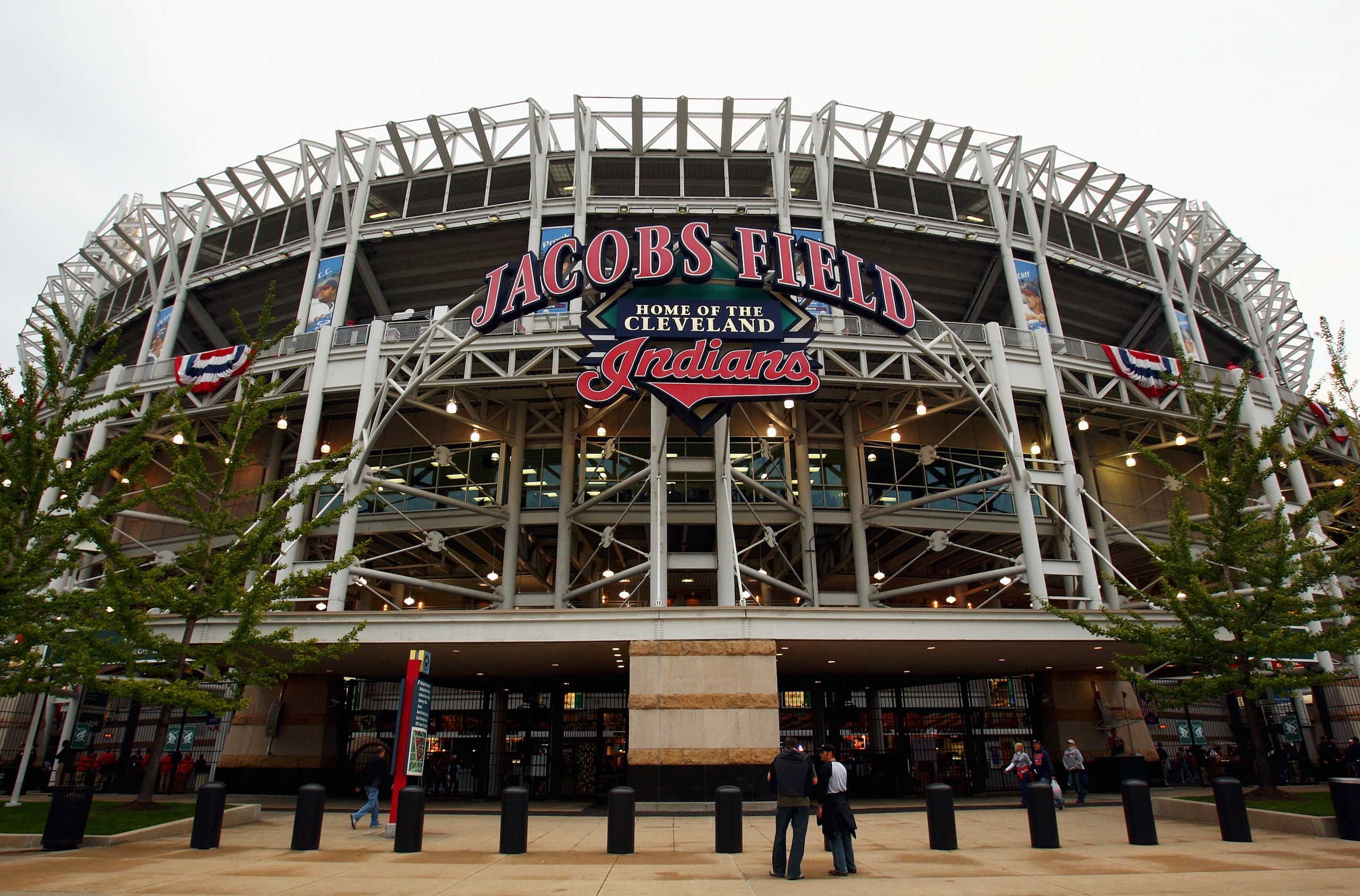
2010 HR per game: 1.65
The lack of home runs hit at Jacobs Field is due in part to the lack of offense that the Indians have (the team ranked 23rd in the league in home run production in 2010).
Also providing trouble are the high wall in left field, a deep wall in center field and a challenging right-center field gap.
No. 12: Dodgers Stadium
19 of 30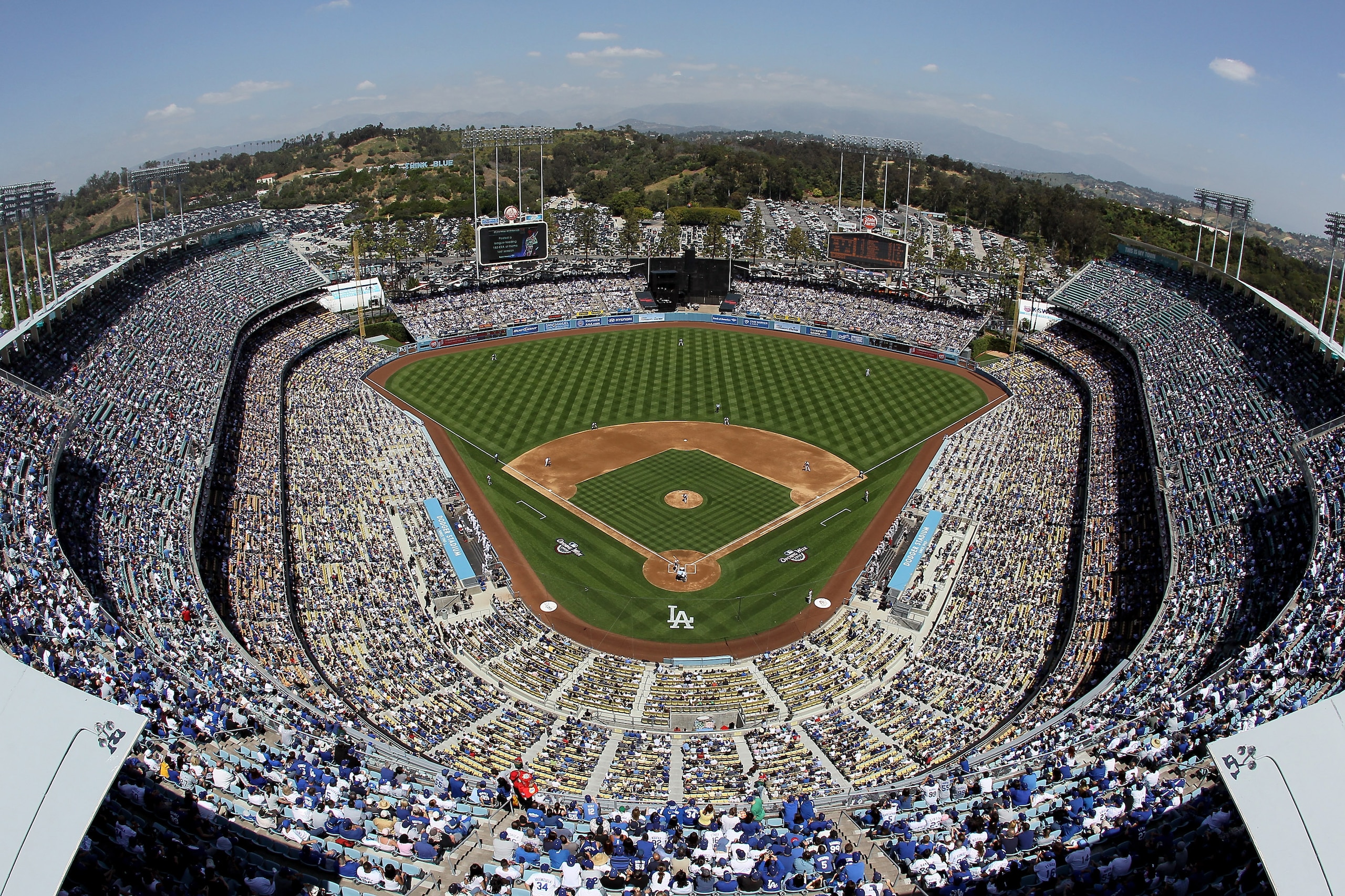
2010 HR per game: 1.62
With modest dimensions, it's likely that the lack of home-run production at Dodger Stadium can be attributed at least in part to the lack of offense that the home team brings to the table.
Hitting to the corners provides the best opportunity for hitters to go deep, as the 368-foot gaps provide trouble for some hitters.
No. 11: Comerica Park
20 of 30
2010 HR per game: 1.74
The dimensions of Comerica Park make you wonder how so many balls make their way out of the park. Even after bringing in the walls since its debut, Comerica Park still provides enough challenges.
The deep center-field fence is out of the question for most, but both corners are reachable for many hitters.
No. 10: Turner Field
21 of 30
2010 HR per game: 1.64
Thanks in part to a team that lacked in the power category, Turner Field yielded very few home runs in 2010.
Deep gaps work wonders in keeping balls in the park and giving extra-base hits to hitters who can't quite put enough of a hurt on the ball.
With the corners measuring around 330 feet, hitters are forced to pull the ball significantly if they hope to make a trip around the bases.
No. 9: Minute Maid Park
22 of 30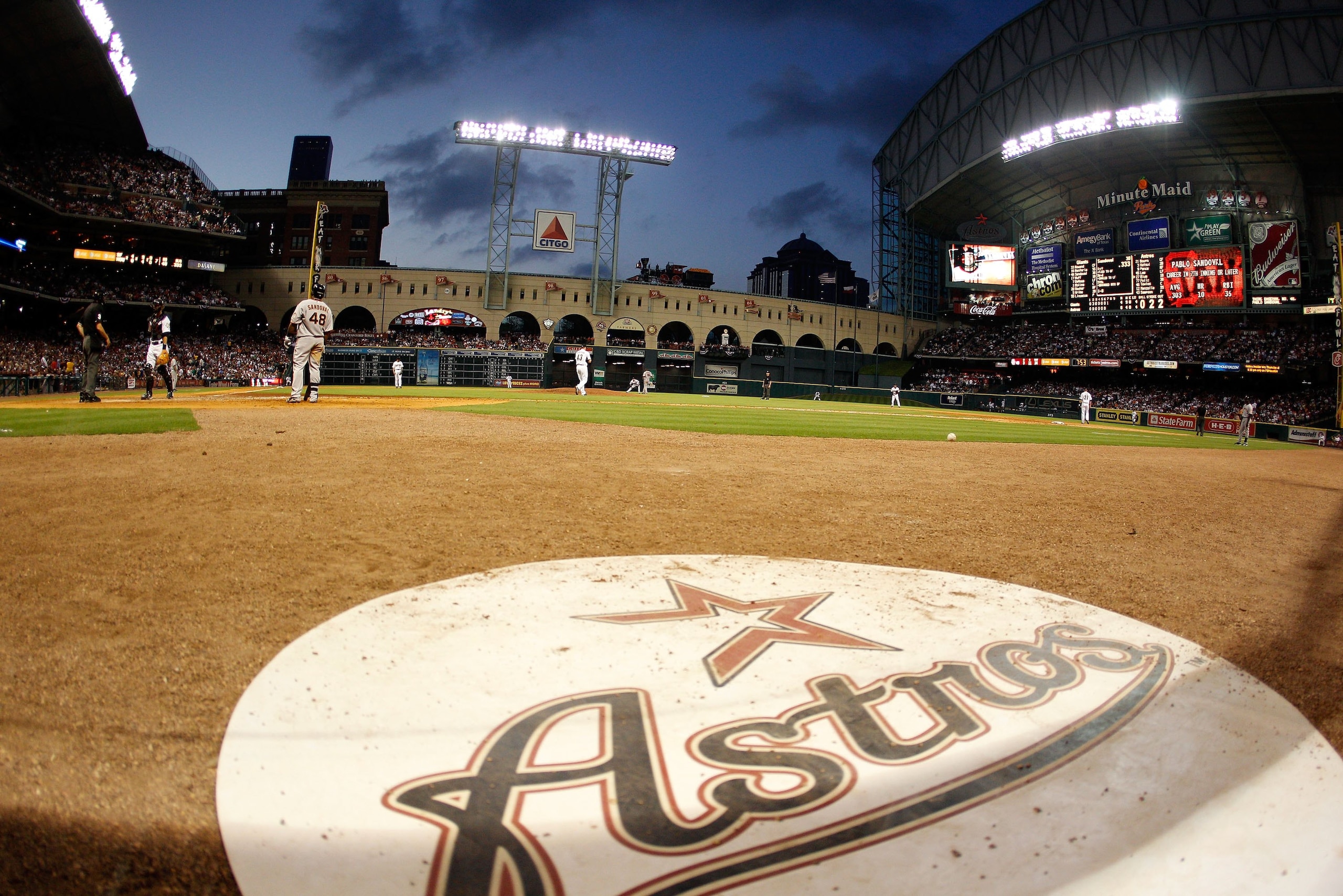
2010 HR per game: 1.59
With a left center-field gap measuring over 400 feet and a center-field fence measuring 436 feet, hitters need to hit their corners when going deep.
A high wall in left field provides some challenges, but with a depth of only 315 feet, many balls travel over the scoreboard on their way to the stands.
No. 8: PNC Park
23 of 30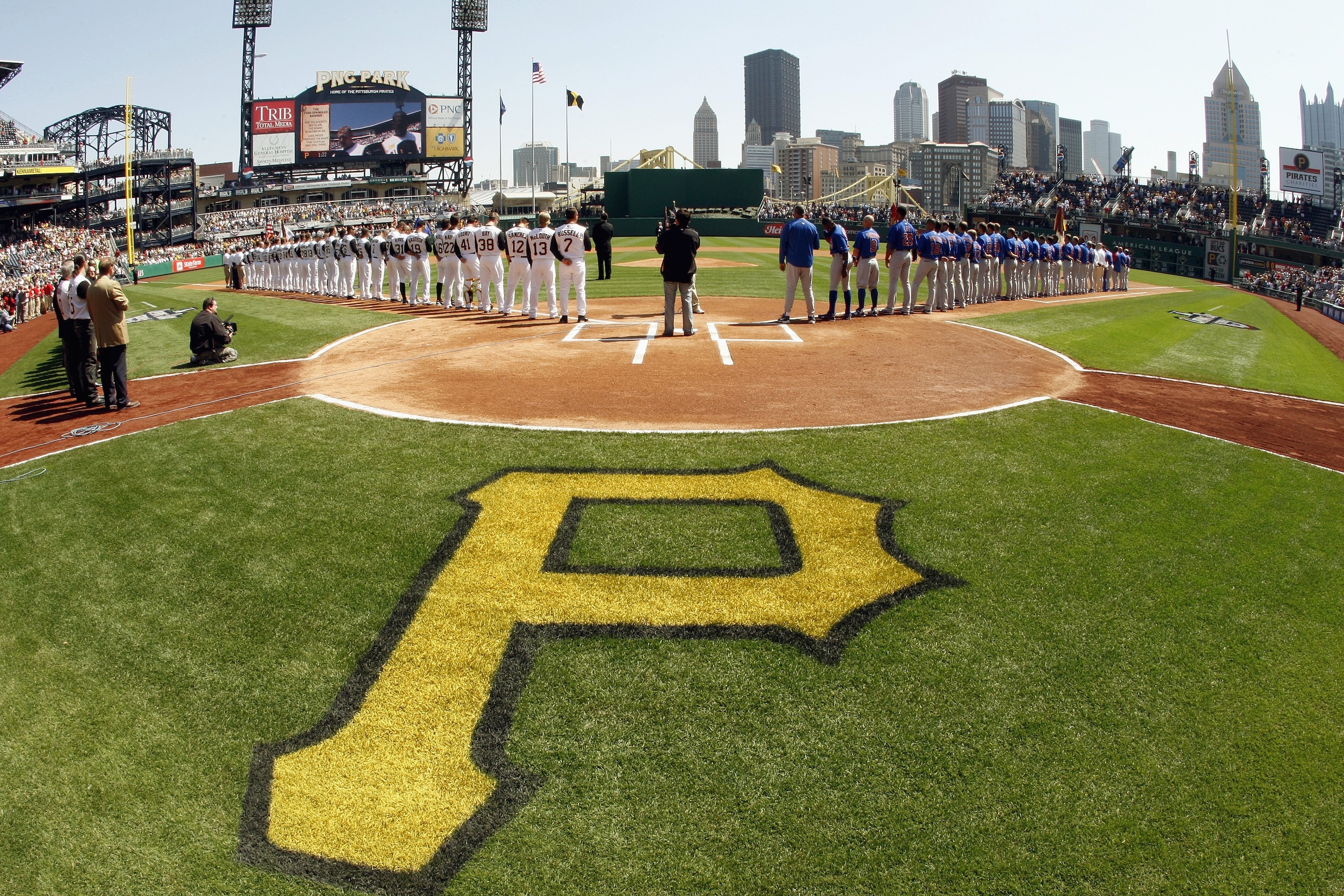
2010 HR per game: 1.60
PNC Park clearly benefits left-handed hitters more so than their right-handed counterparts.
A 364-foot right-center gap and 320-foot right-field corner provide the best opportunity for power.
With a gap in left-center measuring 389 feet, righties will need to hit to the corner or rely on opposite-field power if they want to go deep.
No. 7: Dolphins Stadium
24 of 30
2010 HR per game: 1.56
With such a spacious field of play, even the humidity of south Florida wasn't enough to push balls out of the park in 2010.
The deep overall dimensions of the stadium made it extremely difficult for players to hit home runs. Most players went yard over the left-field fence, which was a task in itself given the high wall out there.
No. 6: PETCO Park
25 of 30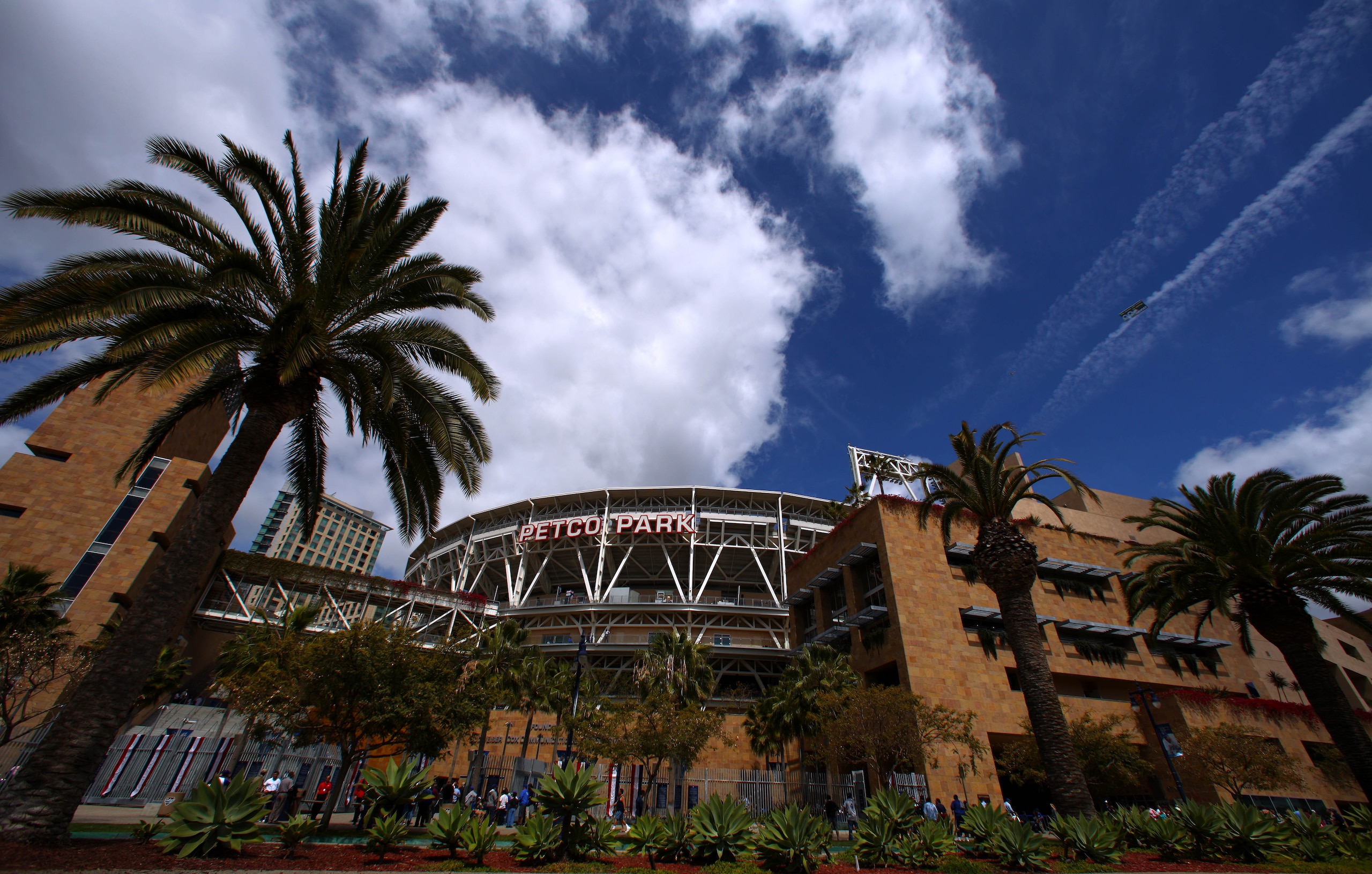
2010 HR per game: 1.56
PETCO Park was the hardest place to hit home runs in 2009, and 2010 wasn't much different.
With barely more than 1.5 home runs leaving the field on a daily basis last season, the park likely won't yield too many long balls this season either.
No. 5: Busch Stadium
26 of 30
2010 HR per game: 1.51
Despite sluggers like Albert Pujols calling Busch Stadium home, the park failed to give up many long balls in 2010.
Good pitching from the Cardinals aided the team in preventing others from going deep, but the Cardinals themselves went deep only 150 times in 2010, good enough for 16th in the league.
No. 4: Safeco Field
27 of 30
2010 HR per game: 1.28
When you set foot in Safeco Field, you can't help but notice how large its outfield is.
A deep center field and relatively deep gaps provide a challenge for hitters looking to go deep. At 1.28 home runs per game, fewer balls leave Safeco Field than any other stadium in baseball.
No. 3: Target Field
28 of 30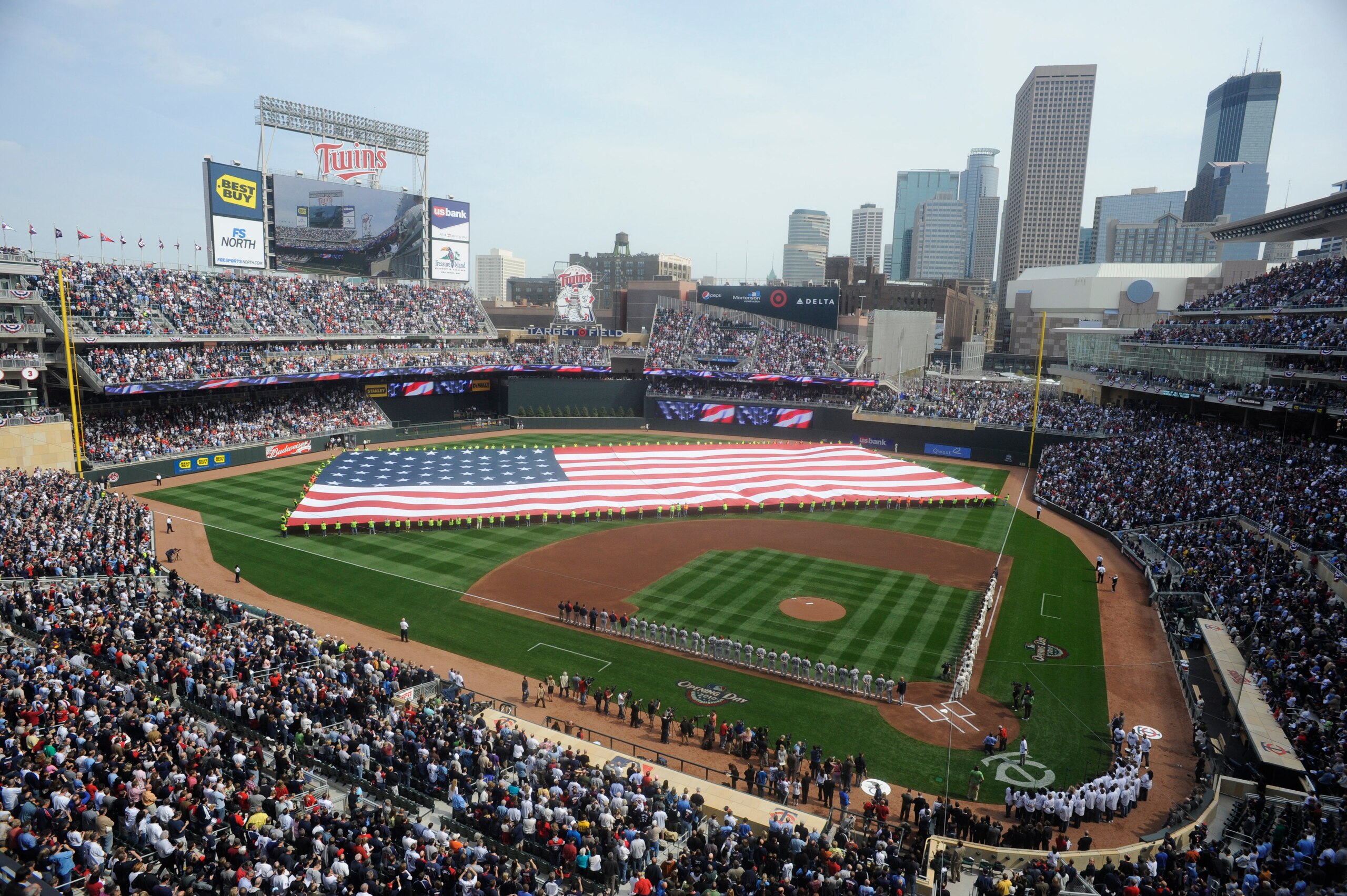
2010 HR per game: 1.43
Target Field opened to much fanfare in 2010. Twins fans were excited to see their sluggers, Joe Mauer, Justin Morneau and Jim Thome, send balls into the newly-found night sky in Minneapolis.
Much to the dismay of fans, that wasn't the case. Deep gaps and wind currents that frequently blow inward have stopped many balls in their paths, as less than 1.5 home runs per game left the field on a daily basis.
No. 2: Citi Field
29 of 30
2010 HR per game: 1.36
Much like with Target Field in Minnesota, fans were excited to see a new ballpark open when Shea Stadium was put to rest.
While Citi Field has been friendly to fans, that hasn't been the case with hitters.
The organization did take steps in lowering the fence to increase power production, but deep gaps and a 408-foot center-field fence have made it difficult for players to go deep.
No. 1: Oakland-Alameda Coliseum
30 of 30
2010 HR per game: 1.33
Oakland-Alameda Coliseum was certainly not the place to go in 2010 if you aimed to see home runs.
Between a combination of a relatively stagnant offense and a spacious ball park, barely more than one home run per game was hit in Oakland.






.jpg?w=2560 "Latest Peyton-Colts Rumors")