

March Madness: The 20 Greatest Stars in Tournament History
Can you feel the madness in the air? It's starting to surround us.
That's right: The NCAA tournament is quickly approaching—one of the greatest events of the sporting calendar. The first four days are pure sports heaven.
I am shocked that it is not yet a national holiday.
If you are reading this article, chances are you have a good feeling for how much work has not been done during the tournament.
It hasn't always been this way. It took an expanded field and enhanced television coverage in the '80s before it entered the levels of awesomeness it currently occupies.
More than anything, though, it took epic and memorable performances. Every year there is a player or two who enter the tournament as mere mortals and leave as legends.
The following players are the ones who rose above all others and shined the brightest during tournament play. They are the ones whose great performances have helped propel the tournament to the glorious event it is now.
No. 20: Pervis Ellison, Louisville, 1986
1 of 20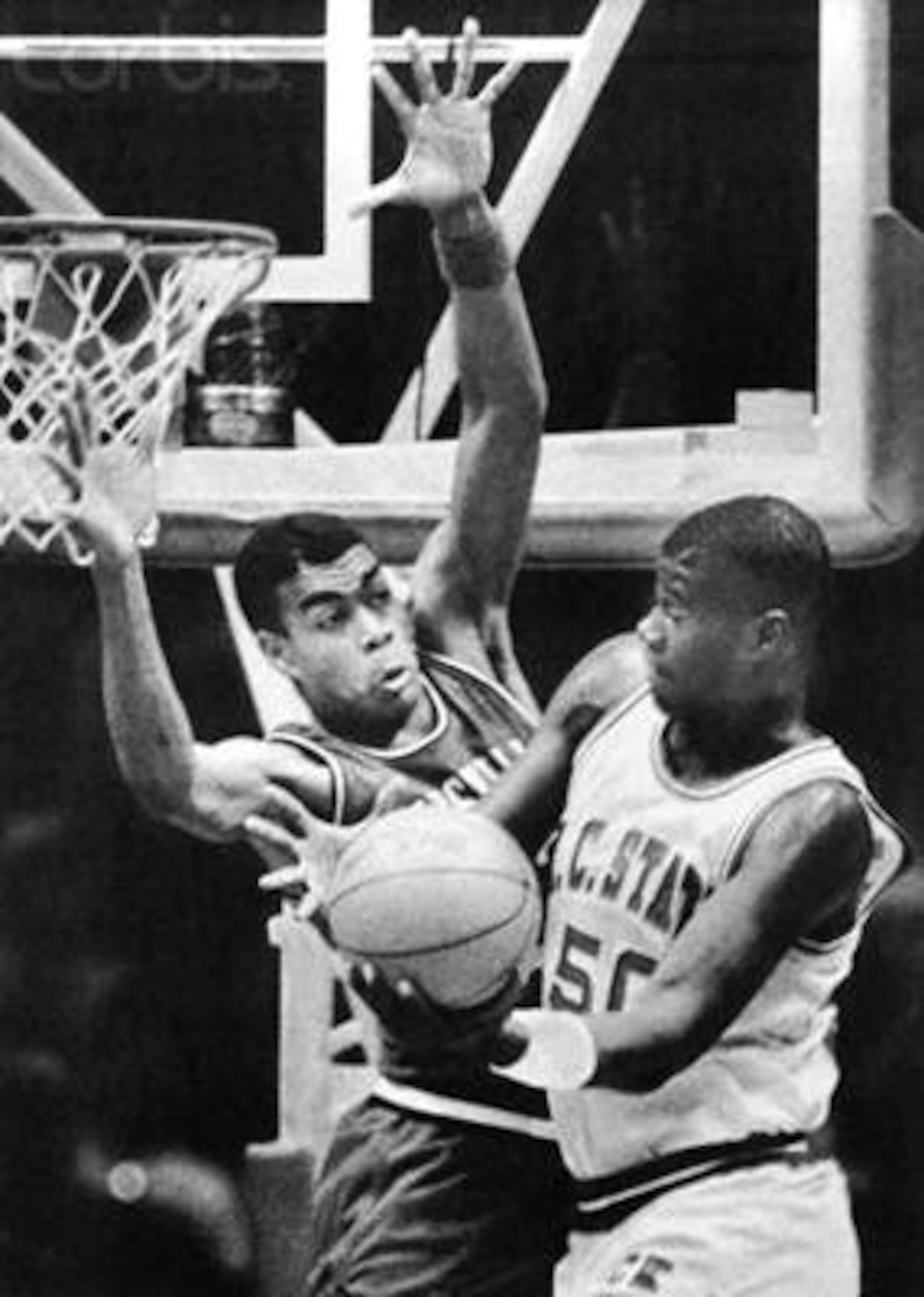
"Never Nervous" Pervis earned his famous nickname by dominating the NCAA tournament as a freshman. This is something that was far more rare in a time when most almost every player stayed in school for four years.
In fact, it was so rare that Ellison became the first freshman of the modern era to be named the tournament's Most Outstanding Player.
Ellison was the key factor in Louisville edging out Duke by three points in the title game. He scored 25 points and chipped in 11 rebounds.
He also helped seal off Duke's inside game. Duke's big men—Jay Bilas and Mark Alarie—combined for just 16 points.
No. 19: Glen Rice, Michigan, 1989
2 of 20In 1989, Glen Rice led his Michigan squad on one of the more unique runs to the championship.
Earlier in the season, Michigan head man Bill Frieder announced that at the end of the season he would take over coaching duties at Arizona State. Michigan decided to let him get a jump on his new job and canned him almost immediately.
They finished third in the Big Ten, but thanks to the replacement coaching of Steve Fisher and the amazing play of Glen Rice, they ended up first in the nation.
Rice averaged 30.7 points per game on his way to the championship. His 184 points is a single-tournament record.
Rice was more than just a scorer. He grabbed 11 rebounds to go with his 31 points in a championship they won by one point in overtime.
He was named the Most Outstanding Player of the tournament.
No. 18: Rollie Massimino, Villanova, 1985
3 of 20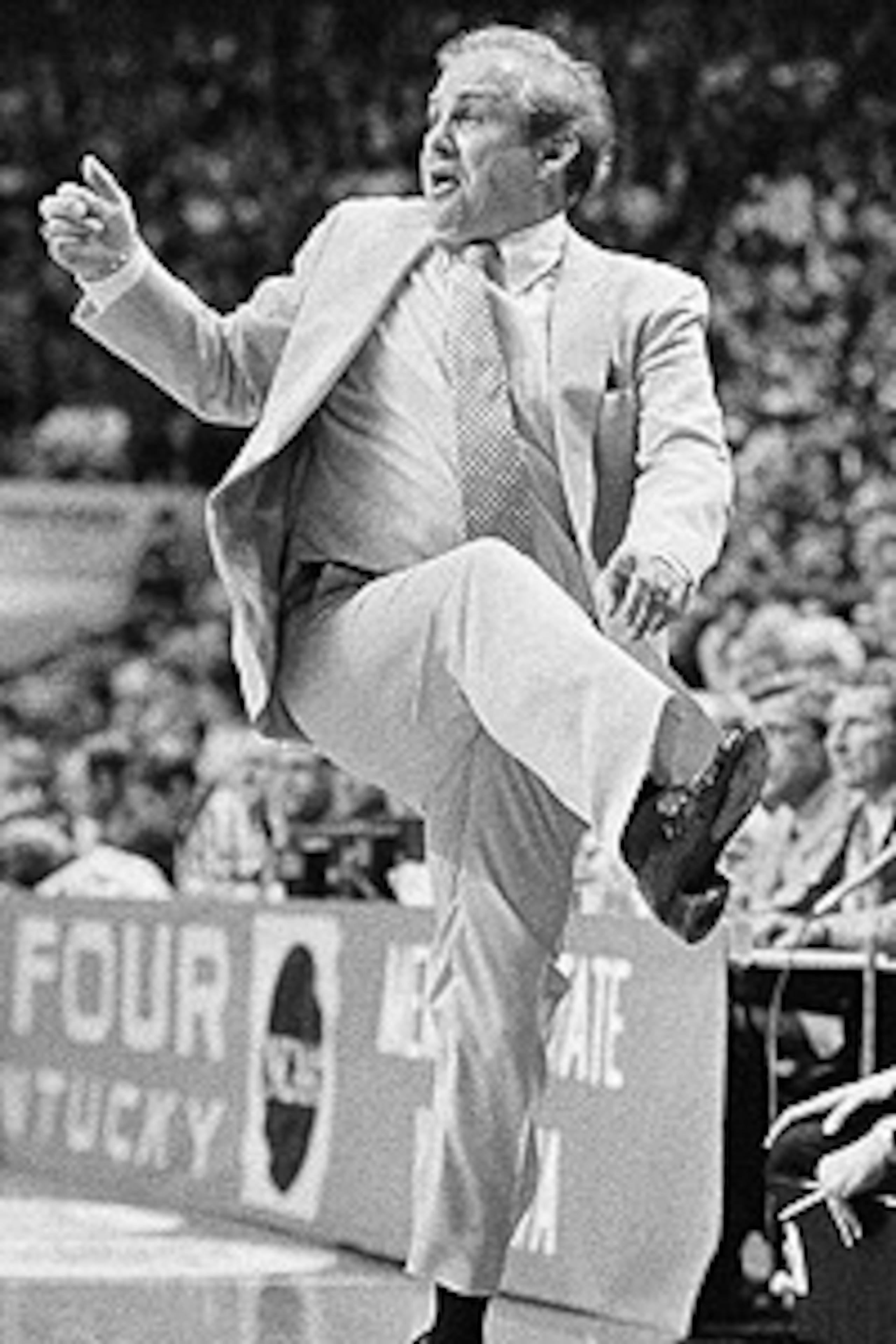
As a No. 8 seed, Villanova faced nearly impossible odds in the NCAA tournament in 1985.
It was nothing Rollie Massimino couldn't handle. On their way to the finals, Villanova beat a No. 1 seed and two No. 2 seeds.
Then they met their biggest challenge: the No. 1 overall Georgetown Hoyas—coached by John Thompson and led by Patrick Ewing.
It is one of the biggest upsets in college basketball history. The Hoyas appeared unstoppable and certainly not stoppable by a No. 8 seed.
Villanova edged out a 66-64 point victory and the Wildcats remain the lowest seed to ever win the championship.
While Ed Pickney deservedly won the tournament's Most Outstanding Player award, it is Massimino's energetic and colorful sideline personality that will be the lasting image of this memorable squad.

.jpg?w=2560 "Seahawks Chiefs Football")
No. 17: David Thompson, North Carolina State, 1974
4 of 20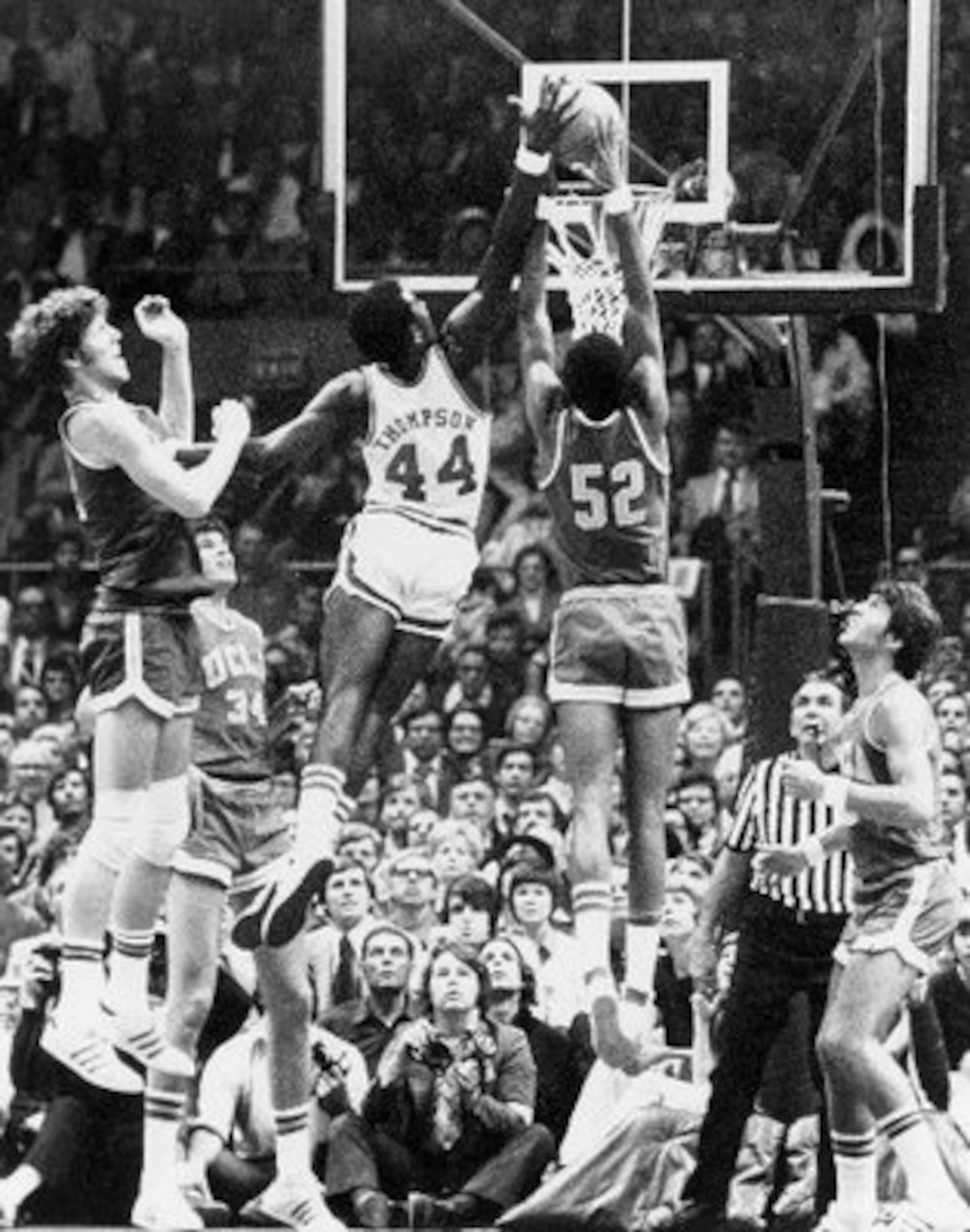
David Thompson did the impossible while at North Carolina State: He beat the UCLA Bruins in the tournament.
As Bill Walton later said: "David Thompson was clearly the best player we ever played against in college."
UCLA had won seven-straight titles before NC State beat them in OT on the strength of Thompson's 28-point and 10-rebound performance.
His amazing hops and high-flying game set the tone for a new more-acrobatic era in college basketball.
No. 16: Gail Goodrich, 1965, UCLA
5 of 20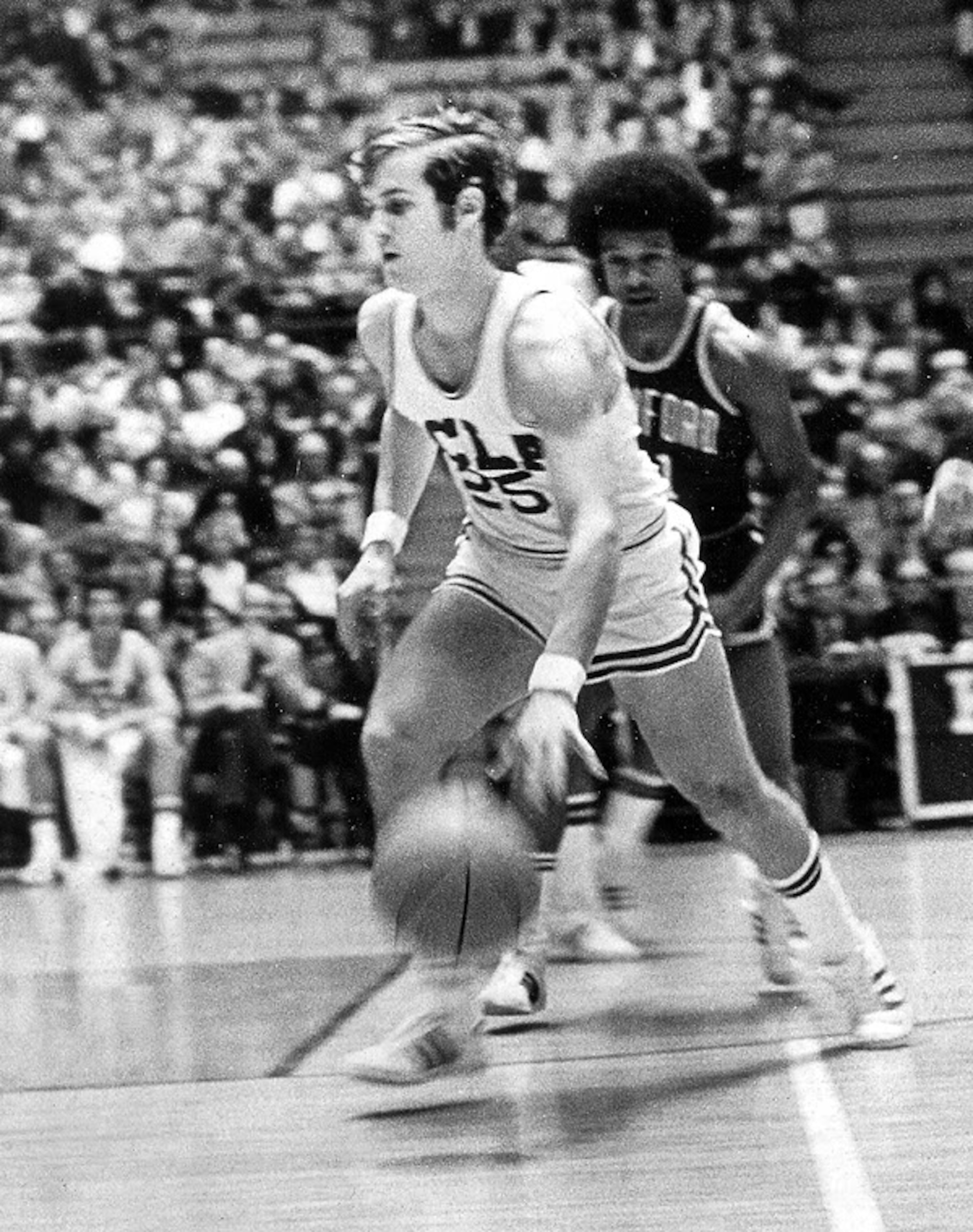
Gail Goodrich was a 5'8" high-school junior that was not being heavily recruited. He was leaning towards signing with his father's alma matter, USC.
In the end, John Wooden won him over. As Goodrich said, he paid him more attention.
Not surprisingly, Wooden knew what he was doing. He was a two-time All-American and he shared Player of the Year honors in 1965 with Bill Bradley.
Goodrich saved his best college performance for last, too. He scored 42 points as he led UCLA to the upset victory in the championship game over Michigan.
No. 15: Elvin Hayes, Houston, 1968
6 of 20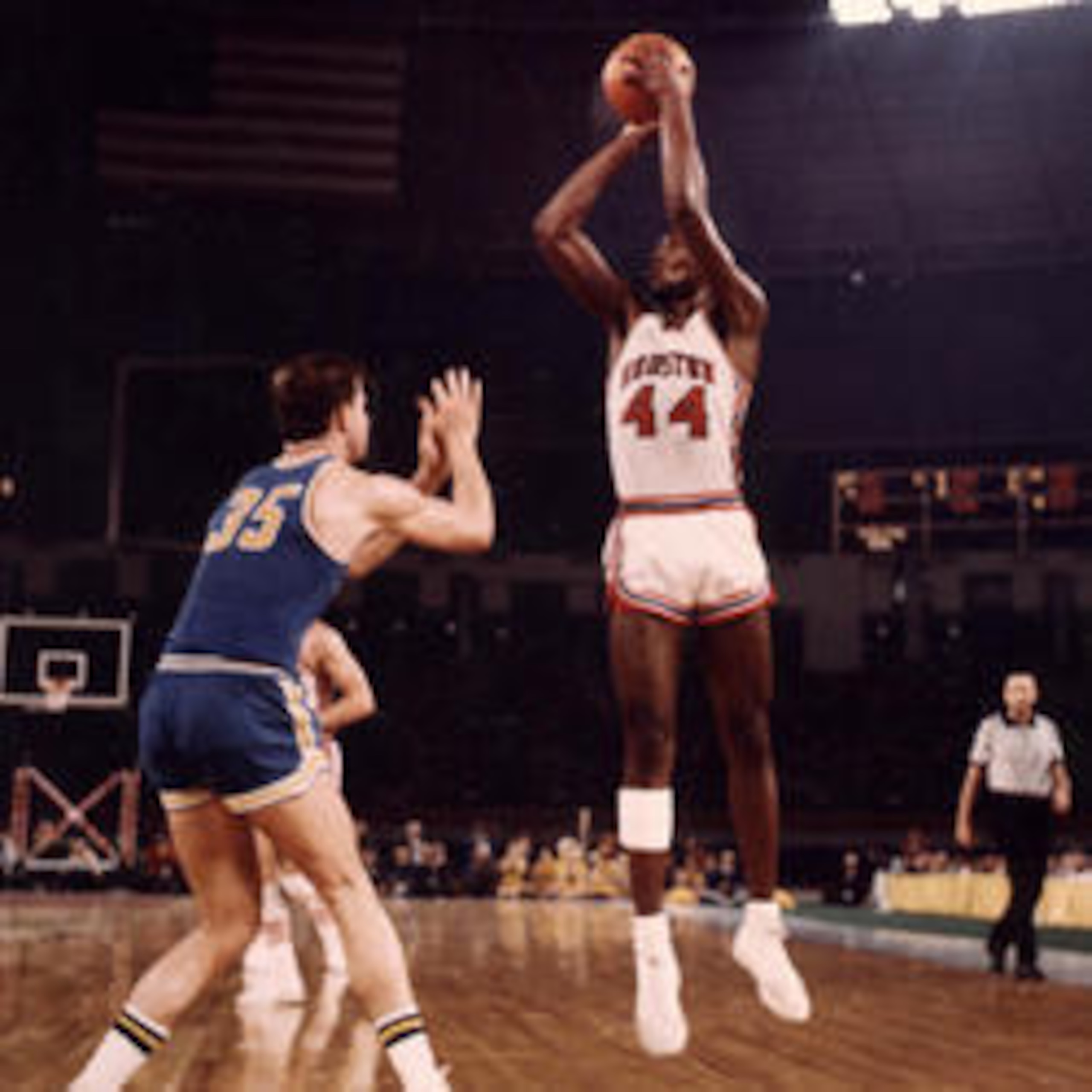
In five 1968 tournament games, Elvin Hayes averaged 31 points and 19.4 rebounds—and he didn't even make the all-tournament first team.
He was second to a center from UCLA named Lew Alcindor—not that you'd have to remind Hayes about being second to Alcindor. UCLA knocked out Hayes and Houston in back-to-back Final-Four trips.
The Hayes-Alcindor matchups will forever be remembered as one of if not the best between big men in college basketball history.
No. 14: Austin Carr, Notre Dame, 1968-71
7 of 20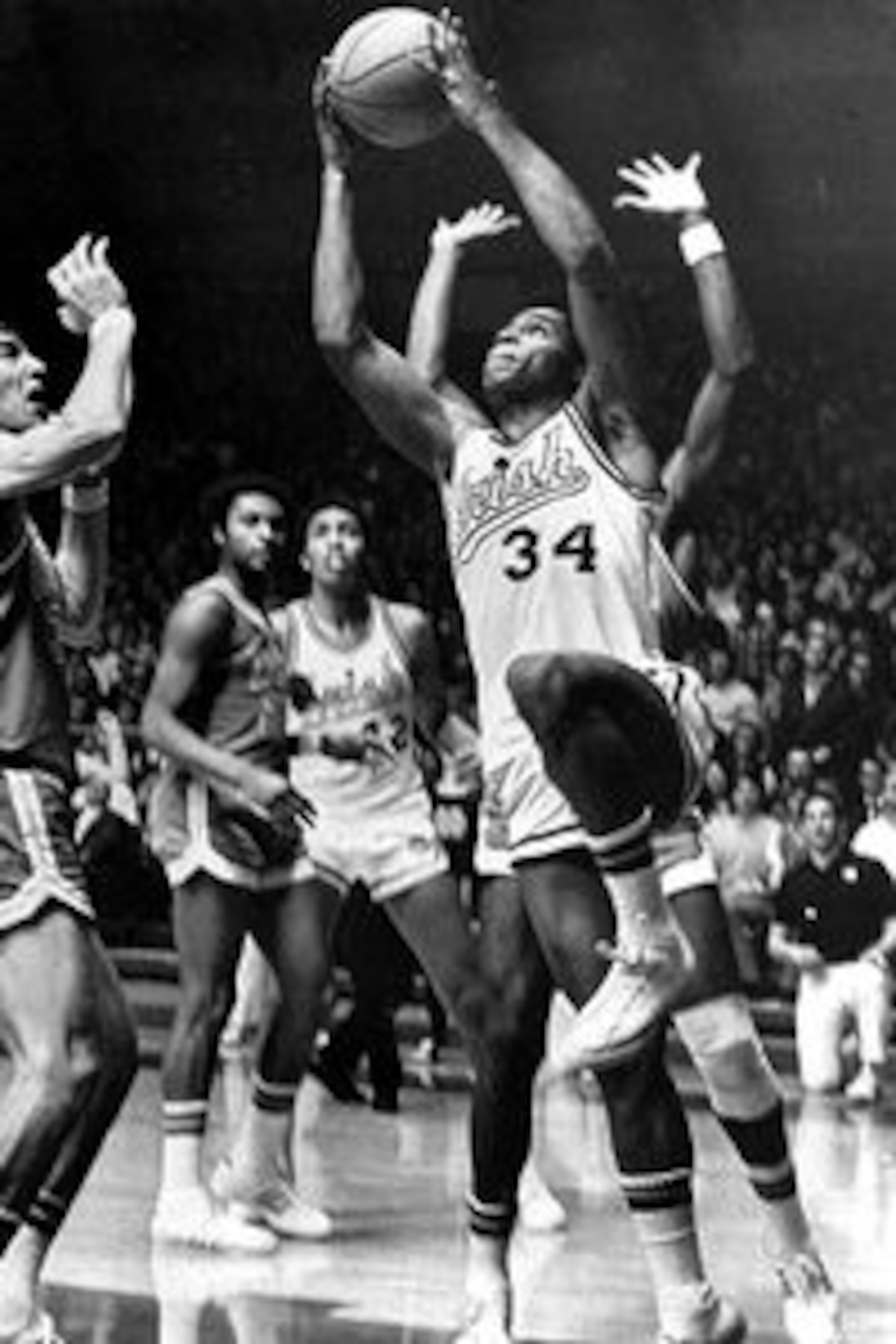
Austin Carr never made the Final Four, but it wasn't because he wasn't scoring.
In 1970, he and his Notre Dame teammates made it to the Sweet 16. In his three games, Carr averaged a mind-numbing and still tournament-record 52.7 points per game.
It is hard to imagine that record ever falling.
In nine career tournament games, Carr averaged 41.3 points per game. He owns three of the five highest point totals (including No. 1) for tournament games.
No. 13: Carmelo Anthony, Syracuse, 2003
8 of 20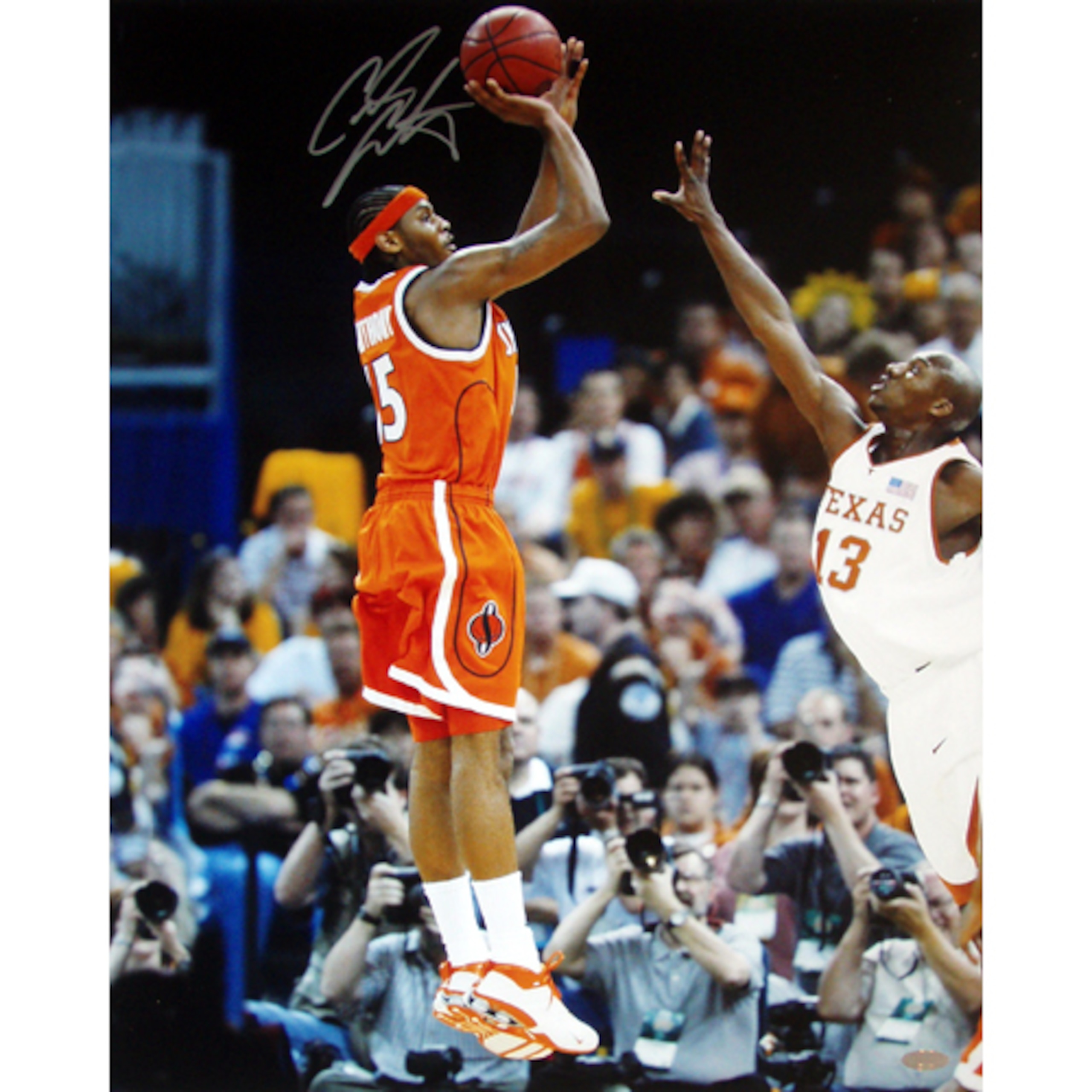
Carmelo Anthony dominated the NCAA tournament like no freshman before or since.
Anthony helped the Orangemen win their first tournament title by leading his squad in scoring and rebounding. His 33 points in the national semifinals set a freshman tournament record.
He was then the high-scorer in the championship game with 20 points.
His game was about much more than scoring. He grabbed 10 boards, dished seven assists and threw in a steal for good measure.
No. 12: Jack Givens, Kentucky, 1978
9 of 20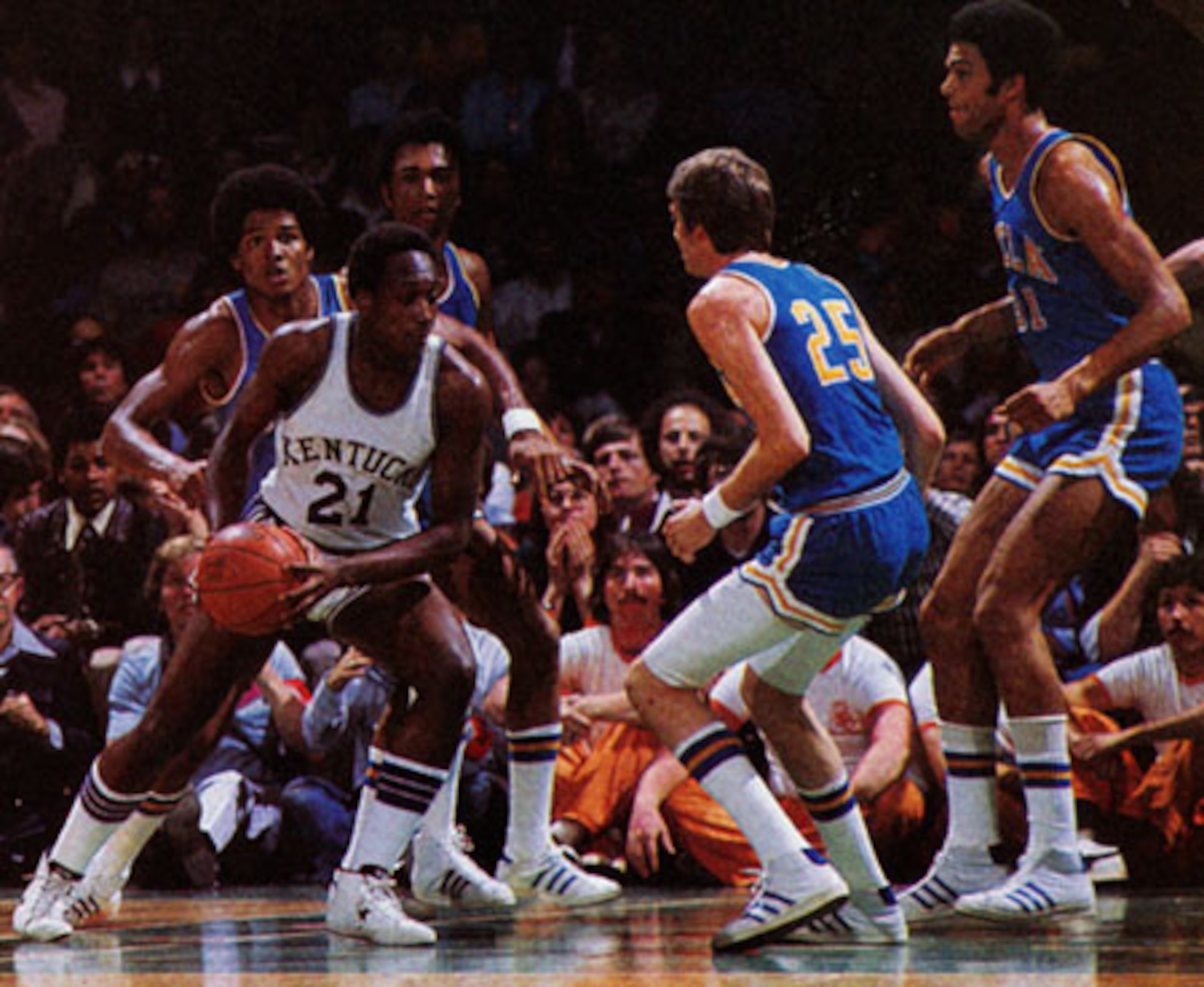
"Jack Givens played the best game I have ever seen anyone play. I guess we played him on a night we shouldn't have played him." That is what Duke's Jim Spanarkel had to say about Givens' performance in the 1978 championship game.
It is hard to argue with him. Givens put up 41 points by going 18-for-27 from the field.
He also added eight rebounds to his stat line as his Kentucky squad cut down the nets after beating Duke, 94-88.
No. 11: Jerry West, West Virginia, 1958-1960
10 of 20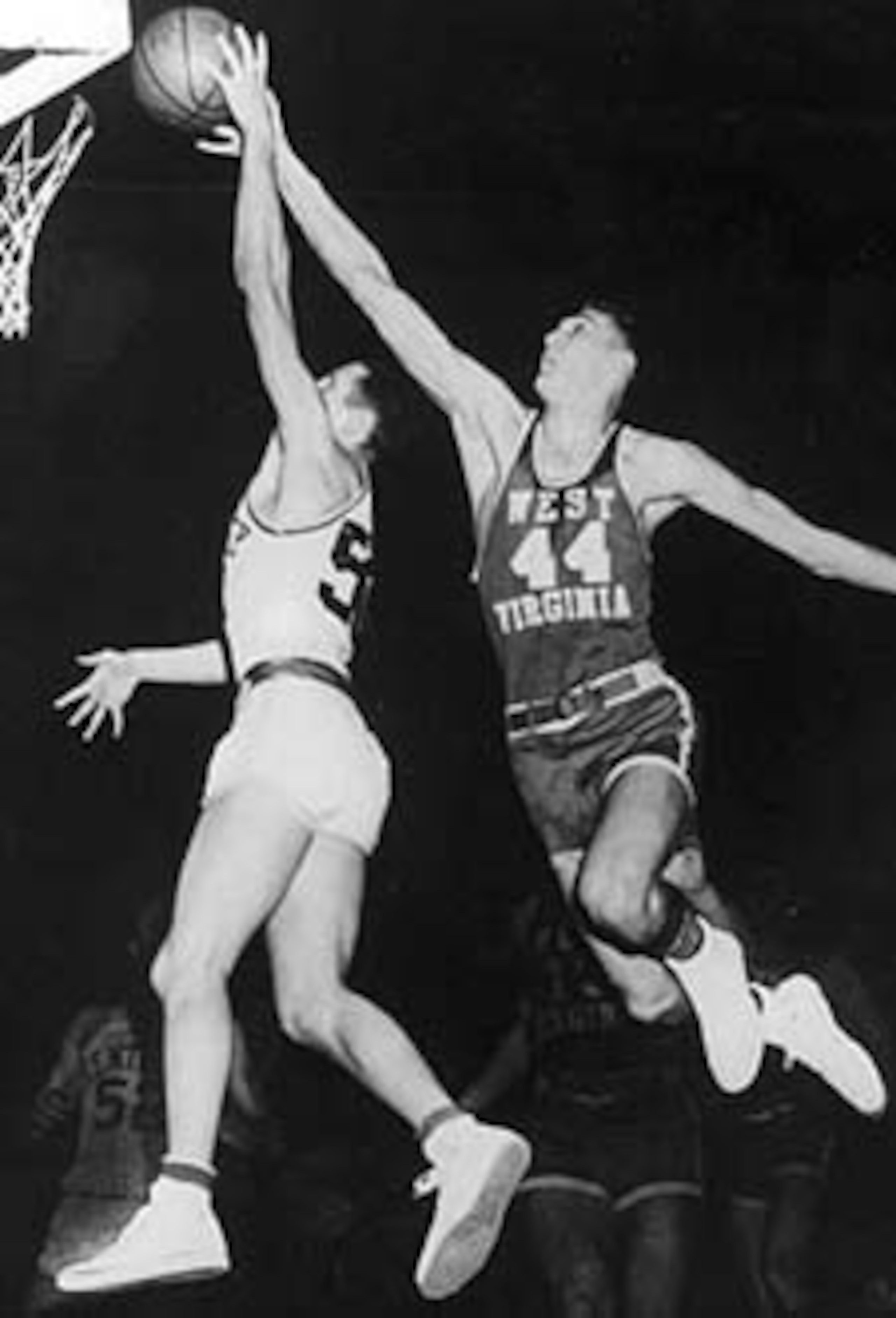
Before he was "The Logo" or "Mr. Clutch," Jerry West was Zeke from Cabin Creek.
West grew up next to that smaller-than-small West Virginia town, and he decided to play his college basketball near home for West Virginia.
West was an outstanding college player, and he put it all on display in his junior year at the 1965 NCAA tournament.
West averaged a then-tournament-record of 32 points per game. He was named the tournament's Most Outstanding Player despite falling one point short in the championship game against California.
While West will be remembered as one of the NBA's best guards, he was a forward in college. He averaged 13.8 rebounds during his NCAA tournament career.
No. 10: Bill Bradley, Princeton, 1963-65
11 of 20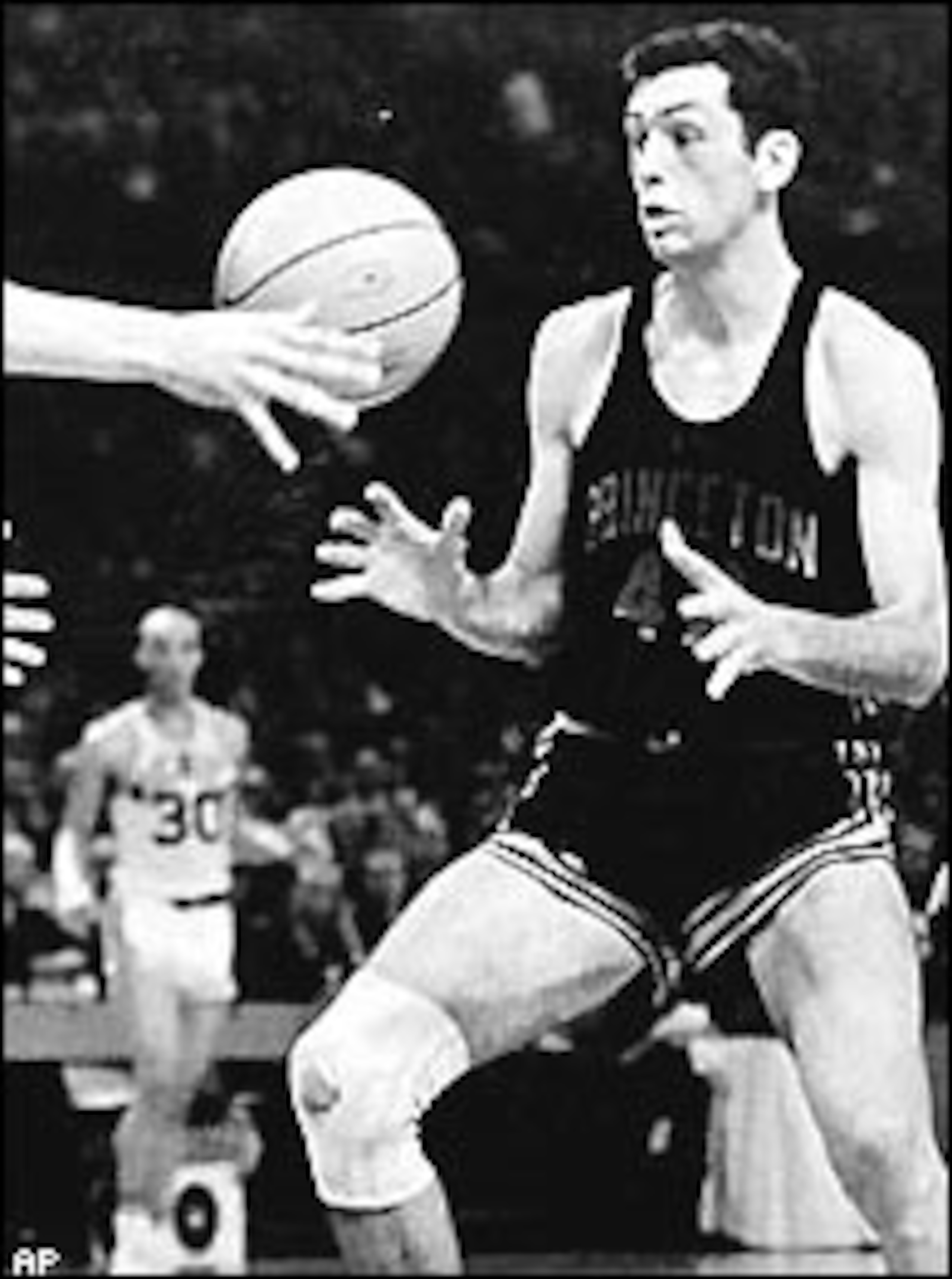
Bill Bradley scored 177 points in the 1965 tournament. It was a record that stood for 24 years, and it took an extra game for Glen Rice to break it.
Despite his efforts, Princeton did not claim the title. That didn't stop Bradley from dominating the consolation game as he set a then-tournament-record by scoring 58 points.
The performance prompted Bob Korte to seek Bradley out to tell him, "That was the greatest exhibition I ever saw," he told Bradley. "It was a pleasure to watch."
Bob Korte was a ref for the game.
That might not even have been Bradley's best game. In the regional final, Bradley missed only six shots on his way to scoring 41 points. He also hauled in 10 boards and had nine assists.
The 1965 tournament capped the end of a dominating March Madness career for Bradley. In nine tournament games, he averaged 33.7 points and 12 rebounds.
No. 9: Christian Laettner, 1989-92, Duke
12 of 20Laettner's teammate, Bobby Hurley, won the tournament's Most Outstanding Player in 1992, but Laettner walked away the biggest star.
Laettner's turnaround as the buzzer sounded off a 3/4 court inbound pass to seal a 104-103 OT victory against Kentucky may be the most memorable play in the history of the tournament.
It also capped off one of the most memorable games in tournament history—a game that Christian Laettner was about as perfect as an athlete can be.
Laettner was 10-for-10 from the field and 10-for-10 from the free throw line. The only possible knock on this performance is that he didn't shoot enough.
Laettner's tournament legacy goes well beyond this year. His tournament record was 21-2, and he played in the Final Four in all four of his years.
No. 8: Oscar Robertson, 1958-1960, Cincinnati
13 of 20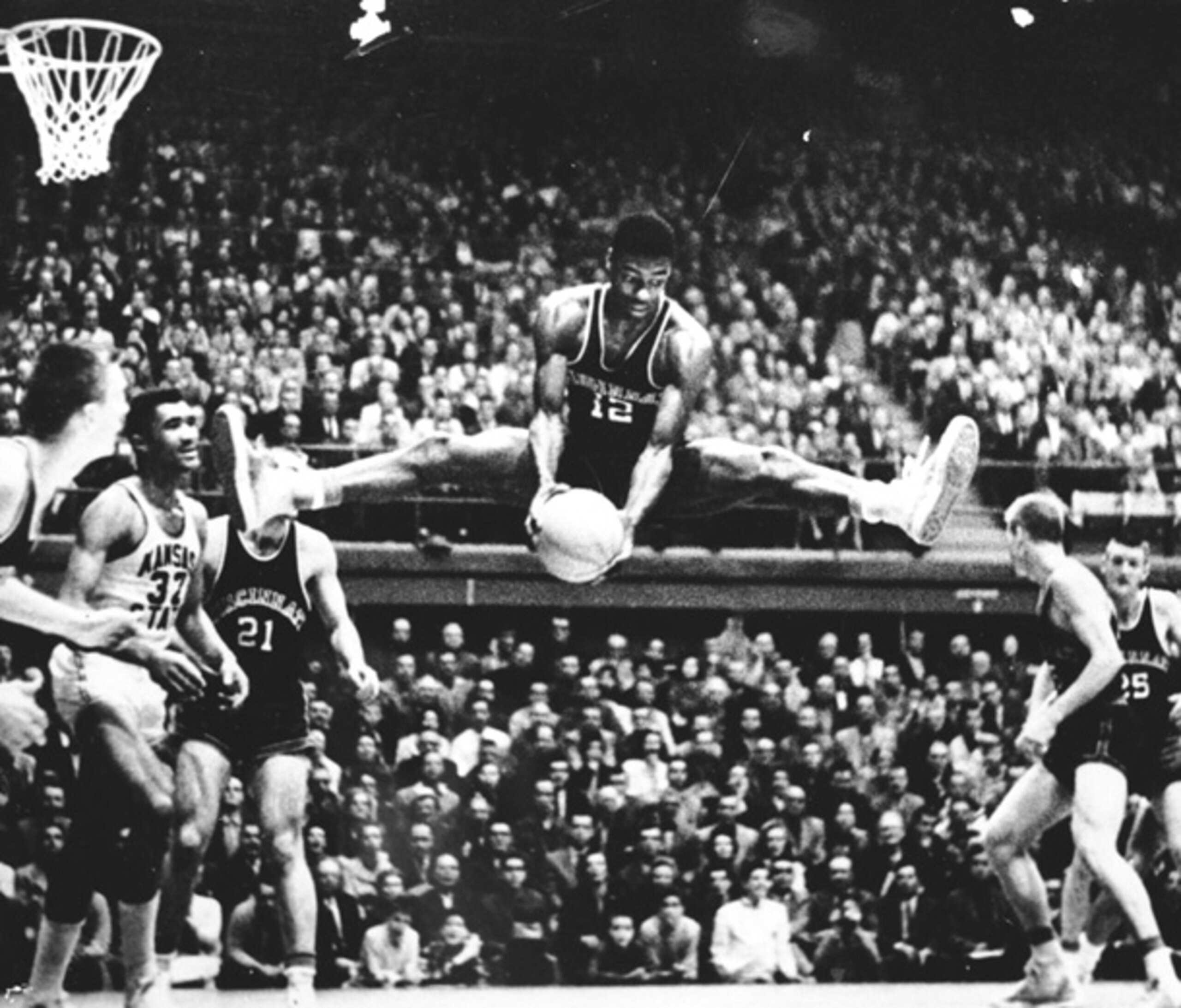
Oscar Robertson did what he did best in the NCAA tournament: filled up the stat sheet.
In 10 career games he averaged 32 points, 13 rebounds and 9.4 assists.
He also has what is probably the most impressive triple-double in Final Four history. Against Louisville in 1959 he scored 39 points, hauled in 17 boards and still managed to dish out 10 assists.
Just another day at the office for Oscar.
No. 7: Bo Kimble, Loyola Marymount, 1990
14 of 20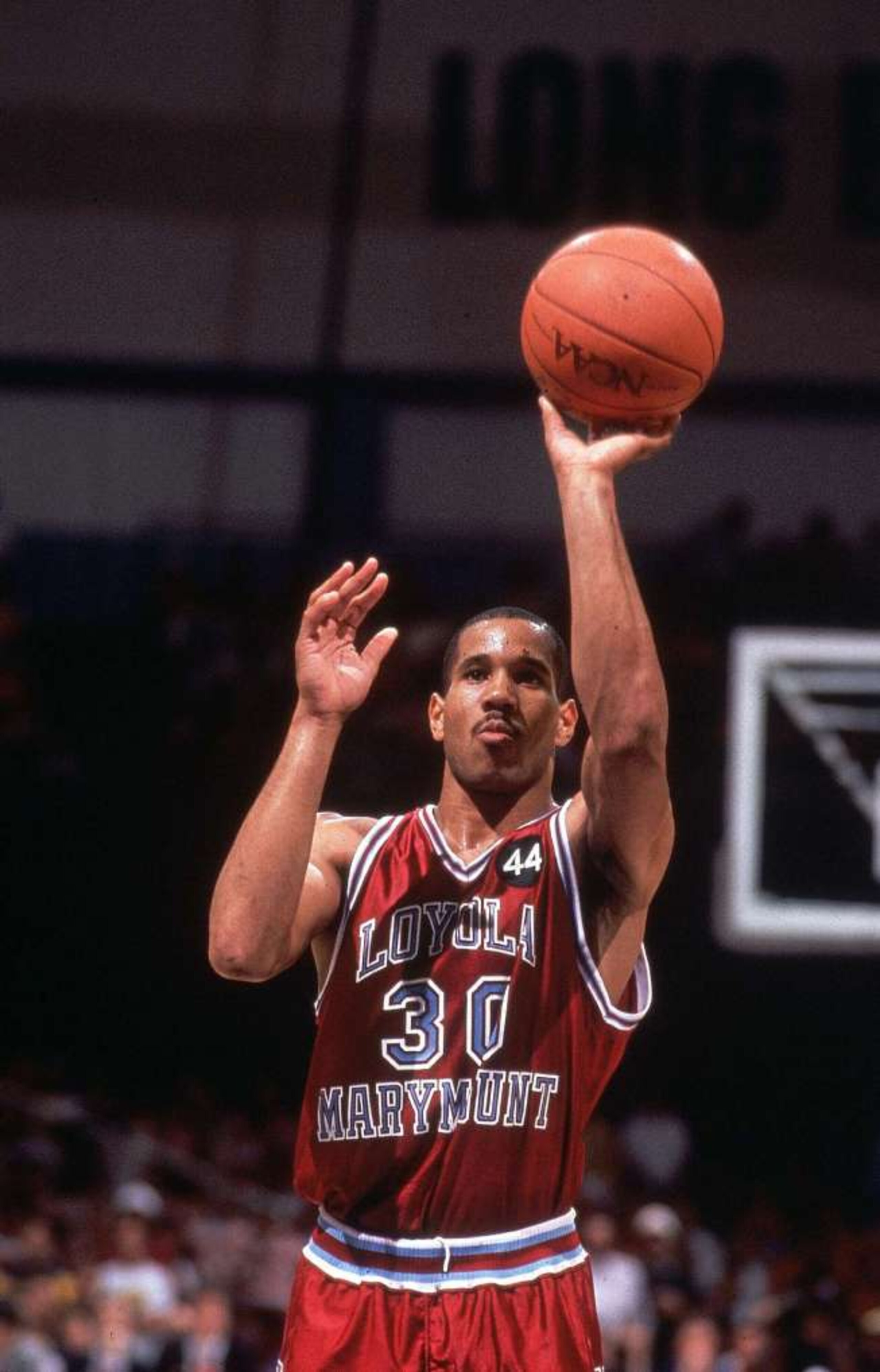
While their 1990 tournament run stopped at the Elite Eight, it didn't stop Loyola Marymount from becoming one of the most memorable squads in the history of the sport.
In the semifinals of the West Coast Conference Tournament, their best player—Hank Gathers—collapsed on the court and died.
With practically the whole country rooting for them, they ran their way into the Elite Eight. They averaged 105.8 points per game, and they throttled defending-champion Michigan 149-115.
During their four-game run, Bo Kimble averaged 38.2 point per game.
His amazing point production was not as memorable as Kimble's opening trip to the charity stripe.
The right-handed Kimble shot his first free throw with his left hand in an awkward style that mimicked his fallen friend's form.
Gathers was also right-handed, but he couldn't shoot free throws, so he began shooting them left-handed.
For his career Kimble shot just over 82 percent from the line, but in that tournament he sank all four of his left-handed shots.
Anyone watching that didn't get goosebumps and/or a tear in the eye should probably make sure they are human and not a cyborg.
It is truly one of the moments that transcended sports.
No. 6: Bill Russell, San Francisco, 1955-56
15 of 20I don't know if you know this or not, but Bill Russell knew how to win basketball games.
His 1956 NCAA tournament is a classic example. In his four tourney games, he averaged just over 22 points.
Russell was always about much more than scoring. He set a Final Four record—that still stands and probably always will—by snagging 50 rebounds in the two games.
In the championship game, Russell had 26 points and 27 rebounds. He also held Iowa's star center, Bill Logan, to only 12 points.
No. 5: Danny Manning, Kansas, 1988
16 of 20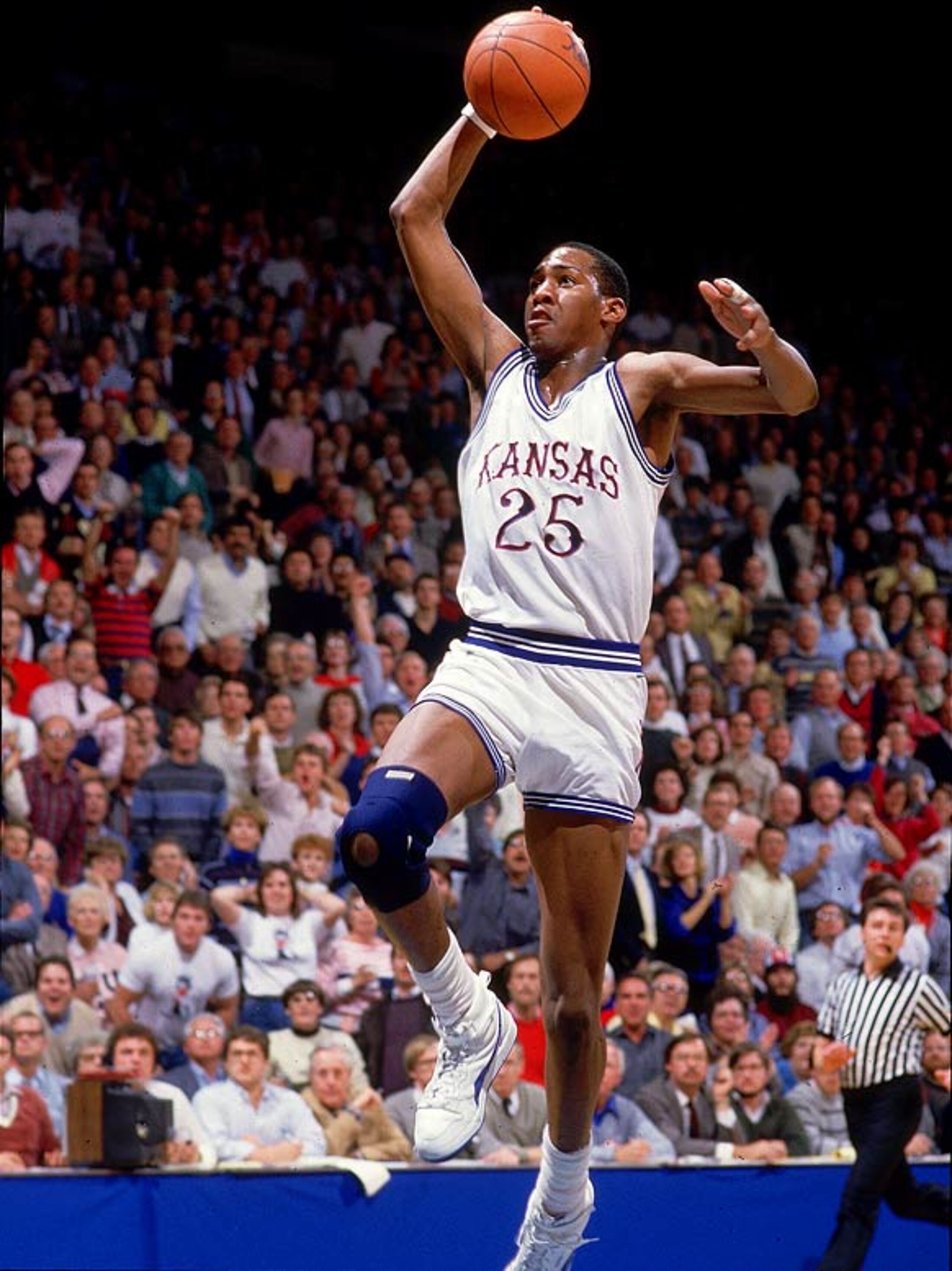
Danny and the Miracles is what the sixth-seeded and unranked Kansas Jayhawks came to be known as after an improbable tournament run.
They may as well have just been called the Danny Miracles, because Manning could and did do it all.
Manning dominated the Final Four. In those two games Manning averaged 33 points, 14 rebounds and 4.5 steals. Despite being a forward, Larry Brown often utilized Manning to bring the ball up court.
Manning was effective all game, but he was ice under pressure.
He was 4-for-4 from the line in the closing seconds of the championship game to help seal a four-point victory for the Jayhawks.
In one sequence with just over five minutes to play, Manning blocked a shot by Oklahoma's Stacey King and raced up the court for a layup on the other end.
No. 4: Jim Valvano, North Carolina State, 1983
17 of 20NC State finished the 1983 season just two games over .500 in conference play, which was good for fourth in the ACC.
They would need to win the ACC tournament just to get into the Big Dance. This was something no one thought they were capable of, given the fact the fifth-ranked Michael Jordan-led North Carolina squad and the second-ranked Virginia squad would be in the same tournament.
No one realized that the "Cardiac Pack" were about to go on one of the most memorable runs in sports.
They beat North Carolina after trailing by six in overtime, and then they went on a 27-4 second half run to beat Virginia by three in the conference finals.
The drama did not stop there. They entered the tournament as a No. 6 seed.
In the first game they once again rallied from a six-point OT deficit—this time to beat Pepperdine.
They won the next game on a last second put-back against UNLV.
In the Elite Eight, they went up against Virginia again, and this time won by one.
Then came the National Championship game for the ages against Houston's famed Phi Slamma Jamma team. As I am sure you know, it was another last second put-back win.
Jim Valvano ran onto the court looking for someone to hug and into the psyche of pop culture.
No. 3: Lew Alcindor, UCLA, 1967-69
18 of 20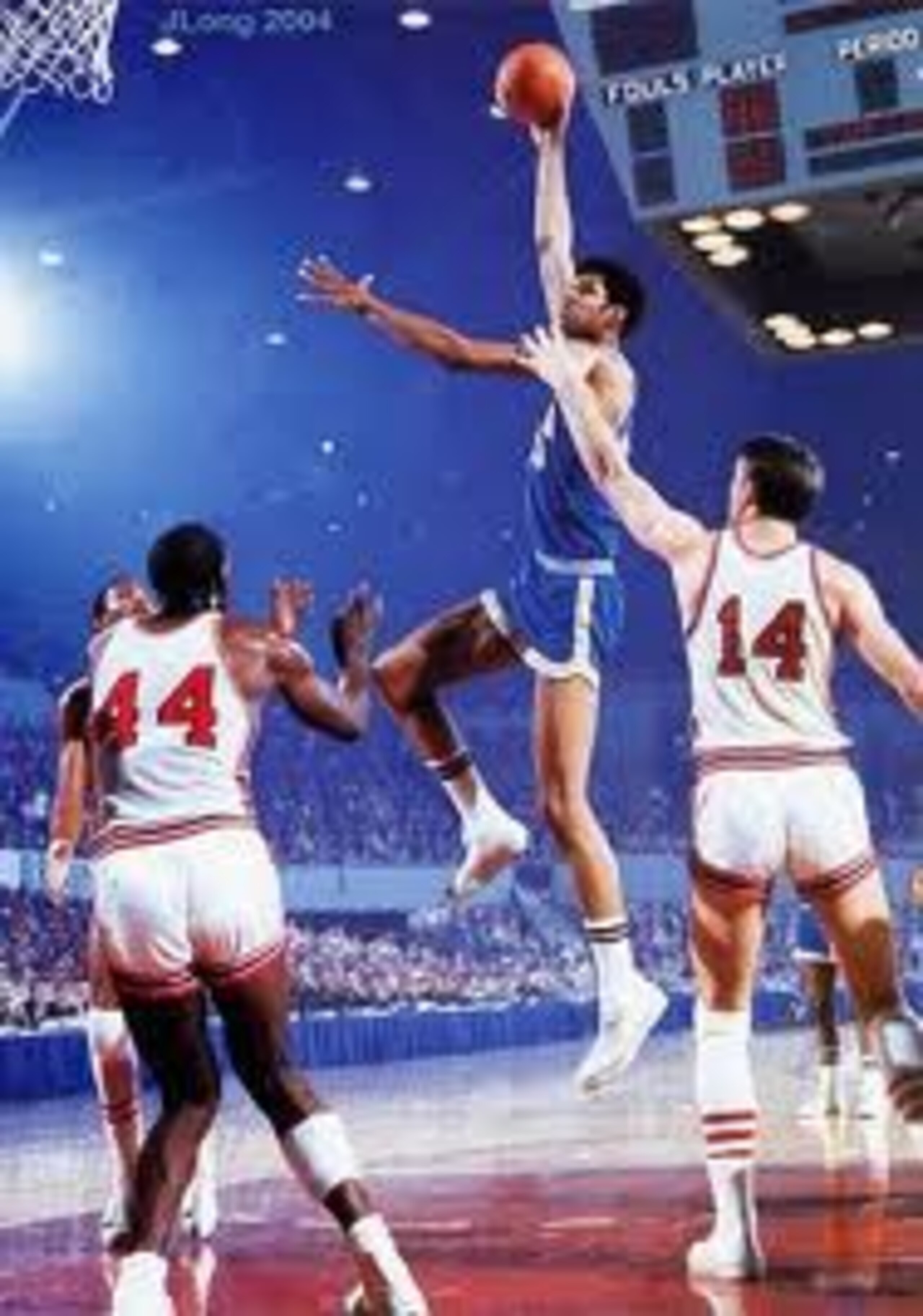
The man now known as Kareem Abdul-Jabbar never knew tournament failure.
He was 12-0 in tournament play. That was good for three championships and three Most Outstanding Player awards.
In those 12 games, he averaged 25 points and 16.8 rebounds.
He was as big a presence on the defensive end as he was on the offensive. In the 1968 championship game he had seven blocks.
No. 2: Bill Walton, UCLA, 1972-1974
19 of 20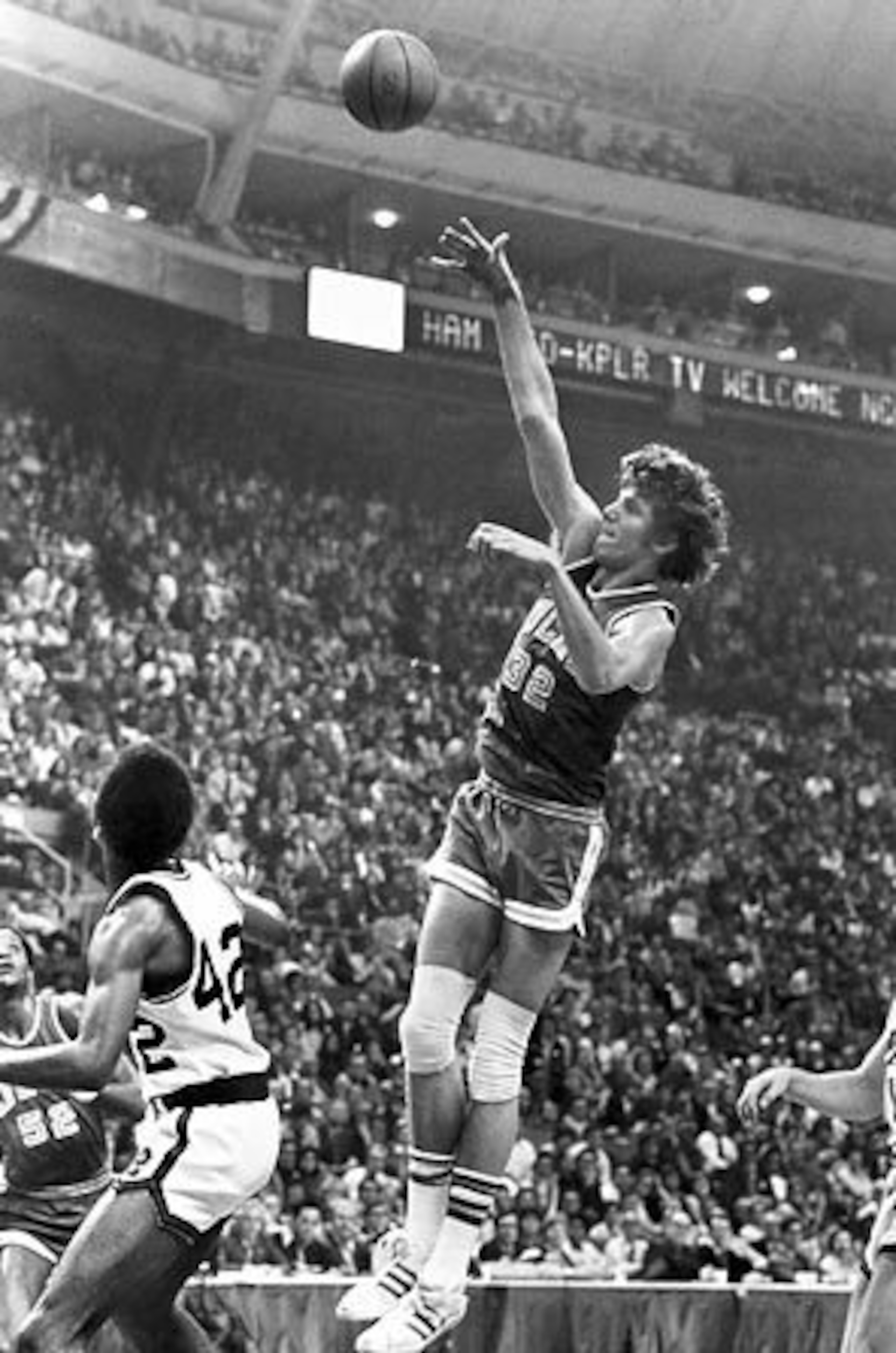
Unlike Alcindor, Walton's tournament resume has a blemish. He was "only" 11-1.
His career averages are not as impressive as Kareem's either. Walton averaged 21 points and 14.7 rebounds.
He earns a higher ranking on the list, however, on the strength of a championship-game performance many consider the most perfect basketball game ever played.
In the 1973 championship game, Bill Walton scored 44 points on 21-for-22 shooting.
While he did have the audacity to miss one shot, he was considerate enough to grab the rebound and then make the shot.
Walton did a lot of rebounding that Final Four. He grabbed 41 boards in the two games.
No. 1: John Wooden
20 of 20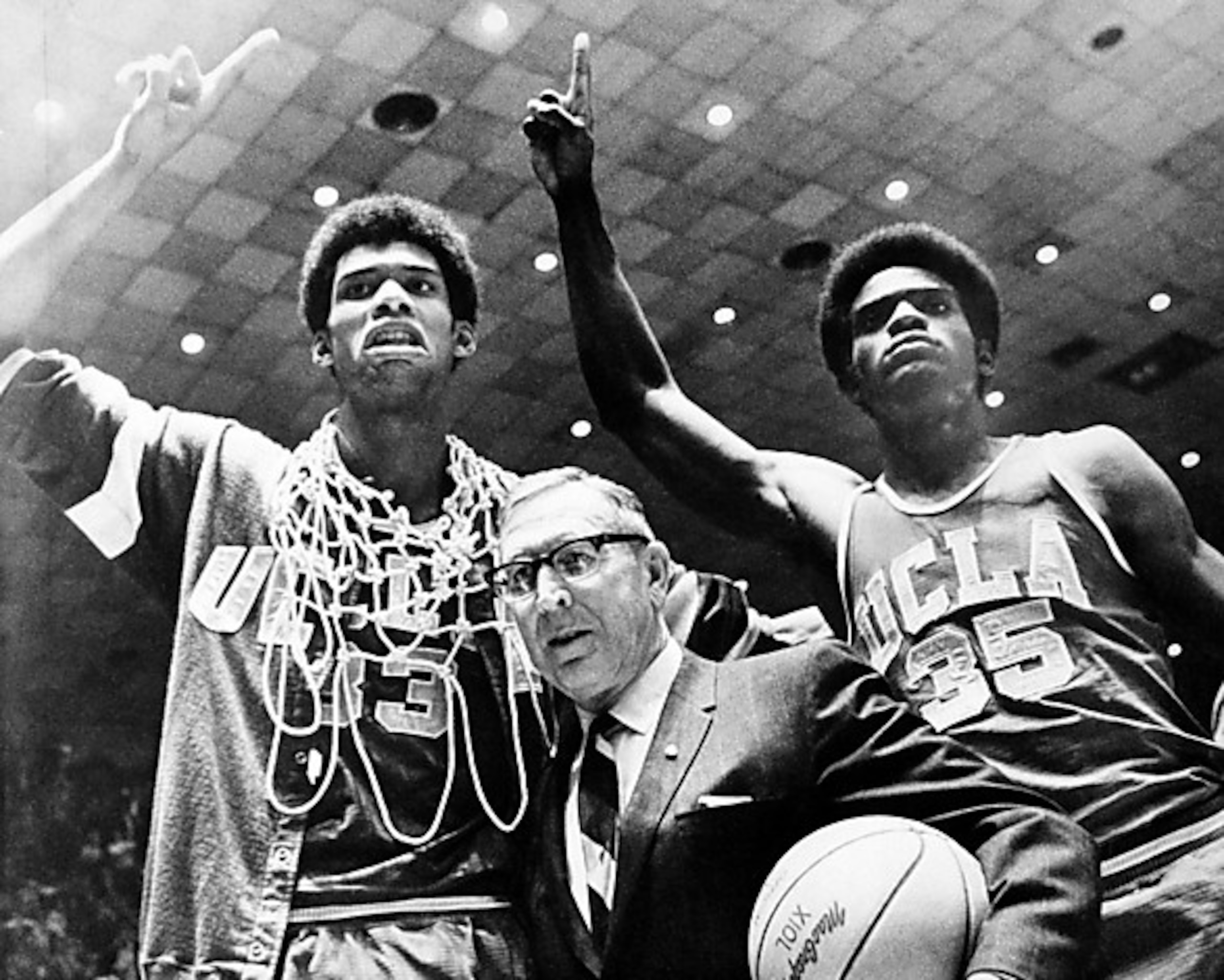
They should just change the name of this glorious event to the "John Wooden College Basketball Tournament."
There is certainly nothing I am going to offer up about this iconic coach that hasn't already been said.
So, I am just going to remind us all that John Wooden won 10 NCAA Tournaments in 12 years. I have never heard a bad word said about the man—but I have heard limitless good ones. The entire game of basketball—and especially the NCAA Tournament—would be a far different entity than it is now without him.
He is a different breed of human and coach than we find today. That could not be any more apparent than by the fact that his coaching salary never surpassed $35,000 and he never asked for a raise.

.jpg?w=2560)
.jpg?w=2560 "Multiple NFL Trades Predicted")


