

Cricket World Cup 2011: Week One Takes
The first week of the World Cup is behind us, and it has mostly been a bland commencement to the biggest event in the sport. The lukewarm nature of the early matches is somewhat expected, given the match-ups of test-playing nations (heavyweights) versus the Associate teams (minnows).
In fact, the gulf between the heavyweights and the minnows seems to have widened since the last world cup, when the likes of Ireland, Canada and even Kenya were somewhat competitive.
The one exception to the mediocre set of early matches was the India-England affair that must rank among the best world cup matches of all time. It had drama, high scores, oscillating fortunes, stars that shined, untimely lapses of judgment and an overall essence of a nail-biting thriller.
Hopefully, the India-England encounter is a harbinger of better things to come. For the moment, what follows is my perspective on the top five observations from Week One of the World Cup.
Fielding is India’s Big Problem
1 of 5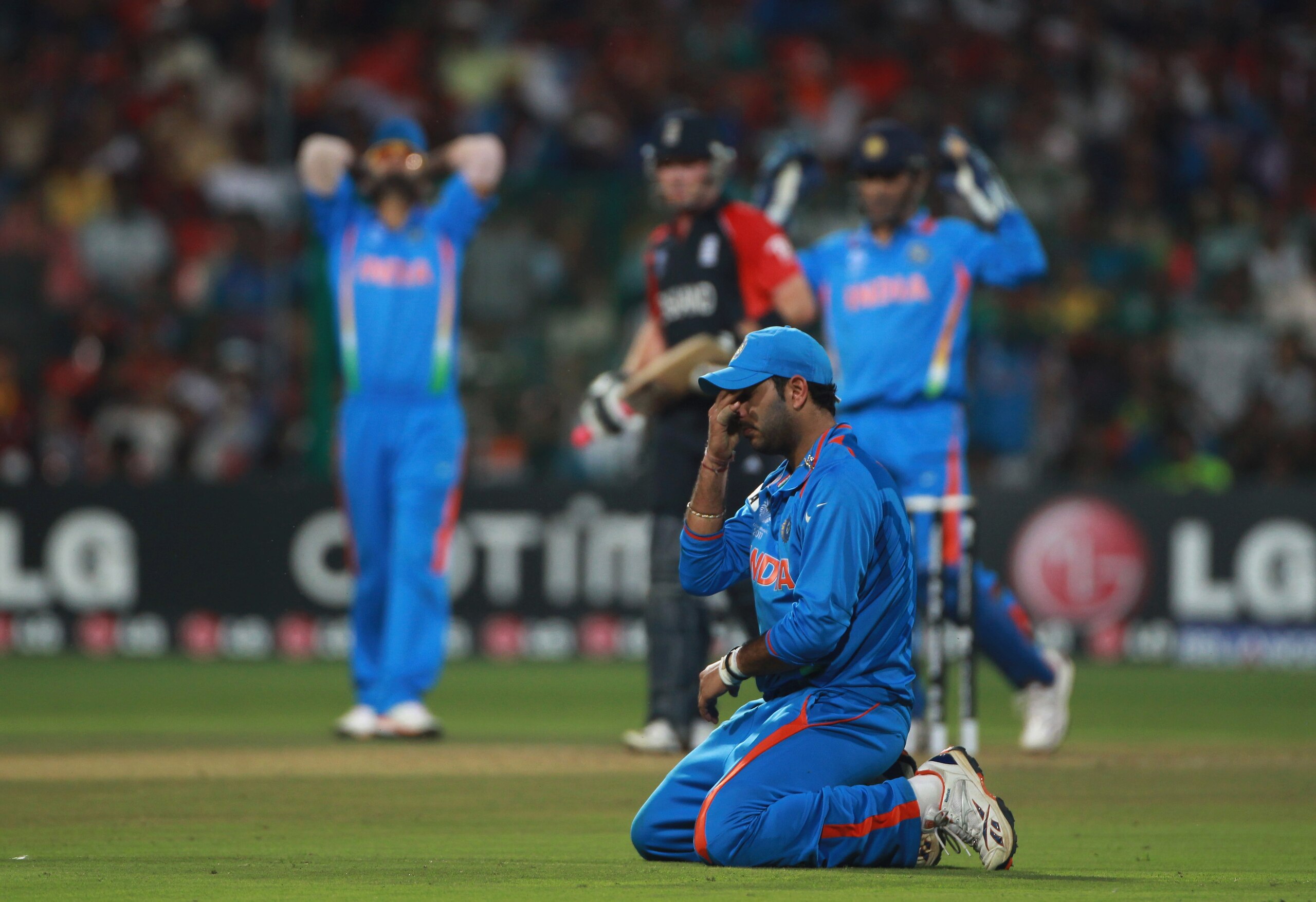
Stating that India’s bowling is weak is akin to calling the sky blue. The lack of punch in the Indian bowling ‘attack’ is well-known and hardly a surprise, particularly on lifeless, dead tracks of the sub-continent. What is sadly puzzling is the depths to which the fielding standards have dived.
The most complimentary way to define the Indian fielding performance is to call it barely average. It is shockingly appalling at times, in terms of technique, but more importantly in regards to the lack of zest and energy. Fielding in cricket is like rebounding in Basketball and tacking in Football.
Yes, it is about form and technique, but it is a lot more about attitude, vigor, energy and desire. The Indian fielding behavior is ridiculously afar from those attitudinal characteristics.
In terms of specific individuals, Munaf, Zaheer, and Sehwag are terrible; Yuvraj, Chawla,Sreesanth, Harbhajan and Pathan are below-par; Tendulkar, Gambhir and Kohli are barely passable; and Dhoni is the teams’ best fielder who unfortunately also happens to be the wicketkeeper.
In both of their games thus far, the Indians have found creative ways to get their best fielder, Suresh Raina, on the field despite his not being in the playing XI. Well, they would need to continue to be crafty in doing so, as he alone lends some semblance of class on the field.
Honestly, chasing 338 against India is akin to chasing 310 versus any other team, as the team unfailingly leaks 25-30 runs on the field on a typical day. That, my friends, is a concern.
Mercurial Wizards of Pakistan
2 of 5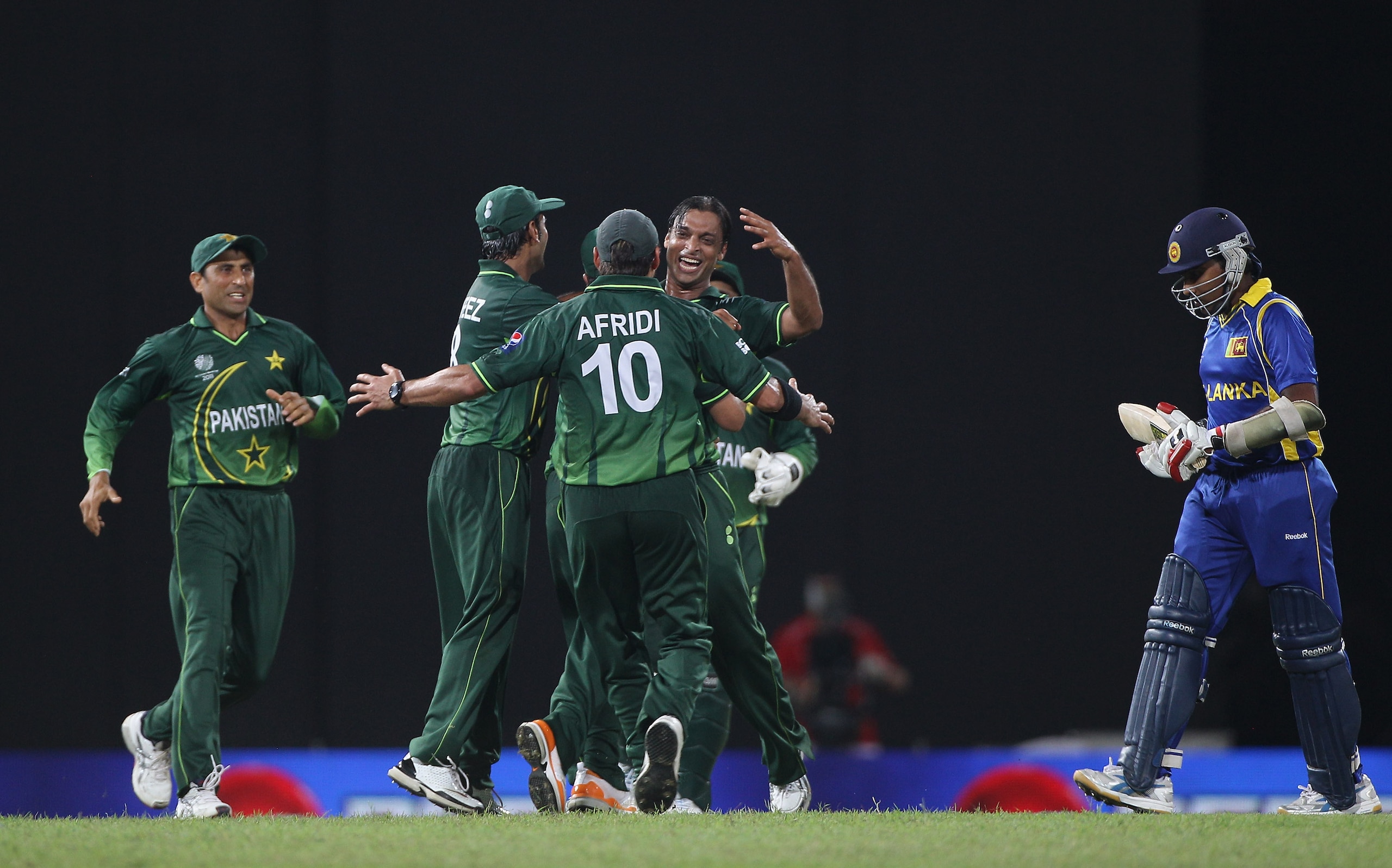
Speaking of fielding units, the next worst after India would be their cross-border brethren. The catching performance by Pakistan against Sri Lanka was beyond appalling. Abdur Rehman’s drop of Chamara Silva was a shame, and Kamran Akmal must now be close to reaching the double-double of 100 catches/stumpings and 100 drops/misses. In fact, I am not even kidding about it!
Having said that, Pakistan have clearly displayed their stunning reserve of talent with bat and ball. The win over Sri Lanka was impressive, and the Kenya beat-down was brutal. Two aspects of their game have been especially noteworthy:
- The stability and veteran resolve that Younis and Misbah have brought to the fulcrum of the batting order cannot be over-emphasized. Too often in the recent past, Pakistan has found itself in 20/3, or 100/5, type of situations with inexperienced batting units. Younis and Misbah have stabilized the core and have allowed Umar Akmal, Afridi and Razzaq to throw their bats around at the end.
- The genesis of Afridi as a bowling match-winner. For long, he has been a steady, but none-too-dangerous trundler. In the last five months or so, that has changed and he is now capable of five different variations to his deliveries and is truly wily in his decision-making. This new-found Afridi has been in full display in Pakistan’s first couple of games–he has 9 wickets for 50 runs
Bad Teams Abound
3 of 5
It is readily apparent that the world’s cricket landscape currently consists of four really good teams --- India, England, South Africa and Australia; two teams that can oscillate between ‘great’ and ‘below-par’ on any given day—Sri Lanka and Pakistan; two traditionally strong teams that have fallen on bad times --- West Indies and New Zealand; and a bunch of laggards—Bangladesh, Zimbabwe and all the Associate countries.
What is frankly tragic is the demise of teams such as Zimbabwe, Ireland and Kenya—teams that have always risen up to the World Cup stage and surprised the big-leaguers consistently. I realize its just been one week, but the portent is not too salubrious for these teams based on the clear fact that their crop of young, new players have yet to reach international class, and their older veterans (Trent Jonhson and Steve Tikolo) seem to have gotten older in a hurry.

.jpg?w=2560 "Rams Raiders Football")

Batting Tactics: Rewind to 1996
4 of 5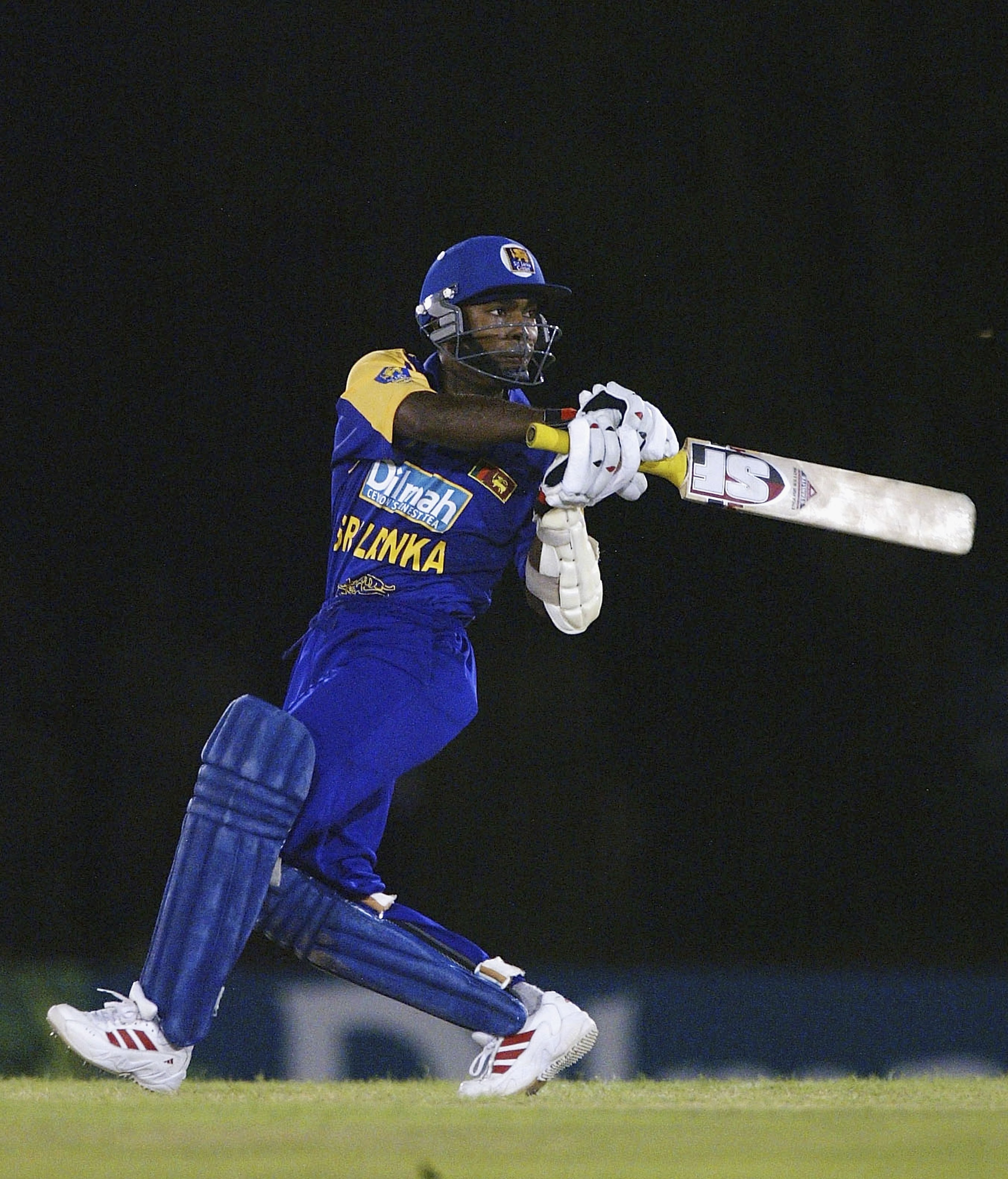
The ’96 World Cup saw the maturation of an approach to batting that focused on maximizing run-making potential during the first 15 overs of the innings. Sri Lanka crafted this ‘pinch-hitting’ strategy with Jayasuriya and Kaluwitharana, Australia took a page from that book and modified it with Mark Waugh and then Gilchrist & Hayden, and Pakistan unleashed a manic Shahid Afridi to exploit the opportunity to the hilt.
Over the past few years, though, bowling units have successfully been able to negate the pinch-hitting prowess of most batsmen by honing the ability of bowling in channels that do not allow width to the pinch-hitters to free their arms and swing across the line. As a result, it appeared like the pinch-hitting wave had died an early death.
Well, if early results from this World Cup are any indication, reports of such an early demise are vastly exaggerated. India (with Sehwag at the top), Australia (Watson), Sri Lanka (Dilshan), New Zealand (McCullum), West Indies (Smith/Gayle) and England (KP) have clearly emphasized the value of hitting over-the-top in the early overs.
In fact, these teams have revitalized the aspect of pinch-hitting by designating proper batsmen as their go-to guys. No more do you find cross-batted free-spirits like Kaluwitharana and Greatbatch swinging their bats like a Catherine-wheel. Today, it is the technically competent Sehwag, KP, Watson and the like that are responsible for early impetus. And so far, they have all been successful in their strategy. Hopefully, this is a sign for things to come.
The Stars so Far
5 of 5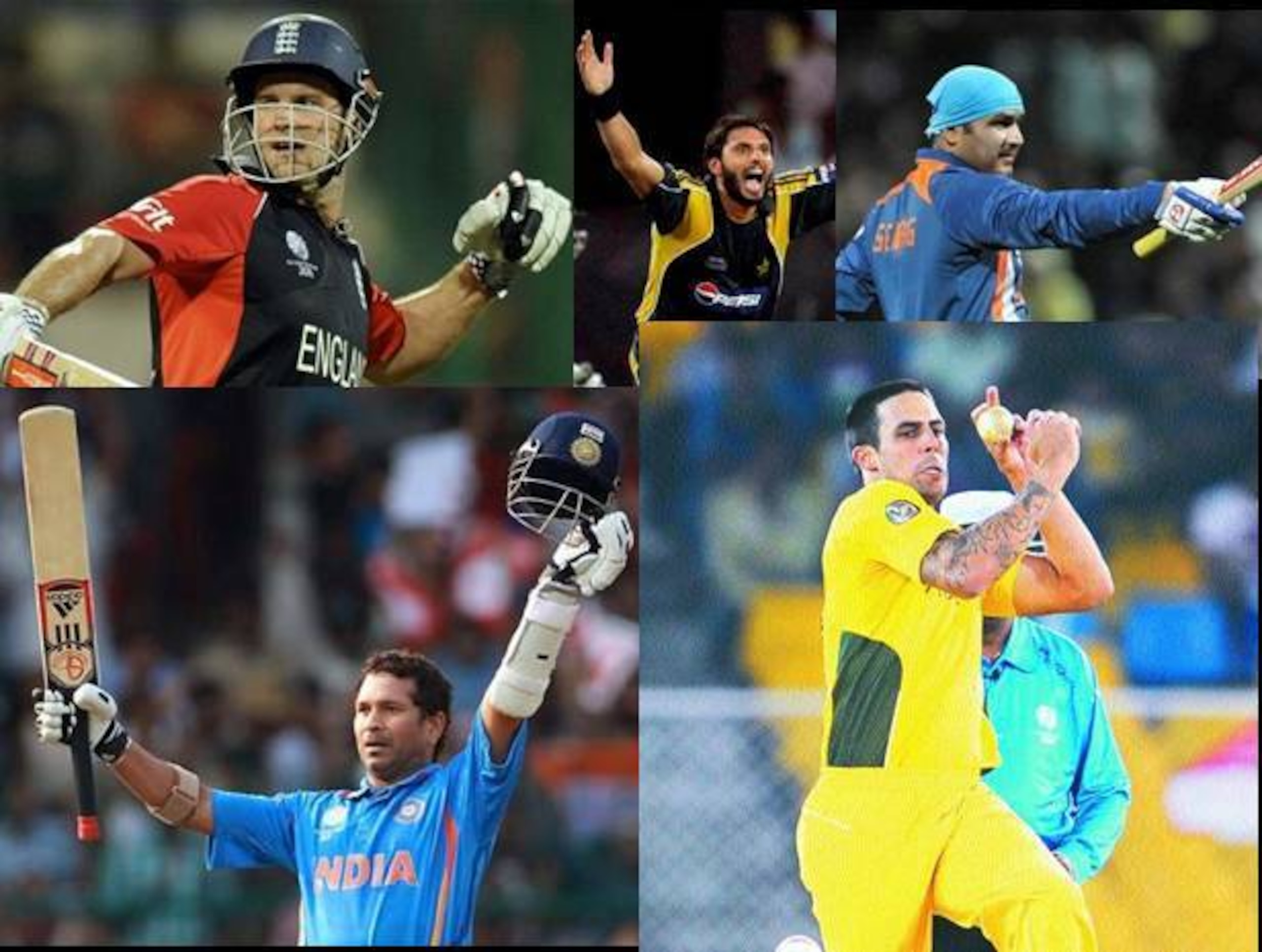
My five Most Valuable Players (MVPs) through Week 1:
- Andrew Strauss: 88 (off 83 balls) versus Netherlands, followed by 158 (145) against India. Any doubts on this choice?
- Shahid Afridi: As mentioned before, Boom-Boom Afridi has been Warnesque with the ball, plucking out 9 wickets for a measly 50 runs in two matches. Scarier is the thought that he really has not clicked with the bat yet.
- Mitchell Johnson: Two solid wins for the Aussies, and two solid outings for Mitch. Eight wickets for a stingy three-runs-per-over average is what your main strike bowler is expected to offer. And Johnson has delivered that, and more.
- Virendar Sehwag: Viru has set the engine running in both of India’s matches. Against England, he could not convert his start into a big-one, but he certainly did so against Bangladesh in the curtain-raiser. What an inning, and what a player!
- Sachin Tendulkar: God is two centuries away from getting 100 100’s! And based on his sublime 120 versus England, I bet he gets there prior to the knock-out stage. The man is turning back the clock like no one in history. Except, maybe, Benjamin Button.

.jpg?w=2560 "Steelers Saints Football")
.jpg?w=2560 "Packers Safety Slams Refs 🤬")


.jpg?w=2560 "🚨 Week 8 AP Top 25 Poll")
