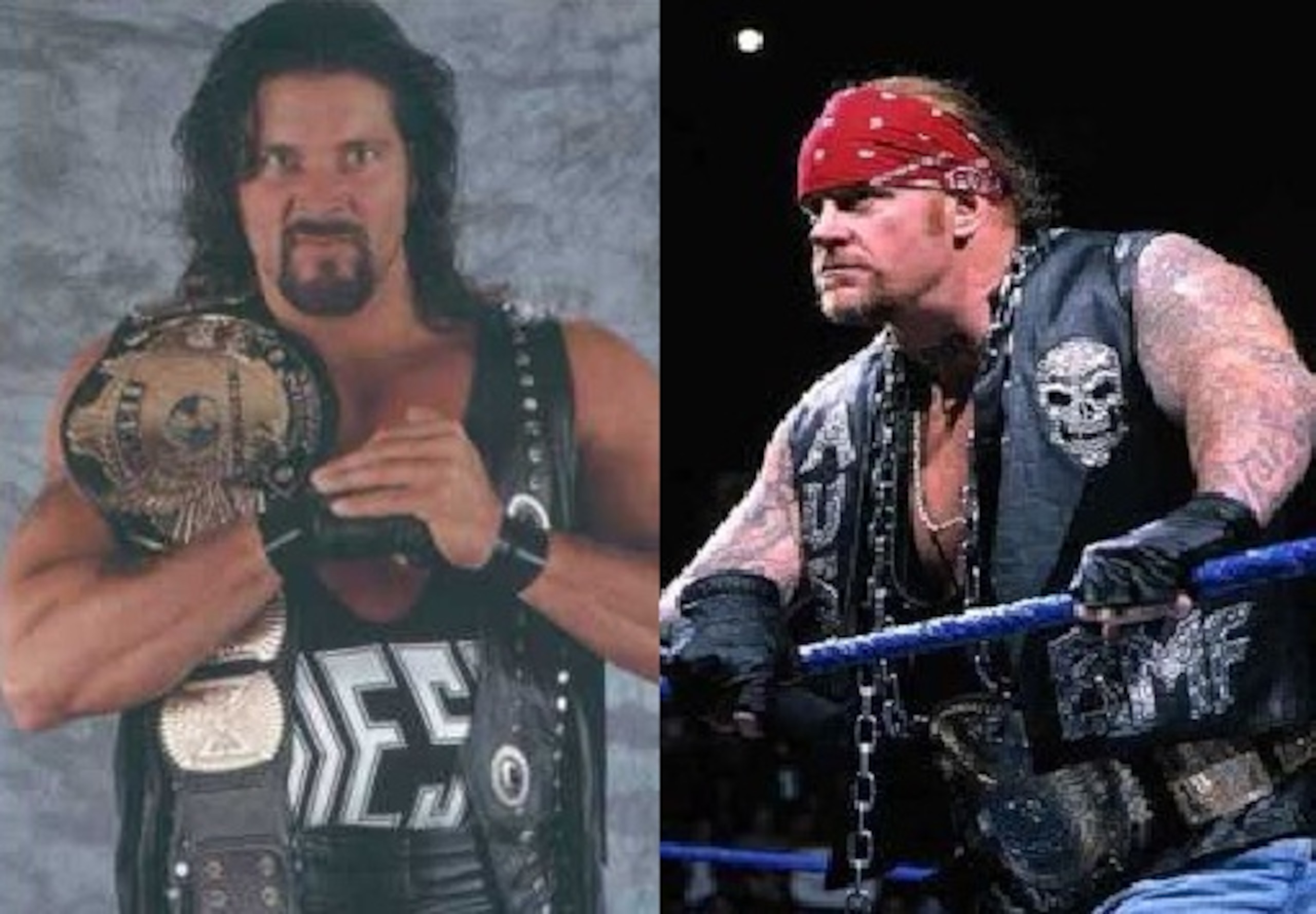

WWE Parallel Paths: Big Evil and Diesel, the Tag Team That Could Have Been
During my commute this morning, my phone's music shuffle landed on a WWE theme that really got me thinking.
Many tag teams in WWE have come and gone. Some have been extremely cohesive. Kendrick and London, Brothers of Destruction, The Quebecers, E&C, Men on a Mission, Legion of Doom, Demolition, the list goes on. Some have found massive success getting jumbled together with someone entirely random. Booker T/Goldust, RVD/Kane, even JeriShow and ShowMiz had a certain something special.
However, one tag team that never had a chance together would have featured two men who were in WWE at the same time for a while, but at different stages of their career. One was changing, while the other was in another company. One was injured, the other was changing back.
Two characters that could've made a very cohesive unit. Two characters that could've made some sense together. Two characters that probably would've become friends after meeting at two straight PPVs worth of a feud, beating each other to a bloody pulp on numerous occasions, then looking at each other and saying, "Ya know what, let's just be friends."
Let's take a look into their pasts and see what kind of pairing could have resulted.
Diesel's Introduction
1 of 8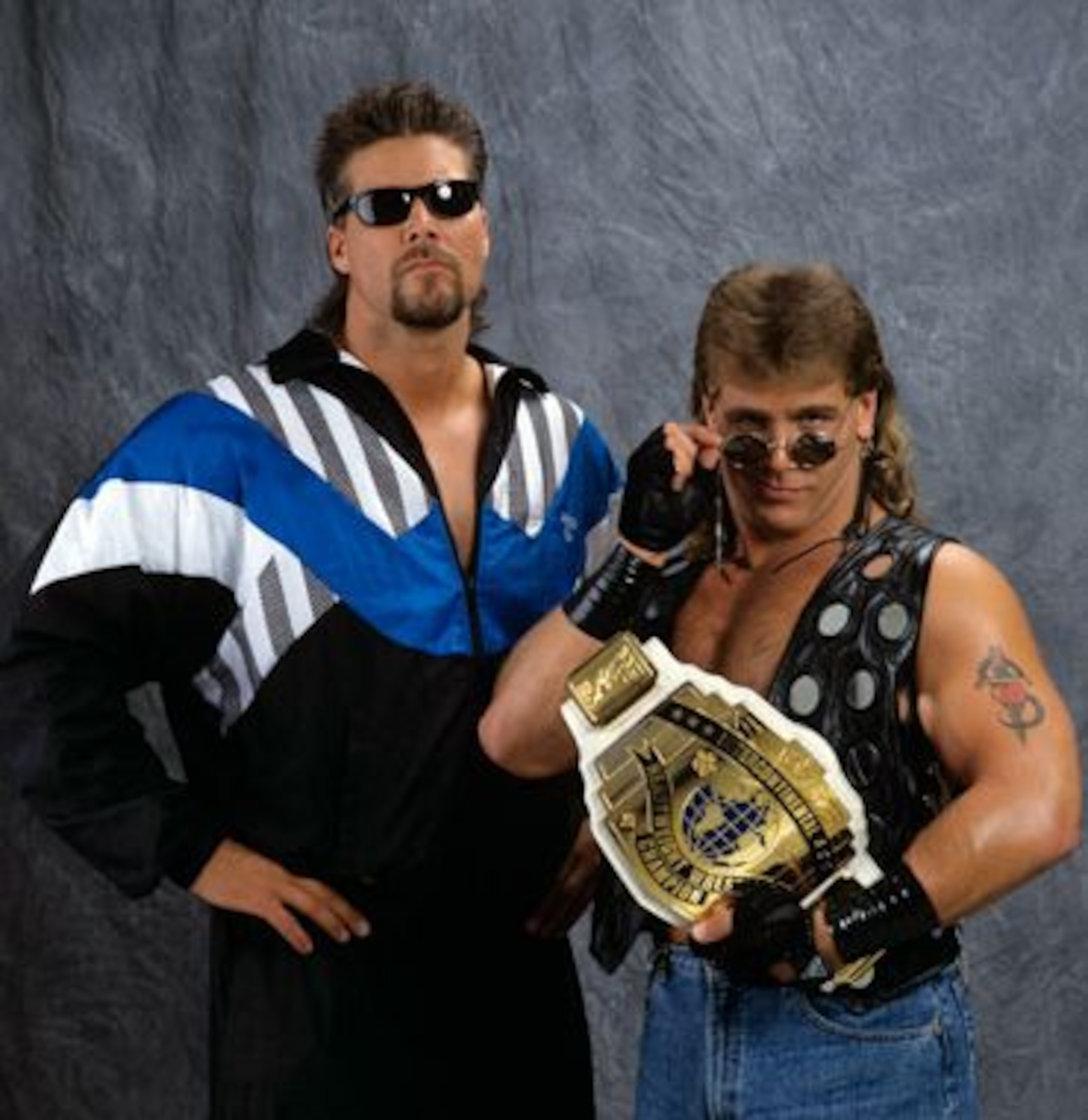
When Diesel was first introduced on WWE screens, he was at the side of the Heartbreak Kid, Shawn Michaels, as the classic archetype, "the silent enforcer/bodyguard." At first, Diesel was intimidating just by his presence (despite what the jogging suit tells you, sorry, earliest pic I could find). Eventually, someone would approach HBK unauthorized, and Diesel would spring to action and put them right down to the mat.
I think when WWE recently introduced Jackson Andrews as Tyson Kidd's bodyguard, they should have watched some old videos of Diesel. Maybe they could've taken some notes and seen how to build a character like that properly. Anyway...
Diesel's initial appearance wasn't necessarily specific to a biker or a trucker, but when we looked upon him, he easily gave off a feeling of being dangerous. Black vest with tassels, black pants and boots, black fingerless gloves, sunglasses, long dark hair and a bushy goatee. While his appearance wasn't in a specific vein or gimmick, we all can still remember seeing a man like him at one point or another in our lives and being pretty scared.
Wrestling Debut
2 of 8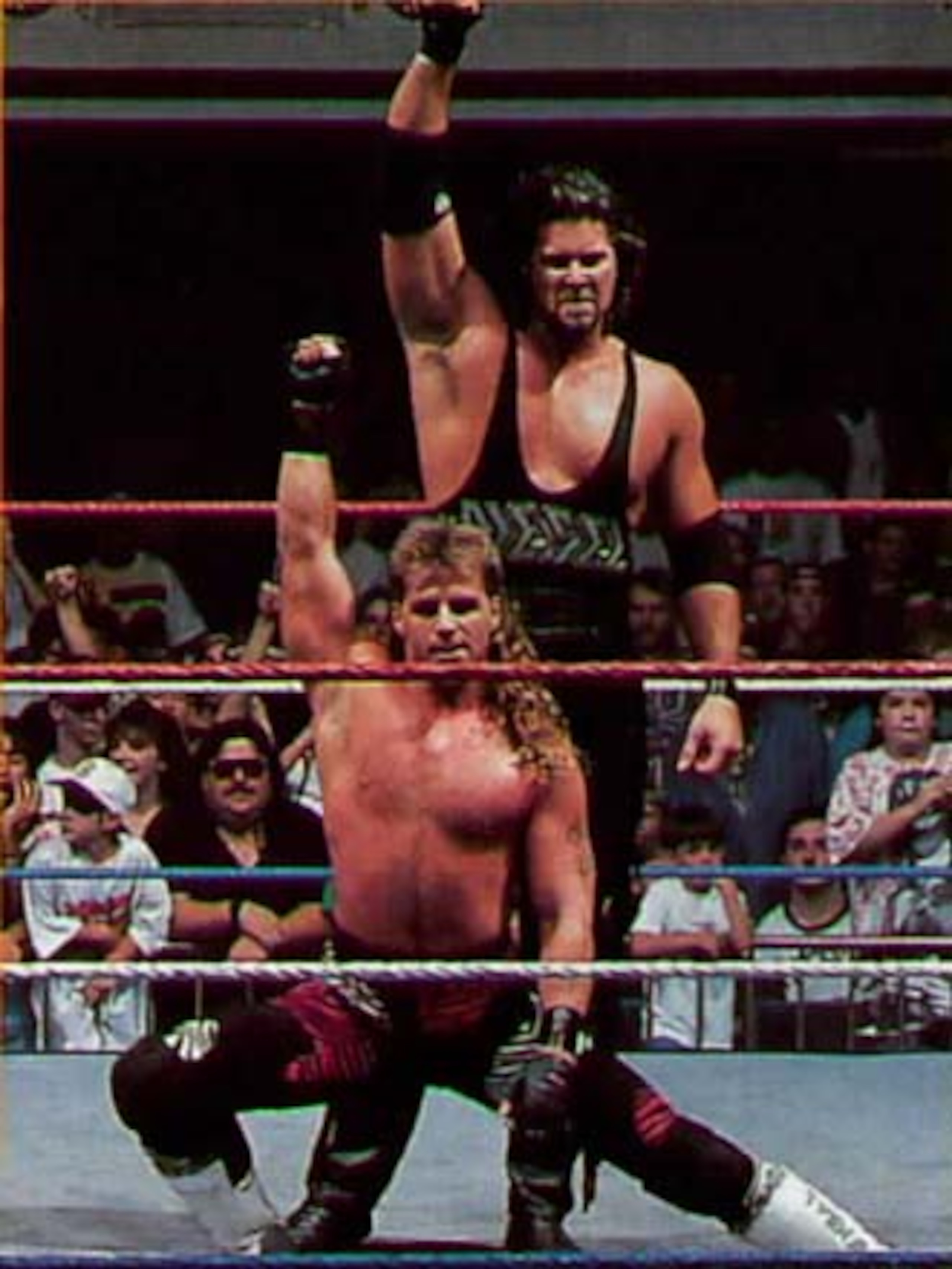
As is always the case with characters such as Diesel in WWE, a guy that big appears, someone or something is going to step to him and make a challenge.
Sure enough, Diesel made his wrestling debut. From what I remember, he was never much of a technical expert, like Benoit, Malenko or Bryan, but for a seven-foot monster of a man with tree trunks for legs? He was really something fun to watch.
At first, his entrance theme received a similar treatment to such entities as Irwin R. Schyster and Right to Censor, in that his theme "music" wasn't a song at all. IRS for a while came to ring to the sound of adding machines and Right to Censor came out to their trademark alarm, however I think after a while, the alarms received a drum beat of some sort behind it to make it resemble a kind of song. Diesel's was similar, in that his theme hit with an eighteen-wheeler's engine igniting, followed by revving and the horn blowing.
Thus, his image, name and style all began coming together nicely. His name made reference to an engine that's exceptionally powerful, his image was somewhat dark and violent but not supernatural, his clothes gave off the feeling of being tough and Southern and the loud horn and engines revving on the speakers above the ring told of a man that would run you down without thinking twice about it.
Character Development
3 of 8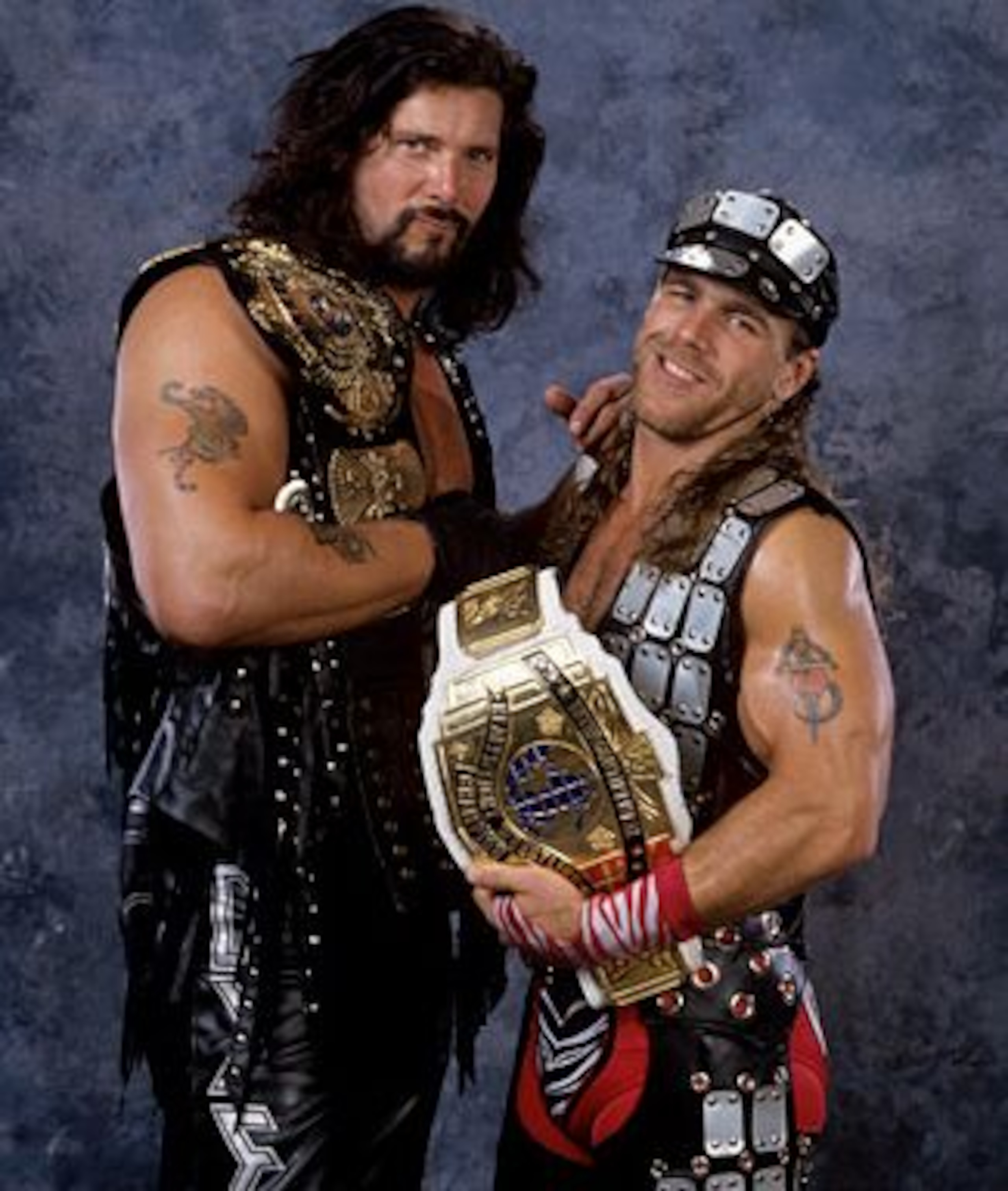
Over time, Diesel began stealing some of the spotlight that his buddy, Shawn Michaels, had previously captured all by himself.
Whether on purpose or completely as a result of booking circumstances and crowd reaction, Diesel was becoming a beloved face. People everywhere loved watching him completely demolish foes with the Big Boot and his popular finishing maneuver, the Jackknife. I'm embarrassed to say it, but I actually didn't realize that move's name was referring to a truck "jackknifing" until much later in my life. I always thought it meant he carried a blade with him.
Big scary guy, he carries a jackknife. Made sense to me at the time.
Regardless, as his character deepened and he was awarded the WWE Championship, he was definitely put on the spot as one of the top faces in WWE. And thus, as champion, he would be expected to do a fair amount of speaking. His promos weren't superior, in fact, some of them were actually fairly awkward, but they were solid enough to get the crowd on his side.
In addition to that, he would receive an update to his theme to incorporate some blues style rock guitars in with the revving engine and truck horn. Being a huge fan of rock and always a fan of wrestling entrance themes, I feel like this put Diesel in a brand new place.
At first, the guy started as a backup character to help build Shawn Michaels from being the standout of an 80s tag team into an egotistical, narcissistic pretty boy who, for some reason, felt he deserved to be protected. By winning the WWE Championship and being given new theme music, Diesel's time at the top would be definitive and exciting.
.jpg?w=2560)
Original Departure from WWE to Royal Rumble 2011
4 of 8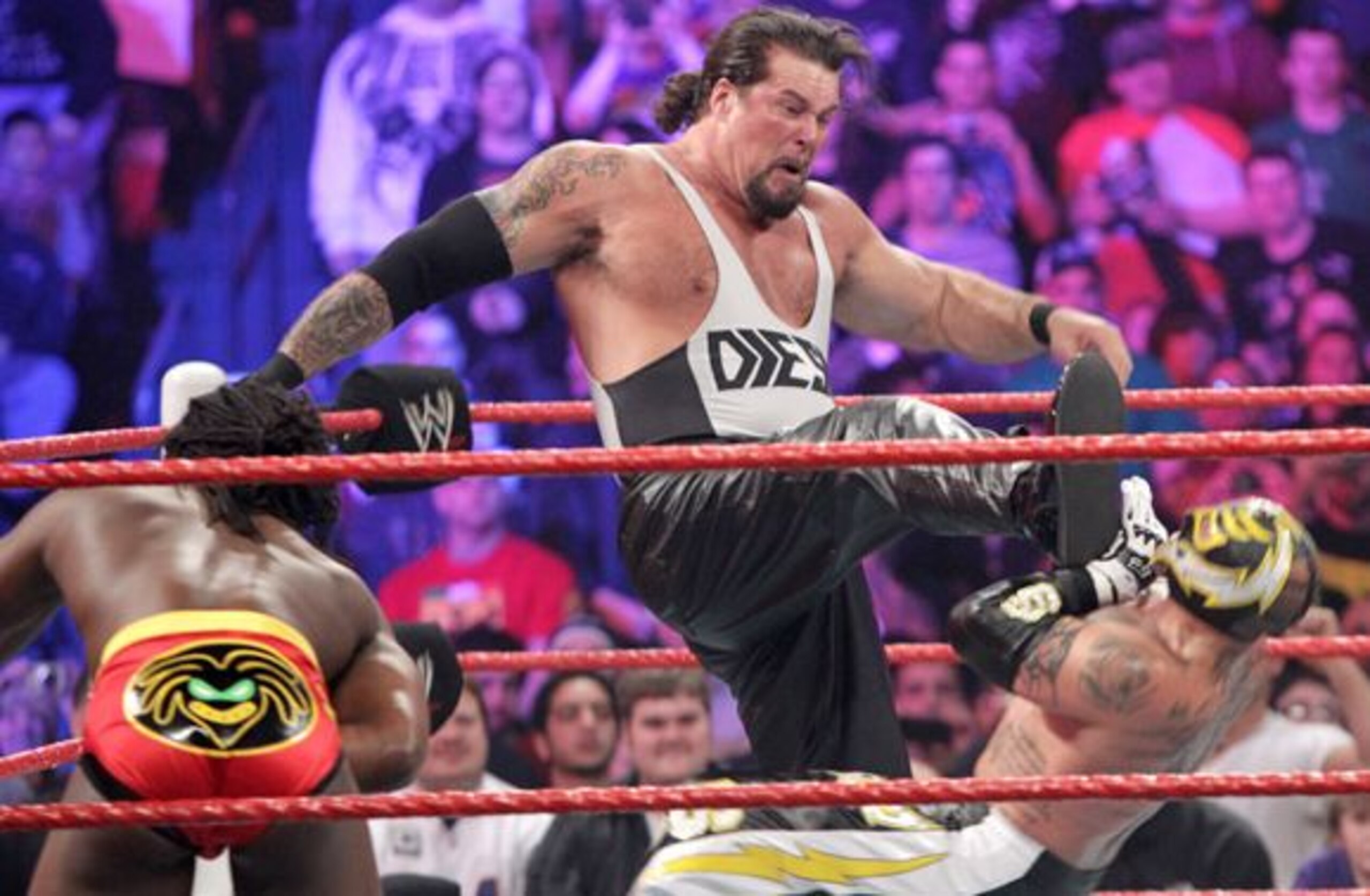
The man we knew as Diesel, Kevin Nash, eventually parted ways with WWE along with friend Scott Hall, the two of them jumping to WCW and forming the New World Order with wrestling legend, Hulk Hogan. Years with the company and aiding WCW in beating WWE in ratings during the Monday Night Wars eventually began to weaken, and WWE purchased WCW, thus leading to WWE featuring many wrestlers famous for being on WCW programming on their own.
The "Invasion" angle soon followed, leading to "WCW" and "ECW" themed factions cropping up and the potential for dream matches that wrestling fans who had taken notice of the Monday Night Wars were just salivating for.
Unfortunately for them, the Invasion angle, while bearing the potential for massive ratings and storyline twists, ended up being booked extremely rocky, the final confrontation between WWE and the "Alliance" featuring only one WCW mainstay, one ECW mainstay (who had already joined WWE years before), and two WWE traitors.
This ended the Invasion, but soon after, another stable made famous in WCW, the New World Order, would be reborn and restarted in WWE with its original trio of revolutionaries: Hulk Hogan, Scott Hall and Kevin Nash.
Unfortunately, this also was not quite booked as well as it could have been, and Hulk's return to WWE saw fans rooting for Hogan despite being marketed as part of a heel stable. Thus, Hogan was effectively lifted out of WWE's version of NWO, the group continuing on and reacquiring former NWO members from WCW in Big Show (formerly The Giant), X-Pac (formerly Syxx) and Booker T. However, this also wouldn't last long and Vince McMahon eventually put the angle that he himself brought back on-screen to rest for good.
Part of what did in WWE's version of NWO was Scott Hall's re-release from the company, due to child custody battles (according to Wikipedia), and Kevin Nash's recurring injuries. Once NWO was dead again, WWE attempted to hold onto Kevin Nash, giving him a new theme song that was reminiscent of his days previously in the company as Diesel.
However injuries would strike yet again, and with him being out of action for that long, eventually, he and the company parted ways once again, Kevin landing in TNA until his contract with them was up between late last year and early this year, soon after that reappearing as a surprise entrant in WWE's 2011 Royal Rumble this past January in his familiar get-up, reprising the Diesel character.
Undertaker's Introduction
5 of 8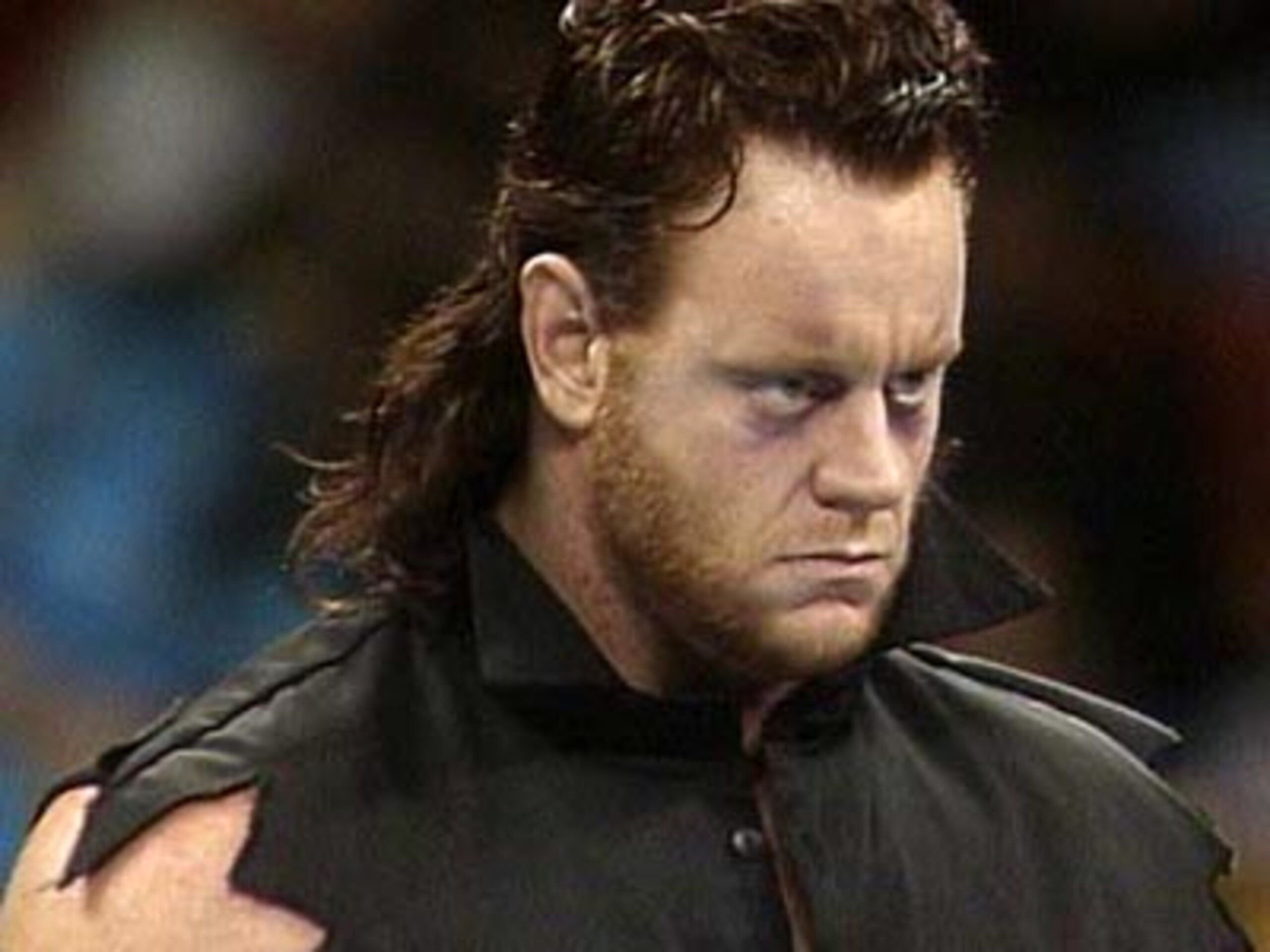
Oddly enough, Undertaker's start was actually somewhat similar to Diesel's.
When he was introduced by heel managers like Ted DiBiase, Brother Love and Paul Bearer, Undertaker was another near seven-foot, stoic figure wearing mostly black with a blank, expressionless mug. True, Undertaker was booked to no-sell moves as a way to make it look like he didn't experience pain, and Diesel had suffered his share during his time in WWE, however as big, intimidating, dominant figures, both had their time doing just that. Intimidating lots and lots of people.
Of course, marketing such a simple concept character, despite his obvious connections to the supernatural thanks to the urn Paul Bearer carried with him, might seem a bit difficult, however what difficulty came was a result of the window of creative opportunity being too open, not too closed.
Subsequent Manifestations
6 of 8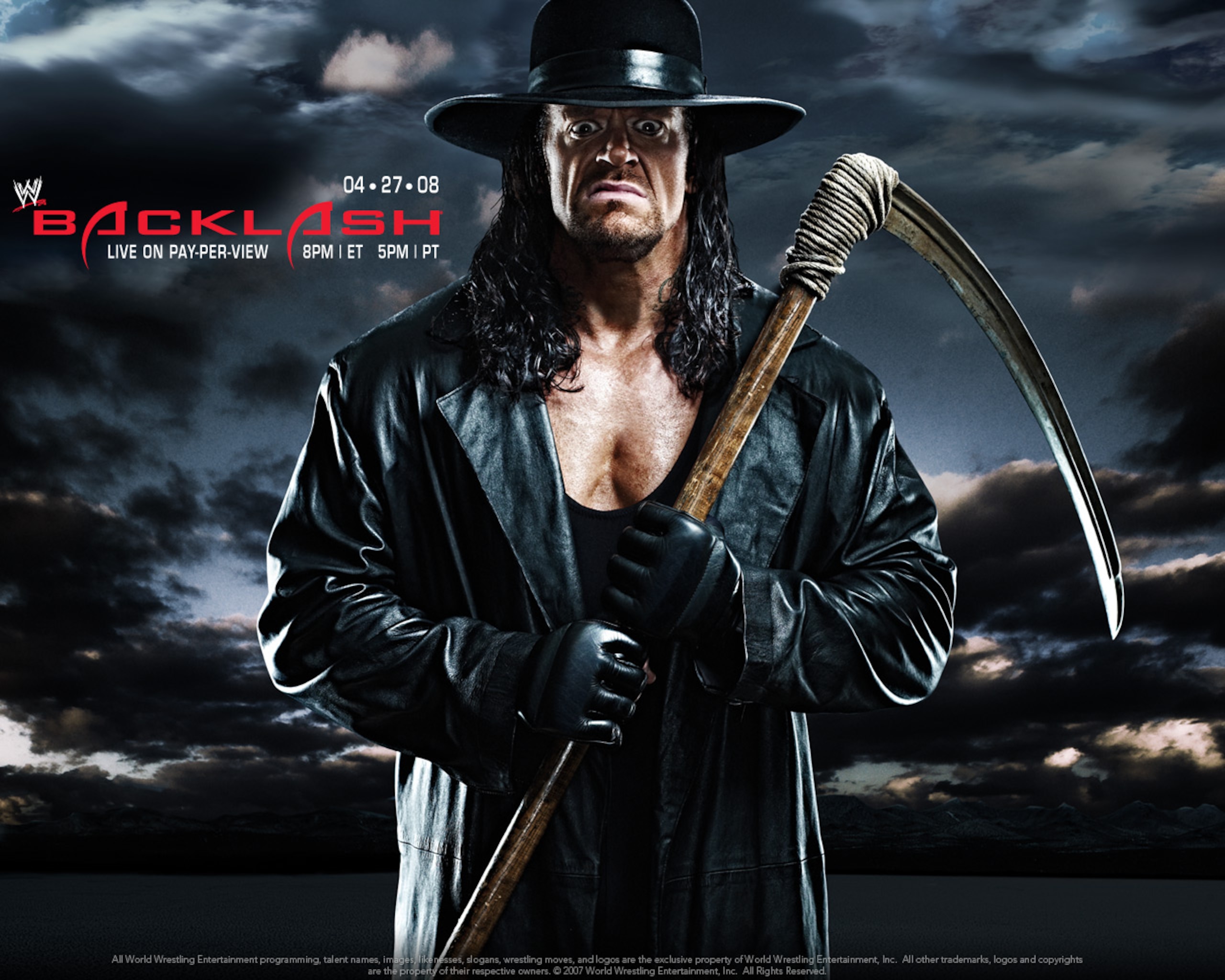
Undertaker's look, persona, MO, etc. have all gone through very distinct, yet sometimes very subtle changes over the years.
While his debut saw him as a blank zombie-like character, and his association with Paul Bearer and the urn saw him more as a mindless undead soldier to be commanded by a conscious being with the power to control him, other versions of the Undertaker were much more charismatic.
His time leading the Ministry of Darkness, comprised of the Acolytes (Faarooq and Bradshaw, who would become the APA), Mideon (formerly Phineas I. Godwinn, brother of Henry Godwinn), Viscera (formerly King Mabel), and for a brief time adopting members of the vampire faction, The Brood, saw the Undertaker not being led by the mystical powers of the underworld, but using them to lead others. It was an extremely reasonable place for his gimmick to have gone at the time, as no other force in WWE's history had employed such powers over other members of the roster.
Only the Undertaker character had that kind of ability, to not only lead a stable, but to usher in the recreation and repackaging of various midcard wrestlers who, truthfully, weren't going anywhere special. Faarooq, Bradshaw, Phineas, Mabel and The Brood may have been seeing themselves Future Endeavored far earlier had WWE not decided to reimagine Undertaker as a Minister for the darkness that ran through the company.
Recently, as a result of the chaotic 2/21/11 fiasco last month, Undertaker returned after having been buried alive by his brother, Kane, at last year's Bragging Rights PPV. During that time period, I had posted an article, seen here.
In it, I proposed a number of possible options for Undertaker to return to, should he indeed be the mystery man in the promos portending February 21 as a date of note. A feud with Corre and Nexus, a feud with Kane, a heel turn, a job as Raw GM and finally, a repackage of his own. Granted, Undertaker now being referred to as The Last Outlaw isn't necessarily as huge a change as repackages tend to go. He still enters the arena bathed in purple light, still sets fires at the top of the stage, still raises the house lights when he stands on the steel steps at the corner of the ring, still wears a long coat and a wide-brimmed black hat.
However, now his song has been updated to include the Johnny Cash tune "Ain't No Grave," and it really expands on his character greatly. Also part of his new personality is increased vocal cord usage.
The Undertaker in previous years isn't always remembered for the speeches he belted out, the comments he made about this guy or that guy. He's usually remembered for his use of supernatural powers, zipping up jobbers in body bags after applying a Tombstone Piledriver at the end of a match, introducing signature matches like the Casket Match, Buried Alive Match, Hell in a Cell, etc., leading the Ministry of Darkness, feuding with Kane, Paul Bearer and Mankind, and so on.
Now that he's the Last Outlaw, he has a lot more say. It's as if his Deadman gimmick has somehow merged with another gimmick of his that was fairly vocal. Only one other time in his history is he really known for being more of a talker...
His Transformation into Big Evil
7 of 8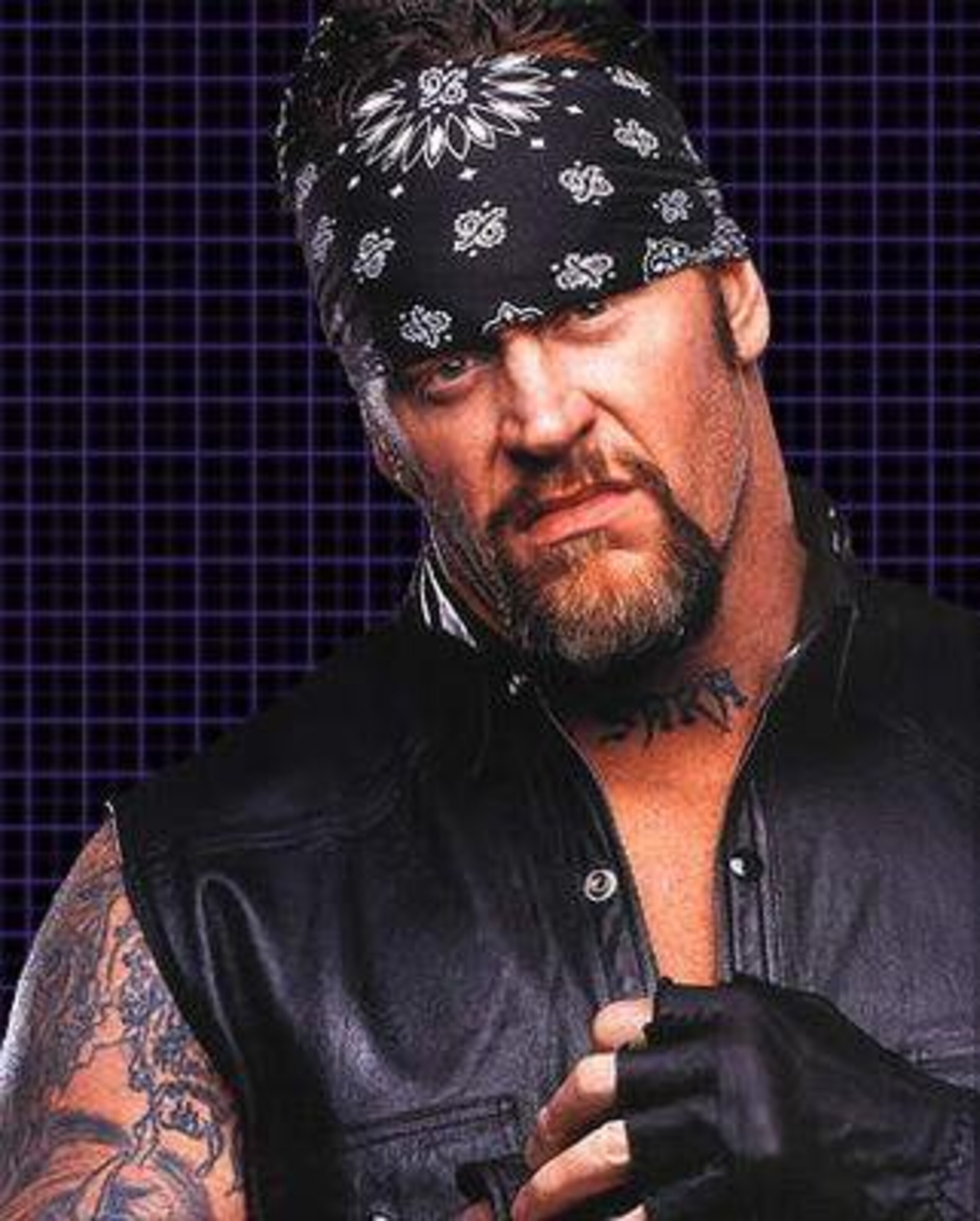
Upon returning from an injury in May 2000, he returned with a new look, new hairdo, new vigor and a completely remade image. Instead of being the zombified, undead, mystic, he was now a biker.
Of course, that's the easiest way to describe how his gimmick had changed. Some call him American Bad Ass Undertaker, due to his entrance using the song "American Bad Ass" by Kid Rock, which heavily samples the song "Sad But True" by Metallica. I'm not sure if he adopted a nickname after changing his theme song to "Rollin'" by Limp Bizkit (Limptaker? Wait, I take that back...please don't tell him I said that). However, he did have a short-lived theme song, appropriately titled, "You're Gonna Pay."
This is the song that came up on my phone's shuffle this morning. For those who haven't heard it, the tune starts with Undertaker's trademark gong, followed by a few footsteps, and then he says "Dead Man Walkin'". Finally, the song hits proper with Southern guitar riffs and a rock and roll vocalist. A couple of the lyrics are a bit cheesy, but the song as a whole, when I listen to it now, reminds me a lot of the man I spoke about in the previous slides.
Making the Connection, Then the Separation
8 of 8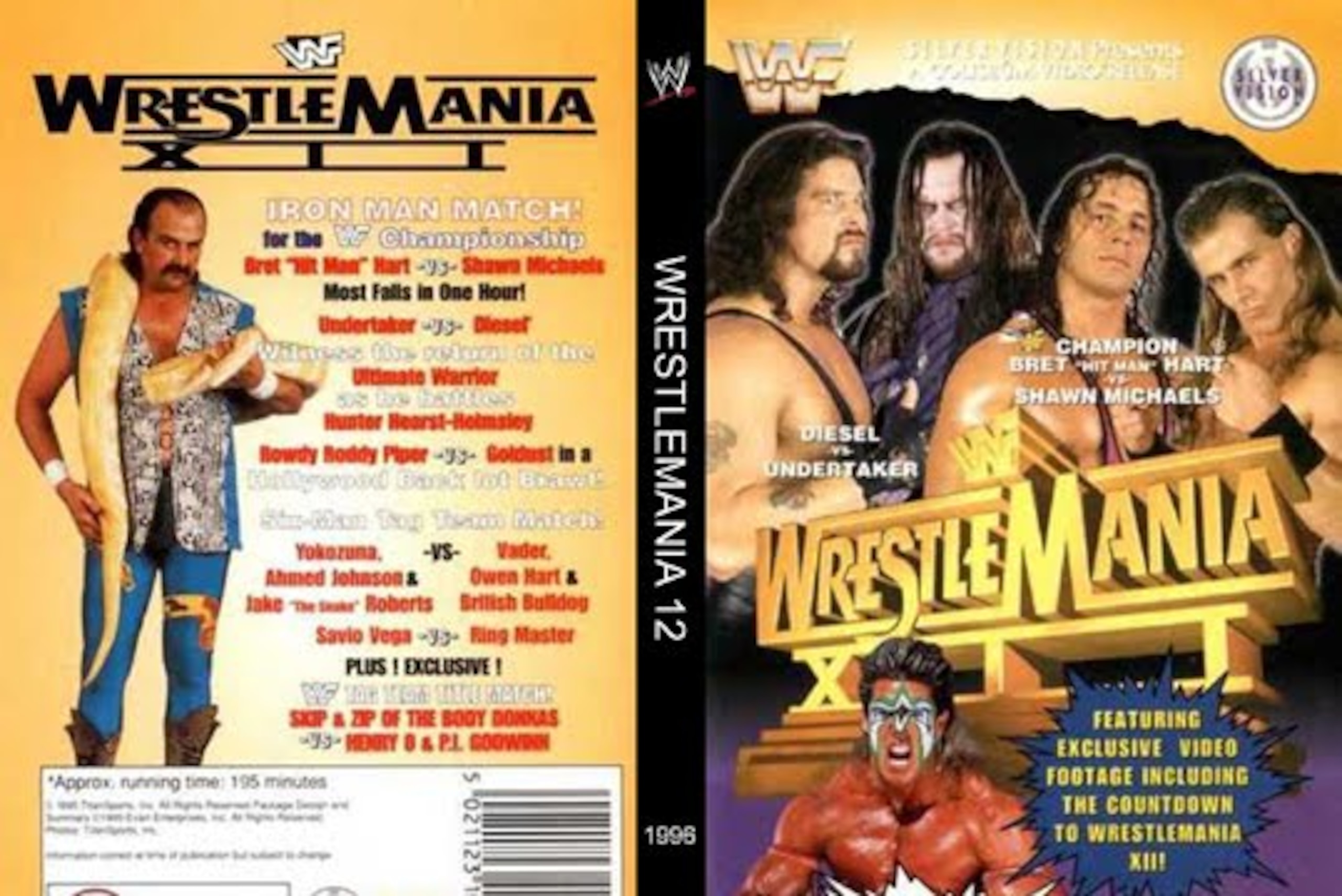
Tough Southern attitude, a love for a good stiff rumble and an appreciation for powerful machines like bikes and trucks. Engines revving, tires speeding off into the distance for either a simple run across country or to haul cargo from Point A to Point B.
Big vehicles were ingrained heavily into these two guys' gimmicks, Big Evil riding his bike to the ring, Diesel entering on an ignition. How can you not see these two meeting in a bar? Both of them order a shot of whiskey, one of them says they're headed out west, the other asks where to? "Cali," Diesel says, "bars out there are dry as a damn bone, have to get 'em some hooch otherwise their men have to go home to their wives sober. Where you headed?" Then Big Evil goes, "...Death Valley."
Awesome! No, Miz doesn't appear in the fantasy, I'm just saying, really sounds awesome to me!
Diesel and Undertaker did in fact meet at Wrestlemania 12, and as we can surmise by his record, the obvious man won the contest. However, Undertaker would not change gimmicks from the darkside to the biker until four years later, and Diesel and pal Scott Hall would leave WWE mere months after Wrestlemania 12, jumping ship to WCW and appearing on Nitro in record time.
So, while Kevin was in WWE as Diesel, Mark Calaway was still the Deadman. Calaway would return in a new form in 2000 and stayed that way for about three years, during which time Kevin Nash would return as Kevin Nash (as opposed to Diesel) with his NWO cronies in 2002. NWO came and went in less than a year and despite Calaway staying in his biker form until after Kevin Nash departed from the company again, Kevin would not appear as Diesel again until his return to WWE in 2011, and by that time, Calaway had already returned to being the Deadman shortly after NWO was dead and gone forever.
Despite meeting on the grandest stage of them all only once in different forms, it seems the characters of Diesel and Big Evil, unfortunately, could never have met one another. But boy, what hell that would've raised!

.jpg?w=2560 "Chiefs, Steelers Eye WR Trades")
.jpg?w=2560 "🚨Jay-Z Headlining Super Bowl")
.jpg?w=2560 "Multiple NFL Trades Predicted")

.jpg?w=2560 "JT's Projected Trade Cost")