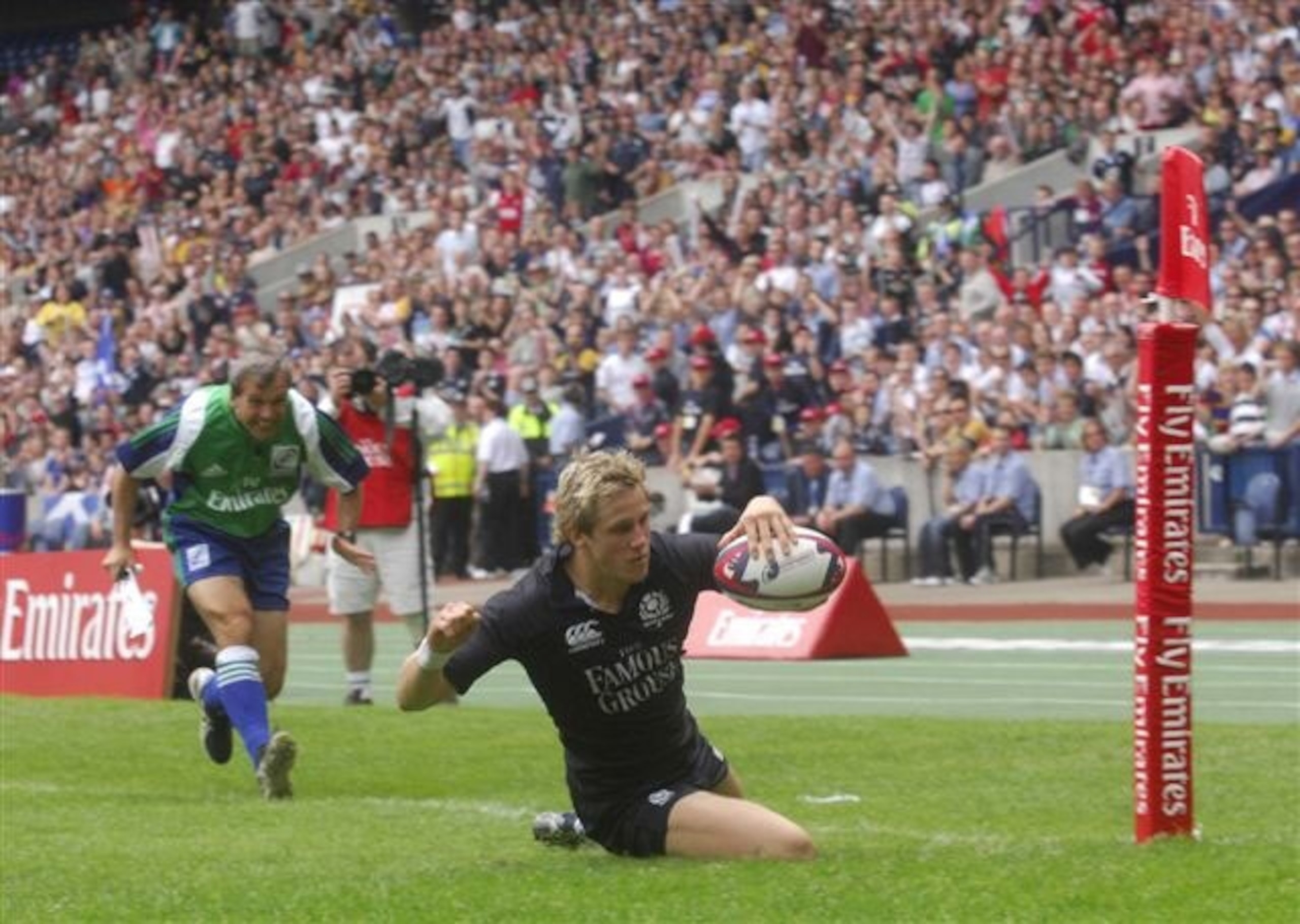

6 Ways Professional Rugby Competitions Can Expand By Looking More Like the NFL
With the Wellington Sevens coming to a close, news has begun to surface of NBC's plans to broadcast the Las Vegas leg later in February. The news demonstrates what many fans already knew: Sevens is expanding to become a global force in the sporting world.
That may be a big call to make, but add to this newfound coverage the facts that it now has a title sponsor (HSBC if you're only reading this because I mentioned professional rugby in the title); is embraced by many nations who would otherwise think that rugby is a cocktail that involves gin; and is set to expand further with its Olympic status.
The prestige of the Sevens Circuit is bringing rugby to many new parts of the world, and the tournaments are now developing a charismatic element of glamour.
Being short and high-tempo, it's easy to market, it's an Olympic sport, has enormous capacity for advertising, and doesn't compete with any major sporting leagues.
What's exciting is that Super Rugby (SR) can take on this kind of glamour too. Sevens is beginning to captivate the imagination of the world, and SR can entertain as rugby's top professional competition.
With Sevens on the rise, SR can grow with it. How? Read on. While I talk about Super Rugby, I'm sure this can easily be applied to the competitions in Europe, Asia, or indeed anywhere.
Cool Story. But Why The NFL?
1 of 7
As a general rule of thumb, a competition that's been running for 45 years can teach a few things to a competition that's been up for 13. More specifically, SR is in a solid position to learn from the successes of the NFL.
There are a few parallels:
*Both competitions have direct 'feeders'. The NFL has colleges and high schools for plucking talent, while SR has the ITM Cup, the Currie Cup, and state competitions.
*Both are hugely popular in their own countries. In New Zealand, for example, SR will dominate almost any sporting event for TV coverage. American football enjoys similar popularity in the States.
*Like the NFL for American football, SR is the highest quality of rugby in the world (excepting international rugby, but that does run a bit differently).
*The conference system is now being used to spread success geographically and enhance local competition and rivalries.
As a model for the future, adopting a few things that have worked for the NFL could lead to SR growth:
*A more even competition. Yes, I'm aware of rubbish teams like the Cleveland Browns, but generally every side has a legitimate shot at a Super Bowl in the next 10 years. Try saying the Highlanders or Cheetahs will win something soon. Exactly. You can't.
*Higher crowds.
*More international players coming over (not a bad thing for domestic economies in itself), leading to increased foreign interest.
*Increased financial success through TV rights and sponsorships.
I must confess that these are indeed optimistic predictions, but I do feel that they are within the realm of possibility to the point of paying oppressive taxes. What follows is my attempt to justify myself with six points for development.
1) Break Into The International Market
2 of 7I'll be the first one to admit that it takes a special kind of madness to think that proper rugby (ie, 15-a-side) will ever become a global sport.
But there are, however, several countries who love it. Many Pacific Islands, for example, are as mad about it as New Zealanders.There are also parts of Europe where it's embraced, and even India it has its own cult following (yes, the team is named after the Wellington-based franchise. Although the fact that it's site is hosted on freewebs does suggest that more money could be pumped into it).
I can see two fronts worth looking at here. First is TV coverage. Currently, games are shown in SANZAR nations where presumably all games get shown, Japan, the UK, and the USA. I'm not too sure how big it is in those countries (perhaps someone would care to enlighten me in the comments section?), but with Sevens on the rise, there could be the opportunity to expand coverage there.
Countries like Georgia, Argentina, or Canada, where rugby is on the rise, might also turn out to be favourable.
The second front is gaining an international flavour in the competition. We've done it before, with players like Rupeni Caucauibuca (shown), Todd Clever, and mainly other Pacific Islanders.
There's plenty of talent out there, and I think that if SR franchises poached international stars (Sevens tournaments are an excellent place to start), and loosened up their rules on imports (allowing them to play in other Sevens tournaments, letting them take leave for international duties, etc), international interest would increase.
2) Increased Focus On Advertising
3 of 7This one wouldn't be too popular among fans. However, why is it that NFL clubs earn solid profits, while EPL ones sink further into the red? Because they shove ads down the throats of consumers on a regular basis. After each drive is a two-minute ad break in which companies pay prime figures to get their word out.
In SR, a similar approach can be adopted. As it is, popular players have their own sponsors. Companies will pay to become the titular sponsor of a segment (the NFL has the "Toyota Half-time Show"). Or you can start casually dropping names, a tactic which the NBA is particularly shameless with.
A favourite of mine during the ITM Cup was having the referees sponsored by optometrists OPSM. Seriously, there are plenty of opportunities to do this kind of thing, and they don't have to be as intrusive as frequently stopping play with a timeout brought to you by Pizza Hut. A bit of creativity can go some way.
As the games pick up in popularity, advertising space becomes more valuable. For example, the famous adverts played to TV audiences during this week's Super Bowl went for around $500,000 each (for 30 seconds of air time).
And besides, with more advertising, the quality of the advertisements can be expected to improve with the extra competition. Attached is one of my favourites, and suffice to say, it's American.


.jpg?w=2560 "Rams Eagles Football")
3) Improve The Show
4 of 7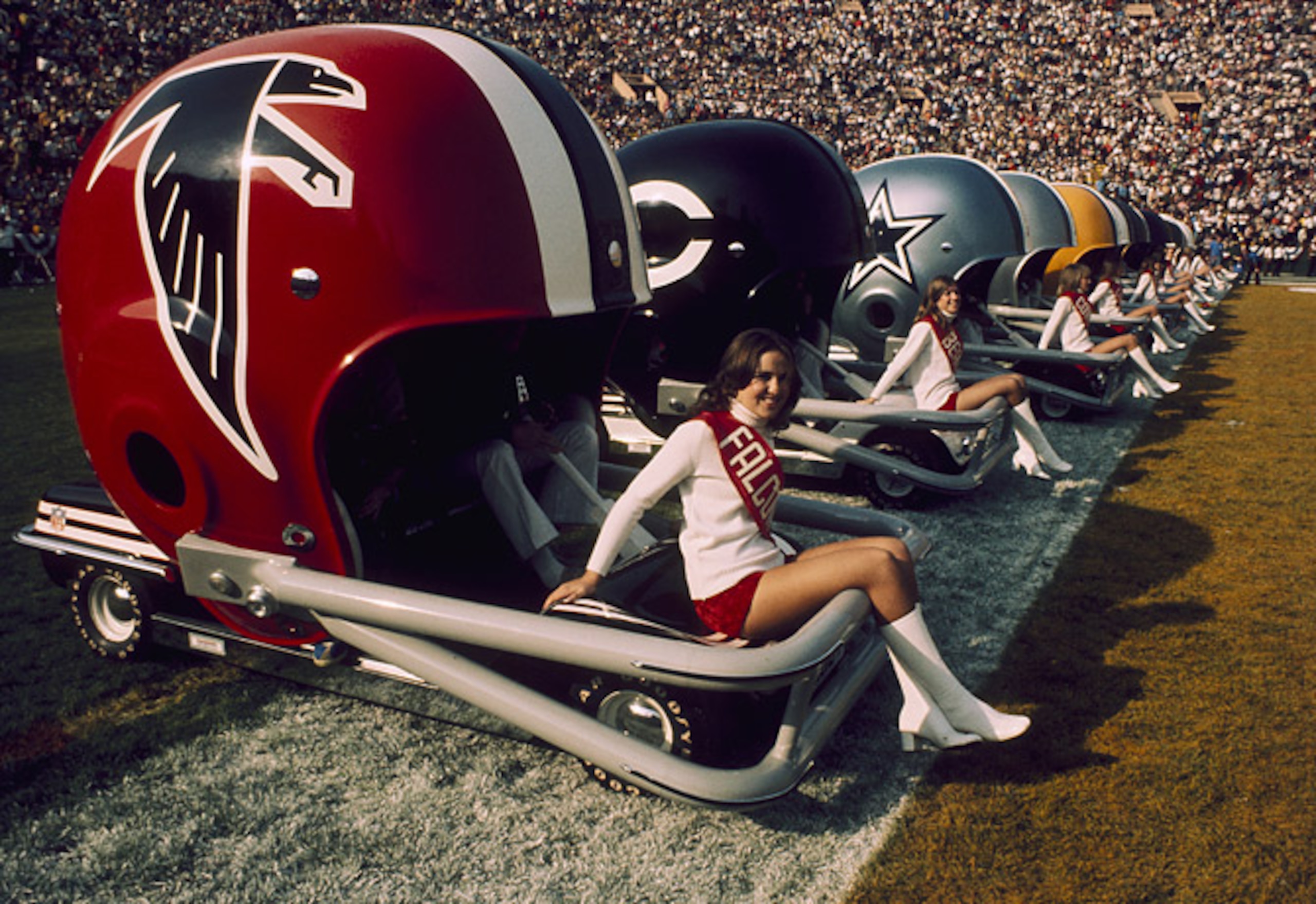
This is one that's been frustratingly neglected by SR. When people go to see a sports match, they're also there to see a good show and have an enjoyable night out.
What the Hurricanes offer is Little League rugby, depressingly bad cheerleaders (ironic, perhaps?), and the occasional zorb race. And I suspect it's a similar story for most other franchises.
With a little bit of effort, the atmosphere can be improved immensely. This is one area where Sevens excels, and a lot of American competitions invest time and money into entertaining the audiences with more than just sports. If people enjoy the show, they're more likely to come back next time.
Things like playing good music spring to mind. But the Super Bowl's also very well known for it's half-time act: the bands get exposure and the game gets more interest. Everybody wins (when it's done well). The NFL and Sevens cheerleaders both have much better choreography, and the American ones are a lot more dazzling to watch.
As with the point on advertising, the options are only limited by SANZAR's creativity (admittedly that is rather a grindstone).
For another idea, if they developed a deal with the stadiums allowing them to lower the prices of their food even marginally, that might get more people coming in. Seriously, paying $6.50 for a bottle of "beer" that tastes more like river water is not cool.
4) Exhibitionism
5 of 7
I'll leave you to develop your own Freudian references, but what I'm talking about is more exhibition matches: games that are played for the sake of an enjoyable spectacle to increase publicity.
This is more something that ties in with the NBA. While the NFL sees success with the "Pro Bowl" every year, the NBA's "All Star Weekend" is generally something to behold.
Games like "NZ All Stars v Australia All Stars" are hardly viable, as they already exist (it's called the Bledisloe Cup). But something like "North Island v South Island" or a "State of Origin" series that the NRL has in Australia could be a success. Add smaller scale shows and you have yourself a winner.
Who is the fastest winger in SR? Which forward pack can push a scrum machine 10 metres first? Who's the best goalkicker? Who would win between NZ's rookies or Australia's rookies? What if they were in sevens format?
Questions like these can all easily be answered. I would be in favour of an "All Star Weekend" system where things like that happen. Either the three conferences could be left to do their own thing in a premeditated bye week, or something competition-wide could be organised.
And why stick to internal ideas? European rugby benefits from the Heineken Cup, a 'Champions League' for rugby, of sorts. A 'Club World Cup' system could easily be adopted, where the SR winner faces the Heineken Cup winner. Alternatively, the competition could be expanded to the top four of each competition.
Here's another idea: The SR winner goes on tour to play against national teams around the world. With that, you can also break into the international market better (see the first point). You also have a bigger audience, advertising becomes more valuable...
5) Gambling
6 of 7
Lawyer Alfred Hanlon described it as "the pursuit of free money," and something that will never leave society for that reason.
In the United States, the "Over and Under" bet is a very popular one with pundits for NFL matches. When people place bets, they take an immediate interest in the game, so it serves as another way to get people either turning up to games or watching them on TV.
Super Rugby would do well to strike a deal with the gambling institutions of the countries that show it. They can work to get more exposure of the various options and on developing more of them.
The institutions see their profits rise with more punters, and SR sees its profits rise with more interest in the games.
And yes, that probably is the most random use of an image you will see on Bleacher Report.
6) Adopting a Draft System
7 of 7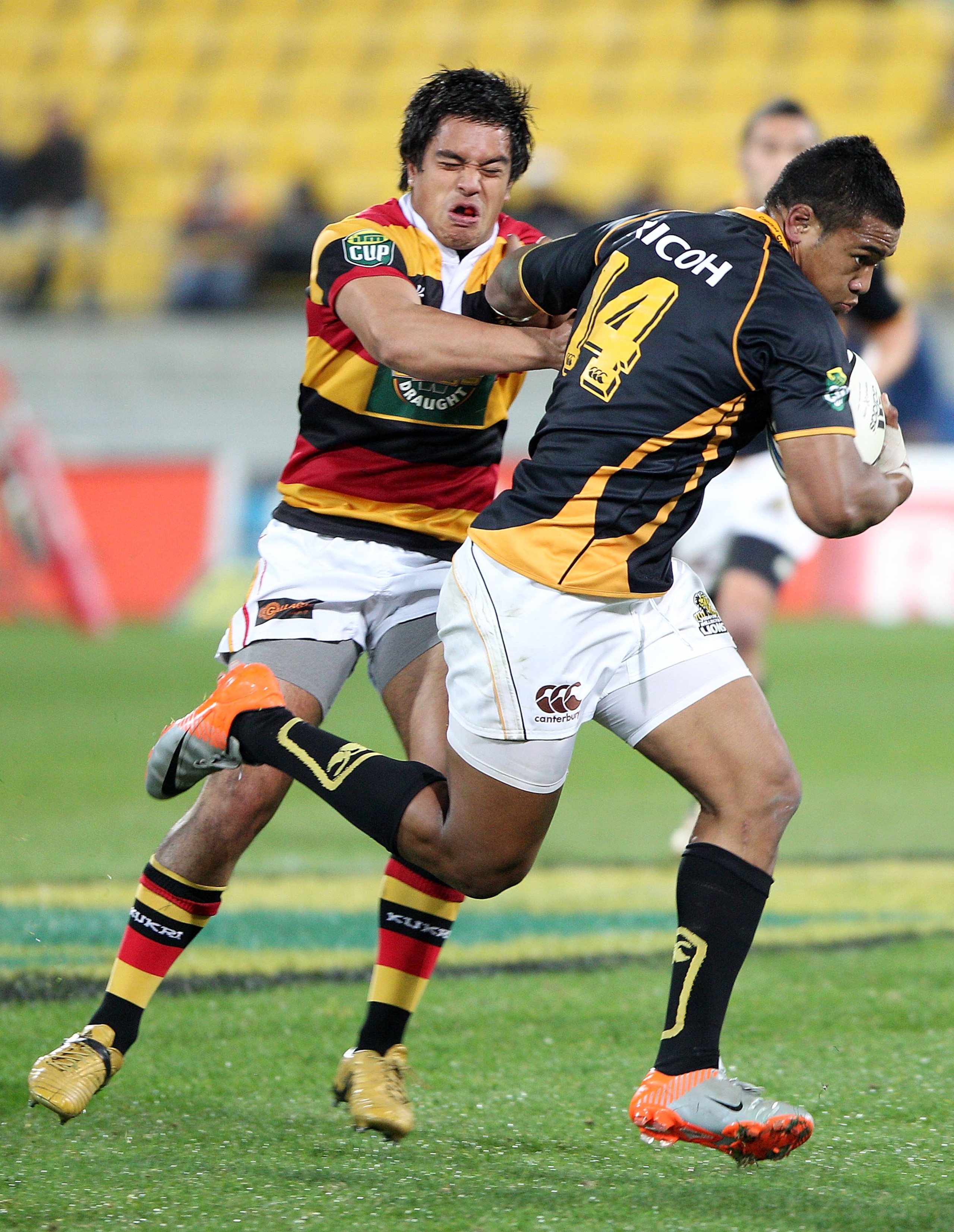
Of all my suggestions, this is the one that's probably the most controversial as to whether it's viable, or if it would even work.
The gist of the draft system is this: A definitive list of players available is drawn up by the bigwigs, then teams get turns at picking players they want. In the NFL, each team gets seven rookies a year.
When a team picks a player, they get exclusive rights to signing a contract with that player. What makes this interesting is that first pick always goes to the worst performing teams.
To tweak it to fit SANZAR's regulations: Each confederation draws a list of players available for a rookie year in SR (remember what I said about feeder competitions?).
The teams, in reverse order of the previous year's standings, then take turns to pick a player or two at a time until all rosters are filled (a maximum of 30 players are allowed). Rules could be implemented about development leagues, young players and other such things.
Teams like the Highlanders get first dibs on that prodigy who's just had a spectacular breakout season, while the Crusaders have to settle for the mildly talented lock who only got a chance because of an injury to another player.
Over time, the Crusaders' players retire and head off-shore, while the Highlanders' young prodigy has developed into a superstar.
In the long term, it should level out the competition dramatically, making it far more interesting to watch, and it prevents nasty bidding wars for that prodigy, who likely would have gone to the Crusaders for an inflated price. It also places more emphasis on longer contracts and should develop franchise players.
But it also has its downsides. The system requires good will from the 'feeders' who know that their player may well not come back for the ITM/Currie Cup, and the co-operation of all conferences (if South Africa didn't implement it, the Bulls and Stormers would dominate even further).
Another problem is that it would possibly disincentivise local development. Why would a state like Queensland want to develop a young player only for him to be shoved to the middle of nowhere (or worse, Western Australia)?
The other main criticism is that it may not even work. Once the Highlanders' prodigy comes off contract five years later, what does he do? He has every reason to head to the Crusaders (who will be better-performing if the system hasn't started working by then), and the situation's worse in Australia, where geography becomes a stronger factor.
If these can be overcome, a draft system would be extremely beneficial for SR. In fact, of my list, I'd say this is the one that most deserves a look.
.jpg?w=2560 "Texans-Mixon Released Football")
.jpg?w=2560 "Commanders Eagles Football")

.jpg?w=2560 "Grading WWE Raw 🔠")
.jpg?w=2560 "Mahomes' Wife Trolls Kubiak 💀")

