
Forecasting the Future: 10 Bold Predictions for the 2011 Sprint Cup Season
With Daytona testing already well under way, the 2011 NASCAR season is upon us. In less than a month, the green flag will drop on the Daytona 500. Major rule changes have already been announced (drivers are only allowed to run for the championship in one series), and more could be on the way (how points are awarded).
Some aspects of the upcoming season are easy to forecast. Jimmie Johnson will probably win the championship—why would you pick a against someone who's won five straight? Kyle Busch will win races and throw tantrums, and cars will start-and-park in an effort to get by.
But what will happen beyond these certainties? It's time to make some bold predictions for the Sprint Cup season. Strap in and read on to find out what's going to happen.
If it's wrong, you get your money back.
1. 2 Drivers Will Win Their First Sprint Cup Race
1 of 10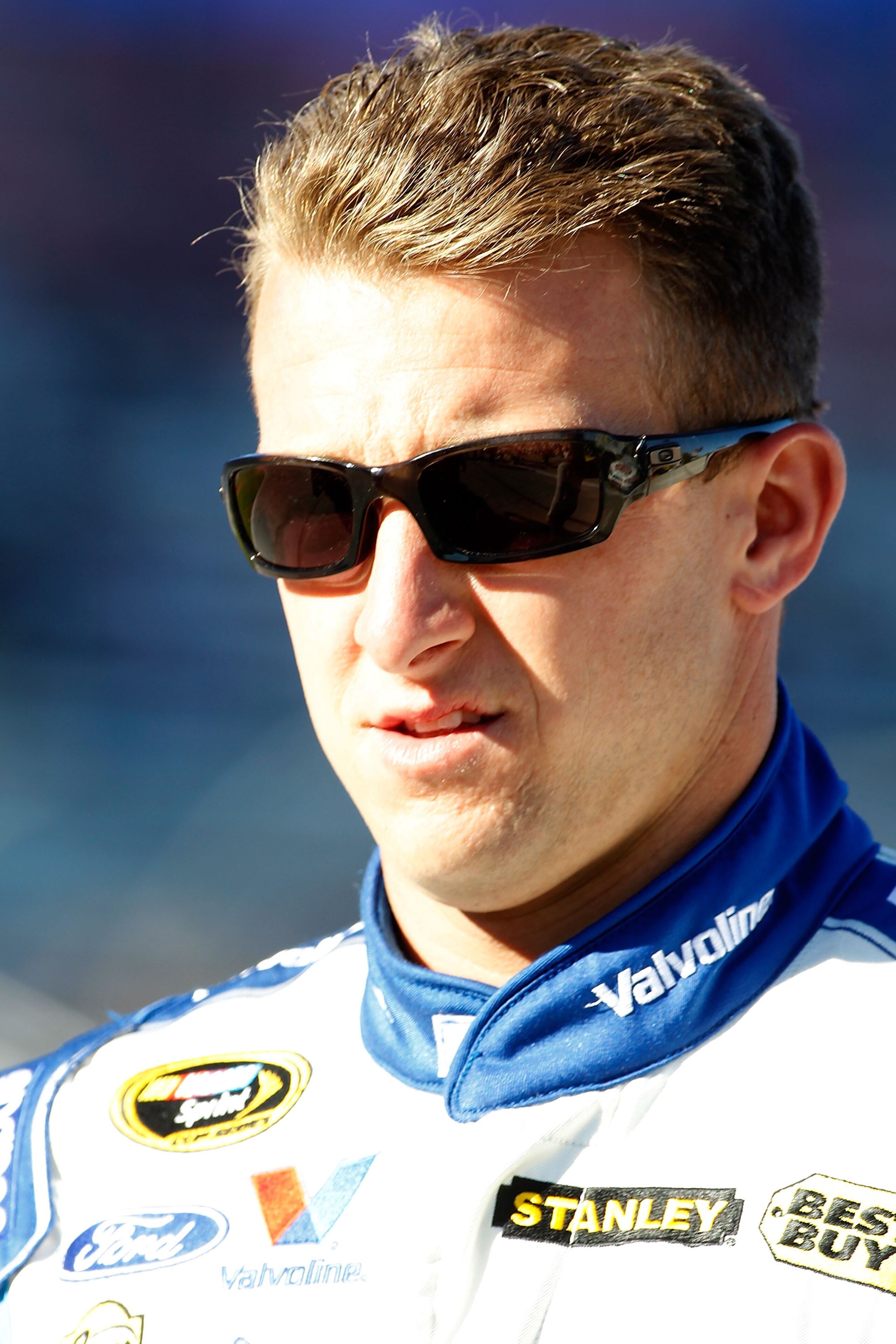
Seeing even one first-time is nowhere near a certainty. 2010 was the second time in three seasons that there were no first-time winners in Sprint Cup. Additionally, this is the first year in four decades that no rookies are scheduling to run full-time in NASCAR's top series; the closest is Trevor Bayne, who will pilot the No. 21 Wood Brothers Ford in 17 events.
But there are plenty of drivers on the cusp of breaking through. A.J. Allmendinger finished 19th in points in 2010—the best of his career—and is now the featured driver at Richard Petty Motorsports. Paul Menard also showed marked improvement with six top 10 finishes (compared to two in his first 111 races), and now joins a Richard Childress Racing team that put all three of its cars in the Chase.
Marcos Ambrose should have won his first race at Sears Point (note to drivers: never shut off the engine when going uphill). Though his move to Richard Petty Motorsports may be a lateral one at best, he'll still be a threat on the road courses. Add in drivers like David Ragan and Regan Smith, who've shown flashes of competitiveness, and a pair of first-timers wouldn't be that surprising.
2) At Least 4 Former Sprint Cup Winners Will Return To Victory Lane
2 of 10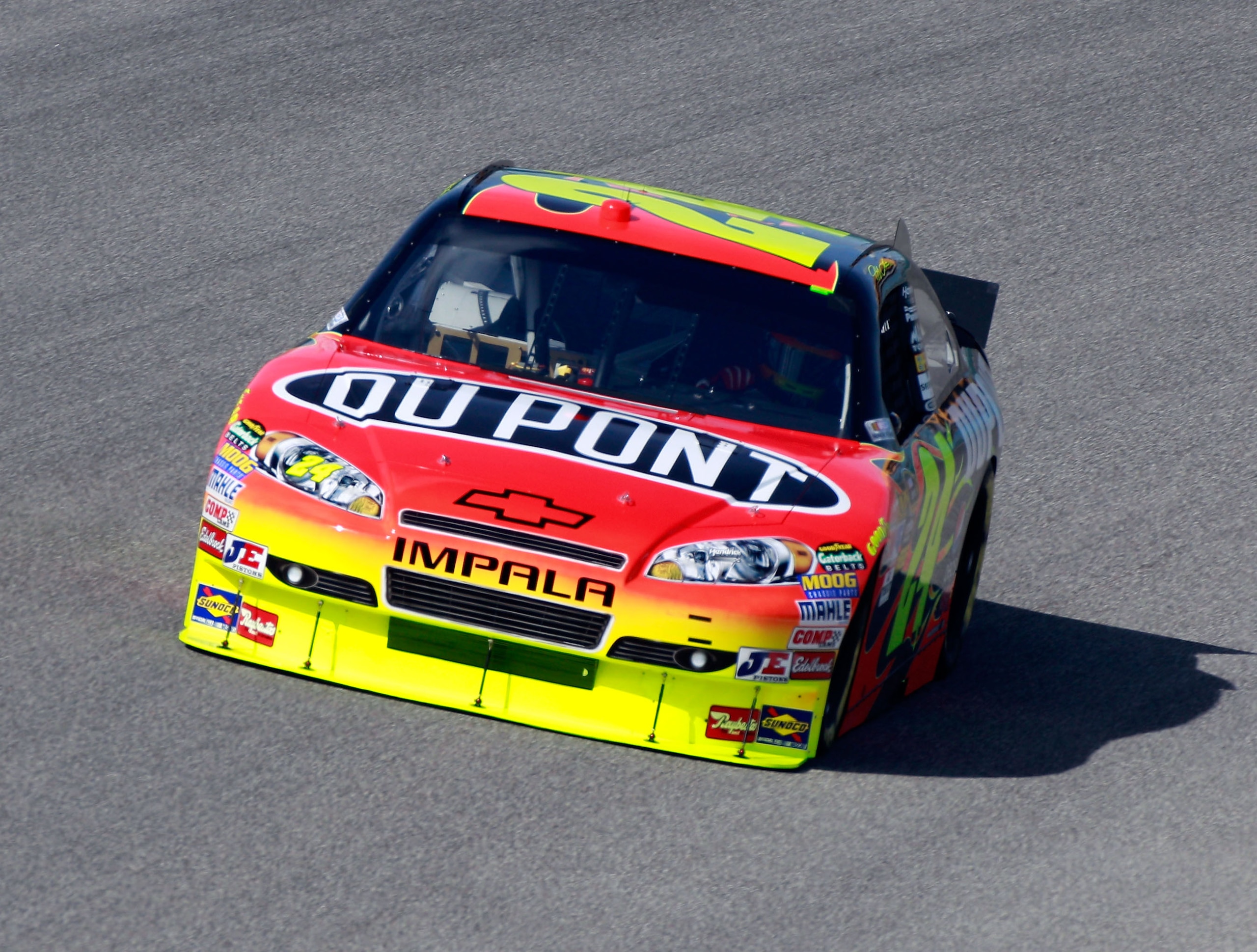
Sound crazy? Consider some of the former winners who were shut out in 2010:
- Jeff Gordon
- Matt Kenseth
- Jeff Burton
- Mark Martin
- Kasey Kahne
- Dale Earnhardt Jr.
- Joey Logano
- Martin Truex
- Brad Keselowski
- Bobby Labonte
Admittedly, not all those drivers are regular contenders, or even running a full-time schedule. But six of them had at least a half dozen top 10 finishes last year. When you're consistently that competitive, it's usually only a matter of time before circumstances fall your way.
3) 2 Multi-Time Winners in 2010 Will Get Shut Out in 2011
3 of 10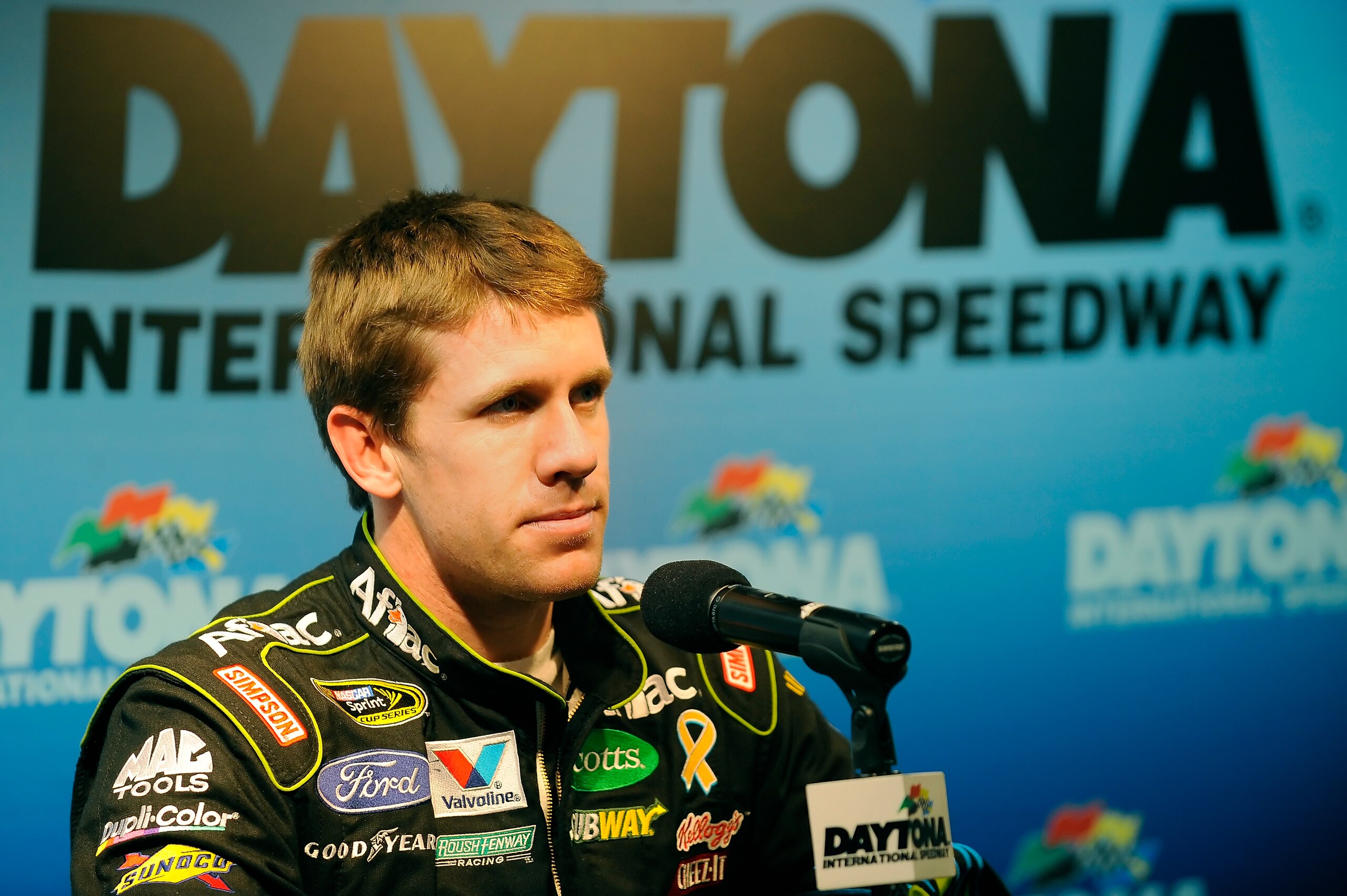
This would actually be a step down from last year, when three multi-race winners from 2009—Matt Kenseth, Mark Martin and Kasey Kahne—failed to find Victory Lane. Here are the drivers eligible for this dishonor in 2011:
- Denny Hamlin (eight wins)
- Jimmie Johnson (six)
- Kyle Busch, Jamie McMurray, Kevin Harvick (three)
- Greg Biffle, Carl Edwards, Clint Bowyer, Kurt Busch, Tony Stewart (two)
It wouldn't be unprecedented for Hamlin or Johnson to go winless. Carl Edwards was shut out in 2009 after winning nine races in 2008, and Kasey Kahne was without in 2007 after taking six checkered flags in 2006. Considering their history, however, it's not likely. The best bet is drivers who have been inconsistent from season to season during their careers. So if you're the betting sort, pick two of these drivers to put your money on:
- Jamie McMurray (only has wins in three of his eight full seasons)
- Kevin Harvick (went 115 races without a win before last year)
- Clint Bowyer (only one of his wins has come without already being in the Chase)
- Edwards (has two winless seasons, and came close to making it three—out of his six in Sprint Cup—before winning the final two events of 2010)

_0.png?w=2560 "CFB Top 25")
.png?w=2560)
4) Another Track Will Lose a Date to Realignment
4 of 10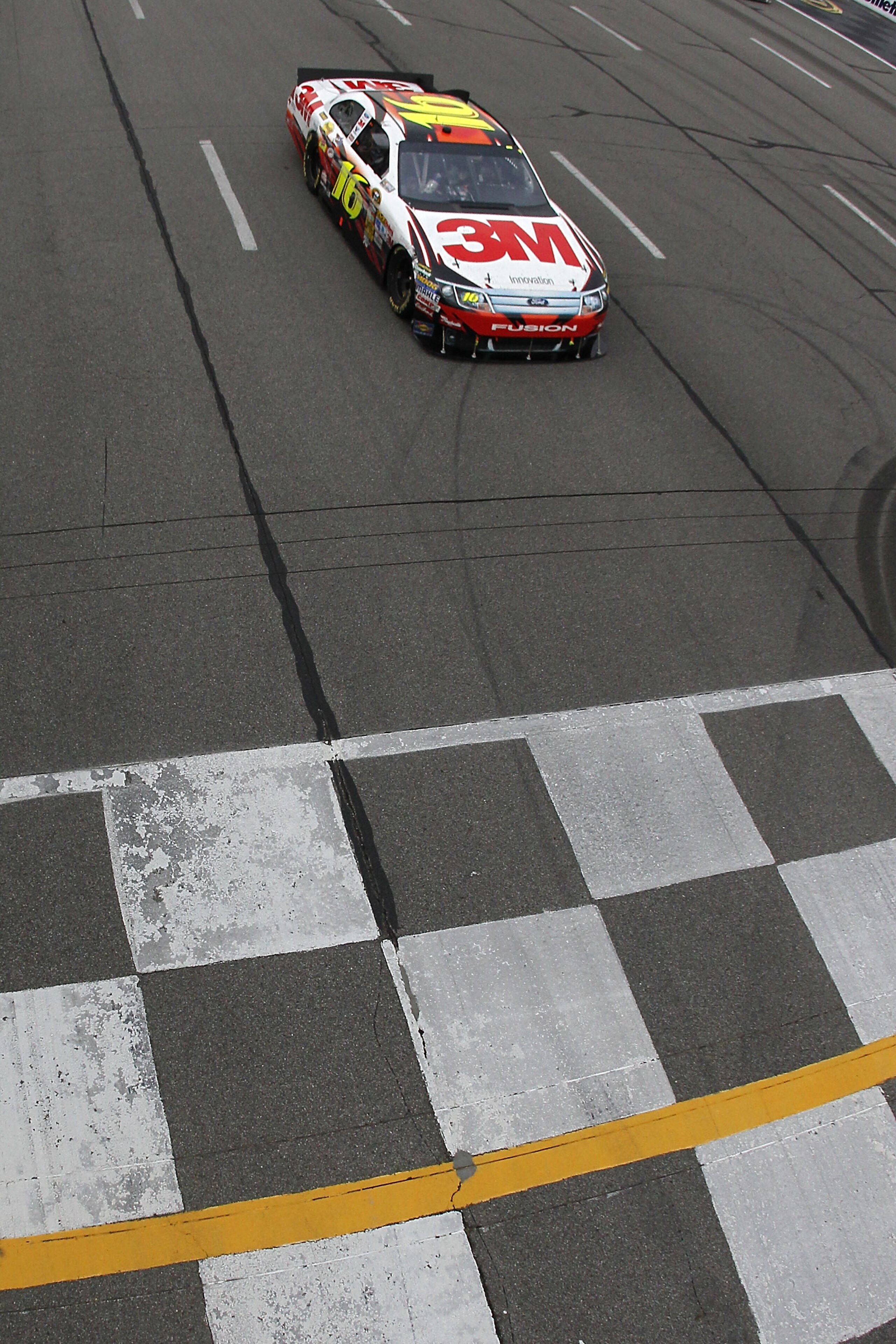
This year, two tracks with multiple events—Atlanta and California—each were cut back to one. Both moves were surprising; Atlanta because it had hosted two races every year since 1960, California because NASCAR had spent the last seven years trying to shove two races down fan's throats.
With Bruton Smith still wanting a second date for Las Vegas and Nationwide-only tracks such as Iowa and Nashville potentially waiting in the wings, it seems inevitable that the track lineup will change once again. Here are the most likely candidates to get "realigned":
- Martinsville: NASCAR has shown little hesitation to cut ties with its Southern and short-track routes in the past. (See: North Wilkesboro, Rockingham, Darlington). With Martinsville having the lowest seating capacity of the remaining short-tracks, how much longer will being the last original circuit mean anything?
- Pocono: Drivers and fans have long questioned why a track so far from any major market still has two races—and 500 miles each, at that. It gets points for its unique layout and attendance usually breaks 100,000, but TV perception may be more important.
- Dover: Announced attendance has fallen from 133,000 (its capacity) in 2008 to 88,000 in 2010. That's not good.
- Michigan: The midwest market just got a lot more crowded with a second date at Kansas and a new race at Kentucky. Yes, Michigan is the center of the U.S. automotive industry, but the perpetually poor state economy doesn't help matters.
- New Hampshire: Bruton Smith threatened to move a date this past year after a dispute regarding the cost of track security. Proponents could always point to the fact that every Sprint Cup race ever held at the track had sold out—but that streak came to an end last June.
5) Sprint Cup Drivers Will Still Win at Least 2/3 of the Nationwide Races
5 of 10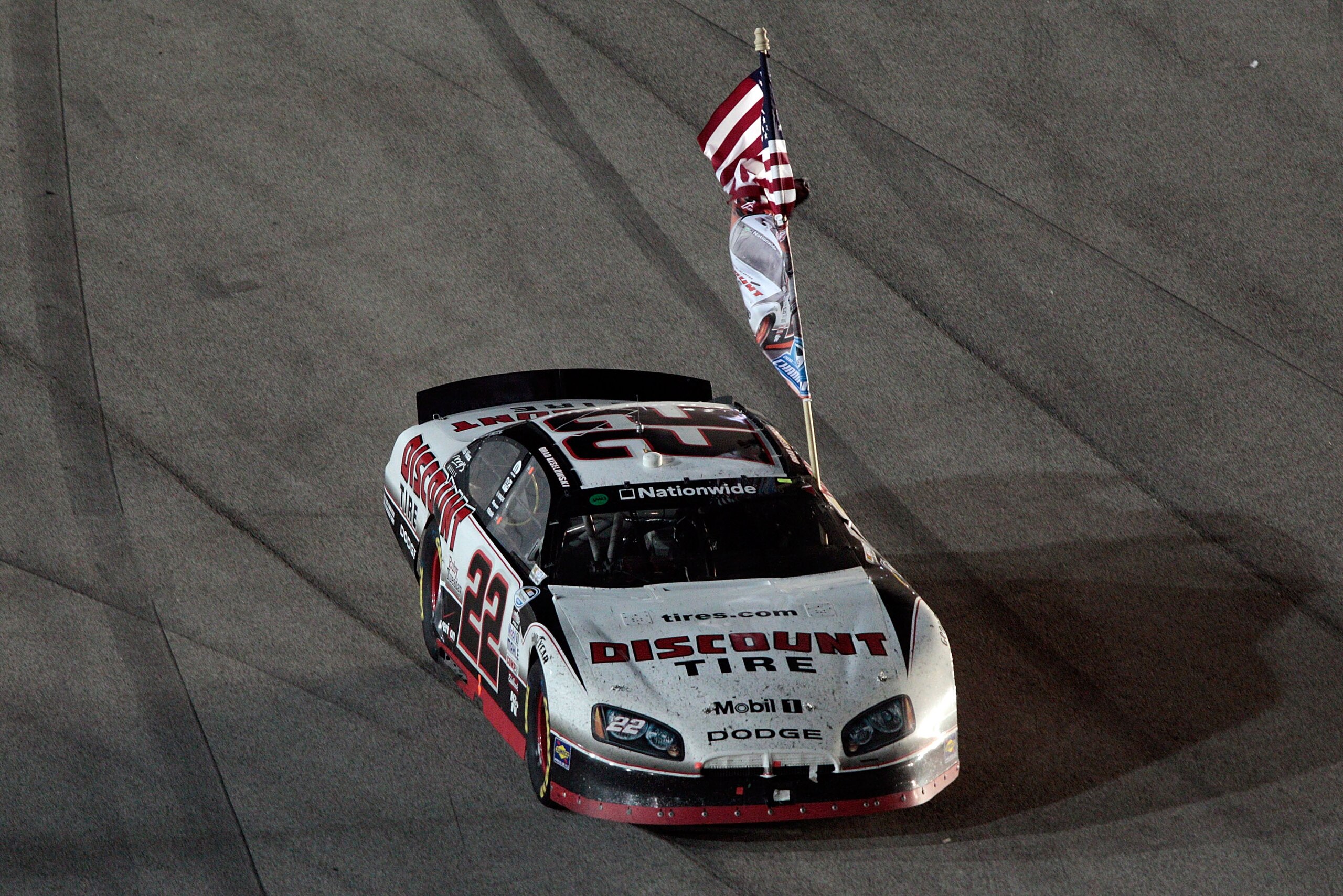
Yes, full-time Sprint Cup drivers will no longer be allowed to run for the championship in NASCAR's Triple-A series. But only three such drivers—Brad Keselowski, Carl Edwards and Paul Menard—ran the full schedule last year anyway. The others who stepped down a level, including series-wins leader Kyle Busch, ran partial schedules and thus weren't competing for the driver's championship anyway.
In other words, most of the Buschwackers were chasing two things: wins and owner points. And the new system doesn't prevent them from earning either. Nationwide-only drivers will certainly win more than one race this year (congratulations, Justin Allgaier), and take the championship as well. But as long as 26 of the 34 Nationwide races are held in companion with the Cup series—27, if you count Indianapolis Raceway Park—Cup drivers will still dominate the individual events.
6) Neither Red Bull Racing Team Will Make the Chase
6 of 10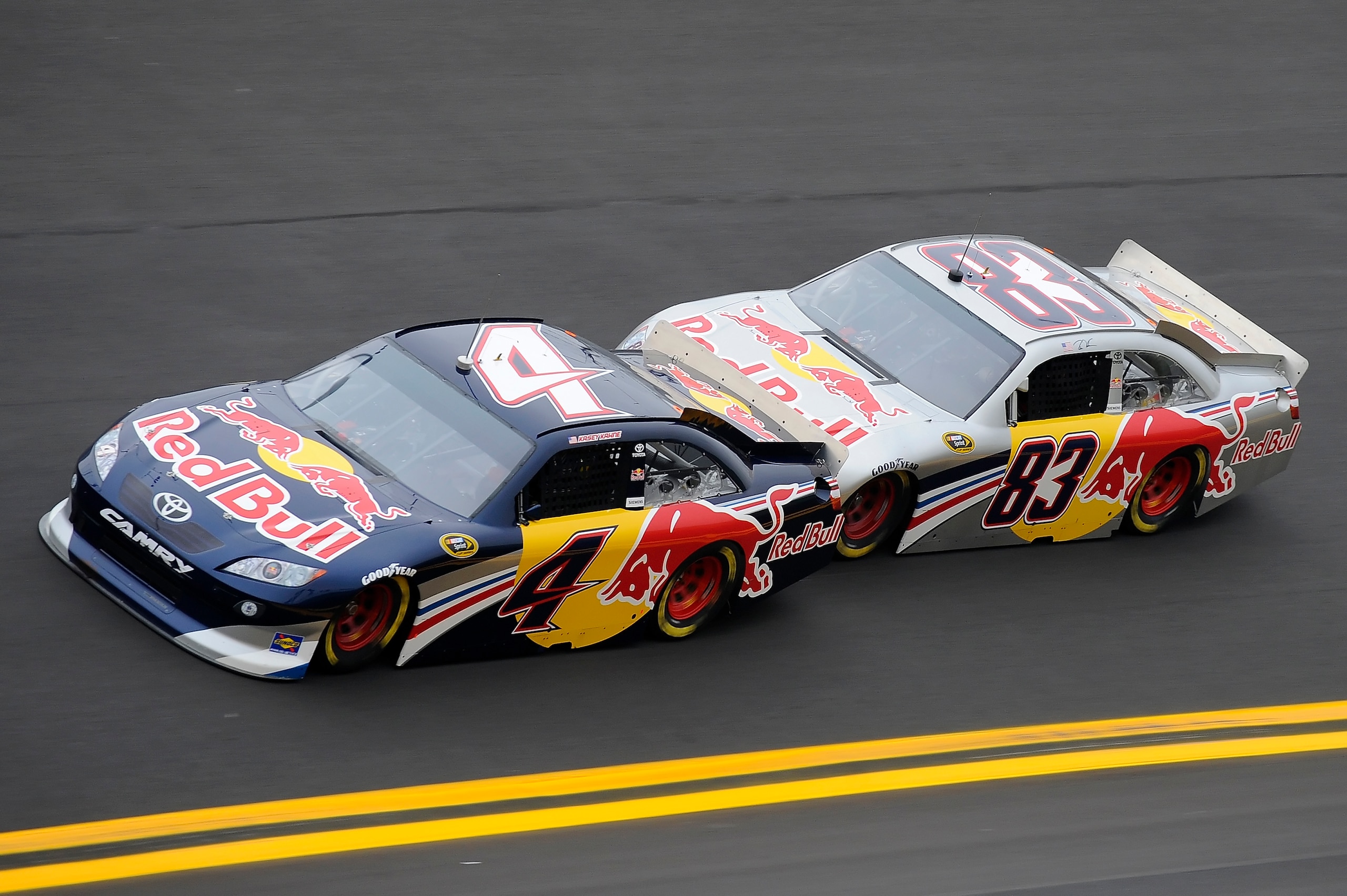
Red Bull Racing has been a trendy pick for a strong year.
But consider the situation.
Their top driver (Kasey Kahne) is doing a one-off lame duck year while he waits for a Hendrick Motorsports ride to open up—how hard is he going to try for a team he already knows he's leaving? Their other driver (Brian Vickers) missed most of last season due to blood clots, and his health is still uncertain—not to mention any potential anger about being demoted to second fiddle.
But then there's the simple fact about RBR: they're not that good. Even if your discard their wretched first season of competition (2007), the team has an average owner points finish of 26.5. They have one win and one Chase appearance, both by Vickers in 2009—and he promptly failed to record a single top 10 finish during said Chase.
Their cars can go fast is spurts—Vickers won six poles in 2009—but they have yet to show they can consistently contend for wins and championships, regardless of who's behind the wheel.
7) A New Point System Will Have No Impact on the Championship Race
7 of 10
It's not official yet, but it seems inevitable that NASCAR will announce a new way of awarding points—43 for the winner, descending by one point per position down to a single point for last place. There would also be bonus points for winning races and leading laps.
But apart from the sheer volume of points, it's not much different from the old system. If anything, it provides less of a reward for top finishes, since it doesn't have the increase in points per position (going from 3 to 5) for the top 10. (It also has less of a difference between last place and failing to qualify.)
In the end, the championship will still go to the Chase driver who has the fewest bad races. If you don't want Jimmie Johnson to win the championship, get rid of the Chase—he didn't win a title before it existed.
8) No Team Will Put All of Its Cars in the Chase
8 of 10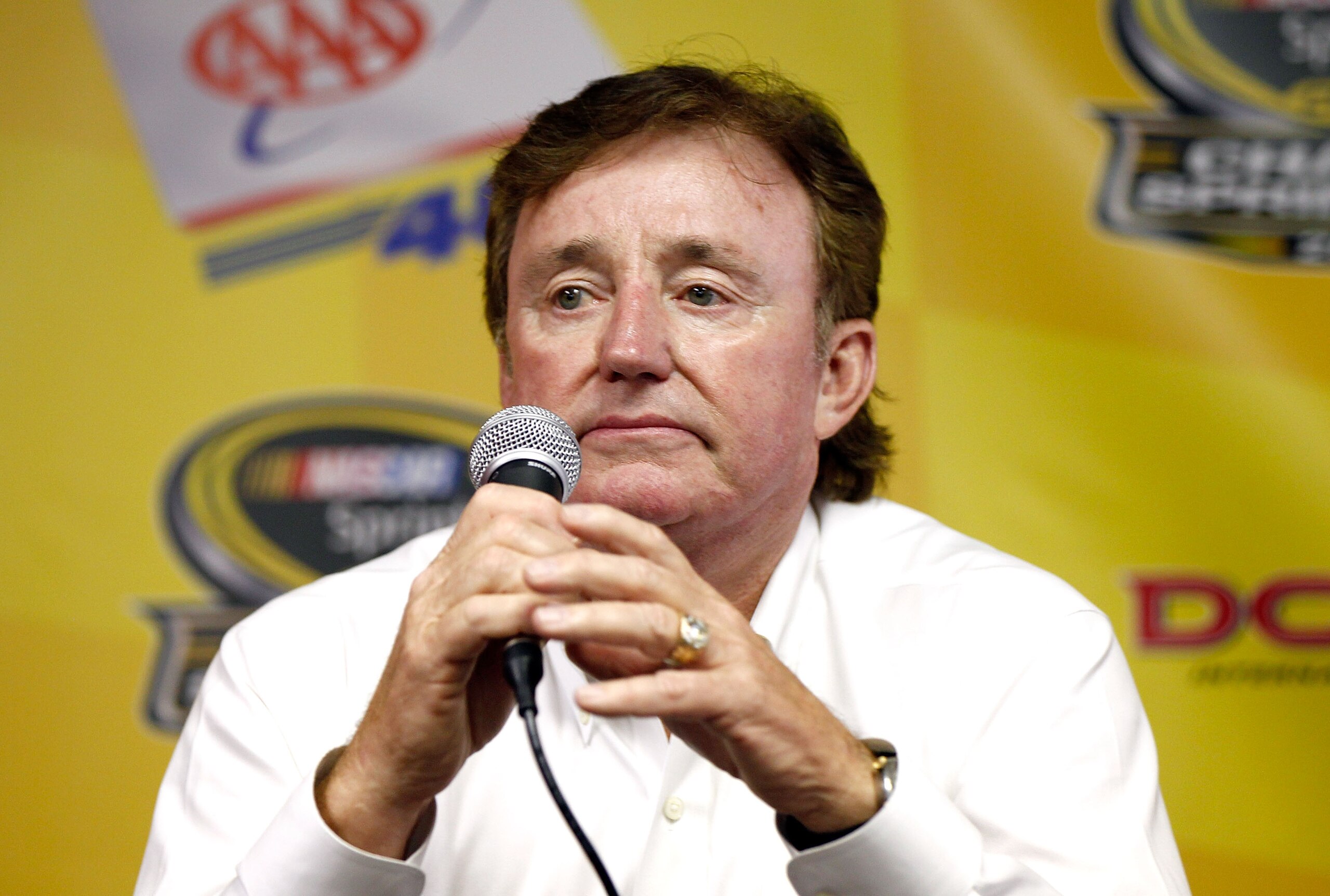
Since the Chase expanded to 12 cars in 2007, at least one team has put all of its cars in every year. Three of those times, it was done by Richard Childress Racing. Here's the breakdown:
- 2010: Richard Childress (three cars)
- 2009: Stewart-Haas Racing (two cars)
- 2008: Joe Gibbs Racing (three cars), Richard Childress (three cars)
- 2007: Richard Childress (three cars)
The one year that RCR didn't have a clean sweep was 2009, when the team expanded to four cars—none of their cars made the Chase that year. RCR goes back to four cars again this year with the addition of Paul Menard. They won't get shut out this year, but all four is asking too much.
The streak of teams, though, is coming to an end this year. There are simply too many strong teams for any one to be that competitive across the board. If a team does somehow manage to get all of its cars in, it would be a strong two car team like Stewart-Haas or Earnhardt Ganassi, or possibly a three car team like Joe Gibbs. Four cars is simply spreading oneself too thin to have every car running at a championship level. Just ask Dale Earnhardt Jr. at Hendrick, or David Ragan at Roush Fenway.
9) Mark Martin Still Won't Be Able To Walk Away
9 of 10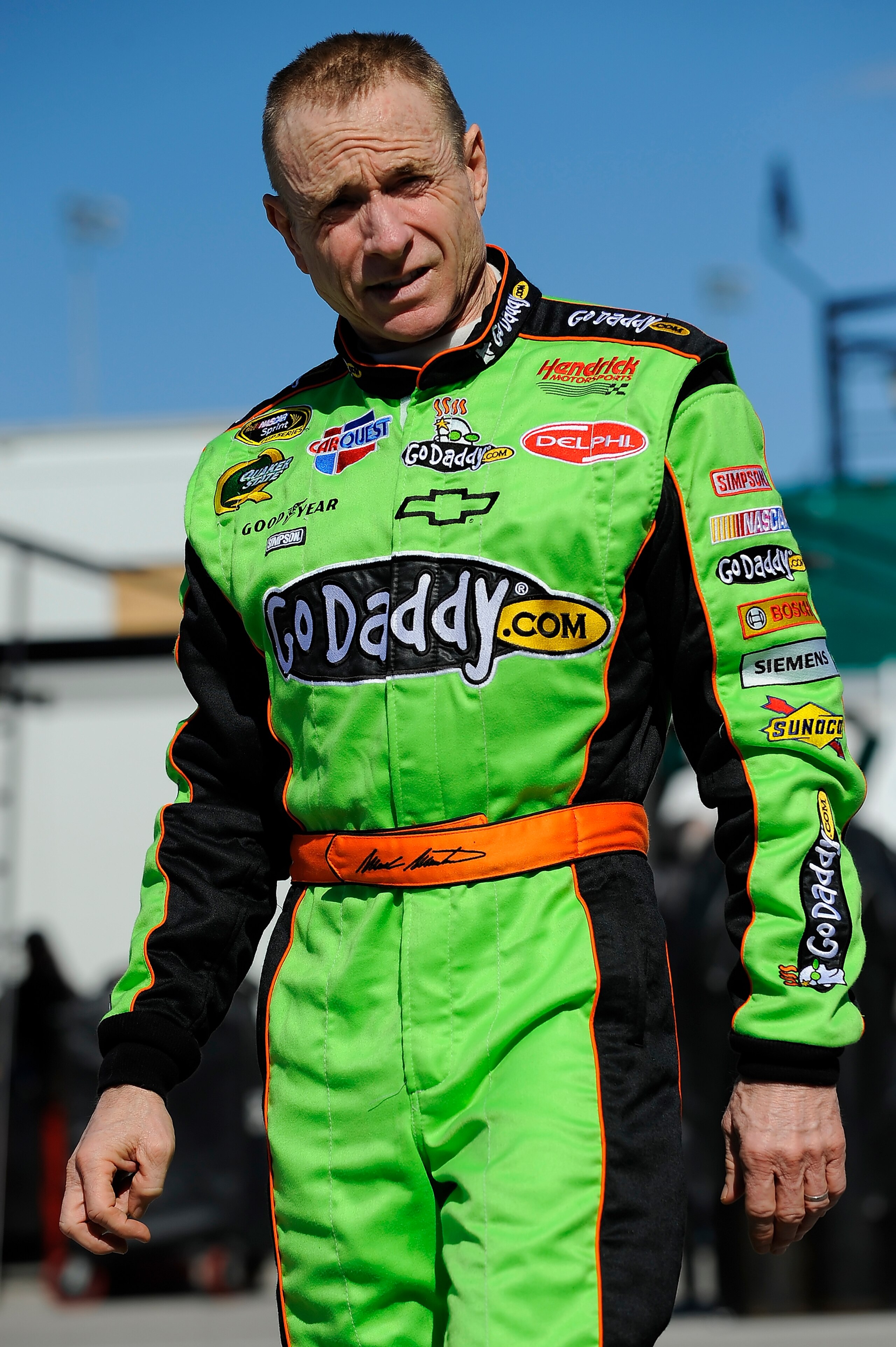
Didn't Mark Martin retire from full-time Cup racing about 20 years ago?
It sure seems that way. Since his "Salute to You" tour in 2005, Martin has run three full seasons and most of two others. He fell off significantly last year from his five wins and second place points finish in 2009, but still posted four top eight runs in the final seven races.
With part-time rides lined up in the Nationwide and Truck series as well, Mark may be busier now than ever before. He has no choice but to leave Rick Hendrick after this season—unless Hendrick fires Dale Jr., which won't happen—but the crystal ball says that Mark will run well enough this year that he'll want "one more shot" at a championship. A return to Roush Fenway to replace David Ragan? A third car at Stewart-Haas or Earnhardt Ganassi? Stay tuned.
10) TV Ratings Will Continue To Decline, Unless the NFL Gets Locked Out
10 of 10
Everyone knows that the NFL is and will continue to be the most popular spectator sport in America—everyone, that is, except for NASCAR executives. NASCAR either can't or won't realize that they have no chance of competing against a sport where a mediocre midseason game outdraws a World Series matchup, no matter how many gimmicks they try.
But why does the NFL get so many viewers?
Because of the on-the-field product, that's why. And that's an area where Sprint Cup still does not compare. All of the things that NASCAR has introduced and changed over the past decade—the Chase, the Car of Tomorrow, the start times, the track realignments—have done little (with the possible exception of "Boys, Have At It") to improve the actual racing. The modern fan has no interest in watching drivers dog it for 180 laps before giving it all in the final 20. That's just not exciting.
NASCAR's best hope is that the NFL does get locked out, since then more people will likely watch, simply because there's no football on. Then again, if there's a lockout and ratings are still in the toilet, it would be a pretty strong statement about the sport having already peaked.

.jpg?w=2560 "Colts Football")




