The Shot Clock, 3-Point Line and The 25 Best Rule Changes in Sports History
Everyone hates change. When something as popular as a professional sport undergoes a rule change, there will always be an uproar.
But, the fact of the matter is, rule changes helped make sports what they are today.
Can you imagine if basketball games still ended with scores of 8-4? Or if the NFL still banned forward passes? Or if baseball players were still allowed to do steroids without consequence?
So, with all the recent controversy over the NFL's new overtime rules and rules on head-to-head hits, it's important to remember that we will one day look back on the rule changes and see them as a positive rather than a negative.
With that being said, here are the top 25 rule changes in the history of sports.
25. NFL Playoff Overtime Rules
1 of 25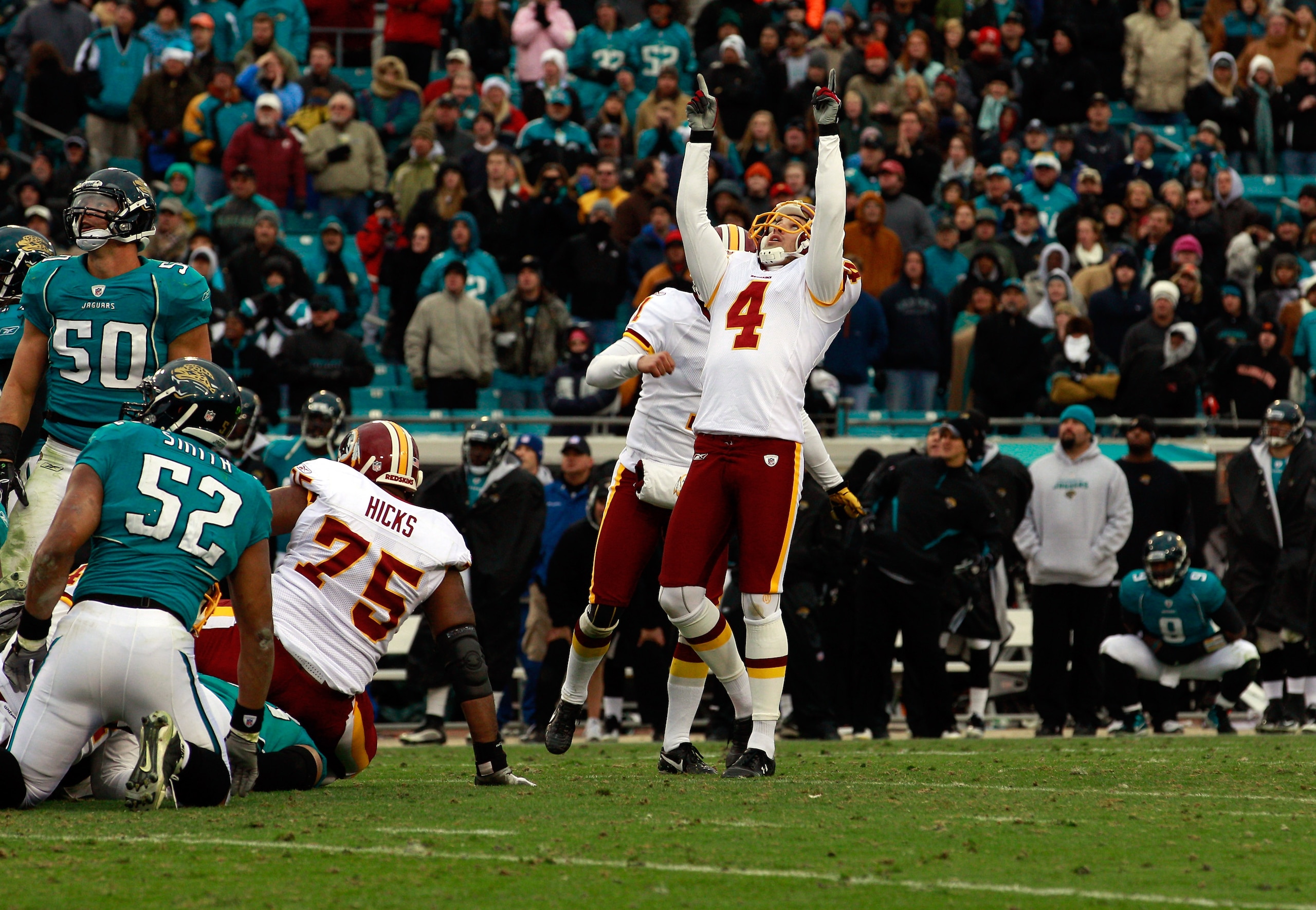
The new playoff overtime rules are confusing.
It's anyone's guess why the NFL would implement them for the postseason but not for the regular season.
But, there is one positive in that no longer will a team be able to kick an anti-climactic field goal to win a playoff game on the first possession of overtime.
Though it makes coaches' jobs harder, it'll be more exciting for fans to watch.
24. Moving The College 3-Point Line Back
2 of 25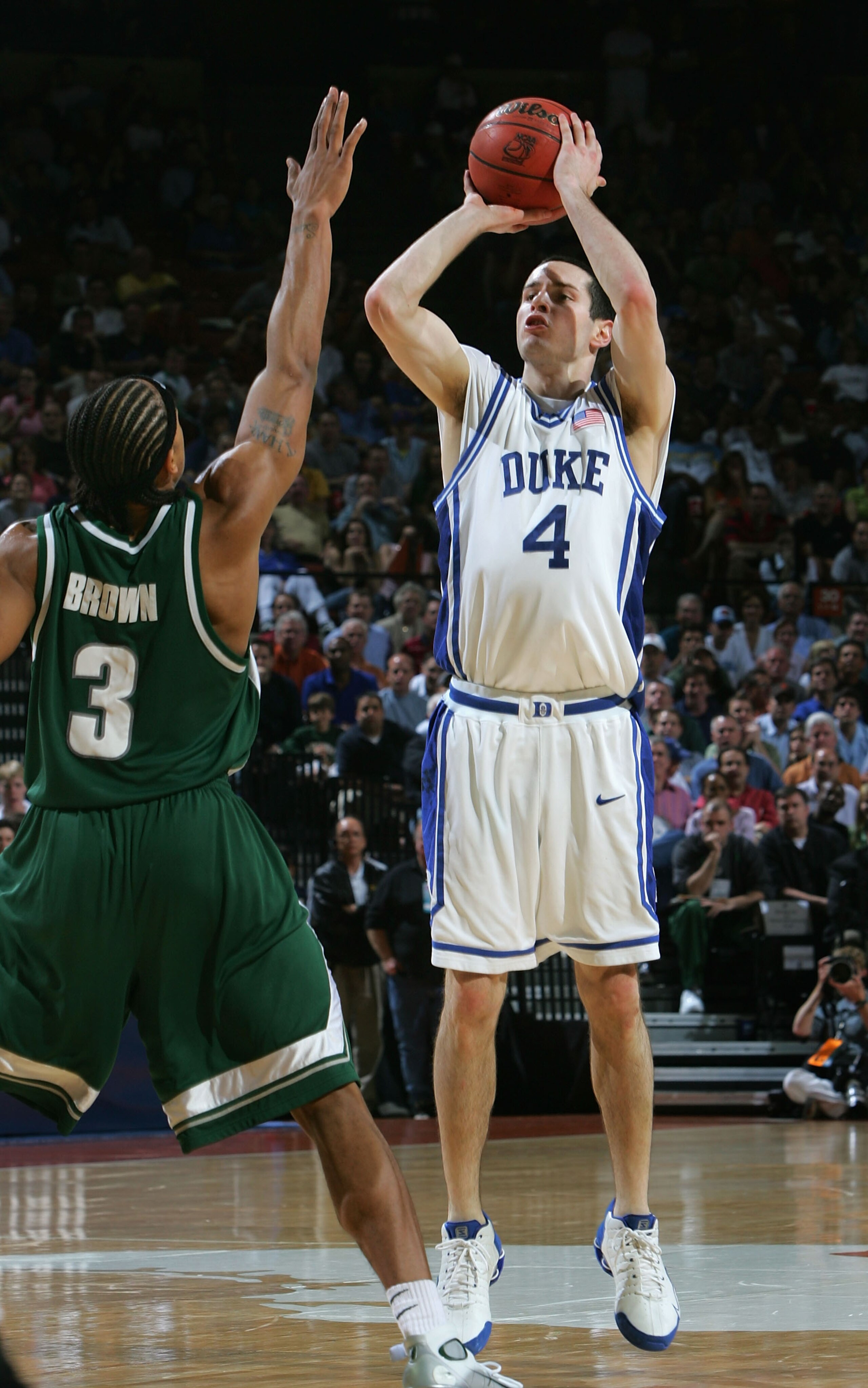
J.J. Redick is a great three point shooter, but it was ridiculous how easy it was for him in college.
Moving the arc back from 19' 9" to 20' 9" was a good move for college basketball.
Now, college basketball players have to earn their extra point.
Though, it's still a heck of a lot easier in college than from the NBA distance.
23. Helmets For MLB Base Coaches
3 of 25
After Mike Coolbaugh, a first base coach for a minor league team, was killed after being struck in the head by a foul ball, Major League Baseball instituted a new rule requiring all base coaches to wear helmets.
Though one would think a base coach would want to wear a helmet, it's good that the MLB took the decision out of their hands and made it mandatory.
In the interest of safety, this was a good rule change.

_0.png?w=2560 "CFB Top 25")
.png?w=2560)
22. 10 Second Limit on NBA Free Throws
4 of 25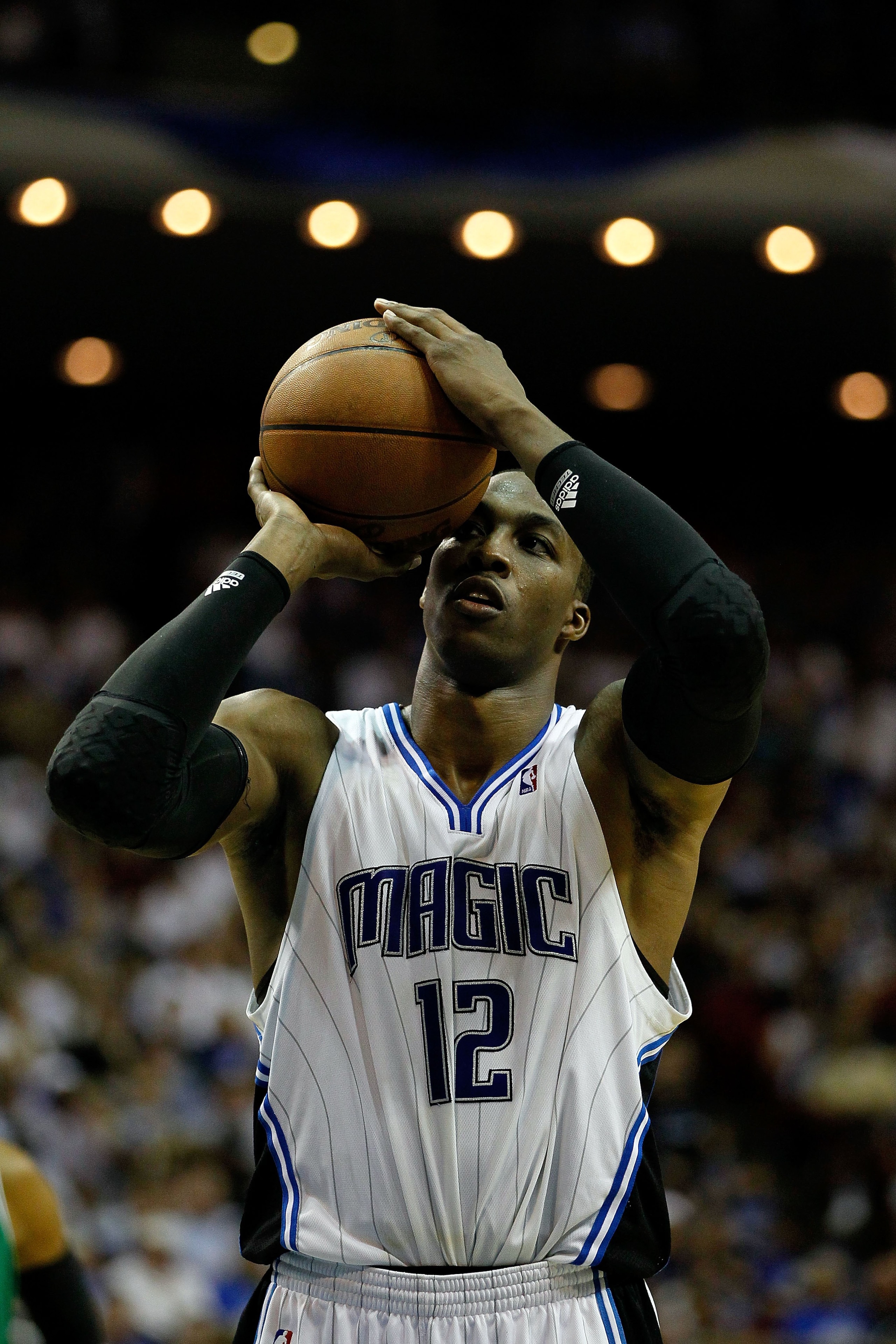
On Christmas day, Dwight Howard was whistled for a 10 second free throw violation.
I was unaware the rule existed, but it's a good one.
Some players definitely take longer than 10 seconds and it makes the games less interesting.
If the rule was enforced more often, the pace of games, especially in the fourth quarter, would pick up dramatically.
21. The Tom Brady Rule
5 of 25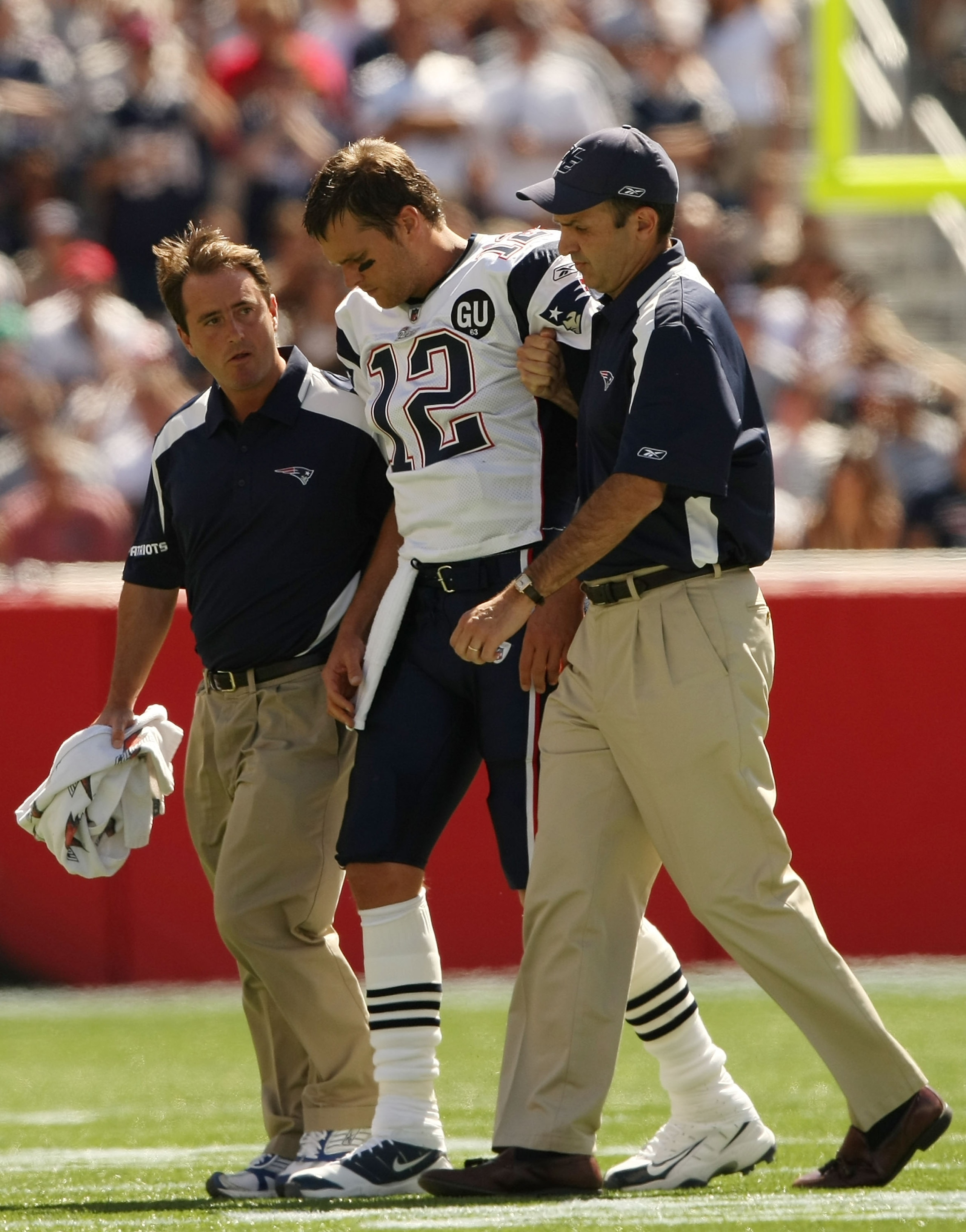
When Bernard Pollard dove into Tom Brady's knees, tearing his ACL and ending his 2008 season, the NFL acted quickly in making a rule change.
No longer can defenders dive for a QB's knees when attempting to sack him.
Though it certainly makes things harder on defenses, with the way the quarterback position has evolved lately, the rule makes sense.
If a team loses its quarterback, they have little chance of making the playoffs.
20. No Hand Checks in the NBA
6 of 25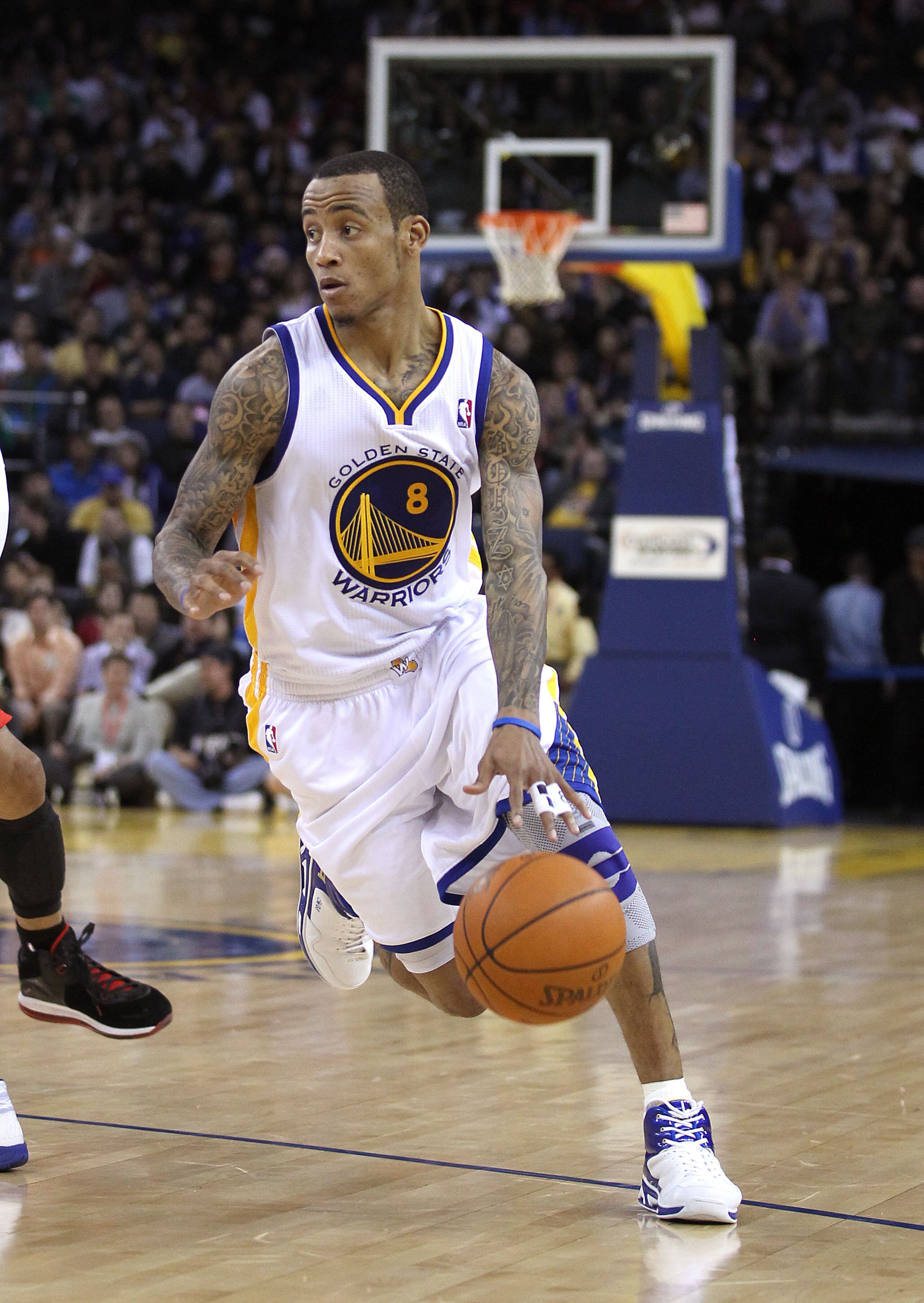
Michael Jordan's numbers are even more amazing when you consider that defenders were allowed to ride him up and down the court.
With the rule forbidding hand checking above the free throw line, point totals in the NBA are skyrocketing.
It's allowing LeBron James to be who he is today and allowing Monta Ellis to be one of the most prolific scores in the NBA.
More scoring means more excitement for many fans, myself included.
19. No Devastating Headshots in Football
7 of 25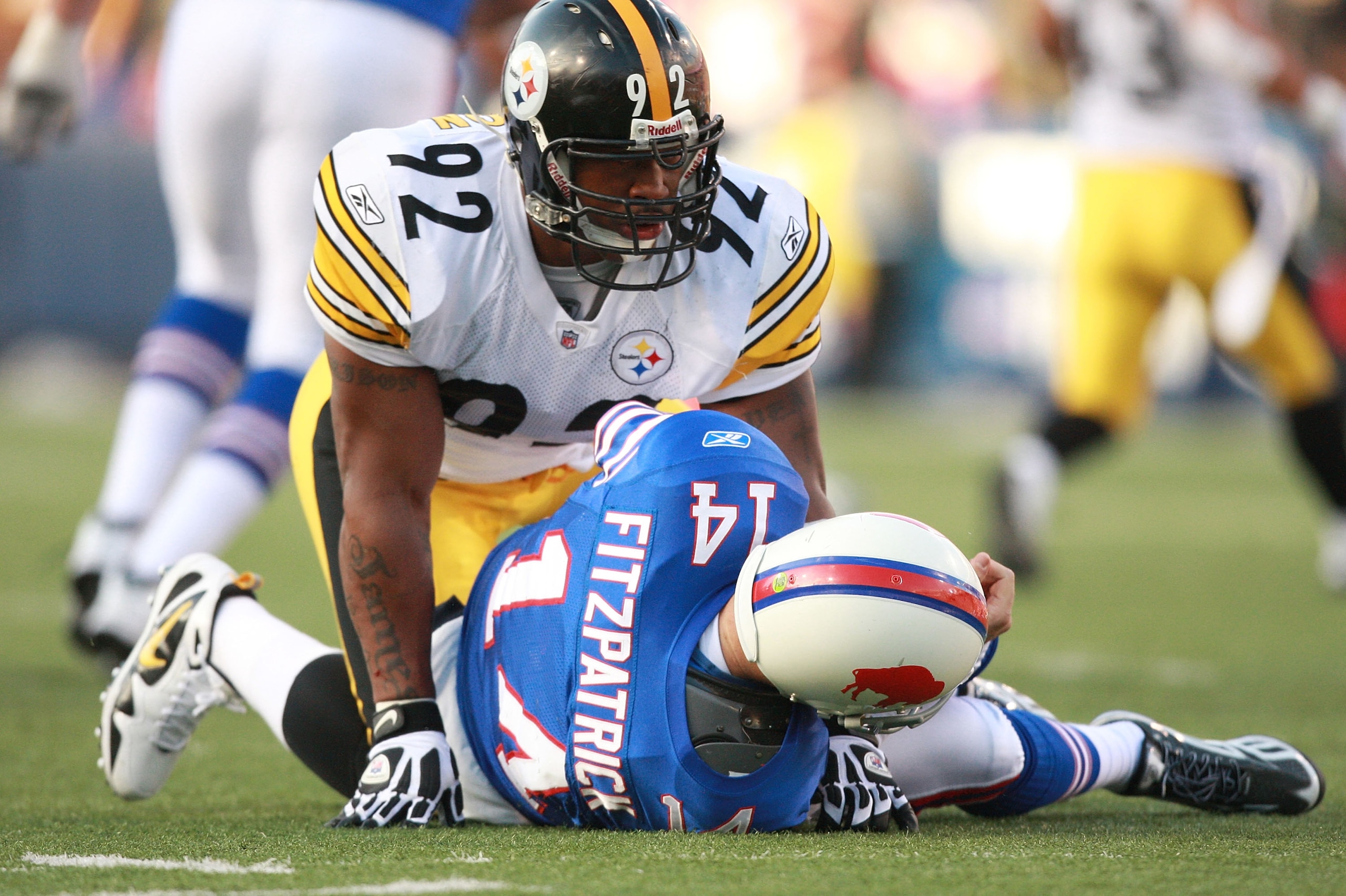
Yes, James Harrison is being unfairly singled out under this new rule.
But, no one can argue that it's better for the game when players stay healthy.
I, for one, don't want to watch a bunch of backups playing from Week 12 to Week 17 or even Week 19 or 20 if the longer regular season amendment is passed.
18. No "Fumblerooski" Plays
8 of 25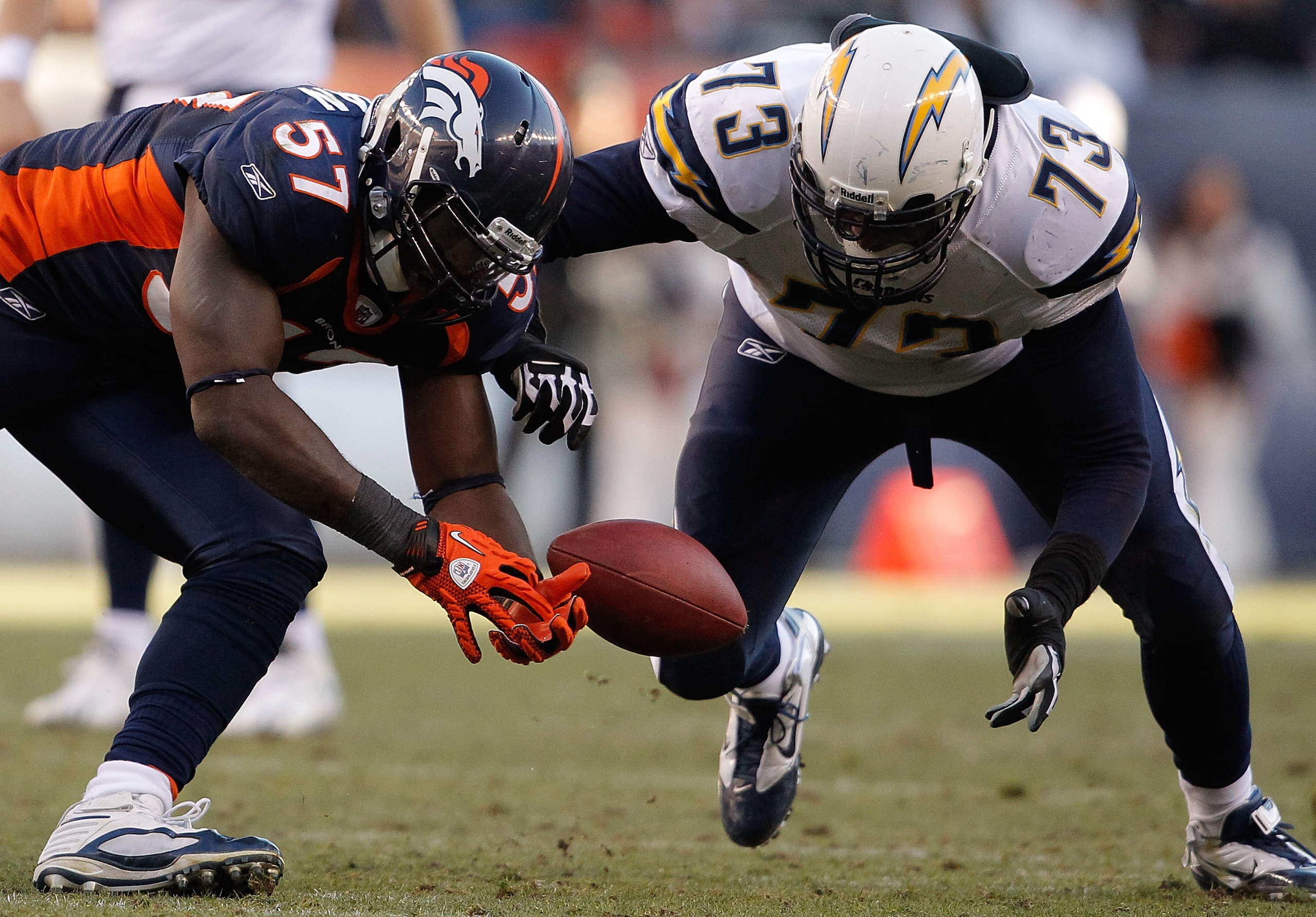
Some may disagree, but I like the rule that teams can't advance their own fumbles.
If it did, we'd be seeing a ton of plays like that at the end of games.
It just doesn't look good, and even if it works, it's Bush League.
17. No Horse-Collaring
9 of 25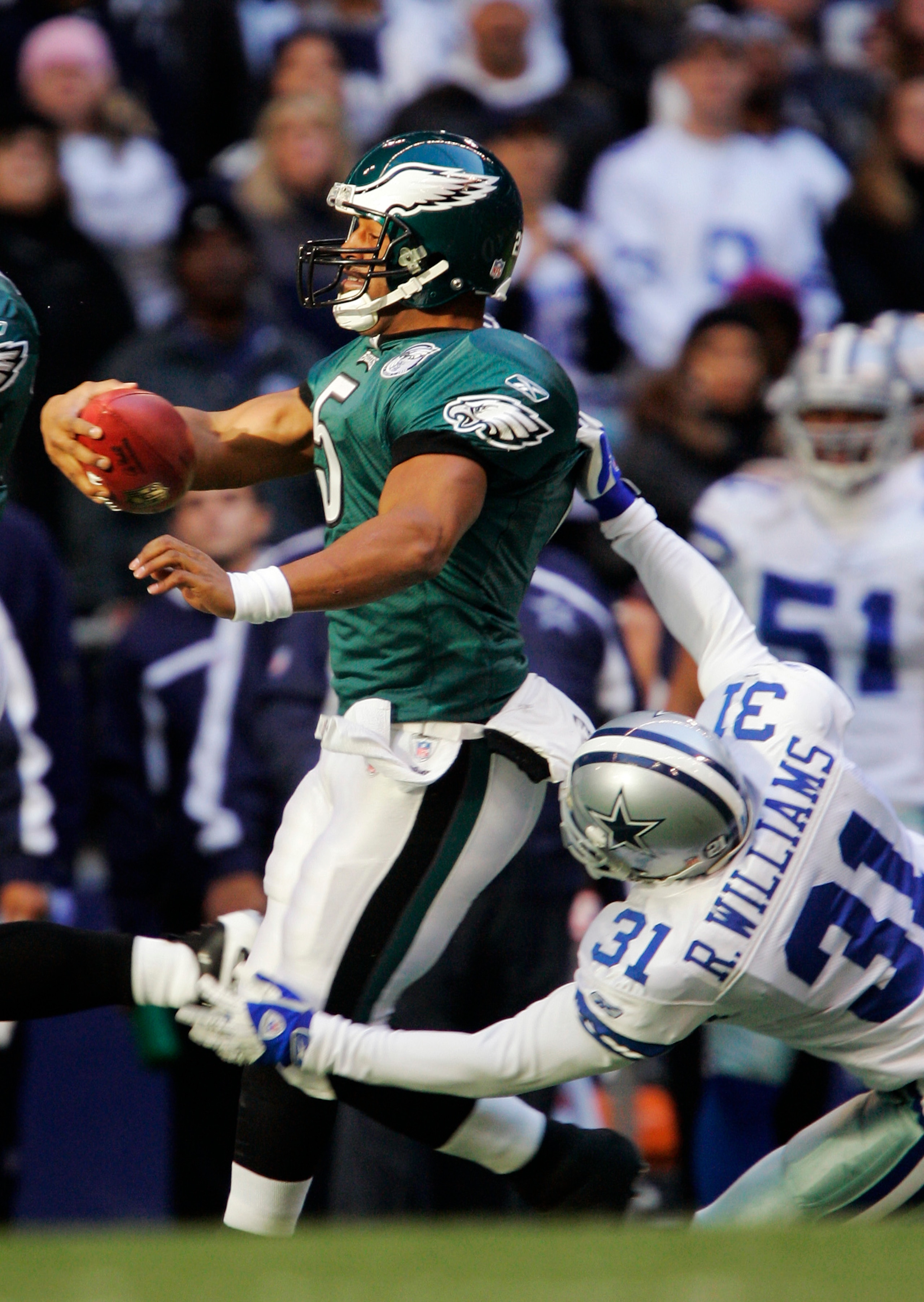
When Roy Williams of the Cowboys tackled Terrell Owens by the back of his shoulder pads and broke T.O.'s leg, the league reacted swiftly with a new rule.
Now, a player may not tackle another player by grabbing the back of their shoulder pads.
Hey, if it means less broken legs, I'm all for it.
16. "This Time It Counts" MLB All-Star Games
10 of 25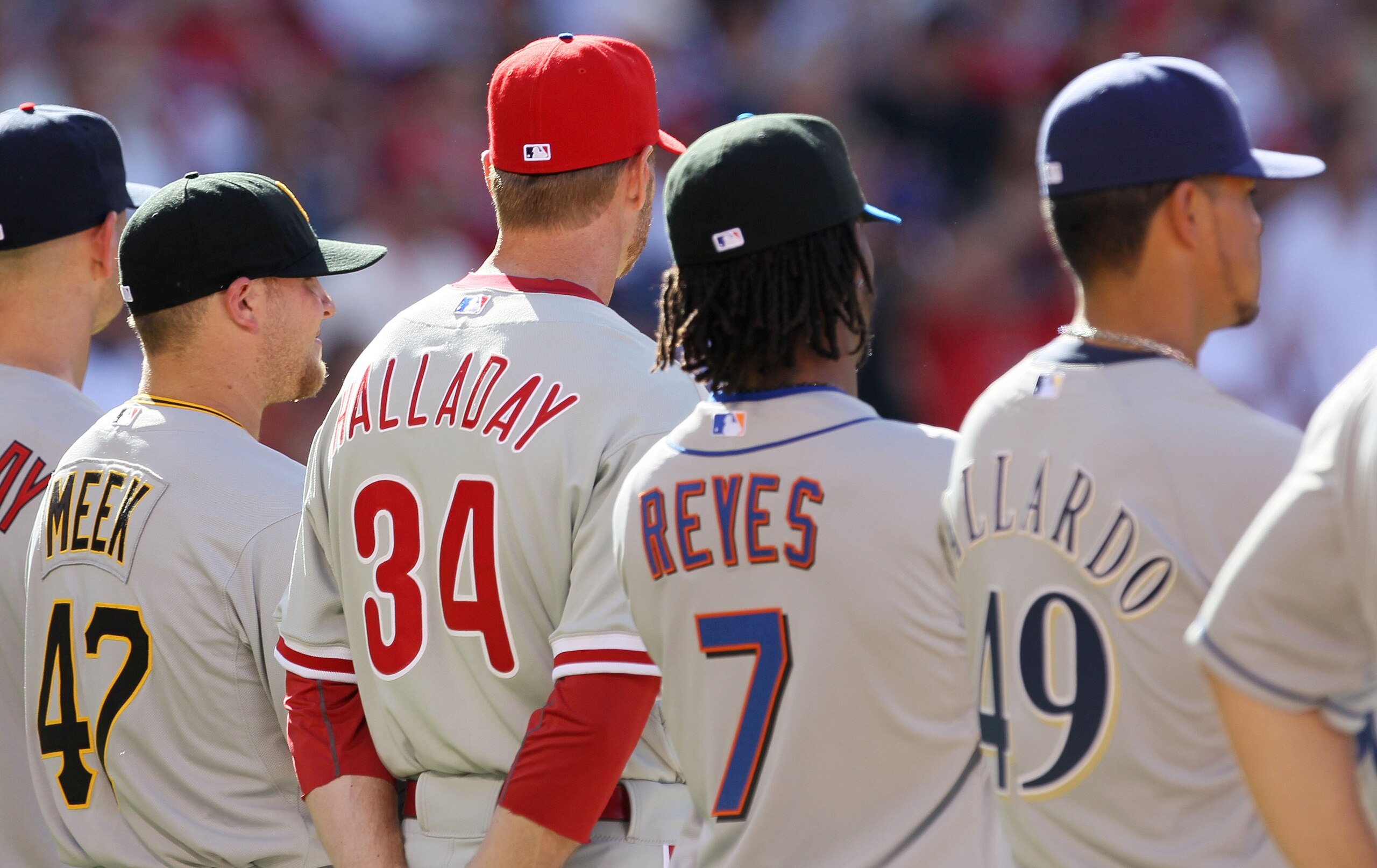
I like the idea of having the All-Star game determining home field advantage for the World Series.
But, I don't like the idea of players from the Pittsburgh Pirates and Baltimore Orioles determining home field advantage for the World Series.
If this rule is going to work, they need to eliminate the "one player from each team" requirement.
15. The BCS
11 of 25
I know, I know. The BCS is the worst thing ever.
But, actually, it's the second-worst thing ever.
The way the college football champion was decided before the BCS is the worst thing ever.
At least we have some sort of clarity now.
A playoff would be very ideal, but at least the BCS is better than what we had before.
14. No Steroids In Baseball
12 of 25
Though it's a good rule from player safety and fairness standards, the most important part of the no steroids rule is that if it works properly, Jose Canseco will never have anything to write about again.
Seriously, "Juiced" and "Vindicated" are two of the worst books ever written in the history of humankind.
I just can't wait until the steroid speculation is over and we can resume enjoying our national pastime.
13. Expanding The NCAA Tournament From 32 to 64 Teams
13 of 25
Even though expanding the tournament from 32 to 64 teams only added one round, I like the 64 team set up.
I don't care much for the 65 or 68 team setups though.
But, 64 is a good round number that makes the NCAA Tournament one of the most exciting events of the year.
12. NHL Shootout
14 of 25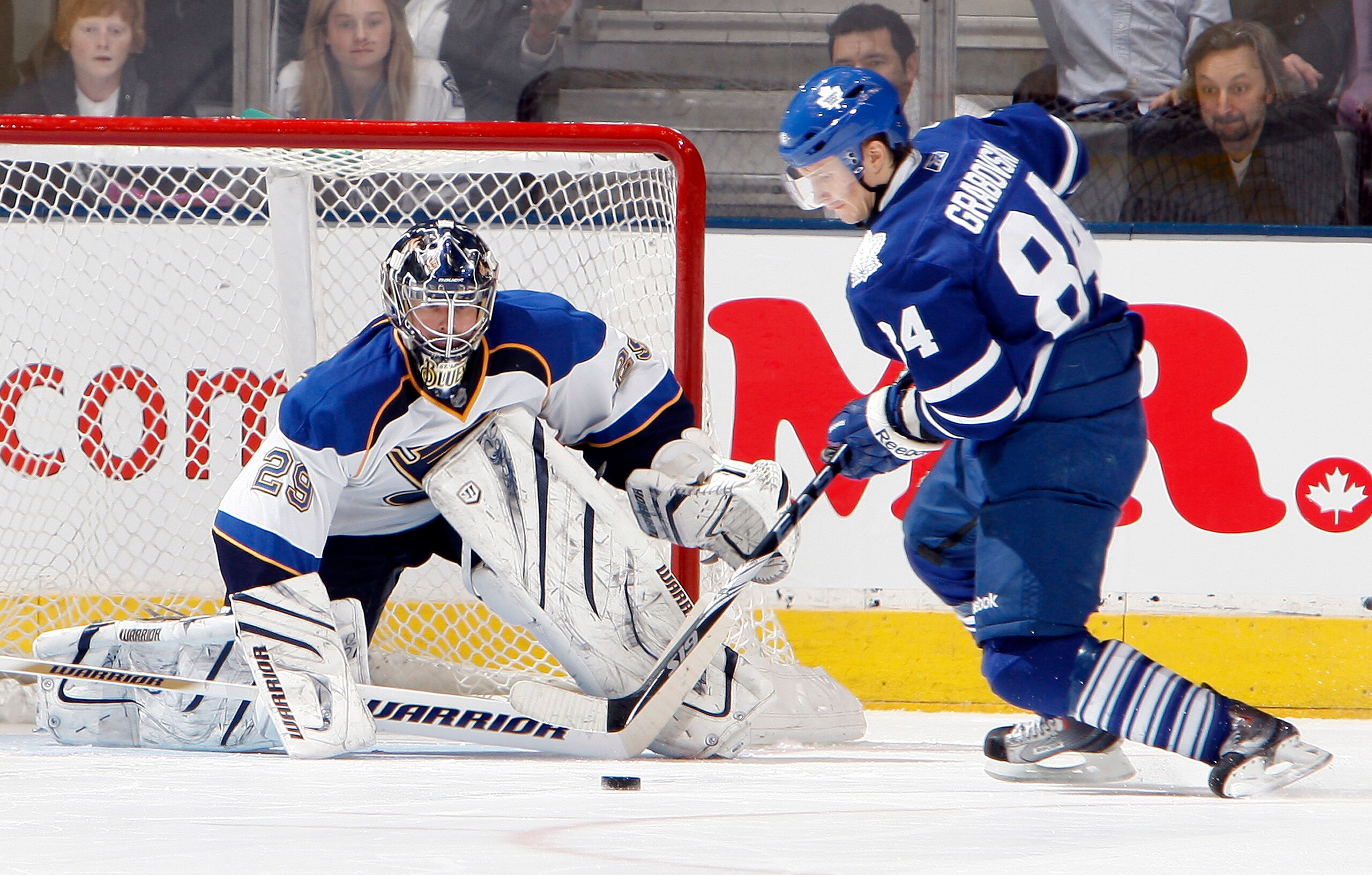
Ties are stupid and pointless.
As a sports fan, if I ever attended a game that ended in a tie, I'd want my money back.
That's why I'm glad the NHL set up a penalty shot shoot out after overtime of games ending in ties.
The winner of the shootout gets two points and the loser one, so that's kind of confusing, but it's better than a tie.
11. Interleague Play
15 of 25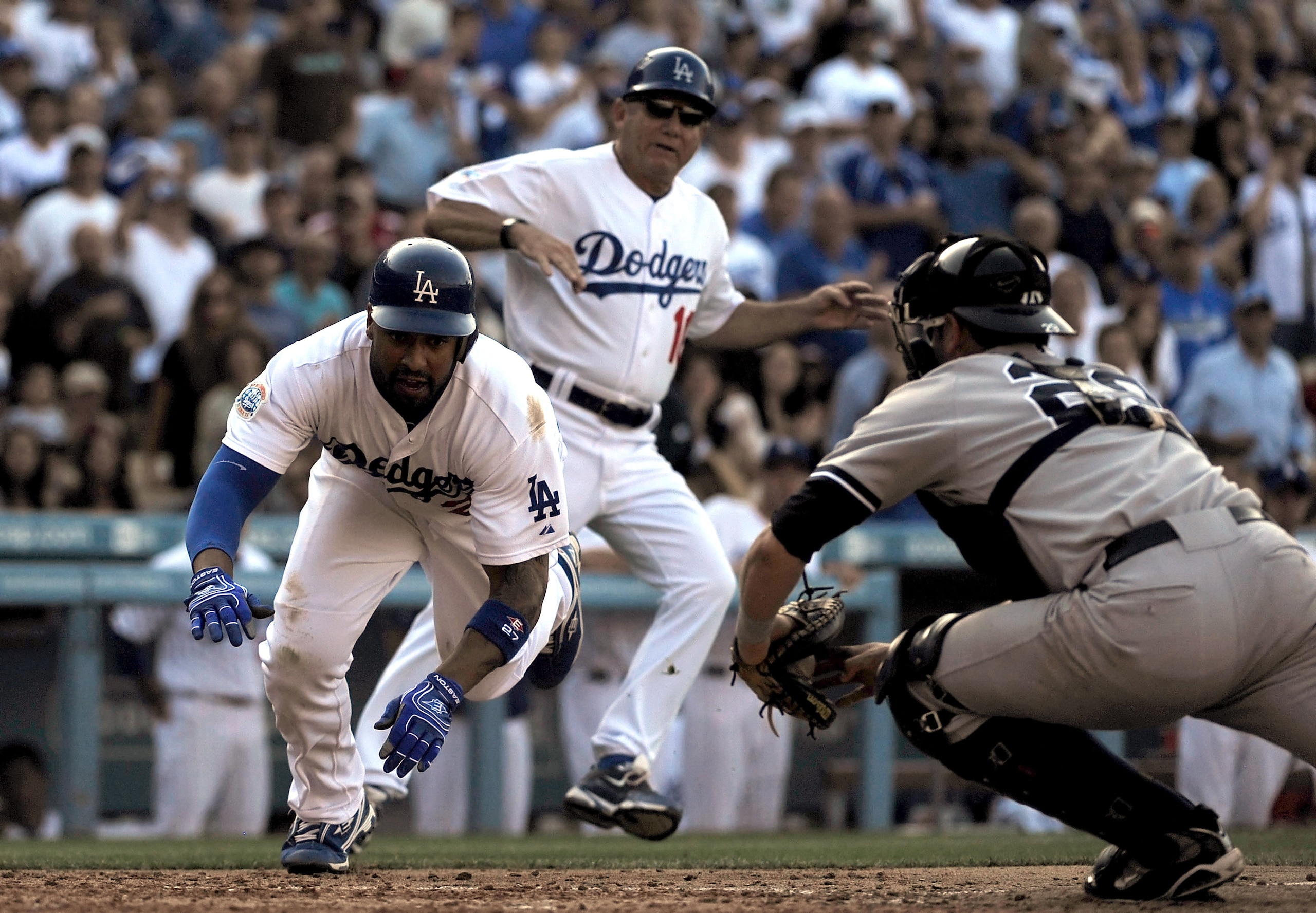
The Dodgers and the Yankees.
The Cardinals and the Royals.
The Cubs and the White Sox.
The Mets and the Yankees.
The Rays and the Marlins.
(Ok, maybe not the Rays and the Marlins).
The point is, interleague play in Major League Baseball provides a lot of entertainment and matchups that don't happen very often.
Before, the teams mentioned above could only meet in the World Series.
But, interleague play gives fans the chance to see their crosstown rivals from the opposite league come to town.
10. 2-Point Conversion in the NFL
16 of 25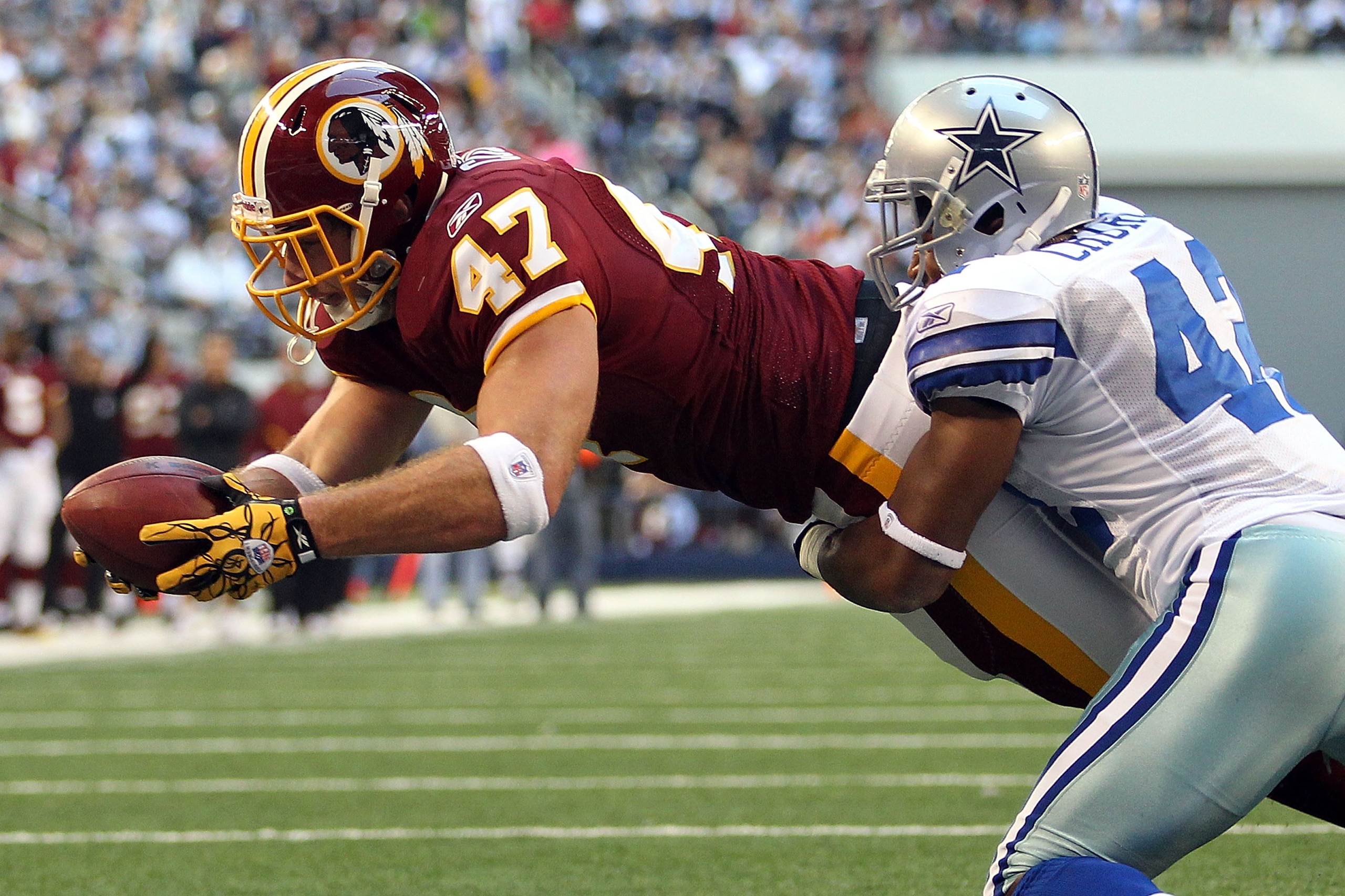
Can you believe the NFL didn't adopt the two-point conversion until 1994?
Me neither.
College football has had it since 1958.
But, that's just one example of sports being very, very unwilling to change.
9. Designated Hitter in the American League
17 of 25
Baseball purists don't like this rule, but I do.
It's interesting to watch two very different types of baseball between the leagues.
The strategies are different and the pitchers' jobs are different.
8. 3 Seconds in the Key in the NBA
18 of 25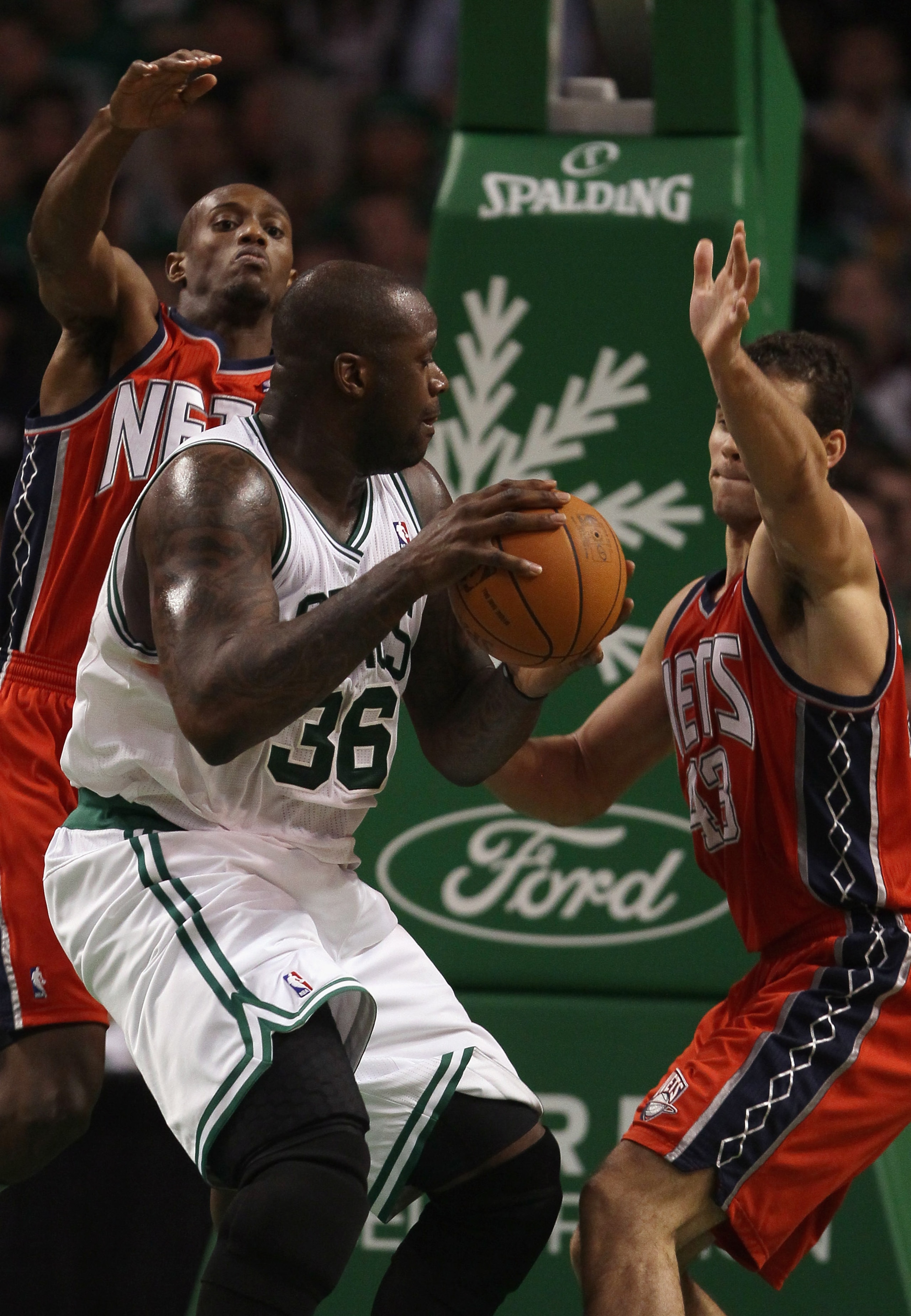
This rule ensured that NBA big men wouldn't camp out in the paint on offense or on defense.
That helped increase scoring in NBA games and made guards more valuable to their teams.
Point guards had to work to get their team open shots instead of just jogging to the three-point line and lobbing it to the center to score.
7. Allowing Disabled Golfers to Ride Golf Carts
19 of 25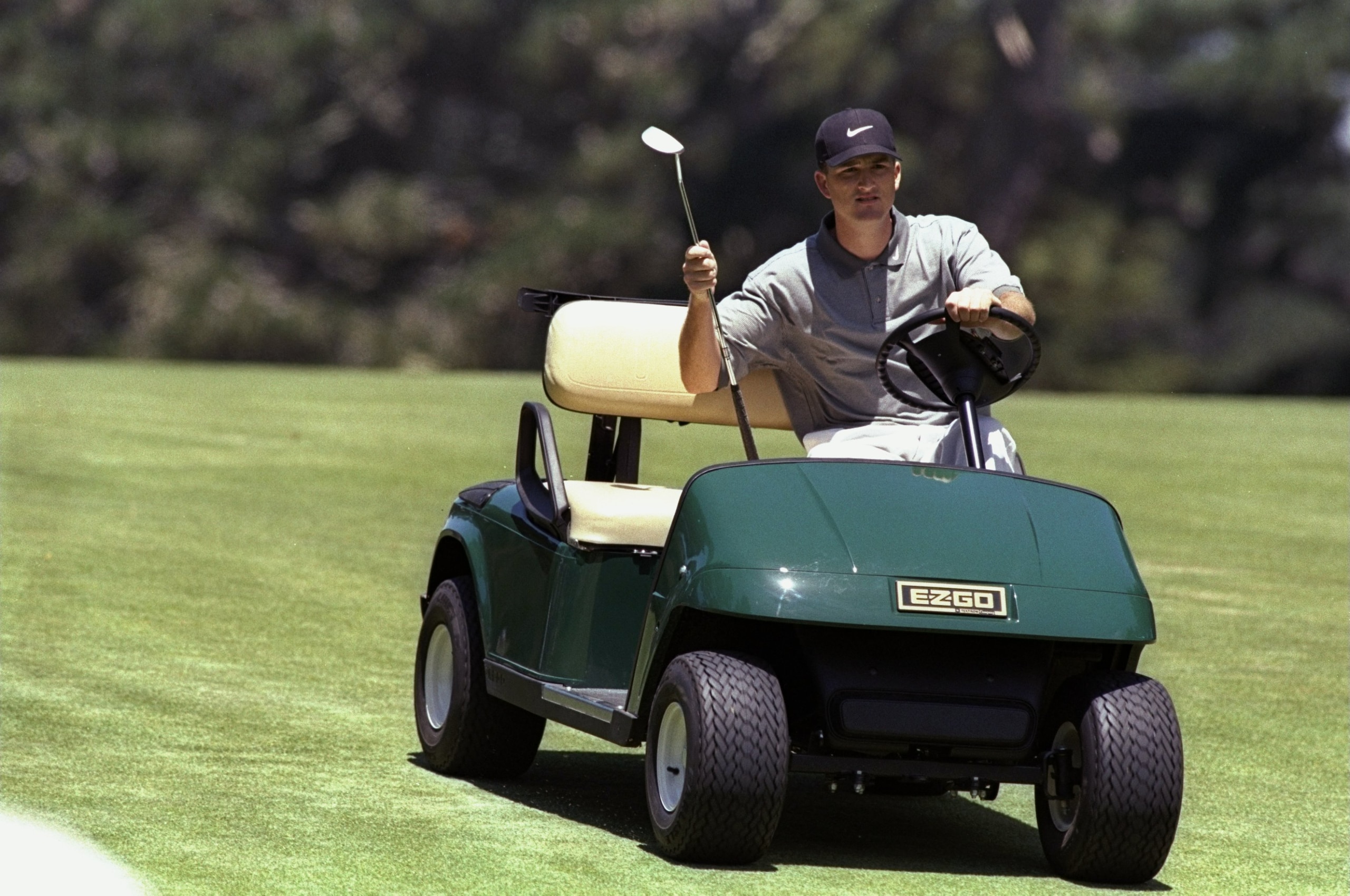
Also known as the "Casey Martin rule," this seems like it would be a no-brainer for the PGA.
But, as with every change in sports, people fought tooth and nail to keep it from happening.
This rule change even required a court case before it was passed.
Any advantage a disabled golfer would get from riding a cart would be nullified when you remember that he is a disabled golfer.
It's ridiculous that the PGA would fight this rule so hard.
6. Lowering the Pitcher's Mound
20 of 25
Bob Gibson was dominant on a pitcher's mound that stood at 15 inches.
In 1968, the mound was lowered to 10 inches.
Bob Gibson still dominated opposing hitters.
But, other pitchers didn't fare so well and scoring averages rose in Major League Baseball.
That kept the average fan excited. Most fans would rather watch an 8-7 game than a 1-0 game.
5. NFL Instant Replay
21 of 25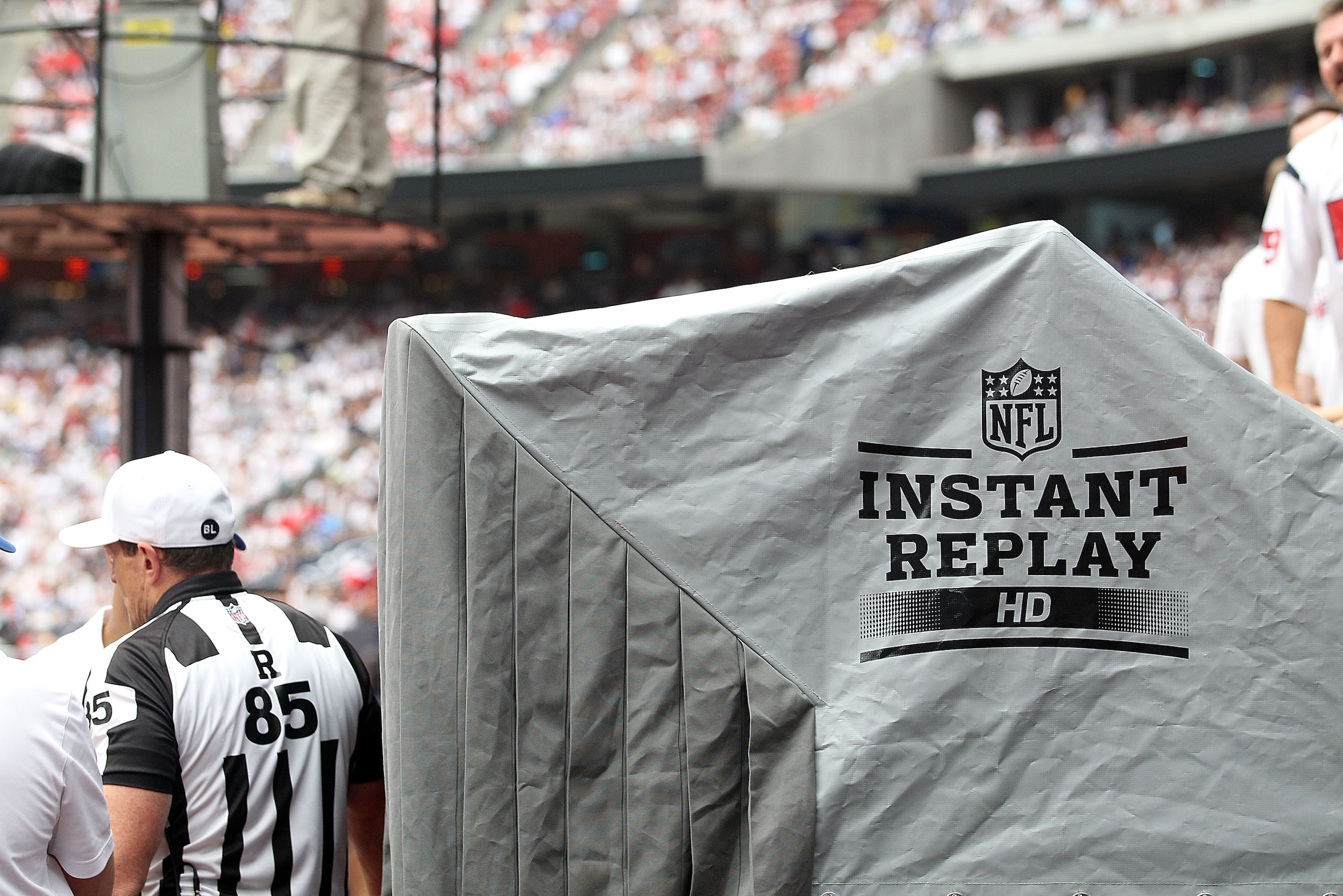
Let the players decide the game, not the referees.
That's the basic premise behind the instant replay plan in the NFL.
The only problem with the rule is that coaches only get a maximum of three challenges, assuming they get their first two right.
If the officials keep missing calls, the coaches should be able to continue making them make the right call.
Other than that, it's a good step forward for sports.
4. Wild Card Playoff Teams
22 of 25
Wild Card teams provide tons of excitement for playoffs.
Both the NFL and MLB have a wild card system in place.
Without wild cards in the NFL, for example, the Saints, Packers, Ravens and Jets would not have made the playoffs this season.
I like more playoff teams. As long as it doesn't get too ridiculous, I say the more, the merrier.
3. 3-Point Line
23 of 25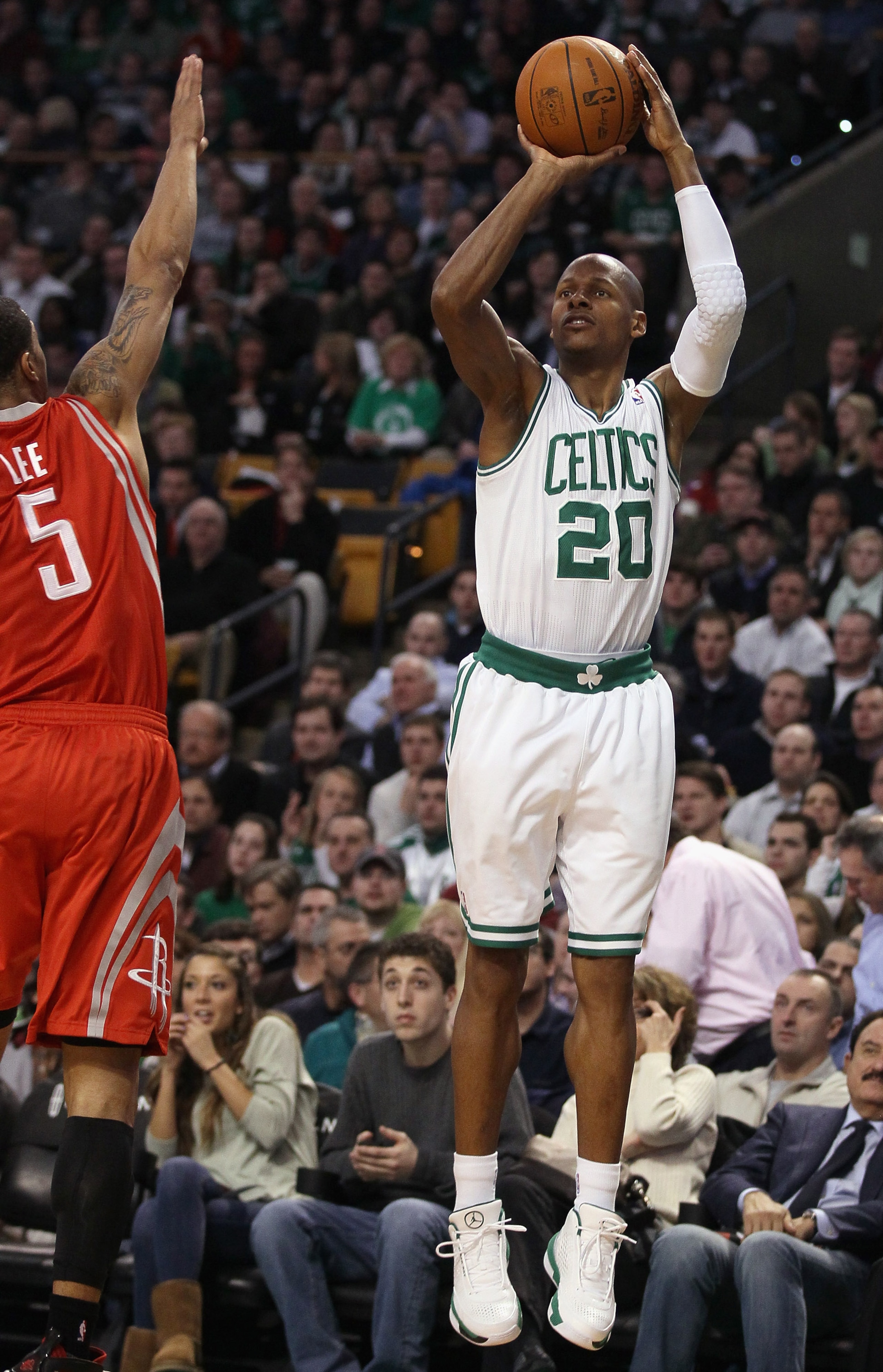
Ray Allen, Reggie Miller, Jason Kidd, Chauncey Billups, Glen Rice.
Can you imagine an NBA in which the players listed above would be largely irrelevant?
That's the way the NBA was before the 1979-80 season.
This rule change added a whole new dimension to the game and made a new class of players relevant.
2. Forward Pass in the NFL
24 of 25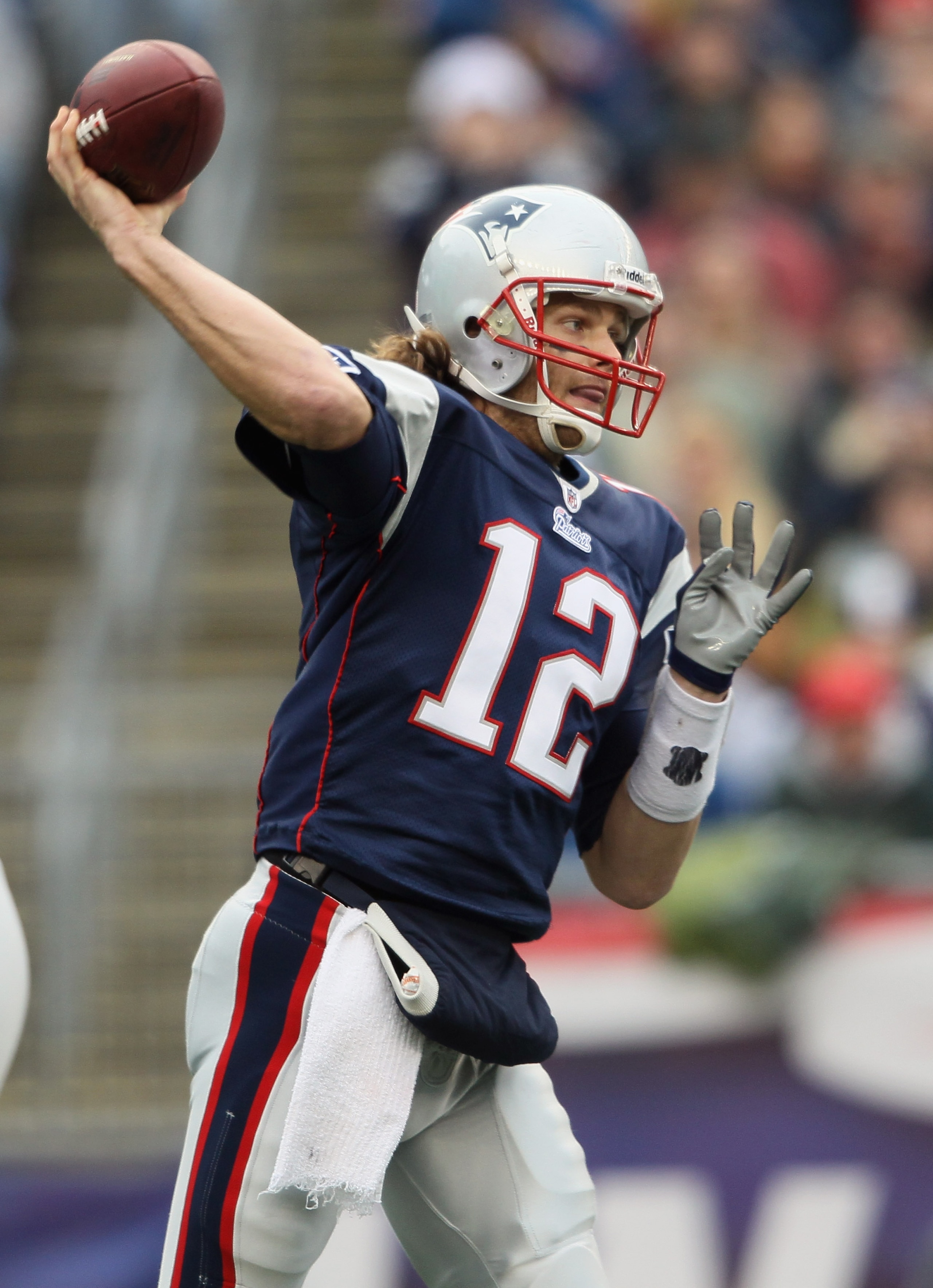
If the forward pass wasn't legal, there's no way the Packers would be in the playoffs with Brandon Jackson leading the squad.
Most teams today play the game in a way that would make Vince Lombardi sick.
Long gone are the days of smashmouth football. Now is the time for airing it out and running up the score, using the ground game primarily to set up the passing game.
The forward pass was legalized in 1906, not a moment too soon.
1. 24-Second Shot Clock
25 of 25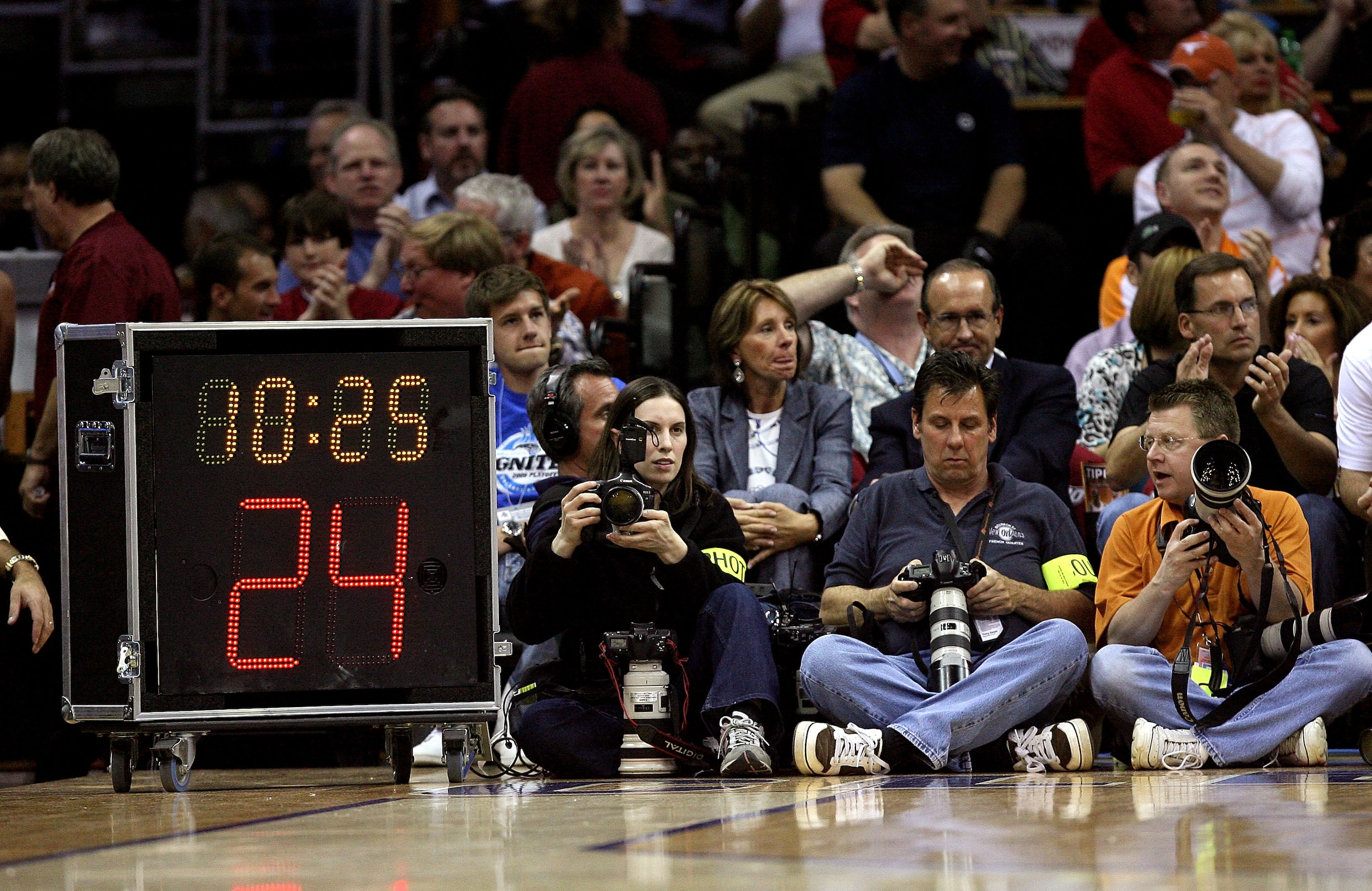
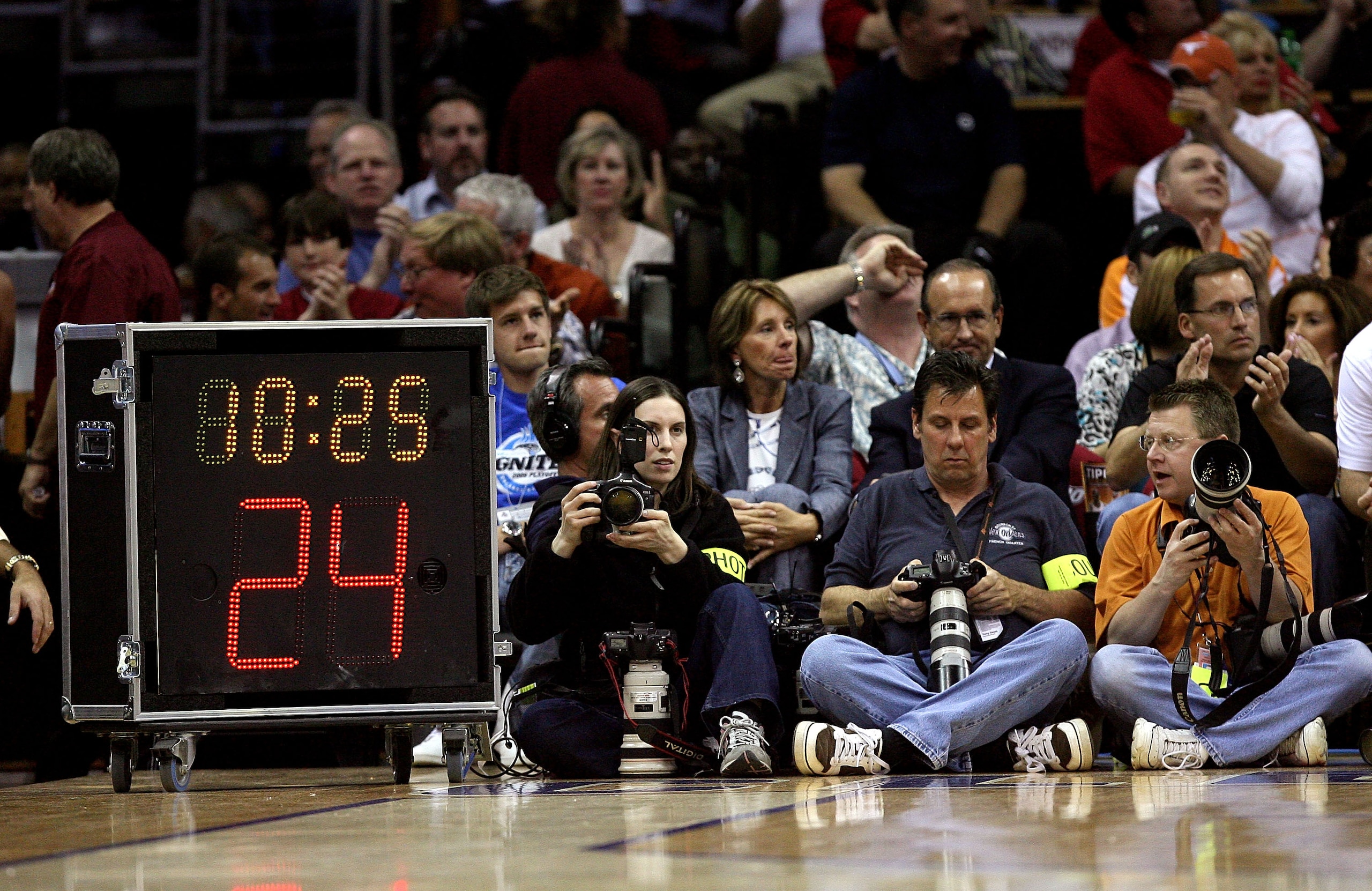
The NBA would be even more boring than the MLS if it didn't institute a 24-second shot clock in 1954.
Games would still end with scores like 6-4 and be utterly unwatchable.
I don't know about you, but I definitely prefer games that end with scores of 106-104 more than 6-4.
From a standpoint of keeping fans interested, the shot clock was the greatest rule change in the history of sports.

.jpg?w=2560 "Colts Football")




