
15 Sports Stories WikiLeaks Should Break
Few people had ever heard of WikiLeaks until recently. But now we can't escape daily updates on the incarceration status of Julian Assange.
What if WikiLeaks turned its attention away from uncovering corruption and scandal in our governments, and instead focused on finding the truth behind some of sports' biggest scandals?
There has always been speculation and innuendo about certain events being fixed or rigged, but now, finally, thanks to WikiLeaks, the real stories can be told!
Read on to learn about 15 of the events that should be at the top of their list.
15) The 1985 NBA Draft Lottery
1 of 15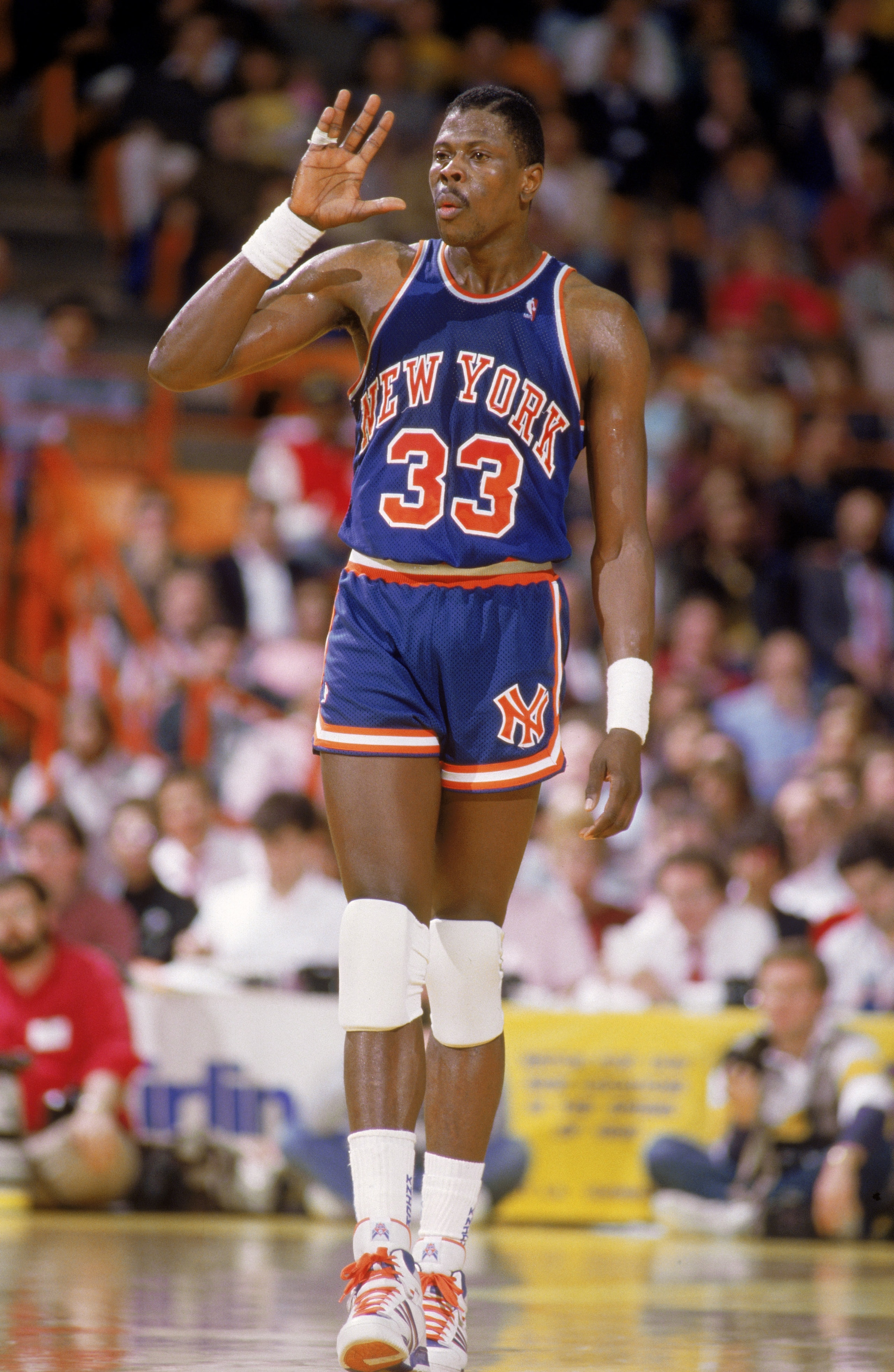
The 1985 NBA Draft was the first one where the draft order was decided by a lottery.
Previously, the order was decided simply by reverse order of finish, but obviously that created scenarios where you could have the bad teams tank games towards the end of the season in an effort to secure a better pick.
The new system was intended to remove that incentive to lose, and on the surface, it certainly seemed more fair. It has been revised a number of times, but the basic premise is still used by the NBA today.
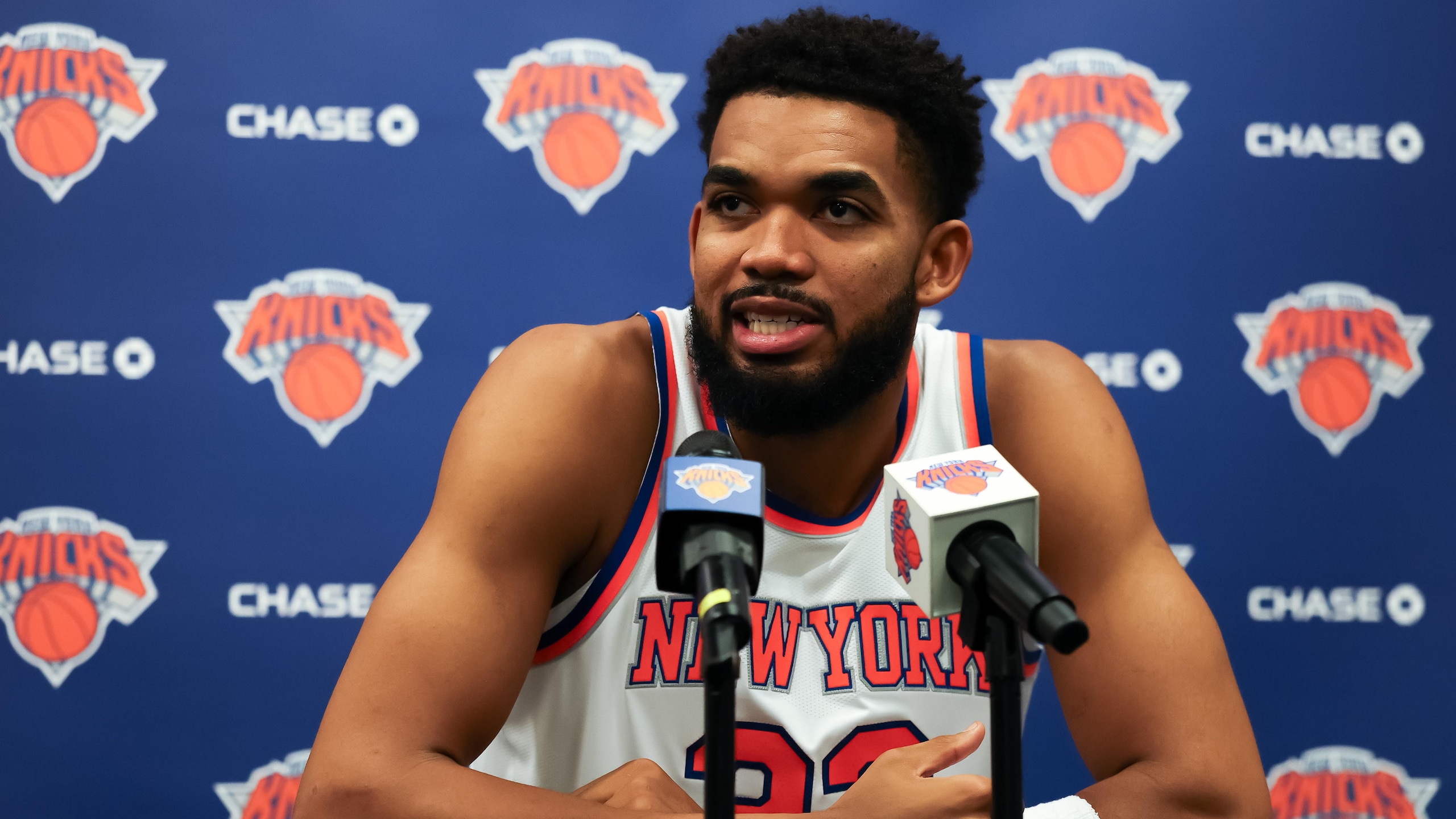
The consensus best player available in the 1985 draft was, of course, Georgetown center Patrick Ewing. One of the most dominant big men to come out of college in a long time, team execs for every franchise were drooling over the prospect of securing his rights. Landing the Jamaican native would give any franchise an instant shot in the arm, boosting their credibility, their relevance and their fan appeal.
And few teams needed a boost in 1985 more than the Knicks. The once proud franchise had fallen on hard times in the 84-85 season, finishing in last place with a woeful 24-58 record. Playing in the country’s biggest market, the league knew that a bad Knicks team would not be good for business.
Problem...meet solution. The Knicks’ ping pong ball just happened to be picked, and Ewing went to Broadway.
14) Ted Williams' Farewell
2 of 15
One of the most famous farewell home runs in baseball history happened at the end of the 1960 season.
Ted Williams was hanging ‘em up after electrifying the Fenway faithful for 19 seasons. The Splendid Splinter wanted to be known as the greatest hitter who ever lived, and nobody could really challenge that assertion as they played their final home game in 1960.
In the eighth inning, he stepped up for what would almost certainly (unless the game went to extra innings) be the final home plate appearance of his career, and promptly drilled into the center field bleachers for as good a bookend as you can get.
Did Baltimore pitcher Jack Fisher purposely groove one to Teddy Ballgame so he could have one last shining moment? Well, it was Williams’ first homer in 25 plate appearances, and it was the only longball Fisher gave up in 8.1 innings pitched that day. Of course, ever stubborn, Williams still wouldn’t grant his fans a curtain call, still bitter about being booed as a rookie.
There were still three games left in the season, but they were on the road at Yankee Stadium, and nobody had any interest in ruining this storybook ending. Williams didn’t play in the final series, or ever again, and his 521th home run remains a legend.
13) The Tuck
3 of 15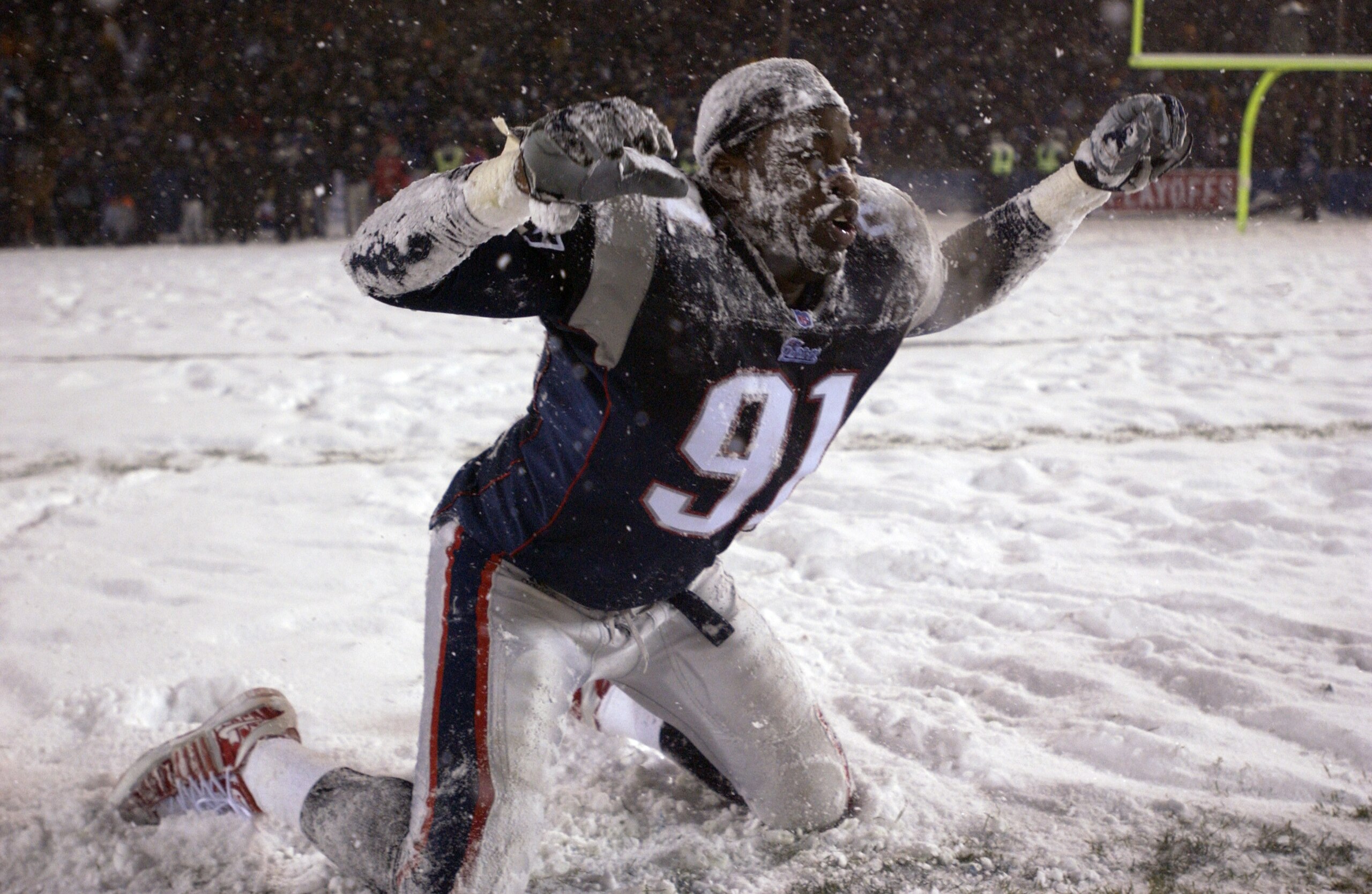
After the 2001 NFL season, the Oakland Raiders met the New England Patriots in a divisional playoff game.
The game was played at New England in a driving snowstorm, and Oakland dominated much of the action, carrying a 13-3 lead into the fourth quarter. They still led, 13-10 with time running out, and only had to stop one more New England drive in order to secure victory.
New England, however, and specifically new quarterback Tom Brady were the league’s up and coming media darlings. Oakland, on the other hand, had always been a malcontent franchise, with renegade owner Al Davis continually causing headaches for the league office.
The game appeared to be in the bag for the Raiders when Brady was sacked by Charles Woodson on a cornerback blitz and fumbled the ball. It was recovered by Oakland, and that was all she wrote. The Raiders would run out the clock and advance to the AFC Championship. Except that wasn’t all she wrote.
The referees reviewed the play and cited an obscure rule (Rule 3, Section 21, Article 2, Note 2) that they decided meant that the play wasn’t, in fact, a fumble.
Apparently, even though he clearly wasn’t in the process of attempting a forward pass, Brady was in the process of "tucking" the ball (what exactly constitutes a tuck continues to elude me to this day), and therefore, losing the ball constituted an incomplete forward pass, not a fumble.
Given new life, the Pats proceeded to kick the tying field goal to send the game to overtime, and the winning field goal in the extra session, before going on to win the Super Bowl. All thanks to a tuck.

.jpg?w=2560 "Commanders Eagles Football")

12) The Hand of God
4 of 15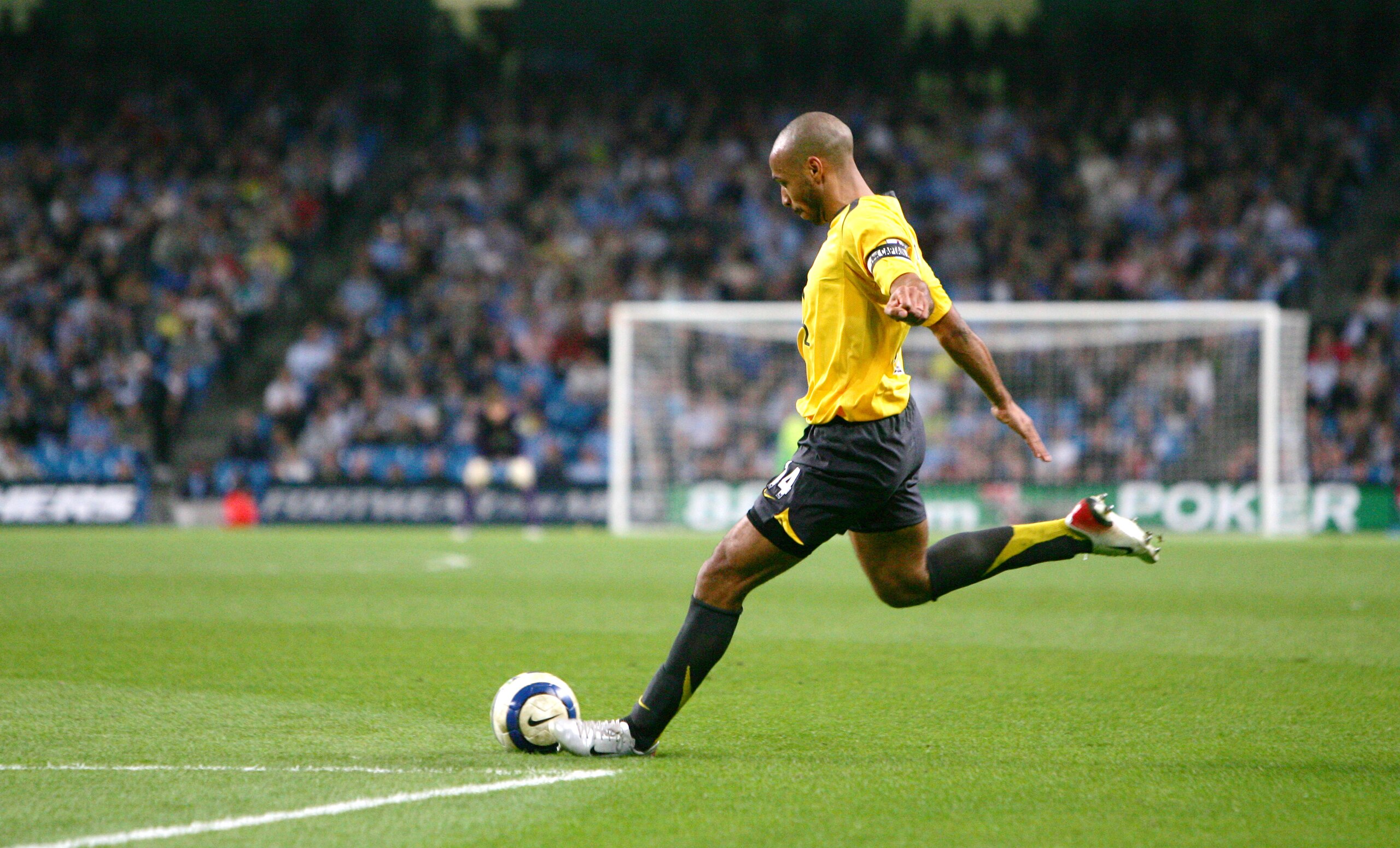
France has traditionally been a soccer powerhouse, winning the World Cup in 1998, reaching the final in 2006, and boasting one of the premier strikers on the planet in Thierry Henry.
But the qualifying rounds for the 2010 event were not going so smoothly. In the end, it came down to a playoff against Ireland to decide which team would make the cut.
The two game aggregate series was tied 1 goal apiece, and the teams were playing a tense extra session in the second game to decide the winner.
Then, suddenly, the "Hand of God" tipped the scales in the French team’s favor. Henry chased down a ball in the penalty area to the right of the Irish goal, but it appeared as though the ball would go out of bounds before he could corral it.
Incredibly, though, the ball didn’t go out of bounds. Henry laced a pass across the goal mouth to teammate William Gallas, who banged home the easy header to give France a lead they wouldn’t relinquish.
Just how had Henry miraculously stopped the ball’s momentum? Why, with not one, but two blatant, intentional handballs, of course. Two blatant, intentional handballs that the referee somehow failed to spot, despite instantly being noticed by members of Ireland, who tried to call the infraction to the referee's attention to no avail.
By virtue of the win, the more recognizable, more popular, French advanced into the field of 32, while the Irish hopes were dashed. Of course, France flamed out in the 2010 World Cup itself, failing to advance past group play amid internal chaos. A small measure of satisfaction for Irish fans. Very small.
11) The Perfect Game That Wasn't
5 of 15
Pitching a perfect game is one of the rarest and most special feats in all of sports. It has been accomplished just a handful of times in the history of baseball. Many seasons pass with no perfect games being thrown by anyone.
2010 was not one of those years. By the beginning of June, fans had already witnessed two new perfect pitchers—Oakland’s Dallas Braden, and Philadelphia’s Roy Halladay. On the night of June 2nd, Detroit Tigers starter Armando Galarraga was flirting to become the third new member of the club in two months. The league wouldn’t want this, though. It would start to lessen the perceived specialness of the achievement.
Enter first base umpire Jim Joyce.
With two outs in the night inning, and Galarraga one out from history against the Cleveland Indians, number nine hitter Jason Donald bounced a slow roller between first and second. Tigers first baseman Miguel Cabrera ranged to his right, fielded, flipped to Galarraga covering in plenty of time for the out. Galarraga caught the throw, stepped on the bag, and began to raise his arms in celebration.
Only Joyce called Donald safe.
What was clear to nearly everyone else watching—the play wasn’t even all that close—was apparently not to Joyce. Infield hit. No perfect game. Not even a no-hitter. Galarraga cleared his head and retired the next batter to finish with a one-hitter.
Immediately, cries for instant replay began to echo across the country. Surely, MLB commissioner Bug Selig would not let this travesty stand. He had the power. Overturn the call. Do the right thing.
Nope. Selig refused to budge, allowing the game to stand as a one-hitter and forever losing the respect of baseball fans everywhere.
10) Sidney Crosby's Gold Medal Goal
6 of 15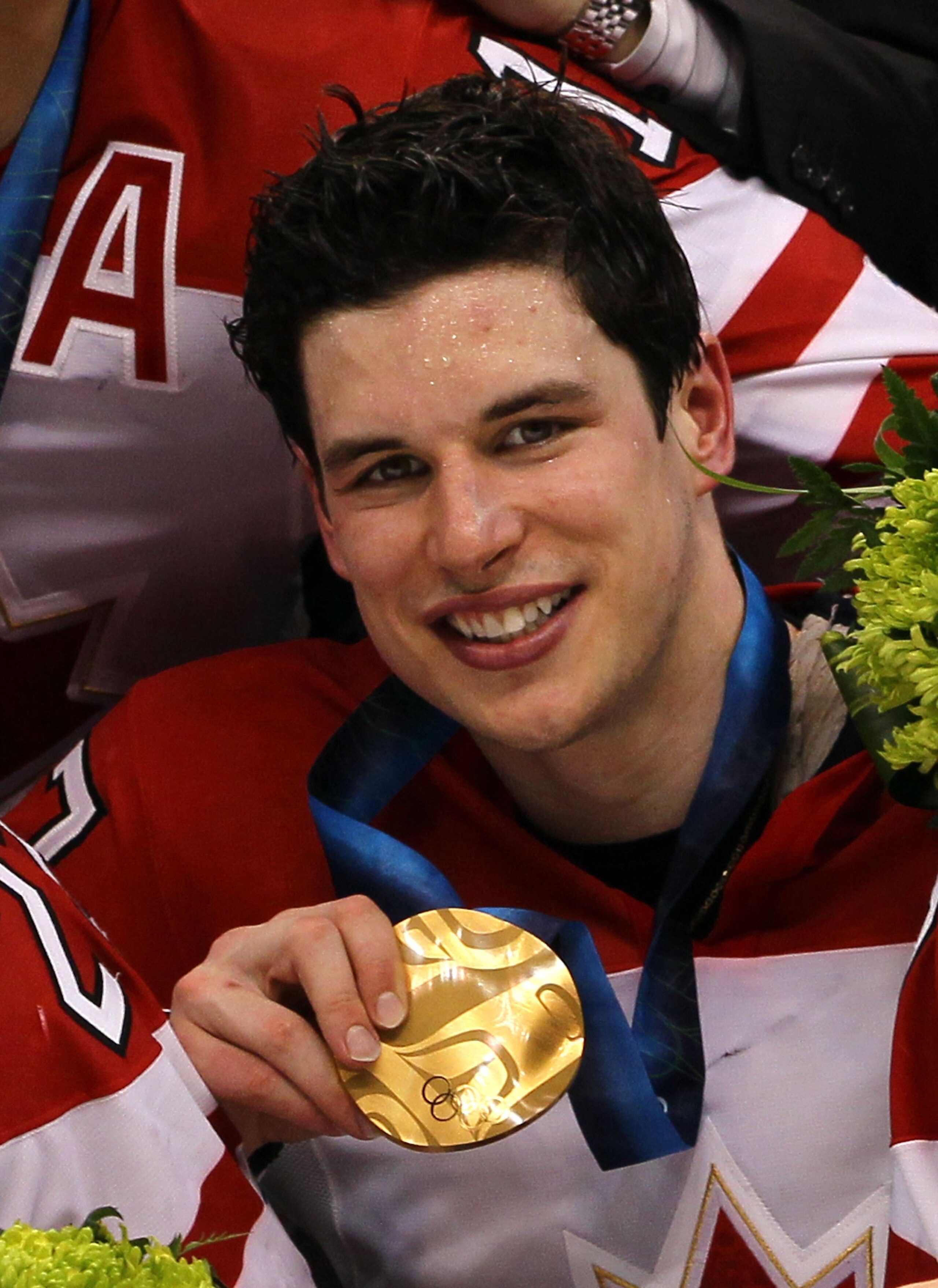
The 2010 Olympic men’s hockey tournament came down to a dream matchup—Canada vs. the USA.
With the Games taking place in Vancouver, Canada, in the cradle of hockey and just a short drive from the US border, emotions were extra high all around.
The Americans had come away with a galvanizing win over Canada in the preliminary round, and this would be their final test. The taut, well-played contest was tied by the underdog Americans with 25 seconds left in regulation, forcing a sudden death overtime.
In the overtime, hockey wunderkind Sidney Crosby was battling to gain control of the puck in the offensive zone, but appeared to have the puck bounce away towards the blue line. If it crossed the line, he would be forced to exit the zone and perhaps open room for a US counterattack.
But it was not to be. Referee Bill McCreary, a Canadian, was positioned along the boards in the zone as the puck approached. Instead of jumping out of the way, he held his ground, causing the puck to bounce off his skates and back towards Crosby.
Sid the Kid used this beneficial bounce to reignite the play, charging the net, executing a give-and-go with teammate Jarome Iginla and beating US goaltender Ryan Miller five-hole for the gold medal winning goal.
As Crosby slid the pass towards Iginla, this time McCreary did leap out of the way, thereby allowing the pass to find its target.
Crosby became a national hero in Canada, and the US was left with quite the bitter pill to swallow.
9) Riding the Bus To Detroit
7 of 15
Super Bowl XL was a matchup between the old guard, traditional NFL powerhouse Pittsburgh Steelers, and the new guard, upstart Seattle Seahawks.
Going into the game, most analysis pegged the Steelers as favorites. They were sentimental favorites as well, since longtime Steelers running back Jerome Bettis was widely speculated to be retiring at the end of the season, and the game was played at Ford Field in Detroit, Bettis’ hometown.
Not wanting to disrupt the planned storybook ending, the games officials seemed to take matters into their own hands on numerous occasions.
First, it was a dubious offensive pass interference call on Seattle that nixed a touchdown pass. Then, it was a goal-line dive by Steelers’ QB Ben Roethlisberger that didn’t get close to breaking the plane of the end zone, but was nonetheless ruled a score.
Finally, Seahawks QB Matt Hasselbeck was called for, of all things, unnecessary roughness, while attempting to make a tackle on an interception return.
In the end, the game went the Steelers way, 21-10, and Bettis got his perfect farewell. The city of Seattle, though, got nothing but sore throats and high blood pressure
8) Cal Ripken, Jr.'s Storybook Homers
8 of 15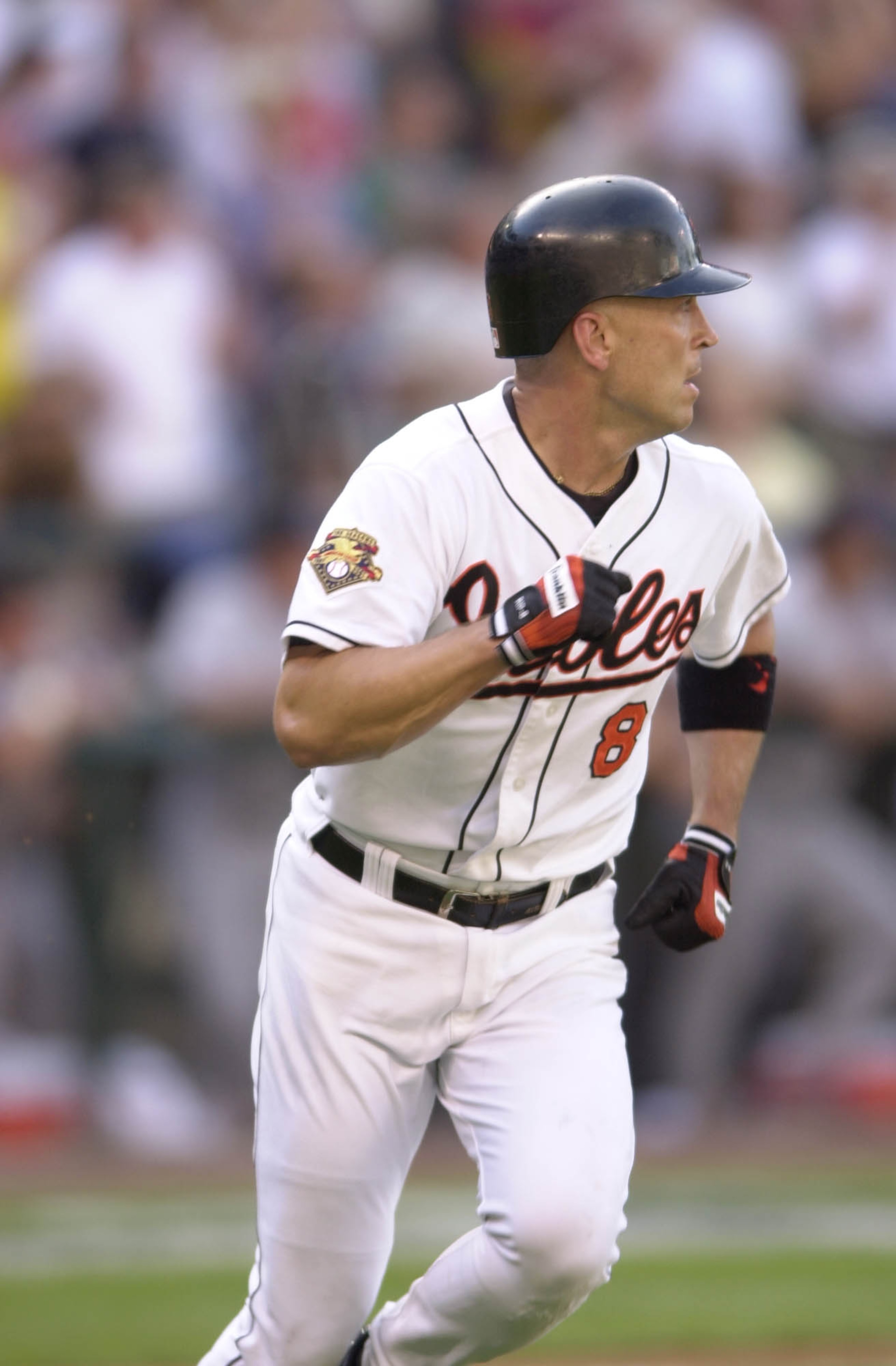
Cal Ripken, Jr. was one of the greatest ambassadors the sport of baseball has ever had.
After the polarizing events of the 1994 players’ strike, Ripken was the one who first really brought the fans back. His quest to break Lou Gehrig’s iron man streak of 2,130 consecutive games played was legendary, and his image as an everyman hero—just punching the clock, day in and day out, was enough to melt even the hardest of hearts.
So it was only too perfect that during the September 5, 1995 game (a home game, of course—how convenient, MLB schedule makers) in which he tied Gehrig’s mark, he crushed a leadoff homer in the sixth inning off of Angels journeyman Mark Holzemer.
And if that was too perfect, he went yard again during the following night’s record-breaking game, off of another legendary flamethrower, Shawn Boskie. On a 3-0 pitch. And you needn't have asked—the Orioles won both games (their only two wins of a seven game stretch bookending the historic games).
Fast forward six years, to 2001. Ripken has announced his retirement from the game, effective at the end of the season, and is voted into the All-Star Game by the fans one last time. No longer the offensive force he was in his prime, he’s not expected to do much—it’s a token appearance.
But up he steps for his first at bat, leading off the third inning…and he goes yard, again. NL pitcher Chan-Ho Park threw him essentially a batting practice fastball, right down the heart of the plate. He’s never admitted to serving one up on purpose, but when has an admission ever been needed for something to be true?
7) The 1993 NBA Draft Lottery
9 of 15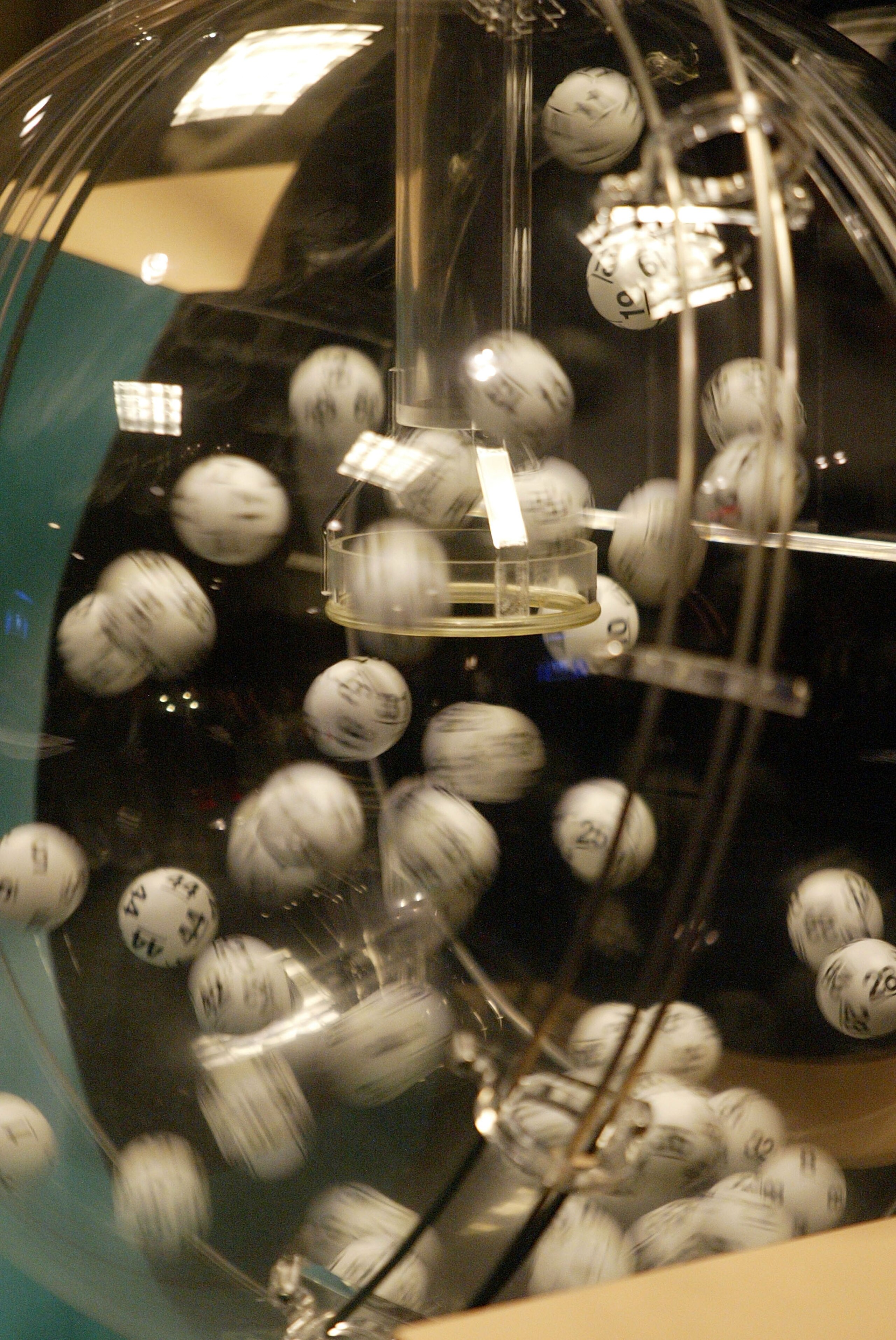
The Orlando Magic hadn’t done much of anything in their brief history in the NBA through 1992, losing at least 50 games in each of their first three seasons.
That all changed at the 1993 NBA draft lottery, when the franchise won the rights to the first pick, and selected LSU center Shaquille O’Neal.
O’Neal of course instantly became an NBA superstar, and made the Magic respectable right away. Lucky for them , though, he didn’t make them too respectable. The Magic finished the ’92-’93 season 41-41, a vast improvement over the previous season’s 21-61 record, but still—thanks to a convenient tiebreaker that went to the Indiana Pacers, who finished with the same record—not good enough to make the playoffs.
That put them back in the lottery for the next year, but of course, there was no way that lightning would strike twice, right? Wrong. Incredibly (or maybe not so incredibly for a league that desperately wanted to strengthen its roots in the booming South), Orlando struck gold again.
With the worst odds of winning the number 1 pick of any team in the lottery, their ball came up again. They went on to add Anfernee Hardaway (by way of a draft day trade after originally selecting Chris Webber), a creative playmaking guard, and the perfect compliment to O’Neal’s low post presence.
Lo and behold, the Magic went on to win 50 games the very next season, and went to the NBA Finals the year after that. Of course, Shaq soon left Disney World for Disneyland, but the reverberations of that “lucky” bounce of the ping-pong balls forever changed the balance of power in the league.
6) The Great One's Invisible High Stick
10 of 15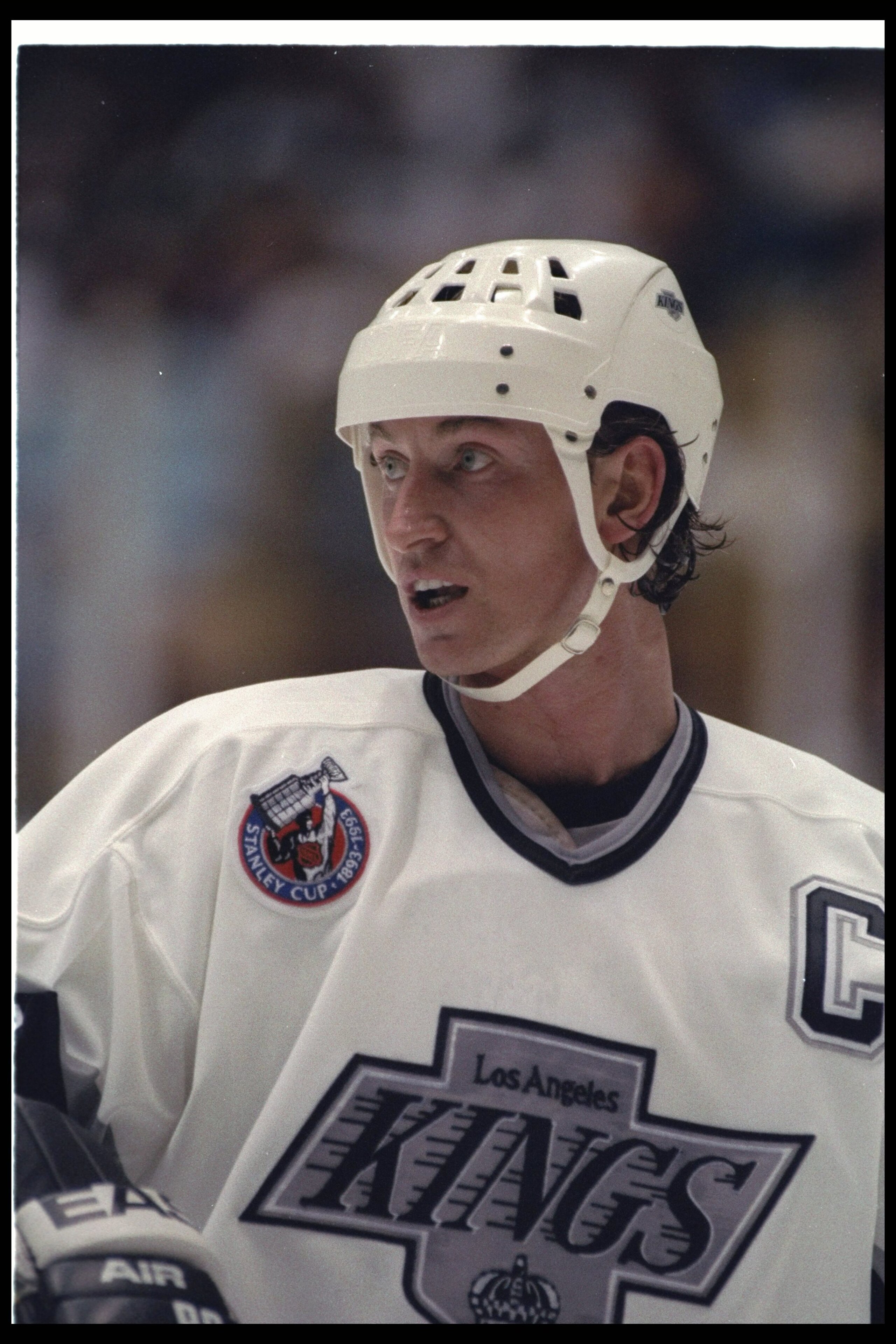
By 1993, Wayne Gretzky was already the greatest hockey player of all-time, winning four Stanley Cups with the Edmonton Oilers in the 1980’s, and obliterating virtually every scoring record on the books. After being traded to the Los Angeles Kings, however, he had yet to find quite that same level of success.
The NHL was smack in the middle of one of the biggest phases of expansion in the league’s history, a time when the league’s ranks swelled from 21 teams to 30. And it was desperate to broaden the appeal of the game to new markets, specifically, the American south. Gretzky joining Los Angeles was one of the most significant moments in the league’s history, making the sport relevant in the second largest city in the country.
The 1993 Campbell Conference Finals found Gretzky’s Kings squaring off against the Toronto Maple Leafs. The series was tightly contested, with Toronto clinging to a tenuous three games to 2 lead heading into Game 6, which went to overtime.
In that overtime period, Gretzky committed one of the most blatant penalties to ever not be called in hockey history, viciously spearing Leafs star Doug Gilmour with a high stick that drew blood. Referee Kerry Fraser was looking right at the play, but did nothing.
Soon after, Gretzky himself—who shouldn’t have been able to be on the ice at the time—scored the game winner, and the Kings would eventually win the series, securing a berth in the Stanley Cup Finals for the league’s marquee name and new marquee team.
5) The Guarantee
11 of 15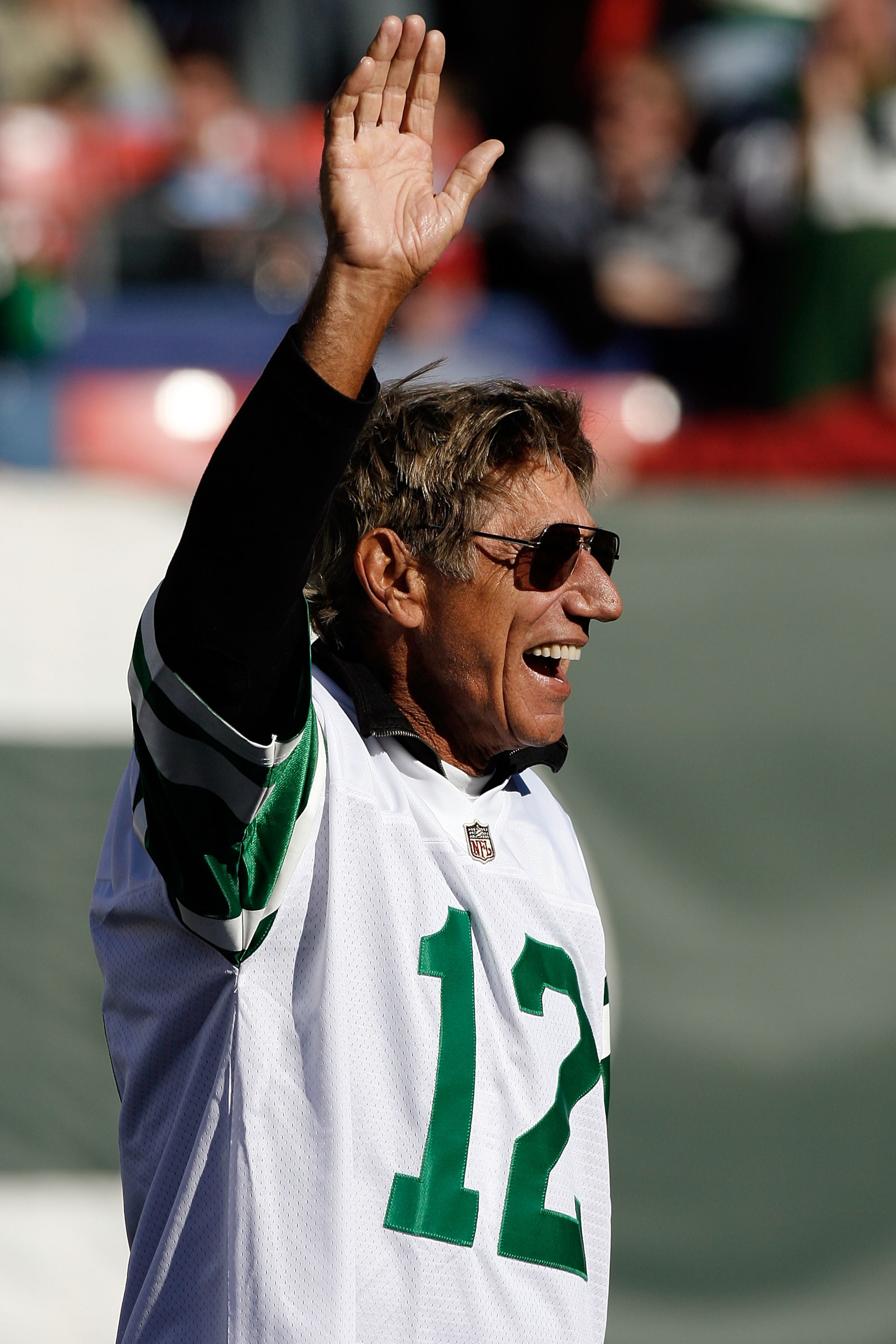
Super Bowl III found the stalwart, NFL champion Baltimore Colts facing off against the upstart, AFC champion New York Jets.
The AFC had yet to win a Super Bowl, and was still considered by many fans and reporters alike to be the decidedly inferior league. While Baltimore was led by the traditional, stoic Johnny Unitas, the Jets trotted on the field with trendsetting playboy Joe Namath behind center. It was considered to be an epic mismatch, and few gave the underdog Jets much of a chance.
Namath, never afraid to make a splash, fanned the flames before the game by guaranteeing a Jets victory, but at the time, few thought it was anything but ill—advised talk from the flamboyant quarterback. What it was in reality, however, was the perfect marketing opportunity for the newly merged league to publicize its nascent title contest, hype a star in the largest market in the country and grant credibility and legitimacy to the AFL.
The Jets controlled the game from the outset, holding the powerful Colts scoreless until the fourth quarter, and eventually winning, 16-7. The game is still considered by many to be one of the greatest upsets in sports history to this day. But was there a bit of a helping hand guiding the ball that day?
4) LeBron Gets to Stay Home
12 of 15
LeBron James was already a household name in the sports universe while he was still a junior in high school. His St. Vincent St. Mary’s games were televised nationally. The school was located in Akron, Ohio, just a hop, skip and a jump away from Cleveland, one of the traditionally most unlucky towns in sports.
The Cavaliers had never won an NBA title. Despite fielding good teams throughout the 80’s, they were perennially tormented by Michael Jordan’s Bulls.
The Indians hadn’t won a World Series since 1948, coming within two outs before falling in 1997. The Browns had ripped out the city’s heart by moving to Baltimore in 1996.
Nothing would be as feel good a story as the next best player ever getting to don a Cavs jersey and bring the franchise to the promised land, erasing all those years of heartbreak (and turning the Great Lakes into a new money market for the league—LeBron jerseys, LeBron bobbleheads, LeBron…you get the idea).
Of course, in the only possible way the story could play out, that’s exactly what happened. The Cavs won the first pick, took LeBron, and he became the city’s messiah.
While the final ending to this drama was certainly tragic for Cleveland and its fans, perhaps the new three amigos on South Beach weren’t assembled by luck, either…
3) Lakers-Kings Game 6
13 of 15
The Los Angeles Lakers were the NBA’s "it" team in 2001-02, having captured the NBA title the last two years, and getting to the Western Conference Finals the next, where they would face the upstart Sacramento Kings in a tightly contested series.
The Kings matched up well against their more glamorous rivals, and by Game 6, the team from Northern California held a three games to two series lead. That’s when things started to go awry.
If the Kings had won the game, they would’ve prematurely ended the Lakers’ budding dynasty. The league certainly wouldn’t want sleepy Sacramento in its marquee event instead of the mega-media market of L.A. So the Lakers shot 40 free throws in Game 6, including 27 in the fourth quarter, while the Kings were awarded just 25 for the entire game.
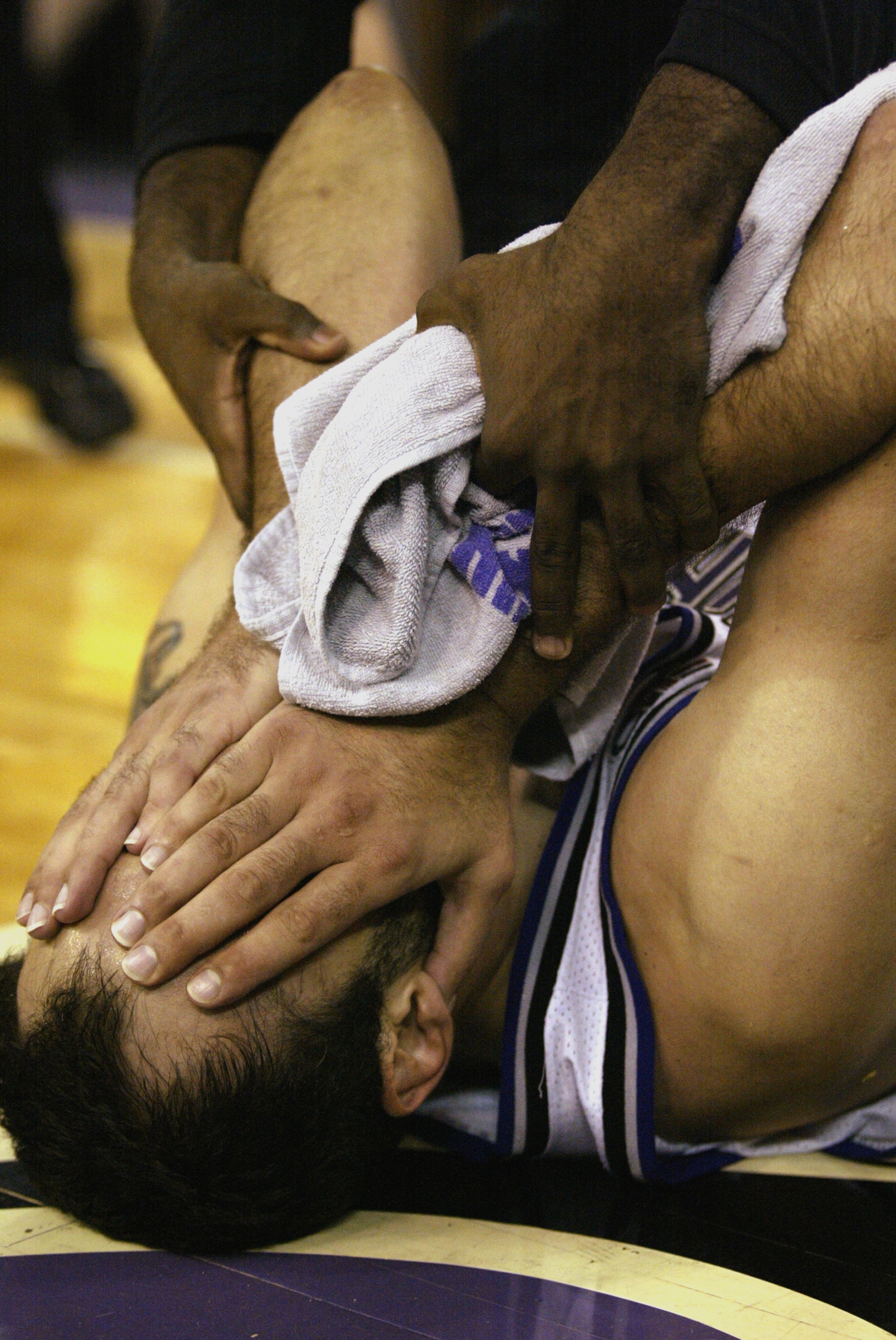
Adding further fuel to the fire, Kings' big men Vlade Divac and Scot Pollard both fouled out trying to defend Shaquille O’Neal, who seemed to get a call every time he touched the ball, and there were several non-calls on seemingly blatant Laker fouls down the stretch.
These non-calls included Kings' guard Mike Bibby being mugged as he drove the baseline with 43 seconds left, the Kings down 3, Kobe Bryant delivered a forearm shove to Bibby’s chin with 12 seconds left and the Kings down just 1.
With the help, the Lakers went on to win Game 6, the series and eventually their third straight NBA title.
2) MJ's Last Shot
14 of 15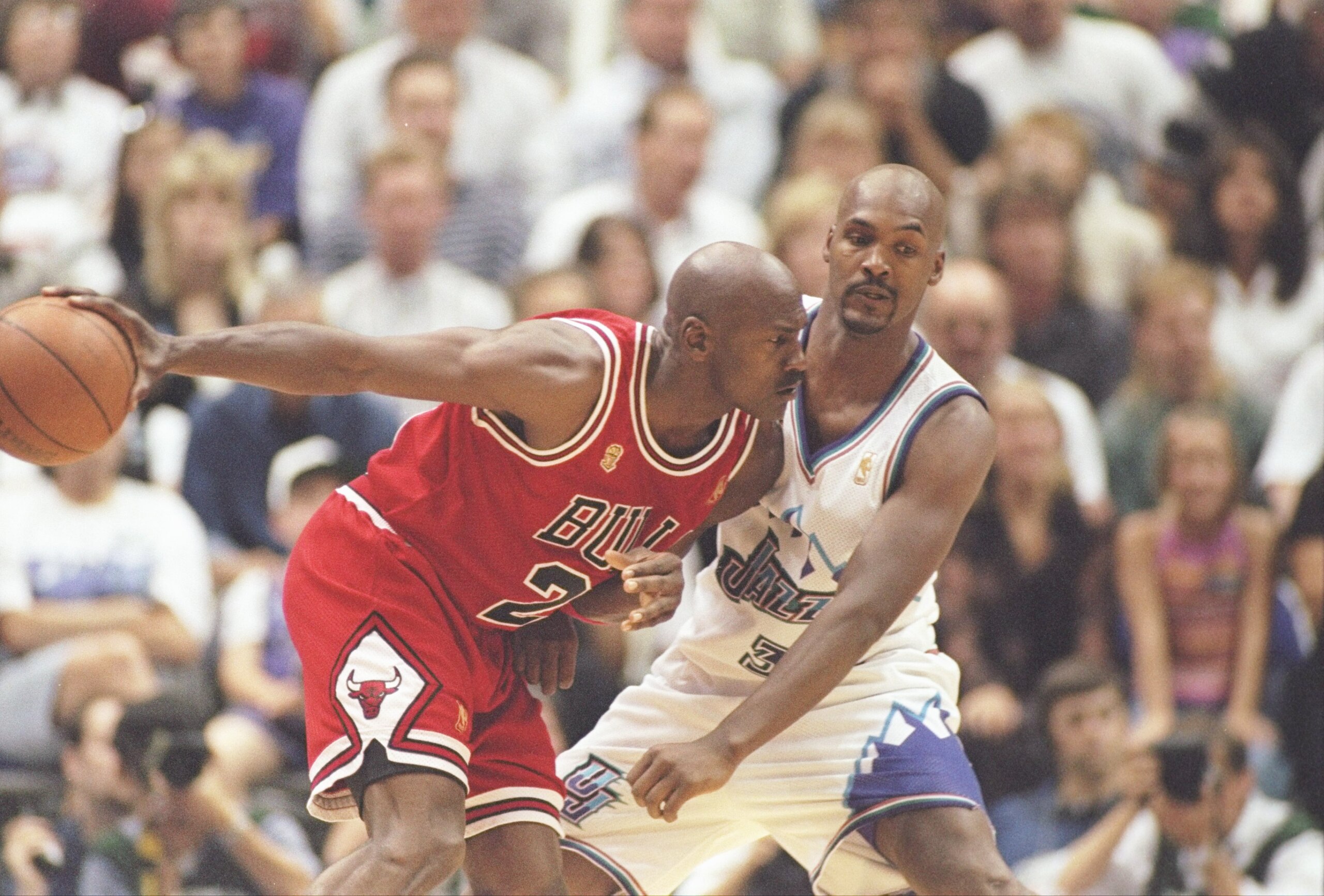
Michael Jordan’s final shot—at least, his final shot before his second, less successful un-retirement—was legendary as soon as it went in.
Jordan had led the Chicago Bulls to the brink of a second threepeat in 1997-98, as Chicago led the Utah Jazz three games to two in the NBA Finals. Game 6 in Utah was a back and forth game, but looked to be going the way of Utah in the final minutes.
John Stockton hit a 3-pointer with 41.9 seconds to play to put the Jazz up 86-83. Jordan followed with a driving layup the cut the Bulls’ deficit to 1, but Utah was still in control, with the lead and possession, and the clock winding down.
That’s when the referees decided to put their whistles away. After letting Jordan rake Karl Malone across the forearm to come up with a crucial steal, they then let him get away with an obvious push-off on Bryon Russell, as he pulled up for the potential game-winning shot.
The shot went in, of course, Jordan holding his arm aloft as Russell went flying towards the baseline, apparently so off balance of his own accord that he nearly became airborne. And the Bulls, and the league, had their threepeat.
1) The Cold War Clash
15 of 15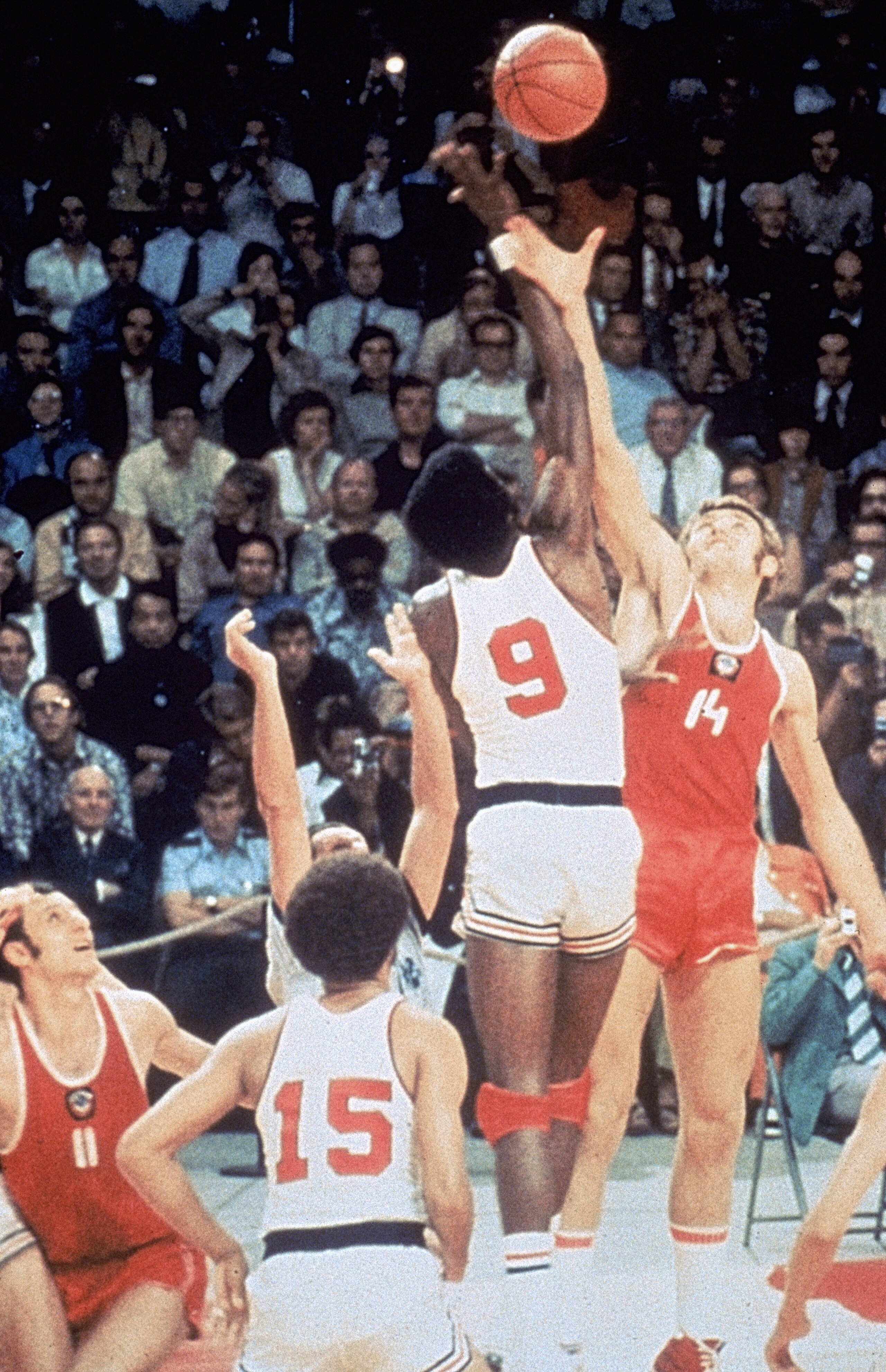
In arguably the most controversial moment in modern sports history, the 1972 Olympic men’s basketball gold medal game was decided in the most incomprehensible of ways.
Going into the game, USA basketball had never lost in Olympic competition, with a record of 63-0. Playing the Cold War rival Soviet Union, Team USA trailed 49-48 in the final seconds, before Doug Collins came up with a huge steal and drew a foul, sinking both free throws to put the US up by one with three seconds left. What happened next is difficult to explain.
After a horn inexplicably went off during Collins’ second free throw, one of the Soviet coaches suddenly stormed the court as his team inbounded the ball, complaining about a timeout not being granted. Somehow, this event resulted in the play being simply reset to prior to the ball being inbounded.
On the next inbounds play, the clock had failed to be reset properly to three seconds, and so even though the horn sounded, the Soviets were given another chance to start the play over once again.
Unbelievably given a third chance, this time, the USSR converted, scoring a buzzer-beating layup to win the gold medal. The Americans, incensed at the confusion, protested, but to no appeal. The jury decided 3-2 to uphold the Soviet victory. The three countries in the majority? Hungary, Cuba, and Poland, all Communist bloc nations.
If the 1980 USA victory over the Soviet Union is the most celebratory moment in American sports history, then this surely must be the most deflating.

.jpg?w=2560 "Chiefs Dolphins Football")

.jpg?w=2560 "Love's Body Already 'Tired'")