
World Cup 2018: The Great Bid War Will Be Won by the Russians
So where would you like to see the 2018 World Cup? Chilly, big-spending Russia? Financially teetering Spain and Portugal? The lowlands of Holland and Belgium? Or perhaps in England, where the nation is undergoing serious cuts in government spending?
Doesn’t sound too good does it? In Geneva on December 2—that’s next Thursday—the four competing bids will stand up to be counted by FIFA’s apparently dodgy Executive Council.
Me? I’d be bribing those infamous 24 men to vote for Russia. They may just have the roubles to survive a World Cup.
With South Africa’s white elephants still roaming the plains—their 2010 World Cup stadia in places like Nelspruit, Polokwane, Port Elizabeth and even Durban and Cape Town may be too costly to maintain—even booming Brazil are struggling to keep the bean-counters happy as they prepare for 2014.
And now we find the European superpowers lining up to carry the burden of FIFA’s “greatest show on earth” right in the middle of the biggest financial downturn those bonus-loving bankers can throw at us.
Everyone knows FIFA’s coffers are the only ones likely to bulge, but national pride means the battle goes on.
Spain and Portugal, both with teetering economies, insist they’ve already lined up eight of those 22 votes. In the words of bid spokesman Miguel Angel Lopez: “All the fish is sold.” Strange expression to us that, when you consider the 2018 Iberian bid was only cleared of colluding with Qatar 2022 earlier this month.
England? They haven’t hosted the World Cup since 1966, and Prime Minister David Cameron is being lined up to help end that 52-year hiatus. The glib Conservative leader will—like the other five national leaders—spend three days in Zurich next week, leading what he calls the “persuasion offensive."
Already, Cameron has hosted a reception for FIFA president Sepp Blatter, who pronounced himself happy with England’s preparations. Just as Tony Blair’s presence in Singapore helped London defeat Paris and Madrid to the 2012 Olympics, so Cameron—with David Beckham and Prince William also in his armoury—is seen as the big gun to blow his European rivals out of the water.
Holland and Belgium, with their 80,000-capacity World Cup final stadium due to be built in Rotterdam, are the cute outsiders. They offer a sustainable, green bid which will involve far less travel for fans than a trip to Russia, where Prime Minister Vladimir Putin is apparently determined to triumph.
And all of next Thursday’s shenanigans will be played out to the backdrop of corruption. When the executive vote on 2018 and 2022 they will do so knowing Nigeria's Amos Adamu and Oceania's Reynald Temarii have already been suspended for breaching the ethics code after a series of Sunday Times revelations a month ago.
On Monday night in England, the BBC will screen the long-awaited Panorama investigation into the bid process with FIFA vice-president Jack Warner, a man of some experience in these situations, insisting: "I’m totally dismissive of the Panorama programme. I believe it might have a negative affect on the England bid. I leave here on Sunday to go to vote on the bid. I haven't yet made up my mind how I'm voting.
"I don't want to dignify the foolishness by the BBC and what they want to show. If the BBC want to show anything, they could show it, what more could the BBC say about Jack Warner, come on, and while the BBC is doing its nonsense, I am doing my work, so I'm not worried about that."
Assuming there are no further suspensions after the BBC expose—I’m told they’re little more than a rehash of the Sunday Times allegations—just 22 votes will be cast on Thursday, though Oceania could replace Temarii before the ballot if he waives his right to appeal against his one-year suspension and fine.
That 23rd vote looks likely to go to England, and they certainly have the best available stadia and infrastructure for a low-cost World Cup.
In truth, Russia may be the boldest bid—and the best for the game globally. Vitaly Mutko, the Russian Sports minister leading their campaign, admits: "England could host the World Cup tomorrow. But we have a vision and FIFA has a philosophy that is about trying to grow in new parts of the world. Football is already very popular in England. We hope that football can be as popular in Russia as it is in England.”
To be honest, Vitaly mate, you’re welcome to it.
England: Great Stadiums and Devastating Cuts
1 of 5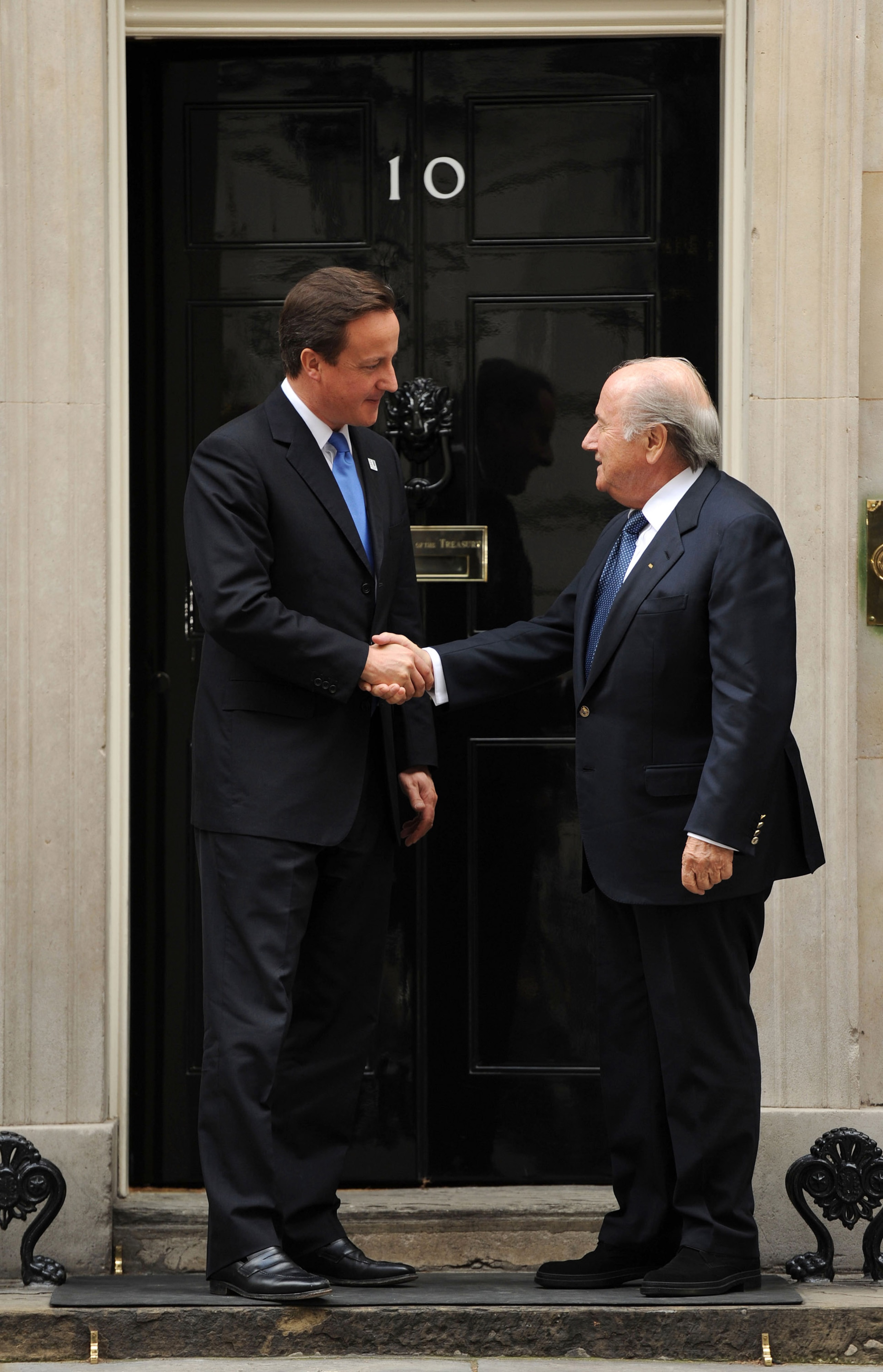
ENGLAND: Yeah, yeah, yeah. They’ve got the iconic stadiums the world sees in the Premier League on the telly every week, they’ve got the new Wembley.
And yes, they’ve got the infrastructure when the train drivers aren’t on strike, and there are plenty of hotels in all the major cities.
To me, the big thing is that England—with London set to host the 2012 Olympics—boasts huge communities of ex-pats from over 200 nations which ensures interest even in the tiny games like, say Slovenia versus Iran or Greece against Turkey, God forbid. But can the country afford the upgrades in cities like Bristol, Milton Keynes and Plymouth when the nation faces the worst government cuts in decades?
Bid cities: London, Manchester, Newcastle, Sunderland, Birmingham, Bristol, Leeds, Liverpool, Milton Keynes, Nottingham, Plymouth, Sheffield.
Best world cup performance: Winners, 1966.
Odds: 11/10
Verdict: The obvious low-cost choice, but politics—and economics—may get in the way.
Russia: How Many Roubles Will Putin Put In?
2 of 5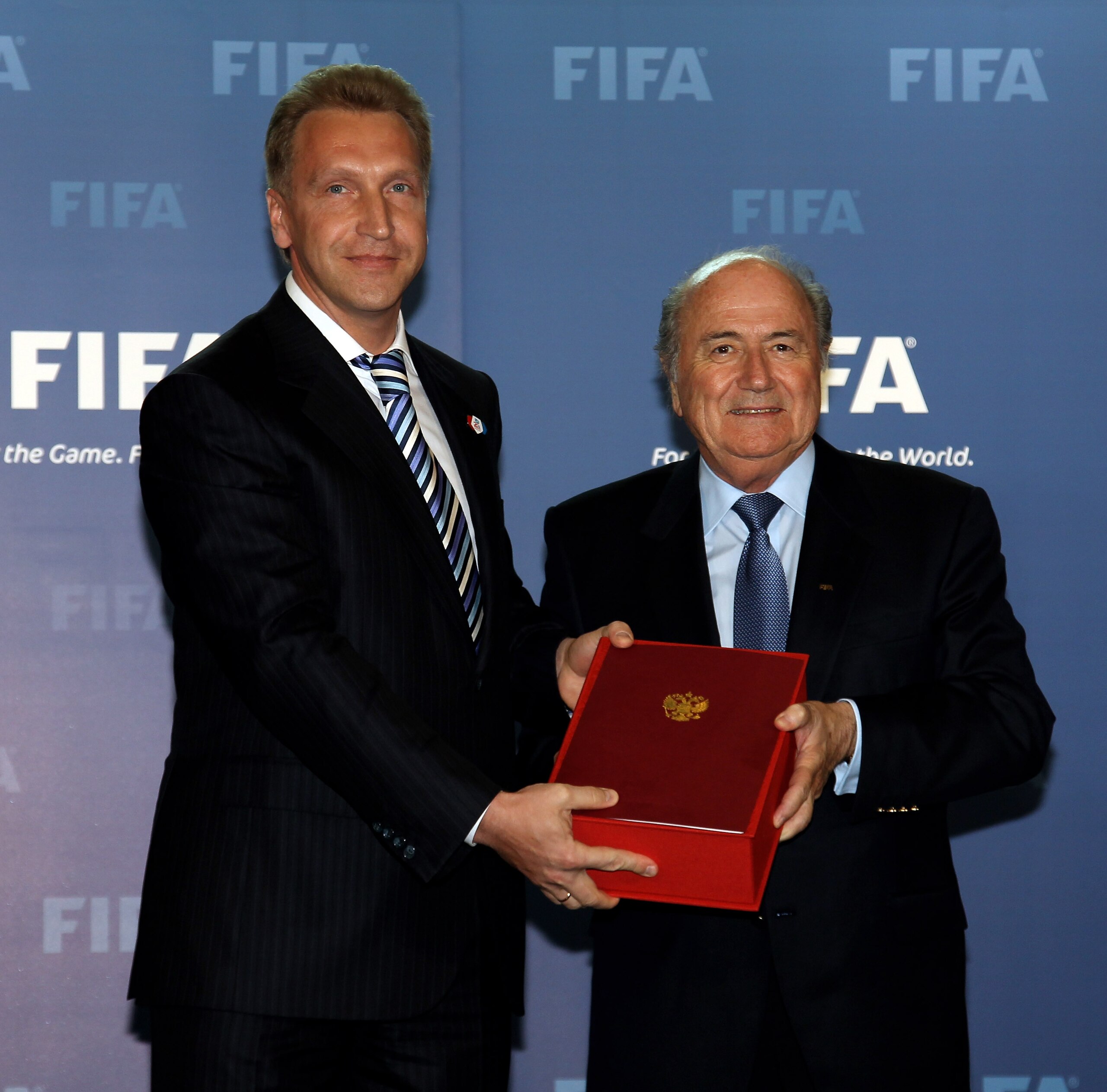
RUSSIA: Prime Minister Vladimir Putin has already secured the Winter Olympics for Sochi in 2014 and he’s promising to spend £6bn on the World Cup if they get it.
FIFA are worried about transport around this vast country and there may be a rush to get ready in time with most of the stadia needing work...but somehow I reckon they’ll get it. With Putin in charge, spending all that cash shouldn’t be a problem.
Bid cities: St Petersburg, Moscow, Sochi, Yekaterinburg, Kaliningrad, Rostov-on-Don, Krasnodar, Yaroslavi, Nizhny Novogorod, Kazan, Saransk, Samara and Volvograd.
Best world cup performance: Group stage, 1994 and 2002.
Odds: 5/6
Verdict: Sepp Blatter would love to take the World Cup to Russia. If Putin makes the right noises, they’ll win the bid.
Spain and Portugal: Real Threat from Madrid and Barcelona
3 of 5
SPAIN & PORTUGAL: The Iberian bid is dominated by Spain, the Euro 2008 and 2010 World Cup winners. They hosted Euro 1964 and the 1982 World Cup, while Portugal was home to Euro 2004.
Spain offer Barcelona’s impressive Nou Camp and Real Madrid Bernebeu, but Portugal will probably only use Porto and Lisbon. Either way, there’s money to be spent and these two nations are both staggering under the economic collapse.
Bid cities: Barcelona, Madrid, Valencia, Lisbon, Sevilla, Bilbao, Porto, Zaragoza, Badajoz, Santander, Malaga, A Coruna, Donostia-San Sebastien, Valladolid, Vigo, Murcia, Alicante, Gijon.
Best world cup performance: Spain, winners 2010/ Portugal, third place 1966.
Odds: 4/1
Verdict: Despite the economic problems, they claim eight votes already, and who can argue against Madrid and Barcelona being footballing hotbeds?



Holland and Belgium: Green, Clean, But Not So Mean
4 of 5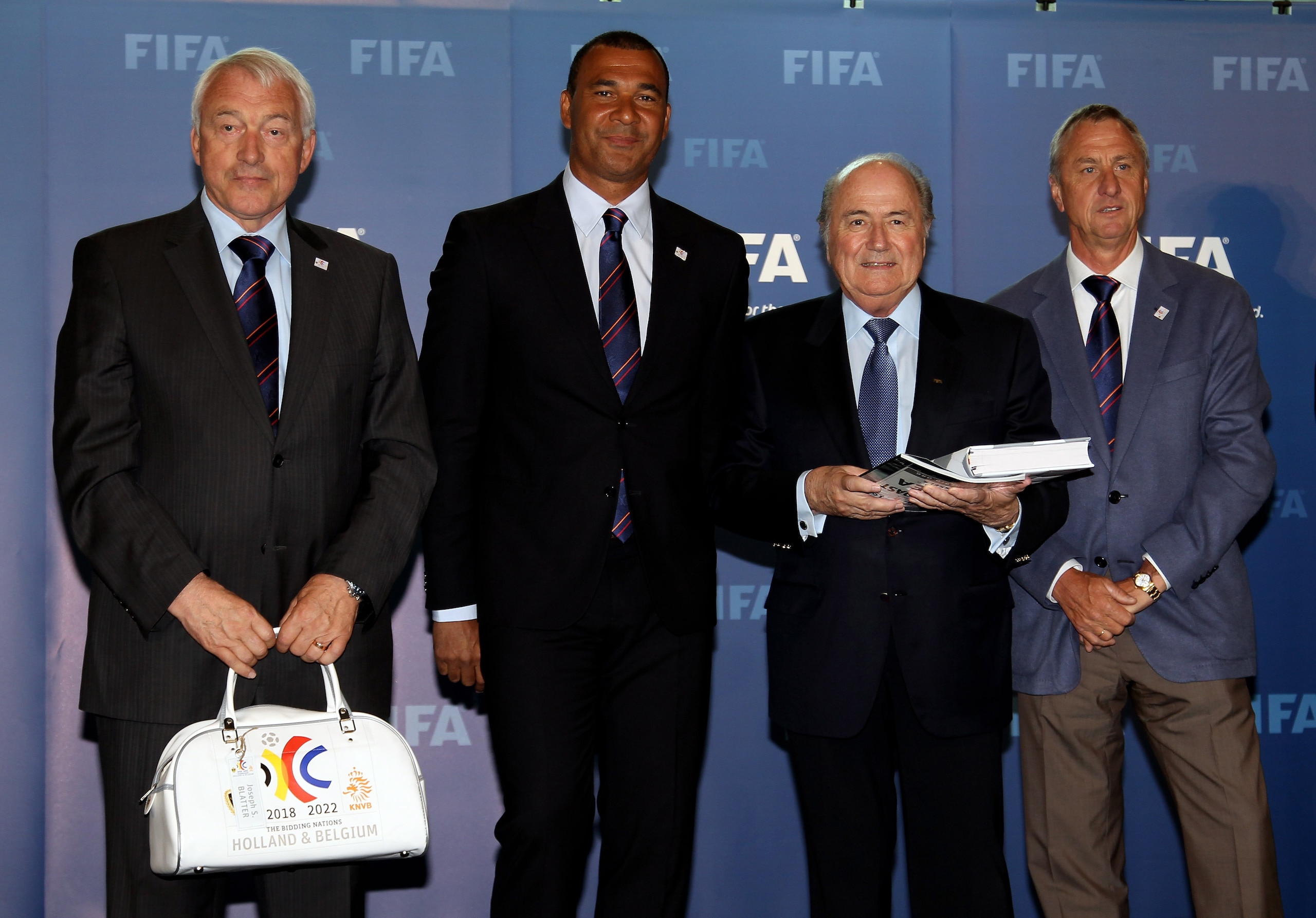
BELGIUM & NETHERLANDS: The Benelux pair hosted Euro 2000 with some aplomb, now they’re claiming to have the greener, healthier, sustainable bid.
Certainly, it will be easier to get about than Russia, given the size of the lowland nations, but they don’t have an 80,000 capacity stadium to host the final. Rotterdam city council promised to do that in March 2009 but it’s not there yet.
Bid cities: Amsterdam, Enschede, Rotterdam, Eindhoven, Antwerp, Genk, Liege, Charleroi, Brussels, Ghent.
Best world cup performance: Fourth Place, 1986/Runners up 1974, 1978, 2010.
Odds: 33/1
Verdict: Nobody cares about green any more. Can’t compete with the big guns.
And Then There's 2022
5 of 5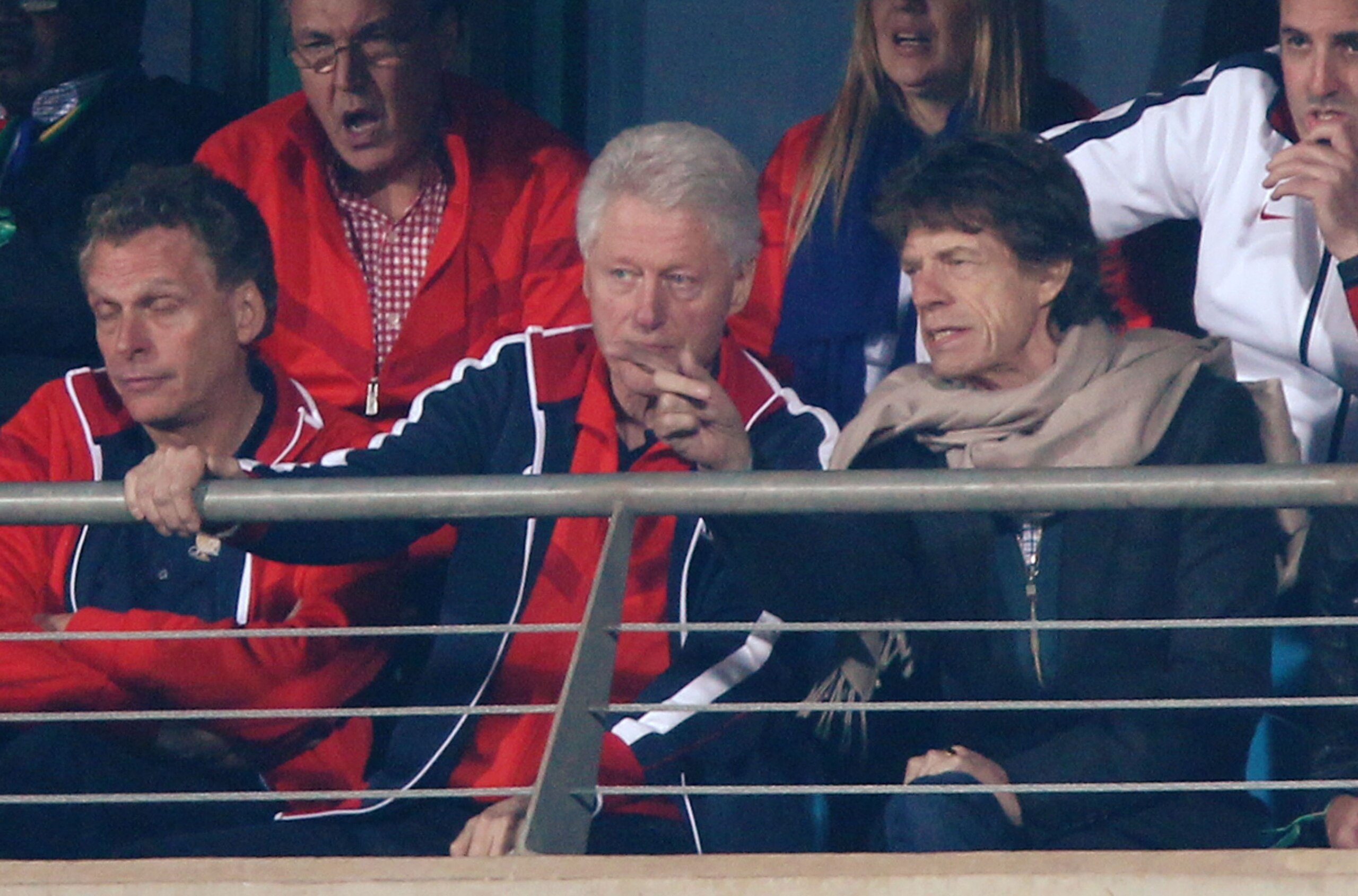
While all European eyes will be on the 2018 World Cup ballot in Geneva next Thursday, much of the rest of the globe will be transfixed by the subsequent battle to host the 2022 tournament.
The candidates are all impressive, despite the fact that Africa (South Africa hosted 2010), Latin America (Brazil will host 2014) and Europe (who host 2018) are ruled out. Emerging Australia, who have successfully held both cricket and rugby World Cups, not to mention the 2000 Sydney Olympics, would appeal to FIFA in their bid to bring football to new audiences.
The same can be said for the United States, though they did have a decent crack at it as recently as 1994. The MLS seems to have grown into something resembling a real “soccer” league, and former President Bill Clinton is the driving force behind their effort to host a second World Cup in 24 years.
Qatar have money to spend and much to offer, South Korea have troubles with their northern neighbours and Japan are the outsiders, having hosted the bulk of the 2002 World Cup with their Korean neighbours.
The Aussies suffered a bit of a blow this week with the news that Prime Minister Julia Gillard will NOT attend the ballot next Thursday, leaving it to Governor-General Quentin Bryce to further their cause.
The Australia FA insisted: ''Quentin Bryce will be a wonderful representative for Australia's interests. She is a patron of women's football in this country and a great advocate for the game.''
But Aussie opposition spokesman for sport Luke Hartsuyker said: “We need to demonstrate that we are serious about the World Cup. It's vital that a senior member of the government actually attends. If it's not the Prime Minister, it should at least be a member of cabinet.”
Qatar is sending its leader, Emir Sheikh Hamad bin Khalifa Al-Thani, and South Korea its president, Lee Myun Bak.
The US will be represented by Clinton, amid speculation that President Barack Obama might make a last-minute trip. Japan are the rank outsiders for 2022 and are sending a low-level official.
Model Elle Macpherson is also rumoured to be part of Australia's final bid, which may make up for Gillard’s absence. The Aussies are fairly serious about all this, with the promise to spend $45.6 million by the federal government.
The Aussies’ main fear is the threat from free-spending Qata. They’ve convinced French superhero Zinedine Zidane to produce a television advert on behalf of the Persian Gulf state. The former Real Madrid and France star tells of his struggle to make it as an Algerian immigrant, explaining how he hopes a World Cup in the Middle East can give Arab kids a chance.
Though FIFA have expressed concern about the 50c temperatures in Qatar, British bookmakers William Hill said: "The ZZ advert impressed us enough to make Qatar favourites. We quote them at 4-9 ahead of Australia at 3-1 and the United States at 7-2."

.jpg?w=2560 "Colts Football")


.jpg?w=2560 "Why Josh Simmons Was Told to Leave Meeting by Mahomes, Reid Revealed in New Chiefs Rumors")
