
How To Fix College Football: Realignment, Scheduling and Playoffs
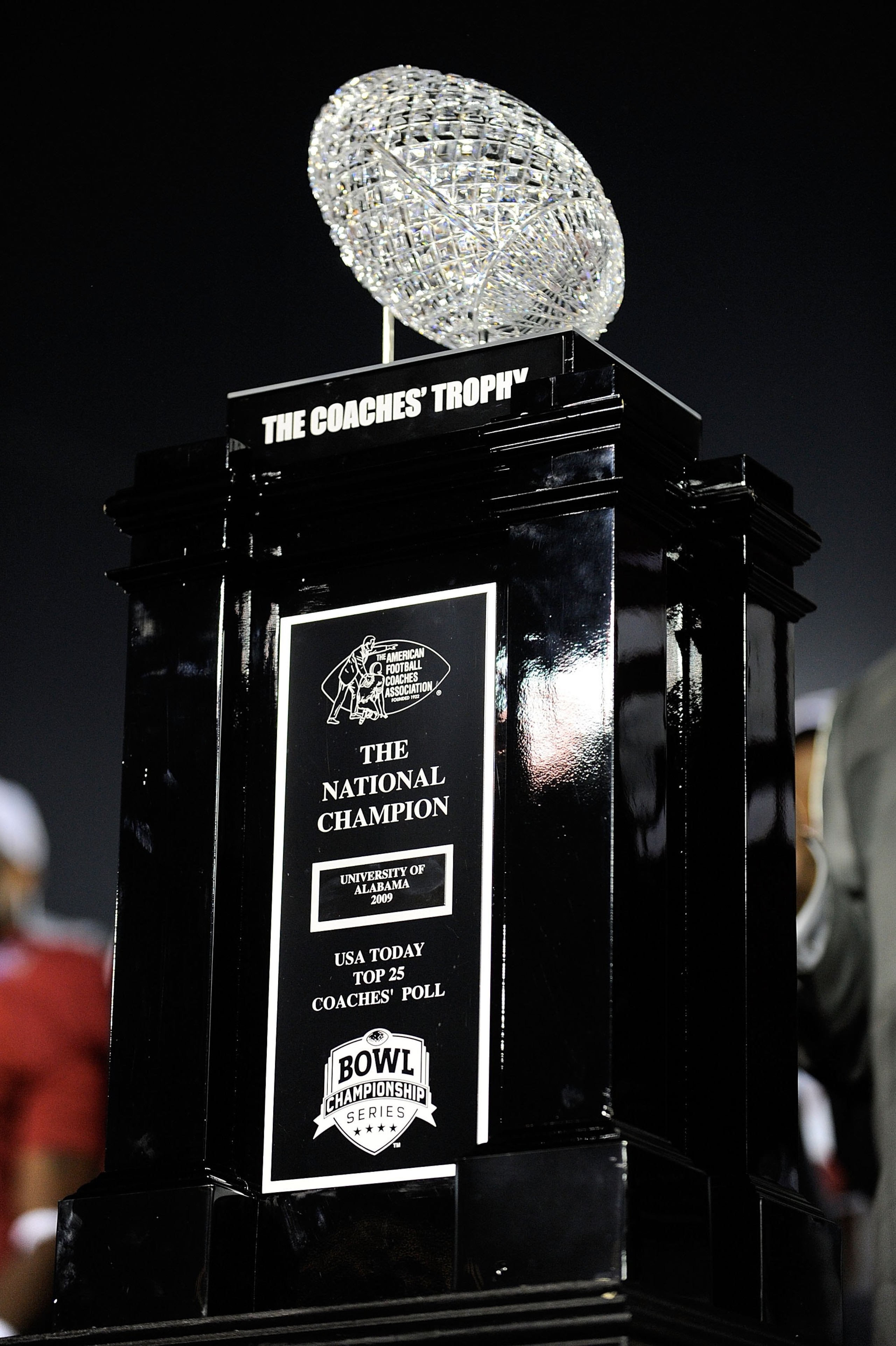
As we all know, the BCS is a flawed system.
Actually, that might be putting it mildly. The BCS is beyond idiotic.
It is an improvement over the previous system or lack thereof. But it’s like going from driving a crappy bicycle to a burnt-out Ford Pinto.
Somehow we need to come up with a better system to determine a college football champion. But let’s take it one step further. Let’s update everything that is wrong with the way college football is played today.
Conference realignment, scheduling, playoff scenarios, and even a plan to include up-and-coming teams will be discussed.
Conference Realignment
1 of 12
First things first. If we’re going to fix this mess, we need some conferences that make more sense.
After all is said and done, there will be five conferences of 12 teams each.
Each conference will be split into two divisions of six teams each. This leaves us with the Top 60 teams.
Teams are ranked by both historical prestige rankings, done by ESPN, and AP Poll finishes in the BCS era. The prestige rankings count for one-third of the score, and the BCS-era finishes count for two-thirds.
Teams will be split along geographic lines, with the goal of keeping current conference rivalries intact.
ACC
2 of 12
ACC South
Florida State Miami
Georgia Tech North Carolina State
West Virginia Clemson
ACC North
Virginia Virginia Tech
Maryland Boston College
Syracuse Navy
Big Ten
3 of 12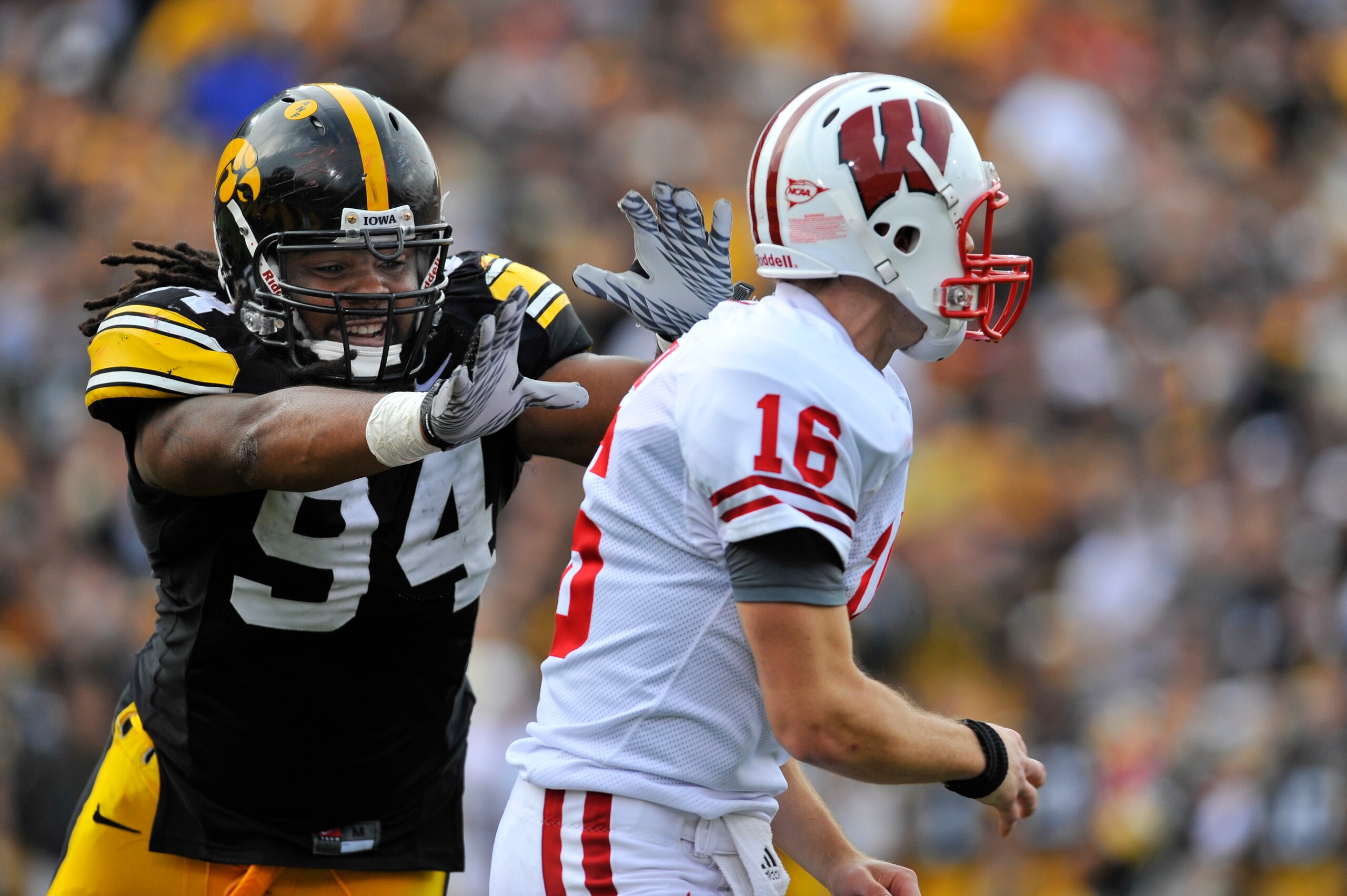
Big Ten South
Penn State Iowa
Purdue Notre Dame
Pittsburgh Illinois
Big Ten North
Michigan Michigan St
Ohio State Wisconsin
Miami (OH) Minnesota
.jpg?w=2560 "Titans Giants Football")
.jpg?w=2560 "Cardinals Giants Football")

Big 12
4 of 12
Big 12 East
Texas Texas Tech
TCU Missouri
Oklahoma Oklahoma State
Big 12 West
Kansas Kansas State
BYU Utah
Nebraska Air Force
Pac-10
5 of 12
PAC-10 South
USC California
Stanford UCLA
Arizona Arizona State
PAC-10 North
Oregon Oregon State
Washington Washington State
Boise State Colorado
SEC
6 of 12
SEC East
Florida South Carolina
Tennessee Georgia
Ole Miss Mississippi State
SEC West
LSU Texas A&M
Alabama Auburn
Arkansas Louisville
Scheduling
7 of 12
There will be 14 weeks in the regular season.
Every team will play 12 games—six home and six away.
The regular season will end the final Saturday in November. Typically this will put the first week of the season as the final weekend in August, so as to coincide with the beginning of the fall semester.
Five games will be against the five division opponents. Three games will be against teams from the other division of the conference. Those teams will rotate each year so that a team plays each team from the other division every other year.
The final four games will be against non-conference foes. Two games--one home and one away--must be against schools from the other four major conferences. The other two--one home and one away--may be against smaller conference schools. FCS may not be scheduled.
Each team will have two bye weeks. Byes may not be scheduled for the first or last weekend of the season and must fall at least three weeks apart.
Conference Championships
8 of 12
The first Saturday in December will play host to the conference championship games.
The top teams from each division will play for that conference’s crown.
Tie breakers will be decided by the head-to-head victor from the in-season matchup. Should three or more teams tie atop the division, BCS rankings will be used to eliminate all but the top two, at which point the head-to-head tiebreaker will be applied.
The second Saturday in December will be an off-weekend, since that is when most universities take final exams.
Playoffs
9 of 12
Playoffs will begin the third Saturday in December.
Eight teams will make the tournament.
The five major conference winners will get an automatic berth, unless they finish below 12th in BCS rankings. The other three spots will go to the three highest-ranked non-conference winners, along with spots lost by conference winners who failed to finish in the Top 12 of the final BCS standings. Seeds will be determined by BCS rankings.
Playoff sites will be the Sugar, Rose, Orange, Fiesta, Cotton, Capital One and Chick-fil-A Bowls.
These bowls will be ranked one through seven before the first year. No. 1 will host the Championship. No.'s 2 and 3 will host semifinal games, with No. 2 getting first choice of matchups. No.'s 4 through 7 will host quarterfinal games with matchups chosen in ascending number order. After the season, No. 1 goes to No. 7 and all the other bowls move up a slot.
The first round matchups will be No. 1 vs. No. 8 , No. 2 vs. No. 7, No. 3 vs. No. 6, and No. 4 vs. No. 5. Second-round matchups will feature the winner of No. 1 vs. No. 8 against the winner of No. 4 vs. No. 5, and the winner of No. 2 vs. No. 7 against the winner of No. 3 vs. No. 6. The championship game will feature the winner of those two games. That game will be held on the first Saturday in January unless there are five Saturdays in December, at which point the game will shift to New Year’s Day.
Other Bowls
10 of 12
All other bowls will be allowed to continue in their current format.
They will pick from among the non-playoff teams.
Other bowls will not be allowed to commence on days when playoff games are held, so as to not interfere with the playoff games. Bowl season will run from the Thursday after the exam off week until New Year's Eve. Teams will continue to need six wins to qualify for a bowl invitation.
Conference Movement
11 of 12
Finally, a plan will be implemented to allow for smaller teams to move into the major conferences.
Major teams that go winless in conference play or win two or less games overall must be dropped from the ranks of the major conferences. No more than one team per conference may be dropped. Should more than one team qualify to be dropped, the loser of the most recent head-to-head matchup will be dropped.
Lower conference teams are eligible to replace them if they meet the following criteria: nine or more wins the previous season, winning records for the previous three seasons, victory over a major conference team in the previous season.
If no lower conference team meets all three criteria, then teams meeting two of the three become eligible. If no small school meets at least two criteria, the major school will not be dropped from its conference. Once dropped by a major conference, a school is not eligible to reenter the major conferences for at least three years.
Conferences will be allowed to drop the worst team in their conference, as determined by conference record, should they so choose. Conferences that drop schools by choice must still follow the same procedure as those forced to dropped a school.
Wrap Up
12 of 12
Overall, I believe this will make college football more competitive, more entertaining and more profitable.
College presidents who resist the change will see that players will be no more distracted from their studies than they are by the current system.
The seven major bowls will see that a playoff system will bring them exponentially more money. Athletic directors will accept that cupcake scheduling is severely reduced. Smaller schools will have a chance to prove themselves and move up to play with the big boys.
But most importantly, fans will finally have a true national champion.





.jpg?w=2560 "LaFleur's Fumbling Warning ⚠️")