

Election Day 2010: 10 Best Athletes Turned Politicians
It is the first Tuesday in November, and in even-numbered years, that means big national and local political elections. Across the country, a buzz of anticipation leaves us to wonder how much will change in the wake of these proceedings.
For those who love sports, there are always familiar names on national ballots. No fewer than three U.S. presidents were once major athletes, and ex-jocks with lofty athletic resumes dot the U.S. House of Representatives and the Senate.
Some guys, like Jesse Ventura and Arnold Schwarzenegger, capitalized on tangentially sports-related celebrity to gain their offices. Others, though, were legitimate and dedicated members of the sporting world before venturing into the world of politics.
Who are the 10 best and most notable men who made the transition? Read on.
10. Tom Osborne
1 of 10
Technically speaking, Osborne was not much of an athlete.
After coaching Nebraska for 25 years and winning three national titles, though, Osborne became perhaps the biggest name in the history of Nebraska athletics. He used that visibility to gain easy entry to the House of Representatives as a Republican in the Nebraska 3rd Congressional District.
Osborne served three terms before trying to unseat the governor of Nebraska and faded from political life thereafter.
9. JC Watts
2 of 10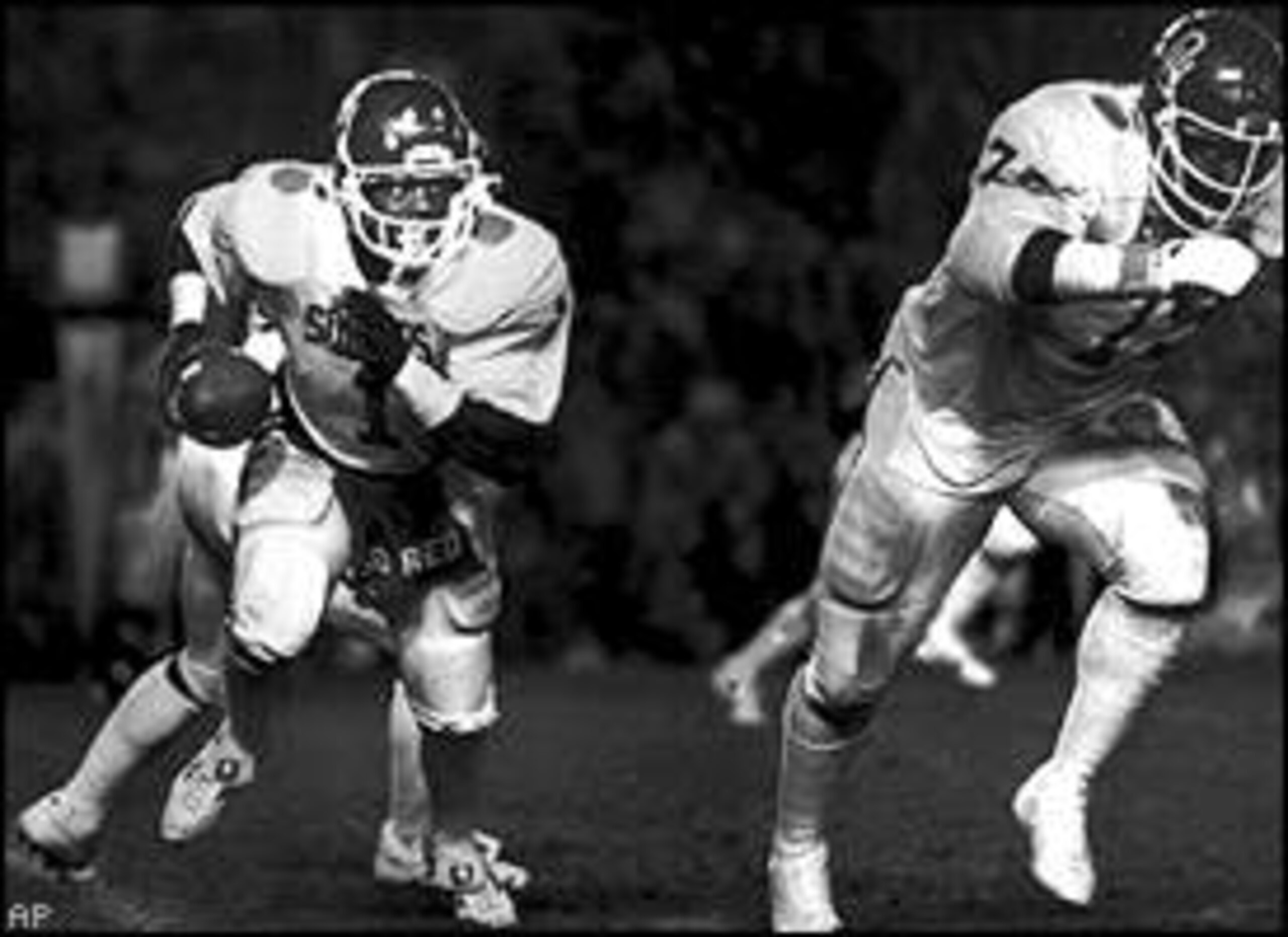
Watts led Oklahoma to back-to-back Orange Bowl victories in his youth before moving on to the CFL.
Returning to his home state, Watts then served eight years in the House of Representatives as a Republican from Oklahoma. Watts has worked as a consultant and political commentator after leaving office in 2003.
8. George W. Bush
3 of 10
Like Osborne, Bush was a middling athlete in his youth, though he did start at second base for Yale's baseball team.
Bush, too, made his name off the field in the sports world as the owner of the Texas Rangers—and, of course, the son of a president.
Bush became perhaps the most visible Rangers fan in the U.S.A. this season, often sitting next to new owner Nolan Ryan in the first row at Rangers Stadium in Arlington. For being the most baseball-savvy president ever, Bush gets a spot on the list.



7. Lynn Swann
4 of 10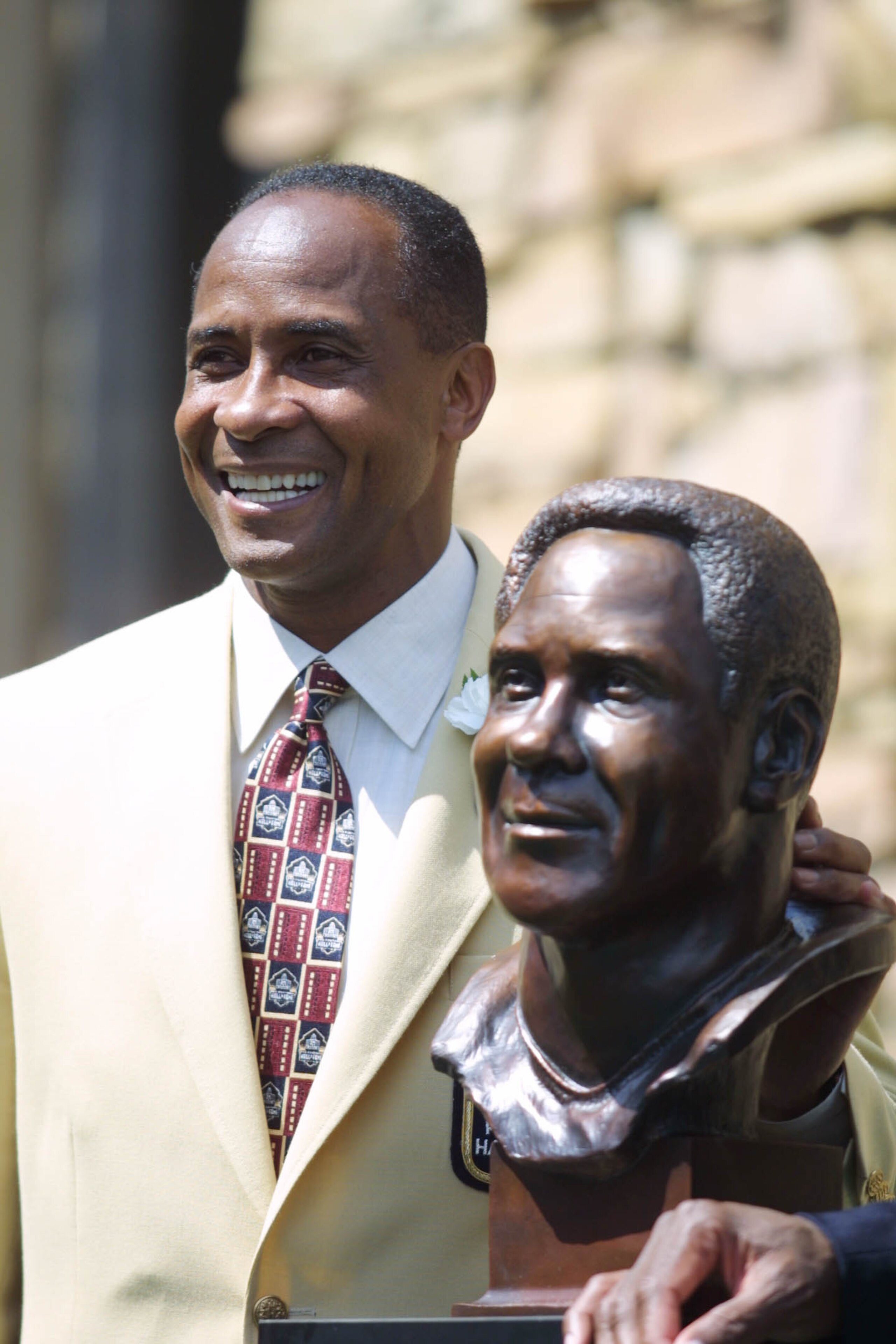
After his Hall of Fame career as a wide receiver ended, Swann found plenty of ways to stay busy. He became a well-known sideline reporter and studio analyst, then ran for governor in 2006. He lost, but has since entertained further campaigns for the House of Representatives.
We may not have yet seen the last of Lynn Swann, politician.
6. Ronald Reagan
5 of 10
Reagan played football and captained the swim team at Eureka College, and had a brief career as a baseball broadcaster. He loved sports, theater and everything else he could fit into his schedule. From 1980 to 1988, he also found time to run the country.
"All my life, I've been a registered Democrat," said Cubs play-by-play announcer Harry Caray after Reagan left office. "But I voted for Ronald Reagan, and I'll tell you why: Reagan is the only baseball announcer who ever ran for president. Now how can you beat that?"
Amen, Harry.
5. Steve Largent
6 of 10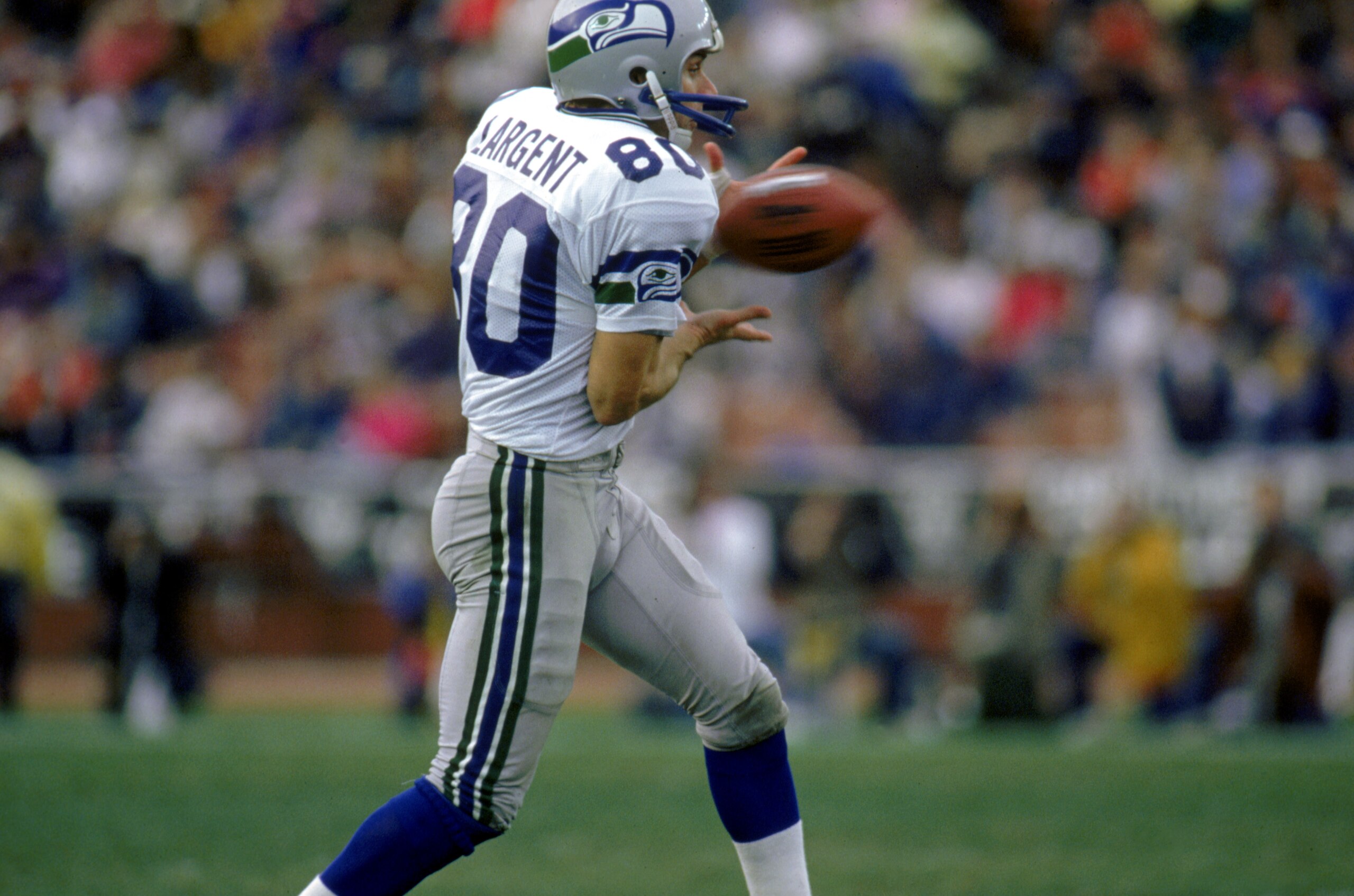
Before there was Jerry Rice, there was Steve Largent. Largent retired with every major NFL receiving record and waltzed into the Hall of Fame.
Not satisfied, Largent became a Representative from Oklahoma in 1994—before he even became eligible for Canton. He would remain in office until 2002, when he ran for governor and lost a breathtakingly close election.
4. Jim Bunning
7 of 10
He won 224 games and had a 3.27 career ERA, but Bunning may have been even more impressive as a politician than he was as a pitcher.
Bunning served 12 years in the House before winning election to the Senate in 1999, all as a representative from Kentucky. Bunning is not running for re-election this year, so it seems that he has come to the end of what was a remarkable run of success both on and off the field.
3. Bill Bradley
8 of 10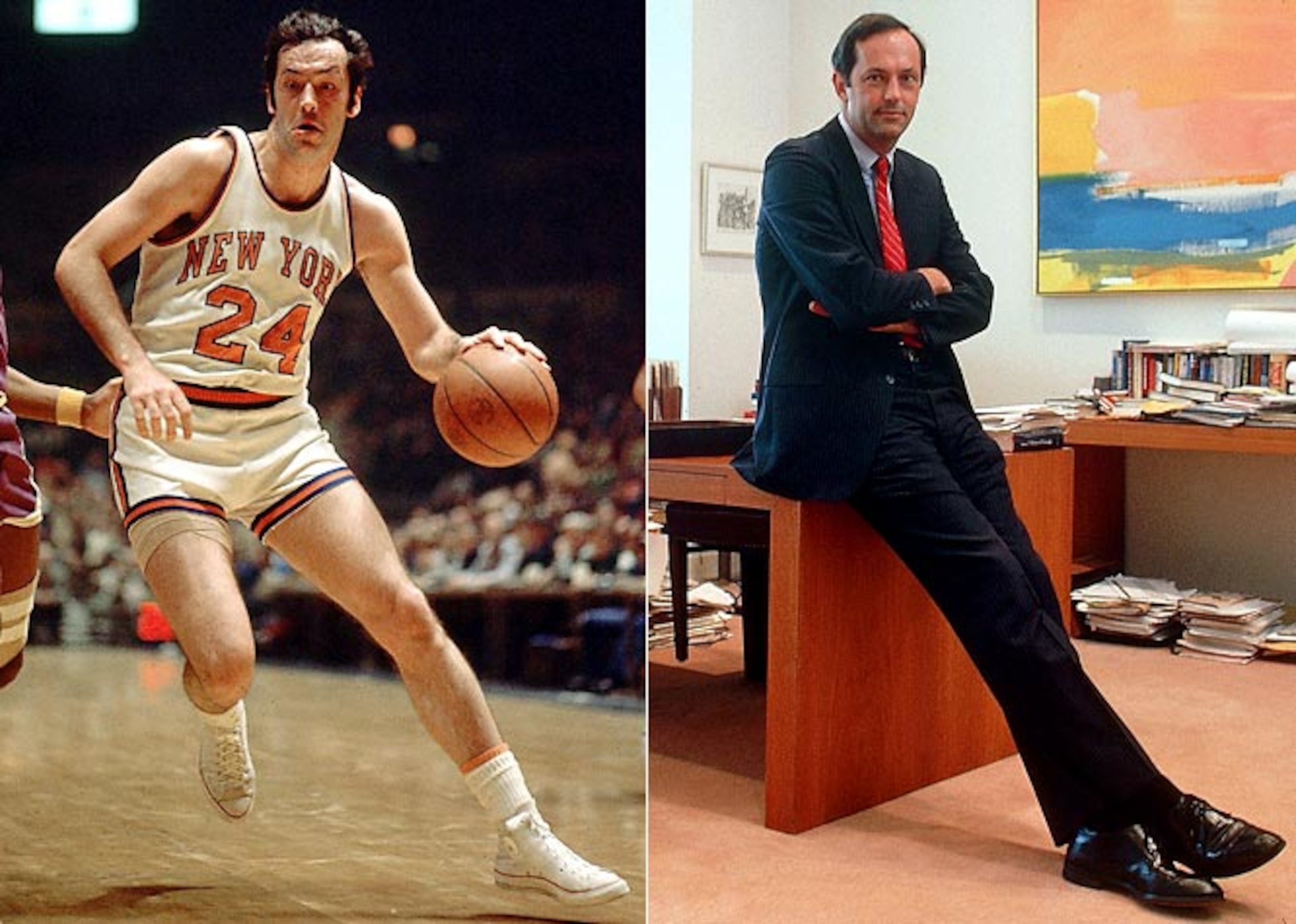
Bradley made it to the Hall of Fame as a basketball player, then moved on to bigger and better things. He served in the Senate from New Jersey from 1978-96 as a Democrat.
Approached in 1988 to run for president, Bradley declined. In 2000, however, he tried to win the Democratic nomination before being railroaded by Clinton VP Al Gore.
2. Dwight Eisenhower
9 of 10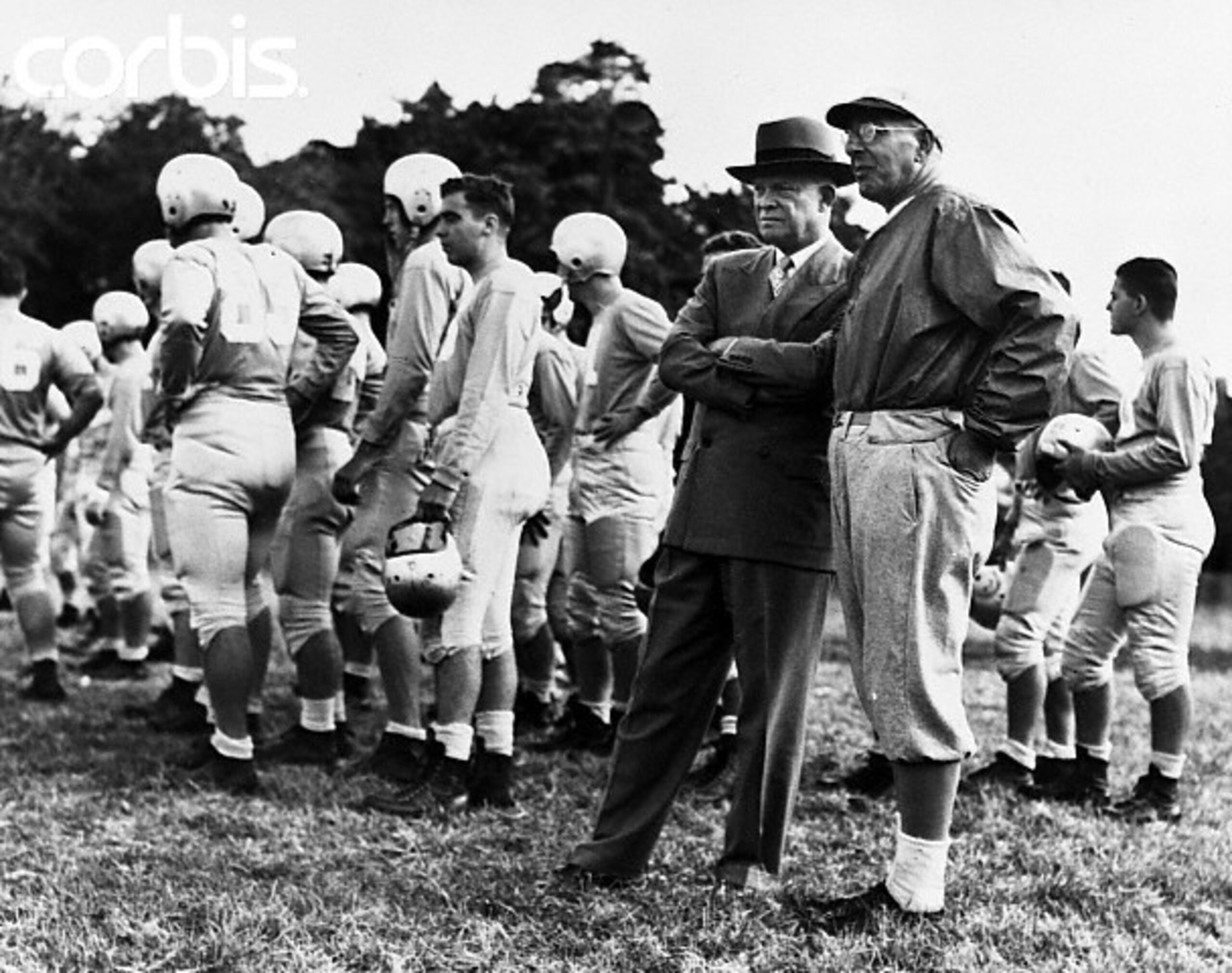
Eisenhower is best known for his military leadership and for being a two-term president, but he played football at West Point at the height of college football's supremacy.
Eisenhower was a big, strong player who did a bit of everything, but he quickly recognized that actual military commitments meant more to him than the battle on the gridiron.
1. Gerald Ford
10 of 10
Ford was a two-way bulldog on the Michigan football team, playing center and linebacker. He had the size and strength to control the game in the trenches, although he would be colossally out-sized in the modern game.
His political career is more noteworthy, as he served eight oft-forgotten but enlightened years as the House Minority Leader before becoming vice president in 1973. Of course, his career took a bittersweet turn in 1974 with the resignation of President Nixon, and Ford never quite seemed comfortable as commander in chief.
Still, he played both sides of the ball and the aisle, and that counts for something.




.jpg?w=2560 "Jonathan Taylor Landing Spots 📍")
.jpg?w=2560 "Mahomes Asked OT to Leave Meeting")
