Brett Favre and the 10 Worst Forced Retirements of All Time
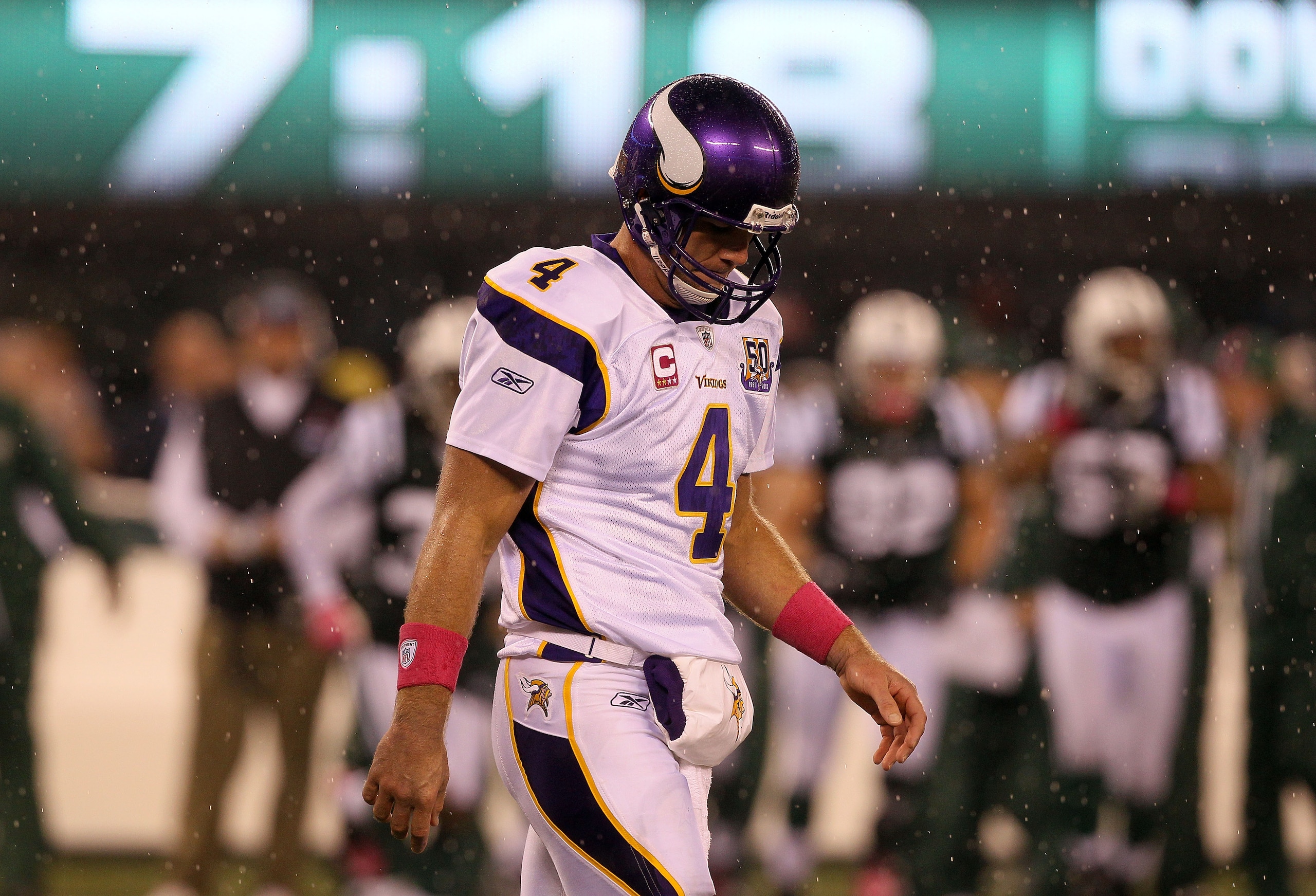
Brett Favre certainly has no qualms about retiring: He loves it so much, he's done it three times.
But this week, he's acknowledged that he might shut it down if his aching elbow continues to be a problem.
That only adds fuel to the speculation that the Jenn Sterger scandal—which could lead to a suspension—would be the real cause for another retirement, this one midseason.
Plenty of people would think that the elbow story is just a cover so the league won't have to actually suspend him.
Throughout history, plenty of athletes have been forced out of their respective sports; some by injury, some by league mandate, some for other reasons.
Here are the top 10 such cases.
No. 10: Steve Young and Troy Aikman, 1999-2000
1 of 11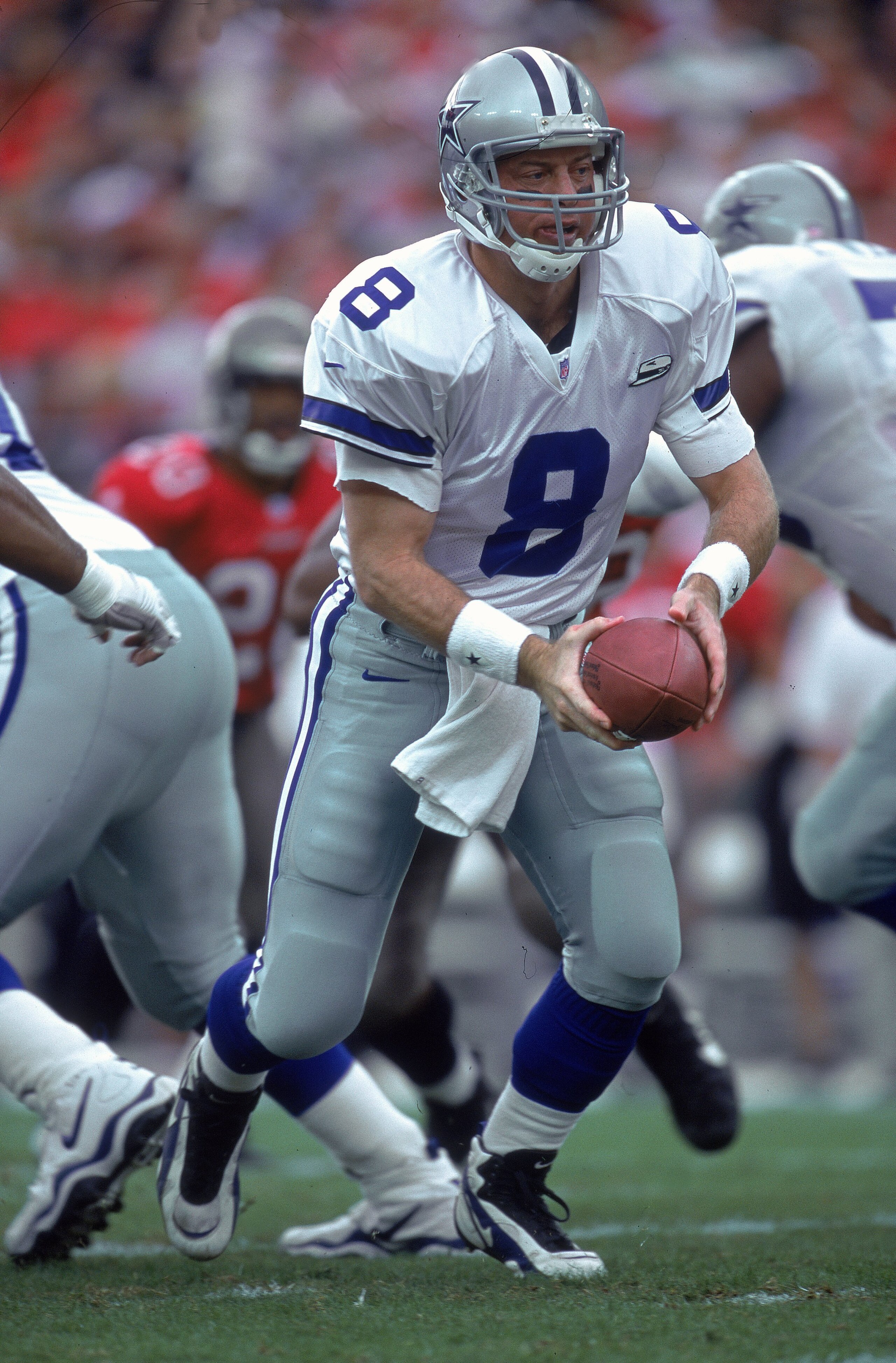
Aikman and Young were probably the two greatest quarterbacks of their decade.
Together they won four Super Bowls, two Super Bowl MVPs, two league MVPs and all sorts of passing records.
But within a year of one another, they both retired.
Young was 38 when all the concussions caught up to him. He retired after the 1999 season, but he might have had a few seasons left in him.
Aikman was only 34 when concussions did him in. He certainly could have kept playing, and if he had, maybe the Cowboys wouldn't have had to play musical quarterbacks for the next half-decade.
No. 9: Shoeless Joe Jackson, 1920
2 of 11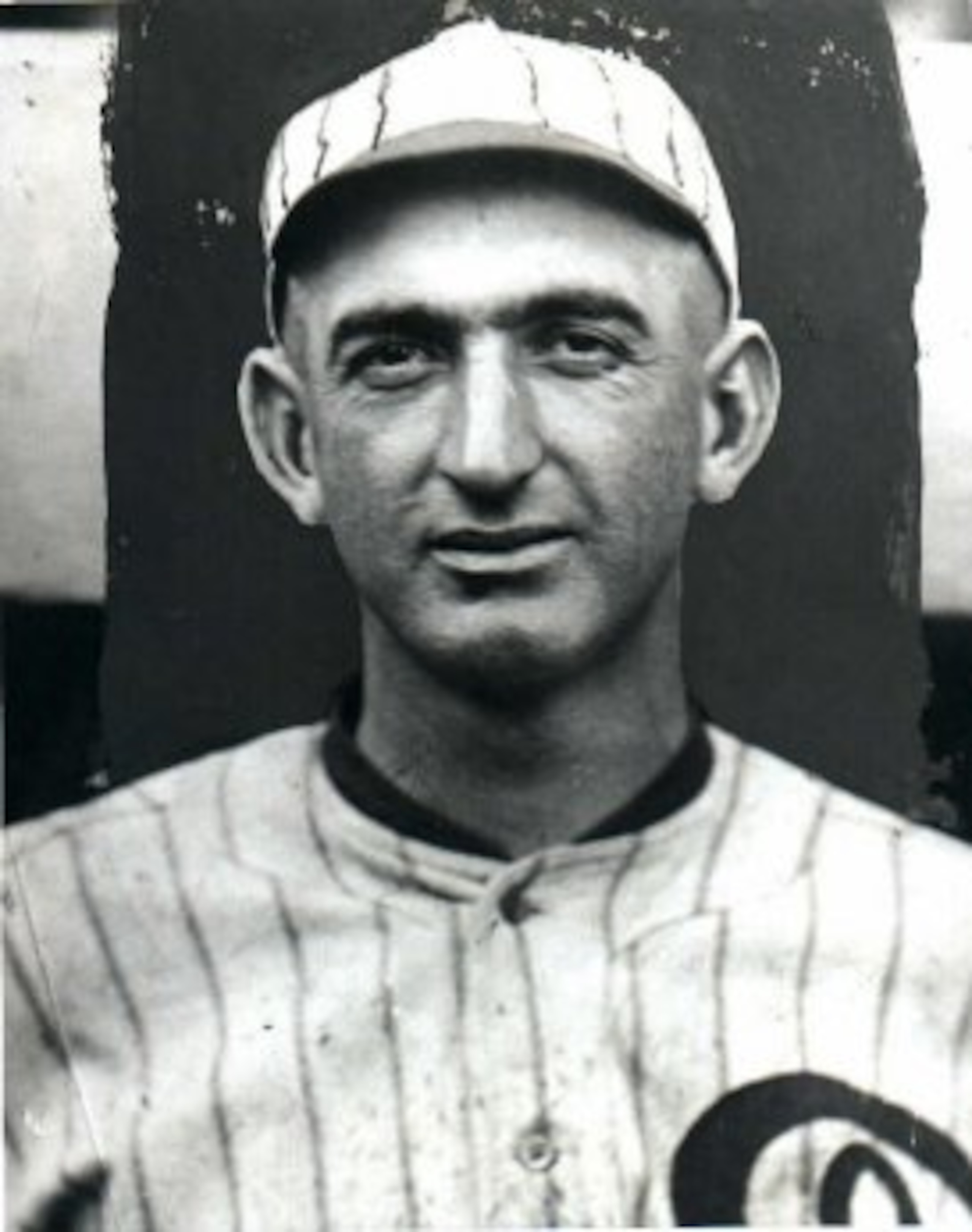
We probably will never know definitively whether Shoeless Joe took money from gamblers to throw the 1919 World Series. Field of Dreams isn't enough to completely absolve him.
Neither are the stats he posted (12-for-32, .375 average) in a World Series he supposedly "threw."
Still, he was banned from baseball for life following the 1920 season.
That year, he hit .382 and collected 218 hits. He was just 30 when Commissioner Kenesaw Mountain Landis barred Jackson and seven other White Sox who were accused of throwing the series from ever playing again.
Jackson's career totals include 1,772 hits and a lifetime average of .356. In the offense-heavy era that followed immediately after his banishment, he would have almost certainly broken the 3,000-hit mark and made a serious run at Ty Cobb's record .367 career batting average.
No. 8: Michael Jordan (First), 1993
3 of 11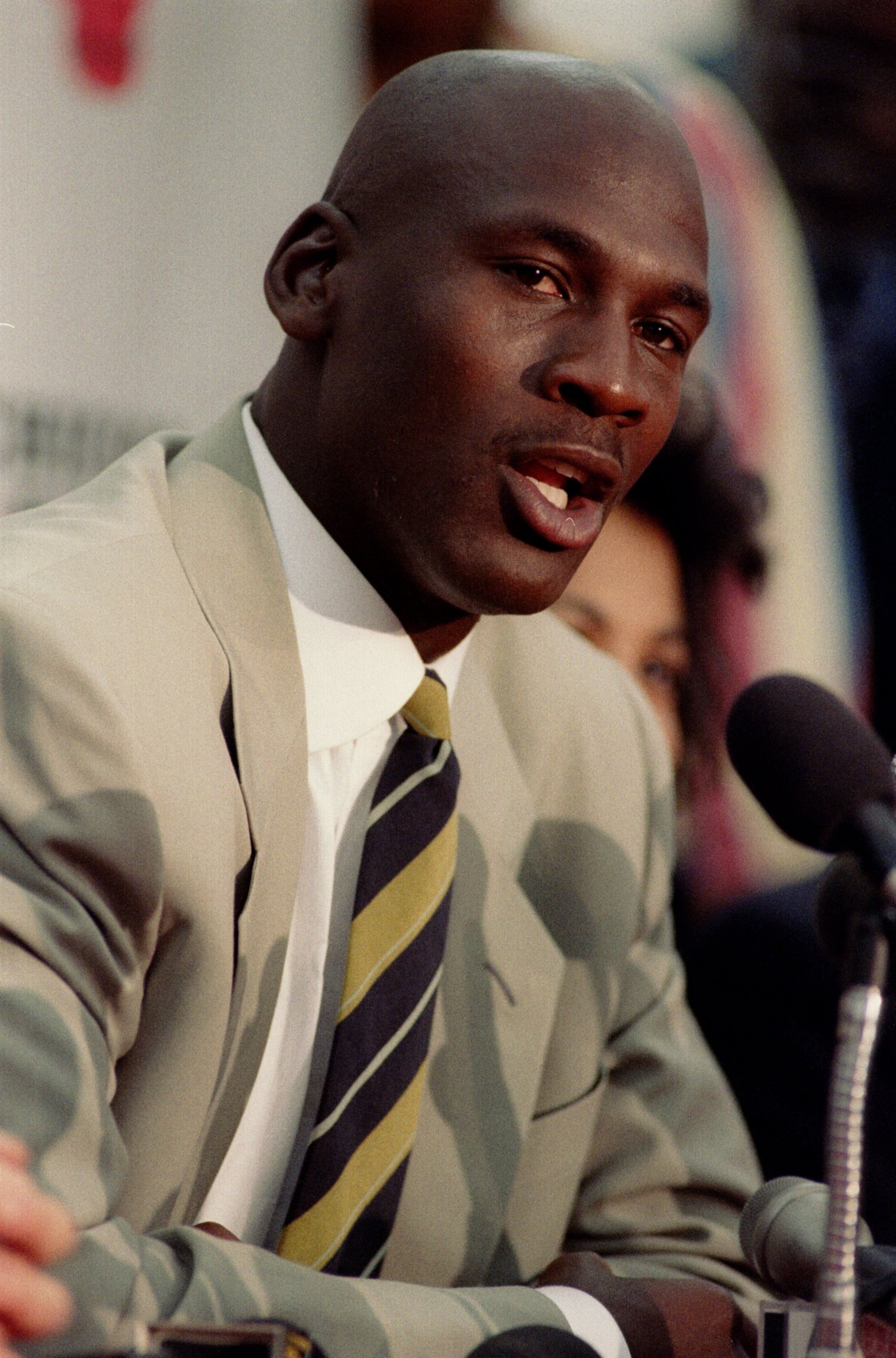
When 30-year-old Michael Jordan led the Bulls to a third straight NBA Title in the summer of 1993, no one knew that he would retire from basketball four months later.
Of course, it didn't really last: First there was the minor league baseball career, then Jordan's return to the NBA in 1995 and a second comeback with the Washington Wizards in 2001.
Regardless whether he retired because of grief over the death of his father or—as conspiracy theorists believe—because of an impending suspension by the league for gambling, Jordan was forced to retire.
And since the Bulls won three more titles in the next three full seasons that Jordan played, his retirement possibly prevented the Bulls from winning an incredible eight consecutive rings.

.jpg?w=2560 "NBA Gambling Charges")
.jpg?w=2560 "Colts Football")
No. 7: Joe DiMaggio, 1951
4 of 11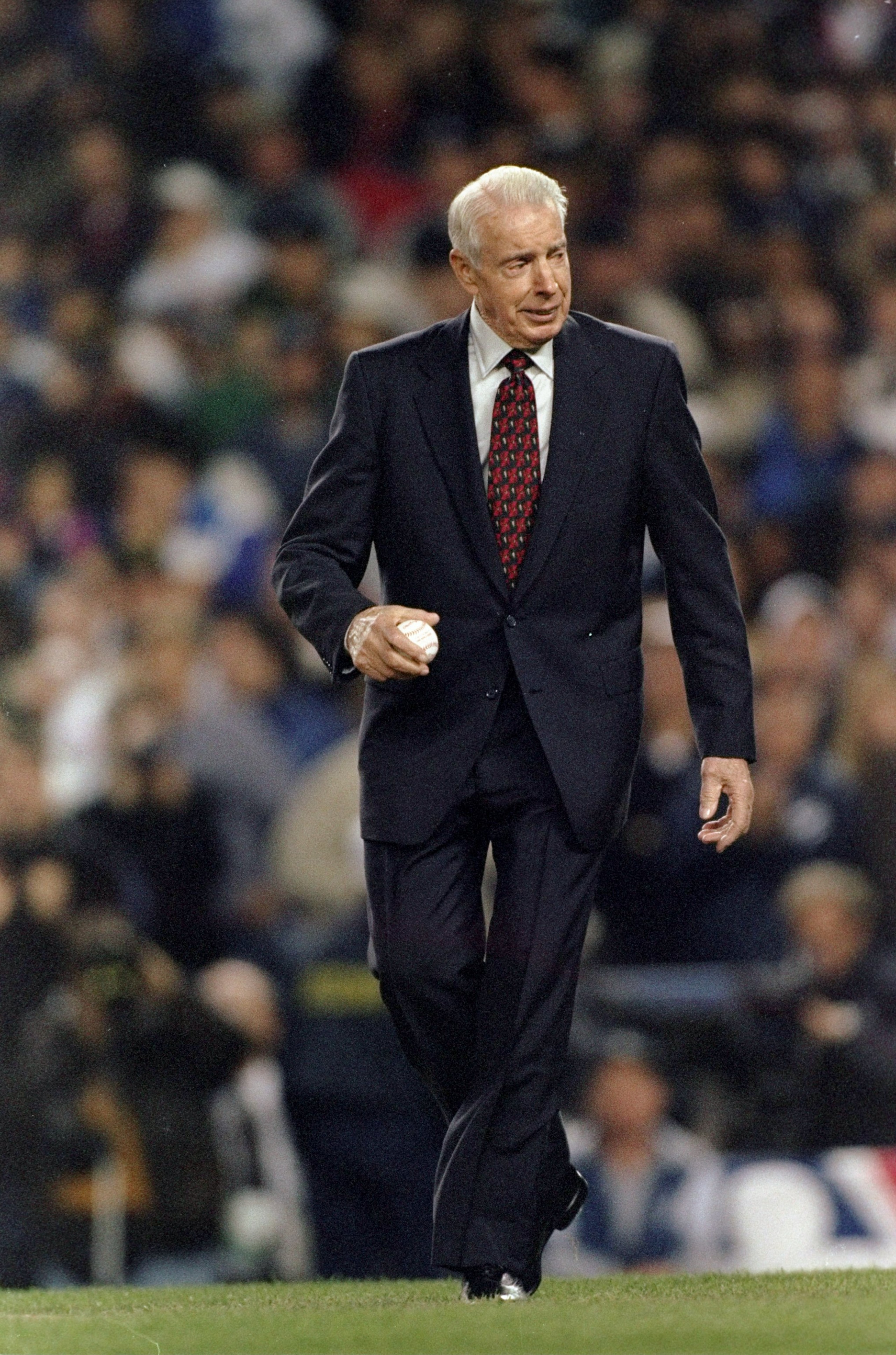
The Yankee Clippper endured so many injuries in the late '40s and early '50s that he couldn't keep playing.
At age 36, DiMaggio's batting average (.263) slipped far below his usual figure, and most people knew that the 1951 season would be his last.
DiMaggio famously remarked that he always tried his hardest, every moment, because "there's at least one person in the stands that has never seen Joe DiMaggio play before."
By the end of the 1951 season, he could no longer be the Joe DiMaggio that those people wanted to see. That pride forced him to retire.
No. 6: Sandy Koufax, 1966
5 of 11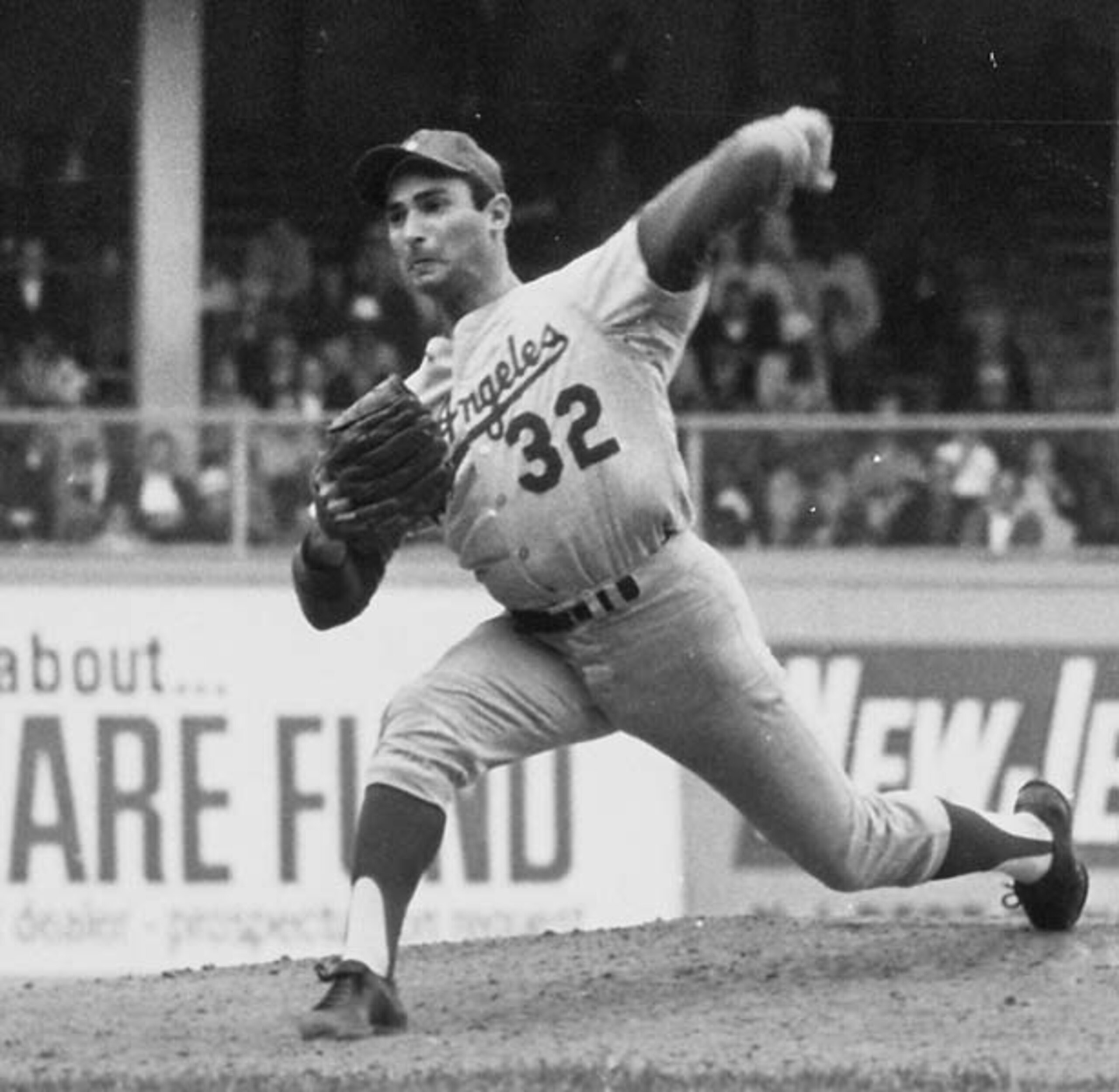
At the end of the 1966 season, Koufax won his third Cy Young award in four years.
But Koufax, who is arguably the most dominant pitcher in baseball history, retired following that year's World Series loss.
The constant pain in his elbow was the main factor. The many painkillers and cortisone shots that made him "walk around with a constant upset stomach" and "be high half the time during a ball game" also contributed to his decision.
The 31-year-old clearly didn't want to retire. The injuries he endured forced him to.
No. 5: Joe Theismann, 1985
6 of 11Lawrence Taylor's infamous tackle on Theismann in Week 11 of the 1985 season is one of the most gruesome moments in sports history.
Naturally, he never played football again.
No. 4: Barry Bonds, 2007
7 of 11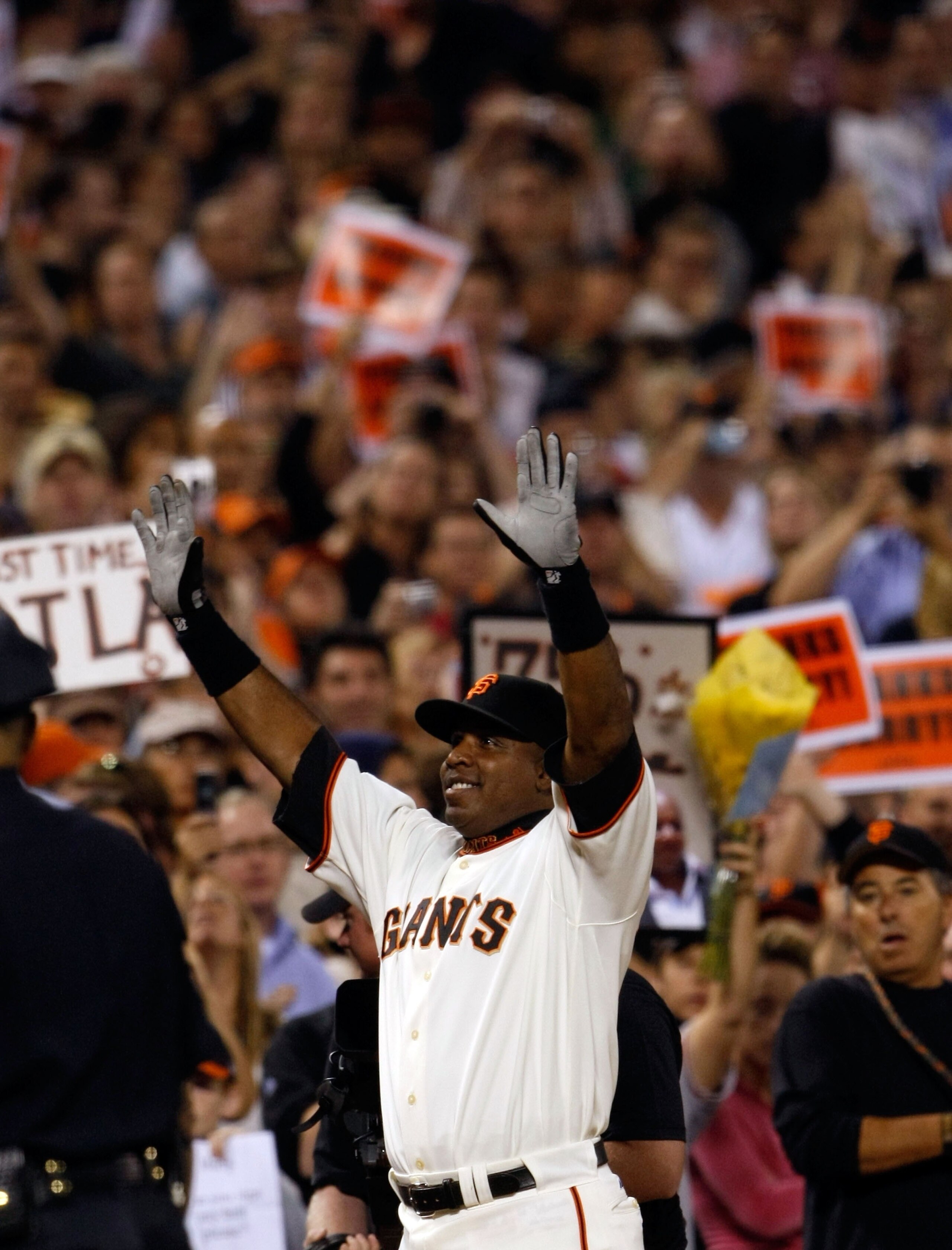
Bonds hasn't played in a major league game since 2007. Still, last November, he insisted that he is not retired.
If that is not a forced retirement, nothing is.
The BALCO investigation, his personality and his age are probably all factors as to why he's not still playing.
Clearly, he still wants to.
No. 3: Magic Johnson, 1992
8 of 11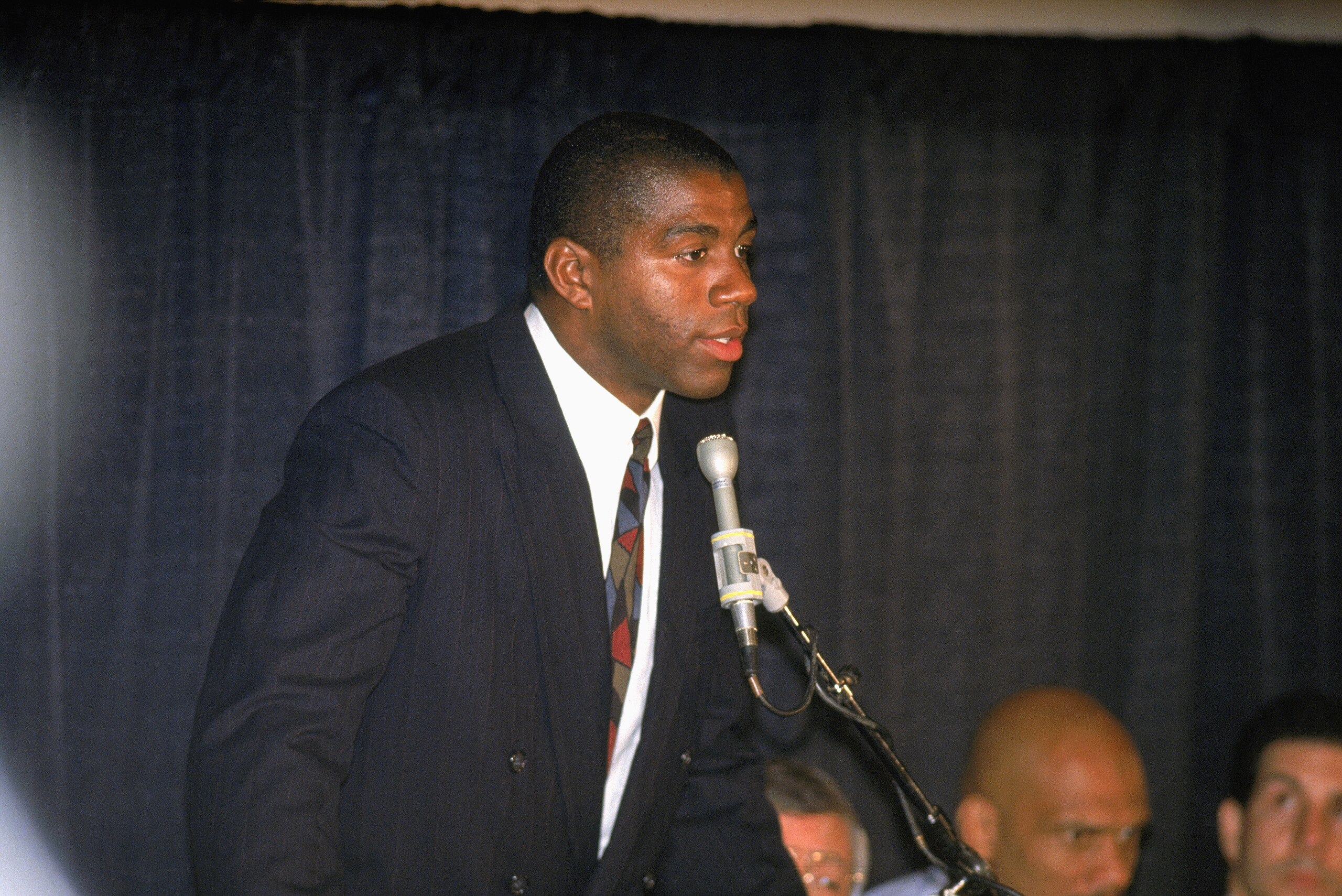
Prior to the start of the 1991-92 NBA season, Magic learned that he had contracted HIV and retired from the NBA immediately. He was just 31 when he made the stunning announcement.
Of course, he returned for that season's All-Star Game, played in the 1992 Olympics and rejoined the Lakers for 32 games during the 1995-96 season.
Considering that HIV-AIDS was viewed in a much different way 20 years ago, he had no choice but to retire.
No. 2: Roberto Clemente, 1973 (TIE)
9 of 11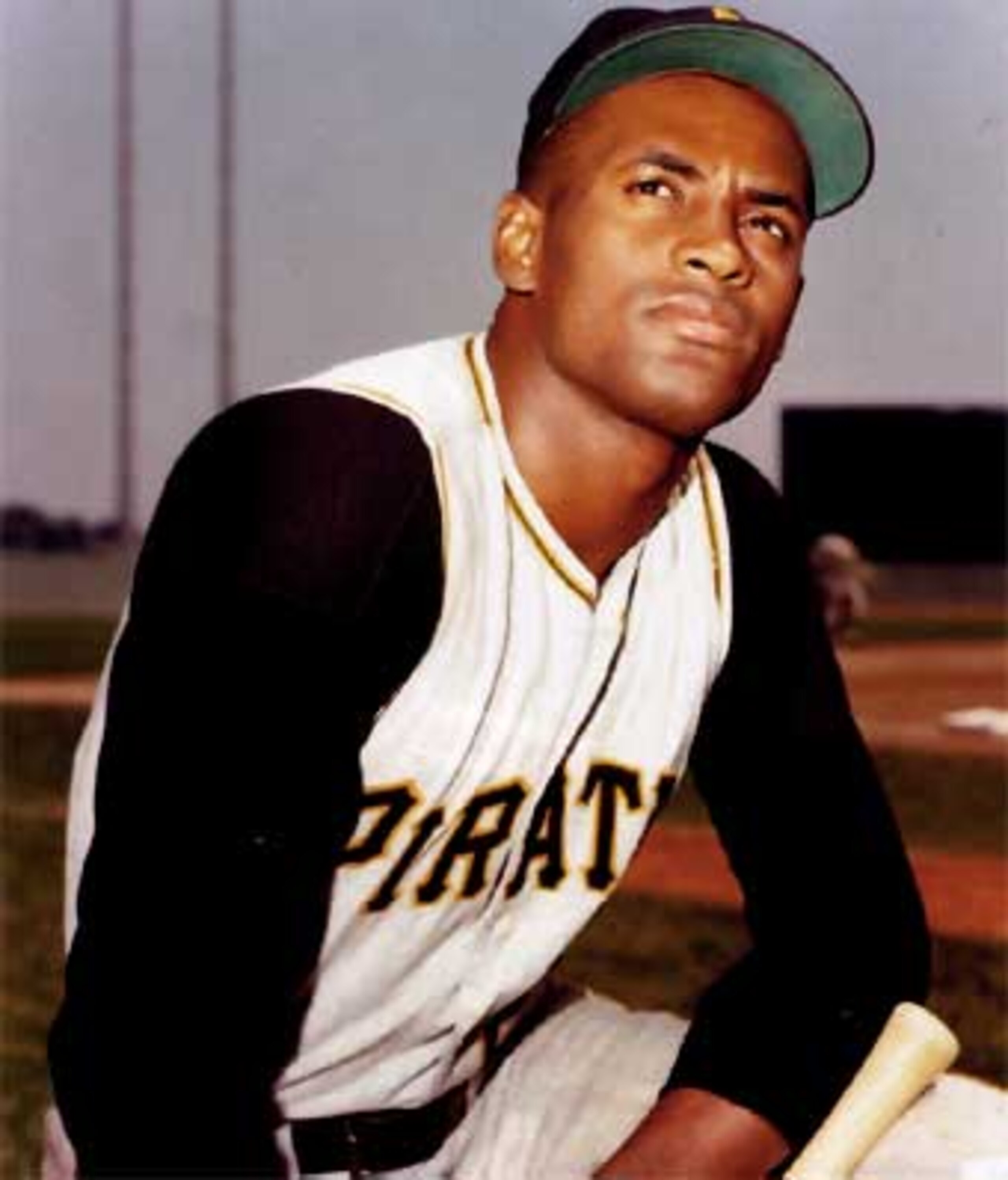
Clemente was nearing the end of his career in 1972. In the last week of the Pirates' regular season, he notched his 3,000th hit to join that exclusive club.
The great right fielder would have turned 39 the following August. But Clemente probably would have been back with the Pirates for the 1973 season had his plane not crashed while delivering supplies to an earthquake-ridden Nicaragua on New Year's Day.
No. 2: Lou Gehrig, 1939 (TIE)
10 of 11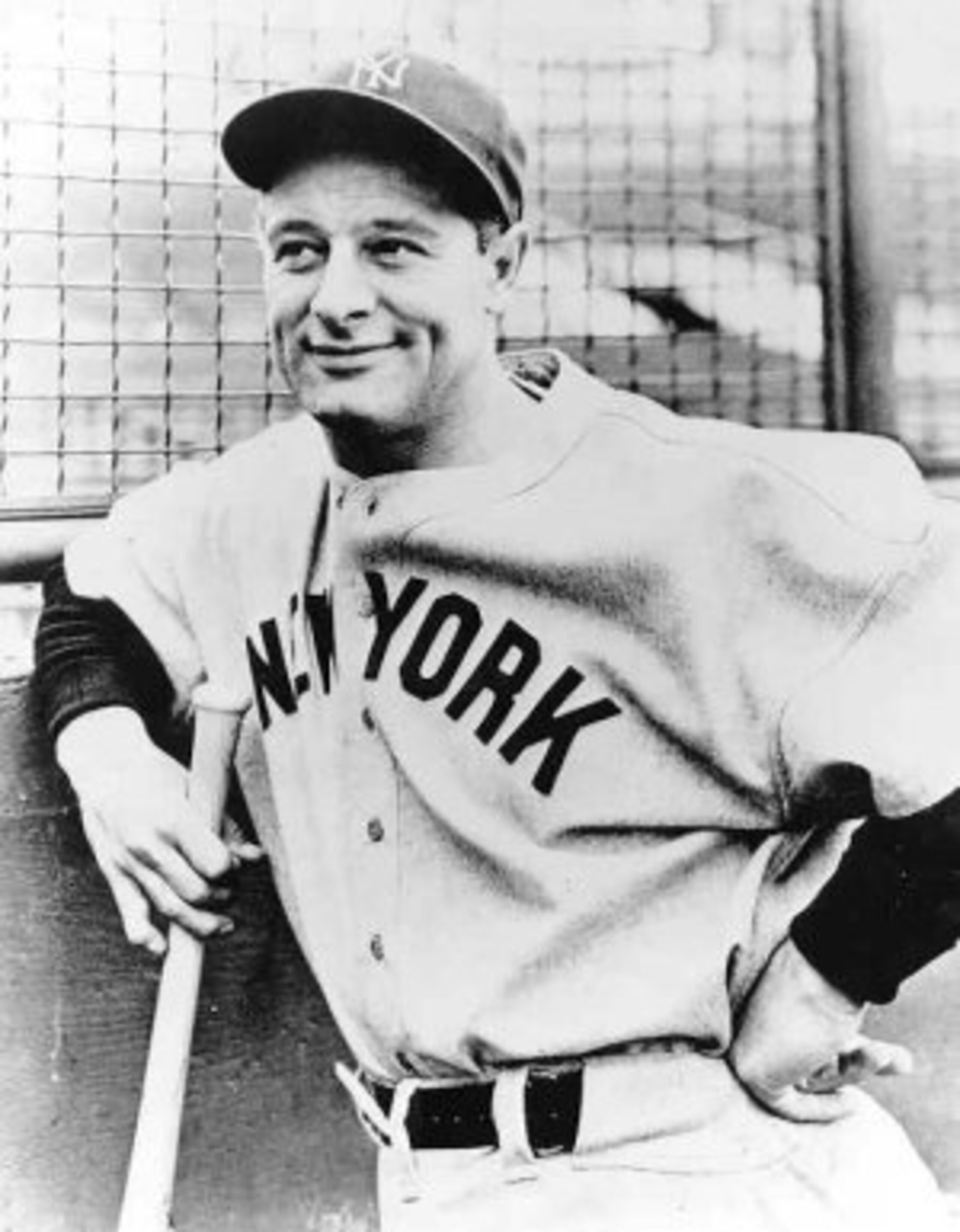
It's pretty hard to choose whose forced retirement was worse: "The Iron Horse's" or "The Great Ones."
Both were nearing the end of their career: Clemente was 38 when he died, Gehrig 36 when he announced he had ALS and was going to retire.
Gehrig's was actually probably harder to watch because of his heart-wrenching speech at Yankee Stadium and because those close to him knew he was going to die.
Gehrig's production declined noticeably in 1938, most likely a result of his illness. But the year before he hit .351 and 39 home runs at the age of 34. Had he not become ill, there's a good chance his 493 career home runs would have increased to a number nearing the magical 714 set by his teammate Babe Ruth.
No. 1: Ray Chapman, 1920
11 of 11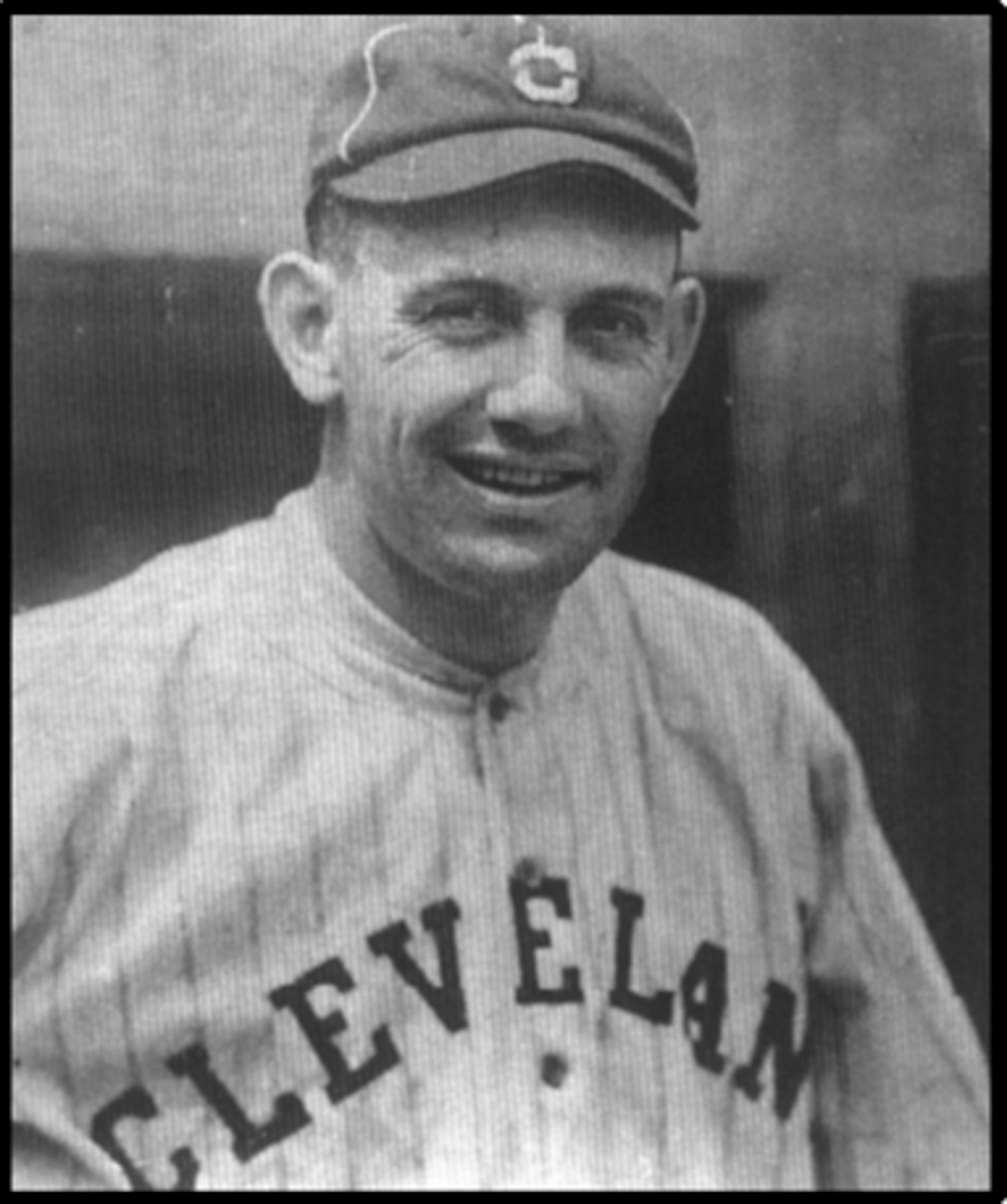
Unlike anyone else on this list, Cleveland's fine infielder throughout the 1910s literally had no say in his retirement.
On August 16, 1920, he was hit in the head by a pitch from Yankee starter Carl Mays (Batting helmets were still decades away).
Chapman died in the hospital the following morning. He was just 29 years old.
Dying in the prime of your career, on the field of play, is the very definition of a forced retirement.



.jpg?w=2560 "NFL House in Paris Closes for Protests (AP)")