
Golf Power Rankings: Top Players of the 1990s
Everyone has their favorites when it comes to today’s players. But in the recent past, who were the standouts? From 1990 to 1999, who moved the needle? Who lifted the trophies? Where does Tiger Woods fall on that list? How about Phil Mickelson? Who was a factor in the days of the Clinton Administration when donuts were the food of choice, and the idea of exercise was new to the PGA Tour, never mind the rest of the country. In the dawn of the Big Bertha, the first oversized metal driver, who were the best?
Because we had comments about leaving out Annika Sorenstam in the list of golfers from the 2000s, you’ll find a few surprises here. What counts for the men counts for the women, majors and other significant achievements. That’s how history remembers golfers, especially the great golfers. You can draw your own conclusions about where Annika and Lorena would have been in the 2000s list.
15. David Duval
1 of 20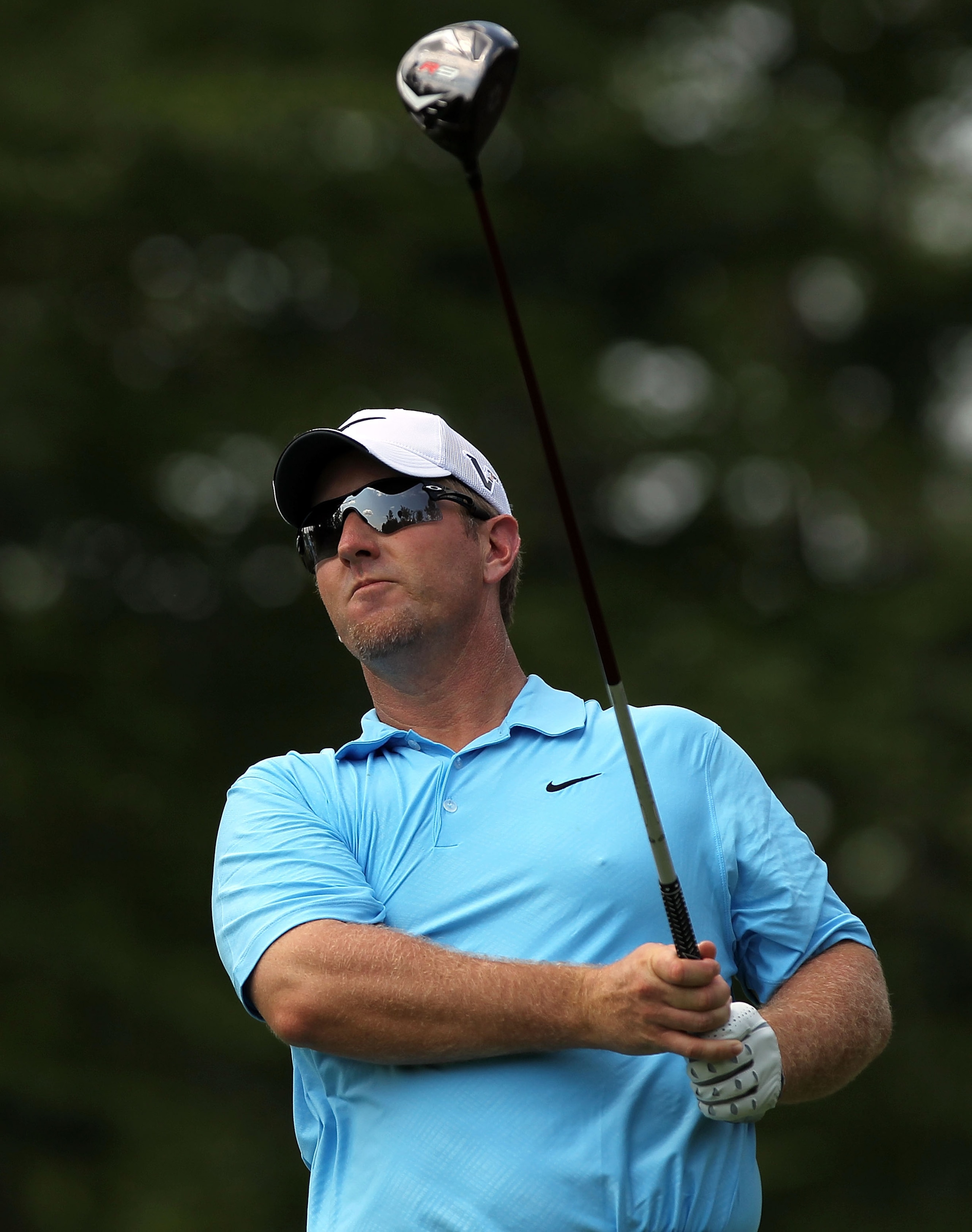
Duval won 11 tournaments in a three year span from 1997 to 1999, including The Players under conditions that were so severe that the golf balls almost would not stop on greens. In 1999, he was the first player since Johnny Miller to win four times before The Masters. He was, well, Tiger Woods-like, for a short period of time.
14. Players with One Major
2 of 20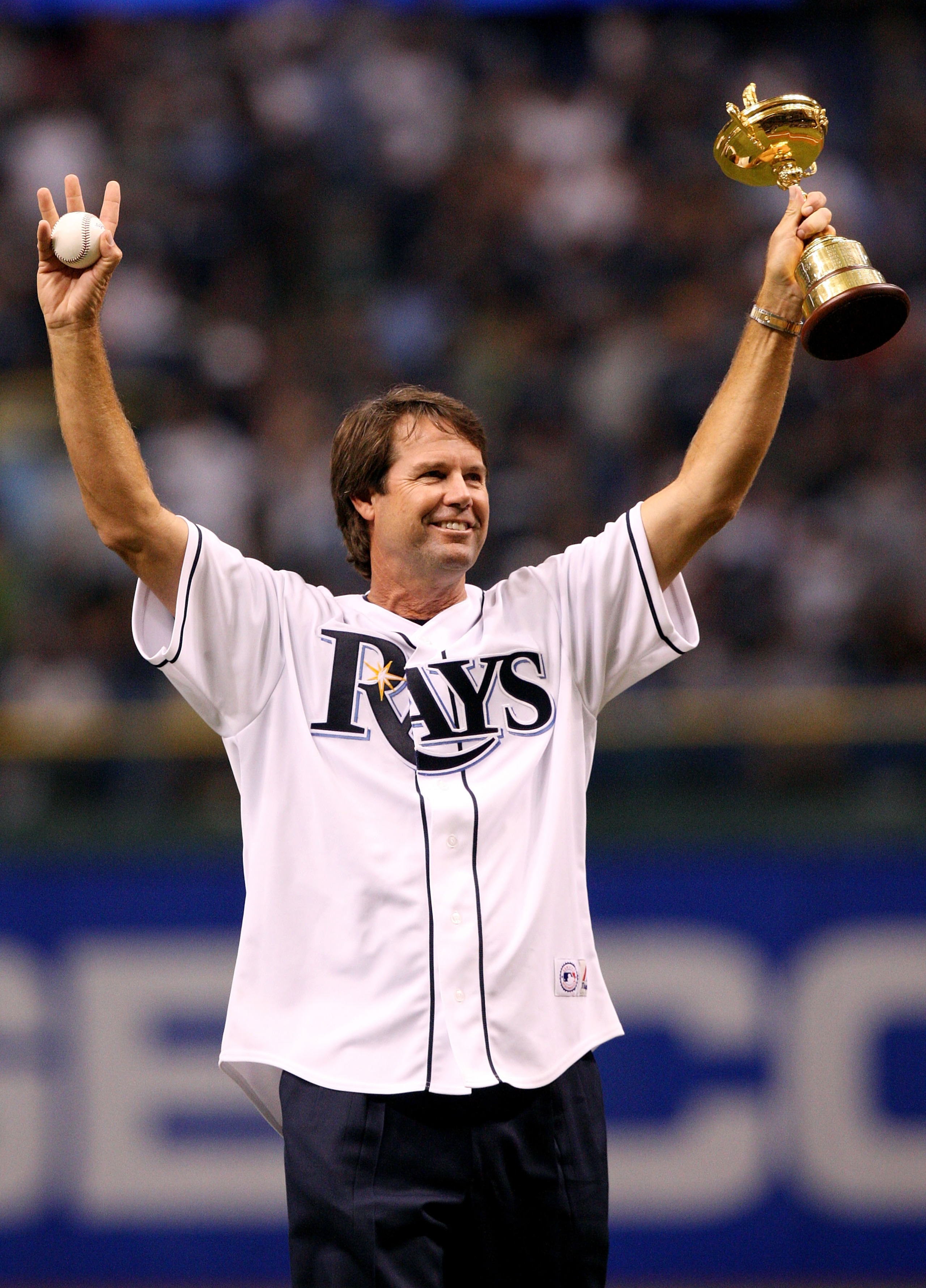
In the pre-Tiger Dominated Era, it was uncommon for golfers to win more than one major in a year or even in five years, unless your name was Palmer, Player, Nicklaus, Hogan, Nelson, or Snead. You get the picture. These were golf’s single major winners in the 1990s, although some of them also won majors in the 1980s or 2000s: Paul Azinger, Ian Baker-Finch, Mark Brooks, Ben Crenshaw, Wayne Grady, Steve Jones, Tom Kite, Bernhard Langer, Paul Lawrie, Tom Lehman, Corey Pavin, Vijay Singh, Ian Woosnam,
13. Fred, Davis and Justin, Not a Rock Band
3 of 20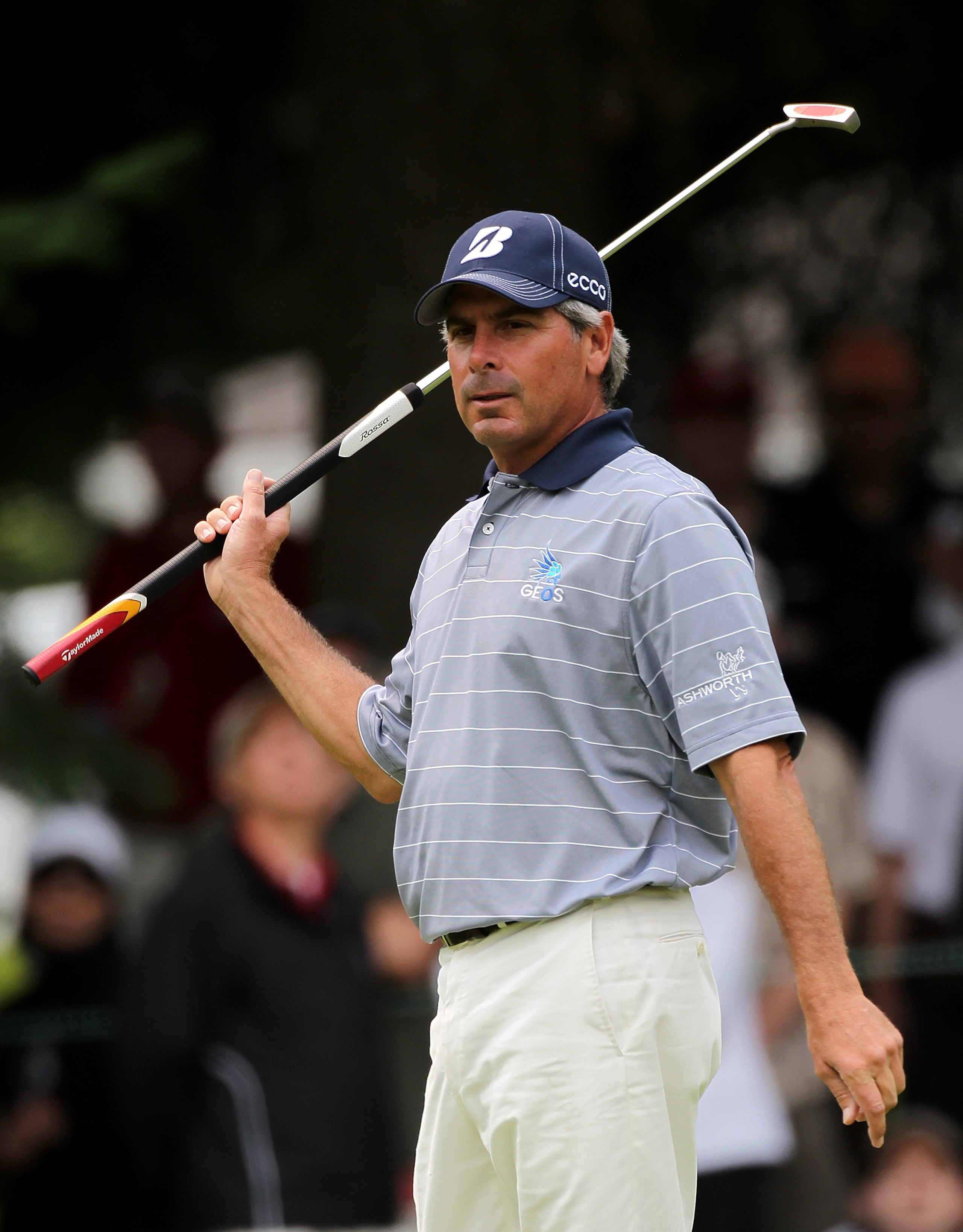
Fred Couples, Davis Love III, and Justin Leonard have one thing in common. They all won a major championship and The Players in the 1990s. Couples and Love which became the theme song for more than one golf season, actually won two Players titles during their careers. Couples, 1992 Masters. Love, 1997 PGA. Leonard, 1997 British Open.
12. The Shah-K (Pardon My Bad Australian Accent)
4 of 20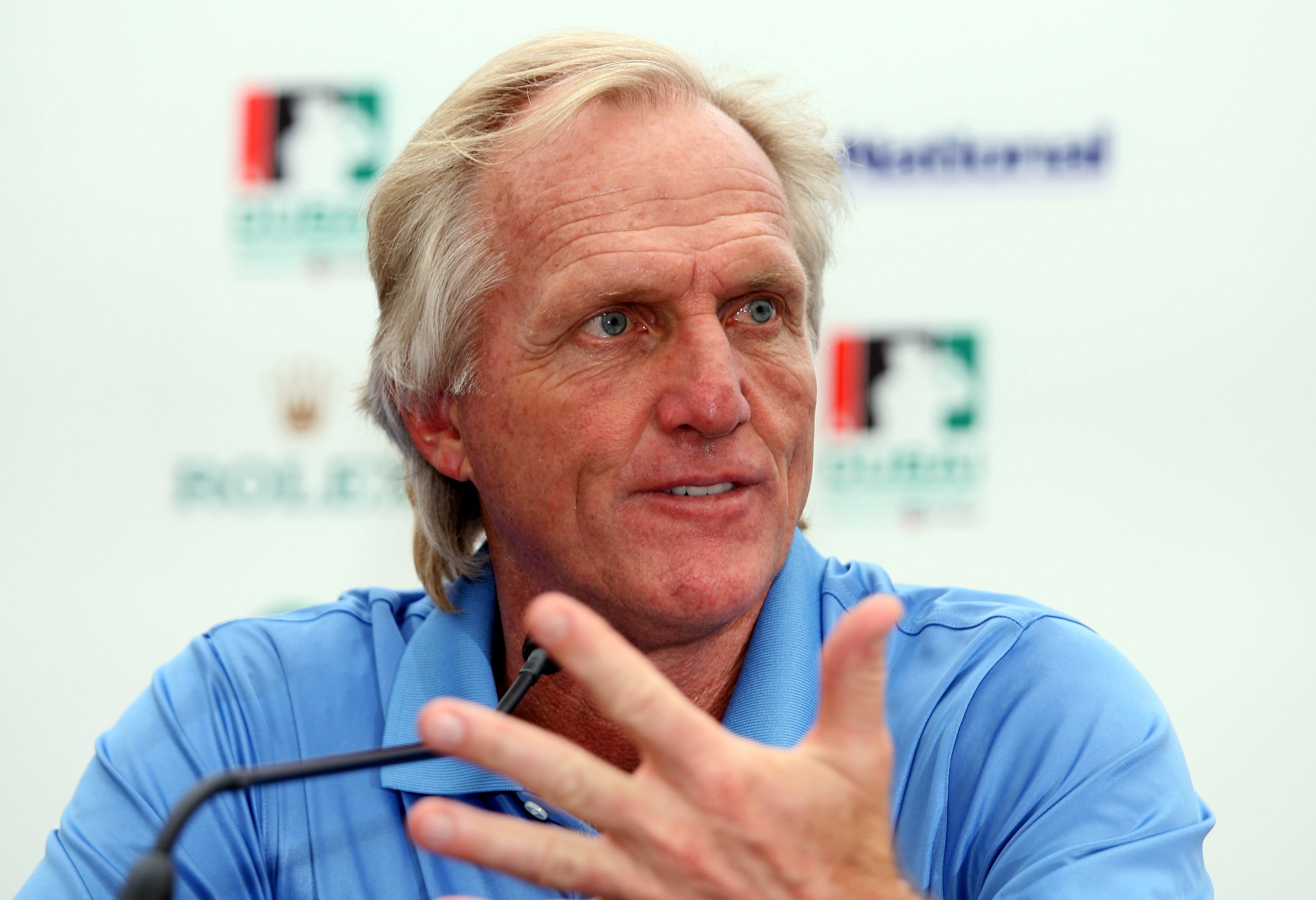
Greg Norman, aka The Shark, was more than a winner. He was and still is a “presence.” Norman’s ‘90s major was the British Open, but he also won the Players in 1994 on a wet course, setting a tournament record of -24 par. If you ever play TPC Sawgrass, figure out how anybody could shoot that over four days. By the end of the 1990s Norman had amassed more victories that Couples, Love, and Leonard combined with 74 titles around the world.
11. The Elk
5 of 20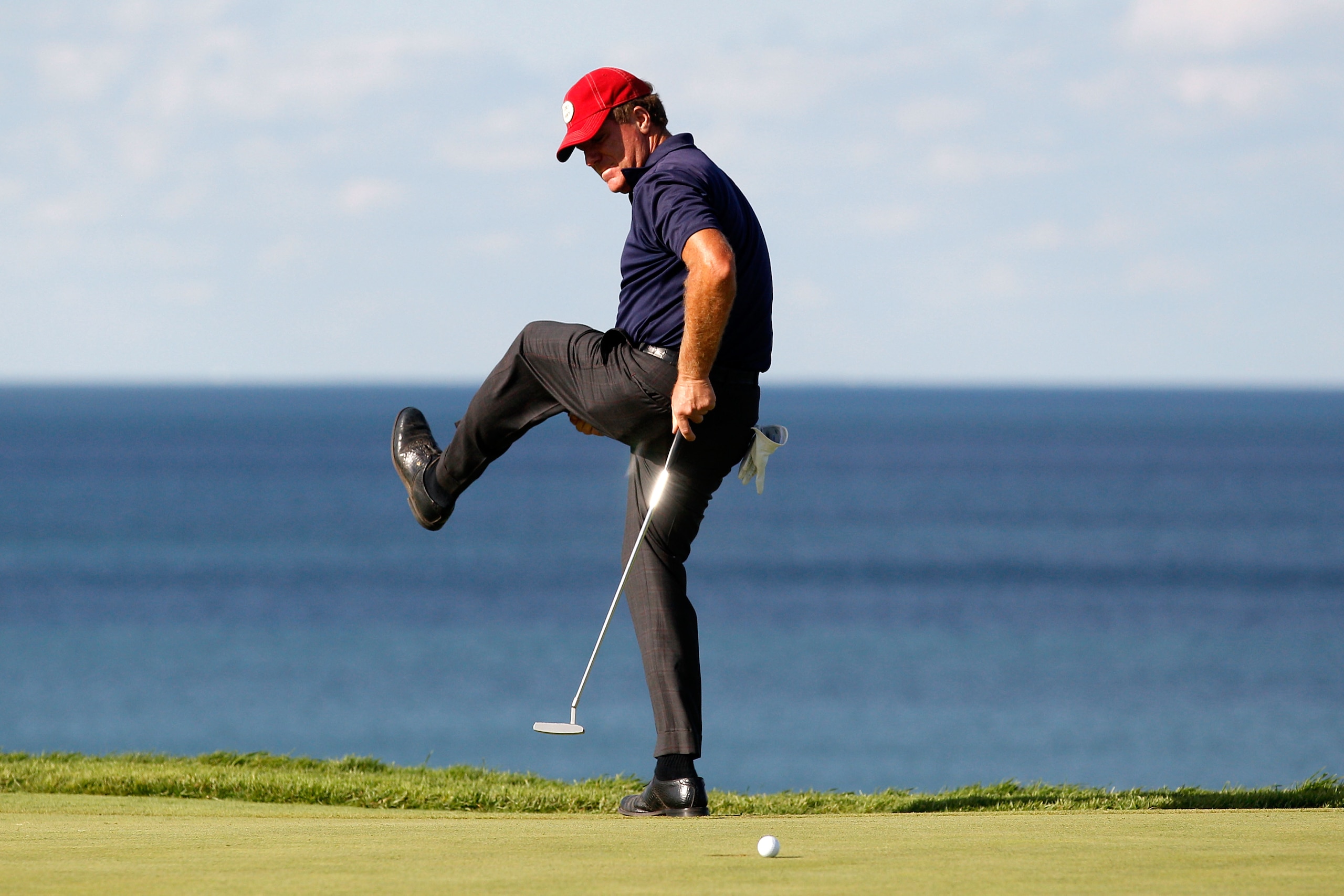
With a PGA Championship and two Players titles in the 1990s, the next best player of that decade has to be Steve Elkington. Elk as his friends call him, is one of the “other,” i.e. not The Shark, Australian players who have found success in the US and around the world. Elkington’s often been sidelined with injuries, leading one to ask what he might have done if healthy.
10. Hail Hale, the Gang’s All Here.
6 of 20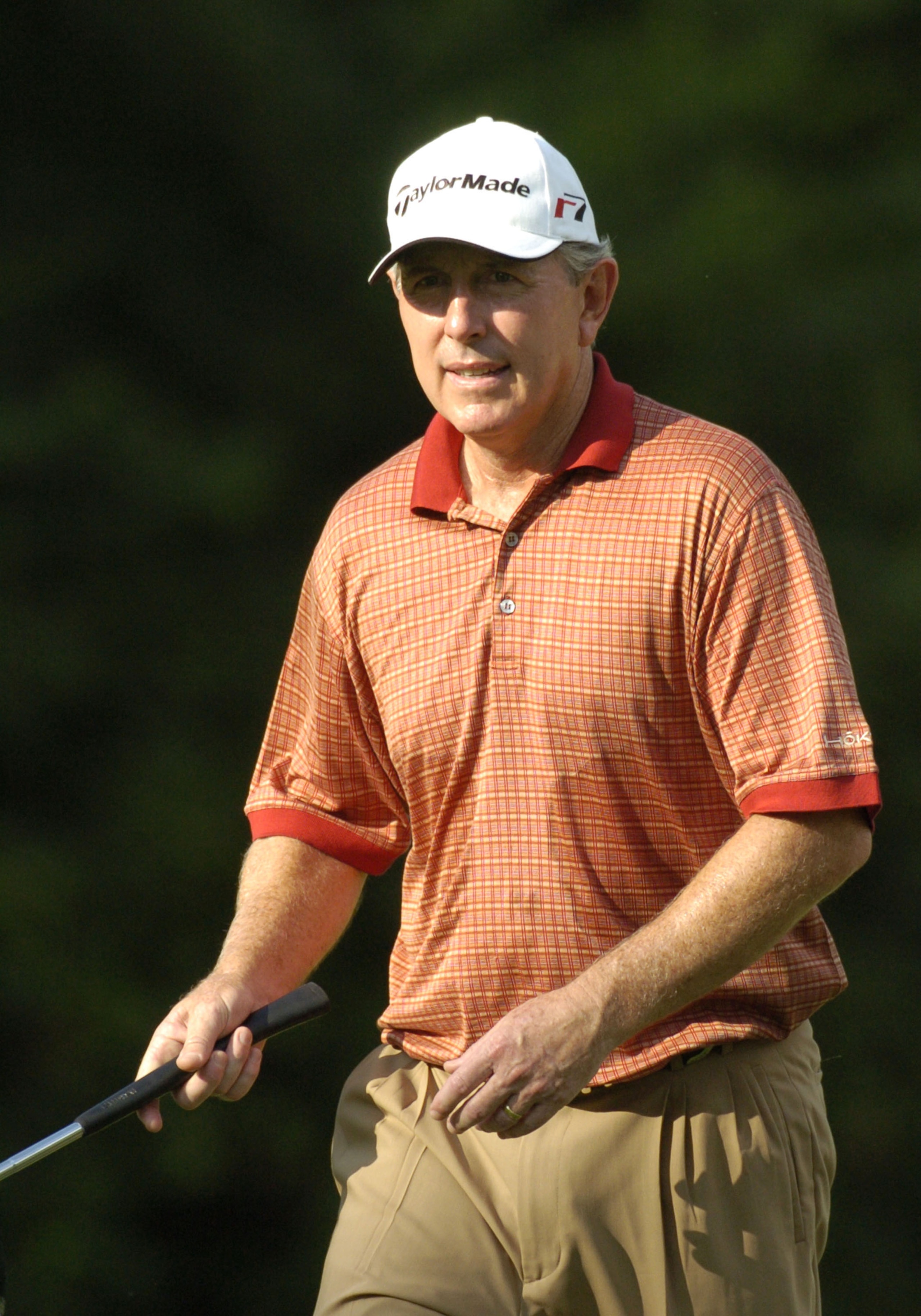
Hale Irwin, that is. With a special invitation to the 1990 US Open Hale Irwin went on to defeat Mike Donald in playoff at Medinah. He then told members of the media that strange as it seemed, he had a dream that he was going to win. Only someone as competitive as Hale Irwin would see that as a sign of victory. In the 1990s, Irwin also won 25 Champions Tour titles and five Champions Tour majors. Maybe he should be higher than 10.
9f. John Daly
7 of 20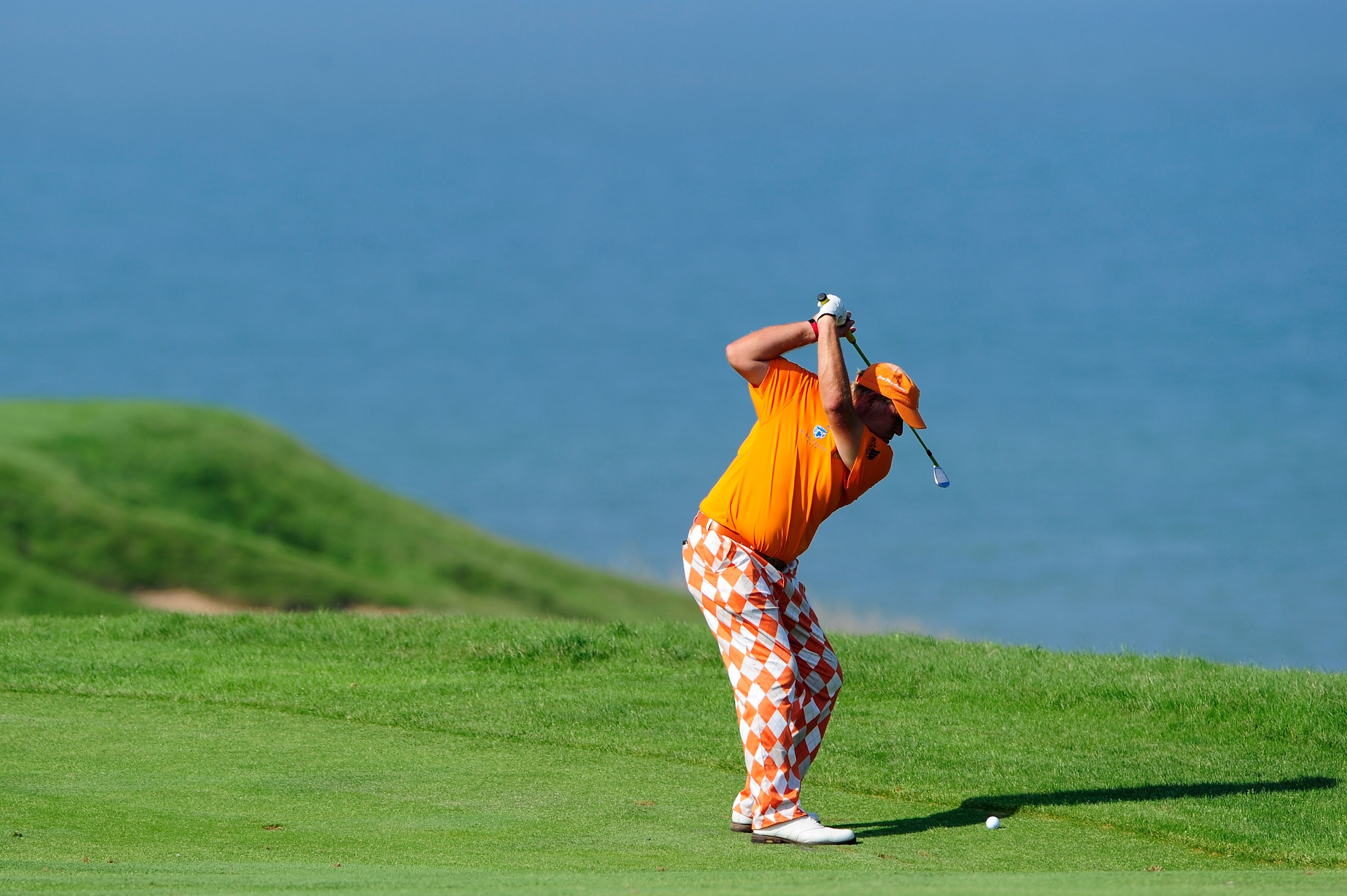
It once seemed that John Daly had so much talent that he would win all four majors, and then because he has so many demons, he would spend the rest of his life in a rubber room. He won the 1991 PGA as an alternate in the tournament because Nick Price’s wife gave birth that week. Then he won the 1995 British Open. The rest has been the stuff of country music, a true melodrama. Two majors. Much difficulty.
9e. Meg Mallon
8 of 20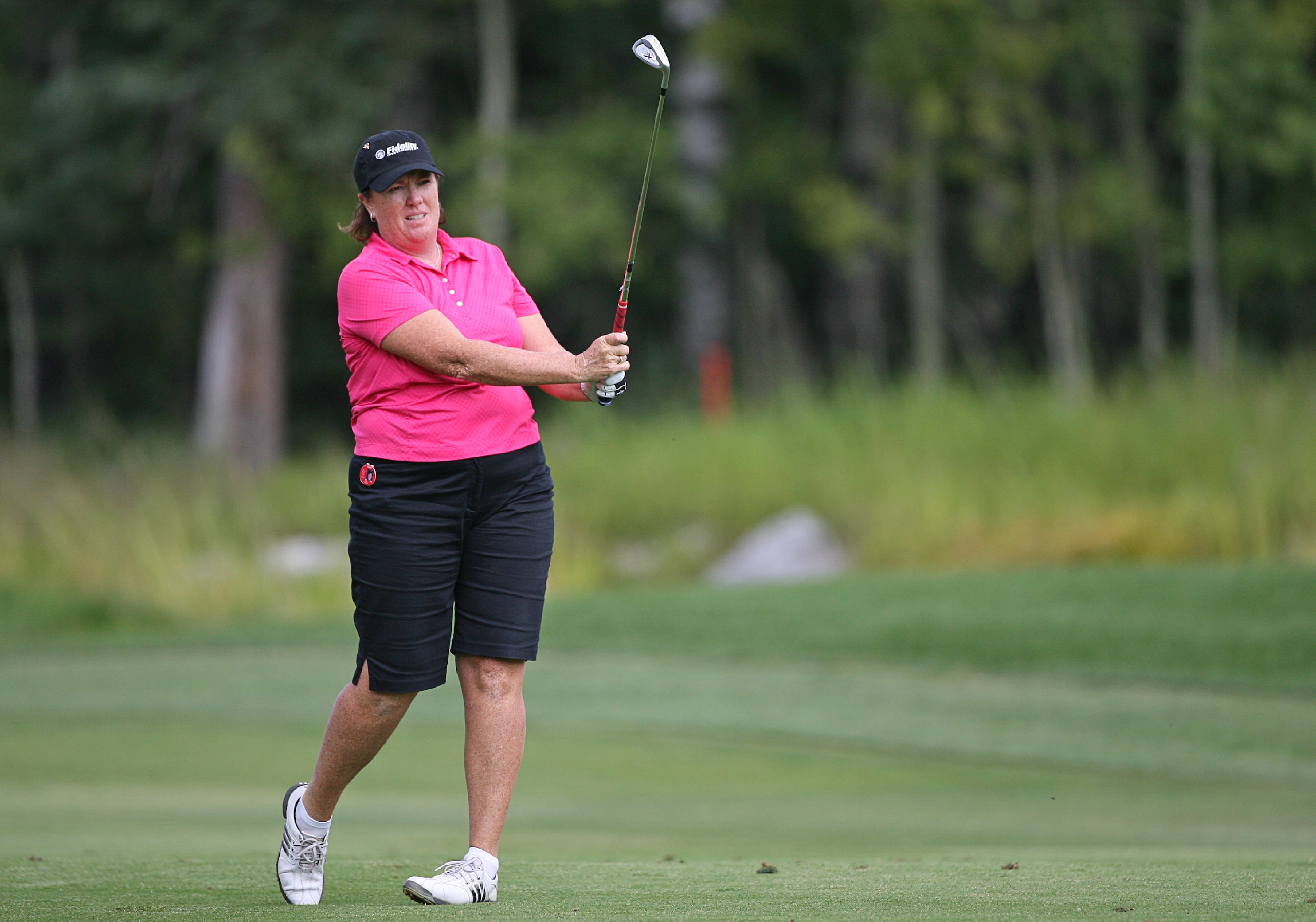
In her fourth season on the LPGA, Mallon won both the 1991 US Open and the LPGA. She would win two additional majors in the 2000s but not in the same season. They were, however, in the Annika era.
9d. Se Ri Pak
9 of 20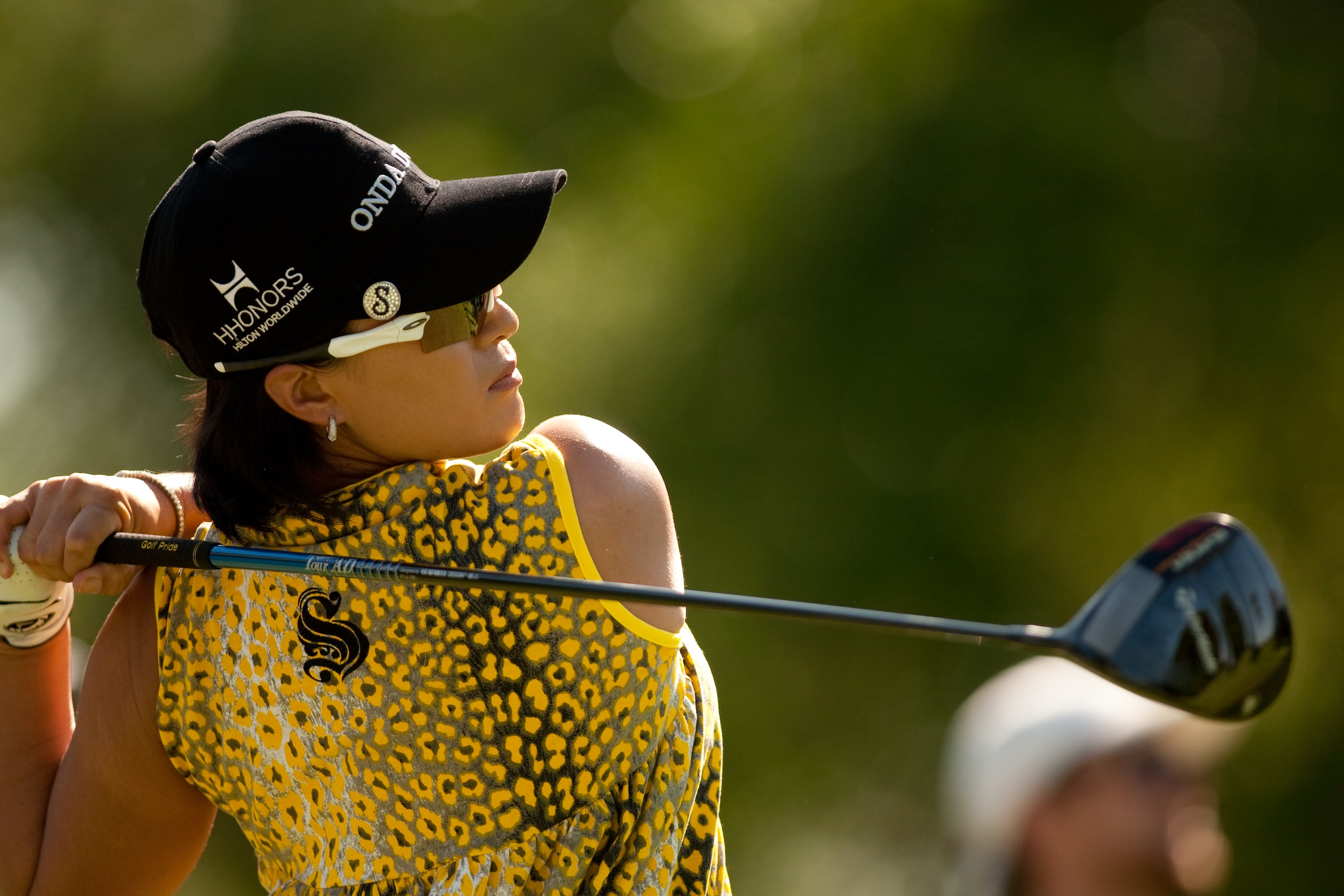
In her first season on the LPGA Tour in 1998, Se Ri Pak won the LPGA and the US Open. She had six other victories in those two seasons. In just ten years, she was eligible for the World Golf Hall of Fame and was inducted in 2007.
9c. Dottie Pepper
10 of 20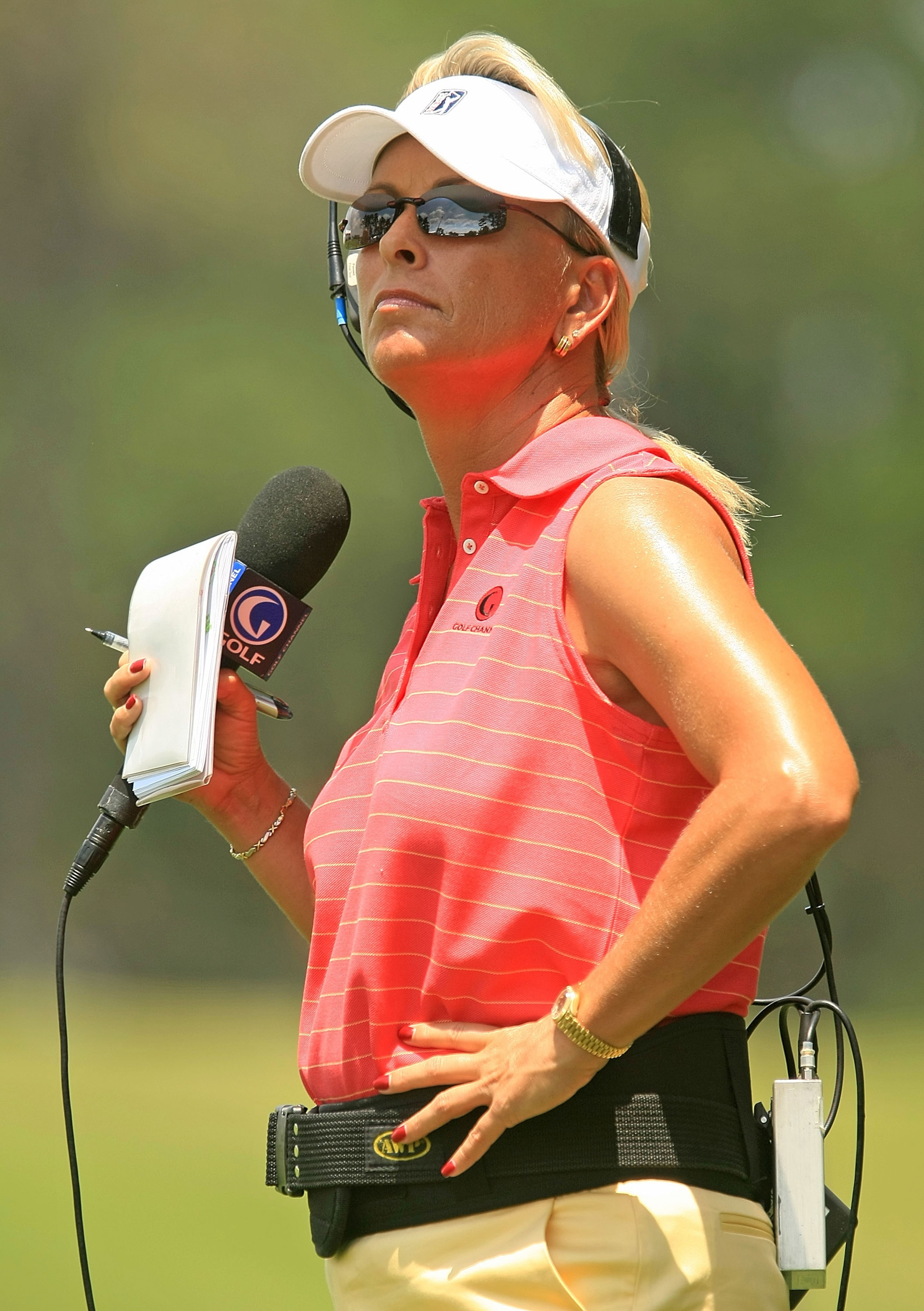
Talk about bookending a career. In 1992, Dottie Pepper won the Kraft Nabisco – or Nabisco Dinah Shore—depending on how long you’ve followed golf. Then at the end of the decade, she won it again with a major-championship record 19-under-par total and a six stroke margin over Meg Mallon. She also crossed the $5 million mark in career earnings.
9b. Juli Inkster
11 of 20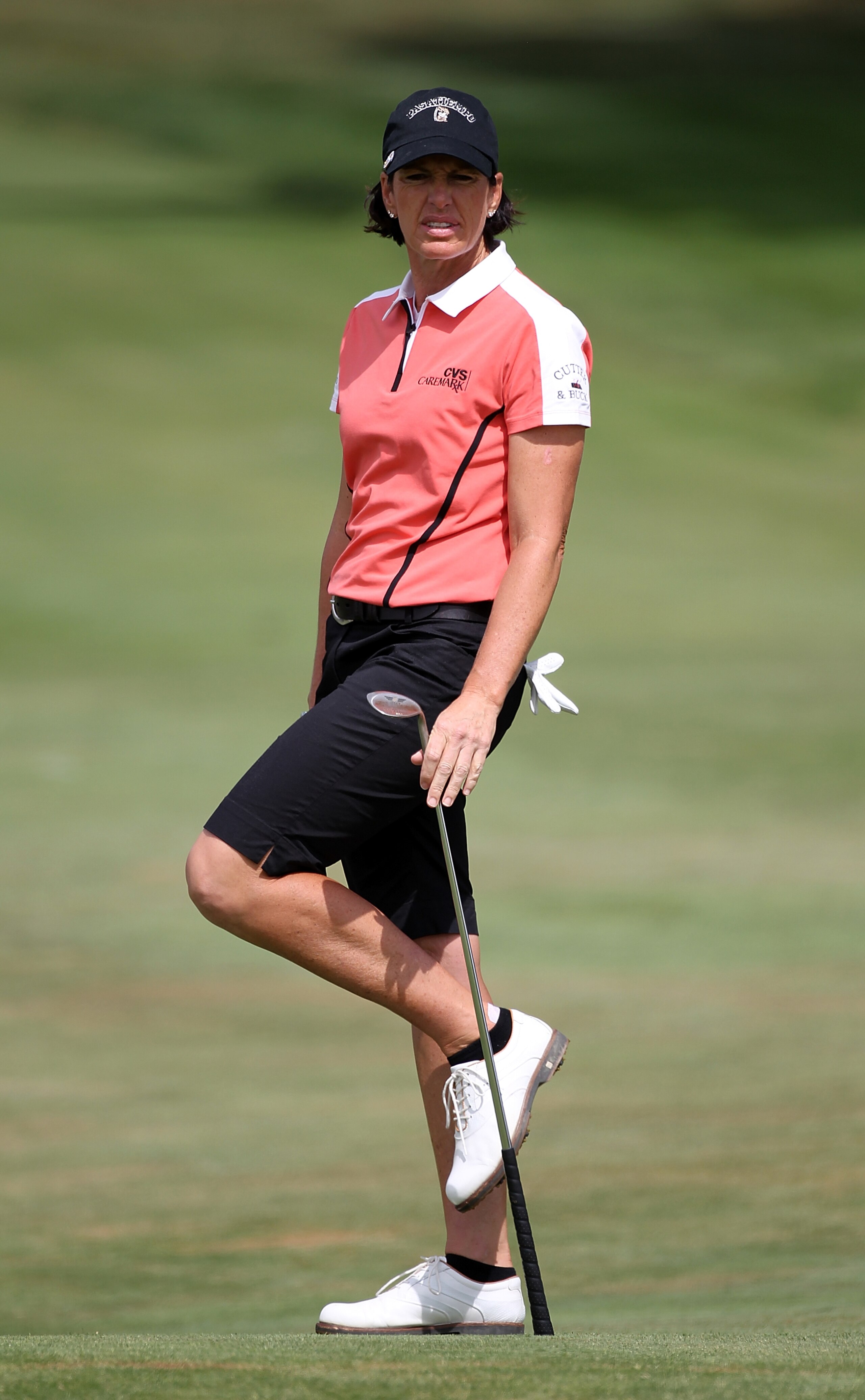
Perhaps the most famous mom who can’t dance to win majors, Juli Inkster won the 1999 US Open and the LPGA, her fourth and fifth major tiles, the first three coming in the previous decade. She went on to win two more after 2000. Inkster has always been something of a phenom. When she captured the U.S. Women’s Amateur titles from 1980-82, she became the first woman since 1934 to win three consecutive U.S. Amateurs.
9a. Annika Sorenstam
12 of 20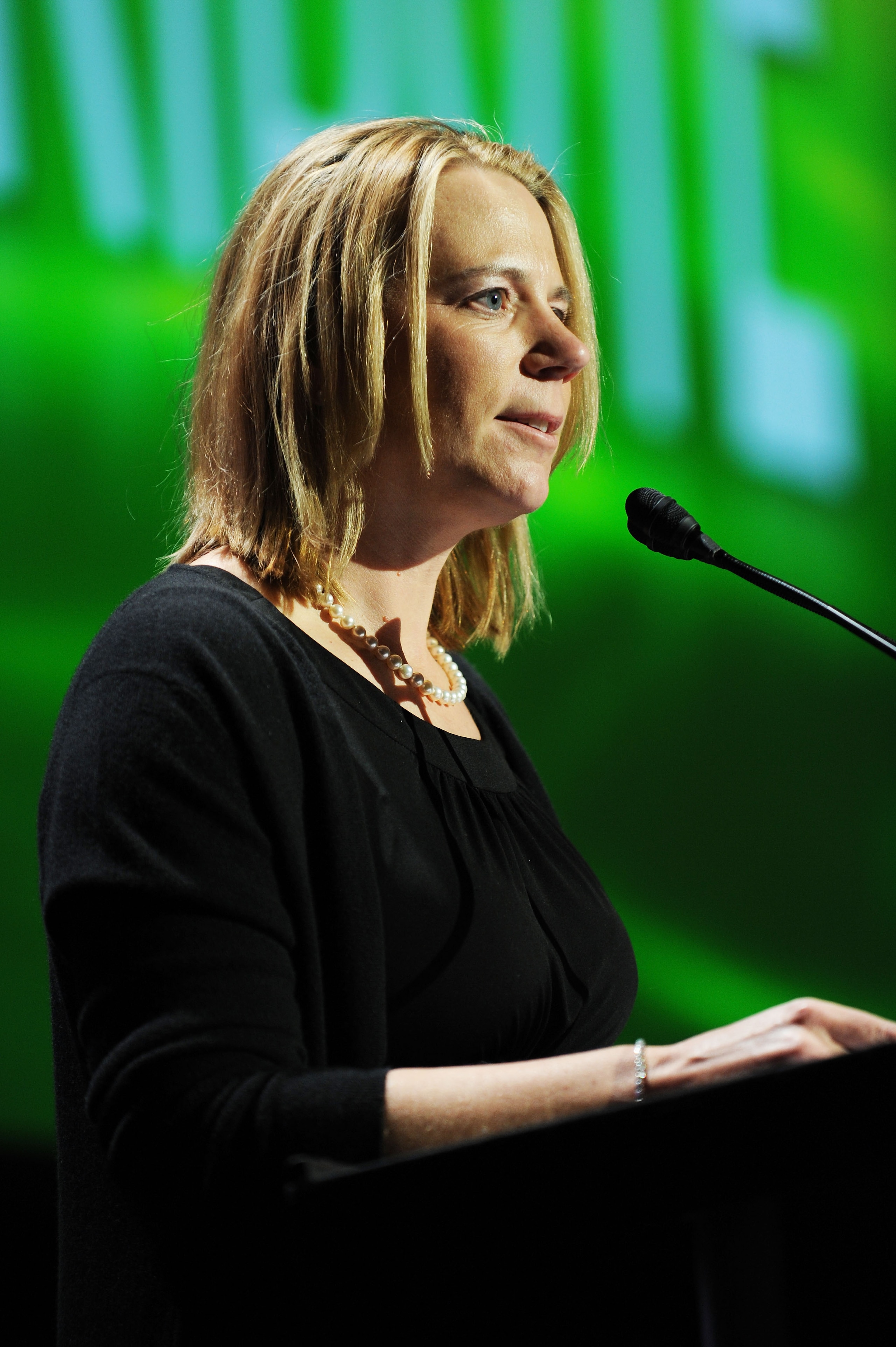
In her first US Open as a pro, Annika Sorenstam won. That was 1995. Nobody but Annika expected her to do it again in 1996. She collected more LPGA titles than any other LPGA player in the 1990s with 18. In 1998 she was the first player in LPGA history to finish a season with a sub-70 scoring average, 69.99. And the rest is history.
8. Lee “Just Wear a Smile and A” Janzen
13 of 20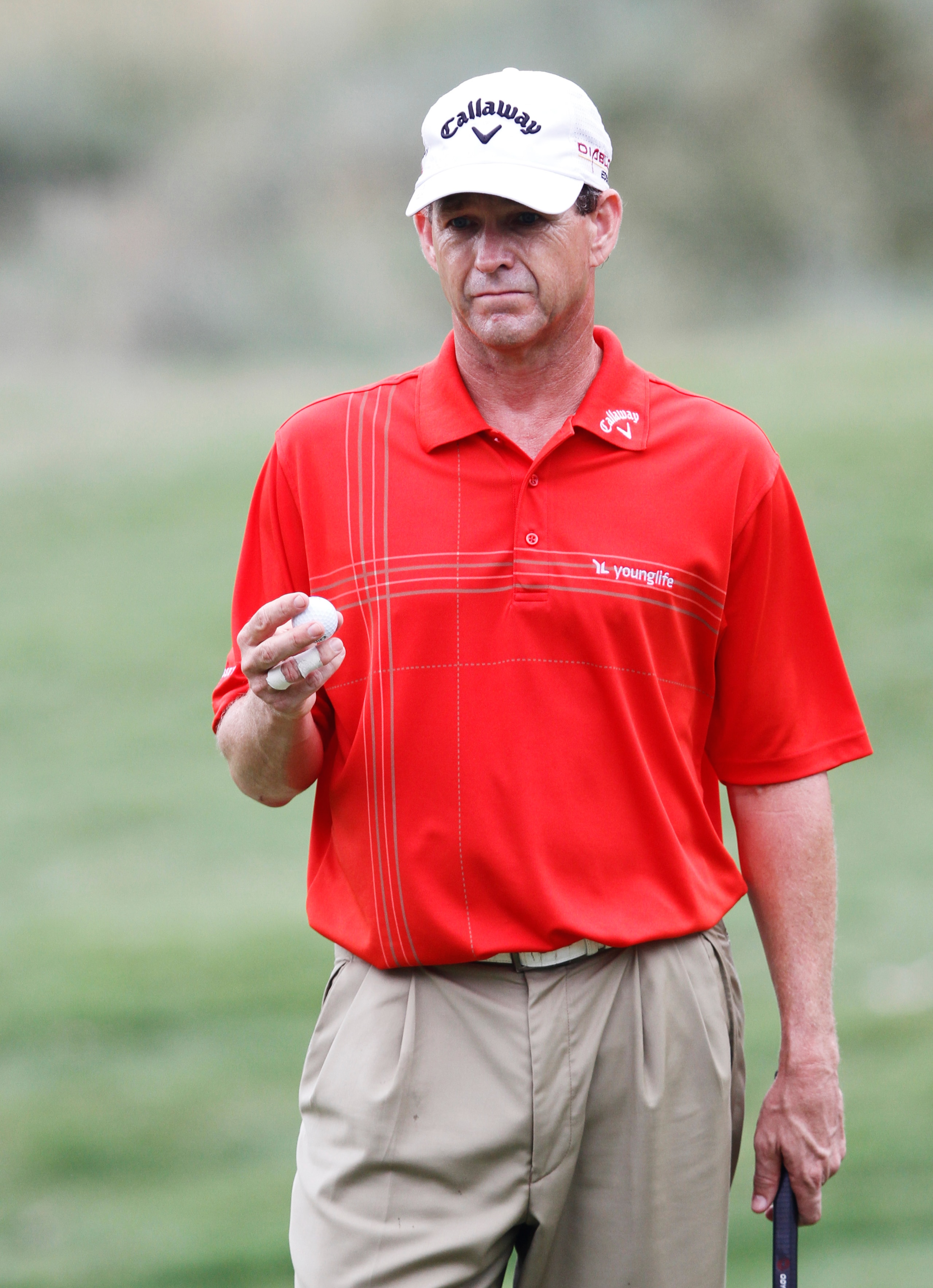
Ok, I’ve been watching too much Mad Men. With eight tournament titles, two of them US Opens, and one of them The Players, Lee Janzen leapfrogs over other players of the 1990s who had more headlines but two majors. It seemed Janzen’s specialty was hitting the ball straight and putting like a genius at really hard courses. Then, of course, he would cry. Kleenex should be one of his sponsors.
7. Payne Stewart
14 of 20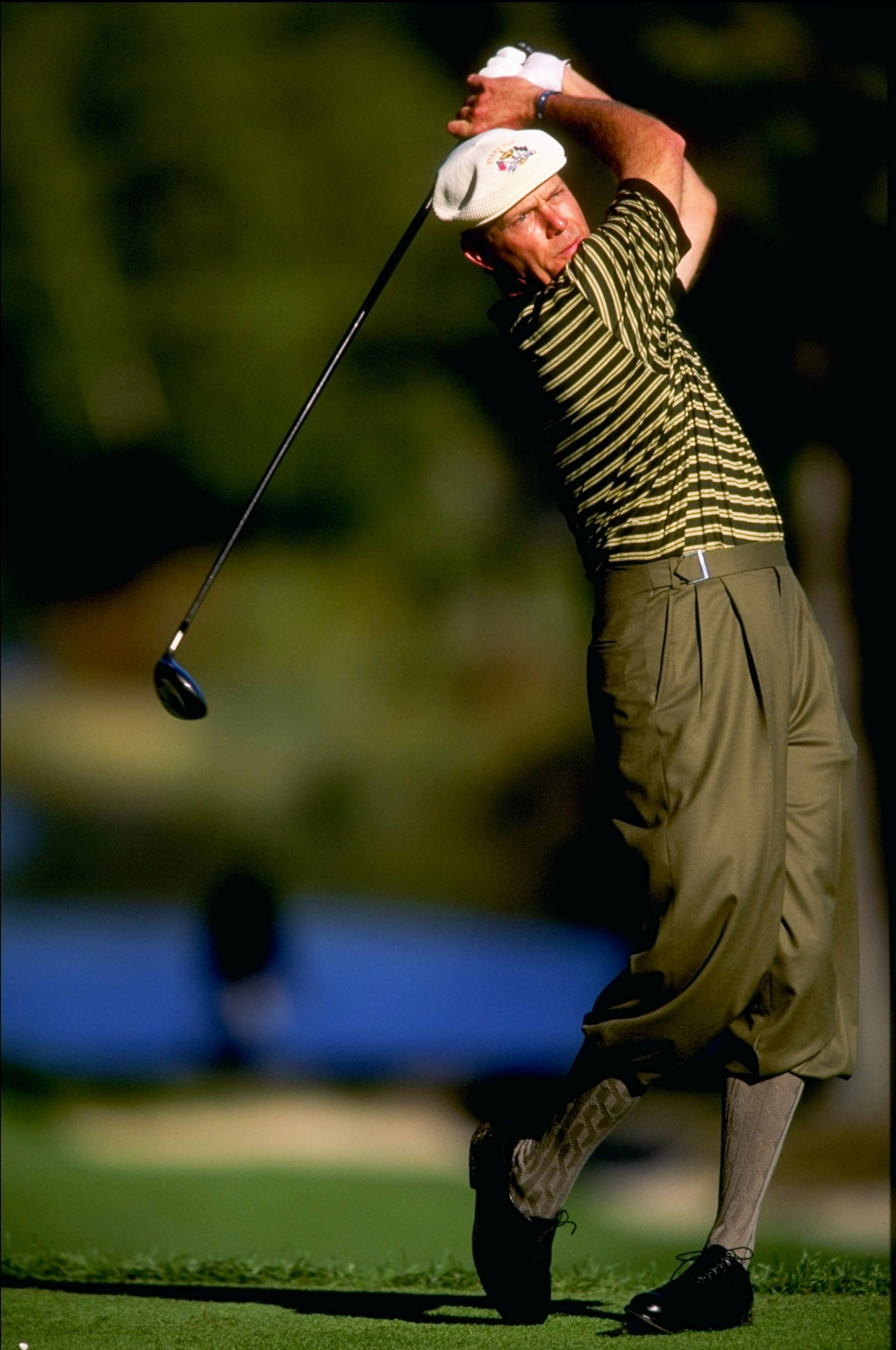
Every now and again something will remind us of Payne Stewart. Whether it’s a photo, a place, a situation. Golf is filled with reminders and memories. Payne had an elegant swing and a crazy personality. The man loved to cook a steak and enjoy a laugh with his friends. But as much as anything, he loved to play golf. In the 1990s, he won the US Open twice, at Hazeltine and at Pinehurst. Payne was such a flashy guy, it’s rather interesting that he won two majors of such substance. He also won the 1989 PGA and 16 tournaments in all.
6. Ollie
15 of 20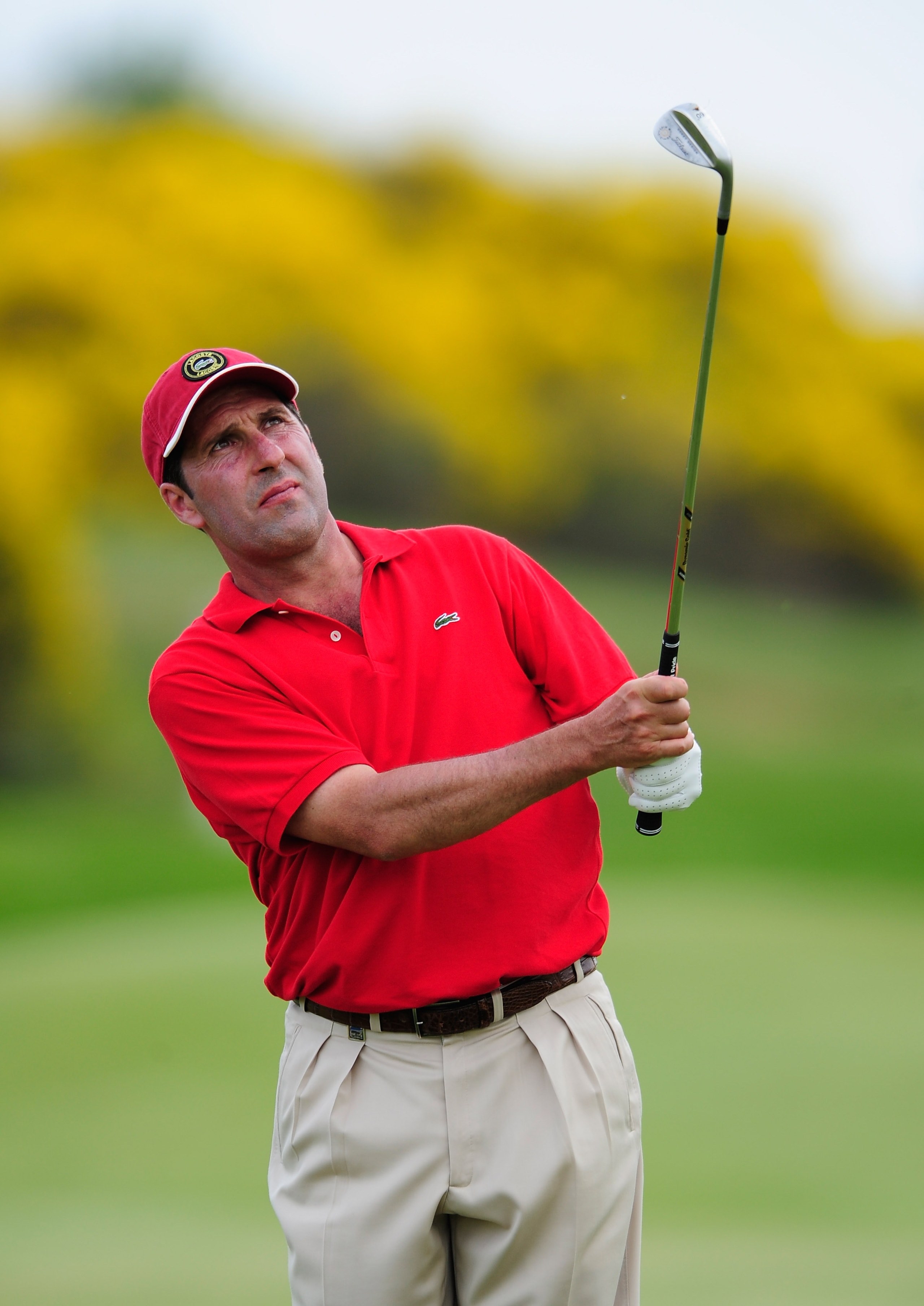
Jose Maria Olazabal might be the second best player to come from Spain, and that’s ok with him. He knows who is first: Seve Ballesteros. Olazabal credits Ballesteros with showing him the ropes as well as the game. Seve and Ollie became one of the most formidable Ryder Cup teams in history. Olazabal won his first Masters in 1994. In 1999, after coming back from an arthritic condition that was so bad he had to crawl on his hands and knees, he won his second green jacket. He also had 22 victories as of 1999.
5. Mark O’Meara
16 of 20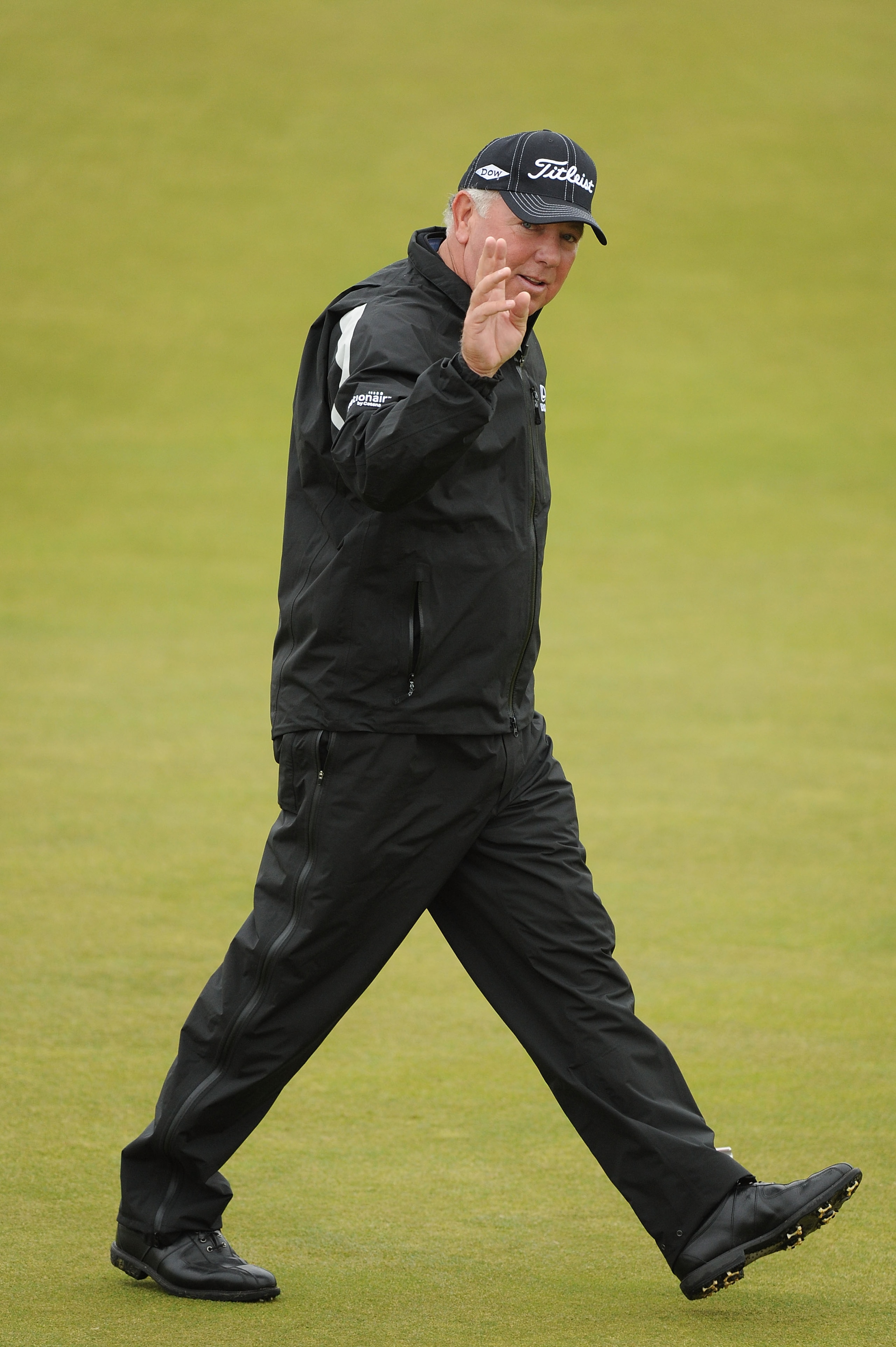
Mark O’Meara was a US Amateur winner, and he had to wait until nearly the end of his regular tour career to win his second major in 1998 at The Masters. With the door open, he added a third that same season at The British Open. O’Meara remade his game early in his career with the guidance of Hank Haney who also worked with another major winner you can probably name. O’Meara nudges out Olazabal with 23 victories worldwide.
4. Tiger Woods
17 of 20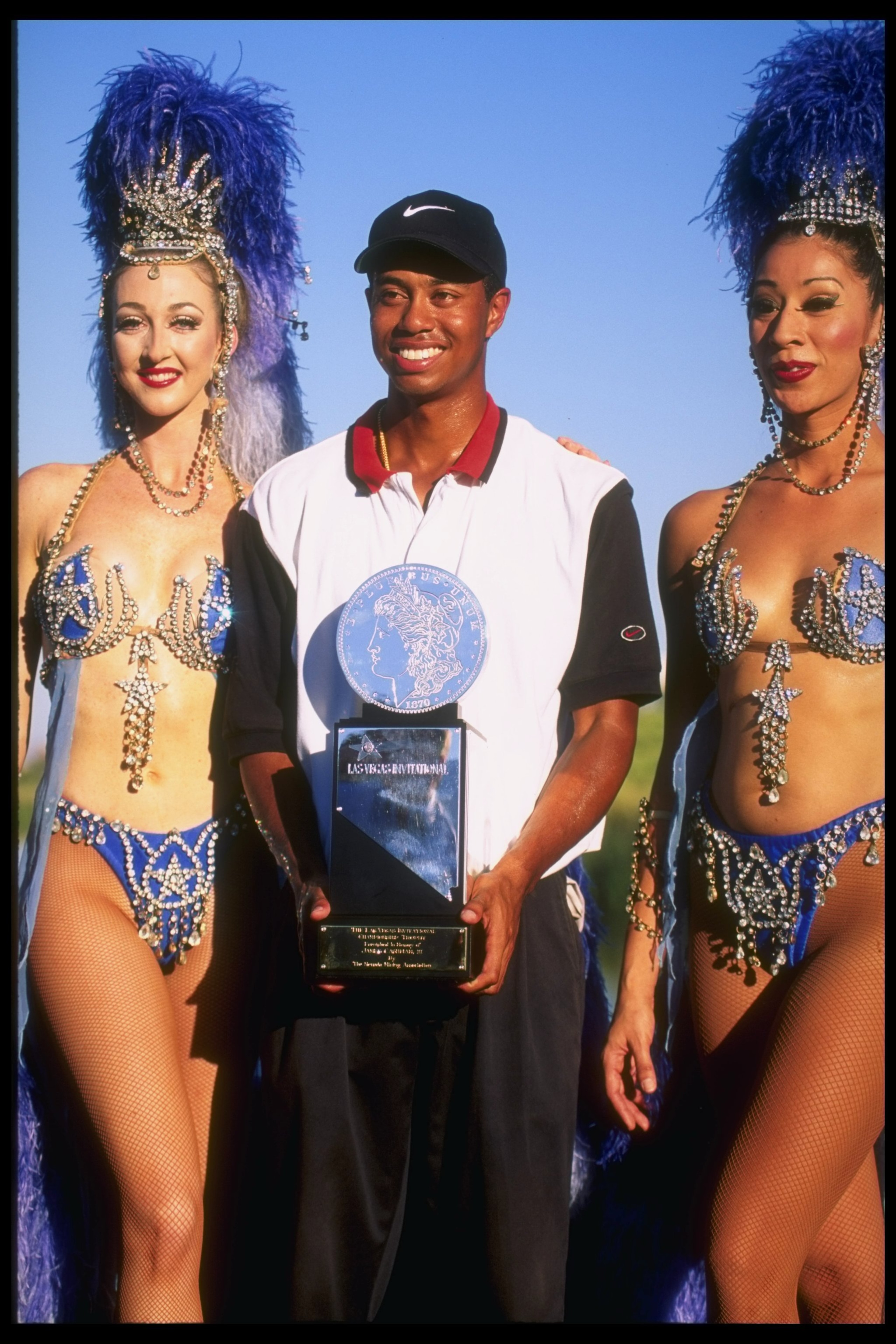
With two majors and 17 titles in three and a third seasons, Tiger Woods proved right away that he was a force in professional golf. Looking back on those days, with the impact Woods had, it is amazing that he only won two major titles in the 1990s. Like Justin Leonard, his route to the PGA Tour was to win enough money in seven events after turning professional so that he could earn his card for the next year. After three US Amateur titles in a row, he won in Las Vegas in his fifth career start and had a two-year exemption before the start of the 1997 season. However, his victory at the 1997 Masters by a margin of 12 strokes put the world on notice. He also provided a large bump in the TV ratings.
3. Ernie Els
18 of 20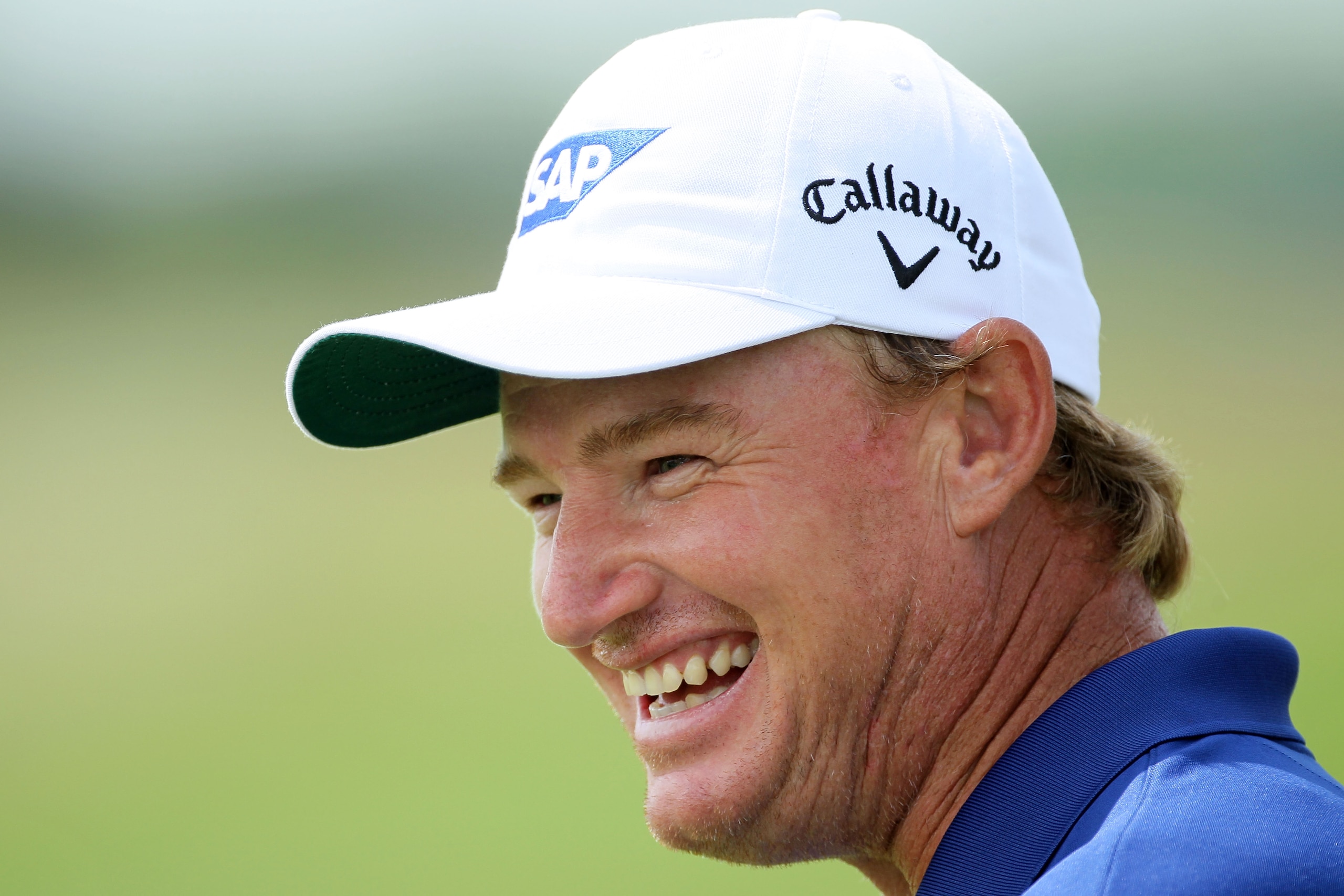
There is still no more fluid swing to watch than that of Ernie Els. Els, who Nick Price predicted in 1991 would be a world-beater, won the 1994 US Open at Oakmont at age 25. It probably surprised him. But when he won the US Open again in 1999 at Congressional, he knew that he was truly an established player. With 40 victories by the end of 1999, Els moves ahead of all others who won two majors in the 1990s.
2. Nick Price
19 of 20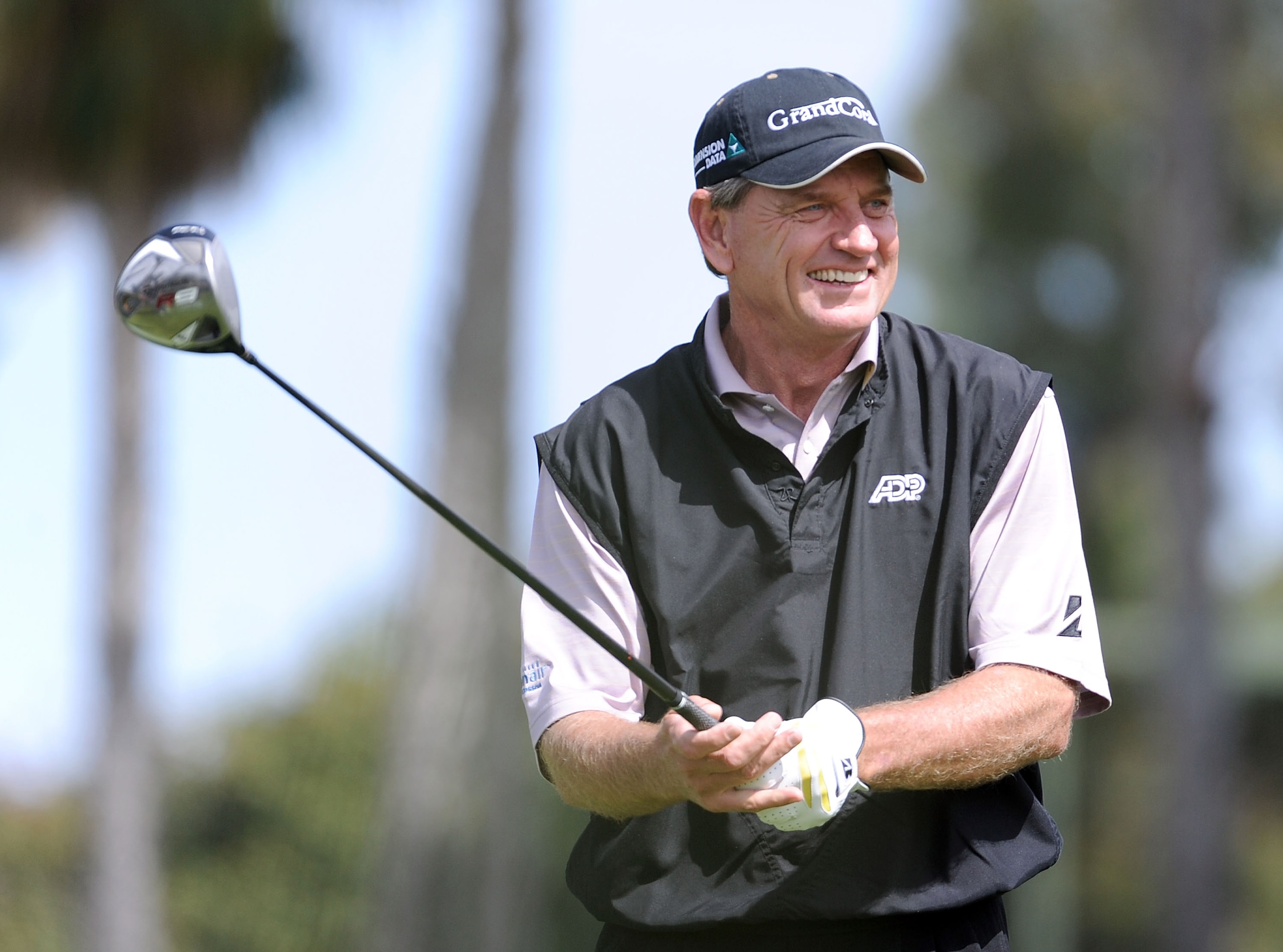
If Nick Price had never won a major, he would go down as one of the great gentlemen of the game. But after winning the World Series of Golf in 1983, he took the opportunity to remake his technique which took longer than anticipated. Then in 1992, it was like someone threw a switch. He won the PGA at Bellerive in St. Louis where another golfer from the continent of Africa, Gary Player, had won 30 years prior. Price went on a big event tear, winning the 1993 Players, the 1994 British Open, and 1994 PGA Championship. If we can consider The Players a major, then he’s tied with those at number one who have four. Some consider it a major, although most, as yet don’t, which is a shame because it tests every shot a golfer has and there is no let up. In addition, Price had 40 victories as of the end of the ‘90s. And he still has a tie for the lowest round ever shot at a major with a 63 at Augusta National, the third round, 1986.
1. Sir Nick, Patty, and Betsy.
20 of 20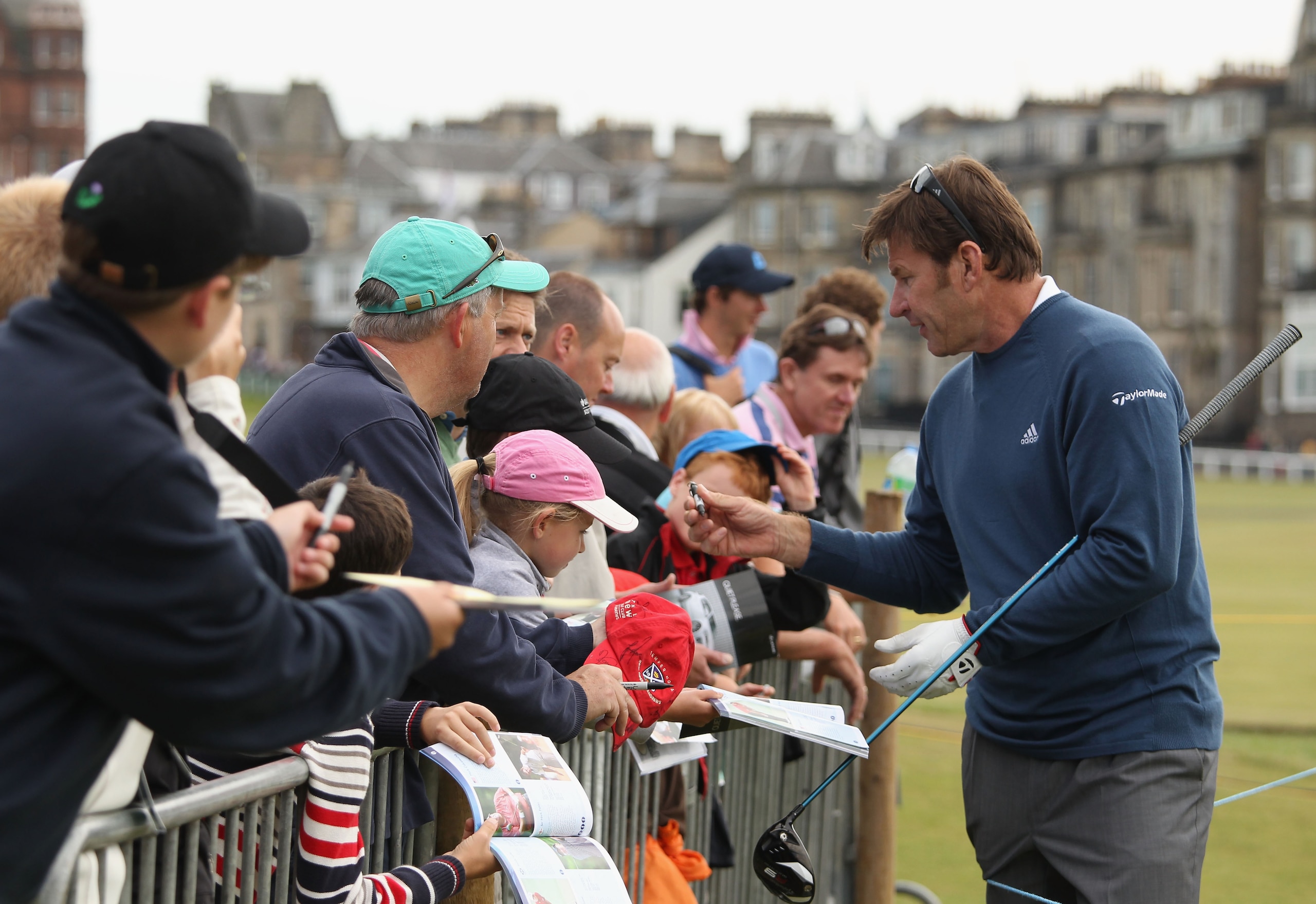
Nick Faldo, Patty Sheehan, and Betsy King, all captured four major championships in the 1990s. As such, they tie for the number one slot.
Faldo also had 40 victories by the end of the 1990s and was certainly at the top of his game in that decade. In addition, Faldo has that other title: Sir. In the 1990, Faldo won the Masters and British Open. In 1992, he added another British Open and in 1996, another Masters. Of course, this does not count the two majors he won in the 1980s, which were, guess what, a Masters and a British Open (Again? Yawn).
Sheehan was the Annika before there was an Annika. She dominated the golf course, playing bigger than her five foot three stature and winning the 1992 US Open, the 1993 LPGA Championship, the 1994 US Open, and the 1996 Kraft Nabisco, her last victory. In the 1980s she won the LPGA Championship twice. All told, 35 victories.
King’s majors in the 1990s were the 1990 US Open and LPGA, the 1992 LPGA, and the 1997 Kraft Nabisco. She set some additional records including becoming the first player in LPGA history to pass the $6 million mark in career earnings. She was also the first LGPA player to shoot four rounds in the 60s in a major championship, the 1992 LPGA, where she shot 68-66-67-66. King also had two majors in the 1980s, the 1987 Kraft Nabisco and the 1989 US Open. In all, 34 victories.
All three are in the World Golf Hall of Fame.
.jpg?w=2560 "Packers Vikings Football")