NCAA Expansion -- Even Worse Than It Seems
We've all read articles opposing the proposed NCAA expansion to 96 teams. The articles suggest that the expansion will needlessly extend the tournament by adding teams with no real shot, will keep players out of class for an additional week, and will sound the death knell for conference tournaments.
In reality, it’s far worse. The proposed expansion will damage the NCAA tournament itself.
The expansion will not really add a week out of class as some suggest. According to the NCAA, it will be played within the very same 19 day schedule as the current format. This will compress the tournament schedule for everyone including the 32 teams receiving byes.
TOP NEWS
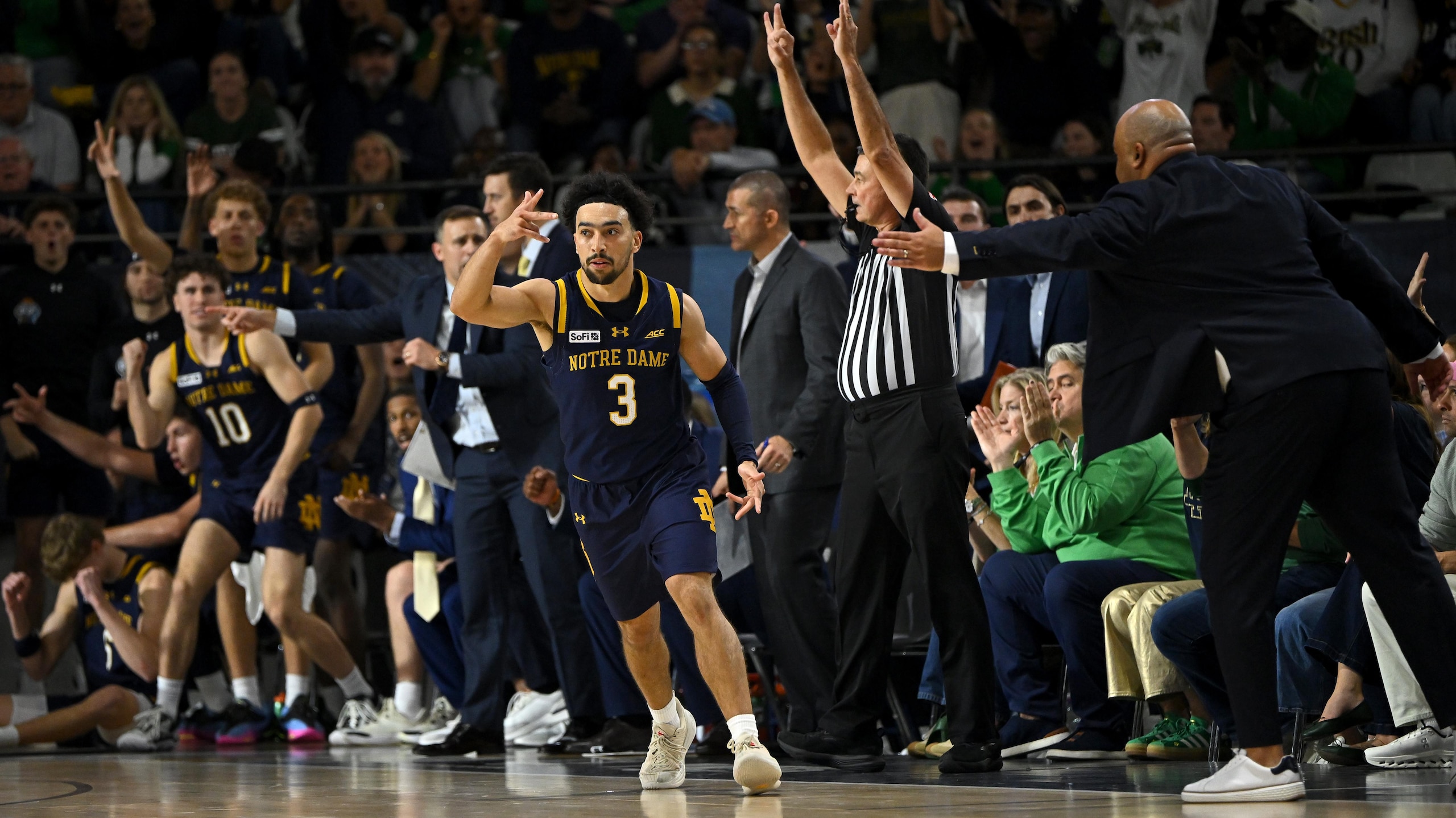
ND Downs Villanova in CBB Opener

UNC Lands DeMarcus Henry

Early Men's NCAA Tournament Projections 🔮
Let's take a highly-seeded team from this year's tournament as an example -- #5 Butler. This year, Butler played sub-regionals on Thursday and Saturday, had 4 days off to rest, prepare, and go to class, and then played regionals on the following Thursday and Saturday.
If the proposed 96-team format had applied, half of the non-bye teams (#9 seeds and below) would have played on that first Thursday. With its bye, Butler would have played its sub-regionals on Saturday and Monday and then played its regionals on Thursday and Saturday. That's 4 NCAA tournament games in 8 days with only a single 2 day break between the sub-regionals and the regionals.
The 64 teams not receiving byes would have had to play 5 NCAA tournament games in 10 days.
Think about the havoc this will wreak upon teams. Players will have no time to return home, no time to prepare for upcoming opponents, no time to go to class, and no time to rest. It will turn the tournament into a Wild West traveling circus, deemphasize coaching, randomize outcomes due to fatigue and lack of injury recovery time, and take the “long weekend” away from fans desiring to attend games.
Worse still, teams with byes will have to start the tournament cold against teams that have won an NCAA game two days earlier. And if you don't think starting cold is an issue, just consider this. Several decades ago, the Southwest Conference had nine teams and decided to give its regular season champion a huge “advantage” in the conference tournament by giving it a bye directly into the championship game. The regular season champion lost the tournament final three years ina row. The SWC dumped the format.
Don't let the NCAA tell you the expansion is about "participation." Most Division 1 teams are already effectively invited to the NCAA tournament. Win your conference tournament and you're in. Well over 250 teams have a shot at winning 9 or 10 games and taking home the big prize. The last place teams in most conferences have a shot.
Don't let the NCAA tell you the expansion is about including potential champions. As it is, a #16 seed has never advanced. So, how do you think a #24 seed will fare? Oh, sure, a #24 seed might beat a #9 seed in the first round, but then they play the #1 seed. Good luck with that.
Under the old 24-team format back in the 60s and early 70s, deserving teams were often left out. (In 1971, USC reached the #2 ranking late in the season, but sat at home after losing its conference’s only NCAA bid to top-ranked UCLA. In 1974, undefeated N.C. State came within one point in an ACC tournament final of not making the NCAAs.) But who can argue that a team with a legitimate title shot is left out of a 65-team format?
The NCAA wants more money. Instead of creating a football playoff that everyone wants, it tinkers with a basketball format that, by all accounts, everyone loves. By adding a compressed schedule, they take a tournament that features rested, well-prepared teams and convert it into a mass-start survival run that seems destined to produce increasingly arbitrary results.