MMA: Mixed Martial Arts Is the Future of Sports
Back in mid-2008, I wrote a post about the changing landscape of sports in America and remarked, "My personal opinion is that if MMA were a stock, you should be backing up the truck to buy."
The results are in. UFC 100 led all PPV buys, and the organization accounted for six of the top 10 buys in 2009. Add in the “minor league” (organizations like the WEC, EliteXC, and Strikeforce), and MMA’s financial and cultural penetration is deep.
Only boxing’s Manny Pacquiao and Floyd Mayweather Jr.—charismatic, singular, once-in-a-lifetime pugilistic talents—can compete with MMA’s dozen deep roster of pay proven superstars, in terms of fan interest.
TOP NEWS
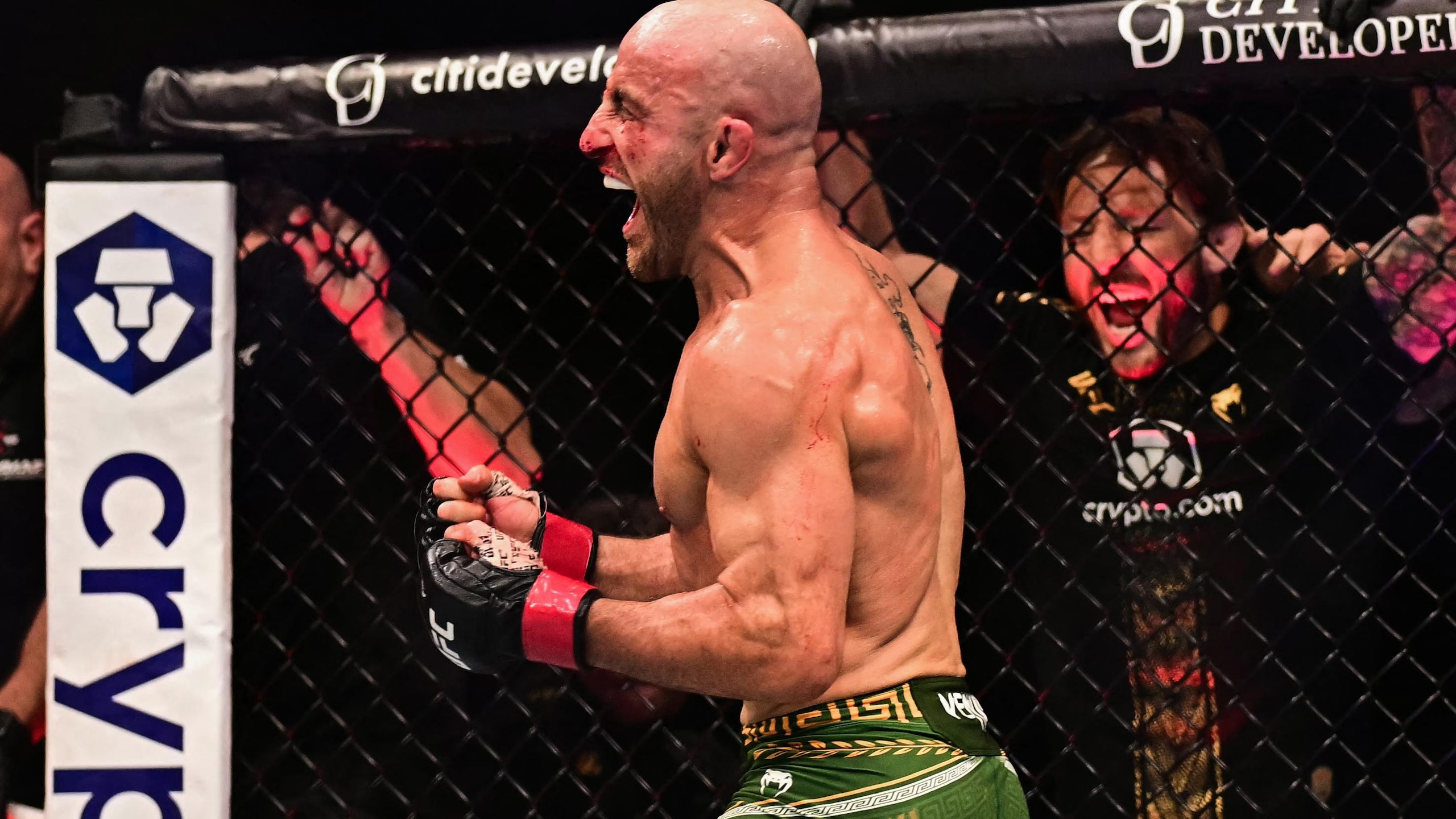
Volkanovski breaks record after title win at UFC 333
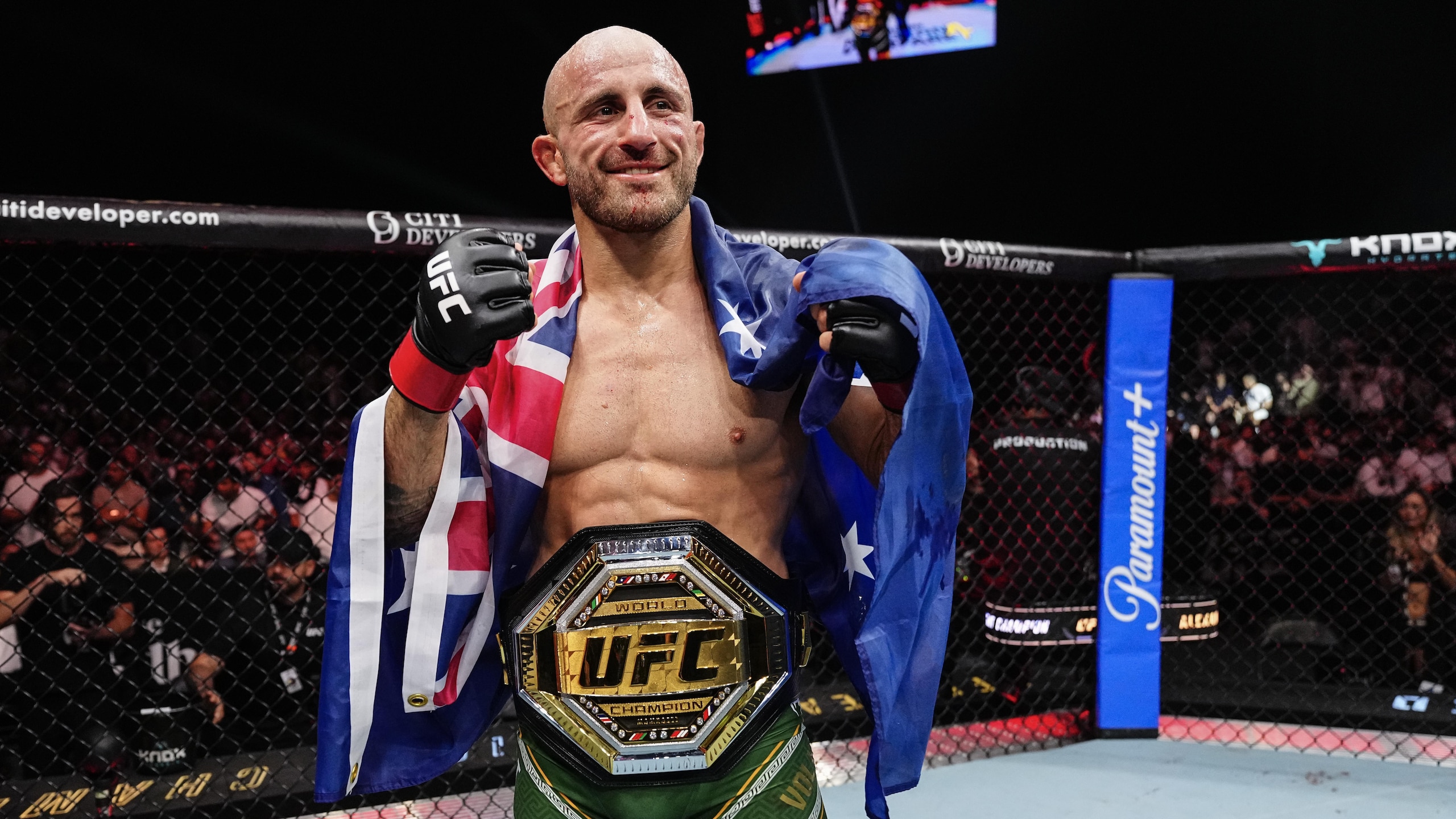
UFC 333 Prize Money 💰
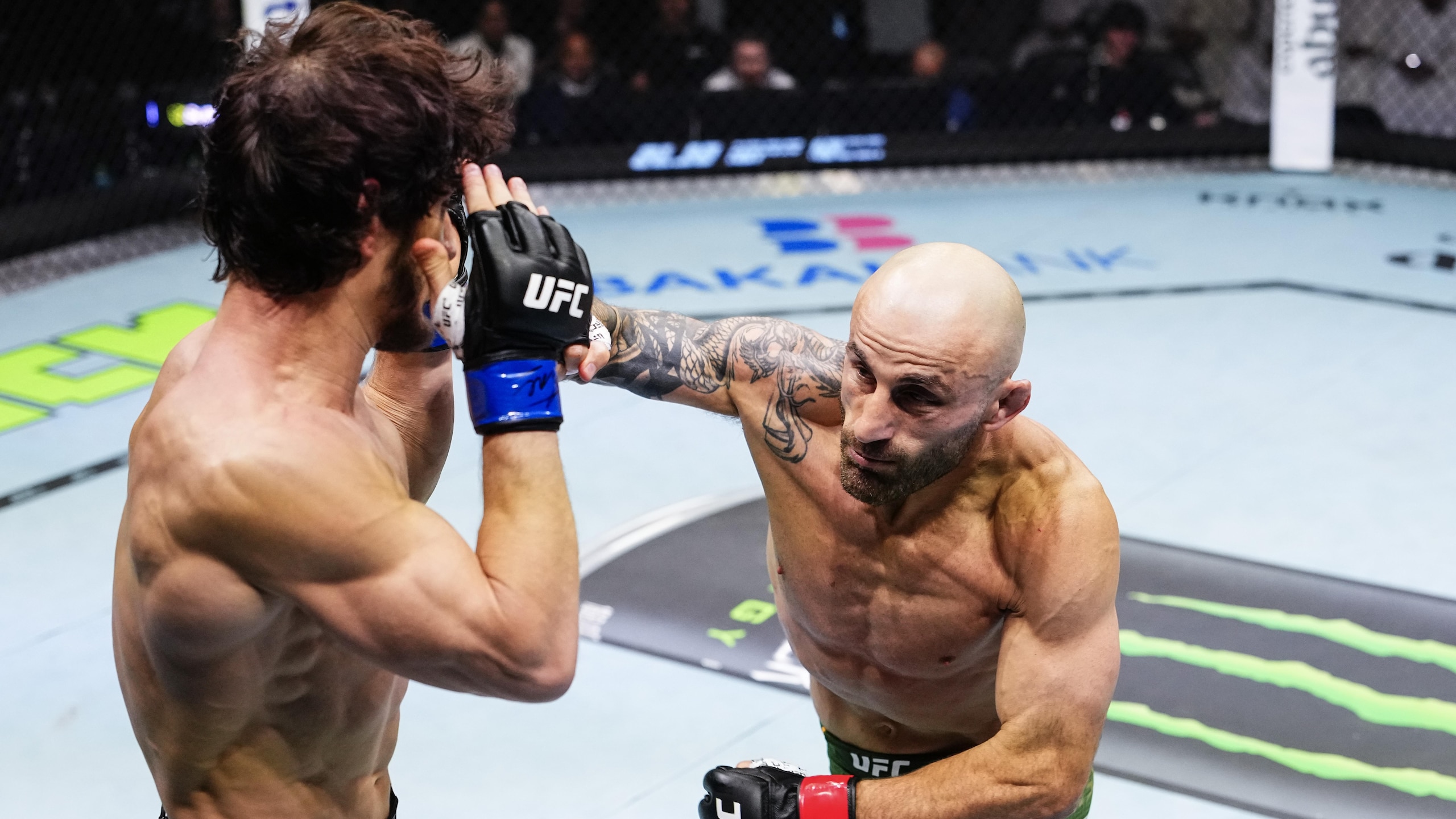
Fights to Make After UFC 333 ➡️
Short-term trends aren’t as encouraging for MMA because of a series of freakish injuries to some of the sport's biggest draws and a weak domestic economy, but the long-term trends are still undeniable.
Aside from PPV buys—which yielded MMA’s biggest organization, the UFC, over $300 million in 2009—the sport continues to penetrate network television, feature a popular reality show, dominate the “live event you must see” cultural landscape, and now has heavy billing on ESPN.
It also influences fashion—witness the obligatory Affliction T-shirt sported by every guy with too much gel in his hair.
MMA is also making inroads in key emerging markets. The UFC—MMA’s “big league”—is making a concerted effort to market the sport and hold events in Europe, where Germany and the UK comprise huge potential fanbases. It’s already wildly popular in key emerging markets like Brazil and Russia, and in stable markets like Japan.
The sport is one Chinese man and a Sikh away from completing the sweep in markets that matter.
The arbitrary cutoff for MMA fanship seems to be right around age 40. Friends of mine over that age are only tangentially aware of it, and are shocked when I tell them that the UFC is now a billion dollar organization (after being purchased 12 years ago for $2 million by the Fertitta brothers).
Those under 40 increasingly consider MMA a major sport, firmly on the second tier, just below basketball and football. Needless to say, the 18-40 demo is an advertiser’s dream.
The other trend that looks good for MMA is the athletes. The sport continues to renew itself with young, charismatic stars who promise to elevate the sport's possibilities.
Just as the NFL and the NBA began to rob boxing of its heavyweight division in the 1980s—when NFL and NBA salaries dramatically skyrocketed—MMA’s ability to quickly propel young, charismatic athletes into superstardom and quick paydays is appealing to elite level athletes.
For a preview of what an elite 22-year-old athlete who decides to take up Greco-Roman wrestling and Thai boxing instead of college football looks like (forgive the regrettable rap) watch the video here.
Buy: MMA, soccer, basketball, and football.
Sell: Golf, tennis, boxing, and baseball.
Your thoughts?
This article appeared on Barking Carnival.
Follow Barking Carnival on Twitter: @BarkingCarnival

.jpg?w=2560 "Mahomes Told Teammate to Leave Meeting")
.jpg?w=2560 "🚨 Week 8 AP Top 25 Poll")
.jpg?w=2560 "Baker Gets Glove From Rays 🧤")


.jpg?w=2560 "NFL investigating Eagles")
.jpg?w=2560 "Updates from EVERY NFL Game 🏈")
.jpg?w=2560 "CFP Bracket After Week 8 🏆")
.jpg?w=2560 "Steelers Roll Saints in Paris")