Second Impact Syndrome...An Epidemic That Would Shame Swine Flu
The term concussion is a bell that keeps constantly ringing and reappearing throughout the NFL. Brian Westbrook, Jeremy Shockey, Clinton Portis, Kurt Warner, and Ben Roethlisberger were all victims of concussions or concussion like symptoms in 2009.
What is a concussion and why is it dangerous? A concussion is a traumatic injury to tissues of the body such as the brain, as a result of a violent blow, shaking, or spinning. This is dangerous, obviously because when you take a helmet to helmet hit, it has a huge impact on your brain and its ability to function properly.
The NFL's actions taken to prevent the spread of concussions throughout the NFL has sparked some positive and negative attention. Since this article is about Second Impact Syndrome and not concussions, I should explain what it is. It's when a player like Brian Westbrook takes a hard hit that knocks his head straight back and he suffers a concussion; he is currently lost, confused, disoriented, and seeing a few bright lights over the period of about 10 minutes.
.jpg?w=2560 "Titans Giants Football")
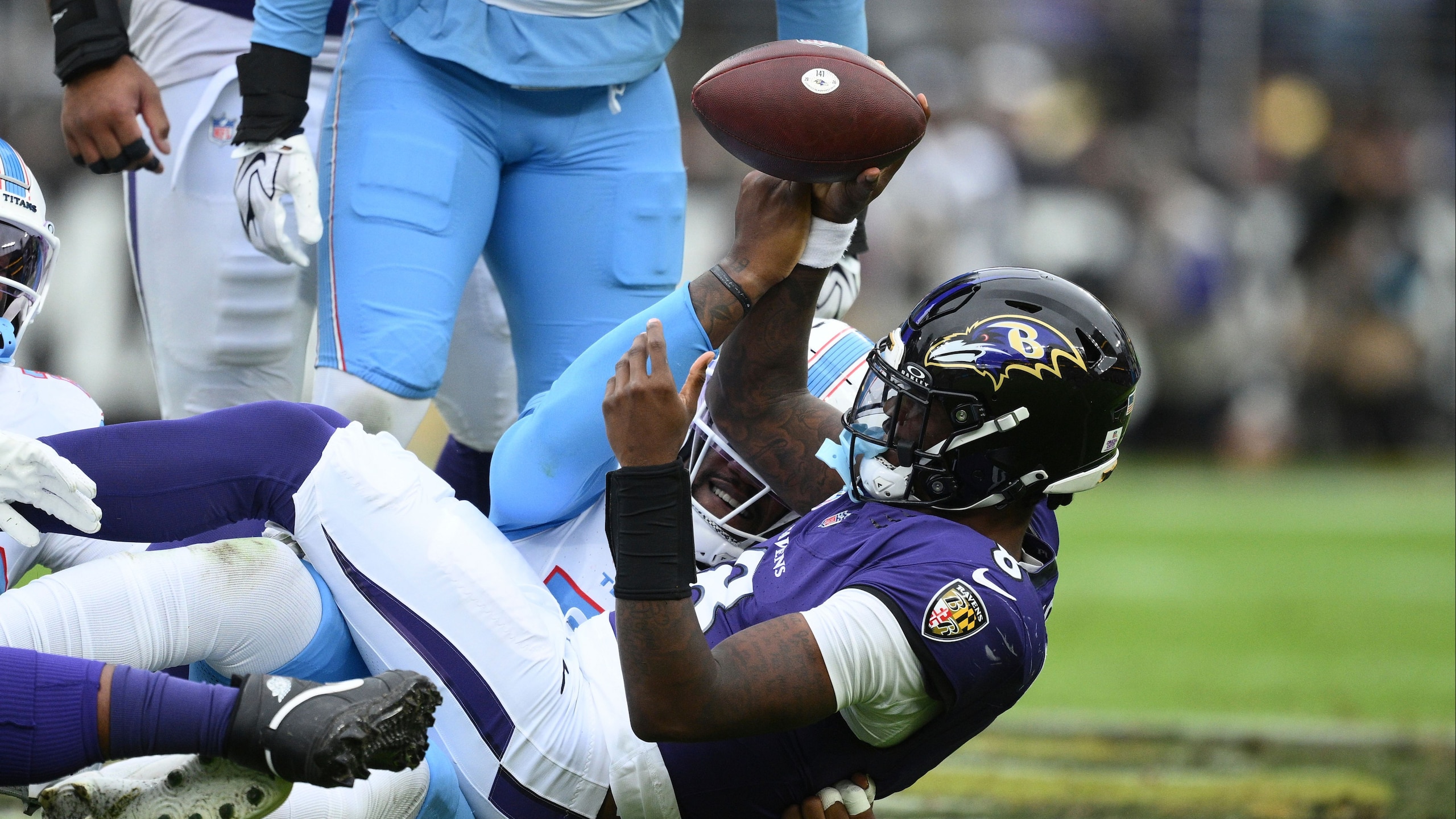

While it upsets fans to see Westbrook jog off the field and head to the locker room for the remainder of the game, if he were to stay in the game and gingerly bumped his head on the ground, this is more than likely to cause his second impact syndrome. This would not only put his season and career in jeopardy, but more than likely put him in a position to where his life would be in question.
Second Impact Syndrome or SIS, is basically suffering a concussion, and within a span of an hour, give or take a few minutes, receives another concussion. This causes the brain to swell. Sadly, where the effects of SIS are being felt the most is throughout the high school level of sports especially in wrestling, basketball, baseball, and more commonly in football.
What makes SIS so dangerous is the only way it can be detected is if a trained professional is on stand by and able to ask a series of questions and check the ability of the athlete to answer these simple questions correctly and to check if there is dilation of the eyes.
The dilemma is that many high schools, especially in rural areas of the country, cannot afford to have a sports medicine professional on the sidelines to protect the safety of these young athletes. It doesn't just stop there because when you're young, you feel as if you have to display toughness and grit to prove to yourself, to your coaches, and your team. And sometimes when you have had your bell rung, you do not want to be seen as soft, so you keep this to yourself. A medical professional can only do so much; it's up to the athlete to speak up and realize no game and no amount of playing time is worth your life.
Some of the negatives that have gotten the attention of fans, players, and media is the two hand touch mentality of football now. For those UGA fans out there, you remember the hit that safety Reshad Jones laid on an Oklahoma State WR at the beginning of the season. It was a completely legal hit that was called a helmet to helmet hit.
Some say that it's making the game too soft, that it would make Charmin's Ultra Soft look like a steel rod right now. This may be true, but think about it like this: when your child is running down the sideline and they are thinking they have an easy touchdown and a safety comes out of nowhere and knocked the child clear off his feet, I think you'd want the justice of a 15 yard penalty.
To help stop this, Schutts and Riddell, known for their revolutionary technology in the development of helmets, have been designing helmets that would virtually eliminate the threat of concussions and the many problems that come along with them.
Riddell has designed a Revolution helmet that can keep track of hits taken to the head and how hard the impacts were. The only thing you would need to do is plug in the helmet to the computer and it can give you all the information you need to diagnose the player and the measures needed to be taken.
Outside the Lines did a piece on SIS and concussions. One of the people who they specifically talked about was a promising high school RB from Greenville, North Carolina.
It was his death that caught the attention of the NFL and those involved in football all around America. His death was due to a swollen brain, which is one of the symptoms of SIS. What makes SIS and concussions so difficult is there is no defined period of time of how long it takes to recover.
In the case of Kurt Warner, it was a short period of time, in Roethlisberger's case, it was a week, Brian Westbrook and Clinton Portis, it was the entire season. In Jaquan Waller's case, he was at practice and got hit pretty hard on a carry and was held out for the rest of the week at practice.
Without seeking a trained professional's opinion, Waller played in his team's game later that week and after two carries, he collapsed and was pronounced dead less than 24 hours later.
As ESPN said in the report, Second Impact Syndrome is far more likely in teenagers because their brains aren't as developed and it leaves them vulnerable to become a victim of concussions and SIS.
Second Impact Syndrome is so devastating because for those who succumb to it never just recover and live a normal life ever again. For the lucky few who survive the influences of SIS usually lose the majority of their bodily functions. They commonly struggle with walking, speech, and post traumatic epilepsy. For others, mental disabilities, paralysis, and hallucinations are the results of SIS.
Due to the soaring number of cases related to concussions, more states are requiring that there first be a certified athletic trainer on staff at every game and that no player is allowed to return to practice or the playing field without a written note from a doctor.
Furthermore, the severity of these brain injuries has gotten so out of hand that it is reported that at least 50 percent of all head injuries that happen in sports are concussion related.
The best option for those young athletes out there is that they take ownership themselves and do not play if they are in any kind of pain, especially involving their brains and make sure to notify their coaches, trainers, parents, and any other medical professional.



.jpg?w=2560 "Saquon Out for Game")
