
Bracketology 2022: Best Tips for Filling Out Your 2022 Men's Bracket
For four days on the American sports calendar, hope truly springs eternal. Between the end of Selection Sunday and the first full day of action Thursday, millions of pristine brackets await their chance to show the world (or at least some coworkers) what true basketball insight, nay, prescience, really looks like.
But there are all kinds of things to consider when filling out your bracket. And it's more than the effective field-goal percentage of TCU. There are some larger historical and strategic notions that every March Madness warrior should be aware of.
With COVID-19 finally beginning (knock wood) to fade, this season's tournament will hopefully be relatively free of disruption on that front. That return to normalcy will in and of itself be a novelty.
Here are some tips and tricks you can employ to get a leg up on your fellow bracketeers.
The tournament kicks off Tuesday with First Four play-in games. A full schedule is available here.
Log at Least One 5-12 Upset
1 of 7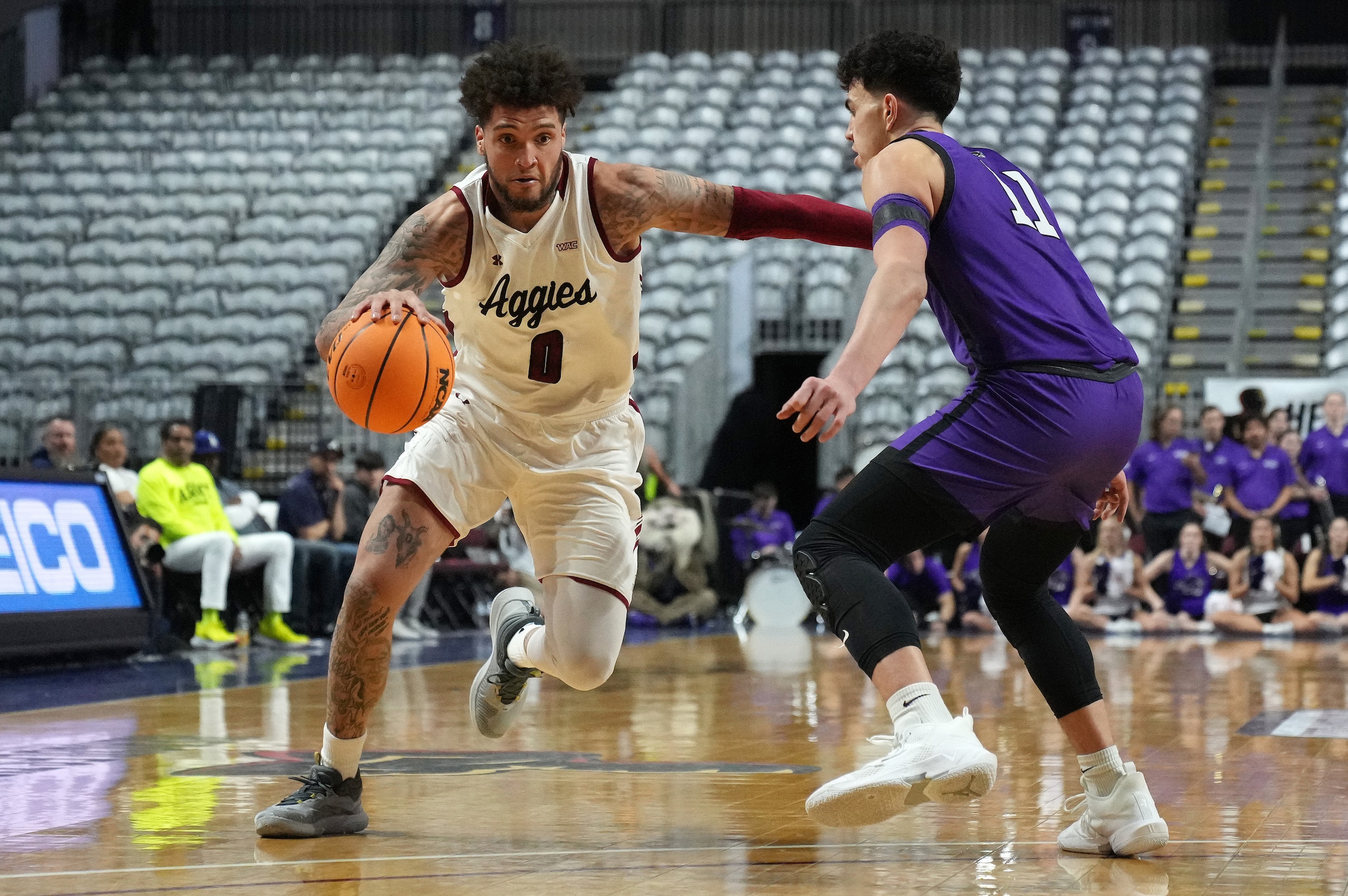
This is easily the juiciest target for the deep upset, and it has become a bit of a tradition for the selection committee to dangle particularly tantalizing matchups with this pairing.
In fact, the underdogs in this slot have a 35.4 winning percentage, per Joe Boozell of NCAA.com. That's just two percentage points below the 11-6 line and far above the 21.5 rate for 13-4 upsets and the 15.3 rate for 14-3 upsets.
(With all that said, don't forget about the 11-6, which isn't quite as glamorous but still provides good historical return on investment.)
Maybe the buzziest No. 12 seed in this season's draw is New Mexico State in the West Region, which has a seemingly winnable game against a good-but-not-great UConn team that finished third in the Big East. The Aggies defend as a team, with a deep bench that holds opponents to just 39.1 percent shooting from the floor.
Find the Specialists
2 of 7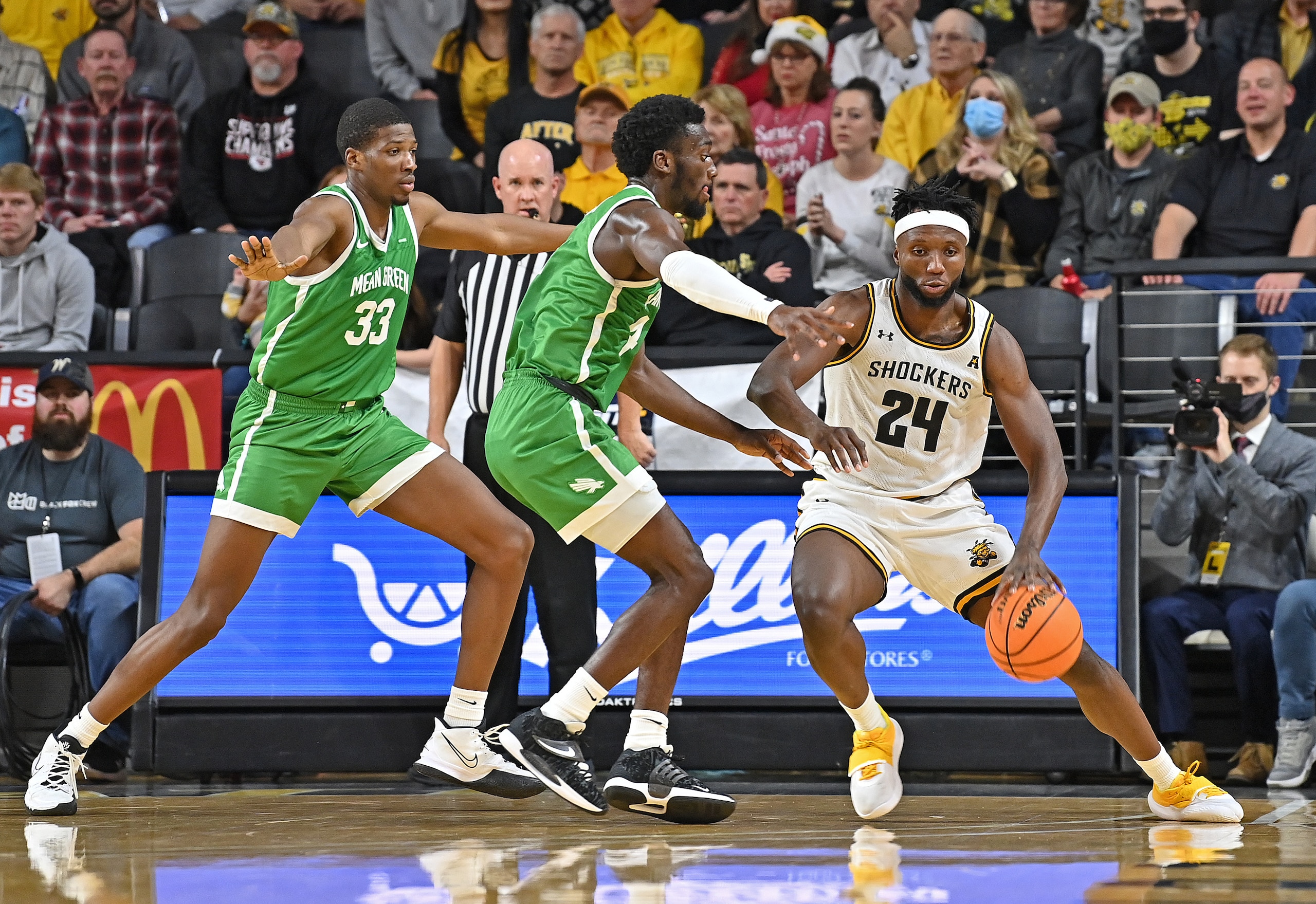
A balanced team is ideal, but if you can't do that, it helps to be elite on one side of the ball.
Check the ratings, particularly if you're looking to find a good upset. Is your team in the top 30 in one or more of the major offensive or defensive statistical categories?
Last season's Loyola Chicago team, ranked No. 8 in the tourney but second overall in KenPom.com's adjusted defensive efficiency, reached the Sweet 16.
At the top end of the spectrum, last season's national champion Baylor Bears led the nation with 41.3 percent three-point shooting. No. 15 seed Oral Roberts, which came within two points of reaching the Elite Eight, made more threes per game (11.1) than any other team in the country.
As another example, in 2017, when No. 7 seed South Carolina made an improbable Final Four run, it only reached No. 91 in KenPom's offensive rankings. Good thing, then, that their defense ranked third overall, allowing an average of just 68.5 points in their four wins, three of which came against higher-seeded teams.
And of course, there is perhaps the ultimate example in Virginia, whose stifling pack-line defense single-handedly carried it to the 2019 title.
In a nutshell, teams fare better if they have a core skill set to fall back on when they need a stop or a score.
In this year's tourney: Midwest No. 8 seed San Diego State (No. 2-ranked defense), East No. 11 seed Virginia Tech (No. 18-ranked offense) or even the humble Peacocks of the East, No. 15 seed St. Peter's, which faces a mammoth task in Kentucky but brings the nation's 34th-best defense into the hunt.
"Specialist" can be viewed as pejorative these days, and it's not a magic elixir, but if you're super stout on one side of the ball, you're in a strong position to weather some storms.
Follow the Stars
3 of 7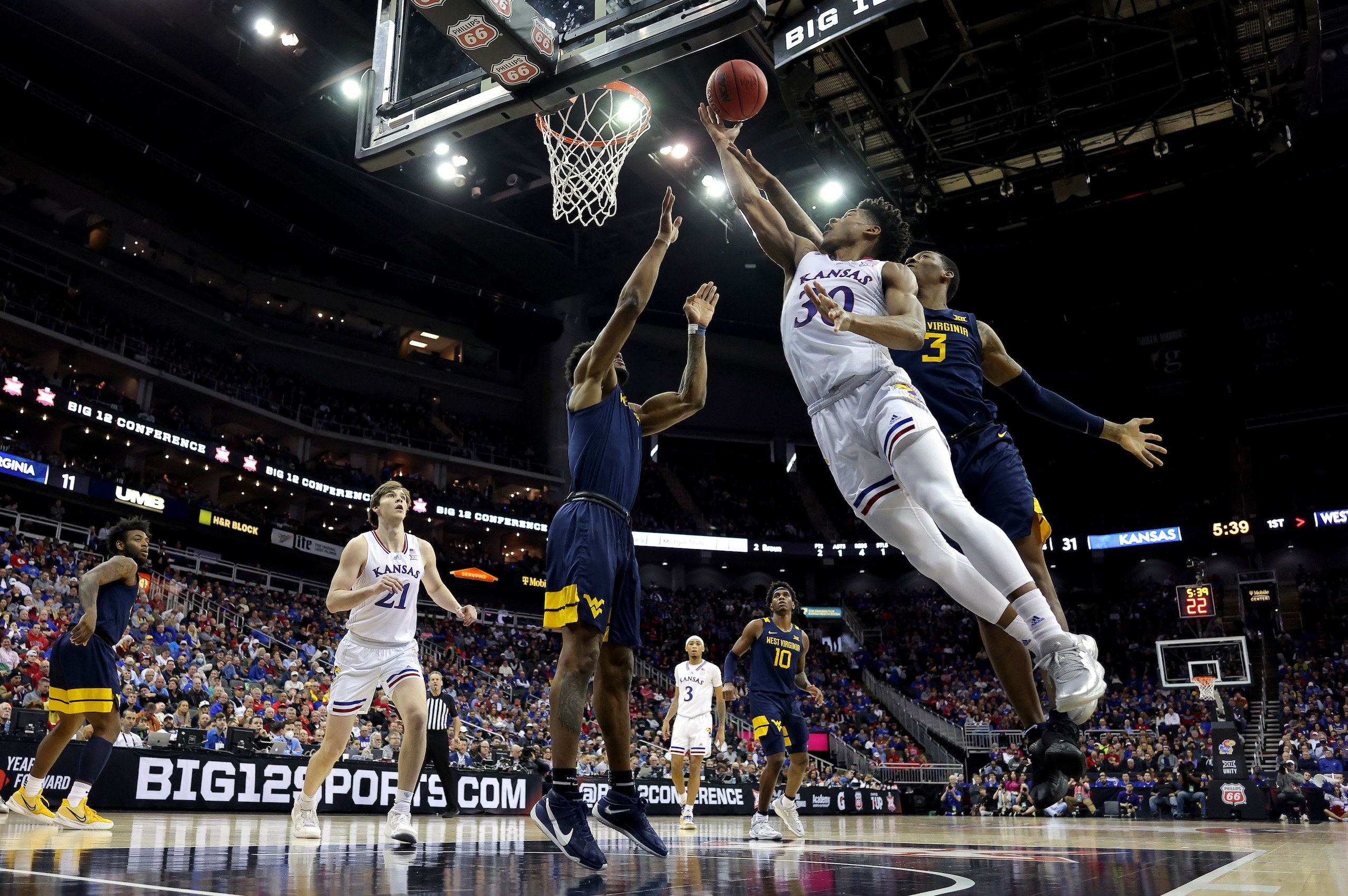
Similar to the previous slide, individual excellence can play just as important a role as high-level team execution.
College basketball is a game of runs, and sometimes your side needs to stop the metaphorical bleeding. It may sound obvious, but elite players are used to having the ball in their hands in big moments, and they have the talent and confidence to deliver.
The opposite can also be true—polished if star-deficient teams that swarm as a single unit—but having a top player on your team is huge not just for the stat sheet but as a stabilizing, calming presence in the crucible of tournament play.
There is plenty of talent in this year's field, with Kansas' Ochai Agbaji, Kentucky's Oscar Tshiebwe, Gonzaga's Chet Holmgren and Auburn's Jabari Smith all jockeying for the top spot. But it goes well beyond that, to Alabama's JD Davison to Colorado State's David Roddy to San Francisco's Jamaree Bouyea.



Smell the Home Cooking
4 of 7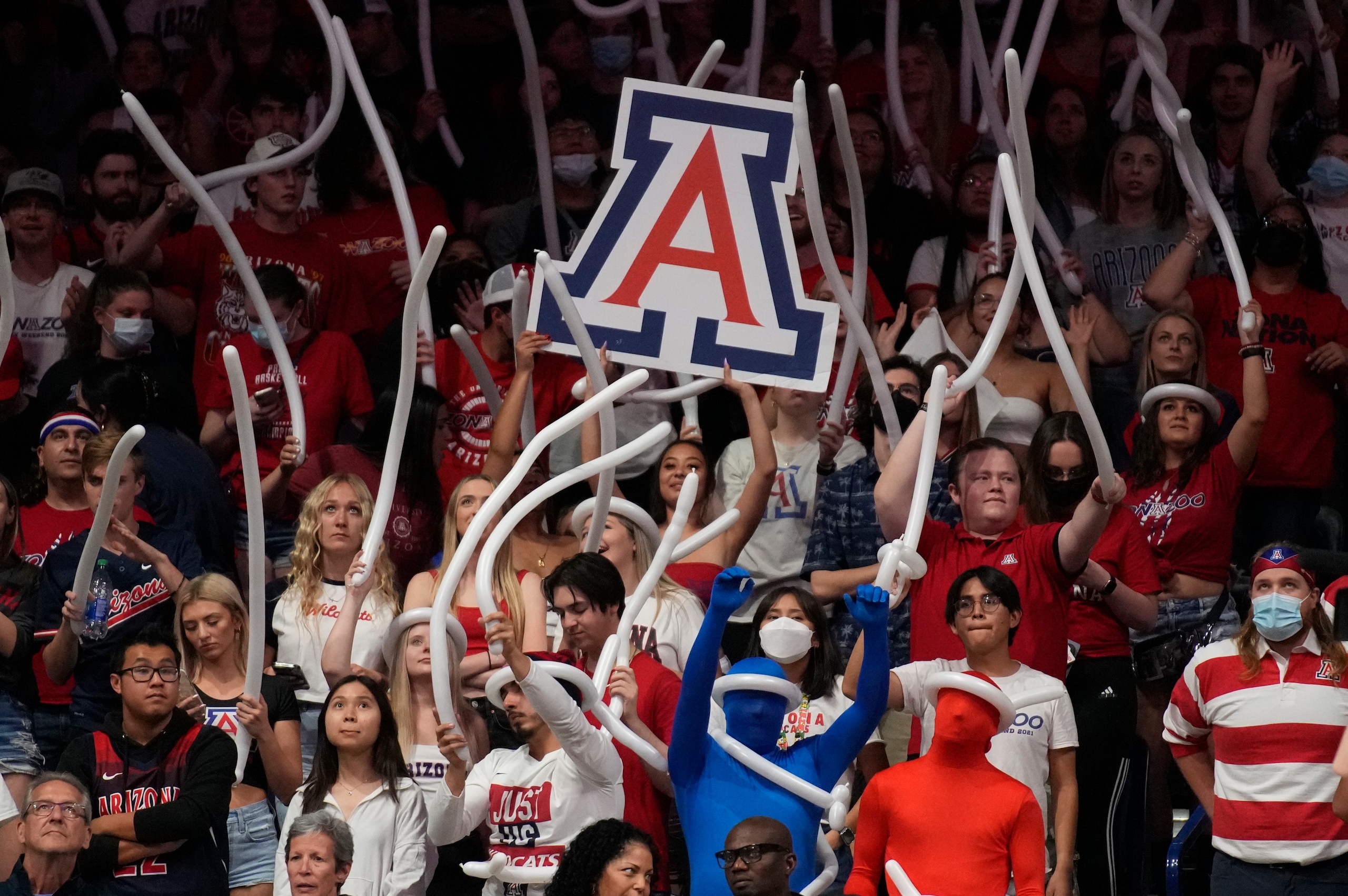
Home-court advantage is real in college basketball. It's just science.
A 2021 study from Samford University (h/t AL.com) found that over the previous four seasons, the home team won about 68 percent of the time. Referees whistled the visitors an average of 18.7 times per game—nearly two more than the 16.9 fouls called against the home team.
While tournament games are played at neutral locations, the Samford study illustrated that the benefits of home cooking are still on the table, if you'll pardon my delicious pun, even if you're not in your gym.
Interestingly, the Samford study also noted that much of this advantage was negated in 2020-21, when fan attendance was minimal because of the pandemic, which suggests that the crowd, as opposed to a physical building, is what really confers the edge.
Gonzaga will be a huge beneficiary, playing as the No. 1 seed in Portland, Oregon, just a relative stone's throw from Spokane, Washington. No. 3 Wisconsin got a friendly draw in Milwaukee.
Don't Look Past the First Four
5 of 7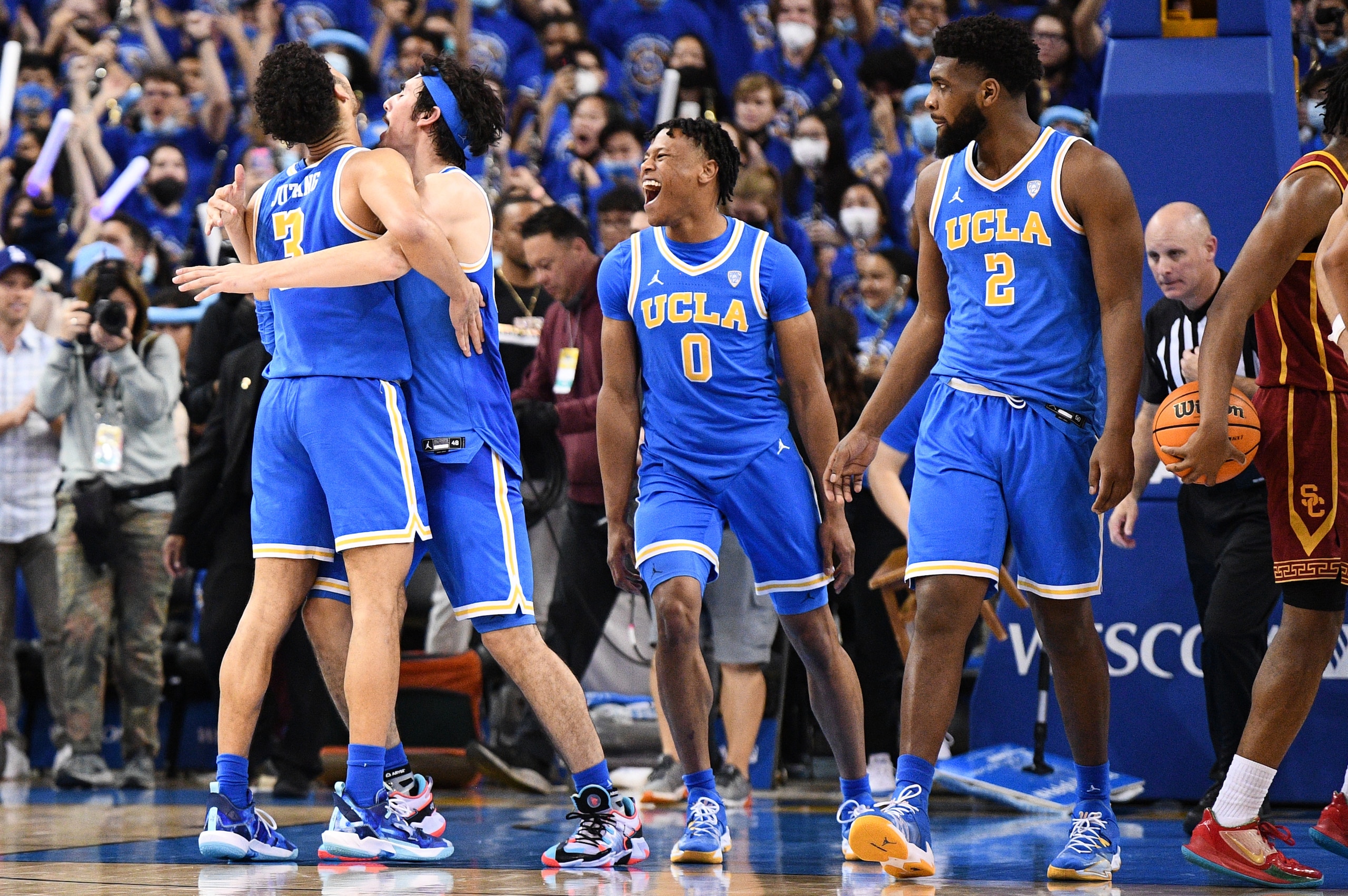
For my money, No. 11 UCLA and its Final Four run was the story of last year's tournament. It was all the more fascinating because their improbable journey started with the First Four play-in round.
But UCLA isn't the first play-in team to find success. Since the First Four began in its current form in 2011, two teams have reached the Final Four from the play-in rounds: UCLA (2021) and VCU (2011).
But it doesn't end there. The most prominent other example came in 2013, when La Salle came from the No. 13 position to shock No. 4 Kansas State.
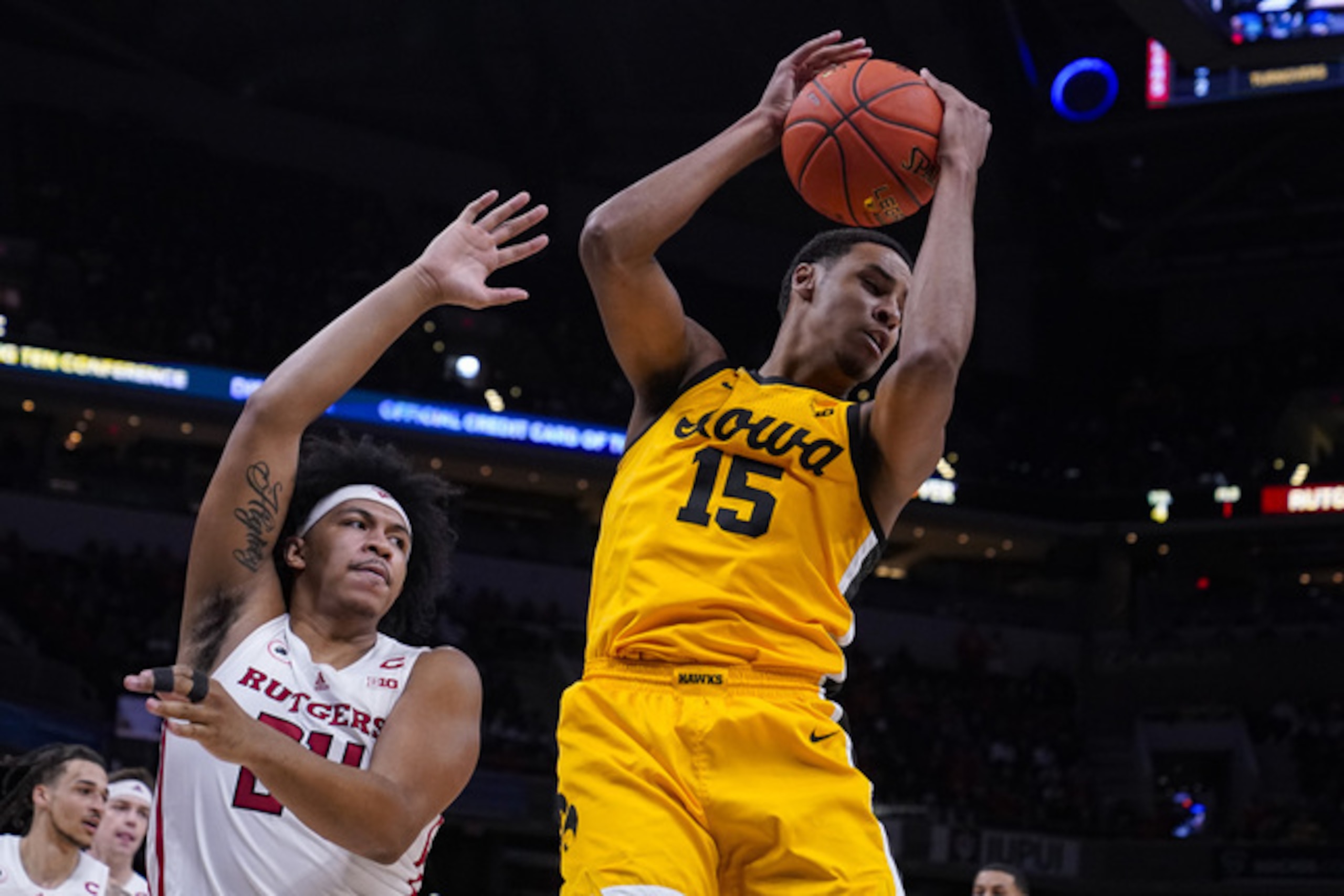
So it can be done, and this might be a season in which play-in teams make notice again. No. 11 Rutgers, which plays Notre Dame on Wednesday, has been inconsistent but did nab six Quadrant 1 wins through a difficult Big Ten schedule. Playing Wyoming on Tuesday, No. 12 Indiana is capable of winning big games of its own and sits 21st in KenPom's adjusted defensive rankings.
Maybe don't pencil these guys in for the Final Four, but don't look past them, either, because sometimes you make the most noise when you don't have anything to lose.
Don't Sweat the Small Stuff
6 of 7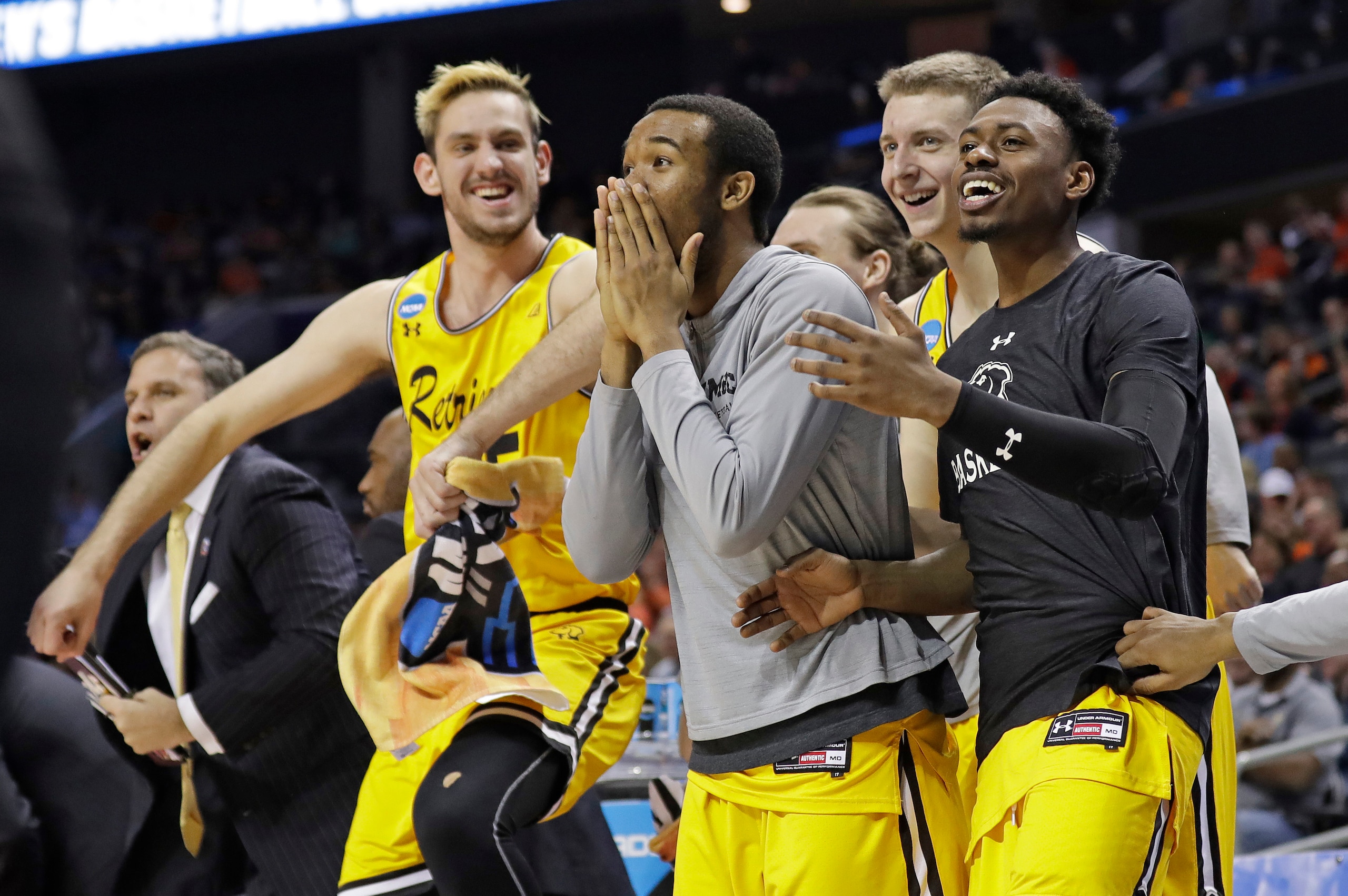
It's fun to pick the UC Irvines of the world. It's part of what makes March Madness the experience that it is. But know going in that your odds of picking a big upset are extremely slim.
A 14-3 upset cashes at just a 16 percent rate, while the rare 15-2 happens a mere 6.3 percent of the time (only nine times overall).
I don't know if "once" is a percentage, but that's inessential arithmetic in the case of 16-1.
So have your fun, but hedge your bets. Finding the underdogs looks easy in retrospect, but remember that only one person has ever verifiably picked a perfect Sweet 16. The odds of getting a perfect bracket are literally one in 120 billion, and only then if you're well-versed in basketball.
In the End, Look to the Blue Bloods
7 of 7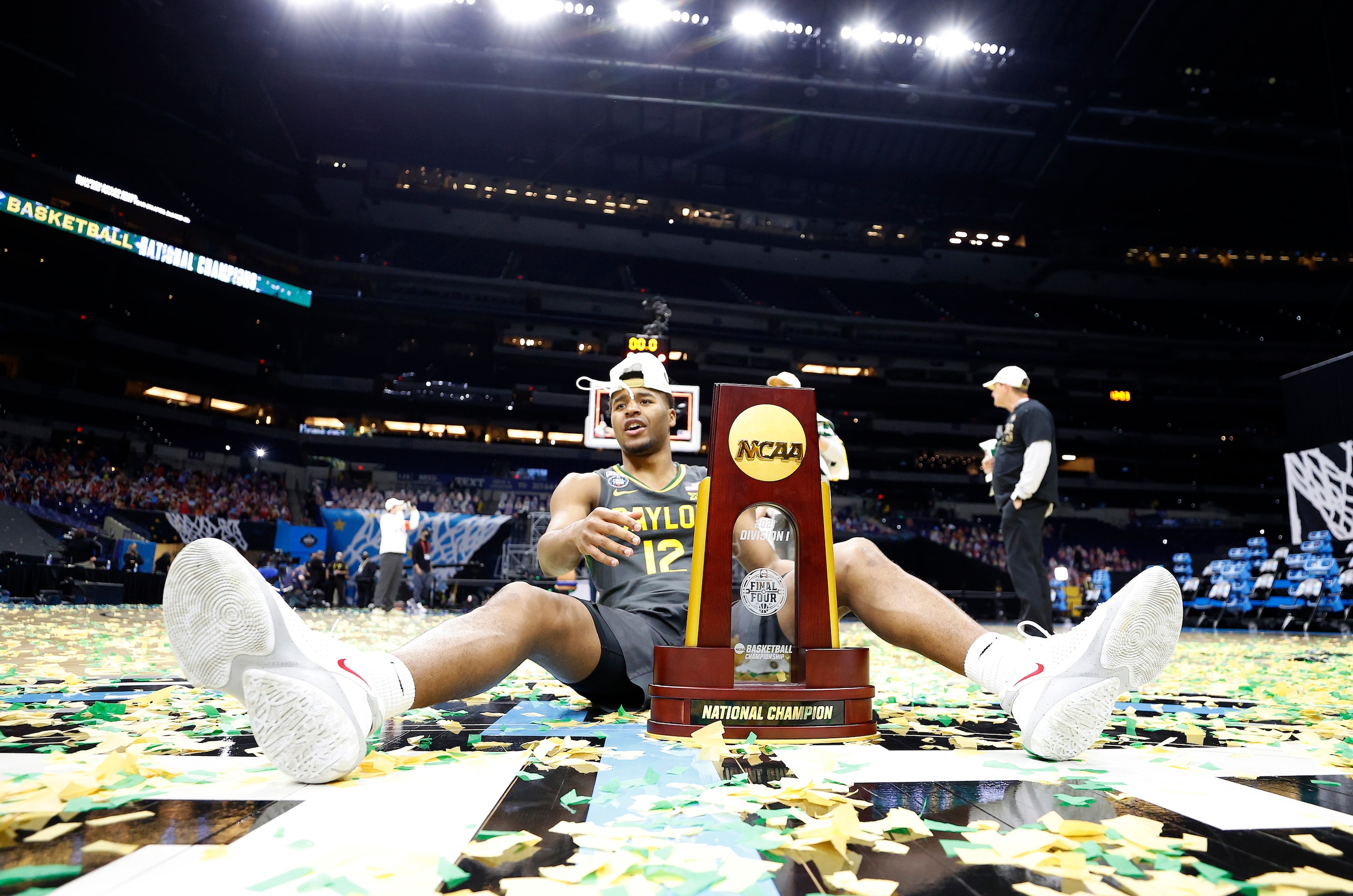
Take the last slide and flip it on its ear. When money is on the line, you have to know where your bread is buttered, and all the college basketball buttering comes from the blue bloods.
The first weekend is one thing. But when the whole thing culminates April 4 with the national championship game, it's time to start writing in chalk.
It's pretty overwhelming, in fact. According to NCAA.com's Eric Vander Voort, NCAA data that dates back to 1985 shows No. 1 seeds cut down the nets 23 times—more than all the other seeds combined (13). They've reached the Final Four on 59 occasions; No. 2 seeds have reached 30 times.
So enjoy the madness early, but settle your bracket down late with the tried-and-true programs. It may not be exciting, but it gets the job done, year in and year out.
All stats courtesy of Sports Reference unless otherwise noted.
.jpg?w=2560 "Cardinals Giants Football")


.jpg?w=2560 "Tyreek Deal May Come Soon")
.jpg?w=2560 "Mahomes' Wife Trolls Kubiak 💀")