

With the buyout market likely to be a dud, 2022 free agency becomes the next significant transactional checkpoint in an NBA calendar increasingly defined by them.
Every team's situation is different, but taxpayers and cap-space holders (and everyone in between) will hit the offseason with decisions to make. Here, we'll focus specifically on the ones involving players on current rosters who are set to become free agents.
Usually, there won't be a question about whether these players' teams should want them back. Instead, the difficulty of these decisions is financial. Namely: Does the organization have the flexibility to pay market rates or the desire to make a long-term commitment?
Where we don't have a clearly pressing free-agent decision, we'll fudge it a little and discuss some other contractual issue that will need to be resolved this offseason.
When free agency hits July 1, these will be the top items on every team's front-office whiteboard.
Atlanta Hawks: Danilo Gallinari
1 of 30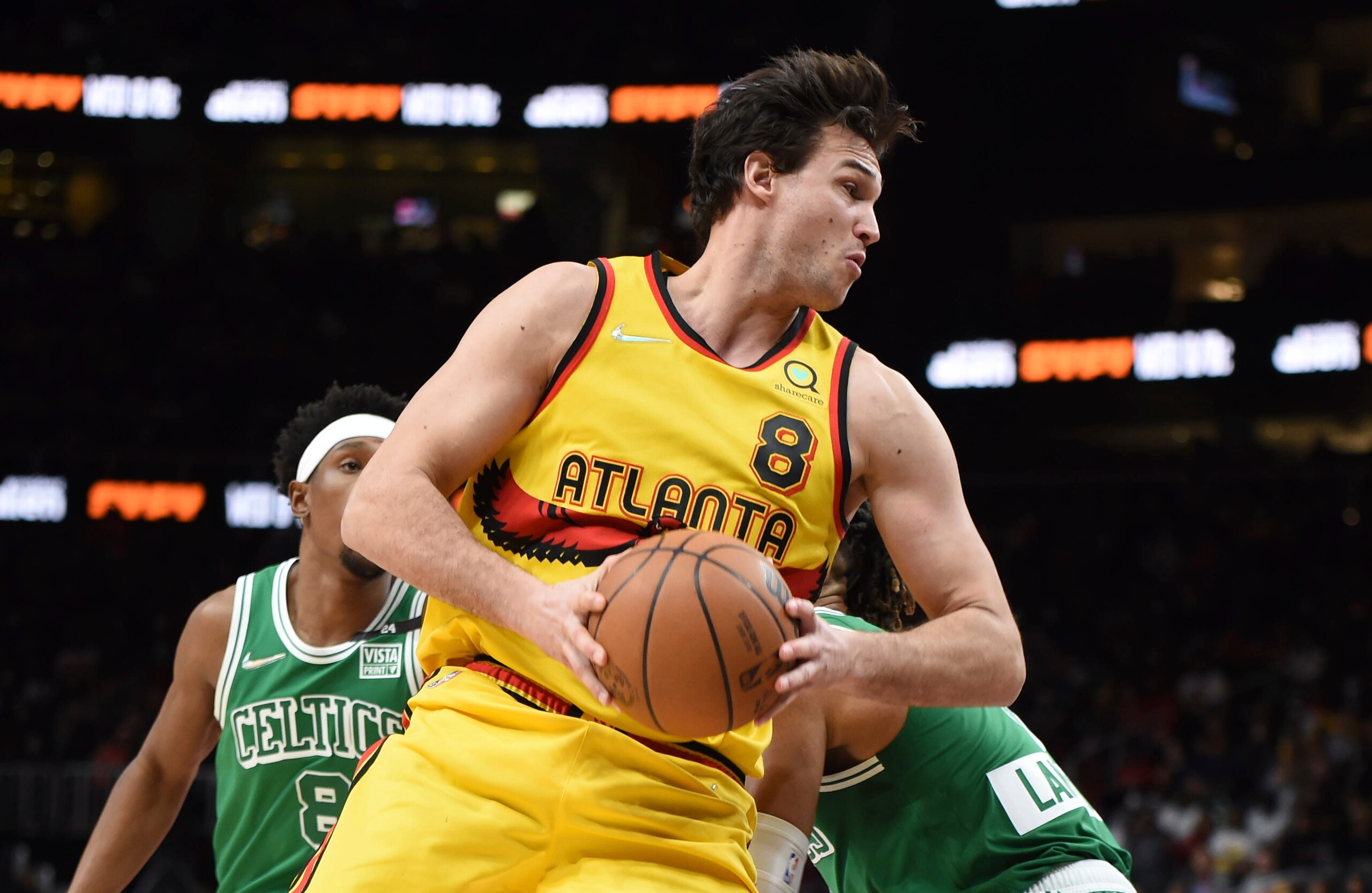
Though it's not technically a free-agency issue, Danilo Gallinari's partially guaranteed salary for 2022-23 will be among the Atlanta Hawks' main concerns this offseason.
Atlanta can waive the 33-year-old forward before June 29 and only owe him $5 million for next season. Keep him beyond that date, and the Hawks will be on the hook for $21.5 million.
Atlanta projects to be over the cap but under the tax, and a $21.5 million expiring contract for a scorer who can still put the ball in the basket isn't the worst asset to have on hand. Most likely, the Hawks will hold onto Gallo. They may find more takers at the 2023 trade deadline than they did this past February, and waiving him wouldn't open up meaningful cap space.
Still, with Gallinari putting up just 10.8 points per game (his lowest average since he was a rookie in 2008-09) and continuing to negatively affect Atlanta's defense when he's on the floor, retaining the veteran forward isn't necessarily a no-brainer.
Boston Celtics: Sam Hauser
2 of 30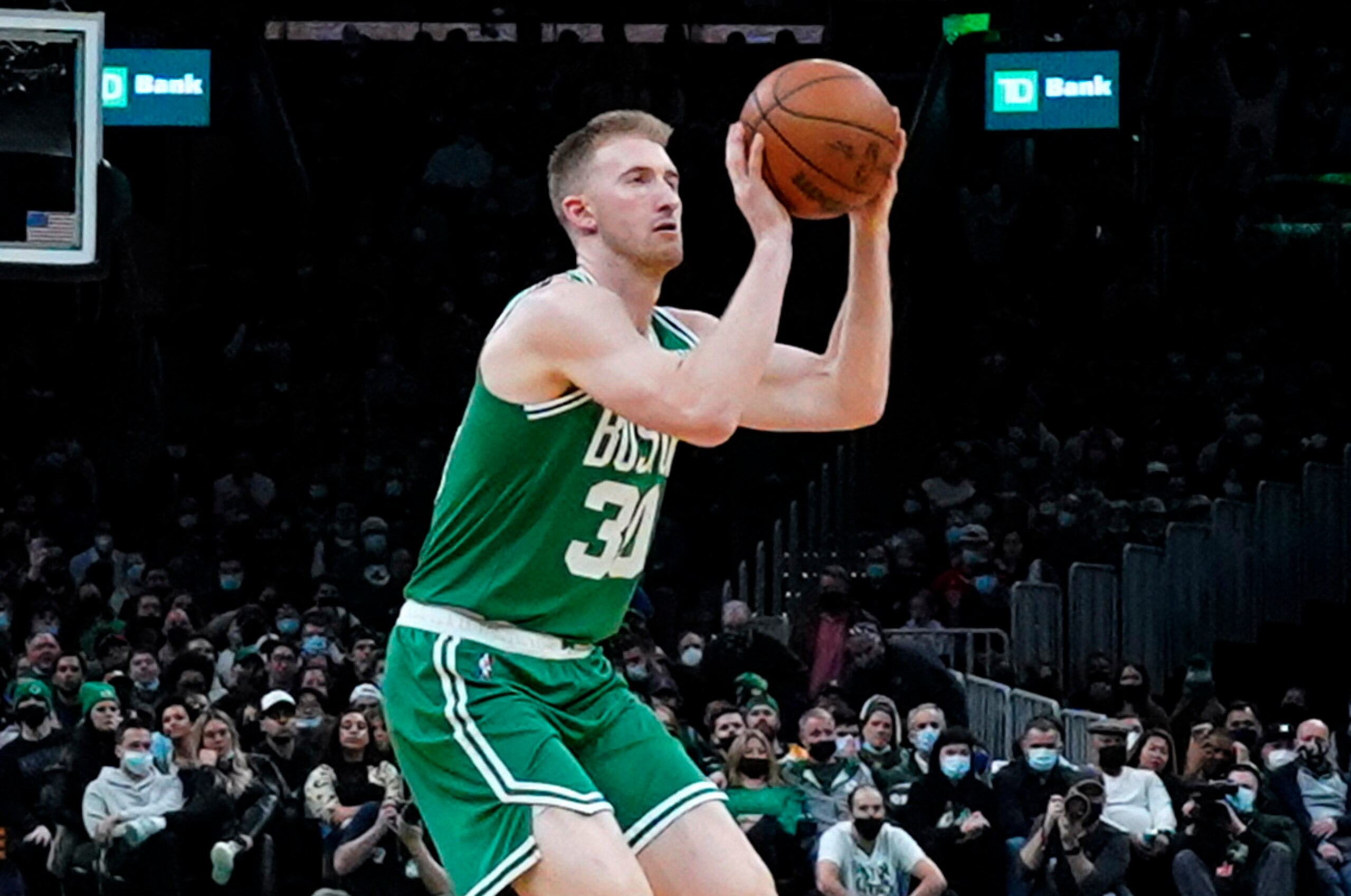
Sam Hauser isn't exactly a household name, but the 24-year-old sharpshooter is the biggest free-agency unknown on a Boston Celtics roster that already looks pretty well set for 2022-23.
Boston's top 10 players are all locked into deals for next season. Al Horford has a partial guarantee on his contract, but the Celtics have until Jan. 10 to make their decision. Their $1.5 million team option on Hauser is a more immediate concern.
Hauser split time between Marquette and Virginia, never shooting below 40.2 percent from deep in any of his collegiate seasons. He's been a pure specialist in limited duty this year, but the rookie's shooting has translated. He's at 38.1 percent from distance, with all 21 of his field-goal attempts coming from beyond the arc.
Other potential free-agent decisions could involve recently added Luke Kornet or two-way player Brodric Thomas, but neither has contributed like Hauser this season.
Brooklyn Nets: Kyrie Irving
3 of 30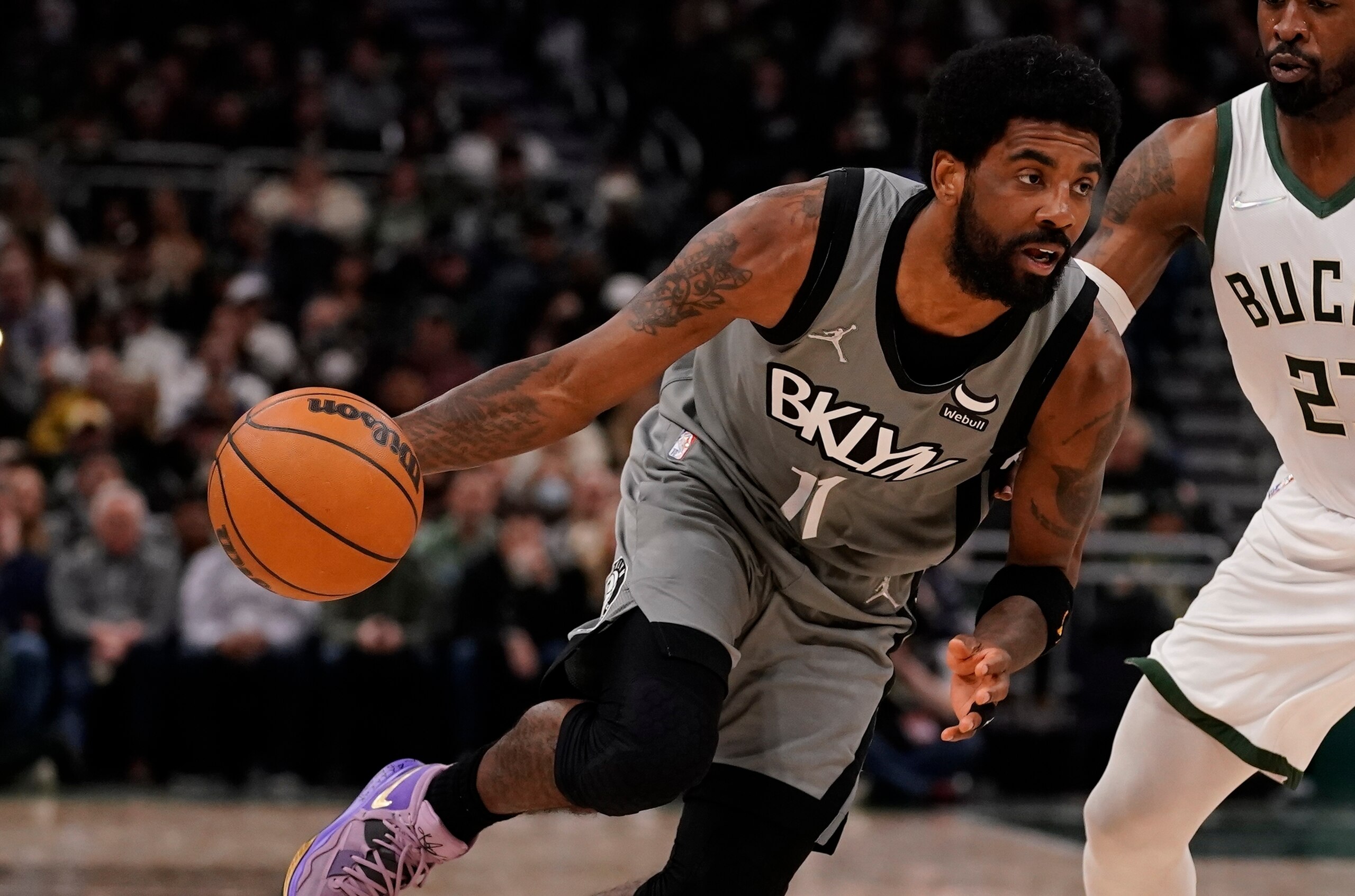
Nic Claxton is headed for restricted free agency, and a gaggle of post-prime vets—Blake Griffin, LaMarcus Aldridge, Andre Drummond, Goran Dragic and James Johnson—are all ticketed for the unrestricted market.
The Brooklyn Nets will give those issues about 5 percent of their offseason attention. Kyrie Irving and his player option will take up the rest of it.
Even with his unreliable reputation and constant unavailability (he averaged just 58 games per season prior to this year's vaccine-mandate fiasco), opting out seems like the obvious choice for Irving. He's 29 and remains among the most talented offensive forces in the game. The $36.7 million he could secure by picking up the option for 2022-23 may sound tempting, but Irving—warts and all—will probably be able to get himself at least one more guaranteed year and an option in a lower-risk one-plus-one deal.
The dearth of cap space around the league (especially among winning teams) will give the Nets some leverage, and they could still engineer a sign-and-trade if Irving wants to both get paid and broaden his range of landing spots.
The core question, really, is whether Brooklyn even wants to continue the Kyrie experience. So far, it's been marked by mercurial absences and controversy, and it may have cost the team James Harden. You have to wonder whether some part of the Brooklyn brass hopes Irving opts out and walks.
It would be tough to lose such a talent for nothing in that worst-case scenario, but imagine the stress relief of no longer having to play ringmaster in the ongoing Kyrie circus.

Charlotte Hornets: Miles Bridges
4 of 30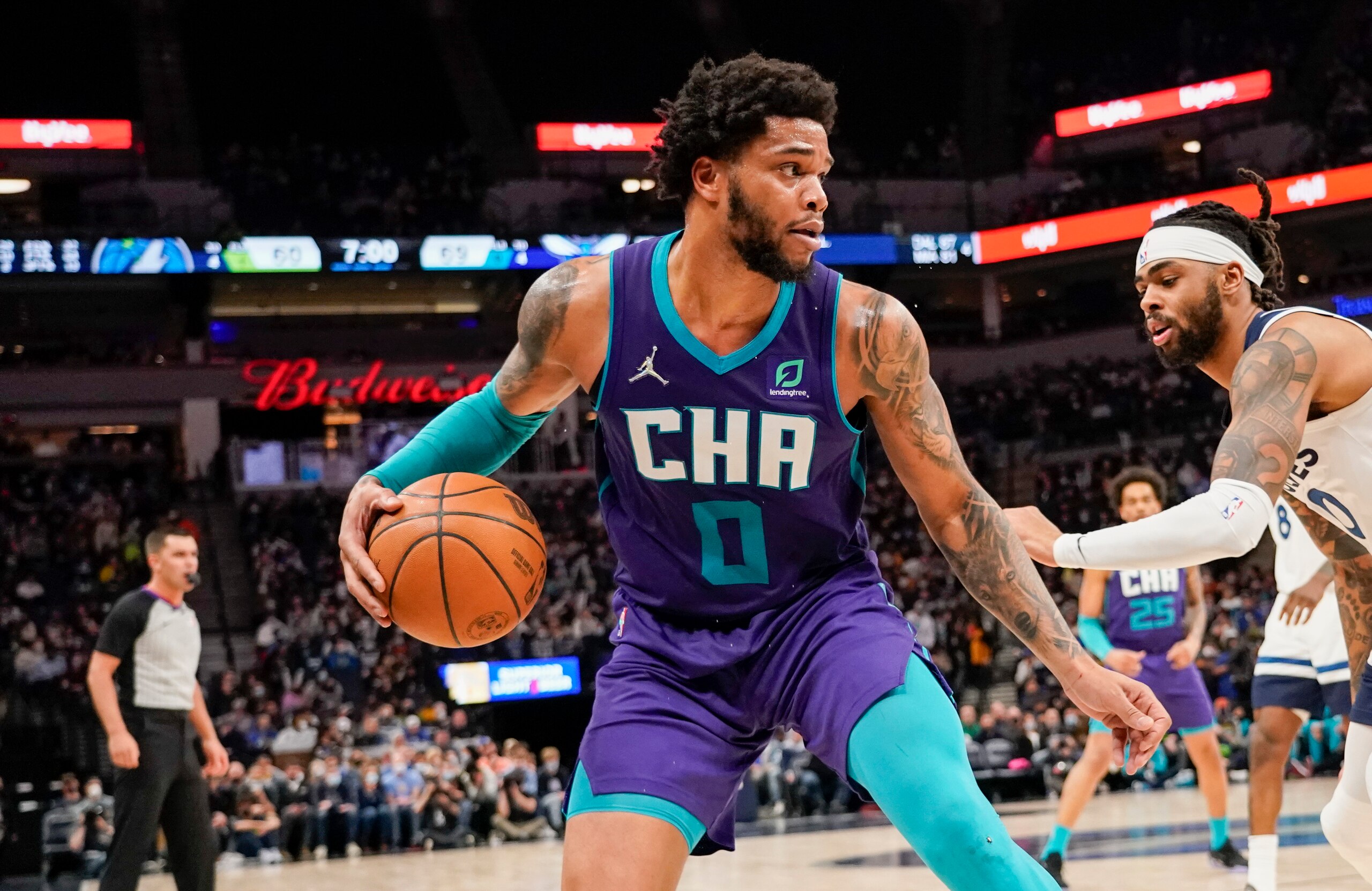
Four years and $60 million reportedly wasn't enough to secure Miles Bridges prior to the 2021-22 season, and now the Charlotte Hornets forward could command much more than that in restricted free agency.
Charlotte is at a point in its developmental curve where it shouldn't be letting homegrown talent escape, and Bridges' breakout play this year justifies a deal worth more than what the team offered in October. But if the Hornets commit to keeping Bridges at his expected market rate by either signing him outright or matching an offer sheet, they'll be moving forward with a significant chunk of their cap space spoken for. Remember, LaMelo Ball is already a lock for a rookie-scale max extension in 2023.
Bridges' three-point shooting has slumped significantly after peaking at 40.4 percent last year, which isn't all that surprising given his increased on-ball role and the tougher shots that accompany it. Once little more than a run-and-jump athlete, Bridges is developing as a playmaker, defender and foul-drawer. He's clearly put the time in to improve his game, which should ease any concerns Charlotte may have about the 23-year-old throttling back after securing the bag.
Even if he merely sustains this level of production, the Hornets should be satisfied. Bridges is one of 15 players averaging at least 19.0 points, 7.0 rebounds and 3.0 assists this year.
The Hornets should be prepared to spend if they want to keep Bridges. Chances are, they'll get their money's worth.
Chicago Bulls: Zach LaVine
5 of 30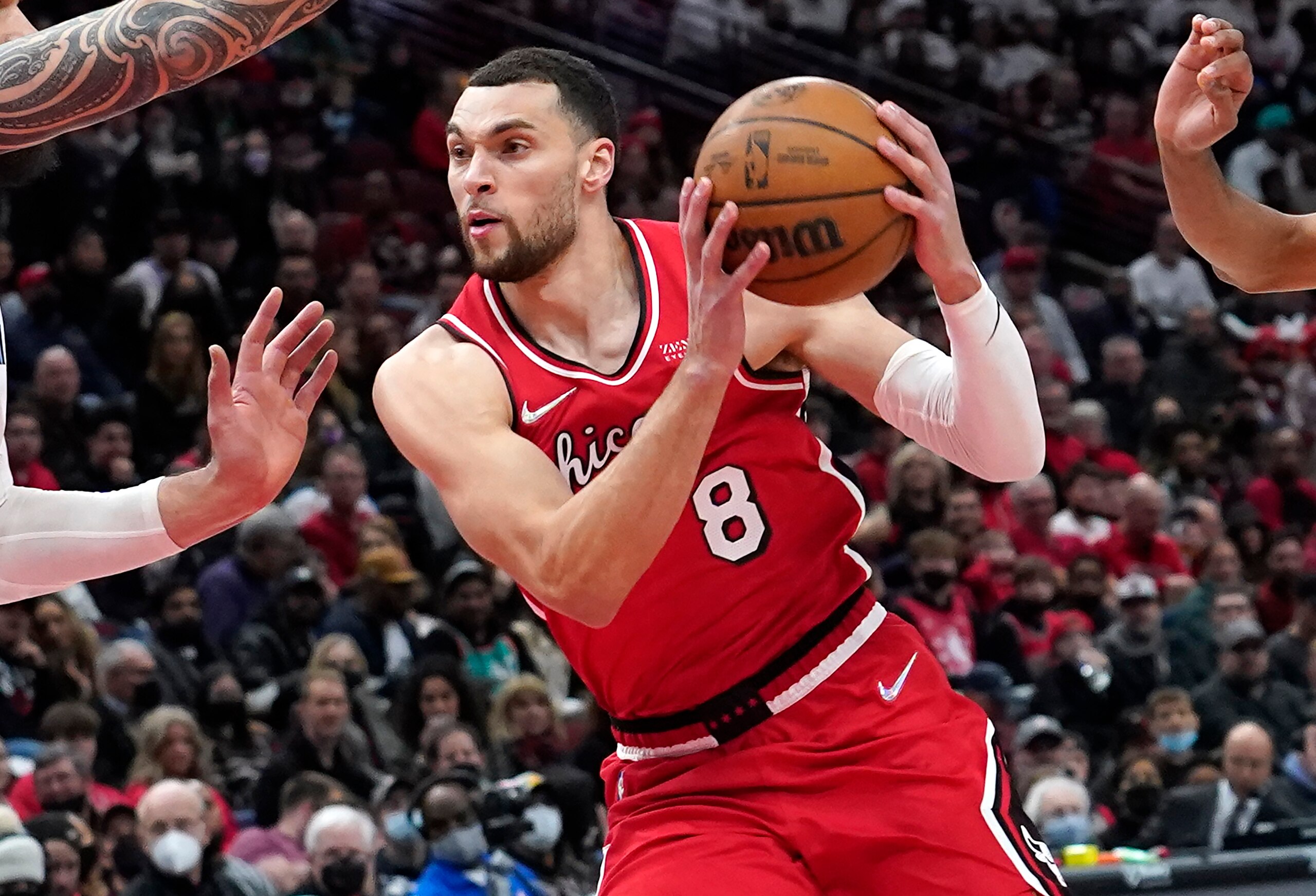
Zach LaVine has certain expectations for his next contract, and while he didn't expressly give a max-or-nothing ultimatum in his comments to Yahoo Sports' Vincent Goodwill, it sure feels like that's where his head is at.
It's hard to blame him.
LaVine will hit unrestricted free agency for the first time this summer, coming off four straight seasons of at least 23.0 points per game on highly efficient shooting. Battling through knee soreness (which should have the Chicago Bulls a little concerned), LaVine's numbers are down from last year, when he joined a historic volume-efficiency club populated mostly by MVPs. But he's still one of just five players this year sporting a true shooting percentage north of 60.0 on at least 29.0 percent usage.
This isn't a question of whether Chicago should want LaVine back. The only sticking points will be years and dollars, with LaVine justifiably feeling he deserves upward of $200 million over five seasons. Few teams have the space to put forth their maximums of four years and $160 million, so the Bulls might not have to spend every last penny to keep their hyper-efficient wing for another half-decade.
But considering LaVine still seems rankled that Chicago only kept him last time around by matching an offer sheet from the Sacramento Kings, it might be wise to offer the full max up front and be done with it.
Cleveland Cavaliers: Collin Sexton
6 of 30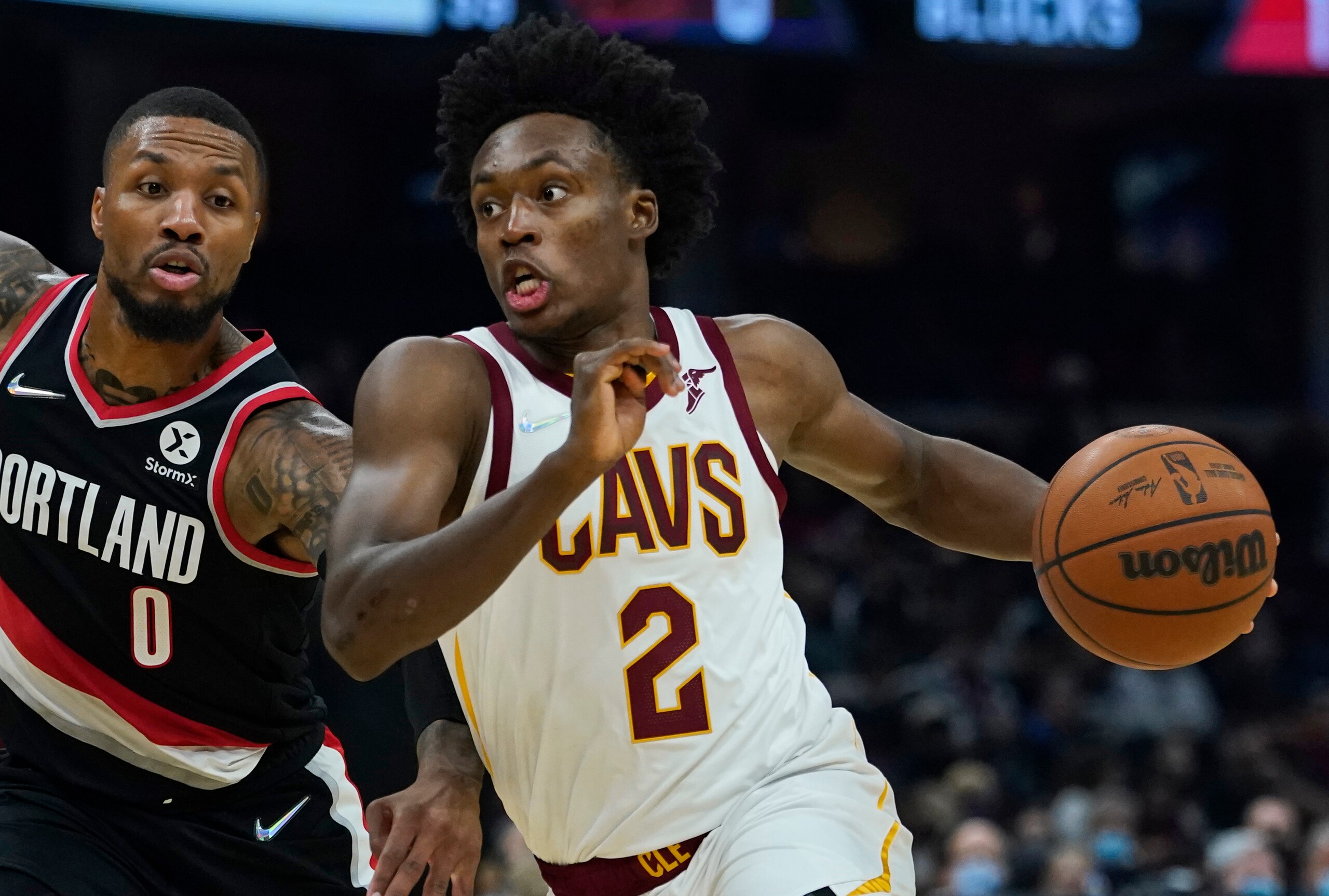
Per Chris Fedor of Cleveland.com, Collin Sexton "hoped for a contract in the $100 million dollar range" but was open to signing a rookie-scale extension for less than that during preseason negotiations.
Now, after missing most of the year following surgery to repair a torn meniscus and watching the Cleveland Cavaliers vault into the playoff picture without him, Sexton should be prepared for negotiations to begin with uncomfortably low numbers.
Cleveland can match any offer Sexton signs elsewhere, and it has good evidence that the operation runs just fine without him. Darius Garland's emergence as one of the game's best young lead guards further marginalizes Sexton, an undersized, score-first gunner who doesn't contribute defensively. The Cavs should be targeting a bigger three-and-D option to pair with Garland in the backcourt, or hoping Isaac Okoro matures into that role. Investing significant money in another small guard would be bad business.
Sexton might top out as a sixth man in Cleveland now. He'd be a good one, as it's easy to forget that he pumped in 24.3 points per game on a 47.5/37.1 shooting split in 2020-21. But even high-end bench guards don't typically earn anything close to $20 million per season.
Dallas Mavericks: Jalen Brunson
7 of 30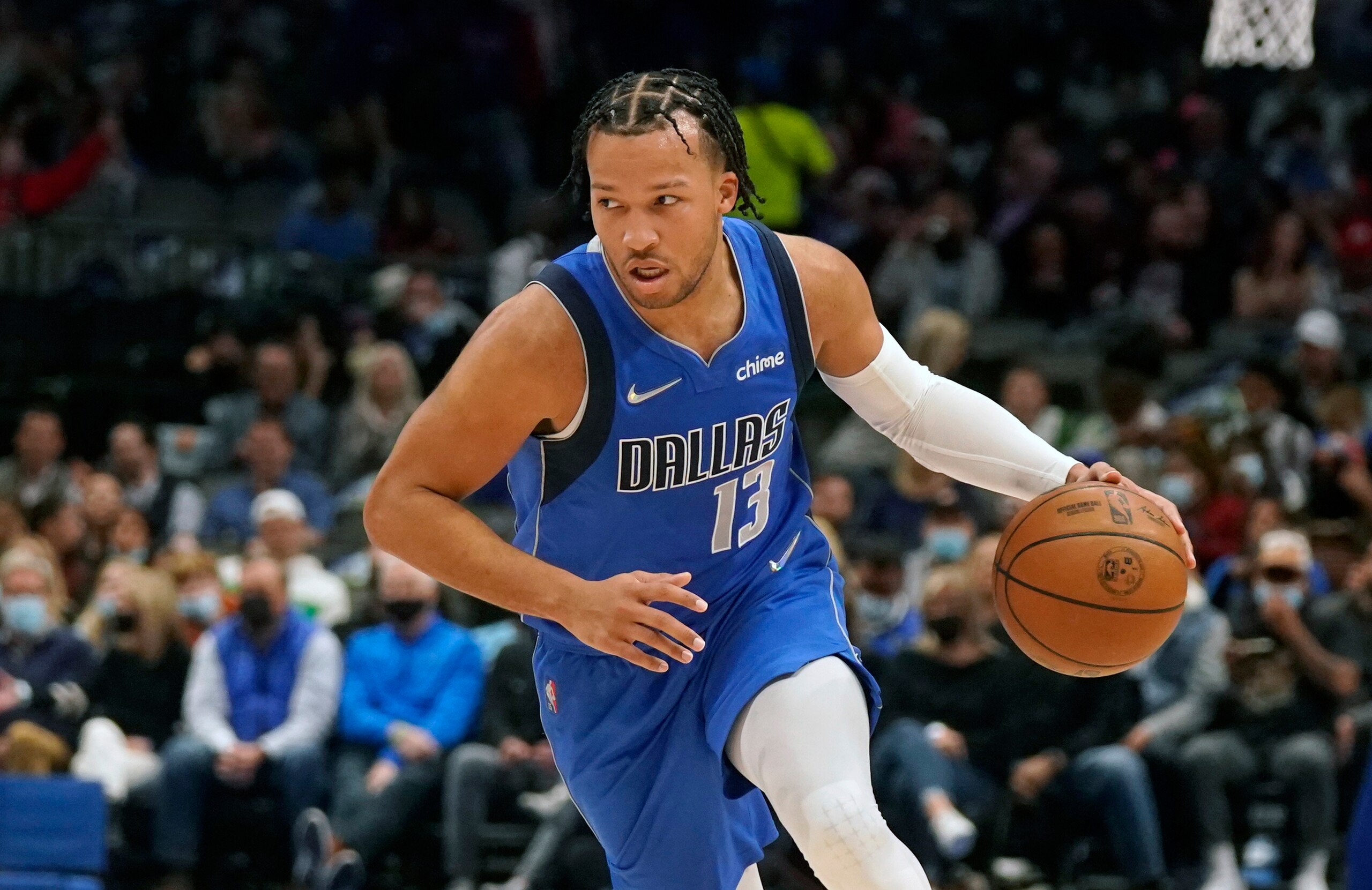
It's getting harder and harder to downplay Jalen Brunson's value to the Dallas Mavericks, a reality that must delight the guard and his camp ahead of unrestricted free agency.
Dallas is 26-12 since Brunson became a regular starter on Dec. 12. And while his synergy with Luka Doncic is paramount, Brunson has also led units without his superstar teammate to a plus-4.0 net rating.
If the Mavericks give Brunson the four-year, $80 million deal he reportedly seeks, they'll be taxpayers in 2022-23 for the first time in a decade. Deadline acquisition Spencer Dinwiddie has played well in stretches since coming aboard, which might lower the urgency of re-signing Brunson. But the Mavs would have a hard time explaining to Doncic that they let their second-best player walk for nothing.
Dallas' postseason performance, which may hinge on how effectively opponents exploit Brunson's suspect defense, will have a major impact on its willingness to break the bank.
Denver Nuggets: Bryn Forbes
8 of 30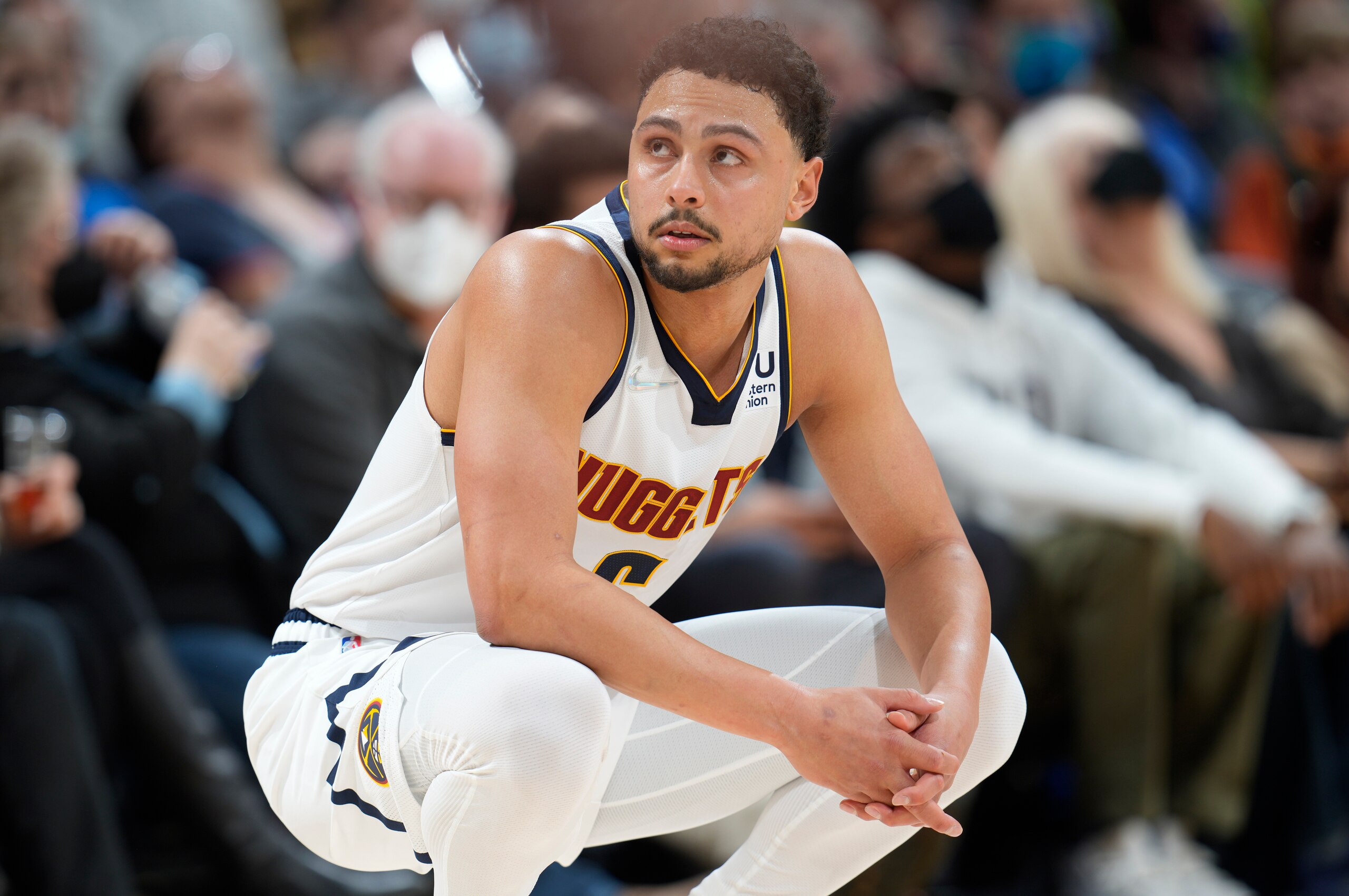
By at least one measure, the Denver Nuggets have never had a player like Bryn Forbes. The sample is laughably small, but he's the only guy in franchise history to shoot at least 45 percent from deep on over four attempts per game.
Even if that accuracy rate probably isn't sustainable, Forbes has brought a new dimension to the team since Denver grabbed him from the San Antonio Spurs prior to the deadline. Opponents simply can't lose track of him off the ball, which opens up space everywhere else on the floor. Nobody's better at capitalizing on a spread floor than Nikola Jokic.
Bones Hyland could quickly develop into a player with similar value, and he's already got more zip off the dribble than Forbes, a strict catch-and-shoot specialist. A healthy Jamal Murray would further shrink Forbes' role, which only sees him log about 20 minutes per game as it is.
The Nuggets should look to retain the veteran unrestricted free agent, but as taxpayers with limited resources, they probably shouldn't spend over the $4.5 million Forbes is earning this year.
Detroit Pistons: Picking a Restricted Free Agent
9 of 30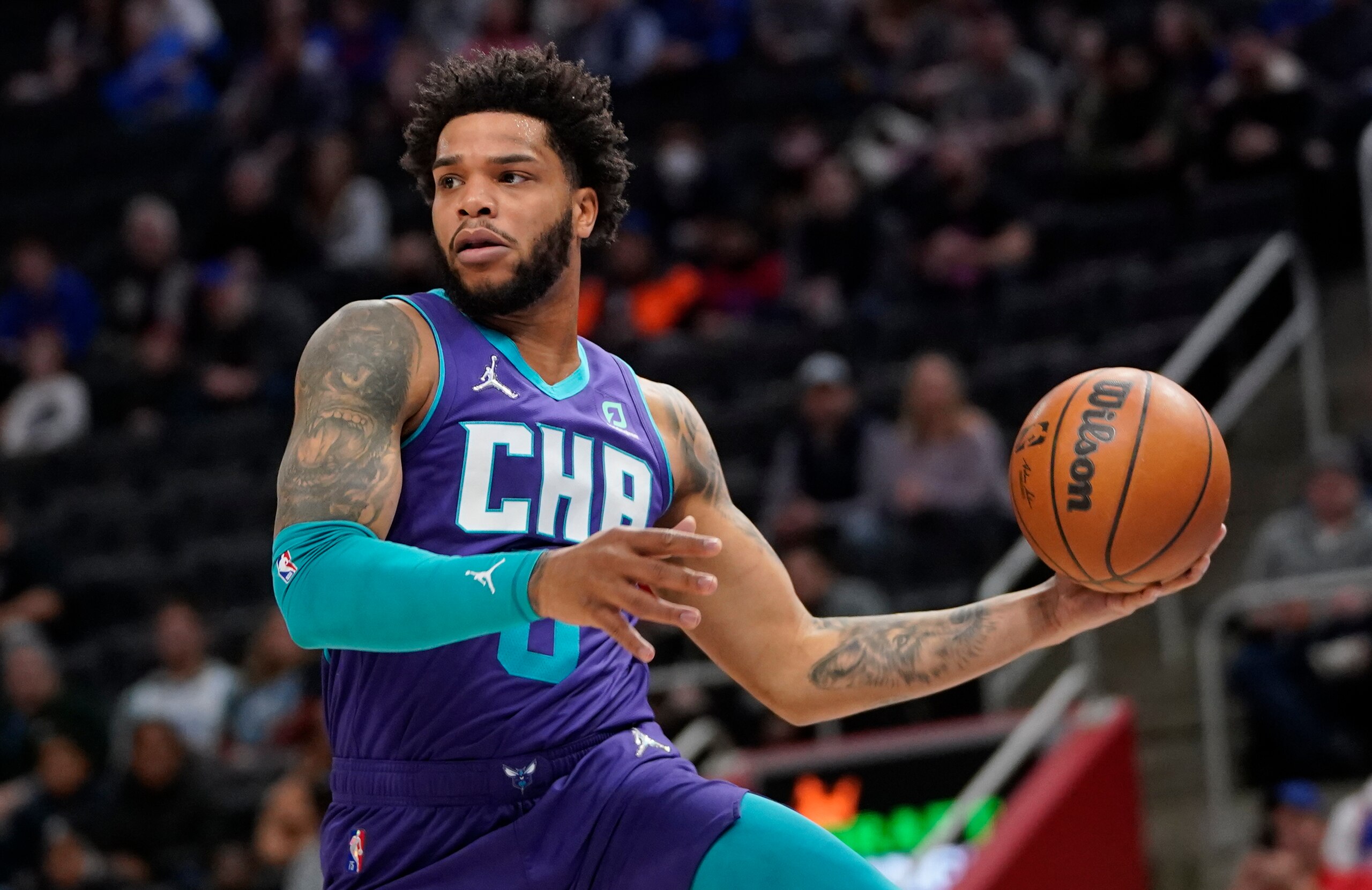
The Detroit Pistons project to have more cap space than anyone else this summer. With no in-house free agents of consequence (sorry Marvin Bagley III, Hamidou Diallo and Frank Jackson), the Pistons can turn their attention to the restricted market in hopes of prying away someone else's promising talent.
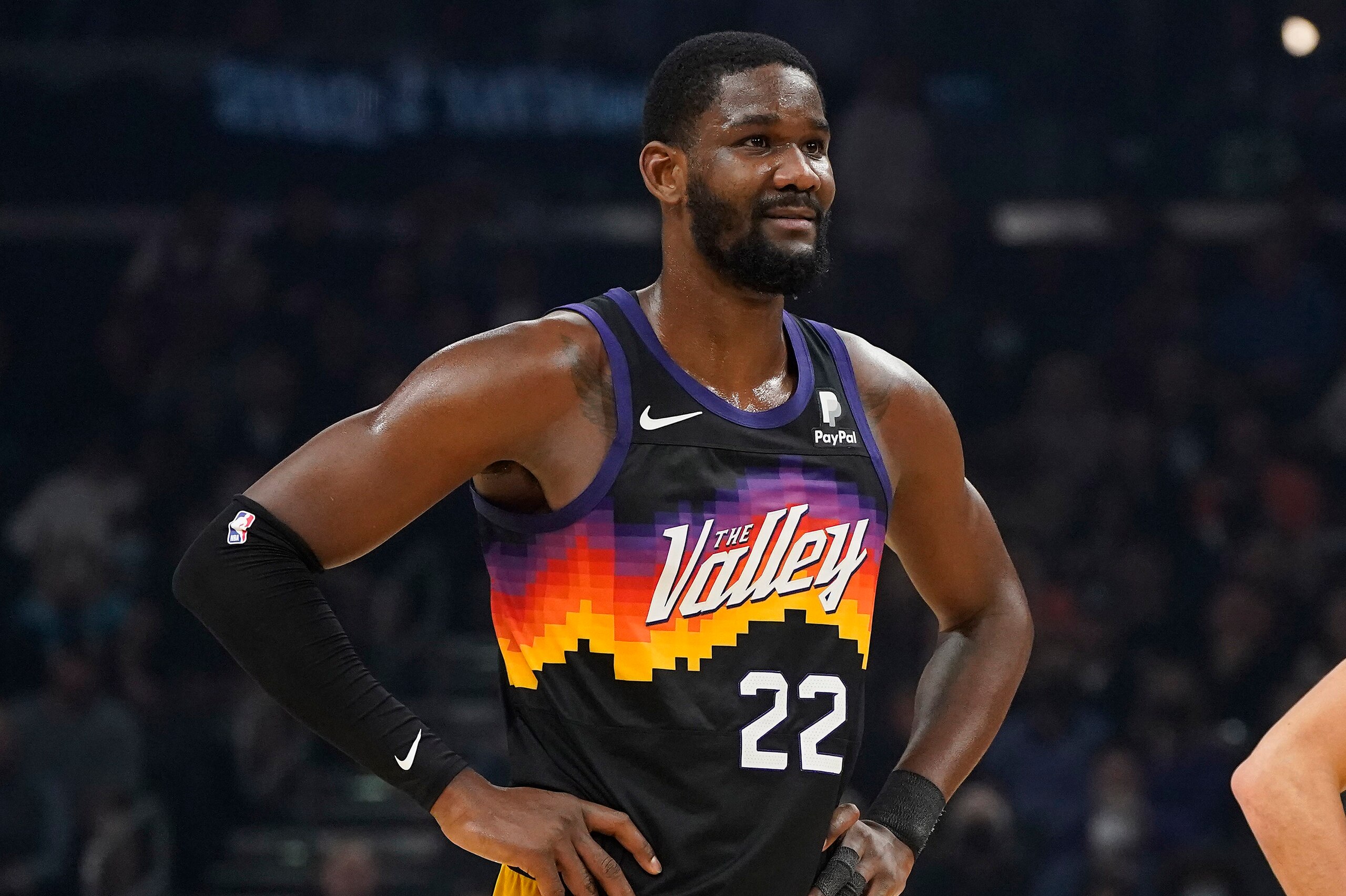
Detroit may have to overpay, but there will be situations where that's justifiable. Miles Bridges seems like an especially clean fit, but the Pistons can also make the Phoenix Suns or Portland Trail Blazers sweat on Deandre Ayton and Anfernee Simons, respectively.
When you've got a bunch of cash in a market otherwise short on it, why not wave it around and see what happens?
The rebuilding Pistons are positioned to find Cade Cunningham a running mate in the draft, but they should also be aggressive in restricted free agency.
Golden State Warriors: Kevon Looney
10 of 30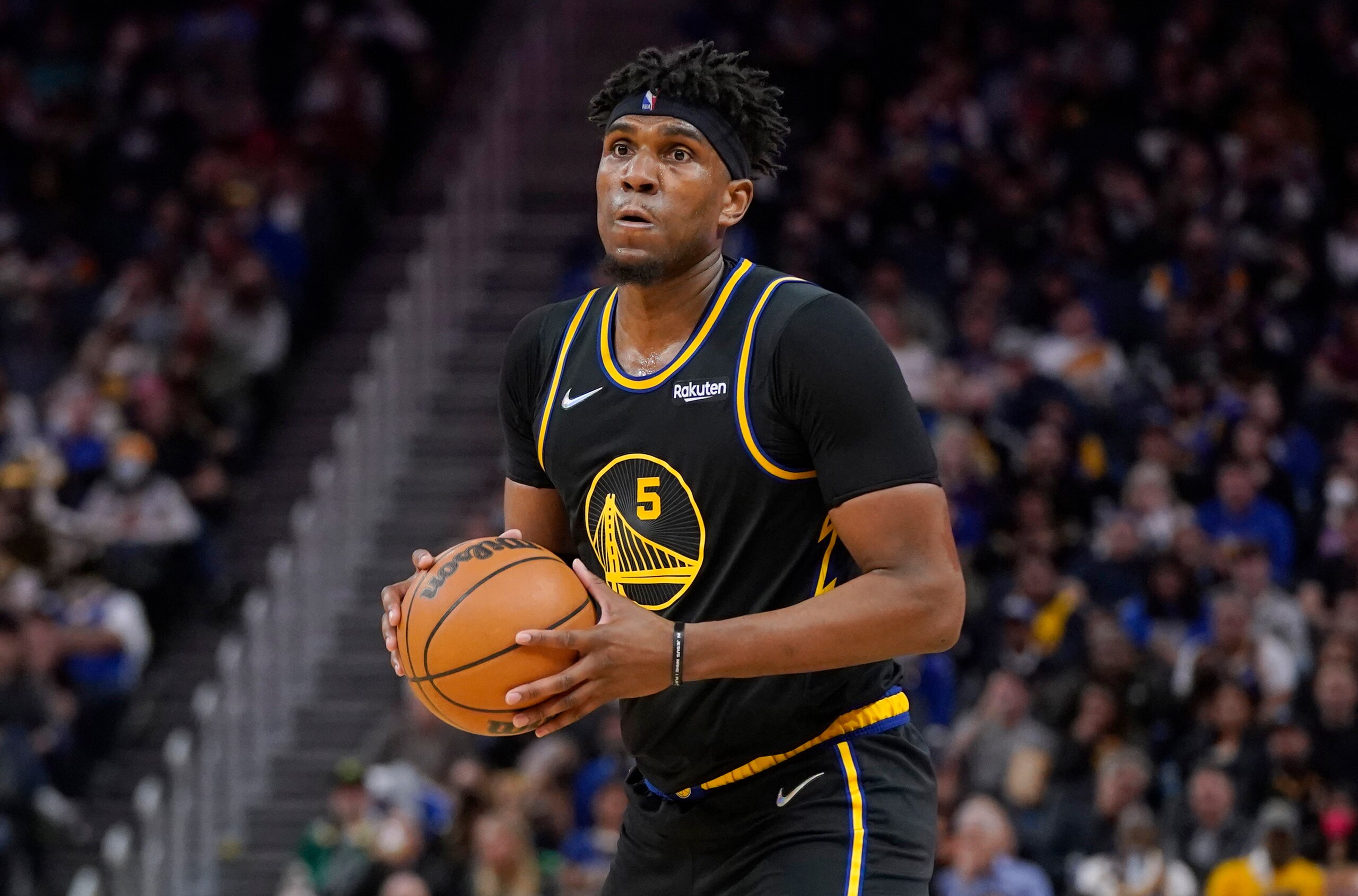
In the Golden State Warriors' ideal scenario, James Wiseman will return later this season and play well enough to convince them he can be a high-end starter going forward. That would at least ease the sting of watching Kevon Looney walk in unrestricted free agency.
Looney has battled through multiple hip surgeries in his career, exhibiting a level of toughness and commitment that has endeared him to teammates and fans alike. He's started every game this season, and his understanding of how to play within Golden State's movement-heavy offense makes him more valuable than his averages of 6.4 points and 7.6 rebounds would suggest.
The tax-hit Dubs are paying him $5.2 million this season, and it seems unlikely they'll shell out that much for 2022-23. Maybe Looney will come back for less, but it's not often a 26-year-old player willingly returns to minimum-salary status after escaping it. Then again, the market for non-stretch centers isn't exactly hot these days.
Free agents Otto Porter Jr., Gary Payton II, Juan Toscano-Anderson, Nemanja Bjelica and Damion Lee have all contributed big minutes on minimum salaries this year, with the first two likely to deserve offers near the full MLE. The Warriors can't give everyone raises, and they might actually lose all of them to free agency.
Golden State is in for serious turnover no matter how you slice it, but losing Looney, a sentimental favorite who featured in two title runs and four Finals trips, would hurt most.
Houston Rockets: John Wall
11 of 30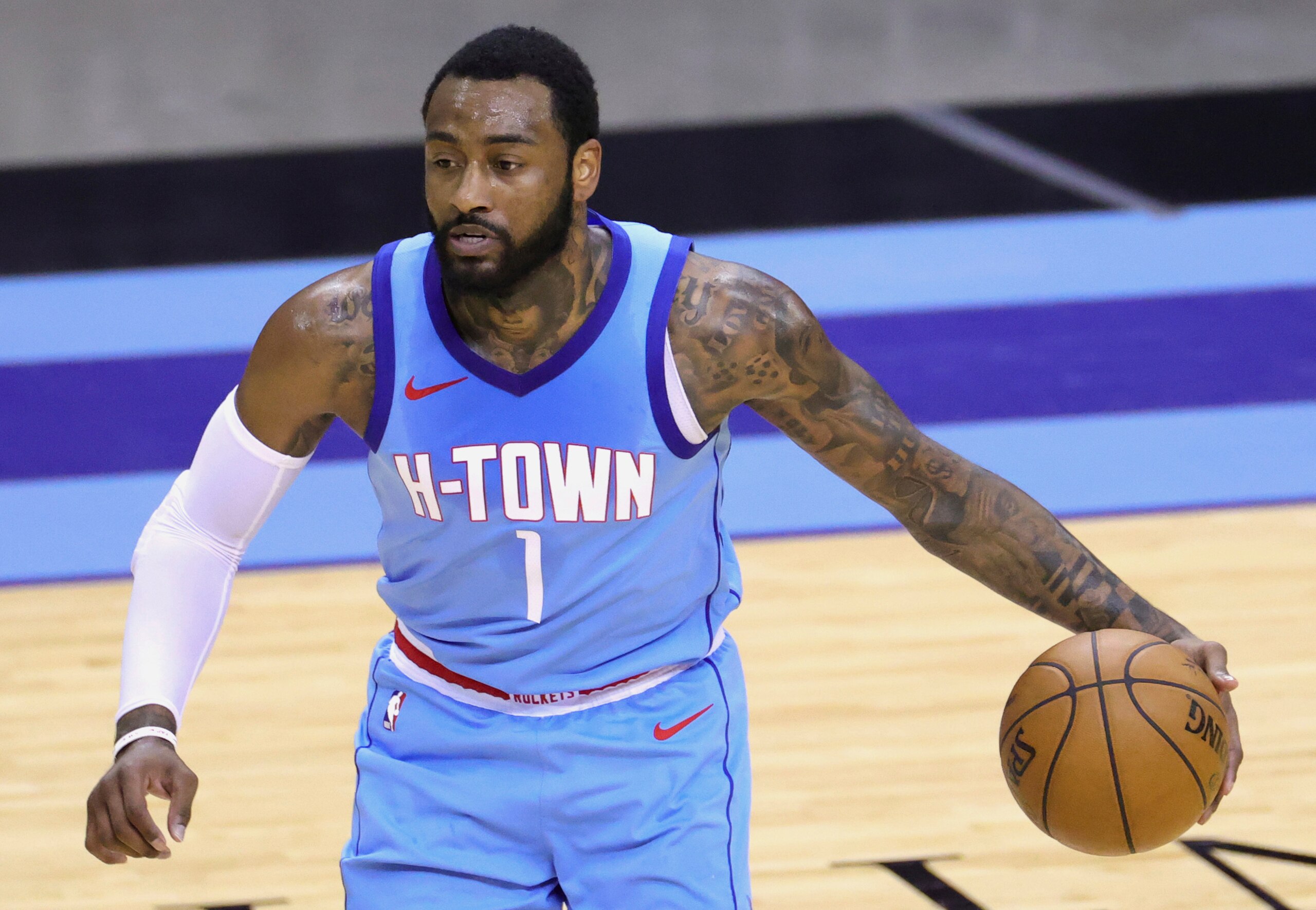
Barring the totally unforeseen, John Wall won't decline the player option on his contract. Forgoing $47.3 million to hit free agency after a year on the shelf seems like a bad move.
The Houston Rockets have few other free-agency concerns. Jae'Sean Tate (team option), Garrison Mathews (non-guarantee) and K.J. Martin (non-guarantee) can all be retained for $2 million or less in 2022-23 salary, making them easy retentions. So we may as well just talk about Wall.
Can the Rockets find a suitable buyout number?
Might they see if the Los Angeles Lakers want to readdress talks of a Wall-for-Russell Westbrook swap?
The circumstances haven't changed all that much since discussions on that topic took place at the deadline, but a front office under fire can sometimes act with little regard to the distant future. Hypothetically, if Lakers GM Rob Pelinka knows he's going to be out of a job if things go badly, he might be willing to embrace scenarios with serious long-term downside...like dumping every available pick for the rest of the decade.
The Lakers could deal Russ and their only available first-rounders (2027 and 2029 once the league year flips) for Wall over the summer. Or, Houston could ride this out for another year and keep setting that money on fire.
Indiana Pacers: T.J. Warren
12 of 30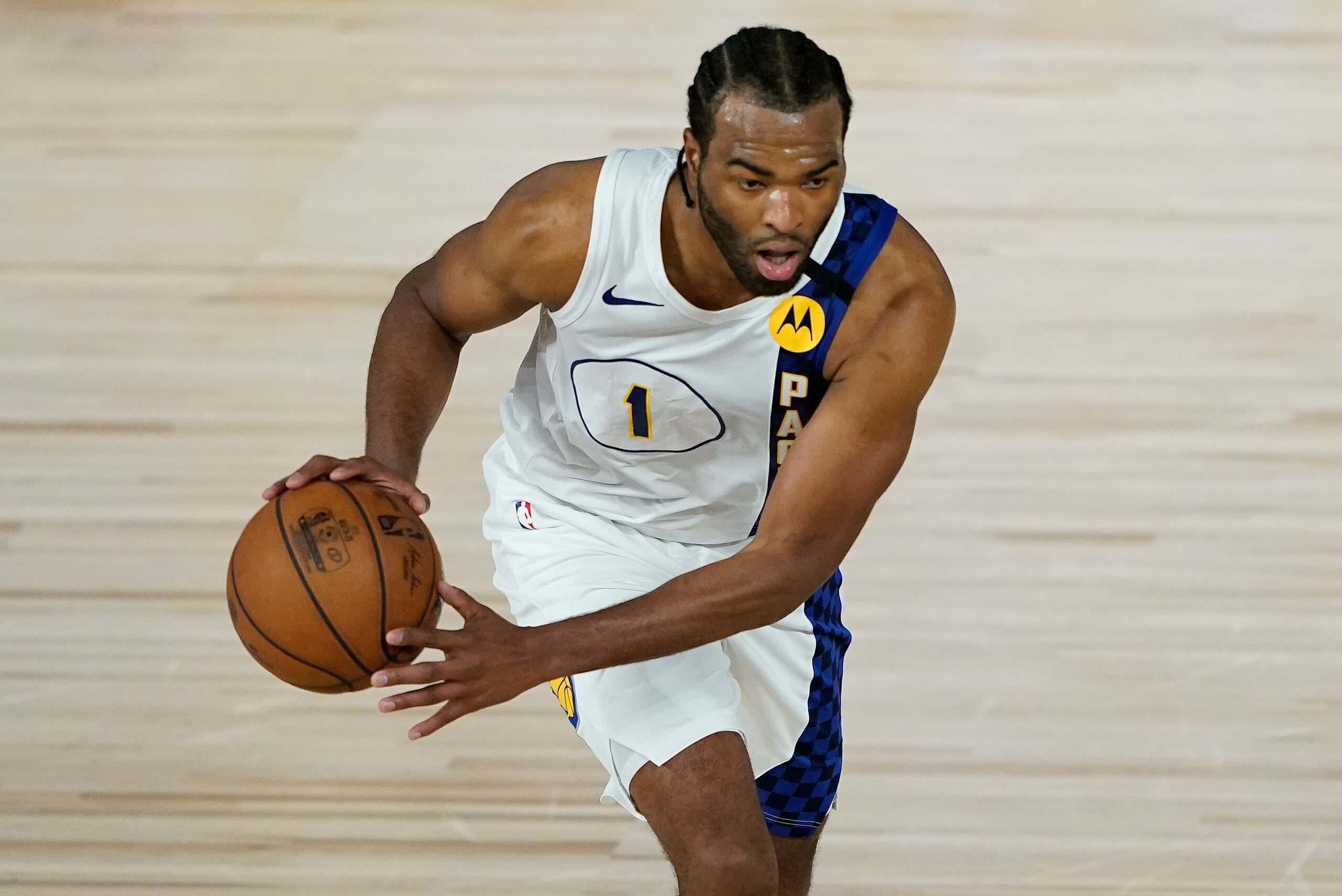
The Indiana Pacers' core got a little younger by dealing Domantas Sabonis (25) for Tyrese Haliburton (22), but don't expect that to trigger a multiseason rebuild. Indy hasn't tanked for decades; this step backward feels like a one-season deal.
That's why we can't rule out the Pacers' interest in bringing T.J. Warren back.
Remember him?
Warren played four games last season and has yet to suit up this year, but he's only 28 and not so far removed from being one of the breakout stars of the bubble. In his last healthy season, he dramatically improved his defense and averaged 19.8 points per game on 53.6 percent shooting. With no other comparably productive combo forwards on the roster, Indy is in need of what a healthy Warren could bring.
Calculating the worth of a player who's been out this long will be tricky, but the Pacers should have more information than anyone else on Warren's outlook.
Los Angeles Clippers: Robert Covington
13 of 30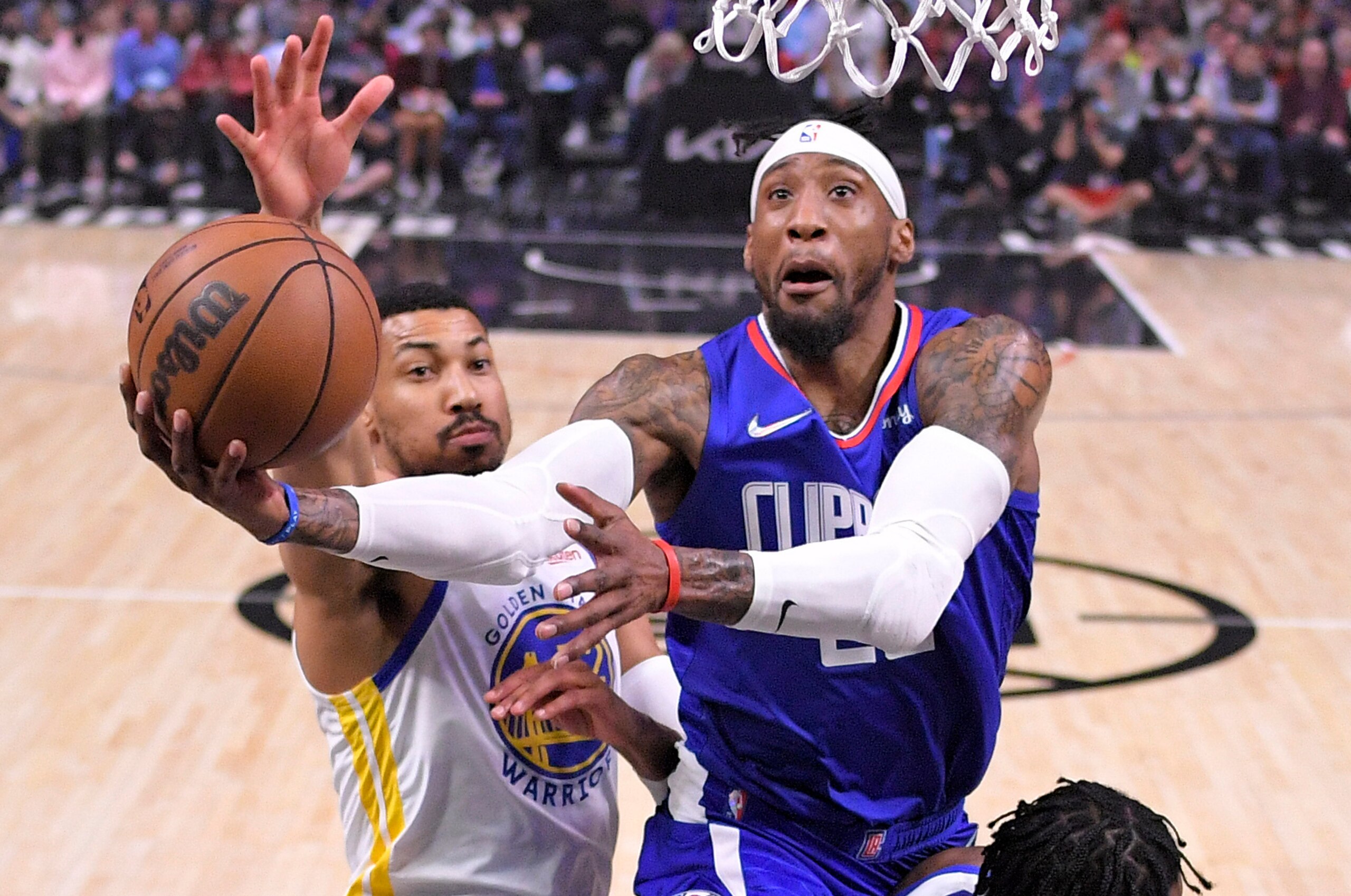
Start with the easy decisions. Nicolas Batum (player option) and Ivica Zubac (team option) are both clear keepers for the Los Angeles Clippers.
The former re-upped last summer on a two-year, $6.5 million deal that seemed well below his market value and has played well enough to deserve a raise when he opts out. The Clippers love rangy wings who can switch, shoot and pass, and they have no reservations about paying the tax. So keeping Batum won't be a tough call.
Zubac is even simpler. He's outperforming the $7.5 million he's making this year and will do the same in 2022-23 at that same number.
Robert Covington headlines a group of tougher calls that also includes breakthrough backup big Isaiah Hartenstein. Covington was more than a throw-in in the Norman Powell trade, and he, like Batum, is very much Los Angeles' type of switchable wing—though he brings the added bonus of legitimate shot-blocking as a super-small center.
Covington's portability could drive his price into uncomfortable territory, and the Clips will have to decide where their tax-pain threshold is if they want to further deepen their corps of wings and combo forwards.
Los Angeles Lakers: LeBron James
14 of 30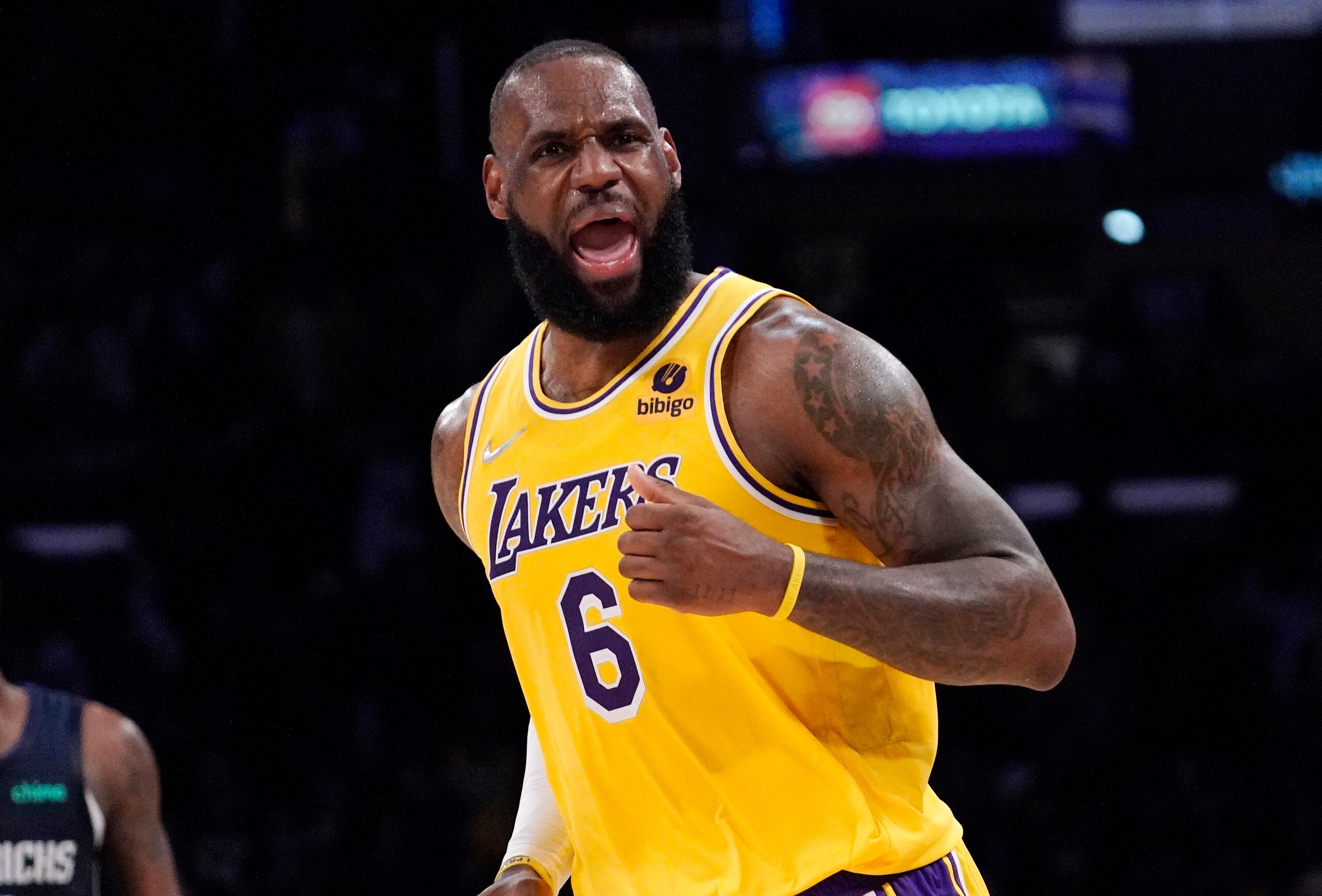
It's not so much the decision that's going to be tough for the Los Angeles Lakers. It's the sales pitch.
They can quiet some of the noise about LeBron James ditching them for a third stint with the Cavaliers by getting the four-time champ to sign a two-year, $97 million extension. That would kick free agency down the road a bit, which would hopefully bring some stability to a franchise that has been short on it this season.
James doesn't have to sign anything this summer, and even if he were to agree to a new deal, a player forcing his way off a team while under contract isn't exactly unheard of these days. Still, some level of increased certainty would help.
The Lakers head into the 2022 offseason with just James, Anthony Davis and Talen Horton-Tucker on fully guaranteed, option-free deals. Russell Westbrook has a $47 million player option, and L.A. should explore every trade possibility when he inevitably picks it up.
Memphis Grizzlies: Kyle Anderson or a New Addition?
15 of 30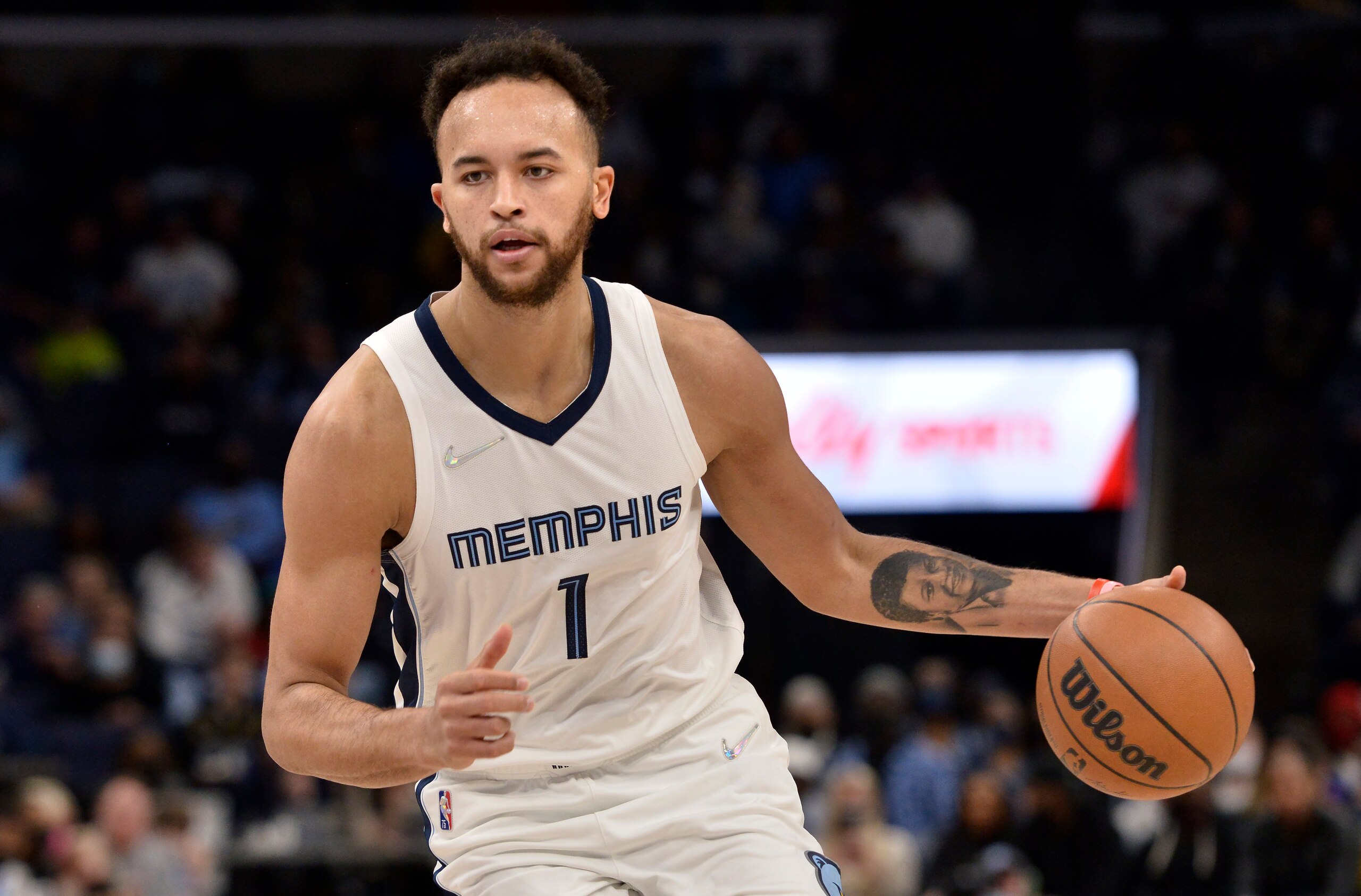
Ja Morant can't hit free agency until 2023, but the Memphis Grizzlies will surely head that possibility off at the pass by offering their spring-loaded superstar the full rookie max this offseason. Nobody ever turns that down, and it would be front-office malpractice not to push that offer across the table at the first available moment. So, no drama there.
There is some intrigue, however, with Memphis' cap space. They're easily the best team of the six with enough room to offer more than the mid-level exception. That money would evaporate if the Grizzlies were to re-sign Kyle Anderson and Tyus Jones, but there's also a scenario where neither of those two return and the Grizz have $16-18 million to play with, per The Athletic's Danny Leroux.
That won't be enough to get into the action for Bradley Beal, James Harden or any of the top-tier players that could become available. But Memphis can beat the market on guys like Covington, Warren or Batum while also potentially making plays for restricted free agents like Sexton and Simons.
Anderson has had a down year in the scoring department, but he's been a key to keeping the ball moving, and his defensive intelligence still makes a difference. The Grizzlies will have to decide between running it back with a familiar face or bringing in a new one.
Miami Heat: Caleb Martin
16 of 30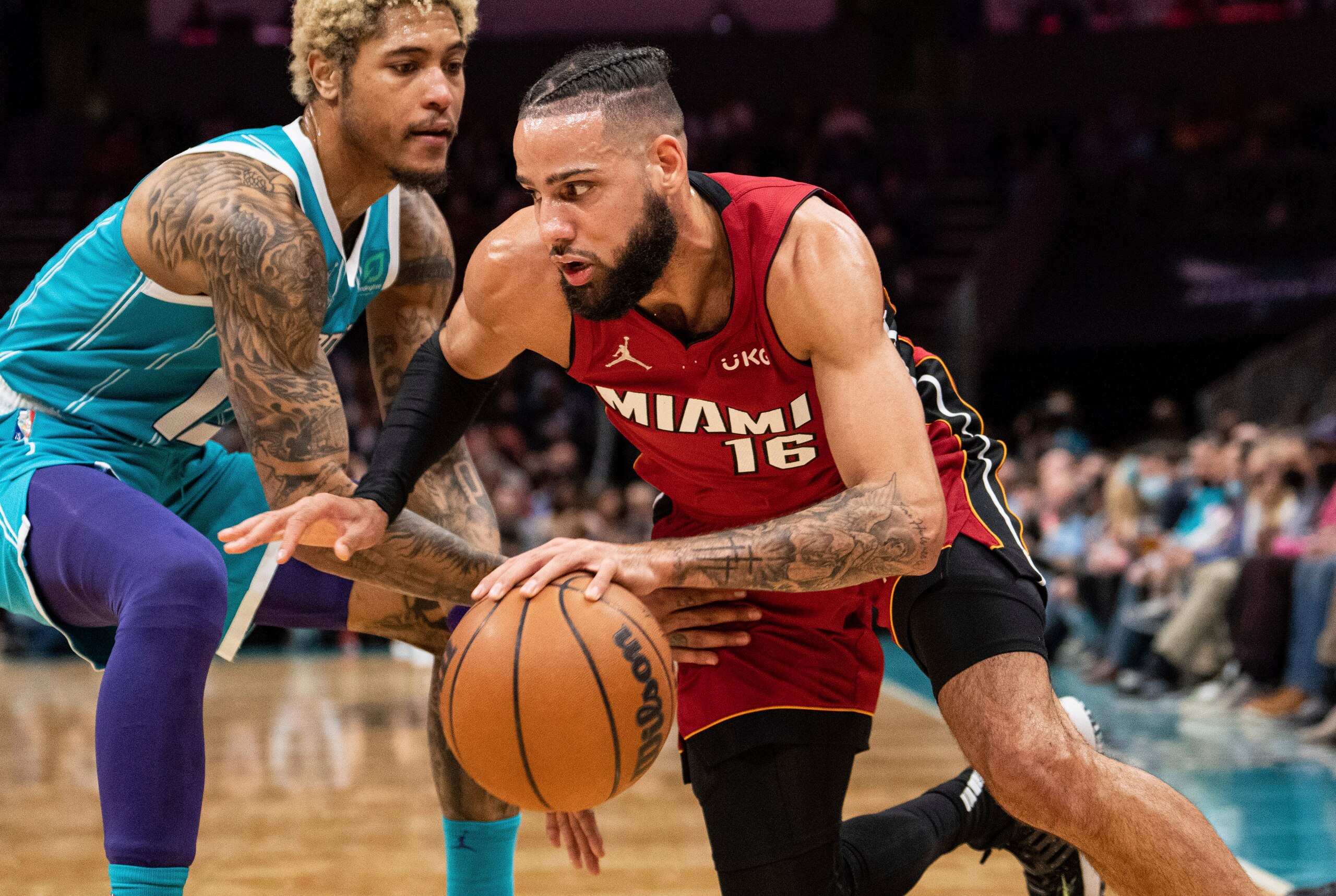
The Miami Heat's scouting and player development operation remain among the best in the league, so you could forgive the franchise for believing it can simply find the next Caleb Martin for a much lower price than it may take to keep the current one.
That said, the Heat will have to decide how much they're willing to pay in the event of a bidding war for Martin in restricted free agency.
Signed to a two-way deal prior to the season and converted to a standard contract in February, Martin has been quite a find for the Heat. The 26-year-old forward is averaging 9.6 points on a true shooting percentage well above the league average while also contributing intense defense and forceful, decisive attacks on offense.
The Heat picked him off the scrap heap, and now he's likely to be a rotation fixture as they push for a Finals berth. Does Miami satisfy itself with a bargain find and let another team pay full freight for Martin's next deal? Or does it have faith that Martin will still be a value on a larger salary?
Milwaukee Bucks: How Much Tax Is Too Much?
17 of 30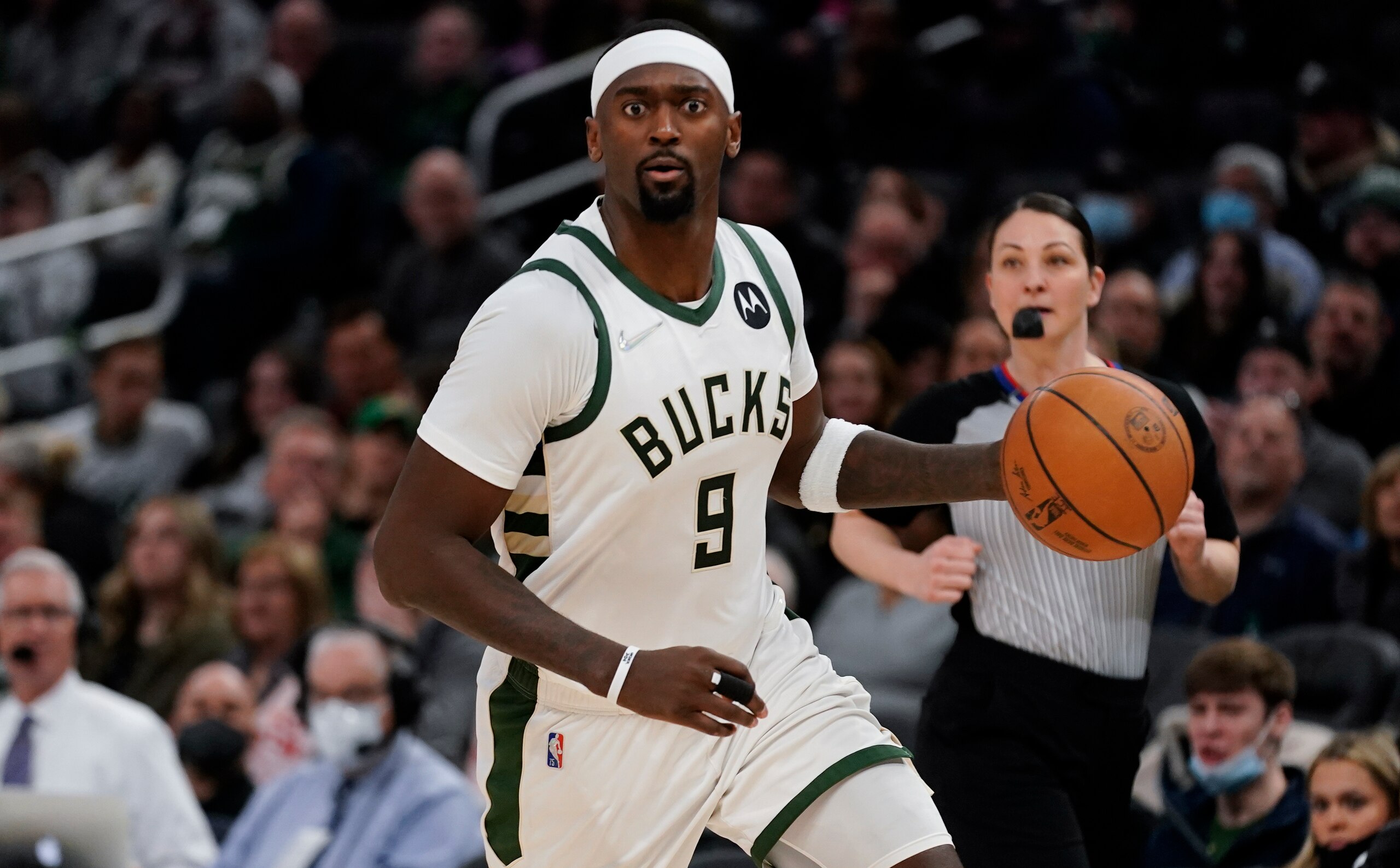
Winning big comes with a cost, and the Milwaukee Bucks need to decide how much more luxury tax they're willing to pay to keep a contender together.
After letting PJ Tucker go last offseason, only to see him excel with the rival Heat, you'd think the Bucks would want to avoid looking similarly cost-conscious this offseason. But if the team-option duo of Bobby Portis and Pat Connaughton opt out in search of new deals, Milwaukee's willingness to spend will again be put to the test.
The Bucks have early Bird rights on Portis, which means they can pay him up to $55 million over four years. Even if they don't go that high, Portis is likely in for a significant raise on the $4.5 million he'd earn by opting in. Connaughton, likewise, can expect a bump from the $5.7 million he's set to make in 2022-23.
Portis has found a home with Milwaukee and is playing as a full-time starter with Brook Lopez out. Even with a lack of wing depth, he's probably the higher priority than Connaughton. Ideally, the Bucks will bring both back. But it won't be cheap.
Minnesota Timberwolves: Who Gets the MLE?
18 of 30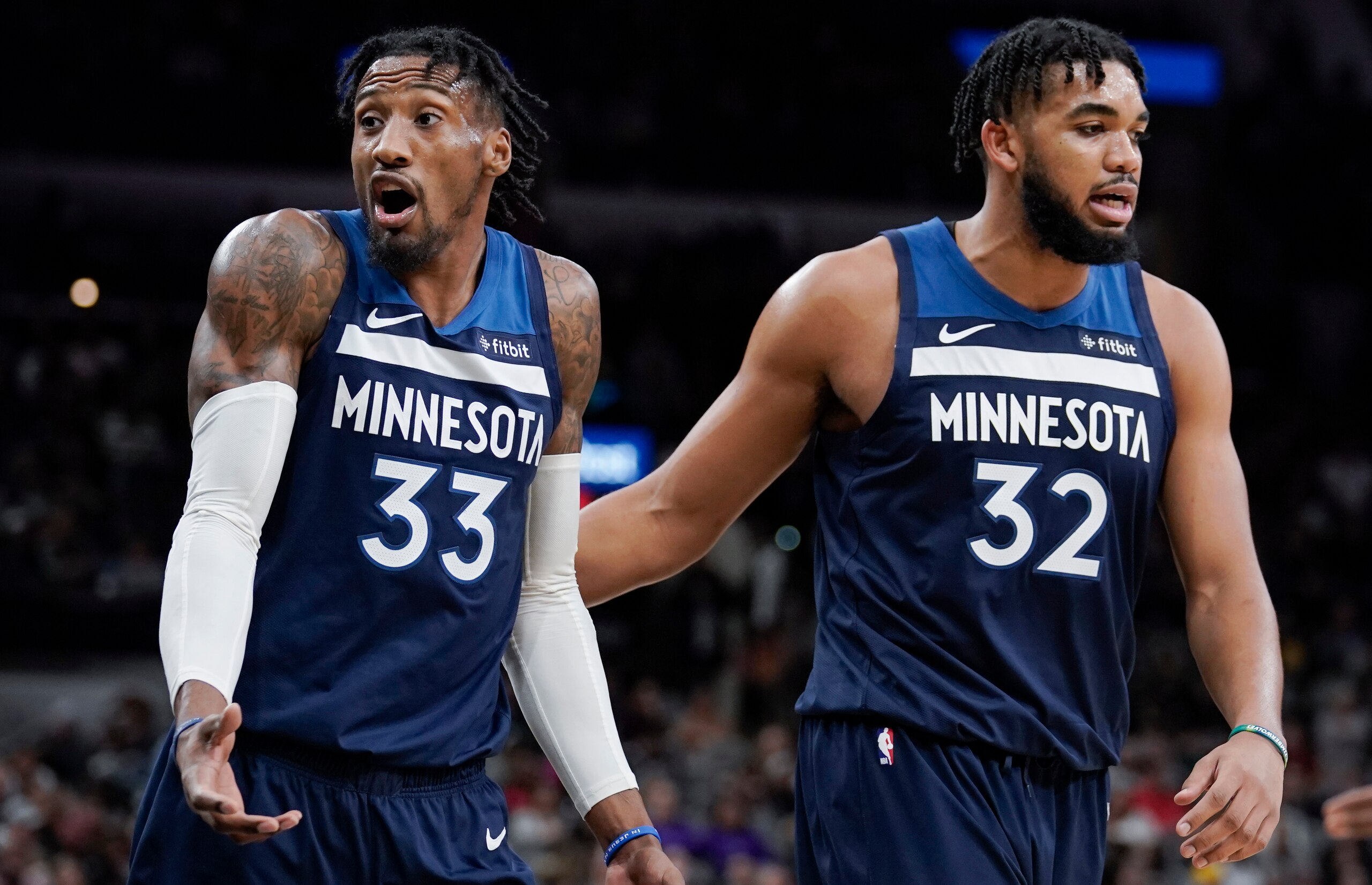
Along with the Atlanta Hawks and Toronto Raptors, the Minnesota Timberwolves are one of the rare postseason-bound teams that project to have their full mid-level exception of $10.2 million available this summer.
How they spend it may determine whether next year's team can improve on this season's success; at the time of this writing, the Wolves were further above .500 than they've been since the short-lived Tom Thibodeau era.
The Wolves get energy, athleticism and defense at the 4 from the Jarred Vanderbilt-Jaden McDaniels combo, but it'd be nice if they could add a little more two-way punch at that spot. Karl-Anthony Towns' spacing allows non-shooting power forwards to fit reasonably well in Minnesota, but imagine the offensive boost a real shooting or playmaking threat could provide.
Batum and Warren should both be targets here, and Covington could also work out in what would be his second tour in Minnesota.
New Orleans Pelicans: Zion Williamson's Extension
19 of 30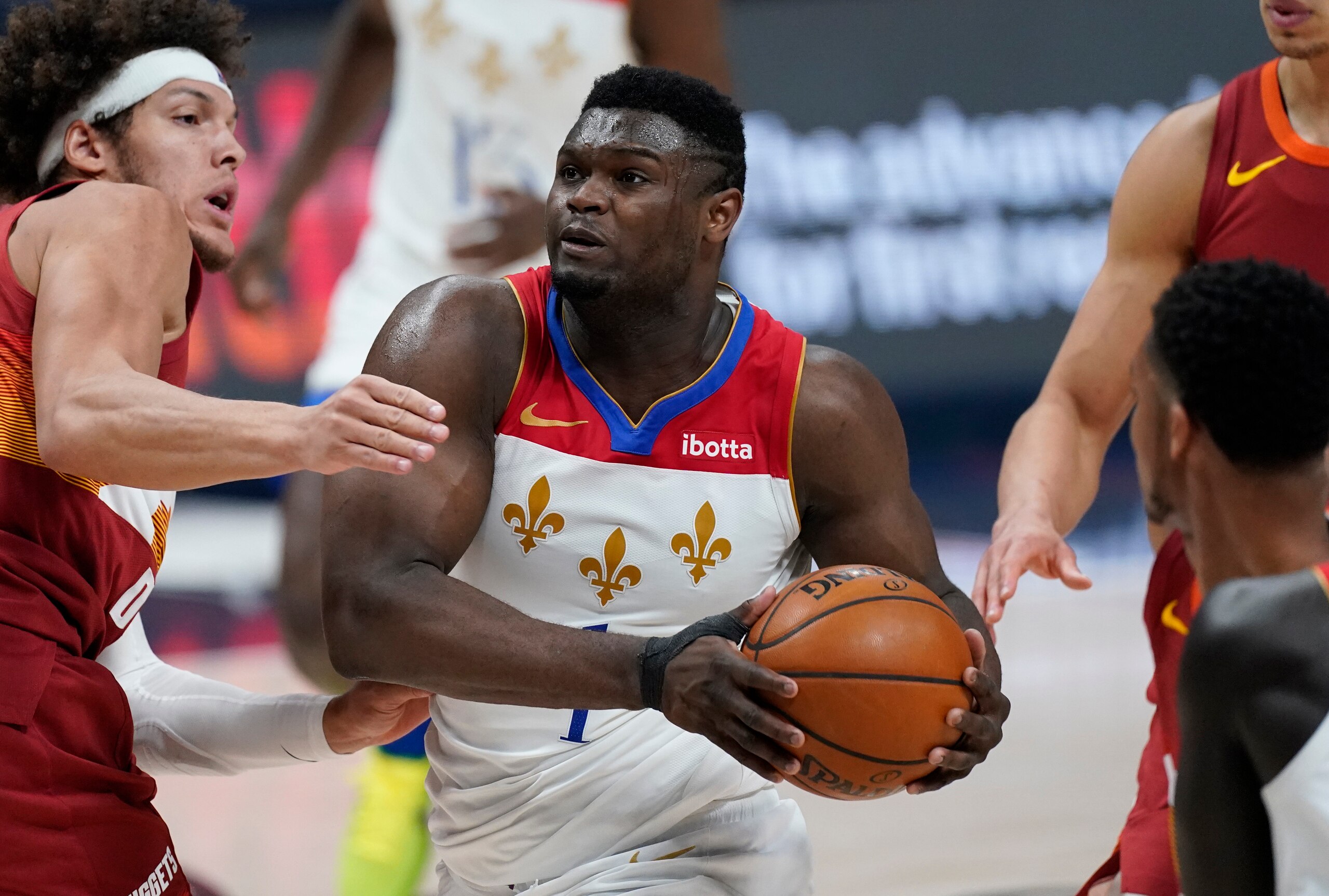
With 13 players on fully guaranteed contracts, the New Orleans Pelicans are locked all the way in on next year's roster. That's part of the reason we have to turn our focus to free-agent-adjacent offseason issues.
But mostly, we're zeroing in on that area because Zion Williamson is eligible for an extension, and the Pels' decision on that front feels straight-up existential.
Zion hasn't played a game this year, and it's looking increasingly likely it'll be a totally lost season for 2019's No. 1 overall pick. When healthy last season, Williamson was a historically potent offensive force, cranking out 27.0 points per game at efficiency levels seen in just four other seasons with that level of volume since 1983-84.
That's the reason New Orleans should make every effort to extend Williamson on a rookie-scale max. The reasons not to—Zion's troubling health history, poor conditioning, subpar connection with teammates and possible desire to play elsewhere—are equally compelling.
It'd probably be wise to lock Zion down and trade him for value if he officially asks to leave. The notion of him turning down that kind of money, with his medical record, seems absurd. But the downside risk here is massive, and the Pelicans may find themselves in the bizarre position of offering maximum cash to someone they may not even see suit up in a New Orleans uniform this year—or ever again.
New York Knicks: Mitchell Robinson
20 of 30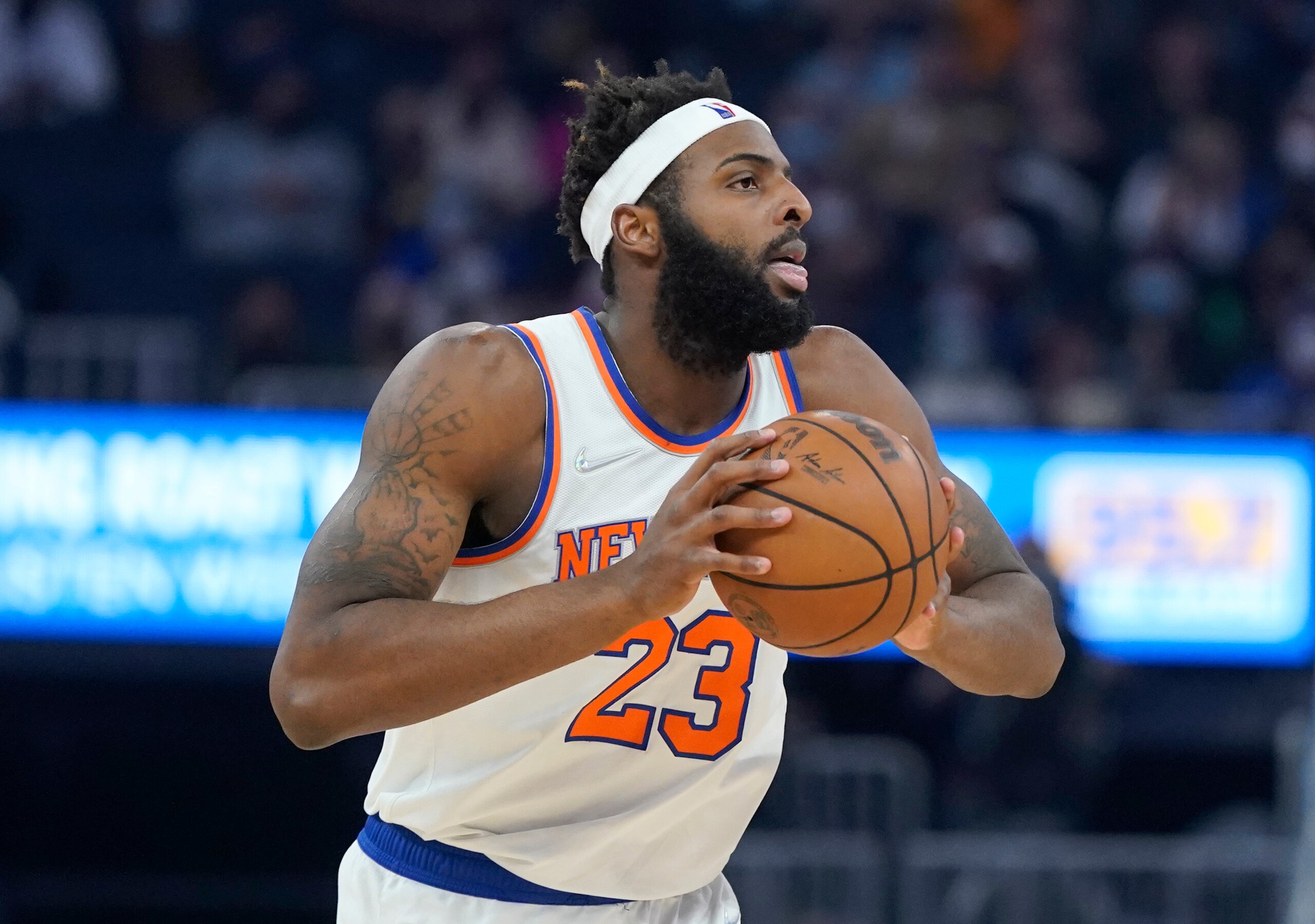
This is a much cleaner situation than the last handful, as the New York Knicks have an unrestricted free agent that they should have interest in bringing back...but only at the right price.
Mitchell Robinson brings this exercise back to basics.
Robinson is a uniquely efficient finisher (whose range is, admittedly, "dunk") who feasts on the offensive glass and blocks shots at elite rates. Those are worthwhile qualities, and they explain why the 23-year-old has been a regular starter when healthy over the last two seasons.
The downside: Robinson can't switch and can't space the floor (like, at all) on offense, which makes him exactly the type of center most smart teams avoid paying more than the minimum.
Perhaps Robinson has the potential to grow into a more dominant interior force who better controls the defensive glass and holds up more frequently on the perimeter. His length at least allows him to bother guards' jumpers, and his relative youth could mean room for improvement still exists.
Alternatively, Robinson may be developmentally topped out and therefore undeserving of a contract above the minimum.
Your call, Knicks.
Oklahoma City Thunder: Mike Muscala
21 of 30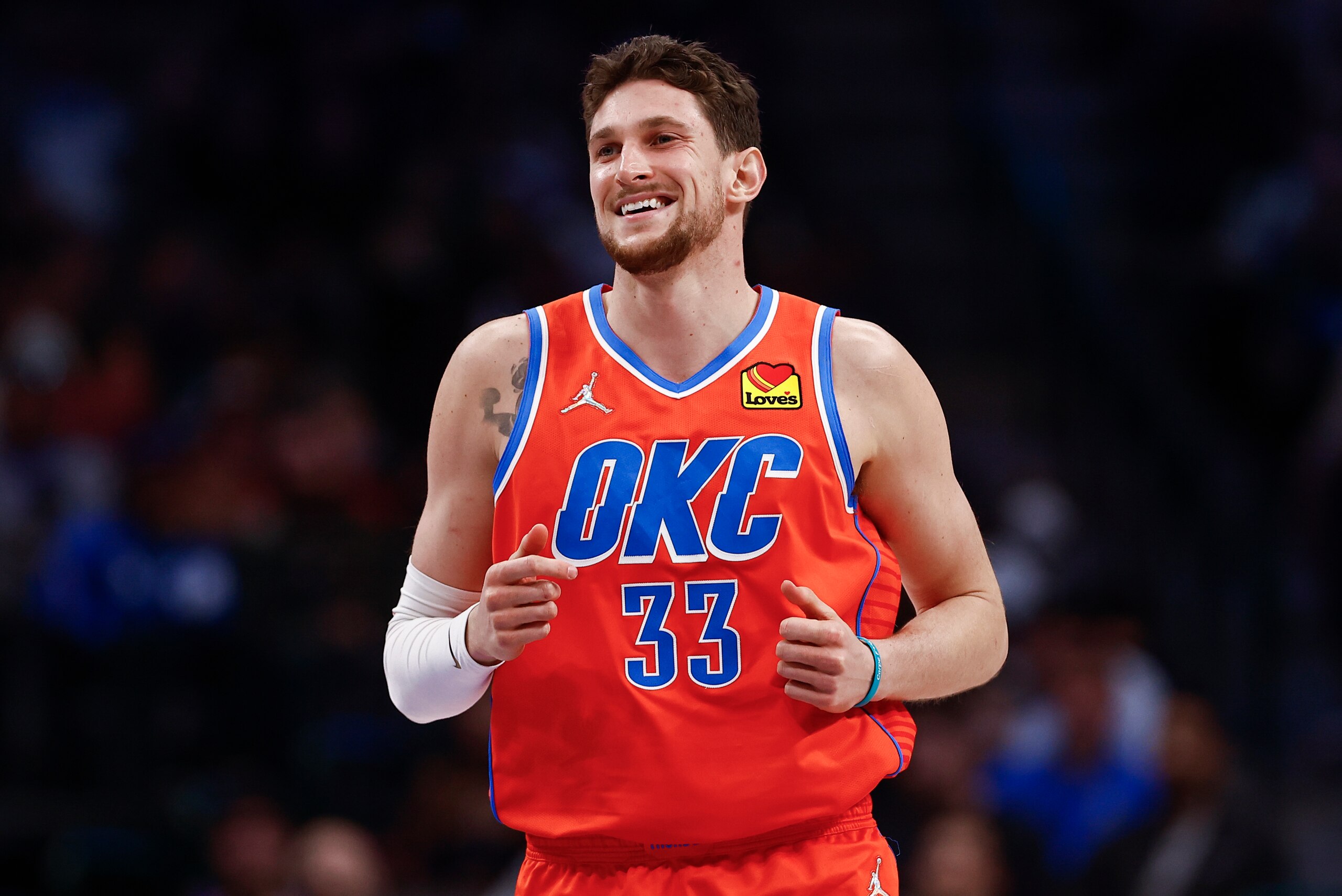
The Oklahoma City Thunder have precisely zero compelling free-agent decisions. Mike Muscala's $3.5 million team option comes closest, but when you're a zillion dollars below the cap like OKC is, bringing back a big man who can hit over 40 percent of his threes is beyond a no-brainer.
The most intriguing Thunder offseason subplot pertains to their cap space. OKC is $23 million below the cap floor and has the room to take in a massive contract before the league year flips. A draft-night move to absorb someone's unwanted salary (maybe Tobias Harris?) for picks would be on-brand for an organization that has operated like a warehouse for teams' bad deals over the last couple of seasons.
That's not even close to a free-agency decision, though, and the Thunder's cap space will mostly disappear when Shai Gilgeous-Alexander's extension kicks in for 2022-23.
Do not expect fireworks in Oklahoma City this summer.
Orlando Magic: Mo Bamba
22 of 30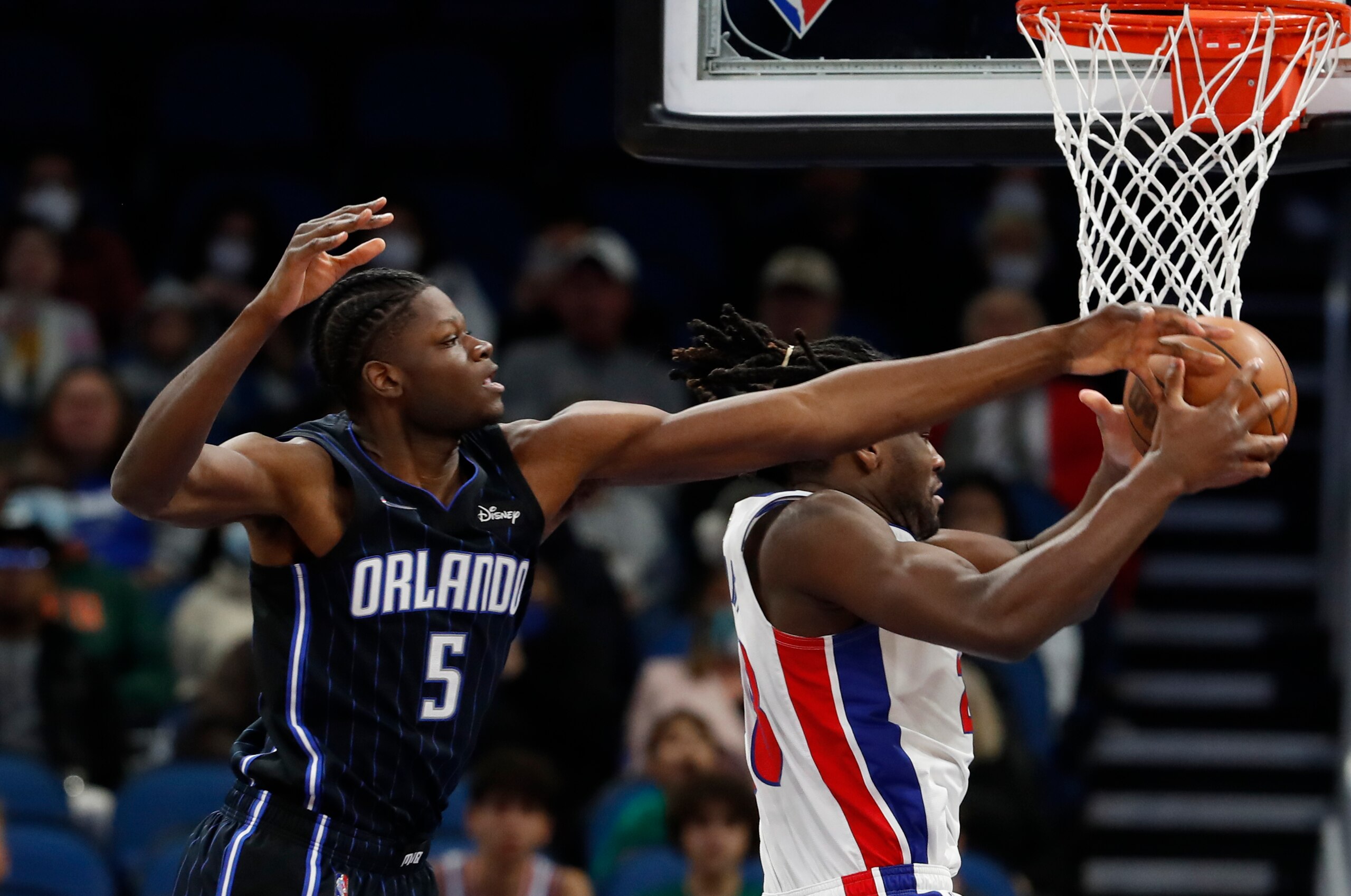
The Orlando Magic basically chose Wendell Carter Jr. over Mo Bamba when they gave the former an extension prior to the 2021-22 season, essentially forcing the latter to prove his worth ahead of restricted free agency.
Bamba is averaging double-figure scoring for the first time in his career as part of a breakout year. He's shooting 34.2 percent from deep, and that 7'10" wingspan is having the desired effect on defense, generating 1.8 blocks per game.
That said, on-off data very much prefers Carter, who also holds opponents to lower conversion rates at the rim than Bamba does. And lineups including both bigs have been soundly outscored this season.
Carter's four-year, $50 million extension declines in annual value and looks like a steal, which means Orlando doesn't necessarily have to punt on the idea of also keeping Bamba. His growth this season suggests more upside is ahead.
Orlando has to be careful, though. Allocating significant resources to the center spot is usually a mistake, especially with respect to backups. If Bamba and Carter can develop better on-court synergy, everything could work out fine—if the price is right.
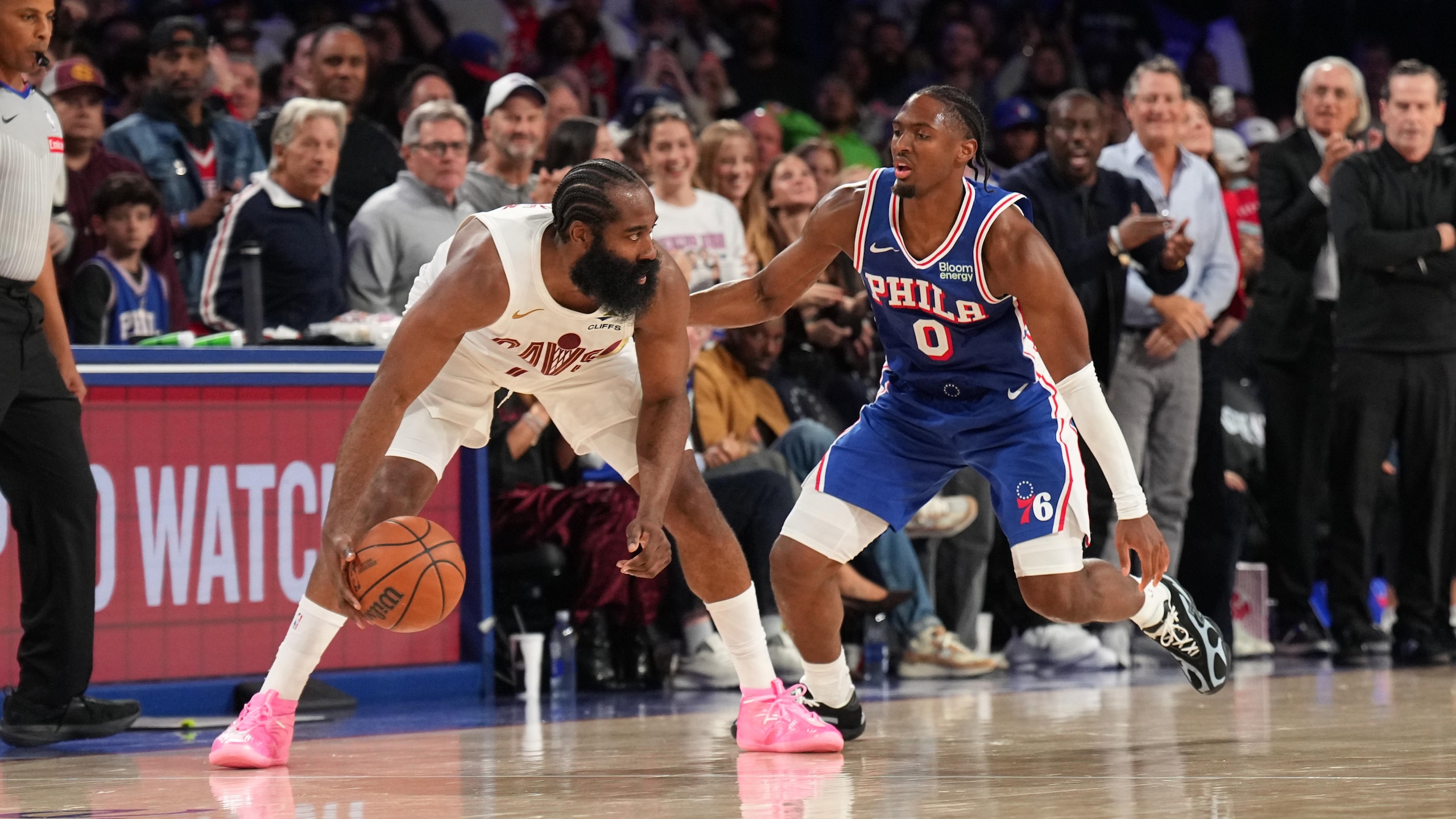
Philadelphia 76ers: James Harden
23 of 30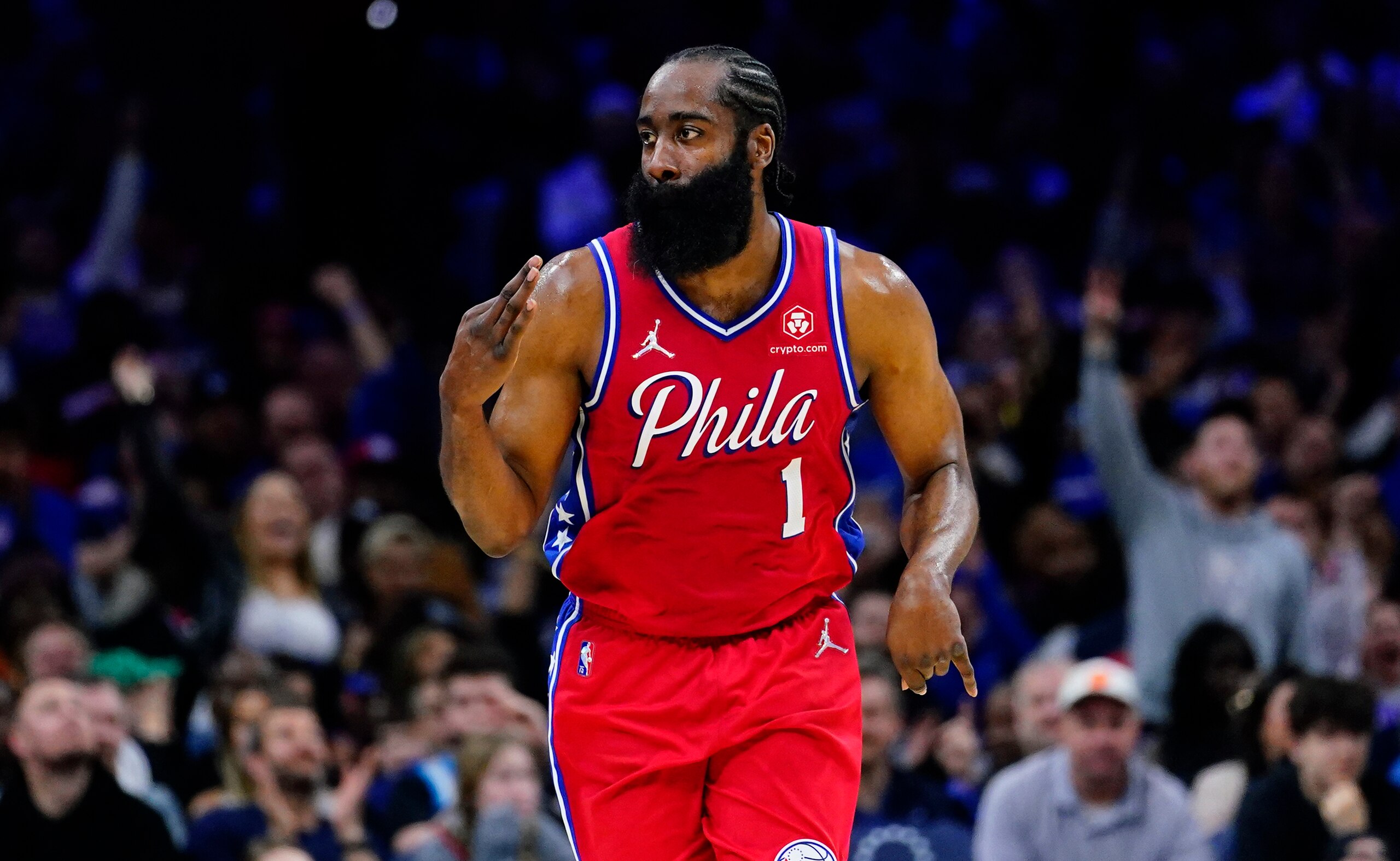
It may be that the Philadelphia 76ers are totally comfortable (and agreed pre-trade) with the idea of giving James Harden a full five-year maximum extension. Other, more conspiratorial possibilities exist, but the likeliest outcome remains that Harden expects every last cent he can get.
The next discount Harden accepts will be his first.
The 10-time All-Star hasn't picked up his player option for 2022-23 yet, but he can do that any time before June 30. An opt-in and extension would net Harden four more years and another $227 million on top of his $47.4 million salary for 2022-23. That'd break down to an average annual value of $55 million for his age-33-37 seasons. The Beard has looked great in his short time with Philly, but that's a whole lot of cash to lavish on post-prime years for a guy with a reputation for late nights and extracurriculars.
The Sixers got their man, and they may have no choice but to pay whatever it takes to keep him. But it might be worth delicately probing the concept of a shorter extension. They might want to do that after Harden opts in, just in case. Of course, being under contract hasn't stopped him from changing teams in the past.
Phoenix Suns: Deandre Ayton
24 of 30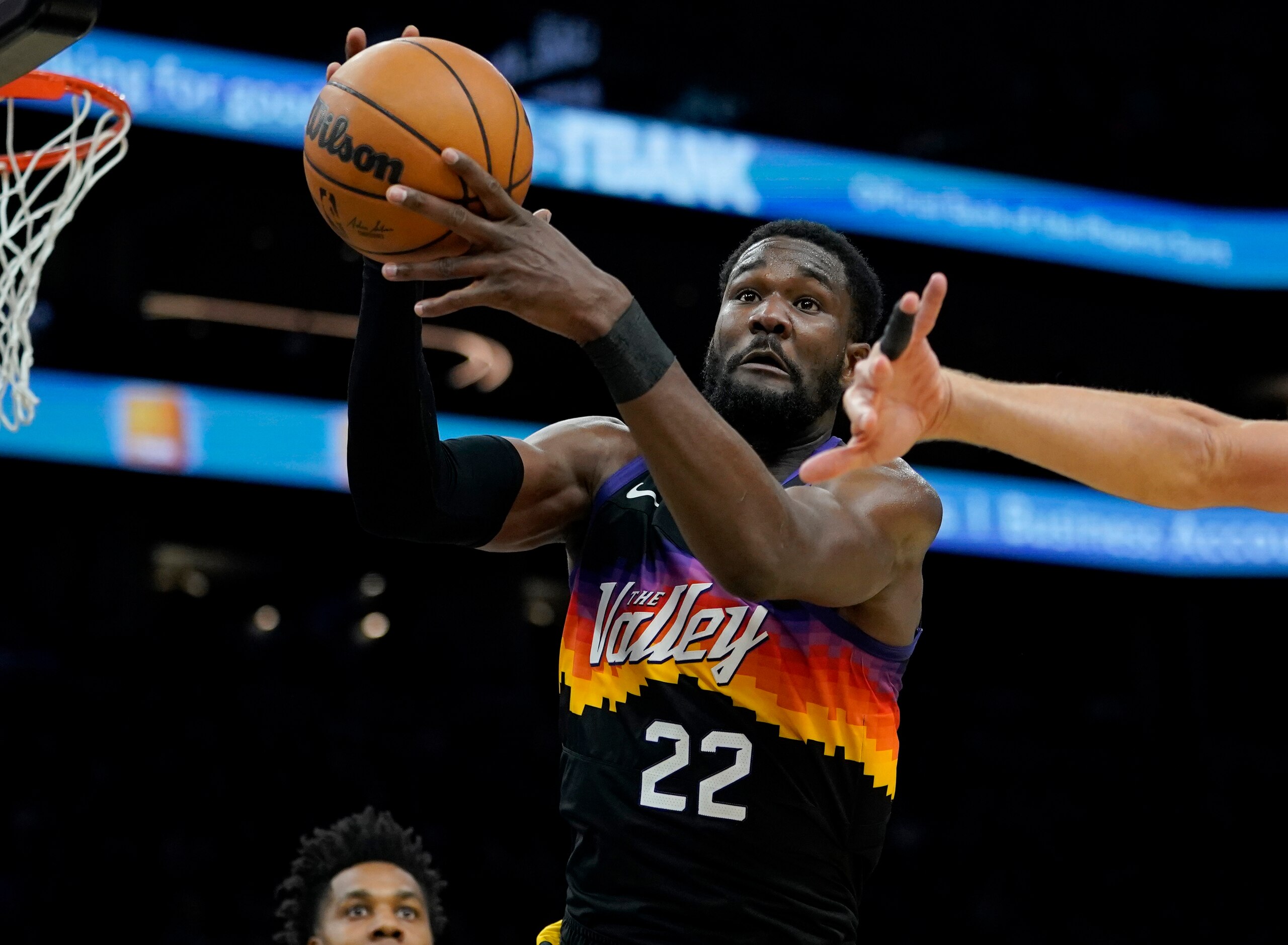
Deandre Ayton didn't get his max rookie extension prior to the season, and you can kind of understand the Phoenix Suns holding back that much money for, at best, their third option on offense.
Emphasis on "kind of." Ayton was vital to the Suns' Finals trip and, most of all, proved he could hold up against smaller opposing lineups. That's the rare kind of big man you pay like a star.
Now, with Ayton putting together yet another year as an integral part of a championship contender, it's only gotten harder for Phoenix to justify its caution.
Sure, the Suns could sit back and match an incoming four-year offer sheet. Although there are so few teams with cap space, the odds of Ayton fielding an enticing offer are low. Phoenix could also put forth a sub-max offer (or one that spans fewer than five years) and hope the savings are worth potentially ticking off a key cog in its machine.
The Suns are already on the hook for Devin Booker's max, Mikal Bridges' $90 million extension and Chris Paul's (partially guaranteed) salaries, which will approach $90 million in total through 2024-25. Another giant expenditure would lock up Phoenix's cap sheet for quite a while, incurring significant tax penalties in the process.
In the end, Phoenix has to go for it. Well-run franchises pay up when the time comes.
Portland Trail Blazers: Anfernee Simons
25 of 30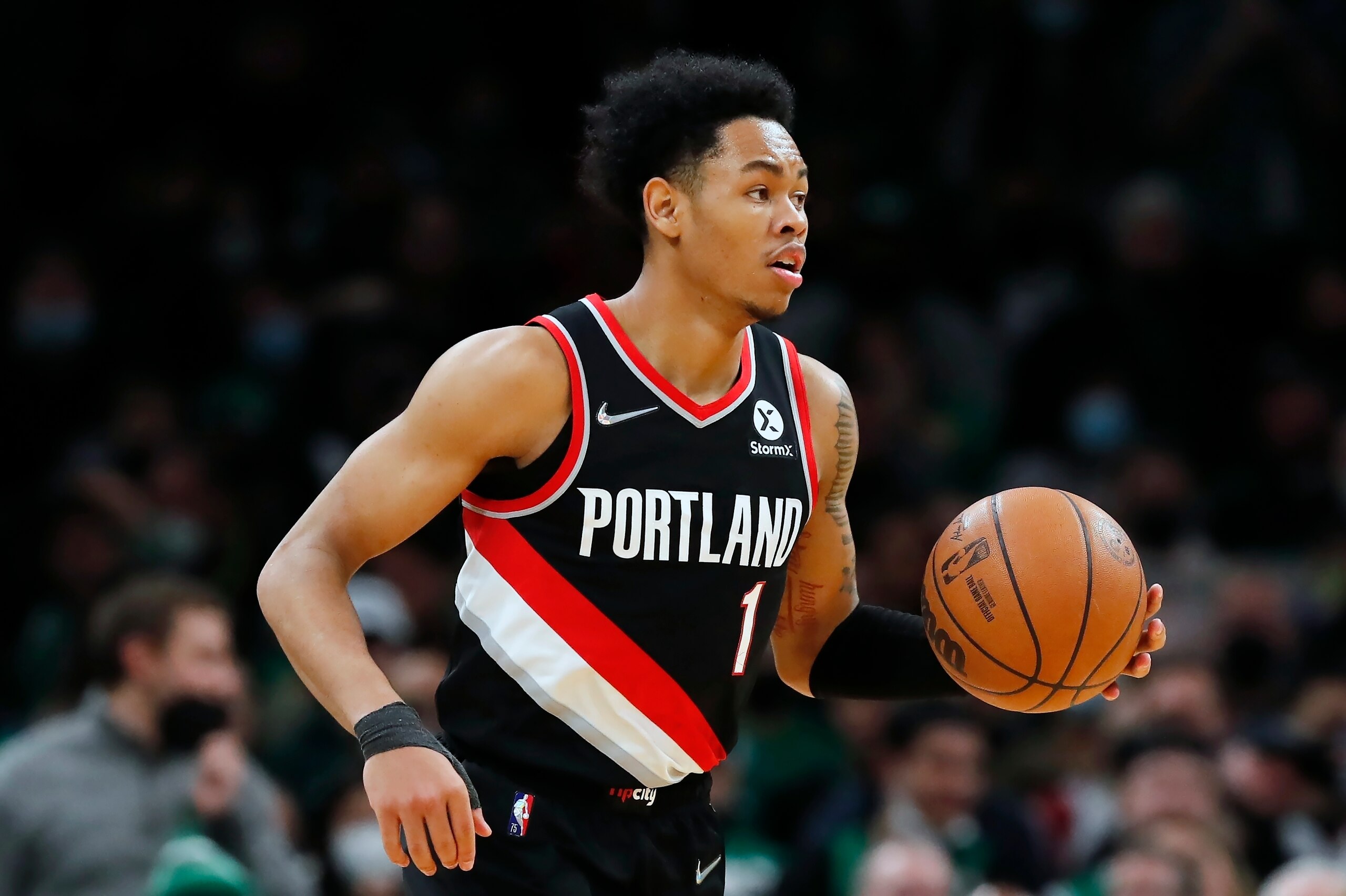
Jusuf Nurkic's unrestricted free agency should command some of the Portland Trail Blazers' attention, but Anfernee Simons deserves the lion's share. He's exactly the kind of up-and-coming restricted free agent rival teams will target with prohibitively large offer sheets.
There's a case to be made for the Blazers removing the limit on what they'll match. Simons has exploded in his age-22 season and is averaging 21.4 points per game on excellent efficiency as a starter. In fact, his points per shot attempt in each of the last two years tops anything former teammate and noted marksman CJ McCollum ever managed in his Blazers tenure.
Simons' jumper is money from all over the floor; he ranks well above the league average in accuracy from every shot location outside the restricted area. And his supreme bounce portends dominance at close range as well.
Is Portland willing to build another core around two costly, smallish guards so soon after breaking up the last one? Simons is a different kind of player than McCollum, and his youth adds a valuable element. But the Blazers might have some reservations about a rebuilt roster that so closely resembles the one they just tore down.
Sacramento Kings: Donte DiVincenzo
26 of 30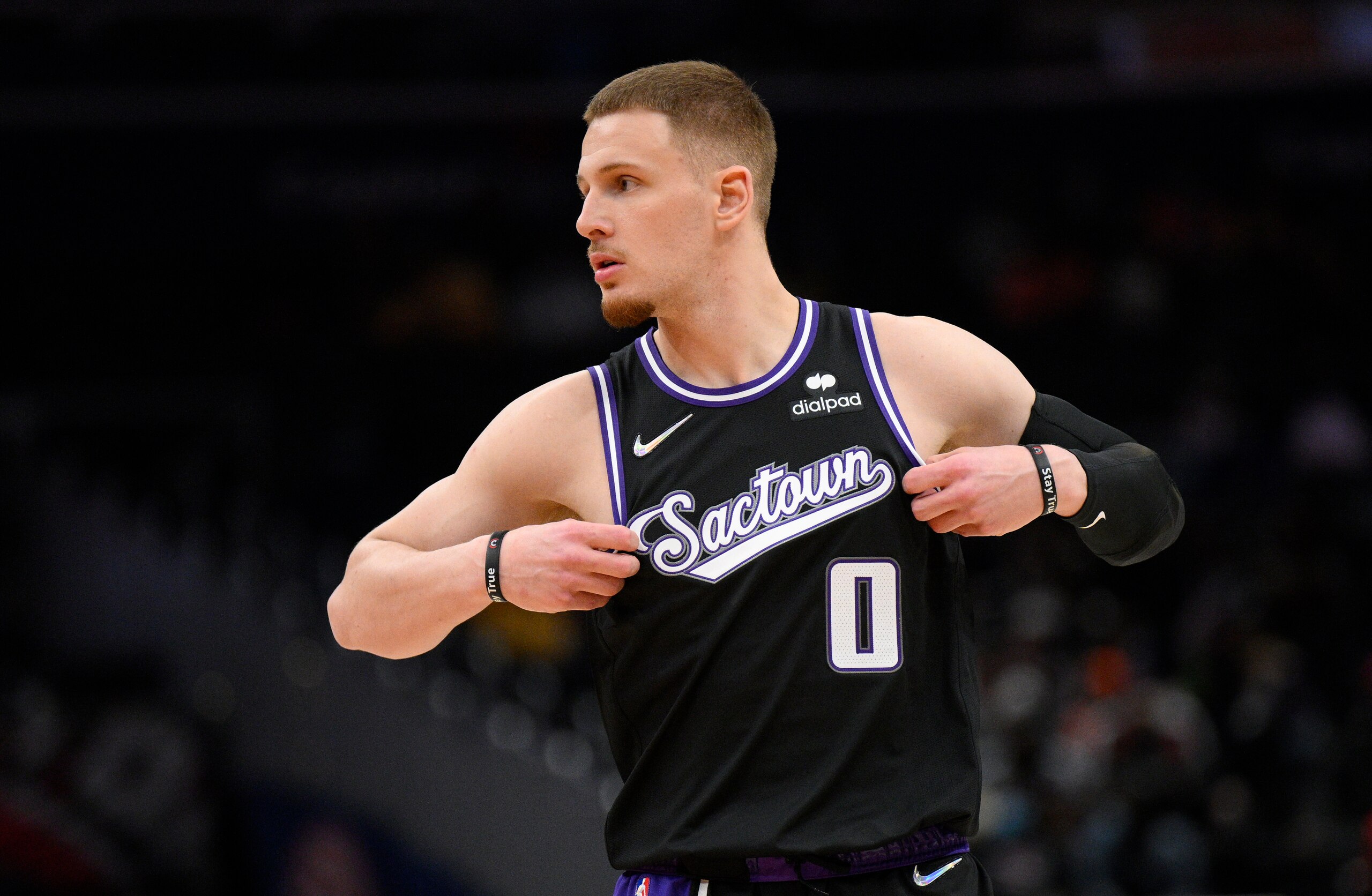
Assuming former No. 2 pick Marvin Bagley III continues a career trajectory that seems likely to peak at "fringe rotation player on a lottery team," the Sacramento Kings won the deadline deal that sent Bagley out and brought Donte DiVincenzo in.
That's assuming the Kings don't overpay to keep their newly acquired guard in restricted free agency.
DiVincenzo has battled injuries and inconsistency throughout his career, but he was a promising full-time starter for a very good 2020-21 Milwaukee Bucks squad. It's not the best sign that journeyman Justin Holiday has been the starter over DiVincenzo since the deadline, but the Kings have basically traded for the guy twice. That suggests they view him as a player worthy of investment.
De'Aaron Fox and Davion Mitchell are bigger pieces in Sacramento's backcourt makeup, and the Kings surrendered so little to get DiVincenzo that they're not pot-committed. But we've seen this team fixate on and devote resources to the wrong players many times.
Finding the right number on DiVincenzo's next deal will be critical.
San Antonio Spurs: Lonnie Walker IV
27 of 30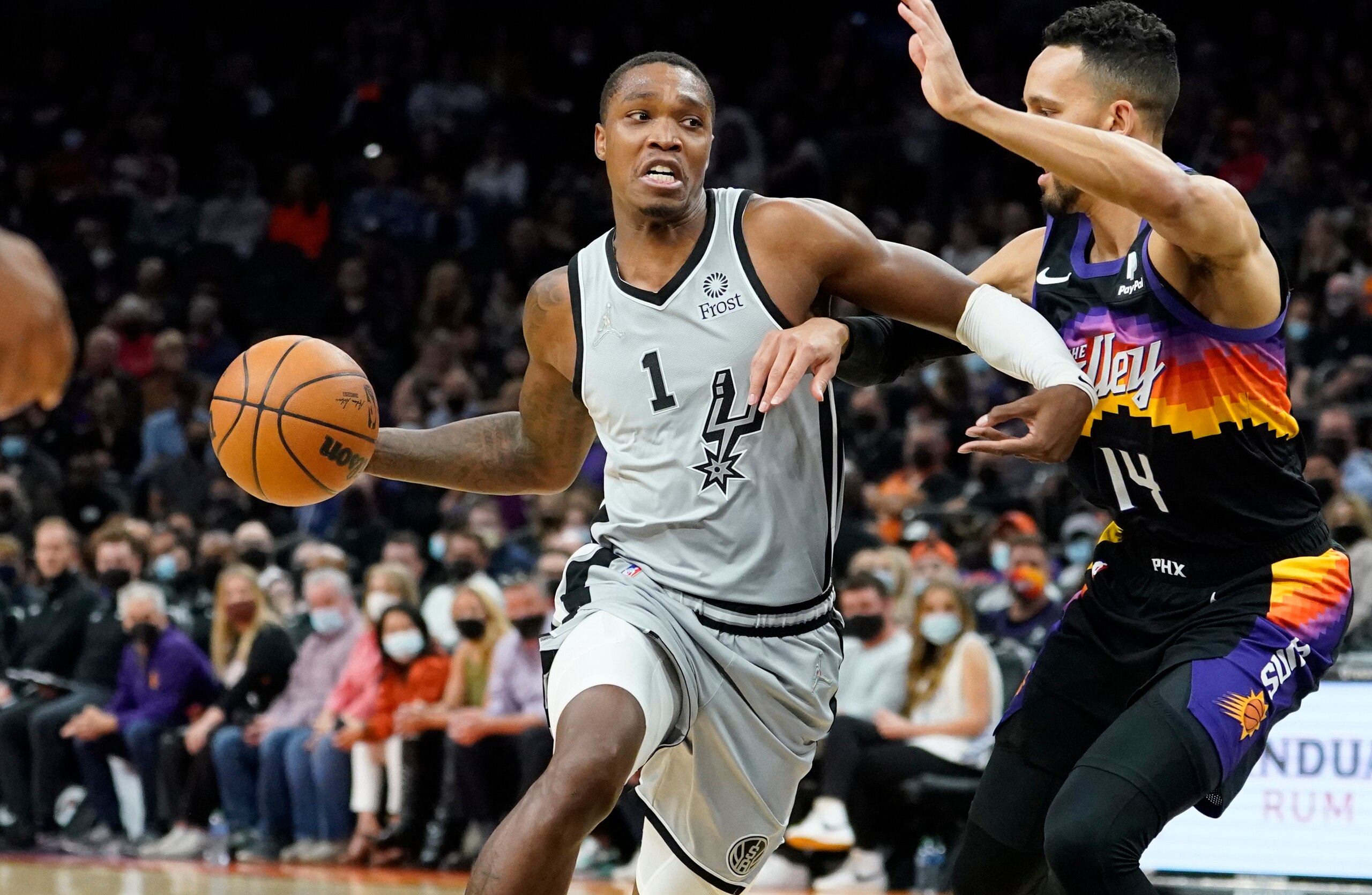
Soon-to-be restricted free agent Lonnie Walker IV hung a 30-spot on the Sacramento Kings on March 3, missing his career high by a single point and illustrating his scoring potential in the process.
At 23, the high-flying guard seems to have a future with the San Antonio Spurs, who dealt Derrick White at the deadline in a move that freed up rotation minutes for Walker and the team's other young wings.
Head coach Gregg Popovich flattered Walker earlier this year by saying he might be the most curious player he's coached since Manu Ginobili. While curiosity isn't a character trait on par with, say, the ability to shoot 40 percent from three-point range, around here we read every Ginobili comparison as a high compliment.
San Antonio is among the few teams with significant cap space, and its top offseason priority should be acquiring young talent from the outside. After that, though, Walker's restricted free agency looms large. The Spurs haven't had many players in the Popovich era who've put up double-figure scoring averages in their age-22 and age-23 seasons like Walker has. The ones that did became long-term fixtures.
Walker could be next.
Toronto Raptors: Chris Boucher
28 of 30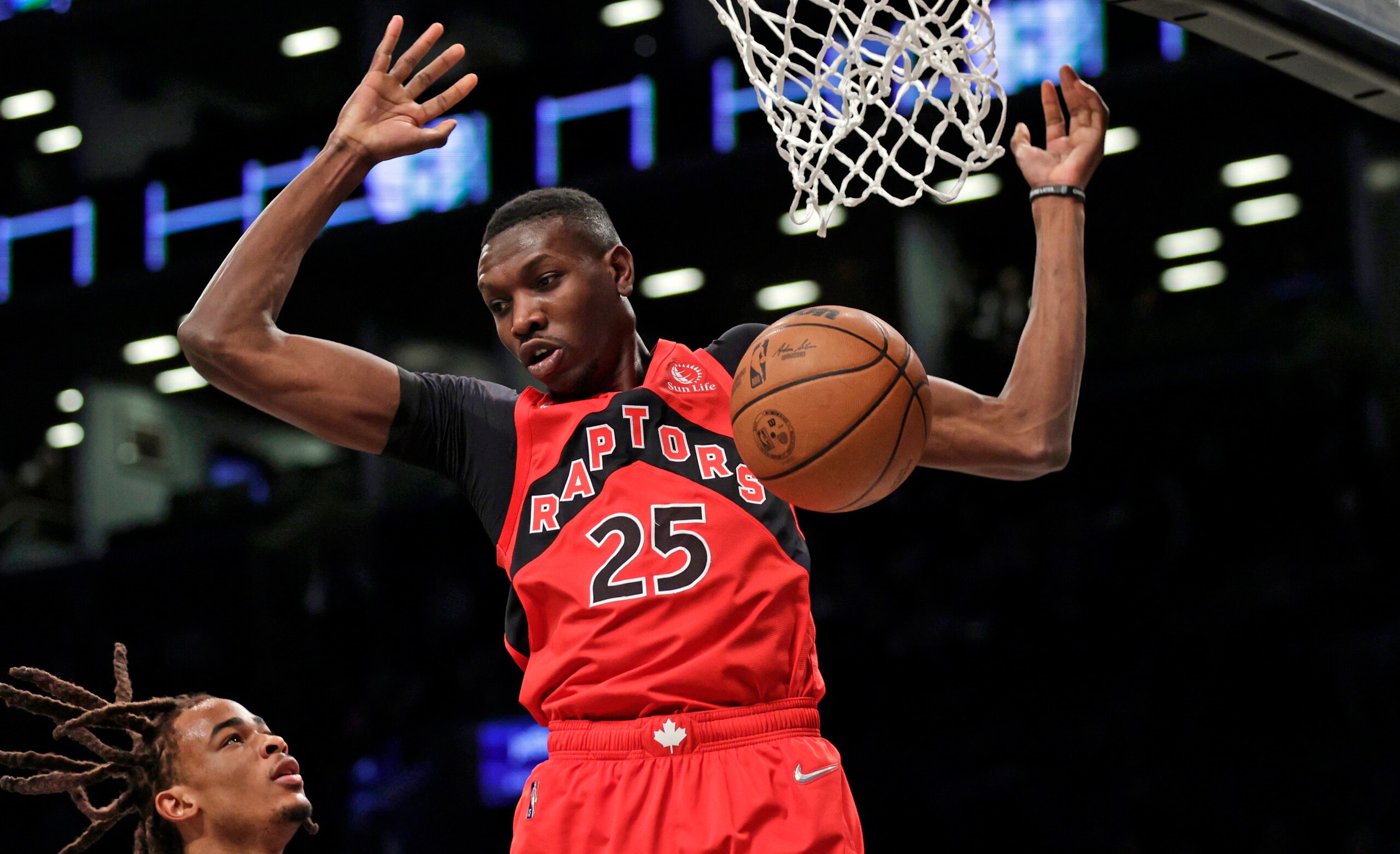
Chris Boucher hasn't shot it nearly as well from deep this year (28.0 percent) as last (38.3 percent), but the willowy forward continues to impress with his late-blooming development.
Per Eric Koreen of The Athletic: "A player who has been known for his activity and, as a result, occasional bouts of chaos is now one of the team's stable elements."
Boucher's reliability is one reason he's often the first Toronto Raptor off the bench. The team performs better on both ends with him in the game, with big gains in offensive rebounding, and a notable decline in opponent effective field-goal percentage.
Toronto can use Bird rights to pay Boucher, an unrestricted free agent, without eating into its mid-level exception. The lack of options to replace the 29-year-old means the Raps should be ready to offer a raise on the two-year, $13.5 million deal they agreed to in 2020. Even if Boucher has found new ways to contribute, that won't be the easiest decision if his shooting continues to underwhelm.
Utah Jazz: Hassan Whiteside
29 of 30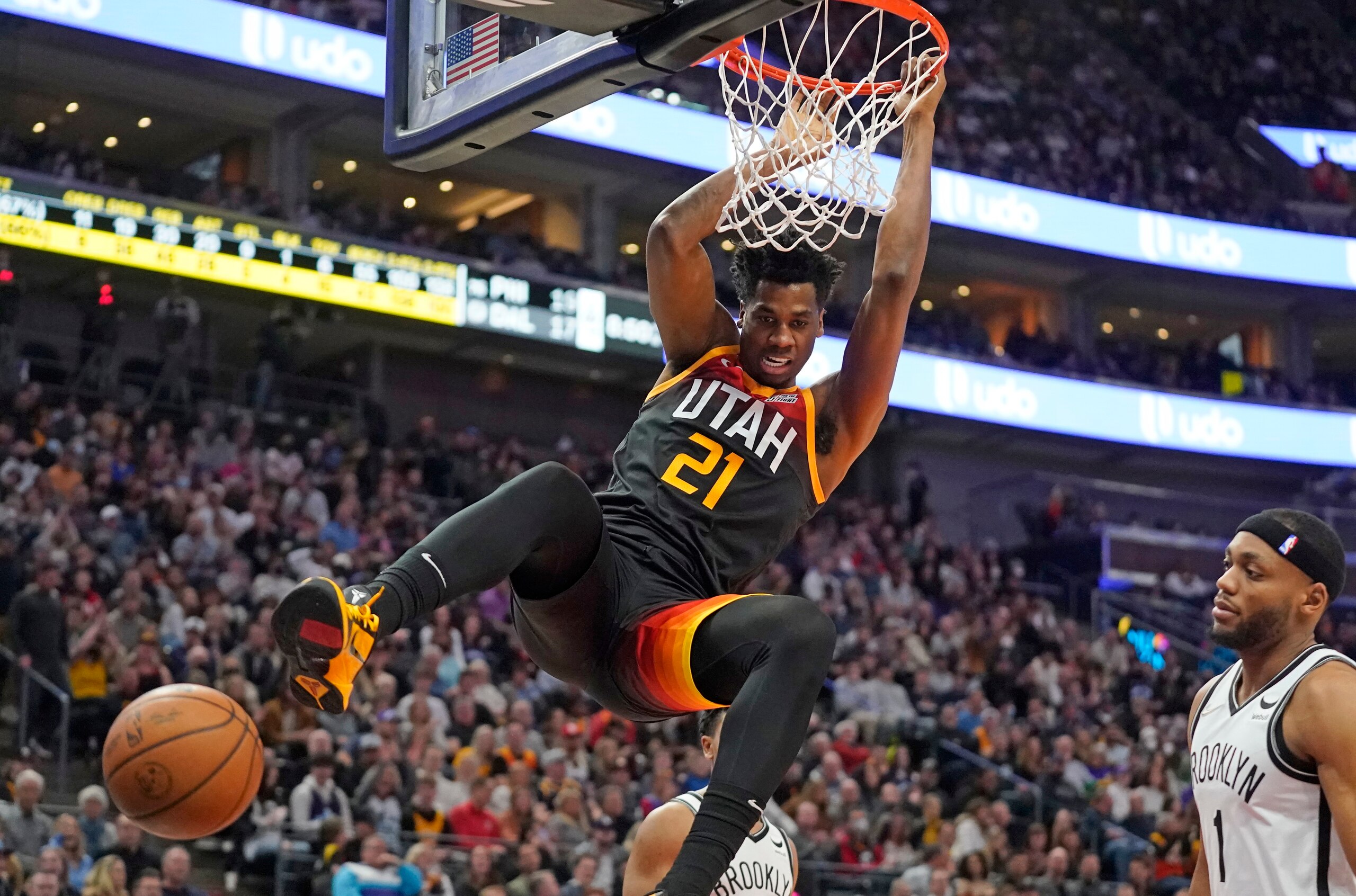
Even if they renounce their rights to their own free agents and waive every non-guaranteed contract on the books, the Utah Jazz are set to be taxpayers in 2022-23. When every dollar spent comes with an added penalty, personnel decisions matter more.
Hassan Whiteside hasn't helped Utah on defense, but his screen-setting, offensive boardwork and efficient scoring have produced positive net ratings during his minutes. Currently playing on a minimum deal, the journeyman big could field offers above that level from several teams that need help at the backup 5. It's also possible someone would consider using a chunk of the MLE (or the full taxpayer's MLE of around $6.3 million) on a player who was an effective starter as recently as 2019-20.
The Jazz should still prioritize finding a small-ball center if they're not convinced a 36-year-old Rudy Gay can handle that role consistently next season, and they've also got a Joe Ingles-sized hole to fill on the wing. But Whiteside has played well enough to deserve consideration for another season or two—even if he's duplicative of Gobert and couldn't keep the defense afloat when Utah's starting center missed time in January.
Washington Wizards: Bradley Beal
30 of 30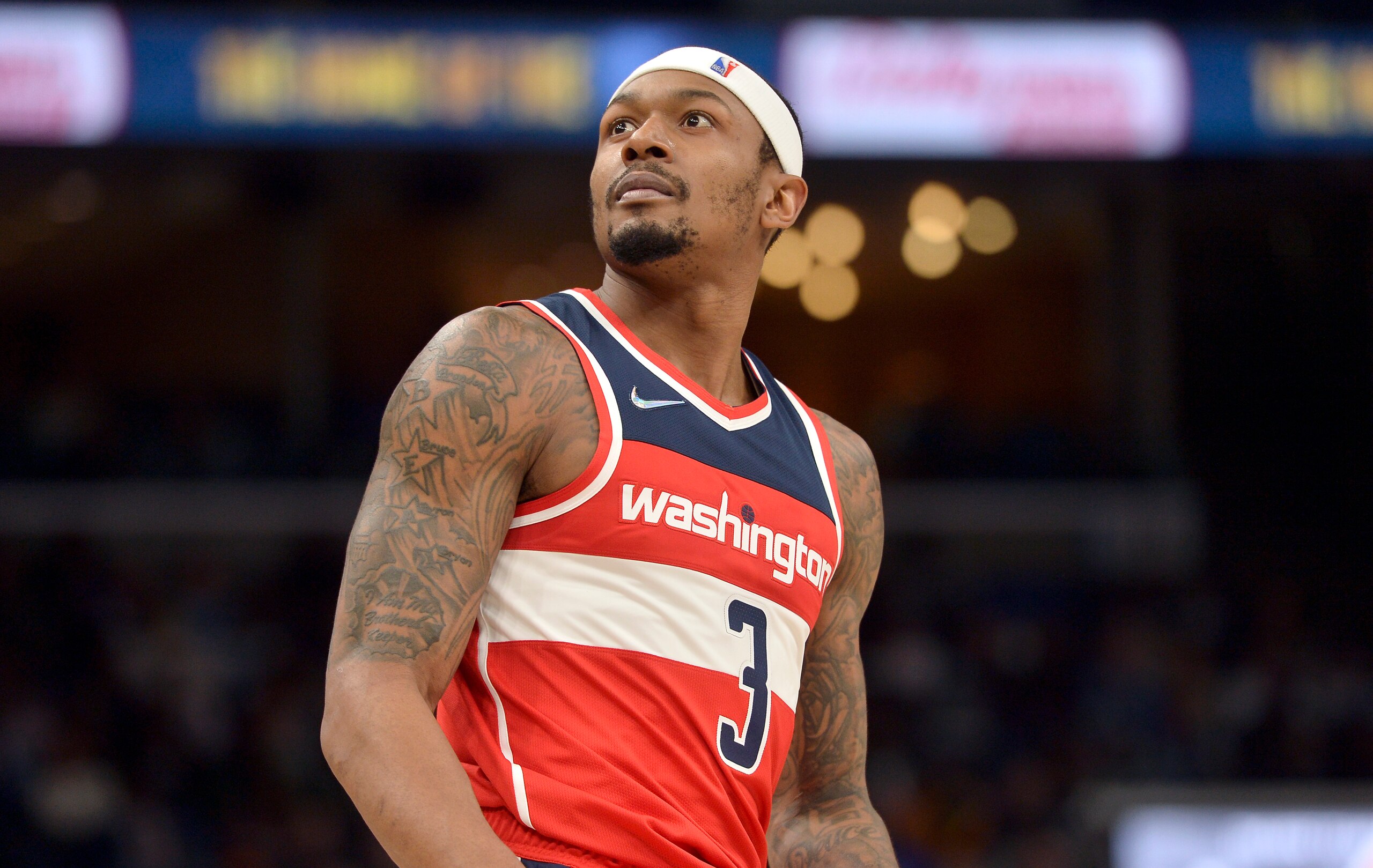
Bradey Beal has been in that small class of "maybe they'll shake loose" superstars for the better part of three years, but his recent comments to reporters, in which he agreed it was fair to say he was leaning toward staying with the Washington Wizards, seemed to remove much of the remaining uncertainty.
These situations are never over until they're officially resolved with a new contract, though, and Washington's offseason will hinge on Beal's next deal. The 28-year-old can decline his player option and sign a five-year, $246 million agreement to stick with the Wizards.
Or, he could opt in. Or, he could sign elsewhere. Or, he could ink a shorter pact to preserve flexibility and keep pressure on the franchise to build around him. Or, he could sign the five-year max and then demand a trade when the time's right.
The Wizards would probably prefer to just get the five-year deal done, and it would be a surprise if they tried to shave off a few dollars or years after professing their commitment to Beal so consistently.
Stats courtesy of NBA.com, Basketball Reference and Cleaning the Glass. Accurate through March 3. Salary info via Spotrac.

.jpg?w=2560 "NFL House in Paris Closes for Protests")
.jpg?w=2560 "Trevon Diggs Cut by Seahawks")


