
March Madness 2022: Tournament Schedule, Bracket Predictions for No. 1 Seeds
March has arrived, so men's college basketball fans know that madness is on the horizon.
Selection Sunday is set for March 13, and the 68-team tournament will tip shortly thereafter.
Before you can blink, the next champion of men's college basketball will be crowned.
Time is already of the essence, so let's not waste any more of it and get down to business by laying out the tournament schedule and predicting the four teams who will wind up with No. 1 seeds.
March Madness 2022 Schedule
1 of 5
Selection Sunday: March 13
First Four: March 15-16
First Round: March 17-18
Second Round: March 19-20
Sweet 16: March 24-25
Elite Eight: March 26-27
Final Four: April 2
National Championship: April 4
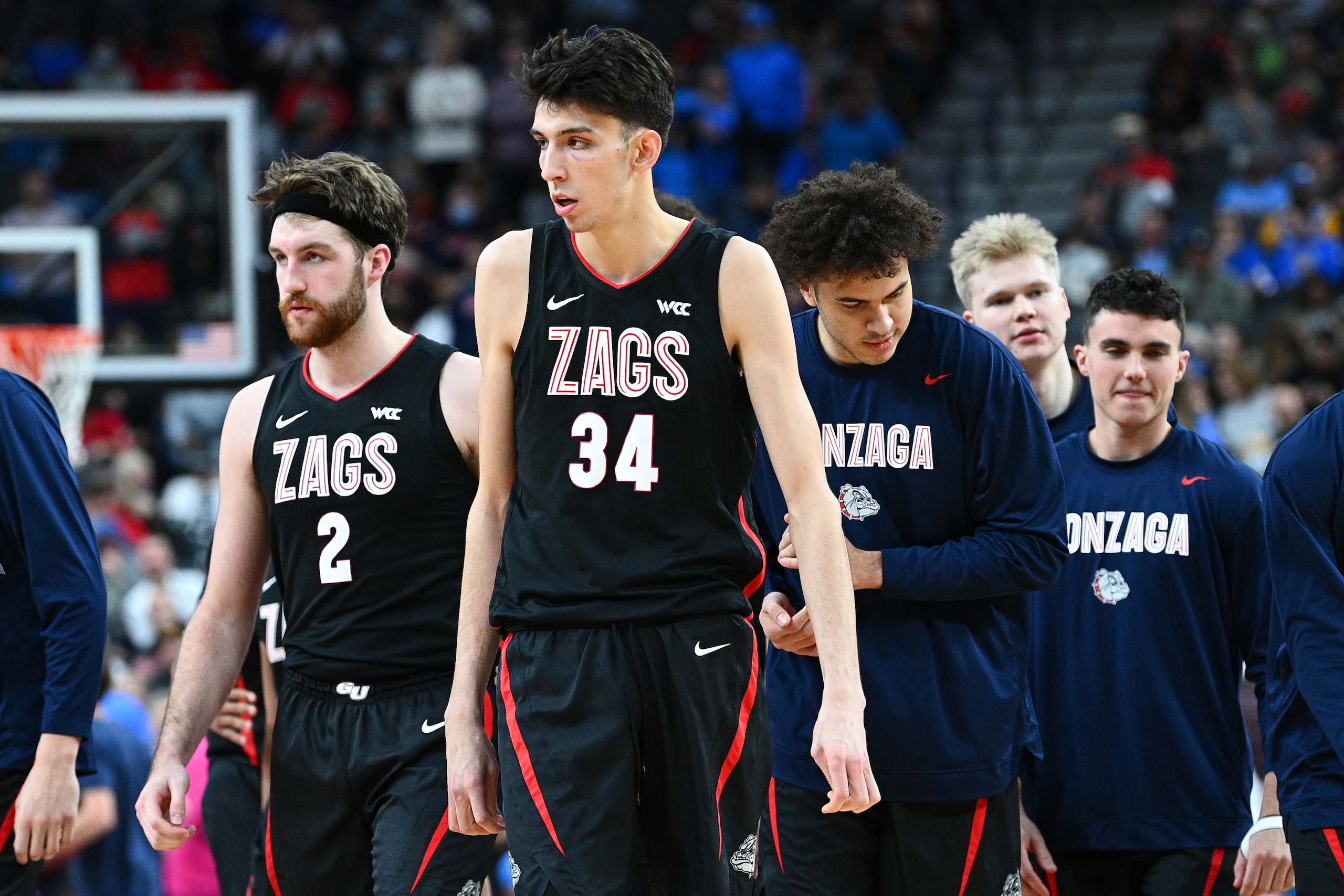
Gonzaga (24-3)
2 of 5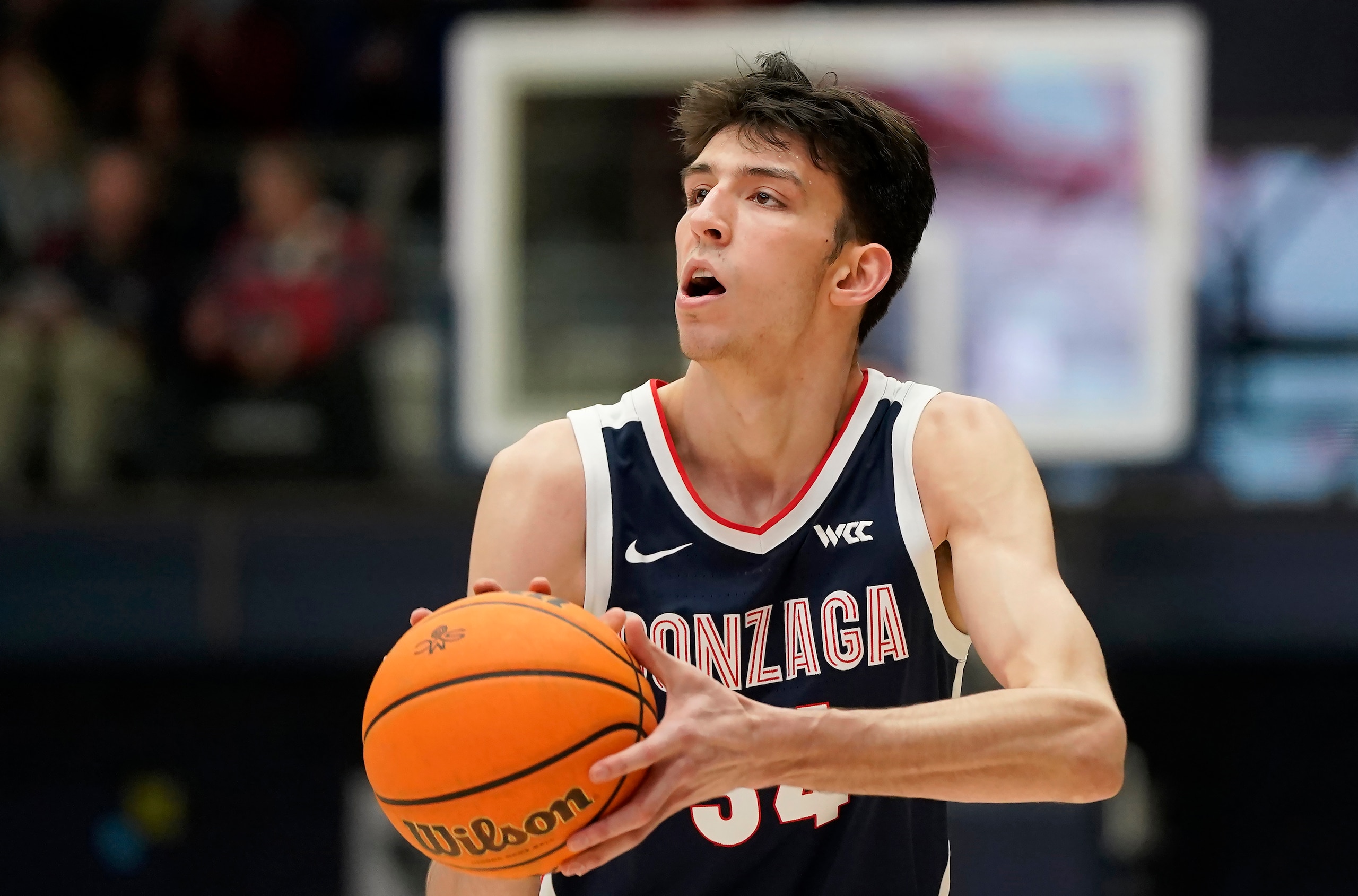
The Bulldogs have as many losses this season as they suffered in the past two combined. Guess what that says about this group? Nothing, other than the fact that it's following in the footsteps of truly elite teams.
Gonzaga fell once in November (against Duke), once in December (against Alabama) and not again until Saturday, when it suffered a 10-point defeat at the hands of conference rival St. Mary's. Assuming this latest slip-up was nothing other than a brief blip, Mark Few's crew should be positioned for another deep run in the tournament.
Even with the loss, the Bulldogs should still hold top billing come Selection Sunday, although it can cement that status by winning the WCC Tournament, perhaps by exacting some revenge against the Gaels in the process.
The Zags are, statistically speaking, absurd. They sit second in adjusted offensive efficiency and sixth on the opposite end, per KenPom.com. No other team has top-10 rankings in both. If clubs somehow manage to contain potential No. 1 pick Chet Holmgren and All-American candidate Drew Timme, they still have to deal with Gonzaga's three other double-digit scorers: Julian Strawther, Andrew Nembhard and Rasir Bolton.
Arizona (25-3)
3 of 5
Remember that nugget we just gave about Gonzaga being the only team with top-10 efficiency rankings at both ends? Well, the Wildcats come closest to matching that feat and instead settle for being the only other club with top-12 marks: 10th on offense, 12th on defense.
The offensive success, in particular, might be a tad surprising since Arizona doesn't base its attack around the perimeter in the way many modern teams do. Instead, the Wildcats use their size, length and athleticism to pound teams into submission on the interior. Their top three scorers all stand between 6'6" and 7'1"—Bennedict Mathurin, Azuolas Tubelis and Christian Koloko—and only Mathurin poses even a moderate threat from three (60 makes at a 37.7 percent clip).
However, those physical gifts translate to efficient scoring inside the arc (57.1 percent on two-point shots) and a boatload of offensive boards (11.8 per outing). Mathurin has the second-lowest field-goal percentage of Arizona's top seven scorers at 46.5 percent. The Wildcats are built to dominate the paint, and they often do by wide margins.
That's what made Saturday's 16-point loss to Colorado so jarring. Arizona lost the interior battle, was out-rebounded at both ends and finished a meager 39.2 percent of its field-goal attempts. It's hard to imagine this was anything more than an anomaly, but another sleepy performance or two—the Wildcats still have three games left on the regular-season schedule—could make for a long night ahead of Selection Sunday.

Kansas (23-5)
4 of 5
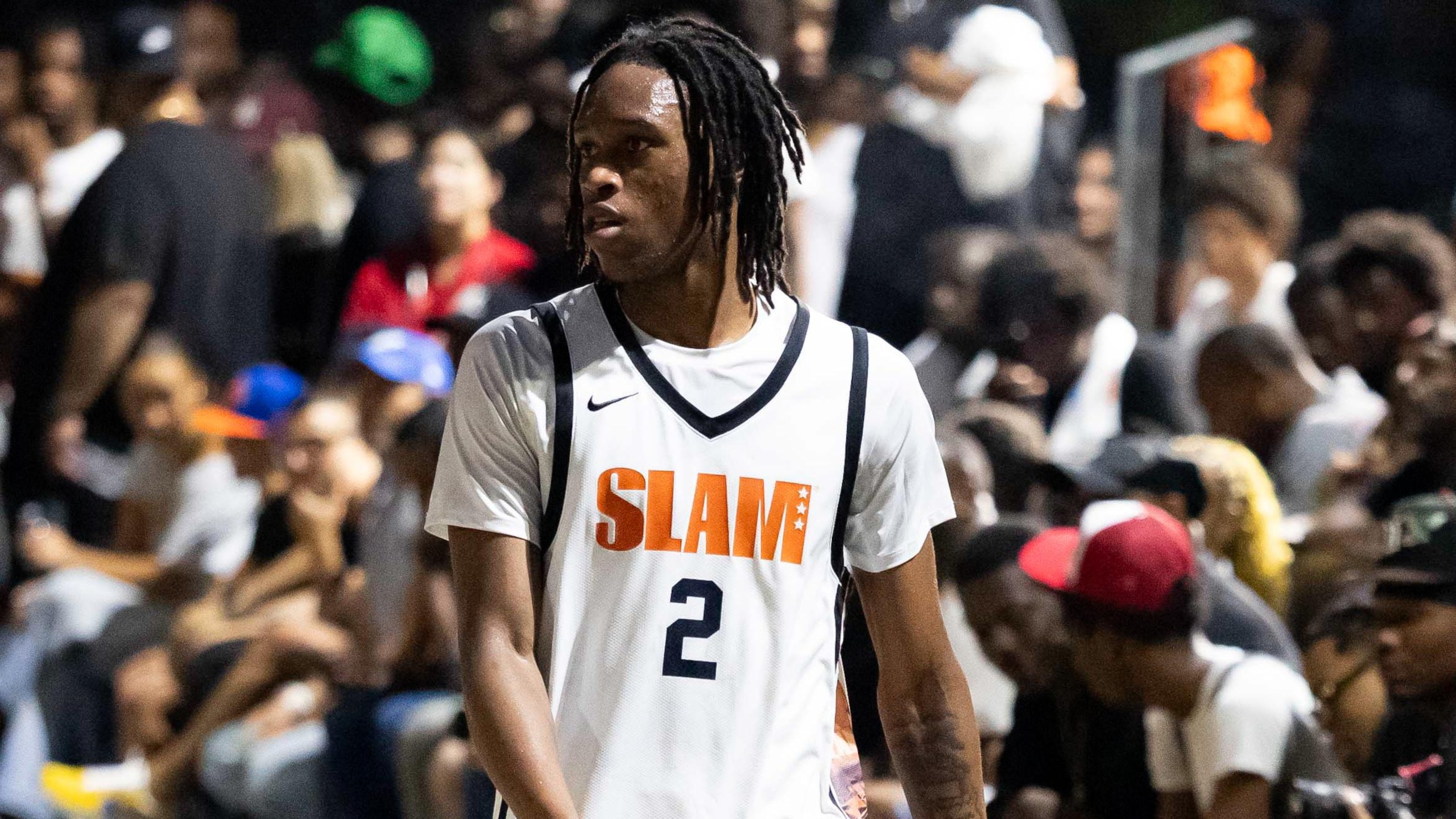
This isn't the deepest, most talented team Bill Self has ever coached at Kansas, but if it looks the part on paper, who's complaining?
The Jayhawks would have been sitting pretty had they picked off Baylor over the weekend, but they can still bulk up their resume, with a pair of tilts against TCU and another versus Texas still remaining. Sweep these three games and avoid an awful showing at the conference tournament, and Kansas should lock down a No. 1 seed.
That's a huge testament to the Jayhawks' talent at the top—namely, senior Ochai Agbaji and junior Christian Braun. The former might run away with Big 12 Player of the Year honors, as he pairs his 20.4 points per game with sizzling splash rates from the field (50.1 percent) and from three (43.3). Braun, meanwhile, has impressed as the second fiddle, pumping in 15.3 points per outing and snaring 6.1 rebounds a night.
The roster drops several tiers beyond those two, although Remy Martin's return over the weekend could give this club a high-level reinforcement at the perfect time. Knee injuries have plagued him this season, but the Arizona State transfer averaged 19.1 points per outing in each of the previous two campaigns.
Baylor (25-5)
5 of 5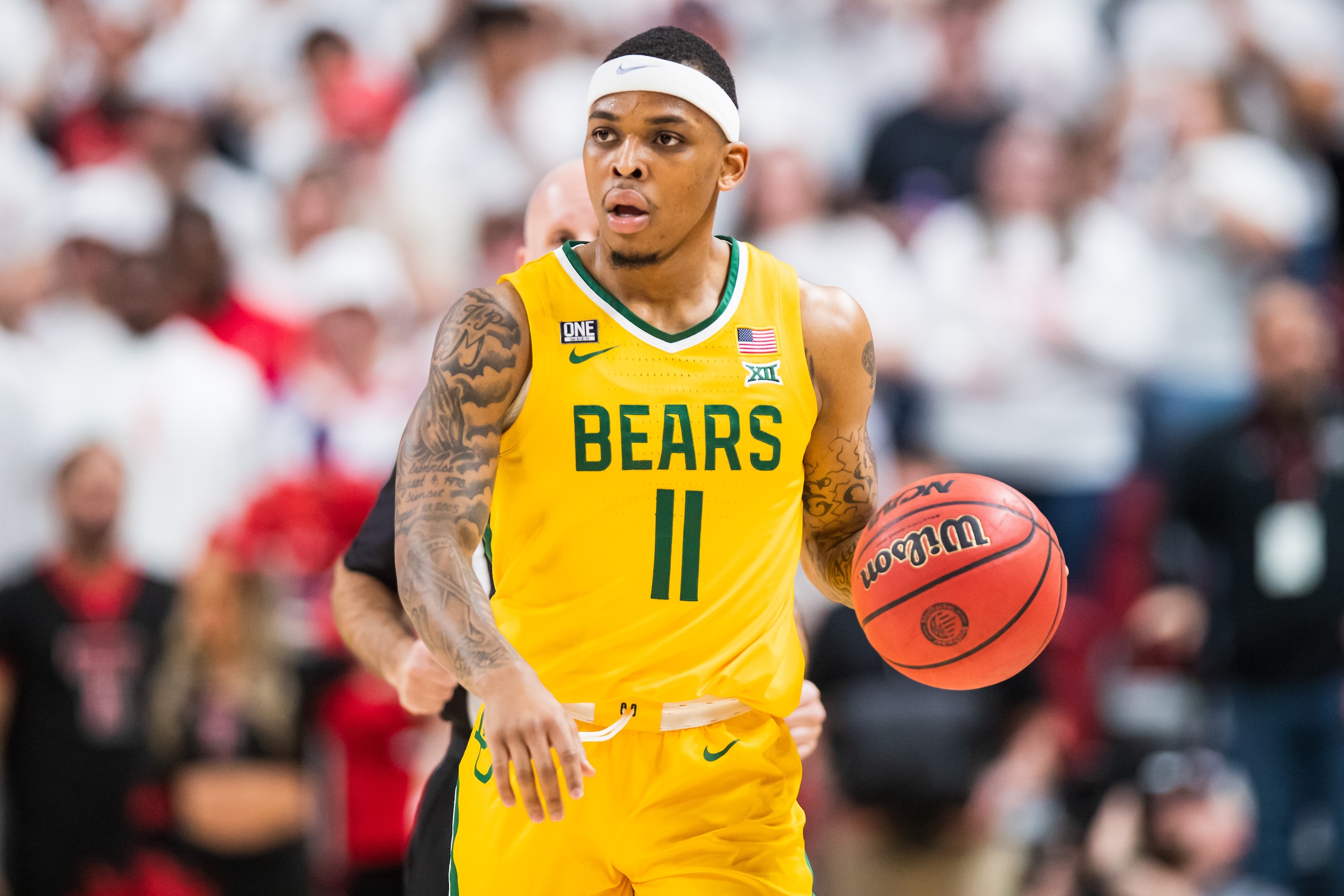
The Bears moved into this spot with Saturday's 10-point triumph over Kansas and then protected it with Monday's seven-point win over Texas.
This year, the Big 12 is a minefield, and the defending national champs have largely navigated it without a hitch. Considering the caliber of competition, Baylor's 13-4 conference record is a peacock feather in its cap.
The Bears are built to take down opponents on both ends of the floor. The offense hits hard from the perimeter, as the top five scorers are all guards, including Adam Flagler, LJ Cryer and floor general James Akinjo. The defense, which KenPom regards as the nation's 13th-best, flies around the floor and pressures opponents into mistakes.
Baylor still has work to do to secure a top seed. Closing out the campaign with a home win over Iowa State is a start, but the Bears might need multiple wins at the Big 12 Tournament to feel confident on Selection Sunday.
.jpg?w=2560 "Cardinals Giants Football")

.jpg?w=2560 "Report: Chiefs Contact Hill's Agent")
.jpg?w=2560 "OBJ Calls Out Giants 😳")
.jpg?w=2560 "Tyreek makes another cryptic post amid Chiefs rumors")