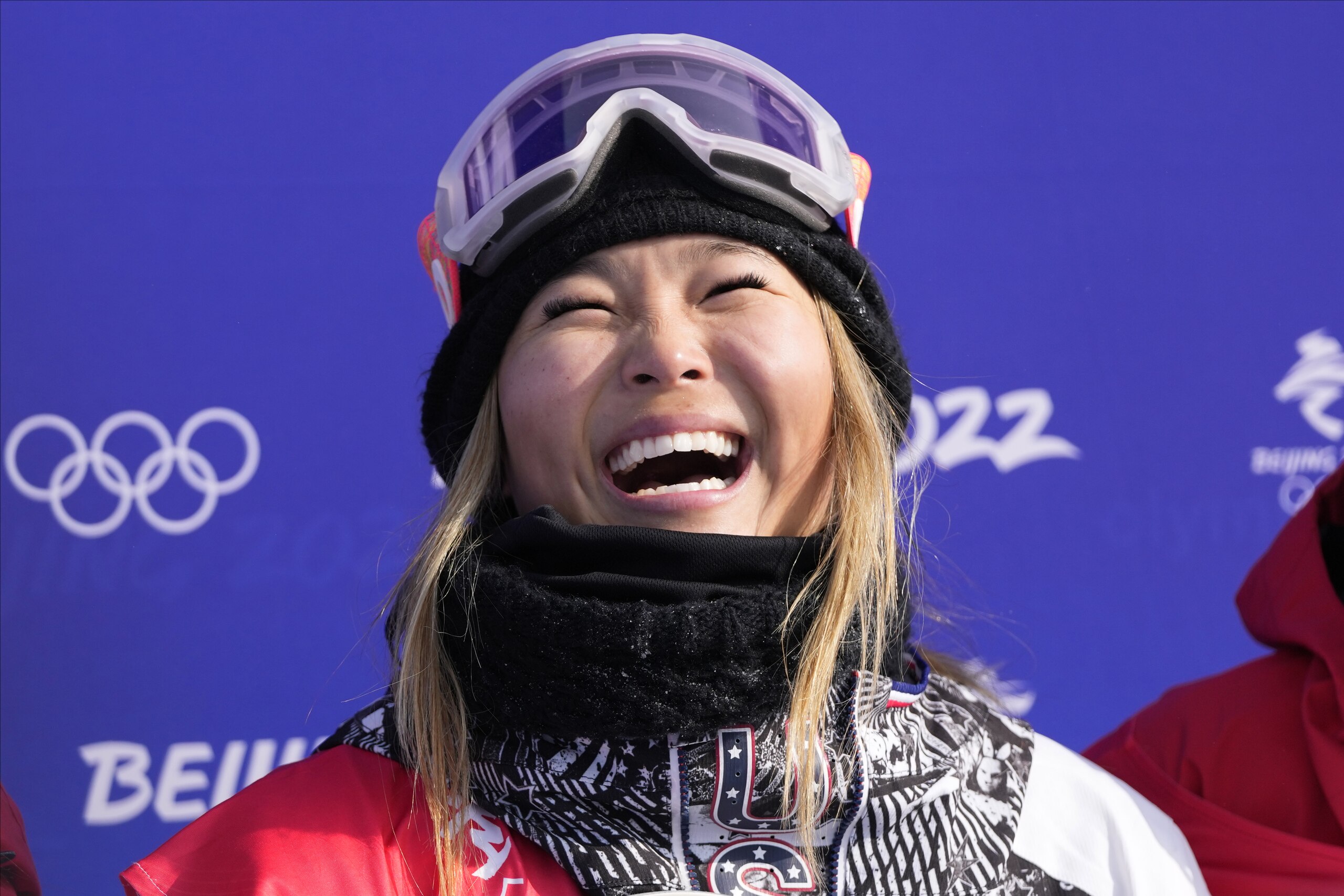
Chloe Kim Soars to New Olympic Heights After Embracing Real Life
There is an adage in showbiz that a bad dress rehearsal means a good performance.
It certainly seemed to be true for Chloe Kim, who dropped to her knees after her first, and ultimately gold-medal-winning, run of the Olympic halfpipe final and said, "I had the worst practice of my life!"
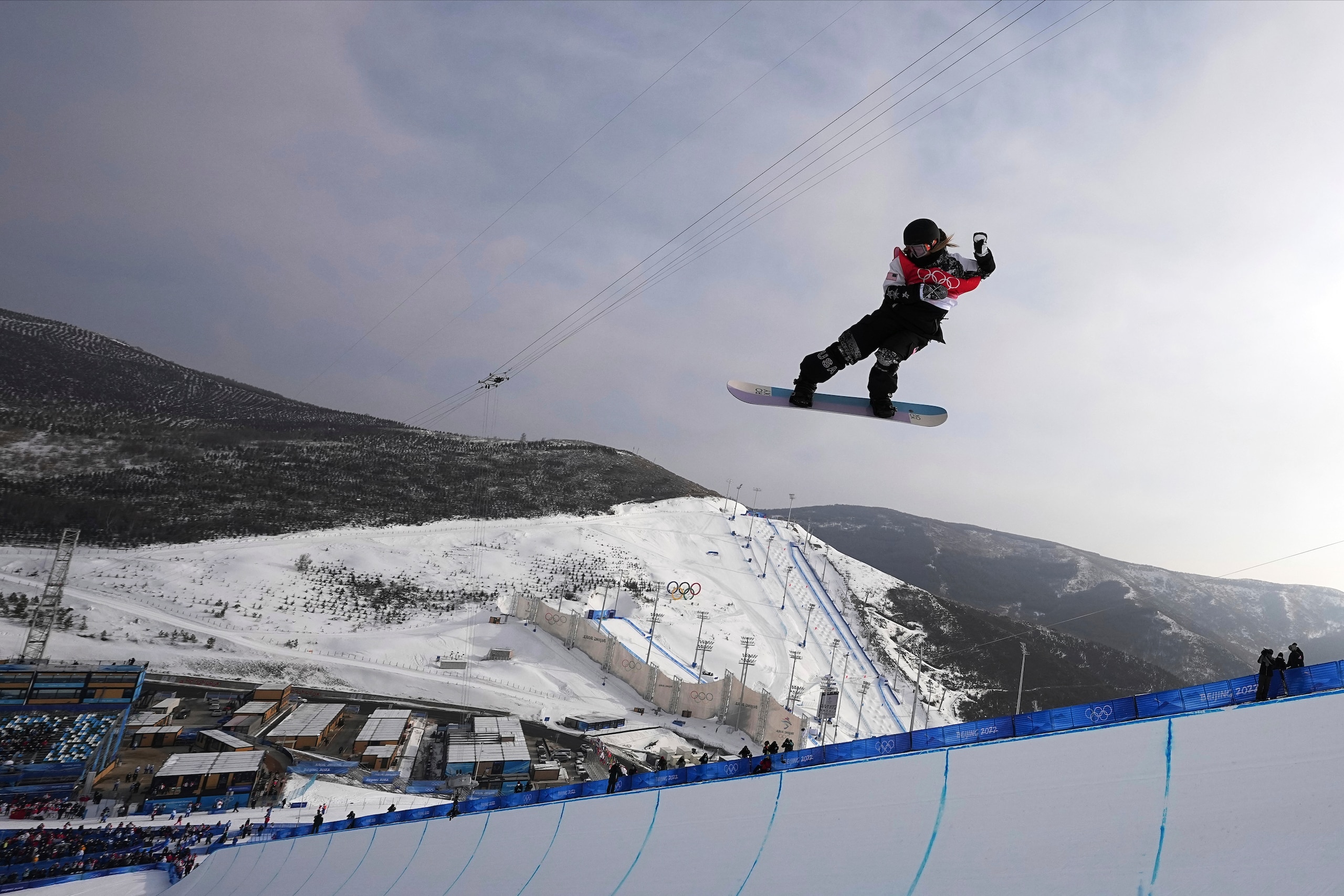
She scored a huge 94 in that run, twice soaring more than 12 feet over the rim of the superpipe in Beijing. None of her competitors could match her score (or her height) in any of their three runs. Queralt Castellet of Spain won the silver with a 90.25 in her second run, and the bronze went to Sena Tomita of Japan, who scored 88.25 in her second run.
TOP NEWS

J-Dub Suffers Gruesome Injury

K9's Blunt Postgame Quote 😑

NFL Takeaways: J.J. McCarthy makes statement
Kim becomes the first woman in the halfpipe's relatively young Olympic history—it debuted in 1998—to repeat as gold medalist. All but two golds have gone to Americans. When Kim won in 2018 at age 17, she was the youngest to win gold in the sport.
Kim knew she had clinched the Beijing gold before her third run of the final. Her coach, Rick Bower, told her at that moment, "You've got stuff to do." Kim attempted to make history by becoming the first woman to hit a 1260—three-and-a-half rotations in the air—but fell (as she had when trying it on the second run, too).
Three rotations—a 1080—was first pulled off in women's competition by Kelly Clark, in 2011. It would be seven years until Kim, in 2018, became the first woman to land back-to-back 1080s. That Kim is good enough to try the 1260 four years later demonstrates her prowess in her sport. She continues to evolve, pushing the sport ever higher as she rises.
Her big first-run score in the Beijing final, featuring a flipside 1080 and a switch 900, seemingly influenced her competitors to throw in some bigger tricks. Tomita closed her second run with a frontside 1080; she tried to open her third run with one but failed. Cai Xuetong of China attempted a 1080 during her second run but did not complete it; she ended up in fourth place.
Though she's so comfortably ahead of the curve, Kim isn't going out there just to beat her competition. While most snowboarders maintain a few variations on their basic runs—one to get to the final, a couple to bump them onto a podium—Bower told reporters before the competition that Kim has two possible qualifying runs and a whopping five she can choose from in a final.
The pressure of going for a second gold medal did not seem to affect Kim this week, competing in near-perfect conditions. She has been open (including on NBC's Today) about how anxiety induced by her superstardom at 17 following her 2018 gold medal nearly derailed her career. She quit snowboarding for almost two years, becoming a college student at Princeton.
In college, she told Time, she was able to see other smart, driven people experience anxiety and even failure for the first time. She began seeing a therapist at Princeton and said that in therapy she could begin talking about the racism she experienced as an Asian American athlete in a predominantly white sport.
"Just because I am a professional athlete or won the Olympics doesn't exempt me from racism," Kim told ESPN's Alyssa Roenigk last April, at a time when racist attacks on Asian Americans in the U.S. were making national news. She detailed hateful social media messages—"I see maybe 30 a day," she said—and being spit on in public. After winning her first X Games medal at age 13, she wrote for ESPN, she stopped speaking Korean with her parents in public, fearing nasty comments or racist jokes.
Success, too, made her a target. After she won gold in Pyeongchang, she said in a New York Times article, someone else in the sport tried to knock her down, calling her a "cocky ass bitch" in an Instagram message meant for someone else.
And so she left. For 22 months, Kim did not snowboard. She went to college, made new friends, met her boyfriend. She rode horses instead of halfpipes. Her absence from training and competing was an anomaly among young athletes, most of whom—like Kim herself—grow up training full-time at the expense of "normal" childhood activities.
But when she returned to snowboarding in 2021, she won gold at the X Games, won the Laax Open and the U.S. Grand Prix, and then repeated as gold medalist at the World Championships. She seemed refreshed, not rusty. She even spent her World Championships trying new tricks and refreshing a stale run. Kim wrote on Twitter after stepping away from the sport and enrolling at Princeton, "I am so grateful I took a step back to give myself this experience."
Kim's achievements as an athlete have pushed her sport forward, and perhaps her recent history as a student exploring her options will convince others that the show can go on. Up-and-coming athletes who worry about trying a new trick, or about choosing between their sport and life experience, can go ahead and take a step—or a full-blown 1080—into the unknown.
.jpg?w=2560 "Rams Raiders Football")
.jpg?w=2560 "Ugly Jets Scoring Stat 😳")


.jpg?w=2560 "Landing Spots for Trade Candidates 📍")
.jpg?w=2560 "Rodgers Iced Out on Plane 💎")