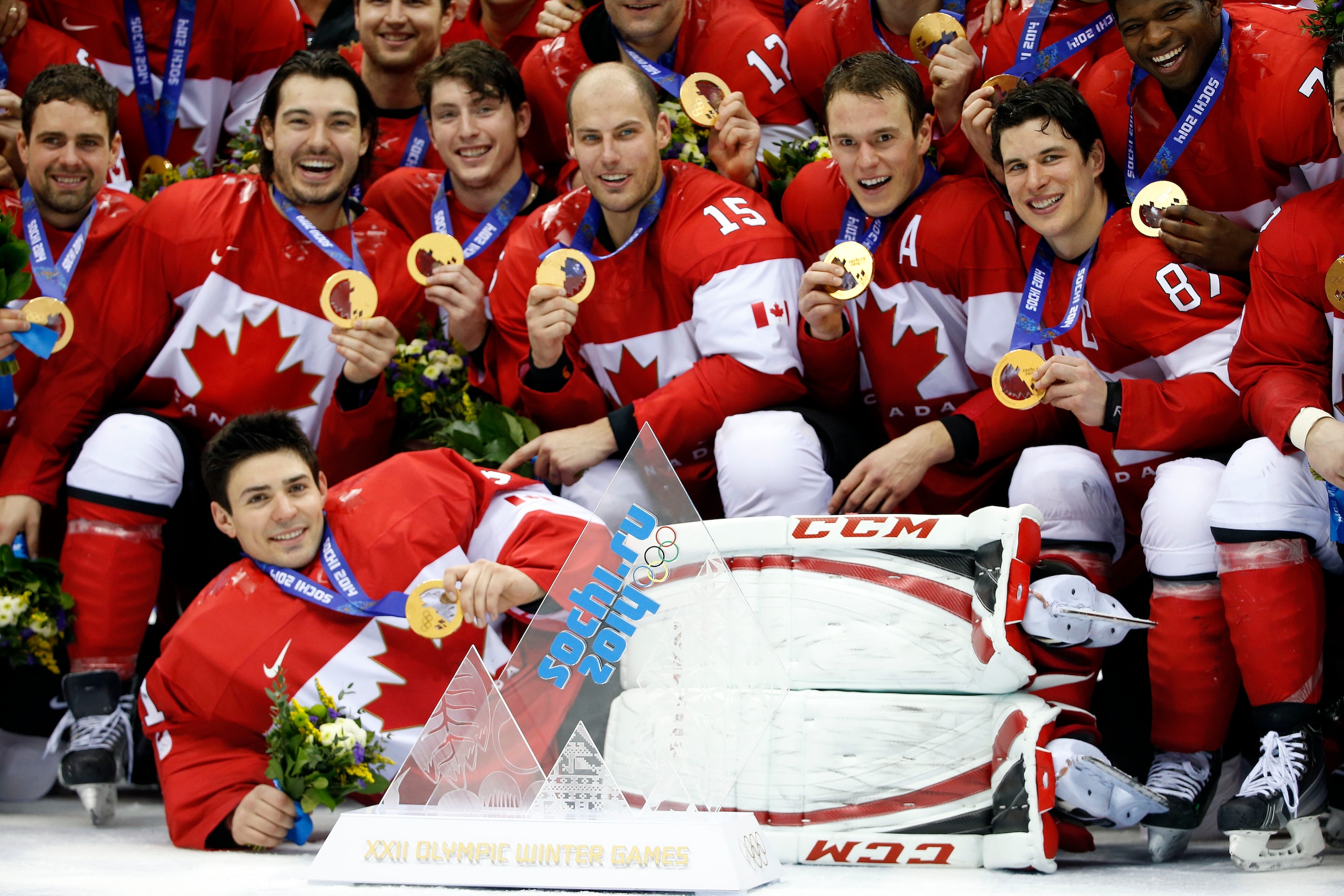


The 2022 Winter Olympics in Beijing are scheduled for Feb. 4-20. They will mark the first time NHL players have participated in men's ice hockey at the Games since 2014 in Sochi, Russia.
Team Canada took home the gold medal at the Sochi Games. Eight years later, they will attempt to regain their dominance on the Winter Olympic stage.
They will have plenty of All-Star talent to draw upon. Some players, such as Pittsburgh Penguins center Sidney Crosby and Montreal Canadiens goaltender Carey Price, will likely return to represent their country in Olympic action. Others, like Edmonton Oilers captain Connor McDavid and Colorado Avalanche forward Nathan MacKinnon, are expected to make their Olympic debuts.
Here is our way-too-early projection for Team Canada's men's 2022 Winter Olympic roster. It's broken down by potential forward lines, defense pairings and goaltenders. Two spare forwards and two spare defensemen have also been included to complete the 25-man roster.
Goaltenders: Carey Price, Jordan Binnington, Carter Hart
1 of 8
Team Canada's goaltending isn't as strong or experienced as it was on its 2014 Olympic gold-medal team or 2016 World Cup of Hockey squad. Nevertheless, it has the starter from its 2014 Olympic roster, a Stanley Cup champion and a promising young netminder.
Montreal Canadiens goalie Carey Price has plenty of international hockey expertise. He backstopped Canada to a World Junior Championship in 2007, Olympic gold in 2014 and its 2016 World Cup of Hockey triumph. He remains well-respected by his peers, topping last season's NHLPA poll to find the league's best goalie.
He's expected to return between the pipes as Canada's starter.
Jordan Binnington had an impressive NHL rookie season in 2018-19, carrying the St. Louis Blues to their first Stanley Cup. His recent stats haven't been as impressive as the 1.89 goals-against average and .927 save percentage of that inaugural campaign, but his Cup run proved he's calm under pressure and should be well-suited for Olympic competition.
Philadelphia Flyers netminder Carter Hart also began his NHL career in 2018-19. The youngster has some international experience, winning silver for Canada at the 2017 World Junior Championship and gold in 2018. He outdueled Price as his Flyers eliminated the Canadiens from the first round of the 2020 Stanley Cup playoffs.
Defense Pairing 1: Shea Theodore and Alex Pietrangelo
2 of 8
Shea Theodore and Alex Pietrangelo haven't been a full-time defense pairing with the Vegas Golden Knights this season, but they could become one between now and the 2022 Winter Olympics. Their familiarity as teammates should make it worth putting them on Canada's top pairing.
As the former captain of the St. Louis Blues, Pietrangelo would be the perfect choice to lead Canada's defense corps. He won a Stanley Cup with the Blues in 2019 and was part of Canada's 2014 Olympic gold-medal team and its 2016 World Cup of Hockey championship squad. The 6'3", 210-pound blueliner logs big minutes and plays a strong game at both ends of the rink.
Theodore has steadily developed into a highly skilled, mobile defenseman. He's averaging 21:40 in time on ice per game and is on a point-per-game clip this season. The 6'2", 195-pounder is just reaching his prime, tallying 37 points in 2018-19 and 46 points last season. His puck-moving skills and ability to play either side of the blue line would make him invaluable to Canada's defense corps.
Defense Pairing 2: Morgan Rielly and Cale Makar
3 of 8
This pairing features two talented defensemen who have become stars with their respective NHL clubs. They could provide a considerable boost to Canada's attack, especially on the power play.
Morgan Rielly reached or exceeded 27 points in each of his first seven NHL seasons with the Toronto Maple Leafs, and he's on pace to hit that mark again in 2020-21 with 11 points in 14 games. That includes a career-best 20-goal, 72-point performance in 2018-19. He regularly leads the Leafs in ice time, averaging 23:47 minutes this season. He would be a vital contributor to Canada's power-play unit.
Winner of the Calder Memorial Trophy in 2019-20, Makar tallied 50 points in his first full NHL season with the Colorado Avalanche. He plays with the skills and hockey smarts of a veteran. Though not big by NHL standards, the 5'11", 187-pounder logs plenty of playing time, moves the puck well and can join the rush or contribute with the man advantage.
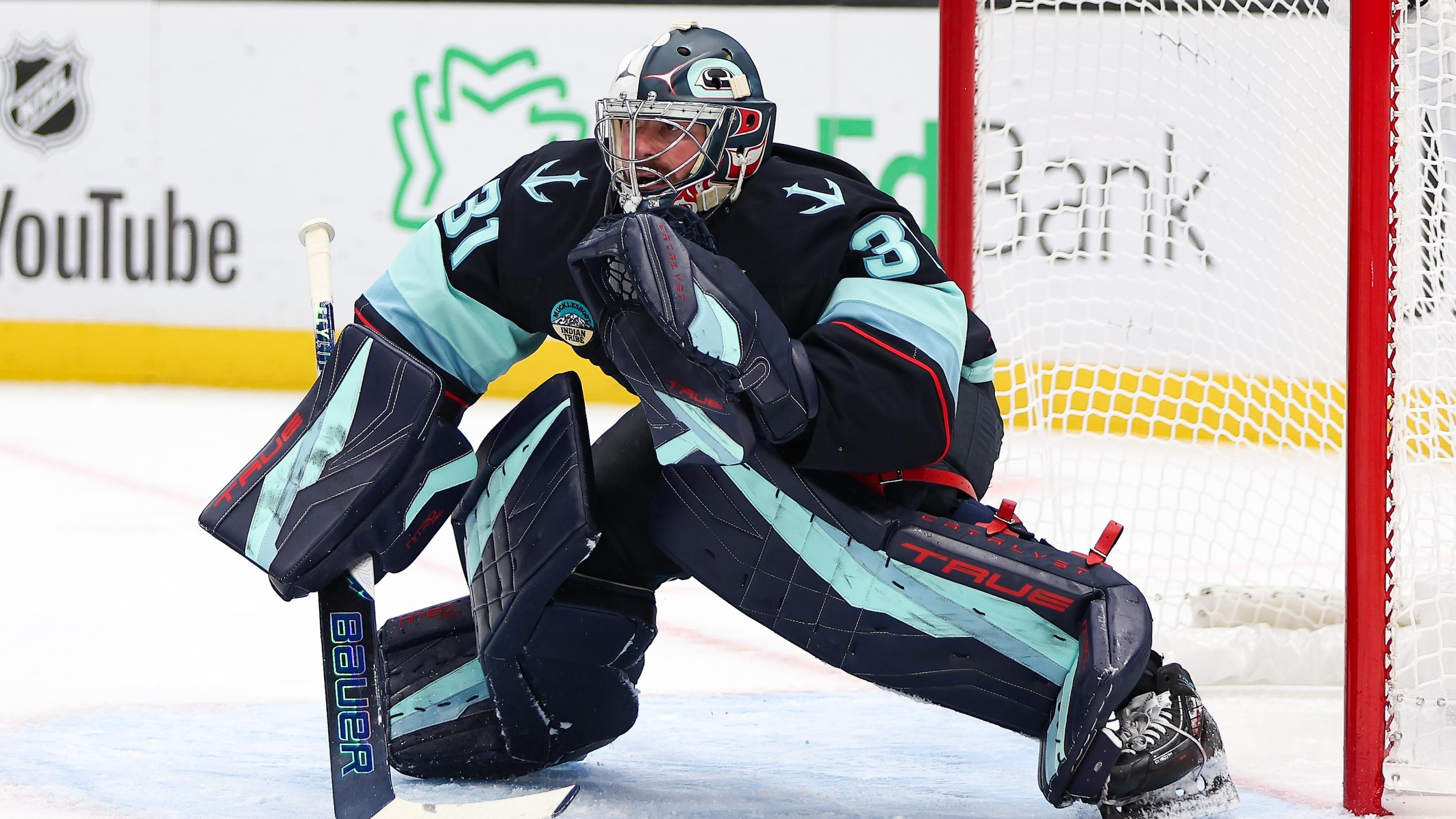
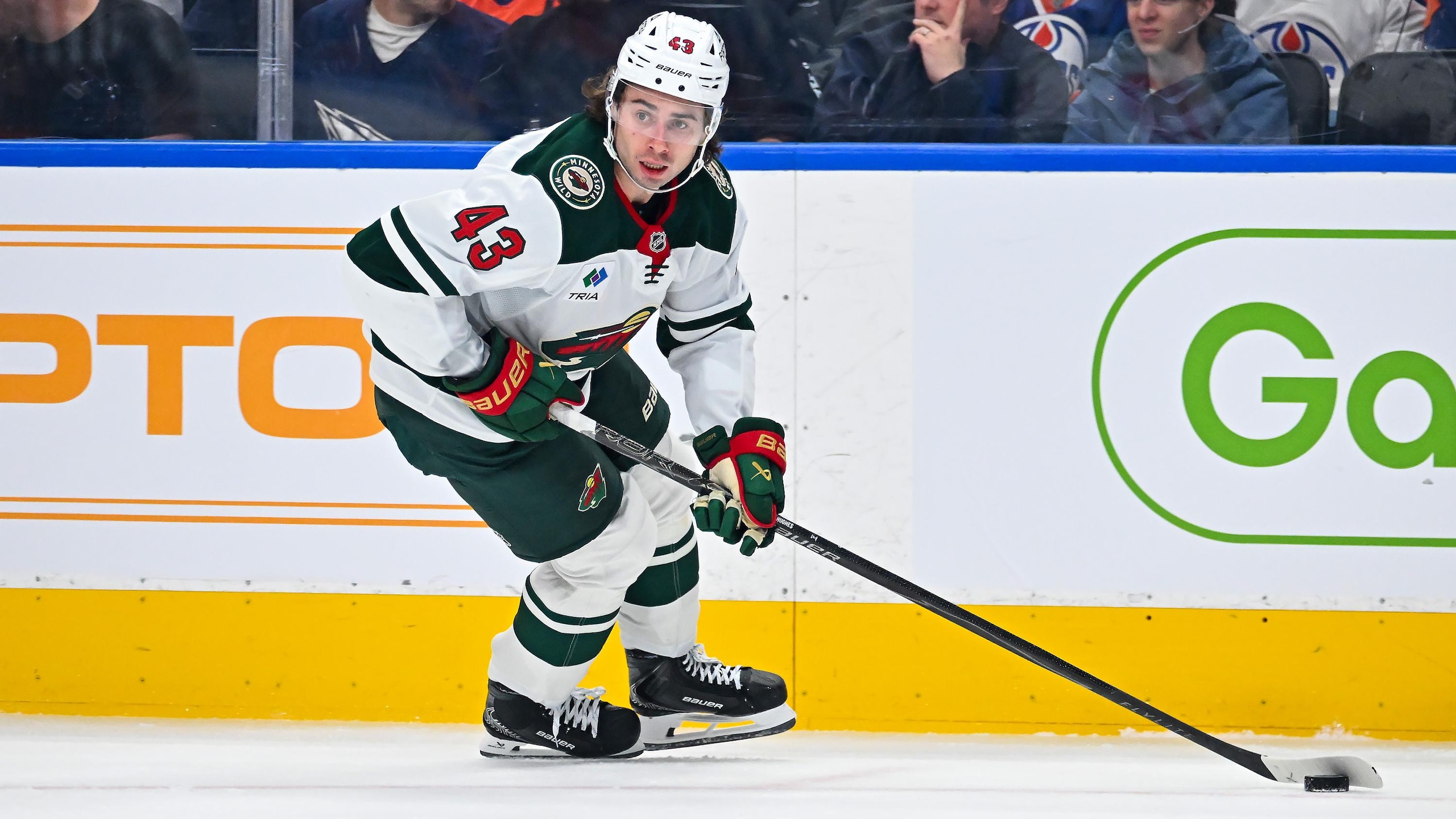

Defense Pairing 3: Josh Morrissey and Dougie Hamilton
4 of 8
Winnipeg Jets blueliner Josh Morrissey and Carolina Hurricanes rearguard Dougie Hamilton form another swift-skating, big-minute pairing for Canada. They would be strong contributors in even strength and man-advantage situation, plus they also have penalty-killing experience.
Morrissey has become the Jets' top defenseman since the departures of Jacob Trouba and Dustin Byfuglien. Though hampered by injuries in the past two seasons, he still managed consecutive 31-point performances. He leads the Jets in time on ice per game (24:07) this season and sits third in total blocked shots (76) since last season.
A big, mobile blueliner, the 6'6", 227-pound Hamilton reached or exceeded 40 points in six of the past seven seasons. His puck-handling abilities allow him to take control of the play, while his big shot from the point would be useful in even-strength and power-play situations for Canada.
Spares: Thomas Chabot and Drew Doughty
Another skillful, big-minute left-side defenseman, Thomas Chabot has put up good offensive stats on the rebuilding Ottawa Senators. He tallied 55 points as a sophomore in 2018-19 and 39 points in 71 games last season. Chabot could easily fit into any of the top-three pairings.
Drew Doughty's numbers have declined in recent years, but that's reflective of the depletion of talent on the once-mighty Los Angeles Kings. A two-time Stanley Cup champion and winner of the James Norris Memorial Trophy in 2015-16, Doughty is also a two-time Olympic champion (2010, 2014). He remains a skillful, experienced defenseman who can log plenty of ice time in all situations.
Forward Line 1: Jonathan Huberdeau, Connor McDavid and Nathan MacKinnon
5 of 8
Every team in this tournament will put its country's best players on the top line. Having Connor McDavid centering left wing Jonathan Huberdeau with Nathan MacKinnon on right wing would provide Canada with an impressive scoring punch few teams in this tournament could match.
McDavid is the NHL's top superstar. The Edmonton Oilers captain is a two-time winner of the Art Ross Trophy and Ted Lindsay Award (2016-17, 2017-18) and was the winner of the Hart Memorial Trophy in '16-17. Over the past four seasons, he has led the league in total points with 421. An outstanding offensive star with blazing speed, he's the obvious choice to center Canada's first line.
MacKinnon isn't far behind McDavid on the superstar scale. A center who can also skate at right wing, the Colorado Avalanche star won the Calder Memorial Trophy in 2013-14 and the Lady Byng Memorial Trophy in 2019-20, and he was a finalist for the Hart Trophy in 2018 and 2020. He tallied 90-plus points in each of the past three seasons and would be a terrific fit alongside McDavid.
Skating for the often-woeful Florida Panthers, Huberdeau tends to be overlooked as an elite offensive forward. He's a slick, creative winger who took home the Calder Trophy in 2013. The 6'1", 202-pounder netted 69-plus points in each of the past three seasons, including a career-high 92 points in 2018-19. Those abilities make him a natural linemate for McDavid and MacKinnon.
Forward Line 2: Steven Stamkos, Mark Scheifele, Mitch Marner
6 of 8
This line features considerable offensive firepower.
Tampa Bay Lightning captain Steven Stamkos is one of the NHL's most experienced snipers, Winnipeg Jets center Mark Scheifele is among the league's top centers and Toronto Maple Leafs winger Mitch Marner ranks among the best playmakers in the game.
Stamkos was selected to play for Canada in the 2014 Winter Olympics, but a broken leg kept him out of that tournament. He was part of their 2016 World Cup of Hockey lineup. Injuries have hampered him in recent years, but he remains a well-respected scorer, netting 45 goals and 98 points in 2018-19. He'll be the recipient of many nifty passes on this line.
Possessing good size and impressive offensive skills, the 6'3", 207-pound Scheifele should be a solid fit between Stamkos and Marner. He's averaged a point per game over the past four seasons, plays a responsible defensive game and can skate on the wing if required. He also has some international experience, winning gold with Canada at the 2016 World Championship.
Marner has become one of the NHL's top offensive forwards. A slick passer and skillful stick-handler, he's reached or exceeded 61 points in each of the past four seasons, including a 94-point effort in 2018-19. He would be a natural set-up man for Stamkos and Scheifele and would also be an effective part of Canada's power-play unit.
Forward Line 3: Brad Marchand, Sidney Crosby and Patrice Bergeron
7 of 8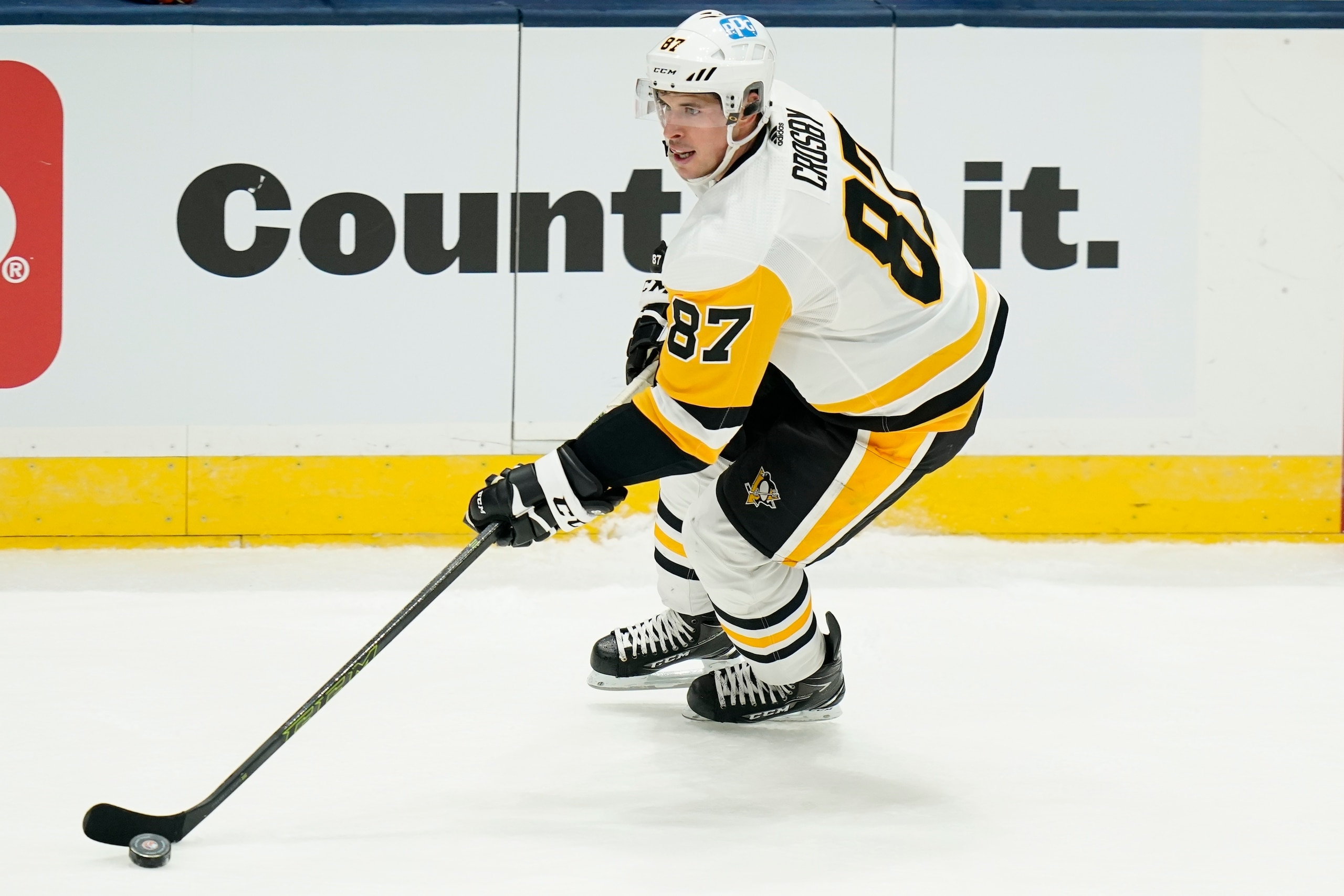
This was the line that led Canada to its World Cup of Hockey triumph in 2016. Bergeron is now 35, Crosby is 33 and Marchand is 32, but they are still playing well with their respective clubs. They should remain an outstanding third line in Olympic play.
Playing alongside Crosby and Bergeron in 2016 turned Marchand into a late-blooming scoring star for the Boston Bruins. He's netted 85 or more points in each of the past four seasons, including a career-best 100-point campaign in 2018-19. His agitating style also drives opponents to distraction.
Named the Bruins captain at the start of this season, Bergeron is among the NHL's great two-way players. A four-time winner of the Frank J. Selke Trophy as the top defensive forward, he's a highly skilled heart-and-soul forward who can play center or wing in all situations. He and Crosby have had solid chemistry in international play dating back to their World Junior Championship run in 2005.
Crosby, of course, is the most complete and dominant player of his generation. A three-time Stanley Cup champion, the Penguins captain has won numerous individual awards. He's also enjoyed success in international hockey, scoring the golden goal for Canada in the 2010 Olympics and the insurance goal in the 2014 gold-medal game. He's the likely choice to captain this team in what could be his final Olympics.
Forward Line 4: Brayden Point, Ryan O'Reilly, Mark Stone
8 of 8
Tampa Bay Lightning center Brayden Point, St. Louis Blues captain Ryan O'Reilly and Vegas Golden Knights right wing Mark Stone form a fourth line with considerable two-way abilities. They can be useful in every situation but would be especially effective when killing penalties or protecting a lead.
Small by NHL standards at 5'10" and 183 pounds, Point is a hardworking and talented all-around forward who can skate at center or on the wing. His point production has steadily increased since his NHL debut in 2016-17, including a 92-point performance in 2018-19. He rises to the occasion in big games, finishing second in playoff scoring last season with 33 points.
Stone is among the NHL's best two-way wingers. He's tallied 61 or more points in five of the past six seasons with the Ottawa Senators and Golden Knights. Named captain of the Golden Knights at the start of this season, he has terrific hockey smarts. He's also the king of takeaways, leading all NHL players in that category since 2014-15 with a total of 590.
One of the most disciplined two-way players in the game, O'Reilly is the obvious choice to center this line. He won the Conn Smythe Trophy in 2019 while leading the Blues to the Stanley Cup. He also won the Frank J. Selke Trophy that year as the top defensive forward and took home the Lady Byng Memorial Trophy in 2013-14. O'Reilly was also part of Canada's World Cup of Hockey squad in 2016.
Spares: Mathew Barzal, Sean Couturier
Winner of the Calder Memorial Trophy in 2017-18, New York Islanders center Mathew Barzal wasted little time making a positive impression. A quick, savvy forward with outstanding playmaking abilities, he tallied 60 or more points in each of his first three full NHL seasons. He'd be a good fit on Canada's scoring lines.
Philadelphia Flyers center Sean Couturier took home the Selke Trophy last season. The 6'3", 211-pounder has good offensive skills but also excels in a defensive role. It's not difficult to envision him on Canada's penalty kill or playing a shutdown role against an opponent's top forward.
Stats (as of Feb. 10) via NHL.com.
.jpg?w=2560 "NHL Trade Grades Connor Hellebuyck")



.png?w=2560 "Week 8 Winners & Losers 📊")



.jpg?w=2560 "Jonathan Taylor Landing Spots")