
Reliving the Worst WWE Championship Reigns of the Last 20 Years
It's almost irrefutable that the WWE Championship doesn't mean as much as it once did, mostly because of how times have changed compared to when it was originally introduced in 1963 as well as how there are two top titles in WWE these days.
Despite that, it is still a monumental moment whenever a Superstar reaches the mountaintop of WWE and captures the championship. Regardless of how exciting the subsequent reign is, they will at least go down in history for having held the gold, if nothing else.
Ideally, the best and/or most popular performer in any promotion should be positioned as the world champion, but that isn't always the case in WWE. The top title tends to be in the possession of whoever the company is planning on pushing next, even if it isn't someone the audience approves of.
To Drew McIntyre's credit, he's done his best in the role under the current circumstances. In fact, there have been far worse champions who had the luxury of competing in front of actual crowds, though it should be noted that the titleholder's inability to get over or have a lengthy reign isn't always their own fault.
Less-than-stellar WWE Championship reigns can consist of anything and everything from bad booking, lack of compelling storylines, minimal character development and mediocre matches. Shockingly, some stars since 2000 have managed to check off every one of those boxes.
There have been more worthwhile champions than not in the past 20 years, but it's those terrible ones who live on in infamy because of how they were handled and how they failed spectacularly.
Blink-and-You-Missed-It Reigns
1 of 8Some WWE Championship reigns never had a chance to be awful due to them lasting 24 hours or less.
Since 2010, the following eight Superstars held the gold for an exceptionally short period of time and should be considered honorable mentions when debating the worst runs in the title's illustrious history.
Randy Orton, Triple H (2007): Immediately after being awarded the WWE Championship by Vince McMahon in the opening segment of No Mercy 2007, Randy Orton was beaten for the belt by Triple H. Later that night, The Viper regained the gold in a grueling Last Man Standing match, kicking off his historic Age of Orton in emphatic fashion.
Batista (2009): The Animal spent several months on the shelf with an injury that was attributed to Orton in storyline. He chased The Viper and the WWE Championship before finally winning it at Extreme Rules 2009, only to lose it a night later because of another injury he sustained at the event.
John Cena (2010): John Cena has been fairly fortunate inside the Elimination Chamber over the years, and at the 2010 edition, he emerged victorious to become the new WWE champion. McMahon granted Batista an impromptu title shot, and The Animal proceeded to dominate The Champ to secure the strap.
Rey Mysterio (2011): A tournament was held to crown a new WWE champion following CM Punk's (storyline) departure from the company at Money in the Bank, which was won by Rey Mysterio. Former champion Cena wasted no time in invoking his automatic-rematch clause and capturing the title less than two hours later.
Daniel Bryan (2013): Night of Champions 2013 shockingly ended with Daniel Bryan defeating Orton for the WWE Championship he lost a month earlier at SummerSlam. On the next night's Raw, Triple H stripped him of the title after accusing referee Scott Armstrong of counting too quickly when Orton was pinned.
Roman Reigns (2015): The entire year of 2015 revolved around Roman Reigns attempting to win the WWE Championship but failing at every turn. His grand title celebration at Survivor Series was cut short by Sheamus, who successfully traded in his Money in the Bank briefcase for the prestigious prize.
Seth Rollins (2016): Seth Rollins was forced to relinquish the WWE Championship due to injury and won it in his first bout back at Money in the Bank 2016. Similar to Reigns, he was also the victim of a Money in the Bank cash-in courtesy of Dean Ambrose.
Hollywood Hulk Hogan (2002)
2 of 8Hulk Hogan's return to WWE in 2002 shattered everyone's expectations and featured its fair share of memorable moments, but despite his immense level of popularity, there was no justifying the decision to put the WWE Championship on him at the age of 48.
The multi-time world champion was arguably the hottest commodity in the company coming off his blockbuster bout with The Rock at WrestleMania 18. His loss to The Great One somehow led him to contending for the top title immediately at Backlash against fellow fan favorite Triple H.
Granted, HHH wasn't nearly as over as Hogan at that point, but it was way too soon for WWE to rushing into such a marquee matchup. Although the fans were ready to see The Hulkster with gold around his waist again, it was one of those things that was better left to the imagination.
The match was a complete catastrophe and the interference from The Undertaker at the end didn't help. Worse yet, the bad blood between Hogan and 'Taker led to the two meeting one month later at Judgement Day and The Deadman ending Hogan's terrible title reign at a measly 28 days.
Ratings weren't what they should have been with Hogan as the face of the flagship show, the matches were below-average quality, and no one benefited from it.
Interestingly, the WWE Hall of Famer went on to have better bouts in the rest of his run on SmackDown with Kurt Angle and Brock Lesnar, meaning this one last hurrah as world champion was totally unnecessary.
Edge (2006)
3 of 8Edge's evolution from tag team specialist to main event player was nothing short of masterful, and by the onset of 2006, he was ready for a run with the WWE Championship.
His Money in the Bank cash-in at New Year's Resolution 2006 was so special because it was the first of its kind. The crowd roared with approval once The Rated-R Superstar traded in his briefcase for the title after pinning John Cena, largely because they were happy to see a fresh face in possession of the prestigious prize.
The aftermath was excellent as well with Edge and Lita holding a "live sex celebration" on the next night's Raw—one of the highest-rated segments in the show's history—followed by his TLC title defense against Ric Flair a week later. He was firing on all cylinders in the role, but WWE clearly didn't intend keeping the title on him for the long term.
Sure enough, he dropped the belt within three weeks of winning it at the Royal Rumble to Cena.
It was an entertaining affair while it lasted, but felt like it belonged in the main event of Raw, as it never reached that next gear. The bigger problem was how WWE didn't continue running with Edge as the red brand's lead heel and instead stuck to the original plans in place for Cena going into WrestleMania 22.
The Rated-R Superstar wound up having better world title reigns down the road, but this was easily among the weaker ones because of how it ended in anticlimactic fashion.
It should have been way more than what it was, yet it's remembered as being a classic case of the company quickly reverting back to the status quo regardless of how well something was working.
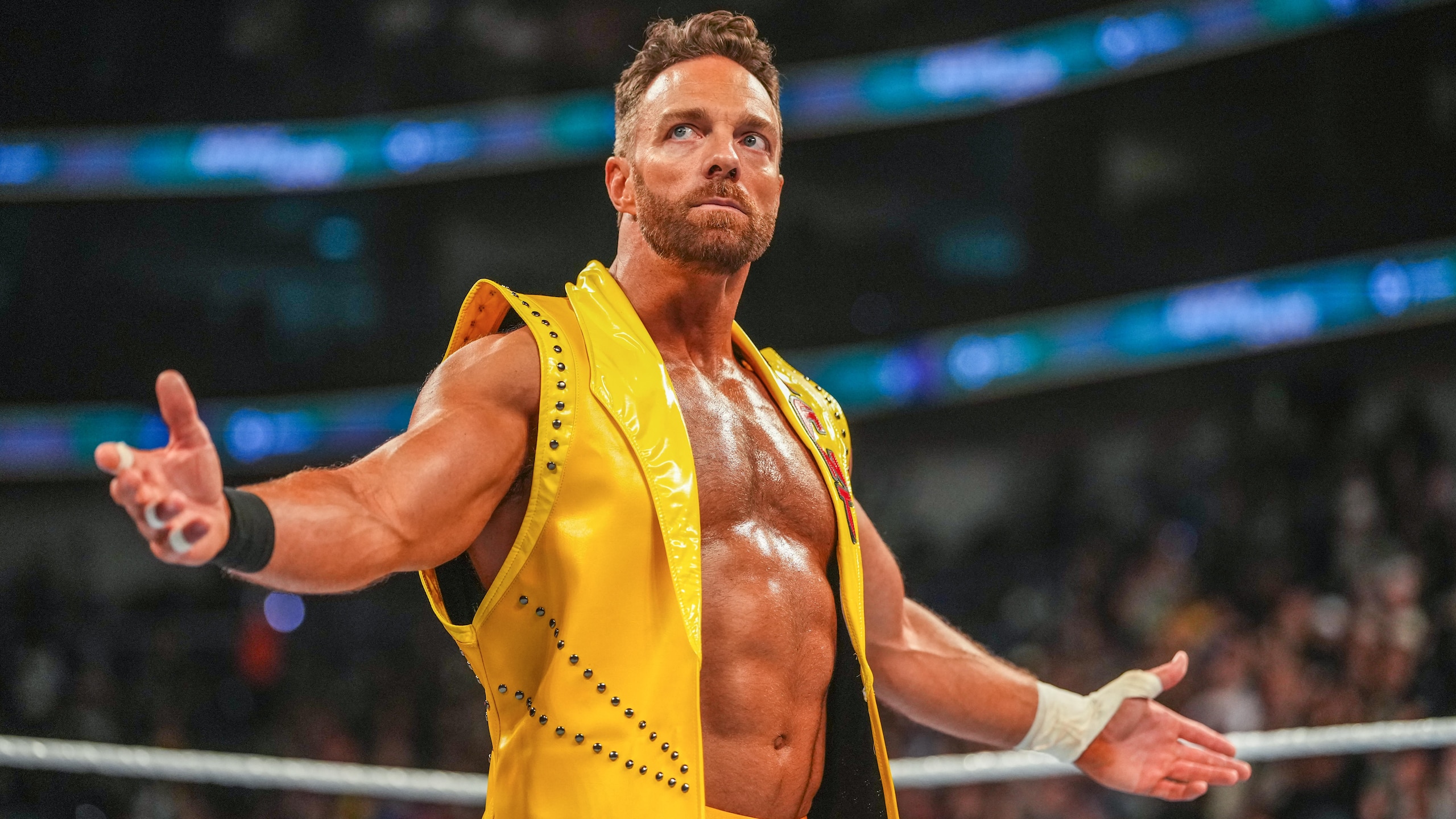
Sheamus (2009-2010)
4 of 8At a time when WWE desperately needed new stars, they created one in Sheamus just at the close of the decade in 2009. In the span of six months, he went from wrestling nobodies on the ECW brand to beating John Cena for the WWE Championship at the inaugural TLC pay-per-view in December.
It was a pleasant surprise to see The Celtic Warrior topple Cena, but despite how aggressively he had been built leading into the event, he couldn't have looked weaker coming out of it. The fluky fashion in which he won at TLC in the first place hardly helped his cause, but the way he was booked like a cowardly champion from that point forward was even worse.
After losing a rematch to Cena by disqualification on the final Raw of 2009, he advanced to the Royal Rumble to defend his title against fellow heel Randy Orton. The heel vs. heel dynamic made it an odd clash of styles and ultimately ended in a disqualification win for Sheamus due to inadvertent interference from The Legacy.
WWE made it abundantly clear by that point that officials had little faith in him to walk into WrestleMania 26 as champion. Thus, the decision was made for him to lose at Elimination Chamber and never receive his rightful rematch.
Thankfully for Sheamus, he rebounded from this forgettable reign and has had an incredible career for over the last 10 years. He could have faded off into obscurity after a rough start on the main roster, but The Celtic Warrior refused to let the bad booking keep him down for long.
Alberto Del Rio (2011)
5 of 8Alberto Del Rio really had no reason to fail as WWE champion because of how heavily he had been protected for his first year on the main roster and how he seemed to have every tool necessary to be a big deal.
He was capable of holding his own in the ring, his mic skills were above-average compared to most Superstars at the time, and he looked the part. Despite all that, his first two title reigns were hugely disappointing.
Del Rio spent an entire year talking about his self-proclaimed destiny, and by winning the Money in the Bank ladder match in 2011, he was expected to fulfill it. His cash-in at SummerSlam one month later should have been a bigger moment but was overshadowed by the random return of Kevin Nash.
The Mexican Aristocrat was the new WWE champion and yet no one seemed to care as all of the focus on Raw coming out of the event was on Nash, CM Punk and Triple H. It was certainly a thrilling albeit bizarre storyline, but Del Rio deserved more of a chance to shine during that period.
His first real opportunity to prove he had what it took to hang with WWE's top talent came at Night of Champions when he defended the belt against John Cena. They worked well together, but Del Rio losing by submission to Cena was a puzzling decision.
Any momentum Del Rio amassed up to then went to waste, and even though he got the belt back two weeks later at Hell in a Cell, it hardly meant anything with that night marking the fourth straight pay-per-view in which the WWE title changed hands.
Other issues with Del Rio that surfaced years later likely would have cost him his spot atop the card at some point, but that one reign ruined him before anything else had a chance to.
Randy Orton (2013-2014)
6 of 8Along with John Cena and Triple H, Randy Orton has held the WWE Championship more than most this millennium. Whether he's been a babyface or heel, a majority of his reigns have been pretty good—with the exception of one that lasted almost six months from 2013 into 2014.
The Viper was struggling to find his footing as a bad guy again and being aligned with The Authority was a major reason why. The power-hungry faction was all over WWE TV week after week, and any heat they received was rendered irrelevant because they would rarely get their comeuppance.
Of course, The Authority eventually met their match and were (temporarily) vanquished by Daniel Bryan at WrestleMania 30, but before then, they ruled the roost on Raw and no one was better off for it. That included Orton, who had a fairly forgettable reign as champ even though he was on top for 161 days.
His rivalry with Bryan failed to meet fans' expectations from an in-ring standpoint, the matches with Cena produced nothing new, and the Survivor Series main event he had with Big Show was downright dreadful. Only the Elimination Chamber title defense in February 2014 is worth going out of the way to see.
Bryan taking the title in that Triple Threat at WrestleMania should have always been the endgame, not Batista winning the Royal Rumble and doing it instead. As amazing as that match was, it didn't make up for the many months Orton was champion leading up to it.
His 49-day reign from 2017 was abysmal as well, but he was perfectly fine in the role of transitional champion because of how established he was. This lengthy run, though, did much more to hurt Raw and the overall product in 2013 than it did to help it.
Sheamus (2015)
7 of 8As previously noted, Sheamus has had a remarkable run in WWE all things considered. Other than the universal and intercontinental championships, he's won virtually every title there is—even though some of those reigns weren't all great.
His luck with the WWE title in particular has been poor, dating back to when he first won it in 2009. His second reign the subsequent summer wasn't much better, but his third proved to be the worst of the bunch.
The Celtic Warrior reverting back to his heel roots upon his return to the ring in 2015 was refreshing, but he was never booked consistently strong enough to matter. For every important pay-per-view match he'd win, a high-profile loss typically followed.
It was unfortunate that he did nothing of note while Mr. Money in the Bank, because once he eventually cashed in the contract, it fell flat. Although he left Survivor Series as the new WWE champion, being associated with The Authority hurt him right out of the gate.
His 22 days as champ felt like forever for most because of how he was overexposed on Raw and SmackDown and wasn't given many credible wins at all. Rather, the sole reason his League of Nations faction was formed was so Roman Reigns could be made to look better than he already did.
Interest in Raw was at an all-time high and having Sheamus serve as the titleholder was the wrong call. If nothing else, the audience grew to despise him more than The Big Dog, if only temporarily.
Sheamus hasn't sniffed the main event scene since, and it's a shame because he was dealt a bad hand here. He tried his best to make the most of the material he was given, but nobody was going to get over in that position.
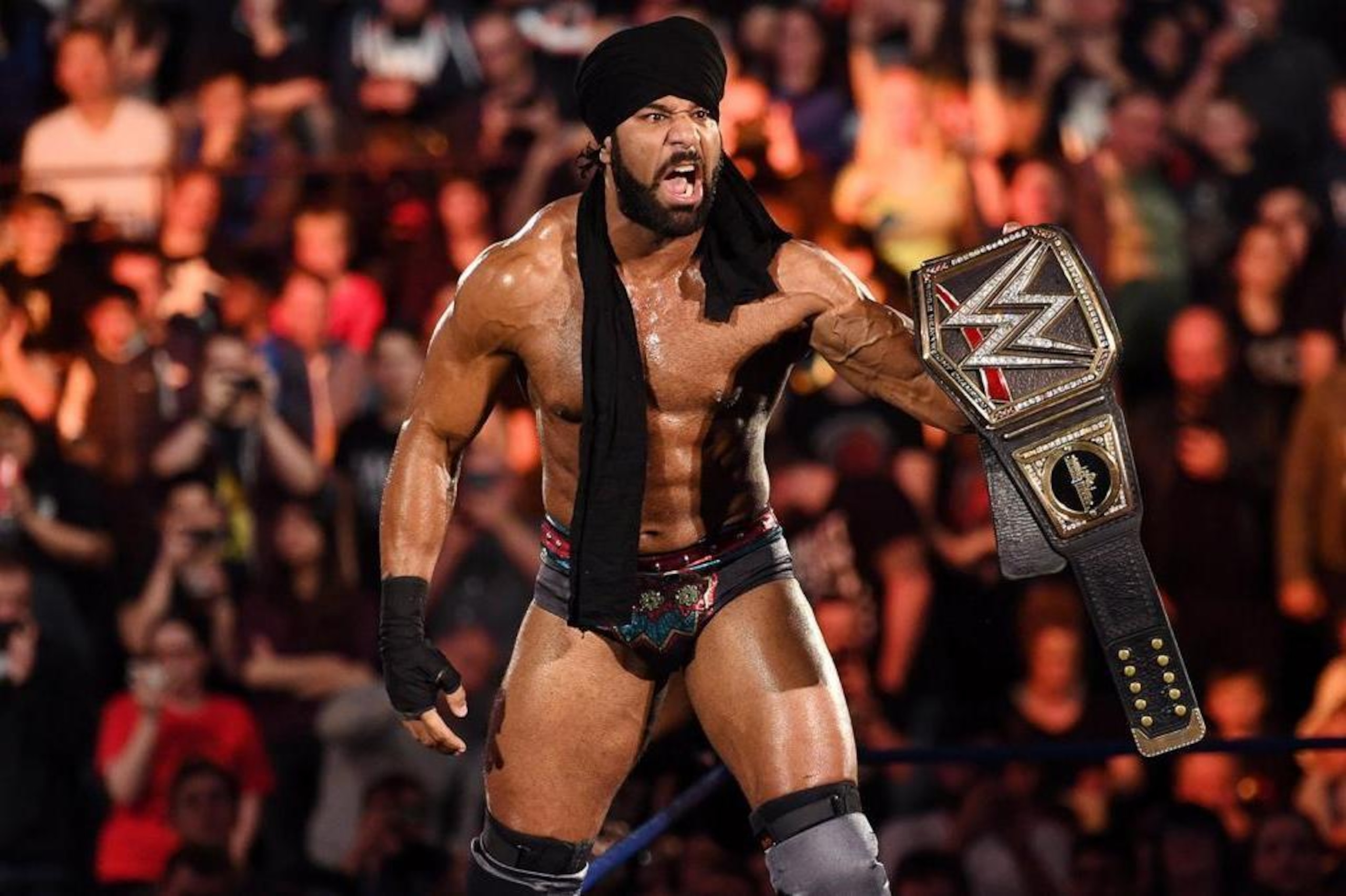
Jinder Mahal (2017)
8 of 8WWE deserves a ton of credit for at least attempting to make a new star out of Jinder Mahal in 2017. He deserves credit as well for putting his heart into everything he did during that run, getting into the best shape of his life and coming across like a star every time he made his entrance.
The biggest issue with the experiment was that Mahal was the wrong guy for the job.
Had the company not rushed him into the WWE Championship picture as quickly as it did, it's possible he would have been more accepted in the role. Then again, he has never been anything but mundane in the ring and on the mic, so that was always going to work against him no matter what.
The feuds he had as WWE champion were nothing to write home about, either. The trilogy he had with Randy Orton was mediocre at best and his matches with Shinsuke Nakamura were infinitely worse.
Speaking of Nakamura, he suffered significantly from failing to dethrone Mahal at both SummerSlam and Hell in a Cell. His reign dragged on longer than it should have and all of SmackDown suffered because of it.
Again, not everything about The Modern Day Maharaja's run was horrific. AJ Styles beating him for the belt out of nowhere on SmackDown in England was an all-time classic moment for the blue brand, not to mention how the heat he garnered was deafening most weeks.
The aftermath was crucial and would determine his success (or lack thereof) as WWE champion. Instead of staying at that same level a la JBL or someone else along those lines, he dropped back down to midcard purgatory before settling for chasing the 24/7 Championship.
It's been long enough since it happened that it's safe to say Mahal's title reign was a flop and accomplished very little, whereas an equally fresh face with a stronger skill set arguably would have been a much better fit for that top spot.
Graham Mirmina, aka Graham "GSM" Matthews, has specialized in sports and entertainment writing since 2010. Visit his website, Next Era Wrestling, and "like" his official Facebook page to continue the conversation on all things wrestling.
.jpg?w=2560 "WWE Money in the Bank Grades Graphic")
.jpg?w=2560 "Cam Ward Says He's Not A Loser")
.jpg?w=2560 "Chargers Fall to 0-5 🤢")

.jpg?w=2560 "Grading MHJ Trade 📝")