

What's Next for Every NBA Team Not Invited to Orlando?
Twenty-two NBA teams will soon converge upon Orlando, Florida, to resume the 2019-20 season, but the eight squads that aren't within six games of a playoff spot won't be joining them.
That means the offseason has officially begun for the Atlanta Hawks, Charlotte Hornets, Chicago Bulls, Cleveland Cavaliers, Detroit Pistons, Golden State Warriors, Minnesota Timberwolves and New York Knicks. However, some of those teams are reportedly exploring possibilities for avoiding what could amount to a nine-month layoff from organized basketball, according to ESPN's Adrian Wojnarowski.
In addition to whatever these teams do to stay sharp during the hiatus, their front offices can officially turn their focus to free agency, draft boards and overall roster construction.
Here's what should be next for all eight.
Atlanta Hawks
1 of 8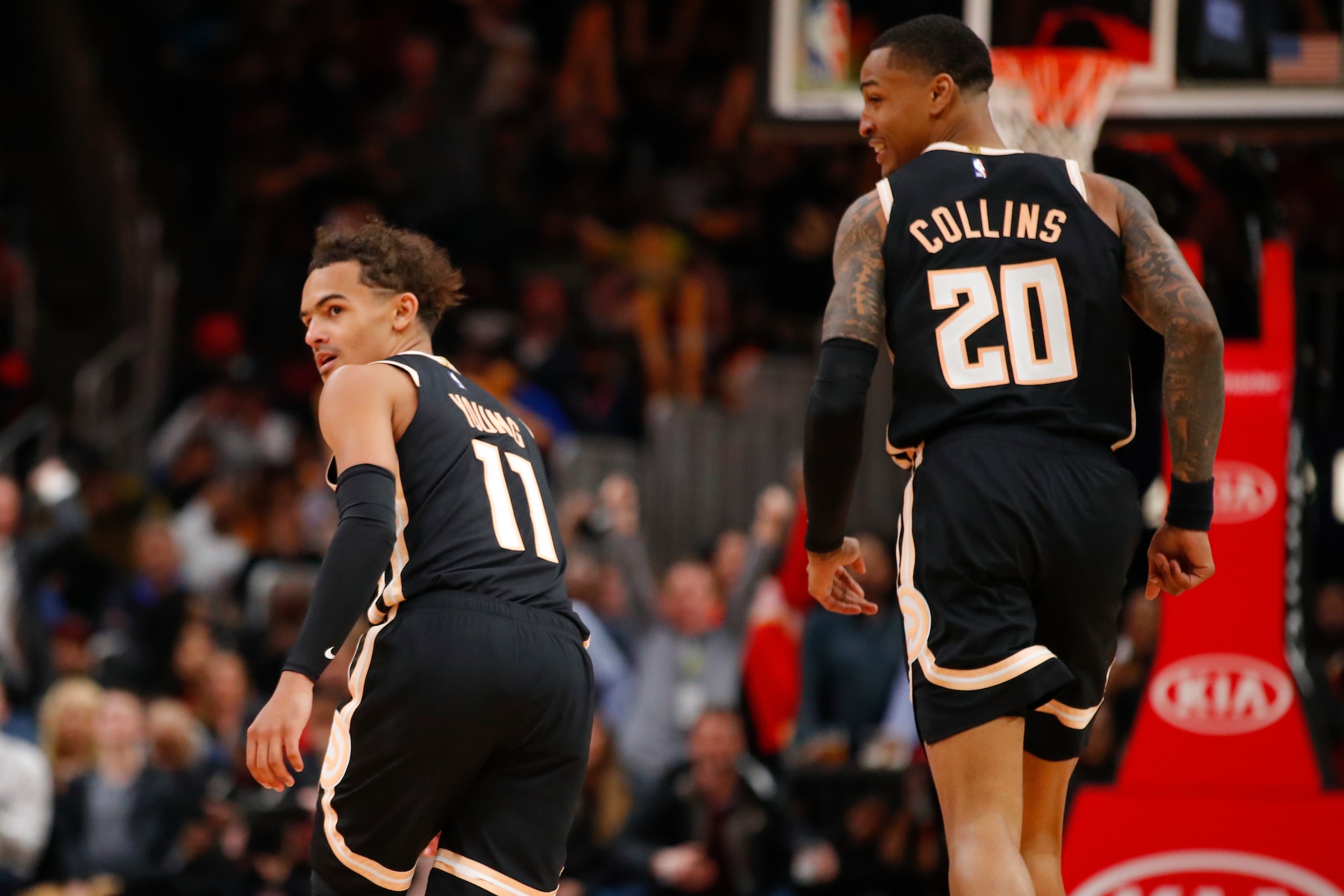
Trae Young is already one of the NBA's most talented and impactful offensive players. In addition to being ninth in the league in offensive box plus/minus this season, Young's 6.3 OBPM is the third-best mark of all time for a sophomore (Luka Doncic and LeBron James are Nos. 1 and 2, respectively).
John Collins is off to an excellent start to his NBA career as well. The third-year big man averaged 21.6 points and 10.1 rebounds in 33.2 minutes this season. Among the 342 times in NBA history that a player averaged at least 20 points and 10 rebounds, Collins' 2019-20 true shooting percentage ranks fourth (behind three Charles Barkley seasons).
And though Kevin Huerter, De'Andre Hunter and Cam Reddish have all shown flashes of potential, none of them are sure things. That makes their offseason development crucial.
Shooting should probably be the top priority for both Hunter and Reddish, as they were both far below the league-average mark for TS%. Huerter also needs to figure out how to get to the line. Among the 96 players who took at least 610 shots this season, Huerter's free-throw-attempt rate ranks 94th.
The draft will be important for the Hawks, too. Atlanta will have a 12.5 percent shot at the No. 1 pick and a 48.1 percent chance for a top-four pick. While this year's draft appears to lack franchise-changing talent at the top, the Hawks could find another promising complementary piece to plug in alongside Young and Collins.
If the Hawks are allowed to convene before the 2020-21 season begins, they'll also need to work on offensive sets for a frontcourt that includes both Collins and Clint Capela. The latter didn't fit the Houston Rockets' micro-ball philosophy, but he remains one of the game's more dynamic pick-and-roll weapons.
Alongside Young, a top-tier lob passer, Capela should continue to feast at the rim. And with Collins' expanding perimeter game (he shot 40.1 percent from three on 3.6 attempts per night), the paint shouldn't become too crowded.
Atlanta doesn't get to participate in the fun at Disney World, but plenty of excitement remains around this young core.
Charlotte Hornets
2 of 8
There are significantly more question marks up and down the Charlotte Hornets' roster.
Their two leading scorers, Devonte' Graham and Terry Rozier, both posted below-average effective field-goal percentages. Miles Bridges and Malik Monk remain woefully inconsistent. Cody Zeller and Nicolas Batum feel like relics from the team's past.
Rookie P.J. Washington, who averaged 12.2 points and shot 37.4 percent from three, may be the brightest spot on the roster. But it's tough to predict stardom for him, too.
So, what can Charlotte do to get off this treadmill of mediocrity it's been on for the last several years? It won't happen all at once, but it might be time for the Hornets to seriously consider bottoming out.
The Hornets should take whatever they can for the expiring contracts of Batum and Zeller (assuming the former picks up his 2020-21 player option) and invest a ton of time into lineups made up almost exclusively of young players. They should even attempt to shop Rozier.
Nothing should be off the table for Charlotte this offseason.
Chicago Bulls
3 of 8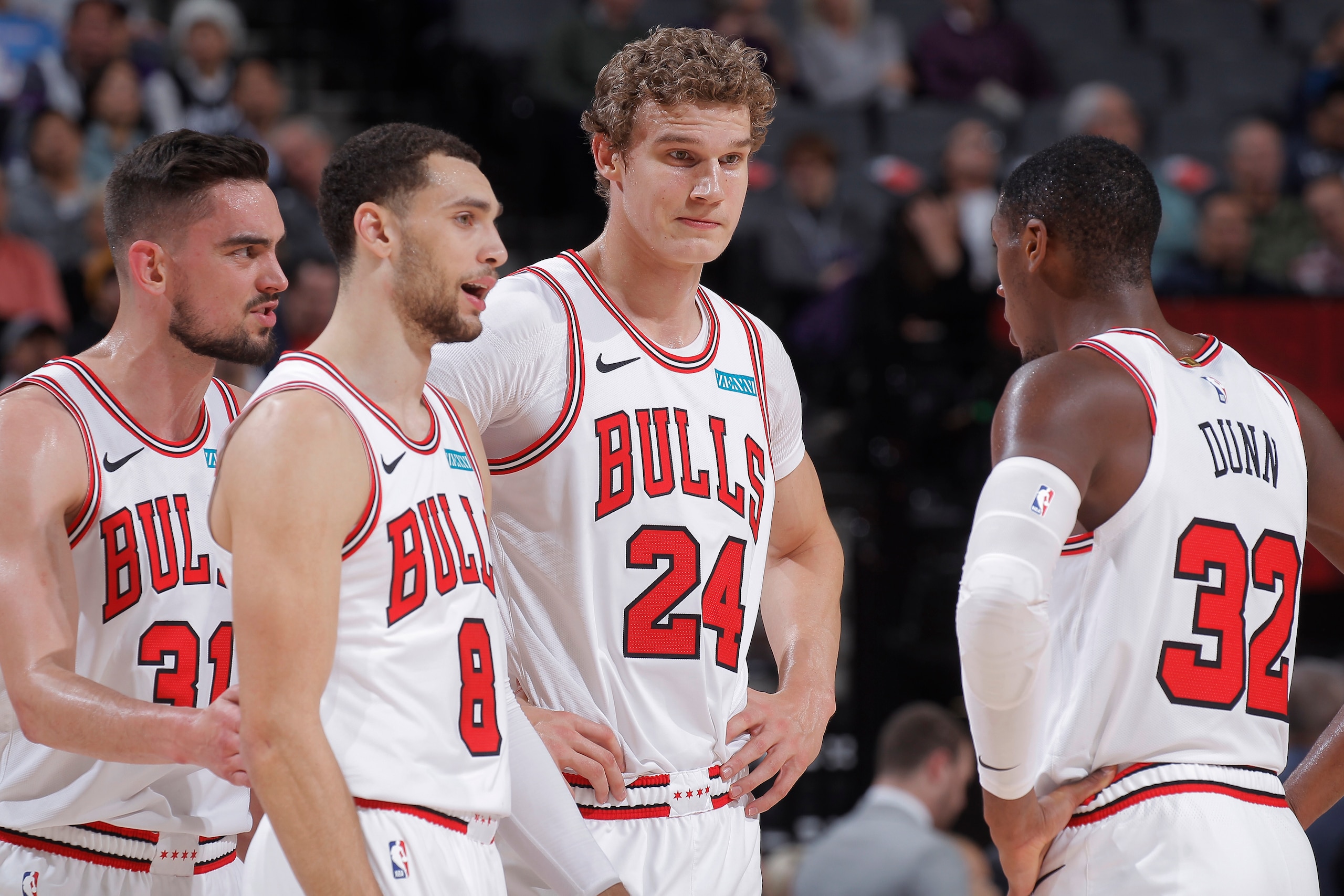
Assuming Otto Porter opts in—he isn't going to turn down his $28.5 million player option—the Chicago Bulls' roster is pretty much locked in for next season. They already have $106.1 million in guaranteed salaries on their books (including Porter).
That isn't necessarily a bad thing, as we never got a real chance to see what this roster could do.
Chicago was plus-2.0 points per 100 possessions when Porter shared the floor with Zach LaVine, but that duo logged only 419 non-garbage-time possessions. Throw in Tomas Satoransky, Wendell Carter Jr. and Lauri Markkanen, and the sample size drops to 251 possessions.
That group features a solid mix of youth, experience, shooting and playmaking, but Porter's foot injury kept him out of all but 14 games this season.
With a 32 percent chance at a top-four pick, the Bulls are poised to add even more talent to a young core that also includes Kris Dunn, Coby White and Chandler Hutchison.
If Porter can stay healthy, Chicago could compete for a playoff spot in the softer East as early as next season.

Cleveland Cavaliers
4 of 8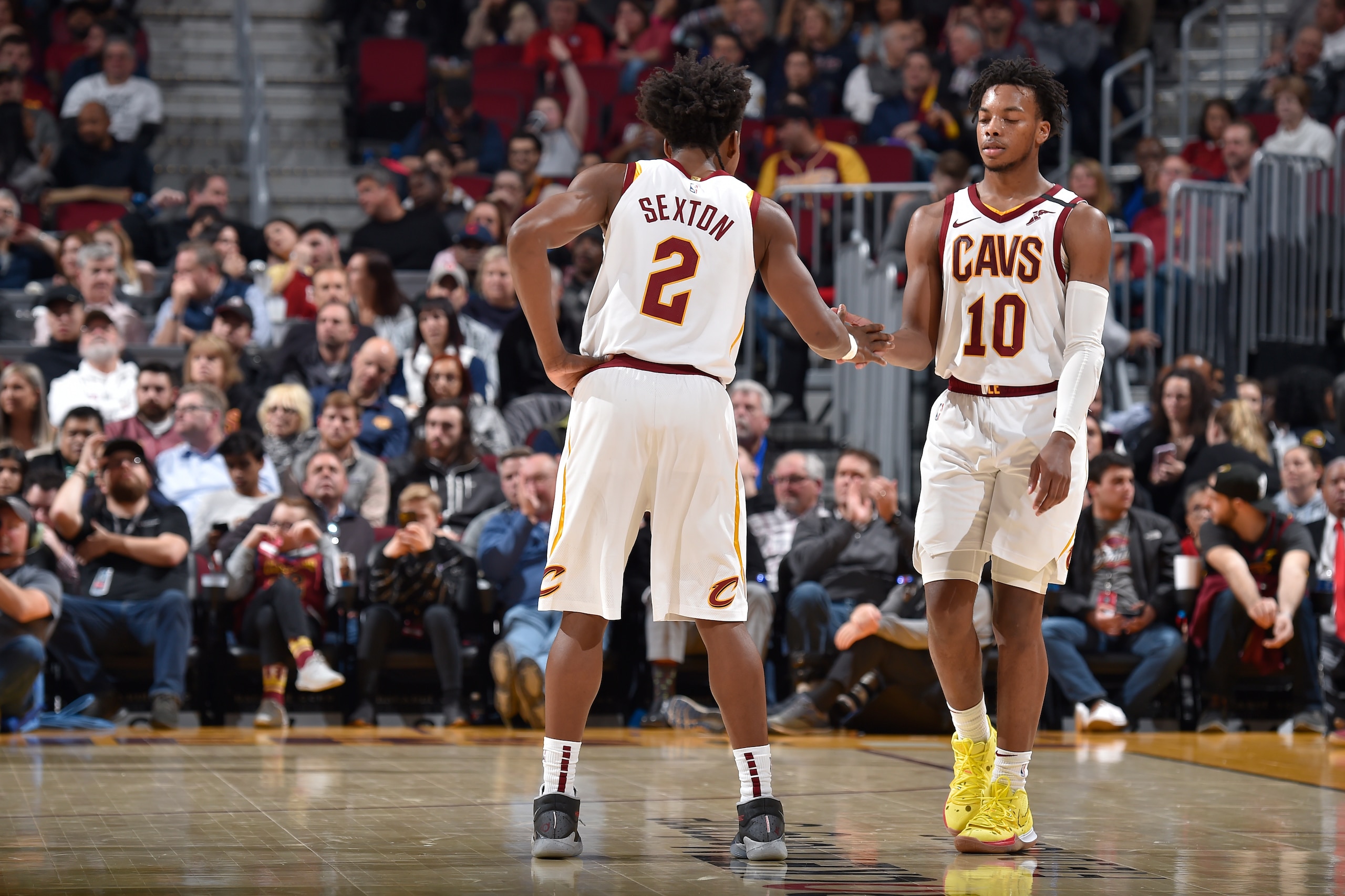
The Cleveland Cavaliers also have a young core that needs on-court reps and developmental minutes. Cavs head coach J.B. Bickerstaff discussed the need for organized games with ESPN's Adrian Wojnarowski:
"We can't allow this to impact next season. And that's our biggest goal. And the most important thing for young developing players is to play games. If they don't get to play and experience against other NBA players, you know, it is a disadvantage. Building chemistry, building rhythm, you know, guys starting to understand each other's strengths and weaknesses. You know, that's a huge thing for all of our groups. And, you know, we can't afford to go into 2021, you know, a step slow and a step behind..."
Cleveland's top three players in minutes played this season—Collin Sexton, Cedi Osman and Darius Garland—are 21, 25 and 20 years old, respectively. Kevin Porter Jr., who established himself as a rotation cog over the course of the season, just turned 20 in May.
Beyond pursuing creative methods for player development, the Cavaliers will also be laser-focused on the draft. They're one of three teams with a 14 percent chance to land the No. 1 pick and a 52.1 percent chance of a top-four pick, and they can fall no lower than No. 6.
The Cavs will also have to weigh what to do if Andre Drummond declines his $28.8 million player option for 2020-21. Considering they gave up only two expiring contracts (Brandon Knight and John Henson) and a 2023 second-round pick to acquire Drummond ahead of the Feb. 6 trade deadline, they shouldn't feel obligated to bring him back on a monster deal. But they would likely prefer to make that decision after more game reps, as he played only eight games in Cleveland before the season went on hiatus.
Cleveland's front office should also be poking around the league regarding potential Kevin Love trades. The stretch big will be entering his age-32 season and has a fairly robust injury history, but he averaged 17.6 points, 9.8 rebounds 3.2 assists and 2.6 threes in only 31.8 minutes this season.
In the right role and alongside defenders who can mask some of his shortcomings on that end, Love can still be a weapon with his outside shooting and vision as an outlet passer and middle-of-the-floor hub. If the Cavs can find any value for him on the trade market, they should take it. Getting off the three years and $91.5 million left on his contract would open up plenty of flexibility for this rebuilding team.
Detroit Pistons
5 of 8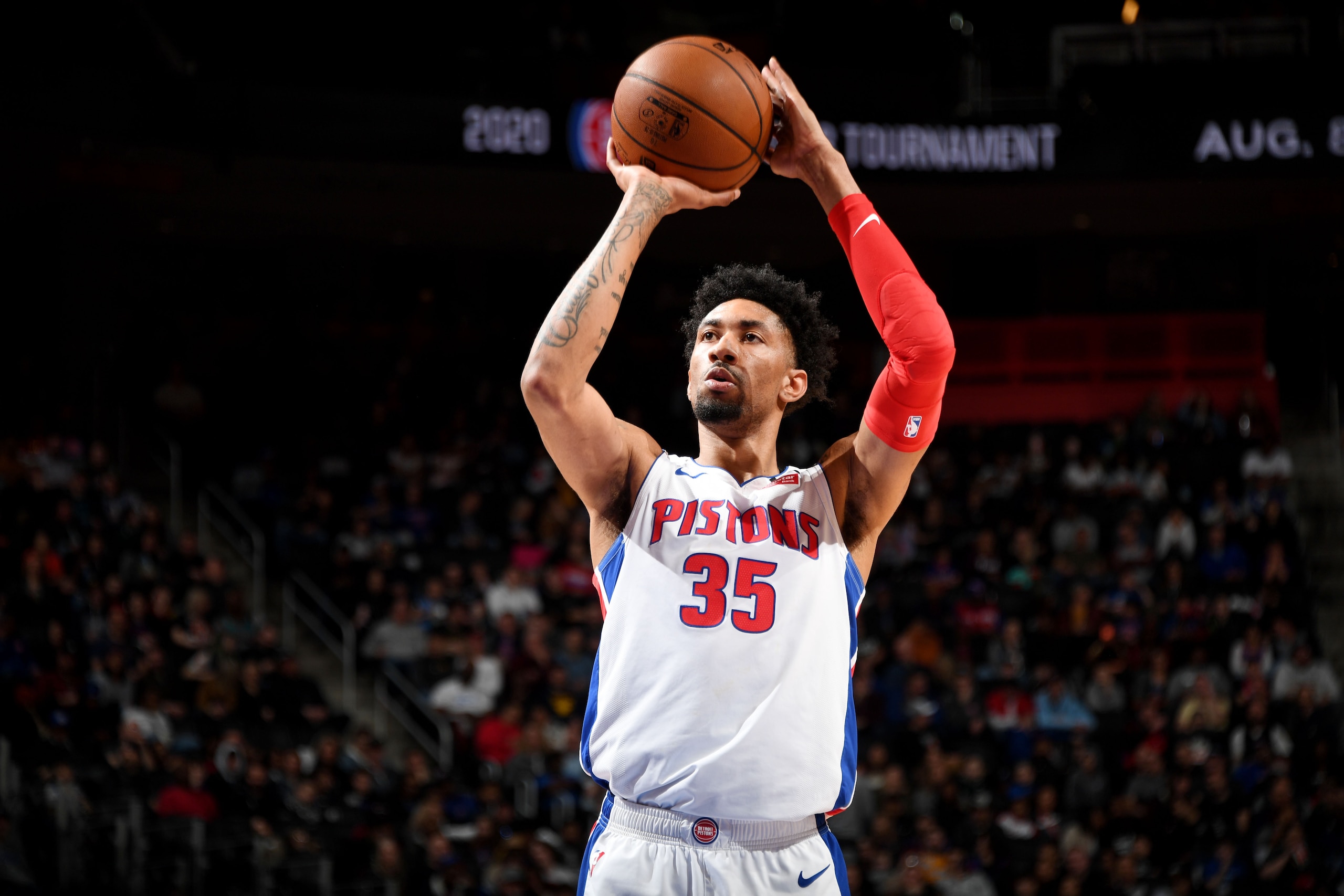
Similar to the Hornets, the Detroit Pistons know they're in the middle of a rebuild—the Drummond trade made that clear—and they also don't have many sure things on their roster.
If there is one, it's Christian Wood. And Detroit should do whatever it can to re-sign him at a reasonable salary this offseason.
If you sort every player who played at least 500 minutes by the average of their ranks in various catch-all metrics, Wood finished his season at No. 20, ahead of Kemba Walker, Kyle Lowry and Paul George, among others.
In his first season in a significant role, the 24-year-old center averaged 13.1 points, 6.3 rebounds and 0.9 threes in only 21.4 minutes. He was a far more modern big than Drummond, but it's difficult to know which of Detroit's younger pieces fit well alongside him.
Luke Kennard played only 375 possessions alongside Wood this season before going down with a knee injury. Sekou Doumbouya had a fun stretch in January, but he finished his season 330th out of 331 players in box plus/minus.
Sviatoslav Mykhailiuk may be the one young player whom Detroit knows can thrive alongside Wood. The two shared the floor for more than 1,100 possessions, and the Pistons had a plus-5.5 net rating that ranked in the 81st percentile in those situations.
As the Pistons figure out which of their young players are keepers, they should be shopping veterans such as Derrick Rose. His per-possession production this season was strikingly similar to what he did as the MVP in 2010-11, and he's currently 18th in the NBA in points per 75 possessions.
Considering Rose's lengthy injury history, this may be a sell-high opportunity for the Pistons. If a contender wants a dynamic slasher who can take over portions of games off the bench, it should be willing to give up decent value to get him.
Then there's Blake Griffin, whose career has been ravaged by injuries. After having perhaps the best offensive season of his career in 2018-19, his production fell off a cliff in 2019-20 before a knee injury sidelined him for most of an already abbreviated campaign.
As good as he was in 2018-19, the Pistons may find it tough to sell a team on taking the remaining two years and $75.6 million left on his deal (assuming he picks up his $39.0 million player option in 2021-22).
Golden State Warriors
6 of 8
When Stephen Curry broke his left hand on Oct. 30, it quickly became clear that 2019-20 would be a gap year for the Golden State Warriors. The extended offseason should ensure that both Curry and Klay Thompson will be back to 100 percent by the time the 2020-21 season tips off.
With those two in place and Draymond Green at the center of the defense, the Warriors should go right back to being competitive.
Depth could be an issue, though. In that sense, these developmental months may be every bit as crucial for the Warriors as it is for other rebuilding teams. Time in the gym among teammates will be key for Jordan Poole, Marquese Chriss, Damion Lee, Eric Paschall and others.
Another major storyline to watch is the integration of Andrew Wiggins. Up until now, he's largely been a top-two scoring option for non-playoff teams. If he finds ways to fit in alongside Curry and Thompson and improves his efficiency, he could redefine his career moving forward.
The Warriors finished their season with the NBA's worst record, which means they're one of the three teams with a 14 percent chance to land the No. 1 pick. Given their unique situation, they can approach the draft with a more open mind than other lottery teams.
With multiple All-Stars already on their roster, they could opt for a high-upside project who will need more time to develop, such as James Wiseman. If they want someone who'll contribute right away, they could choose between prospects with professional overseas experience such as LaMelo Ball and Deni Avdija.
Whichever path they choose, the Warriors are in better shape than every other team featured here.
Minnesota Timberwolves
7 of 8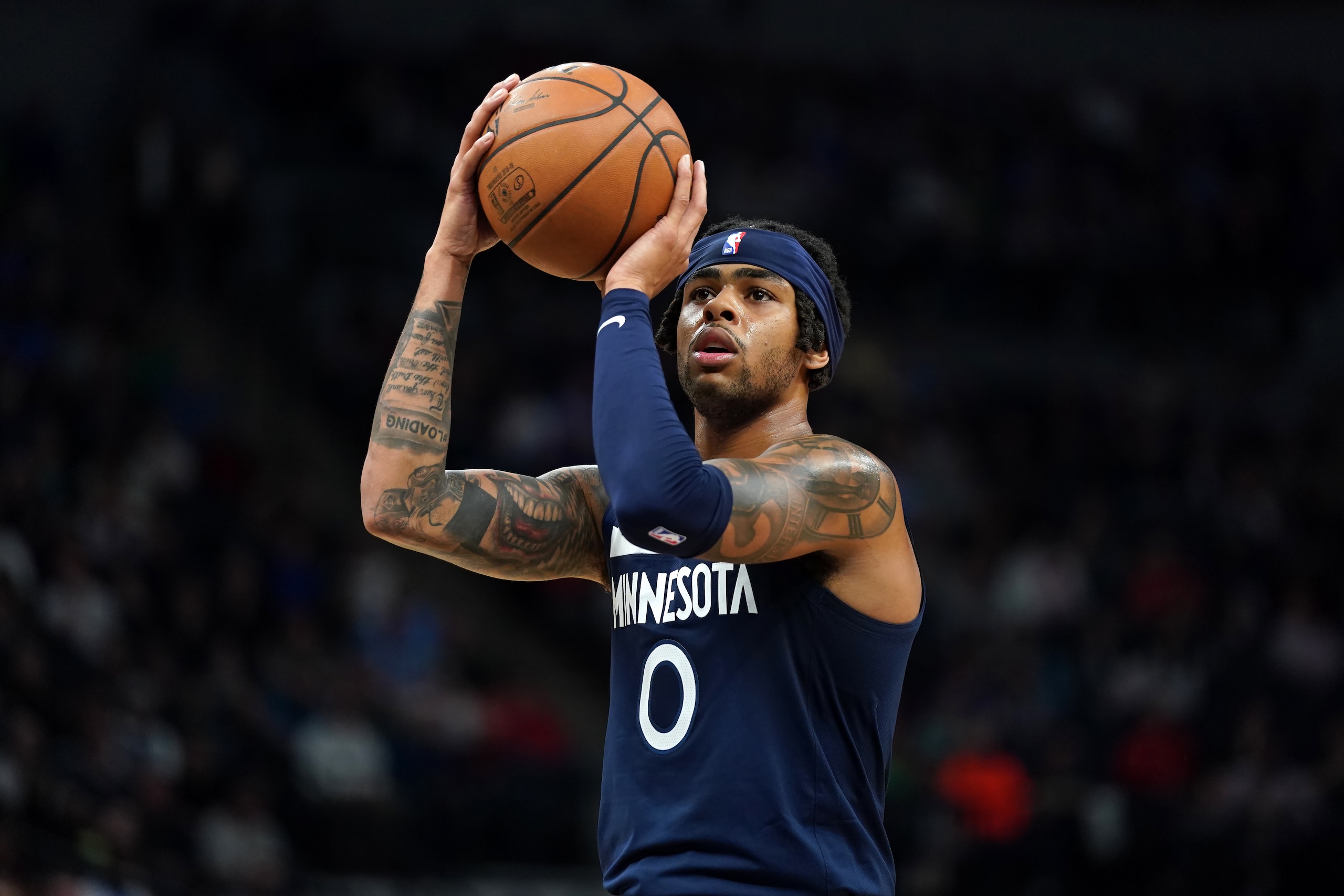
The Minnesota Timberwolves aren't quite in the same boat as the Warriors, but they should at least have an identity heading into the next few months.
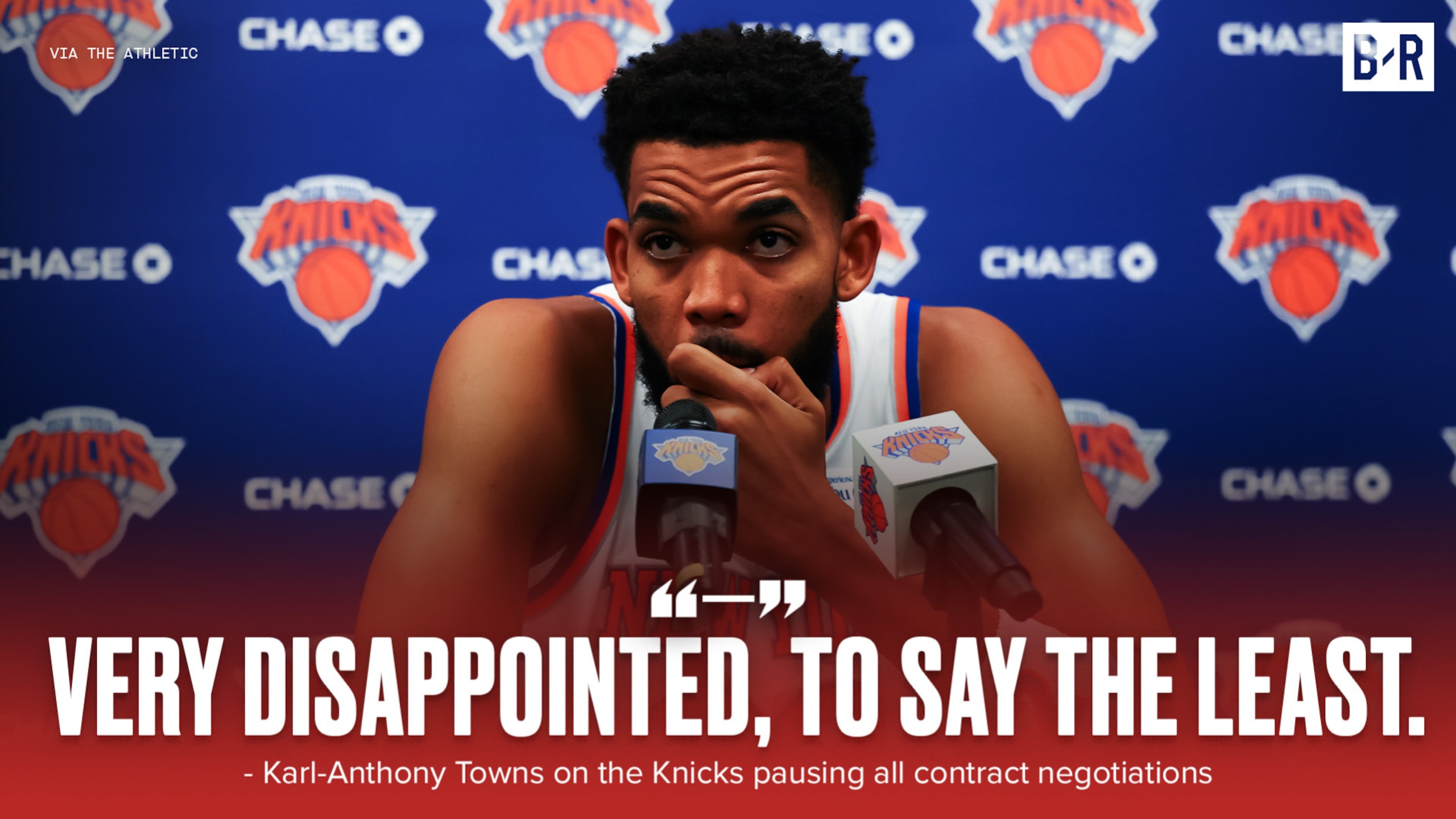
In terms of talent alone, Karl-Anthony Towns is already a superstar. He was seventh in the league in box plus/minus this season. And his new point guard, D'Angelo Russell, has the potential to reach top-20 status.
With those two in the fold, Minnesota should score plenty of points next season. The Timberwolves will need to focus on ways to bolster their defense, though.
Veteran James Johnson should be able to help if he picks up his $15.8 million player option. Josh Okogie has the physical tools to develop into a clear plus on that end down the road, too.
On top of in-house development, the Wolves will have a a lot on their plate during free agency. Malik Beasley and Juan Hernangomez, both of whom they acquired from the Denver Nuggets in February, will enter restricted free agency after showing how well they could fit with this young team.
In 14 games with Minnesota, Beasley averaged 20.7 points and 3.5 threes while shooting 42.6 percent from deep. His shooting on the outside flanks of a Russell-KAT pick-and-roll is mighty intriguing. Ditto for Hernangomez, who averaged 12.9 points and 2.1 threes on 42.0 percent shooting as a Timberwolf.
Both will likely draw some interest from teams around the league in free agency. The T-Wolves shouldn't be willing to break the bank for either, but they should at least be aggressive in trying to retain them.
New York Knicks
8 of 8
The New York Knicks have a couple possible paths in front of them, and both make plenty of sense.
The first is perhaps the safer route. Following the dismissal of head coach David Fizdale, young players like RJ Barrett, Mitchell Robinson, Frank Ntilikina and Kevin Knox showed flashes of a young core that could develop into a playoff contender in the weaker Eastern Conference in relatively short order.
Barrett was inefficient as a rookie, but he showed some playmaking chops that make him intriguing in an increasingly positionless NBA. Robinson is already a dynamic rim roller and shot-blocker who would contribute on any roster in the league. Ntilikina still looks like he can be an impact defender. And while Knox remains raw, he looks like he can eventually at least space the floor and guard multiple positions.
Throw in relatively young players like Julius Randle and Dennis Smith Jr. into the mix, and it isn't difficult to imagine this group developing into a playoff squad in due time. New York could potentially speed up that timeline with a trade for Chris Paul, though.
Back in March, SiriusXM NBA's Frank Isola tweeted the Knicks had been "gathering intel" on CP3 and "could make a run at him" this offseason. If they could acquire the future Hall of Famer and it wouldn't cost them Barrett or Robinson, that deal would likely be worthwhile.
Back in the role that made him one of the most productive players in NBA history, Paul was phenomenal this season. If you sort every player in the league with 500-plus minutes by the average of their ranks in catch-all metrics, the 35-year-old floor general currently sits in the ninth spot.
When he was on the floor this season, the Oklahoma City Thunder were plus-6.7 points per 100 possessions. They were minus-6.7 when he was off, giving him a plus-13.4 net rating swing that ranks in the 98th percentile.
His impact on Shai Gilgeous-Alexander and Dennis Schroder was huge, too. Both took significant developmental steps this season. If Paul could make a similar impact on Barrett and any other young players left on the roster, it would help the Knicks both now and in the future.
The two years and $85.6 million left on Paul's deal are daunting, but he showed this season that he still has gas in the tank. And his presence could attract another big name over the next few seasons.
Injuries or a steep drop-off could make a CP3 trade backfire, but he's worth the risk, especially for a team that ranks last in winning percentage over the last 20 years.
All statistics via Basketball Reference, NBA.com or Cleaning the Glass unless otherwise noted. All salary information via Spotrac.

.jpg?w=2560 "AD Trolls Bears WR on IG 😂")
.jpg?w=2560 "Viral Dan Campbell Presser 💙")
.jpg?w=2560 "Report: Steelers WR to Miss 'Weeks'")
.jpg?w=2560 "Buzz: MHJ Hired Agents for Trade")
.jpg?w=2560 "Cam Ward Says He's Not A Loser")


.jpg?w=2560 "Chargers Fall to 0-5 🤢")