

MLB Players and Stories That Need Their Own Documentaries
The massive popularity of The Last Dance, ESPN's 10-part docuseries on Michael Jordan and the 1997-98 Chicago Bulls, has led to a wave of interest in sports documentaries.
Baseball has no exact equivalent to Jordan, who is truly one-of-a-kind, though we did examine some recent MLB players who brought elements of His Airness to the sport.
Even without a direct Jordan analog, MLB is littered with fascinating personalities and events. ESPN recently ran the doc Imperfect about late Hall of Fame pitcher Roy Halladay and is slated to release Long Gone Summer, about the Mark McGwire/Sammy Sosa home run barrage of 1998, on June 14.
Or consider the story of Esteban Loaiza, a two-time All-Star who was busted on drug charges, ended up in federal prison and was recently profiled in an excellent piece by Bleacher Report's Scott Miller.
Let's examine eight more MLB players and stories from the past 40 years that need their own deep-dive documentaries. If and when they're made, we'll be watching.
Tim Lincecum and the Even-Year San Francisco Giants
1 of 8
The San Francisco Giants teams that won even-year titles in 2010, 2012 and 2014 could make for a fine, far-reaching series. But it might be more interesting to tell the story through the prism of one player.
Our vote: Tim Lincecum.
The spindly, shaggy-haired right-hander burst on the scene with the Giants in 2007 and won Cy Young Awards with his whiplash delivery and high-90s fastball in 2008 and 2009.
He was still an ace when the Giants won their first championship in San Francisco in '10, but by '12 and '14, injuries and decreased velocity had sapped his effectiveness and reduced him to role-player status.
He last pitched in the majors in 2016 when he threw 38.1 innings in a fizzled comeback attempt with the Los Angeles Angels. He's also something of an off-field enigma, a beloved figure in Bay Area sports history who mostly eschews attention and public appearances.
Any piece on Lincecum and the 2010-14 Giants would obviously feature profiles of and interviews with key teammates and cohorts, including quirky former closer Brian Wilson, catcher Buster Posey, left-hander Madison Bumgarner, right-hander Matt Cain, reliever Sergio Romo and manager Bruce Bochy.
Ichiro Suzuki
2 of 8
Ichiro Suzuki's stellar, soon-to-be Hall of Fame MLB career would provide plenty of fodder for a doc.
So would his roots in Japan and the excellent seasons he played there before becoming the first Japanese position player to make a serious impact stateside.
From his MVP rookie season with the Seattle Mariners in 2001 to his retirement after his age-45 campaign, Ichiro gave us countless indelible moments.
With his uniquely balletic swing and plate approach, he was a slender, supremely successful slap hitter in an era dominated by hulking sluggers. Most of all, he was an ambassador for Japanese baseball and one of the greatest hitters of all time.
Rickey Henderson
3 of 8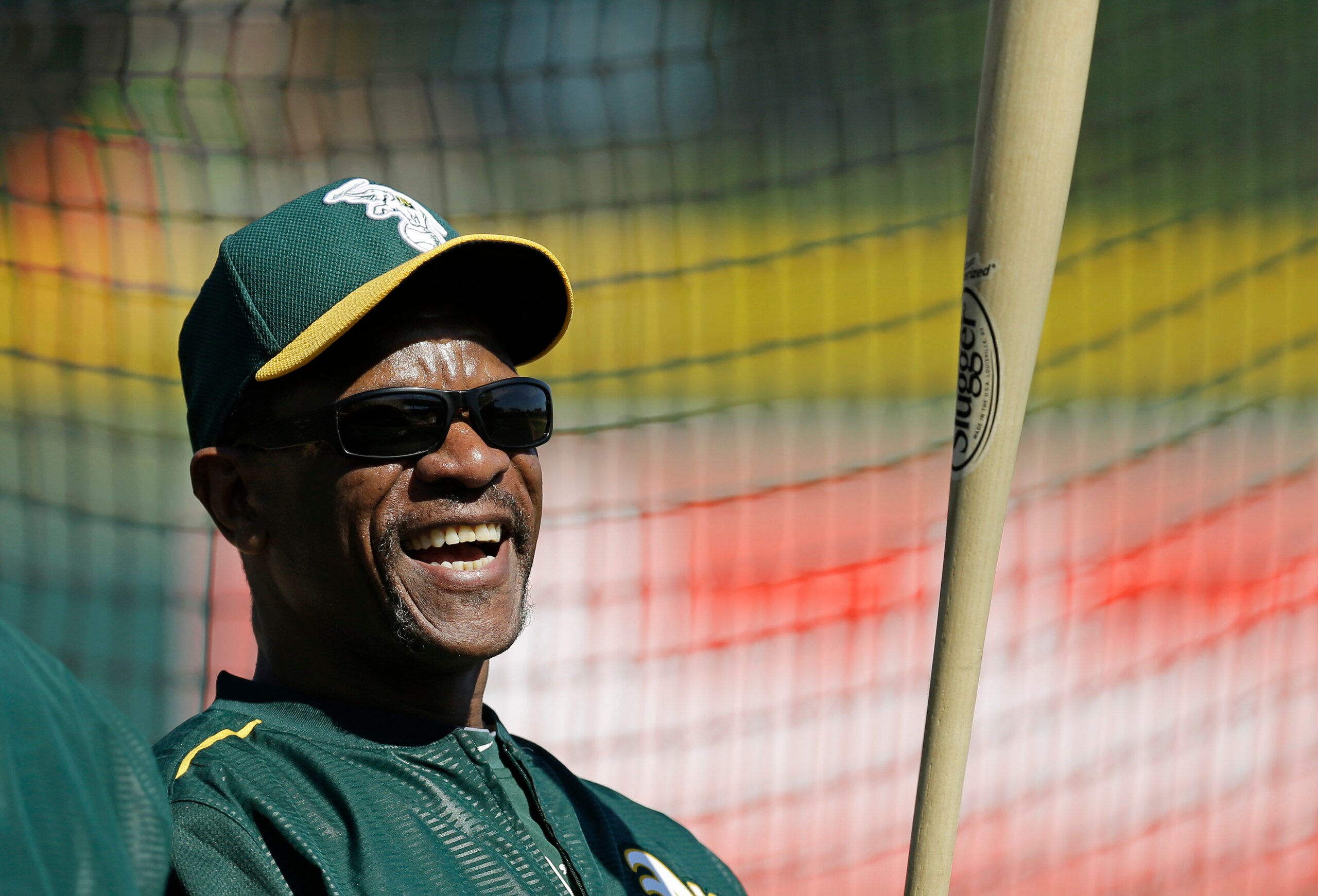
Rickey Henderson is the all-time MLB leader in stolen bases (1,406) and runs scored (2,295), but his personality and career arc would make him an ideal candidate for a Last Dance treatment.
He exuded self-confidence that sometimes bordered on arrogance. He was known for speaking about himself in the third person.
He played for a number of interesting clubs, including the Oakland Athletics of the late '80s and early '90s that also featured Bash Brothers Mark McGwire and Jose Canseco, as well as the Toronto Blue Jays team that repeated as World Series champs in 1993.
And he stretched his major league career until his age-44 season in 2003 before playing two more years in the independent leagues. In 2005, he posted an .859 OPS and stole 16 bases in 73 games for the San Diego Surf Dawgs.
It's quite possible Rickey wasn't joking when, at his Hall of Fame induction ceremony, he hinted he'd still like a chance to play in The Show.

The 2004 Boston Red Sox
4 of 8
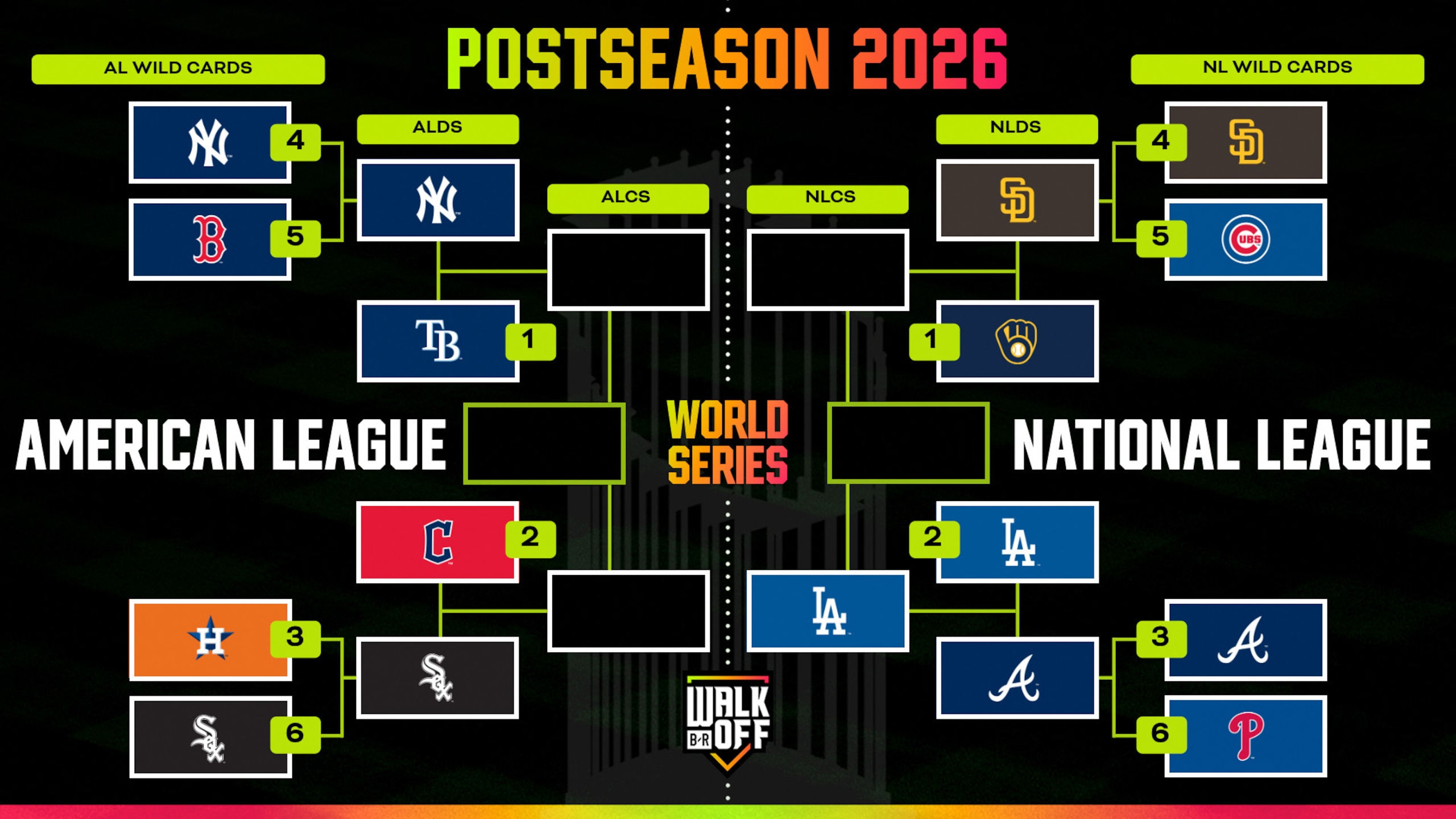
The 2004 Boston Red Sox were full of characters who'd merit their own fascinating documentaries, including designated hitter David Ortiz and right-hander Pedro Martinez.
But the overall tale of those curse-busting Sox is a thing unto itself.
You likely know the broad strokes of the story: how Boston overcame a seemingly insurmountable 0-3 deficit in the American League Championship Series against the archrival New York Yankees en route to its first title since 1918, which busted the Curse of the Bambino.
Plenty has been said about that historic run, but there are surely more anecdotes and juicy details waiting to be uncovered.
And, of course, the whole thing could be told against the backdrop of the Red Sox's decision to sell Babe Ruth to the Yankees, the stretch of futility that followed and how it all defined a city and a fanbase.
Pete Rose
5 of 8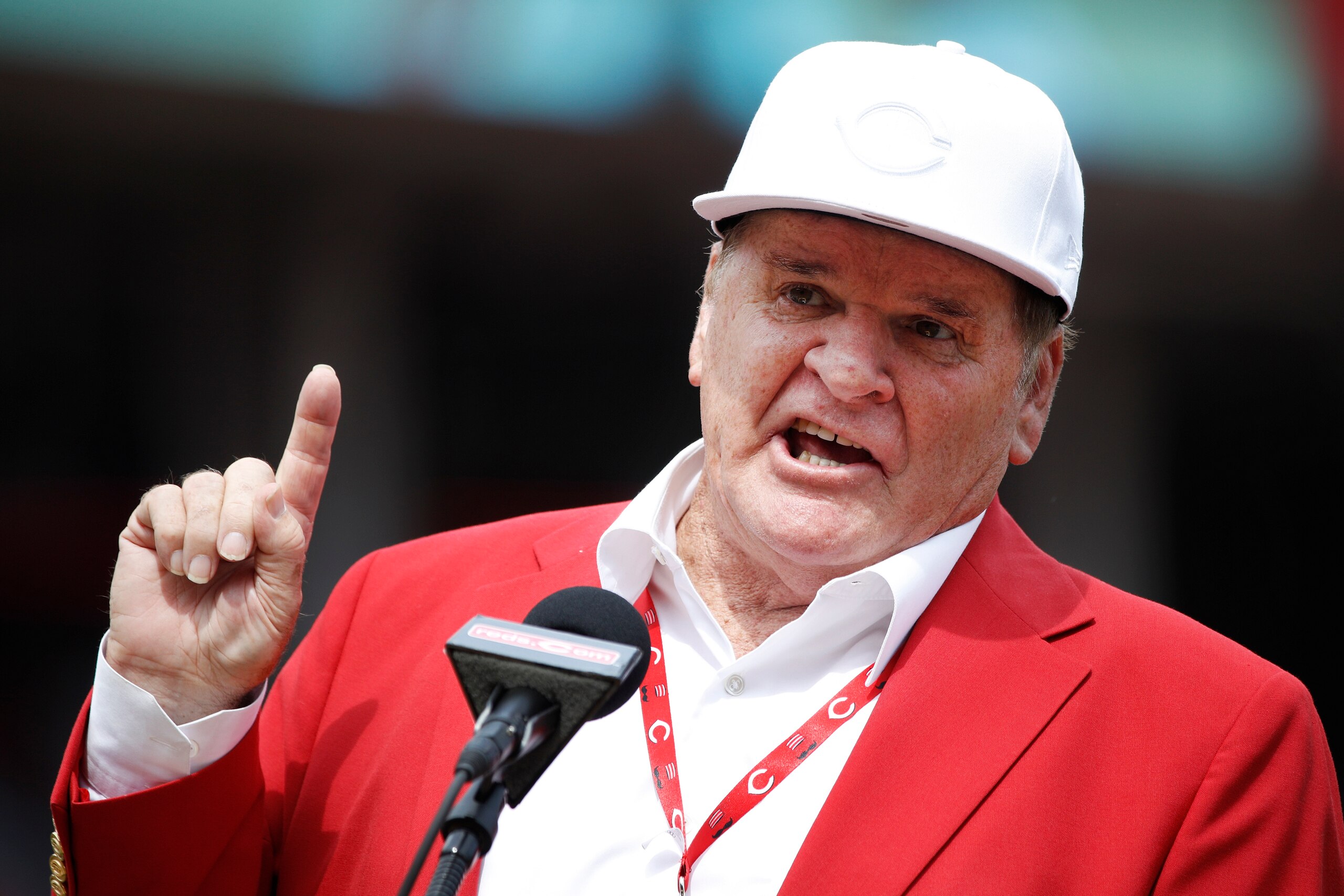
Baseball's all-time hit leader may never be in the Hall of Fame because of a gambling scandal that tarnished his career.
That sentence alone has docuseries written all over it, though it doesn't hurt that Pete Rose is a colorful character who was known to speak his mind as both a player and a manager.
He was recently in the news when a Florida man came forward and claimed he used to cork bats for Rose in 1984.
Any worthwhile portrait of Charlie Hustle would present him warts and all. But in the wake of other scandals that have rocked baseball since he hung up his cleats—from performance-enhancing drug use to the Houston Astros' sign-stealing scheme—Rose's alleged misdeeds could be placed in proper context.
Alex Rodriguez
6 of 8
Speaking of great, polarizing players who may never get a bust in Cooperstown, enter Alex Rodriguez.
From his early days as a rising star with the Seattle Mariners to his then-record-setting contract with the Texas Rangers prior to the 2001 season to his highs and lows with the New York Yankees, A-Rod's career is ripe with storylines.
The performance-enhancing drug stuff would naturally be front and center. But his complicated, at times highly contentious, relationship with Yankees teammate Derek Jeter would make for an excellent subplot.
Then there's his current relationship with Jennifer Lopez and the couple's recent, unsuccessful attempt to buy the New York Mets.
That's merely scratching the surface of a singular MLB personality who continues to leave his mark on the game in complex and memorable ways.
The 1994 Strike
7 of 8
In August 1994, MLB players went on strike and didn't come back for 232 days. The season and the World Series were canceled.
But a lot more was lost than just some games.
San Diego Padres right fielder Tony Gwynn was hitting .394 at the time of the strike and had a shot at the first .400 season since Ted Williams hit .406 in 1941. San Francisco Giants third baseman Matt Williams had 43 home runs in 115 games and was on pace to take a crack at Roger Maris' single-season record of 61.
The Montreal Expos owned the best record in baseball at 74-40 and featured a cadre of young stars such as Pedro Martinez and Larry Walker. Would they have won the first title in franchise history and possibly saved baseball for Montreal?
We'll never know, but those are scintillating what-ifs to play out. Add the fan ire and indifference when games finally resumed (attendance dropped and some angry spectators threw money on the field), as well as the ill-fated experiment with replacement players, and there are many threads to follow.
Plus, a story about players and owners squabbling over money would be timely in light of the current 2020 season stalemate.
Barry Bonds and Ken Griffey Jr.
8 of 8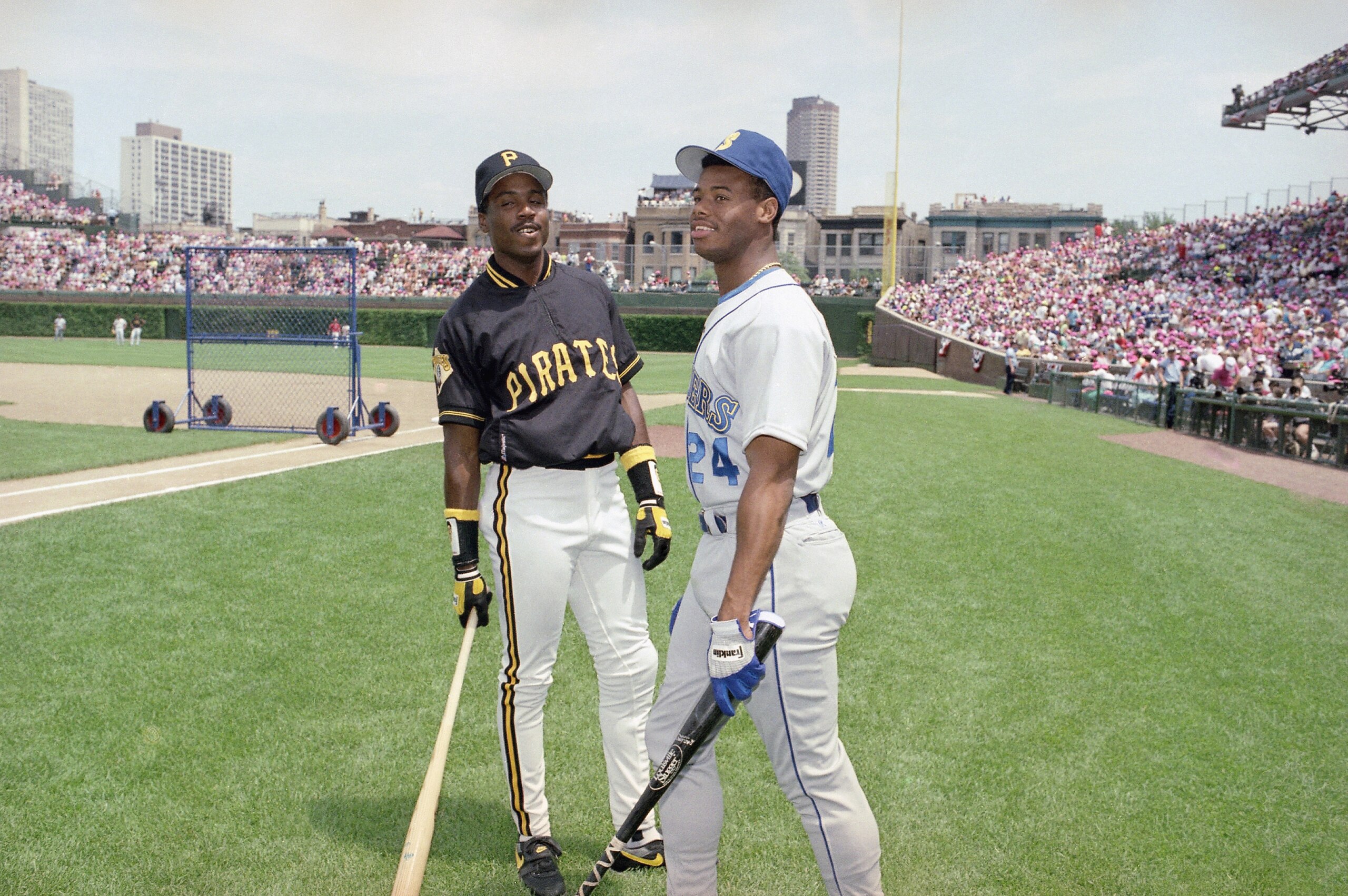
Barry Bonds and Ken Griffey Jr. have a lot in common.
They're both the son of a big league All-Star. They were both virtually born with a bat in their hands, grew up around the game and were ticketed for MLB stardom before they ever played a professional inning.
They both collected cases full of awards and put up eye-popping stats during the '90s and beyond, and they will go down as two of the greatest outfielders ever.
But while Griffey was a beloved and marketable player, Bonds had a prickly relationship with the media and the league. Griffey was Mr. Smile; Bonds was often seen as Mr. Surly.
Most of all, Griffey will be remembered as the slugger who, unlike many of his peers, never dabbled in performance-enhancing drugs. Bonds is the poster boy of the steroid era.
Telling their stories together would provide a fascinating opportunity to explore the places their careers intertwined and diverged, how their relationship with each other evolved and how each defined his era in an unforgettable way.
All statistics courtesy of Baseball-Reference.
.jpg?w=2560 "KOC Contacted OBJ After Release ☎️")

.jpg?w=2560 "Dak to Stroud: Get Some Wins 💯")
.jpg?w=2560 "NFL Won't Fine 'Beverage' Celebrations 🍻")