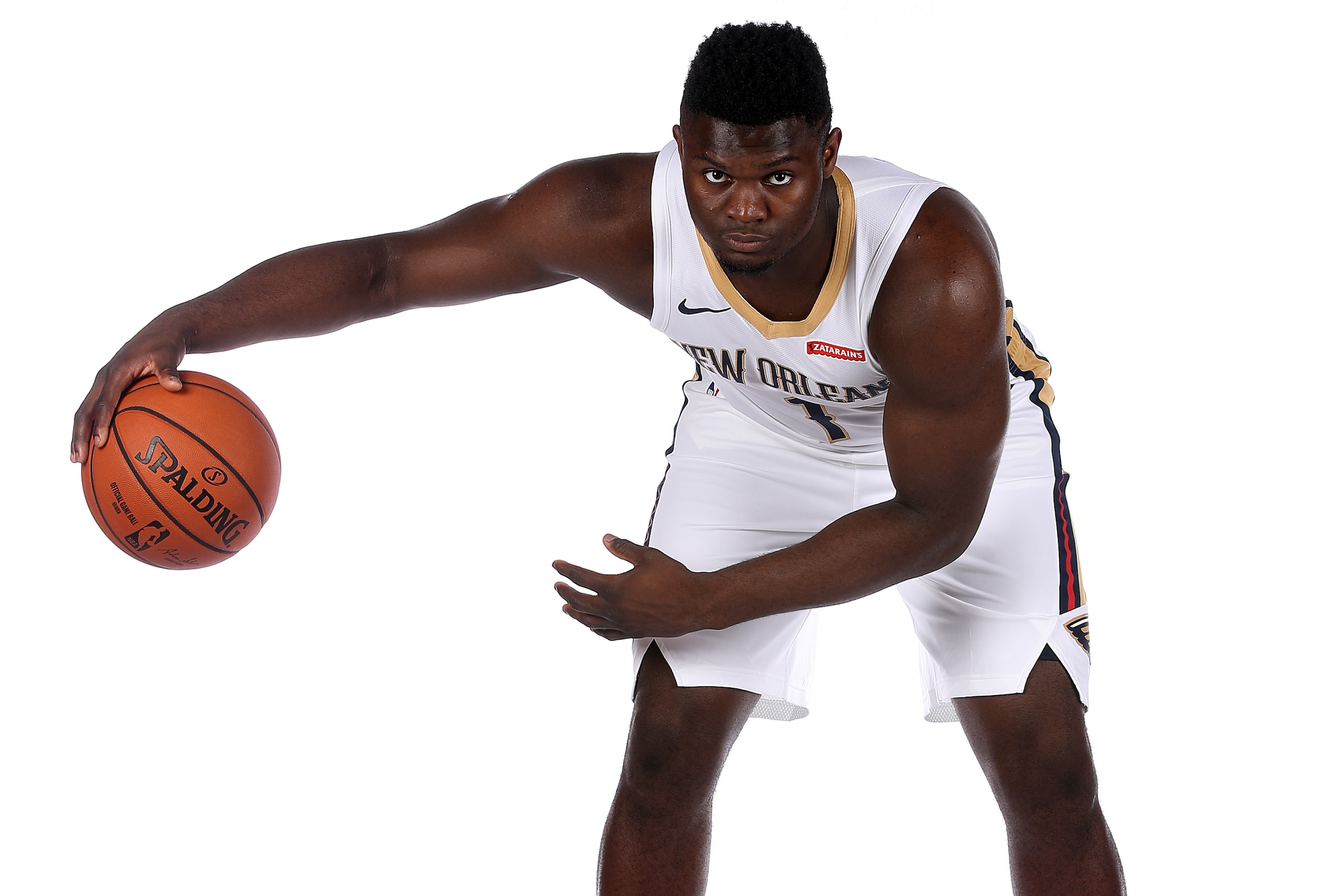


The 2019-20 NBA Rookie of the Year discussion starts with the obvious favorites and a handful of sleepers prepared to outperform their draft slots.
For these rookies during their first season, their situations and roles are key in projecting NBA readiness and stats. And plenty of them could be looking at 25-30 minutes per game right away.
Only five of the last 10 ROY winners were No. 1 picks. Will this year's first overall selection run away from the pack?
10. Jarrett Culver, Minnesota Timberwolves
1 of 10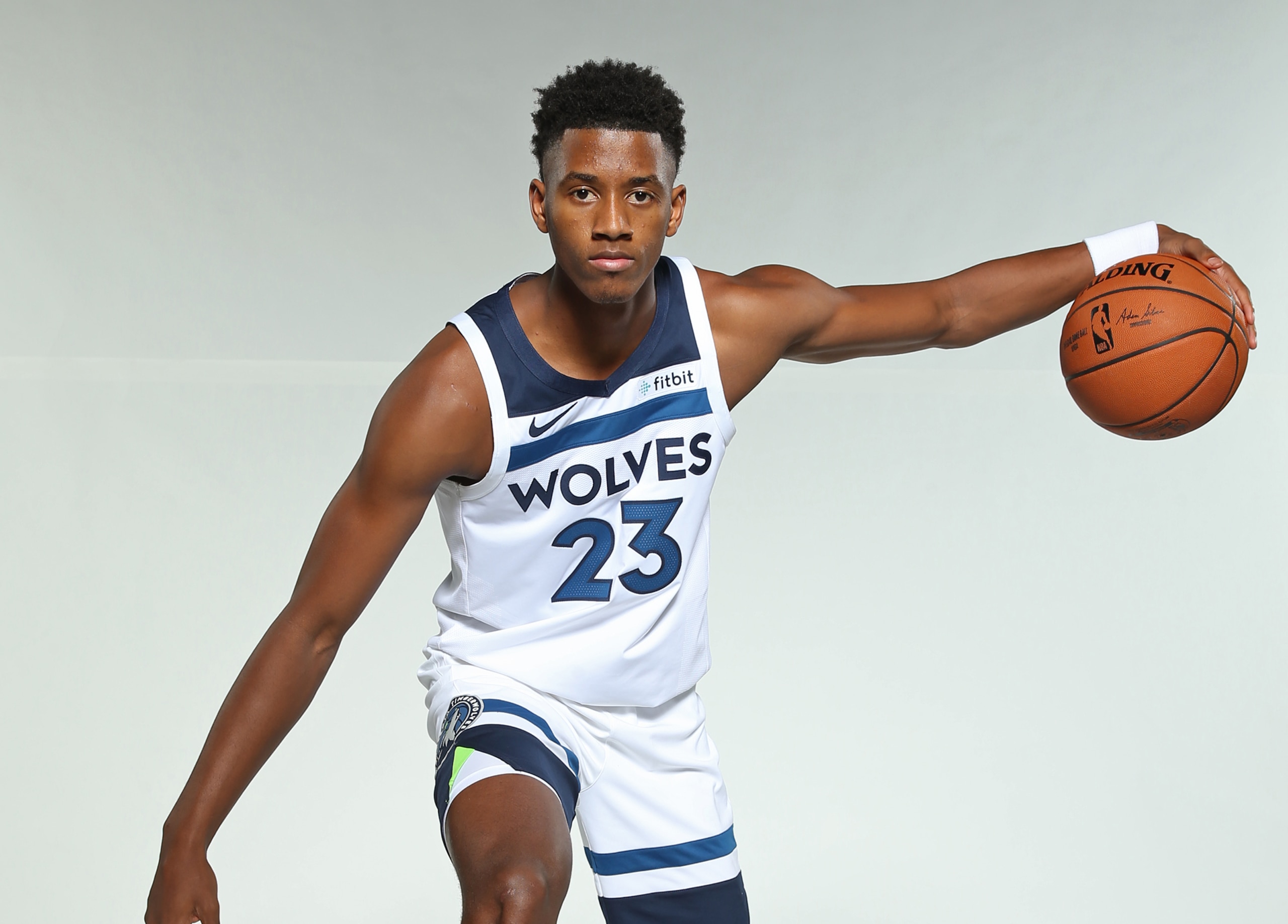
Projected key stats: 8-10 points per game, 2-3 assists, 40-45 FG percentage
Jarrett Culver will have a role in the Minnesota Timberwolves rotation, giving the team more ability to create than with Josh Okogie.
The No. 6 pick out of Texas Tech should be a weapon making plays out of pick-and-roll action with his 6'7" size, pull-up game, slashing and passing.
He may be better off playing in the second unit on the ball, however, as opposed to spotting up alongside Karl-Anthony Towns and Andrew Wiggins. Culver's shooting mechanics and accuracy need work, and he could struggle with efficiency until his jumper improves.
Regardless, Culver should still add value this season with his offensive versatility and defensive tools. He just isn't likely to have the usage or stats to realistically challenge for Rookie of the Year votes.
9. Michael Porter Jr., Denver Nuggets
2 of 10
Projected key stats: 7-9 points per game, 4-5 rebounds, 40-45 FG percentage
After playing 53 minutes in college and none since being drafted in 2018, Michael Porter Jr. is healthy. His return deserves to be one of the NBA's bigger storylines entering the season, since before he suffered an injury during his debut at Missouri, scouts had talked about the 6'10" combo forward as a No. 1 overall talent.
Imagine if the Denver Nuggets suddenly add that type of player. Deep with plenty of competent 3s and 4s, odds are that coach Mike Malone will still pick his spots for when and how to use Porter. But he's bound to have his moments and sequences this season that help remind what fueled so much hype in high school.
He'll presumably come off the bench, bringing scoring and shot-making to the second unit. And whatever numbers he produces will appear more impactful just by playing for a top team in the Western Conference.
Porter isn't a realistic Rookie of the Year contender, given his projected limited role and lack of reps over the past two seasons. But he's finally in position to start writing his story, and he possesses enough talent and skill to crack one of the two All-Rookie teams.
8. RJ Barrett, New York Knicks
3 of 10
Projected key stats: 11-13 points, 5-7 rebounds, 3-4 assists, 38-42 FG percentage
The New York Knicks have a lot riding on RJ Barrett, the team's highest draft pick since Patrick Ewing. The No. 3 overall selection won't have the most suitable environment to build a Rookie of the Year case, though, and the 19-year-old lacks certain skills that would make his transition easier.
How will the shots and touches get divvied up between Barrett, Kevin Knox, Allonzo Trier, Marcus Morris, Julius Randle, Dennis Smith Jr., Mitchell Robinson, Frank Ntilikina, Damyean Dotson and Bobby Portis? There are a lot of mouths to feed between young bodies looking to take a step forward and higher-paid veterans expecting usage.
He'll still factor into the rotation and give the Knicks a transition scorer, slasher, rhythm shot-maker and secondary playmaker. He's sharp in the open floor, able to improvise in the lane, capable when stepping into jumpers and a skilled passer.
Barrett also rebounds well for his position. He'll fill up box scores with more than just points.
He isn't likely to produce enough of them, however, nor is he going to shoot a high percentage from the floor, foul line or three-point land.

7. De'Andre Hunter, Atlanta Hawks
4 of 10
Key projected stats: 8-10 points per game, 4-5 rebounds, 42-46 FG percentage
With heavy support from coach Lloyd Pierce and general manager Travis Schlenk, De'Andre Hunter should be one of the rookie leaders in minutes.
The ACC Defensive Player of the Year and a career 41.9 percent three-point shooter at Virginia, the 6'7", 225-pound forward will be immediately useful as a three-and-D. He'll generate more offense by attacking closeouts and converting from the post, though Hunter isn't an advanced shot-creator or explosive athlete, so it doesn't seem reasonable to expect a flashy scoring average.
More of an "impact over numbers" player in college, having averaged just 5.1 rebounds, 2.0 assists, 0.6 steals and 0.6 blocks last season, the No. 4 pick won't have the statistical profile of a Rookie of the Year candidate. But playing a key role on a rising Atlanta Hawks team—if it can make a big jump up the standings—could help Hunter earn votes.
6. Brandon Clarke, Memphis Grizzlies
5 of 10
Projected key stats: 10-12 points, 6-8 rebounds, 1-2 blocks, 50-55 FG percentage
Jonas Valanciunas and Jaren Jackson Jr. will start in the frontcourt for the Memphis Grizzlies, but Brandon Clarke should still rank among the rookie leaders in minutes.
It won't take long for the team to start prioritizing player development, although the rookie could be one of the team's best players regardless.
The Las Vegas Summer League MVP has a functional mix of athleticism, a nose for the ball, and effort that will continue translating to easy finishes, putbacks, blocked shots, defensive reads and switches. He'll keep making plays by reacting off the ball, but flashes of shooting, drives and runners suggest Clarke will still find ways to score.
He's a good bet to routinely approach double-doubles while shooting a high percentage and racking up defensive stats.
5. Rui Hachimura, Washington Wizards
6 of 10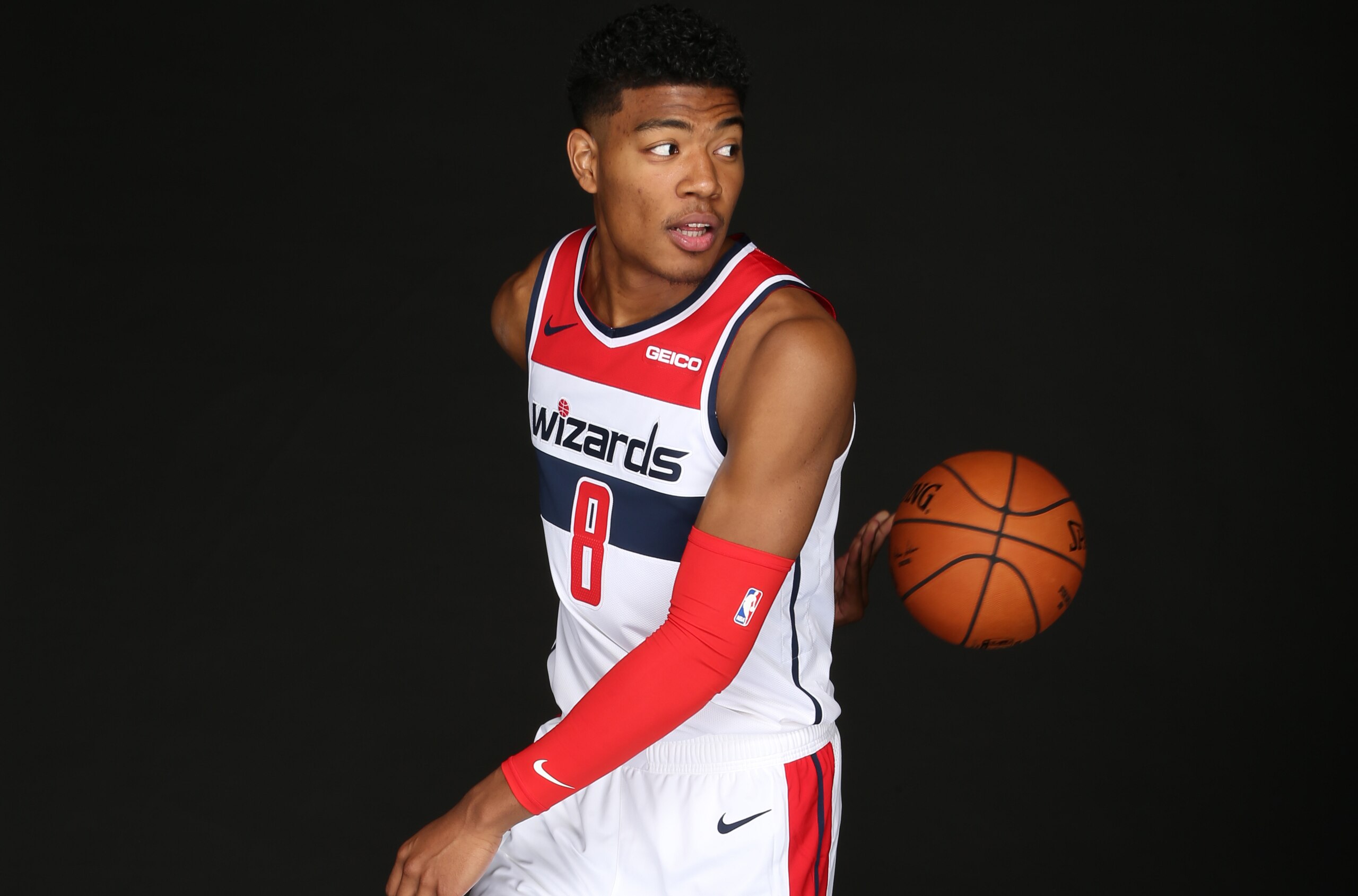
Projected key stats: 12-14 points per game, 6-8 rebounds, 45-50 FG percentage
With player development and Bradley Beal's happiness bigger priorities than winning for the Washington Wizards, Rui Hachimura could be looking at 30-plus minutes per game.
The stock arrow is already pointing up before preseason after his play in summer league and the FIBA World Cup for Japan. Hachimura can continue giving frontcourts trouble with his athleticism, quickness and skill level inside 17 feet, where he's strong at the rim, slick in the post and a threatening mid-range shooter.
The No. 9 overall pick could take his scoring to another level if he can add a three-ball, but Hachimura likes playing to his strengths, so he could pair his production with solid efficiency.
His rebounding and assist rates won't be high, and he'll presumably be a mixed bag on defense. But Hachimura has pro-ready tools and offensive skills to immediately start and outproduce Washington's other forwards.
4. Tyler Herro, Miami Heat
7 of 10
Projected key stats: 11-13 points, 3-4 assists, 40-43 FG percentage, 32-35 3PT percentage
Dion Waiters may already be feeling the pressure from Tyler Herro, who averaged 19.5 points in summer league and seems to have a strong case for playing time.
He'll probably start the season behind a healthy Waiters. But coach Erik Spoelstra still figures to use the guard for shot-making off the bench. And Waiters has had trouble staying durable and efficient throughout his career.
Herro should have a decent chance to push 20-plus minutes per game this season. He won't be shy with his opportunities—the skilled scorer has always been very aggressive in looking for his shot. And he's as polished a shot-maker as any rookie, dangerous when spotting up, pulling up, running off screens or leaking out on the break.
He's poised to show off his underrated handles and passing in ball-screen situations as well.
Herro's chances of finishing top three on the rookie ladder will spike with any injury to Waiters or 33-year-old Goran Dragic, who managed 36 games last year. Either way, the No. 13 pick should be a rotation player and contributor for Miami, thanks to a lethal jump shot, secondary playmaking and a sharp competitive edge.
3. Darius Garland, Cleveland Cavaliers
8 of 10
Projected key stats: 14-16 points per game, 4-5 assists, 2-3 turnovers, 40-42 FG percentage
Expected to start alongside Collin Sexton, Darius Garland still has a suitable role to produce like one of the top rookies.
Sexton stealing ball-handling touches and assist opportunities does hurt the No. 5 pick's Rookie of the Year chances. But odds are that Garland will see enough ball screens and two-man action with Kevin Love to match Sexton's 3.0 assists per game from last year. And he'll generate more praise for his scoring and shot-making.
Despite playing just five games at Vanderbilt before injuring his knee, Garland flashed a convincing mix of shot-creation and shooting. His pull-up is decisive and accurate, and he shows rhythm and range hopping into threes off the catch—a key skill, since he'll spend time playing 2-guard as well.
Garland plays below the rim and leans heavily on his jumper, so a low field-goal percentage—along with a weak assist-to-turnover ratio—is to be expected. He's still a good bet to finish top-five among rookies in scoring, with NBA-ready ball-handling wiggle and shot-making skills.
2. Ja Morant, Memphis Grizzlies
9 of 10
Projected key stats: 14-16 points, 7.5-8.5 assists, 3-4 turnovers 40-42 FG percentage
Stats play a key role in determining Rookie of the Year, and Ja Morant is set up for a giant statistical season.
He won't produce efficiently, given his decision-making and shooting shortcomings, coupled with lead-guard duties for one of the league's weakest rosters. But his passing and explosive athleticism for a ball-handler, which helped him lead the country last year in assists and transition points per game, have a high likelihood of translating to more layups, dunks and dimes.
It sounds like head coach Taylor Jenkins is prepared to milk Morant's strengths, even at the cost of a high turnover rate or bad shots. "I want him to play fast and aggressive," he told the Memphis Commercial Appeal's David Cobb. "I'm not going to pump the brakes a whole lot."
Morant won't shoot a high percentage, and he'll cough the ball up frequently. But with a green light to play through mistakes—and to play uptempo—the No. 2 pick should continue having success scoring in the lane and setting up teammates.
1. Zion Williamson, New Orleans Pelicans
10 of 10
Projected key stats: 16-18 points, 8-10 rebounds, 50-55 FG percentage
The class' unquestioned top talent, Zion Williamson also has a promising situation in New Orleans to win Rookie of the Year.
Passers in Jrue Holiday and Lonzo Ball will help optimize the No. 1 pick's athleticism and make the transition easier. Just by playing to his physical strengths, he should be productive and efficient, using his power, explosiveness and quickness to score easy baskets in transition, off lobs and cuts, and on the offensive glass. He won't have to hit jump shots or execute out of isolation to put up points.
Williamson is poised to make a defensive impact as well while racking up steals and blocks that only further strengthen his Rookie of the Year case. As exciting as he is offensively, the 285-pound forward is bound to give opponents trouble with his unique mix of foot speed, strength and competitiveness.
Morant may have a chance to put up numbers in Williamson's neighborhood, but the Pelicans rookie figures to shoot above 50 percent from the floor and add value at the defensive end.

.jpg?w=2560 "Chiefs, Steelers Eye WR Trades")





.jpg?w=2560 "Raiders Sticking with Cousins")