
MLB Draft Steals: The Best Late-Round Picks of All Time
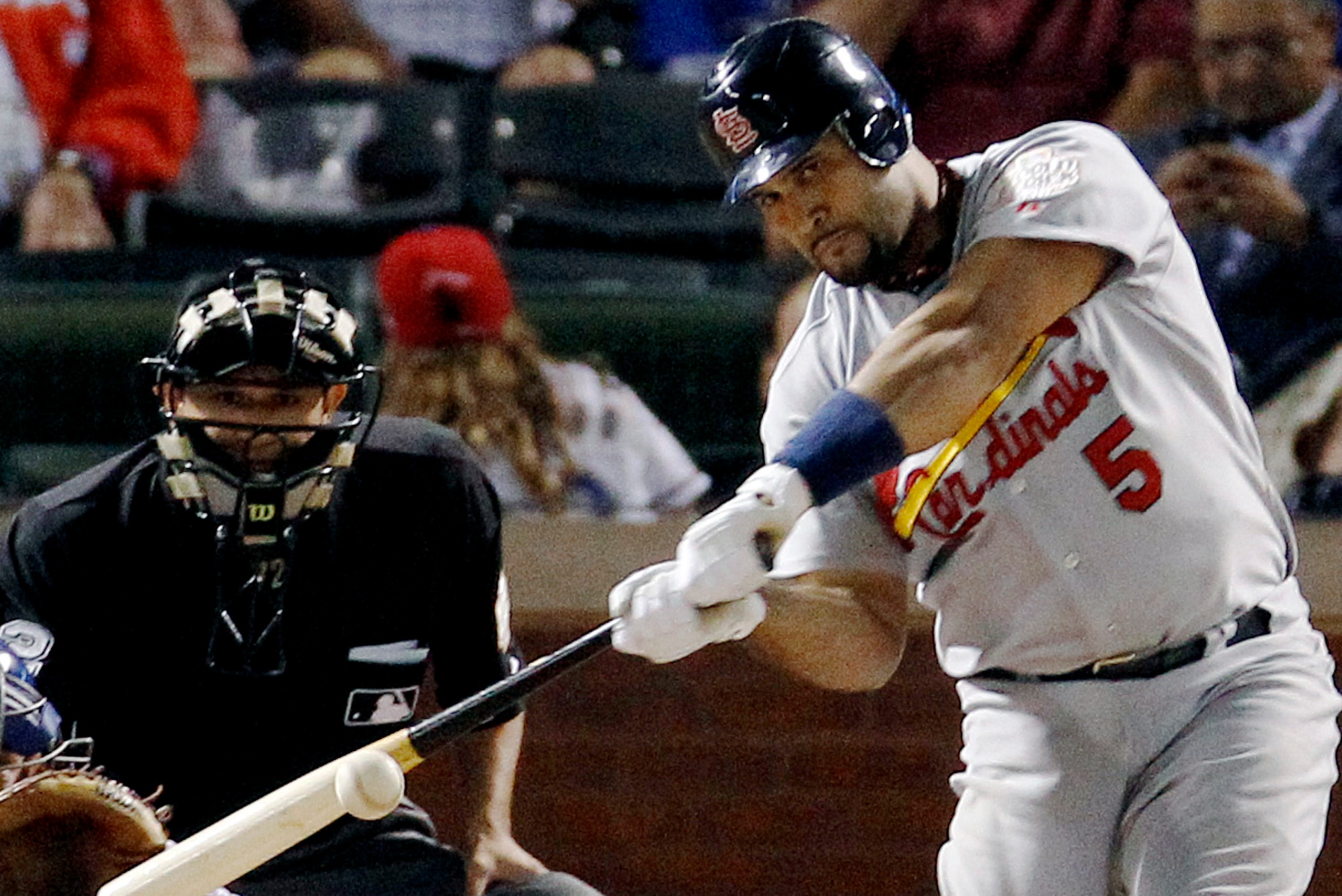
Long before accumulating more than 3,000 hits, 600 home runs and what will be at least $350 million when he retires, Albert Pujols was the 402nd overall pick in the 1999 MLB draft. It was easily one of the best late steals in the history of an event that dates back to 1965.
The length and number of rounds have varied over the years. When Jose Canseco was taken with the 392nd pick in the 1982 draft, he was a 15th-rounder. But when Gene Tenace was taken 340th overall in 1965, it was in the 20th round.
Thus, rather than saying a player needs to be taken in a certain round or later to qualify, we're defining a late-round steal as anyone who was selected 400th overall or after. For what it's worth, with the exception of Pujols (13th), everyone in our top 10 went in the 17th round or later. (Some of them much, much later.)
Baseball Reference's career wins above replacement (WAR) was the primary metric considered for inclusion. How late the player was drafted was also a key data point in the ranking process, though. For instance, Orel Hershiser had a career WAR of 56.3 after being selected 440th overall in 1979 and Jeff Kent had a 55.4 WAR as the 523rd overall pick in 1989, but they both missed the cut in favor of a 39th-round pick with a WAR of 50.7.
Honorable Mentions Who Didn't Sign
1 of 12
Late in the MLB draft, there's no telling whether a player will sign with the club who picked him. Seniors in college usually will, since it's probably their last chance at playing professionally. High schoolers or college underclassmen, however, will often turn down the chance to sign in hopes of climbing higher up the draft board in subsequent seasons.
Here are a few noteworthy guys whom teams tried to take a flier on in the 40th round or later, but who knew bigger and better things were on their horizons:
Tim Lincecum
- 48th round (1,408th overall pick) of the 2003 draft (Chicago Cubs)
- 42nd round (1,261st overall pick) of the 2005 draft (Cleveland Indians)
- 1st round (10th overall pick) of the 2006 draft (San Francisco Giants)
Dave Winfield
- 40th round (884th overall pick) of the 1969 draft (Baltimore Orioles)
- 1st round (4th overall pick) of the 1973 draft (San Diego Padres)
Jason Giambi
- 43rd round (1,118th overall pick) of the 1989 draft (Milwaukee Brewers)
- 2nd round (58th overall pick) of the 1992 draft (Oakland Athletics)
Max Scherzer
- 43rd round (1,291st overall pick) of the 2003 draft (St. Louis Cardinals)
- 1st round (11th overall pick) of the 2006 draft (Arizona Diamondbacks)
Paul Goldschmidt
- 49th round (1,453 overall pick) of the 2006 draft (Los Angeles Dodgers)
- 8th round (246th overall pick) of the 2009 draft (Arizona Diamondbacks)
George Springer
- 48th round (1,437th overall pick) of the 2008 draft (Minnesota Twins)
- 1st round (11th overall pick) of the 2011 draft (Houston Astros)
And here's my favorite nugget of information from all this research: Chris Davis was selected in the 50th round (1,496th overall pick) of the 2004 draft, and then Buster Posey was drafted in the exact same spot the following year. Davis eventually became a fifth-round pick in 2006 while Posey was destined to be the fifth overall pick in 2008, but it's wild that they were originally drafted one year apart like that.
Honorable Mentions Who Signed
2 of 12
By the 25th round, the odds are slim to none that a team will be able to find (and sign) a player who will make a tangible impact one day. But in addition to four players in our top 10, we found nearly a dozen other guys who accumulated at least 15 WAR in their careers.
Orlando Hudson, 30.9 WAR, 43rd round (1,280 overall pick) in 1997
Travis Hafner, 24.8 WAR, 31st round (923rd overall pick) in 1996
Kevin Kiermaier, 21.1 WAR, 31st round (941st overall pick) in 2010
Raul Ibanez, 20.4 WAR, 36th round (1,006th overall pick) in 1992
Jeff Conine, 19.5 WAR, 58th round (1,226th overall pick) in 1987
Eric Young, 18.8 WAR, 43rd round (1,123rd overall pick) in 1989
Marcus Giles, 16.8 WAR, 53rd round (1,512th overall pick) in 1996
Brad Ausmus, 16.5 WAR, 48th round (1,152nd overall pick) in 1987
Al Cowens, 15.3 WAR, 75th round (1,028th overall pick) in 1969
Jarrod Dyson, 15.1 WAR, 50th round (1,475th overall pick) in 2006
Robb Nen, 15.0 WAR, 32nd round (831st overall pick) in 1987
10. Bret Saberhagen
3 of 12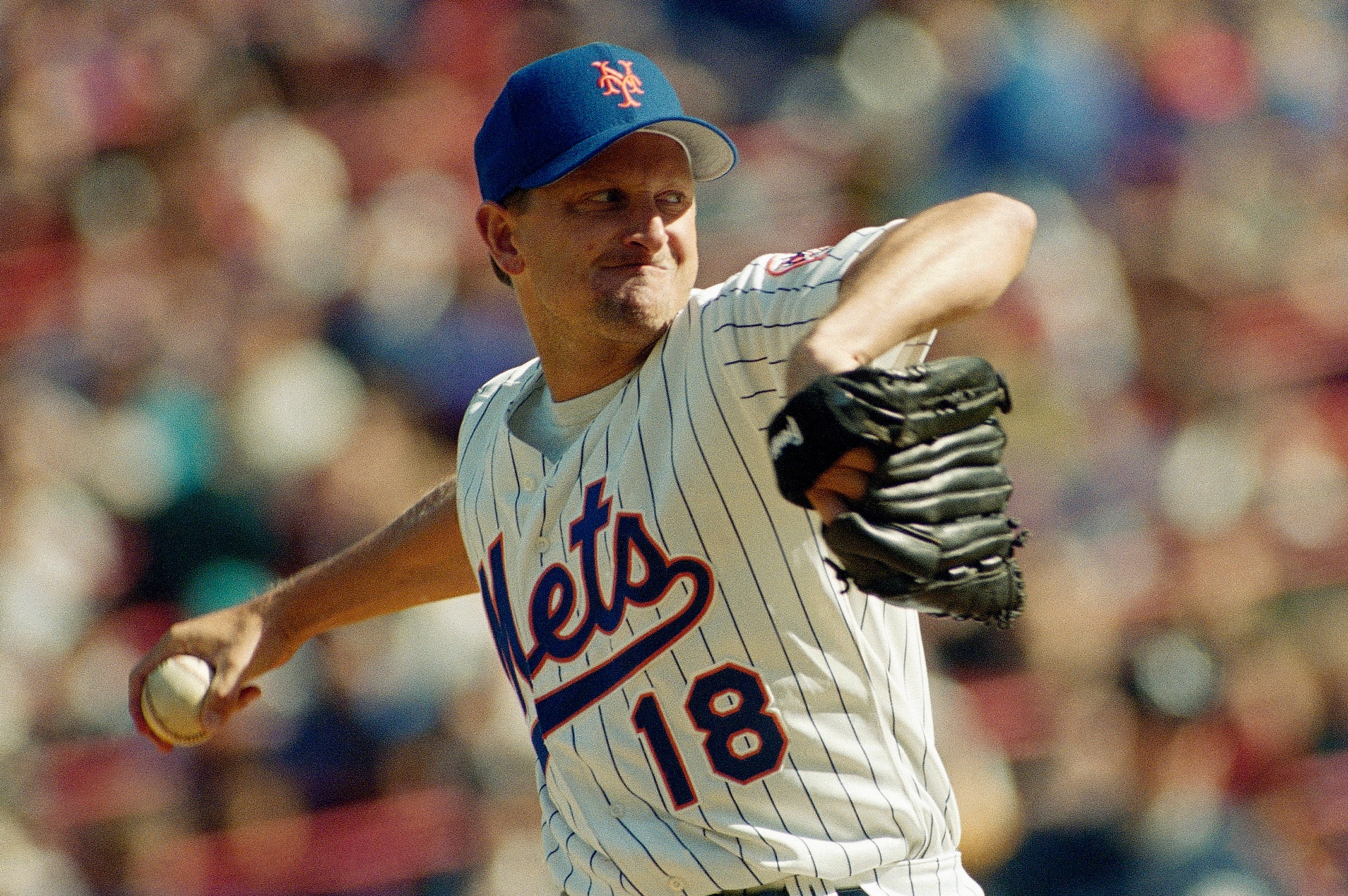
Drafted: 480th overall (19th round) in 1982
Career Stats: 59.0 WAR, 167-117, 3.34 ERA, 1,715 K, 1985 & 1989 AL Cy Young, 1985 World Series MVP, one no-hitter
Given how quickly Bret Saberhagen blossomed into a star, it's hard to believe it took 19 rounds before any team recognized his potential.
Drafted by the Kansas City Royals at the age of 18, he was a Cy Young winner in his second MLB season and collected another Cy Young in his age-25 campaign. He went 20-6 in 1985 with a 2.87 ERA and a league-best WHIP of 1.058. And that was nothing compared to 1989, when his numbers were 23-6, 2.16 and 0.961, respectively.
Those are just the regular-season statistics, though. Factor in what he did in the 1985 World Series and Saberhagen's second year in the big leagues was easily his best. He had no fear of the moment, pitching complete games in both of his starts against the St. Louis Cardinals. He gave up one run in Game 3 and hurled a five-hit shutout in Game 7.
Saberhagen didn't have the longevity or strikeouts to become a Hall of Famer, but from 1985 to 1994, only Roger Clemens accumulated more FanGraphs WAR than Saberhagen. The Royals found quite the gem late in the 1982 draft.


9. Kenny Rogers
4 of 12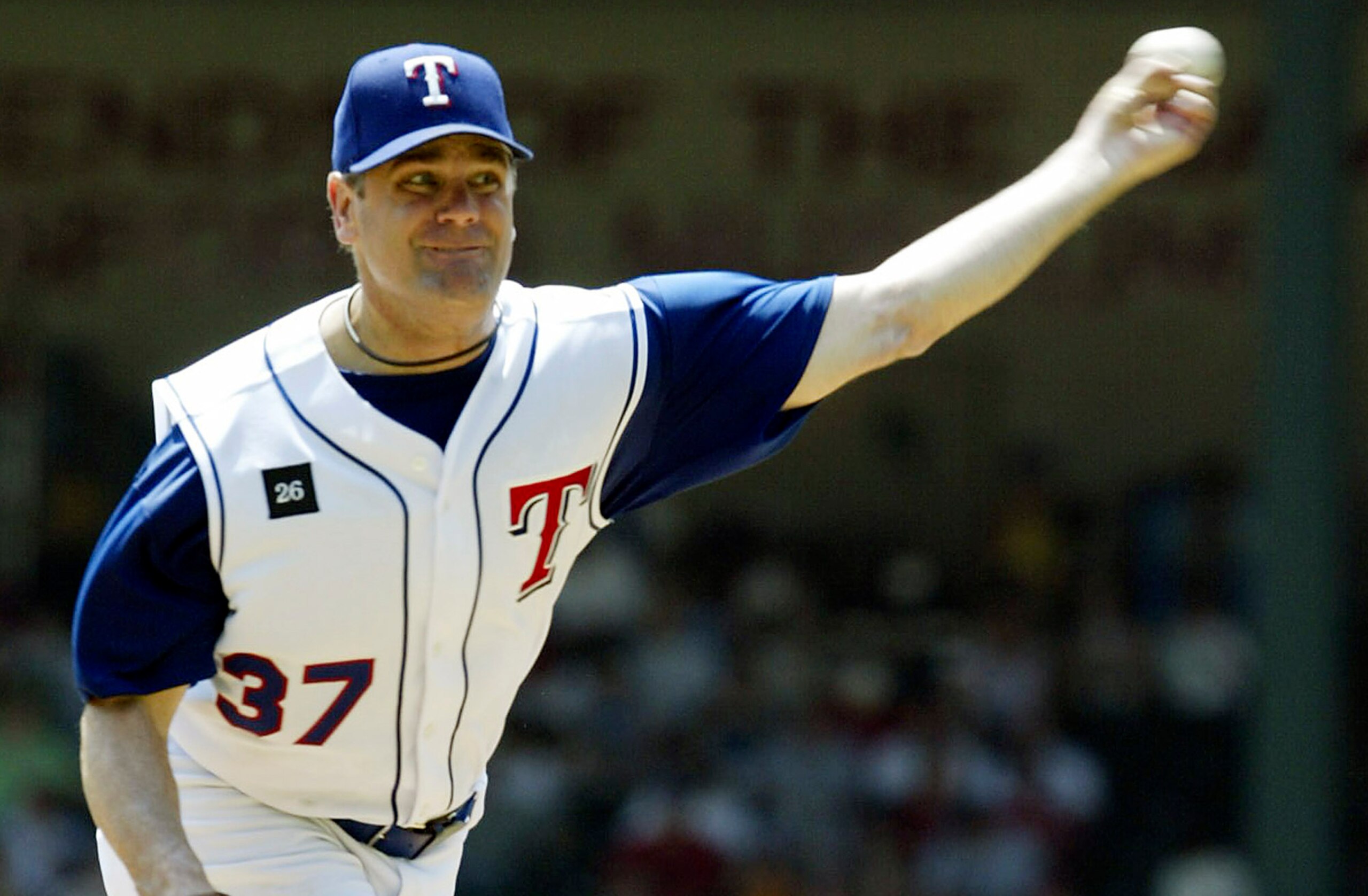
Drafted: 816th overall (39th round) in 1982
Career Stats: 50.7 WAR, 219-156, 4.27 ERA, 1,968 K, four-time All Star, five-time Gold Glove recipient, one perfect game
Saberhagen was a better pitcher than Kenny Rogers, but "The Gambler" was the biggest steal in 1982, considering he went 20 rounds later.
Rogers was just a 17-year-old kid when the Texas Rangers drafted him, and he didn't make it to the big leagues until he was 24. Once he got there, though, he stuck around for two decades, aging like a fine wine.
His best years didn't come until near the end of his career, as three of his four All-Star appearances came after he turned 39. Rogers was almost 42 years old when he finally received a vote for a Cy Young Award, placing fifth in 2006.
His biggest moment came well before that, though. Two weeks prior to the strike that prematurely ended the 1994 season, he threw a perfect game against the California Angels. Incredible stuff from the 816th pick in an 832-player draft.
8. Andy Pettitte
5 of 12
Drafted: 594th overall (22nd round) in 1990
Career Stats: 60.3 WAR, 256-153, 3.85 ERA, 2,448 K, three-time All Star
For a guy who was only on three All-Star Game rosters, Andy Pettitte carved out one heck of a career.
For instance, did you know that Pettitte never had a losing record in 18 seasons?
Or that he made at least one playoff start in 14 of those 18 seasons, putting together a career record of 19-11 in 44 postseason starts?
How about the fact that—despite never winning one—he finished in the top six in five different Cy Young votes?
Considering he spent his entire career pitching home games in the power-heavy confines of Yankee Stadium and Houston's Minute Maid Park, it's astounding that this 22nd-round pick was well above replacement level in every season for nearly two decades. Pettitte is also the only player from the 22nd round of the 1990 draft who had a career WAR greater than zero.
Pettitte's ERA will always leave something to be desired, but his 2,020 strikeouts in a Yankees uniform are the most in franchise history. For as much as people like to complain about the Yankees' practice of buying stars from other teams, they deserve credit for drafting this sleeper and slowly bringing him up through the minor league system for more than four years.
7. Kenny Lofton
6 of 12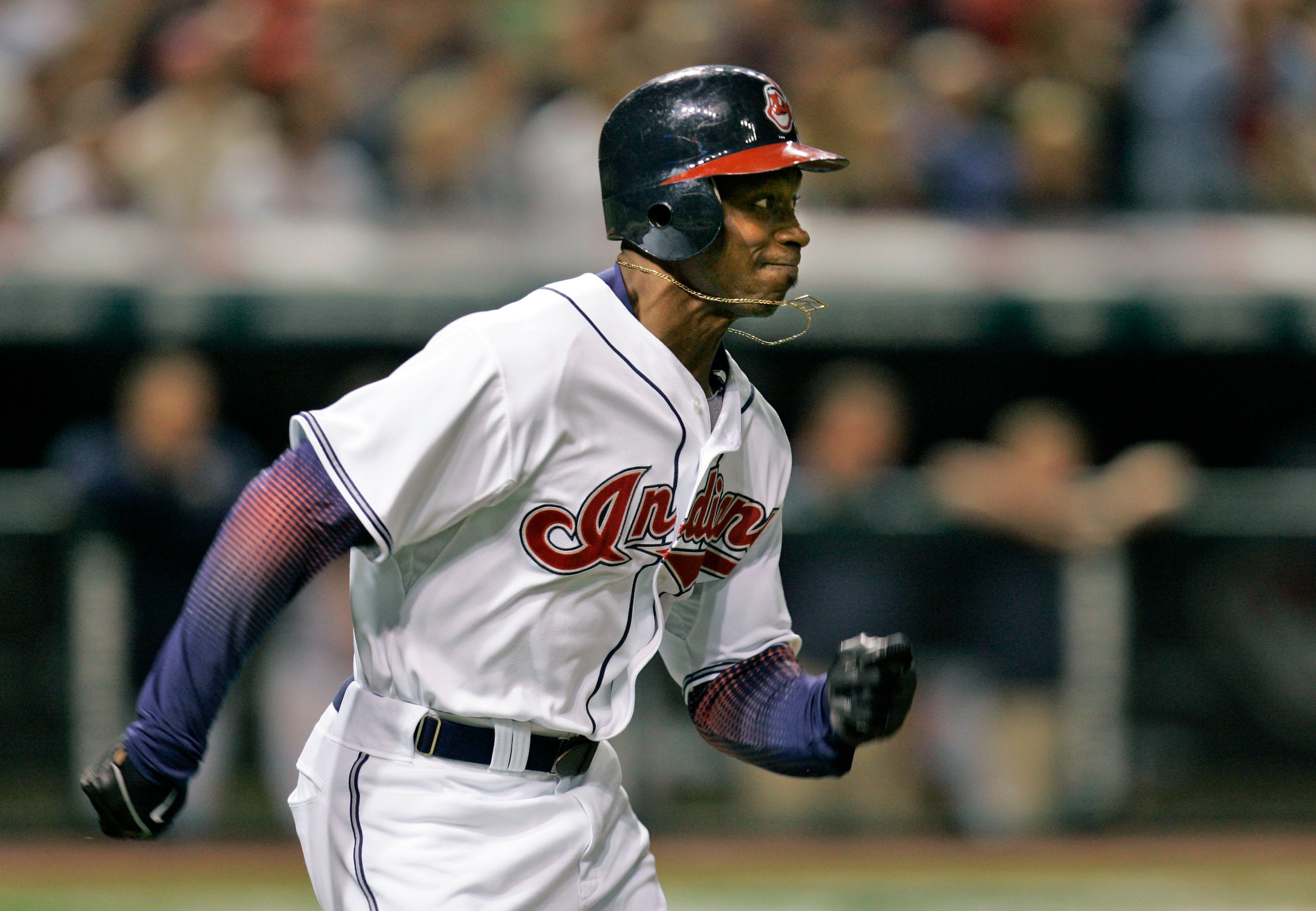
Drafted: 428th overall (17th round) in 1988
Career Stats: 68.3 WAR, 130 HR, 622 SB, .299/.372/.423, six-time All Star, four-time Gold Glove recipient
By the end of his career, it seemed like Kenny Lofton played for every team in baseball. Perhaps they were all trying to recover from the embarrassment of repeatedly overlooking him for the first 16 rounds of the 1988 draft.
It was actually just 11 teams Lofton played for, but the one that drafted him got the least value of all. Lofton only played 20 games for the Houston Astros, batting .203 with two stolen bases before they dealt him to the Cleveland Indians in December 1991. That's where he rapidly became a fan favorite.
Over the course of the next decade—nine years with Cleveland, one in the middle with Atlanta—Lofton batted .303, stole 477 bases and got all of his career votes for honors such as All-Star Games, Gold Gloves, Rookie of the Year (he finished runner-up in 1992) and MVP (four times receiving votes, including a fourth-place finish in 1994).
Lofton never played for a World Series champ, but he did make 11 trips to the postseason in his 17 years. Between the 1995 ALCS and World Series, he did everything in his power to get the Indians a championship, stealing 11 bases in 12 games.
The speedster ranks 15th in career stolen bases.
6. Ryne Sandberg
7 of 12
Drafted: 511th overall (20th round) in 1978
Career Stats: 68.0 WAR, 282 HR, 344 SB, .285/.344/.452, 1984 NL MVP, 10-time All Star, nine-time Gold Glove recipient
Just like Lofton, the team that drafted Ryne Sandberg barely got any return on that investment. The Philadelphia Phillies selected Sandberg in the 20th round in 1978 and brought him up to the big leagues three years later. He made six plate appearances with the Phillies before they traded him and Larry Bowa to the Chicago Cubs for Ivan de Jesus.
Whoops.
Starting with his MVP season in 1984, Sandberg averaged 24.0 home runs and 27.2 stolen bases over the course of nine seasons. He was an All Star in each of those years and earned either a Gold Glove or a Silver Slugger award in each, including six times winning both. He stole 54 bases in 1985 and slugged a career-high 40 home runs in 1990.
His combination of speed and power has rarely been seen—not to mention his glove skills at second base. Sandberg is one of just nine players in MLB history with at least 275 home runs and 325 stolen bases. The others are Barry Bonds, Willie Mays, Alex Rodriguez, Rickey Henderson, Bobby Bonds, Bobby Abreu, Craig Biggio and Eric Davis.
Aside from Sandberg, the only player from the 1978 draft to get inducted into the MLB Hall of Fame was Cal Ripken Jr. Six of the top 11 draft picks that year never even made it to the big leagues.
5. Mark Buehrle
8 of 12
Drafted: 1,139th overall (38th round) in 1998
Career Stats: 59.3 WAR, 214-160, 3.81 ERA, 1,870 K, five-time All Star, four-time Gold Glove recipient, two no-hitters (one perfect game)
There's no chance Mark Buehrle will get inducted into the Hall of Fame, but he's still one of the two best players to be drafted (and signed) 800th or later.
Similar to Pettitte, Buehrle wasn't an ace, but he was a great No. 2 option in a starting rotation for 15 years. He wasn't anything close to a strikeout machine, but season after season, he could be counted on for 30 starts, 200 innings and an ERA in the high threes or low fours. More than anything, that durability and consistency—as well as how quickly he worked on the mound—are what gradually made him a fan favorite in Chicago.
Throwing a no-hitter in 2007 and a perfect game in 2009 didn't hurt, either.
Buehrle was always above average, but 2005 was the only year he flirted with being the best in the business. He went 16-8 with a 3.12 ERA for the eventual World Series champs, finishing fifth in the AL Cy Young vote.
Aside from Mike Piazza, the next-best player after Buehrle drafted 1,139th or later was probably Orlando Hudson. The O-Dog was taken 969th in 1996 but didn't sign. The following year, Toronto took him at 1,280. But "next-best player" doesn't mean they were similar in value. Buehrle's career WAR is nearly double Hudson's (30.9). His is a once-in-a-blue-moon success story.
4. Keith Hernandez
9 of 12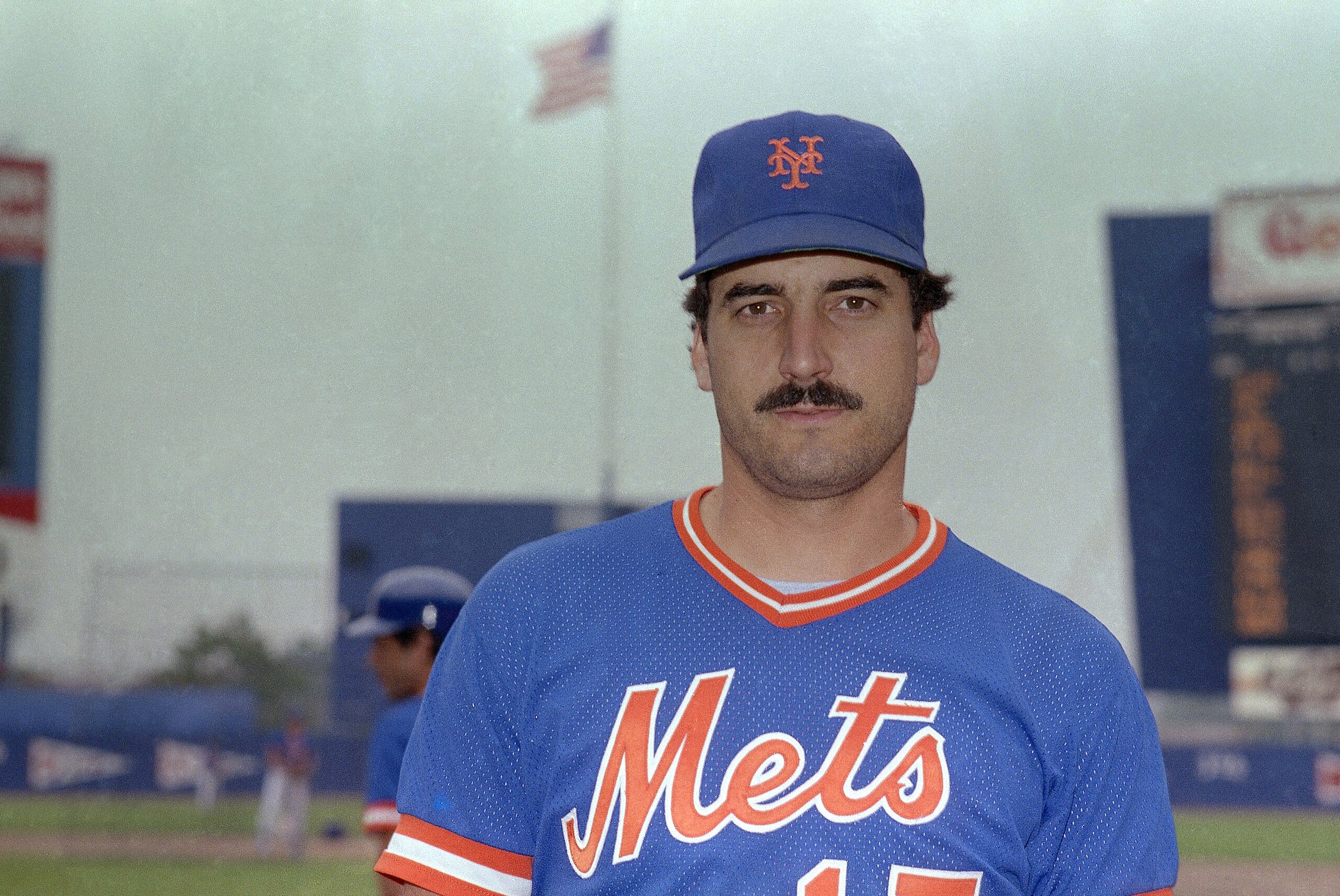
Drafted: 785th overall (42nd round) in 1971
Career Stats: 60.4 WAR, 162 HR, 1,071 RBI, .296/.384/.436, 1979 NL MVP, five-time All Star, 11-time Gold Glove recipient
A testament to how much the MLB draft has changed over the years, Keith Hernandez went four rounds later than Buehrle but 354 picks before the left-handed hurler. Either way, the best defensive first baseman in the sport's history (in terms of awards) was one heck of a steal late in the 1971 draft.
Hernandez is one of just nine players to win at least 11 Gold Gloves. The others were Greg Maddux (18), Brooks Robinson (16), Jim Kaat (16), Ozzie Smith (13), Ivan Rodriguez (13), Roberto Clemente (12), Willie Mays (12) and Omar Vizquel (11). That group of mostly Hall of Famers all played different positions than Hernandez, though. He is the only first baseman to ever win more than nine Gold Gloves.
Hernandez was no slouch at the dish, either. He never hit more than 18 home runs in a season, but he did bat at least .290 every year from 1979 through 1987. In the first of those nine consecutive seasons, he hit .344 and had career highs in both runs (116) and RBI (105) in the process of being named the National League's co-MVP with Willie Stargell.
He was a key part of two World Series champions—the 1982 St. Louis Cardinals and the 1986 New York Mets. In the former, he went 7-for-12 with eight RBI in Games 5-7. In the latter, his two-run single in the sixth inning of Game 7 is what finally got the offense rolling for the come-from-behind victory.
3. John Smoltz
10 of 12
Drafted: 574th overall (22nd round) in 1985
Career Stats: 69.1 WAR, 213-155, 154 SV, 3.33 ERA, 3,084 K, 1996 NL Cy Young, eight-time All Star
Before the end of his MLB debut (8.0 IP, 4 H, 1 ER, 2 K), John Smoltz had already accomplished more than the combined careers of every other player selected in the 22nd round of the 1985 draft. Jeff Shaver pitched one inning. Howard Hilton pitched three innings. And that's it. No one else made it to the big leagues.
That Smoltz went on to become a Hall of Famer and the only pitcher in MLB history with at least 200 wins and 150 saves was just a whole lot of icing on the cake.
Smoltz was phenomenal in 1996. Not only did he win 24 games during the regular season with a 2.64 ERA and a league-best 276 strikeouts, but he was also almost untouchable in the postseason. He went 4-1 in five starts with a 0.95 ERA and a .163 batting average against. In the only game he lost, he struck out 10 batters in eight innings while allowing just one unearned run. Suffice it to say, he earned and then defended that Cy Young Award.
But equally incredible is what he accomplished from 2005 through 2007. Smoltz had Tommy John surgery in 2000 and became Atlanta's closer from 2001 to 2004. But at 38 years old, he returned to the starting rotation and won 44 games over the next three years, including finishing in the top seven in the NL Cy Young vote in both 2006 and 2007.
Smoltz is one of just 16 pitchers with at least 3,000 career strikeouts in the majors, making him the best hurler to ever be drafted (and signed) 400th or later.
2. Mike Piazza
11 of 12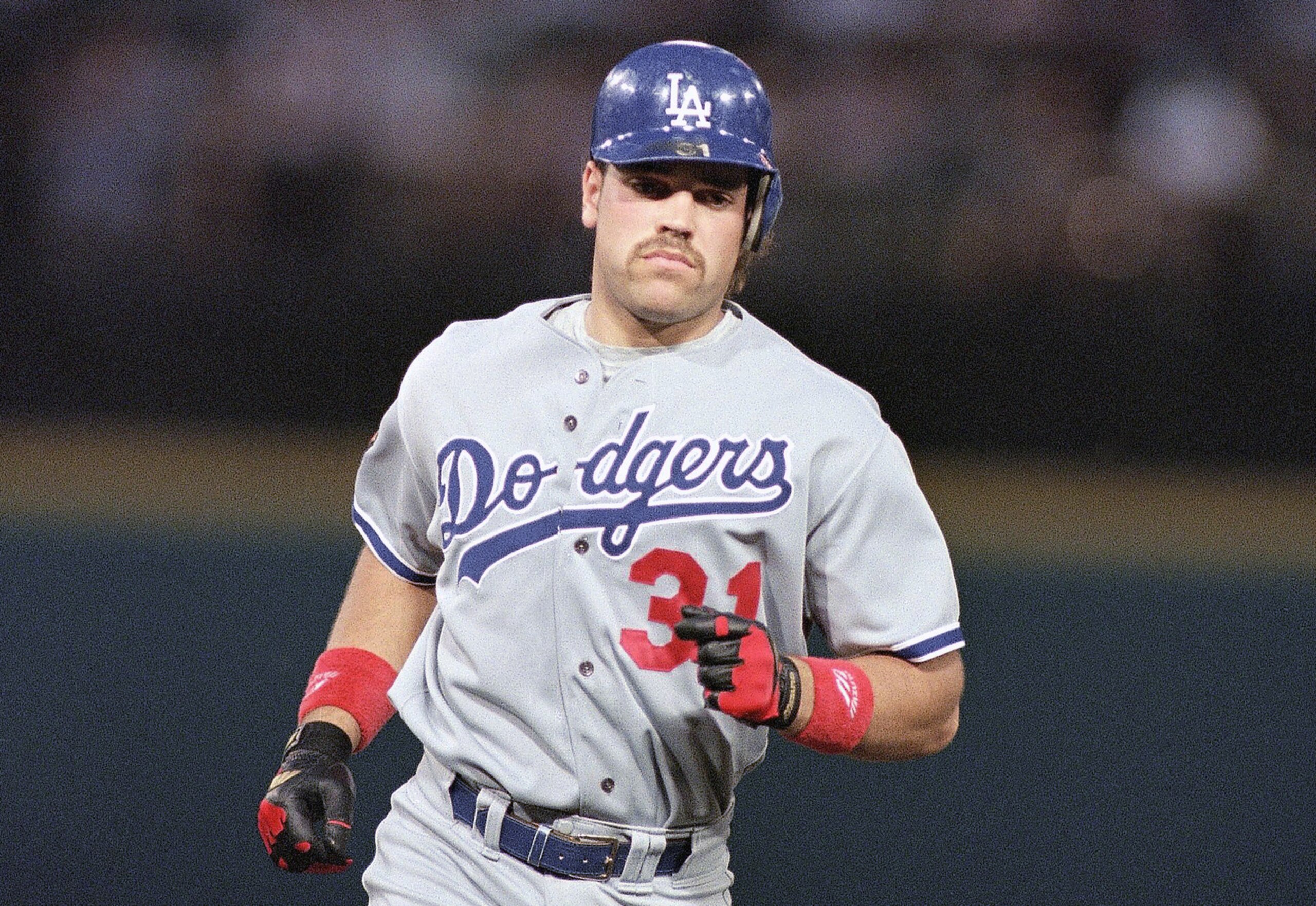
Drafted: 1,390th overall (62nd round) in 1988
Career Stats: 59.6 WAR, 427 HR, 1,335 RBI, .308/.377/.545, 1993 NL Rookie of the Year, 12-time All Star, 10-time Silver Slugger
Piazza is Major League Baseball's ultimate rags-to-riches story.
Both in terms of round and overall pick, he wouldn't get drafted anymore. In 2017, the draft was 40 rounds with a total of 1,205 picks. The last time there were more than 1,300 selections was in 2011, and it has been more than two decades since the last time the draft went more than 50 rounds (1997)—let alone 62.
And yet, that's where the Los Angeles Dodgers found a future Hall of Famer.
Piazza is almost indisputably the best hitting catcher in baseball history. He's the only one to mash at least 390 career home runs, and he did so while batting an impressive .308. Per FanGraphs, Piazza's .545 slugging percentage is 45 points higher than that of the next-best qualified player at the position, Roy Campanella.
And unlike Joe Mauer, who decided to start saving his knees by moving to first base and DH after about a decade, Piazza was primarily a catcher for 15 of his 16 seasons, crouching behind the plate in 1,630 of his 1,912 career games.
He never won an MVP, but he did finish in the top 10 seven times, including a pair of second-place finishes in 1996 and 1997. Not too bad for a guy who was overlooked 1,389 times before getting drafted.
1. Albert Pujols
12 of 12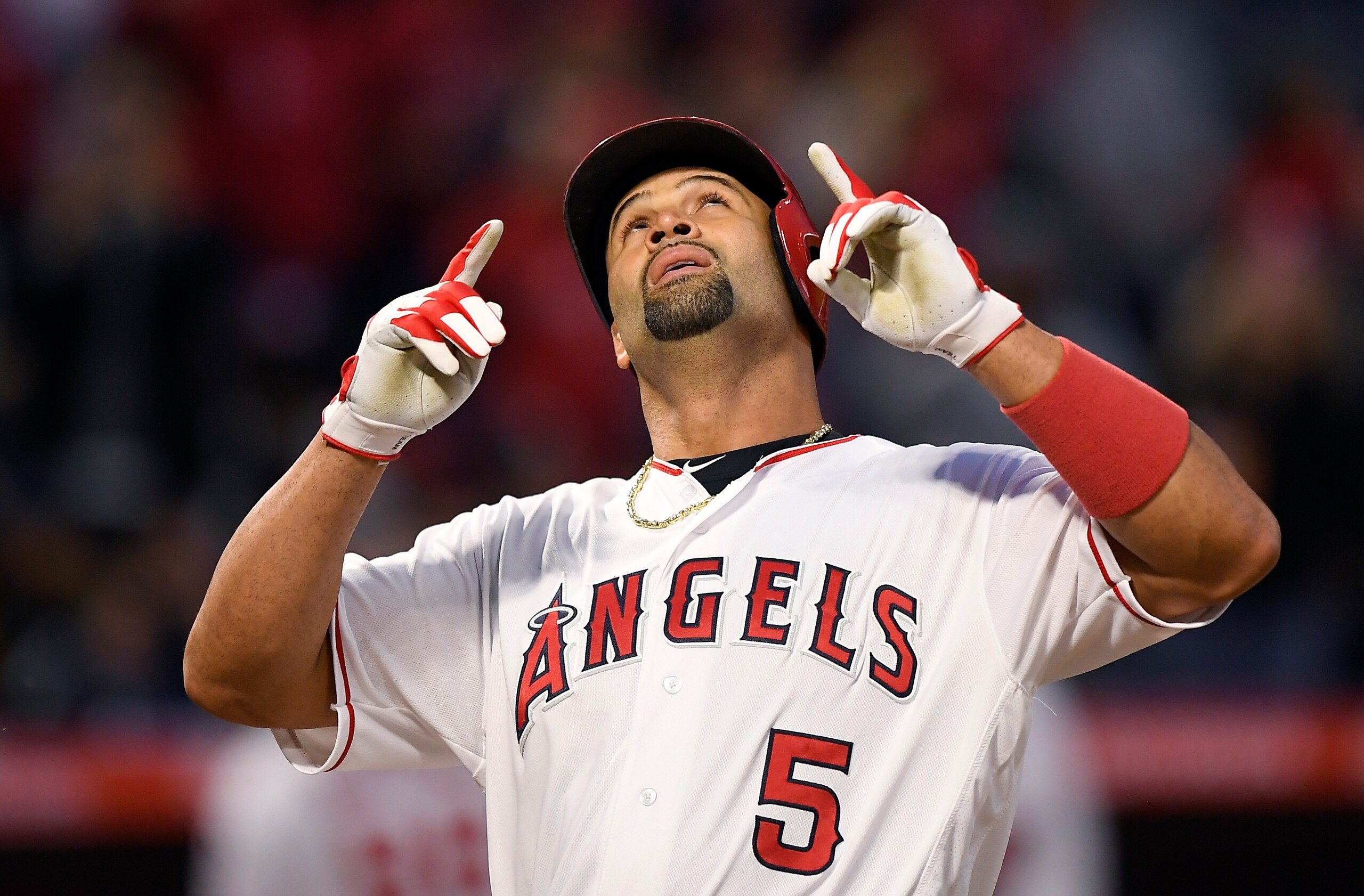
Drafted: 402nd overall (13th round) in 1999
Career Stats (through 2017): 99.6 WAR, 3,002 hits, 620 HR, 1,938 RBI, .304/.385/.560, 2001 NL Rookie of the Year, 2005, 2008 & 2009 NL MVP, 10-time All Star
Though Piazza was taken nearly 1,000 spots later in the 1988 draft than Albert Pujols was in 1999, the gap in career production was too wide to give the 62nd-rounder the No. 1 spot on this list.
It was a tough decision, though, right up until I remembered how ridiculous Pujols was in his 11 seasons with the St. Louis Cardinals.
When Pujols first broke into the league, the Cardinals still had Mark McGwire and Bobby Bonilla as aging first basemen. In Pujols' second season, Tino Martinez was the club's primary 1B. But Pujols did whatever it took to get his bat into the lineup, playing a lot of outfield and third base before finally getting the full-time job at first in 2004.
Through it all, "The Machine" finished in the top five in the NL MVP vote in 10 of 11 years from 2001 through 2011, and the lone exception came in 2007 when he finished ninth while batting .327 with 32 home runs. Per FanGraphs, his cumulative WAR during that run was 81.4. Alex Rodriguez (73.9) and Roy Halladay (62.7) were the only other players with marks of 55 or better.
His average season line for those 11 years was .328/.420/.617 with 40.5 home runs and 120.8 RBI. Considering no player in the past four seasons has even batted .300 with 40 home runs and 120 RBI, that's quite the average to establish for more than a decade.
Pujols is arguably the greatest player in baseball dating back to 2000. But in June 1999, there were allegedly 401 better options to choose from at the draft.
Kerry Miller is a multisport writer for Bleacher Report. You can follow him on Twitter, @kerrancejames.



.jpg?w=2560 "Love's Body Already 'Tired'")

.jpg?w=2560 "Tyreek Deal May Come Soon")
.jpg?w=2560 "Ward Nearly Walks Out of Presser ▶️")