2018 Winter Olympics: Final Medal Count and Countries with Most Gold
Everywhere you turned at the 2018 Winter Olympics in Pyeongchang, South Korea, Norway was winning a medal.
Norway earned the most medals at a single Winter Olympics with 39, a total that beat the previous mark set by the United States by two.
The Norwegians earned a medal in eight different sports, and 14 of the 39 medals came from cross-country skiing.

.jpg?w=2560 "Rams Raiders Football")

Germany provided a stiff test in the medal count for most of the two-week competition, as it finished second with 31 medals.
Although they were separated by eight medals, Norway and Germany both totaled 14 golds, while Canada was the only other nation to have double-digit gold-medal winners.
The United States made a late push to finish fourth in the medal count, as its nine Olympic titles in Pyeongchang added to a final tally of 23.
Medal Count
Countries With Most Gold
Norway
Norway picked up a gold in six different Olympic sports in Pyeongchang, with half of its 14 championships coming in cross-country skiing.
Four different Norwegians placed first in cross-country, with Marit Bjoergen's title in the women's 30-kilometer mass start being the most impressive.
Bjoergen, who became the most successful Winter Olympian of all time in South Korea, won the final medal event of the Olympics with a margin of victory of one minute, 49 seconds.
Johannes Klaebo, Simen Krueger and Ragnhild Haga were the other three individual winners, while three more golds came in relay and team sprint events.
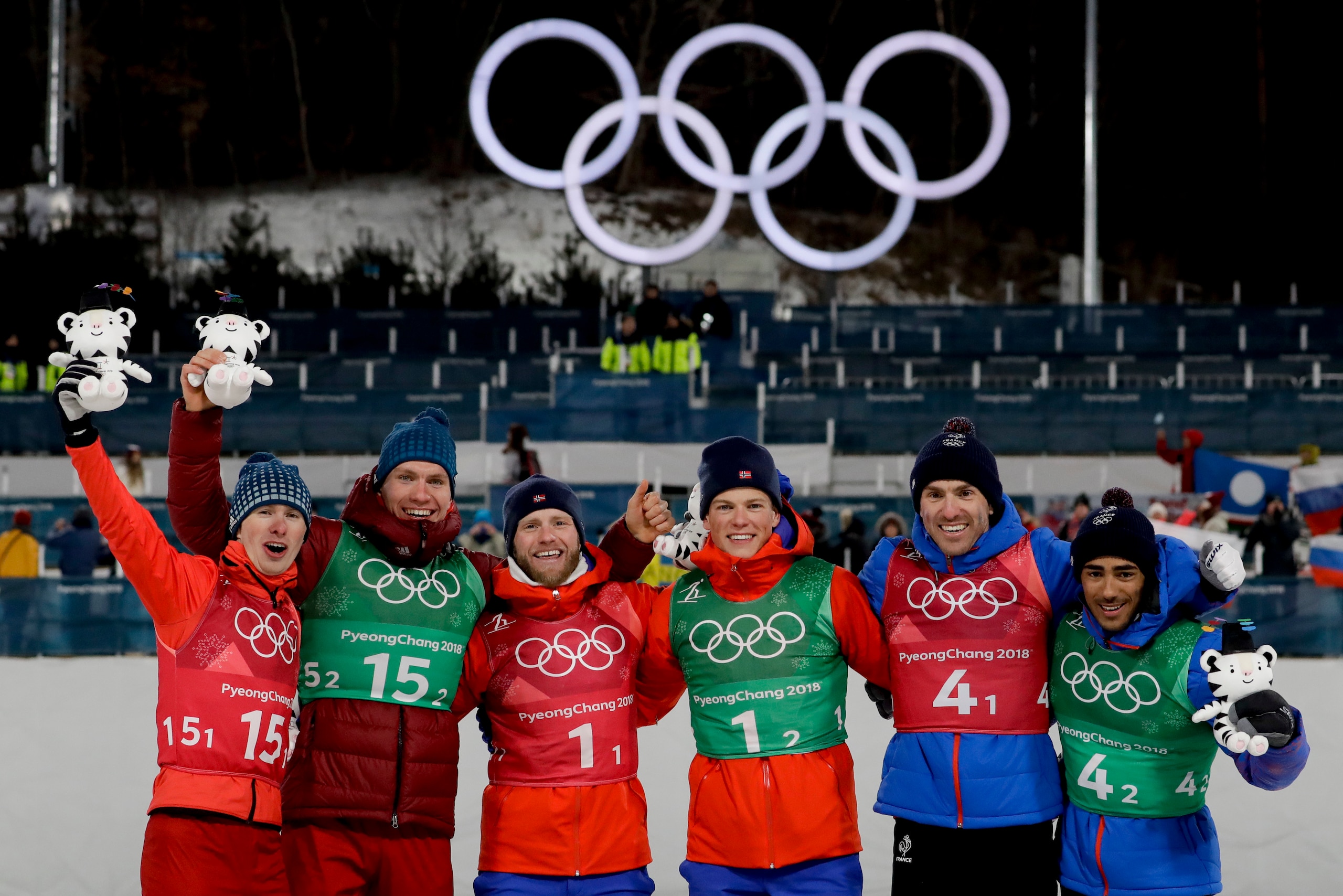
The Norwegians picked up more than one gold in ski jumping and speedskating and topped the podium in one event in freestyle skiing, alpine skiing and biathlon.
In total, 16 different Norwegian athletes left Pyeongchang with multiple medals, with 12 of them earning top-three finishes in an individual and team event.
Germany
Germany had a chance to overtake Norway for most golds in Pyeongchang Saturday, but its men's ice hockey team fell to the Olympic Athletes from Russia in overtime of the gold-medal game.
The Germans won three golds in four sports, as they continued their strong tradition in bobsled and luge and dominated the nordic combined events.
Laura Dahlmeier was the driving force of the German biathlon team, as she won two of the team's three golds while adding a bronze to her haul.

The other two Olympic titles came from the figure skating pairs team of Aljona Savchenko and Bruno Massot and Andreas Wellinger in the ski jumping normal hill.
Savcheno and Massot may have had the most impressive German victory, as they went from fourth to first behind an incredible performance in the free skate that garnered a score of 159.31 points.
In addition to Dahlmeier, six other German athletes picked up a pair of golds in South Korea, with three of them coming from luge.
Canada
It's hard to think Canada was as successful as it was without dominating curling and ice hockey like it's done in past Olympics.
The lone victory from those two sports came in mixed doubles curling at the start of the Olympics.
Freestyle skiing garnered the most medals of any sport for the Canadians, as Kelsey Serwa, Brady Leman, Mikael Kingsbury and Cassie Sharpe won their respective events.
Tessa Virtue and Scott Moir were the only Canadian athletes to win two golds, as they won the figure skating team event before dominating the ice dance.
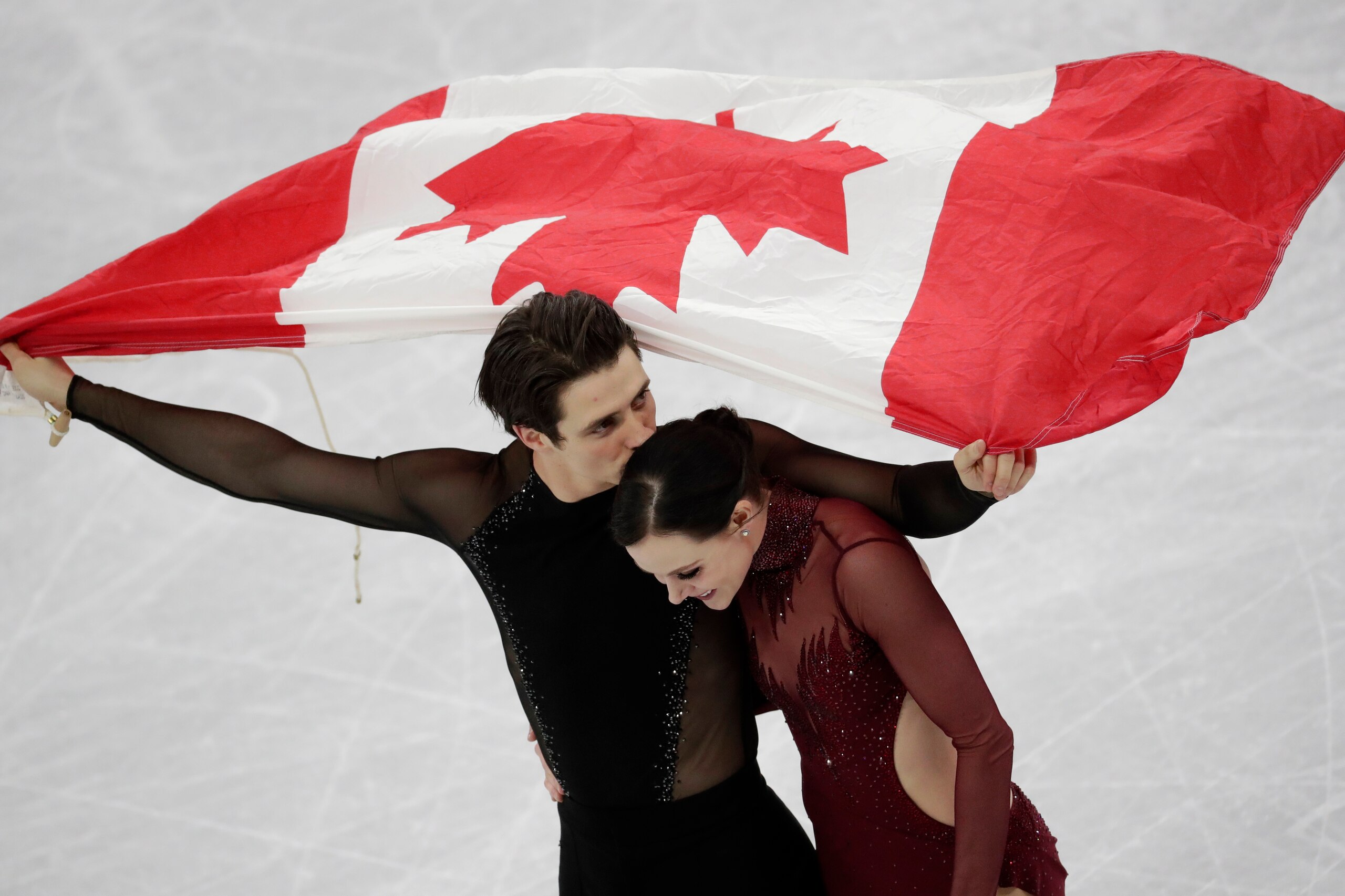
Canada put together one of the most diverse medal collections, with golds in seven different sports and a medal in nine.
The most memorable showing from the other gold-medal winners came from the men's two-man bobsled team of Justin Kripps and Alexander Kopacz, who tied the German sled driven by Francesco Friedrich atop the podium.
Follow Joe on Twitter, @JTansey90.
Statistics obtained from Olympic.org and NBCOlympics.com.

.jpg?w=2560 "Steelers Saints Football")

.jpg?w=2560 "Packers Safety Slams Refs 🤬")
.jpg?w=2560 "🚨 Week 8 AP Top 25 Poll")