

The 2018 Winter Olympics, featuring athletes from 93 nations, will open on Feb. 9 in Pyeongchang, South Korea.
We know so much already. For example:
- These will be the second Olympic Games held in South Korea after that Pyeongchang beat out Munich, Germany, and Annecy, France, to win the bid to host.
- The torch relay began on Nov. 1 and will last 101 days in all.
- There are 102 medals to be awarded.
- Four new events are coming (alpine skiing team event, snowboard big air, speed skating mass start and curling mixed doubles).
But there's still plenty we don't know about the Pyeongchang Games. For instance, will the KHL allow its athletes to compete in the men's ice hockey tournament? Which country will take home the most medals? And will ticket sales pick up prior to the opening of the Games?
We'll break down these and more burning questions with the opening ceremony of the 2018 Games fast approaching.
Will the KHL Allow Its Athletes to Participate?
1 of 5
Dmitry Chernyshenko, president of the Kontinental Hockey League, still hasn't decided if he will permit KHL players to participate in the 2018 Winter Olympics.
With the Opening Ceremony set for Feb. 9, Chernyshenko said that he is still waiting to see exactly how many Russian athletes will be banned from participating in this year's Games before making his decision, per the Associated Press via CBC.
The decision to hold the KHL athletes out of the Olympics would have ramifications for multiple countries' teams, though obviously the Olympic Athletes from Russia would be the most severely impacted; Russia's entire team would be composed of KHL players.
On Jan. 23, the Russian hockey federation shared that the IOC deemed Anton Belov, Alexei Bereglazov, Mikhail Naumenkov, Valery Nichushkin and Sergei Plotnikov ineligible to participate in the Pyeongchang Games, per Reuters.
The NHL is not making accomodations for its athletes to travel to the Winter Olympics in 2018. A men's ice hockey tournament with no players from the NHL or KHL might be a hard sell for a viewing audience.
KHL player Ilya Kovalchuk is just one athlete who opted not to sign with the NHL for the 2017-18 season to instead be eligible to compete in the Olympics. But depending on the outcome of the KHL's decision, he could lose his chance anyway.
Can the Games Restore Their Integrity After Doping Scandal?
2 of 5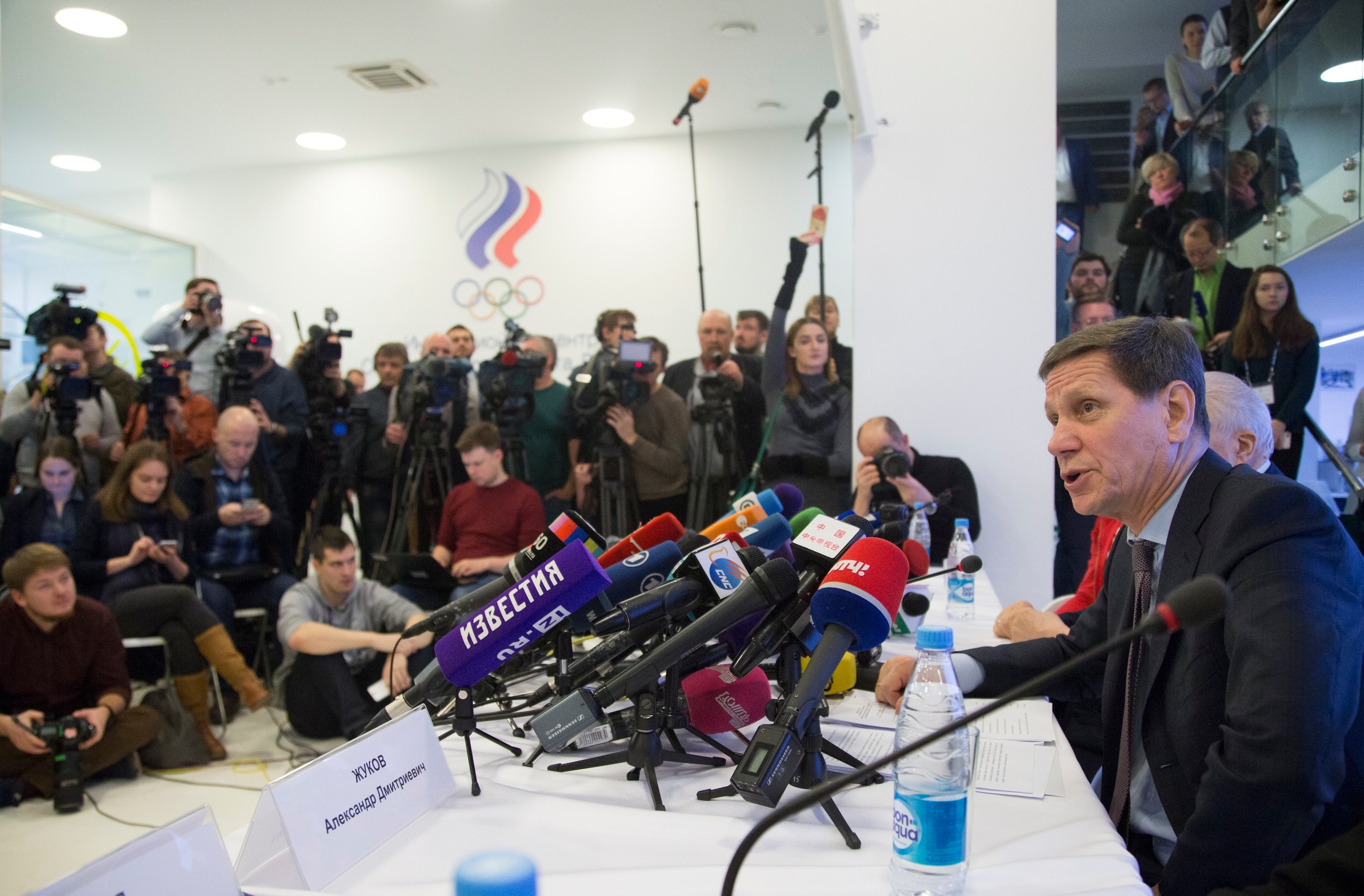
As the IOC continues to bar athletes from participating in the 2018 Winter Olympics, some of whom are not even connected to the doping scandal, the integrity of the entire event is at stake.
The IOC has already banned 19 Russian athletes for life from the Olympic Games. Russia lost its top finish in the 2014 Sochi Games when it was stripped of nine medals, bringing its total from 33 down to 20.
Russia's level of cheating in Sochi was so extreme in part because an "operation involving the Federal Security Service had allowed the nation’s athletes to use prohibited substances throughout competition and go undetected," according to Rebecca R. Ruiz of the New York Times.
Of course, the use of banned substances in the Olympics is nothing new. But the scale at which it happened in Sochi has shaken the Olympic community.
The 2016 World Anti-Doping Agency Report revealed there was a significantly increased presence of substances found in urine and blood tests, from 1.49 percent in 2015 to 1.81 percent in 2016.
Add to that the fact that the Winter Olympics have struggled to attract a wide audience—as of Nov. 24, only 52 percent of tickets had been sold, per USA Today—and it's no wonder that the future of the event has been called into question.
Which Country Will Take Home the Most Medals?
3 of 5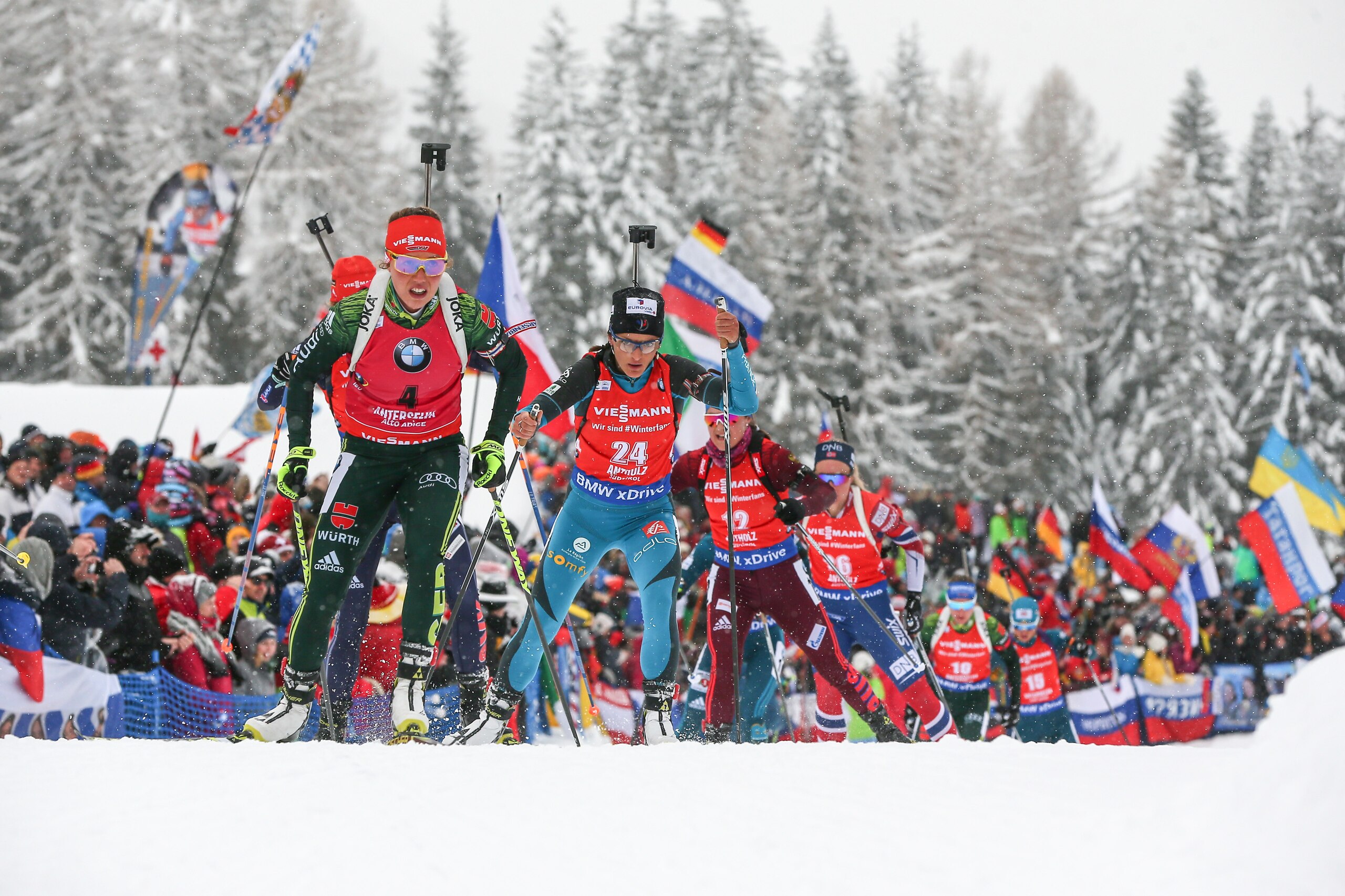
There are 102 medals up for grabs at the 2018 Games. Which nation will earn the biggest haul?
According to the Gracenote Virtual Medal Table, Germany is projected to win the most overall (40), and to tie Norway for the most gold medals (14).
The last time Germany won the most medals was 2002 in Salt Lake City, when it collected 36 overall, a national record for the Winter Olympics.
Biathlon will be a huge powerhouse for the Germans. Per Gracenote, Germany is projected to win 10 medals thanks to athletes such as Laura Dahlmeier, who could take gold. Germany is also strong in luge, where Felix Loch, Natalie Geisenberger, Toni Eggert and Sascha Benecken could win their events.
But Norway might challenge Germany for the top spot. Gracenote projects Norway's final medal count will be 37, just three shy of Germany's 40, with 19 medals alone from cross-country skiing. The Norwegians are also strong in snowboarding, alpine skiing and ski jumping.
The Winter Olympics are Norway's bread and butter, and the final medal count could reflect that.

.jpg?w=2560 "Rams Raiders Football")

What Can We Expect in New Big Air Snowboard Event?
4 of 5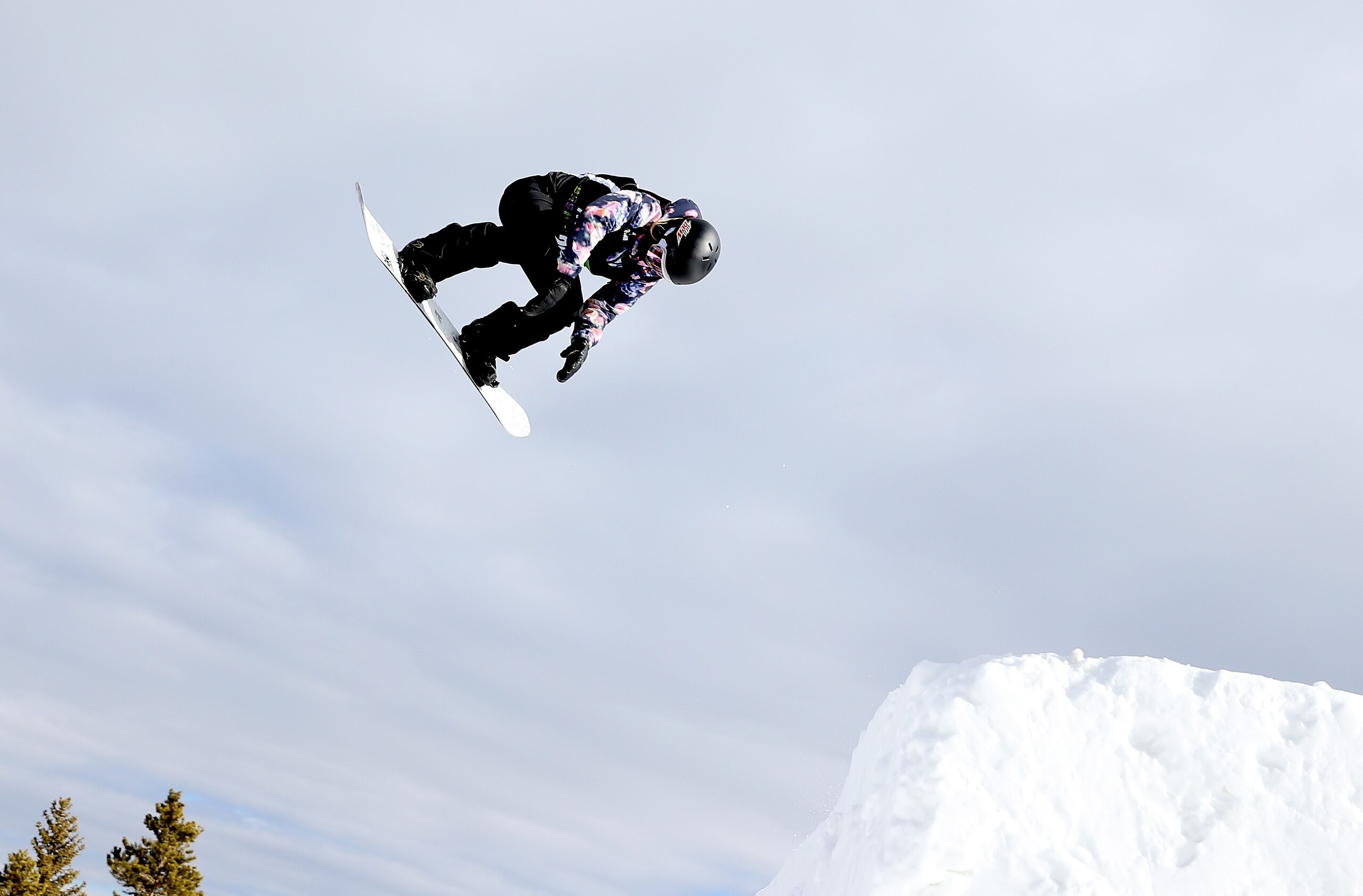
The Winter Olympics will add four new events to the slate in 2018, including snowboard big air.
This discipline is an X Games staple and has been a long time coming in the Olympics, as organizers increasingly seek to add extreme sports to attract a younger and wider audience.
In snowboard big air, competitors launch off a 40-degree ramp to get as much air as possible and attempt three tricks before landing. Judges evaluate them on height, difficulty, style and landing quality.
For the men, slopestyle world champion American Ryan Stassel finished third in big air test event in Pyeongchang and is a solid bet to take gold. Canada's Mark McMorris won the pre-Olympic competition and could also make a run at the top spot.
American Red Gerard, 15, finished 10th in the test event and hopes to make a splash in his first Olympics.
In the women's event, world No. 2 Hailey Langland, who won gold in big air in the 2017 Winter X Games, could do the same in the Pyeongchang Games, thanks to her impressive trick repertoire and smooth landings. Vermont's Ty Walker, who competed in slopestyle at the 2014 Olympics, won the first-ever women’s big air World Cup in 2014.
Will Ticket Sales Pick Up?
5 of 5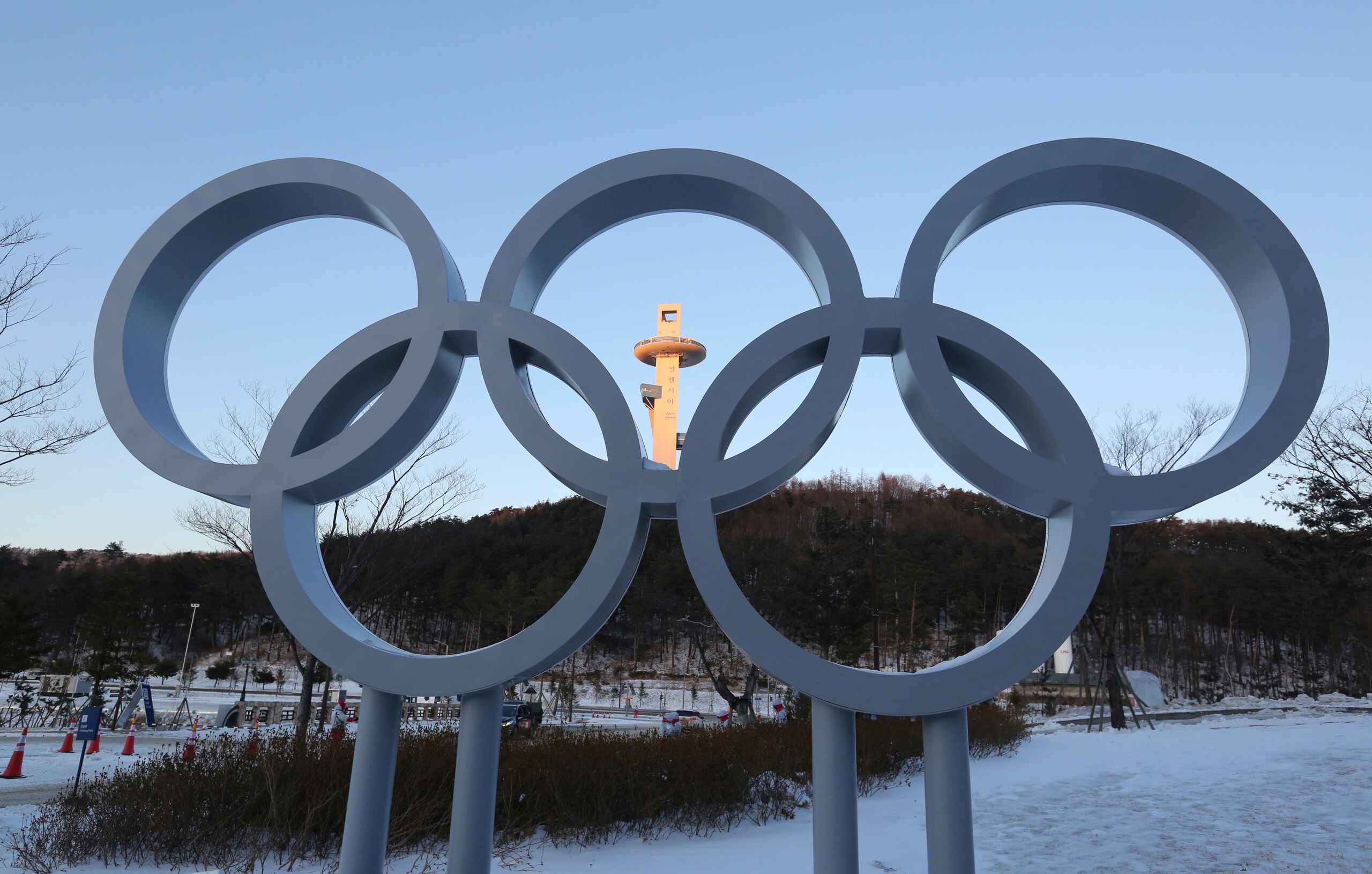
Figure skating, speed skating and ice hockey will attract interest no matter which nation hosts the Winter Olympics.
But the organizers of the Pyeongchang Games are finding it harder than expected to solicit interest in sports such as biathlon, curling, bobsled, luge and Nordic combined skiing.
"I don’t think there are many people who are willing to stay outdoors in the cold for hours to watch races on snow," said Busan's Dong-A University sports science professor Heejoon Chung, per the Associated Press.
According to the AP, organizers hope to sell 750,000 seats domestically and 1.1 million tickets overall. As of Nov. 24, only 555,000 had been sold.
However, the IOC executive board has maintained that Koreans tend to buy tickets at the last minute, and the executive director of the Olympic Games, Christophe Dubi, is optimistic.
"All in all, they feel very confident and I’ve always said that we have to trust the Koreans," Dubi said in early December, per Rachel Axon of USA Today. "They’ve always said there would be a boom and a last-minute surge of sales."
South Korea hoped to use the opportunity of hosting the 2018 Winter Games as a means to promote overall tourism in the country, but a poorly attended Olympics won't help that goal.
.jpg?w=2560 "Steelers Saints Football")

.jpg?w=2560 "Packers Safety Slams Refs 🤬")


.jpg?w=2560 "🚨 Week 8 AP Top 25 Poll")
