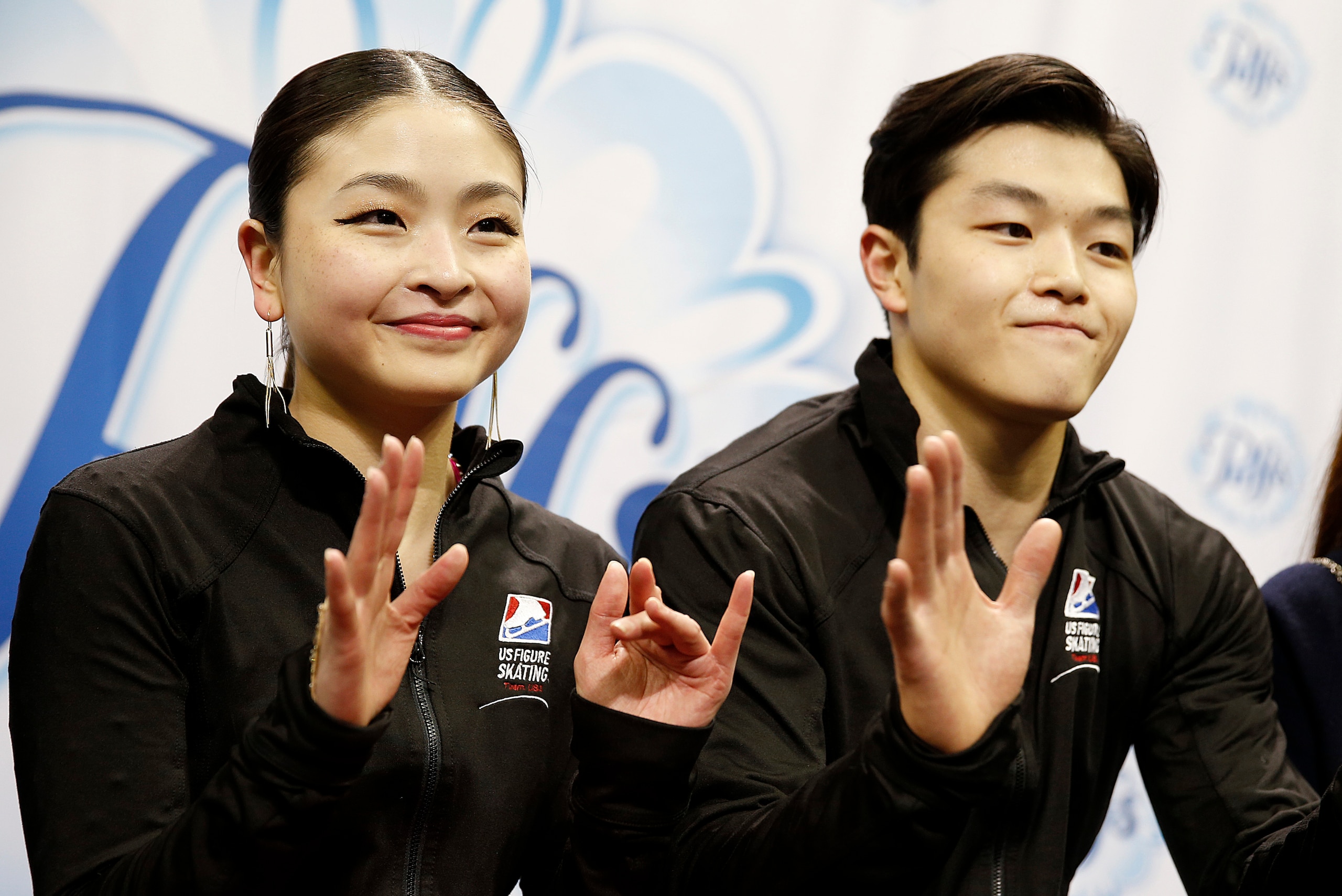

US Olympic Figure Skating 2018: Meet Team USA's Ice Dance Team
The U.S. Olympic ice dancing team in next month's Pyeongchang Olympics will look similar to the group that competed in Sochi, Russia, four years ago.
Madison Chock and Evan Bates finished eighth in the 2014 Games, while siblings Maia and Alex Shibutani ended ninth. Both tandems recently competed in the 2018 U.S. Figure Skating Championships and will again represent the United States.
However, the main difference will be the absence of Meryl Davis and Charlie White. The pairing celebrated a gold medal in Sochi and earned silver in the 2010 Vancouver Games but elected not to compete.
Instead, Madison Hubbell and Zachary Donohue—the recent champions at nationals—will head to Pyeongchang, South Korea, completing an experienced and potentially medal-bound U.S. team.
Madison Hubbell and Zachary Donohue
1 of 6
U.S. Championship results: In six previous U.S. nationals, Hubbell and Donohue earned four bronzes and ended in fourth place twice. They finally broke through in 2018, securing a gold thanks to a tremendous routine and a bit of good fortune in the free dance.
Career highlights: The pairing is seeking its first medal at a major international event since 2014. That year, Hubbell and Donohue won gold at the Four Continents Championship. Additionally, Hubbell took home bronze at the 2010 4CC while skating with her brother Kieffer.
More background: Unlike their American counterparts, Hubbell and Donohue train in Montreal, Quebec. They shifted from a Southeast Michigan location shortly after missing the 2014 Games by 2.17 points. Hubbell and her mother, Susan, design the costumes worn on ice.
Maia Shibutani and Alex Shibutani
2 of 6
U.S. Championship results: The "Shib Sibs" recorded the highest score (82.33) in the short program but faltered in the free dance. An early stumble cost the Shibutanis their third straight gold medal, though they still finished in silver position.
Career highlights: The Shibutanis have four medals at the Four Continents Championships, including one gold and two silvers. They've also secured a pair of bronze-medal finishes in the Grand Prix Final over the last two years and never finished lower than third in eight U.S. nationals.
More background: Both Maia and Alex graduated from the University of Michigan and remain in Ann Arbor. They are coached by Marina Zoueva, who previously helped Davis and White as well as Canadian stars Tessa Virtue and Scott Moir.
Madison Chock and Evan Bates
3 of 6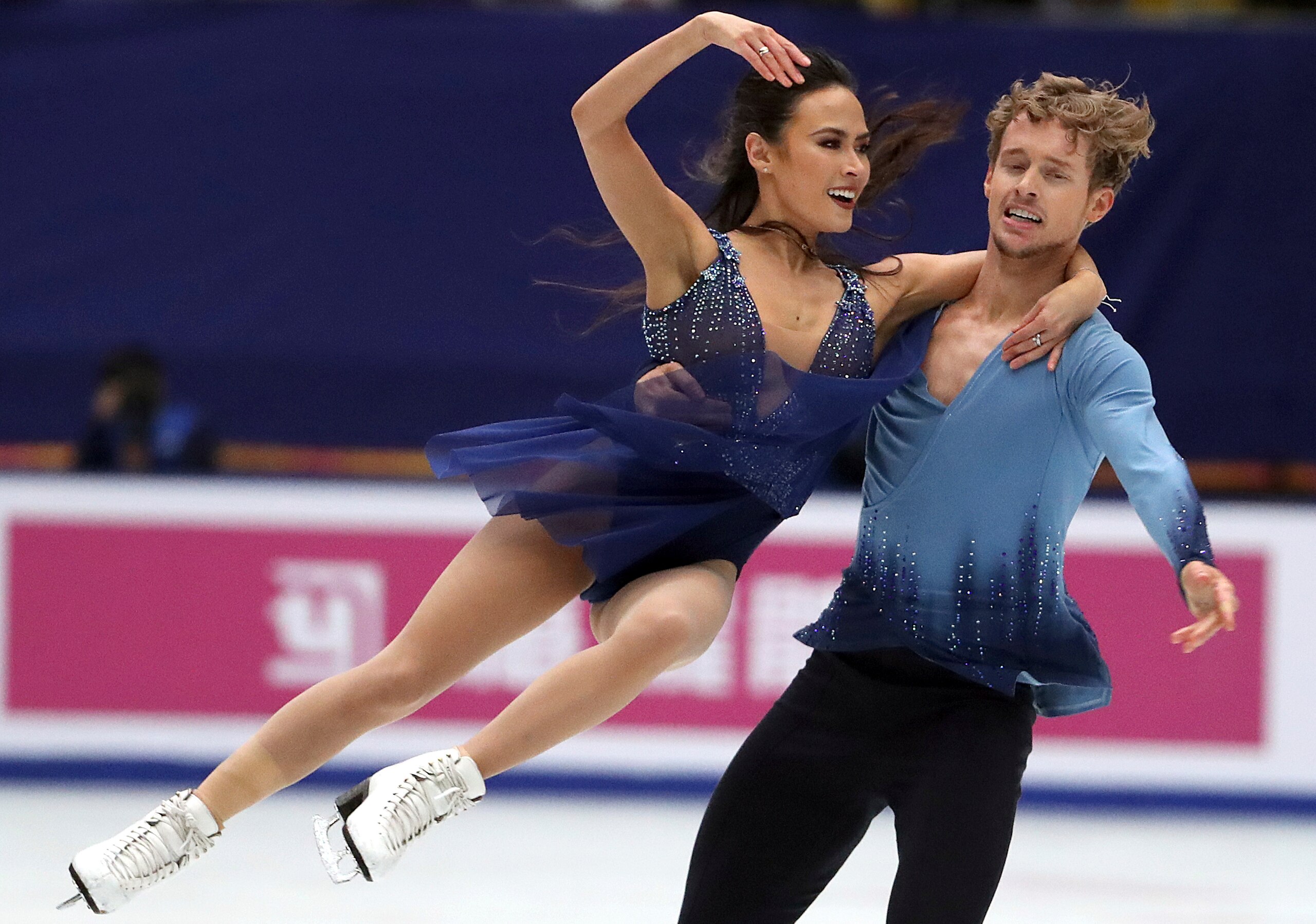
U.S. Championship results: For the first time since 2012, Chock and Bates ended the U.S. nationals lower than second. After ending the short program third, they actually posted the highest score in free dance. However, it wasn't enough to make up the ground lost in the short program, and they took bronze.
Career highlights: Excluding the fifth-place result in 2012, Chock and Bates have finished no lower than third in six straight U.S. nationals. They've twice achieved silver at both the Grand Prix Final and Four Continents Championships, adding a silver and bronze at the World Championships.
More background: Sochi marked their first Olympics together, but Bates also reached the 2010 Vancouver Games. He and Emily Samuelson ended 11th. Additionally, like the Shibutanis, Chock and Bates both hail from Southeast Michigan, where they train.

.jpg?w=2560)
Top Storylines to Follow
4 of 6
Will the "Shib Sibs" return to the top? Over the last two-plus seasons, Maia and Alex consistently finished events higher than their American competitors until the recent U.S. national. Hubbell and Donohue broke a streak of seven straight marquee events where the Shibutanis led the American teams, but the siblings will attempt to reclaim that spot on the global stage.
Can the U.S. finish better than bronze? Although this is arguably the best U.S. contingent in history—more on that momentarily—there might not be a higher medal than bronze available in Pyeongchang. French duo Gabriella Papadakis and Guillaume Cizeron and Canadian pairing Tessa Virtue and Scott Moir have recently dominated the international circuit.
Team return to the podium? Davis and White helped the Stars and Stripes attain a bronze medal in the team competition during the Sochi Games. One of the groups—likely either Hubbell/Donohue or the Shibutanis—will replace that power duo in only the second-ever team event at the Olympics.
How They Compare to Past U.S. Teams
5 of 6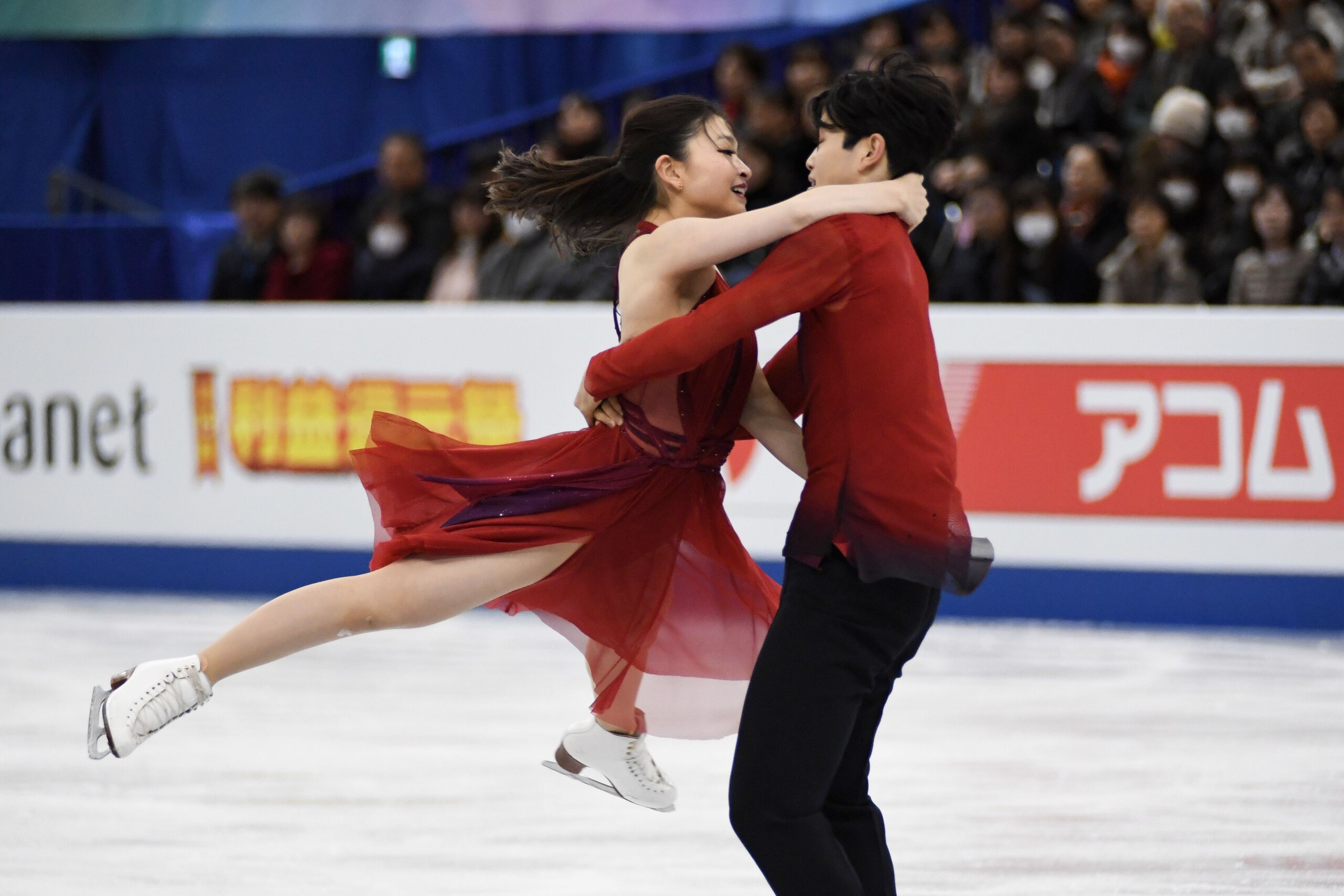
In the history of ice dance at the Olympics, the United States has secured four medals. Three have occurred in the last three cycles. Davis and White won gold in 2014 and silver in 2010, a year Tanith Belbin and Ben Agosto finished fourth. That duo claimed silver in 2006.
On one hand, the Pyeongchang-bound unit is likely to place at least one pairing on the podium.
However, there's also a chance the ice dancing team notches the highest combined three-group average in team history and leave South Korea without a medal. That would happen if all three pairings end outside of the top three but each in the top six.
While that exact situation is unlikely, it shows both the depth and outstanding talent of the three teams headed to Pyeongchang.
Team USA's Outlook in Pyeongchang
6 of 6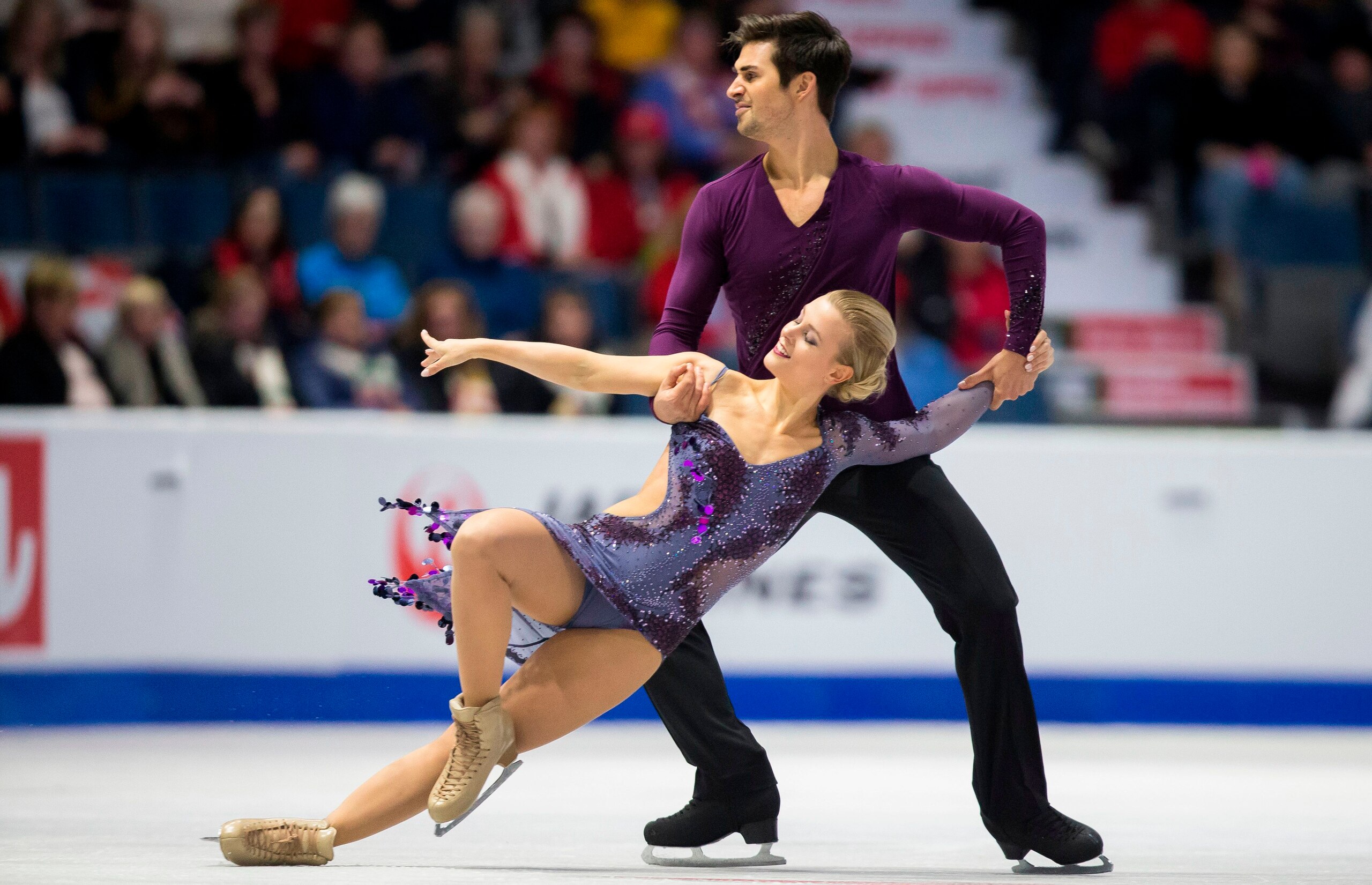
Although it seems each of the American pairings has a chance to earn a medal, the concern is bronze might be the only attainable hardware.
Papadakis and Cizeron of France set a world record at the 2017 Grand Prix Final with a 202.16, which broke their own record set two weeks earlier. Plus, Virtue and Moir of Canada weren't far behind at 199.86.
But there was a considerable gap between the top finishers and the Shibutanis (188.00), Hubbell/Donohue (187.40) and Chock/Bates (187.15) in third, fourth and fifth.
Anything short of perfection at the Olympics could lead to the Americans battling each other for one medal, barring an unforeseen slip by either the excellent French or Canadian teams. Still, the three pairings could threaten for two medals, which would be unprecedented for the United States.
Follow Bleacher Report writer David Kenyon on Twitter @Kenyon19_BR.



.jpg?w=2560 "2 NFL Officials Suspended")

.jpg?w=2560 "Viral Rams Coach Vid 🖕")