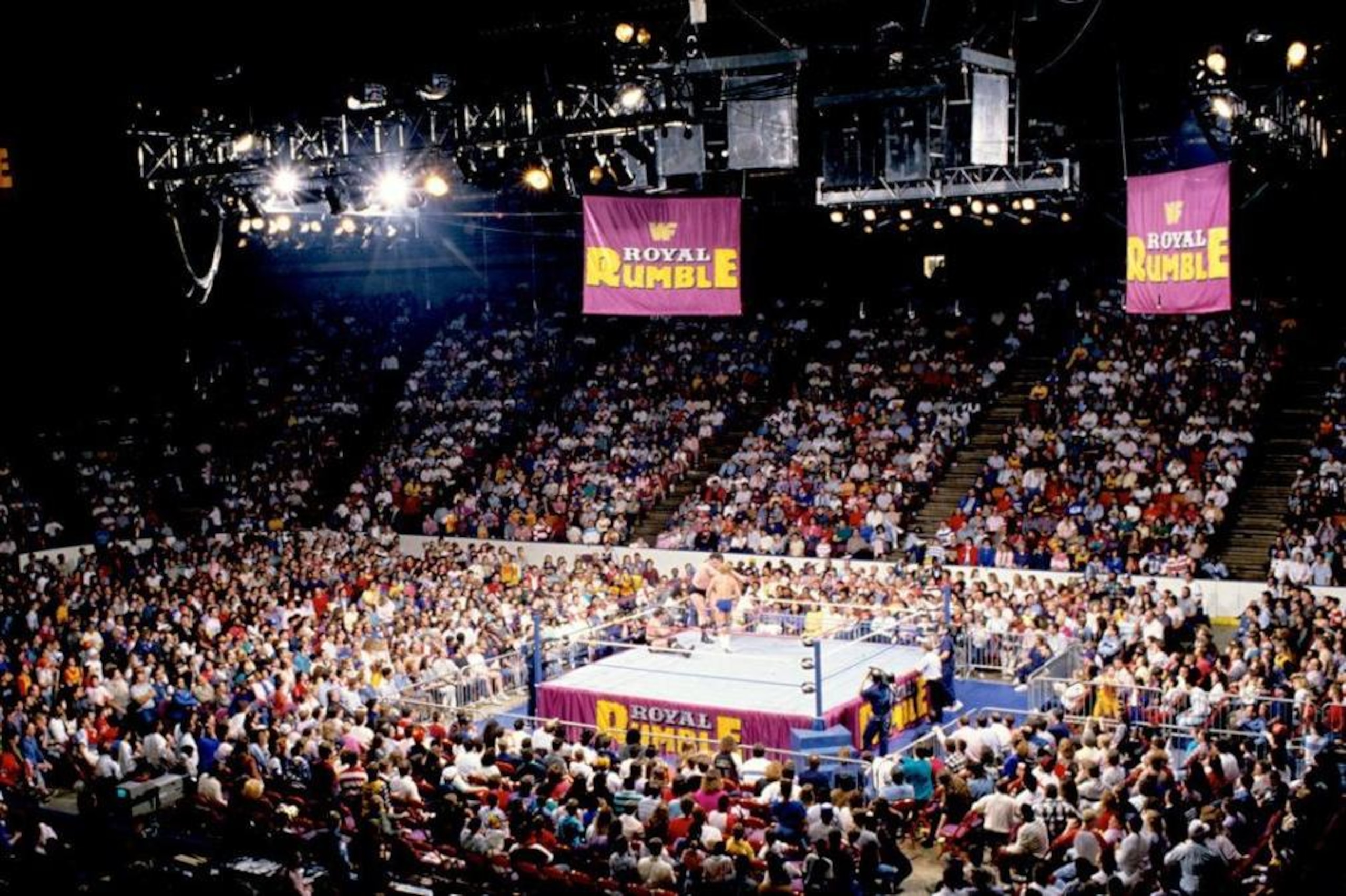

Chaos Encouraged: An Inside Look at WWE's Royal Rumble
WWE has relied on four major shows to carry the company through a calendar year since the late 1980s.
Collectively labeled the Big Four, these events become talking points for storylines and in-ring performances.
The Big Four consists of WrestleMania, SummerSlam, Survivor Series and, of course, the beautiful carnage we call the Royal Rumble. Each event is distinct and special. Their only commonality is they are all part of Vince McMahon's promotion.
.jpg?w=2560)

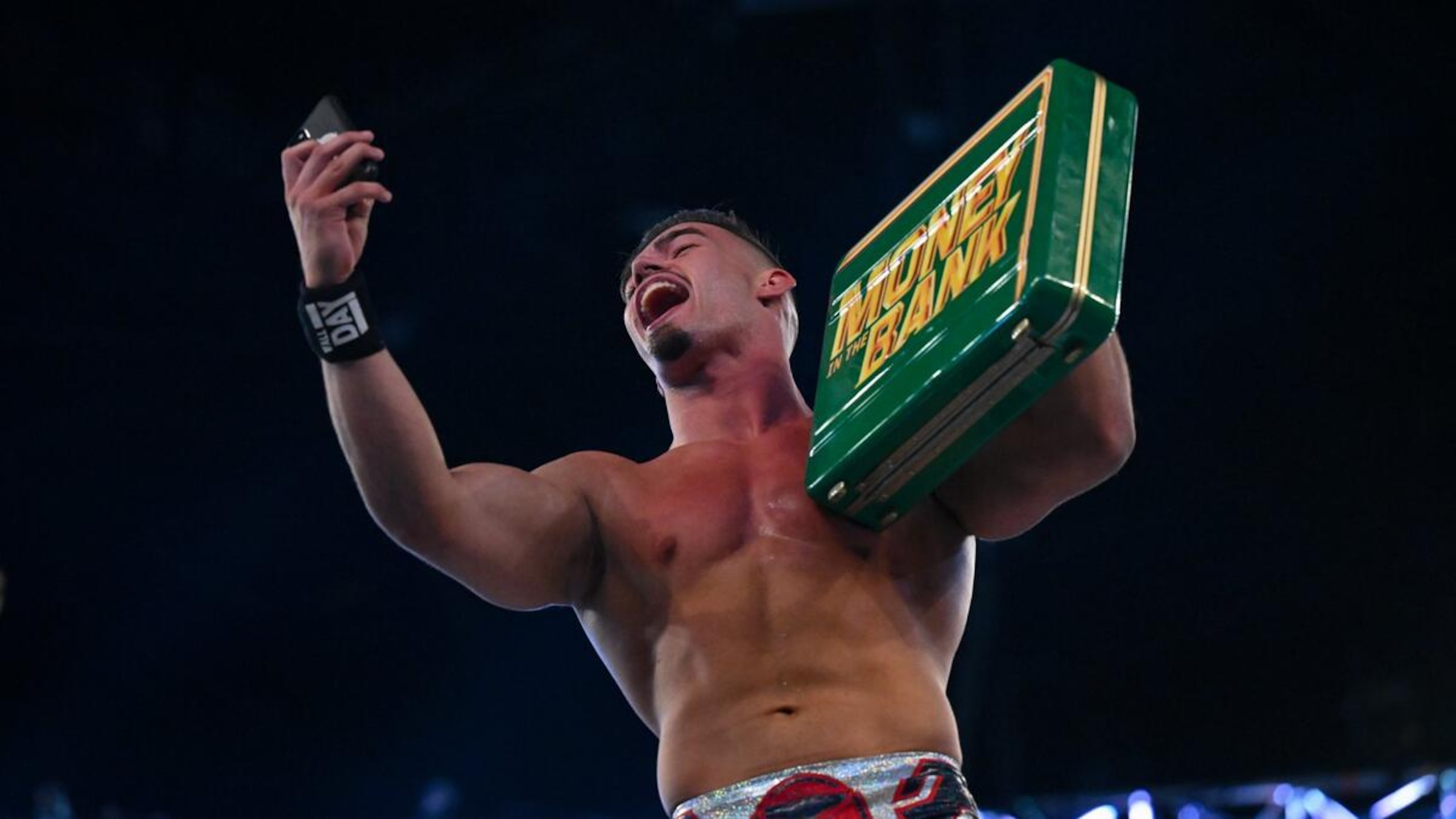
Fans still look forward to the Big Four despite WWE's constant shift to meet the demands of the digital consumer. The Royal Rumble remains the quartet's most gimmick-driven affair, yet it draws the most speculation.
Each year, the main attraction pits 30 wrestlers against one another in classic Battle Royal fashion. Rather than everyone brawling at the same time, each entry is random and controlled by a clock.
The rules are simple: When an individual is thrown over the top rope and both feet hit the floor, they are eliminated. The last Superstar standing gets to headline WrestleMania and fight for the top title of their choosing—either the WWE Championship or the Universal Championship.
It's McMahon's way of putting one of his talents on a highway toward superstardom. A limousine ride to glory.
Over the years, WWE's creative team has used the Royal Rumble as a vehicle to develop new superstars while keeping the focus on stalwarts. The idea anyone can win and change their future is what makes the event captivating.
How did we get here? How did the Royal Rumble become a top WWE show? And, more importantly, what goes into creating this event on a yearly basis?
From its humble beginnings to the PPV's most shocking moments, here's a look back at what makes the Royal Rumble unforgettable.
Humble Beginnings
The first Royal Rumble was broadcast Jan. 24, 1988. USA Network—the home to WWE's flagship program, Raw, and now SmackDown Live—carried the affair. It remains the only time this event would be offered free of charge. No pay-per-view buy or WWE Network subscription required.
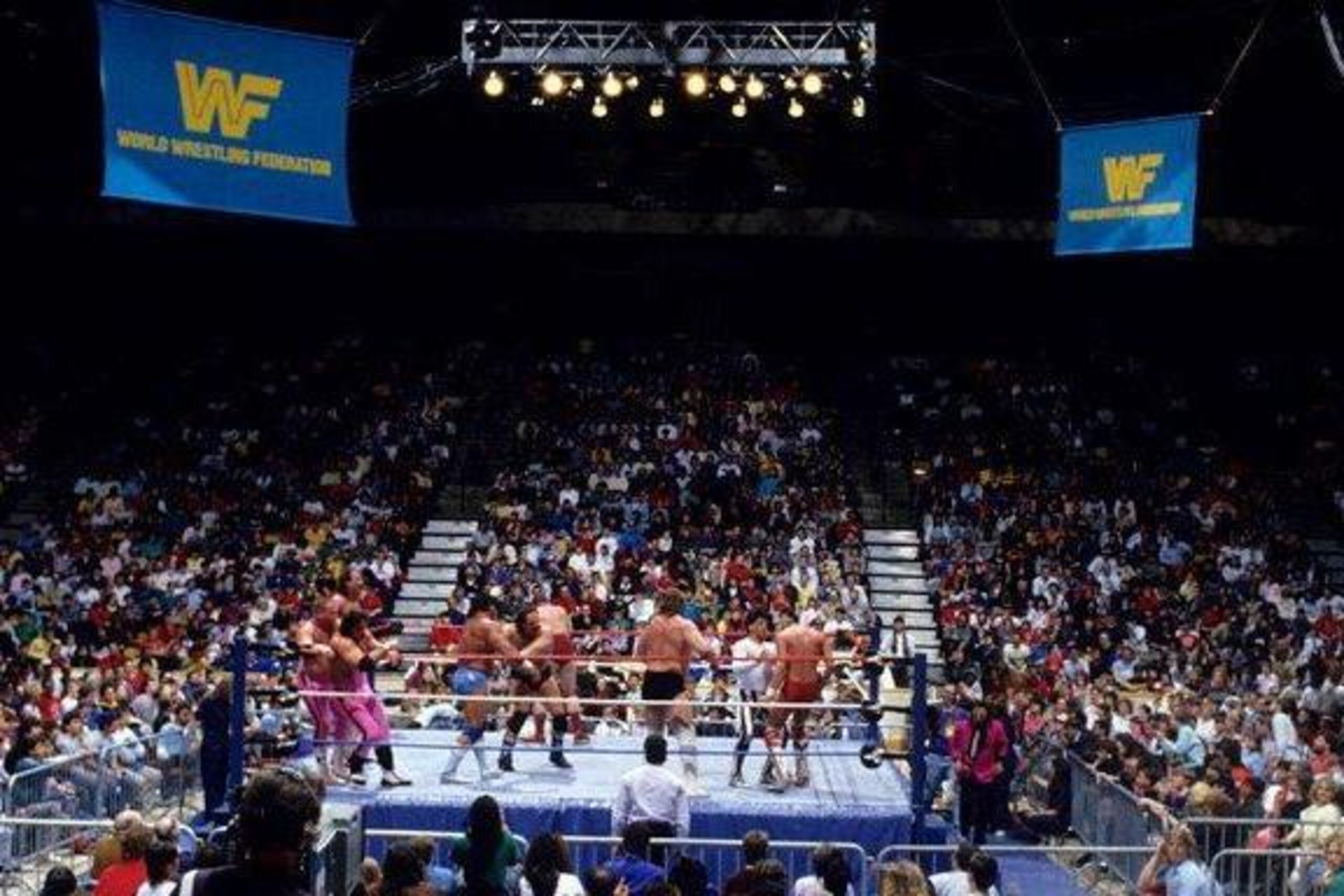
McMahon and Jesse Ventura commentated. Twenty men entered the inaugural Rumble. Superstars such as Bret Hart, Tito Santana, Harley Race, Don Muraco, The Ultimate Warrior and "Hacksaw" Jim Duggan all competed, sending bodies flying over the top rope.
Former WWE producer and host of the Something to Wrestle With Bruce Prichard podcast, Bruce Prichard explained to Bleacher Report how McMahon didn't initially want all of his biggest names involved with the match: "He looked at the Rumble as a way to get a guy to the next level."
After entering at No. 13, a charismatic Duggan prevailed as the winner, seeing off One Man Gang—one of the promotion's top heels at the time—and Dino Bravo. The crowd pulled for Duggan, as WWE's creative team set up a classic showdown between two heels and a babyface.
Facing insurmountable odds, Hacksaw stood tall as the capacity crowd went into a frenzy.
Looking at the Nielsen ratings, as the Los Angeles Times reported, the first Rumble was a colossal success, finishing as the 10th-highest-rated broadcast on basic cable that year.
The initial offering may not have resembled anything that has transpired since, but it was clear this event had potential.
Looking back, the first handful of Rumbles were a lot different than what we have seen since. For example, Duggan was never given a world title shot at WrestleMania, a staple of the Royal Rumble. Instead, he was placed into a 14-man tournament to determine the WWE champion at WrestleMania IV (he lost in the first round to Ted DiBiase).
This changed in 1993 when the winner, Yokozuna, was given a world heavyweight title match at WrestleMania IX against Hart.
Despite all of the changes, the stage was set. McMahon had a concept people responded too, and that's what mattered most. The Royal Rumble was ready to help usher in a new era of WWE programming.
A Focus on the Rumble and Surprise Entries
The Royal Rumble transitioned from a USA Network test flight to the central focus leading up to WrestleMania. Its humble beginnings produced countless classics, giving superstars such as Roman Reigns, "Stone Cold" Steve Austin, The Undertaker, Shawn Michaels and John Cena a chance to headline 'Mania.
There have only been seven names to win more than one Rumble. That exclusive club includes Triple H, Hulk Hogan, Michaels, Austin, Cena, Batista and, most recently, Randy Orton.
WWE Creative has focused on developing fresh ways to change up the Rumble after 30 years of action. We saw Reigns defend his championship against all competitors during the 2016 match, a 40-Superstar melee in 2011, a tie between Lex Luger and Hart to headline the '94 show and even a restart when Cena and Batista both went over the top rope at the same time.
This year's version will feature the first women's Rumble, a groundbreaking, long-overdue idea. There will be the same rules as there are for the the men. Thirty women will enter the ring. Only one will be left standing.
In developing new ways to keep the show fresh, the Royal Rumble has become so much more than the Battle Royal itself. We've seen perennial championship matches go down, mid-card classics unfold and, perhaps most importantly, the introduction of surprise entries.
Rolling Stone's Luis Paez-Pumar explained how these types of entries have taken over the Rumble: "That hasn't always been the case, as surprises really only became a huge part of the Royal Rumble at the turn of the millennium; before that, you would generally know every competitor in the match beforehand."
When asked why WWE pivoted to the surprise factor, Prichard said: "More than anything, we were looking for that shock value—that holy s--t moment."
Those moments have given us anything from AJ Styles' debut to Mr. Perfect's return. They all became standalone moments within the match itself. Even Duggan was brought back in 2009 to give the fans a pop.
Writing the Rumble
Scripting WWE programing is remarkably challenging. The laborious nature of creating and maintaining events throughout the year has become notoriously grueling. For its part, the Royal Rumble show is all about paying attention to detail.
"We would write who would eliminate who," Prichard discussed. "There were too many moving parts not to."
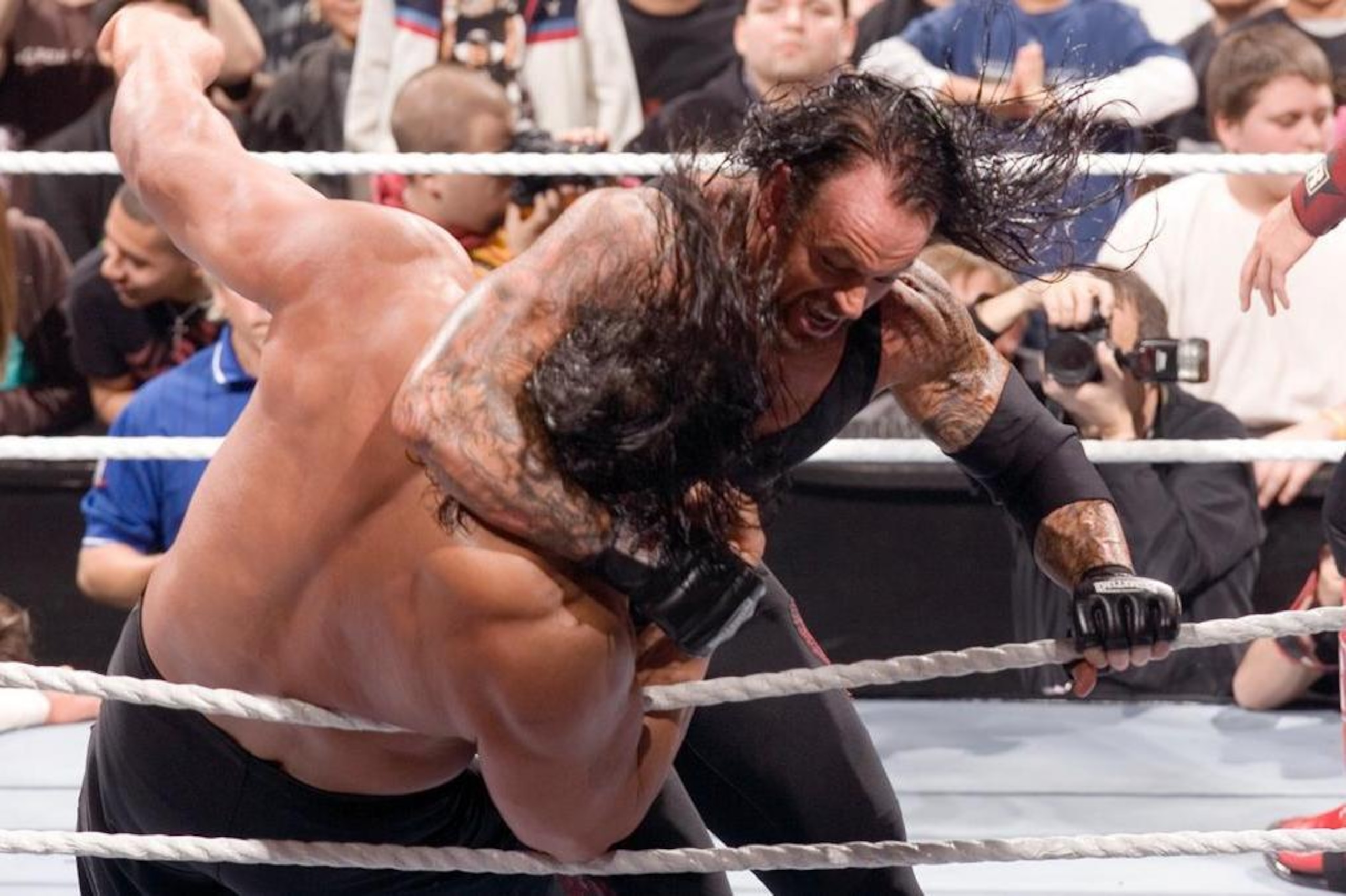
Yes—the Royal Rumble is written so everyone who enters knows whom to eliminate.
However, piecing the final list together isn't a one-shot deal.
"Once you get it together and present it to the agents, someone else would throw something in," Prichard said. "Then talent would have an opinion."
Getting the talent to buy in was pivotal.
"You have guys who ask why they're going out so soon," Prichard continued. "And you have guys who say, 'I'm in here for 40 minutes, and I don't win. What's the point?'"
It may seem overbearing to a casual fan, but without this type of planning, mistakes happen. "First Rumble we did, we forgot to get [Rick] Martel out," Prichard recalled. "We sent someone in to get him out because he thought he was going to win it."
Prichard and Pat Patterson—inventor of the Rumble—would keep a running list of guys going in and guys going out. They would be responsible for constantly checking and making sure the list was up to date.
"The show itself is the easiest to write. The match is tedious," Prichard said.
Figuring out who the winner would be always circled back to McMahon's desk. Yes, different ideas and endings were tossed around the writers' room, like when Prichard and Patterson discussed bringing back Scott Steiner as a singles wrestler prior to WrestleMania IX and having him win the Rumble outright.
But McMahon would make the final decision, and then everyone involved would have to live with it.
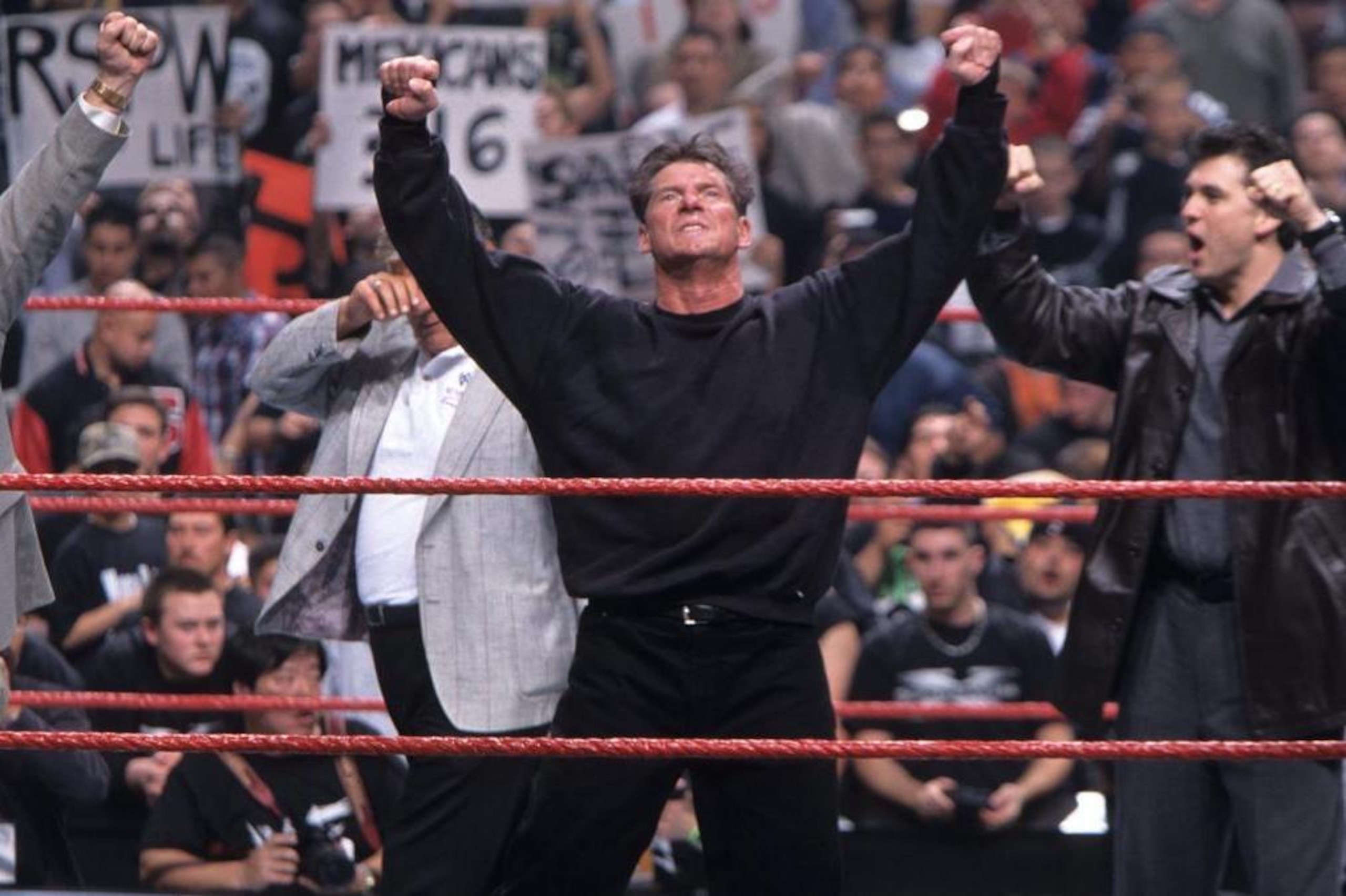
Prichard points to the 1992 Rumble as a perfect execution of writing and classic storytelling. It was when Ric Flair—freshly acquired from WCW—won the vacant WWE Championship after entering in the No. 3 spot.
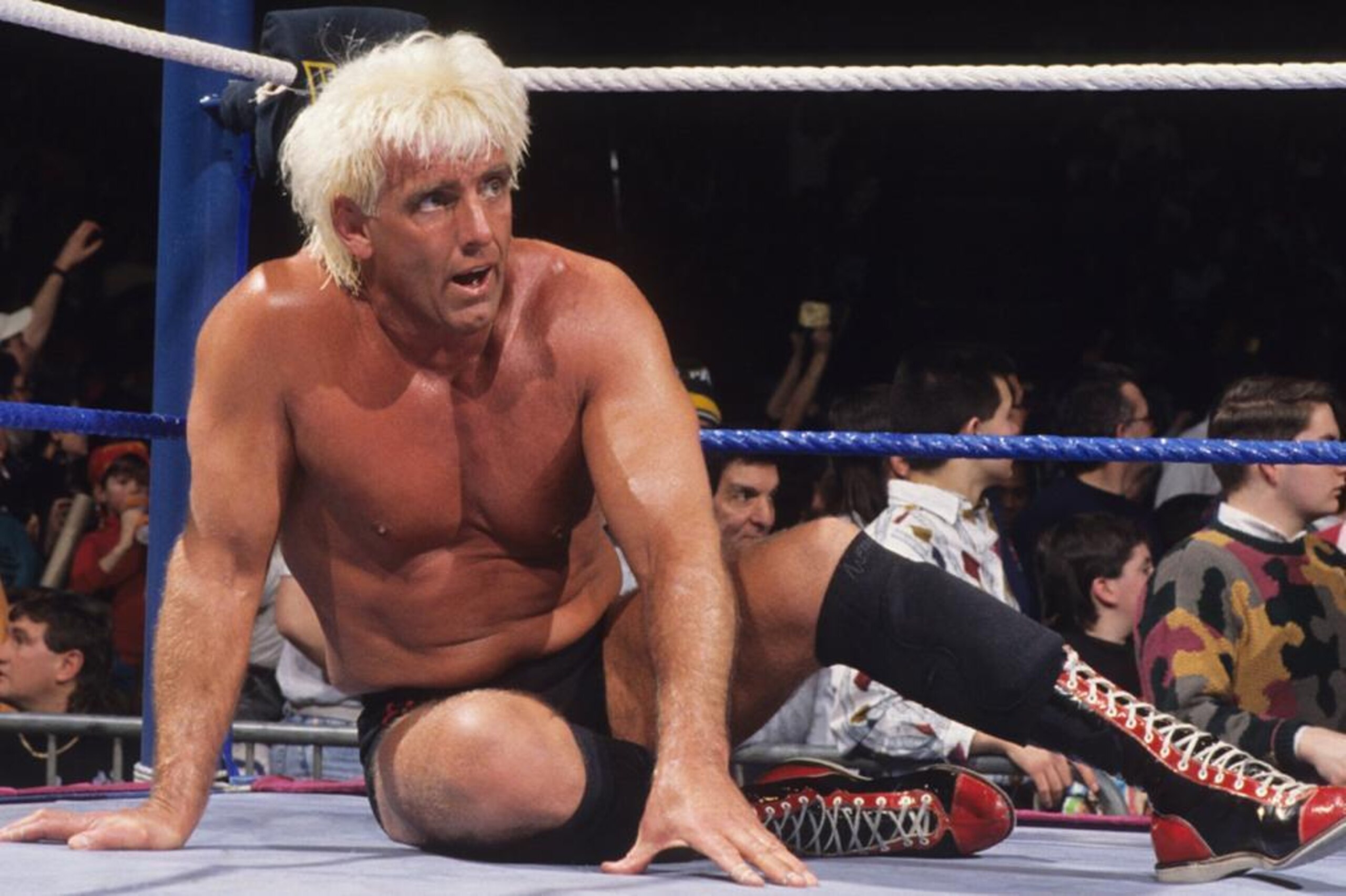
"That was magnificently done," Prichard said. "The way they built Flair throughout the entire thing and the fact it was for the championship was tremendous."
Other classic Rumble matches include Yokozuna destroying everyone in his path in 1993, when a bloody Steve Austin conquered The Rock and Kane to win it all in 2001 and the time Hulkamania ran wild in 1990.
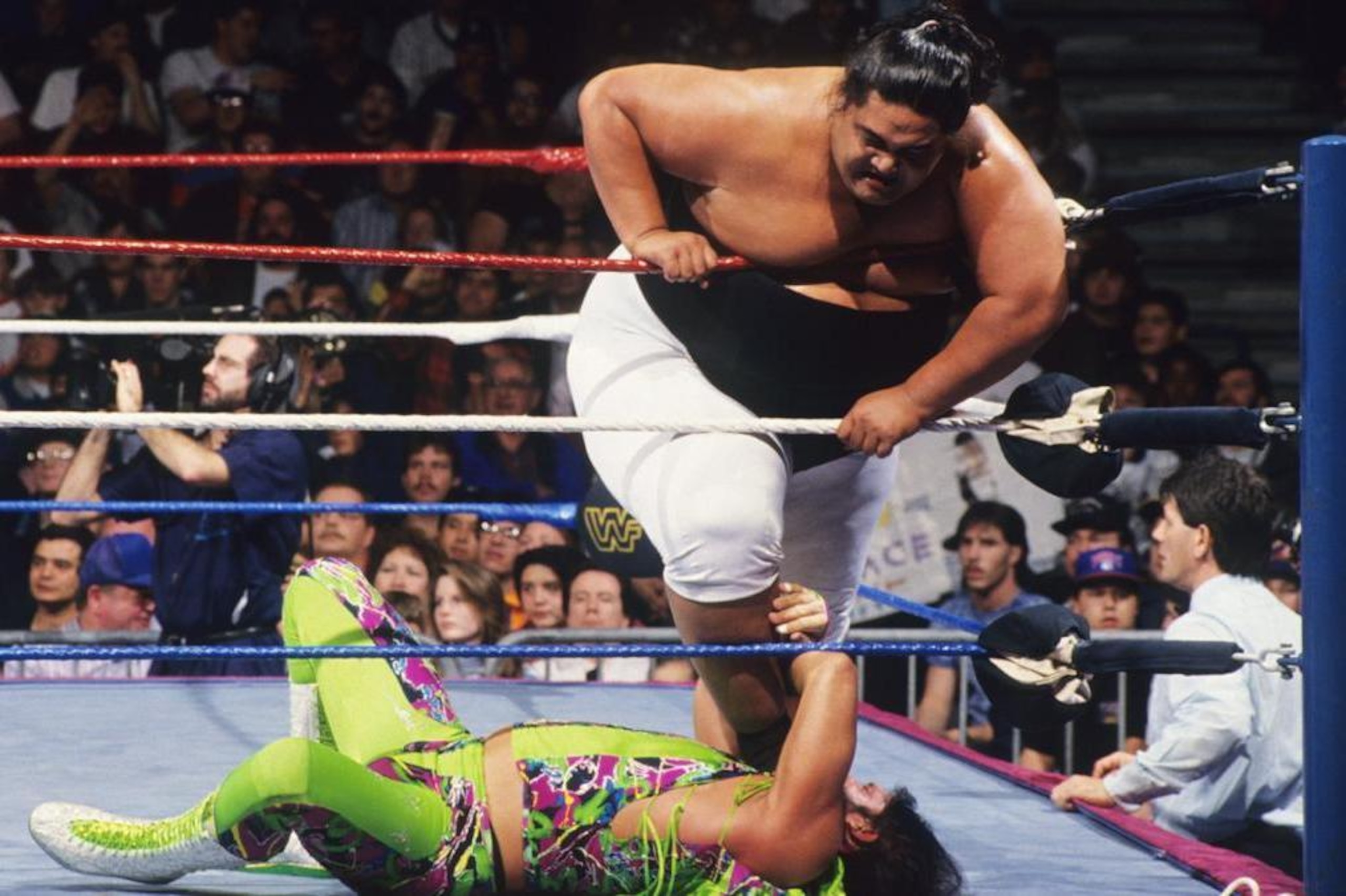
All of them were distinct, compelling and beautifully written. They showed not only how great the Royal Rumble can be, but also how invested people can get when the product is presented cohesively.
The Aftermath
When the dust clears and the Royal Rumble is over, the build to WrestleMania is on. If any mistakes are made during the January showcase, WWE could use a transitional pay-per-view or weekly show to rectify a situation.
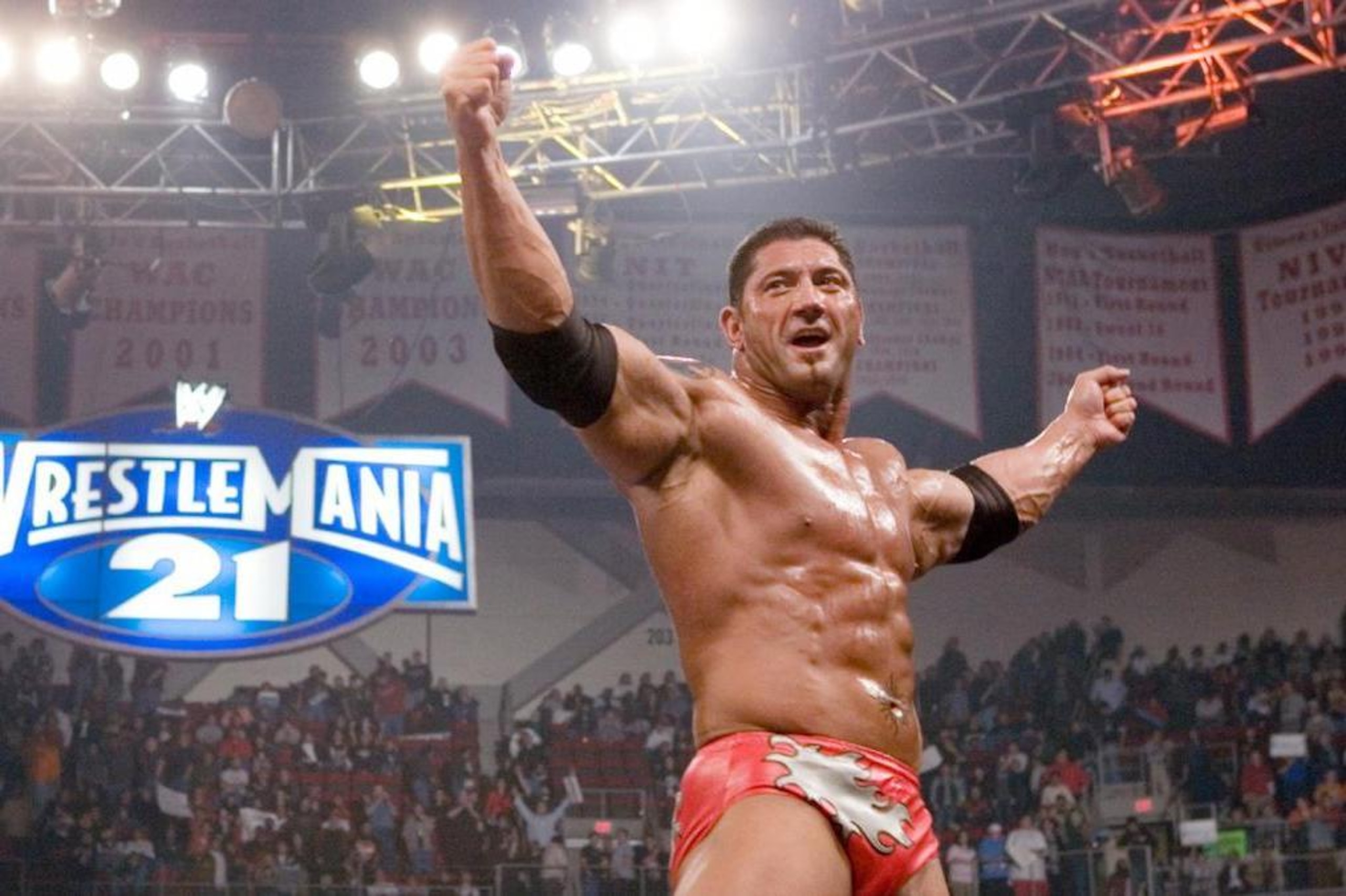
"We cheated sometimes with the winner of the Rumble," Prichard said. "Say at the No Way Out show, if we wanted to change directions, we could."
But more often than not, the direction was set.
This first event of the new year comes and goes, leaving distinct memories tucked between the tattered bodies of those who have been eliminated. New feuds are sparked; old ones can be reignited all in the same match.
"That's the beauty of the Rumble," Prichard explained. "Anyone can rub anybody at any given time."
It's a way for WWE Creative to effectively hit the reset button or continue with buzz-worthy feuds. No other event allows this to happen. It's one of the reasons why the Royal Rumble has remained relevant.
This year's Rumble takes place Sunday, live from the Wells Fargo Center in Philadelphia. Without a clear prospective winner—unlike past events—stalwarts like Reigns, Cena, Braun Strowman, Finn Balor and Bray Wyatt, among others, will all enter for their chance to headline WrestleMania. It makes the main event that much sweeter.
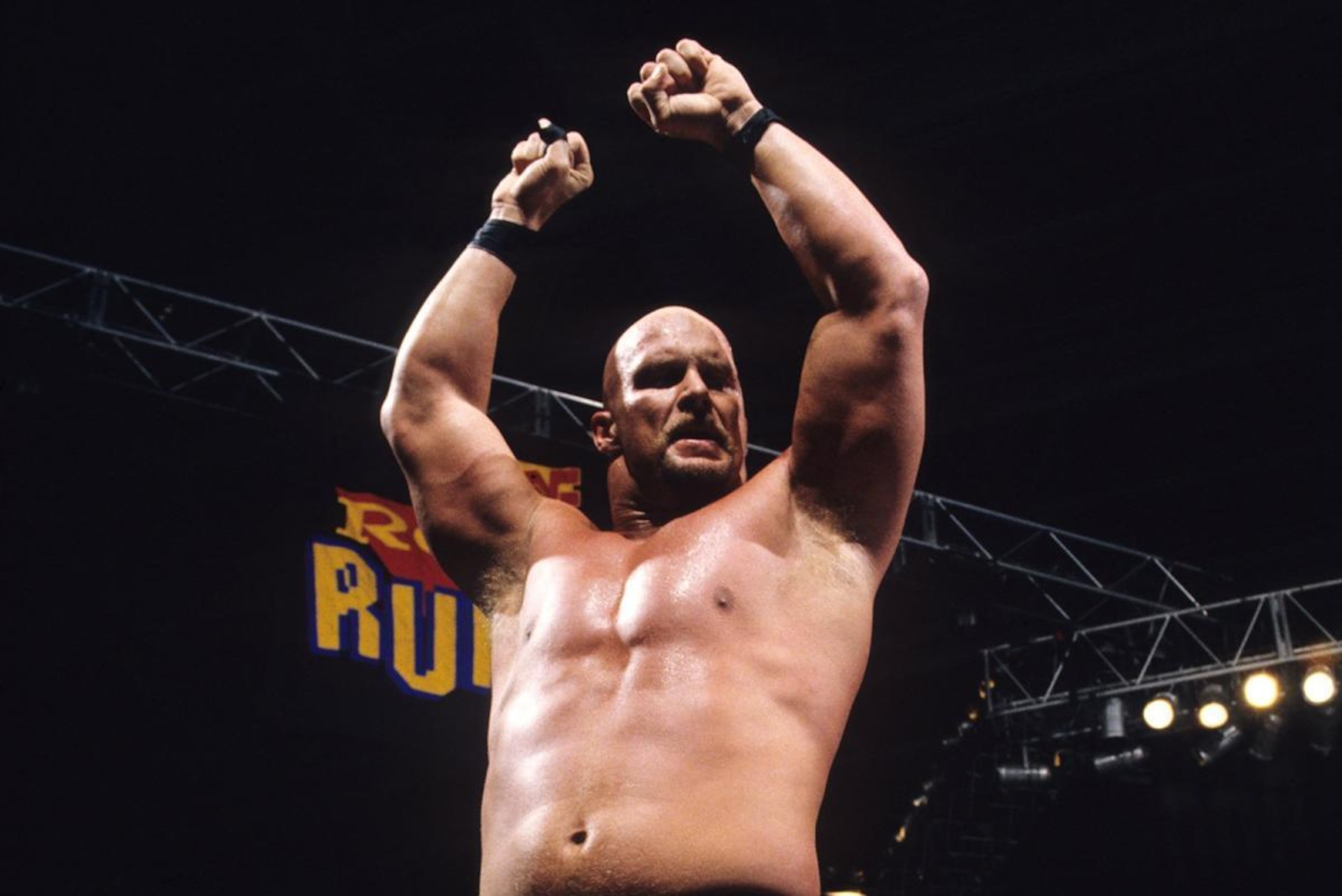
Between surprise entries, impressive narratives and can't-miss in-ring action, the Royal Rumble will always be the perfect crossing point between casual fans and marks (diehard followers). It has everything that makes professional wrestling fascinating. For that, we are all grateful.
All quotes were obtained firsthand and all information provided by WWE.com, unless noted otherwise. Special thanks to Bruce Prichard and his Something to Wrestle With Bruce Prichard podcast.
.jpg?w=2560)



.jpg?w=2560 "Viral Rams Coach Vid 🖕")

.jpg?w=2560 "Injury-stricken Seahawks signing veteran RB")
