FIFA 18: Release Date and Review of Challenging Clubs to Control in Career Mode
Among the tweaks to the gameplay and improvements made to modes such as the Ultimate Team and The Journey, Career Mode has also received some much-needed attention from developers EA Sports.
The first thing many players will notice is the cinematic presentation of the face-to-face transfer negotiations, which are more in depth than ever before.
The introduction of release clauses, sell-on clauses and bonuses bring the experience more in-line with real life, and the wheeler-dealers among you will no doubt be champing at the bit to pick up the hottest bargains for your club.
.jpg?w=2560 "Steelers Saints Football")


Players can also create training regimes for their team if, for example, they want to develop certain attributes among their strikers or youngsters, or re-use the templates to save time.
Introduced last year, seasonal and long-term objectives return with different clubs placing varying levels of priority on each. Some will be keen on domestic and European success, some on youth development and others will be eager for you to focus on brand exposure and meeting financial targets.
As ever, transfer budgets will be key, with the purchase of marquee players useful for improving the team on the field and developing the brand off it, but tricky to balance if finances are tight.
Here are the starting transfer budgets for each Premier League team:
- Arsenal—£79.8 million
- Bournemouth—£36.4 million
- Brighton & Hove Albion—£27.8 million
- Burnley—£35.9 million
- Chelsea—£82.2 million
- Crystal Palace—£40.3 million
- Everton—£56.7 million
- Huddersfield Town—£28.5 million
- Leicester City—£47.3 million
- Liverpool—£66.9 million
- Manchester City—£132 million
- Manchester United—£148.9 million
- Newcastle United—£30 million
- Southampton—£44.5 million
- Tottenham Hotspur—£62.8 million
- Stoke City—£42.5 million
- Swansea City—£39.6 million
- Watford—£39.5 million
- West Bromwich Albion—£36.2 million
- West Ham United—£55.6 million
The most notable changes are to Manchester City and Manchester United's budgets, with the former rising from £100.3 million to £132 million and the latter from £102 million to £148.9 million.
Achieving Premier League and continental success will be critical with both clubs, but given their respective resources they have strong platforms to build on.
For others it will be more difficult—here are some clubs that stand out as being among the most challenging.
Newcastle United
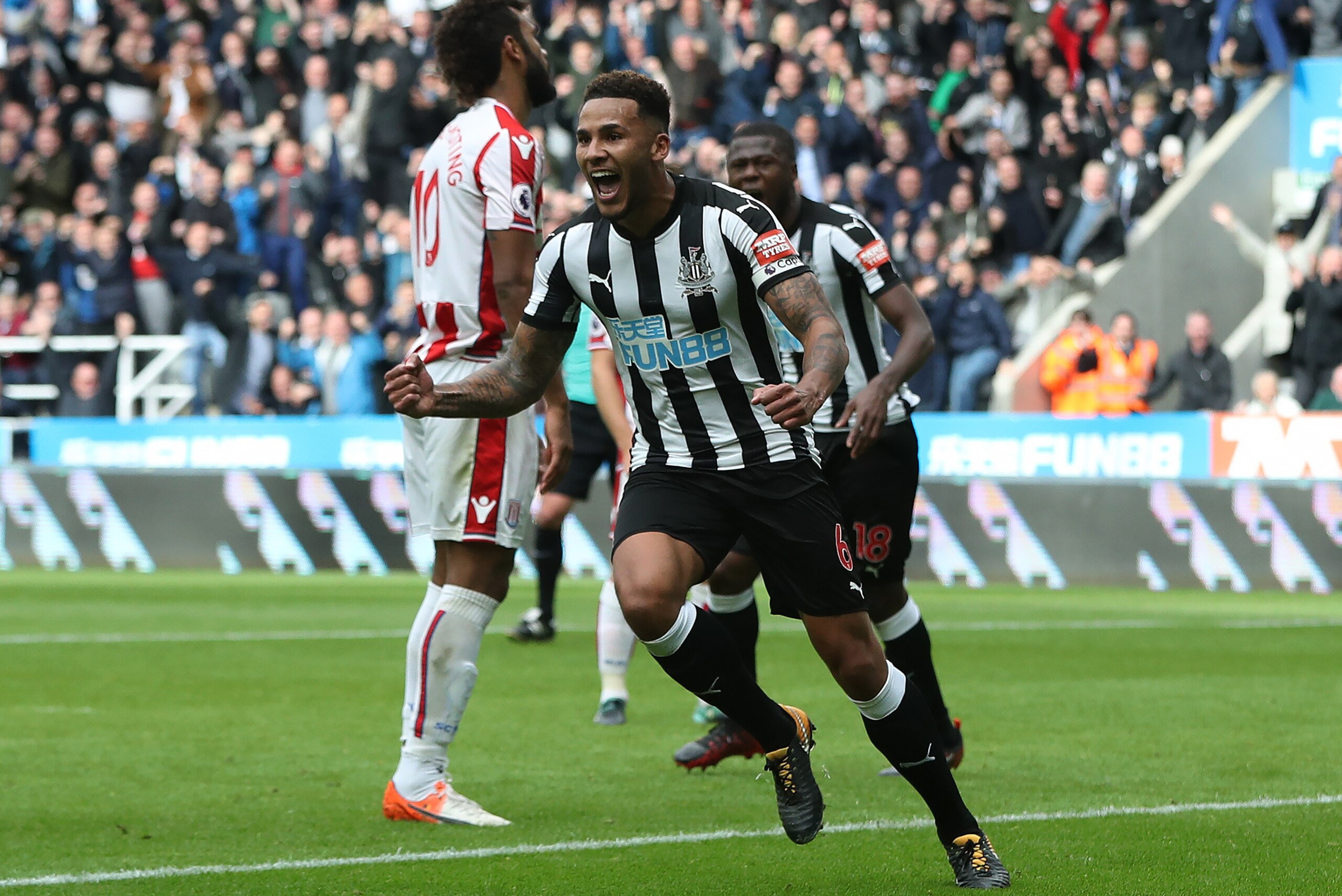
Only fellow promoted sides Brighton and Huddersfield have lower starting budgets in the Premier League than Newcastle's £30 million, but any prospective Magpies managers will face much loftier expectations.

Domestic success is of critical importance at St James' Park, whereas at both the Amex Stadium and the Kirklees Stadium it is a lower priority.
What's more, Newcastle are targeting not only a mid-table finish in their first season back in the top flight, rather than just survival, they also want the Premier League title within four years.
Four seasons may be generous by the game's standards—long-term objectives are typically two or three years in length—but with the level of competition in the Premier League they're still asking for a Leicester-like fairytale win.
Finances are also high on the agenda, with short-term objectives ranging from reducing wages by £88,000 per week in your first season or limiting salary growth to under 10 per cent over the same period.
Newcastle are a young side—30-year-old Mo Diame and 32-year-old Jesus Gamez are the only players over 27—so there's plenty of scope for development there if that suits your play style, but with demands to meet over the short and long term it won't be easy by any means.
Sevilla
For those looking to branch out into Europe in Career Mode, Sevilla should pose an enjoyable and robust challenge.
The club's board aren't shy in their demands, and domestic success, youth development and brand exposure are all given high priority, while managing the finances is deemed critical.
You'll be tasked with finishing in La Liga's top four, which is no easy task when at least three of the positions are virtually sewn up by Barcelona, Real Madrid and Atletico Madrid each year.

At the same time, you're expected to sign two youngsters with strong potential and increase overall rating by 10 points apiece in your first season.
To take their integration even further, in your second campaign, one of them must play at least 70 per cent of the games.
Most difficult of all will be meeting your financial targets. In your first season you must finish the campaign with £17.6 million left in your transfer and wage kitty—no mean feat from a combined starting budget of just £32.8 million—and within two years grow the club's total value (£864.1 million) by 15 per cent.
Sevilla have a core of good players to start with—Ever Banega, Steven N'Zonzi and Sergio Rico among them—but it will still pose a difficult challenge.
.jpg?w=2560 "Rams Raiders Football")
.jpg?w=2560 "Cowboys Packers Football")
.jpg?w=2560 "🚨 Week 8 AP Top 25 Poll")