
Holiday Wish List for the Sports World
If there were 10 things you could change about sports, what would they be?
That is to say, changes to rules, formats or generally accepted practices. Sure, all Buffalo Bills fans would like to see their team finally win a Super Bowl, but this isn't genie-in-a-bottle three wishes here.
No, this is a list—a list of things that could change with new collective bargaining agreements or committee votes. These are things actual people—the powers that be of the sports world—could change if they were so inclined.
There have already been some solid holiday gifts to come out of the sports world this year. For example, the MLB All-Star Game will no longer determine home-field advantage in the World Series, and it looks like the NFL will get itself some full-time referees.
Now, let's get greedy and talk about what else fans might want in the near sports future.
No More One-and-Dones
1 of 10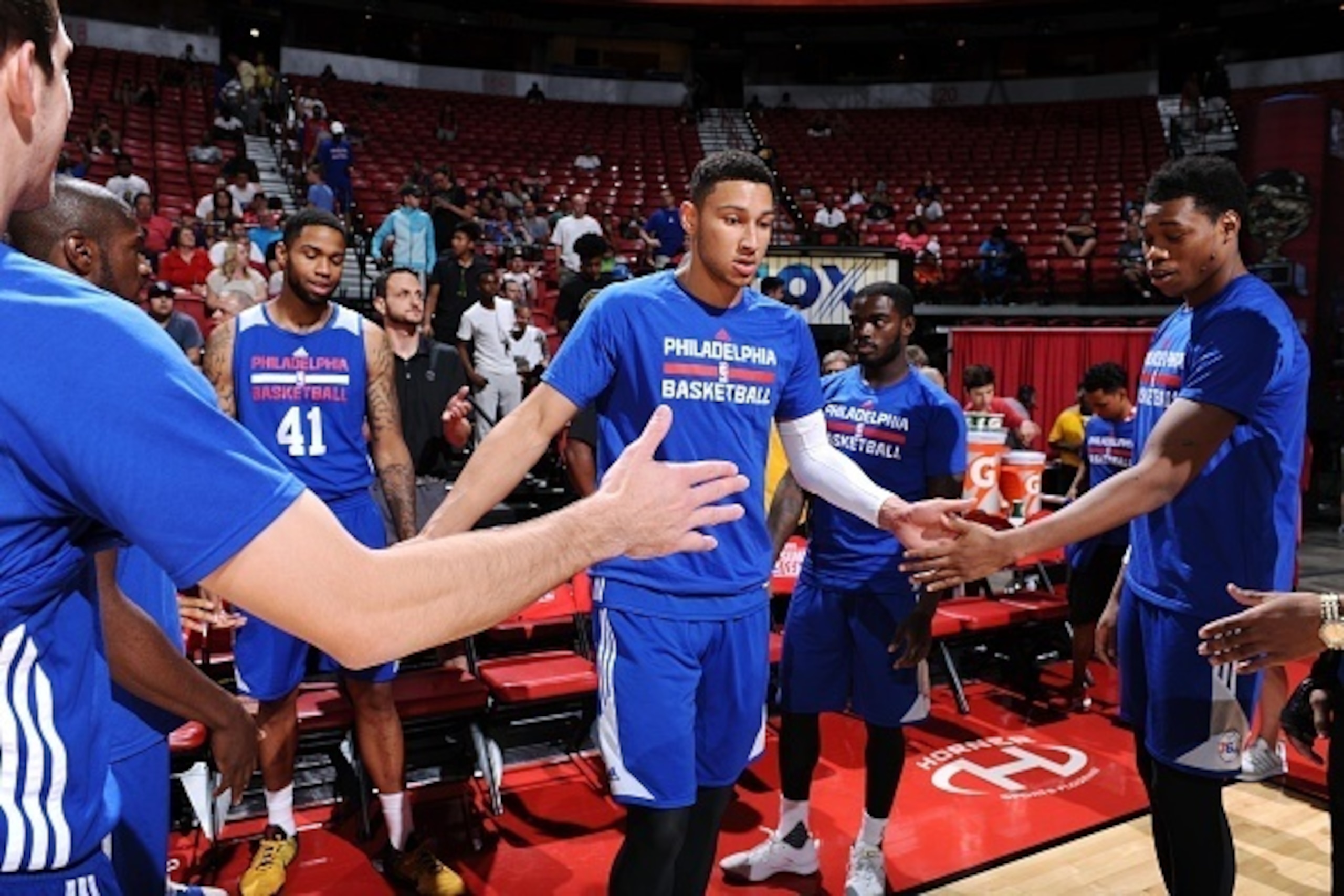
In mid-December, the NBA and National Basketball Players Association agreed in principle to a new collective bargaining agreement. Several notable changes were made, but eliminating the one-and-done rule was not one of them.
The rule was discussed, however. Per TNT's David Aldridge (via NBA.com), the league aimed to raise the minimum entry age from 19 to 20, while the NBPA sought a "zero-and-two" rule that would "allow high schoolers in the NBA draft but keep college players from declaring until after their sophomore season in college."
Though one-and-done stays for now, both sides did leave it open for future discussion before the new seven-year agreement expires, per sources cited by The Vertical's Adrian Wojnarowski.
Famous opponents of one-and-done include Duke Blue Devils head coach Mike Krzyzewski and retired NBA star Kobe Bryant. For fans, the rule just seems a bit pointless. It limits the earning potential of future NBA players, and for what? One-quarter of the credits needed for a college degree?
Dylan Hernandez of the Los Angeles Times wrote, "The only beneficiary of the system is the NBA, which can use college competition instead of high school to screen its potential employees."
Let the Players Celebrate
2 of 10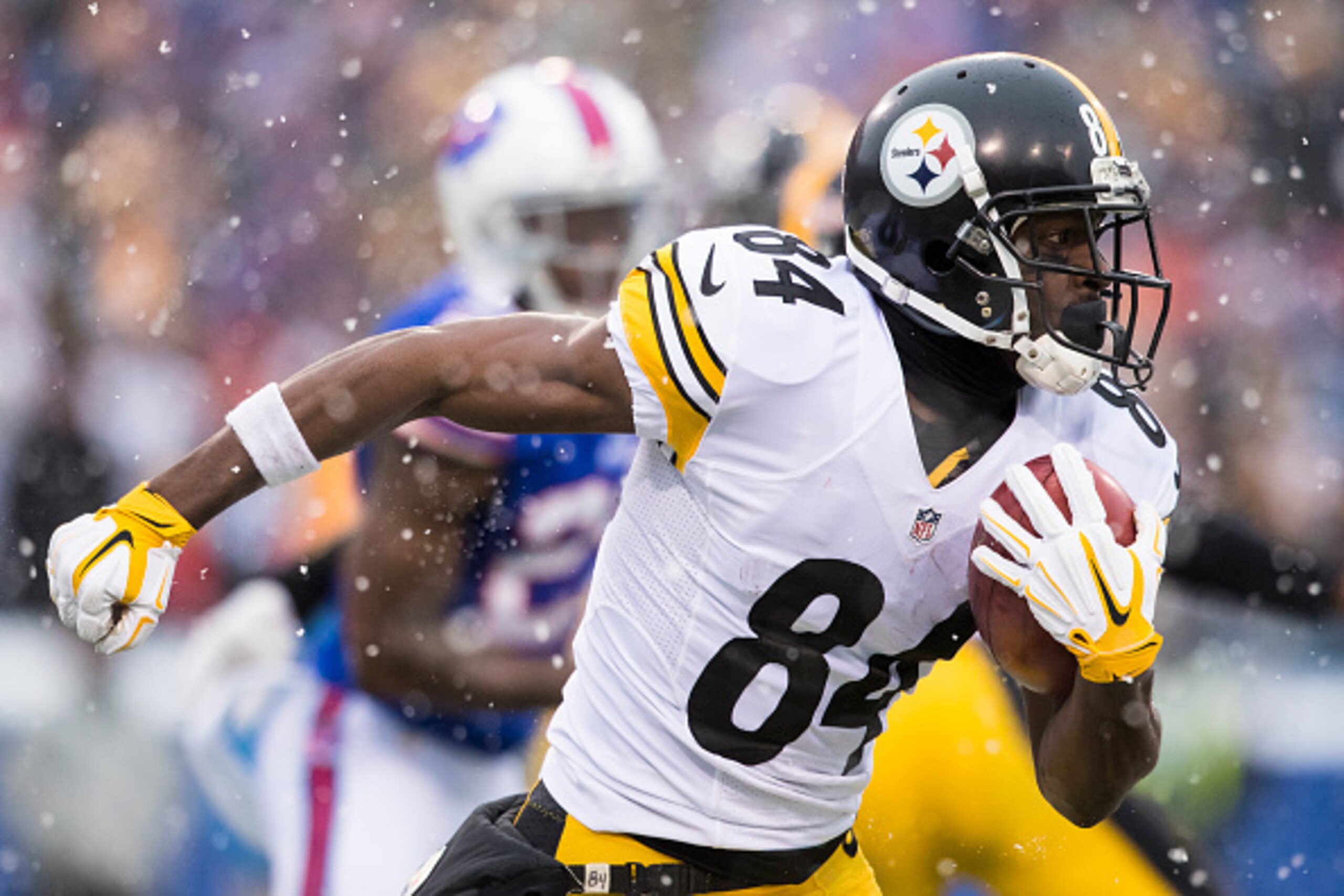
Baseball players can flip bats. Soccer players can slide across pitches. NBA stars can shimmy to the hearts' delight.
And yet, Antonio Brown can't celebrate a touchdown? The Pittsburgh Steelers wide receiver has been flagged several times for his touchdown dances in 2016. And it's not just him.
In October, Kevin Seifert of ESPN.com pointed out unsportsmanlike penalties, "primarily for celebrations," had increased by 56 percent over the first four weeks of the 2015 NFL season, per ESPN Stats & Information.
Senior vice president of officiating Dean Blandino said, per Seifert, "But the key is if it's a gesture that either mimics a violent act—that's something with a firearm or a bow and arrow—or a sexually suggestive act, those are unsportsmanlike conduct."
The excess of celebration penalties has led many to dub the NFL the "No Fun League." And they're right. NBC Sports' Mike Florio reported the NFL might soon consider toning it down on the celebration penalties, so, here's hoping.
Adjust the NHL Coaches' Offside Challenge
3 of 10
Since the 2015-16 NHL season, coaches have been able to challenge goals on which they feel the attacking team was offside.
Look, no one is saying leagues shouldn't make a real effort to calls games correctly and fairly. As most sports fans know, however, there can be gray areas with challenges. Some calls are ultra-close, or the review process simply takes too long and becomes tedious.
NHL vice president of hockey operations Mike Murphy said instant replay should only be used on "egregious" plays and not "50-50" scenarios, per Greg Wyshynski of Puck Daddy. But what are most offside challenges if not close calls?
Wyshynski wrote:
"It's a mistake to overturn goals on offside plays that hardly affect their outcome, or when a dozen other missed calls on a play aren't subject for review. It's a mistake to scrutinize human error on plays that last a millisecond; and it's a mistake to delete dynamic scoring plays from memory at a time when goal scoring is so tenuous that we're talking about shrinking goalies and widening nets.
"
So what about tweaking the rules to make it all more digestible? Sean McIndoe of the Guardian suggested a few adjustments—adding a time component or worsening the punishment for being wrong, for instance. Adam Gretz of CBS Sports suggested changing the offside rule itself.

.jpg?w=2560 "Cardinals Giants Football")

No More Flopping
4 of 10
Obviously, this is not so much a literally attainable gift as something admirable to continually aspire to. It's the world peace of this wish list.
It's not as if leagues aren't trying to curb flopping. The NBA announced rules against it and instituted fines in 2012. Obviously, that hasn't stopped the problem (seriously, Marcus Smart?), but still, it's something. MLS has long been against diving and allows the use of video to "punish instances of simulation and embellishment," per MLSsoccer.com.
Per the FIFA rule book, a footballer can be issued a yellow card if he or she "attempts to deceive the referee by feigning injury or pretending to have been fouled (simulation)."
Obviously, that's not deterring everyone (or anyone?). The Telegraph's Luke Edwards went so far as to suggest it's time for fans to "accept it and move on." (Never!)
Meanwhile, Burnley manager Sean Dyche suggested retrospective bans as a solution.
That's the stuff. Any new, creative ideas to quell flopping in any sport are welcome.
Diminished Power for NFL Commissioner
5 of 10
If there is one thing Deflategate taught sports fans, it's Roger Goodell has too much power.
Not only did the NFL commissioner issue an arbitrary, four-game suspension for New England Patriots quarterback Tom Brady without any real evidence of wrongdoing, but he also presided over the arbitration process.
As Michael Hiltzik of the Los Angeles Times put it, "You can believe that there's something appalling in a league arbitration process in which the sole arbitrator, Roger Goodell, is given the right to judge the actions of the commissioner, Roger Goodell."
And yet, it's all on the legal up-and-up, thanks to the current collective bargaining agreement. It doesn't expire until after the 2020 season, but extension talks could happen before then. Whenever talks do happen, changes to the commissioner's disciplinary powers should absolutely be on the table.
Brady himself told Jim Gray on Westwood One (via Mike Reiss of ESPN.com):
"I actually think it's a great opportunity for the players to come together and the players to recognize all the things we have negotiated, and as we negotiate hopefully a CBA extension, that we as players come together to really stand up for the things we believe in and continue to fight just as the players who fought before us.
"
7-Game Division Series
6 of 10
In 2008, former MLB Commissioner Bud Selig said, per MLB.com, "…in determining the pennant, seven games is the true test."
Sure, he was talking about the LCS, but couldn't the logic also apply to the division series?
The current best-of-five format puts even more pressure on the starting rotation and on the location of games. If the home team wins Games 1 and 2, you can pretty much forget about it.
In fact, Cliff Corcoran of Sports on Earth reported since 1969, of the 72 teams that have fallen behind in a best-of-five series, only nine came back to win.
Pete Blackburn of Fox Sports wrote:
"Knowing certain sports fans, I'm sure this argument will bring up the whole "win and you won't have a problem!" response. That's true, but losing two straight games is quite easy to do in a sport as unpredictable as baseball. It tends to be easier when you're on the road, and also if you've just expended your ace pitcher to survive a one-game playoff.
"
Admit it, you would have loved to see that Washington Nationals vs. Los Angeles Dodgers NLDS go to seven games.
No More Pro Bowl
7 of 10
In 2013, the NFL made a few changes to spice up the Pro Bowl, including the appointment of alumni captains and institution of a player draft. How very schoolyard. They eliminated kickoffs. In 2017, there will be dodgeball!
Enough.
Television ratings continue to drop, and players are bowing out like never before. In 2016, 86 individuals were originally selected, but the total number of players (selected plus alternates) climbed to at least 133, the highest ever, per Ken Seifert of ESPN.com.
The challenges of the Pro Bowl are understandable. Football is not a sport that lends itself to an extra, meaningless game midseason like baseball or basketball. So let's not force it afterward, eh?
Rodger Sherman of SB Nation asked, "Why does the Pro Bowl exist? Considering the lack of player, fan and league interest, it's hard to tell." Indeed.
The league can still assign the "Pro Bowler" designation to deserving players, but it's time to stop playing an actual game. Have an awards dinner or a Jenga competition. Better yet, set up a Madden tournament. Now that, people might actually watch.
No Penalty Shootout in Championship Matches
8 of 10
Like it or not, ties are a thing in sports. That's never going away completely.
Of course, there are situations in which a tie will just not do—like a championship game or match. In these situations, overtime rules are in place to ensure a winner eventually emerges.
Over the years, sports have tried to ensure these rules are as fair as possible. For instance, the NFL changed up the overtime rules in 2010 and '12 to place less importance on the coin toss.
Still, when Real Madrid beat Atletico Madrid in the Champions League final (the final), on what Dario Perkins of Slate described as "the 'lottery' of penalty kicks," an old feeling of uneasiness bubbled to the surface. Surely, this shouldn't be the way major football tournaments are decided?
To eliminate penalty shootouts in big games and, for example, simply continue to add extra time until someone wins or forfeits from exhaustion seems like an imperfect solution, but alternatives have been proposed. Forbes' Jim Pagels suggested a "remove-a-man" approach, and Perkins broached the idea of holding the shootout before the actual match.
The answer isn't perfectly clear, but one thing is. There has got to be a better way.
Relegation in American Sports
9 of 10
Yes, this one is a long shot. This is that kid-sized Jeep Wrangler you always wanted but cost way too much. This is that dream item you put on the list for Santa even though you knew the chances of getting it were less than minuscule.
In November, a report by the Deloitte Sports Business Group outlined the benefits a promotion/regulation system could have on American soccer in the future.
Per Chris Smith of Forbes, "The basic premise of Deloitte's study is that an open league system will, in the longterm, lead to increases in game attendance, player quality, league revenues and general domestic interest in the sport."
Why limit such a system to soccer? Want to eliminate tanking for draft picks in the NBA? The threat of being sent to the D-League should do the trick.
Sure, there are plenty of reasons relegation wouldn't work—television contracts, union opposition—plus, MLS Commissioner Don Garber is against the idea.
Still, it is really fun to think about.
8-Team CFP
10 of 10
In 2012, a presidential oversight committee voted to institute a four-team college football playoff, starting in 2014 and running through 2025. And really, it's going quite well. In the CFP's first year, the No. 4 team (Ohio State Buckeyes) won it all. Under the old BCS system, they never would have gotten the chance.
Of course, there is still controversy about which four teams make the playoff, but like the NCAA college basketball tournament, no solution is going to make everyone happy.
Still, consider this. There are five major conferences—ACC, Big 12, Big Ten, SEC and Pac-12—meaning at least one of those champions will be left out. An eight-team system would allow for, potentially, automatic bids for all five conference champions and outliers like an undefeated Western Michigan Broncos team. (How fun would it be to watch that Cinderella story play out?)
There are legitimate arguments against an eight-team playoff—dilution of regular-season games, for instance. Then again, as Matt Brown of Sports on Earth wrote, "When someone is left unsatisfied too often, change becomes inevitable. Like it or not, expansion from four teams to eight teams is going to happen."
YAS.
.jpg?w=2560 "Hill Injury Update Football")
.jpg?w=2560 "Titans Giants Football")
.jpg?w=2560 "Tyreek makes another cryptic post amid Chiefs rumors")



