

The Elite Are Strangling the Champions League, and It Looks Irreversible
It’s just as well there are no flags fluttering outside UEFA’s headquarters in Nyon, Switzerland. FIFA has flags outside its Zurich headquarters, the United Nations has them too in New York, but European football’s governing body doesn’t. There was a lack of representation at Monday’s Champions League draw as well.
UEFA consists of 55 national association members, yet only six (England, France, Germany, Italy, Portugal and Spain) boasted a club in this week’s draw for the competition’s round of 16.
It just so happens that five of those leagues are the five highest-ranked leagues going by UEFA’s coefficient system. The elite are sustaining the elite.


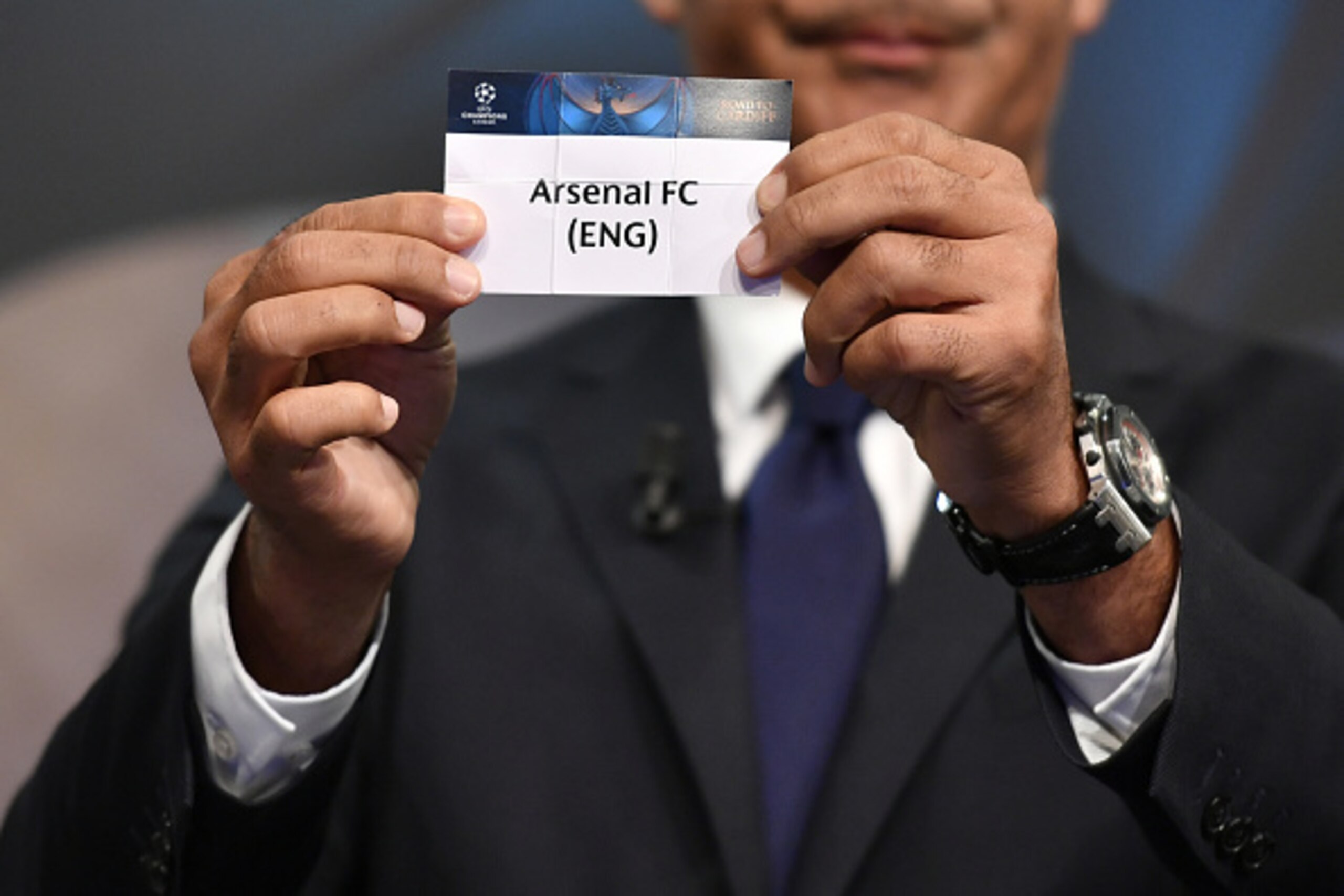
It’s a concerning trend, with the same sides facing each other year after year to the point where Arsenal and Bayern Munich will clash for the fourth time (seventh and eighth time, accounting for two-legged ties) in just five years in February. Paris Saint-Germain and Barcelona have also been paired together for the third time in just four years.
By its very nature, the Champions League is supposed to be a jamboree of the best teams from across the continent. The name of the competition itself might not be entirely accurate, inviting more than just national champions to take part, but it is still expected to serve its purpose as a pan-European tournament. That purpose is now being neglected.
The Champions League is being strangled in a way that is reflective of football’s current zeitgeist. The rich are getting richer, while the rest are being left behind to fend for themselves. The glass ceiling for clubs outside UEFA’s top leagues is getting thicker. It’s getting harder and harder to break through; if anything, it looks likely to get even more difficult to do so in years to come.
If Europe’s biggest and best clubs have their way, the Champions League will one day become a closed shop.
Pressure from the European Club Association has already resulted in UEFA confirming in August that the continent’s top four leagues will be guaranteed four qualification places each from the 2018/19 season. It stopped short of assuring places for named clubs like AC Milan, Liverpool and Manchester United, but that might come next. The ECA won’t stop pushing in its power struggle with UEFA.
"What would Manchester United argue: did we create soccer or did Leicester create [it]?" reasoned Charlie Stillitano, the American sports executive who revealed details of meetings between Europe’s biggest clubs concerning the future of the Champions League in May, per the Associated Press (via the Guardian). "Let’s call it the money pot created by soccer and the fandom around the world. Who has had more of an integral role, Manchester United or Leicester? It’s a wonderful, wonderful story, but you could see it from Manchester United’s point of view, too."
The Champions League has become the domain of the elite over the past decade or so, and it might not be long until that is set in the very format of the competition. Will there be another FC Porto? Are the days of an outsider crashing the party gone forever? The Portos of the future might find themselves locked out with their noses pressed against the window.
Stillitano is the man responsible for putting together the annual International Champions Cup, a pre-season tournament that takes place in different continents around the world, consisting of most major clubs in the sport. As he sees it, that could provide the template for the future of Europe’s premier club competition.
"This is going to sound arrogant and it’s the furthest thing from it … but suddenly when you see the teams we have this summer in the ICC you are going to shake your head and say, ‘Isn’t that the Champions League?’" he said. “No, the Champions League is PSV and Ghent [sic].”
Of course, Stillitano is somewhat wide of the mark. A PSV Eindhoven or a KAA Gent wouldn’t now make it as far as the competition’s round of 16. Their participation would at least help the fading impression of the Champions League as a pan-European pursuit. It wouldn’t seem so self-serving.
That is Michel Platini’s legacy. As UEFA president for eight years, the Frenchman made sure the most powerful in European football were looked after first and foremost. The implementation of Financial Fair Play (FFP) was praised in some quarters as a measure to ensure the sustainability of the game, but in practice it served to maintain the status quo. It protected the biggest clubs from being knocked off their perch.
Now the Champions League is expected to provide the same sort of protection. Originally, the competition was designed to have a trickle-down effect, with clubs all over Europe benefiting from it regardless of whether they participated or not.
The trickle-down infrastructure is still in place, but the gap between the best and the rest is now so unassailable the elite have become untouchable.
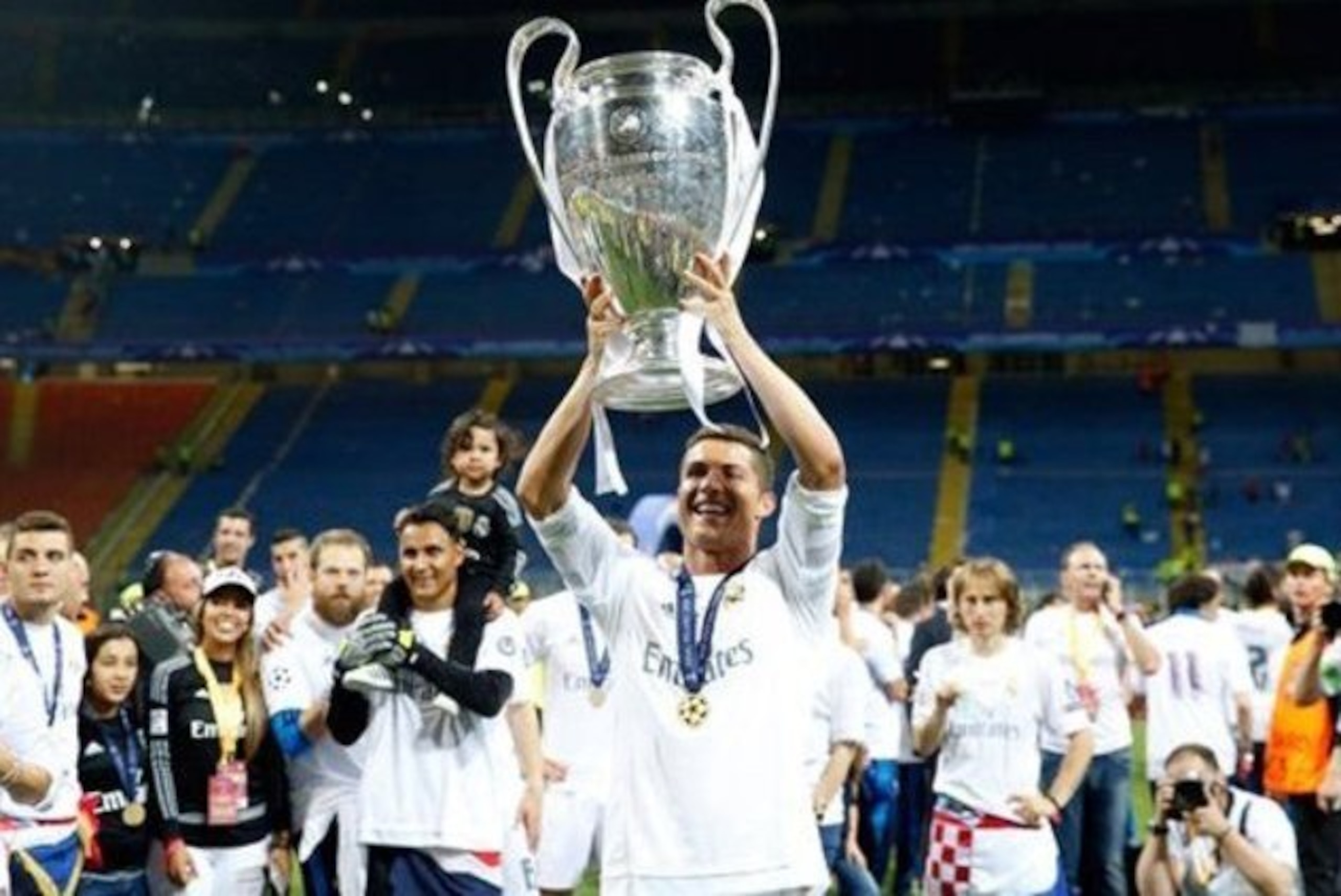
By harvesting Champions League revenue season after season, the biggest and best clubs serve to only strengthen their own positions, widening the gap at the top of the game. This has produced a certain monotony to the competition, with the same clubs making the knockout rounds every year.
And with every year that Barcelona, Bayern Munich, Real Madrid and Co. make the latter stages of the Champions League, European football moves closer to an elite breakaway. If these clubs are already assured of their place at the top of the game, why wouldn’t they seek to establish that in the format of the competition? From their perspective, nothing would change.
For the rest of European football, though, such fundamental change would provide a damning indictment of the game. Perhaps a breakaway would be reflective of the way society as a whole is heading, with the elite increasingly looking after themselves and only themselves. Football, after all, is often a microcosm of the world around it.
That doesn’t make it any less depressing, though. There are a number of ties to be savoured when the Champions League gets back under way in February, but what those ties say and who they consist of says a lot about the way things are at the top of the European game.




.jpg?w=2560 "Jonathan Taylor Landing Spots 📍")




