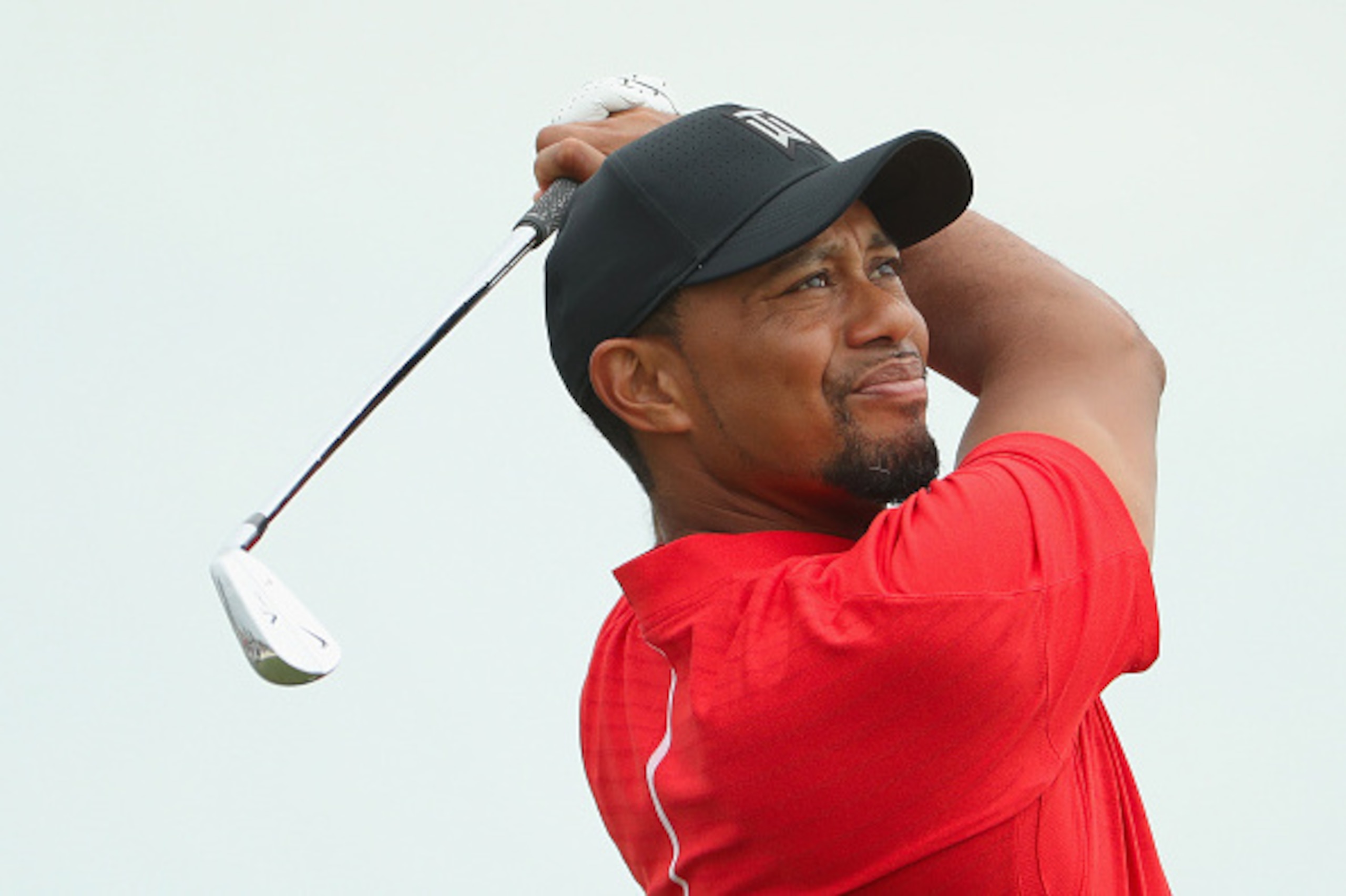

Tiger Woods at 2016 Hero World Challenge: Grades for Overall Performance
Let’s start by restating what every golf fan knows: Entering the Hero World Challenge, Tiger Woods hadn’t played a competitive round of golf since the Wyndham Championship in August 2015. After two back surgeries in the fall of 2015, Woods sat out all of 2016. He was poised to tee it up at the Safeway Open in October, before pulling out at the 11th hour, casting doubt on both the health of his game and the health of his surgically repaired back.
So, this week: The Hero World Challenge was an unofficial PGA Tour event with just an 18-man-field, but the tournament was one of the most important for Woods’ career. This is because, well, if Woods couldn’t break 80 or was forced to withdraw with back issues, his aforementioned career would be effectively dead and buried.
The quick breakdown of Woods’ week looks like this: He lead the field in birdies, but he also led the field in double bogeys. The result: Woods finished 15th out of 17 golfers in the Bahamas. Perhaps most importantly, though: No apparent issues with back (or any other area).
For a more nuanced look at Woods driving, iron play, work around the greens, putting and course management, click through.
Driving: C
1 of 5The good news: Tiger Woods showed plenty of power and speed through the ball. Certainly he hit plenty of tee shots he liked, piping the ball 350 yards down the middle on several occasions and showcasing the patented Woods club twirl.
He did, however, struggle with the pull-hook miss to the left, losing the ball far enough off line to end up in the shrubbery amid the sandy native area at Albany.
The miss caused Woods a healthy amount of trouble several times. Example: He pull-hooked his drive into the water hazard left of the 18th green in his opening round, leading to a double bogey. Overcorrection in rounds two and four led to misses wide right and double-bogey sixes there as well.
He’ll need to rectify the wide miss to be competitive going forward. But again, the swing speed, apparent lack of any pain or discomfort and buffet of blasts down the middle were encouraging.
Iron Play: A
2 of 5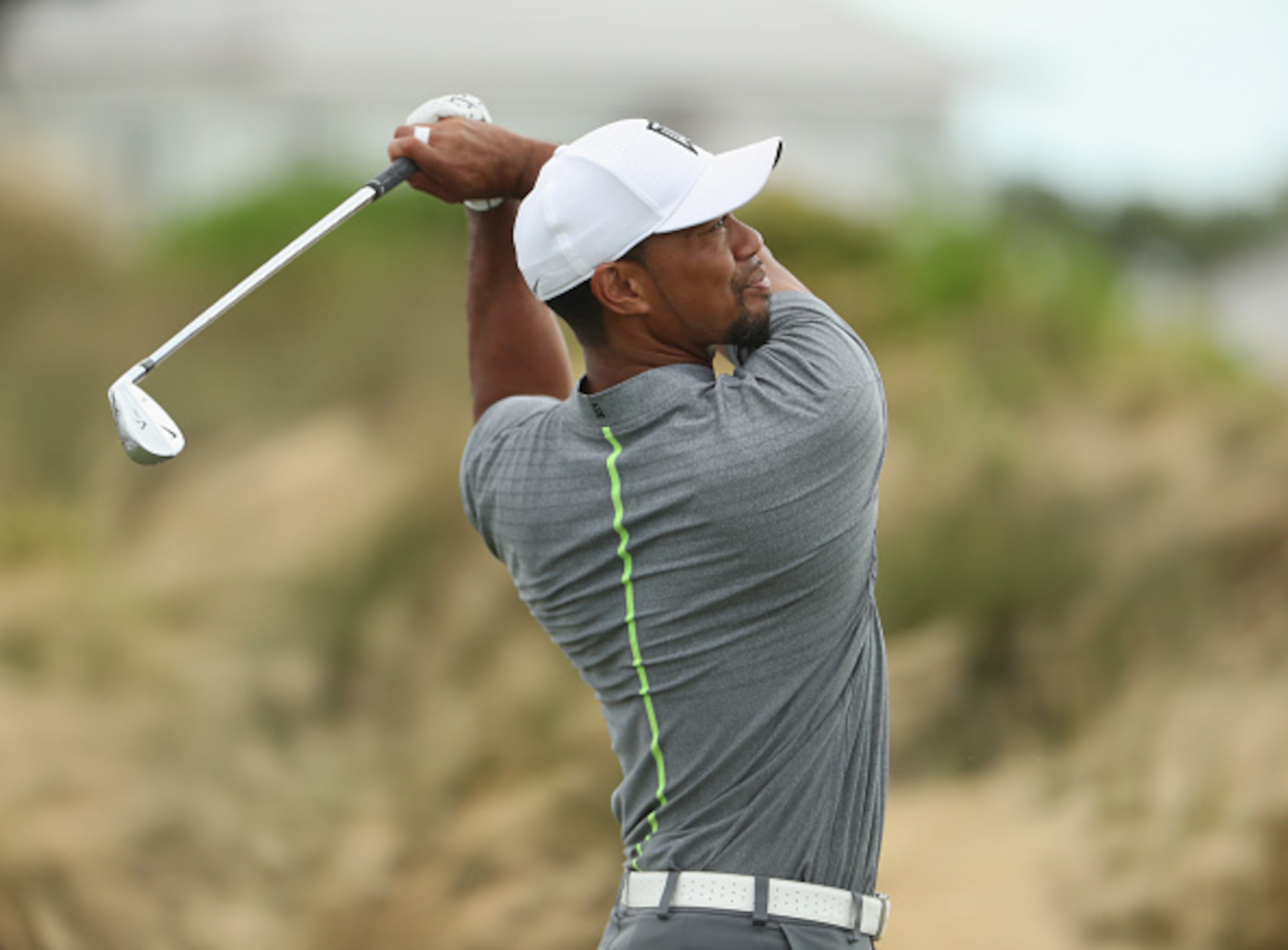
The best facet of Tiger Woods’ game in his first go-round inside the ropes was his iron play. After such a long layoff, any level of distance control and trajectory management in tournament conditions was going to be an encouraging sign.
Fortunately, Woods’ work was more than encouraging, as he hit full irons on the screws all week and carved the ball both left and right at will. The highlight of his iron play this week was doubtless this near ace at the 210-yard par-three 12th hole in his second round.
Often, Woods was playing his approach from Albany’s sandy waste areas (or punching out from amid the shrubbery). It’s difficult—and indeed, inappropriate—to evaluate iron play from such spots alongside a golfer’s work from the center of the. The latter, in Woods case this week, was largely very good—with mid-irons, short irons and wedges.
Woods did have his misses, but such is the nature of tournament golf. Bottom line: A golfer doesn’t lead the field in birdies without serious precision in the iron department.
Short Game: B
3 of 5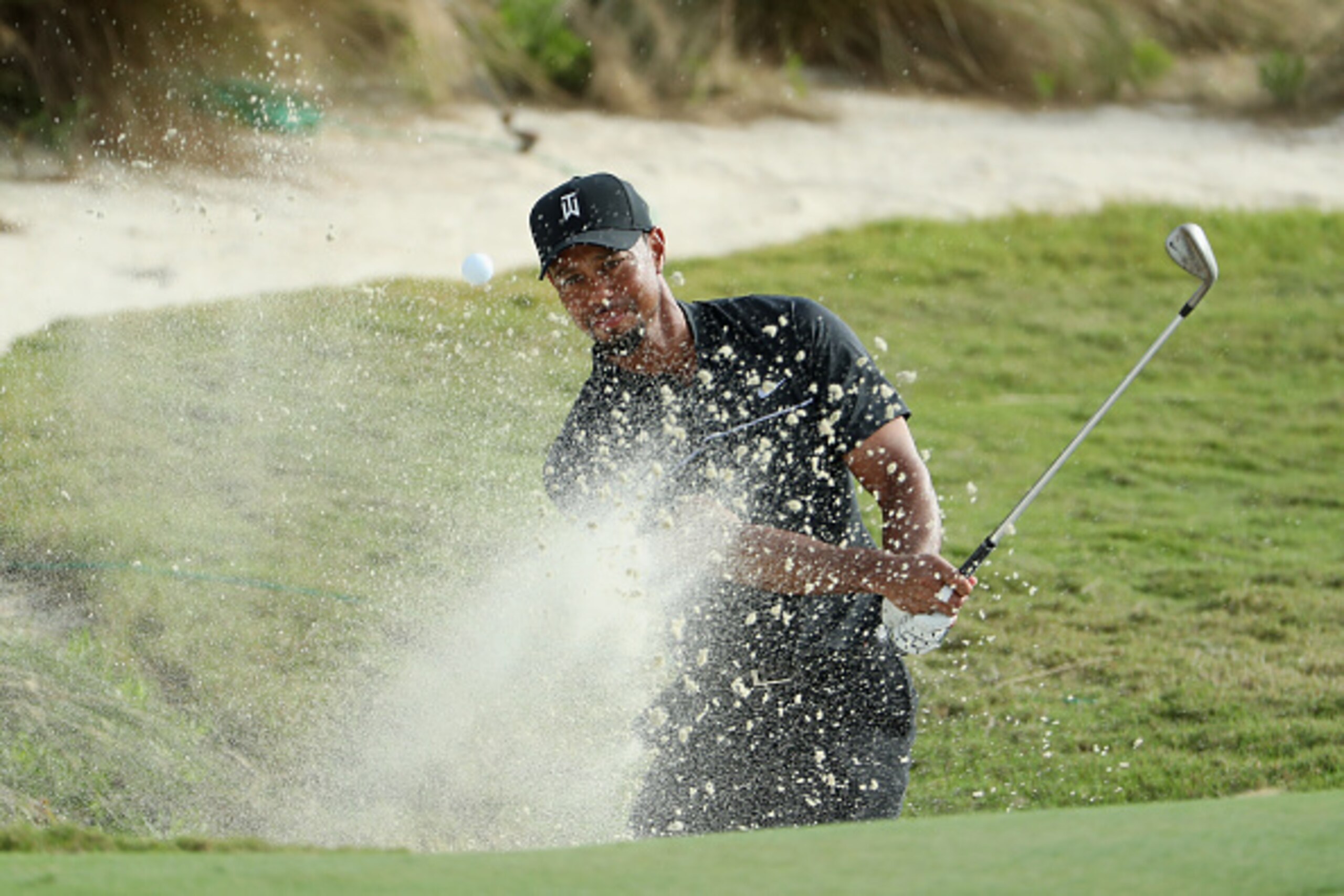
The grainy, tightly mowed areas around the green at Albany were problematic for nearly every golfer in the field, and the risk of stubby chunks that roll back to your feet seemed present on most pitch shots around the green.
Still, the golf world collectively gasped when Woods chunked a pitch shot from short of the ninth green in his opening round. Woods first showcased the penchant for chunking and blading his pitches at Albany in 2015, and the issue was a persistent menace for the former world No. 1 across the whole of his most recent PGA Tour campaign.
For the most part, though, Woods was very good around the green. He set the tone with his very first pitch in his opening round. A shot from behind the third green, which cozied up next to the hole for a kick-in par.
And while some of his bunker work might not have been the best, he did hole this shot during the third round.
Ultimately, Woods’ work around the green was a massive improvement from his efforts in 2015, when he was statistically the worst chipper/pitcher/sand player on the PGA Tour.


.jpg?w=2560 "Cardinals Giants Football")
Putting: A
4 of 5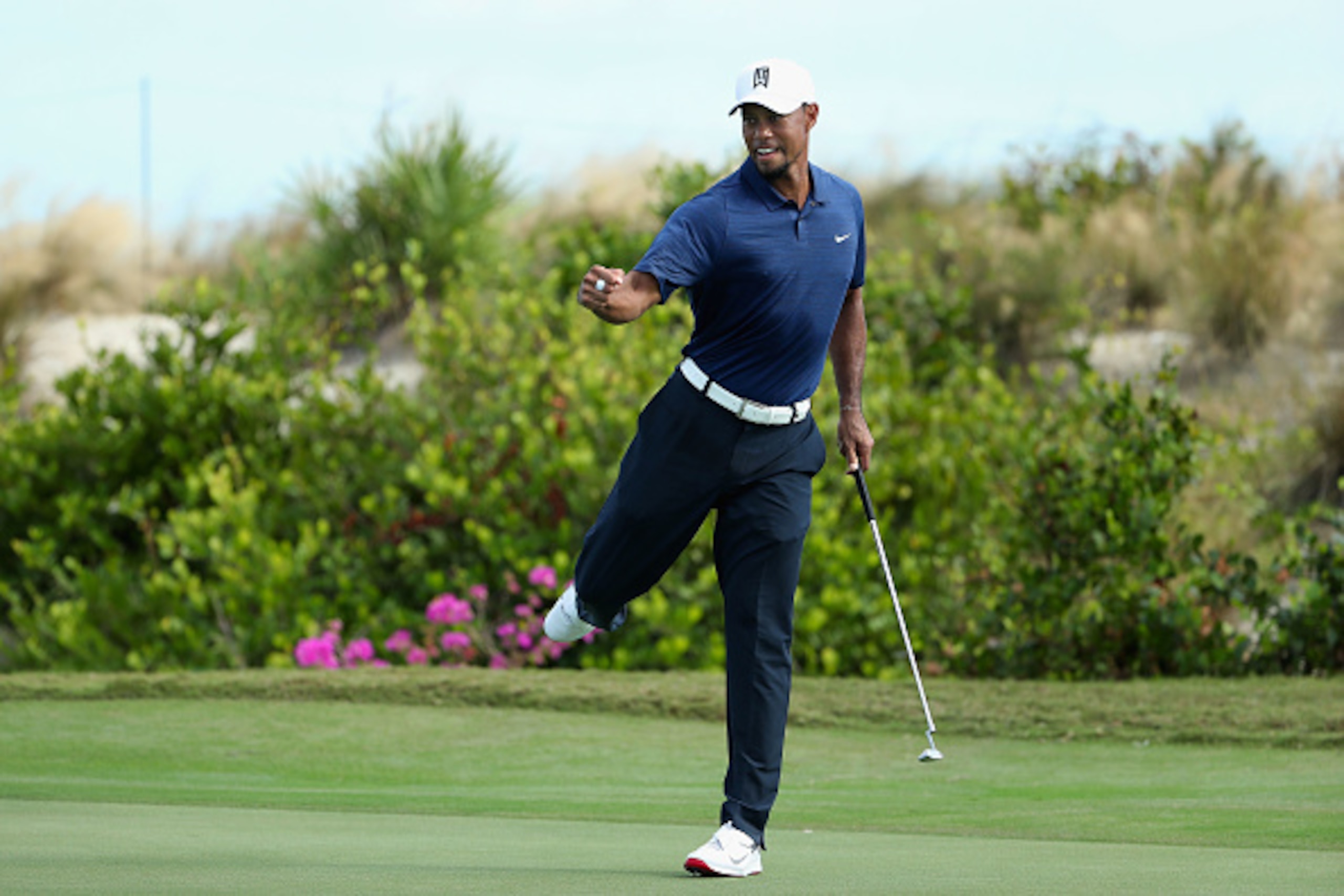
What can you say? Returning to the Scotty Cameron Newport 2 with which he won 13 of his 14 majors, Tiger Woods putted like...well, Tiger Woods.
As mentioned, Woods led the field in birdies, which means, you know, he’s making some putts. His speed on lag putts all week was generally excellent, and he often used the putter from off the green with success.
Of all the putts he holed in the Bahamas, a pair of par saves were the most memorable, including this effort in his second round.
Unfortunately, we don’t have any strokes gained data from this event as it was an "unofficial" tour stop. Subjectively, anybody watching TW’s work with the flatstick over the four days of competition would wager he would’ve been near the field lead in strokes gained: putting (note to the PGA Tour: Bring Shot Tracker to Albany next year!).
Overall: B
5 of 5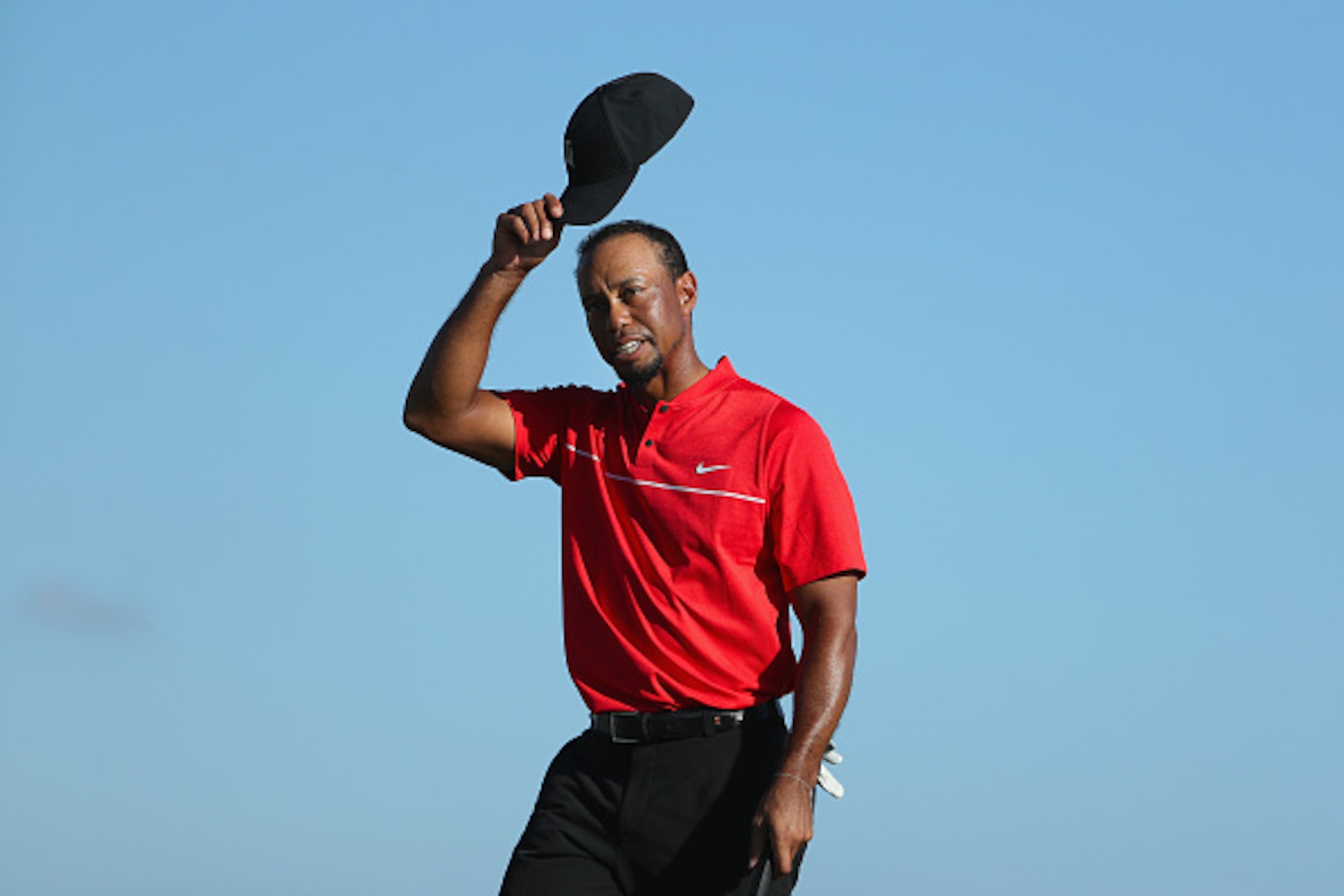
Tiger’s own assessment of his play at Albany, per the Associated Press, says it all: "It's really good to be back playing again, competing. Unfortunately, I made a lot of mistakes. I made a lot of birdies, but I made a lot of mistakes."
Yes, Tiger Woods finished 15th out of 17 professionals. More importantly, however, he didn’t fall on his face or end up flat on his back in pain. He’ll need to dial in his driving, which put him behind the eightball and led to big numbers too often this week, but the rest of his game looks quite solid.
Again, the man led the field in birdies in his first tournament action in more than 400 days.
.jpg?w=2560 "Hill Injury Update Football")
.jpg?w=2560 "Titans Giants Football")


.jpg?w=2560 "Tyreek makes another cryptic post amid Chiefs rumors")