How Fashion Designer John Varvatos Saved Converse and Changed Sneaker Culture
In John 3:15, the Bible offers eternal life for those who believe in a second coming. In the gospel of sneaker culture, John Varvatos 315 is proof of another form of resurrection. The 315 sneaker label is a filial outgrowth derived from Varvatos' work bringing Converse back from the dead.
In the early 2000s, Converse sneakers had lost their relevancy in quality foot streetwear circles. While essentially being relegated to discount stores, the company was purchased by a private equity firm that, in turn, approached John Varvatos' eponymous brand for a one-season partnership.
"They felt our DNA mix of both vintage and contemporary would be ideal toward restoring the most iconic and best-selling athletic shoe ever," Varvatos told Bleacher Report. The designer's respect for historical details, coupled with his sophisticated use of modern innovation (i.e. comfort footpads, breathable leather, subtle contrast stitching and burnished soles), did much more than reinterpreting the Chuck Taylor All-Star. Converse's reported revenue more than doubled from $80 million in 2001 to $205 million during the first year partnering with Varvatos.

.jpg?w=2560 "Packers Browns Football")
The uptick caught the eye of Nike, which bought the company in 2003. The collaboration between Converse and Varvatos has been so successful in the U.S. and abroad that the initial one-time seasonal alliance has since evolved into a partnership lasting more than 15 years.
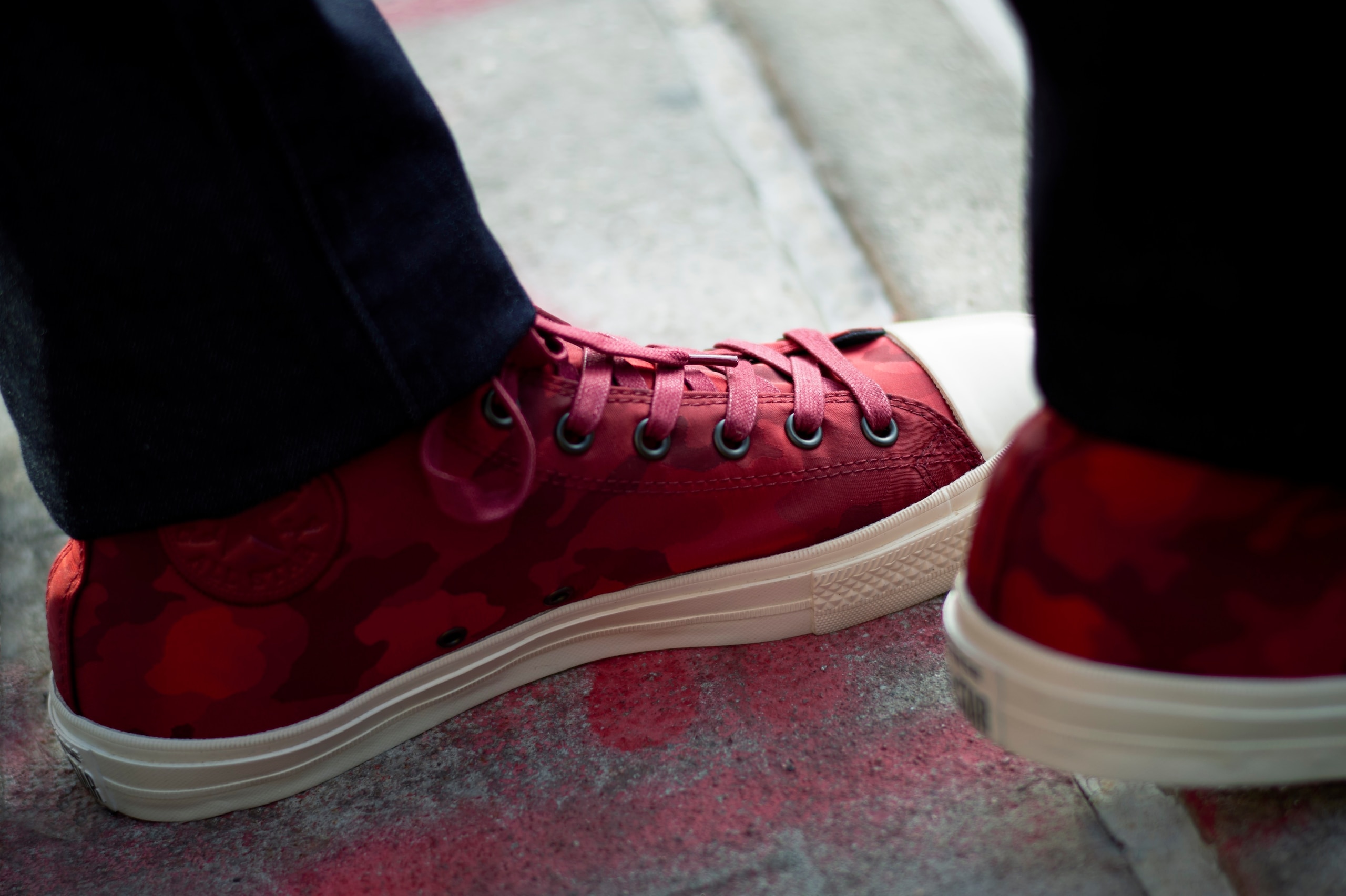
Even before he joined forces with Converse, Varvatos grew up in the Detroit of the 1970s worshiping and wearing the Chuck Taylor All-Stars. "My favorite musicians and athletes wore Converse," Varvatos recalls. "They were everywhere. I really thought that they were the only shoes made." The challenge in reviving the fabled shoe, explained Varvatos, wasn't to change the sneakers, but to "reimagine" them.
In 2003, Varvatos followed up the All-Star by resuscitating the almost defunct Jack Purcell, offering them in a fully supported slip-on-sans-laces version. The laceless subgenre has continued as part of the brand.
Under his Converse x John Varvatos label, the designer has added his touch to other classics such as the Academy, One-Star, Bosey Boot and, most notably for basketball fans, the onetime NBA staple Weapon. "We did an unprecedented amount of research on the Weapon—finding pictures of every player that wore them and even pics of the shoes on the street," Varvatos said. The archival appeal of the original Weapon persuaded Varvatos to trim down the shoe, add upscale premium leather and revisit the multiple glorious colorways of the Magic Johnson/Larry Bird era.
This winter's 2016 Varvatos Chuck II builds off Converse's own updated 2015 model and features nuanced variations on the silhouette, softer patterns and smooth lines. It's functional fashion. Intended to appeal to the "modern guy” on the street looking for crisp, clean footwear, the Chuck II was also created keeping the shoe's heritage in mind. "Just because we are inspired from things from the past, doesn't mean we want to look or feel like we are from the past," Varvatos said.

Due in large part to the success of the Varvatos-Converse collaboration, a once marginalized sneaker industry is now a mainstay division of high-end fashion houses. "Every fashion brand wants to be in the sneaker business," explained Varvatos. "Every fashion designer does real athletic-looking, basketball-inspired sneakers."
Varvatos launched his own 315 sneaker label in 2008, a name that pays homage to the street address of New York's legendary and now-defunct CBGB music club where Varvatos' flagship store now calls home.
The idea behind the 315 is to reflect the punk rock landmark's rebellious style and attitude, as Varvatos deepens his footprint in sneaker culture.
"Working with Converse has been a great opportunity and will continue to be so, but it is done within a pre-established structure," Varvatos said. "With 315, I am given more leverage and a wider palette.'
This season's laceless Reed Ghosted high/low top illustrates just how far he will stray from convention. Defined by an intriguing laceless silhouette and lace-up styling that's been molded in supple leather, it's a look that one imagines David Bowie's character in The Man Who Fell to Earth might have worn.
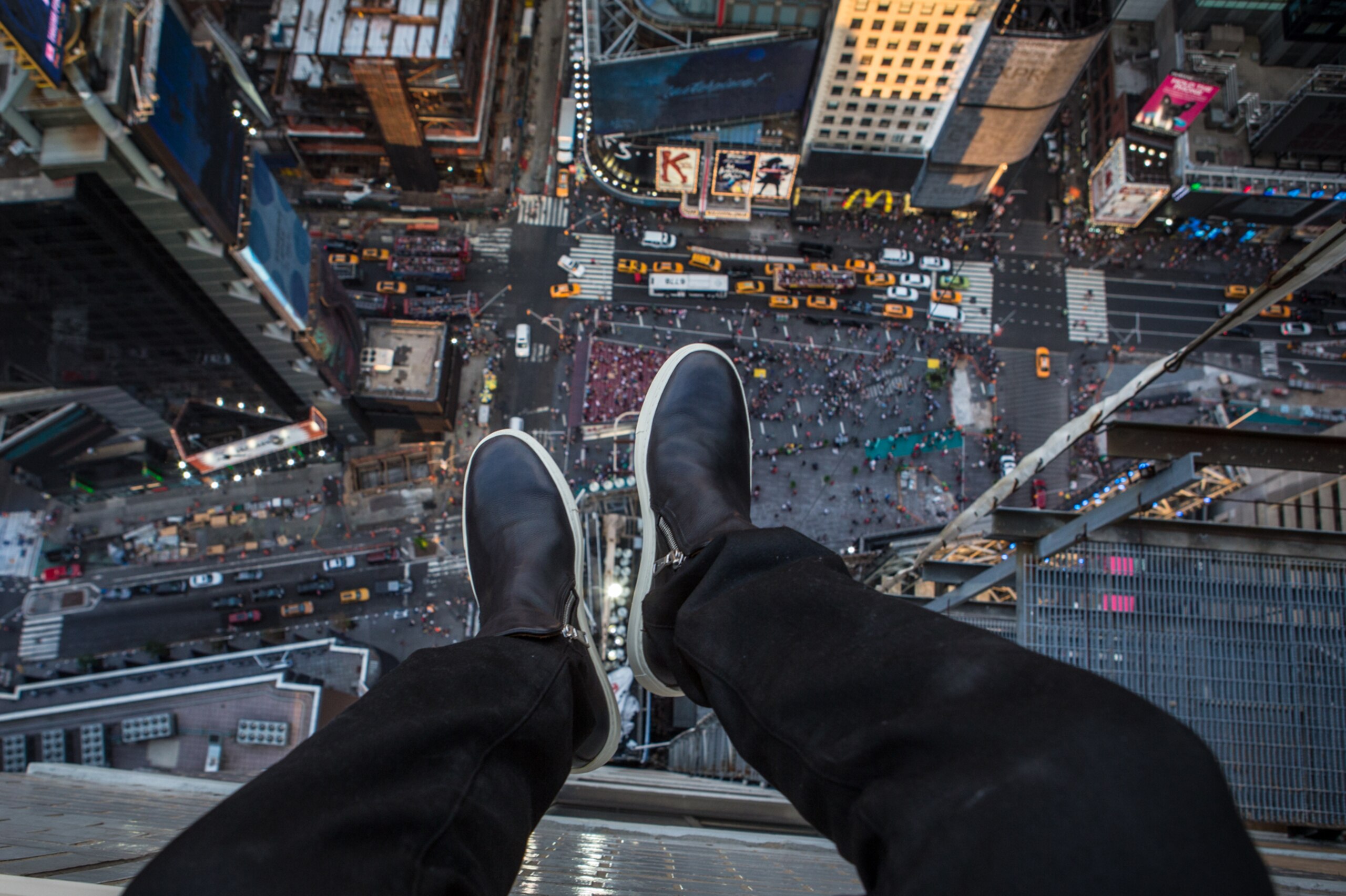
Having regenerated Converse, Varvatos is now applying a similar mindset toward his company's infrastructure and commitment to American urban renewal. "The inner cities are what this country is built upon," said Varvatos, who situates his stores in cities in need of a financial boost. His was the first retail clothing brand in 40 years to open in downtown Detroit's Woodward Ave.
In the midst of our flared national debate about how to preserve jobs in America's forgotten cities, Varvatos seems to have the right mindset: "If you want to bring people in or bring them back, you have to give them a reason."
L.A. Gabay is a doctor of Urban Education who teaches in Brooklyn, N.Y. He has written about education, incarceration, basketball and sneaker culture since 2006. His first book, I Hope I Don't See You Tomorrow was published in 2016. You can follow him on Twitter @lagabay.

.jpg?w=2560 "Eagles Football")