
10 Questionable Sports Decisions That Paid Off
Fortunately for these daring sports figures, it's only crazy if it doesn't work.
When analyzing sports, most observers skew toward results over process. As long as the game ends with a victory, the typical fan doesn't care how about the method. Just get the job done by any means necessary.
If Russell Wilson had thrown a game-winning touchdown at the end of Super Bowl XLIX, Seattle Seahawks head coach Pete Carroll is a genius for dialing up a goal-line pass. Instead, he's vilified for an unconventional approach ending in an improbable, worst-case scenario.
On the other side of that same scene, the New England Patriots got away with a massive oversight. They came out looking smarter, despite their error.
These decisions weren't all universally panned at first. Some made sense from the beginning, even the rationales weren't obvious to most critics surprised by the bold choice.
Let's take a look at some wild decisions that paid off handsomely.
Boise State's 2007 Fiesta Bowl Trick Plays
1 of 10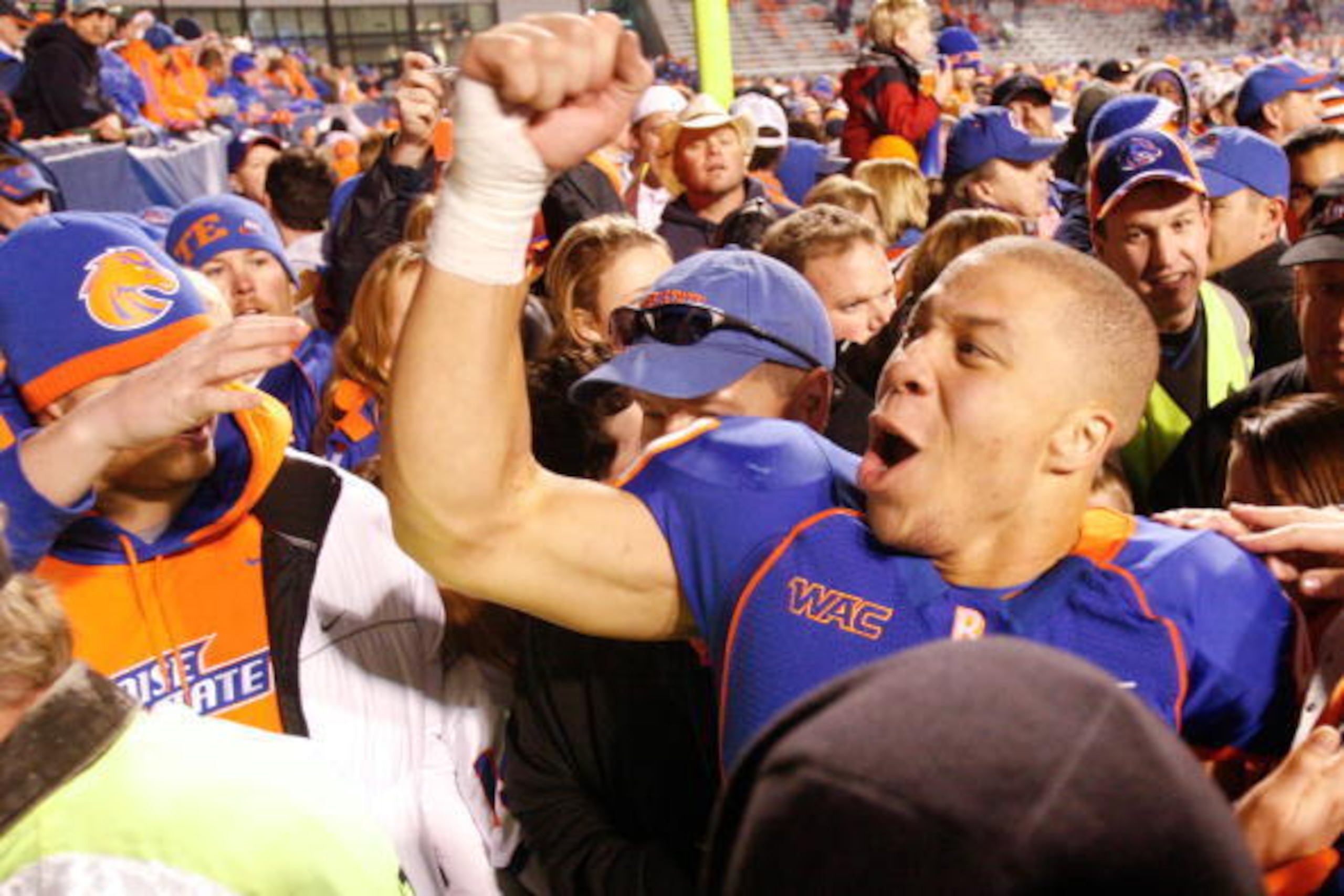
A small-school underdog facing a well-known powerhouse, Boise State played like a team with nothing to lose in the 2007 Fiesta Bowl.
Facing 4th-and-18 with 18 seconds left, the Broncos pulled off a perfect hook and ladder to take Oklahoma into overtime. Desperate times call for desperate measures, so this doesn't fall under the "crazy" category.
In overtime, they faced a more manageable yet equally critical 4th-and-2 with the game on the line. The Sooners reached the end zone on their possession, forcing the Broncos to do the same. It was time for head coach Chris Petersen to dial up his most trustworthy trick play.
He chose a pass from wide receiver Vinny Perretta to tight end Derek Schouman. A defender nearly recovered in time to contest the bold call, but Perretta threw it high enough for Schouman to corral. With an extra point to come, this classic seemed headed to a second overtime.
Not so fast. Boise State left the offense on the field for a two-point conversion. Crazy? Maybe less so when the alternative was watching Oklahoma running back Adrian Peterson pound the rock on a shortened field.
Besides, nobody expected the Western Athletic Conference team to win anyway, so what did it have to lose?
Now that the Sooners had seen two gadget plays, they would anticipate more trickery. Time for a more conventional scheme in a situation with zero margin for error.
Petersen, however, again took a different approach, having his team run a statue-of-liberty deception with everything on the line. Had Oklahoma sniffed out the fake, the blunder would still permeate blooper reels. The Broncos wouldn't have risen to national notoriety.
In this instance, fortune again favored the bold. Quarterback Jared Zabranksy faked a pass and then handed the ball behind his back to Ian Johnson. The running back sprinted into the end zone for a victory and then capped off the fairy-tale moment by proposing to his girlfriend.
Proposing in front of a crowded stadium might be the craziest risk of all, but everything went Boise State's way that magical evening.
New Orleans Saints Onside Kick in Super Bowl XLIV
2 of 10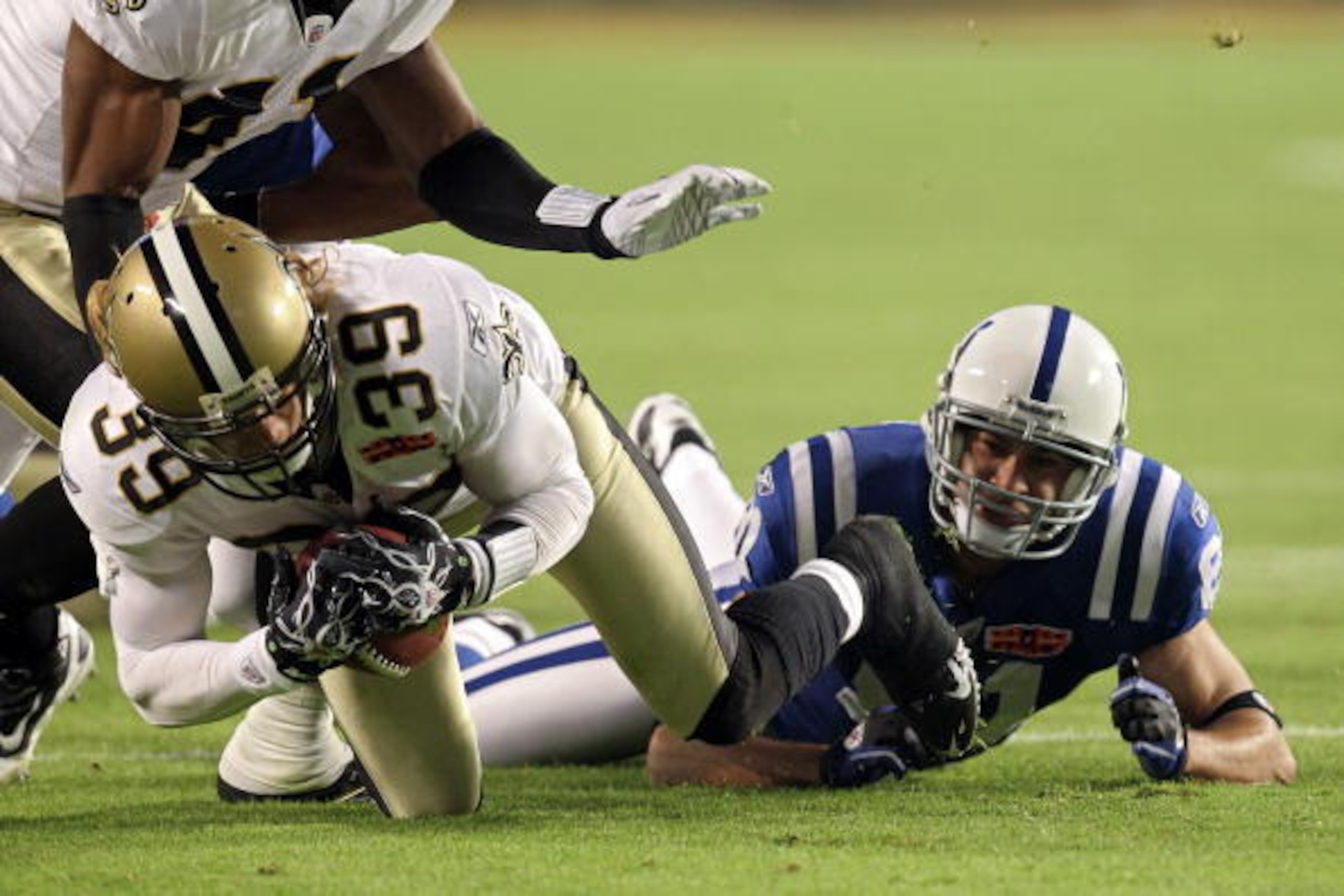
The New Orleans Saints opening the second half of Super Bowl XLIV with an onside kick will forever be one of the gutsiest calls in sports history. Had the Indianapolis Colts recovered, everyone would use harsher descriptors.
Down 10-6 at the intermission, Saints head coach Sean Payton didn't want the football back in Indy quarterback Peyton Manning's hands. So he decided to test his luck with a surprise onside kick. While it caught Indianapolis off guard, the Saints still needed to escape a furious scramble with the ball.
They recovered, drove the field for a touchdown and never relinquished the lead. Cornerback Tracy Porter sealed the 31-17 victory by returning a Manning interception to the house.
Months before Payton's successful gambit, Brian Burke of Advanced Football Analytics conducted research on onside kicks. The 20 percent success rate jumps to 60 percent when the opponent isn't expecting it. That's well above the 42 percent break-even point needed to enhance a team's win probability.
It was a risky but calculated gamble. The reward of redistributing a Manning possession to Saints quarterback Drew Brees made the bold call a smart one.
Then again, that's easy to say in hindsight. Had the Colts recovered and exploited the field position for a touchdown, Payton's onside kick would instead have gone down as an all-time blunder.
St. Louis Cardinals Don't Retain Albert Pujols
3 of 10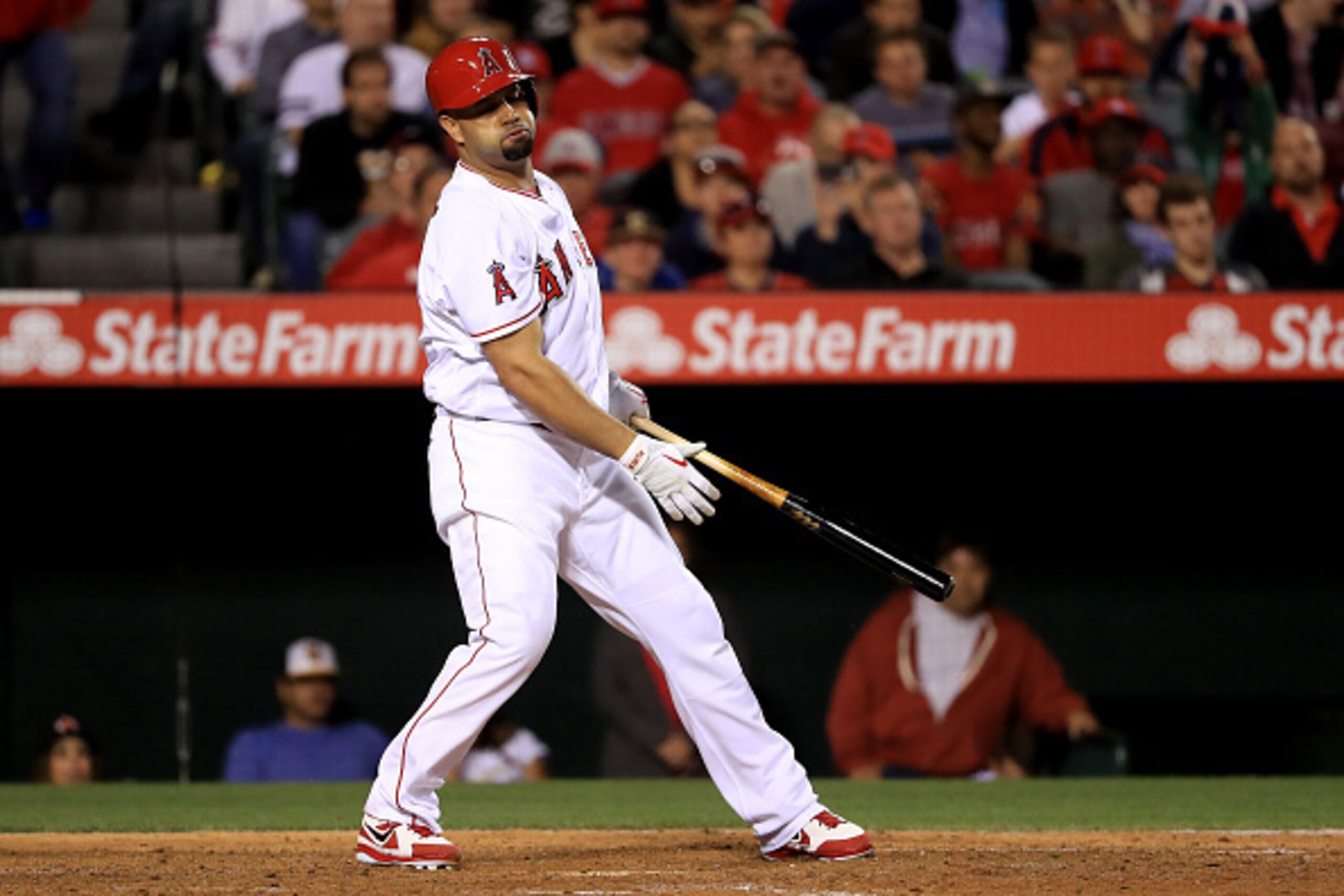
When a franchise-defining superstar hits the open market, the organization that retained his services usually presents him a blank check to keep him. Five years ago, the St. Louis Cardinals faced immense pressure to lock down Albert Pujols, but they dodged a bullet by watching him leave.
During his 11 years with the team, he was MLB's undisputed top dog. The three-time National League MVP—who probably should have won more—hit .328/.420/.617 with 445 home runs and 81.4 WAR, per FanGraphs. Despite showing signs of mortality during his final year with the club, he played a pivotal role in the Cardinals' 2011 World Series triumph.
He could have retired at age 31 and still left as a no-doubt Hall of Famer.
To be fair, St. Louis didn't decide to let Pujols walk. The iconic first baseman took a better offer from the Los Angeles Angels, who gave him a 10-year, $240 million contract with perks, including employment opportunities after the decade-long deal.
Nevertheless, there's no salary cap or max contract in MLB. If the Cardinals gauged retaining him as an absolute must, they could have made an offer he wouldn't have refused. They instead lost a perennial MVP candidate who surpassed 30 homers in every season, and it saved their franchise.
Pujols has aged poorly since leaving for Los Angeles, batting .266/.325/.474 with 9.8 WAR due to his diminishing defense. Over those five years, Allen Craig, Matt Adams and Brandon Moss have provided comparable production at a far cheaper cost.
St. Louis also received two compensatory draft picks after losing its offensive bedrock. The first, Michael Wacha, is a valuable young starting pitcher who guided the club to the 2013 Fall Classic. The second selection, Stephen Piscotty notched a higher OPS (.800) than Pujols (.780) in 2016.
.jpg?w=2560 "Saints Lions Football")
Golden State Warriors Replace Mark Jackson
4 of 10
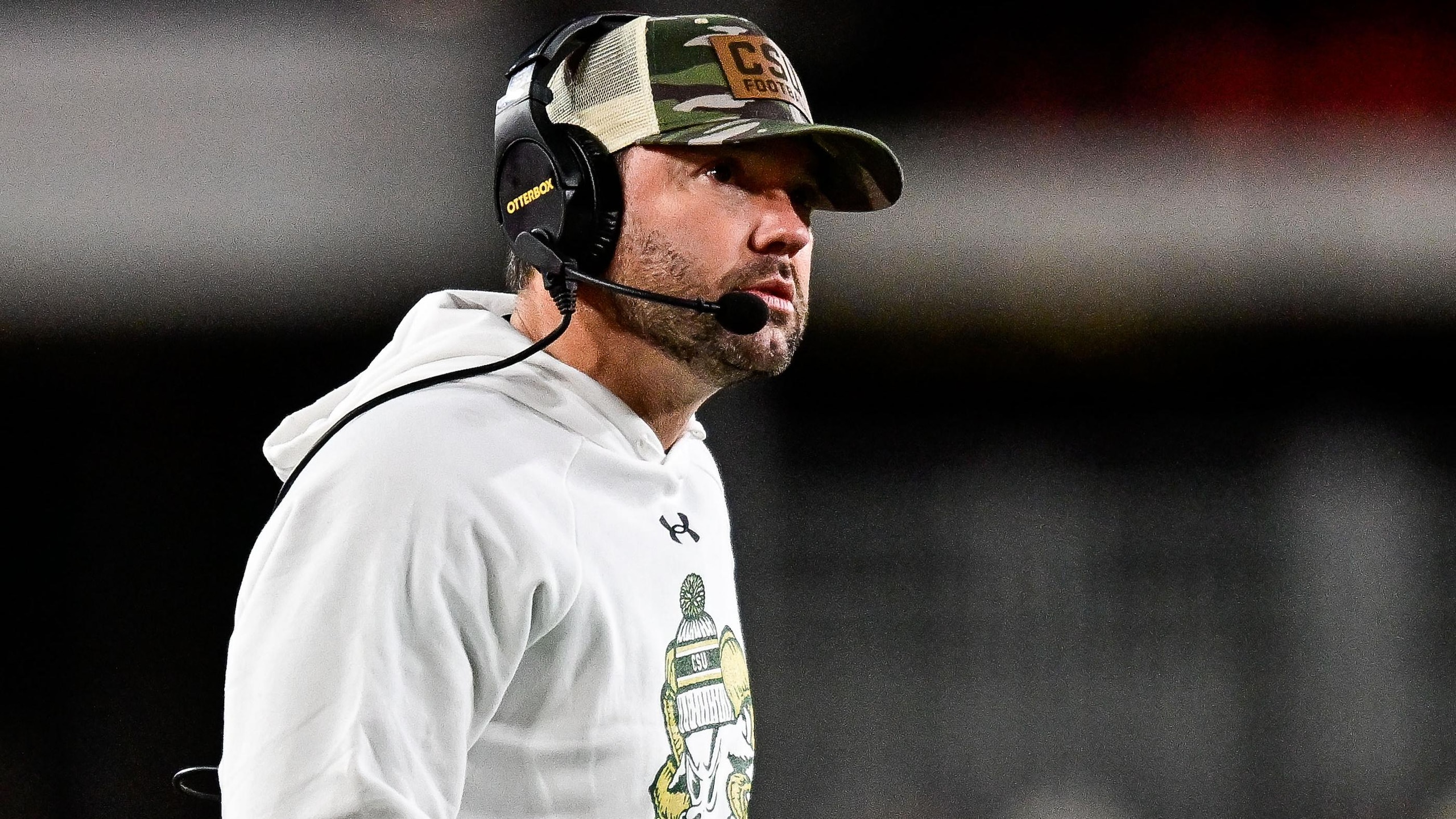
In his third year as head coach, Mark Jackson guided the Golden State Warriors to their second straight playoff appearance with their most wins (51) since 1991-92. Stephen Curry ascended to stardom under the former point guard's tutelage, averaging career highs in points (24.0) and assists (8.5) per game in 2013-14.
Despite all these pluses working in Jackson's favor, the organization canned him.
Positive job performance aside, turmoil under his watch caused the surprise firing. Assistant coach Darren Erman lost his job after secretly recording conversations between coaches and players. Jackson also reassigned assistant coach Brian Scalabrine to the D-League late in the 2013-14 campaign.
Speaking at a luncheon months after firing Jackson, per Yahoo Sports' Kelly Dwyer, Warriors co-owner Joe Lacob criticized the terminated coach's leadership abilities.
"Part of it was that he couldn't get along with anybody else in the organization," Lacob said. "And look, he did a great job, and I'll always compliment him in many respects, but you can't have 200 people in the organization not like you."
Despite the in-house dysfunction, the Warriors making a change during success remained a tough sell. One must not travel far to find a similar move backfiring. The San Francisco 49ers are 6-17 since firing head coach Jim Harbaugh, who took them to three straight conference championship games.
For the Warriors, however, the change proved a massive success. New head coach Steve Kerr unlocked their ceiling with a 67-win season en route to capturing the 2015 crown. The following year, one of his appointed assistants, Luke Walton, oversaw a 24-0 start that set up their record-setting 73 victories.
A toxic environment has become a celebrated culture that helped persuade Kevin Durant to leave the Oklahoma City Thunder. They would have kept playing well with Jackson but not at a championship level.
New England Patriots Don't Call Timeout in Super Bowl XLIX
5 of 10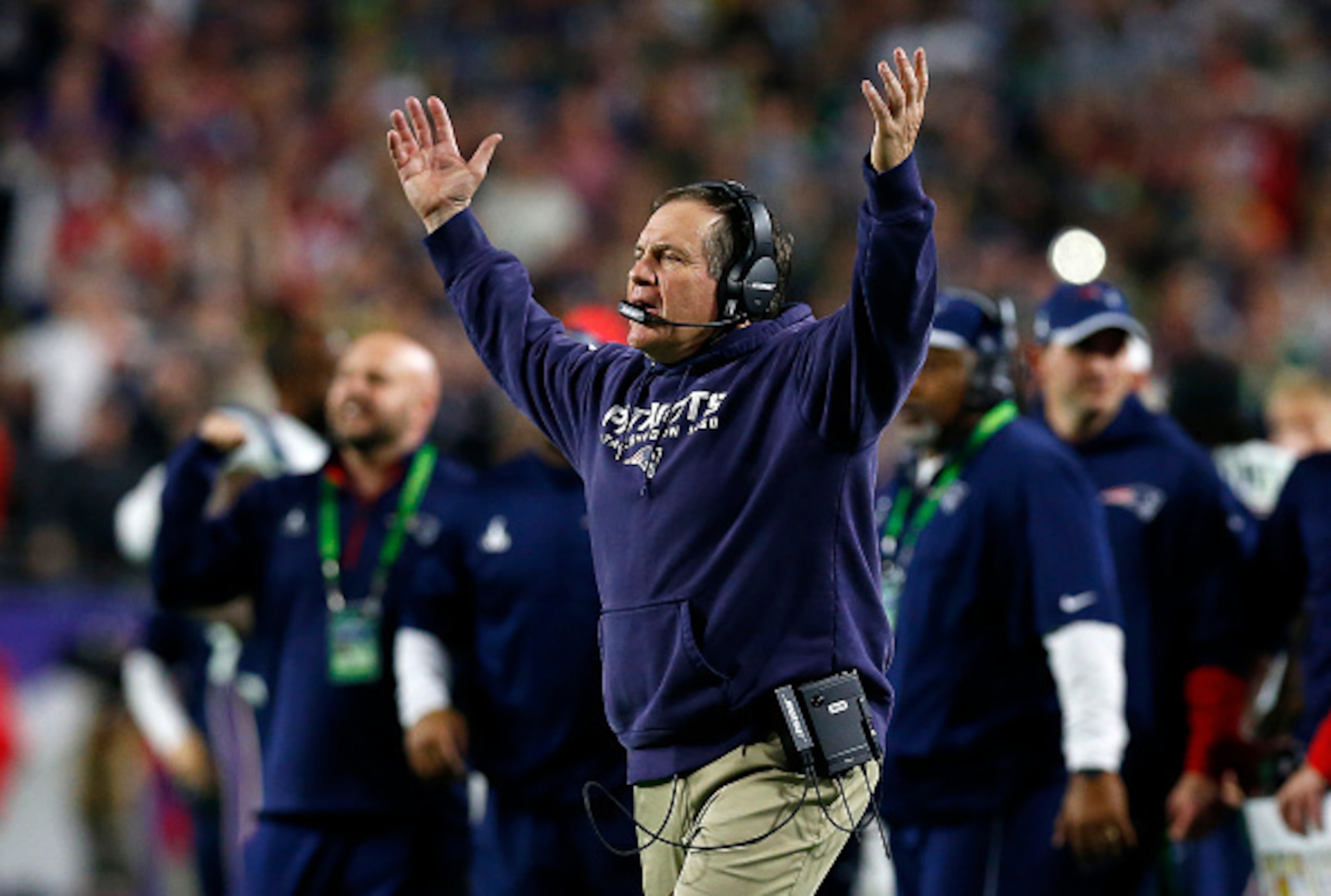
Everyone remembers Wilson's ill-fated interception at the 1-yard line costing Seattle the Super Bowl. For that, Patriots coach Bill Belichick owes safety Malcolm Butler his full gratitude—and maybe even a smile.
With 1:06 remaining, Marshawn Lynch ran for four yards on Seattle's opening down. At that point, Belichick should have prepared for a score and called his second timeout. Instead, the clock ticked to 0:26 before Wilson's second-down pick.
Had Wilson thrown a touchdown, Tom Brady would have had little time left to answer. Had he thrown an incomplete pass and handed off to Lynch on third and/or fourth down, the New England quarterback would have had even less time to set up a potential game-tying field-goal attempt for Stephen Gostkowski.
Because of Butler's game-saving takeaway, some fans credited Belichick for brilliantly playing mind games with the opposing side. With the benefit of hindsight, his postgame explanation, per ESPN.com's Mike Reiss, made it easier to preserve his mastermind reputation.
“We put our goal-line defense in probably around the same time they were sending in their multiple receiver group, and that's kind of what we wanted to be in there, to make sure they didn't run the ball in,” Belichick said.
In reality, Butler bailed him out from a head-scratching mistake. Because New England won, Belichick has escaped criticism. Nobody dares to question a legendary coach of his caliber. Even if he was wrong this one time.
Madison Bumgarner's 2014 Game 7 Bullpen Outing
6 of 10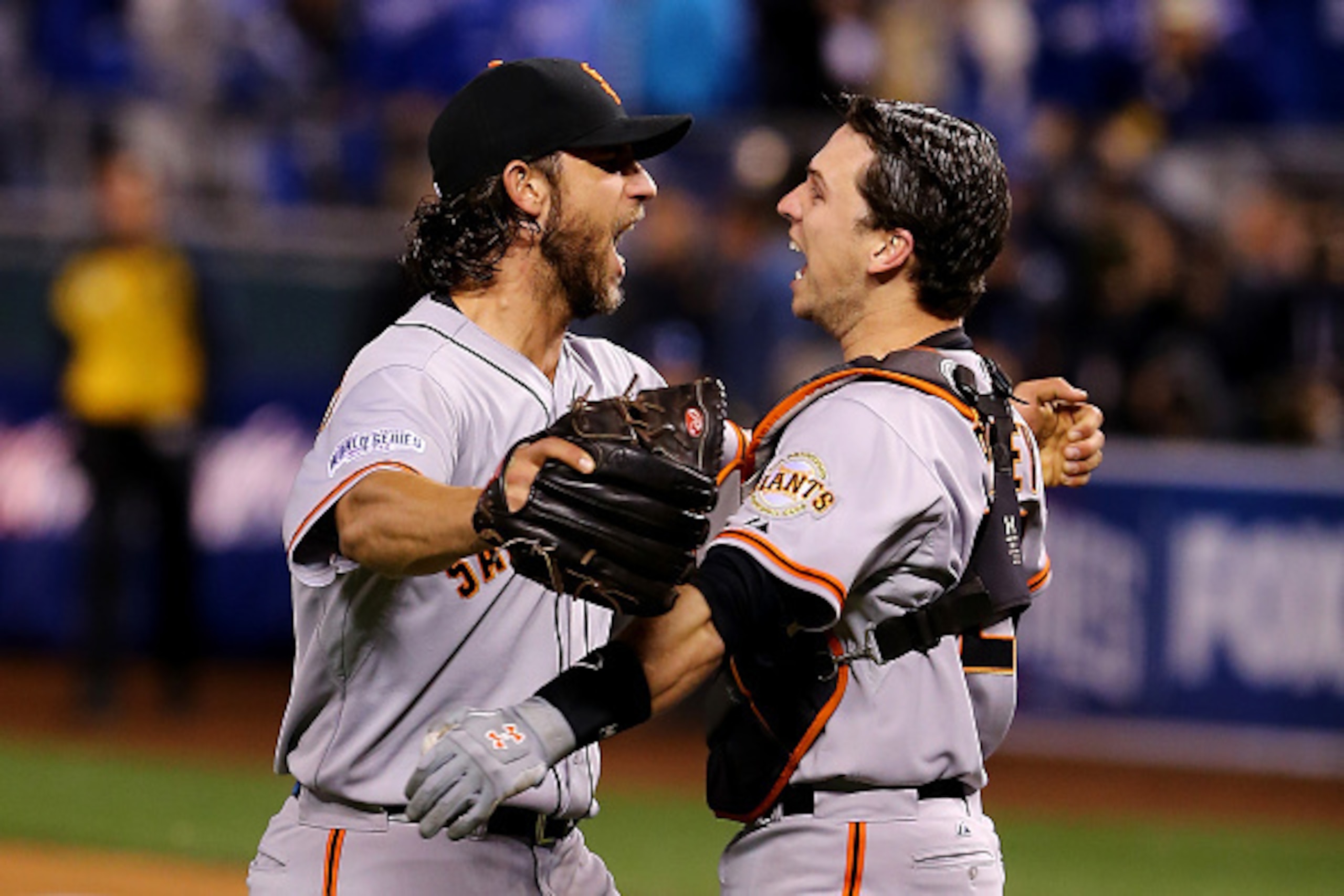
The way MLB teams now utilize pitching staffs, it's unusual for a starting pitcher to go the distance. It's downright absurd for him to then work five innings three days later.
In Game 5 of 2014's World Series, Madison Bumgarner tossed a complete-game shutout for the San Francisco Giants. His 117-pitch gem gave the Giants a 3-2 lead, but the National League champions needed one more victory without their ace.
Or so one thought. The star southpaw returned on two days' rest for a Game 7 appearance. Just for a batter or two, right?
Nope. For five innings, he protected a 3-2 lead while only yielding two hits, both singles. He finished the World Series with one run relinquished over 21 masterful innings, making him the most obvious MVP selection in recent memory.
"I can't lie to you any more," Bumgarner said after the legend-making performance, per CNN.com's Steve Almasy. "I'm a little tired now."
Few other pitchers could handle such taxing work. (the Chicago Cubs' Jon Lester proved one of them by going three innings in the same scenario in Game 7 against Cleveland on Wednesday night.) Giants manager Bruce Bochy would have faced a sea of criticism had the fatigued ace coughed up a costly run or two, but Game 7 calls for a bold strategy.
For anyone worried about future repercussions, Bumgarner remains one of baseball's most durable hurlers. He has since thrown 459 innings over the last two years, including this postseason.
Alcides Escobar Bats Leadoff Throughout 2015 World Series
7 of 10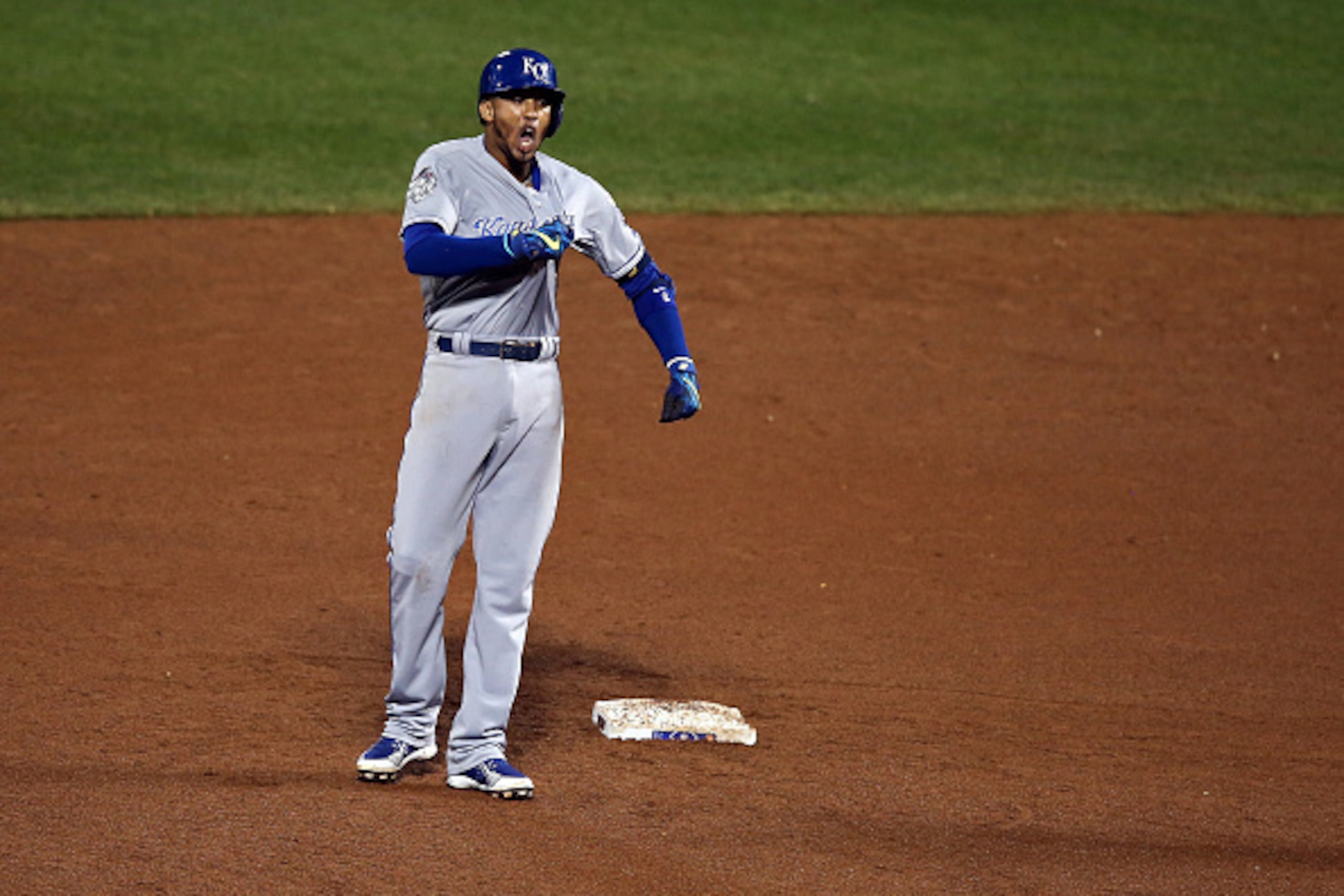
How could this list not feature Ned Yost?
The Kansas City Royals manager has made his fair share of confounding choices. Yet his team celebrated a World Series triumph in 2015, a year after winning the American League pennant.
Facing an exceptional New York Mets rotation, Yost stacked the deck against his own squad with a suboptimal batting order.
Any lineup arrangement is only as good as the hitters, but it's common sense to start with guys who regularly reach base. The player batting leadoff has the highest chance of receiving an extra plate appearance, and he'll bat ahead of the team's most prolific run producers. So that player should have a high on-base percentage, whether by superb contact or plate discipline.
Yost took a different approach, slotting Alcides Escobar No. 1 on his lineup card. The shortstop notched an abysmal .293 on-base percentage that season, not far below his .297 career clip. Alex Gordon, who garnered a .377 on-base percentage in 2015, batted No. 7 or 8 throughout the series.
Escobar went a mild 6-for-26, drawing zero walks—to nobody's surprise. In three fewer plate appearances, Gordon reached base nine times. Nevertheless, the Royals still scored 27 runs over five games to overcome their manager's poor planning.
Philadelphia Eagles Pay Huge Price for Carson Wentz
8 of 10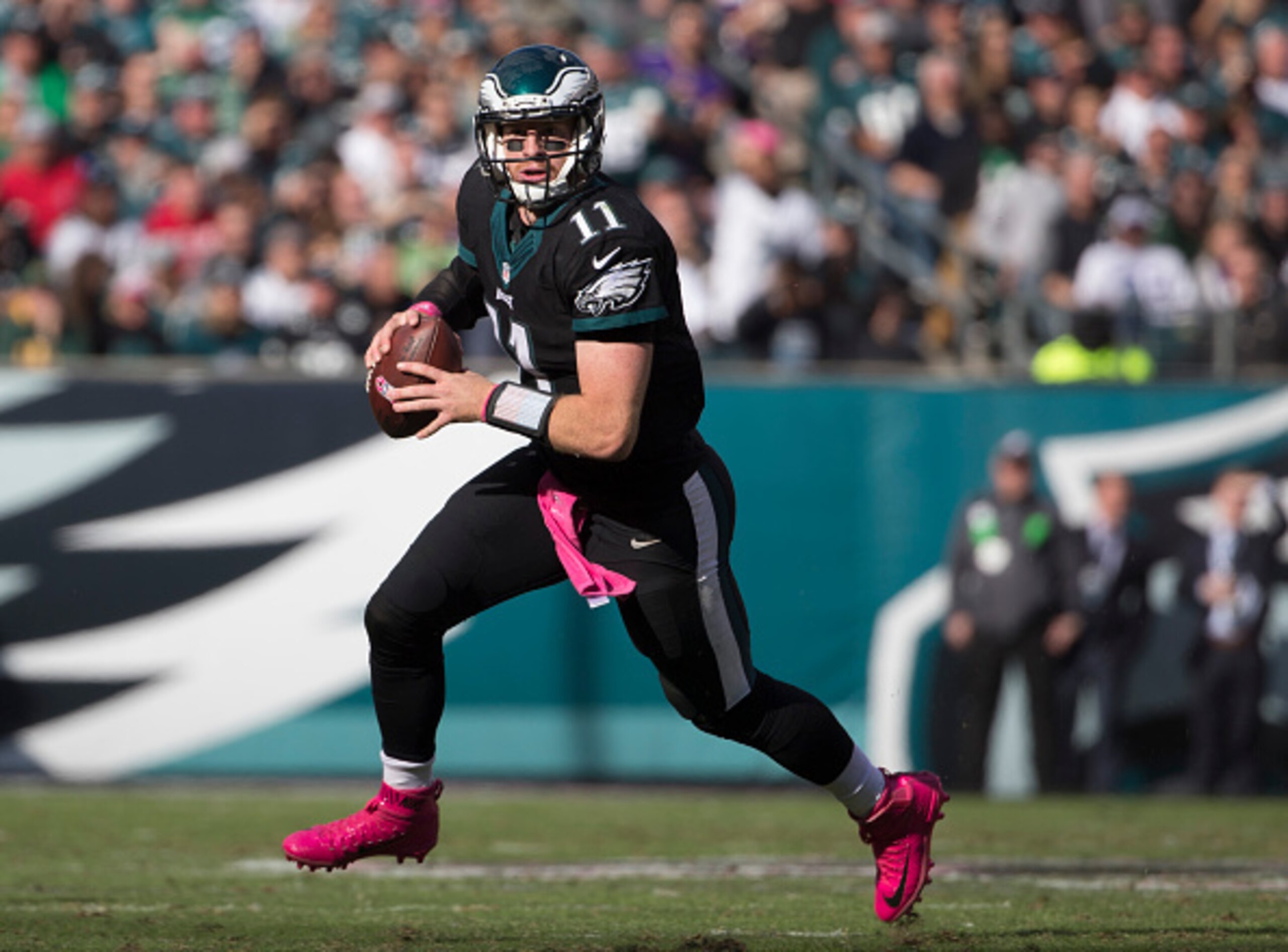
In a 2016 NFL draft featuring no surefire stars in the making, the Philadelphia Eagles still paid a premium to move up the board. In addition to their No. 8 overall pick, they gave the Cleveland Browns their 2016 third- and fourth-round selections as well as next year's first rounder and a 2018 second for pick No. 2 and a 2017 fourth.
That was a steep price to pay in hopes of taking Carson Wentz, a raw prospect from the FCS North Dakota State Bison. When grading the move in April, Pro Football Focus' Steve Palazzolo said the Eagles would wait a long time before reaping any rewards.
"Most rosters cannot handle a loss of top draft picks for multiple years, so the new Eagles QB should be looking to lead his strongest roster of surrounding talent four or five years down the road," Palazzolo wrote. "And if that quarterback is Wentz, it just may be perfect timing—if he can live up to his immense potential."
Perceived as a project pick, Wentz instead started Week 1 after Philadelphia shipped Sam Bradford to the Minnesota Vikings. (That move may have made this list from Minnesota's perspective five weeks into the season.) Instead of toiling through growing pains, he has overseen a 4-3 start with a 65.8 completion percentage and 92.5 quarterback rating.
It's a short sample size, but Philadelphia is all aboard the Wentz Wagon. If he morphs into an above-average passer, nobody will lament losing draft picks, especially after retrieving a 2017 first-rounder from the Vikings.
Although the bold decision could have fizzled horribly (see Robert Griffin III), the Eagles seemed to have located their fixture under center for the next decade.
Kyle Schwarber Returns for 2016 World Series
9 of 10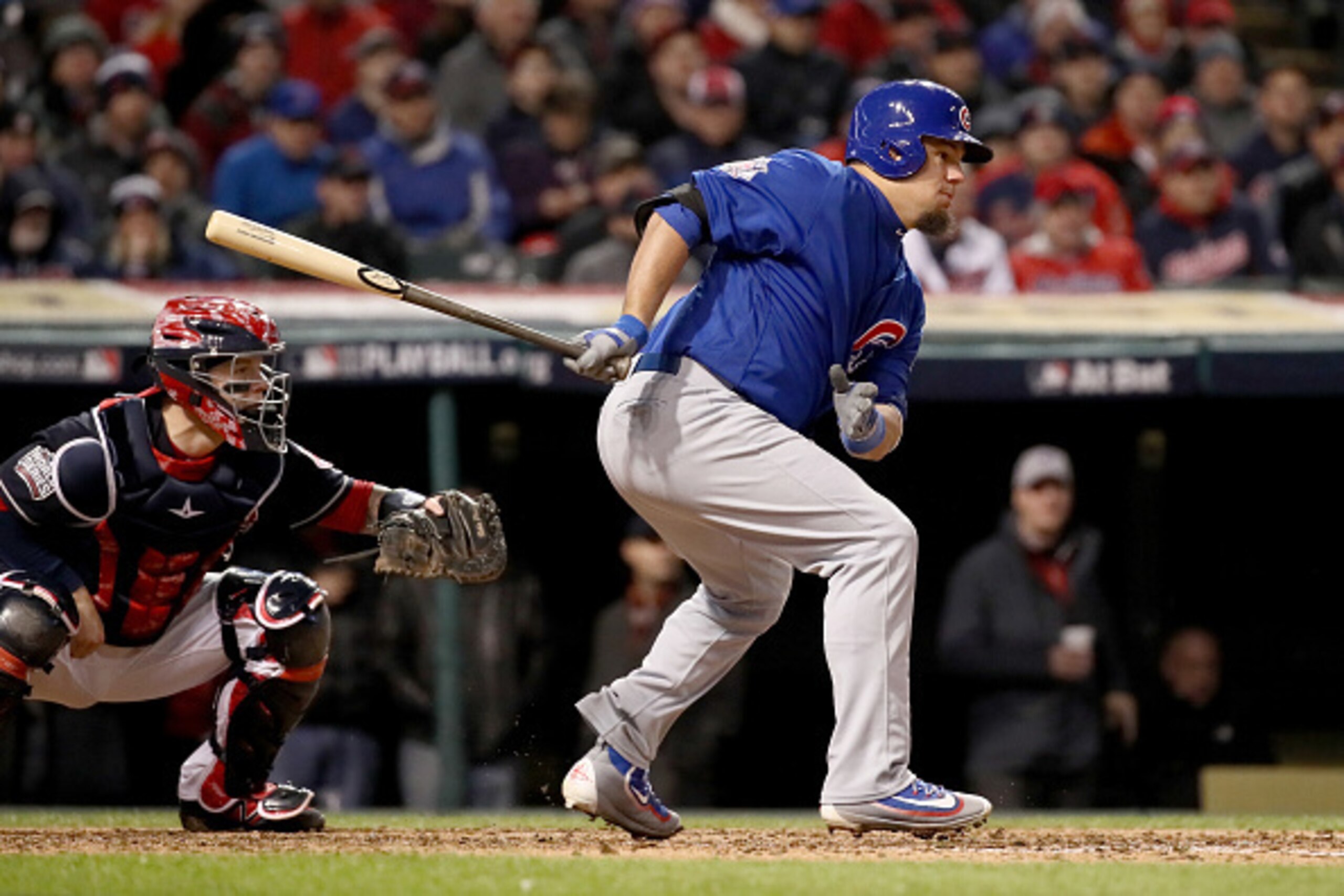
Kyle Schwarber hadn't played a major league game since April 7, when he suffered an ACL tear. Even amid reports of him taking swings in the Arizona Fall League, the chances of him actually returning to meaningful action seemed slim at best.
Why would the Chicago Cubs rush a rusty player on the field for the World Series? A normal hitter needs time before finding his footing in the batter's box. In their first Fall Classic appearance since 1945, they had no time to ease him back into peak condition.
They did it anyway. The 23-year-old masher started at designated hitter in all four away games against the Cleveland Indians. In his first game back, he rocketed a deep double off Indians ace Corey Kluber and drew a walk against fellow lefty Andrew Miller.
Even more bizarrely, he stole second base after reaching on an infield single during Game 7. He may never do that again in his career.
During the entire series, Schwarber went 7-for-17 with three walks. He even batted No. 2 during the final two games at Cleveland.
There's a feasible alternative timeline where he goes 0-for-4 with four strikeouts in Game 1 and wastes a roster spot the rest of the series. Instead, the crazy choice helped the Cubs win their first title in 108 years.
Sam Hinkie's Process
10 of 10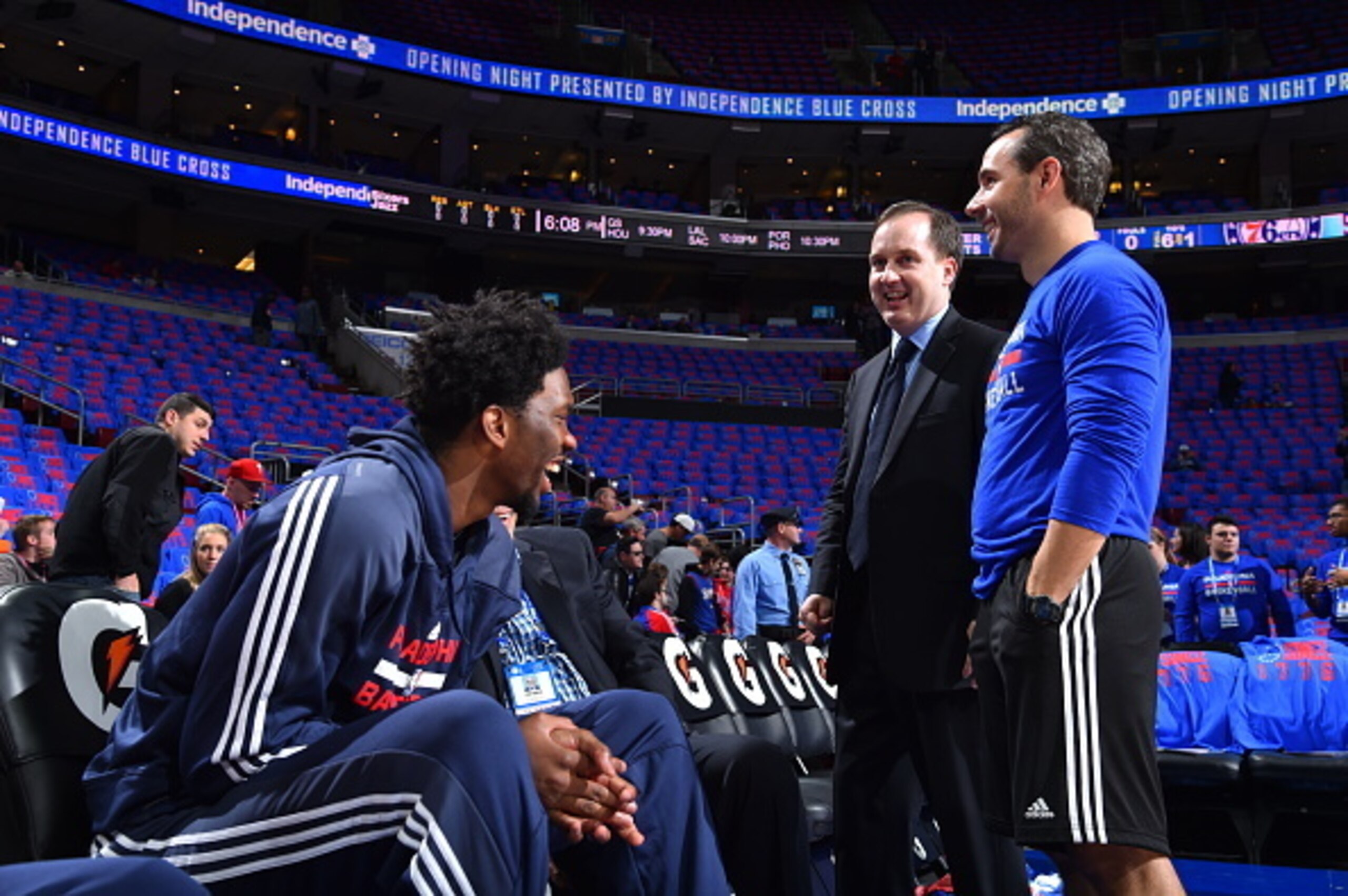
Technically, "The Process" hasn't achieved anything yet. The Philadelphia 76ers went 47-199 in the last three seasons, and they have commenced another long year with four straight losses.
Sam Hinkie, the mastermind behind Philadelphia's unapologetic tanking, resigned last year. Maligned during his polarizing tenure, he's now a folk hero as the fruits of his long-term plan begin to materialize.
After years of bottoming out for a top pick, the 76ers got their wish this year. They used their lottery victory to select Australian sensation Ben Simmons with the No. 1 overall choice. Although currently sidelined due to a broken foot, he has the potential to become the franchise cornerstone Hinkie craved when burning a middling team to crisps.
Despite the 20-year-old forward's delayed debut, restless fans have reason for optimism due to another late arrival. Drafted No. 3 in spite of foot injuries two years ago, big man Joel Embiid has justified the patient stashing by flaunting a superstar ceiling. He has also fully embraced the franchise's rebuild, assigning himself "The Process" as a nickname.
When Hinkie tossed out any allusions of competing for years, he did so with one particular goal in mind: land a superstar or two through the draft. The Sixers potentially have two in Simmons and Embiid, who have Nerlens Noel, Dario Saric and Jahlil Okafor as teammates. While they may not fit together on paper, they offer new management valuable trade chips.
Toss in another lottery choice next year, and the 76ers should finally move to Stage 2 of their plan to building a contender. The strategy that sparked a million think pieces may work just yet.
.jpg?w=2560 "Vikings Buccaneers Football")
.jpg?w=2560 "EVERY Fantasy Football Update")
_0.png?w=2560 "Week 5 Winners & Losers 📊")

.jpg?w=2560 "Commanders May Change Logo 👀")