

Formula 1 Must Put a Time Limit on Post-Race Investigations and Penalties
Imagine turning off the television after watching your favourite football club celebrate a victory only to see in the newspaper the next morning that they actually lost.
Ridiculous, right?
Well, that scenario is becoming an all-too-common occurrence in Formula One.

.jpg?w=2560)

At Sunday's Mexican Grand Prix, Daniel Ricciardo crossed the line fifth and was disappointed to miss out on one of the best podium ceremonies of the year in front of a packed, enthusiastic crowd.
"The outcome was a bit of a shame," the Aussie lamented in a post-race interview on Sky Sports. "I really wanted to be on the podium."
As it turns out, though, Ricciardo should have been on the podium, in third place, rather than Sebastian Vettel (himself only having replaced Ricciardo's Red Bull team-mate, Max Verstappen, at the last second as the stewards sorted through the late-race chaos, handing out penalties).
No matter how you feel about the penalties handed down to Verstappen and Vettel—as well as the one Lewis Hamilton did not receive for cutting a chicane in a manner similar to Verstappen—everyone can agree they do not want to see race results changing hours after the fact.
From the time the announcement was displayed on-screen that Verstappen was under investigation for going outside the track limits to defend his position against Vettel, it took about six minutes for the stewards to render a decision.
Vettel's incident, where he moved to block Ricciardo's overtaking attempt while both drivers were braking, happened about three minutes after Verstappen's, yet it took three hours to penalise the German.
Now, I am sure there are all kinds of excuses for why the decision took so long, but that is all they are: excuses. If the Verstappen investigation could be completed in six minutes, there is no reason Vettel's could not be completed in a similar time frame.
The sport risks alienating casual fans, in particular, if viewers find they cannot trust the results of the race they see with their own eyes. For European audiences, the race in Mexico City ended late in the evening, meaning most fans won't discover the actual results until Monday morning.
The timing of modern, professional sporting events is dictated by TV and the advertising revenue it produces, but wouldn't it have been worth delaying the podium ceremony by 10 or 15 minutes to make sure the right drivers appeared in it?
Back at the 2014 Australian Grand Prix, Ricciardo was on the flip side of a similar situation. That spring day in Melbourne, he thought he had finished second on his Red Bull debut in front of his home fans. There he was, beaming while accepting the second-place trophy on the podium.
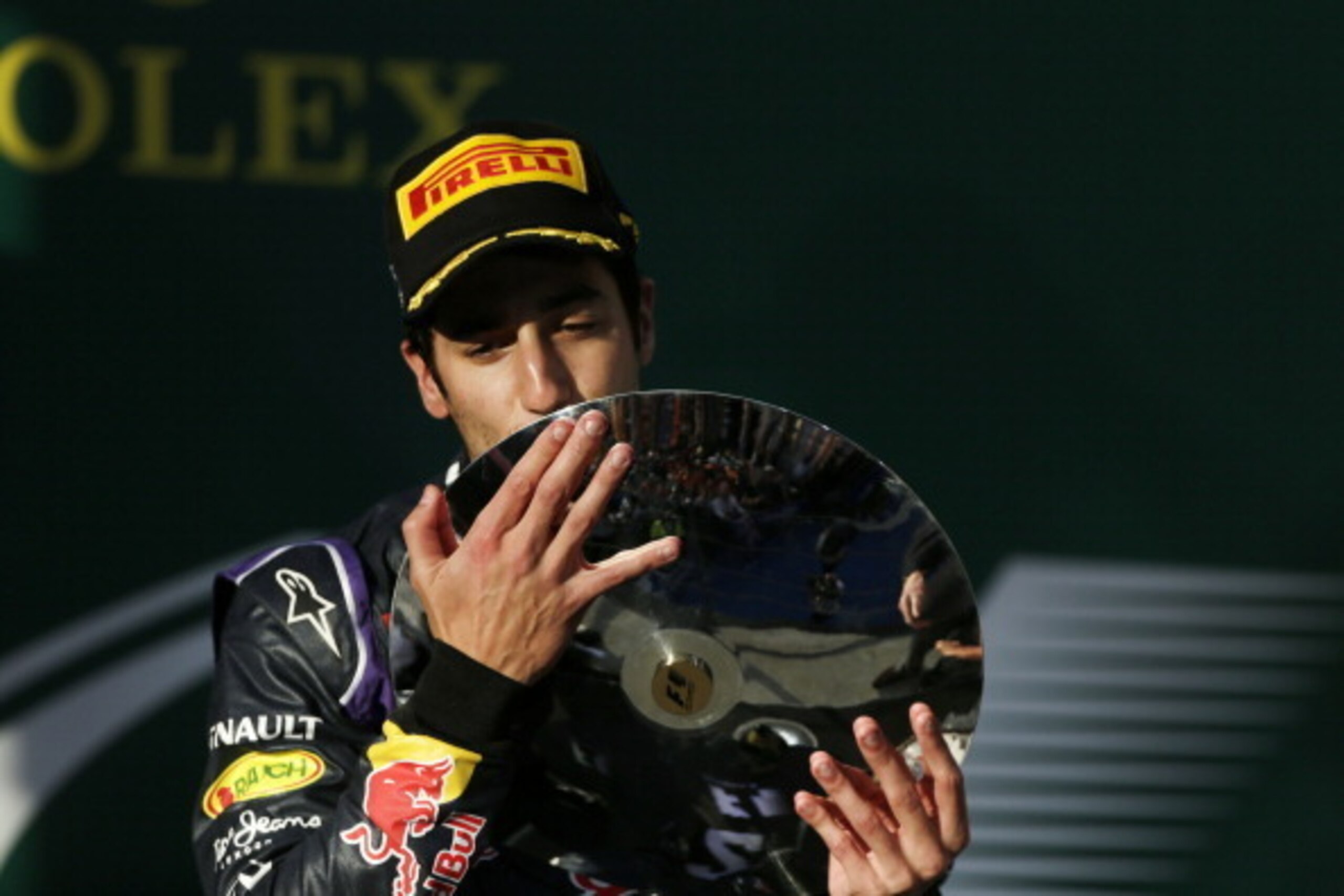
Five hours later, he was disqualified from the race for exceeding the fuel-flow limit.
At the 2015 Italian Grand Prix, everyone waited for two hours while the stewards investigated race-winner Hamilton's tyres, one of which was slightly under-inflated. He was eventually cleared and allowed to keep his victory (which he had already celebrated on the podium, of course), but for those two hours, no one was quite sure what was going to happen.
Earlier this season, the British Grand Prix featured the correct drivers on the podium, though ultimately in the wrong order. More than three hours after the race finished, the stewards issued a 10-second penalty to Nico Rosberg for breaching the ban on receiving advice over the team radio.
The penalty bumped Rosberg from second to third place, elevating Verstappen.
Mercedes and Hamilton have already dealt with silly conspiracy claims this year, drummed up in the bowels of the internet. Imagine the Twitter explosion that would occur if the championship-deciding race this year wasn't actually decided on the race track but in the stewards' office, two or three hours after the chequered flag.
That won't do.
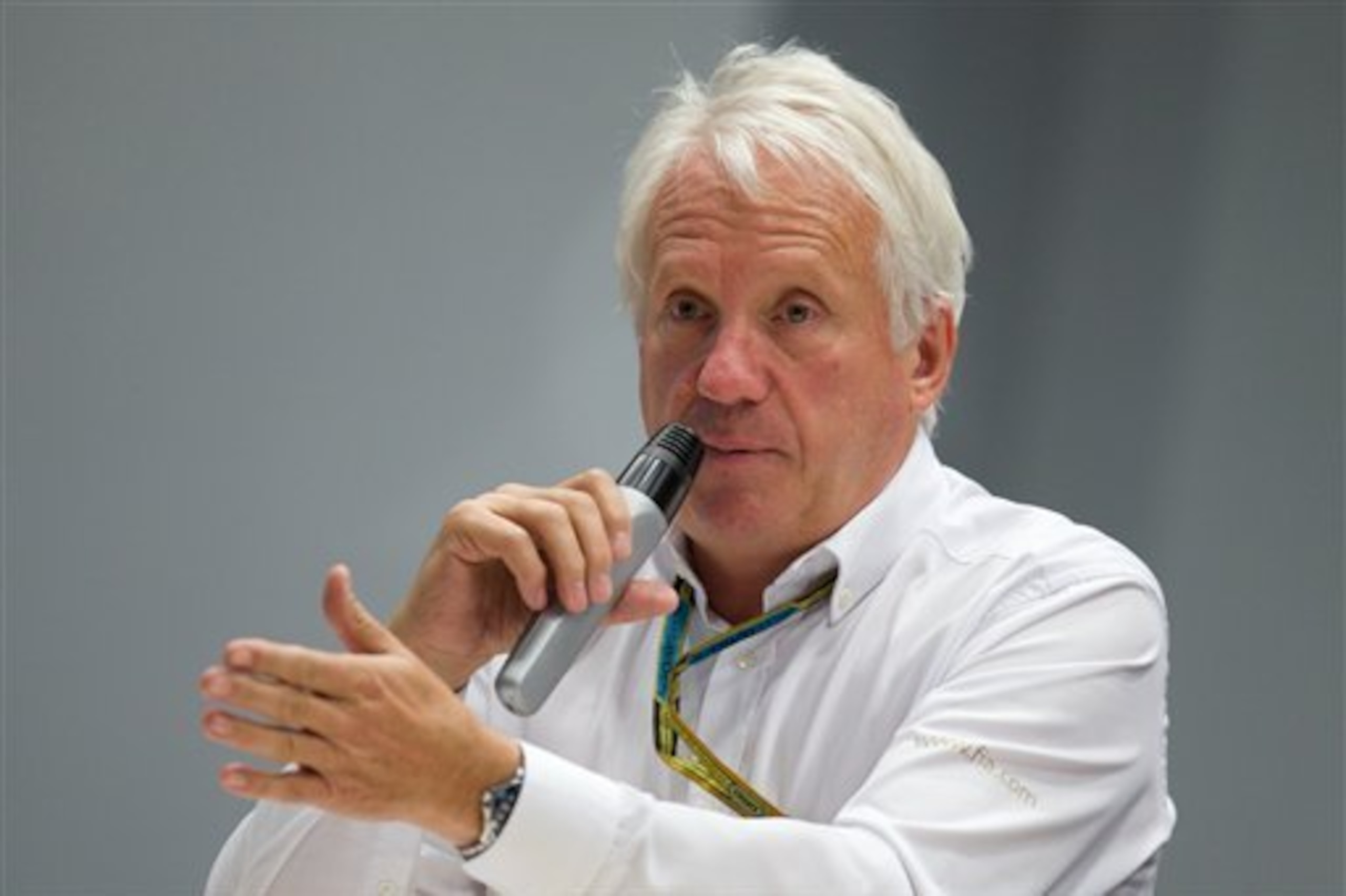
The FIA, F1's governing body, should institute a new rule limiting the amount of time the stewards have to levy penalties. Half-an-hour after the race seems reasonable, although less time would be ideal.
Again, if investigations can be completed in five or 10 minutes during the race, they should not take several hours once the race is over. The NFL has a time limit for video reviews—F1 needs something similar.
Drivers won't always follow the rules—that is the nature of any competitive sport—but when they don't, they need to be penalised right away, not after everyone has turned off their TVs, assuming the results are final.
Matthew Walthert is an F1 columnist for Bleacher Report UK. He has also written for VICE, FourFourTwo and the Globe and Mail. Follow him on Twitter:
.jpg?w=2560 "Falcons Saints Football")
.jpg?w=2560 "Rams Eagles Football")
.jpg?w=2560 "Injury-stricken Seahawks signing veteran RB")


.jpg?w=2560 "2 NFL Officials Suspended")
