Teams That Had No Business Winning a Championship
Winning a title in any major sport is difficult, but it’s probably most satisfying if you are a member of a team that had no business winning a championship.
What makes sports so compelling is that upsets happen, prognosticators are proved wrong, and fans of woebegone cities sometimes get to celebrate titles that are unexpected and therefore more meaningful.
The criteria for teams that appear on this list are simple. *(And each choice is backed by an "expert" telling us why the team had no business winning, so blame them! - Editor)
These are all teams in the past 25 years that no one predicted to win a championship that season, or they had a losing or non-existent record in the playoffs, which made their chances of winning a title slim.
They came out of nowhere to gather momentum, and yet, even at the moment of truth, some of these teams were still doubted—still thought of as flukes ripe for exposure.
Until, that is, they etched their names in sports history.
Honorable mention doesn’t apply to this list, given that it’s not a ranking of best or worst.
2011 Dallas Mavericks
1 of 9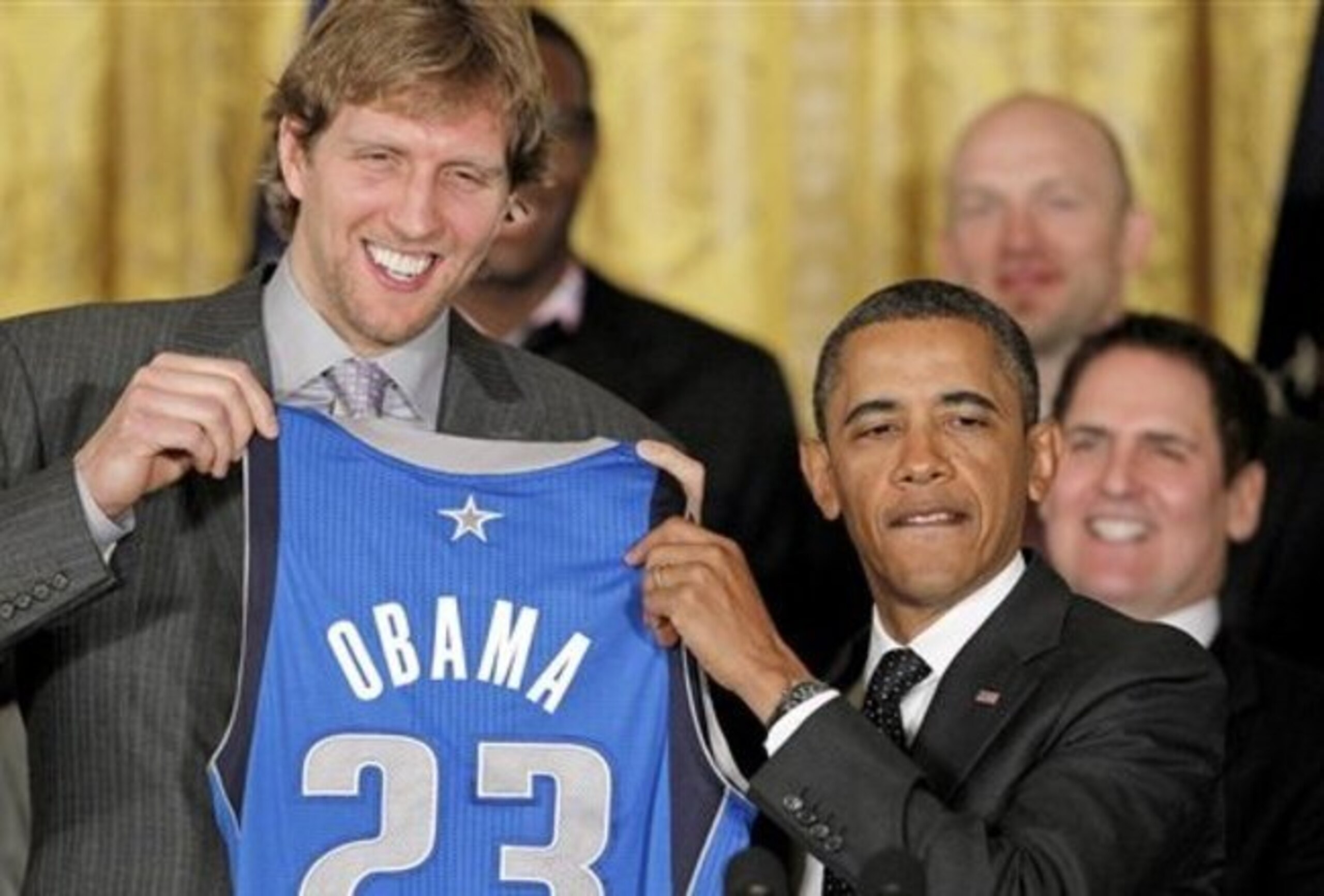
Coming into the 2010-11 NBA season, Dallas had lost in the first round of the playoffs three of the four previous four seasons and had acquired a “choker” label that it couldn’t shake.
Critics suggested that despite his all-world skills, power forward Dirk Nowitzki’s finesse game was too soft to ever lead the team to a championship, and opposing teams relished the opportunity to maul the Mavs in a playoff series.
As a result, the 2011 NBA Playoffs started without much fanfare for the Mavericks, despite a 57-25 record.
The young, upstart Portland Trailblazers relished the first-round matchup with the Mavs, and in an epic Game 4, Dallas blew an 18-point fourth-quarter lead, allowing the Blazers to tie the series at 2-2.
But denying the ghosts of failure their chance at a permanent haunting, Dallas won the next two games to close out the series.
Up next? The Los Angeles Lakers, who were aiming to provide coach Phil Jackson with the fourth three-peat of his legendary career.
With Kobe Bryant in his prime, the Lakers were heavily favored, but the Mavs played with the looseness of unburdened expectations and swept out the Jackson epoch, 4-0.
In the Western Conference Finals, Dallas was once again the underdog to the shiny new toy known as the Oklahoma City Thunder, powered by Kevin Durant and Russell Westbrook, who promised to run the older and slower Mavs off the court.
Dallas’ 4-1 gentlemen’s sweep stunned NBA fans, but the excitement quickly died down when the team’s Finals opponent—the Miami Heat—became apparent.
The Big Three era in Miami had experienced its bumps and bruises but finally caught fire, and everyone expected the Heat to sweep the Mavs or at worst lose one game on the way to a coronation.
Never happened.
Nowitzki became the best player in the world over for the next six games, and following his example, the Mavs outgunned the more talented Heat, winning 4-2 and delivering one of the most improbable “no freaking way” titles in sports history.
How much of an upset was it?
Neil Paine of FiveThirtyEight ranked Nowitzki’s supporting cast as the fifth-worst in NBA Finals history since 1985.
1999 St. Louis Rams
2 of 9
Wait, what?
How did The Greatest Show On Turf show up on this list?
Consider the facts.
In 1998, the Rams staggered to a 4-12 record, good enough for last place in the old version of the NFC West.
A year later, the Rams won the Super Bowl.
Improbable? Yes.
Predicted by experts? No.
Before the 1999 NFL season even began, the Rams lost starting quarterback Trent Green to a torn ACL, denting their chances to make any sort of credible playoff run.
Enter Kurt Warner.
And history.
All Warner did was lead the Rams to a 13-3 record and introduce a Lakers Showtime vibe to St. Louis fans, who had never seen anything like the offensive fireworks wrought by Warner, running back Marshall Faulk and wideouts Isaac Bruce, Torry Holt, Az-Zahir Hakim and Ricky Proehl.
The Greatest Show On Turf was the brainchild of offensive coordinator Mike Martz, who loved to spread out defenses by installing a five-receiver set that utilized the running back in frequent play action, as well as in screens and draw plays.
Martz’s offense became the only one in NFL history to score 500 points or more for three consecutive seasons, and Warner and Faulk exchanged NFL MVP trophies from 1999 to 2001.
Remember Super Bowl XXXIV against the Tennessee Titans?
One more yard.
That’s all Kevin Dyson needed on that final play of the game to tie the game and send it into overtime.
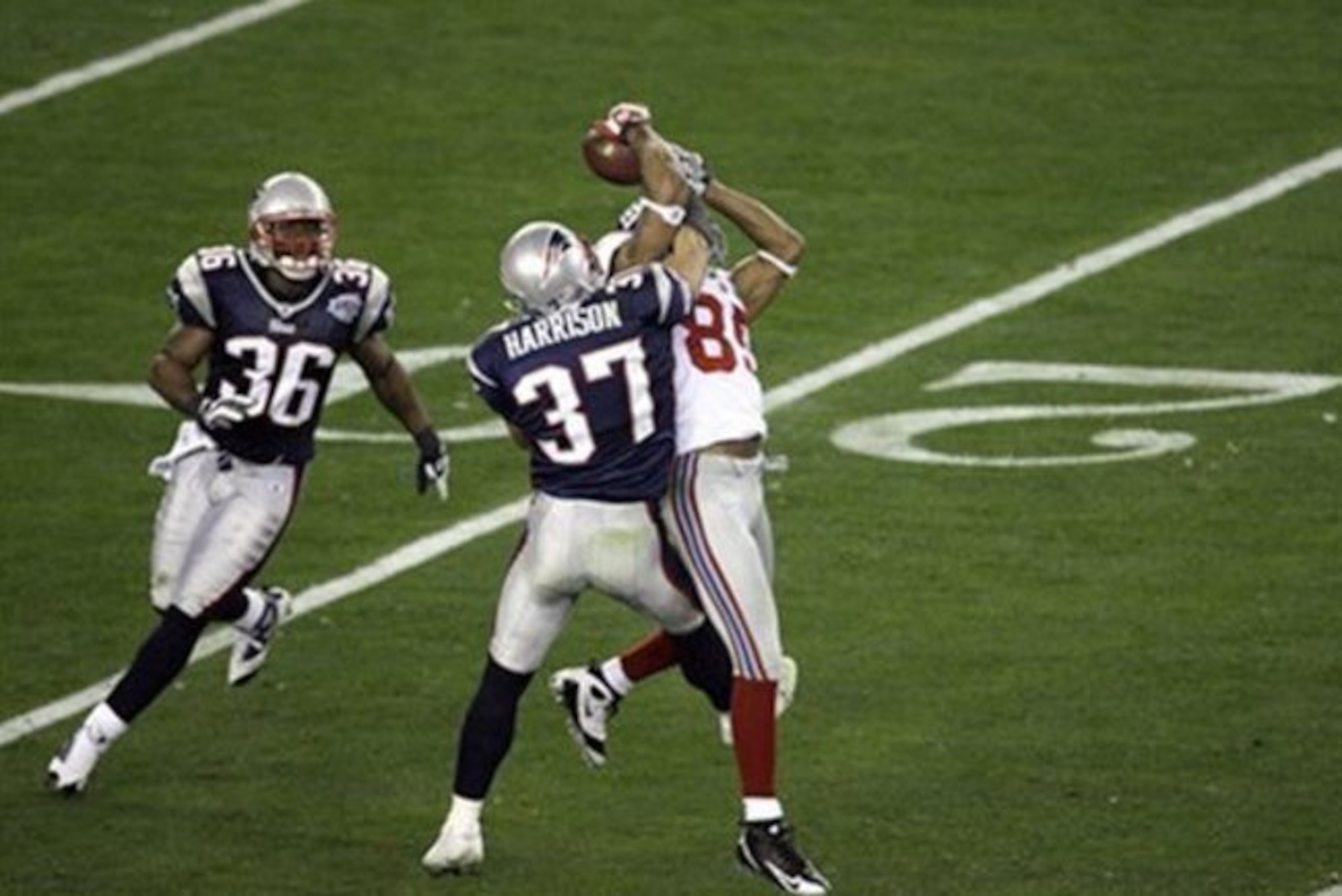
But Rams linebacker Mike Jones wrapped up Dyson’s legs, creating one of the most indelible sports photos in history, as time ran out and the Rams found glory in a 23-16 victory.
Bill Barnwell of ESPN.com ranked this Rams team as one of the 10 most unlikely champions in recent sports history.
1995 Houston Rockets
3 of 9
As the NBA muddled through its first post-Michael Jordan era in the 1994-95 season, the New York Knicks and Miami Heat became the dominant teams with their old-school, roughhouse defensive tactics and aversion to entertaining offensive basketball, which often made their games offensive to viewers.
Thankfully, the unheralded but lovable Rockets rescued the season with a run for the ages. The sixth seed never held home-court advantage yet lifted the Larry O’Brien Trophy as fans watched with open-mouthed disbelief.
Yes, the Rockets had won the championship the year before, but that title had been a slog, and the aging team was not expected to be a contender in the stacked Western Conference.
Despite a roster that included Hakeem Olajuwon and Clyde Drexler, the Rockets underachieved during the season, mostly due to injuries and the challenges of working the newly acquired Drexler into their rotation.
That Rockets team finished the season with a pedestrian 47-35 record and was lightly regarded entering the playoffs.
In fact, every team Houston played in each round of that year’s playoffs was heavily favored, including the Utah Jazz with John Stockton and Karl Malone, the Phoenix Suns with Kevin Johnson and Dan Majerle, the San Antonio Spurs with reigning NBA MVP David Robinson, and the Orlando Magic, whose duo of Shaquille O’Neal and Penny Hardaway was set to dominate the 1995 NBA Finals.
All Houston did was become the lowest seed in NBA history to win a championship, capping off a brilliant campaign with a 4-0 thrashing of the Magic that haunts O’Neal to this day.
What made this feat even more impressive is that each team the Rockets defeated in the playoffs had won at least 57 games, and Houston was forced to win series-clinching games in Salt Lake City and Phoenix.
But with their two Hall of Fame players leading the way and with a strong supporting cast that was mentally tough and resilient, the Rockets hit every big shot and completed a four-series slog that no other NBA team has equaled.
Last year on the Rockets’ 20th anniversary of that title, Fran Blinebury of NBA.com wrote that the team’s run that year was the most unlikely, unexpected and enjoyable championship journey in NBA history.

.jpg?w=2560)
2007 New York Giants
4 of 9
New England Patriots fans will likely agree with this team being on the list, though they would probably want the 2011 Giants team on this list as well just out of spite.
But this 2007 Giants team had no business even making it past the Wild Card Game, let alone winning three road games on the way to the Super Bowl—something no other NFC team had done before or has matched since.
Entering the season, the Giants had not won a playoff game in seven years.
Their workhorse running back and best player Tiki Barber had just retired, and quarterback Eli Manning’s leadership skills were a lingering question.
After a 10-6 season, the Giants felt fortunate to qualify for the playoffs and won the Wild Card game 24-14 against the Tampa Bay Buccaneers, which was a minor upset.
Then came the swaggering Dallas Cowboys, the top-seeded team in the NFC that was expected to wipe the floor with their hated NFC East rivals.
History will show that Tony Romo’s persistent reputation for wilting in big games started when he threw an end-zone interception in the waning moments, depriving his team of the opportunity to win the game.
The 21-17 victory sent the Giants to frozen Lambeau Field, where great teams come to kneel and submit.
Luckily, the playing-with-house-money Giants didn’t consider themselves a great team, which is why they prevailed 23-20 in a thrilling overtime game played in one of the coldest conditions in NFL history.
Up to that point, the majority of football fans had watched with growing amazement that a team led by the error-prone Eli had defied statistical odds to play in the Super Bowl.
But the greatest team in NFL regular season history awaited these plucky Giants, and for many, this game would be less a coronation than a massacre.
The Patriots marched into Super Bowl XLII with a perfect 16-0 record in which quarterback Tom Brady had set the NFL record for touchdown passes (since broken by Peyton Manning) and mercurial receiver Randy Moss had caught a record-breaking 23 touchdowns.
No way this would be close.
The Giants entered the game as 12-point underdogs, and many fans believed the Patriots would cover that spread without much trouble.
The Giants and Patriots had played in the final game of the season, and New England had squeaked by 38-35.
The Giants entered the Super Bowl with the freedom of knowing no one expected them to win.
And a defense that knew Brady’s one weakness was his reaction to a ferocious pass rush.
So they pressured Brady and got him off rhythm, and after a David Tyree catch that still amazes, Manning found Plaxico Burress for the winning touchdown.
17-14.
18-1.
Both fanbases know what these numbers mean.
And it’s no surprise that Don Banks of SI.com ranked this game as the greatest Super Bowl of all time, calling it a “monumental upset.”
2006 Carolina Hurricanes
5 of 9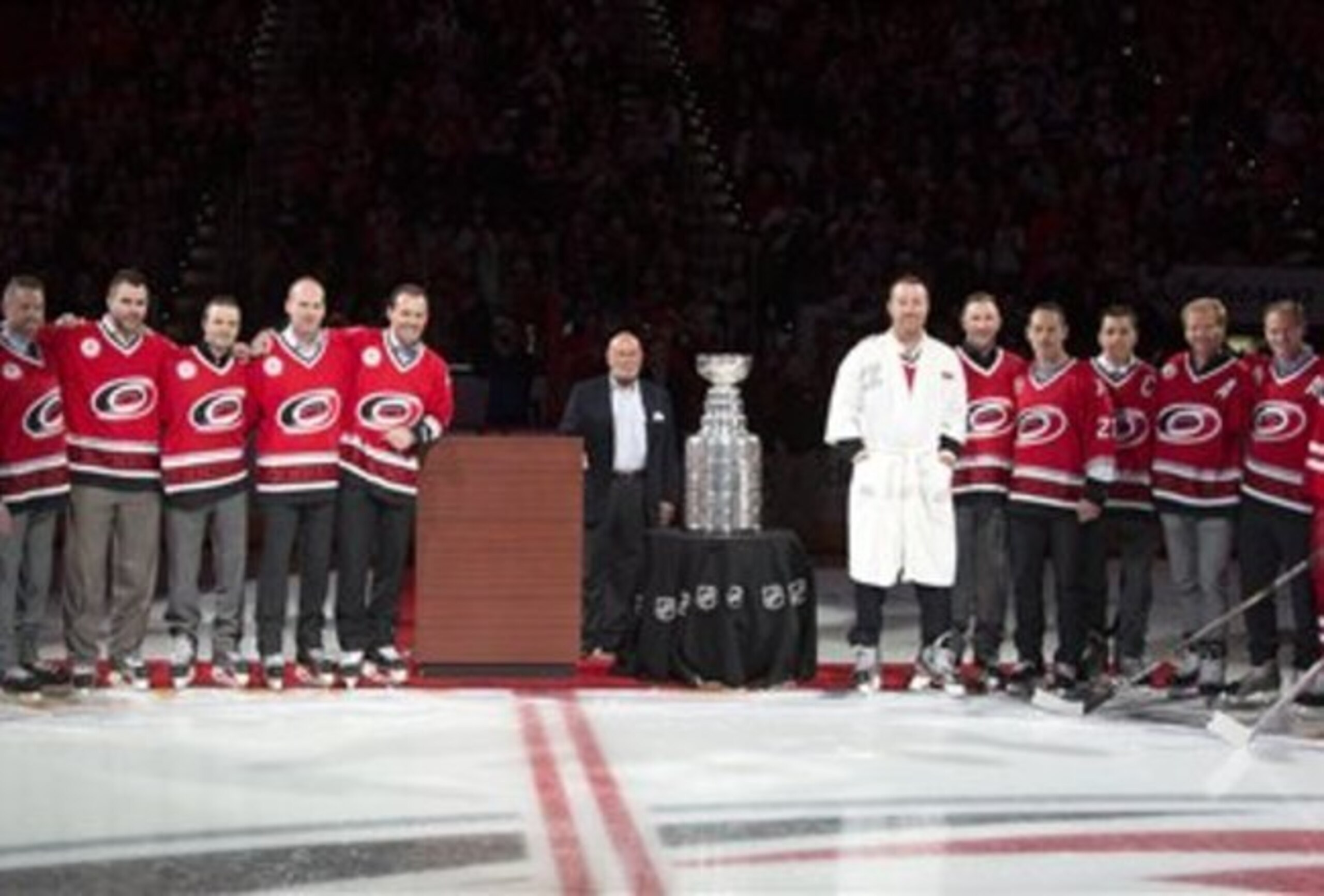
In the 2003-04 NHL season, the Hurricanes had staggered to a 28-34-14-6 record, which was the 22nd-best record in the NHL.
There are 30 teams in the NHL.
The following season, Carolina won 52 games and the Stanley Cup.
Yes, a lockout had robbed hockey fans of a season in between, but still, to go from eighth-worst team in the NHL to champions is a mighty feat.
And the Hurricanes got lucky, because their two young stars-to-be—rookie Cam Ward and third-year player Eric Staal—had blossomed into stars ahead of schedule, helping to resurrect the franchise.
The Hurricanes vanquished the seventh-seeded Montreal Canadiens in the first round, winning 4-2. Then Carolina dominated the star-studded New Jersey Devils 4-1 to set up an unlikely Conference Final against the unheralded Buffalo Sabres.
In a back-and-forth series that took seven games to decide, the Hurricanes prevailed at home, setting up an all-underdog NHL Final against the upstart Edmonton Oilers, the eighth seed from the Western Conference that was on its own Cinderella run.
And as fate would have it, Carolina went up 2-0, feeling as if it was in control of the series, but the Oilers battled back, and a 4-0 Game 6 blanking of the Hurricanes tied the series at 3-3.
This spoiled the triumphant return of Carolina winger Erik Cole, who took the ice for the first time in Game 6 after breaking his neck in March of that year.
Nervous Hurricanes fans filed into PNC Arena for Game 7.
Predictably, the game was fraught with tension as Carolina raced to a 2-0 lead.
The Oilers scored with 1:03 left in regulation, but the Hurricanes scored an empty-net goal to seal the victory.
For his heroics, Cam Ward was named MVP of the Final; he was the first rookie to receive this award since Ron Hextall of the Philadelphia Flyers in 1987.
More improbably, the Hurricanes were the first NHL team in history to win the Stanley Cup after losing nine or more games during the playoffs.
How unlikely was this title?
The Hurricanes missed the playoffs entirely the next season; they were the first NHL champion to miss the playoffs the season after winning a title since the Chicago Blackhawks did it in the 1938-39 season.
2013 Boston Red Sox
6 of 9
While it’s true that the Red Sox had long since shed the “lovable losers” tag they shared with the woebegone Chicago Cubs by winning titles in 2004 and 2007, they entered the 2012-13 MLB season having lost 93 games the year before, which resulted in the firing of manager Bobby Valentine.
Serious sports writers had no expectations for the 2013 team, which was reflected in the fact that not one ESPN expert that year predicted the Red Sox would even contend for the wild card.
But the Red Sox held a doctorate from Defying Expectations University, so in retrospect it should have surprised no one that they won 97 games that season, tied for the best record in baseball and had a whopping 28-game turnaround from the previous campaign.
Led by its Shrek-like offensive talisman, David Ortiz, Boston beat the Tampa Bay Rays 3-1 in the division series and then overcame the Detroit Tigers 4-2 in the American League Championship Series to set up a showdown with the storied St. Louis Cardinals, who featured two of the best pitchers in baseball—Adam Wainwright and Michael Wacha.
In a tight six-game World Series, the Red Sox prevailed 4-2, capping their unlikeliest of runs through the playoffs and bringing the madhouse fans in Fenway Park a third title in 10 seasons.
For those of you still in doubt about Boston’s out-of-nowhere title, consider that no team before or after has improved by 28 games and won the World Series.
2012 Los Angeles Kings
7 of 9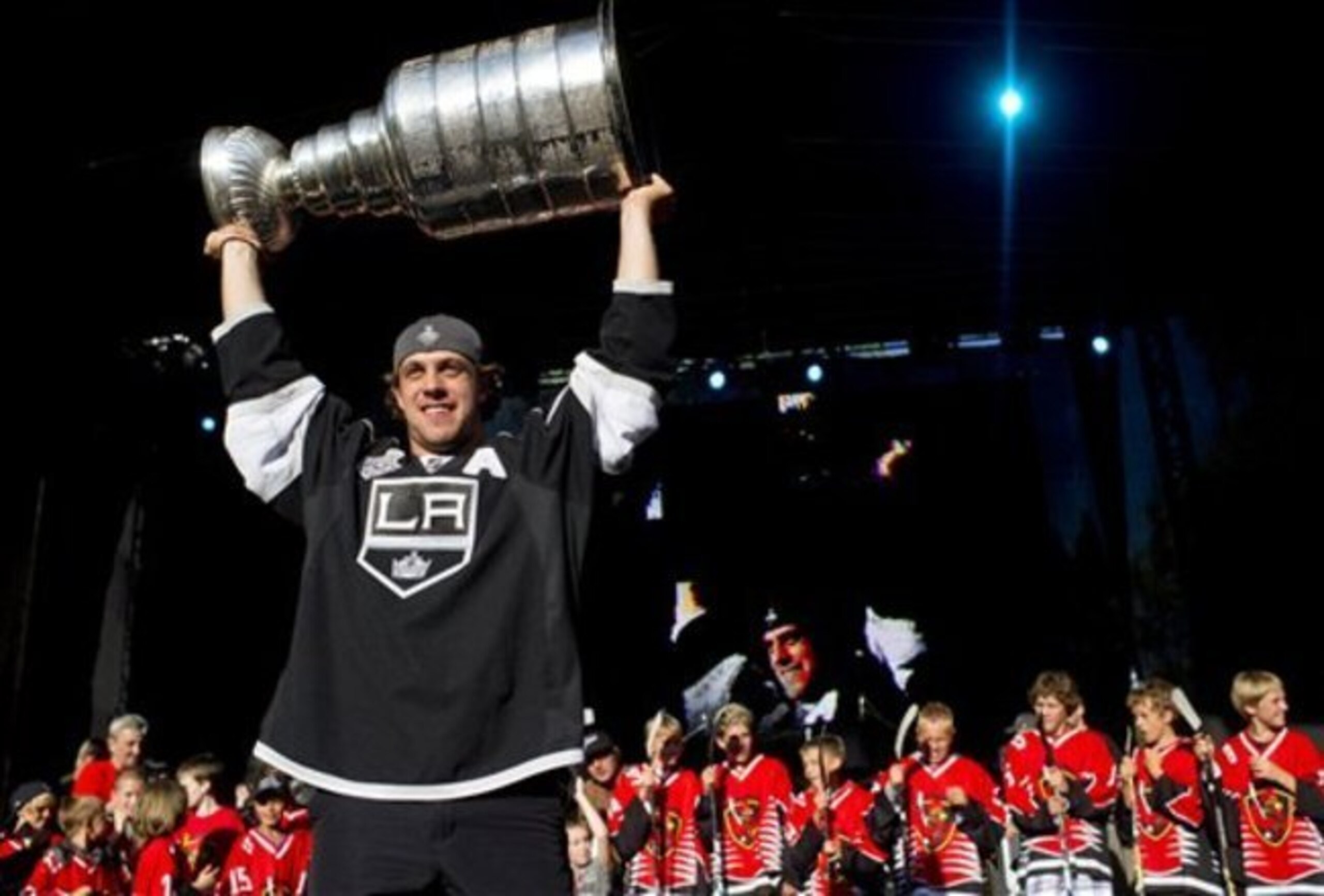
The Kings had always struggled to find footing in a city that worshipped the Lakers, the Dodgers and USC, in that order.
In fact, since the acquisition of Wayne Gretzky in 1988, the Kings had gradually lost ground to the Anaheim Ducks as the premier hockey club in their own region.
The Kings had appeared in the Stanley Cup Final only once—in 1993—and were the recipient of a five-game thrashing by the legendary Montreal Canadiens.
Furthermore, the team had only advanced to the second round of the playoffs once, so entering the 2012 playoffs, very few fans, including those in Los Angeles, believed that the team would be anything but cannon fodder for the NHL’s big guns.
That was especially true since the Kings had squeaked into the playoffs as the eighth seed in the Western Conference, after firing head coach Terry Murray midseason and replacing him with Darryl Sutter.
Sutter led the Kings to series victories over the top three seeds in the playoffs, including a 4-1 triumph over the Vancouver Canucks, a sweep of the St. Louis Blues and a 4-1 series win over the Phoenix Coyotes.
All that stood between the Kings and franchise history was the New Jersey Devils, a sixth seed that had stunned several powerhouses in the Eastern Conference on its way to the Final.
The Kings took a 3-0 lead, surrendered two games and then closed out the Devils at the Staples Center in Game 6 to win the franchise’s first Stanley Cup.
Remarkably, the Kings posted a 16-4 record in the playoffs—including a 10-0 record on enemy ice—and became the first eighth seed in NHL history to win the title.
John Kreiser of NHL.com called the Kings’ title run one of the most unexpected championships in NHL history, citing the coaching change and a dearth of scoring during the regular season as two of the biggest reasons.
2002 Anaheim Angels
8 of 9
Back in 2002, the Anaheim Angels were coming off a season in which they had won a measly 75 games—41 wins behind the Seattle Mariners, who had set a record for most wins in a 162-game season.
Worse yet, the Angels had never won an American League pennant in their 42-year history, and not much was expected in the 2001-02 season.
But under the steady hand of American League Manager of the Year Mike Scioscia and powered by mashers such as Troy Glaus, Darin Erstad and Garret Anderson and the dominant pitching of Jarrod Washburn, the Angels won 99 games, which was still only good enough to secure a wild-card berth behind the 103-game-winning Oakland Athletics.
The division series pitted the Angels against the New York Yankees, who were in the middle of their dynastic run through baseball and regarded the Angels as playoff arrivistes who would quickly fold under the mental pressure of “win or go home.”
The Angels vanquished the Bronx Bombers 3-1 and then defeated the Minnesota Twins 4-1 in the American League Championship Series.
And as fate would have it, waiting for them in the World Series were MLB MVP Barry Bonds and the San Francisco Giants, another wild-card entrant in the all-or-nothing sweepstakes.
Never before had two wild-card teams made it to the World Series, and it was a true classic.
Five games in, the Giants were up 3-2 and leading 5-0 in the seventh inning of Game 6 on the cusp of certain victory.
But the Angels had a secret weapon: the Rally Monkey.
All season long, the Rally Monkey had become a symbol of the Angels’ ability to come back, and in the seventh inning, Scott Spiezio smashed a three-run homer that triggered a 6-5 win.
The Angels won the World Series with a 4-1 victory in Game 7 at Edison International Field of Anaheim, earning the franchise’s first title.
Chris Landers of MLB.com called the Angels’ championship one of the five most improbable runs in World Series history.
Not surprisingly, Anaheim failed to make the playoffs the next season and has not appeared in the championship series since 2009, despite having Mike Trout, the best player in baseball over the past five seasons.
2016 Leicester City
9 of 9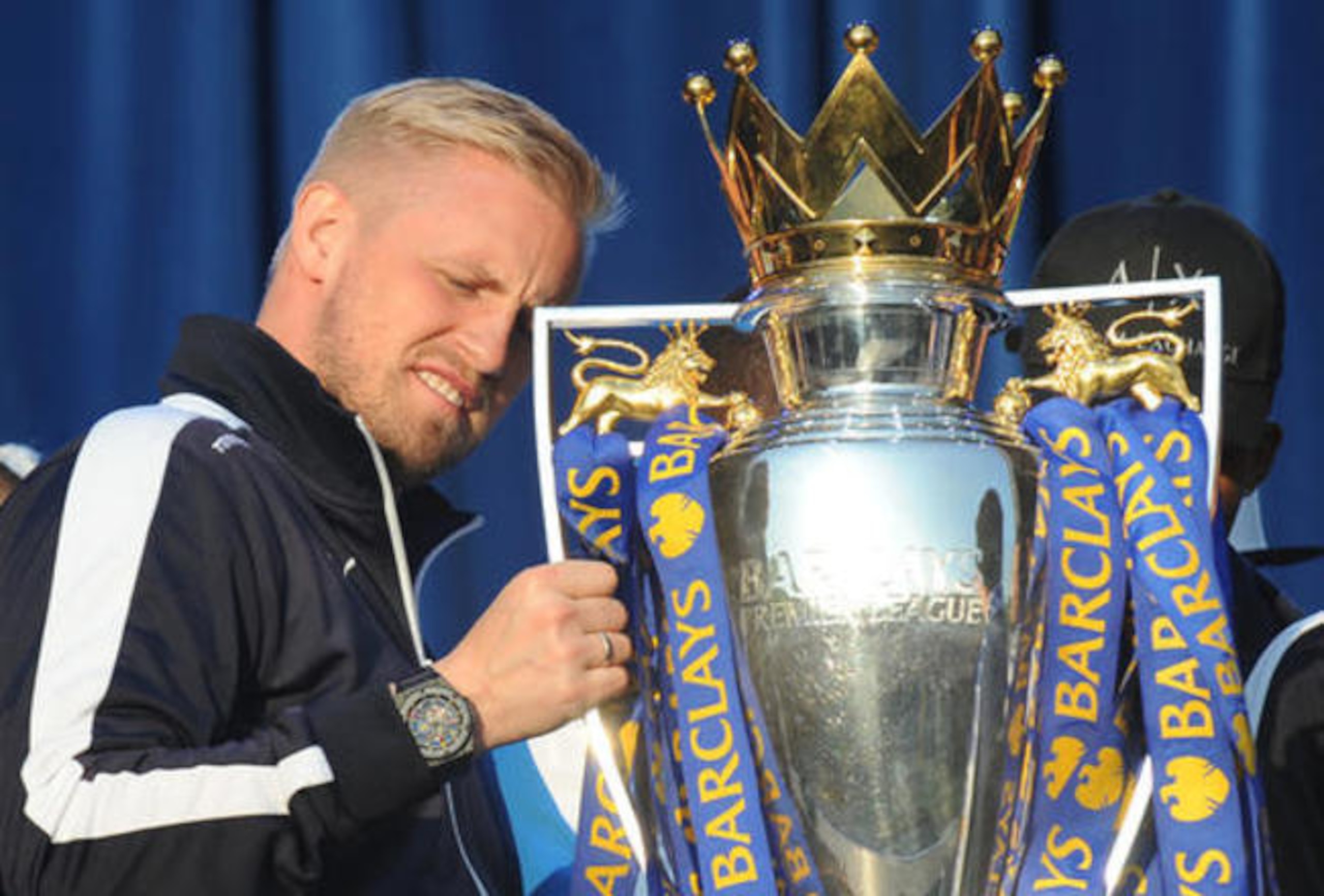
There has probably never been a more improbable “this bleeding club had no business winning a championship” than the triumph of Leicester City in 2016.
Let’s begin with the fact that the odds of this team winning the Premier League title were a ridiculous 5000-1.
And when you factor in the club’s 132-year failure to win a championship, you may start to conceive why this was one of the greatest upsets in sports history.
The closest Leicester had come to a championship was a second-place finish in 1929, so you can probably understand the euphoria that swept through King Power Stadium on May 2, 2016, when Tottenham Hotspur tied Chelsea 2-2, giving the Premier League title to Leicester.
More than 240,000 fans poured onto the streets of Leicester to celebrate the team’s triumph—a celebration that was equal parts joy and gobsmacked disbelief.
The club’s accomplishment prompted Alan Siegel of USA Today to rank it as the most improbable championship by any team in sports history.
No club in Premier League history had gone from near-relegation the previous season to a title just one year later.
And proving just how difficult it was to win that title, Leicester City lost four of its first nine games in the 2016-17 campaign, which is a testimony to the fact that the 2016 championship was likely a one-time, magical run of fate and good fortune.




.jpg?w=2560 "Viral Rams Coach Vid 🖕")